Stand Up Paddles
Whether you're a seasoned pro or just dipping your toes into the world of stand-up paddling, having the right paddle can make all the difference in your experience on the water. At Best Buy, we offer a wide selection of stand-up paddles to suit every style and skill level. From lightweight carbon fiber options for speed demons to durable aluminum paddles for beginners, our collection has something for everyone. Explore our range of stand-up paddles to find the perfect match for your next adventure on the water.
Sort
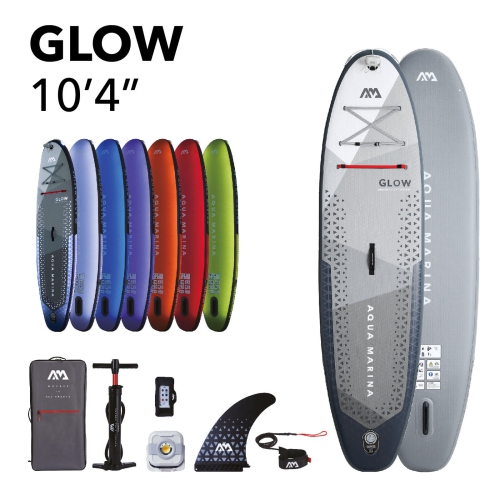

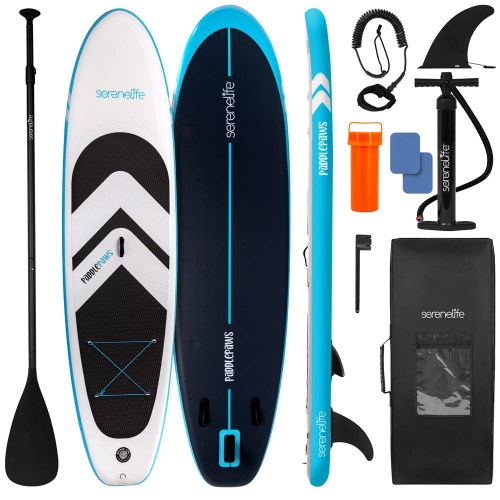
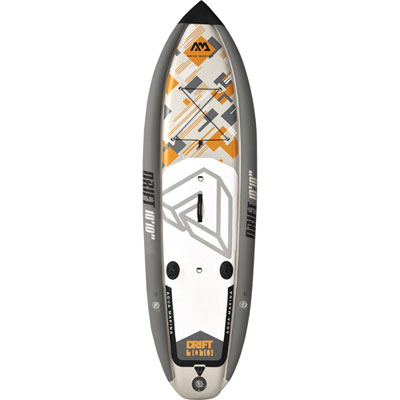
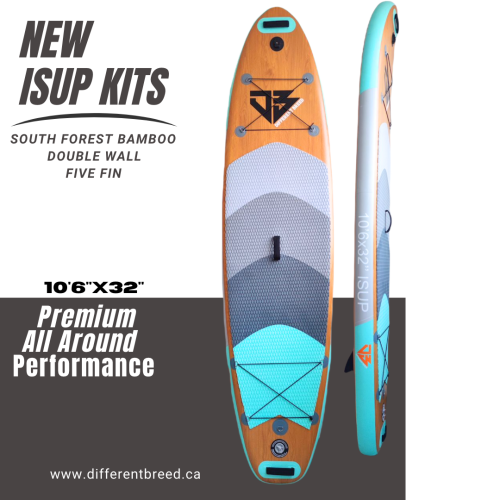
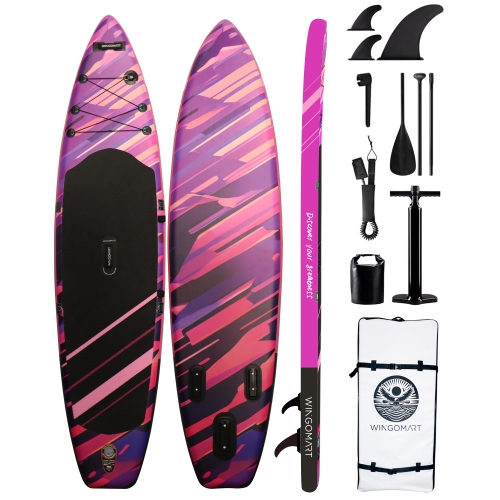
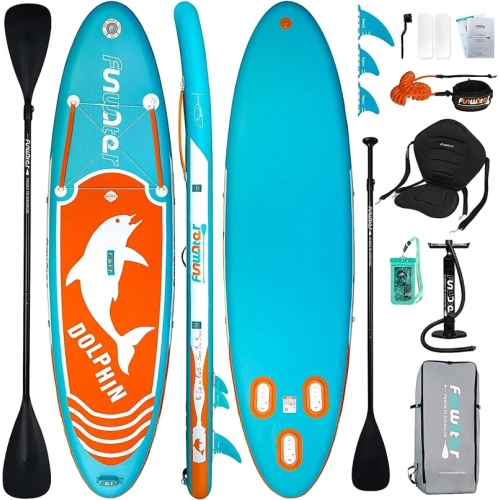
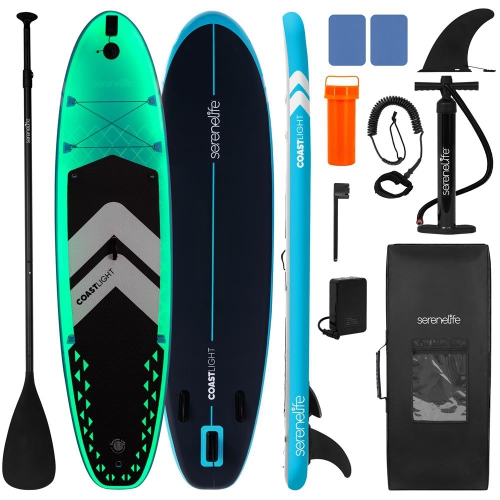
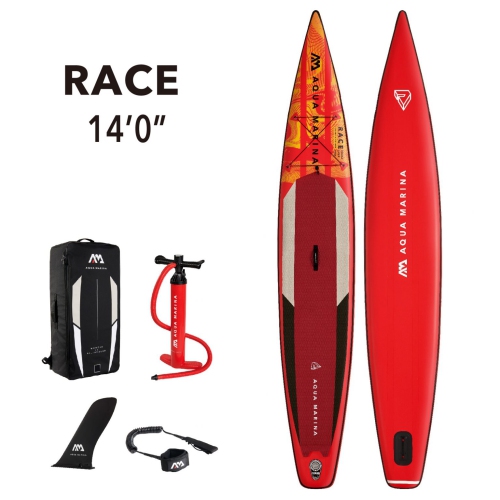
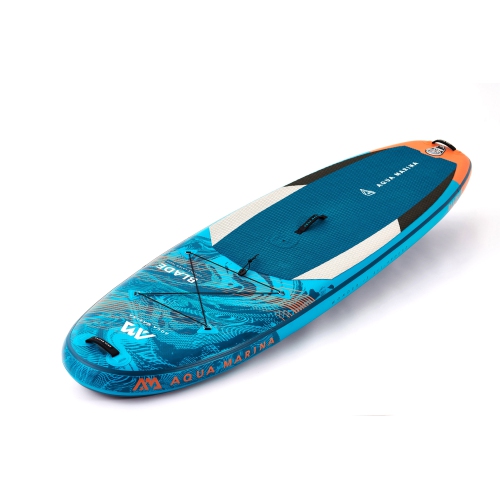
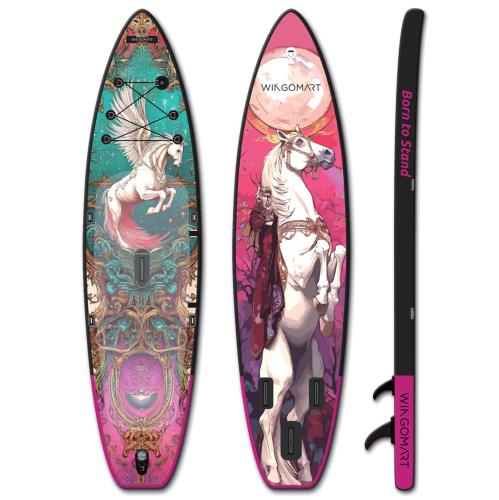
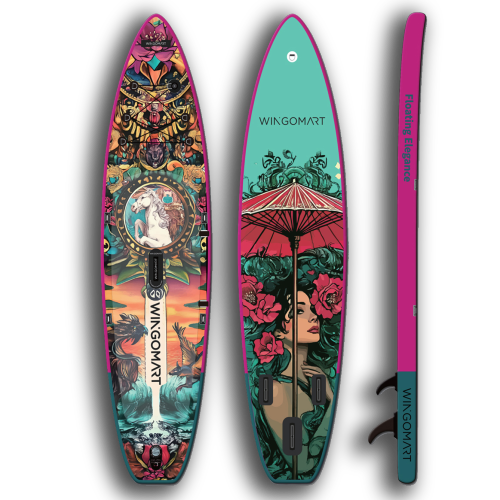
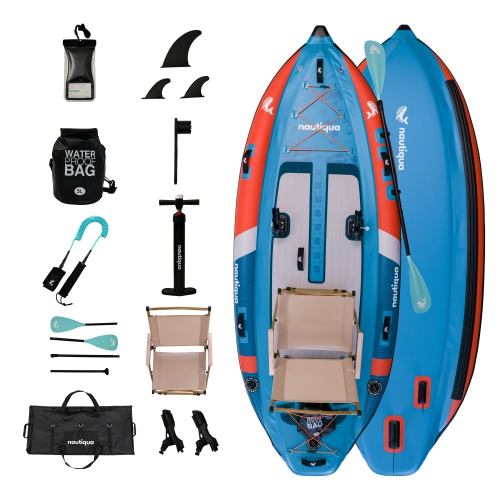
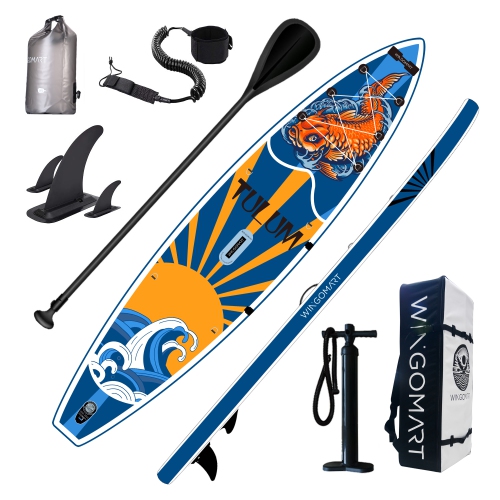
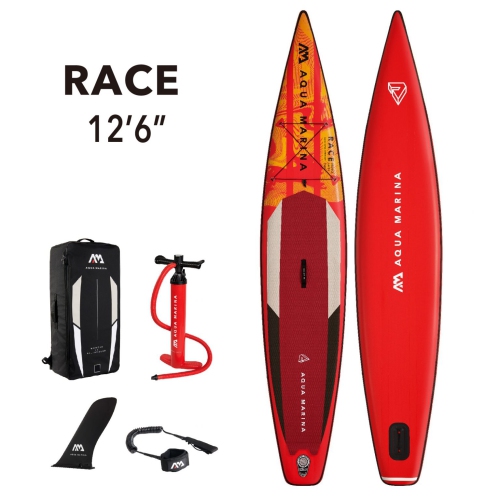
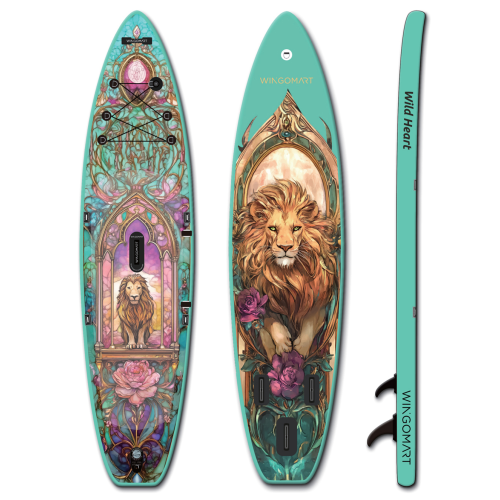
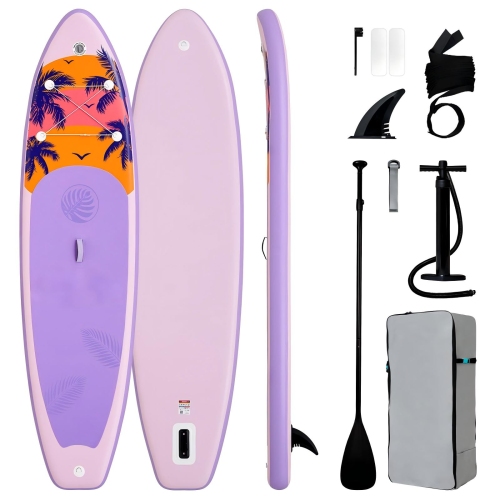
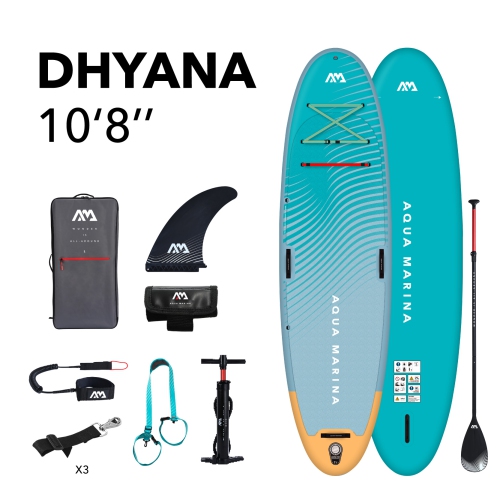
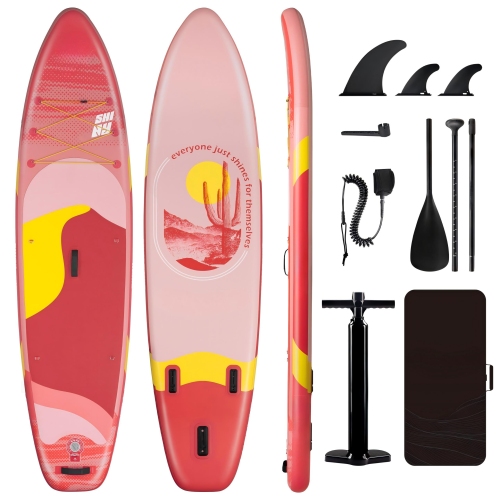
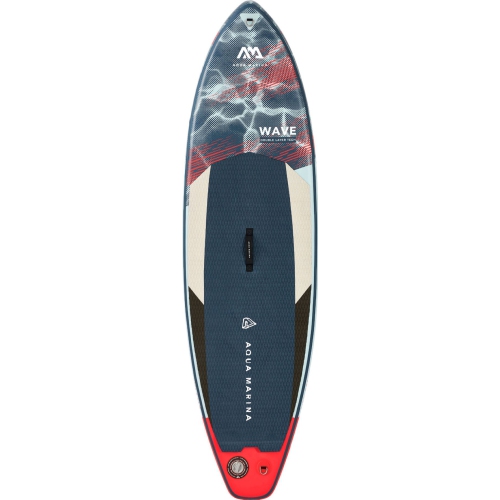

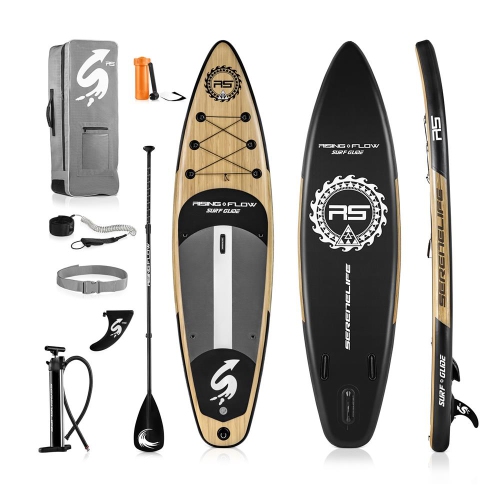
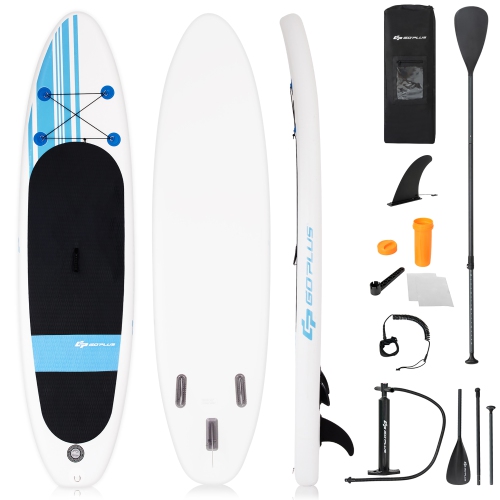
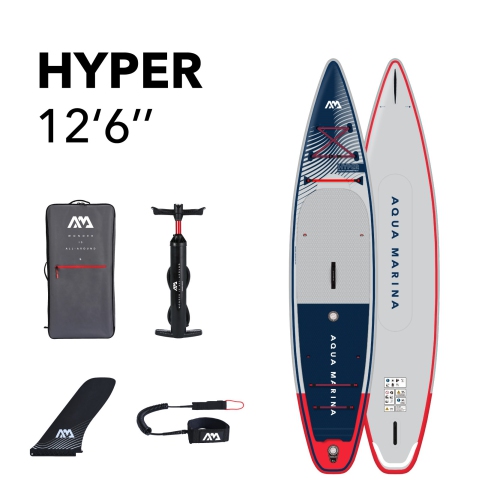
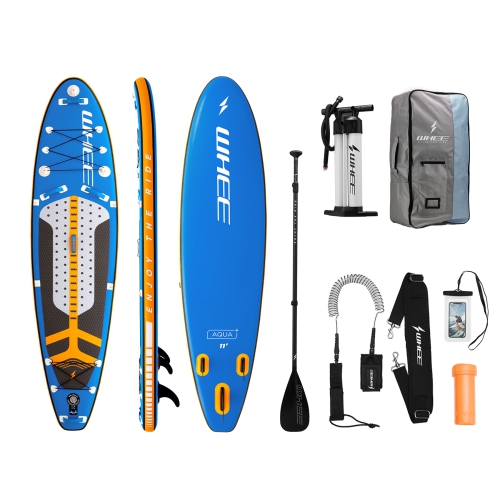
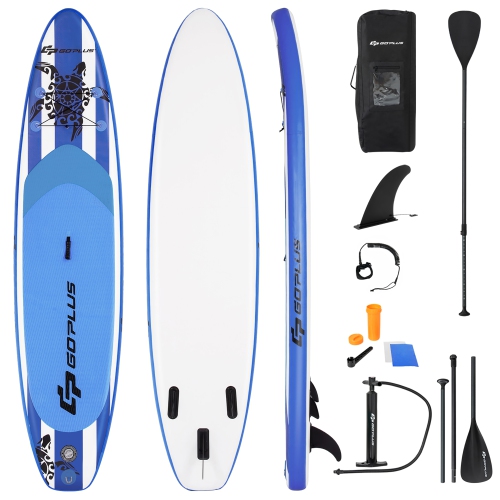
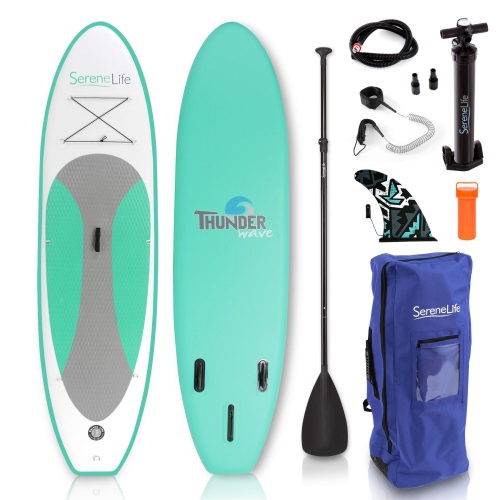
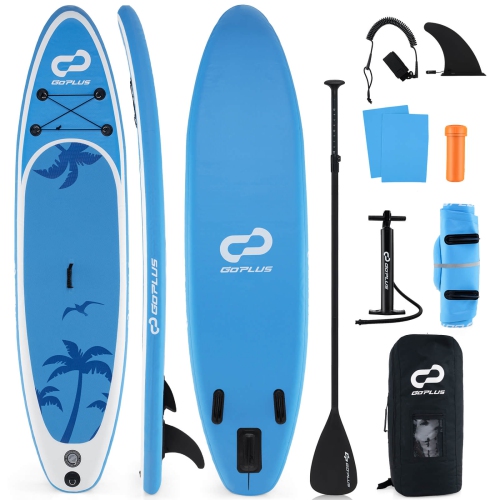
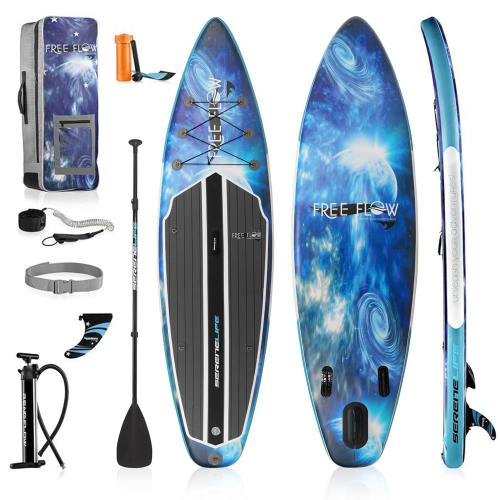
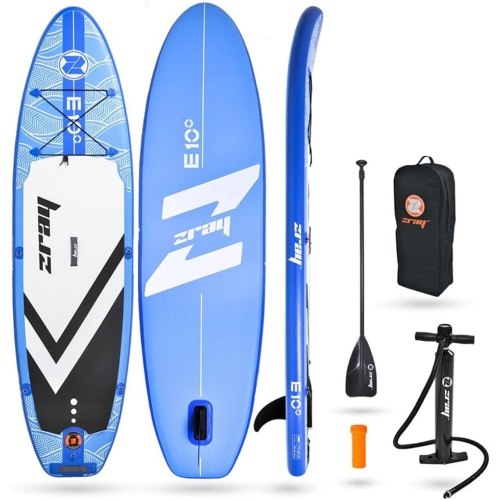
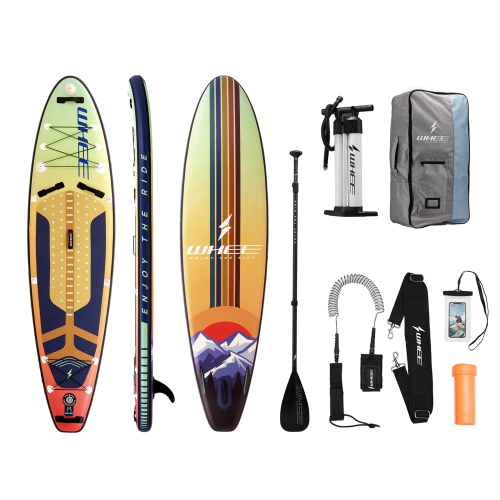
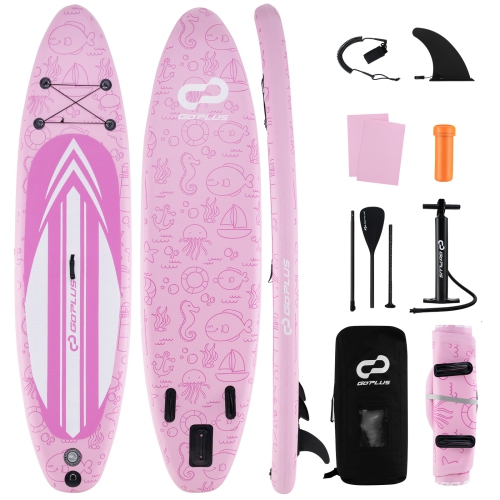
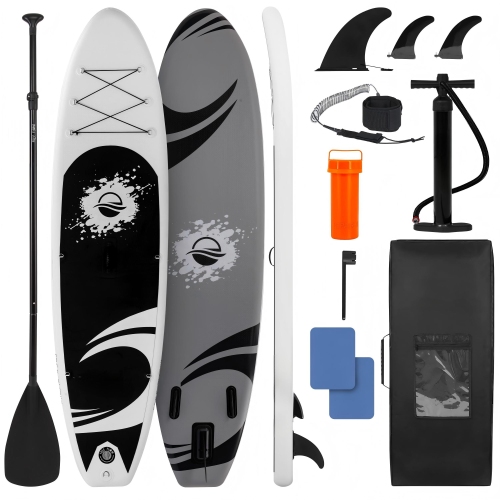
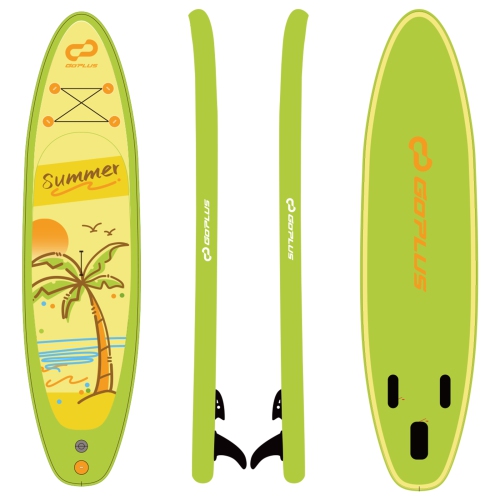
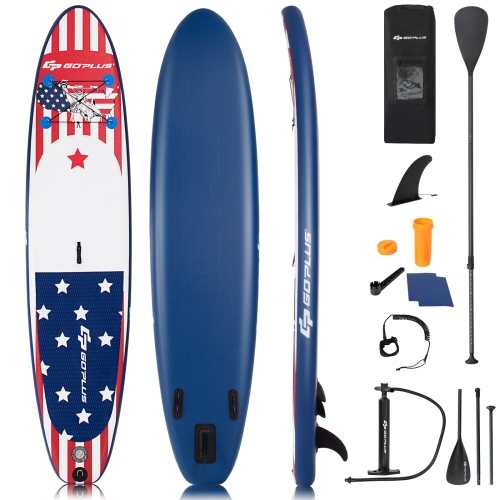
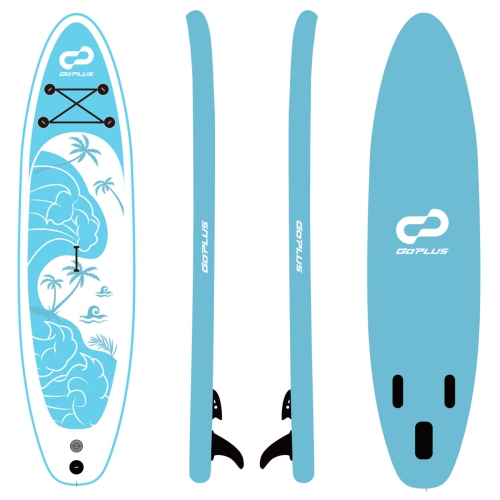
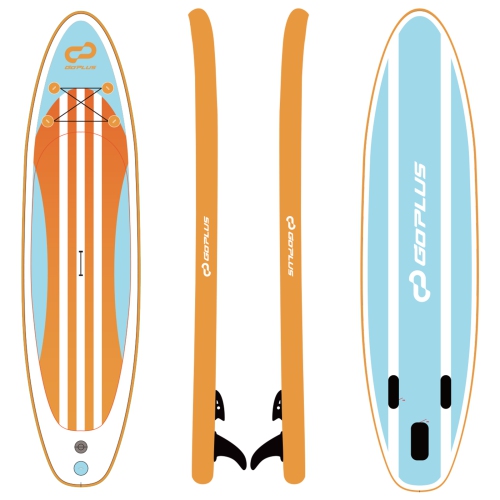
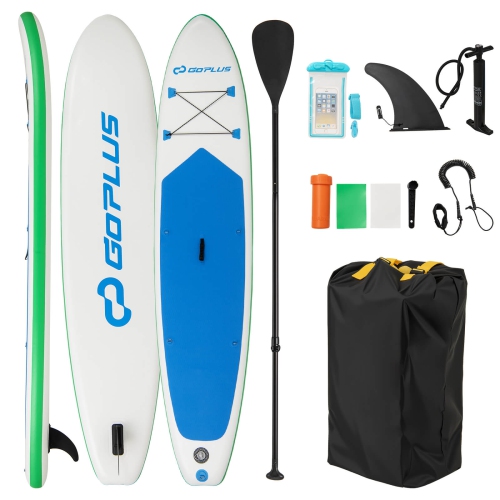
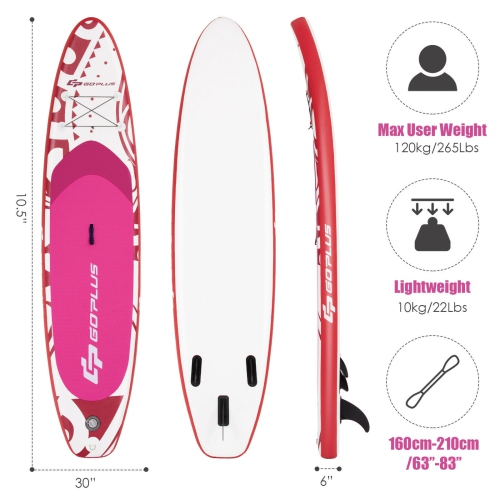
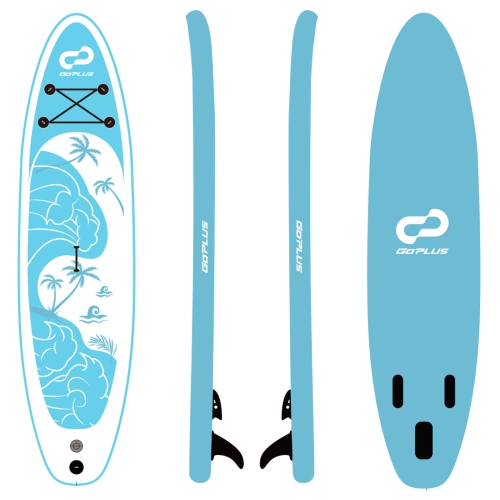
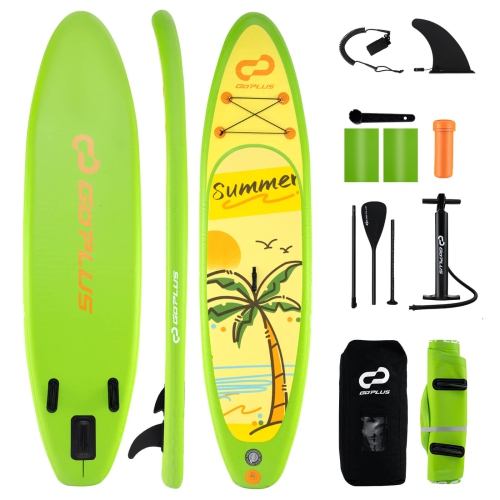
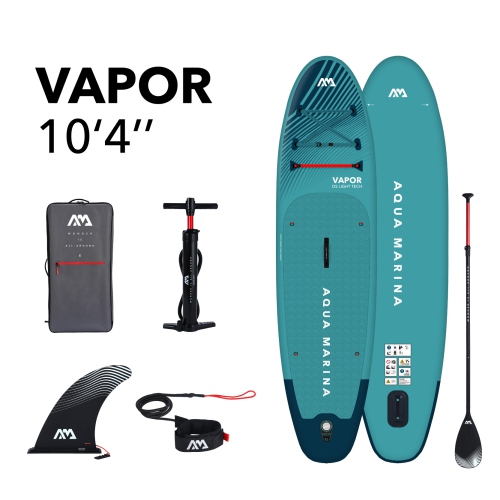
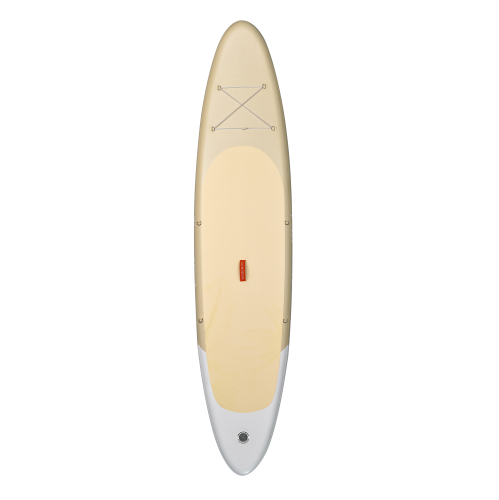
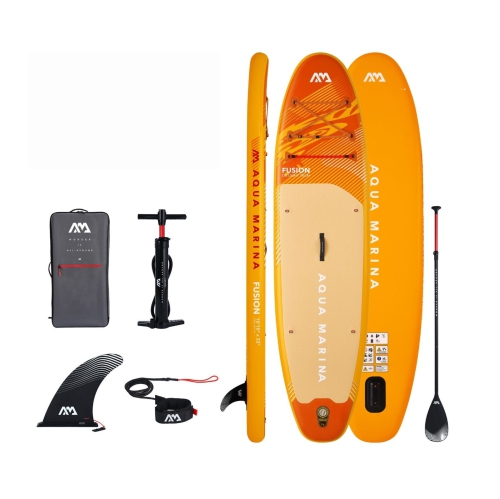
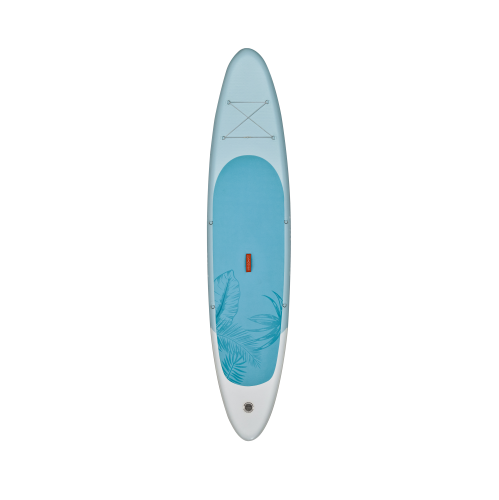
How paddle fit and weight shape every stroke
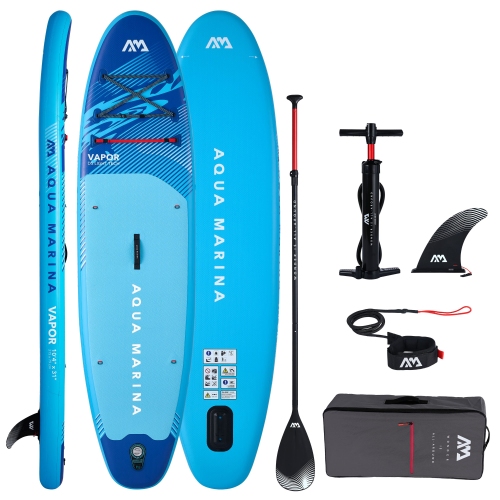
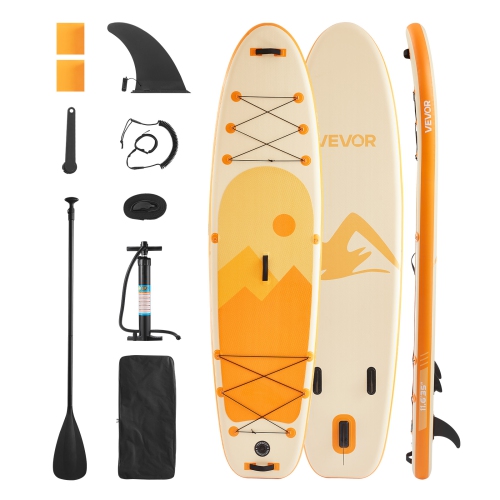
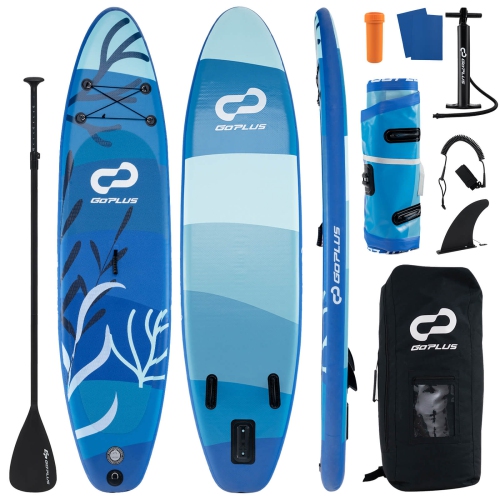
Stand-up paddles are single-bladed paddles designed to propel and steer a stand-up paddle board while the paddler stands, kneels, or changes position on the deck. Their long shafts, top-mounted grips, and broad blades distinguish them from the double-bladed paddles commonly used with kayaks. A well-matched SUP paddle makes a noticeable difference over repeated strokes: it should reach the water comfortably, feel manageable when lifted between strokes, and provide enough grip in the water without demanding more effort than the paddler wants to exert. For relaxed outings on sheltered lakes, comfort and straightforward adjustment may matter more than shaving off every gram. For longer distances, a lighter paddle can reduce the effort of lifting and swinging the shaft hundreds of times. Materials help explain those differences. Aluminium shafts are common in recreational paddles and offer a practical balance of strength and everyday durability, though they can feel heavier than composite alternatives. Fibreglass shafts can offer lower weight and some flexibility, while carbon-fibre construction is often chosen for its combination of light weight and stiffness. The material of the shaft does not necessarily match the material of the blade, so both are worth considering. A paddle may combine a metal or composite shaft with a moulded nylon blade, sometimes reinforced with fibreglass, to balance weight and resistance to knocks. Composite blades can provide a lighter, more responsive feel, but their edges still need protection from rocks and hard surfaces. Wooden paddles offer a distinctive appearance and feel, with care requirements that depend on their finish and construction. Across these materials, total weight, balance, blade shape, and grip comfort matter as much as the material name alone. A paddle that feels easy to handle during a short session may feel quite different during a sustained crossing, making intended use an important part of the choice.
Paddle length is one of the most important fit considerations because it affects reach, posture, and how comfortably the blade enters the water. For general recreational stand-up paddleboarding, a common starting point is a paddle roughly 6 to 10 inches, or about 15 to 25 centimetres, taller than the paddler. That is a starting range rather than a universal measurement: board thickness, body proportions, paddling style, and the manufacturer’s sizing guidance can all affect the best fit. A paddle that is too short can encourage repeated bending at the waist, while one that is too long can make the top hand sit awkwardly high. Adjustable stand-up paddles are useful when several people share equipment, when a younger paddler is still growing, or when the same person alternates between different boards and activities. Check the adjustment range rather than assuming that every adjustable shaft will suit every height. The locking mechanism should hold the chosen length securely without slipping or allowing excessive movement between sections. A fixed-length paddle offers a consistent fit for one person and avoids an adjustable joint, although some designs require sizing before use. Blade size also changes how a paddle feels. A larger blade moves more water per stroke but generally requires more effort, while a smaller blade can be easier to manage at a quicker rhythm or over a longer outing. Bigger is not automatically better, particularly for children, smaller adults, or anyone who prefers a gentler workload. Blade outline, shaft flex, and grip shape further influence comfort. A palm grip should sit naturally in the upper hand, and the shaft should be easy to hold without an unnecessarily tight squeeze. When pairing a paddle with Stand Up Paddle Boards, consider the board’s deck height and intended activity as well as the paddler’s size. Wider recreational boards, touring boards, and boards used for more specialized activities can place different demands on reach and handling.
Construction and care become especially important when a paddle travels regularly between home, the car, and the water. Two-piece and three-piece stand-up paddles break down for transport, with three-piece designs often fitting more easily beside a packed inflatable board. Their convenience depends on secure connections: loose joints, worn clips, or poorly seated sections can affect the feel of each stroke. A one-piece paddle needs more storage space but has fewer connections to inspect. For any design, blade edges and shaft surfaces benefit from protection during transport, particularly when sharing a vehicle with bags, pumps, and other equipment. Avoid using the blade as a lever against the shoreline or pushing hard off rocks, since even a sturdy recreational paddle is intended primarily to move through water rather than carry concentrated loads against a hard edge. After use, rinse away salt, sand, and grit with fresh water, paying attention to adjustment collars and section connections. Follow the manufacturer’s directions for separating and drying parts before storage, and keep the paddle supported rather than leaving the blade under a pile of gear. Periodic checks for cracks, bent sections, damaged grips, and slipping adjustment mechanisms help identify wear before the next outing. Flotation should also be verified rather than assumed; material, assembly, and water entering the shaft can affect whether a paddle stays afloat. A spare paddle can be useful for shared outings or longer trips, but it does not replace suitable safety equipment, a properly fitted personal flotation device, or a route matched to the paddler’s ability. Leash choice should suit the location, with particular care around moving water where entanglement hazards require specialist guidance. As a gift, an adjustable paddle can suit someone who already has a board, provided its height range and intended use match the recipient. For a beginner building a first setup, a returning paddler replacing worn equipment, or a family sharing a board, the most useful choice is one that combines comfortable fit, dependable connections, and materials suited to the way it will be used.
Top selling and popular products
-
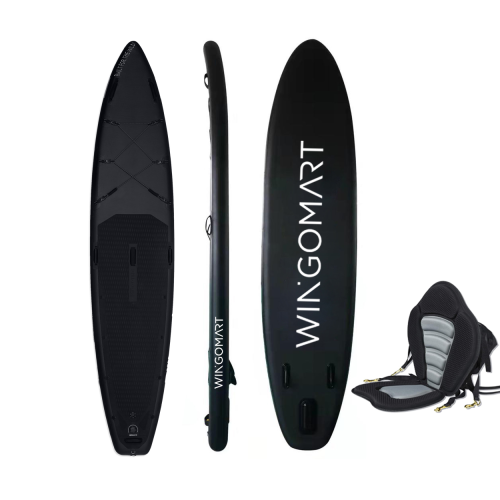 Your price for this item is $299.9
-
 Your price for this item is $599
-
 Your price for this item is $249.99
-
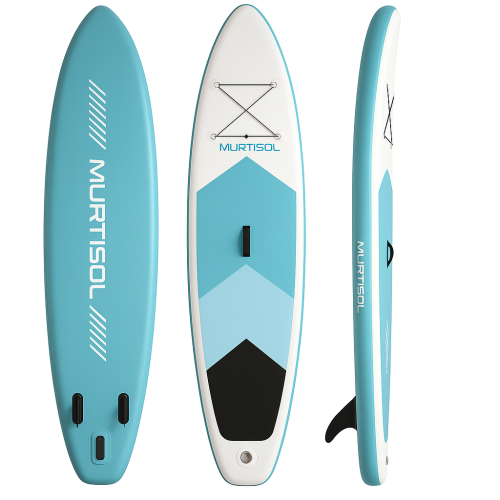 Your price for this item is $179.7
-
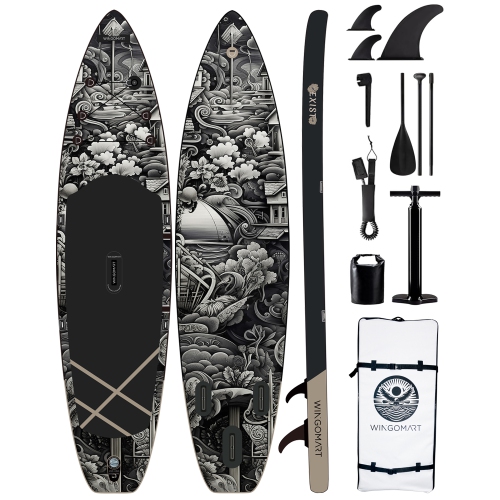 Your price for this item is $259.99
-
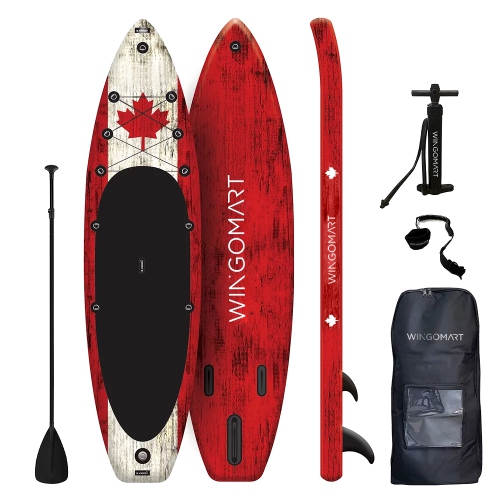 Your price for this item is $329.99
-
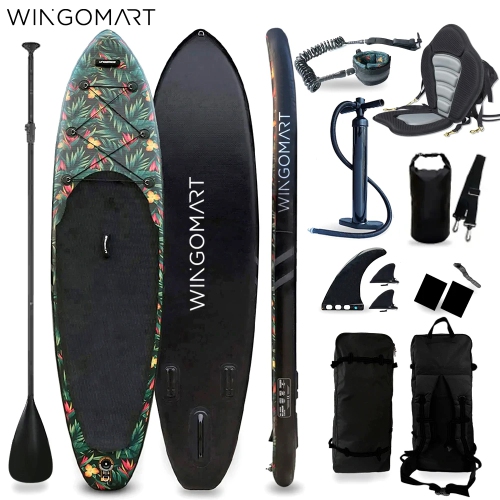 Your price for this item is $279.7
-
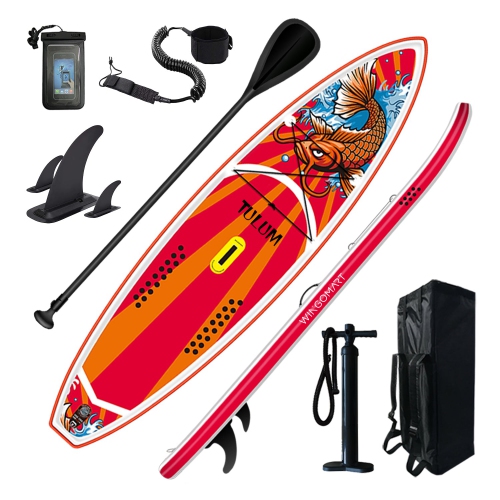 Your price for this item is $269.99
Discover more categories related to Stand Up Paddles
Top Collections:
Pokemon Centers, Kindle Devices, Best Budget Office Chairs, Canon G7X Cameras, Apple iPhones 16, Samsung Galaxy Phones, Refurbished Apple Laptops, Laptops for Students, iPhone 15 Apple, Budget Smartphones
Some products may be subject to Environmental Handling Fees
(EHF) depending on your province.
Learn more about EHFs.