Stand Up Paddle Boards
Looking for an exciting way to explore the open waters? Look no further than our collection of stand up paddle boards. Whether you're a seasoned pro or just starting out, these versatile watercrafts offer a thrilling and enjoyable experience for all. From tranquil lake paddling to adventurous ocean excursions, our selection of stand up paddle boards caters to every skill level and preference. Discover the freedom of gliding across the water, soaking in the sun, and immersing yourself in nature with these incredibly popular water sports essentials.
Sort
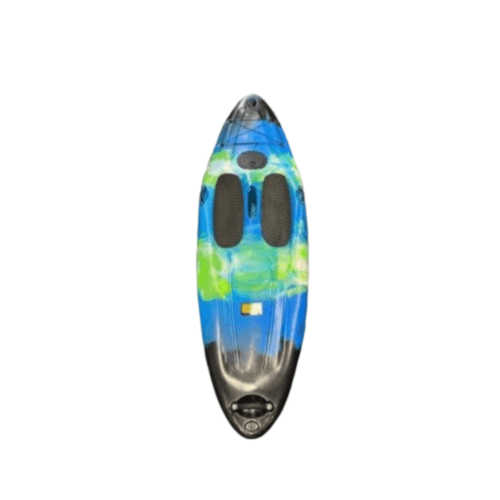
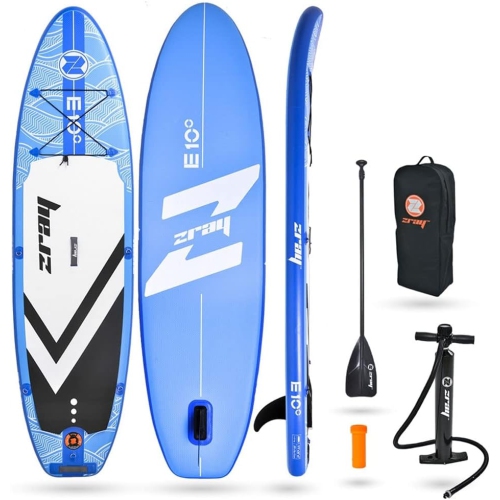
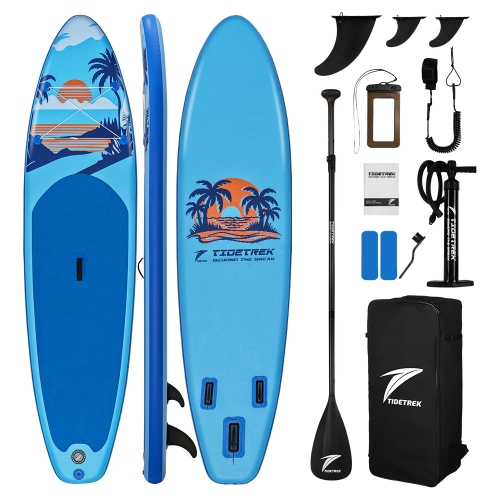
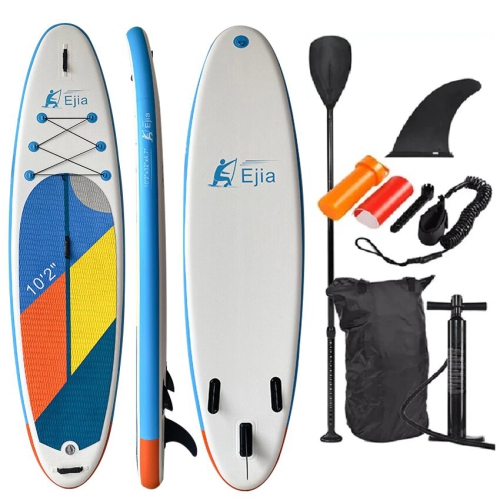
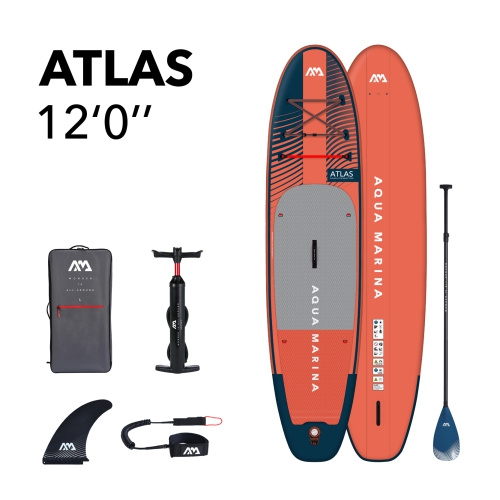
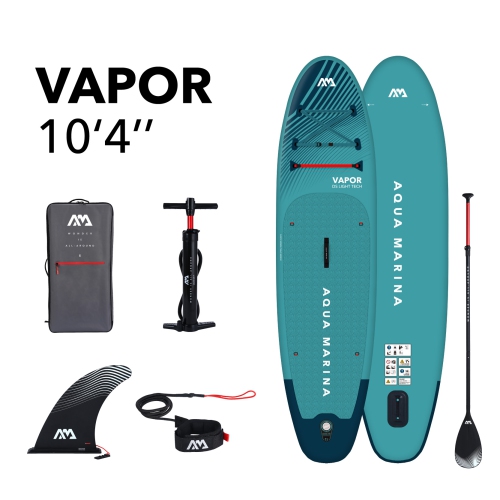
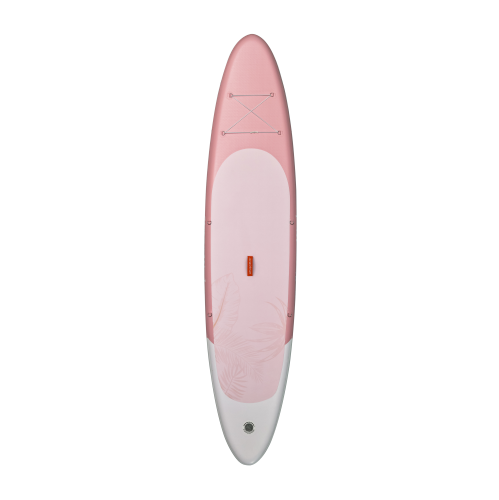
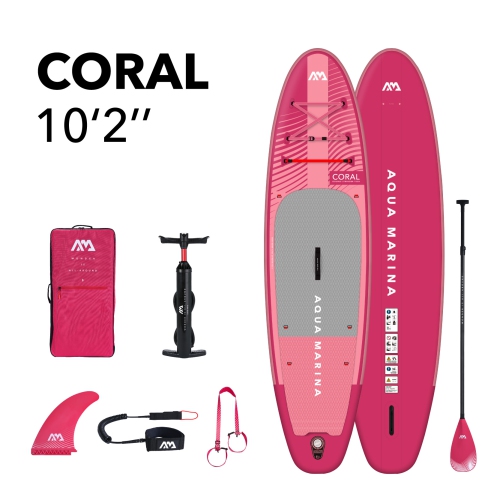

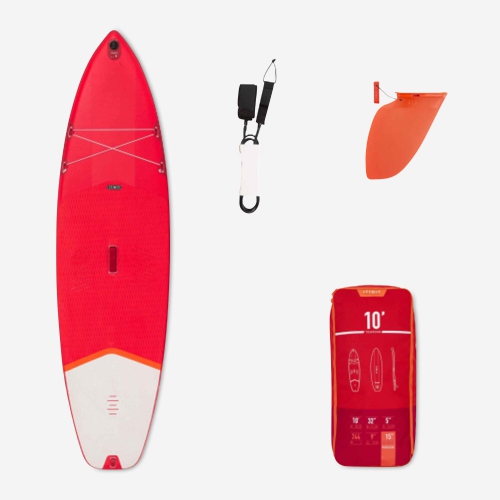
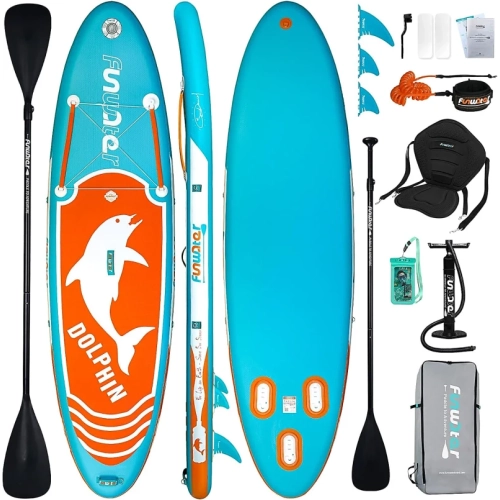
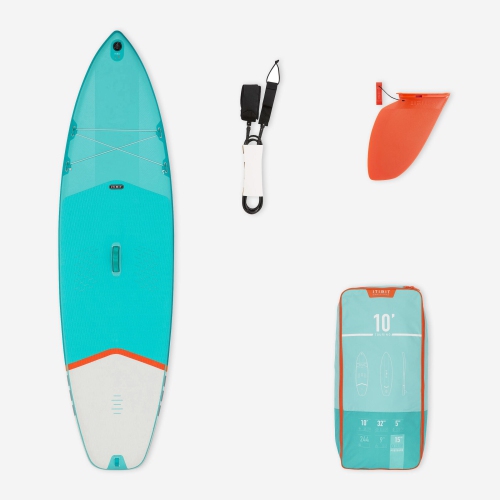
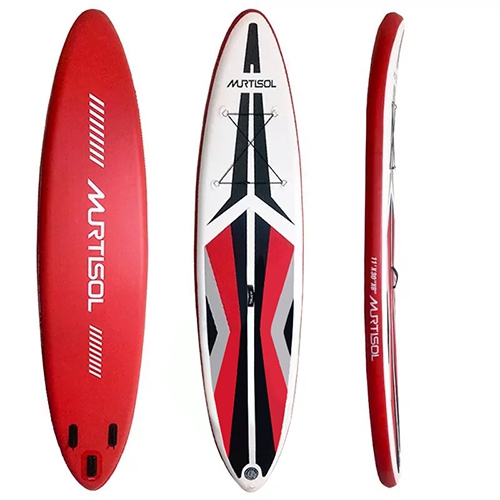
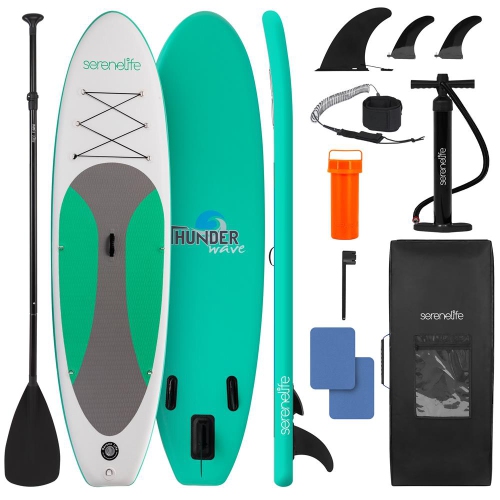
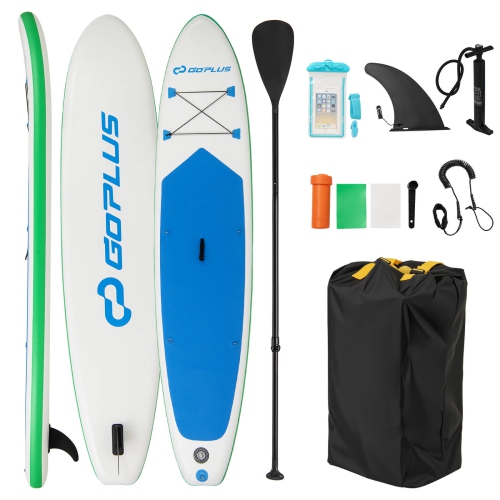
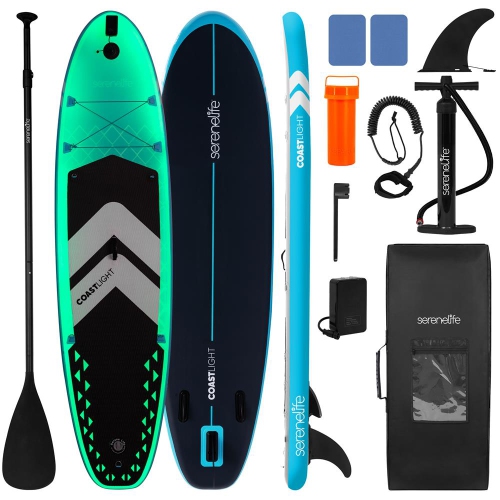
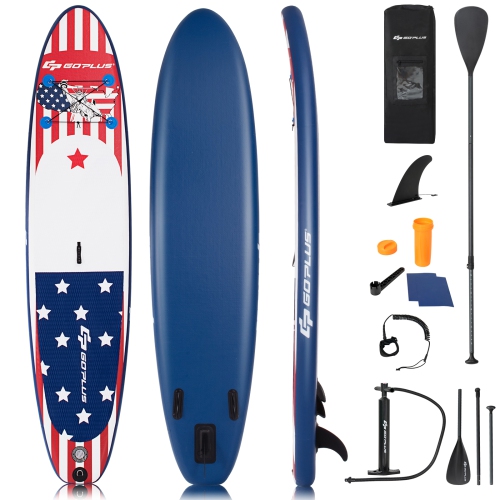
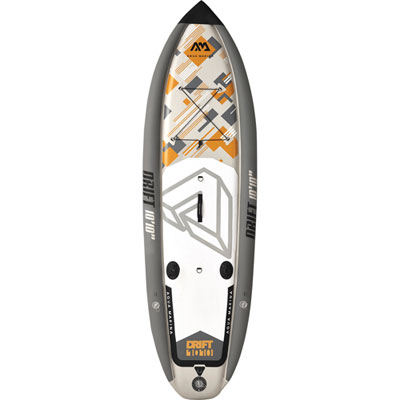
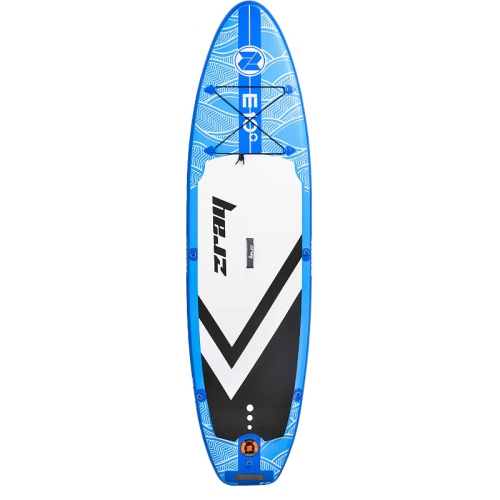
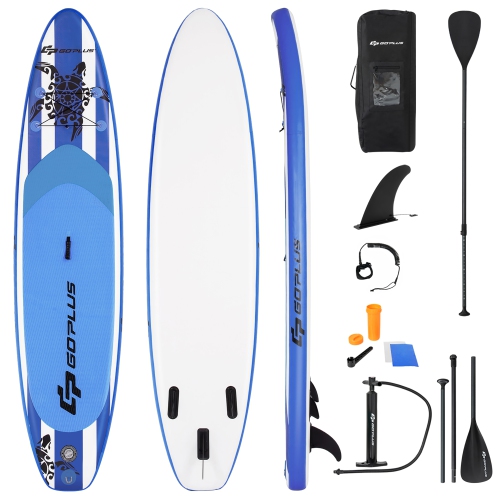
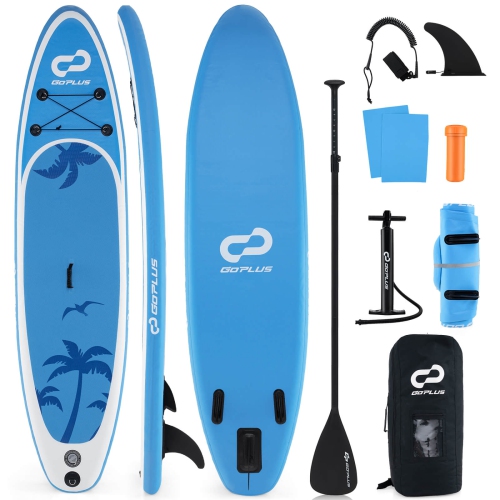
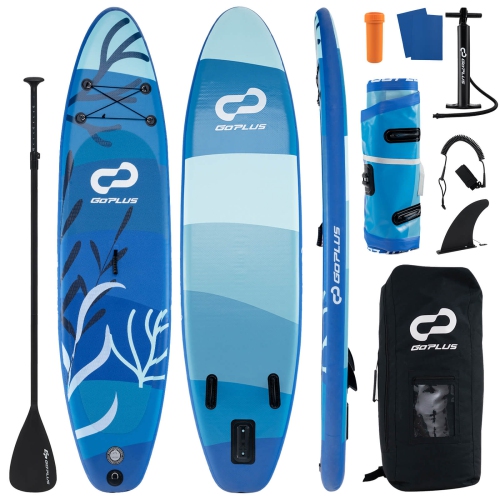
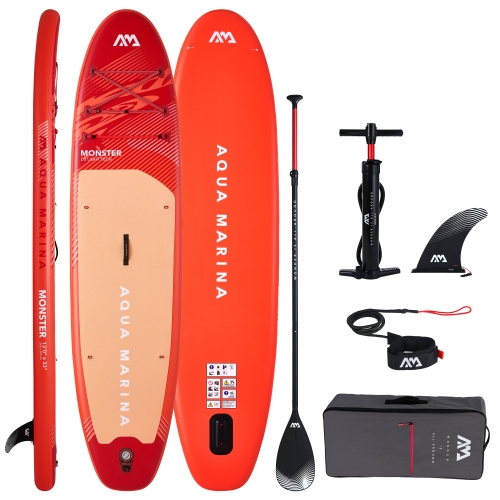
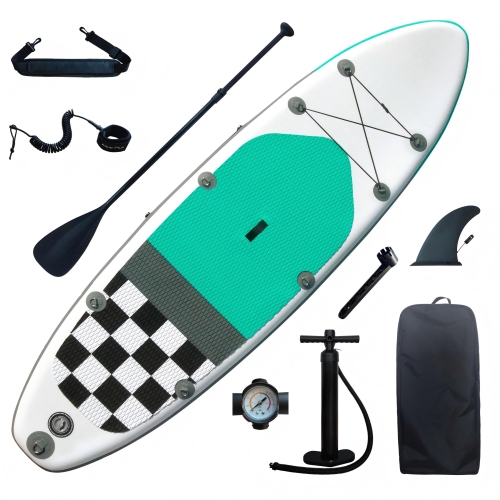
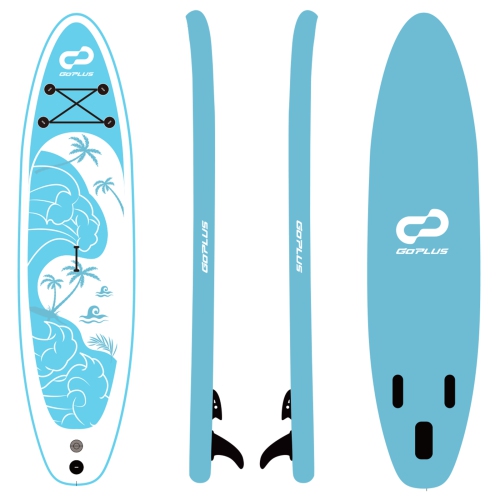
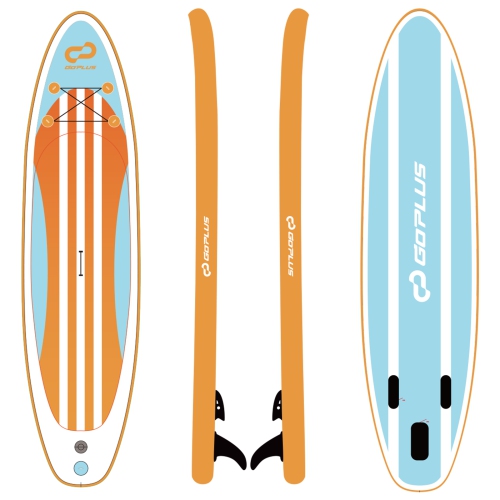
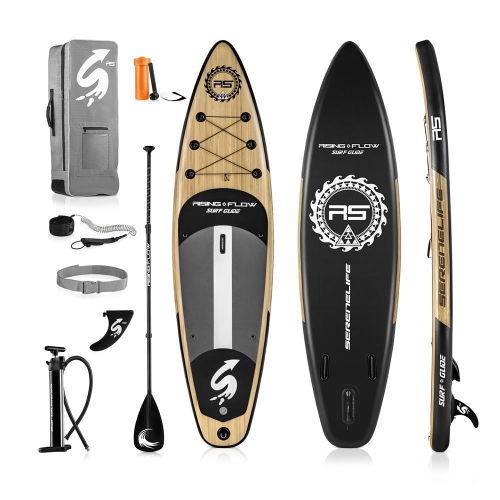

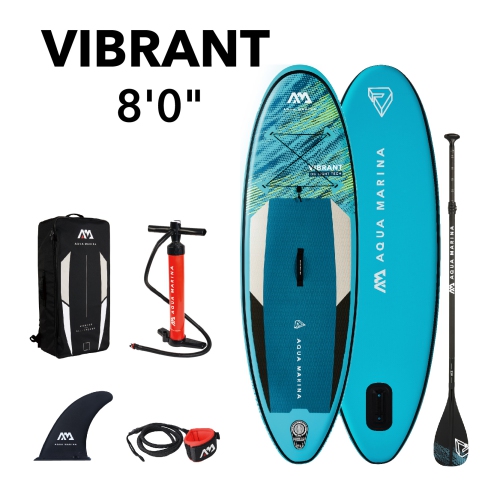
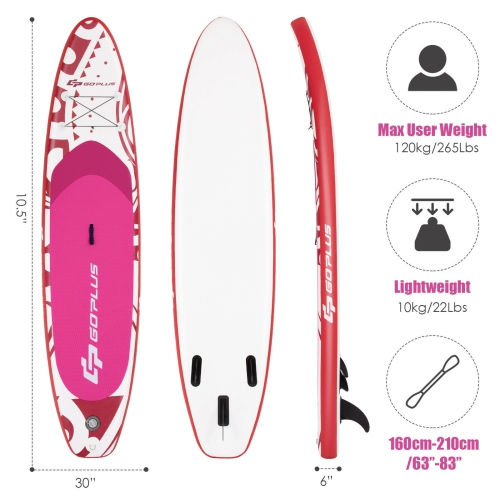
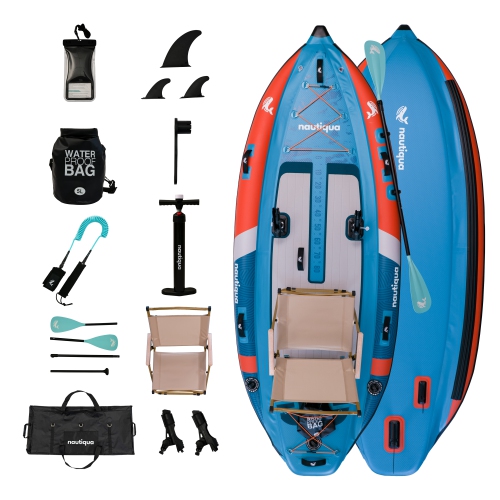
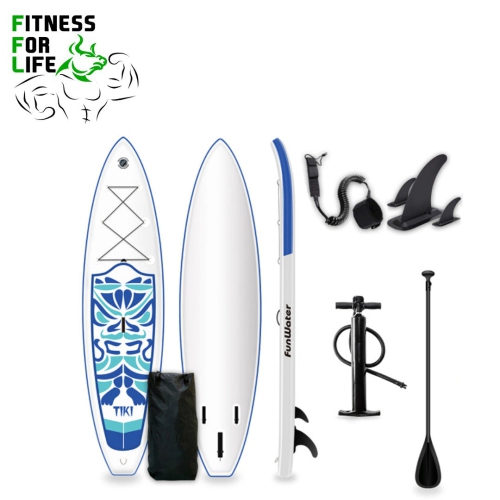
How to match a board to your paddling plans
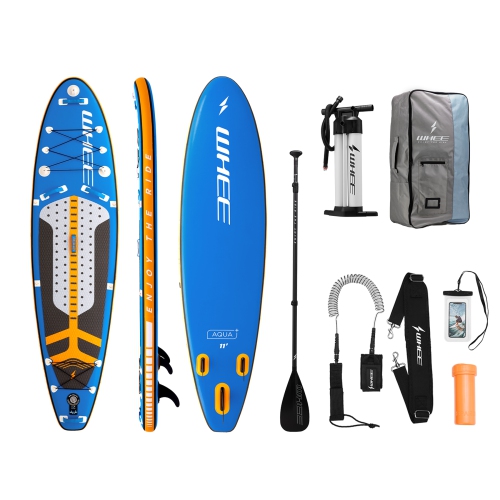
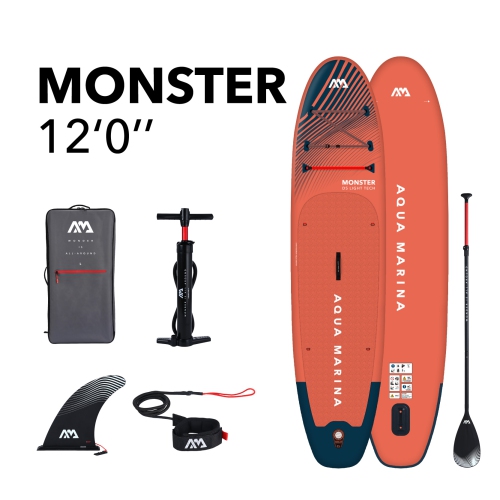
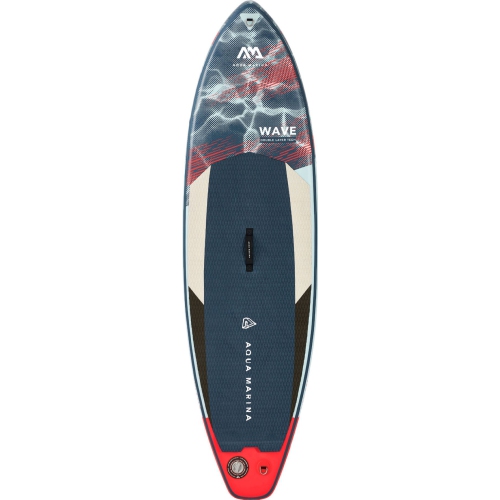
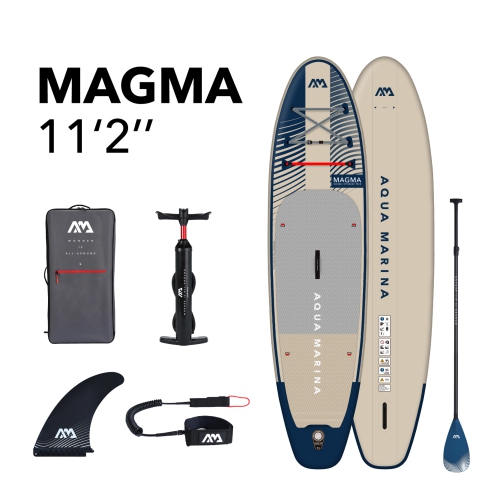
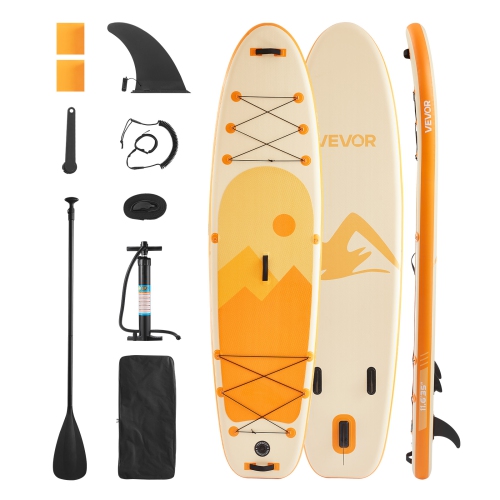
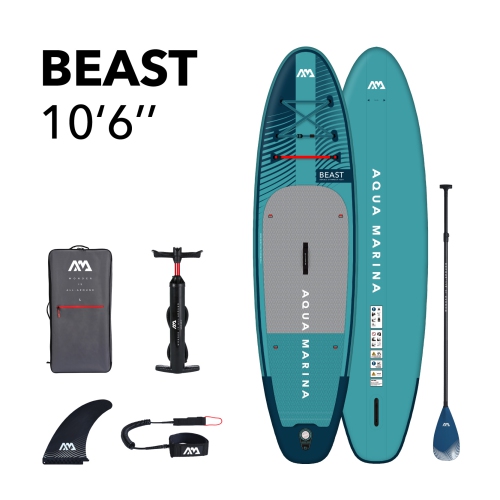
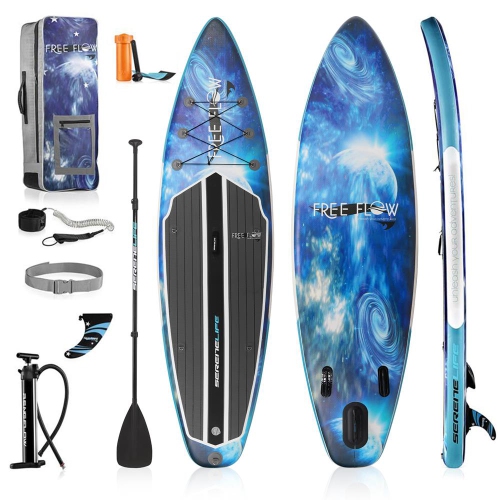
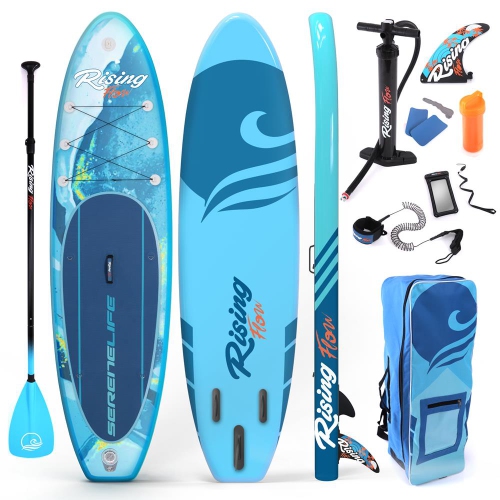
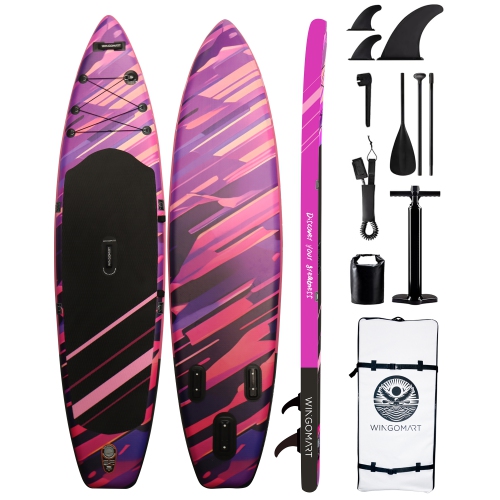
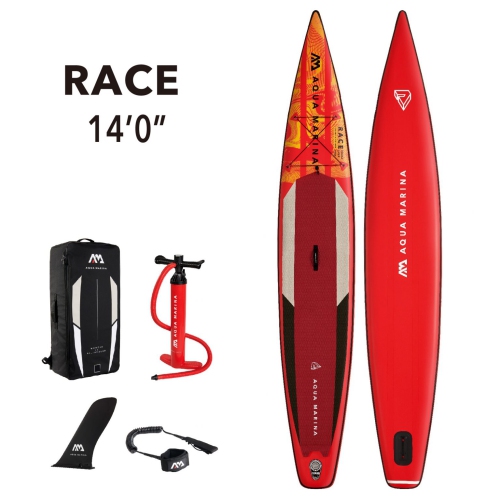
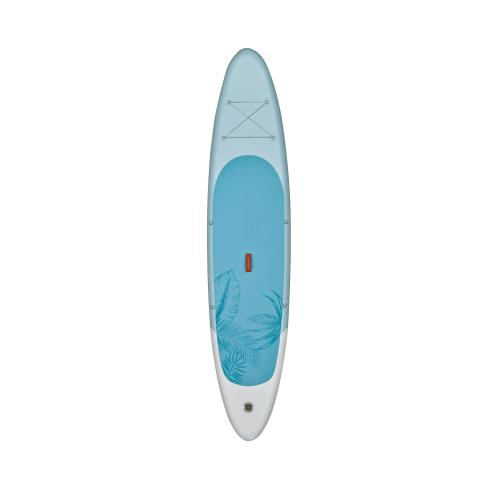
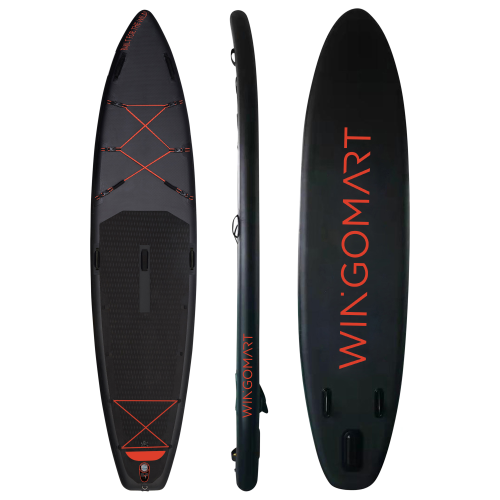
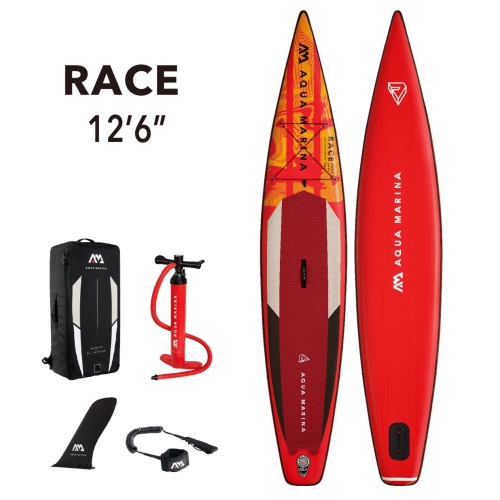
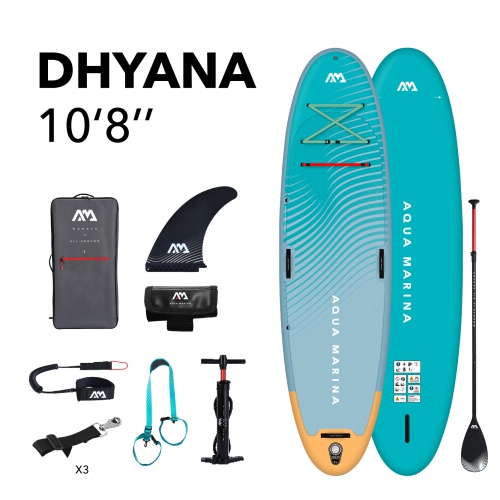
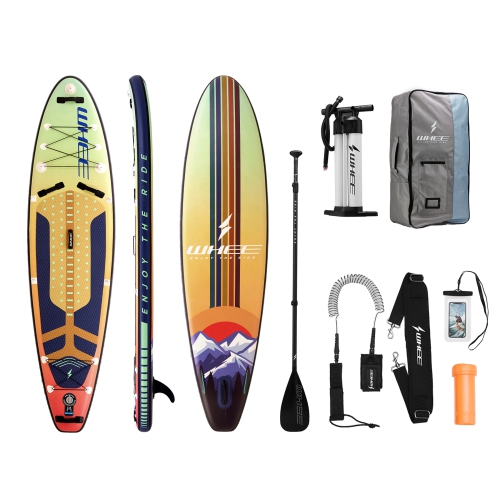
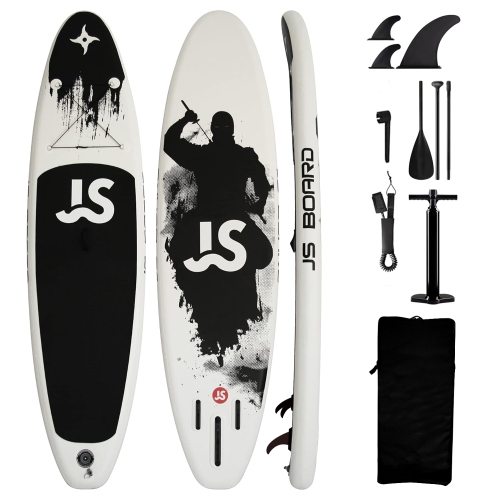
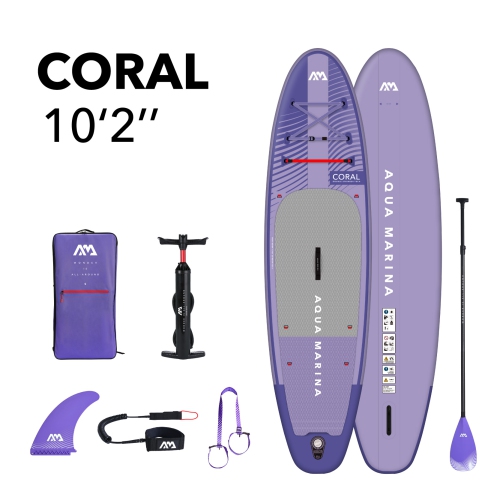
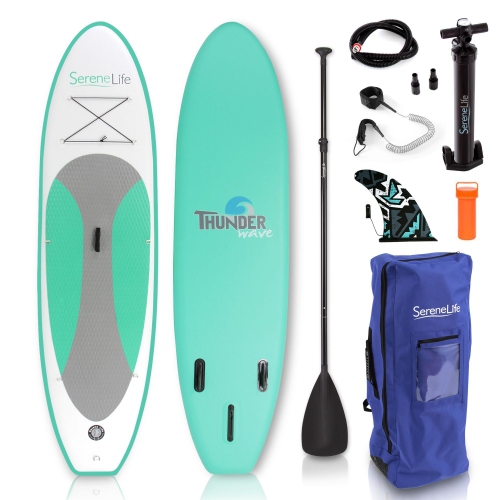
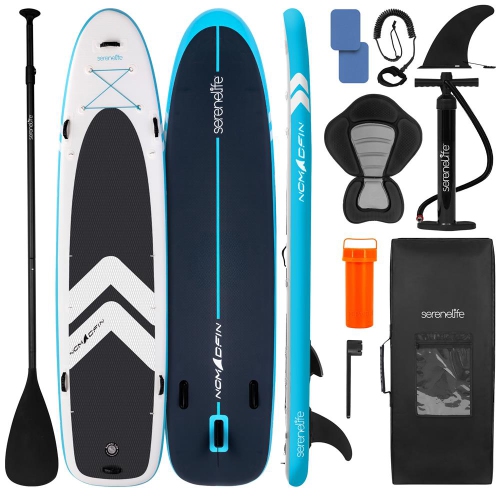
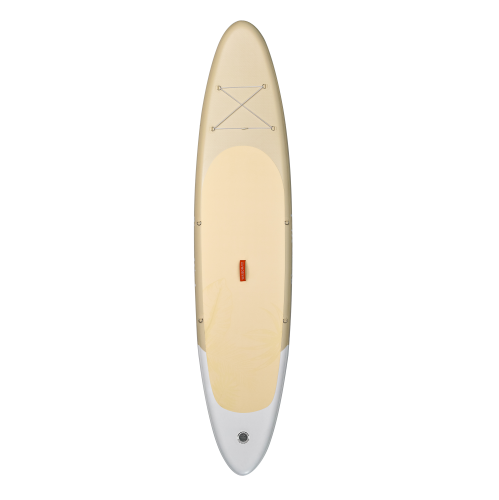
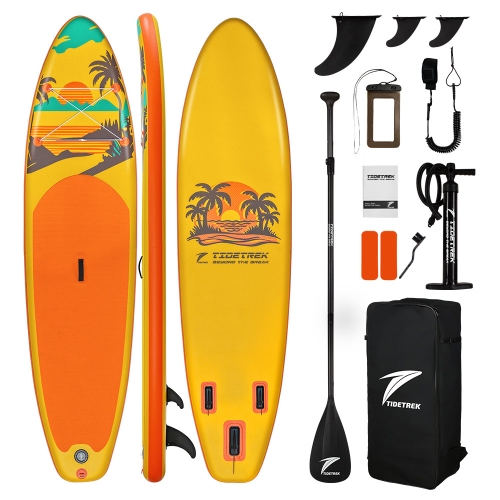
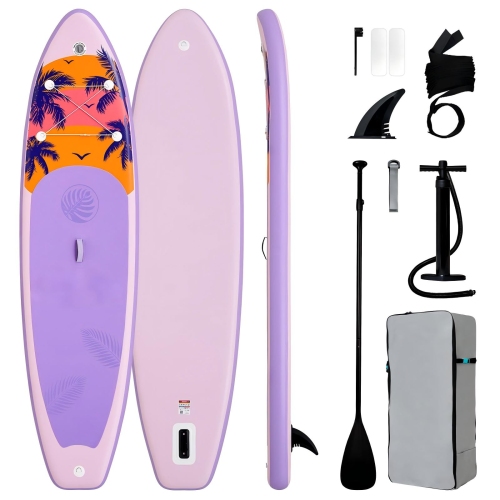
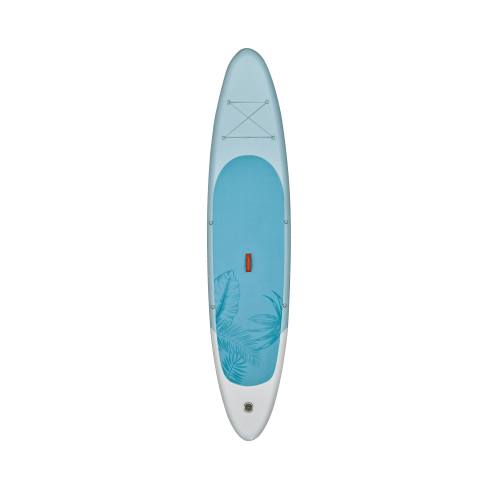
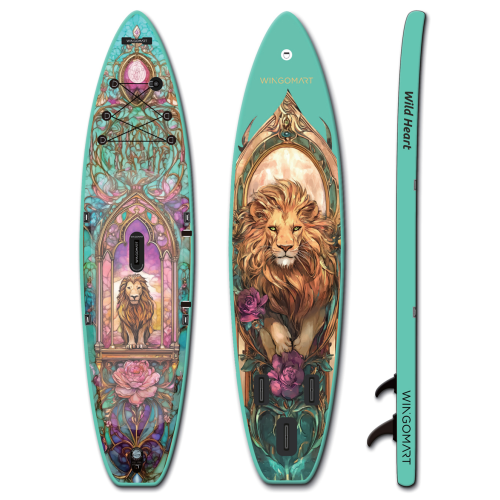
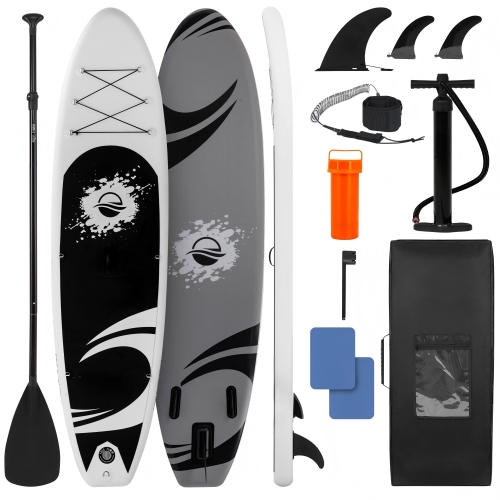
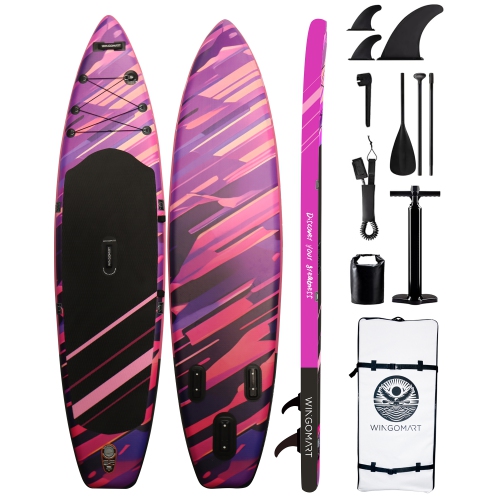
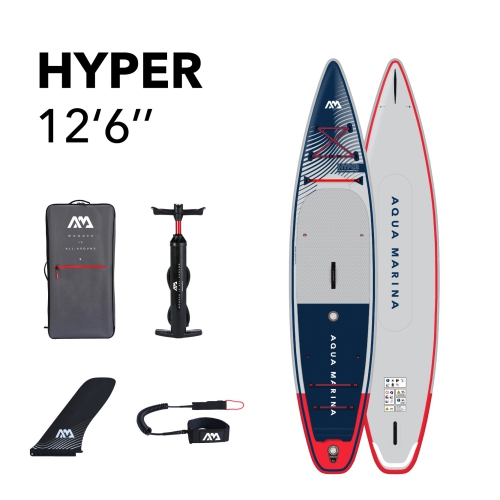
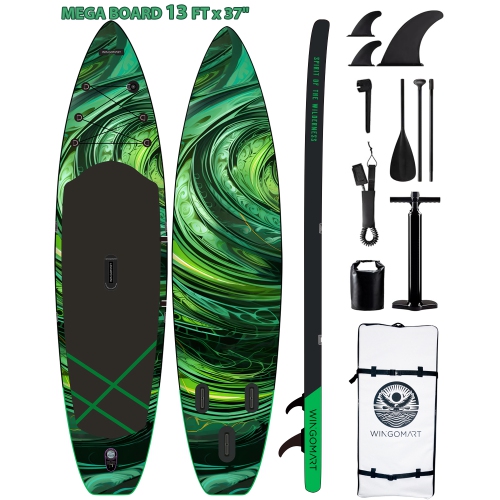
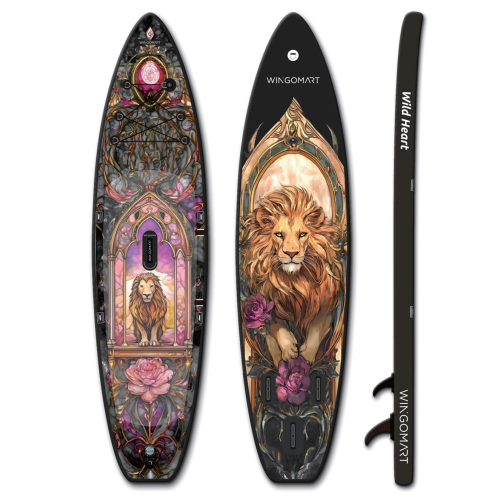
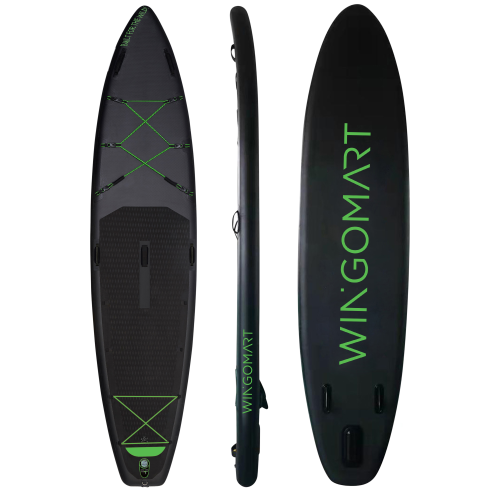
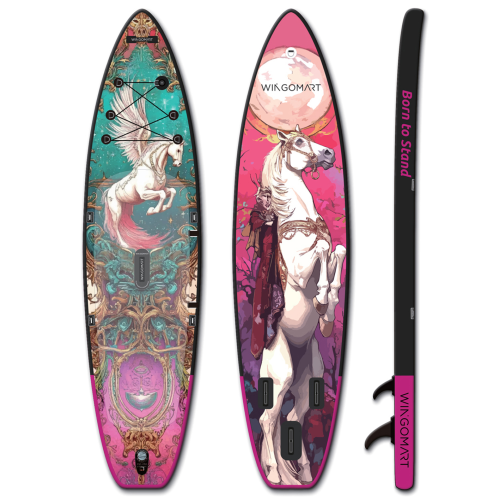
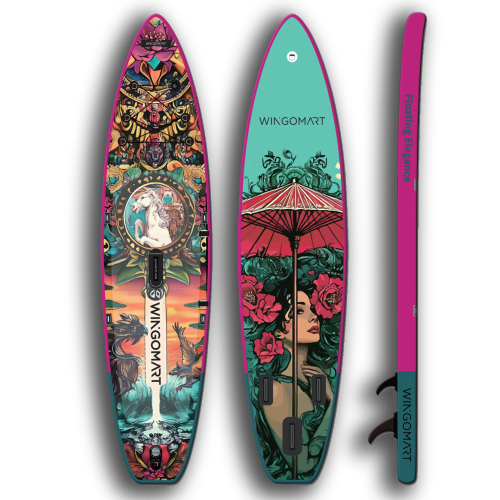
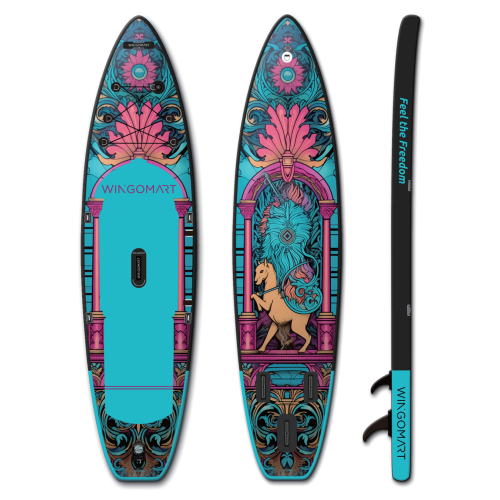
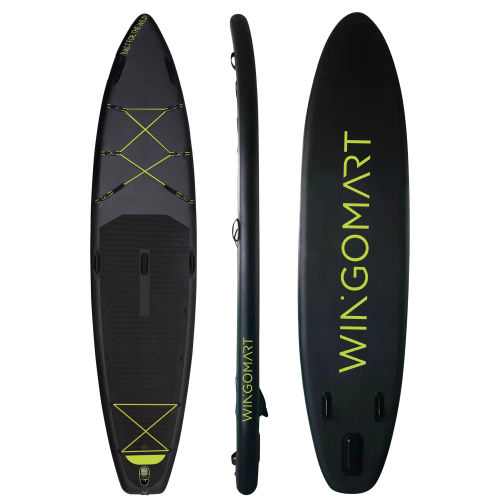
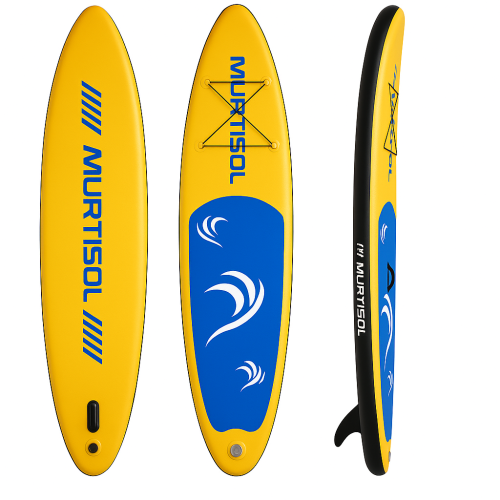
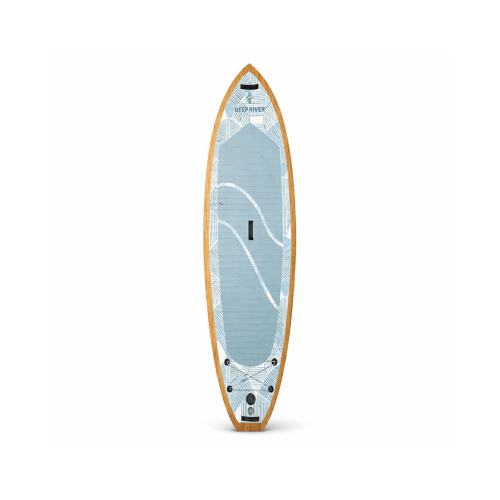
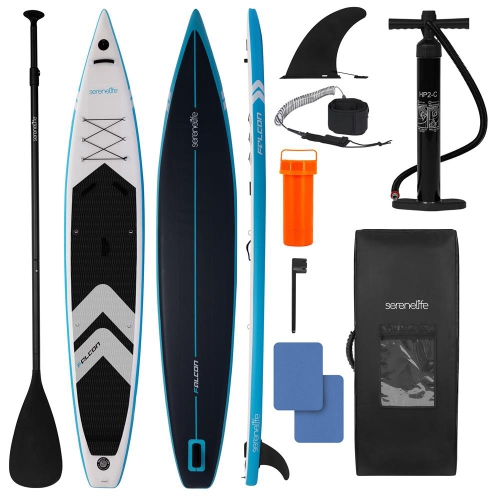
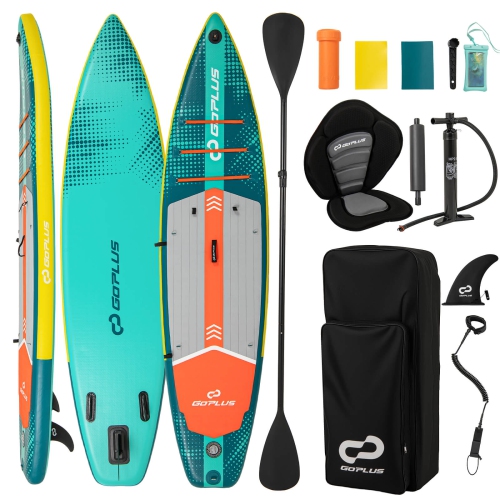
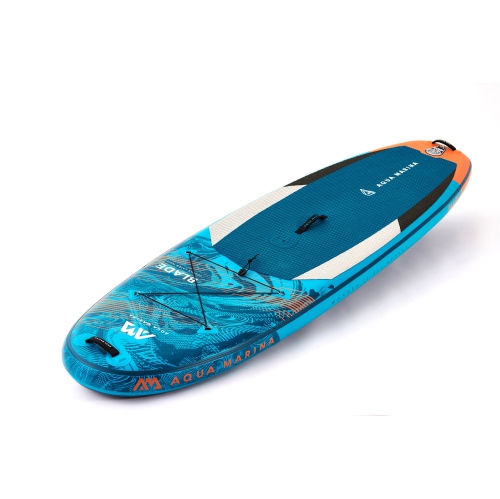
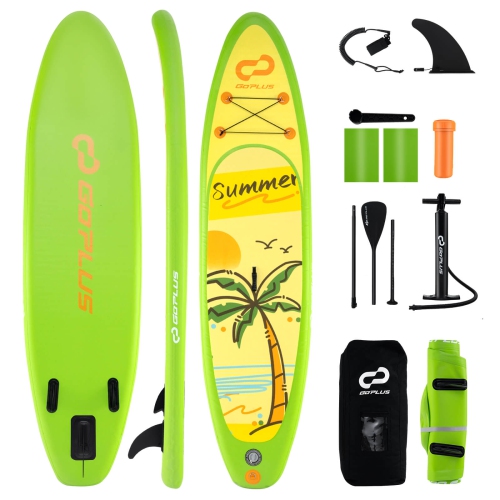
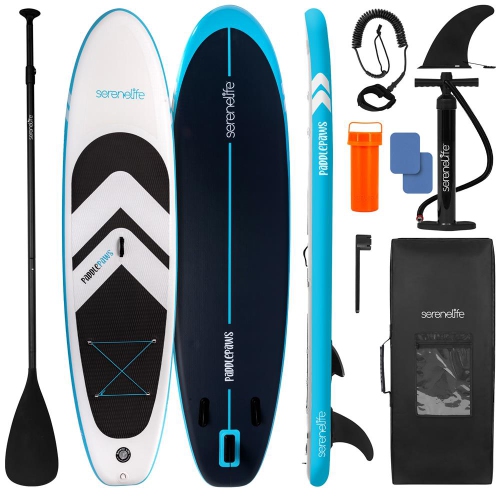
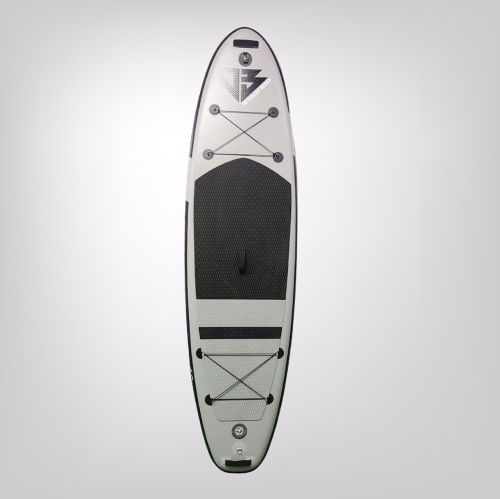
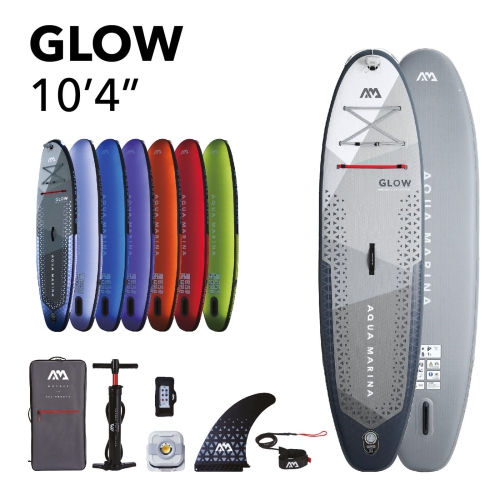
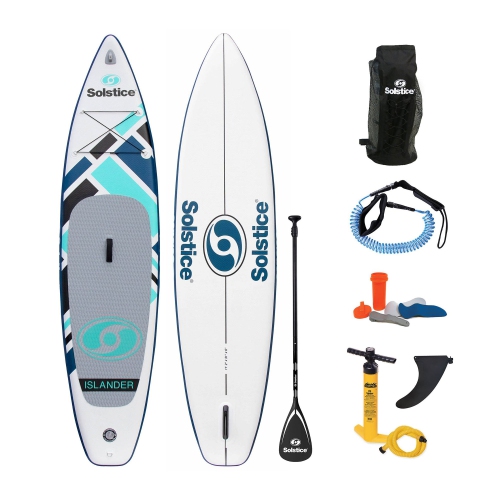
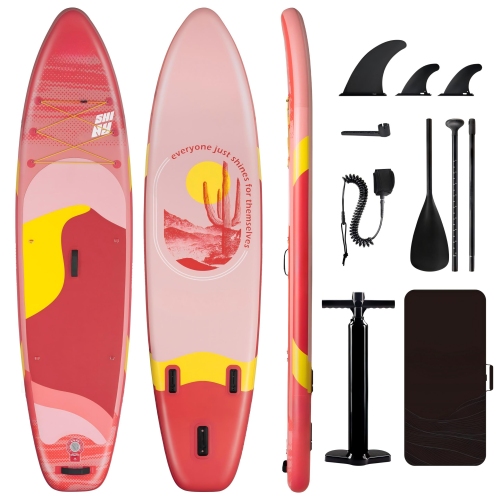
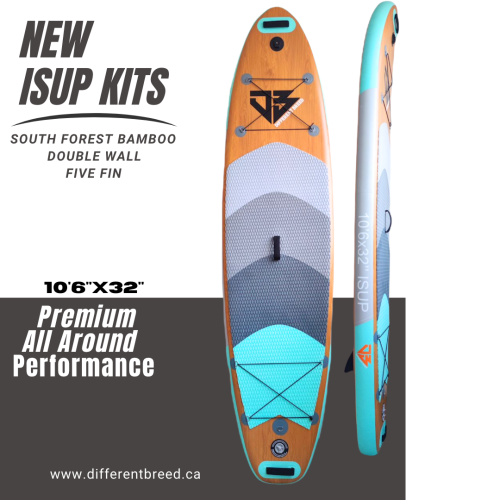
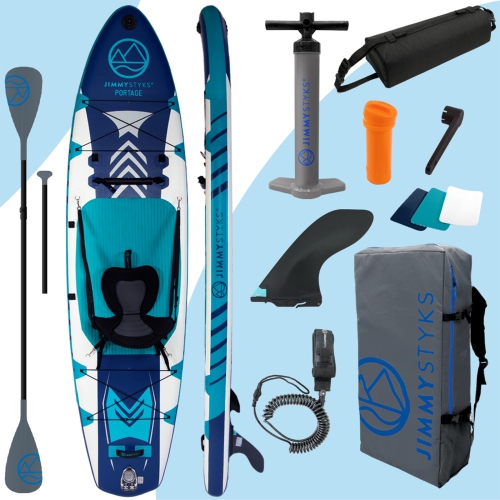
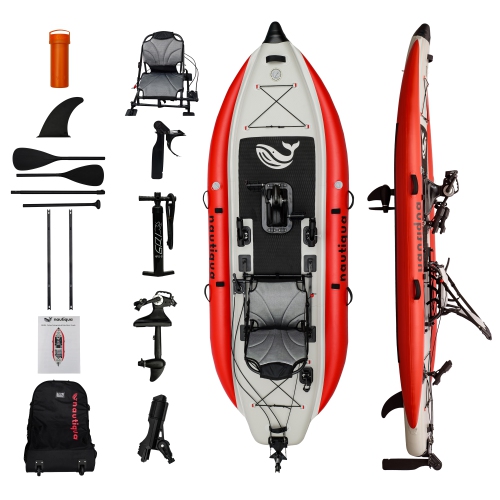
Stand up paddle boards are versatile watercraft for exploring calm lakes, sheltered bays, slow-moving rivers, and quiet stretches of coastline. They can be used for relaxed paddling, light exercise, fishing, yoga, photography, or simply enjoying a different view of the water. The right board depends on how and where it will be used, as well as the paddler’s experience, height, weight, and preferred way to transport and store it. All-round boards are a practical choice for beginners, families, and casual outings. They are commonly wider, with a stable shape that makes it easier to find balance while learning to stand, turn, and paddle. A board around 10 to 12 feet long and approximately 32 inches wide can provide a comfortable blend of stability, manoeuvrability, and glide for general recreation. Wider boards tend to feel more reassuring for first-time paddlers, while a longer, narrower shape can move more efficiently once a paddler is comfortable on the water. Touring boards, often measuring roughly 12 to 14 feet, usually have a pointed nose and a sleeker profile suited to longer distances and steady forward travel. They may appeal to experienced paddlers planning day trips, scenic shoreline routes, or extended lake crossings. For an overview of available styles and configurations, browse the Stand-Up Paddleboard selection.
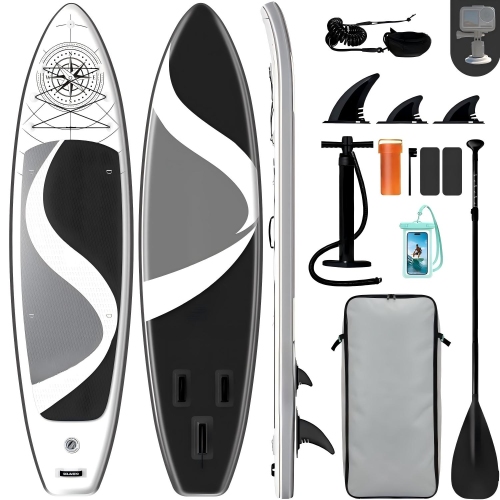
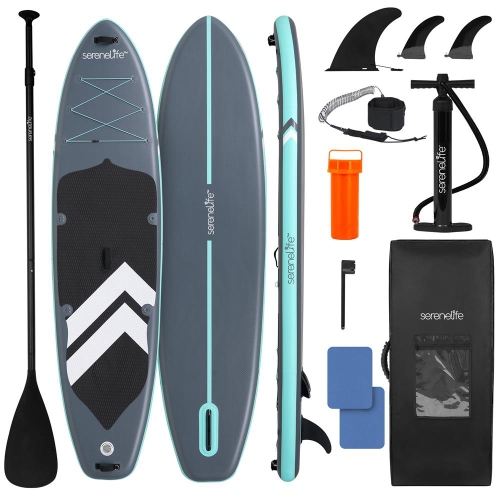
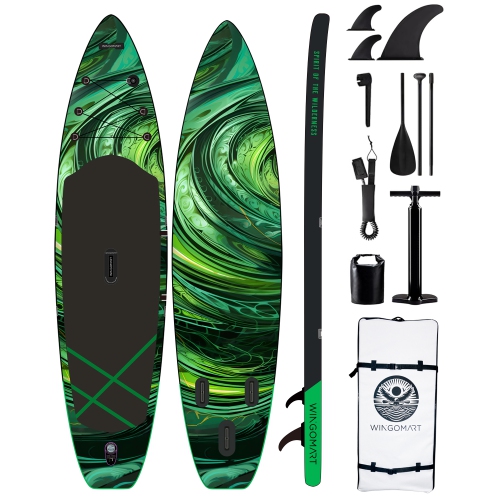
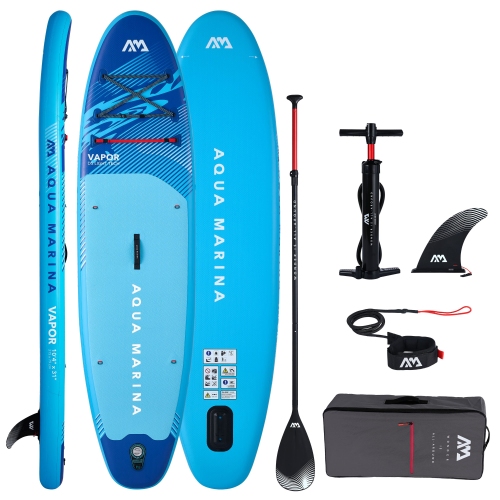
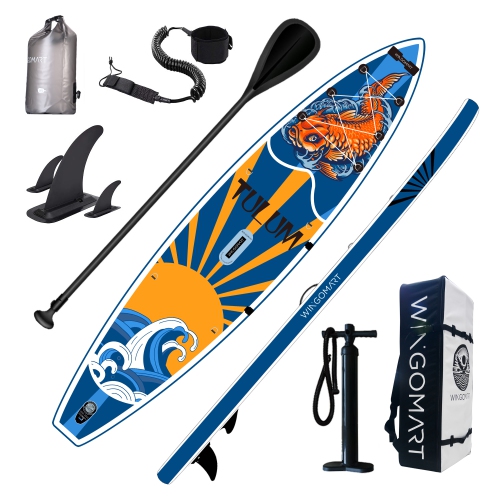
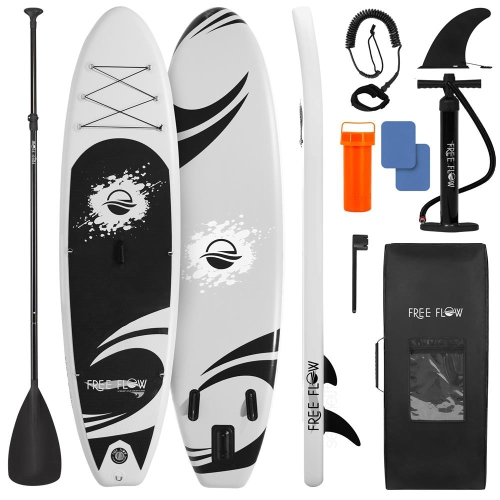
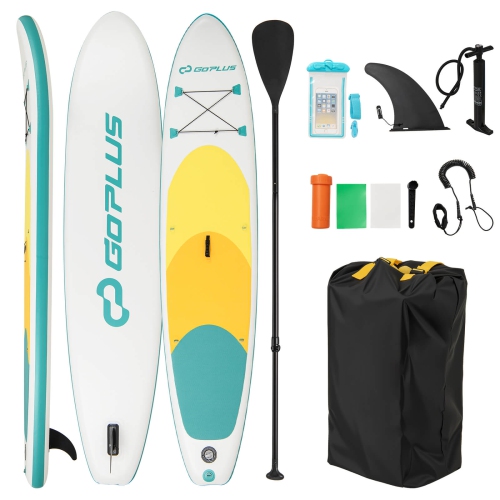
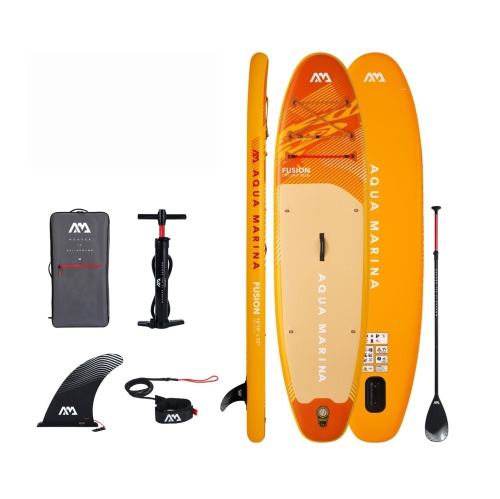
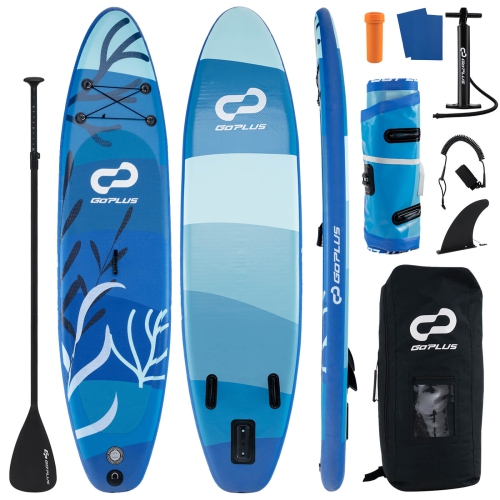
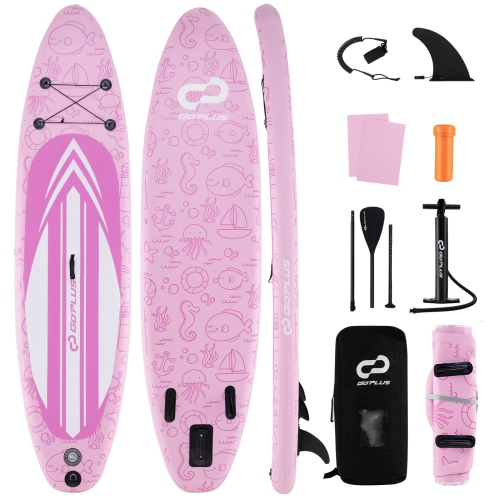
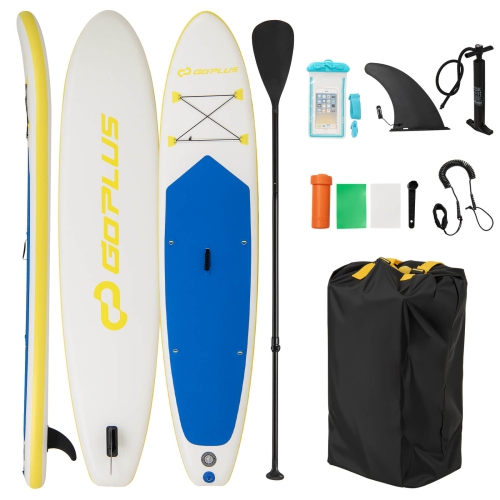
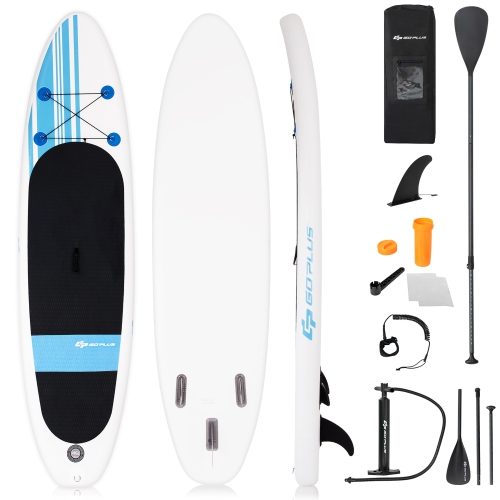
Inflatable stand up paddle boards are popular for their convenient storage and portability. When deflated, they can fit into a carry bag or backpack, making them easier to transport in a car trunk, take on a camping trip, or store in a condo, apartment, or garage during the cooler months. Before heading out, an inflatable board needs to be fully inflated to the recommended pressure using a compatible hand pump or electric pump. A rigid board is ready to use without inflation and can offer a firm, responsive feel underfoot, which some paddlers prefer for speed, tracking, or more precise manoeuvres. It does, however, require suitable storage space and a vehicle or rack that can safely carry its length. Many board packages include useful accessories such as an adjustable paddle, leash, pump, carry bag, repair kit, or removable fin. Checking what is included can make a significant difference, particularly for a new paddler who wants a convenient starting setup rather than sourcing each accessory separately. Paddle length should generally allow a comfortable reach above the head, with enough adjustment for different users or paddling positions. A leash helps keep the board close if the paddler falls, although the appropriate style depends on the location and conditions. Look for a secure deck pad that provides grip when wet, sturdy handles for carrying, and tie-down areas for a small dry bag or other essentials. Weight capacity should account for the paddler, clothing, personal items, and any equipment being carried; staying comfortably below the maximum rating can help the board remain stable and perform as intended. Children and smaller paddlers may benefit from a lighter, shorter board that is easier to control, while larger adults or two-person outings require a model with greater volume and capacity. A board intended for yoga, fishing, or carrying a pet may need extra stability and usable deck space compared with one chosen mainly for speed.
Stand up paddle boards can make thoughtful gifts for active families, cottage owners, travellers, and anyone who enjoys spending time outdoors near the water. They offer an approachable way to try a new activity, and a complete inflatable package can be especially useful for recipients with limited storage or no dedicated transport setup. A beginner may appreciate a broad, stable all-round board for quiet practice close to shore, while an experienced paddler might value a touring shape, upgraded paddle, or additional carrying capacity. For family use, consider whether the board can accommodate the range of people who may use it, including younger paddlers learning with an adult nearby. A comfortable life jacket approved for the intended user, a whistle, leash, sun protection, drinking water, and a dry container for keys or a phone are sensible additions. New paddlers should begin in calm, shallow water with a clear launch area, check local boating requirements, and review weather and water conditions before setting out. Starting on the knees can help with steering and balance before standing one foot at a time near the centre of the board. Keeping the knees slightly bent, looking toward the horizon, and holding the paddle with the correct hand position can make the first few attempts feel more controlled. Even experienced users should be cautious around wind, waves, boat traffic, cold water, and changing conditions, particularly during the transition between warmer and cooler seasons. After each outing, rinse equipment with fresh water when possible, allow it to dry thoroughly, and inspect valves, fins, seams, deck pads, and leash connections. Inflatable boards should be rolled according to the manufacturer’s instructions and stored away from sharp objects and extreme temperatures, while rigid boards benefit from padded supports that prevent pressure points. With the appropriate size, construction, accessories, and safety equipment, a stand up paddle board can support quiet early-morning excursions, playful afternoons with family, and longer adventures whenever the weather and water conditions are suitable.
Inflatable stand up paddle boards are popular for their convenient storage and portability. When deflated, they can fit into a carry bag or backpack, making them easier to transport in a car trunk, take on a camping trip, or store in a condo, apartment, or garage during the cooler months. Before heading out, an inflatable board needs to be fully inflated to the recommended pressure using a compatible hand pump or electric pump. A rigid board is ready to use without inflation and can offer a firm, responsive feel underfoot, which some paddlers prefer for speed, tracking, or more precise manoeuvres. It does, however, require suitable storage space and a vehicle or rack that can safely carry its length. Many board packages include useful accessories such as an adjustable paddle, leash, pump, carry bag, repair kit, or removable fin. Checking what is included can make a significant difference, particularly for a new paddler who wants a convenient starting setup rather than sourcing each accessory separately. Paddle length should generally allow a comfortable reach above the head, with enough adjustment for different users or paddling positions. A leash helps keep the board close if the paddler falls, although the appropriate style depends on the location and conditions. Look for a secure deck pad that provides grip when wet, sturdy handles for carrying, and tie-down areas for a small dry bag or other essentials. Weight capacity should account for the paddler, clothing, personal items, and any equipment being carried; staying comfortably below the maximum rating can help the board remain stable and perform as intended. Children and smaller paddlers may benefit from a lighter, shorter board that is easier to control, while larger adults or two-person outings require a model with greater volume and capacity. A board intended for yoga, fishing, or carrying a pet may need extra stability and usable deck space compared with one chosen mainly for speed.
Stand up paddle boards can make thoughtful gifts for active families, cottage owners, travellers, and anyone who enjoys spending time outdoors near the water. They offer an approachable way to try a new activity, and a complete inflatable package can be especially useful for recipients with limited storage or no dedicated transport setup. A beginner may appreciate a broad, stable all-round board for quiet practice close to shore, while an experienced paddler might value a touring shape, upgraded paddle, or additional carrying capacity. For family use, consider whether the board can accommodate the range of people who may use it, including younger paddlers learning with an adult nearby. A comfortable life jacket approved for the intended user, a whistle, leash, sun protection, drinking water, and a dry container for keys or a phone are sensible additions. New paddlers should begin in calm, shallow water with a clear launch area, check local boating requirements, and review weather and water conditions before setting out. Starting on the knees can help with steering and balance before standing one foot at a time near the centre of the board. Keeping the knees slightly bent, looking toward the horizon, and holding the paddle with the correct hand position can make the first few attempts feel more controlled. Even experienced users should be cautious around wind, waves, boat traffic, cold water, and changing conditions, particularly during the transition between warmer and cooler seasons. After each outing, rinse equipment with fresh water when possible, allow it to dry thoroughly, and inspect valves, fins, seams, deck pads, and leash connections. Inflatable boards should be rolled according to the manufacturer’s instructions and stored away from sharp objects and extreme temperatures, while rigid boards benefit from padded supports that prevent pressure points. With the appropriate size, construction, accessories, and safety equipment, a stand up paddle board can support quiet early-morning excursions, playful afternoons with family, and longer adventures whenever the weather and water conditions are suitable.
Top selling and popular products
-
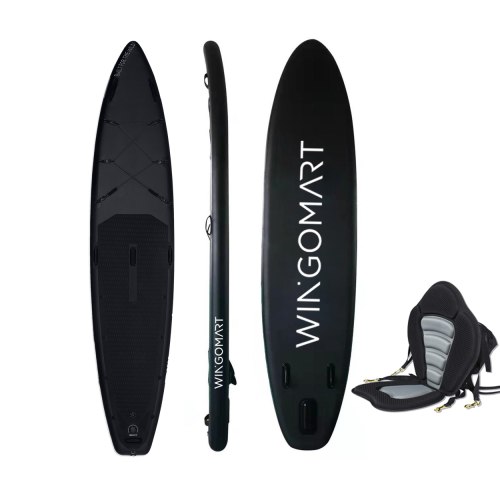 Your price for this item is $299.9
 -
 Your price for this item is $599
 -
 Your price for this item is $249.99
 -
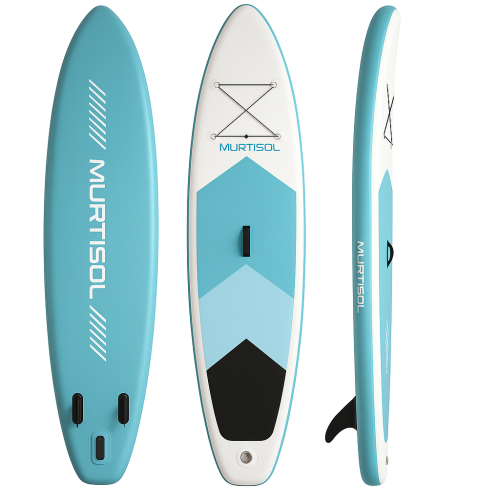 Your price for this item is $179.7
 -
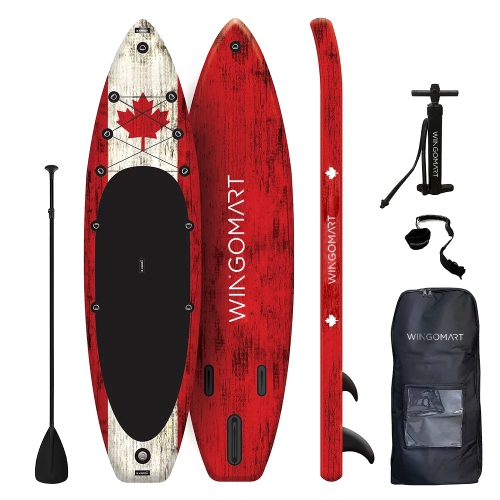 Your price for this item is $329.99
 -
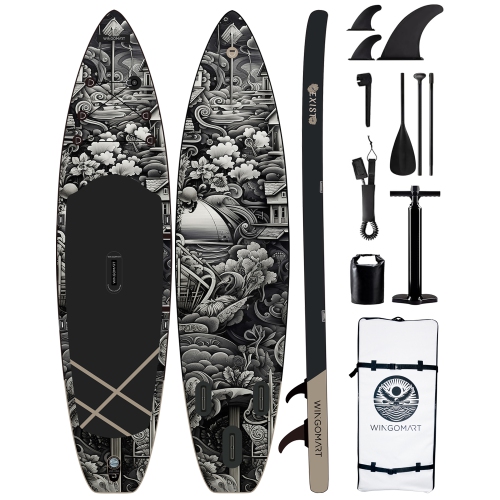 Your price for this item is $259.99
 -
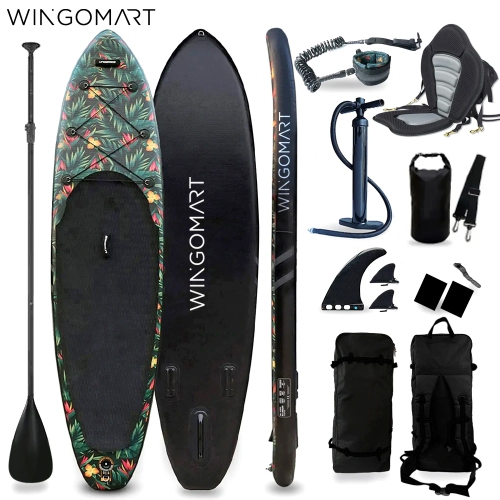 Your price for this item is $279.7
 -
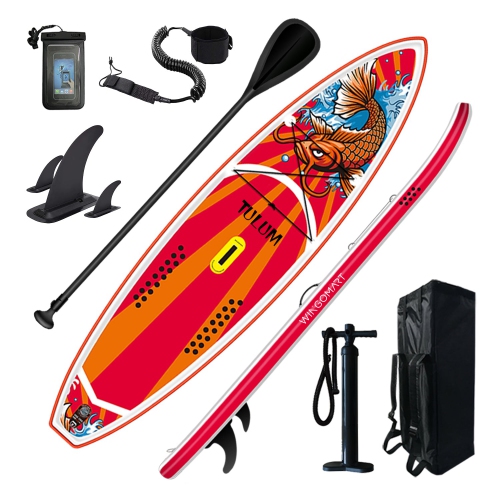 Your price for this item is $269.99
Discover more categories related to Stand Up Paddle Boards
Top Collections:
Pokemon Centers, Kindle Devices, Best Budget Office Chairs, Canon G7X Cameras, Apple iPhones 16, Samsung Galaxy Phones, Refurbished Apple Laptops, Laptops for Students, iPhone 15 Apple, Budget Smartphones
Some products may be subject to Environmental Handling Fees
(EHF) depending on your province.
Learn more about EHFs.