Stunt Scooters for Adults
Looking to unleash your inner daredevil? Look no further than our collection of stunt scooters designed specifically for adults. Whether you're a seasoned pro or just starting out, these high-performance scooters are built to handle the toughest tricks and stunts. From sleek designs to durable construction, our selection of stunt scooters will have you shredding the streets in style. Get ready to take your scooter skills to new heights with these adrenaline-pumping rides.
Sort
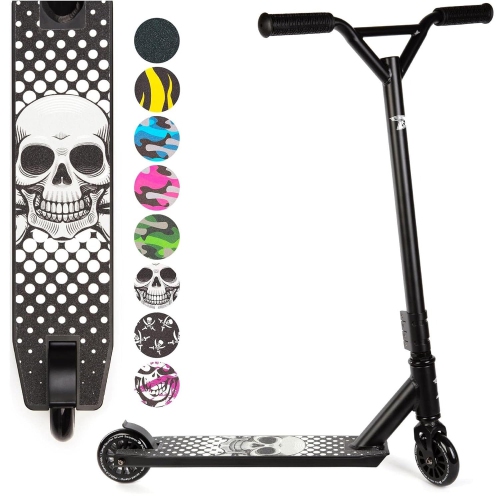
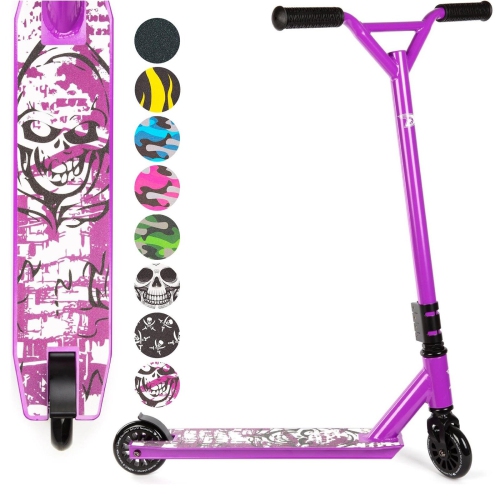
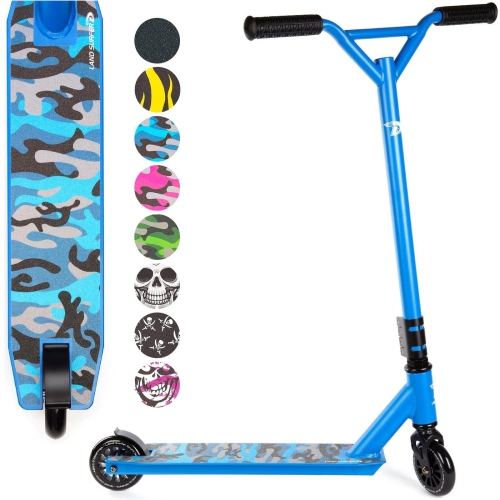
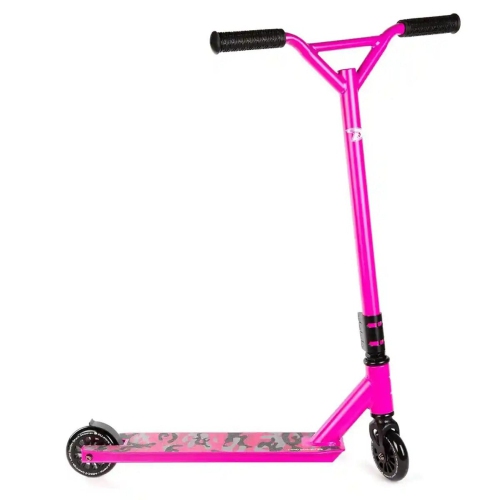
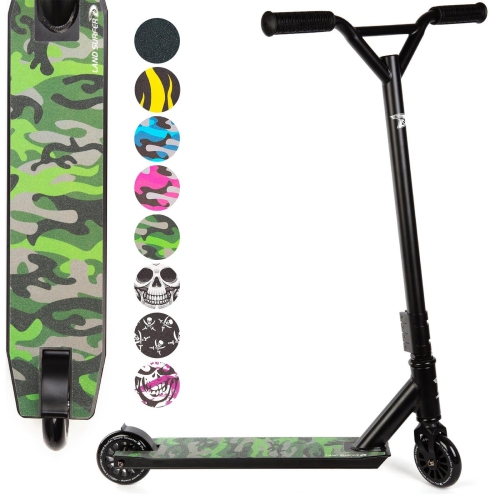
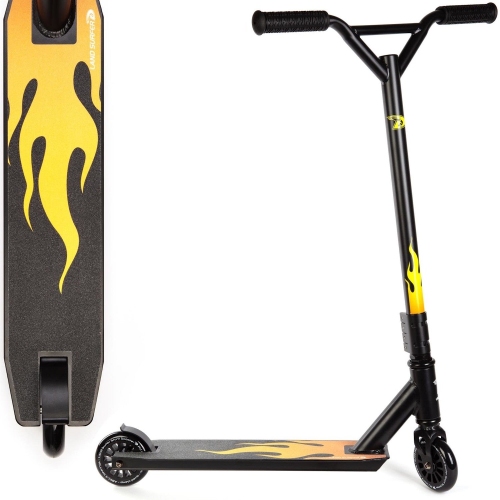
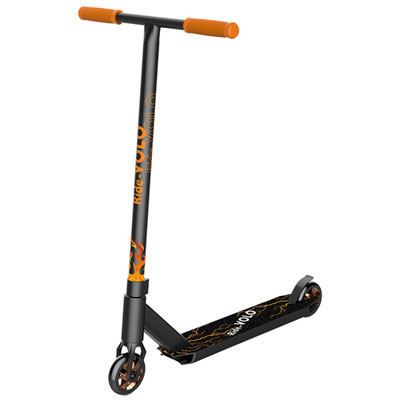
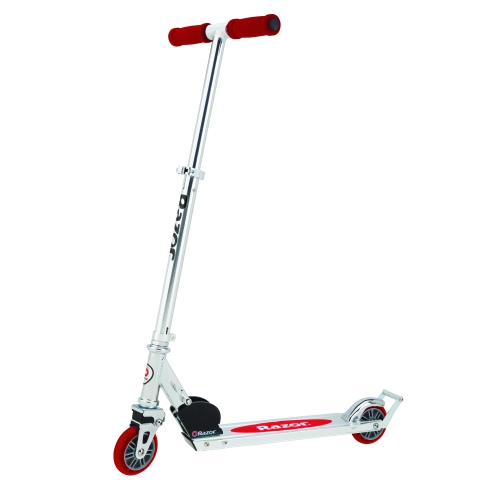
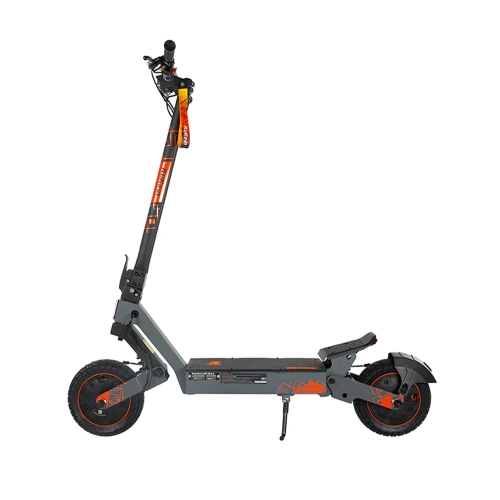
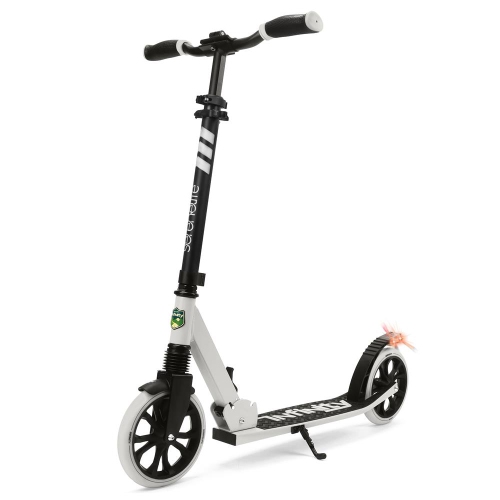
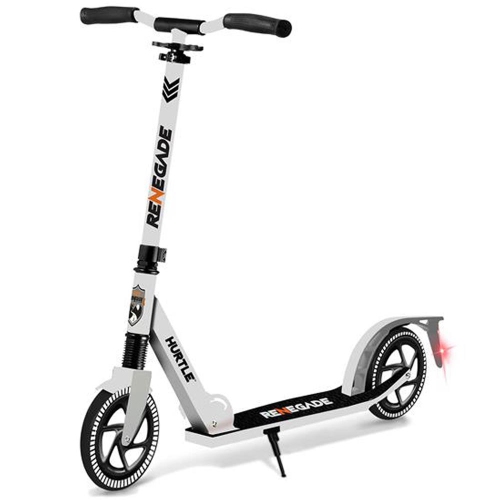
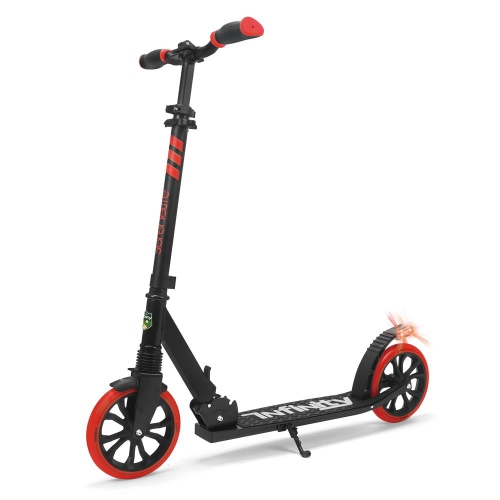








Why scooter fit matters for tricks and landings
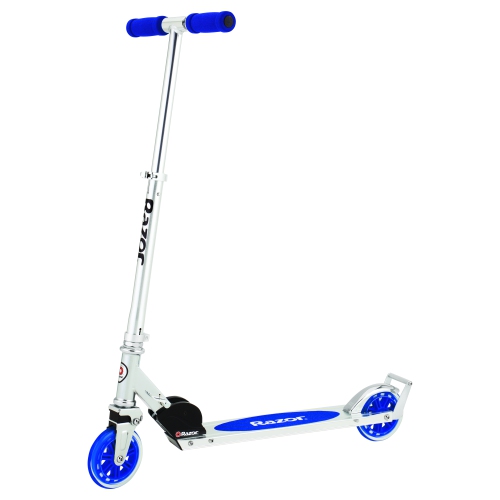
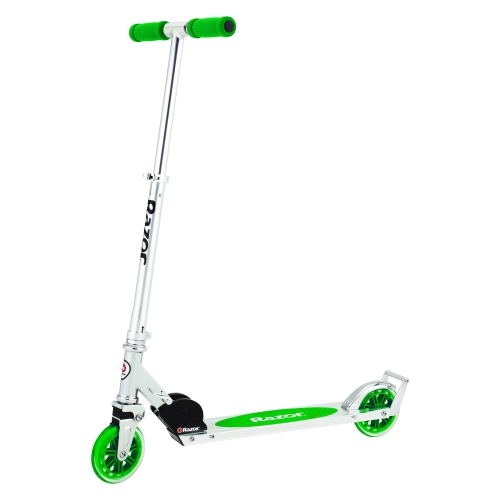
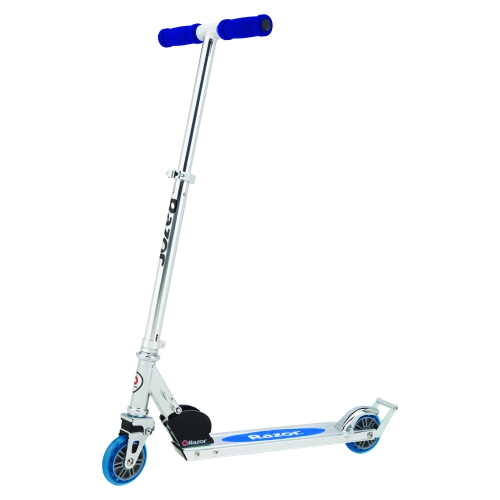
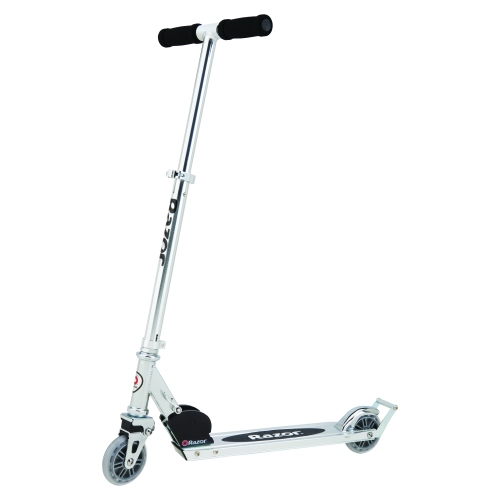
Stunt scooters for adults are freestyle kick scooters designed for tricks, jumps, and controlled landings, with construction that differs from a typical folding commuter scooter. Most use a fixed-height handlebar, a rigid deck, and a non-folding frame to create a solid connection between the rider and the scooter. That structure matters when rolling into a ramp, lifting the deck for a hop, or landing with both feet planted after a trick. Adult suitability depends on the scooter’s dimensions, stated rider weight limit, and intended use, rather than an age label alone. A compact freestyle scooter may be strong enough for an adult yet still feel cramped if the bars are too low or the usable deck space is too short. Materials help shape the feel of the ride: aluminum decks are common because they balance weight and strength, while chromoly steel handlebars offer toughness for demanding riding. Some designs use aluminum handlebars to reduce weight, although the suitability of any component depends on its construction and the manufacturer’s specifications. Heat-treated 6061 aluminum is frequently used in freestyle decks, but an alloy designation alone does not establish how well a complete scooter will suit a particular rider. Deck geometry, welds, the fork, and the handlebar connection all contribute to the overall build. Polyurethane wheels with metal cores are common on stunt-focused designs, providing a compact rolling surface suited to smooth skatepark concrete and other approved riding areas. Unlike electric scooters, freestyle scooters rely on the rider’s push and body movement, keeping the focus on balance, timing, and control. They can suit adults learning their first hops, riders returning to the skatepark, and experienced enthusiasts refining more technical movements. Within the broader Stunt Scooters category, adult riders benefit from looking beyond appearance to the dimensions and riding purpose of the complete setup. The right match should provide room to move without feeling unnecessarily bulky, with components intended for the demands of freestyle riding.
Fit is especially important because most stunt scooters do not offer the telescoping height adjustment found on recreational models. For many adult riders, grips around hip-to-navel height provide a useful starting point, although preferred bar height varies with body proportions, stance, and riding style. Bars that are too low can encourage an uncomfortable bend through the back, while bars that are too high can make certain movements feel awkward. Published handlebar measurements also need context: bar height by itself is not necessarily the same as the assembled height from the ground to the grips. Handlebar width affects leverage and clearance, with a wider grip position often feeling stable but requiring more space during bar spins. Deck length and width influence how comfortably two feet can settle into position. An adult wearing larger shoes may appreciate extra usable foot space, particularly when resetting their stance after a landing. Wider, more squared-off decks are often associated with street-style riding and grinds, while lighter, narrower setups can feel easier to manoeuvre through park transitions and aerial tricks. These are tendencies rather than strict rules; personal comfort and technique remain important. Wheel diameter is another practical consideration. Sizes such as 110 mm and 120 mm are common in freestyle designs, with larger wheels generally rolling more easily over small surface irregularities, provided the fork and deck can accommodate them. Wheel width, axle size, and clearance must also match when components are replaced. Bearing-rating numbers should not be treated as a shortcut to judging a scooter’s overall quality, since fit, cleanliness, and condition affect how smoothly the wheels turn. The headset and compression system help keep steering smooth and the front assembly secure, while grippy deck tape gives shoes a more dependable contact surface. Manufacturer-stated weight limits deserve attention, but a weight rating is not a promise that every jump, drop, or riding surface is appropriate. Intended-use guidance remains essential when matching a scooter to an adult rider’s size and ambitions.
Durability comes from both suitable construction and ongoing care, especially because repeated landings place stress on the deck, bars, fork, wheels, and their connections. A scooter used for relaxed practice on smooth concrete experiences different demands from one used for repeated grinds or hard landings. Scratches on the underside of a deck can be a normal result of riding, but cracks, bent components, loose connections, or unusual movement need attention before further use. Grip tape gradually loses traction as its surface wears or collects dirt, and worn handlebar grips can make a secure hold more difficult. Wheel wear may show up as flat spots, uneven rolling, or damage to the polyurethane, while bearings can become noisy or rough when contaminated. Routine care generally involves removing grit, wiping down contact surfaces, and checking fasteners according to the manufacturer’s instructions. Excessive tightening can damage components, so correct tools and specified torque settings matter more than simply making every bolt as tight as possible. Replacement parts are not universally interchangeable: handlebar diameter, compression type, wheel dimensions, and axle hardware all need to suit the existing setup. The rear brake or fender arrangement also deserves a closer look, since not every freestyle design uses the same method of slowing down or preventing shoe contact with the wheel. For an adult beginner, a predictable setup and comfortable stance can make repeated practice less frustrating, whether the session centres on balance, small hops, or learning to roll through gentle transitions. More experienced riders may place greater emphasis on deck shape, bar clearance, and the balance of weight between the front and rear. A stunt scooter can also make a thoughtful gift for an adult who already enjoys skatepark riding, provided their height, shoe size, riding preferences, and required weight capacity are known. Protective equipment, including a properly fitted helmet and suitable pads, supports that riding experience. Smooth, designated spaces and respect for skatepark rules help keep the focus on progression, shared space, and the satisfaction of landing a movement cleanly.
Top selling and popular products
-
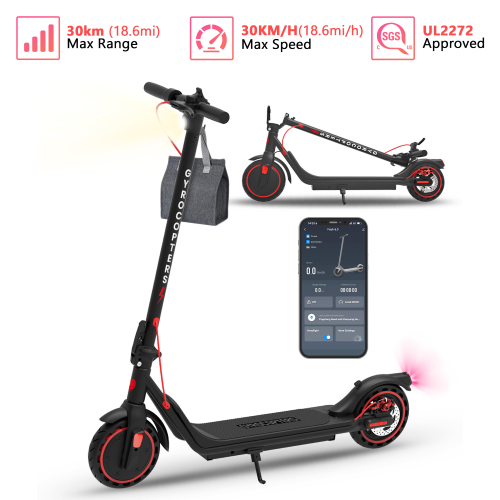 Your price for this item is $269.97
-
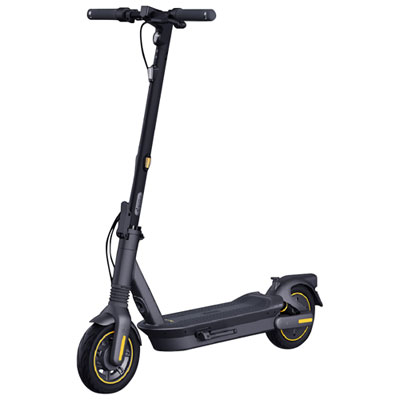 Your price for this item is $1199.99
-
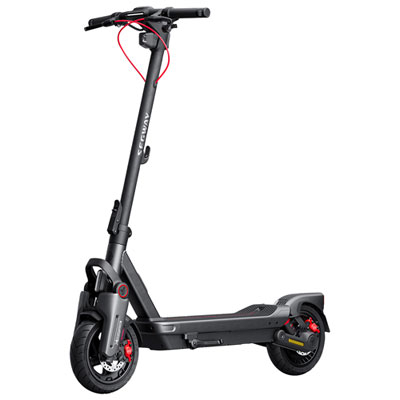 Your price for this item is $1599.99
-
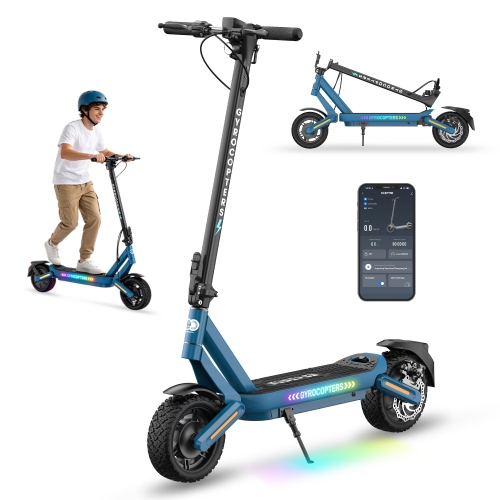 Your price for this item is $699.97
-
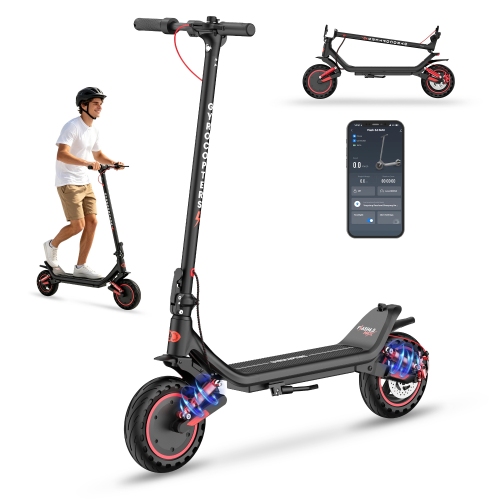 Your price for this item is $499.97
-
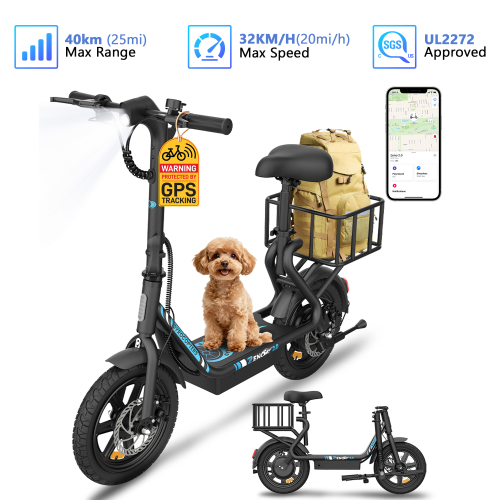 Your price for this item is $499.97
-
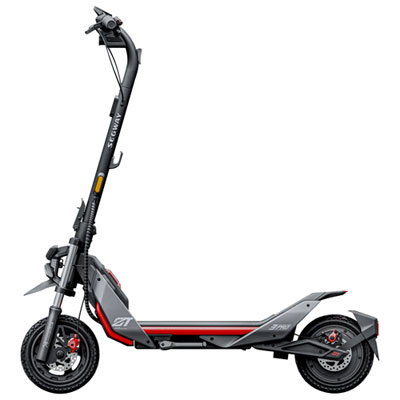 Your price for this item is $1599.99
-
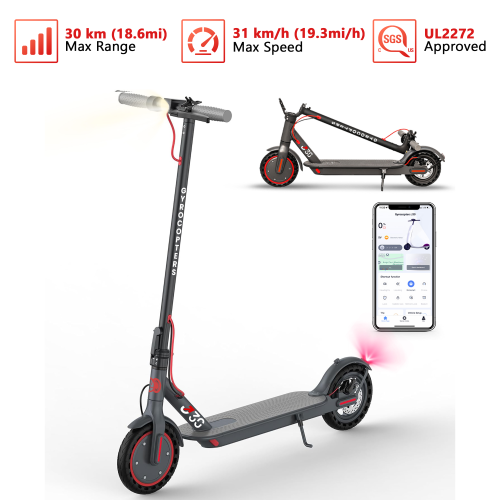 Your price for this item is $319.97
Discover more categories related to Stunt Scooters for Adults
Top Collections:
Pokemon Centers, Best Cameras for Sports Photography, Kindle Devices, Samsung Galaxy Phones, Canon G7X Cameras, Pokémon 30th Celebration Cards, Refurbished Apple Laptops, iPhone 15 Apple, Laptops for Students, Budget Smartphones
Some products may be subject to Environmental Handling Fees
(EHF) depending on your province.
Learn more about EHFs.