Submersible Pumps
If you're looking to keep your space dry and flood-free, look no further than our selection of submersible pumps. These powerful devices are designed to efficiently remove water from basements, pools, and other areas prone to flooding. Whether you're dealing with a minor leak or a major water emergency, this range of submersible pumps is here to help you tackle the problem head-on. With their durable construction and reliable performance, these pumps are a must-have for any homeowner or business owner looking to protect their property from water damage.
Sort
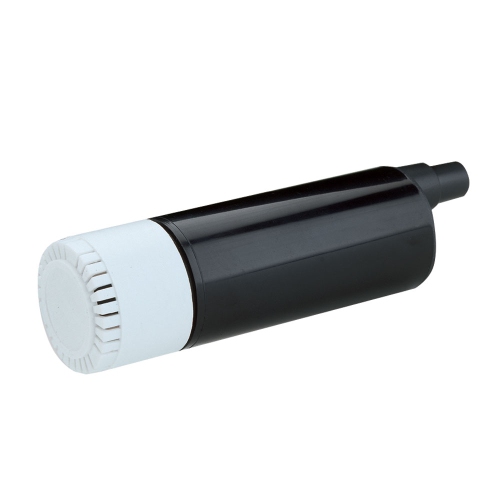
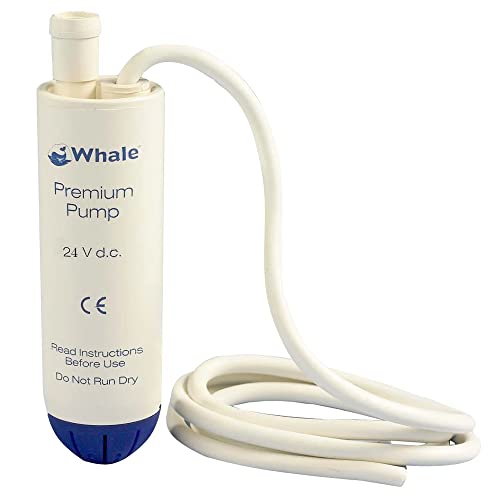
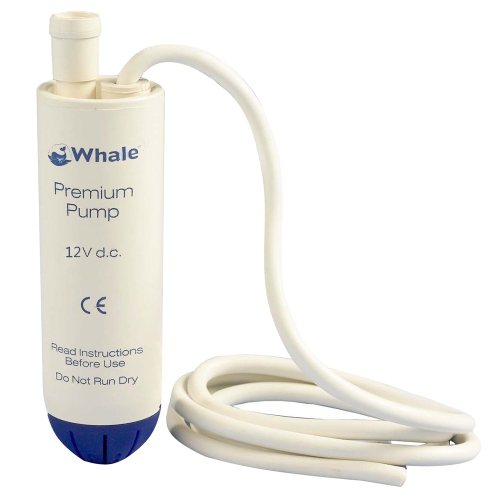
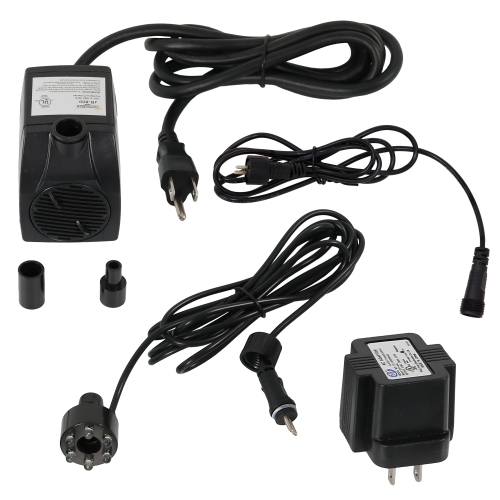
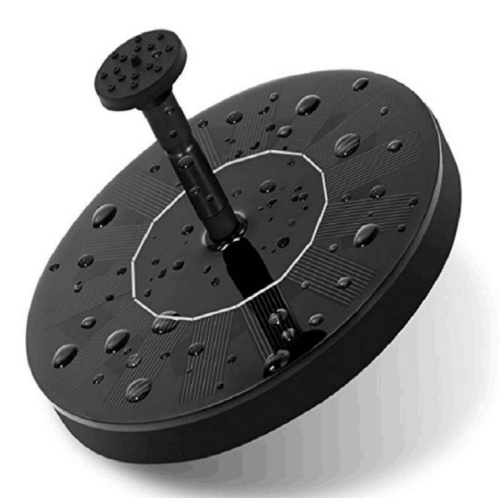
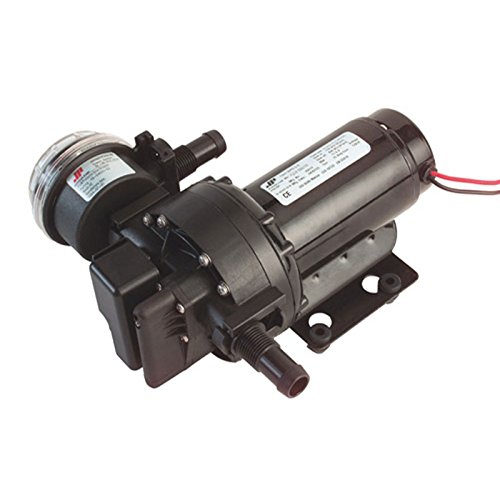
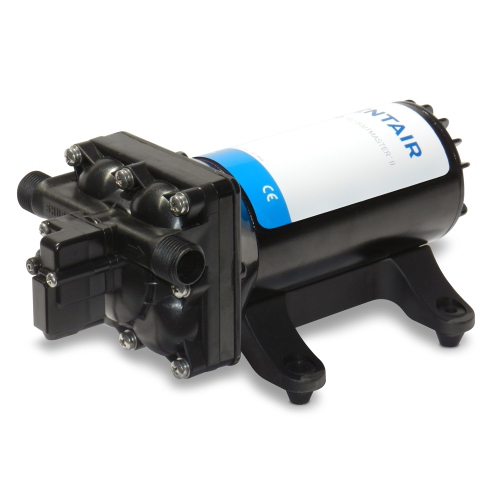
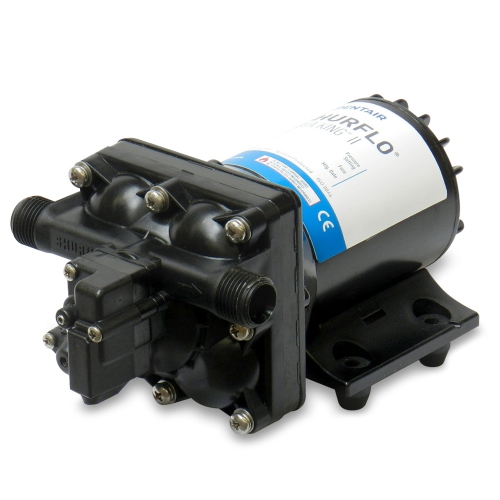

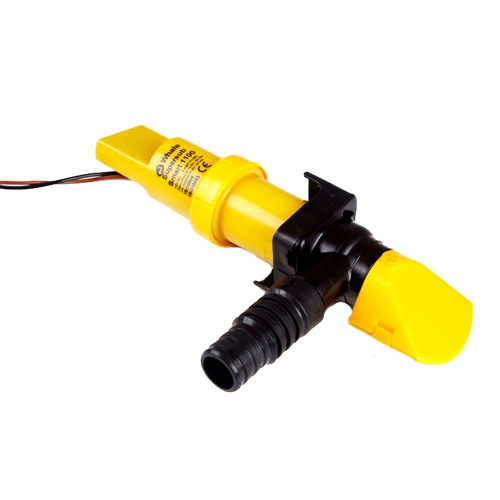
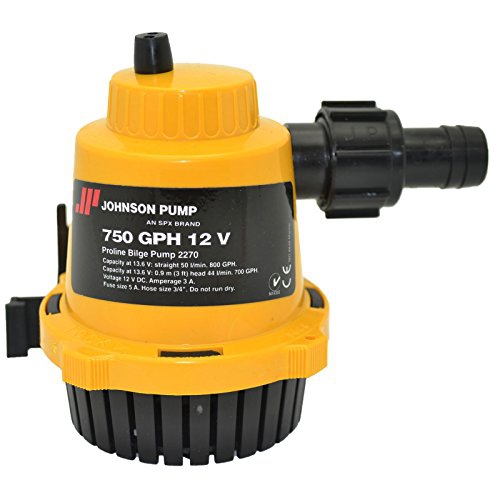

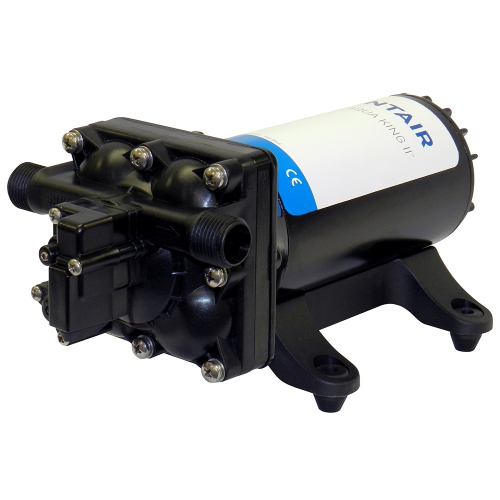
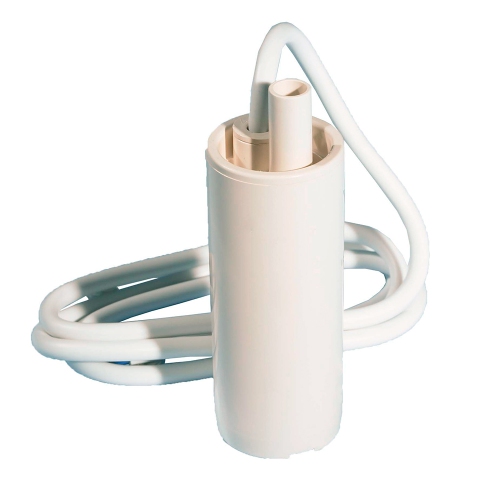
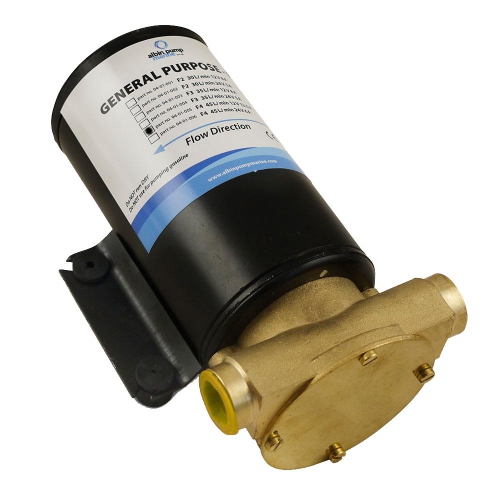
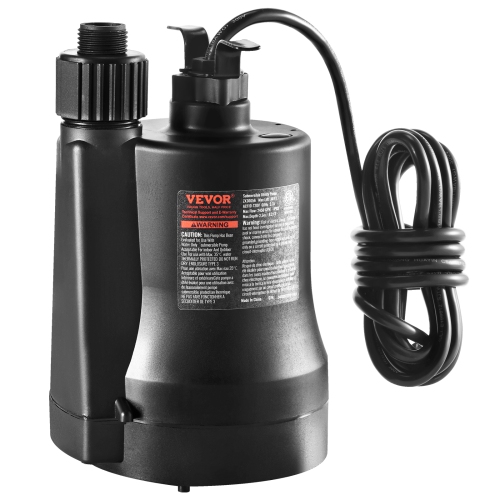
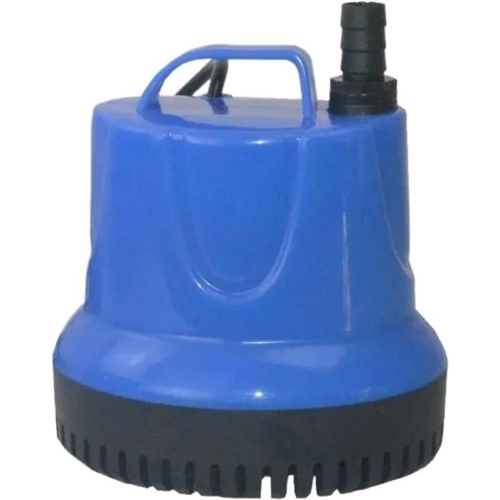
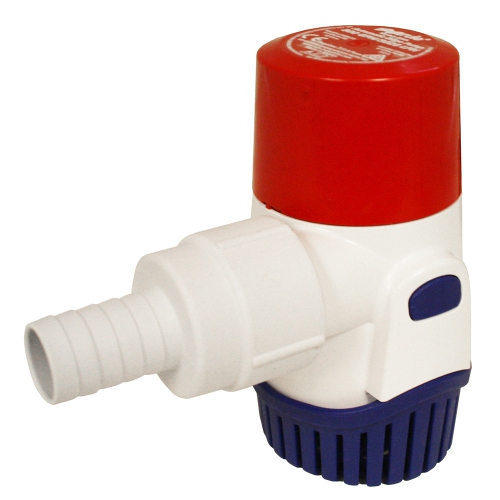

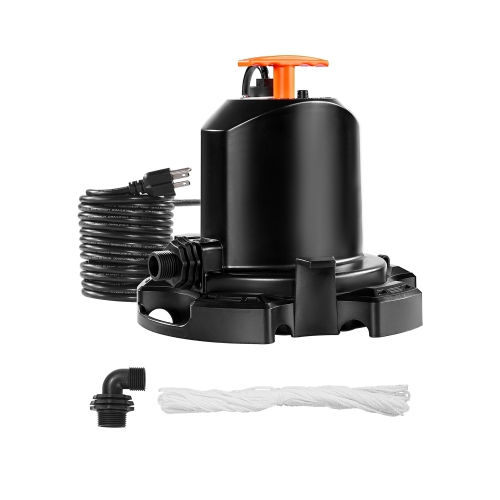
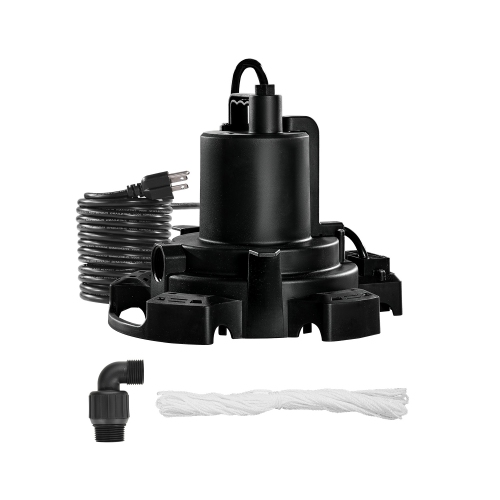
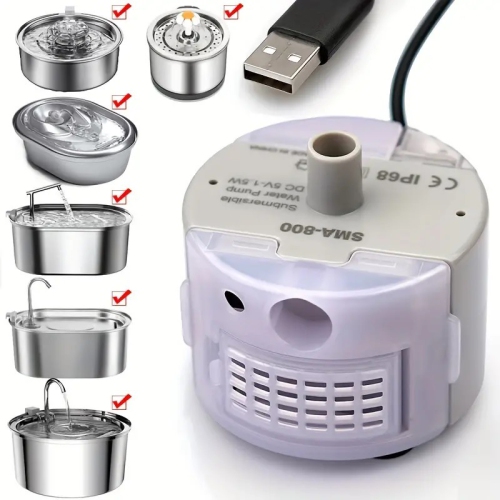
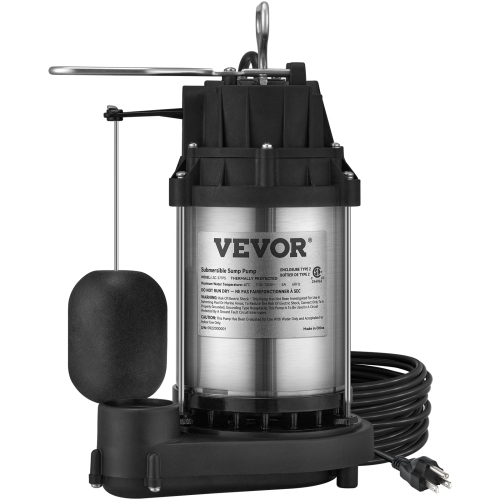
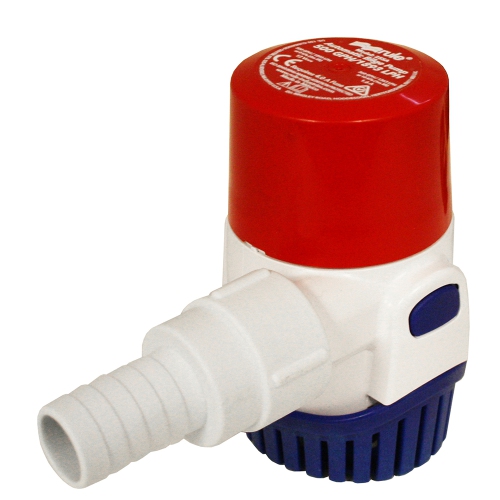
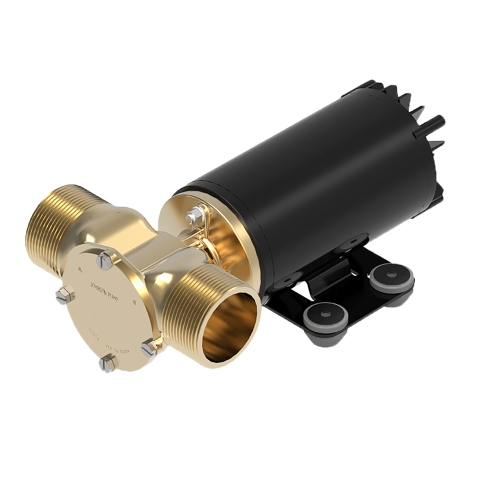
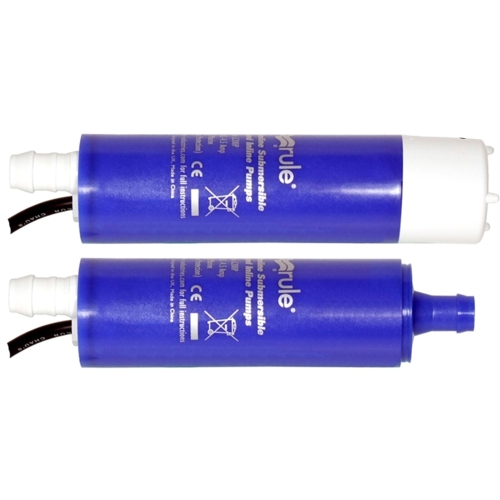
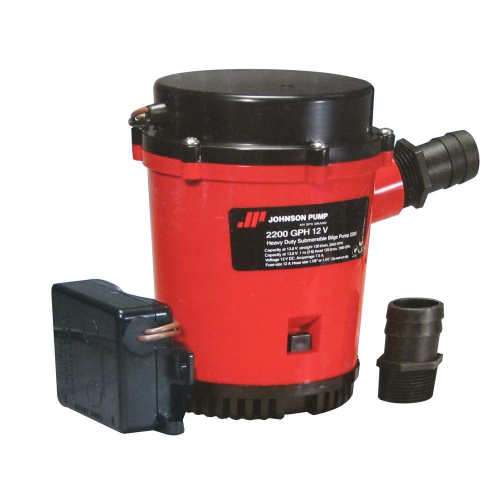
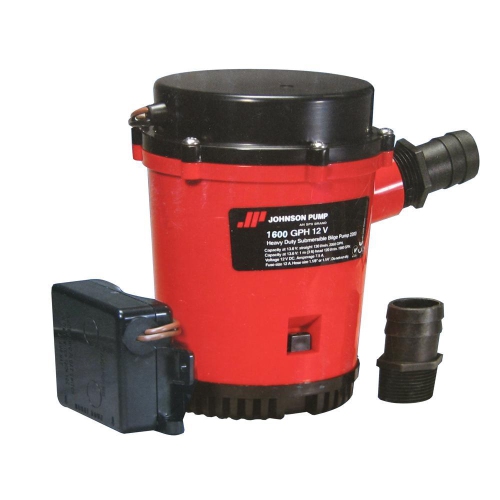
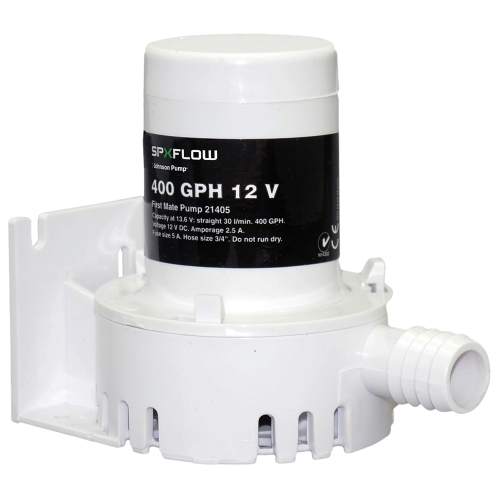

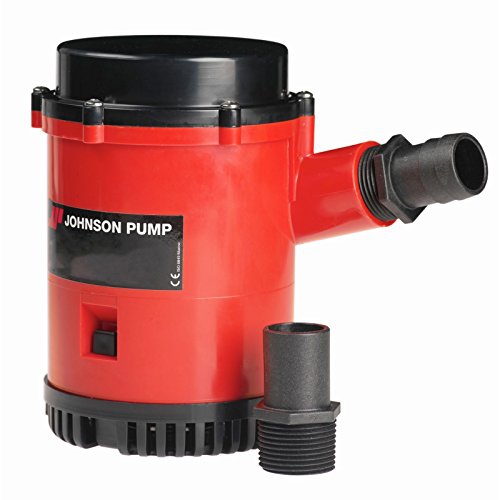
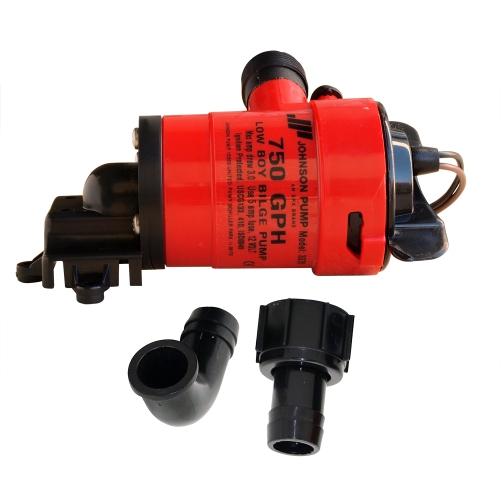
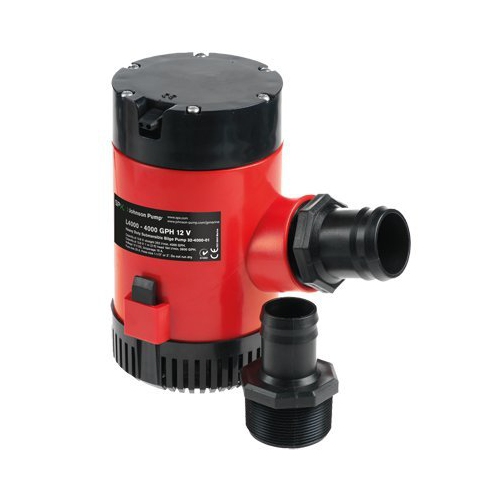
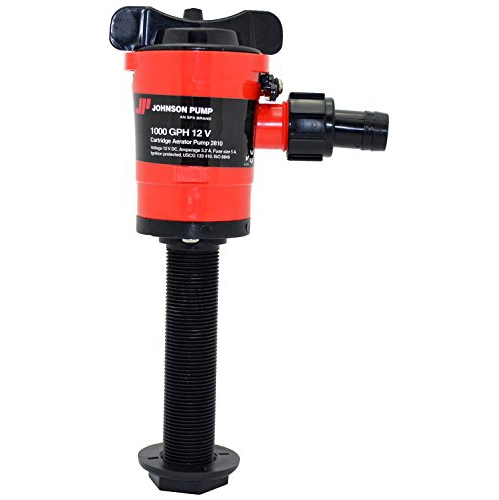
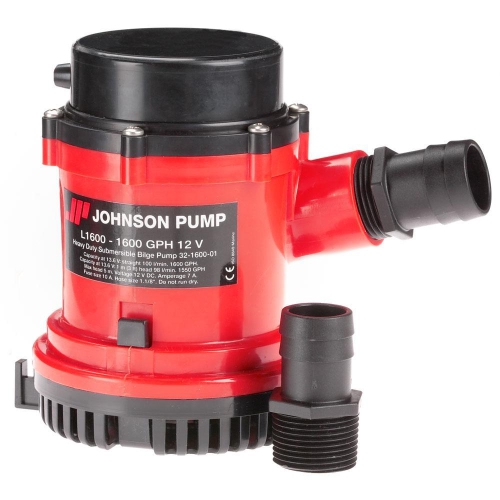
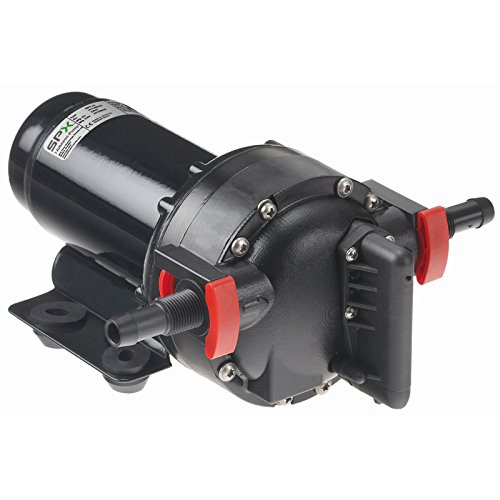
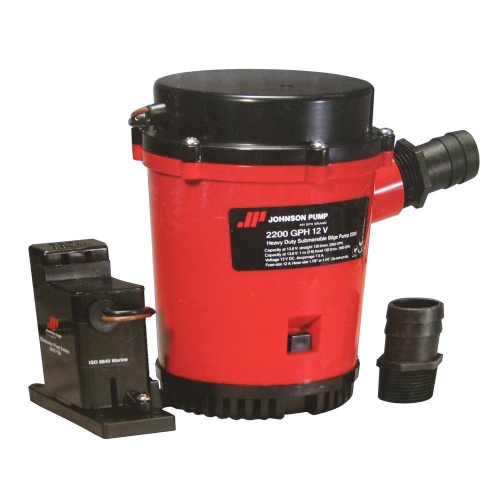
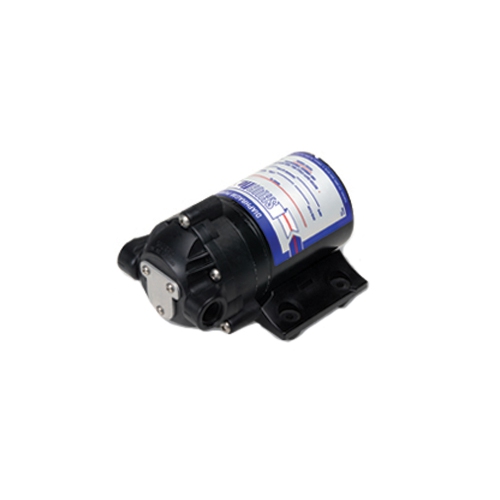
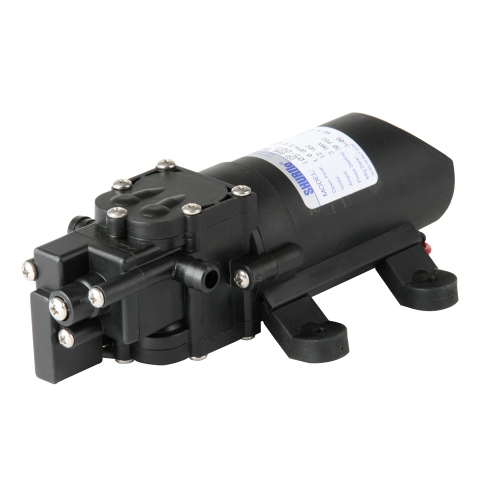
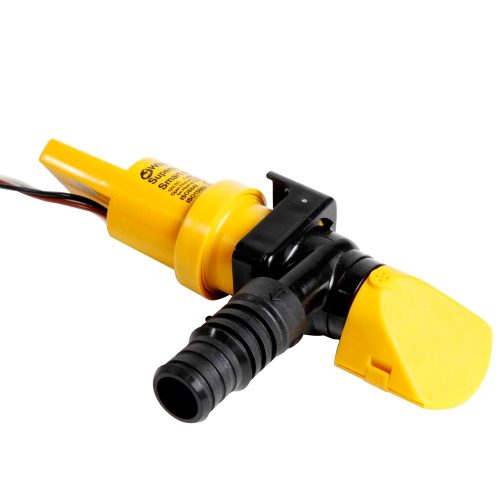
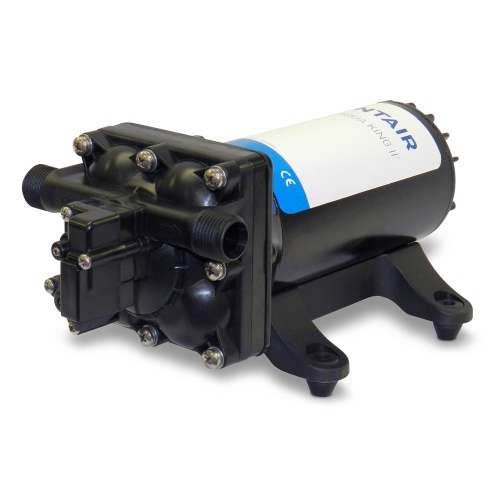
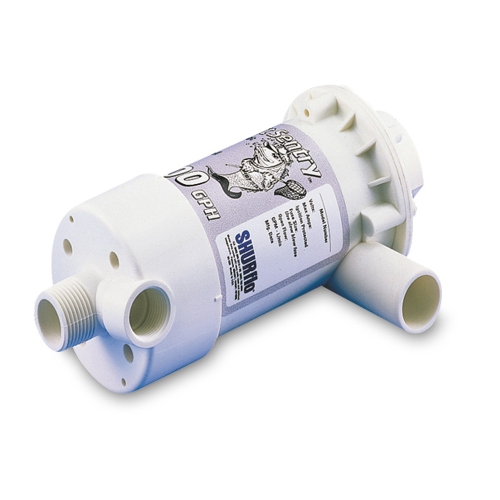
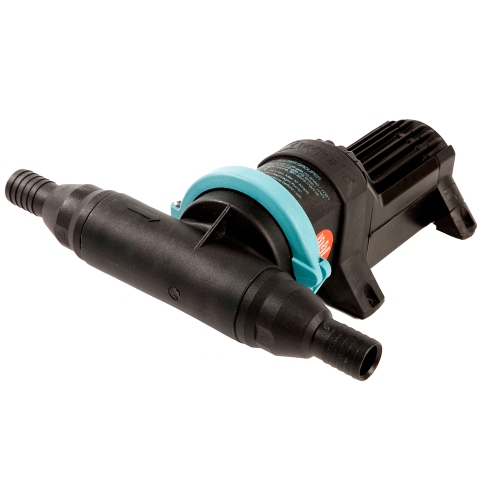
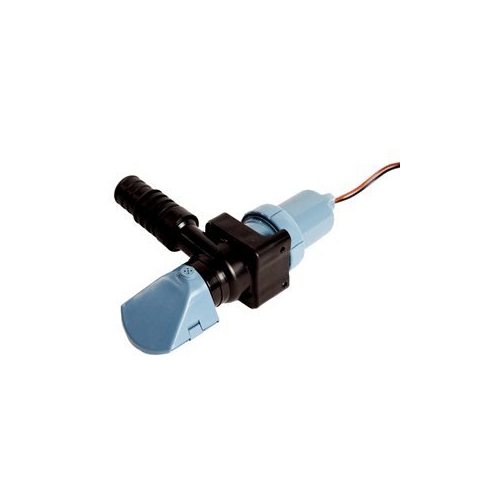
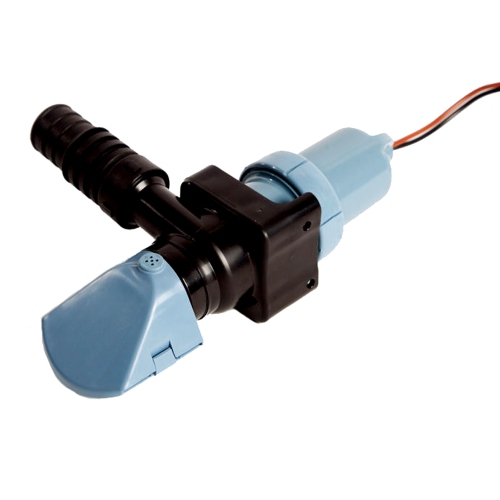
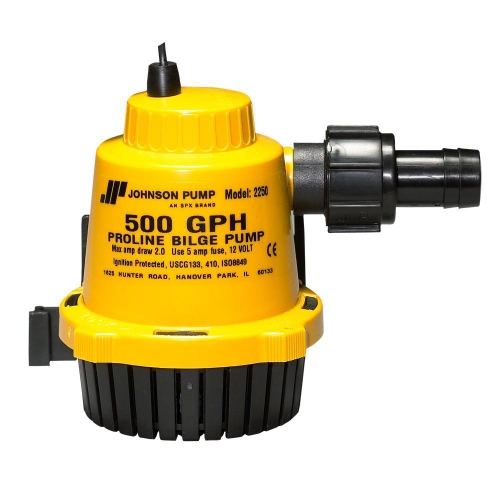
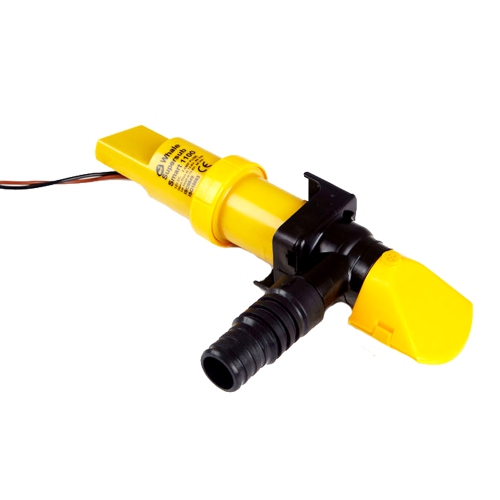

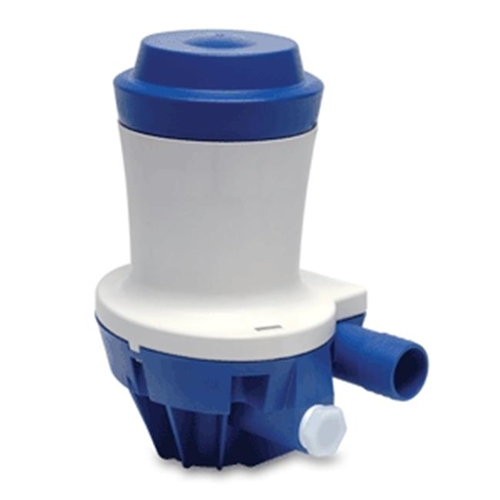
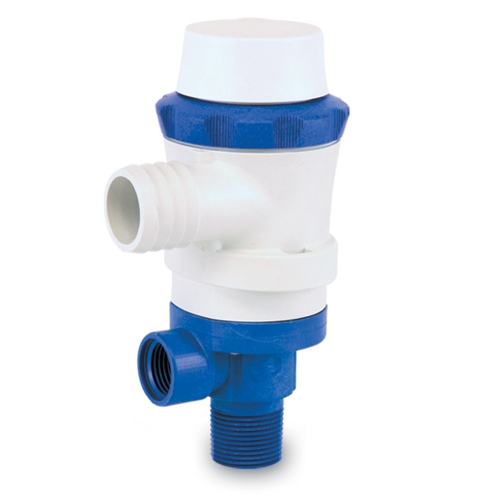
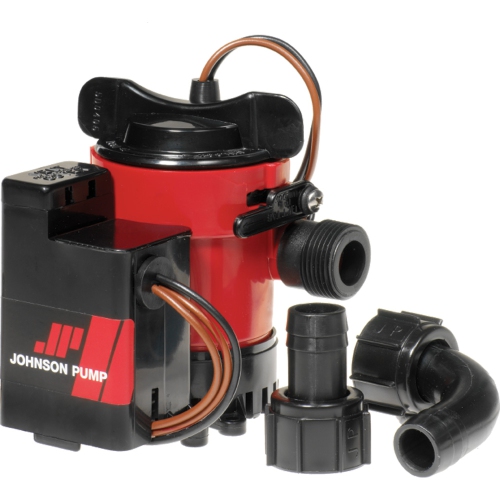
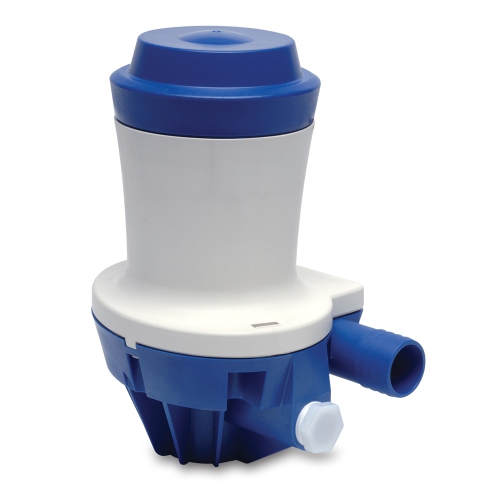
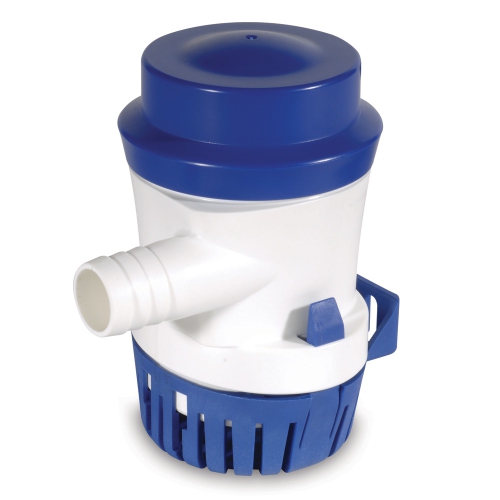
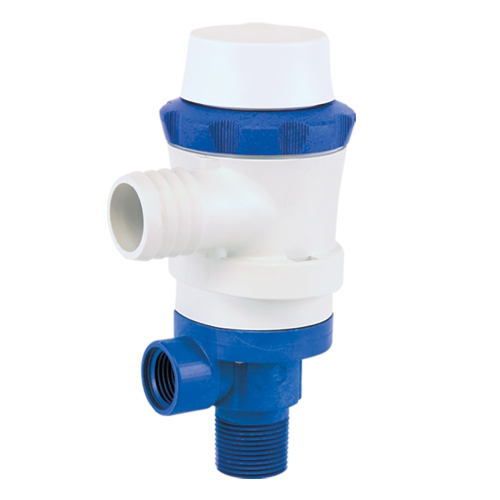
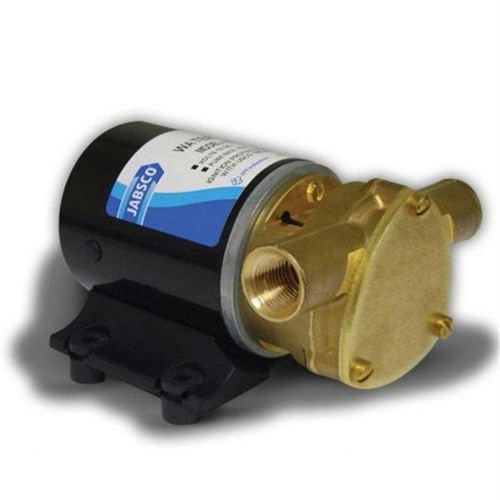
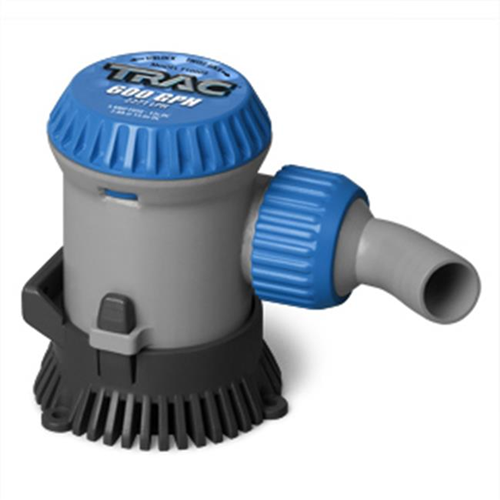
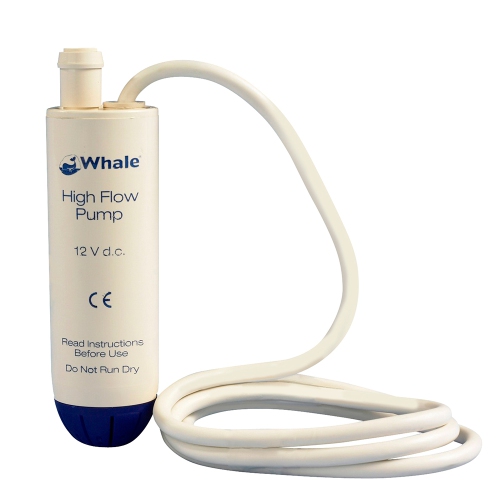
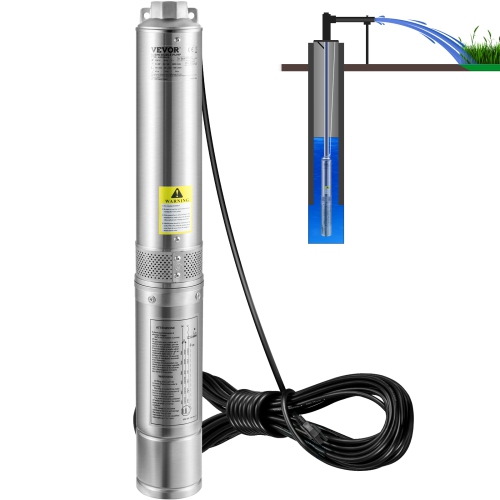
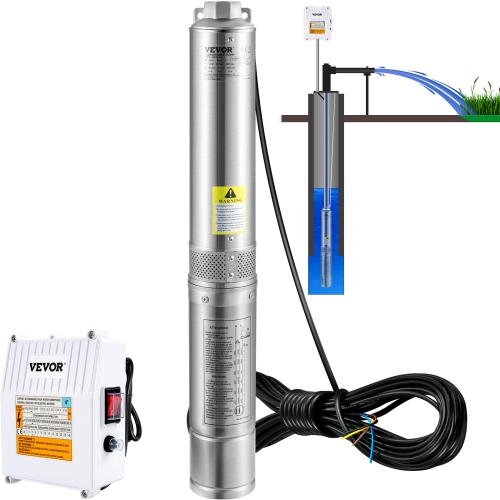
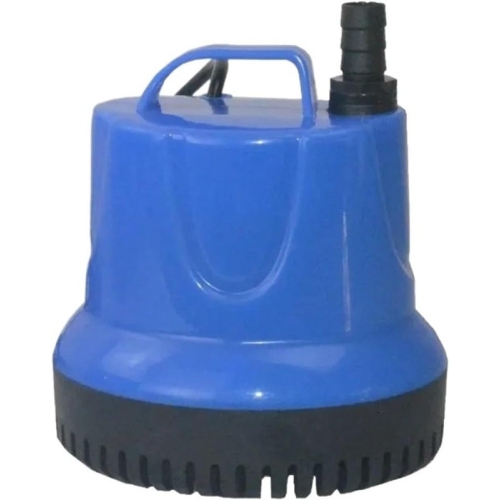
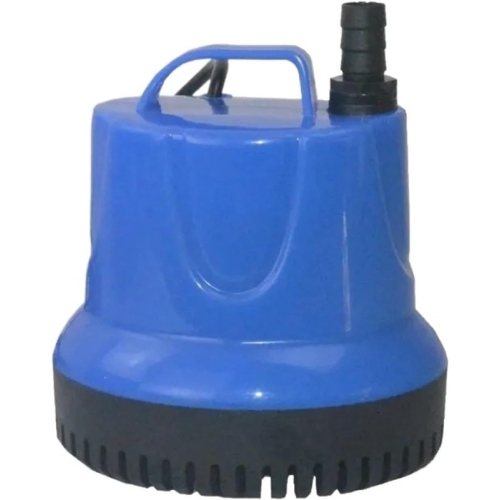
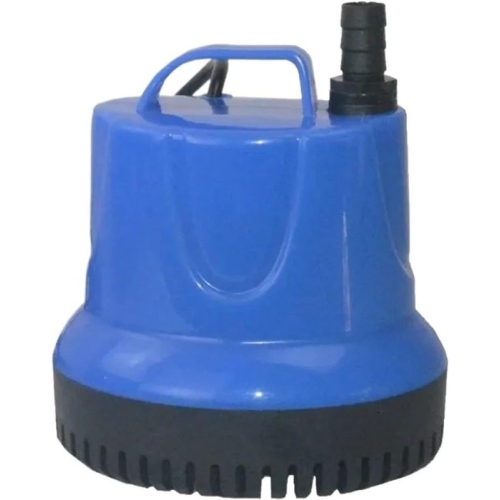

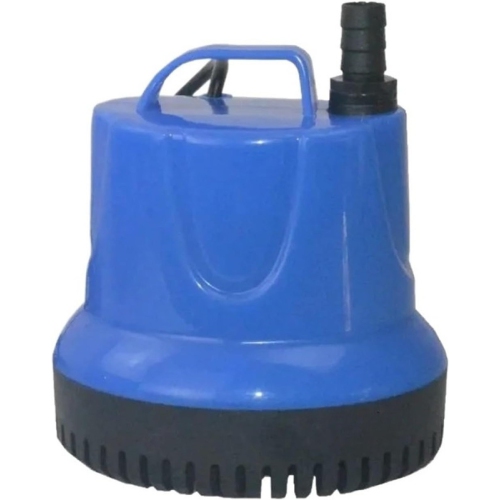
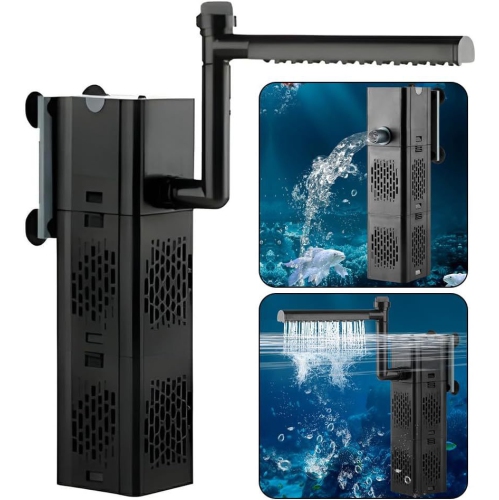
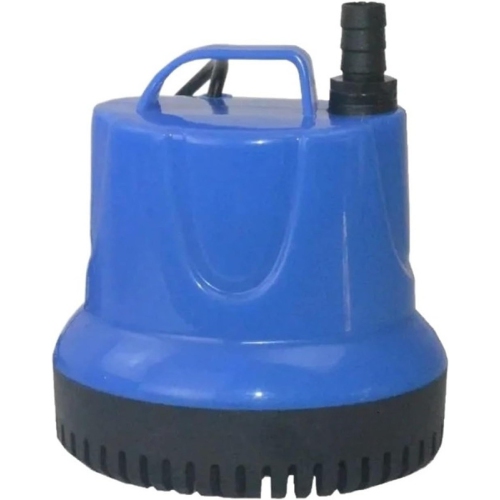
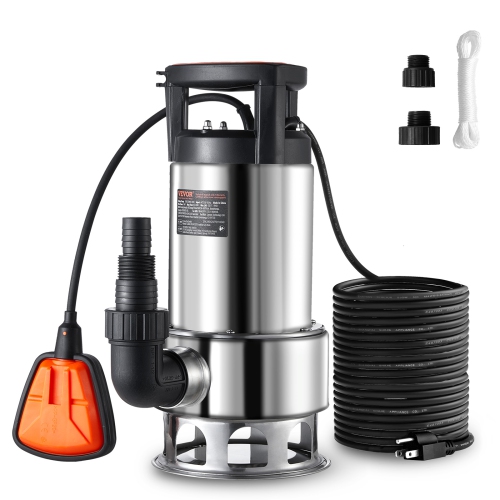
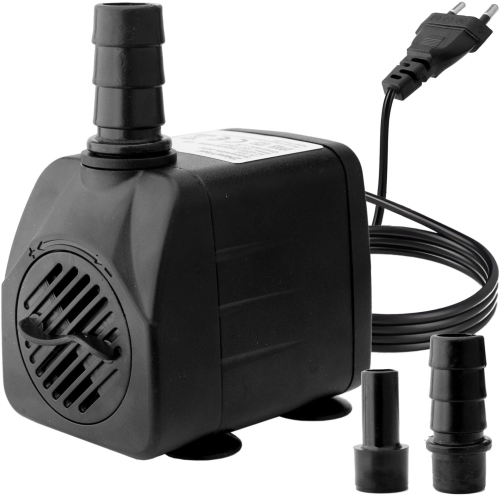
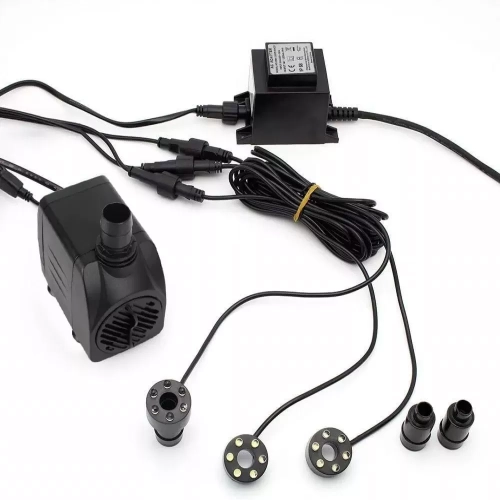
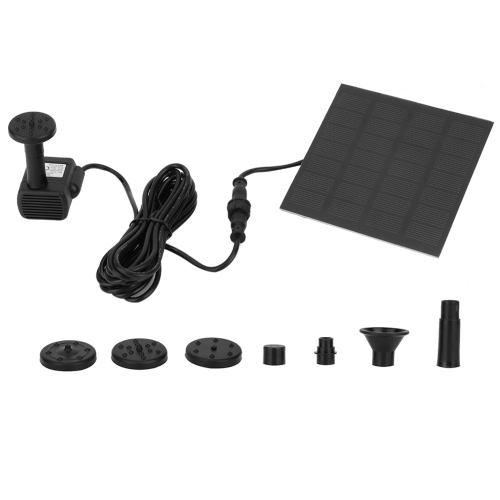

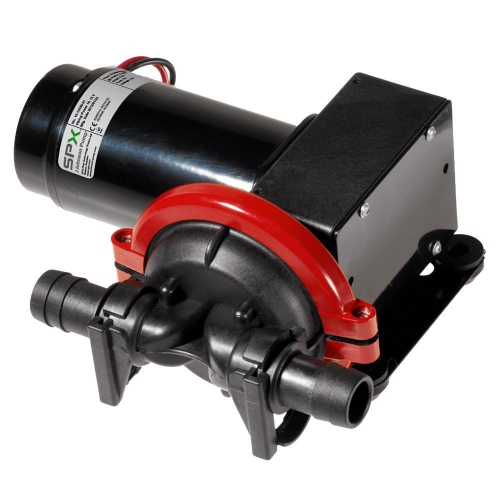
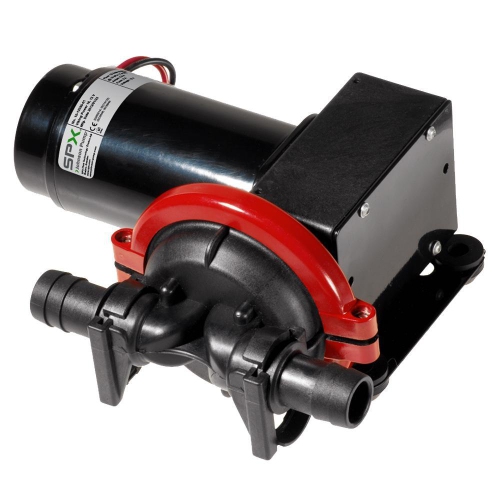

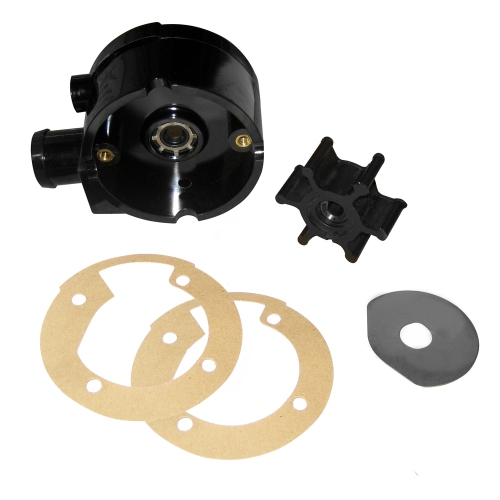
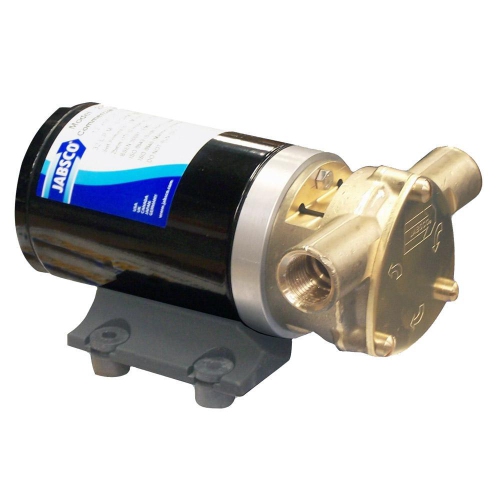
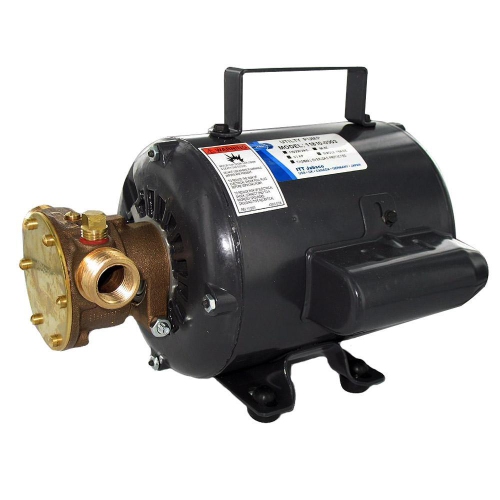
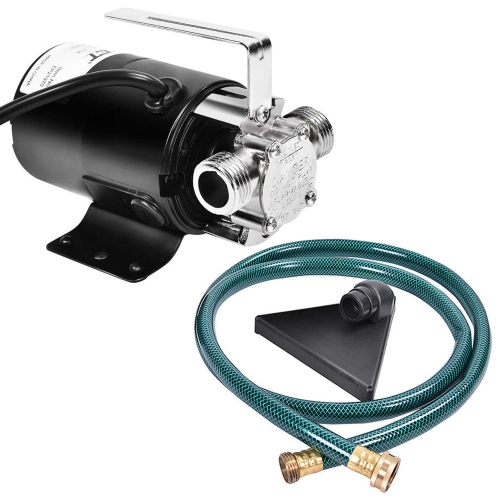
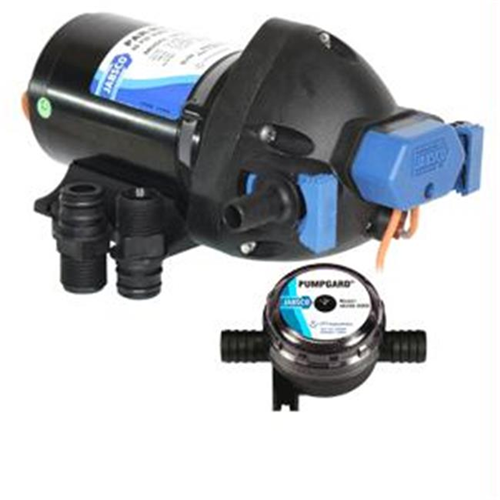
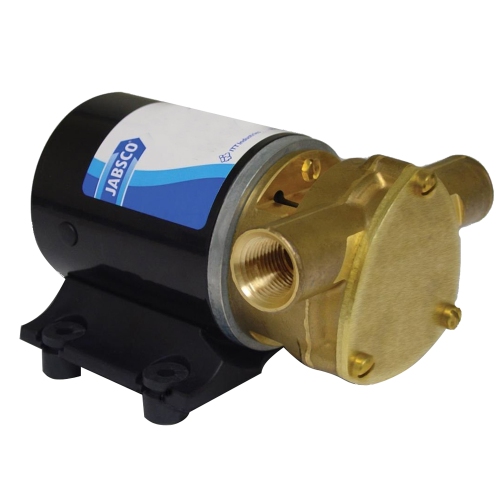
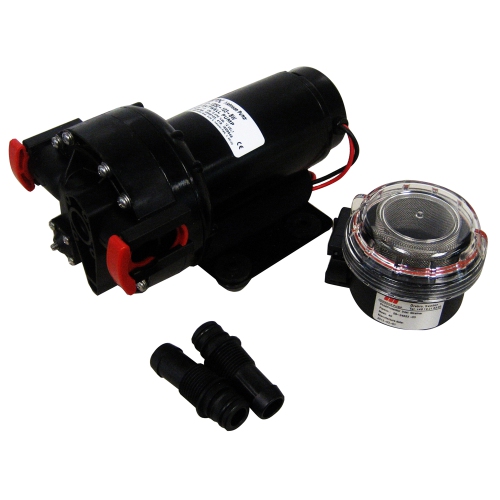
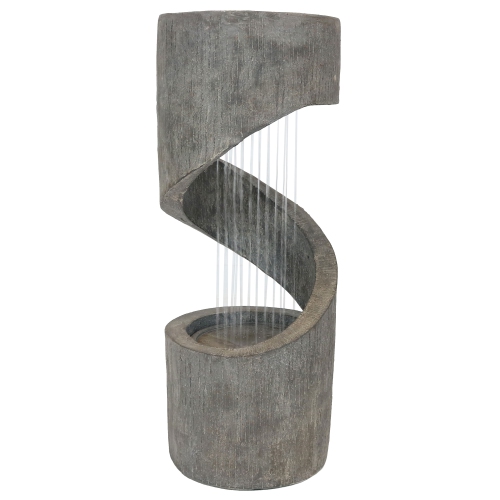
Understanding pump applications, flow rates, lift, and safe operation
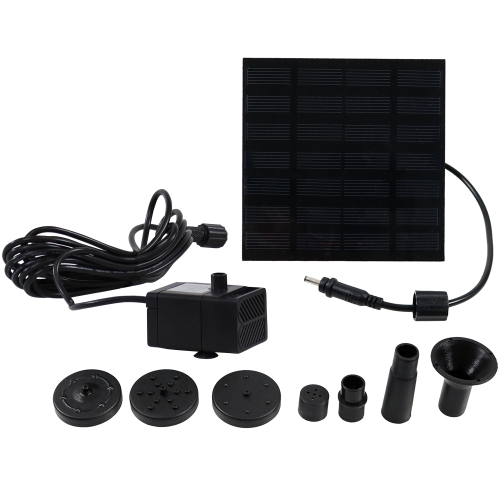
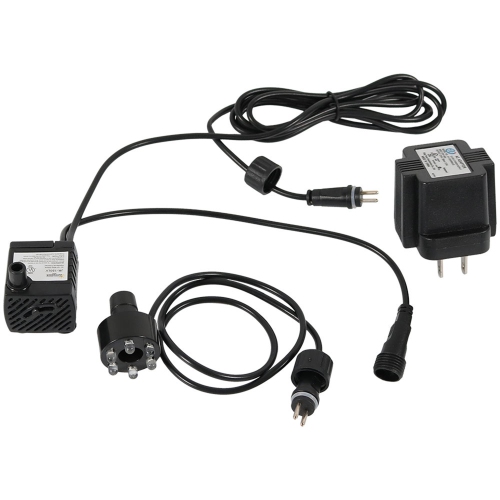
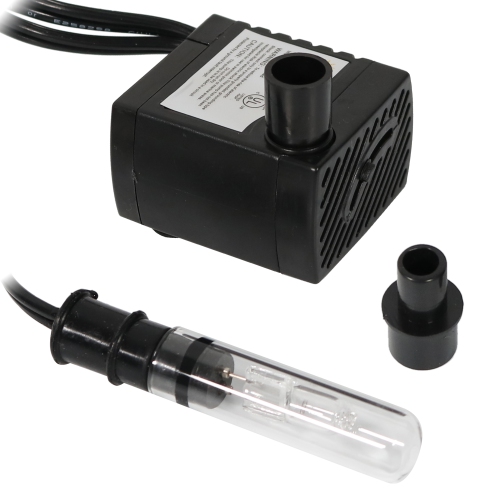
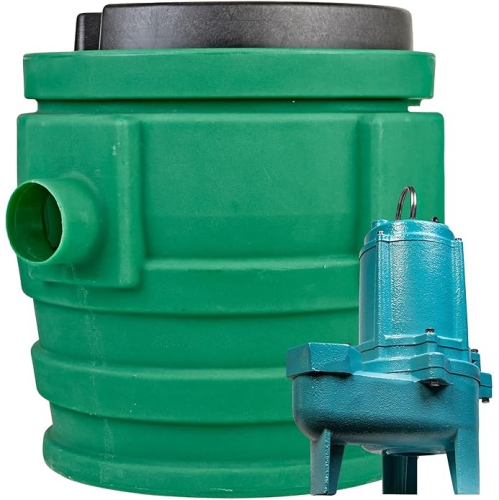
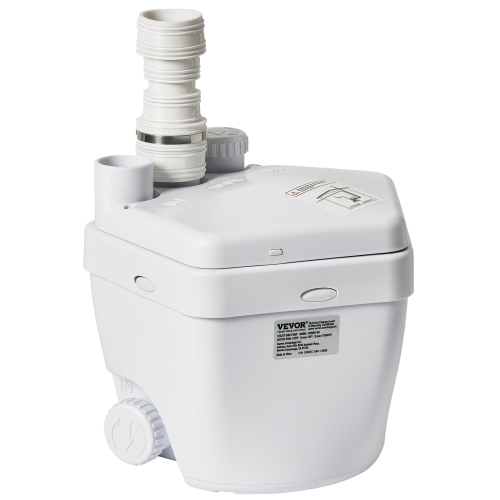
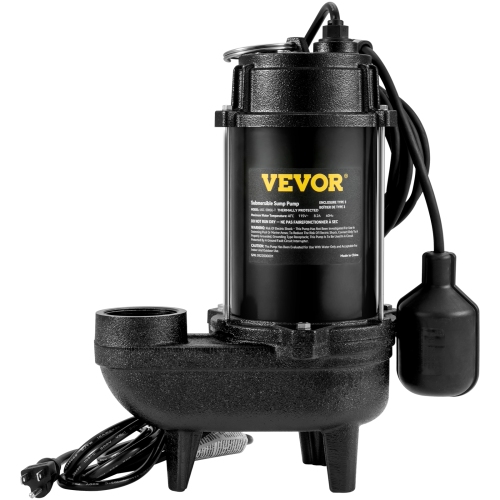
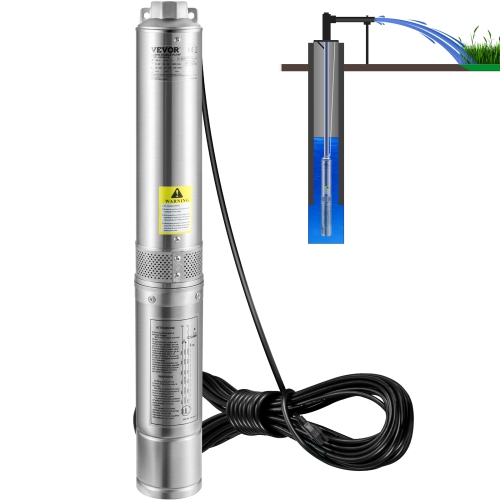
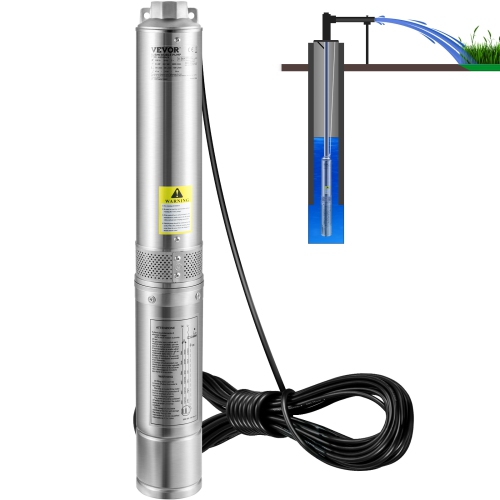
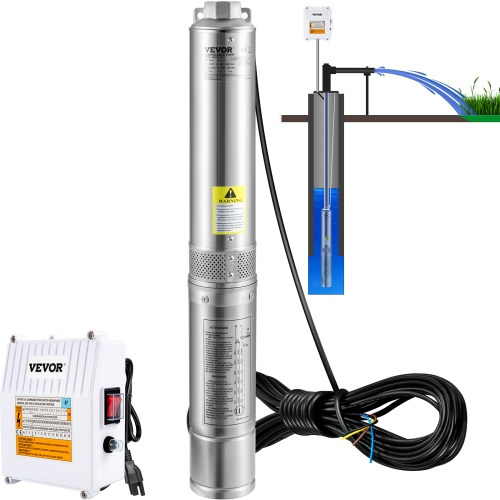
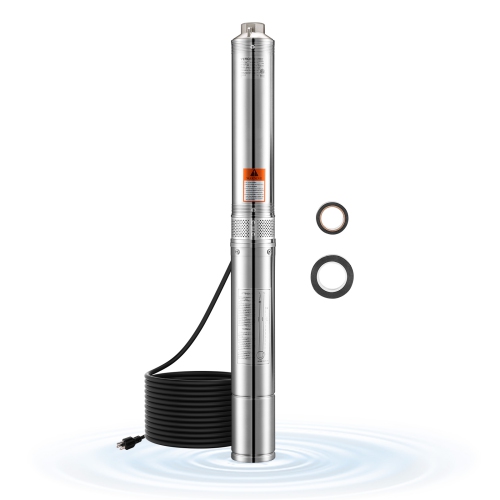
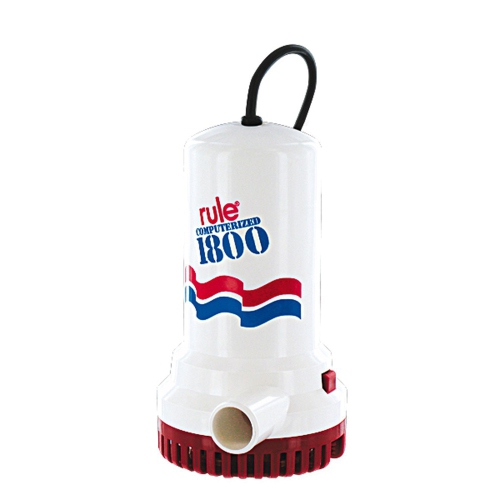
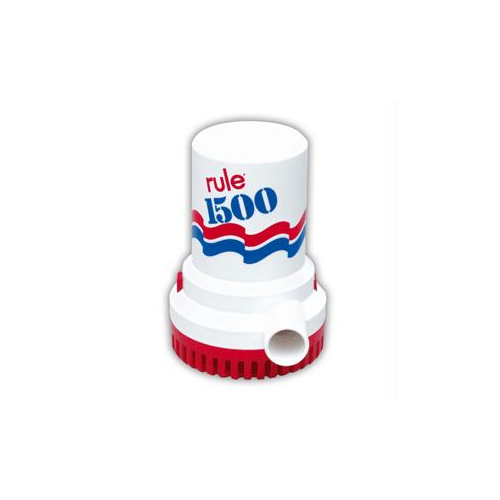
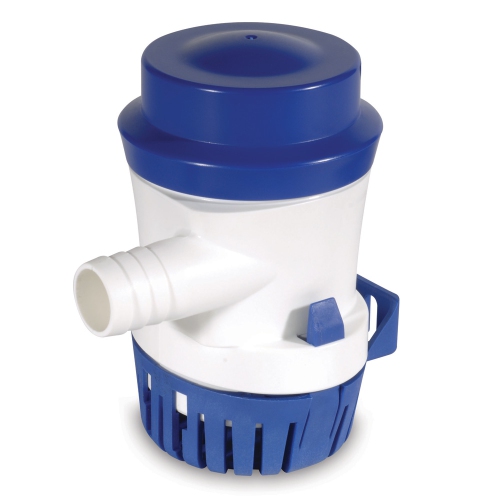
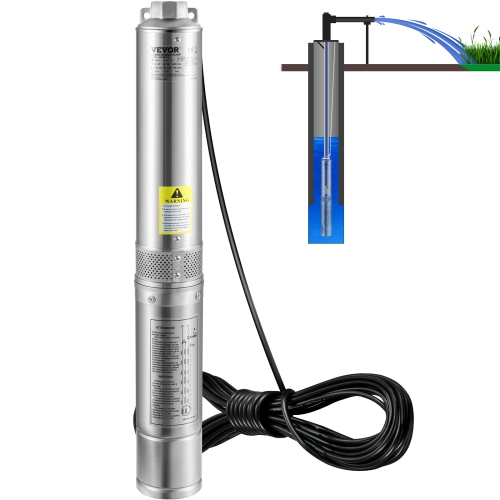
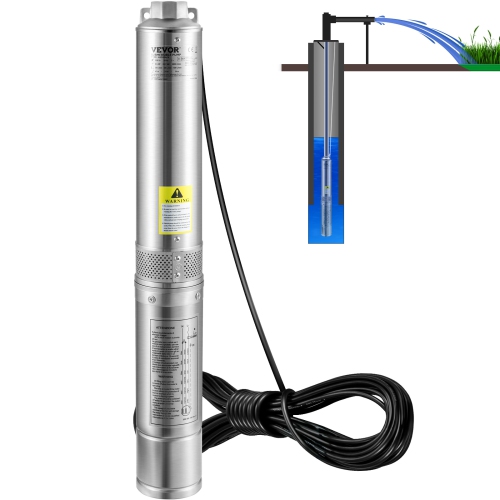
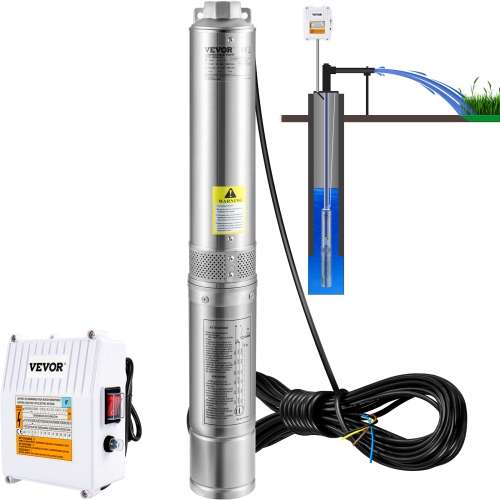
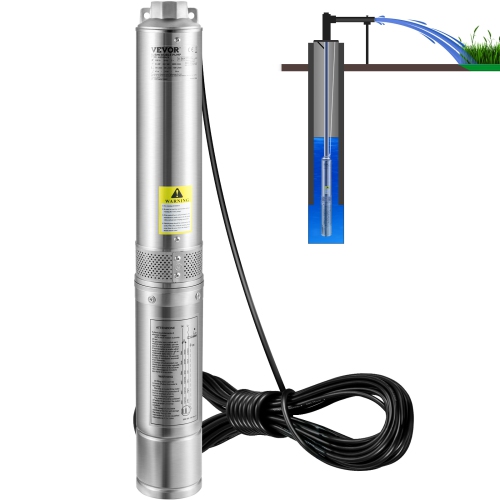
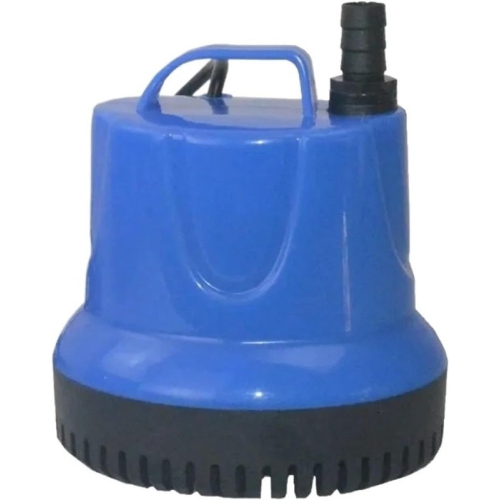
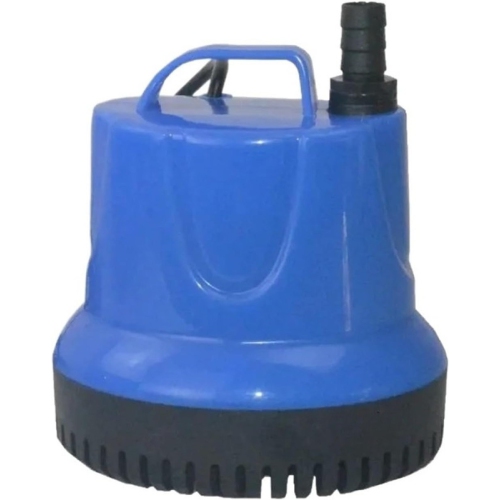
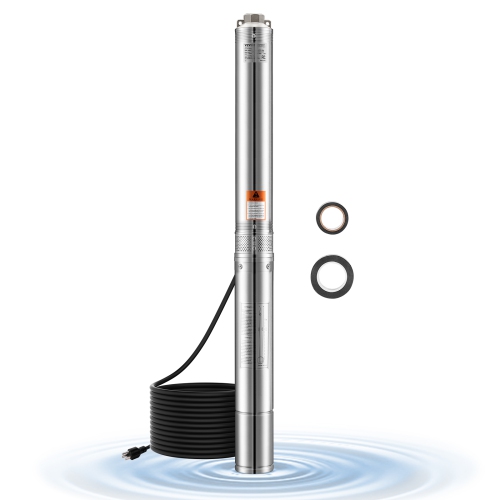
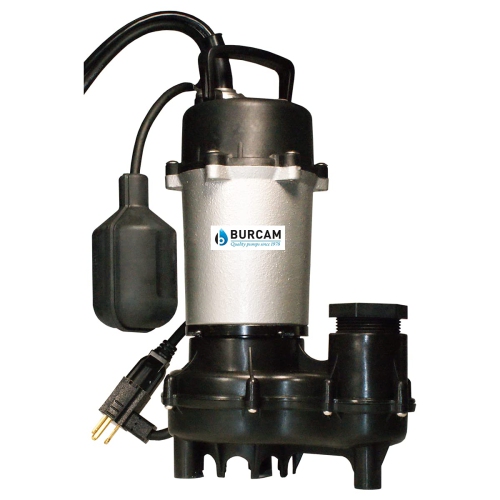
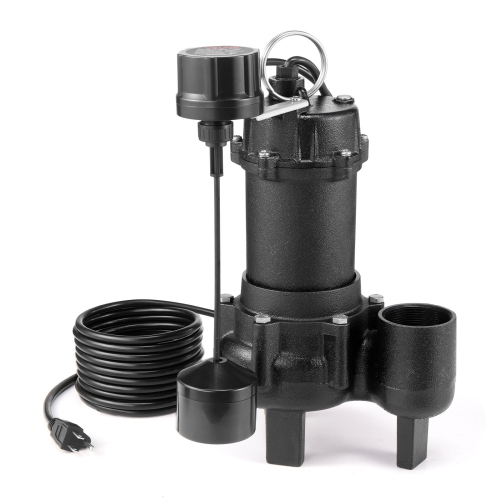
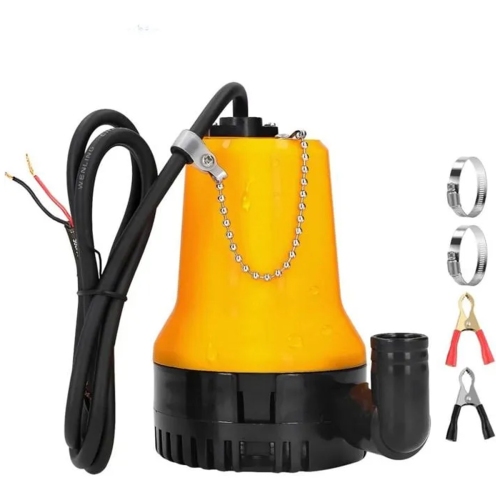
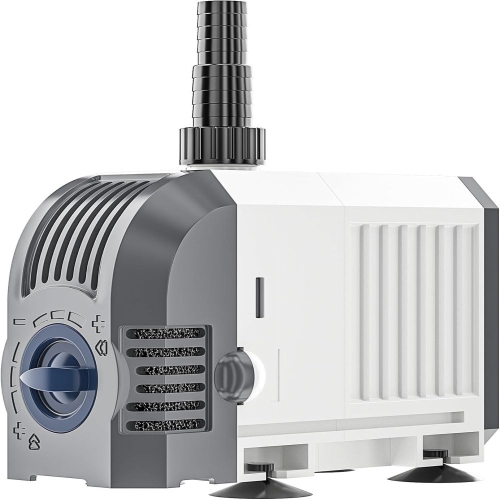
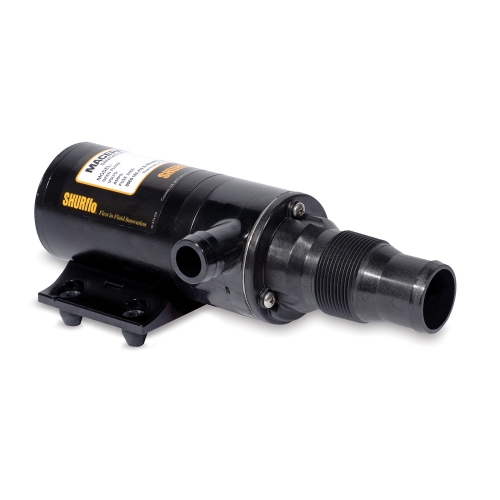
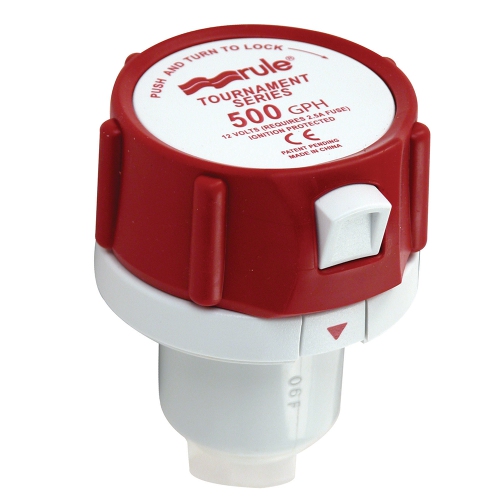
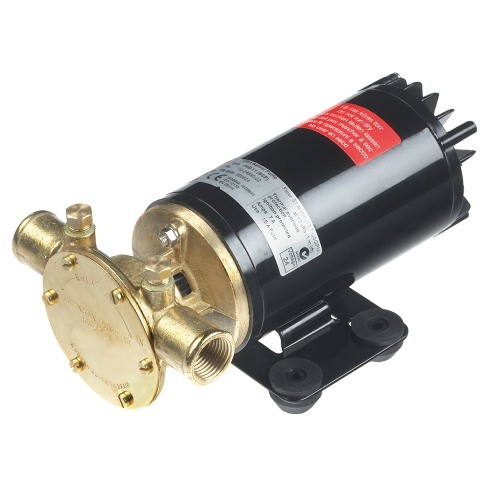
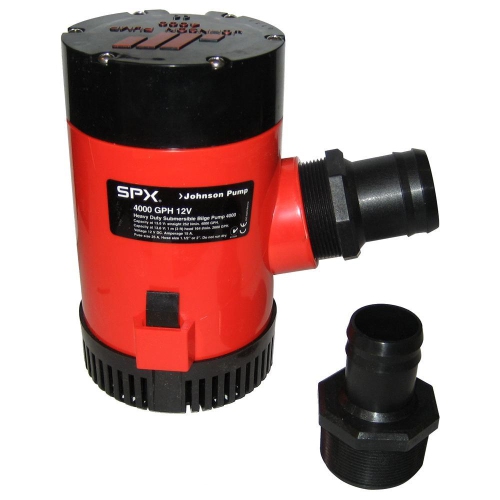
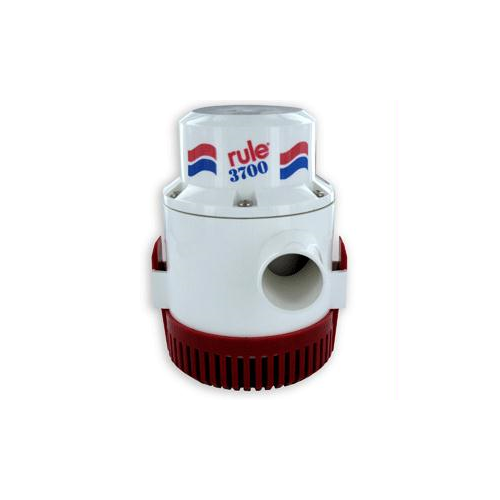
Submersible pumps are designed to move water while the pump body and sealed motor operate beneath the surface of the liquid. Unlike surface-mounted pumps that draw water upward through an intake line, a submersible pump pushes water from below, which can make it a practical choice for deep lifts and confined spaces. Keeping the motor close to the pump assembly also helps reduce suction-related issues such as cavitation, where low pressure can create vapour bubbles and interfere with consistent water flow. Depending on the application, submersible pumps can be used to remove standing water from a basement, crawl space, window well, pool cover, pond, cistern, or construction area; supply water from a deep well; or handle wastewater containing suspended solids. Some deep-well designs use multiple impellers and diffusers arranged in stages to build pressure as water travels upward through a narrow borehole. Portable utility and sump pumps are generally intended for clearer water and occasional drainage, while sewage and trash pumps are built with larger passages and more rugged components to move dirty water, slurry, and small solids with less risk of clogging. Selecting the right category starts with identifying the liquid, the volume that must be moved, and the conditions in which the pump will operate. A pump suited to draining rainwater from a low-lying area may not be appropriate for sewage, abrasive sediment, hot liquids, or a drinking-water system, so the manufacturer’s application and material specifications should always be reviewed before purchase.
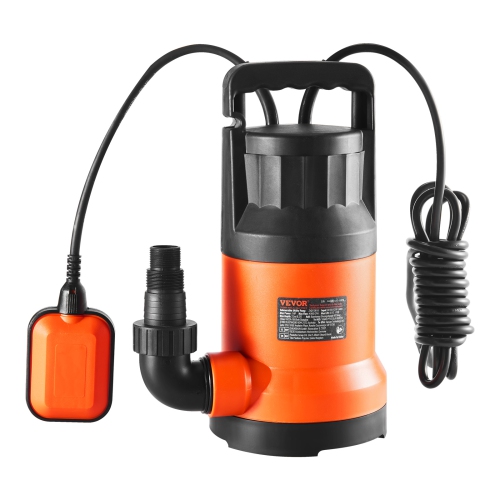
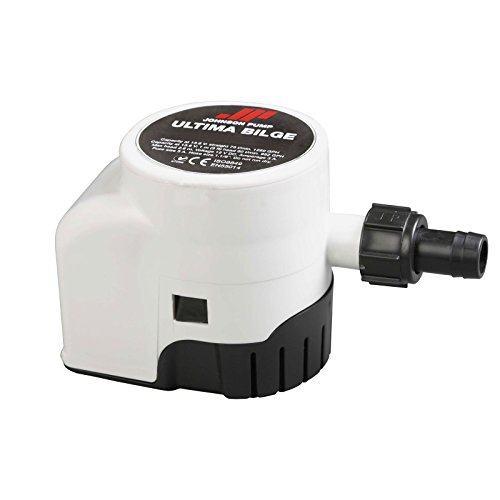
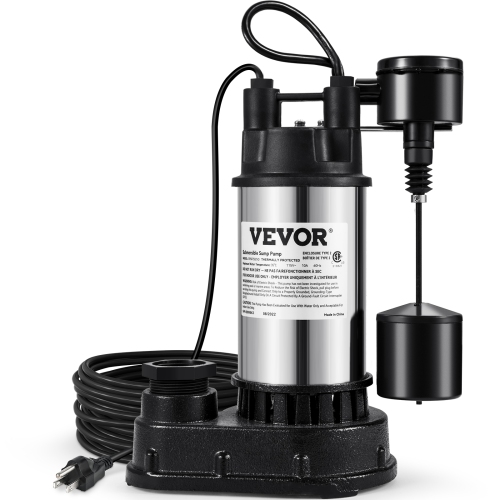
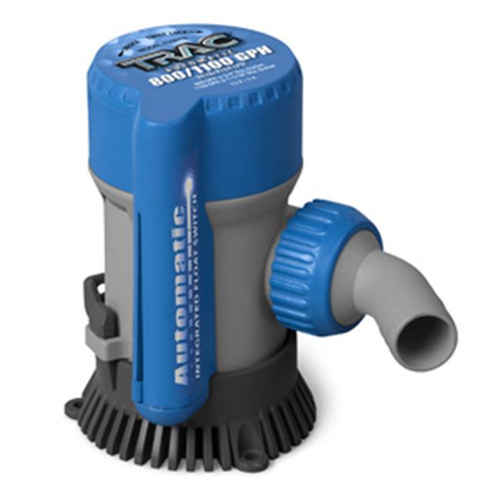
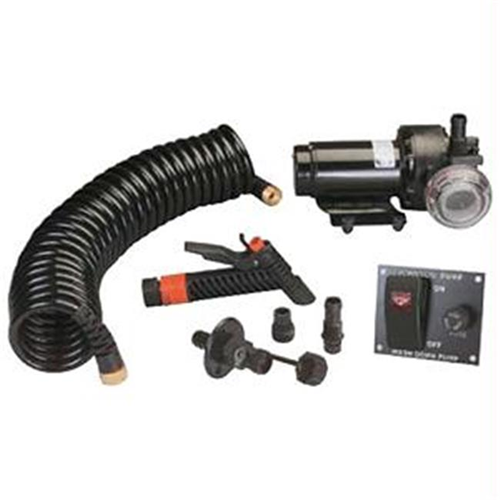
Flow rate and lifting height are two of the most important specifications to compare. Flow rate indicates how quickly a pump can move water, often expressed in litres per minute, litres per hour, or gallons per minute, while head or vertical lift describes how far the pump can raise the water before discharge. A pump may advertise a high maximum flow under ideal conditions, but the actual output will decrease as the water travels higher or through a longer, narrower hose. Bends, valves, fittings, filters, and discharge hoses can also add resistance, so it is useful to consider the complete route from the pump to the drain point rather than relying on a single headline number. For a basement or sump pit, an automatic float switch can start the pump when the water rises and stop it when the level drops, helping provide convenient overflow protection during rain or thawing conditions. Manual models may be useful when the operator wants direct control for short drainage tasks, such as emptying a pool cover or clearing a shallow area after a spill. Look for a discharge port that matches the hose or pipe being used, a stable base that keeps the intake away from loose debris, and a power cord long enough to reach a properly protected outlet without using unsafe extensions. For boats and marine applications, water-removal needs can vary from clearing accumulated bilge water to supporting onboard plumbing systems; shoppers comparing related equipment may also wish to browse Boat Water Pumps for options intended for use around watercraft.
Submersible pumps can be useful for homeowners, property managers, cottage owners, tradespeople, gardeners, farmers, and anyone responsible for managing water in a low-lying or hard-to-reach area. A compact utility pump can be kept with household maintenance equipment for unexpected leaks, a blocked floor drain, or water collecting beneath a laundry area. A more powerful unit may help clear a flooded basement after heavy rain, drain a hot tub before cleaning, or remove water from a pool cover as the weather changes. At a cottage or rural property, a pump may support a cistern, pond, irrigation setup, or shallow drainage system, while a properly specified deep-well pump can provide pressure from an underground water source. These products are not usually chosen as casual gifts, but they can be practical for someone moving into a first home, maintaining a seasonal property, renovating a basement, or preparing a workshop and equipment shed. Before installation, check the water depth, expected debris, temperature range, available voltage, and whether the pump is rated for continuous or intermittent operation. Never handle a powered pump while standing in water, and disconnect the power before moving, cleaning, or clearing an obstruction. A ground-fault circuit interrupter and weather-appropriate electrical connections are important wherever water and electricity are present. Inspect the casing, seals, float mechanism, intake screen, and cable for damage, and avoid lifting the unit by its power cord. When temperatures drop, remove portable pumps from exposed water before freezing conditions can damage the housing or discharge line; drain and store them according to the instructions. With the right flow rating, lift capacity, intake design, and control features, submersible pumps can provide dependable water removal or transfer through changing weather, from autumn rain and melting snow to the wetter conditions that can affect homes, cottages, garages, and outdoor equipment.
Flow rate and lifting height are two of the most important specifications to compare. Flow rate indicates how quickly a pump can move water, often expressed in litres per minute, litres per hour, or gallons per minute, while head or vertical lift describes how far the pump can raise the water before discharge. A pump may advertise a high maximum flow under ideal conditions, but the actual output will decrease as the water travels higher or through a longer, narrower hose. Bends, valves, fittings, filters, and discharge hoses can also add resistance, so it is useful to consider the complete route from the pump to the drain point rather than relying on a single headline number. For a basement or sump pit, an automatic float switch can start the pump when the water rises and stop it when the level drops, helping provide convenient overflow protection during rain or thawing conditions. Manual models may be useful when the operator wants direct control for short drainage tasks, such as emptying a pool cover or clearing a shallow area after a spill. Look for a discharge port that matches the hose or pipe being used, a stable base that keeps the intake away from loose debris, and a power cord long enough to reach a properly protected outlet without using unsafe extensions. For boats and marine applications, water-removal needs can vary from clearing accumulated bilge water to supporting onboard plumbing systems; shoppers comparing related equipment may also wish to browse Boat Water Pumps for options intended for use around watercraft.
Submersible pumps can be useful for homeowners, property managers, cottage owners, tradespeople, gardeners, farmers, and anyone responsible for managing water in a low-lying or hard-to-reach area. A compact utility pump can be kept with household maintenance equipment for unexpected leaks, a blocked floor drain, or water collecting beneath a laundry area. A more powerful unit may help clear a flooded basement after heavy rain, drain a hot tub before cleaning, or remove water from a pool cover as the weather changes. At a cottage or rural property, a pump may support a cistern, pond, irrigation setup, or shallow drainage system, while a properly specified deep-well pump can provide pressure from an underground water source. These products are not usually chosen as casual gifts, but they can be practical for someone moving into a first home, maintaining a seasonal property, renovating a basement, or preparing a workshop and equipment shed. Before installation, check the water depth, expected debris, temperature range, available voltage, and whether the pump is rated for continuous or intermittent operation. Never handle a powered pump while standing in water, and disconnect the power before moving, cleaning, or clearing an obstruction. A ground-fault circuit interrupter and weather-appropriate electrical connections are important wherever water and electricity are present. Inspect the casing, seals, float mechanism, intake screen, and cable for damage, and avoid lifting the unit by its power cord. When temperatures drop, remove portable pumps from exposed water before freezing conditions can damage the housing or discharge line; drain and store them according to the instructions. With the right flow rating, lift capacity, intake design, and control features, submersible pumps can provide dependable water removal or transfer through changing weather, from autumn rain and melting snow to the wetter conditions that can affect homes, cottages, garages, and outdoor equipment.
Top selling and popular products
-
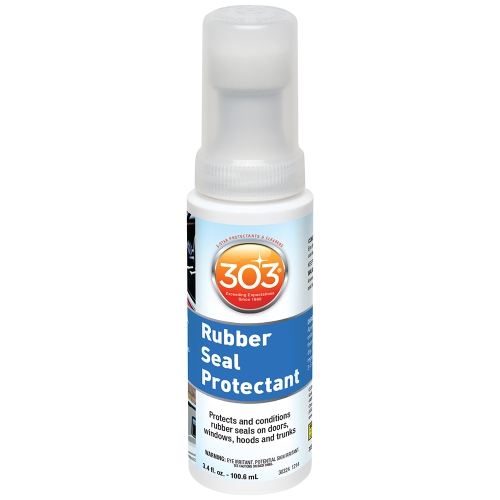 Your price for this item is $30.59
 -
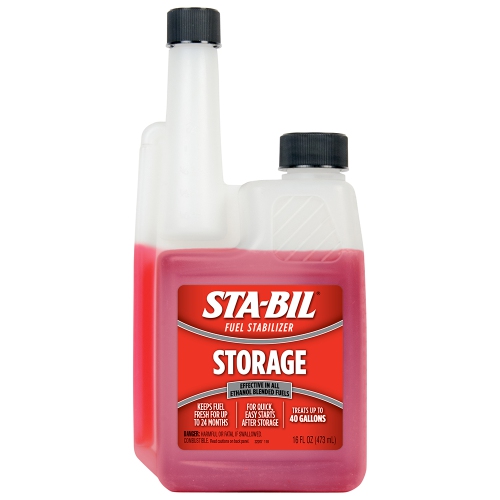 Your price for this item is $30.54
 -
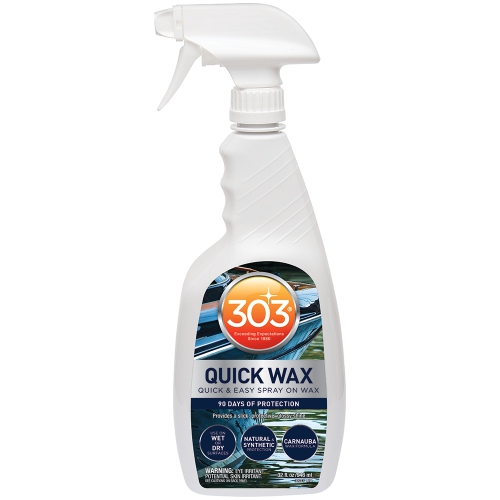 Your price for this item is $38.85
 -
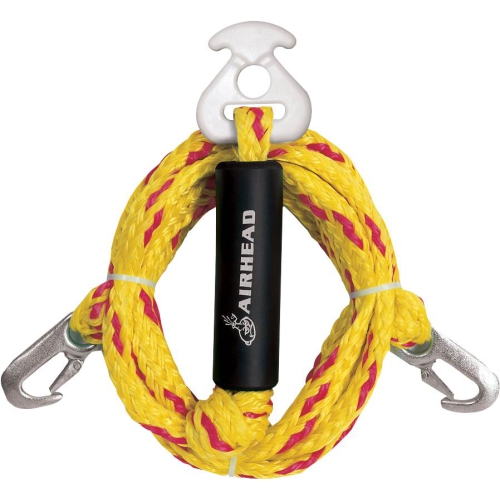 Your price for this item is $92.99
 -
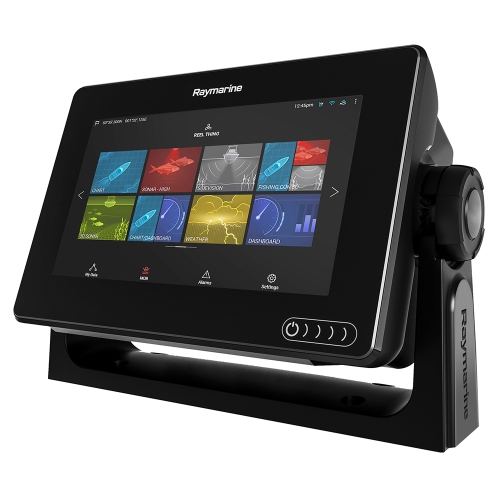 Your price for this item is $844.91
 -
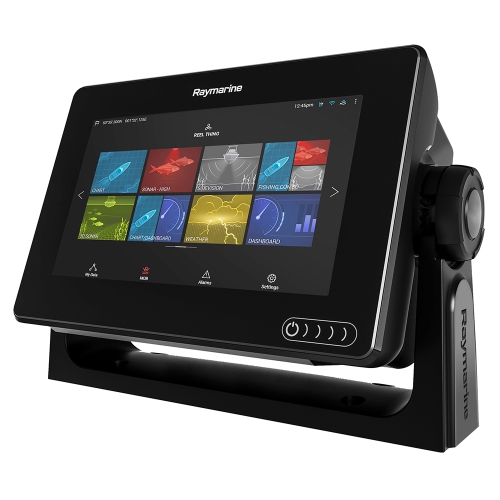 Your price for this item is $909.33
 -
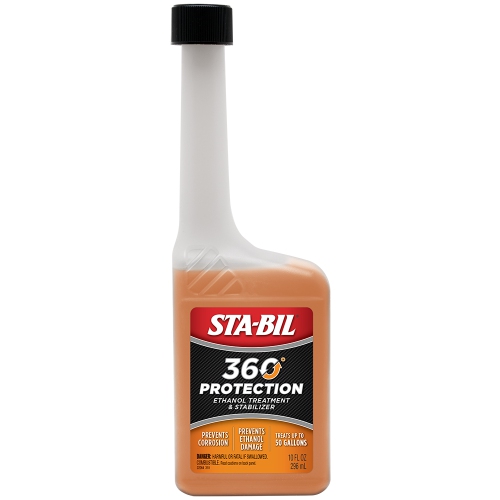 Your price for this item is $30.62
 -
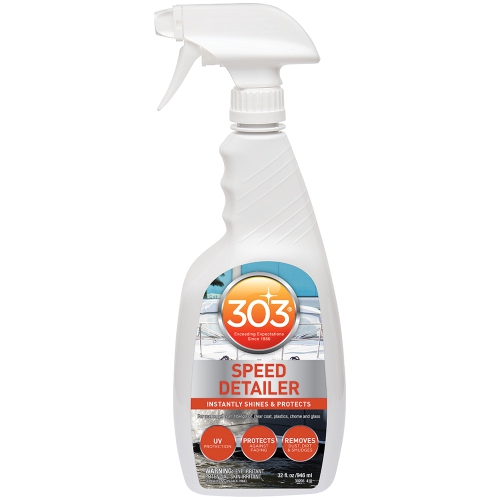 Your price for this item is $34.93
Discover more categories related to Submersible Pumps
Top Collections:
Pokemon Centers, Kindle Devices, Best Budget Office Chairs, Apple iPhones 16, Best Laptops for Writers, iPhone 15 Apple, Canon G7X Cameras, Refurbished Apple Laptops, Alarm Clock, Motorola Razr Phones
Some products may be subject to Environmental Handling Fees
(EHF) depending on your province.
Learn more about EHFs.