Boat Water Pumps
Looking to keep your boat running smoothly on the water? Look no further than our selection of boat water pumps. These essential devices are designed to efficiently circulate water throughout your boat's engine, ensuring optimal performance and preventing overheating. Whether you're in need of a replacement pump or looking to upgrade to a more powerful model, our wide range of boat water pumps has got you covered. With reliable and durable options available, you can trust that our selection will help you stay afloat and enjoy your time out on the waves. Also check out our selection of Fishing Boat Accessories for even more great options!
Sort








How pumps support essential water systems on board
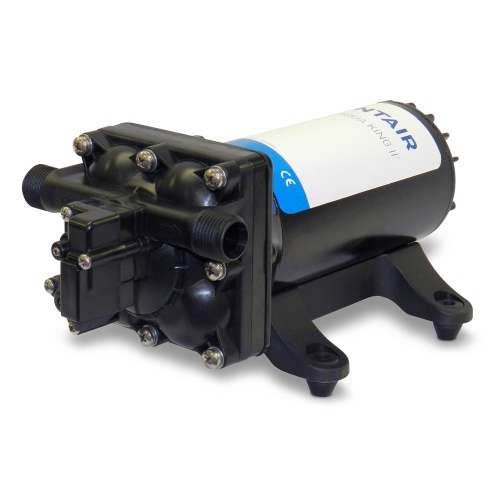
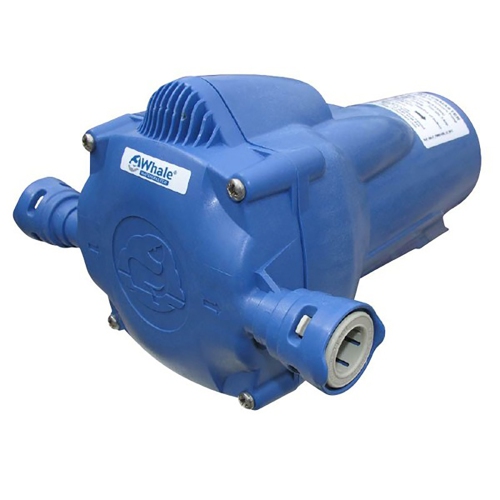
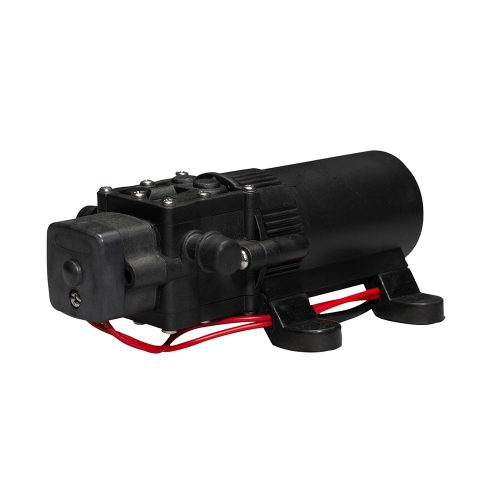
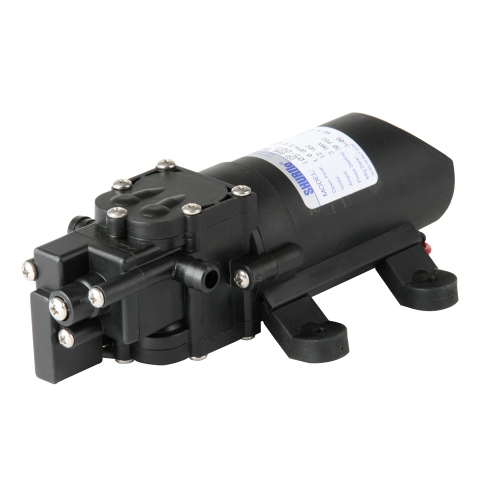
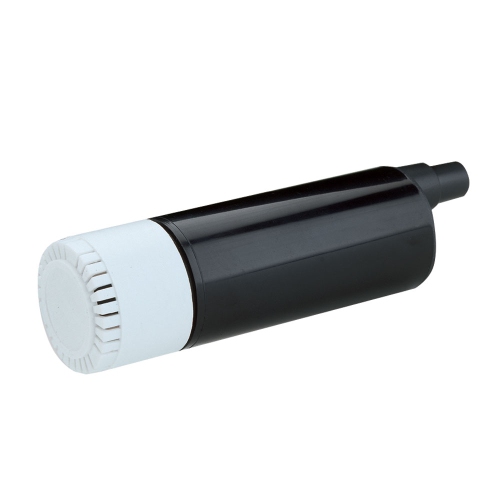
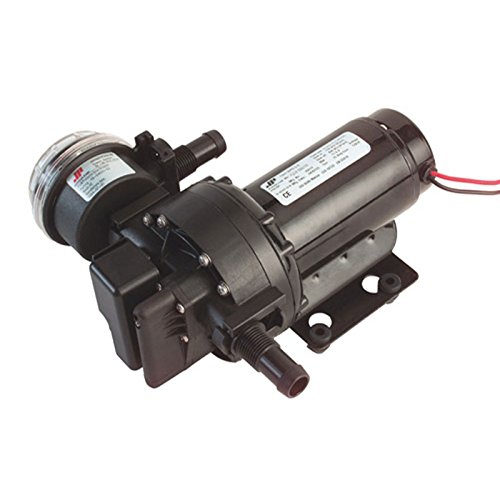
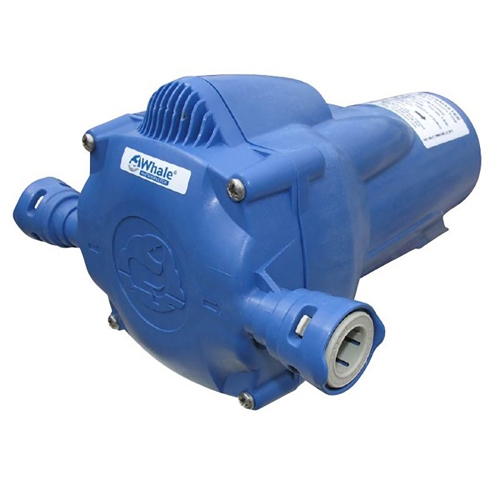
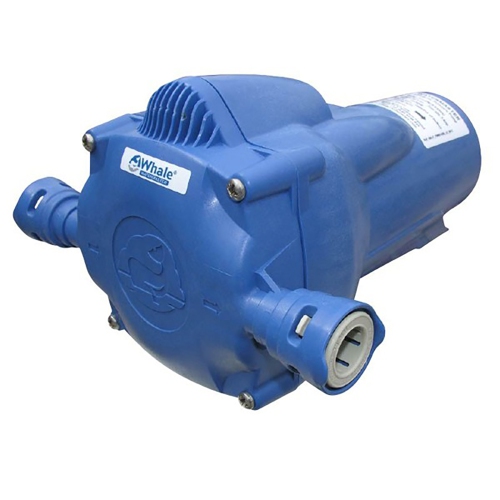
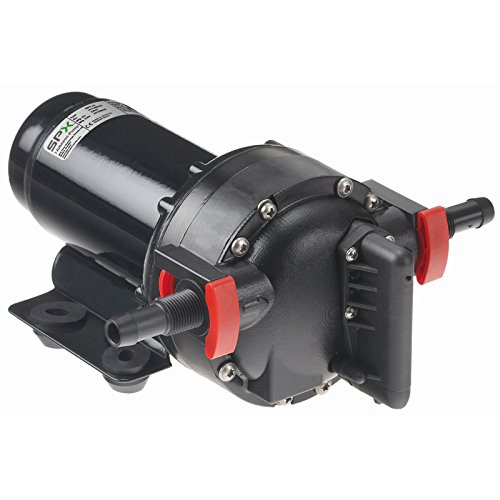
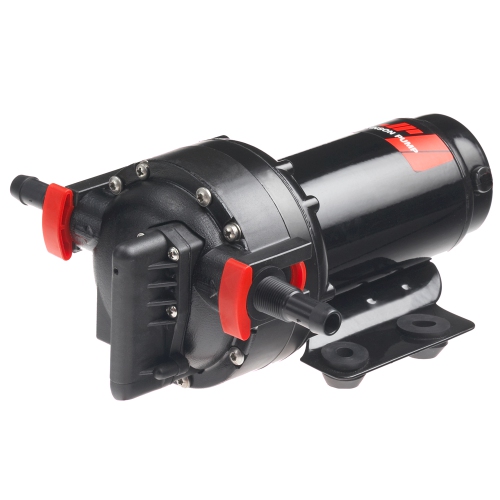
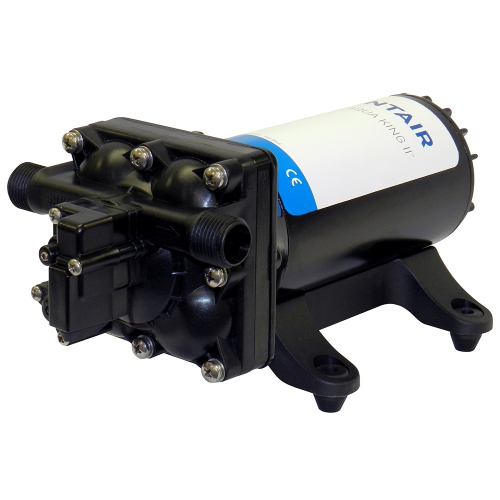
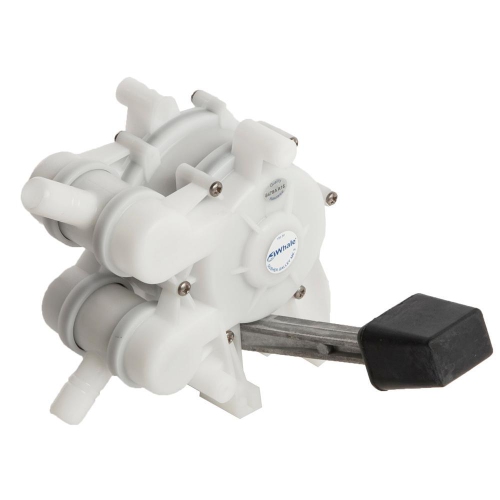
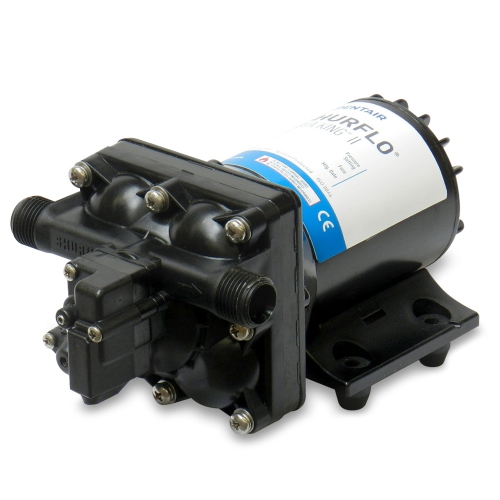
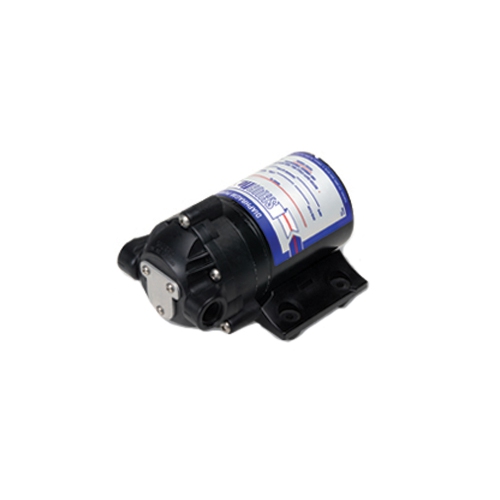
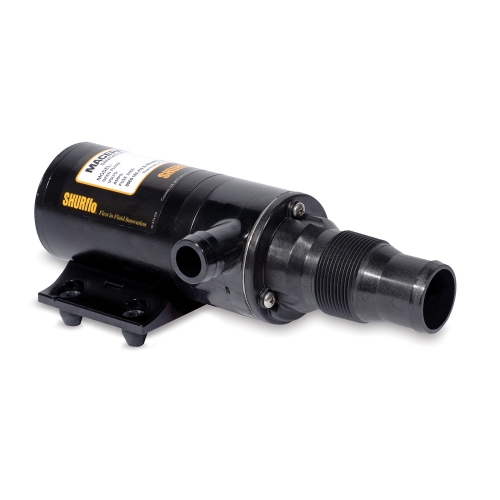
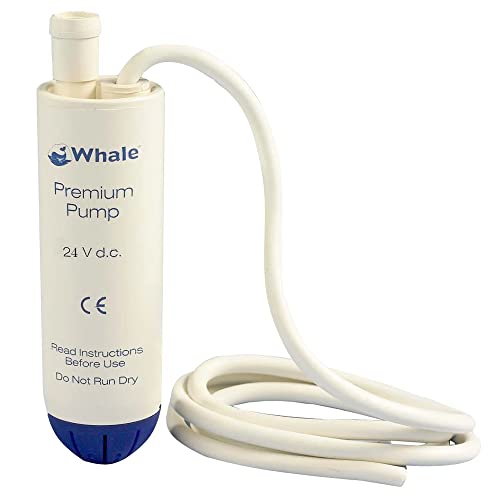
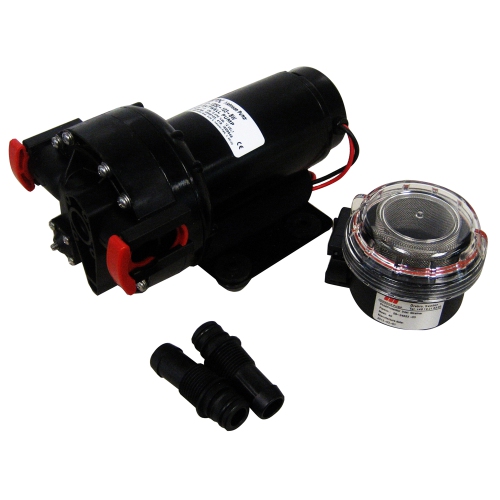
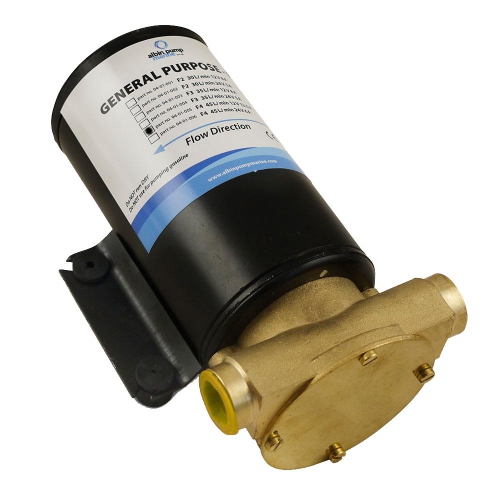
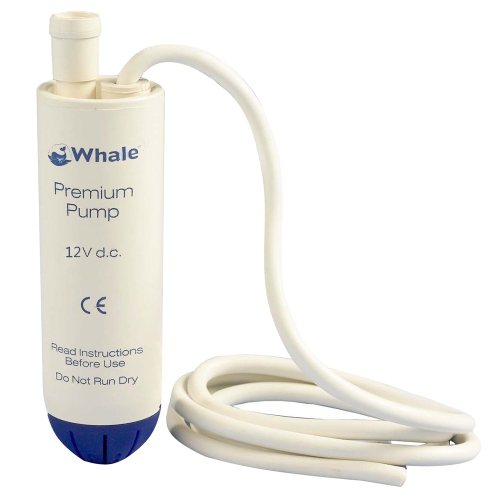
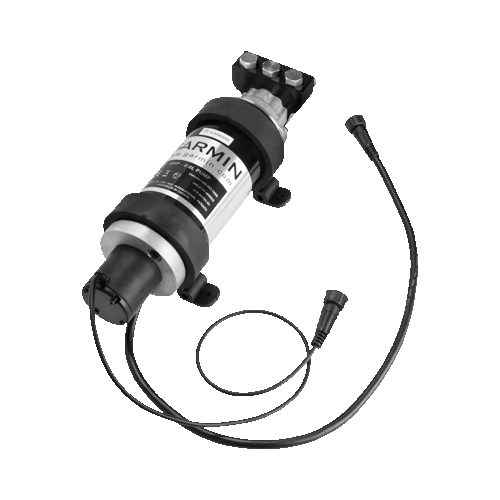
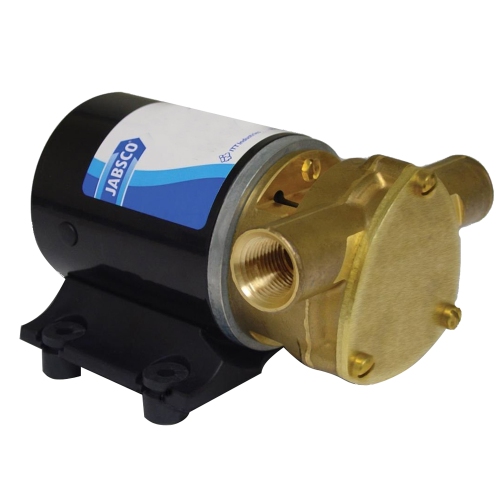
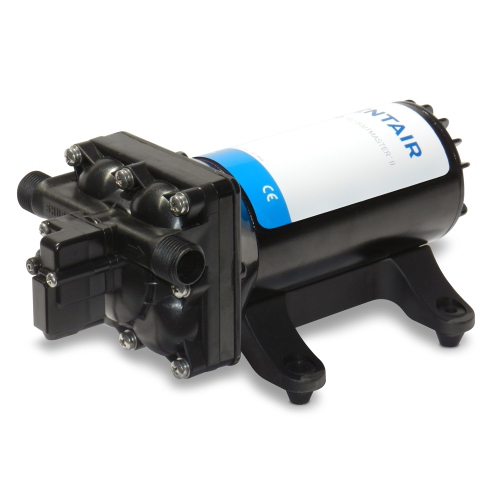
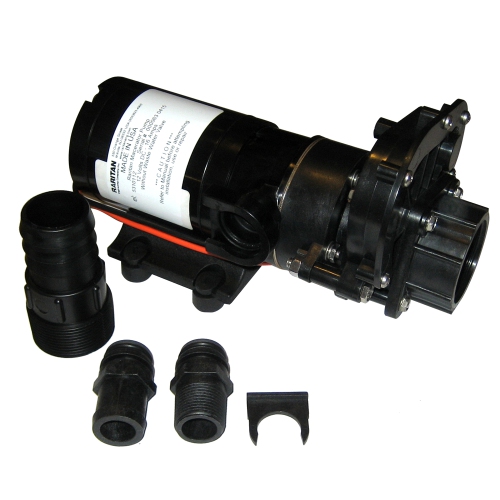
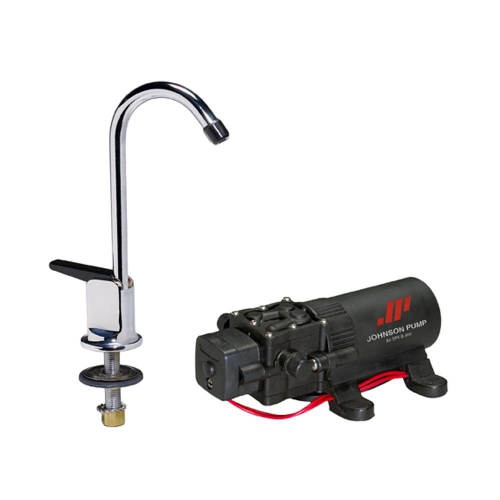
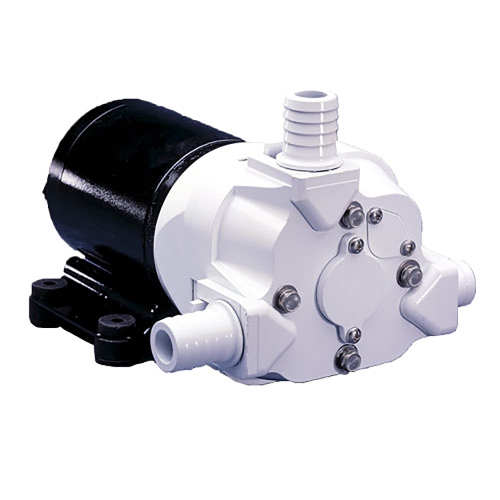
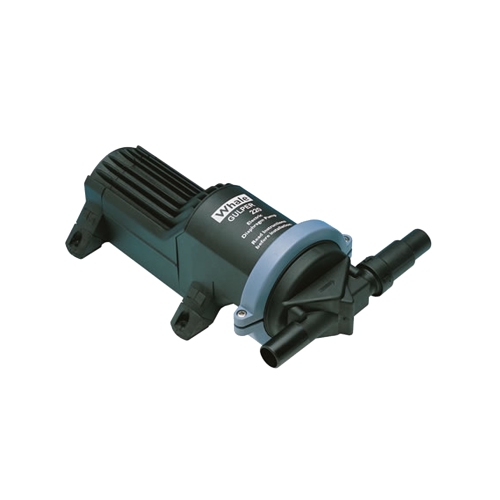
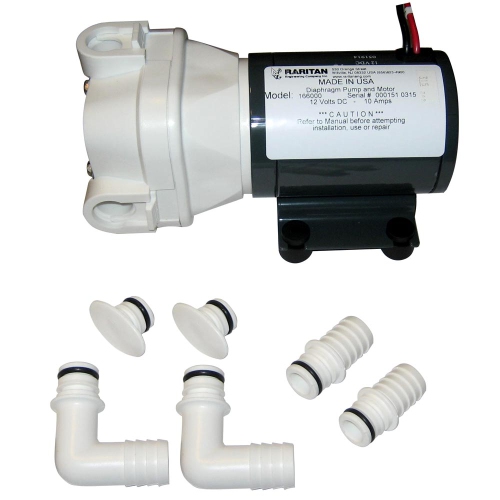
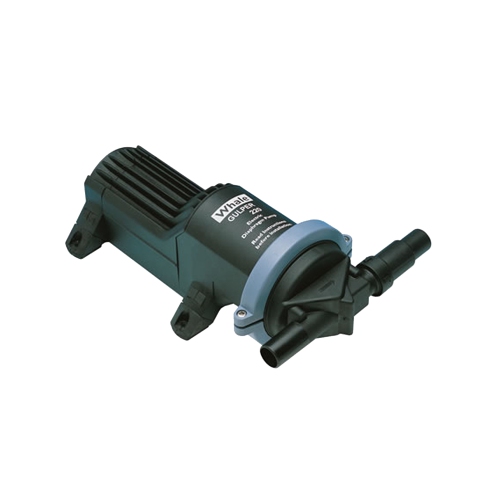
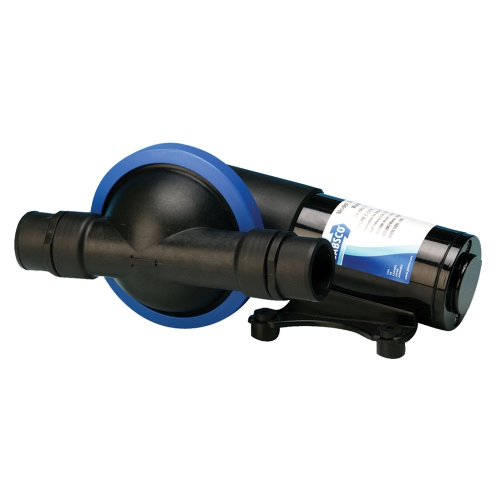
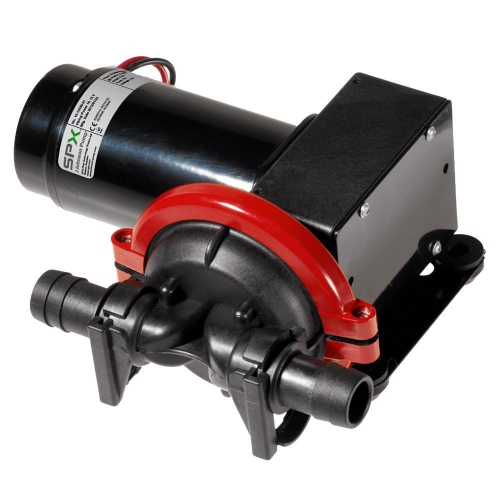
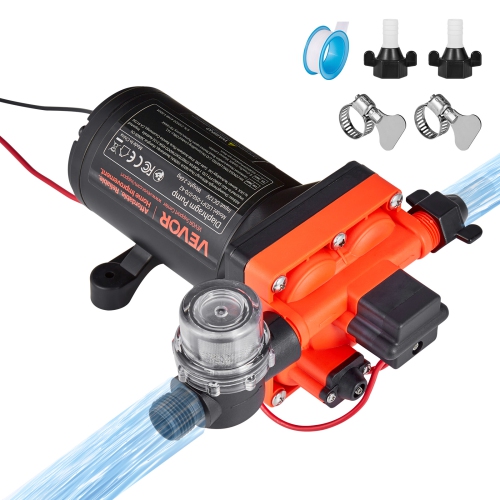
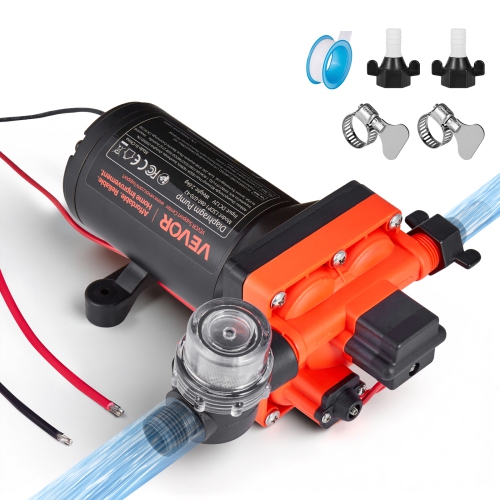
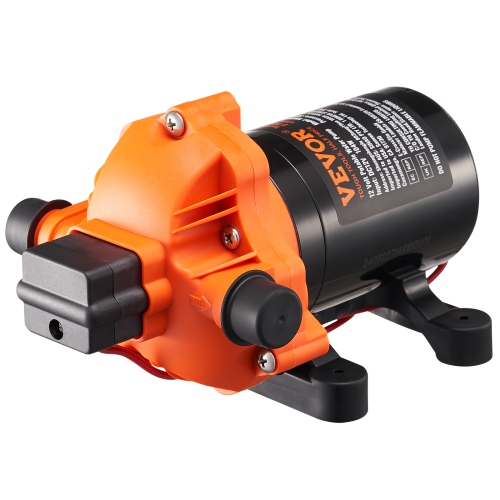
Boat water pumps support several essential systems on board, from delivering fresh water to a galley or washroom to removing unwanted water from the bilge. The right pump depends on where the water is coming from, where it needs to go, and how much flow your boat requires. Freshwater demand pumps are designed to create pressurized water for sinks, taps, showers, and marine heads. They typically operate on a 12V or 24V DC electrical system and use a diaphragm mechanism to move water from a tank through the plumbing. A smaller setup with one tap or a compact galley may work well with a pump rated around 2.0 to 3.0 gallons per minute (GPM), while a larger cabin cruiser, pontoon boat, or boat with several outlets may benefit from approximately 4.0 to 5.0 GPM. A pump’s pressure rating also matters, particularly when the system supplies a shower or more than one fixture at a time. Demand pumps usually activate when a tap is opened and stop when the tap is closed, which helps provide convenient, consistent water flow without requiring a separate switch for every use. Some models include multiple diaphragm chambers to reduce pulsing and rapid cycling, creating a smoother experience when rinsing dishes, washing hands, or taking a quick shower after a day on the water. If you are comparing boat water pumps with equipment for a cottage, RV, utility trailer, or home workshop, browse the broader selection of Water Pumps to find options suited to different water-handling needs.
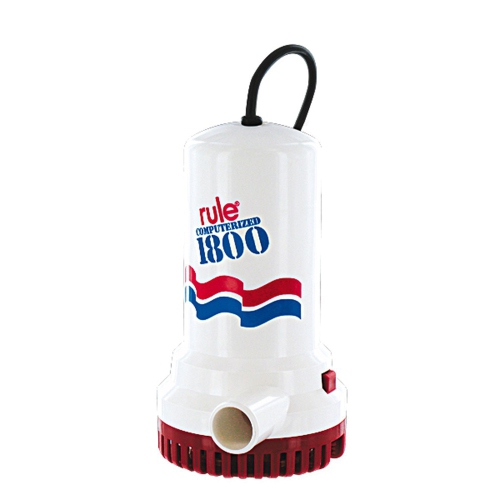
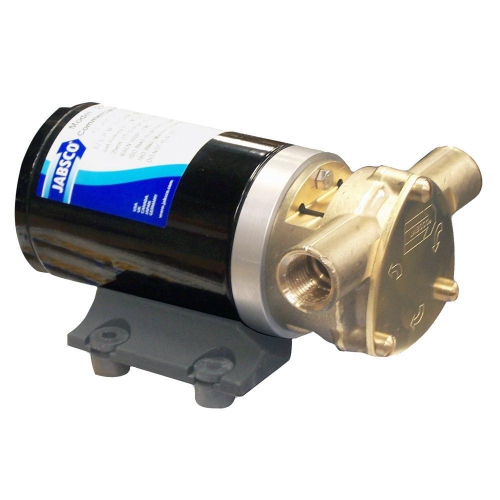
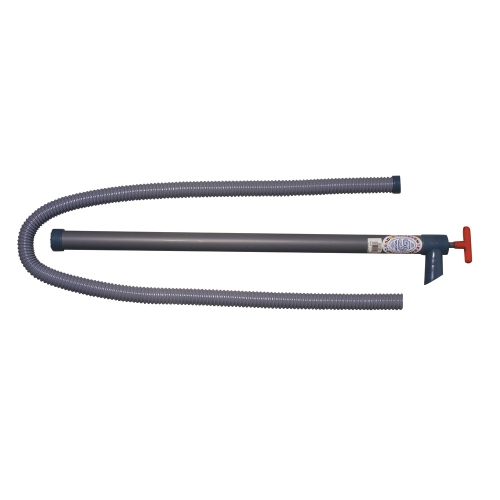
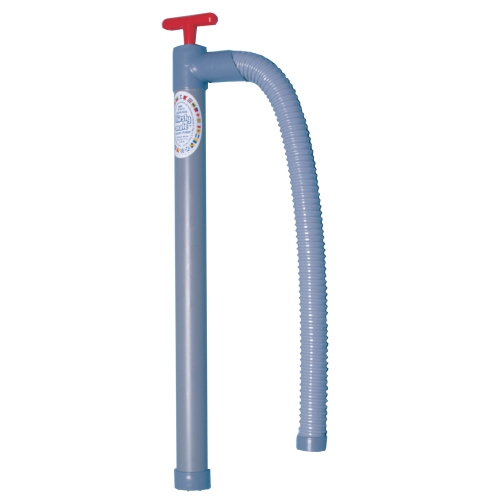
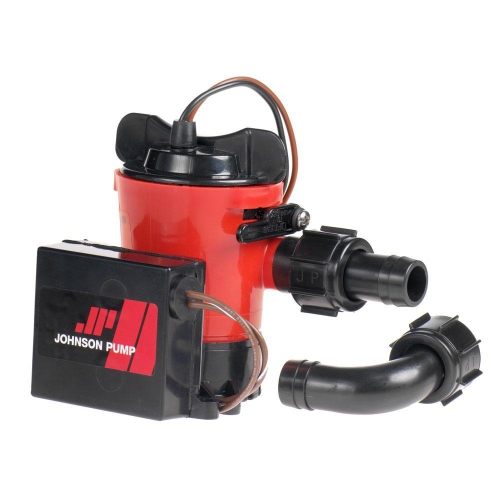
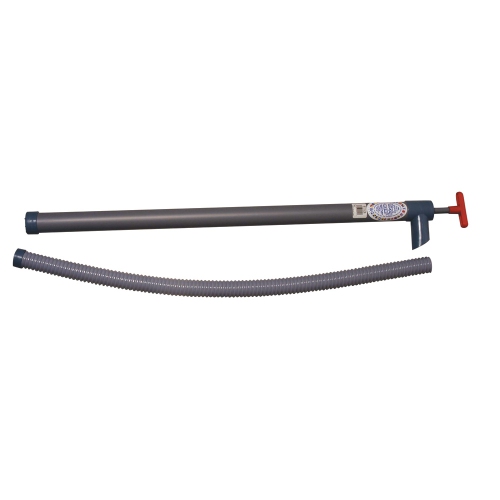
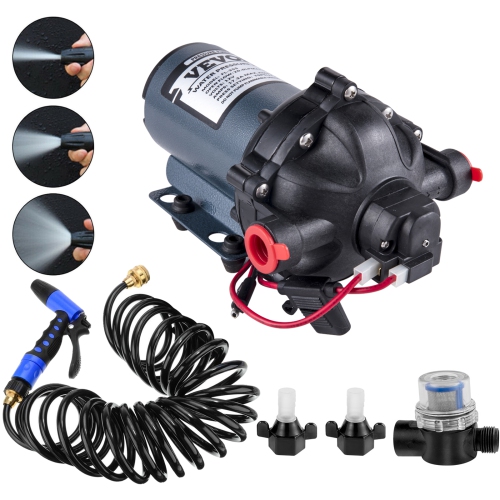
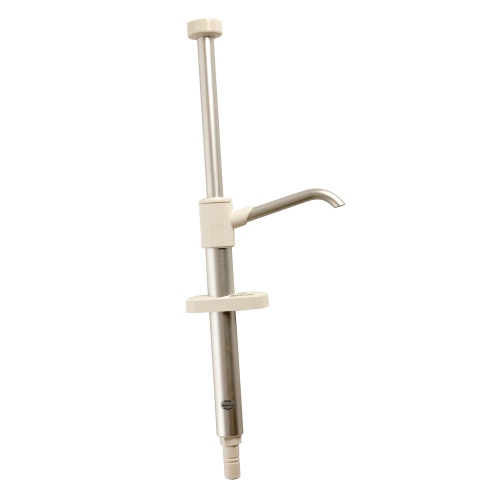
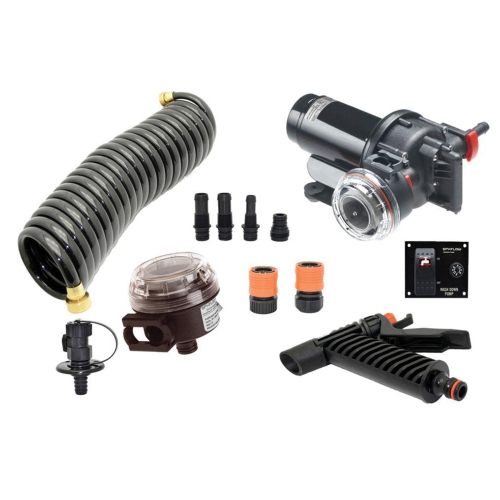
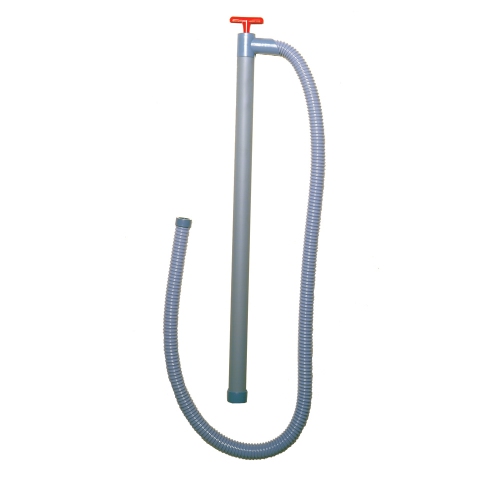
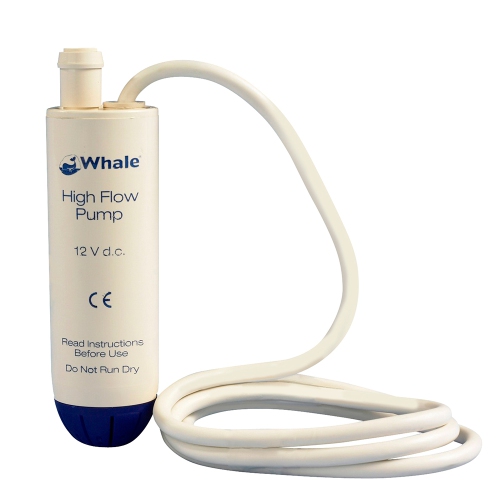
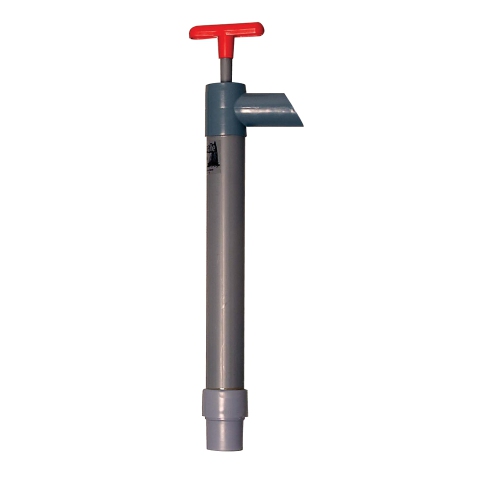
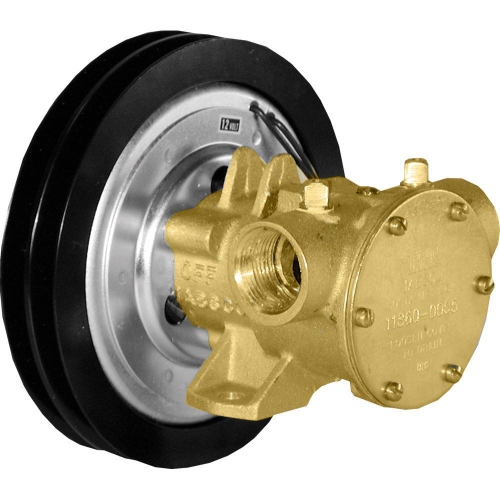
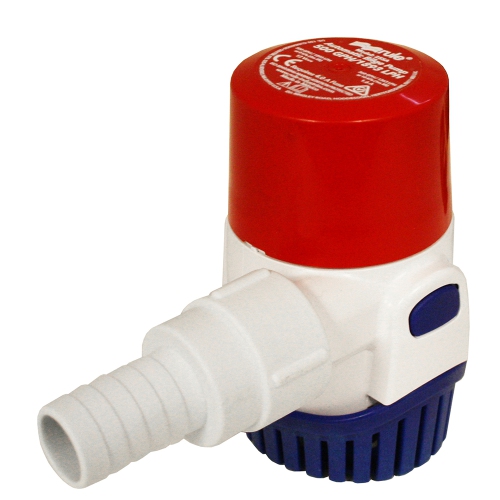
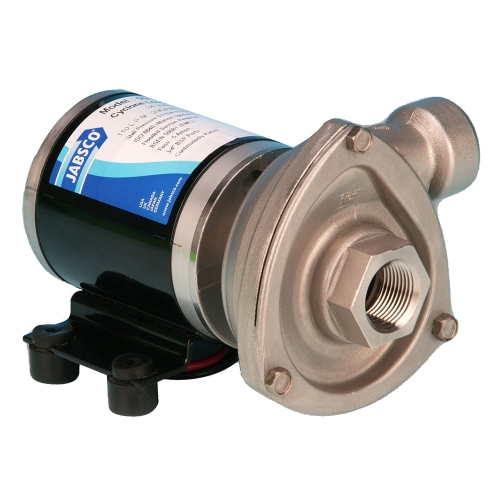
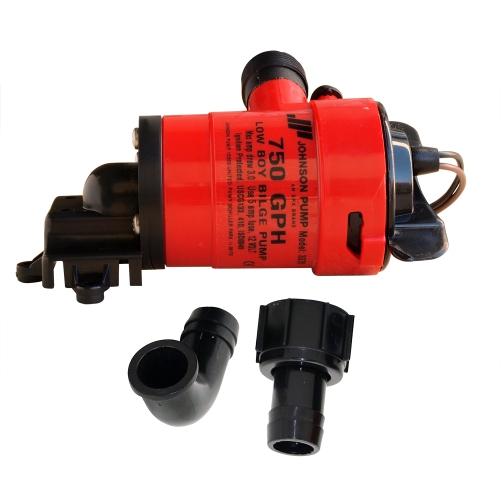
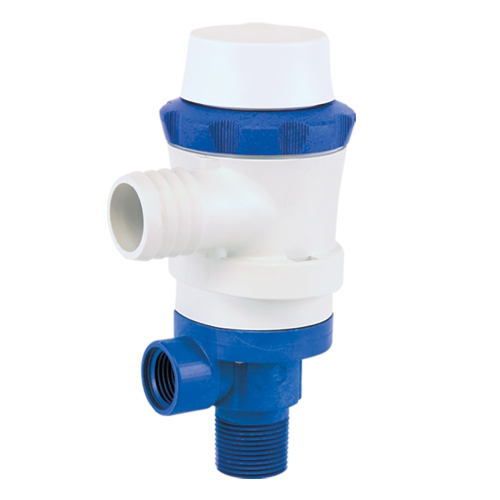
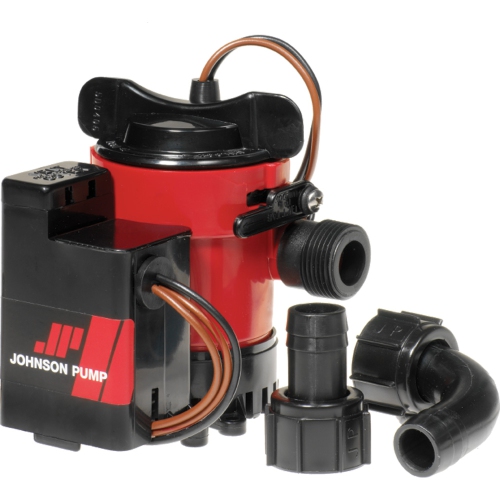
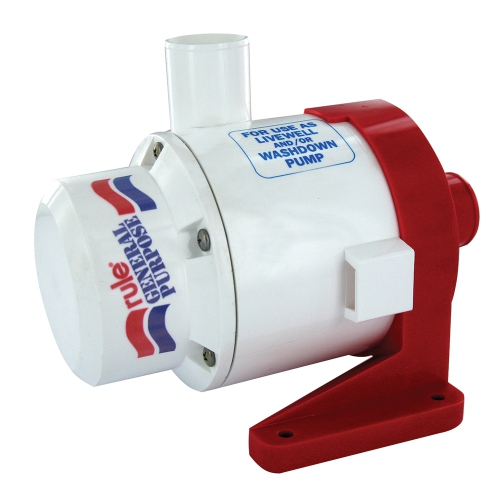
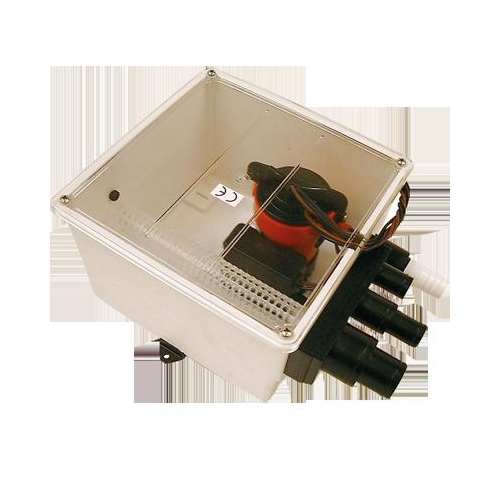
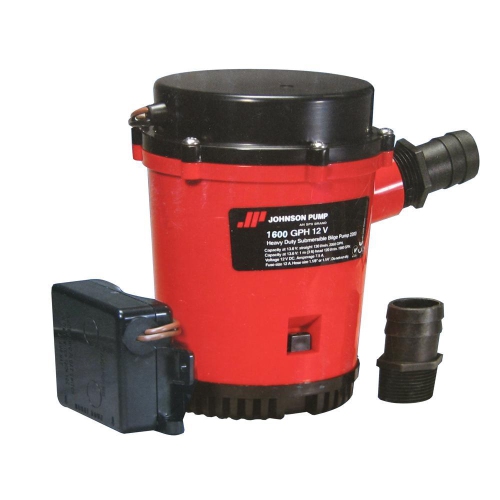
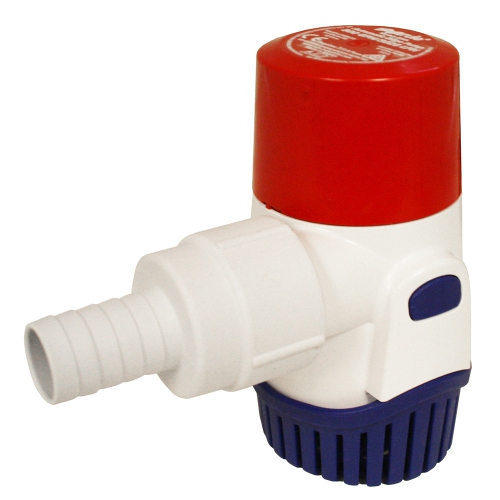
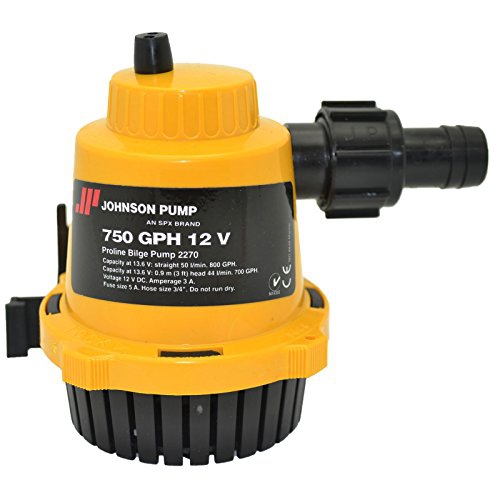
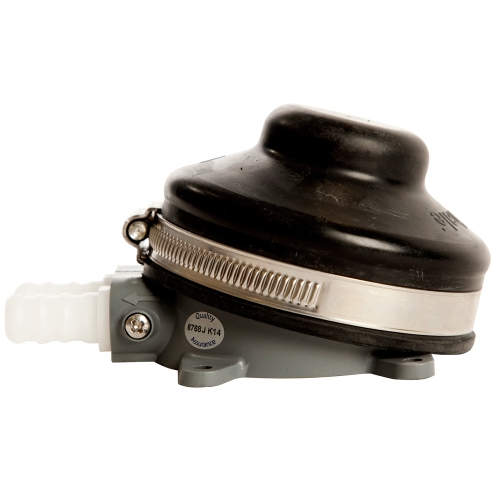
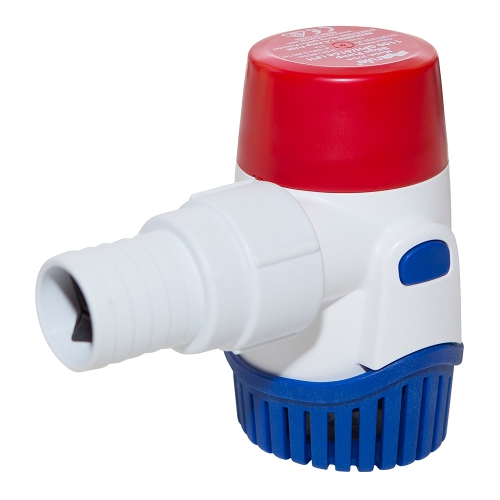
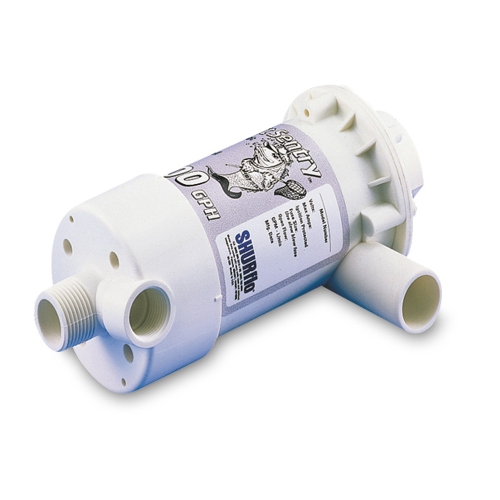
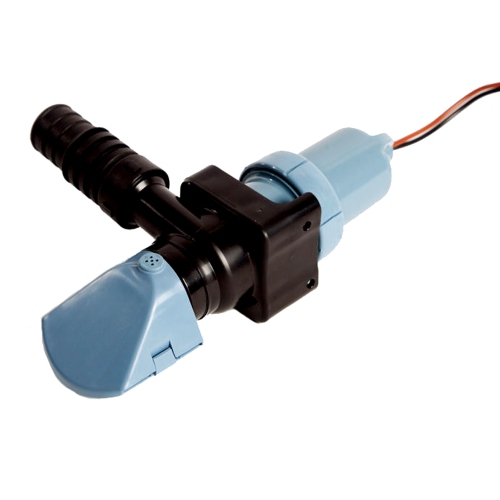
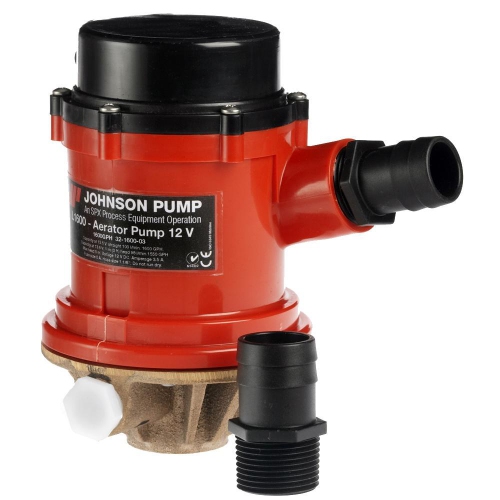
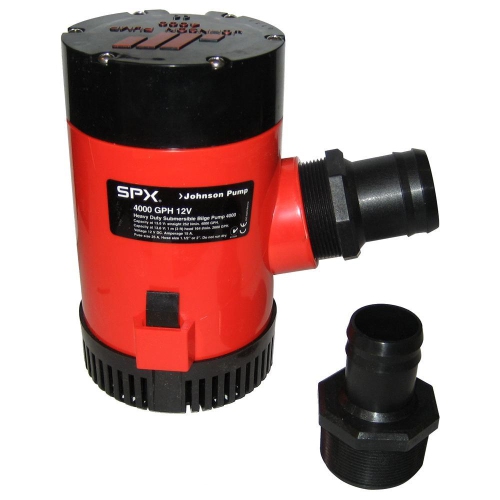
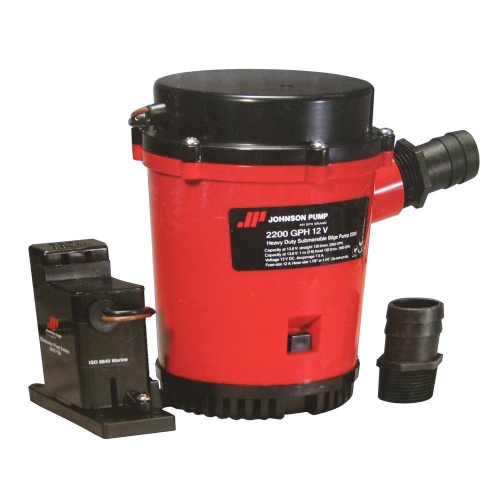
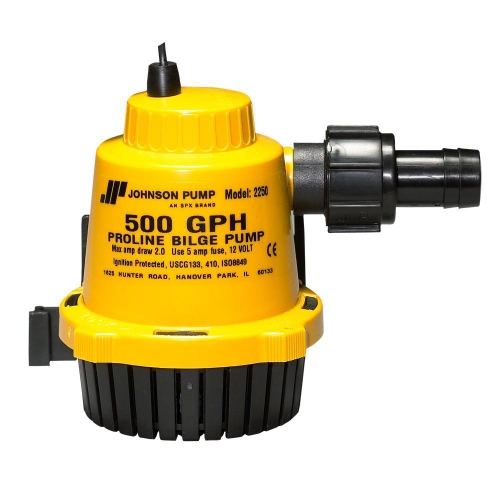
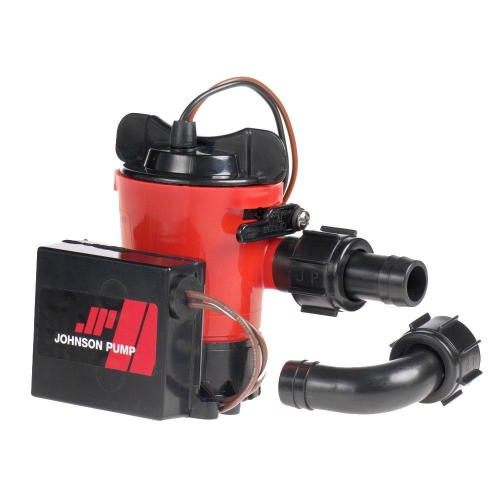
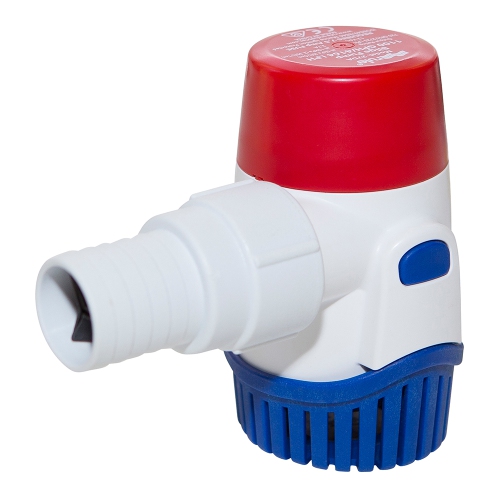
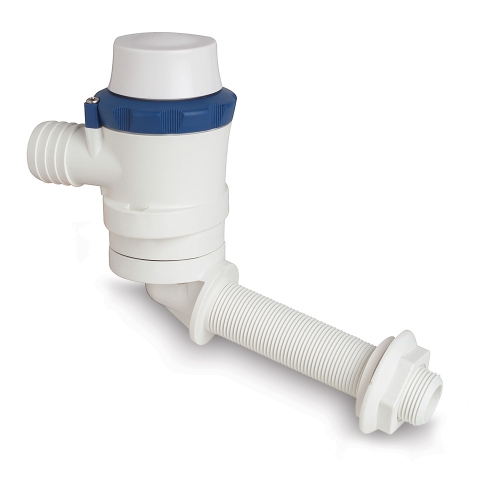
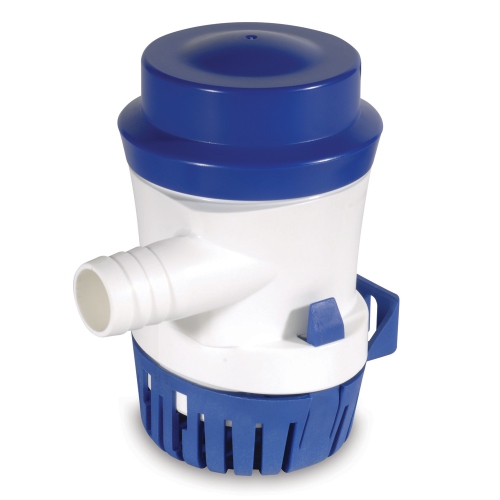
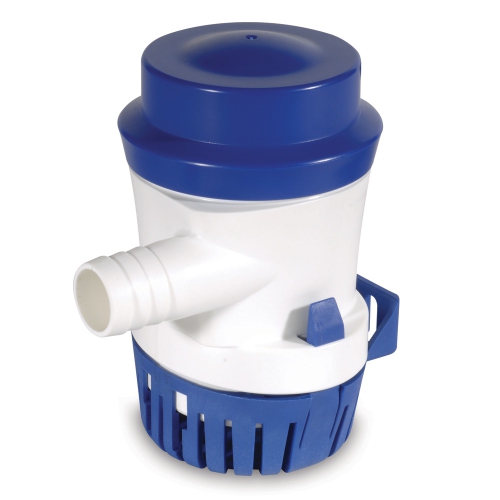
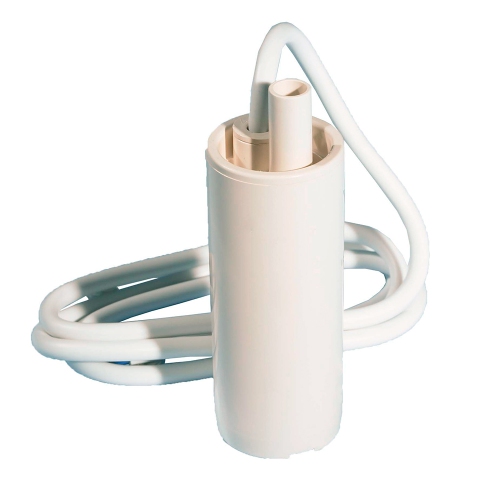
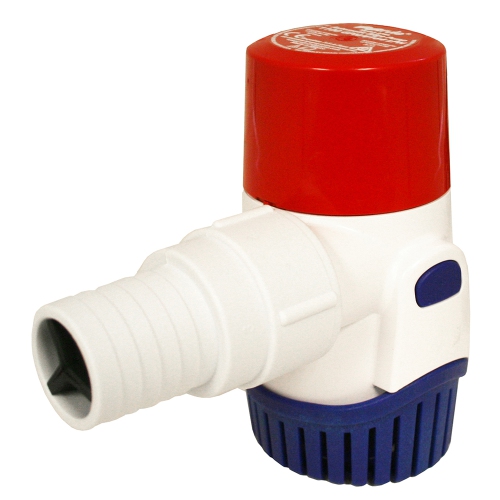
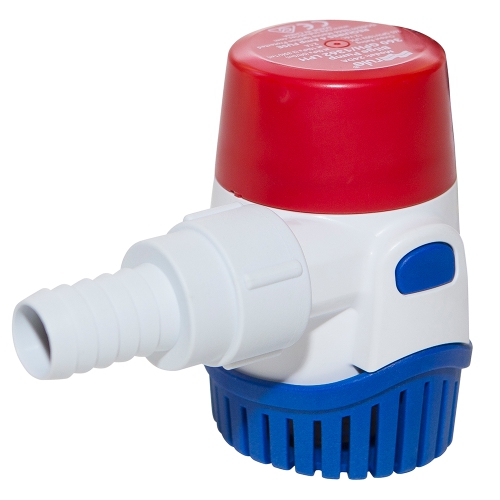
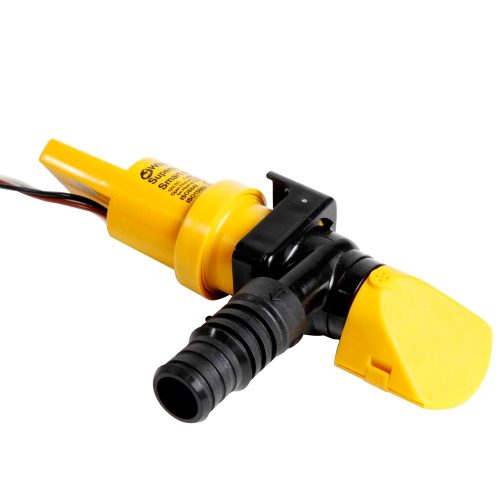
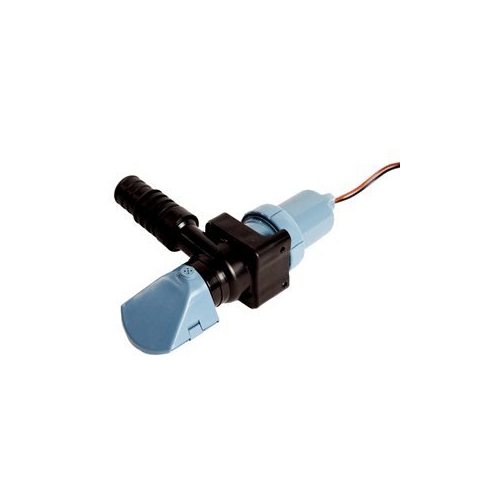
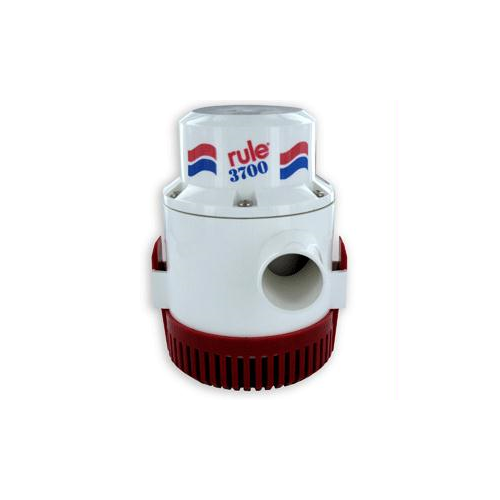
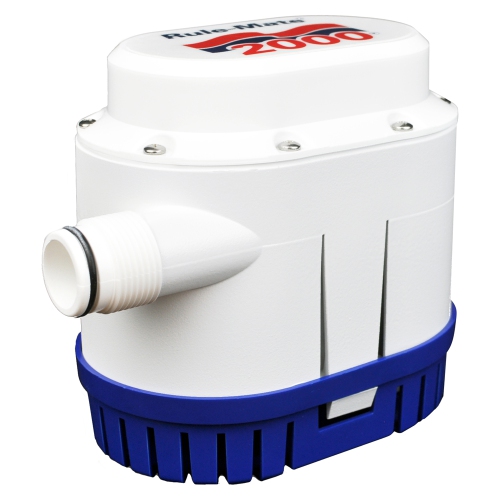
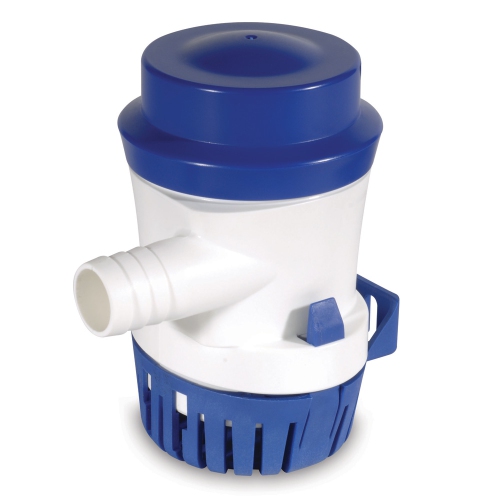
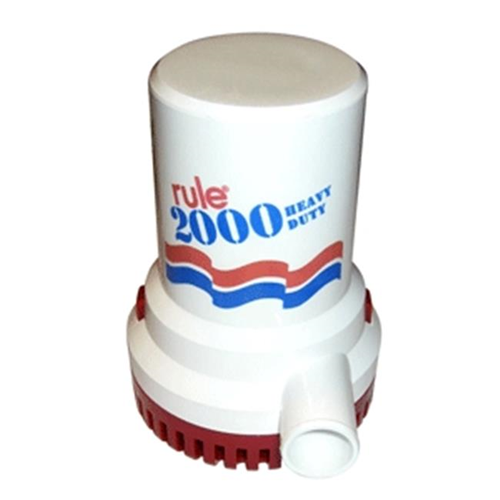
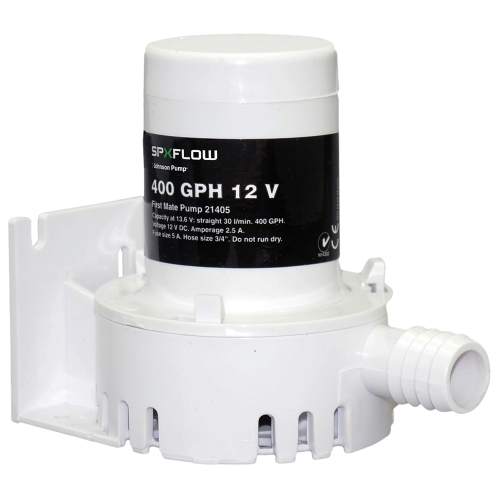
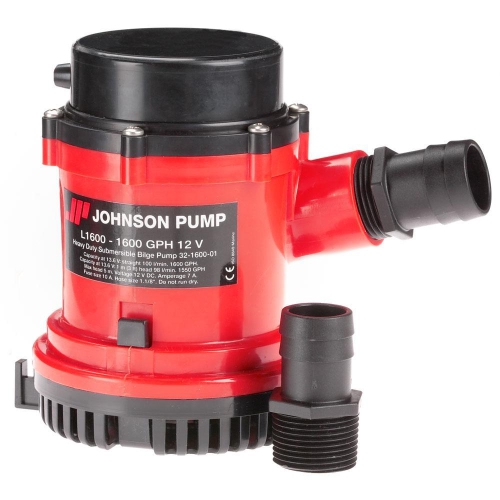
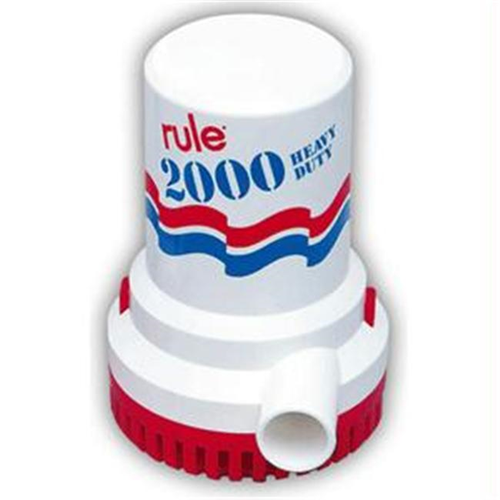
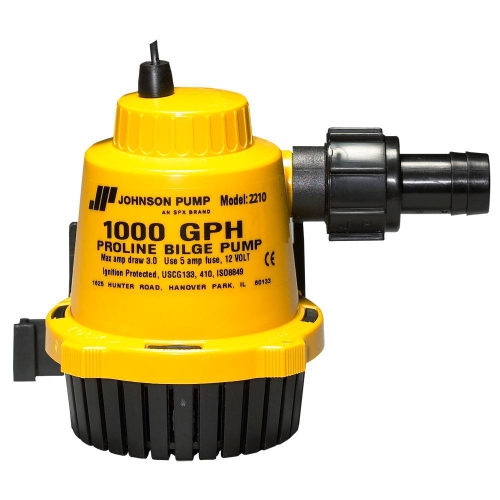
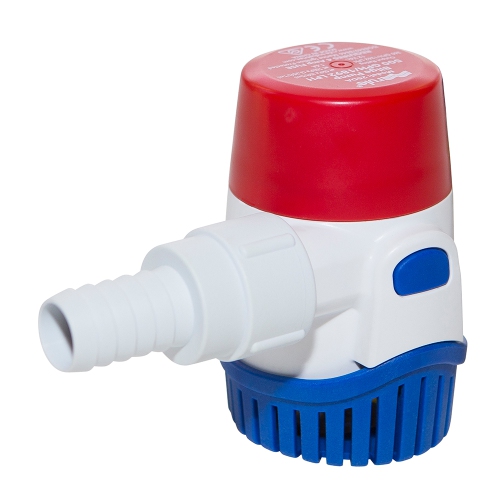
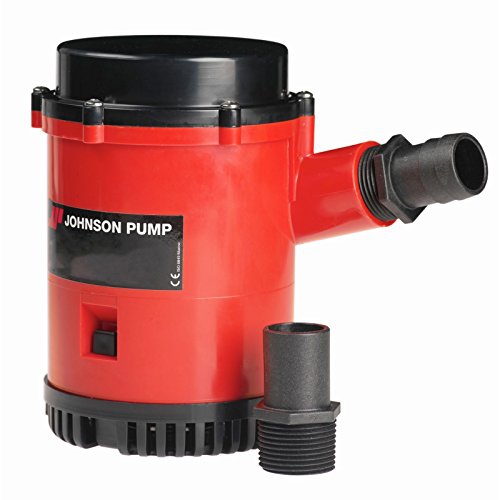
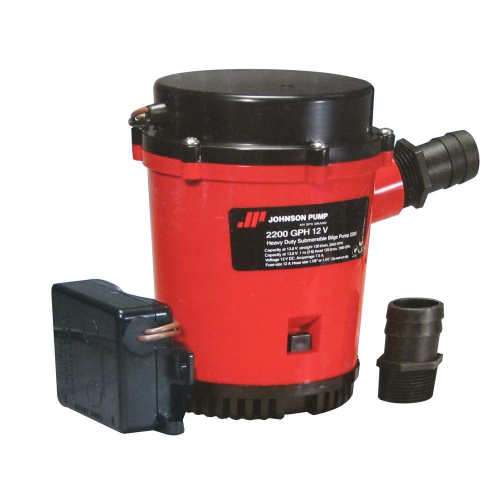
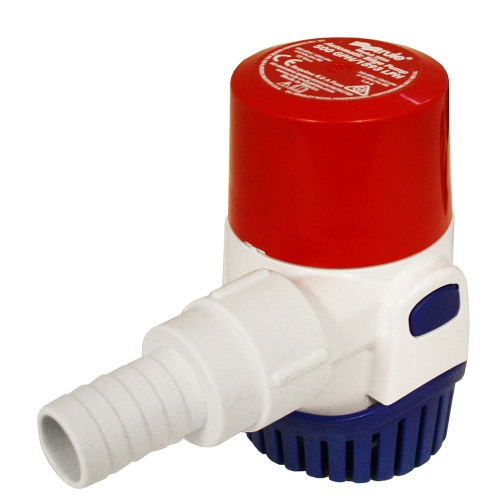
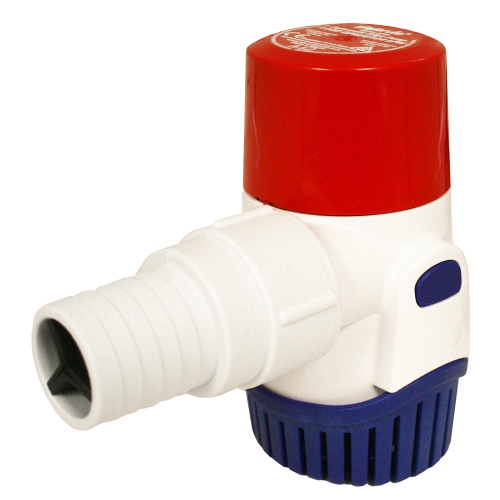
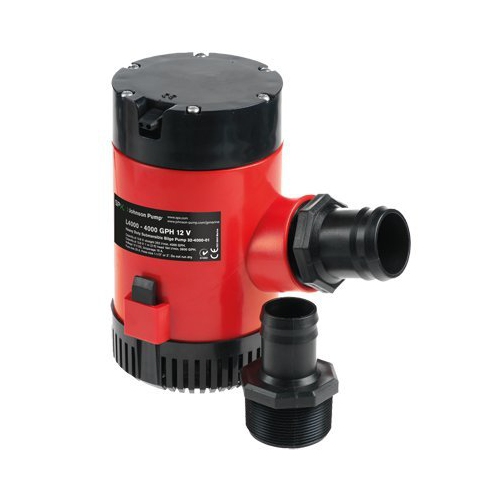
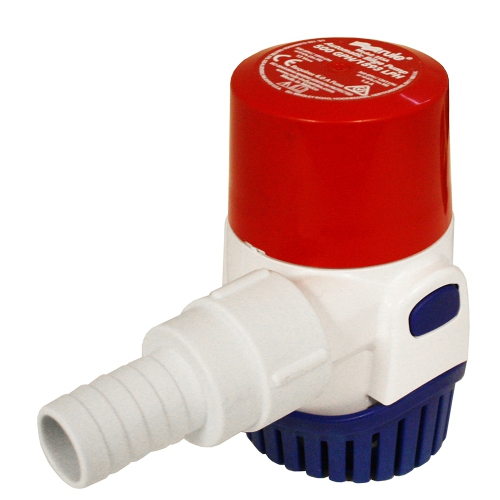
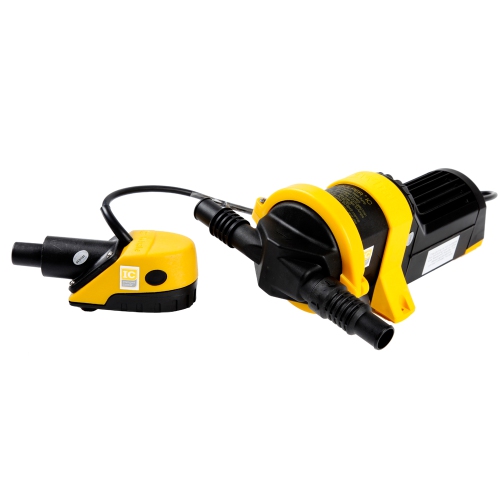
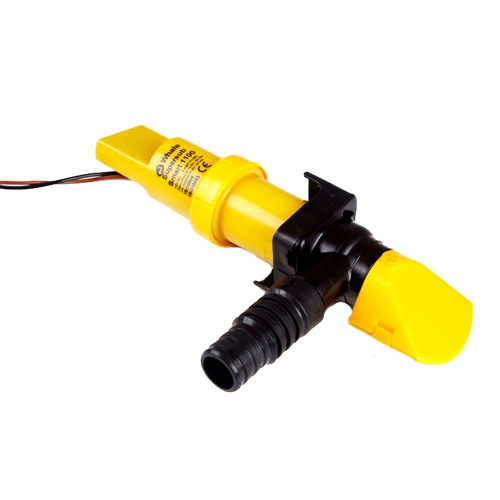
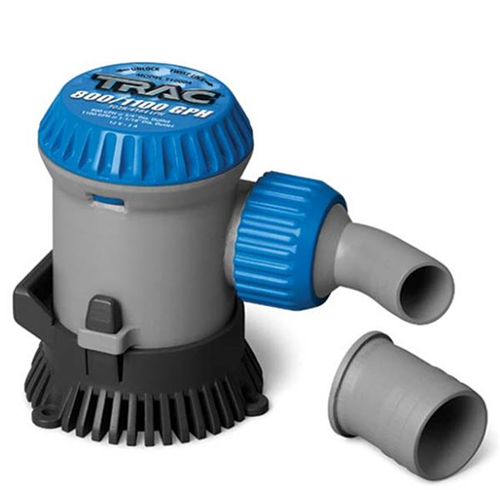
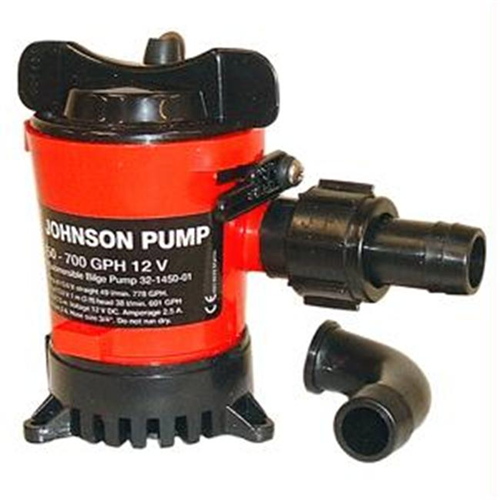
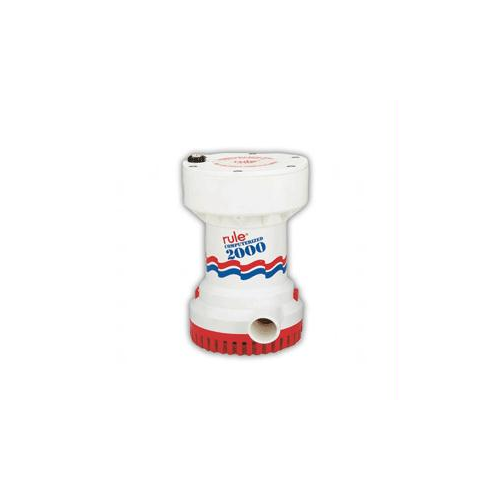
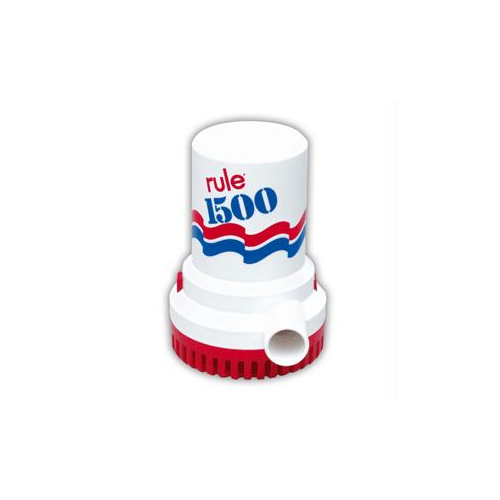
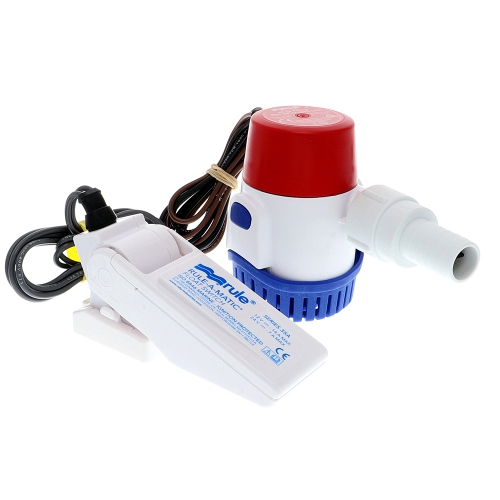
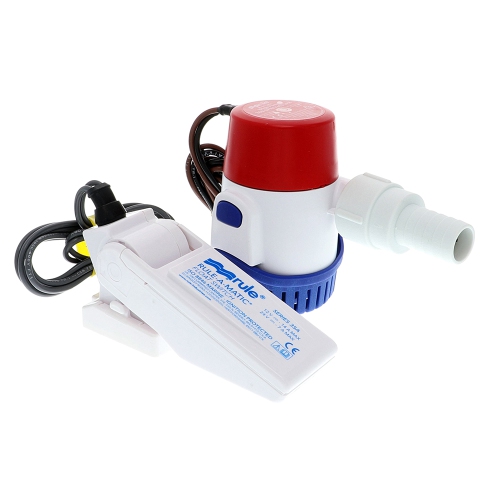
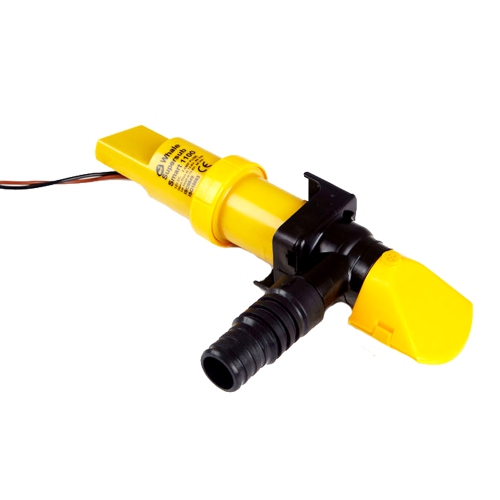
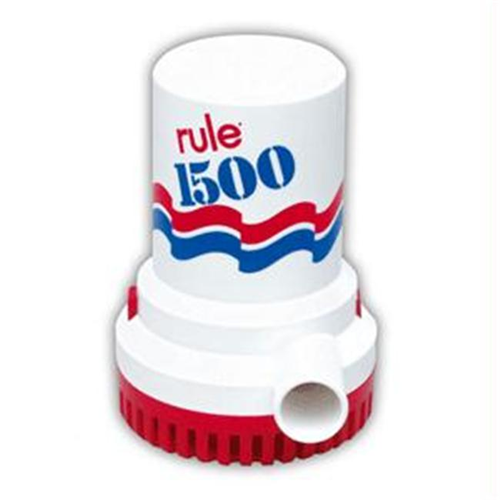
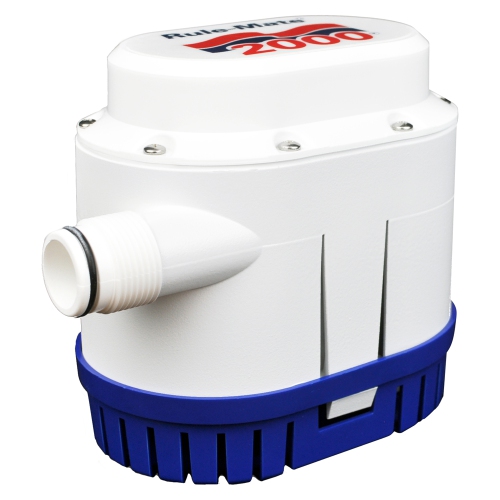
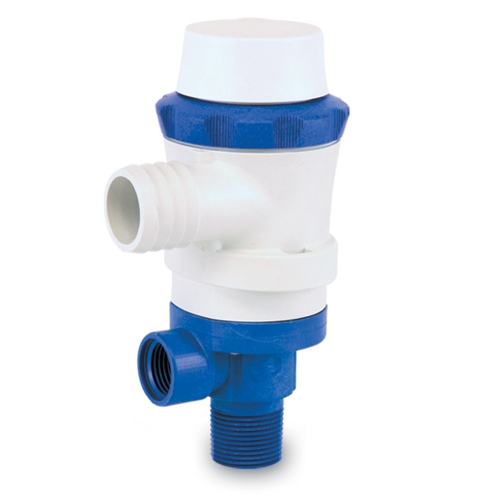
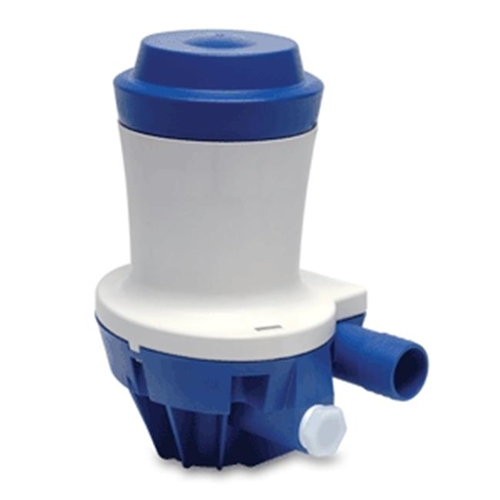
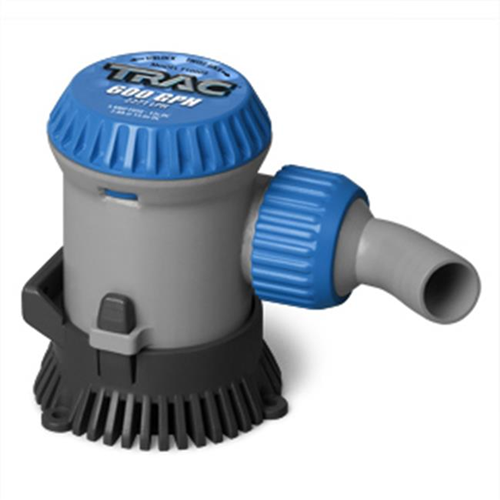
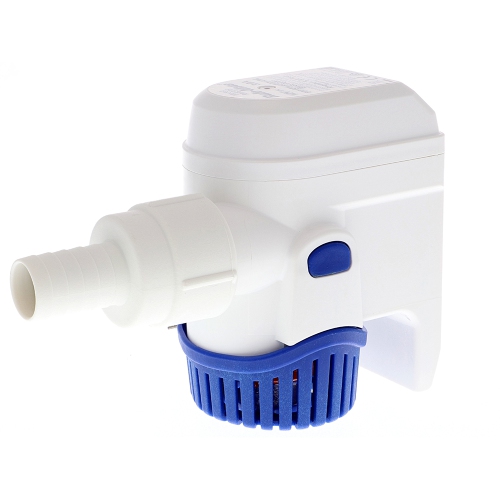
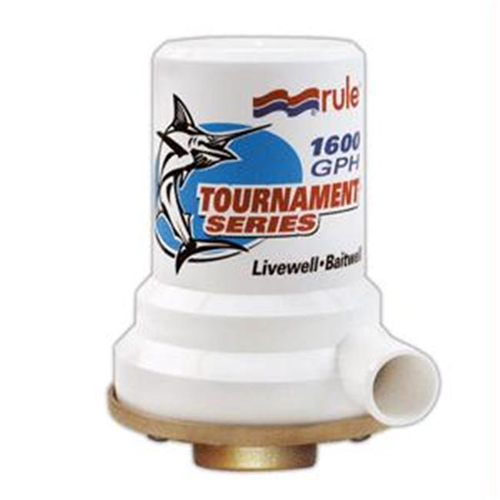
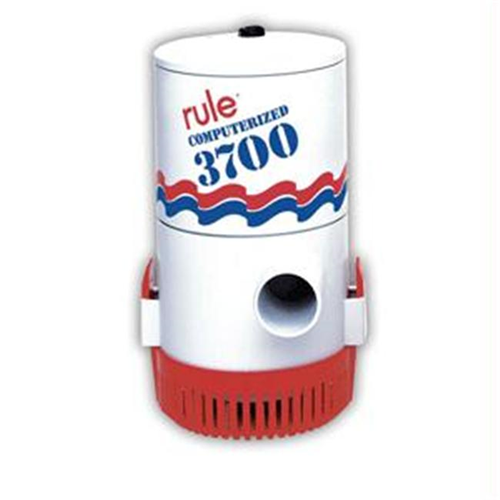
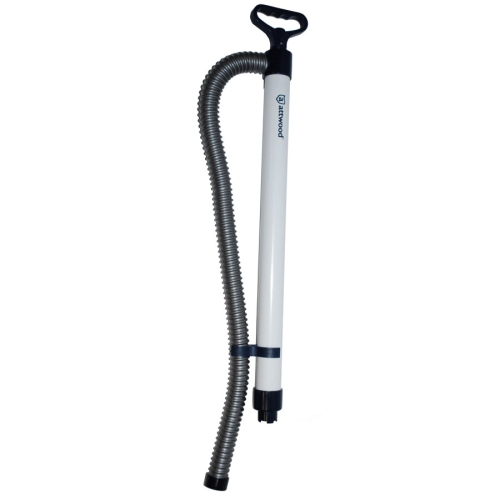
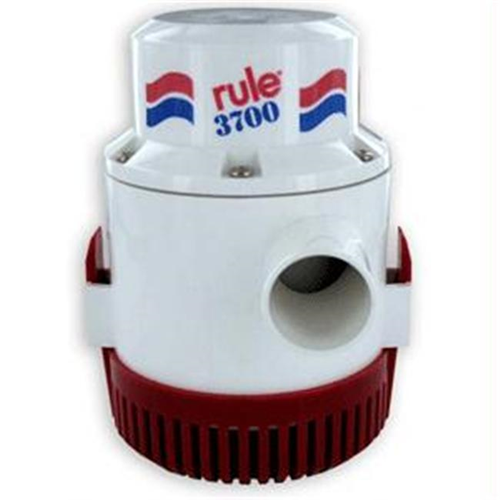
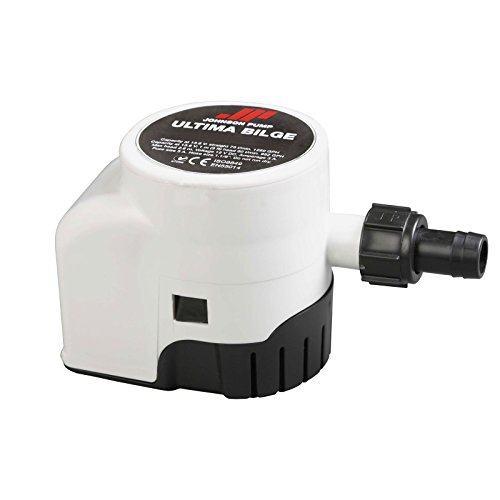
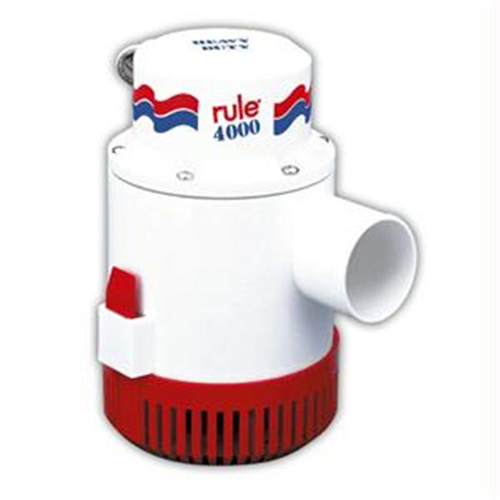
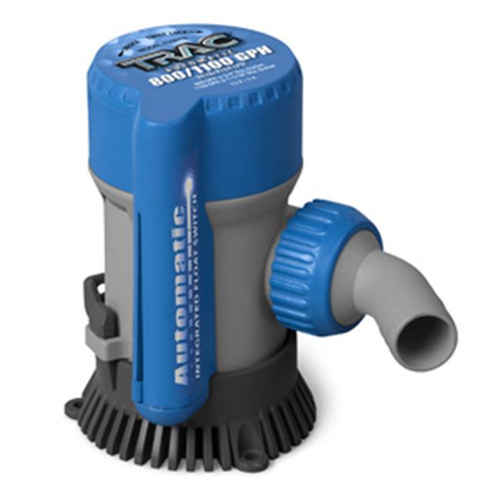
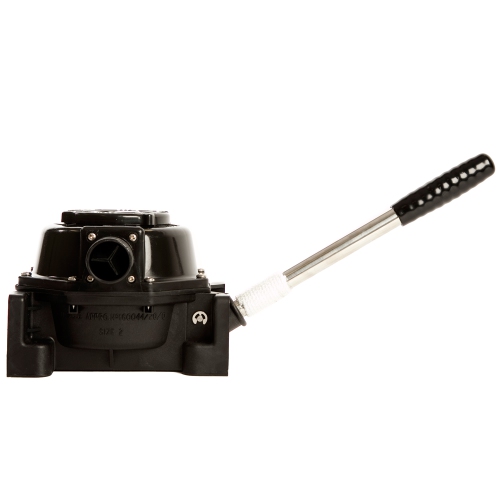
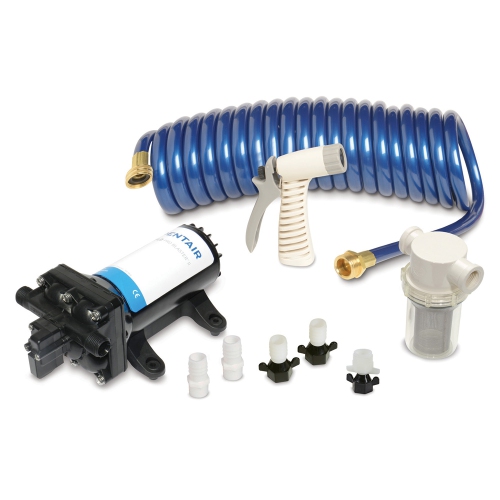
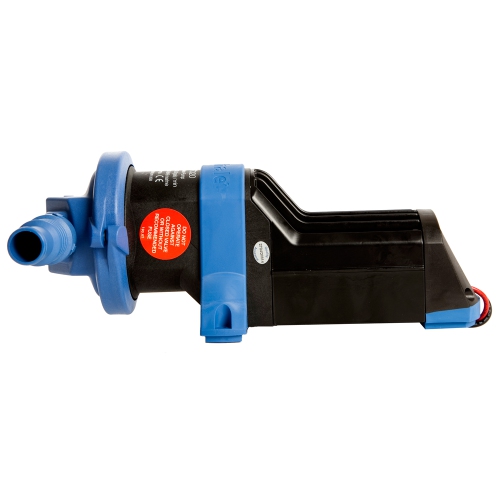
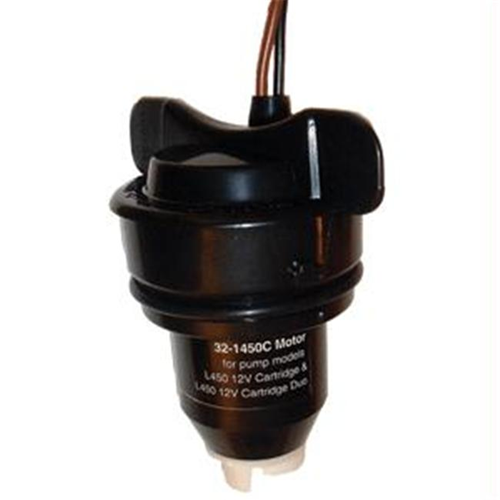
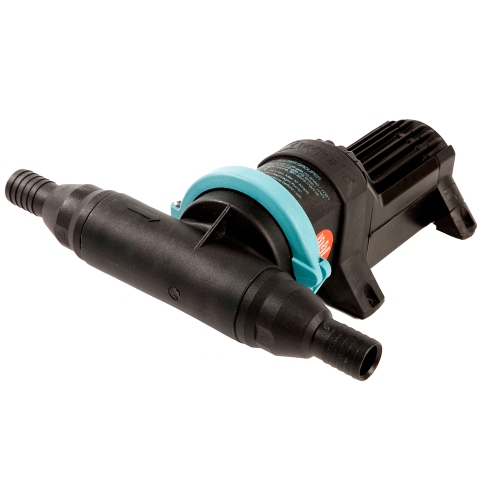
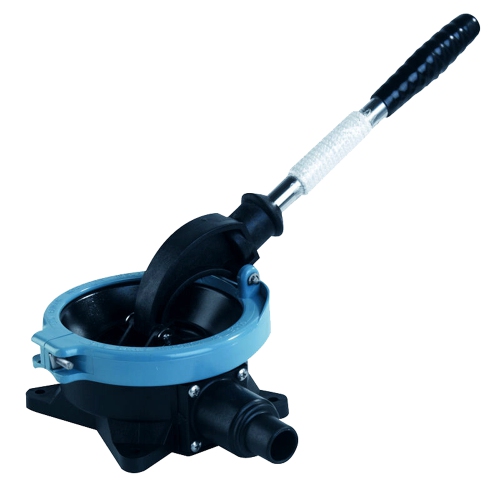
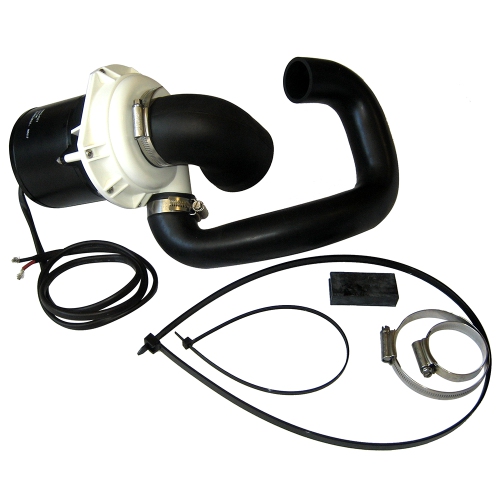
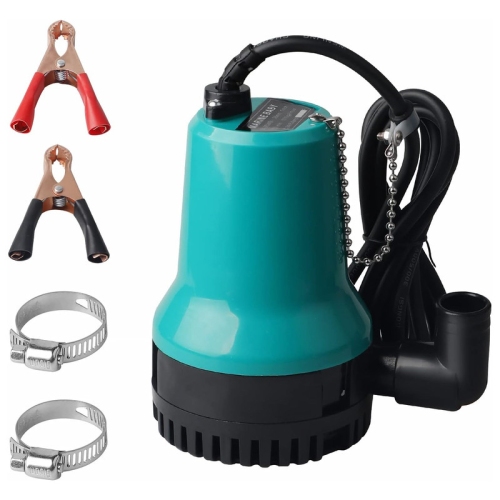
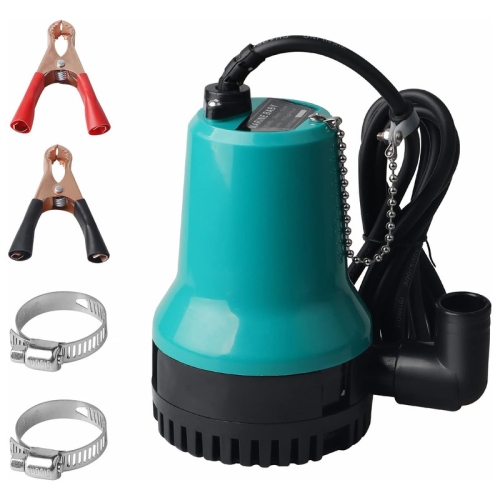
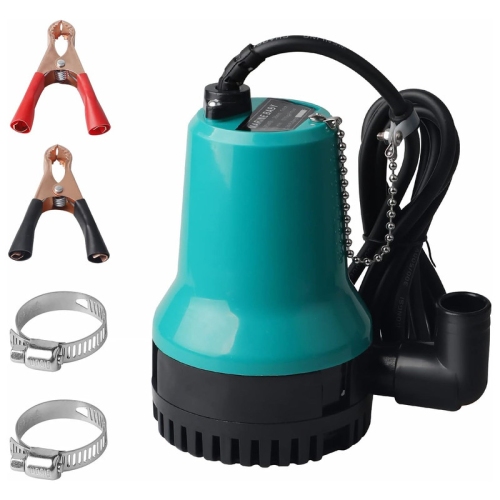
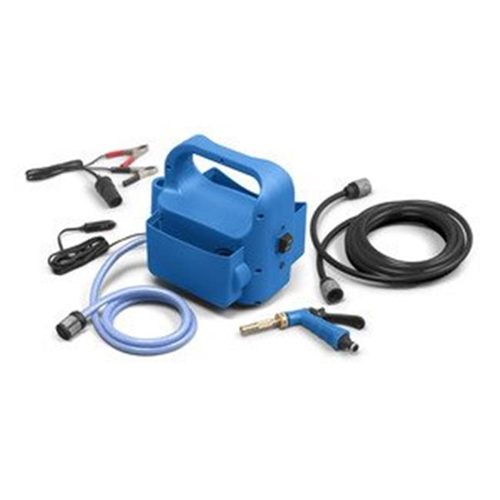
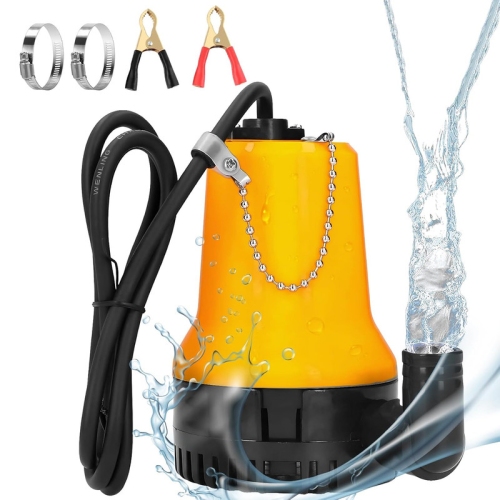
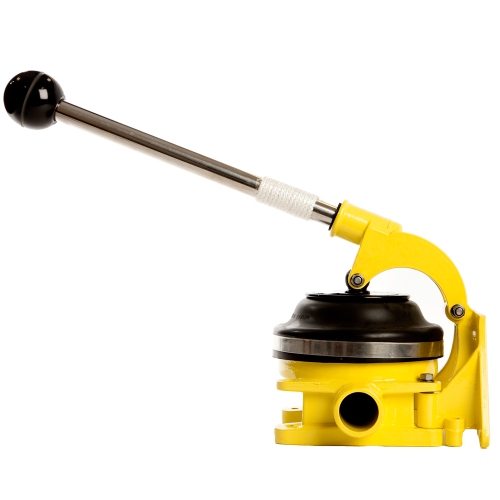
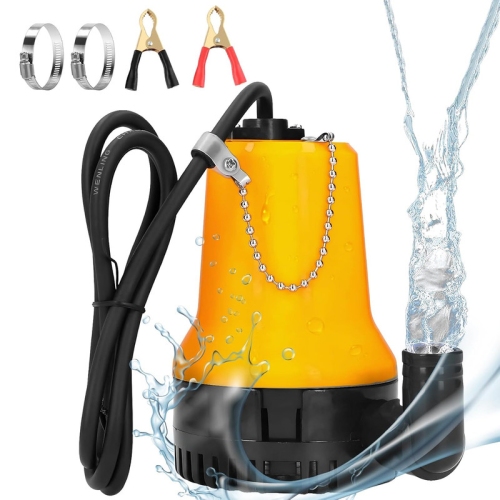
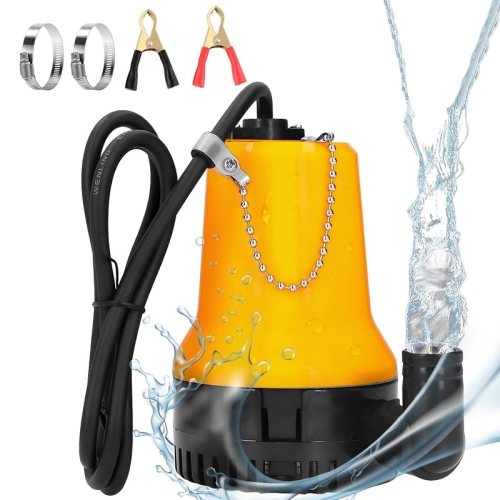
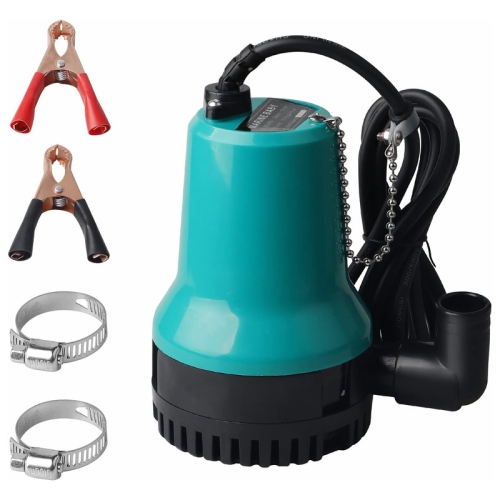
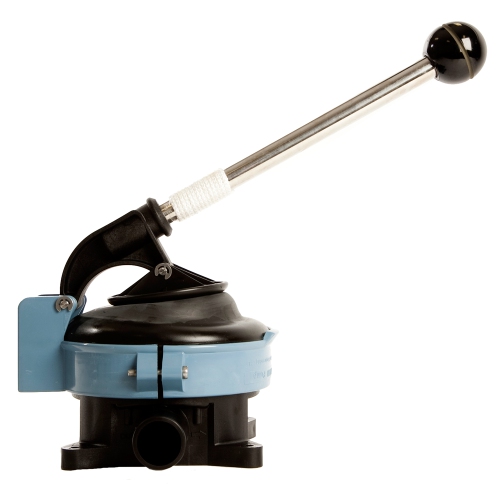
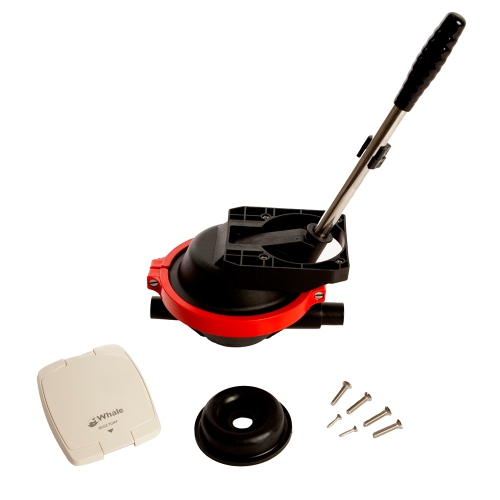
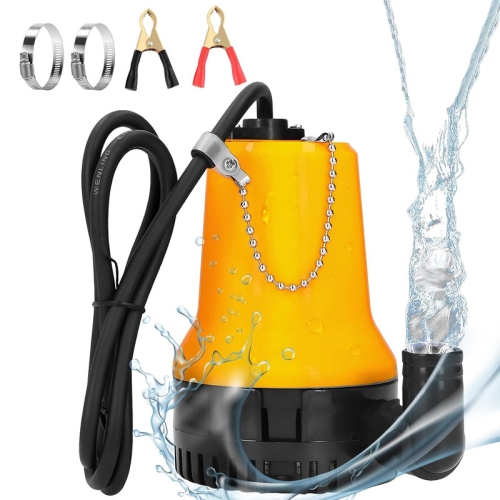
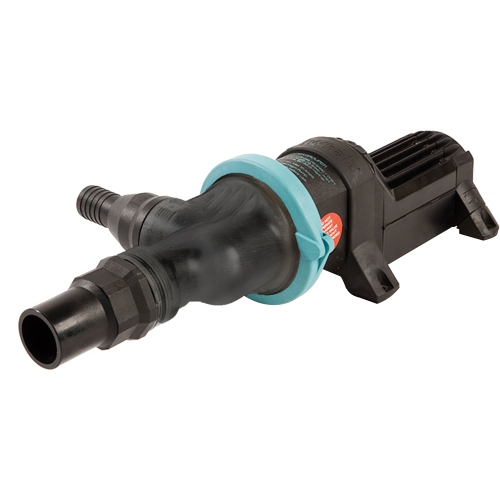
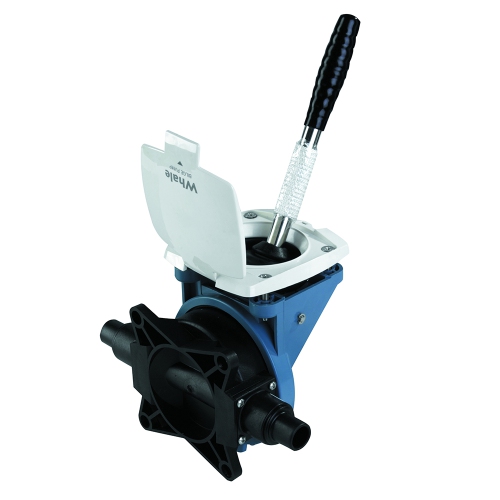
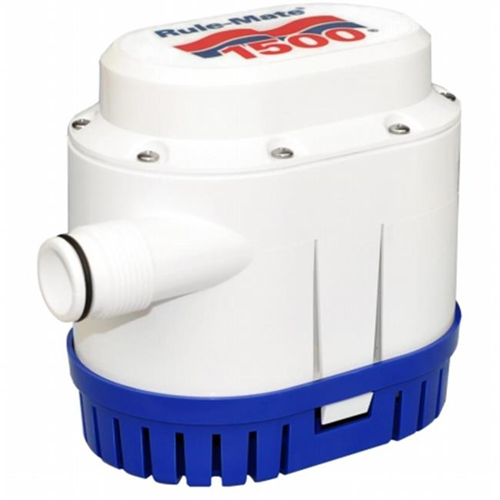
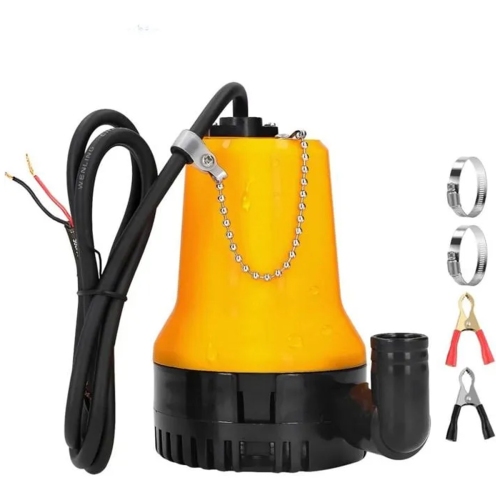
Bilge pumps serve a different purpose: they remove water that collects in the lowest part of the hull. Rain, spray, condensation, minor leaks, and water brought aboard on wet equipment can all contribute to bilge water, so a dependable pump is an important part of routine boat care. Bilge pumps may be submersible, sitting directly in the bilge, or installed inline with an intake hose that draws water from the hull. Automatic models can be paired with a float switch or electronic sensor so the pump starts when the water reaches a set level, while manual operation can be useful when checking the system or managing water during maintenance. Capacity is generally measured in gallons per hour (GPH), with common marine options ranging from about 1100 GPH to 1500 GPH or more. A higher rating can move water out faster, but actual performance depends on hose length, bends, discharge height, wiring, and the size of the outlet. For that reason, it is worth checking the pump’s rated capacity under realistic installation conditions rather than relying only on the largest number on the package. Washdown pumps are another popular category for boat owners who need a stronger stream for cleaning decks, fishing equipment, anchor chains, or muddy footwear. These pumps usually draw raw water from outside the boat and are built to provide higher pressure, often in the range of 50 to 70 pounds per square inch (PSI). A hose, spray nozzle, or dedicated deck fitting can turn that pressure into a practical cleaning station, helping you rinse away salt, sand, fish scales, and other residue before it dries. Freshwater, bilge, and washdown pumps should not be treated as interchangeable, since their flow rates, pressure requirements, intake arrangements, and intended operating environments can be quite different.
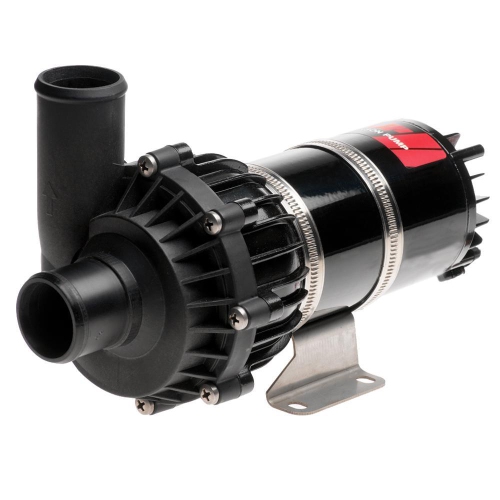
Before choosing a boat water pump, confirm the vessel’s electrical system and the pump’s compatibility with it. A 12V DC pump is common on smaller recreational boats, while 24V systems are often found on larger vessels or boats with more substantial electrical equipment. Connecting a pump to the wrong voltage can damage the motor or create an unsafe installation, so the rating should match the boat’s battery and wiring system exactly. Check the current draw as well, particularly if the pump will be installed far from the battery or used for extended periods. Correct wire size, a suitable fuse or circuit breaker, secure connections, and a well-protected switch all contribute to dependable operation. Installation space is another practical consideration; measure the available area and account for hose routing, service access, vibration, and the position of the inlet and outlet ports. For pumps installed near an engine compartment or fuel system, look for marine-rated construction and ignition protection that is appropriate for the location, including compliance with applicable marine safety standards such as ISO 8846 where required. Sealed or corrosion-resistant motor housings can help a pump withstand exposure to moisture and salt air, while dry-run protection may provide additional reassurance if a freshwater tank is accidentally emptied, although the pump should not be operated without water for longer than its instructions allow. During the boating season, inspect hoses for cracking, clamps for looseness, and strainers for debris; a small piece of seaweed, sand, or scale can reduce flow and make a healthy pump appear to be failing. Flush freshwater lines as recommended, rinse washdown components after use, and prepare the system for cooler weather by draining water and following the manufacturer’s winter storage instructions. Boat water pumps can be useful for first-time boat owners, experienced anglers, families who spend weekends at the lake, and anyone restoring an older vessel. They can also make a thoughtful gift for a boater preparing a boat for launch, upgrading an onboard washroom, or keeping a fishing and cruising setup ready for the next outing.
Bilge pumps serve a different purpose: they remove water that collects in the lowest part of the hull. Rain, spray, condensation, minor leaks, and water brought aboard on wet equipment can all contribute to bilge water, so a dependable pump is an important part of routine boat care. Bilge pumps may be submersible, sitting directly in the bilge, or installed inline with an intake hose that draws water from the hull. Automatic models can be paired with a float switch or electronic sensor so the pump starts when the water reaches a set level, while manual operation can be useful when checking the system or managing water during maintenance. Capacity is generally measured in gallons per hour (GPH), with common marine options ranging from about 1100 GPH to 1500 GPH or more. A higher rating can move water out faster, but actual performance depends on hose length, bends, discharge height, wiring, and the size of the outlet. For that reason, it is worth checking the pump’s rated capacity under realistic installation conditions rather than relying only on the largest number on the package. Washdown pumps are another popular category for boat owners who need a stronger stream for cleaning decks, fishing equipment, anchor chains, or muddy footwear. These pumps usually draw raw water from outside the boat and are built to provide higher pressure, often in the range of 50 to 70 pounds per square inch (PSI). A hose, spray nozzle, or dedicated deck fitting can turn that pressure into a practical cleaning station, helping you rinse away salt, sand, fish scales, and other residue before it dries. Freshwater, bilge, and washdown pumps should not be treated as interchangeable, since their flow rates, pressure requirements, intake arrangements, and intended operating environments can be quite different.
Before choosing a boat water pump, confirm the vessel’s electrical system and the pump’s compatibility with it. A 12V DC pump is common on smaller recreational boats, while 24V systems are often found on larger vessels or boats with more substantial electrical equipment. Connecting a pump to the wrong voltage can damage the motor or create an unsafe installation, so the rating should match the boat’s battery and wiring system exactly. Check the current draw as well, particularly if the pump will be installed far from the battery or used for extended periods. Correct wire size, a suitable fuse or circuit breaker, secure connections, and a well-protected switch all contribute to dependable operation. Installation space is another practical consideration; measure the available area and account for hose routing, service access, vibration, and the position of the inlet and outlet ports. For pumps installed near an engine compartment or fuel system, look for marine-rated construction and ignition protection that is appropriate for the location, including compliance with applicable marine safety standards such as ISO 8846 where required. Sealed or corrosion-resistant motor housings can help a pump withstand exposure to moisture and salt air, while dry-run protection may provide additional reassurance if a freshwater tank is accidentally emptied, although the pump should not be operated without water for longer than its instructions allow. During the boating season, inspect hoses for cracking, clamps for looseness, and strainers for debris; a small piece of seaweed, sand, or scale can reduce flow and make a healthy pump appear to be failing. Flush freshwater lines as recommended, rinse washdown components after use, and prepare the system for cooler weather by draining water and following the manufacturer’s winter storage instructions. Boat water pumps can be useful for first-time boat owners, experienced anglers, families who spend weekends at the lake, and anyone restoring an older vessel. They can also make a thoughtful gift for a boater preparing a boat for launch, upgrading an onboard washroom, or keeping a fishing and cruising setup ready for the next outing.
Top selling and popular products
-
 Your price for this item is $31.34
 -
 Your price for this item is $30.54
 -
 Your price for this item is $38.85
 -
 Your price for this item is $63.99
 -
 Your price for this item is $917.79
 -
 Your price for this item is $844.31
 -
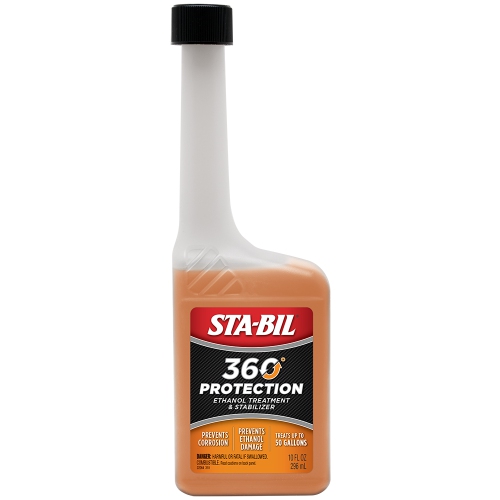 Your price for this item is $31.38
 -
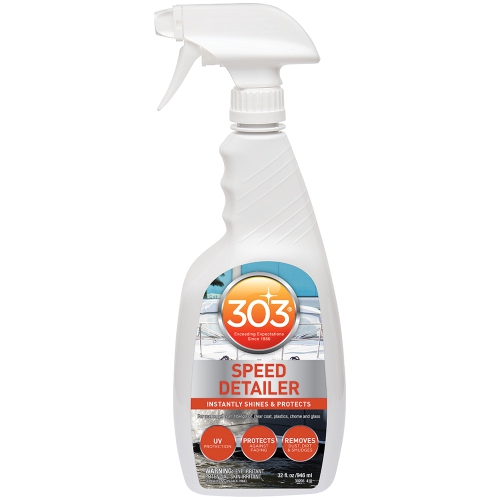 Your price for this item is $35.35
Discover more categories related to Boat Water Pumps
Top Collections:
Pokemon Centers, Kindle Devices, Best Budget Office Chairs, Canon G7X Cameras, Apple iPhones 16, Samsung Galaxy Phones, Refurbished Apple Laptops, Laptops for Students, iPhone 15 Apple, Budget Smartphones
Some products may be subject to Environmental Handling Fees
(EHF) depending on your province.
Learn more about EHFs.