Summer Water Sports
Get ready to make a splash this summer with our incredible selection of water sports gear. Whether you're a seasoned pro or just starting out, we have everything you need to enjoy the sun, sand, and waves. From paddleboarding and kayaking to snorkeling and jet skiing, our wide range of water sports equipment will ensure that you have an unforgettable summer filled with thrilling adventures on the water. Dive in and explore our collection to find the perfect gear for your next aquatic escapade.
Sort
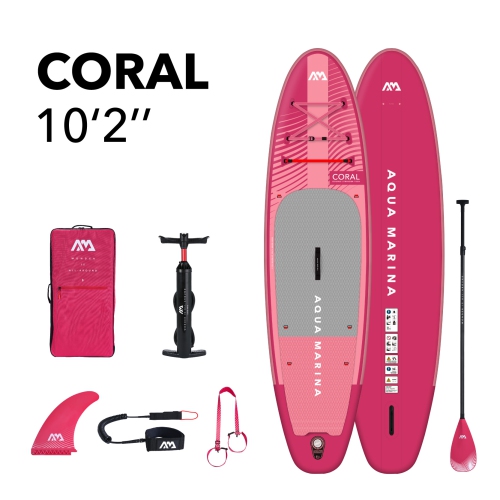
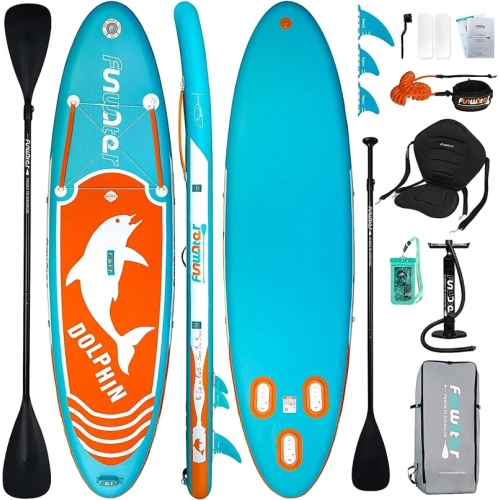
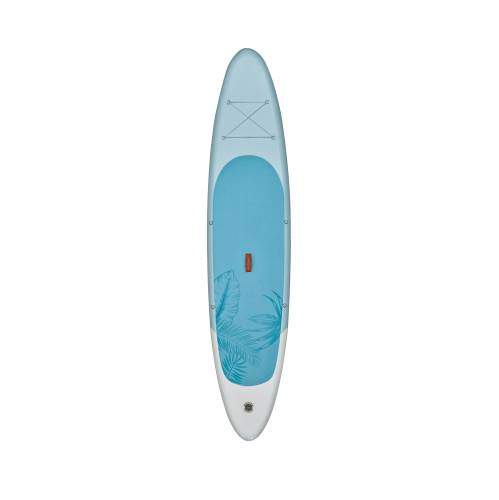
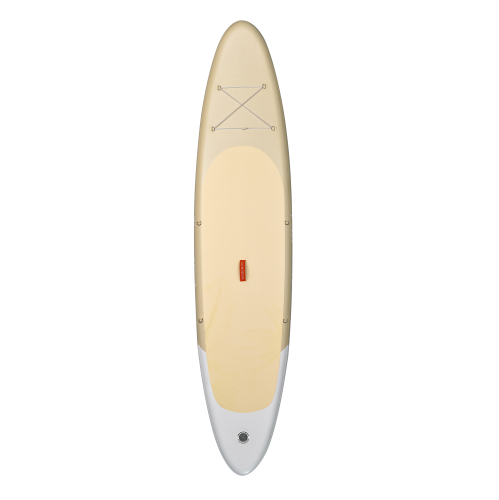
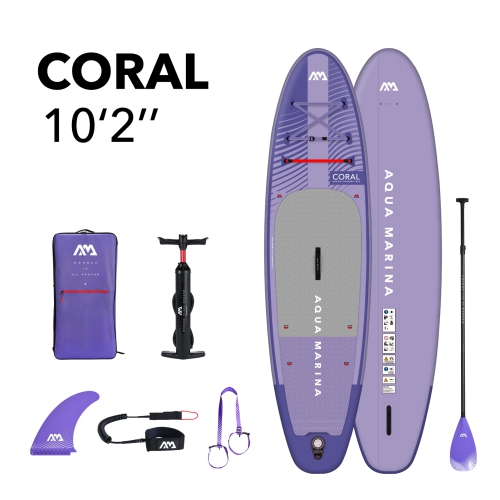
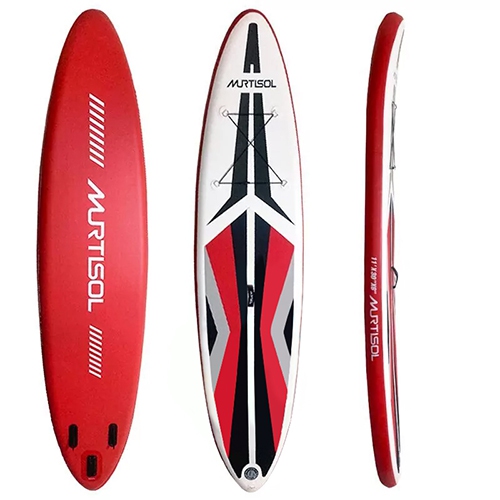
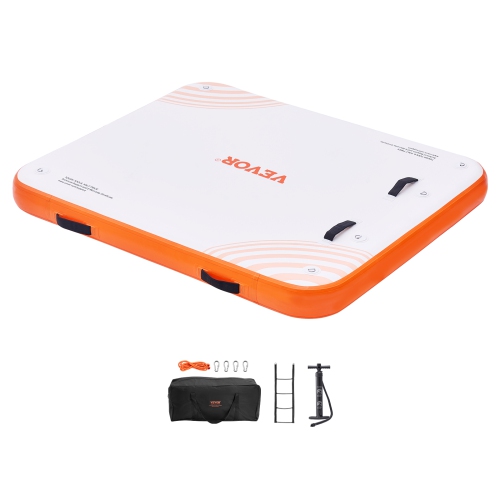
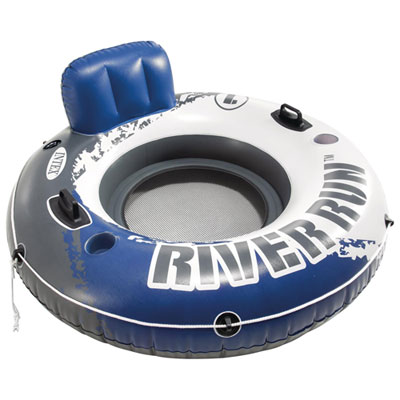
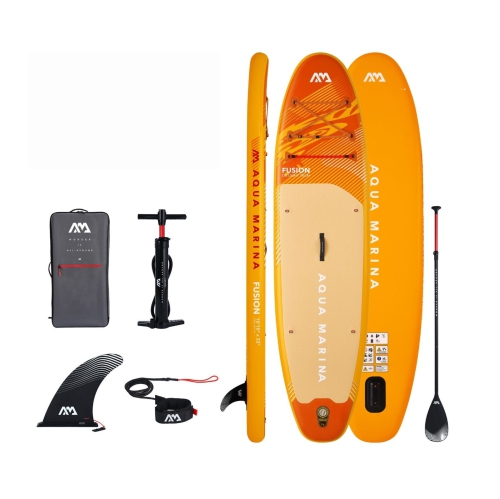
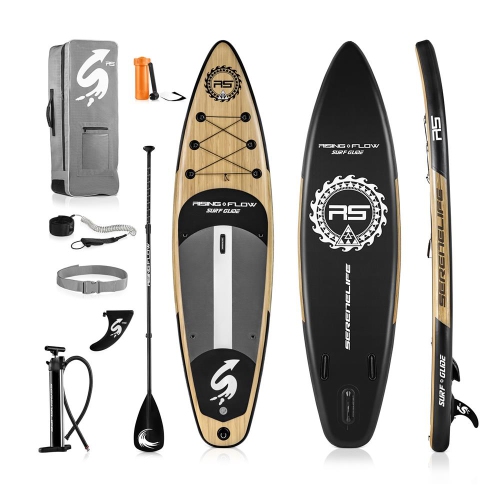


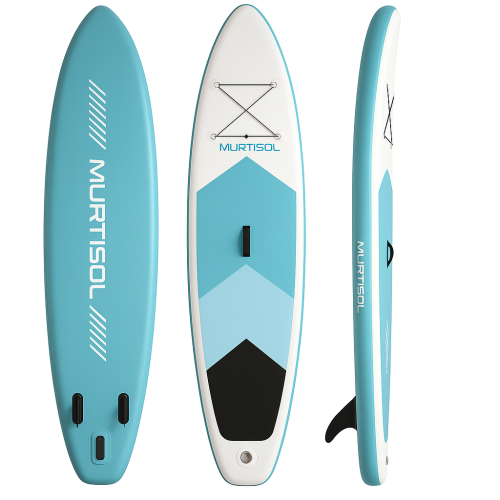
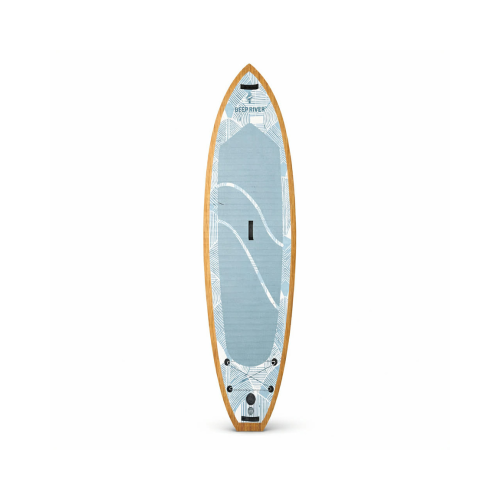









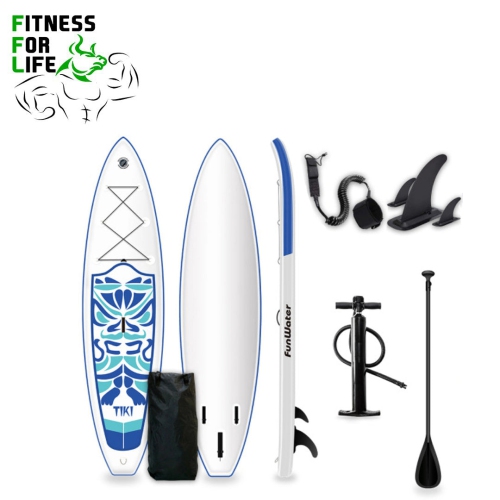

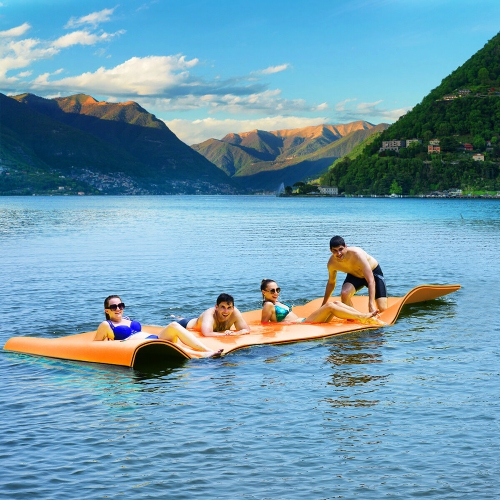


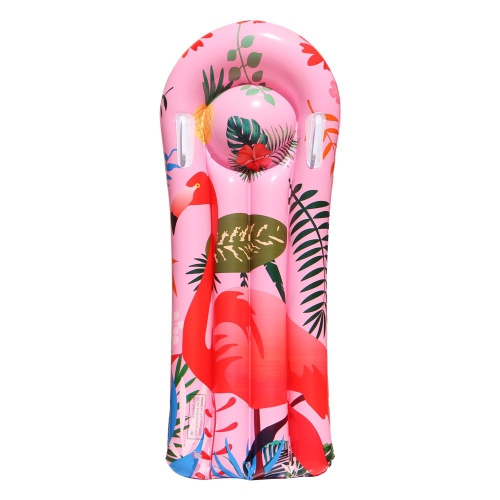


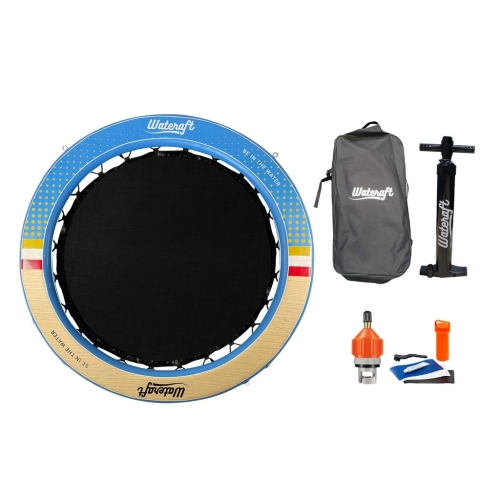










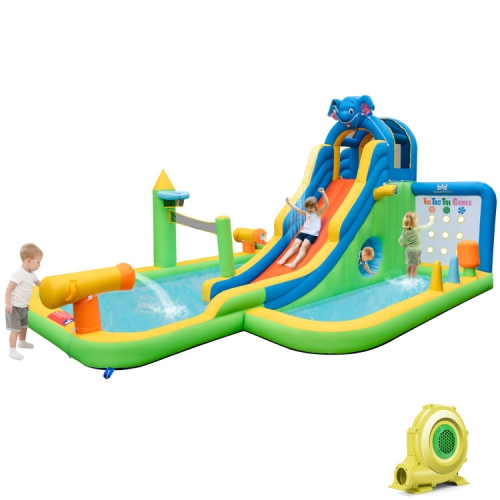
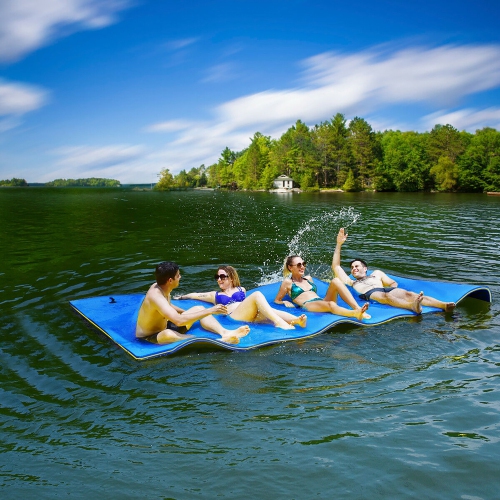
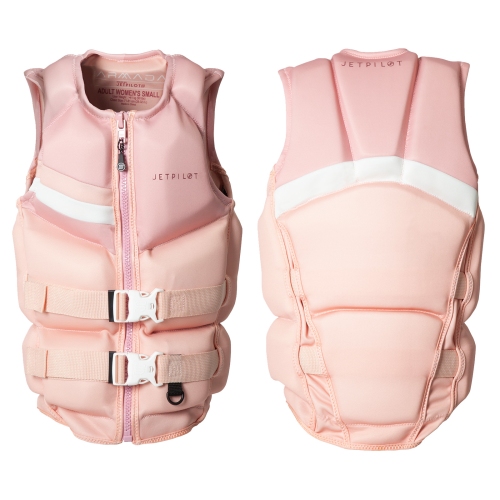
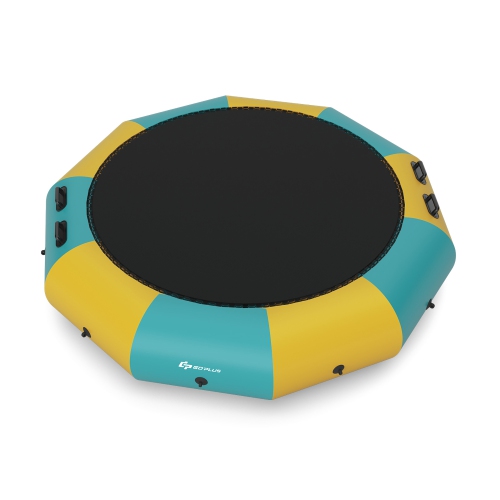
















Why your waterway matters when choosing gear
Summer water sports bring together time on the water, physical activity, and the simple pleasure of seeing the shoreline from a different angle. For some people, that means a quiet paddle across a sheltered bay; for others, it means practising balance, building confidence, or enjoying a more energetic ride behind a boat. Equipment for these activities serves different purposes, so the best match starts with where and how it will be used. A calm cottage lake, a broad river, and an exposed stretch of coastline can place very different demands on flotation, stability, handling, and personal protection. Distance from shore, boat traffic, water depth, and the experience of everyone taking part matter just as much as the activity itself. Browsing Water Sports Equipment can help bring those practical needs into focus, whether the plan involves relaxed family outings or regular sessions devoted to a favourite sport. Beginners often benefit from equipment that feels predictable and manageable rather than highly specialized, while experienced participants may place more emphasis on responsiveness, weight, and performance in particular conditions. Wider shapes generally offer greater initial stability in paddling activities, although shape, construction, load, and water conditions all influence how equipment behaves. Capacity needs to account for the full load, including clothing and anything carried along, rather than body weight alone. A short outing within easy reach of shore also calls for different preparation than a longer route with few landing places. For families, shared use adds another consideration: adjustable features can be useful, but only when the stated size range and intended use suit each person. Water sports equipment can make a thoughtful gift for a cottage host, an enthusiastic paddler, or someone developing a new interest, provided their measurements, skill level, and usual activities are known. The most useful choices fit naturally into the recipient’s outings, storage space, and transport arrangements, rather than creating extra work before every trip.
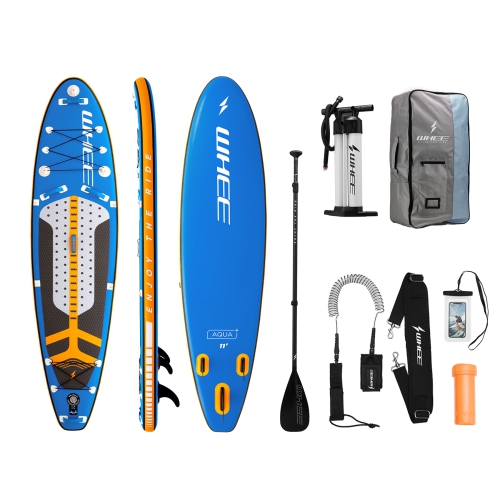
Materials and construction affect how water sports equipment feels in use, how easily it travels, and how much attention it needs between outings. Inflatable construction can offer compact storage and simpler transport, especially when space is shared with luggage and other family belongings. Its practicality depends on more than packed size, however: setup time, the specified inflation pressure, valve quality, seam construction, and the surface used for launching all deserve attention. Reinforced fabrics and drop-stitch construction are used in some inflatable equipment to help maintain shape and rigidity, but their presence alone does not establish suitability for every activity. Rigid construction avoids inflation and can provide a consistent feel on the water, while demanding more room at home and a suitable way to carry it. Moulded plastics, composites, aluminium, and coated fabrics each have different strengths, and finished weight is only one part of the picture. Resistance to abrasion, impact, sunlight, and corrosion can be especially relevant when equipment is repeatedly carried over a rough landing, secured for travel, or used in salt water. Handles should be comfortable to grip with wet hands, contact surfaces should feel secure without causing unnecessary rubbing, and adjustment points should remain accessible during normal use. Wearable equipment deserves equally close attention. A snug fit should support its intended function without restricting breathing or the movement needed for paddling, swimming, or climbing back aboard. Sizing varies between manufacturers, so measurements and the stated fit range are more useful than a familiar clothing size alone. For children, weight limits and the intended activity are particularly important; safety equipment should not be bought oversized for future growth. Buoyancy aids used for sport are not automatically substitutes for an approved lifejacket or personal flotation device. Approval markings, proper fit, and suitability for the activity all need checking. Canadian boating requirements vary with the type and size of craft, so the required safety equipment should be confirmed before heading out. Swimming ability does not remove the need for appropriate flotation, supervision, or a plan for returning safely to shore.
Everyday handling often determines whether water sports equipment becomes part of a regular routine or stays tucked away after a few outings. Consider the whole journey, from taking it out of storage to carrying it down a path, launching, packing up, and drying it at home. A design that is manageable beside the car may feel quite different on a long walk to the water, particularly when one person is also helping children. Packed dimensions, lifting points, assembly requirements, and compatibility with existing equipment can make that process smoother. Secure transport matters as well: loads should be supported and fastened according to the equipment and vehicle manufacturers’ directions, with loose components contained. Once on the water, care begins with using equipment within its stated limits and avoiding unnecessary dragging over gravel, sharp rocks, or rough dock edges. After use, rinsing away sand, mud, and salt with fresh water helps keep moving parts and surfaces clean. Cleaning methods should follow the manufacturer’s instructions, since strong solvents, abrasive brushes, and unsuitable detergents can damage coatings, adhesives, or fabrics. Letting equipment dry thoroughly before storage helps prevent trapped moisture and odours, while a shaded, ventilated storage space limits prolonged exposure to direct sunlight. Inflatable equipment may need pressure adjustments as temperatures change, and it should never be inflated beyond the stated limit. Regular checks of seams, valves, straps, fasteners, and attachment points can reveal wear before it interferes with an outing; damaged safety equipment should be taken out of use until it has been assessed or replaced as appropriate. Summer sunshine can make the shore feel inviting even when the water remains cold, so clothing and trip plans should reflect water temperature as well as the forecast. Wind can also make the return journey harder than the outward trip suggests. Sheltered routes, realistic distances, attentive supervision, and suitable instruction help keep the activity matched to the group. With comfortable fit, manageable care, and equipment suited to its purpose, time on the water can centre on steady paddle strokes, shared laughter, and the satisfaction of learning a skill at an enjoyable pace.
Top selling and popular products
-
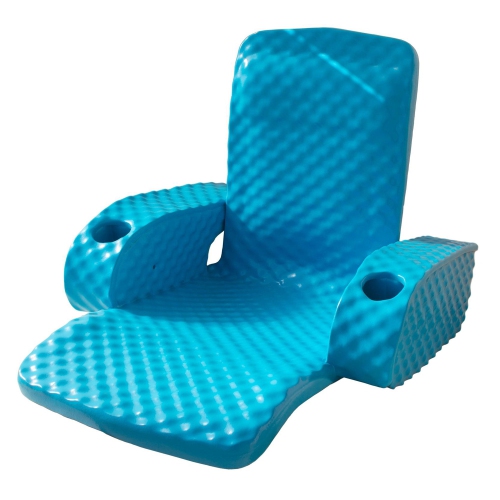 Your price for this item is $606.99
-
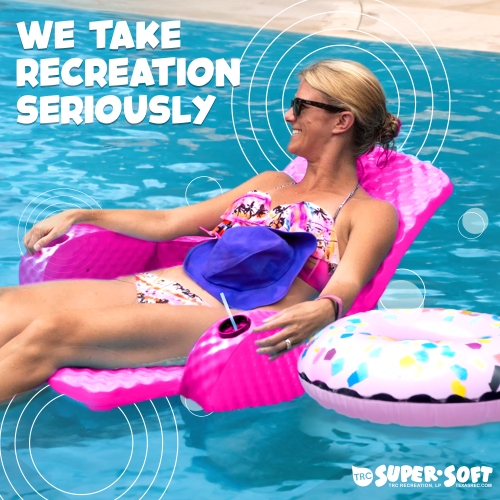 Your price for this item is $599.99
-
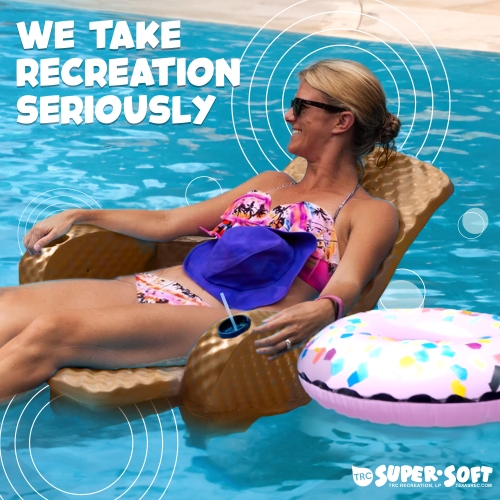 Your price for this item is $477.99
-
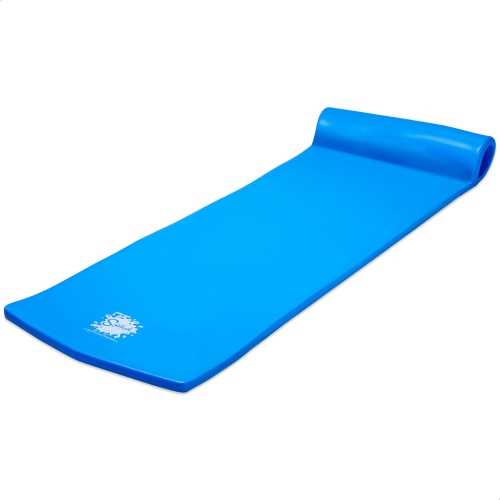 Your price for this item is $597.99
-
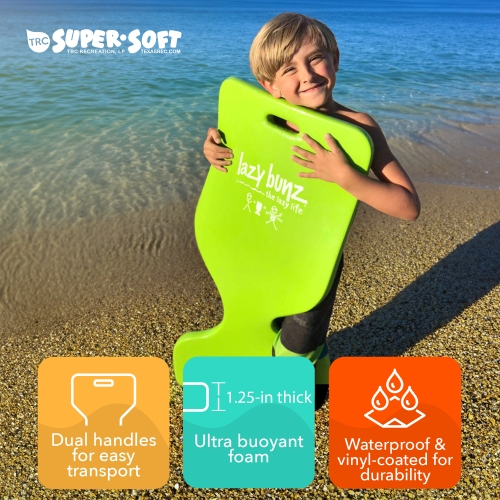 Your price for this item is $90.99
-
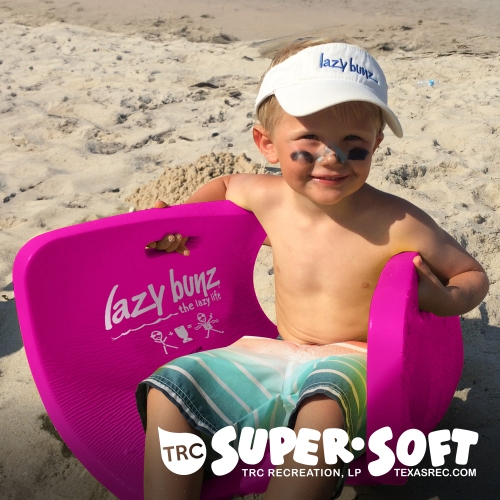 Your price for this item is $87.99
-
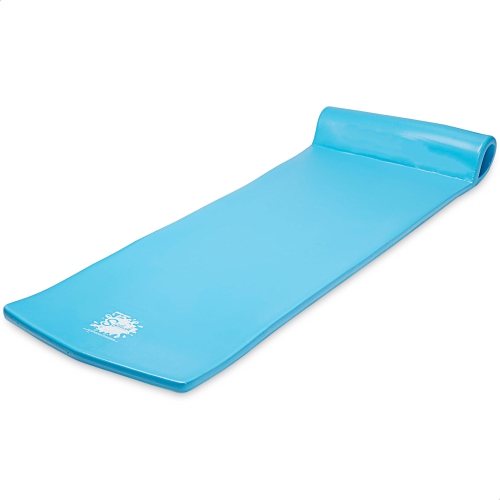 Your price for this item is $309.99
-
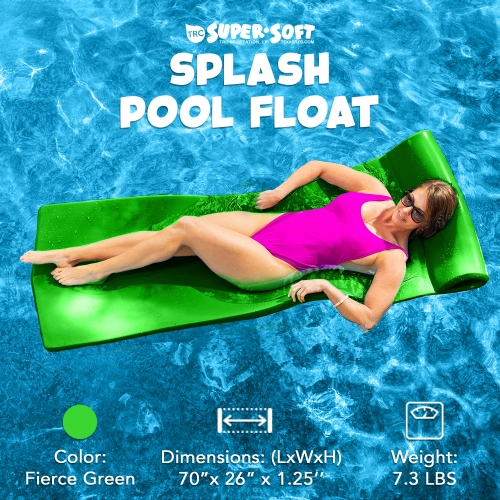 Your price for this item is $214.99
Discover more categories related to Summer Water Sports
Top Collections:
Pokemon Centers, Kindle Devices, Best Budget Office Chairs, Canon G7X Cameras, Apple iPhones 16, Samsung Galaxy Phones, Refurbished Apple Laptops, Laptops for Students, iPhone 15 Apple, Budget Smartphones
Some products may be subject to Environmental Handling Fees
(EHF) depending on your province.
Learn more about EHFs.