Sup Water Sports
Get ready to make a splash with our wide selection of SUP water sports gear. Whether you're a seasoned paddleboarder or just getting started, we have everything you need to take your adventures on the water to the next level. From inflatable paddleboards and paddles to accessories like life jackets and waterproof bags, our collection is designed to cater to all skill levels and preferences. Explore our range of SUP water sports equipment and get ready for an exhilarating experience on the waves.
Sort
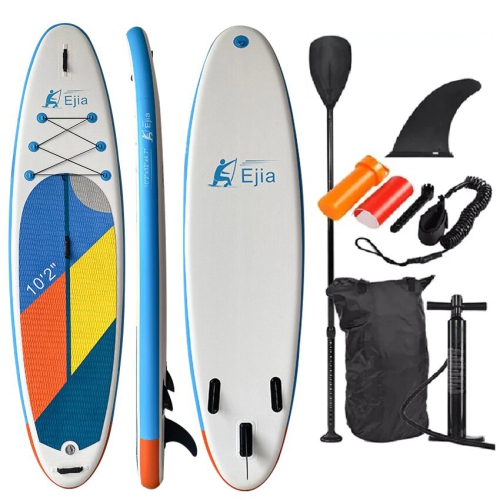
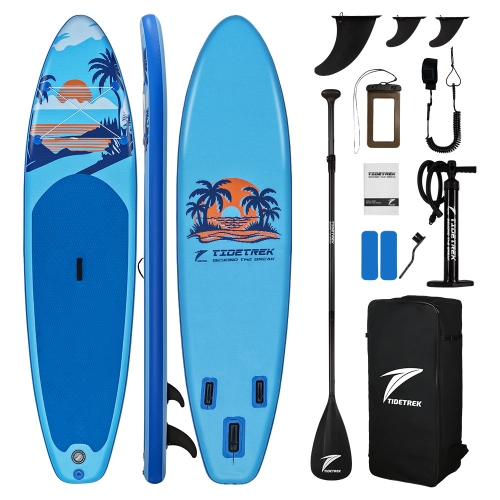
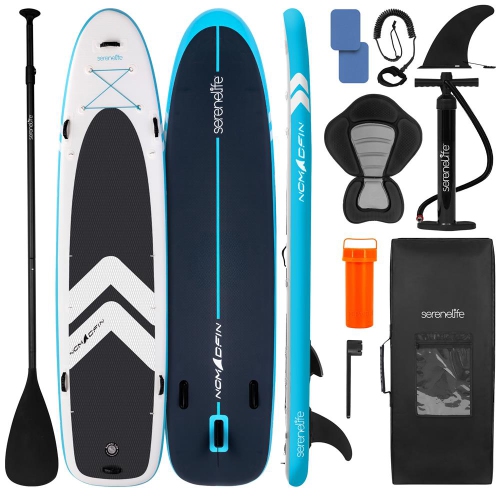
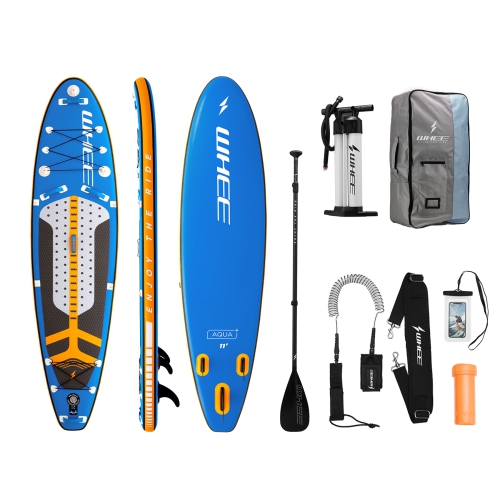
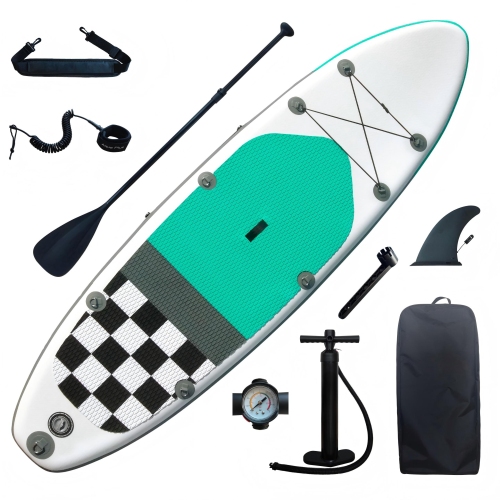
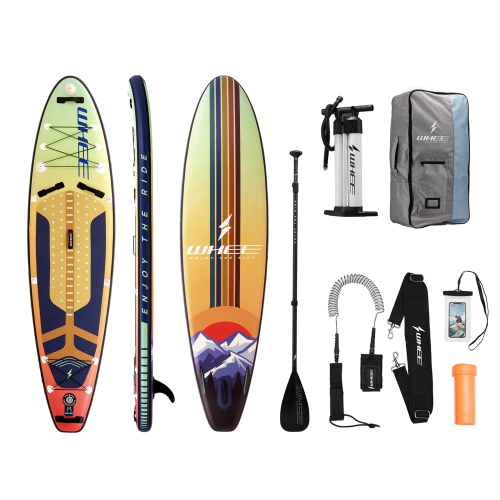
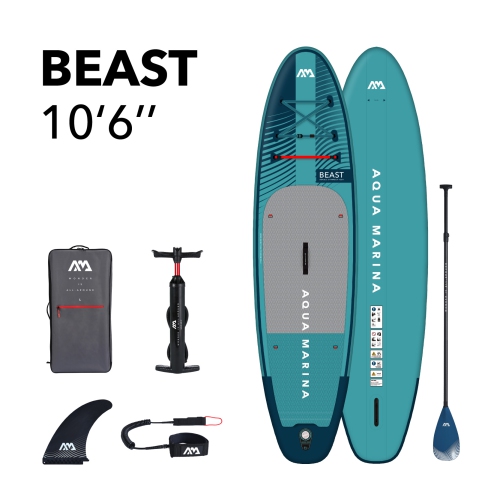
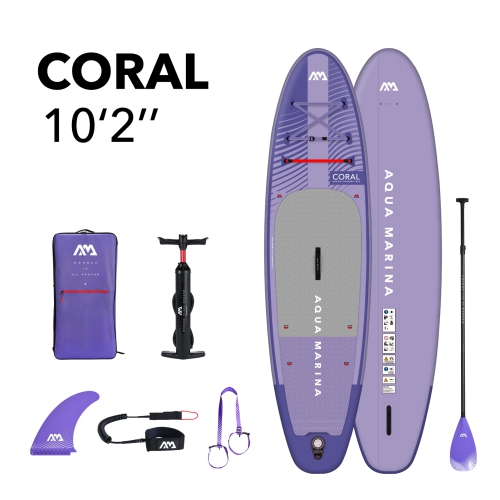
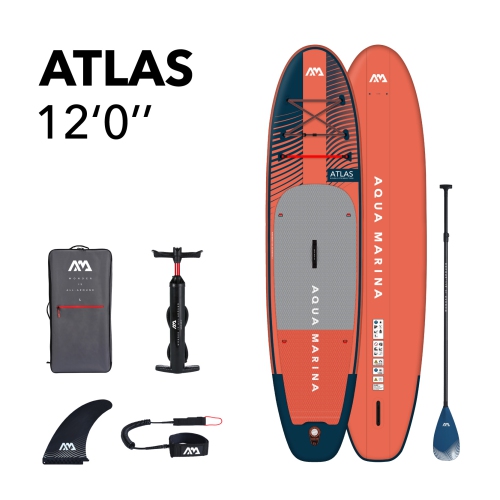
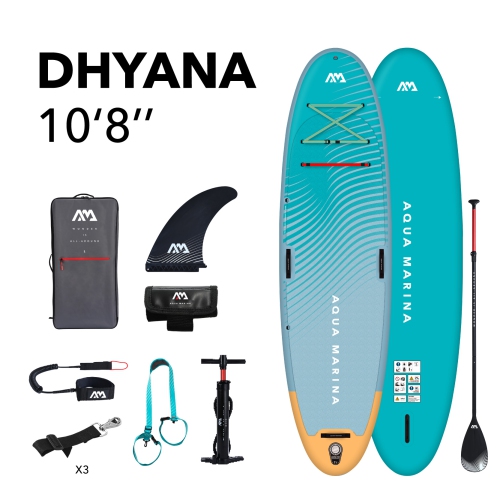
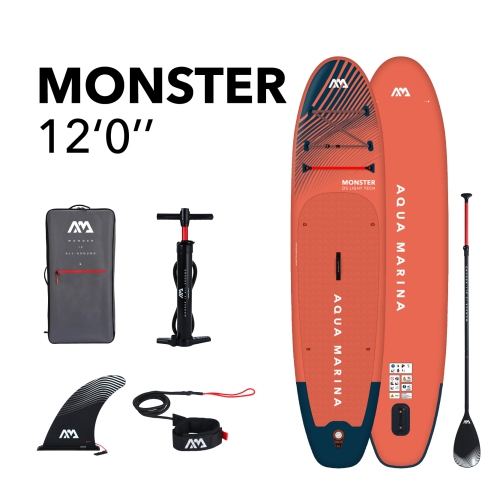
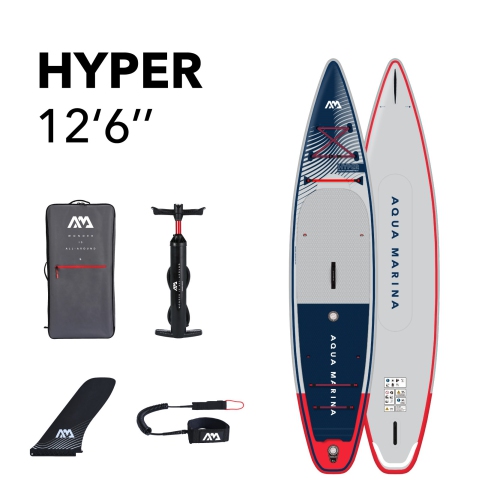
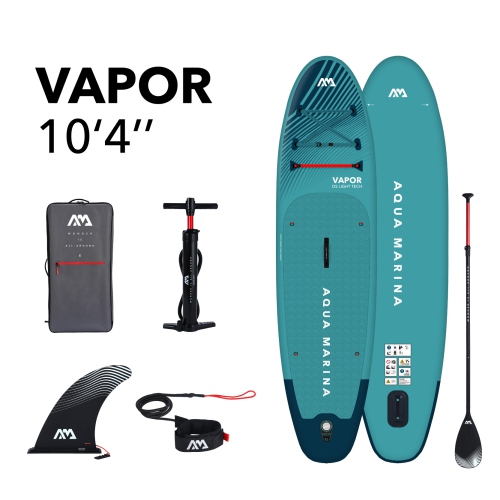
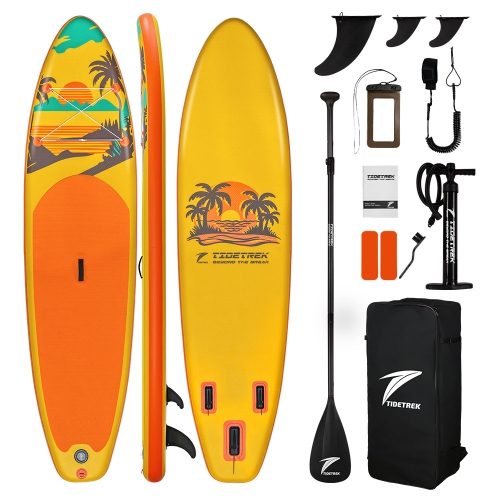
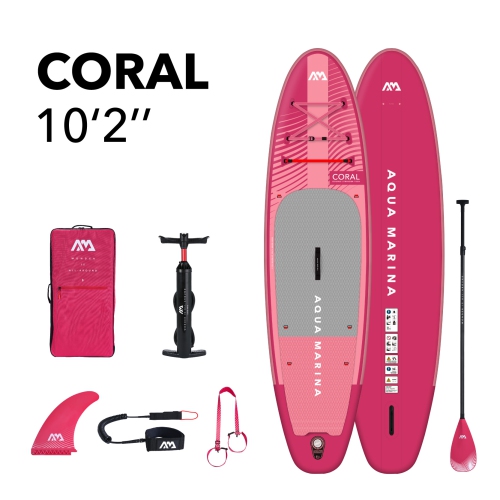
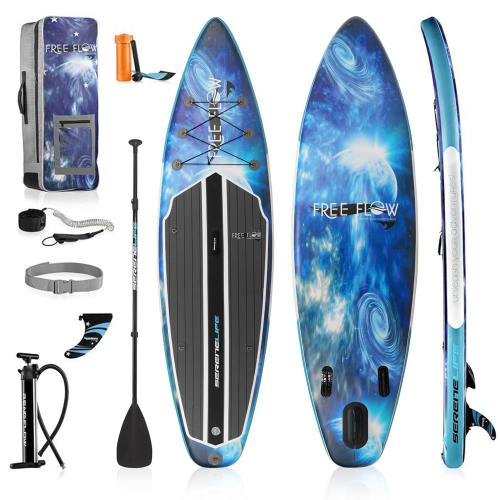
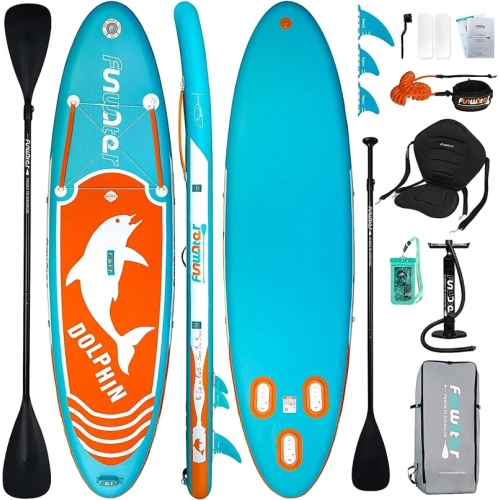
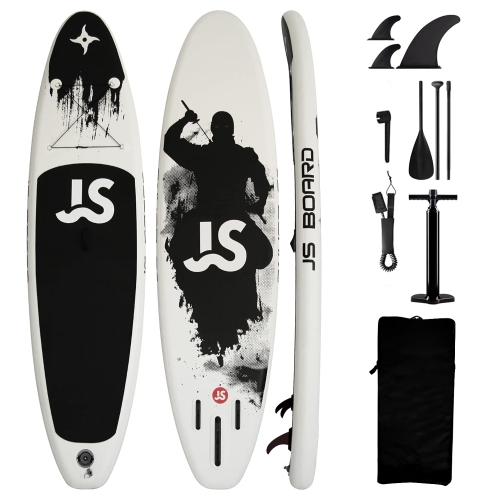
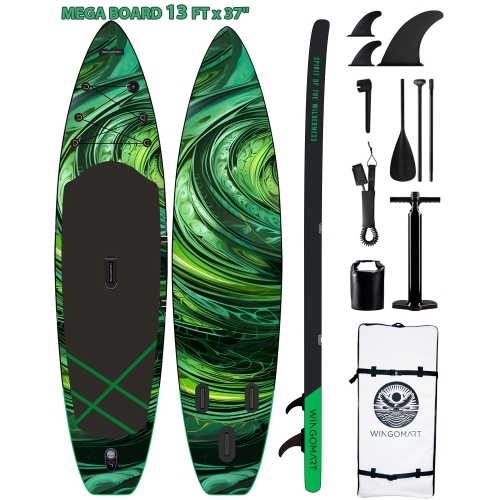
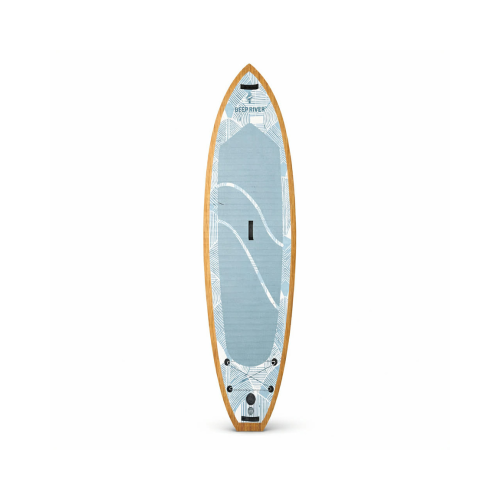
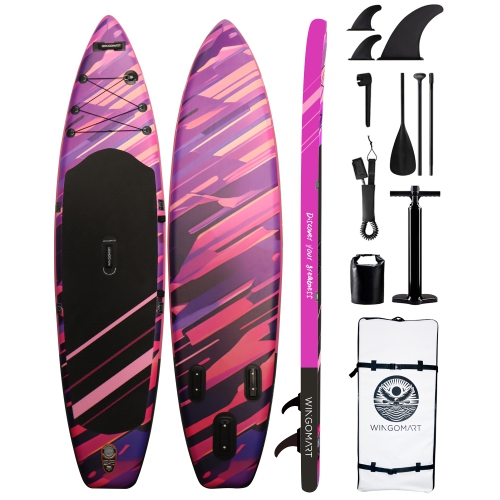
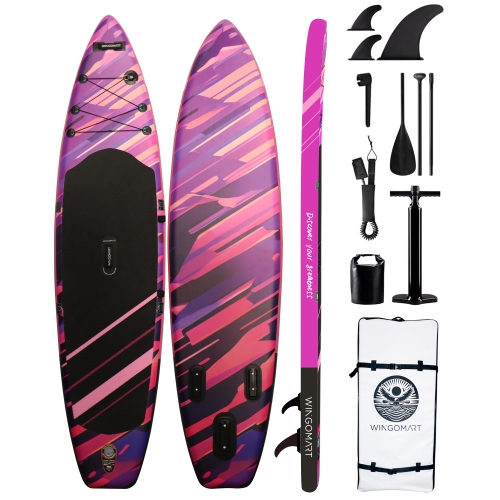
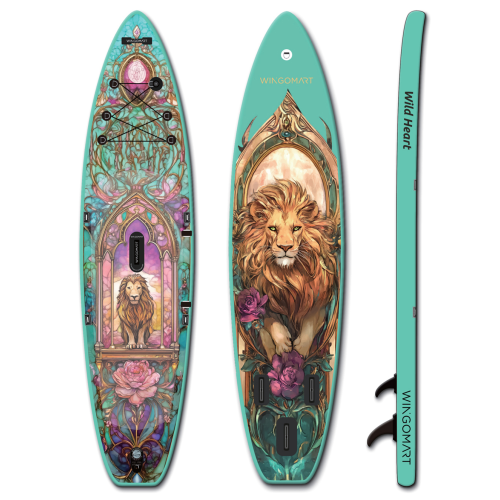
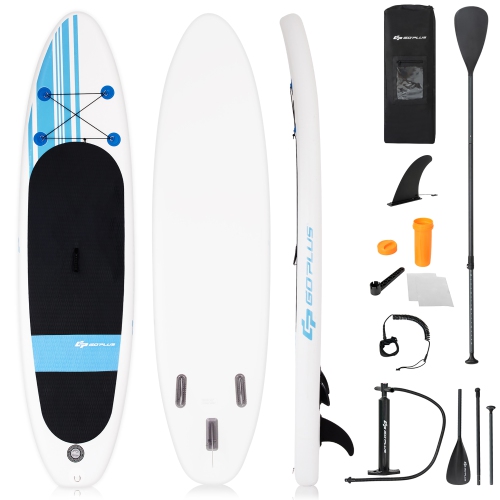
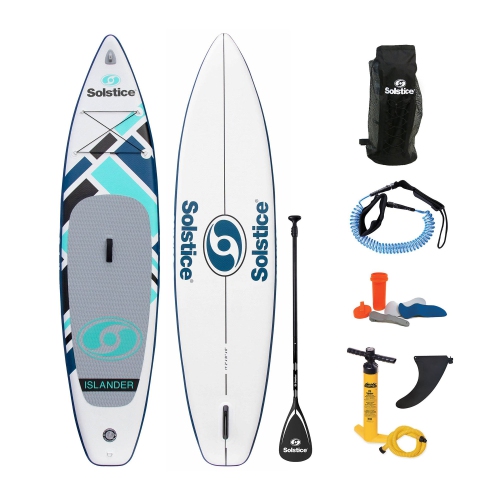
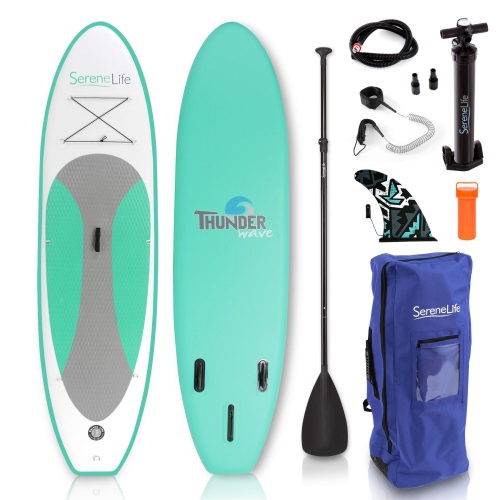
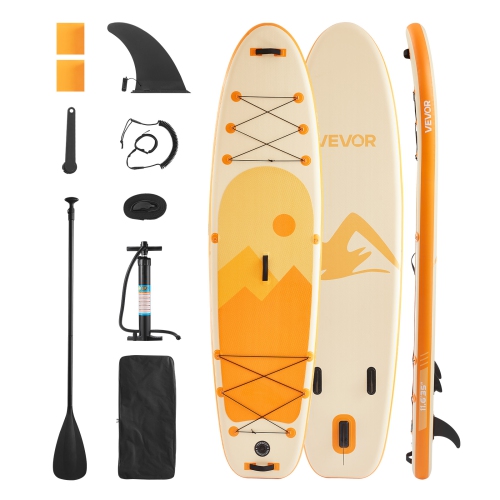
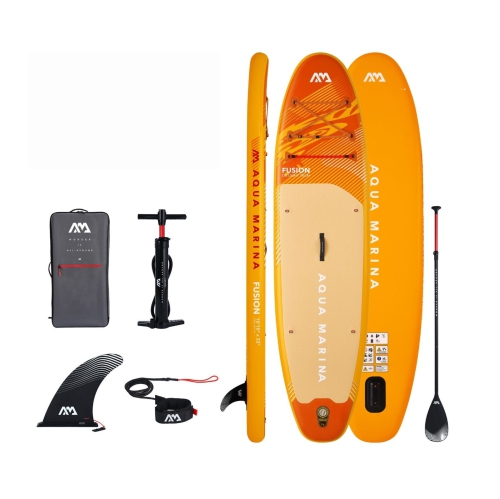
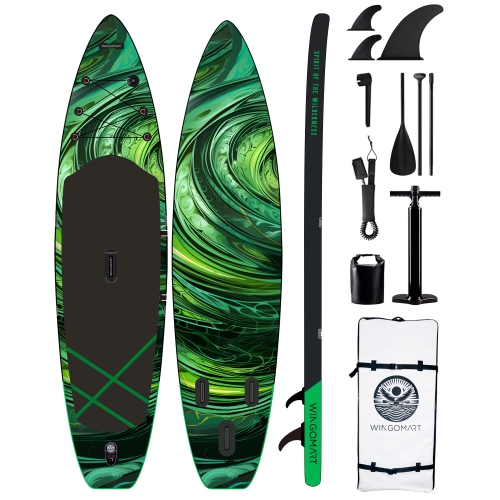
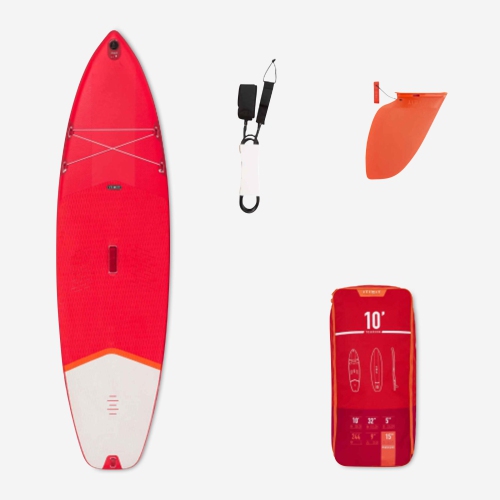
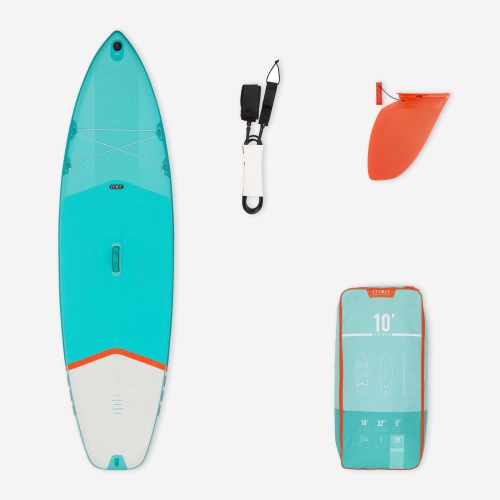
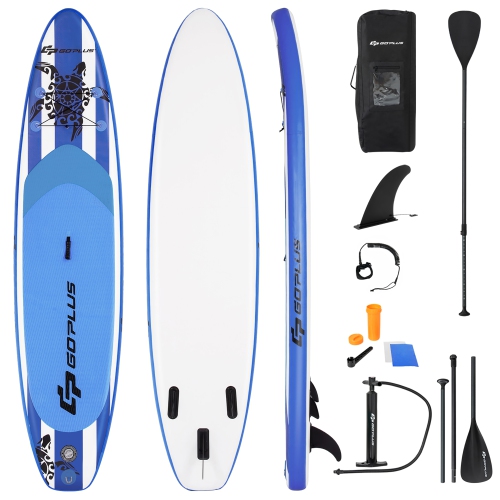
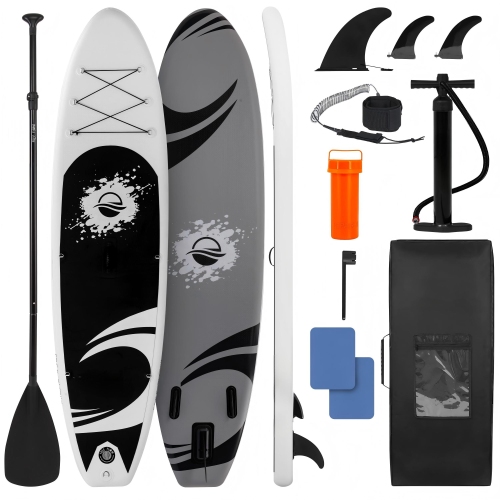
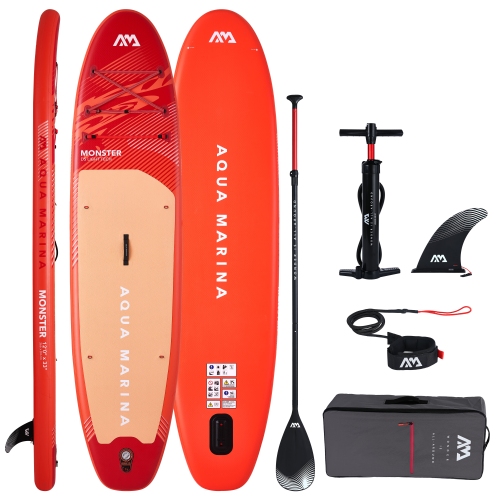
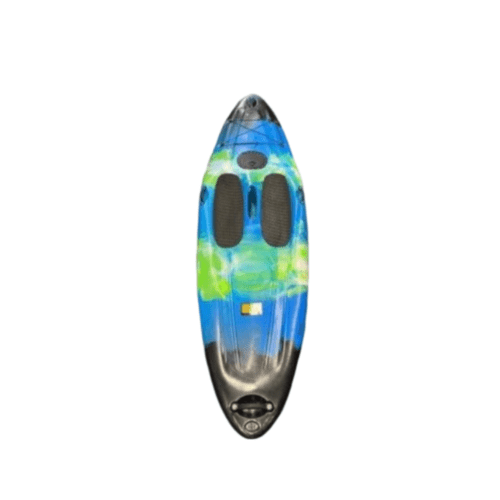
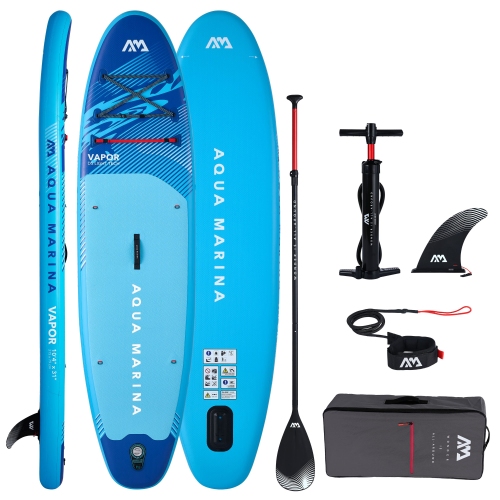
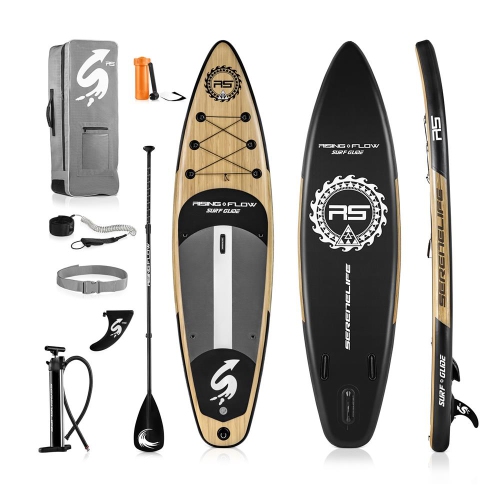
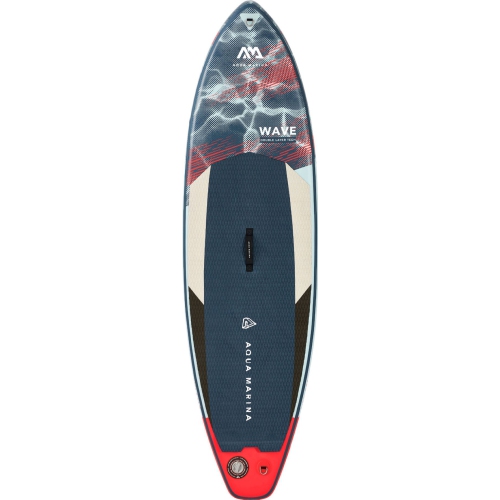
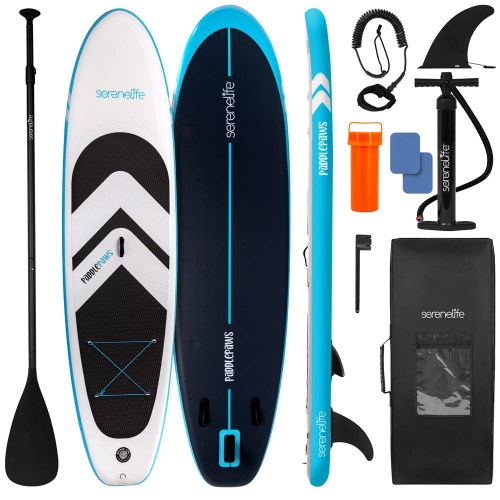
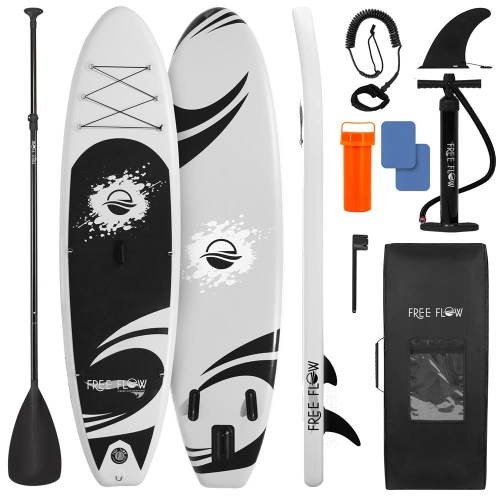
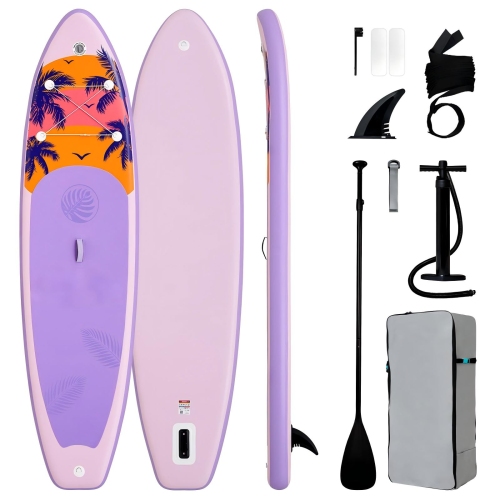
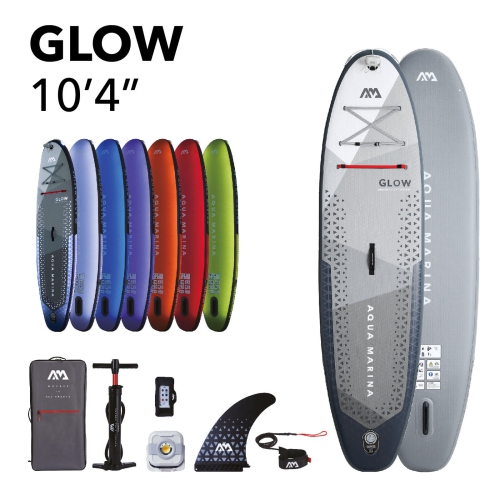
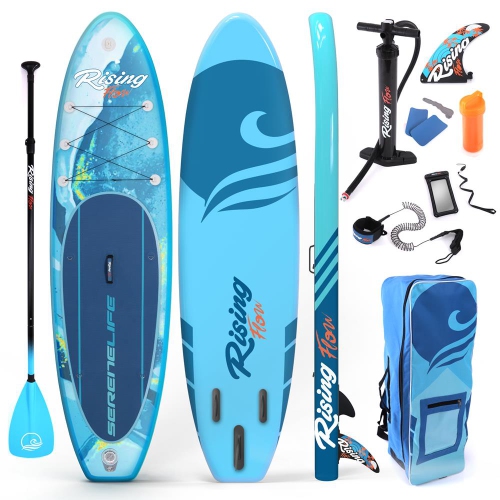
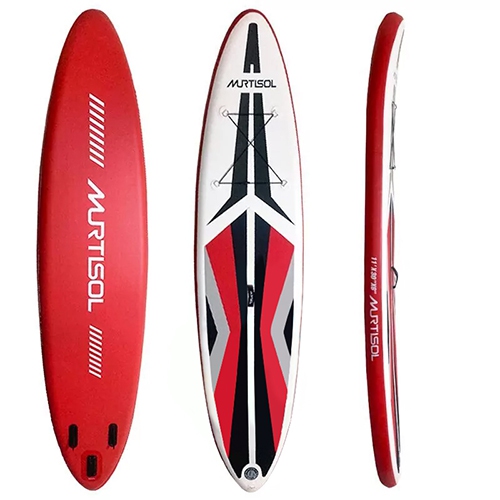
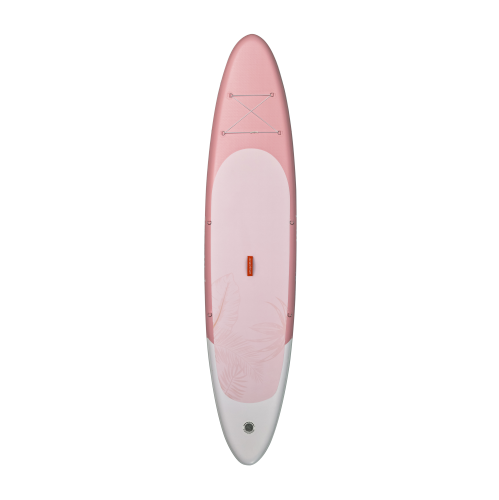
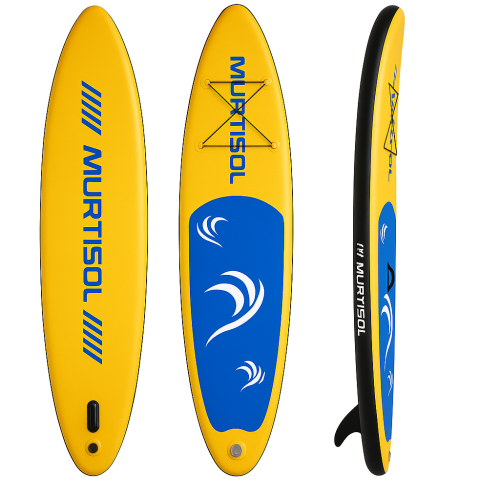
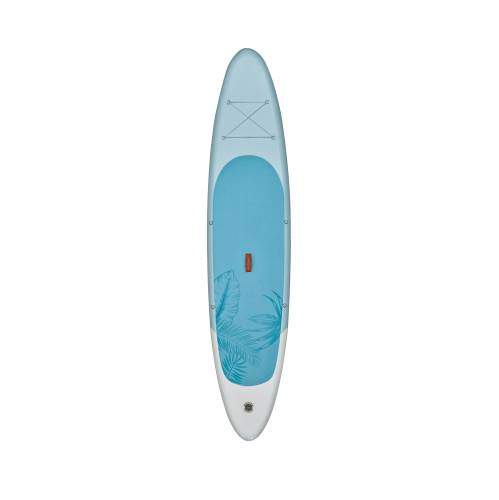
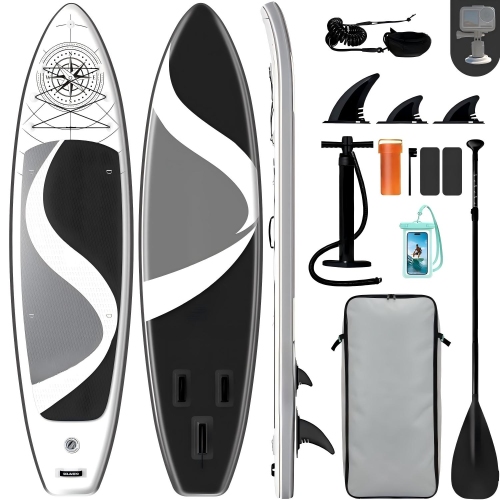

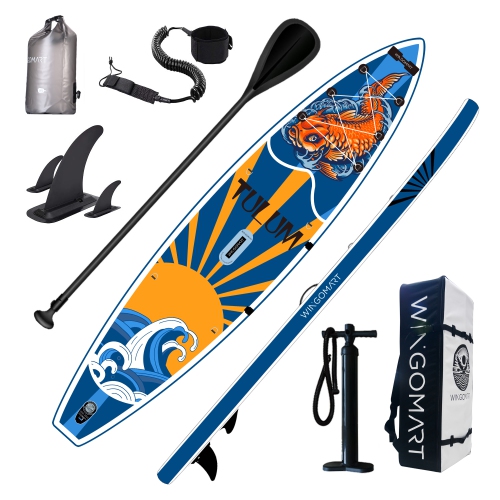
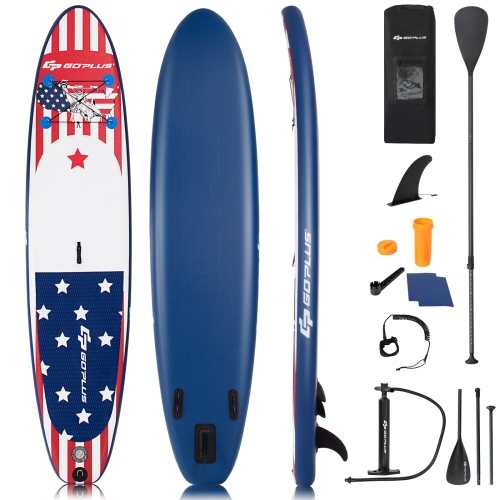
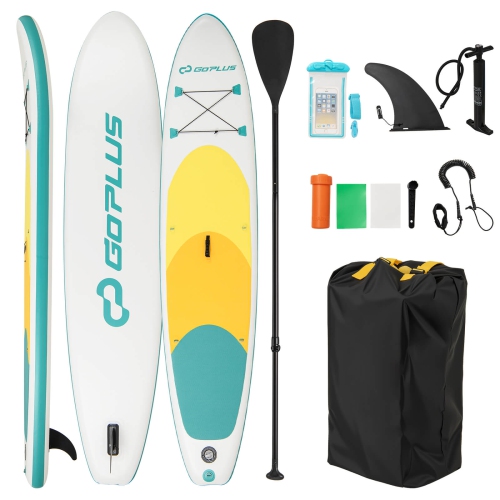
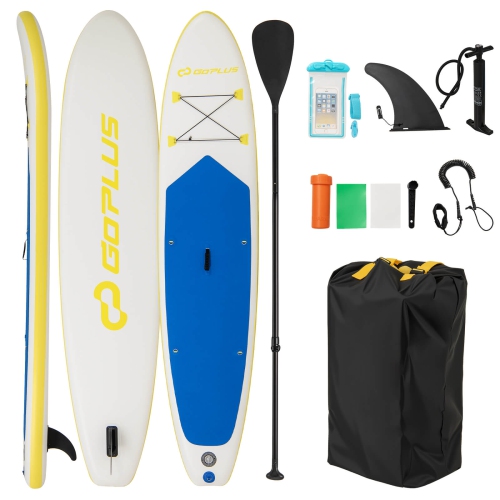
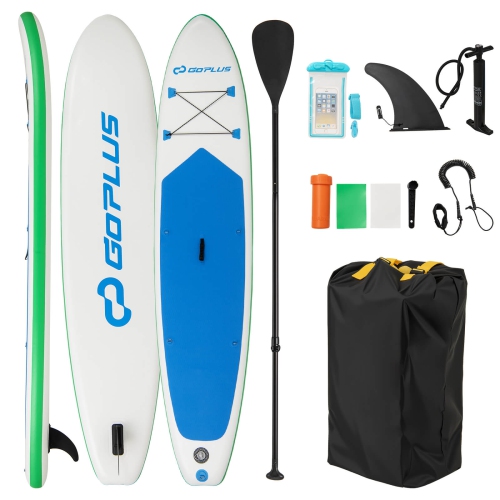
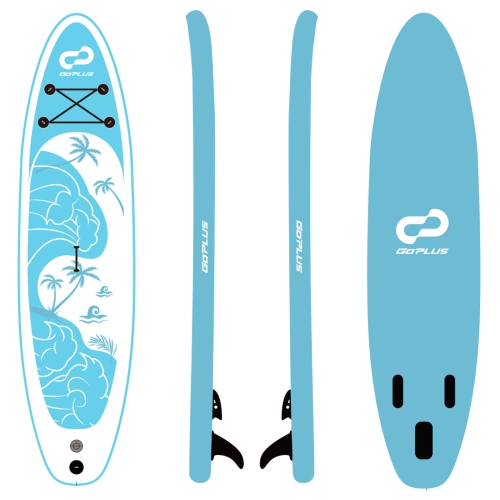
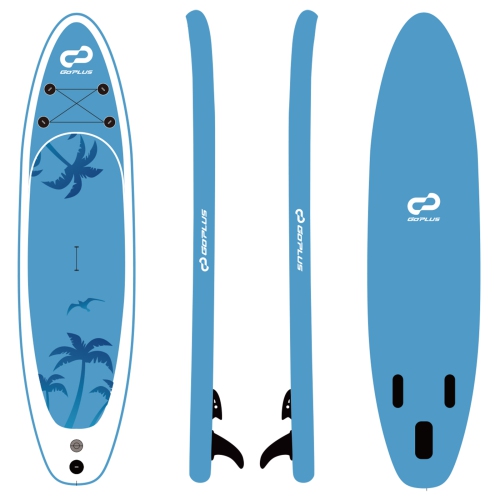
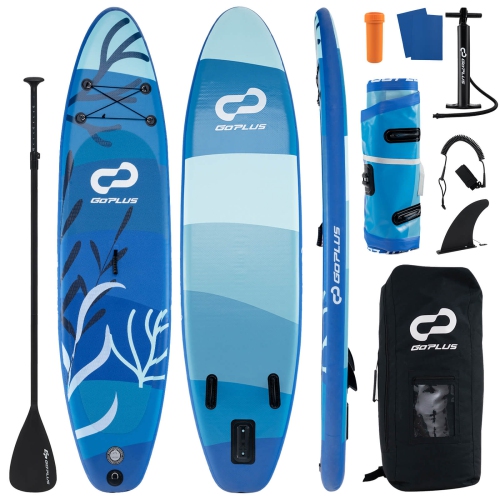
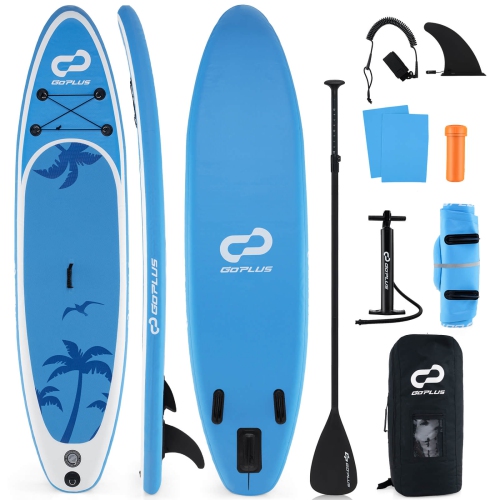
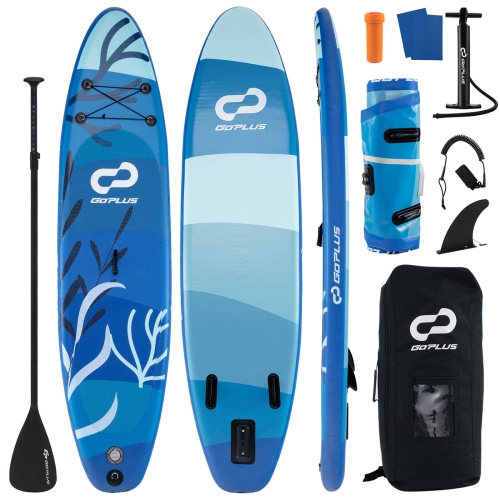
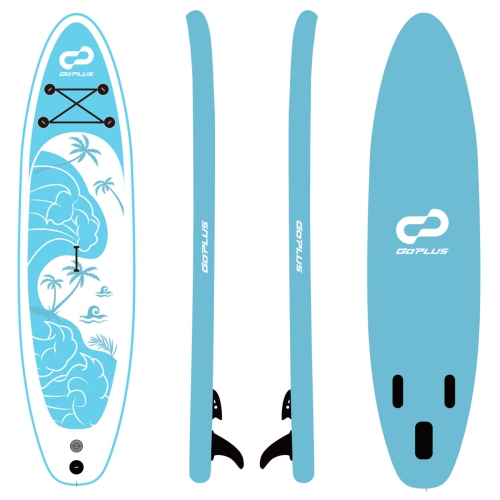
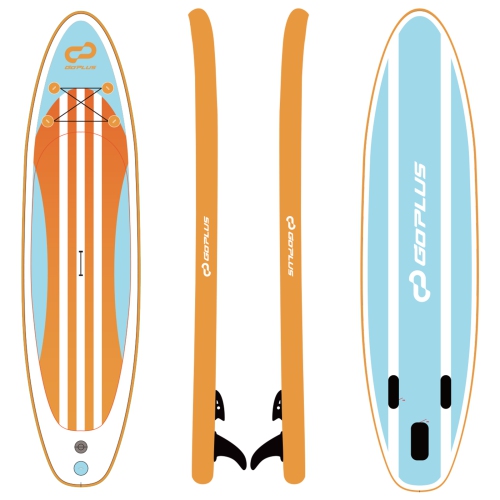
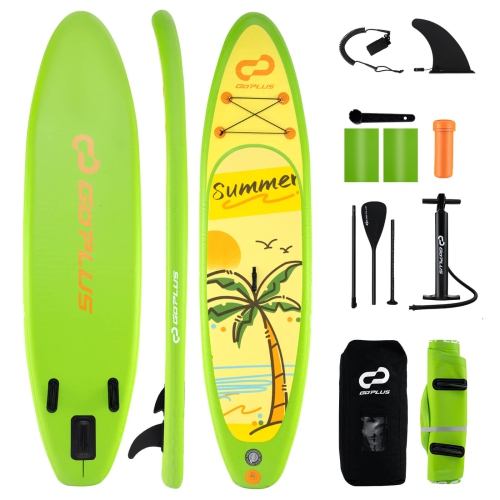
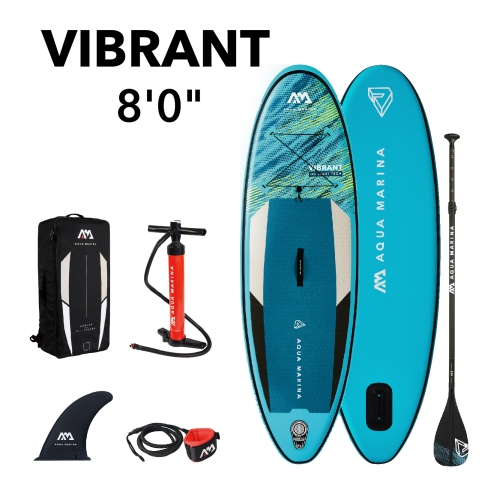
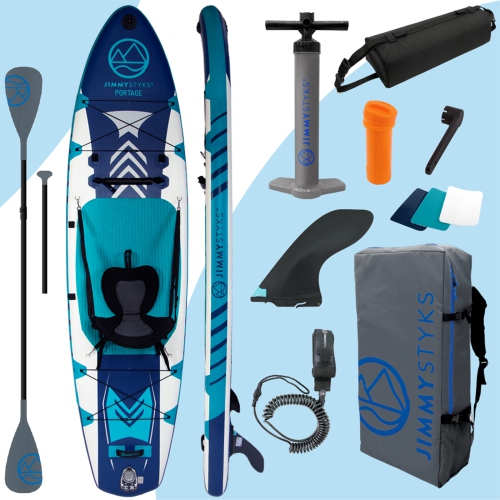
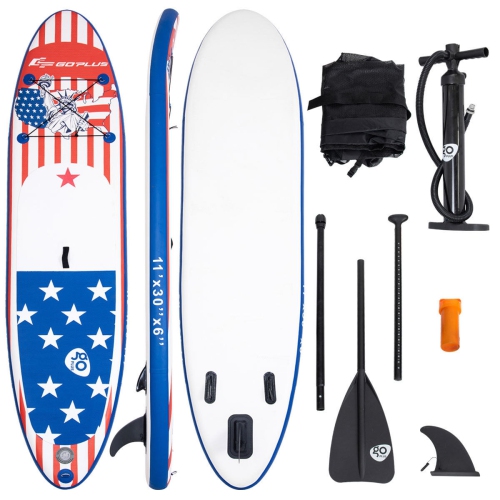



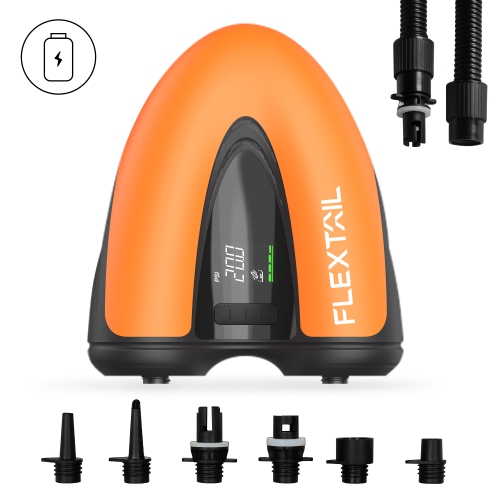
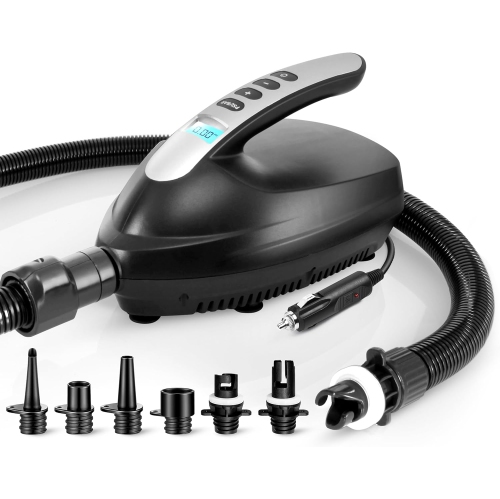
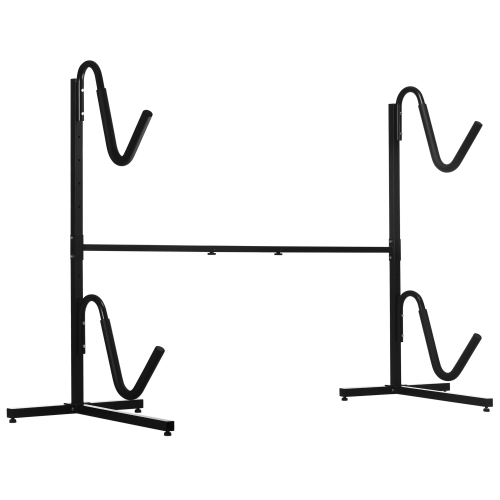
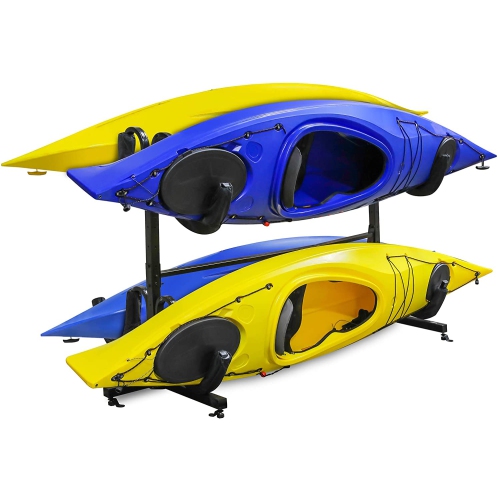
Paddleboard fit matters from launch to last stroke
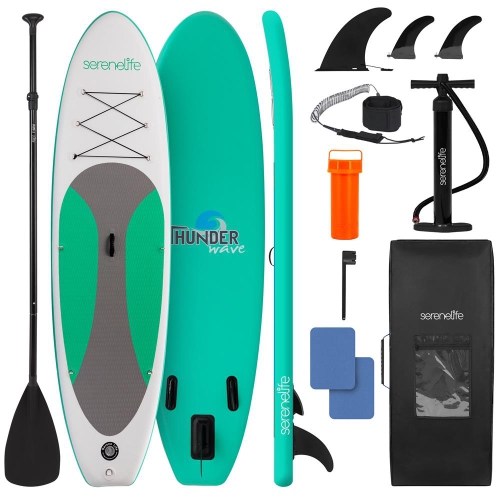
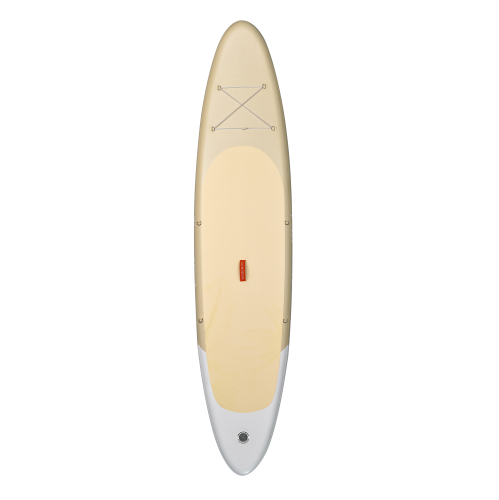
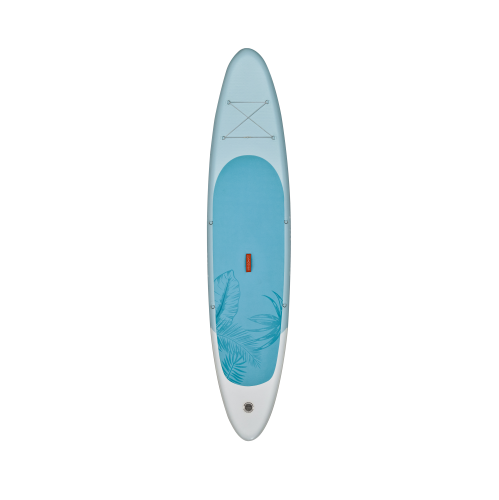
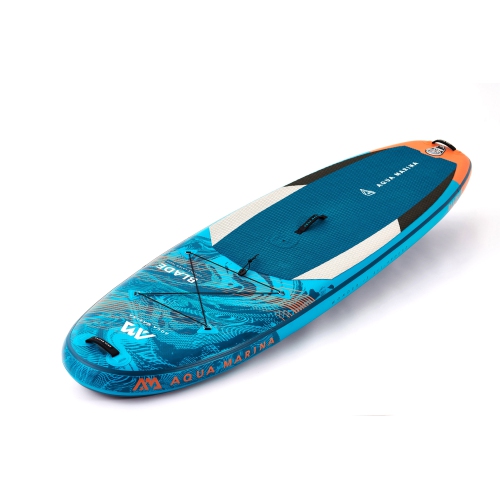
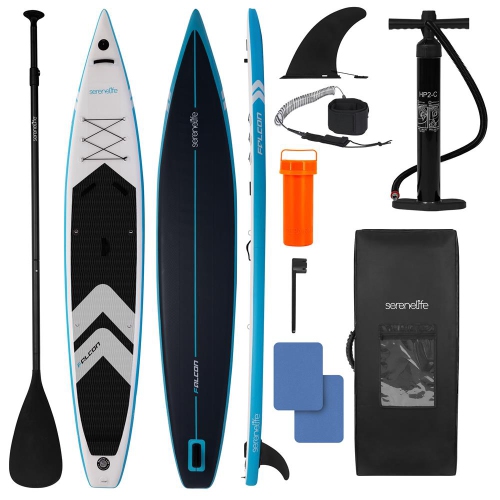
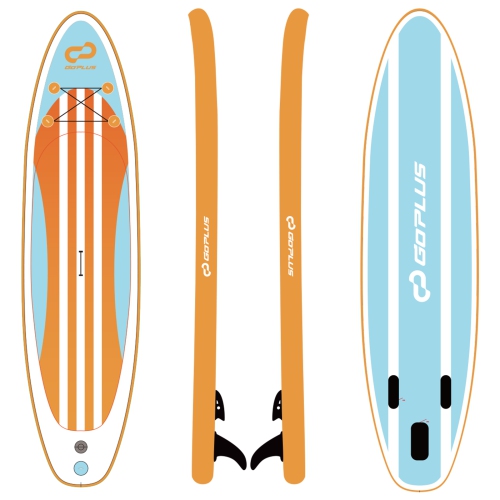
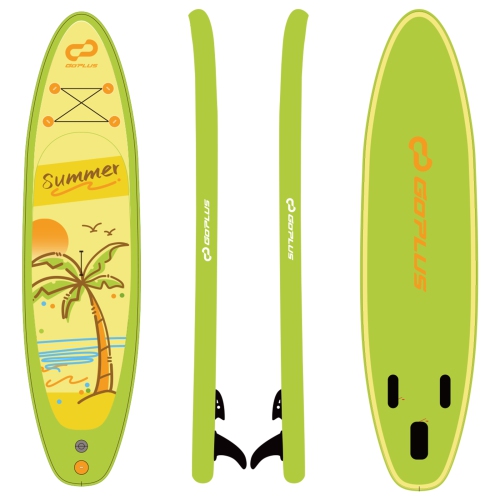
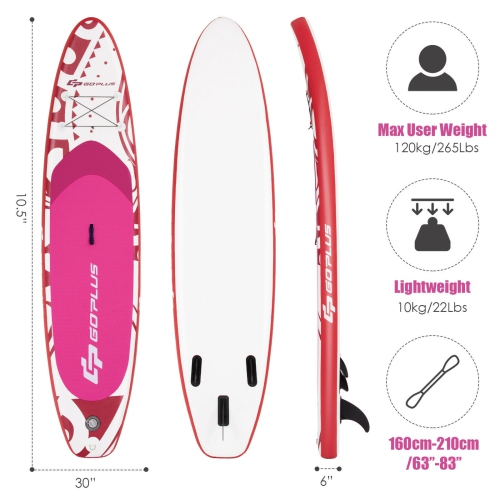
Stand-up paddleboarding, usually shortened to SUP, is a water sport in which a rider stands or kneels on a buoyant board and uses a long, single-bladed paddle to travel across the water. SUP water sports equipment supports everything from relaxed outings on sheltered lakes to longer flatwater journeys and fitness-focused paddling. The appeal is easy to picture: a quiet launch, the soft splash of a paddle blade, and a view of the shoreline that feels different from the water. Choosing equipment starts with the kind of outings you have in mind, rather than appearance alone. All-round paddleboards generally balance stability, manoeuvrability, and versatility, making them a practical starting point for recreational use. Touring designs tend to favour straighter tracking and efficient travel over longer distances, while more specialised shapes suit activities such as surfing or on-board exercise. Width, length, shape, and volume work together to influence how a board feels underfoot. A wider platform can offer reassuring initial stability, although extra width may make paddling less efficient for a smaller rider. Longer boards often glide farther with each stroke, while shorter designs can feel easier to turn and handle ashore. Weight capacity deserves particular attention: the total load includes the paddler, clothing, drinking water, and anything carried on deck. A published maximum is not necessarily the load at which a board will perform its best, so the manufacturer's suggested rider range is useful when comparing options. Deck padding, carry-handle placement, and attachment points also affect everyday comfort. Those details become noticeable during ordinary moments, such as carrying a board from the parking area, kneeling while getting settled, or securing a small bag for a shoreline stop. For beginners, occasional cottage visitors, and paddlers returning after time away, a manageable board that suits their size and usual water conditions often offers more value than a design built for ambitions they may rarely pursue.
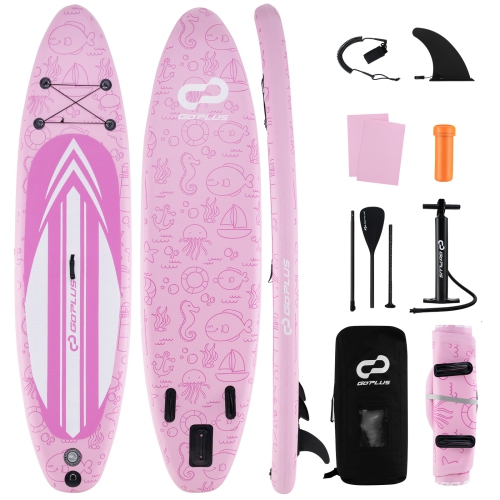
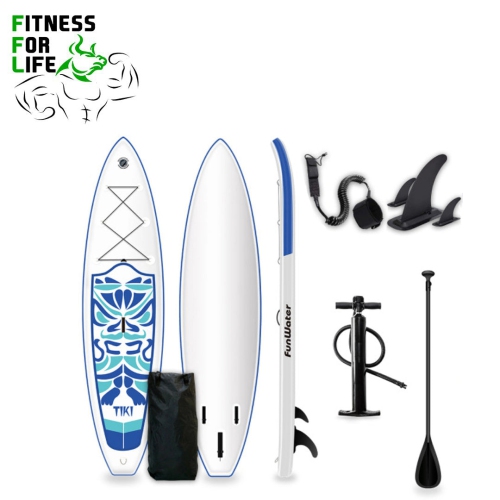
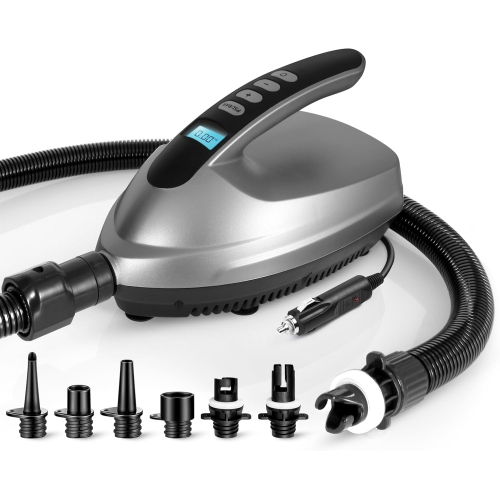
Inflatable and rigid paddleboards each have practical advantages, particularly when storage and transport are part of the purchase decision. An inflatable board packs down for storage and can be easier to accommodate in a smaller home or a vehicle without suitable roof-carrying equipment. It still needs time for inflation, a pump capable of reaching the specified pressure, and a suitable place to dry before being packed away. Construction quality, seam design, valve accessibility, and the manufacturer's pressure requirements are useful comparison points; thickness alone does not tell the whole story about stiffness or performance. Rigid boards hold their shape without inflation and can provide a responsive feel on the water, but their full length must be accounted for during transport and storage. The walk to the launch matters, too. A board that seems straightforward to carry across a driveway can feel quite different on a longer path with a paddle and other equipment in hand. Comparing board weight, packed dimensions, and carrying arrangements helps make ownership more realistic. Paddle fit is equally important because every outing involves repeated strokes. Adjustable paddles allow different users to find a comfortable length and are convenient for shared household equipment. A common starting point for recreational stand-up paddling is approximately 6 to 12 inches above the rider's height, with the final setting depending on the activity, board, and personal fit. Shaft weight, grip shape, and blade size can influence fatigue, especially over longer sessions; a larger blade is not automatically the more comfortable choice. Buyers comparing packages benefit from looking closely at what is included and what must be purchased separately. Pump type, removable fins, storage bags, and repair provisions can affect both initial cost and day-to-day convenience. Compatibility also matters when replacing components or adding accessories. A well-matched setup is one that fits the paddler, travels comfortably to their usual launch, and can be maintained without unnecessary fuss, whether it is used for brief recreational sessions or more regular exercise.
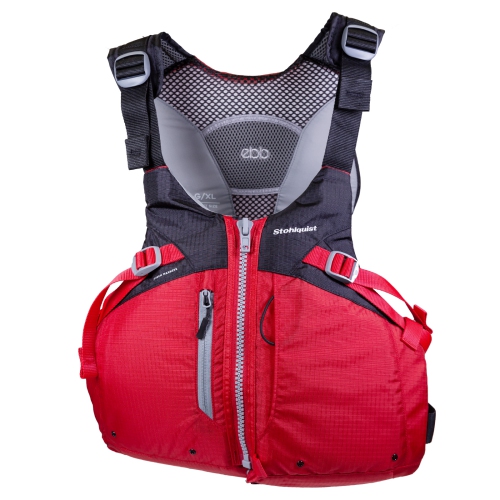
SUP accessories help round out that setup, with flotation, weather protection, and secure storage deserving as much attention as the board itself. A properly fitted, approved personal flotation device or lifejacket is an essential consideration, and wearing it provides protection that simply carrying it cannot. Canadian requirements can vary with the activity and location, so purchases should account for the applicable boating rules and any additional safety equipment required. Leash selection also depends on where the board will be used. A leash can help prevent separation from the board, but an ankle leash is not suitable for every setting, particularly moving water where entanglement can be dangerous. River paddling calls for specialist knowledge and appropriately selected safety equipment rather than simply adapting a flatwater setup. Water temperature is another important factor during the cooler months: mild air and bright sunshine do not mean that an unexpected swim will be comfortable or safe. Clothing intended for immersion, suitable fit, and freedom of movement matter more than dressing only for the conditions on shore. Even with appropriate equipment, sheltered water, manageable wind, and outings within the paddler's ability remain important. Waterproof storage can help protect belongings, although closure design and stated protection limits should be checked before trusting a bag with a phone or other valuables. Shoppers looking across related activities can also explore Water Sporting Goods for broader equipment needs. As a gift, SUP equipment can suit someone who enjoys lake visits, cottage weekends, or active time outdoors, provided their measurements, storage space, and preferred paddling style are known. Shared equipment may need a wider adjustment range, while a regular paddler may value lighter handling or easier packing. For households planning future outings, off-water care is part of the picture as well: cleaning, thorough drying, and storage according to the manufacturer's directions help keep equipment ready for its next use. Thoughtful choices make the whole experience more comfortable, from loading the vehicle to bringing everything home after a satisfying stretch on the water.
Top selling and popular products
-
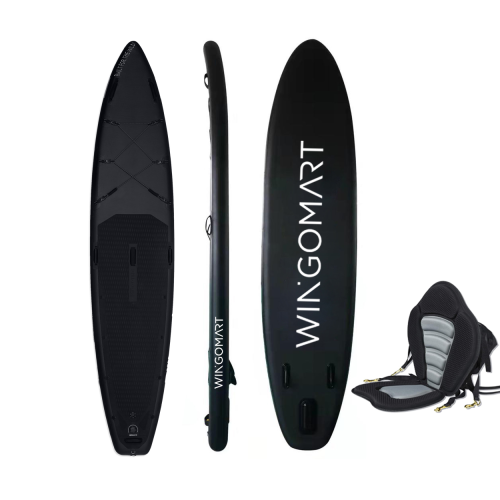 Your price for this item is $299.9
-
 Your price for this item is $599
-
 Your price for this item is $249.99
-
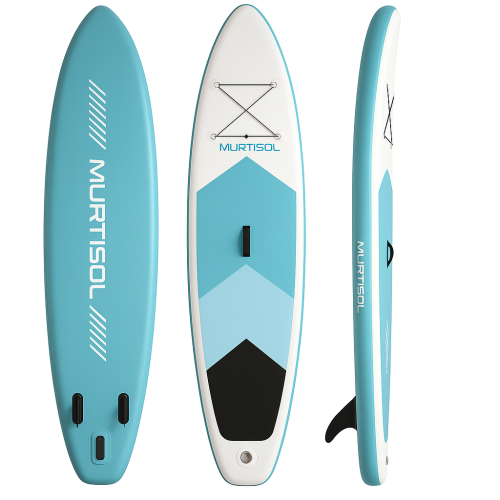 Your price for this item is $179.7
-
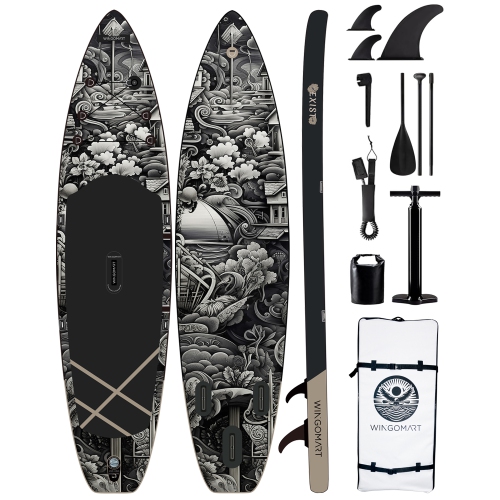 Your price for this item is $259.99
-
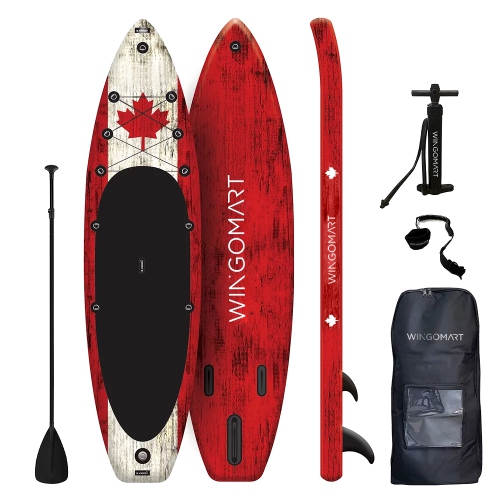 Your price for this item is $329.99
-
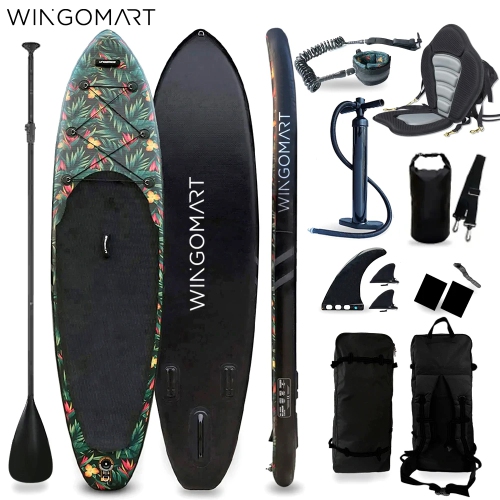 Your price for this item is $279.7
-
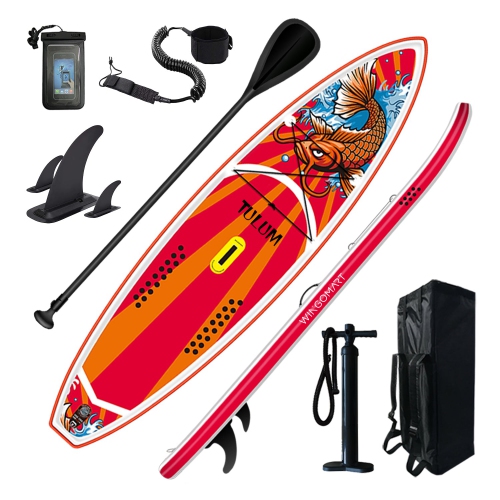 Your price for this item is $269.99
Discover more categories related to Sup Water Sports

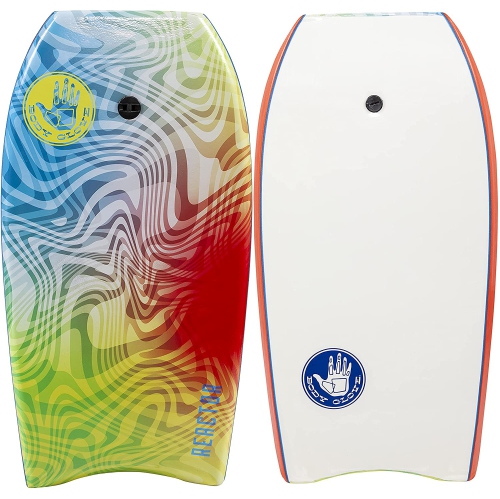
Top Collections:
Pokemon Centers, Kindle Devices, Best Budget Office Chairs, Canon G7X Cameras, Apple iPhones 16, Samsung Galaxy Phones, Refurbished Apple Laptops, Laptops for Students, iPhone 15 Apple, Budget Smartphones
Some products may be subject to Environmental Handling Fees
(EHF) depending on your province.
Learn more about EHFs.