Survival Kits for Camping
Heading into the great outdoors for a camping adventure? Be prepared for any situation with our selection of survival kits designed to keep you safe and secure during your outdoor excursions. From first aid essentials to tools for starting a fire, these carefully curated kits are packed with everything you need to navigate the wilderness with confidence. Whether you're a seasoned outdoor enthusiast or a beginner camper, having a reliable survival kit on hand is crucial for ensuring a smooth and enjoyable camping experience. Browse our collection of camping survival kits and gear up for your next outdoor getaway!
Sort
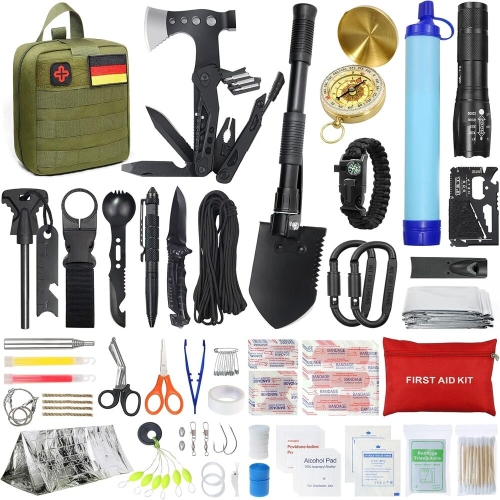
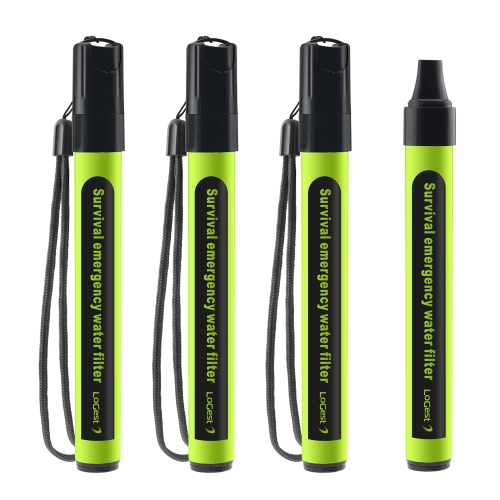
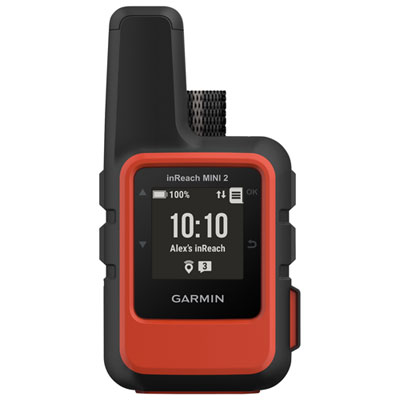
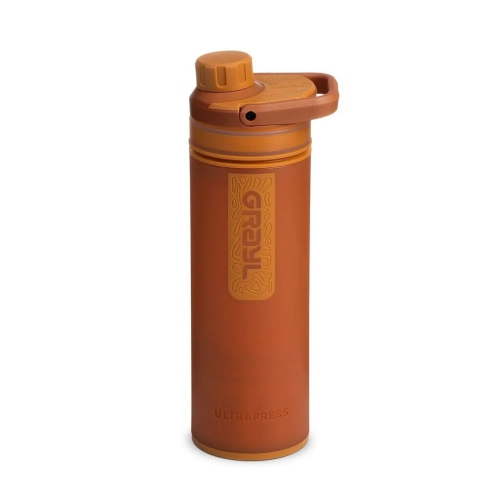
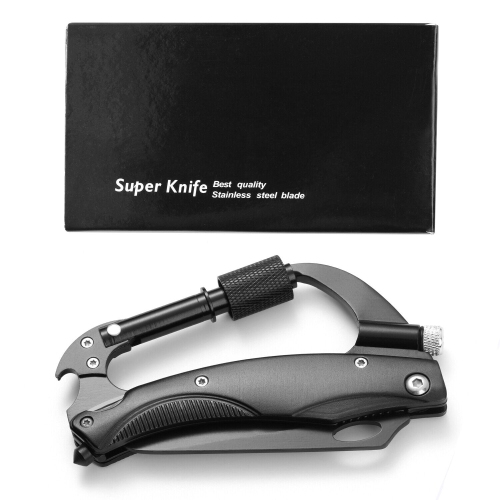
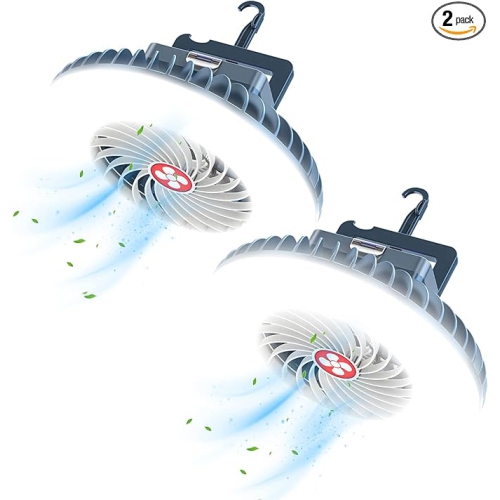


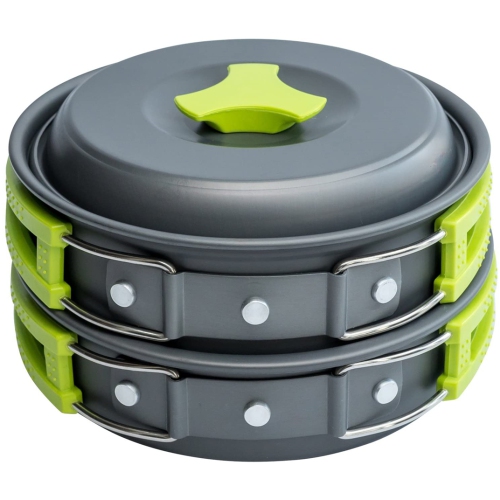
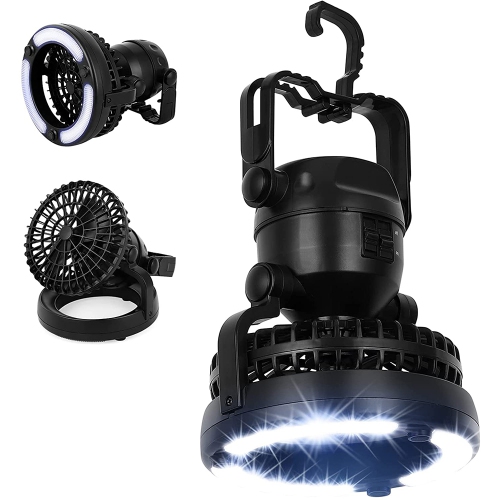

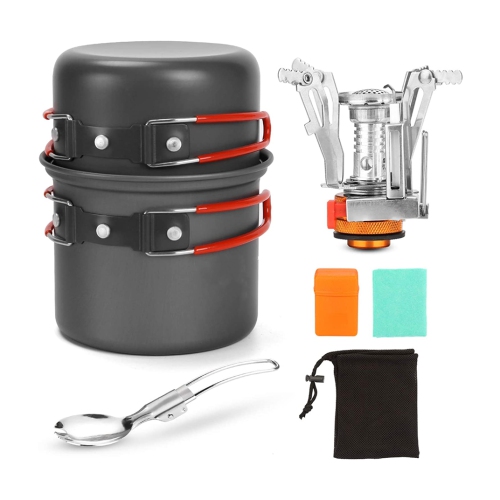
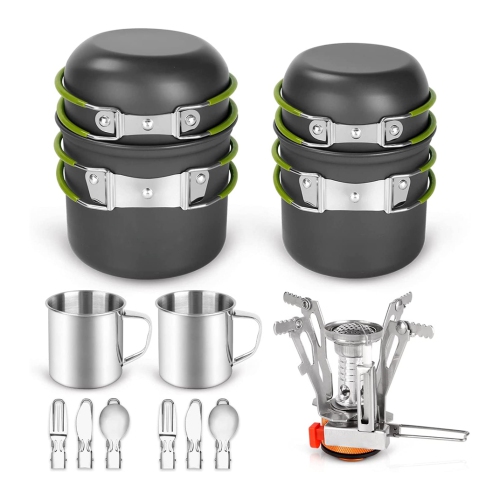
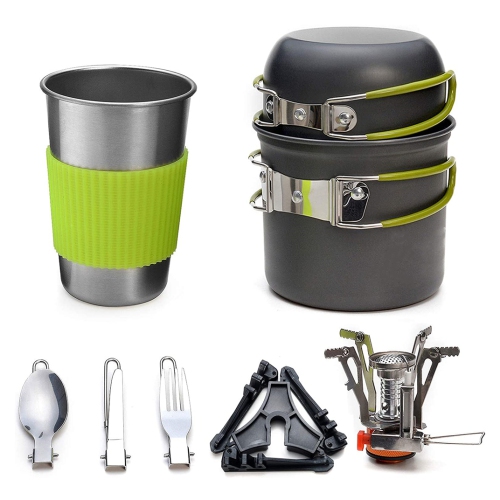
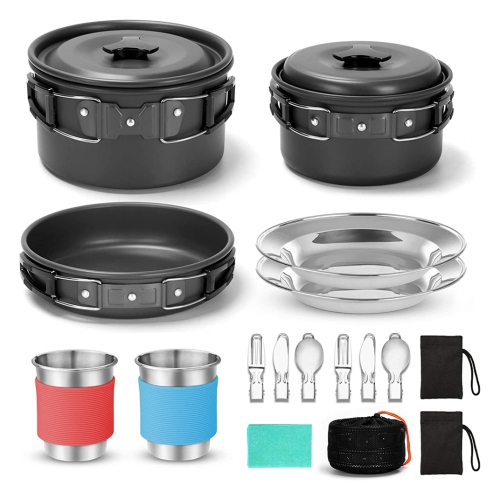
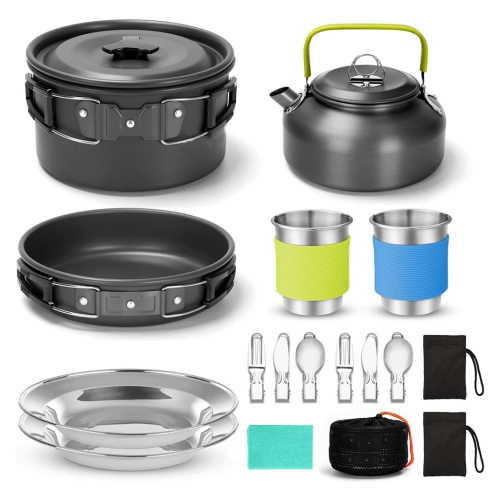
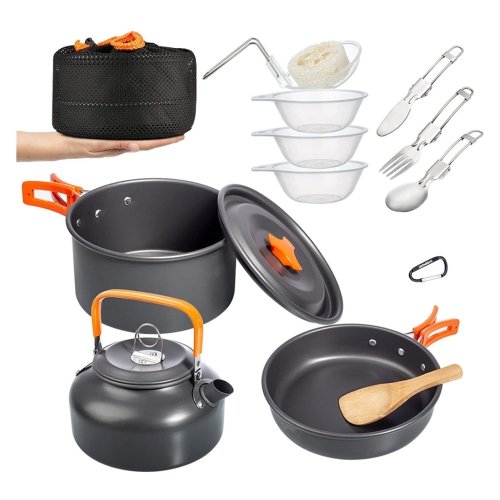
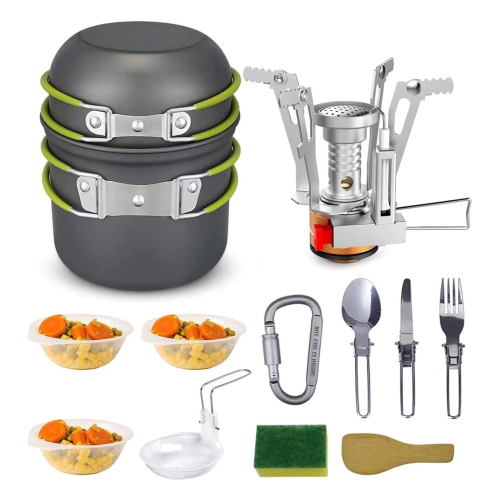
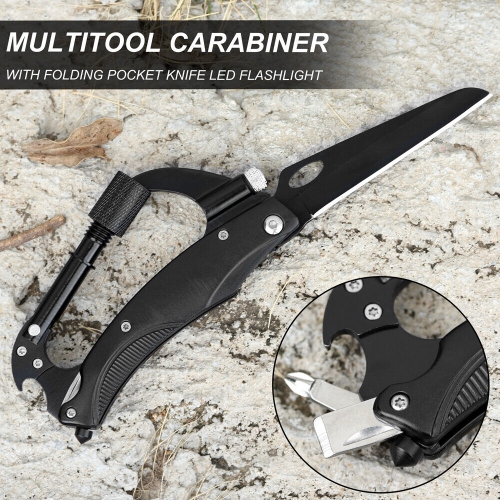

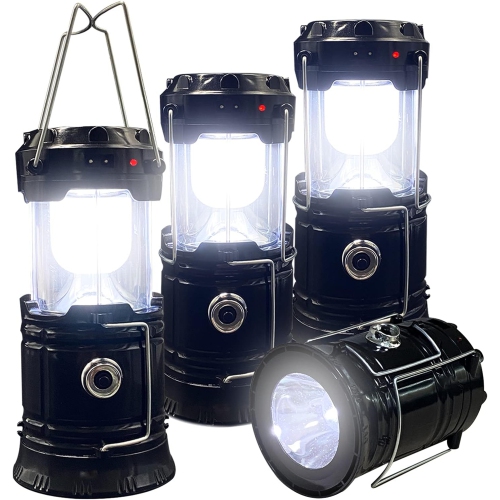
Preparedness for changing weather and unexpected camping setbacks
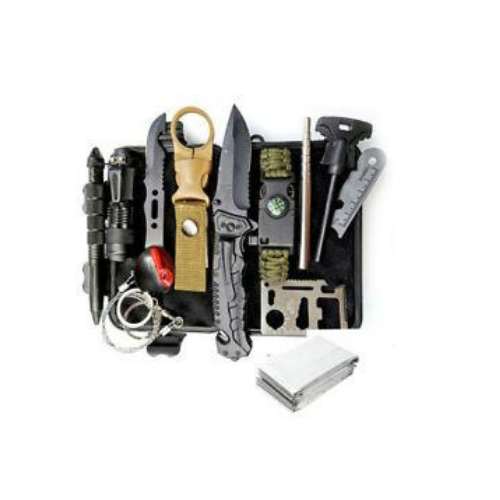
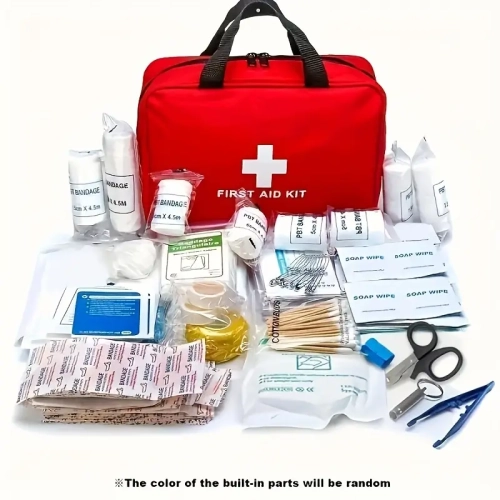
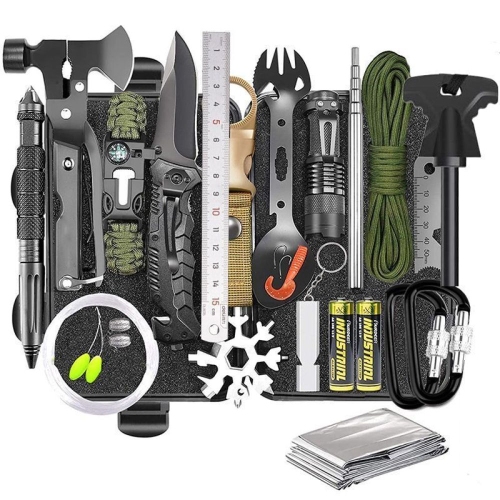
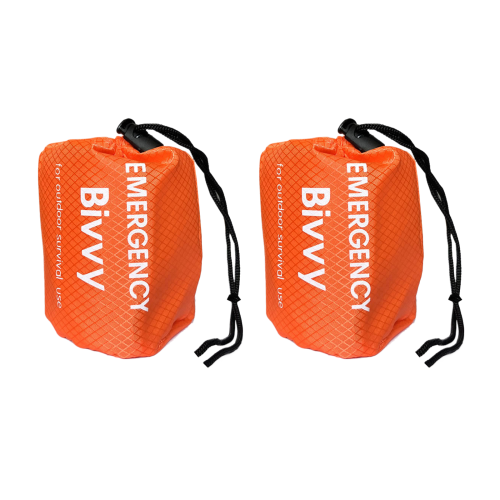
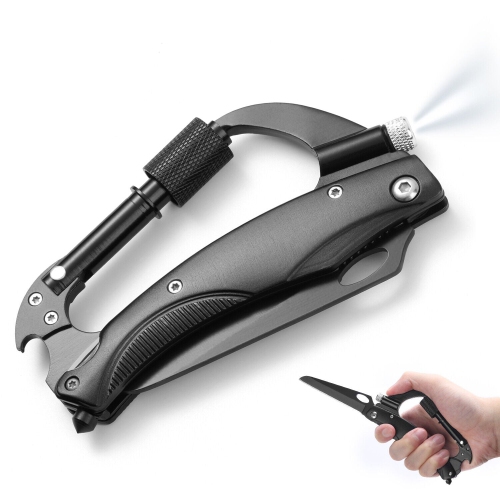
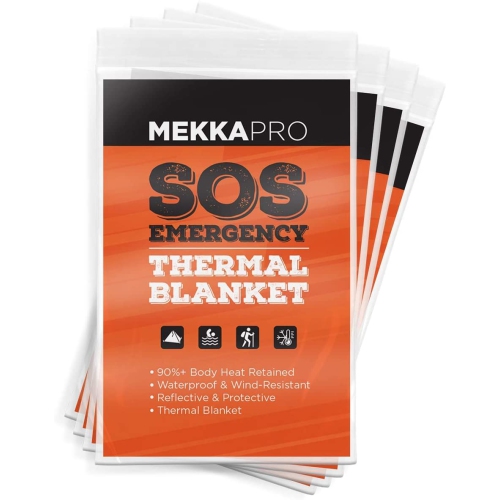
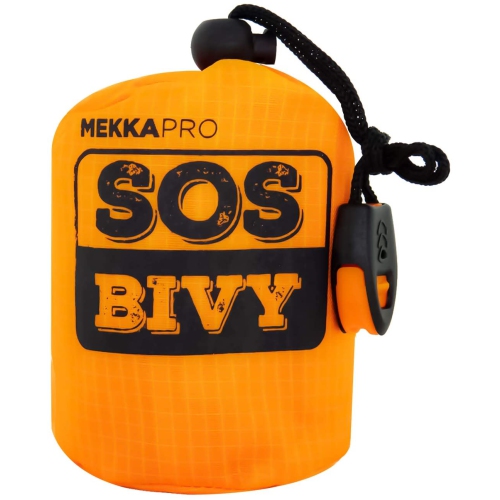
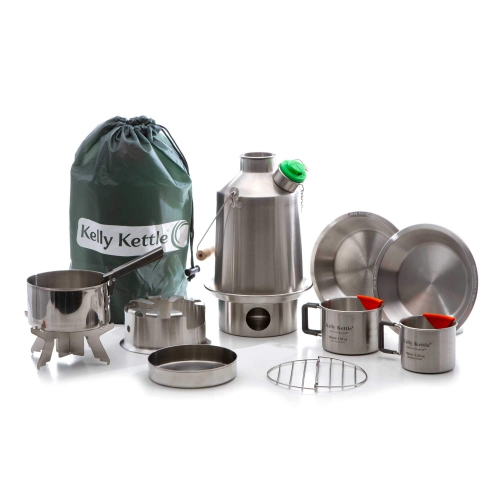
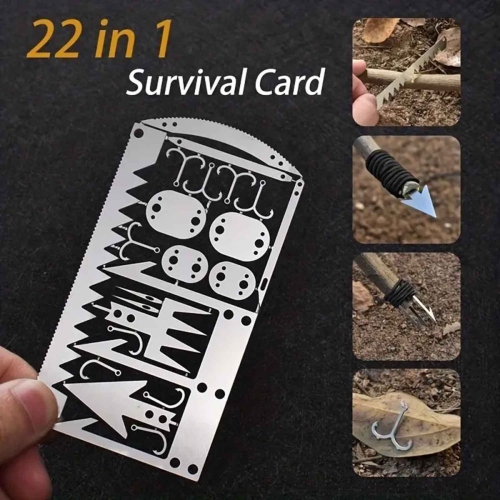
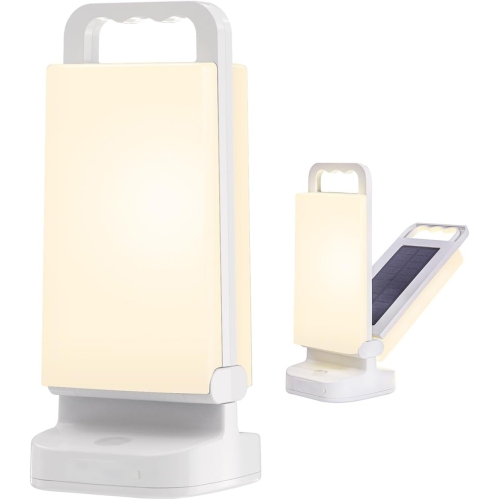
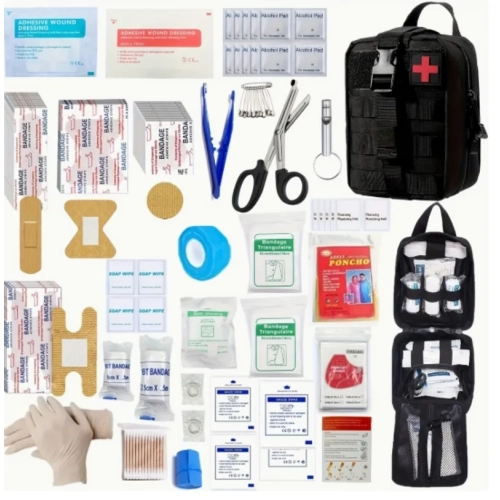
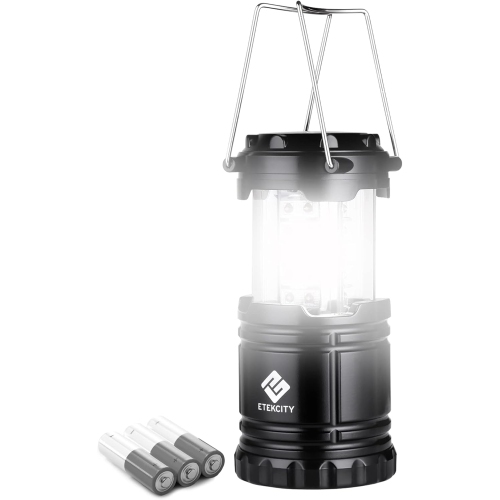
Survival kits for camping are compact collections of practical equipment intended to help campers respond to common outdoor setbacks, from a sudden change in weather to a delayed return, minor injury, or a fire that is difficult to start. They are not a substitute for trip planning, suitable clothing, navigation skills, or a fully stocked first aid kit, but they can provide useful backup when conditions become less predictable. A reliable camping survival kit commonly includes supplies for shelter, warmth, fire, signalling, navigation, repairs, and basic first aid, packed in a case or pouch that is easy to store in a backpack, vehicle, canoe, or campsite storage box. Look for a water-resistant or waterproof container with secure closures, clearly arranged compartments, and enough room to check and replenish the contents. Compact gear is especially valuable when every item must earn its place in a pack, while a larger kit may be more suitable for car camping, group outings, or a base camp. Consider the destination, distance from services, number of people travelling together, and likely weather before choosing a kit. A short stay at an established campground may call for a different setup than a remote hike through dense forest, a paddle trip, or a multi-day backcountry excursion. During the cooler months, warmth and weather protection deserve particular attention. A heat-reflective emergency blanket or bivvy sack can help retain body heat in an unexpected overnight situation, while a small tarp, emergency shelter, or cord can provide a barrier from wind and rain when properly used. These items are lightweight, but their value can be considerable when a tent is damaged, a route takes longer than expected, or someone needs to wait safely for assistance.
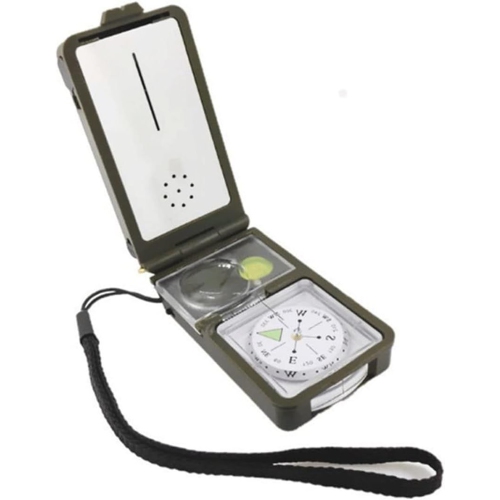
Fire-starting equipment is another important part of a camping survival kit, particularly when damp ground, rain, or wind makes ordinary matches unreliable. A waterproof spark striker, dry tinder, quick-burning wicks, or other compact fire-starting supplies can help create heat when used responsibly in a permitted fire area. Every camper should follow local fire restrictions and keep flames attended, controlled, and fully extinguished. Signalling tools can also make a meaningful difference if a group becomes separated or a person needs help. A loud rescue whistle can carry farther than a voice, especially through trees or across uneven terrain, and a signal mirror may attract attention in bright conditions. A small liquid-filled button compass offers a simple directional reference when paired with a paper map and basic navigation knowledge. Electronic devices can be useful, but batteries can drain, screens can become difficult to read, and reception may be limited, so non-electronic backup tools remain practical additions. Utility items help address the small failures that can turn into larger problems outdoors. Mini rolls of durable tape can support a temporary repair to a pack, groundsheet, rainwear, or sleeping equipment; utility cord can help secure gear or create a simple line; and compact sewing, fishing, or repair supplies may assist with torn fabric, broken laces, or other minor equipment issues. Basic first aid contents should be suited to the group and trip, with supplies for cleaning and covering small cuts, protecting blisters, and securing a light dressing. Anyone with allergies, prescription needs, or specific medical concerns should carry their own required supplies rather than relying solely on a general-purpose kit. It is also helpful to inspect the contents before each outing, replace damaged or damp materials, check expiry dates where applicable, and make sure every person in the group knows where the kit is stored and how to use its essentials.
When comparing survival kits for camping, pay attention to the balance between useful coverage and unnecessary bulk. A kit with shelter, warmth, fire-starting, signalling, navigation, utility, and basic first aid items offers broad support for many recreational outings, but the contents should still complement the rest of the camping setup. For example, a camper who already carries a quality compass, headlamp, repair pouch, and first aid bag may prefer a smaller emergency kit focused on warmth, shelter, fire, and signalling. Someone building a vehicle-based camping setup may appreciate a more comprehensive collection with additional space for personal supplies. Packaging matters as much as the contents: a brightly coloured case is easier to locate in low light, while a waterproof bag can protect supplies from rain, splashes, and condensation. Weight, packed dimensions, opening style, and the durability of zippers or seals are worth checking before purchase, particularly for hiking and paddling. Survival kits can be useful for new campers assembling their first set of outdoor essentials, experienced hikers refreshing an emergency pouch, families preparing for a weekend at the campsite, and drivers who keep outdoor supplies in a vehicle for trips beyond town. They can also make thoughtful gifts for someone planning a camping holiday, learning navigation, joining a scouting group, or building a day-hike pack, provided the contents match the recipient’s experience and destination. For a broader selection of emergency-oriented equipment, browse Emergency Survival Kits and compare the included tools, storage design, and intended use. Before heading out, share the route and expected return time with someone at home, check local conditions and fire regulations, dress in layers, bring sufficient water and food, and keep the kit accessible rather than buried beneath the rest of the load. In the cooler, shorter days of the camping season, these straightforward preparations can provide extra confidence and practical support when a routine outdoor outing does not go exactly as planned.
Fire-starting equipment is another important part of a camping survival kit, particularly when damp ground, rain, or wind makes ordinary matches unreliable. A waterproof spark striker, dry tinder, quick-burning wicks, or other compact fire-starting supplies can help create heat when used responsibly in a permitted fire area. Every camper should follow local fire restrictions and keep flames attended, controlled, and fully extinguished. Signalling tools can also make a meaningful difference if a group becomes separated or a person needs help. A loud rescue whistle can carry farther than a voice, especially through trees or across uneven terrain, and a signal mirror may attract attention in bright conditions. A small liquid-filled button compass offers a simple directional reference when paired with a paper map and basic navigation knowledge. Electronic devices can be useful, but batteries can drain, screens can become difficult to read, and reception may be limited, so non-electronic backup tools remain practical additions. Utility items help address the small failures that can turn into larger problems outdoors. Mini rolls of durable tape can support a temporary repair to a pack, groundsheet, rainwear, or sleeping equipment; utility cord can help secure gear or create a simple line; and compact sewing, fishing, or repair supplies may assist with torn fabric, broken laces, or other minor equipment issues. Basic first aid contents should be suited to the group and trip, with supplies for cleaning and covering small cuts, protecting blisters, and securing a light dressing. Anyone with allergies, prescription needs, or specific medical concerns should carry their own required supplies rather than relying solely on a general-purpose kit. It is also helpful to inspect the contents before each outing, replace damaged or damp materials, check expiry dates where applicable, and make sure every person in the group knows where the kit is stored and how to use its essentials.
When comparing survival kits for camping, pay attention to the balance between useful coverage and unnecessary bulk. A kit with shelter, warmth, fire-starting, signalling, navigation, utility, and basic first aid items offers broad support for many recreational outings, but the contents should still complement the rest of the camping setup. For example, a camper who already carries a quality compass, headlamp, repair pouch, and first aid bag may prefer a smaller emergency kit focused on warmth, shelter, fire, and signalling. Someone building a vehicle-based camping setup may appreciate a more comprehensive collection with additional space for personal supplies. Packaging matters as much as the contents: a brightly coloured case is easier to locate in low light, while a waterproof bag can protect supplies from rain, splashes, and condensation. Weight, packed dimensions, opening style, and the durability of zippers or seals are worth checking before purchase, particularly for hiking and paddling. Survival kits can be useful for new campers assembling their first set of outdoor essentials, experienced hikers refreshing an emergency pouch, families preparing for a weekend at the campsite, and drivers who keep outdoor supplies in a vehicle for trips beyond town. They can also make thoughtful gifts for someone planning a camping holiday, learning navigation, joining a scouting group, or building a day-hike pack, provided the contents match the recipient’s experience and destination. For a broader selection of emergency-oriented equipment, browse Emergency Survival Kits and compare the included tools, storage design, and intended use. Before heading out, share the route and expected return time with someone at home, check local conditions and fire regulations, dress in layers, bring sufficient water and food, and keep the kit accessible rather than buried beneath the rest of the load. In the cooler, shorter days of the camping season, these straightforward preparations can provide extra confidence and practical support when a routine outdoor outing does not go exactly as planned.
Top selling and popular products
-
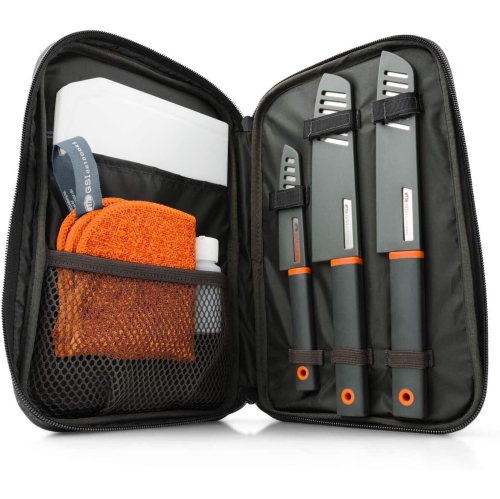 Your price for this item is $55.95
 -
 Your price for this item is $40.95
 -
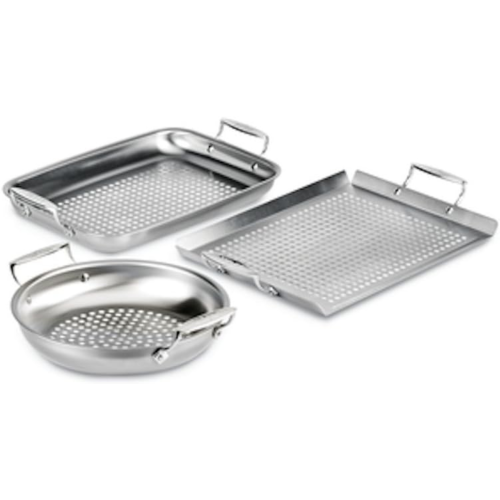 Your price for this item is $284.05
 -
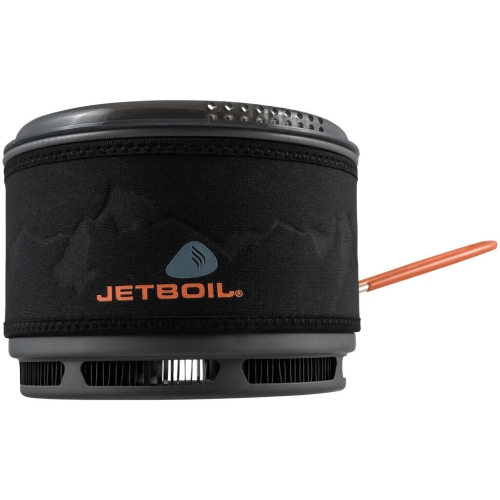 Your price for this item is $99.95
 -
 Your price for this item is $100.53
 -
 Your price for this item is $159.99
 -
 Your price for this item is $29.99
 -
 Your price for this item is $57.95
Discover more categories related to Survival Kits for Camping
Top Collections:
Pokemon Centers, Kindle Devices, Best Budget Office Chairs, Apple iPhones 16, Best Laptops for Writers, iPhone 15 Apple, Canon G7X Cameras, Refurbished Apple Laptops, Alarm Clock, Motorola Razr Phones
Some products may be subject to Environmental Handling Fees
(EHF) depending on your province.
Learn more about EHFs.