Swimming Equipment for Beginners
Swimming equipment for beginners is designed to help new swimmers build confidence and enjoy their time in the water. Whether you’re just starting out or looking to improve your basic skills, having the right gear can make each swim session more comfortable and enjoyable. From training aids to essential accessories, explore a wide selection of swimming equipment for beginners that supports safe and effective learning in the pool. Find everything you need to start your swimming journey with ease and confidence.
Sort


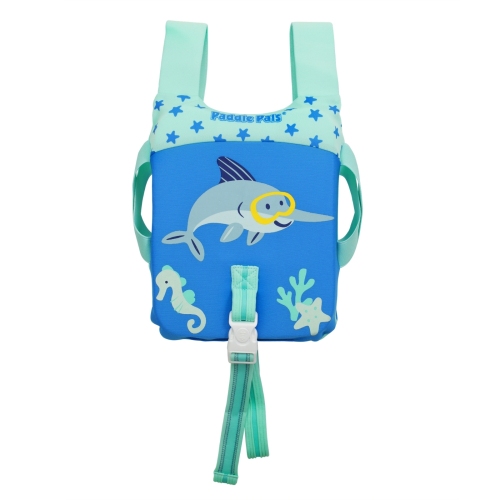
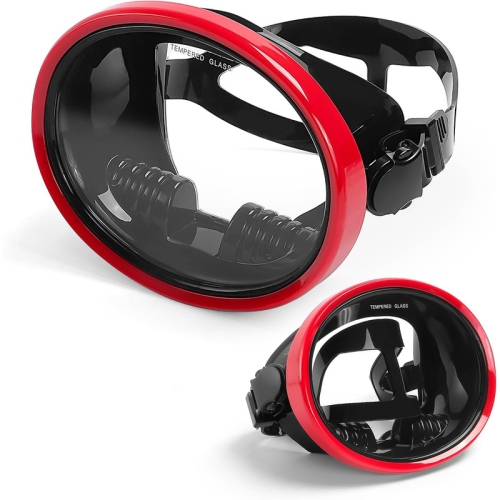
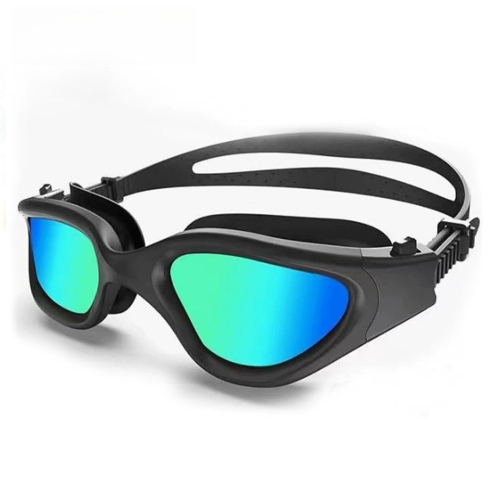
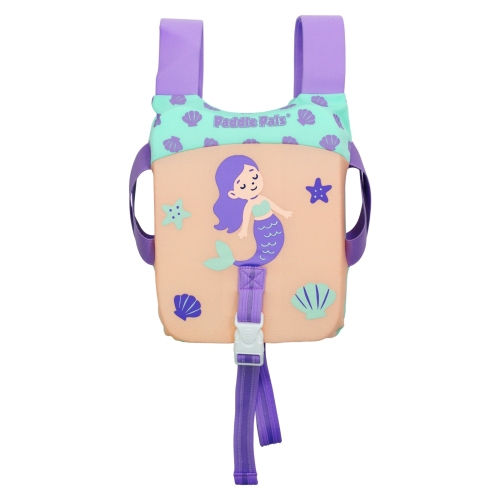
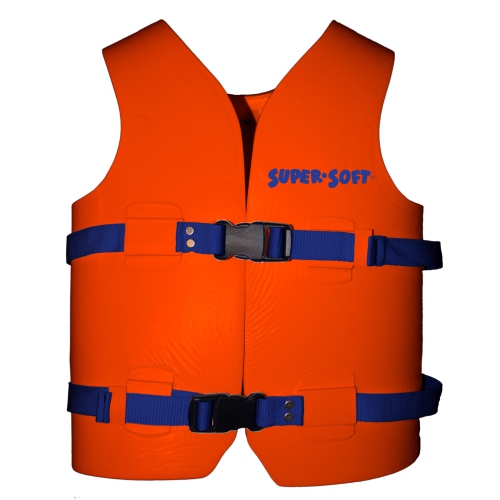
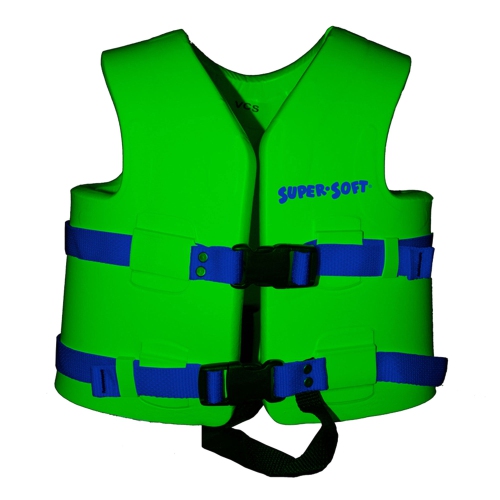


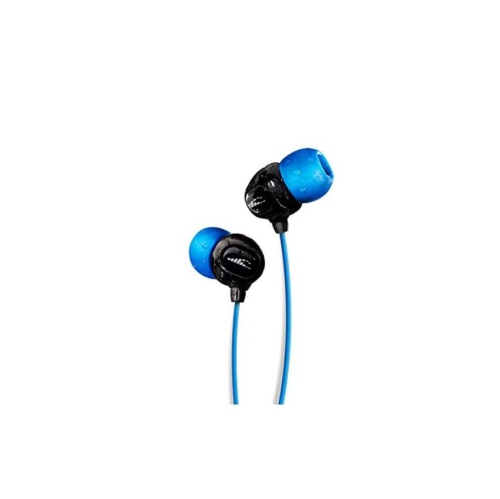
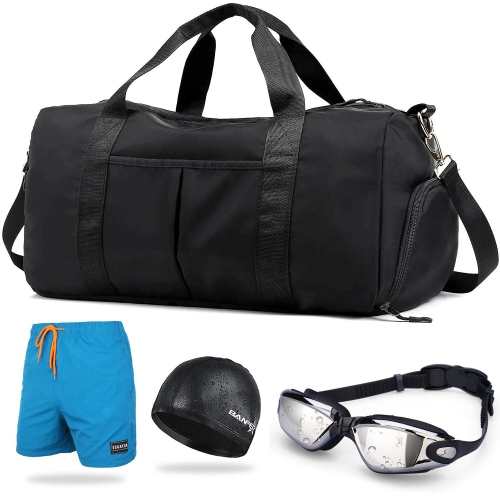
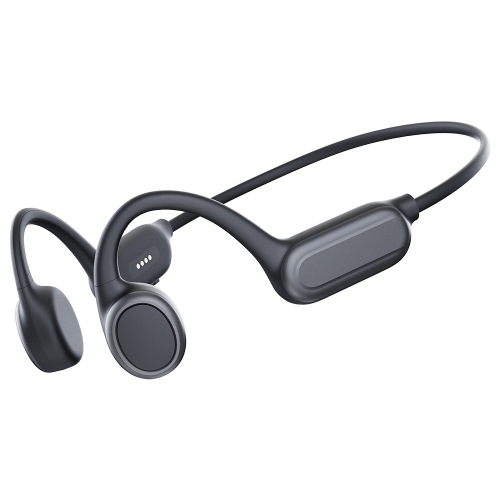
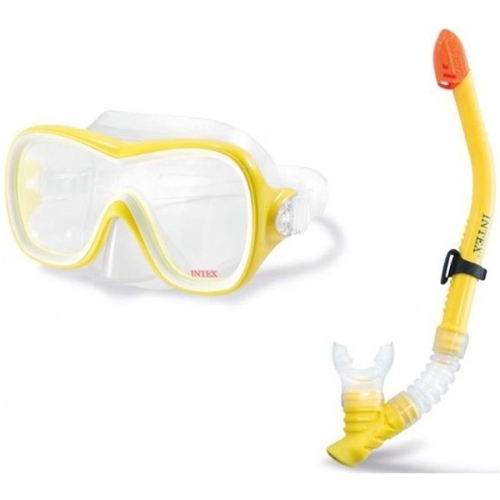
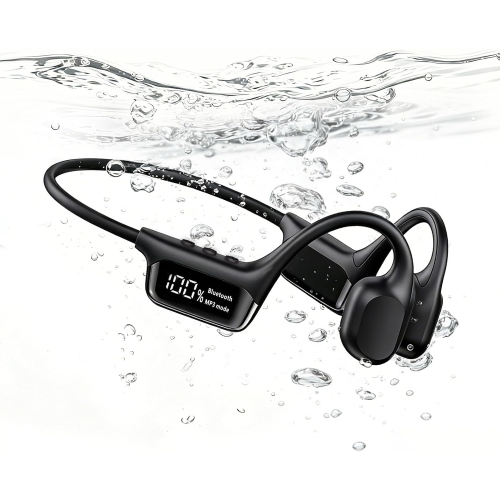
Comfortable swim gear means fewer distractions during lessons
Swimming equipment for beginners usually centres on comfortable swimwear and well-fitting goggles, with a swim cap added when required by the pool or preferred for keeping hair contained. These basics suit adults taking their first lessons, children learning water skills, and swimmers returning after a long break. A streamlined swimsuit should stay in place when reaching overhead, pushing away from the wall, or climbing a pool ladder, without digging into the shoulders or restricting movement. One-piece swimsuits, fitted swim shorts, and jammers offer different coverage options; the right choice depends on comfort, lesson requirements, and personal preference rather than appearance alone. Loose fabric can bunch or create drag, while an overly tight fit can make a lesson uncomfortable before swimming has even begun. Fabric composition also matters for repeated pool use. Polyester-rich swimwear is often chosen for its resistance to chlorine-related wear, while blends containing elastane provide stretch; the garment’s care label remains the best reference for its intended use. Goggles help swimmers see underwater and reduce direct contact between the eyes and pool water, making it easier to practise putting the face in the water. Soft seals should sit comfortably around the eyes, and an adjustable strap should hold the goggles securely without needing excessive tension. Nose-bridge shape and lens spacing can matter as much as the stated size, particularly for children or adults with narrower faces. Clear lenses are a practical choice for indoor pools, while tinted lenses may suit brighter settings; tint alone does not confirm UV protection. A swim cap keeps longer hair gathered and can reduce hair catching beneath the goggle strap, but it does not keep hair completely dry. Silicone caps are generally flexible and durable, latex caps tend to feel thinner, and fabric caps offer a different feel but allow water through readily. Material sensitivities, hair volume, and ease of putting the cap on are useful considerations. For someone concentrating on breathing calmly at the pool wall, gear that stays comfortable and needs little adjustment leaves more attention for the lesson itself.
Training aids add variety to beginner swimming equipment, but they are optional tools rather than prerequisites for getting started. Their value depends on the swimmer’s ability, the purpose of the exercise, and the instructor’s approach. A kickboard supports the hands and upper body during kicking drills, allowing swimmers to concentrate on leg movement. Its size and shape affect how it feels in use: a large board can be awkward for a small child to grip, while a board that encourages the shoulders to remain raised may be uncomfortable for some adults. A pull buoy sits between the thighs to support the lower body during exercises focused on arm movement. It changes body position and the demands of the stroke, so it is most useful when the swimmer understands the intended drill. Short-blade swim fins can add propulsion during supervised practice and make certain kicking exercises easier to feel, but they should fit securely without pinching the toes, rubbing the heel, or forcing an uncomfortable foot position. Foot-pocket dimensions vary, making the size chart more useful than assuming an everyday shoe size will translate exactly. Smooth moulded surfaces, intact straps, and foam without splits are practical signs to check as equipment ages. Hand paddles place additional load on the shoulders and are not a necessary addition to a first swimming kit. For children, equipment should match the child’s size and lesson stage rather than simply resembling adult gear in a smaller colourway. Goggles that slip repeatedly or fins that feel heavy can turn a short practice into a frustrating experience. Pool rules also matter, since some facilities limit the use of fins or other training aids during public swims. Kickboards, pull buoys, and inflatable toys are not life-saving devices and should never be treated as substitutes for close, constant adult supervision. Beginners still need an appropriate learning setting and instruction; accessories support practice but do not establish swimming ability.
Durability often comes down to what happens between swims as much as the materials themselves. Chlorinated water, trapped moisture, friction, and repeated stretching can gradually affect fabrics, seals, and straps. Swimwear generally benefits from a prompt rinse in fresh water, gentle handling, and drying as directed on its label rather than being left tightly bundled in a bag. Wringing, machine drying, or other treatment outside the care instructions can shorten the life of stretch fabrics. Goggles need similarly gentle care: a fresh-water rinse helps remove pool residue, while rubbing the inside of the lenses can damage an anti-fog coating. A protective case keeps lenses away from keys, rough towel fibres, and other sources of scratches. Caps are easier to inspect and store when clean and dry, with particular attention to small tears around the edge. Fins and foam training aids also need time to dry before being packed away for longer periods. A well-organized bag of Swimming Gear makes the trip between the change room and poolside simpler, especially when it separates damp equipment from clean clothing. A washable wet compartment or separate wet bag helps contain drips on the journey home, but it does not replace unpacking and drying the contents. Towels that pack neatly and poolside footwear with a secure fit can also make changing and moving around the facility more manageable; footwear should follow the facility’s rules and cannot eliminate the risk of slipping. For someone buying a gift for a new swimmer, fit-sensitive equipment deserves extra thought. Knowing the recipient’s swimwear size, cap preference, or goggle fit is more useful than choosing by colour alone. Carrying and storage accessories can be less dependent on exact body measurements. Whether the kit is for weekly lessons, occasional recreational swims, or a gradual return to regular exercise, the most useful pieces are those that suit the activity, feel comfortable, and are straightforward to care for after every visit.
Top selling and popular products
-
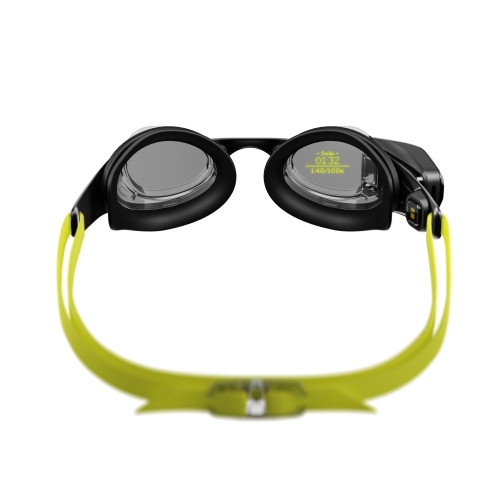 Your price for this item is $269
-
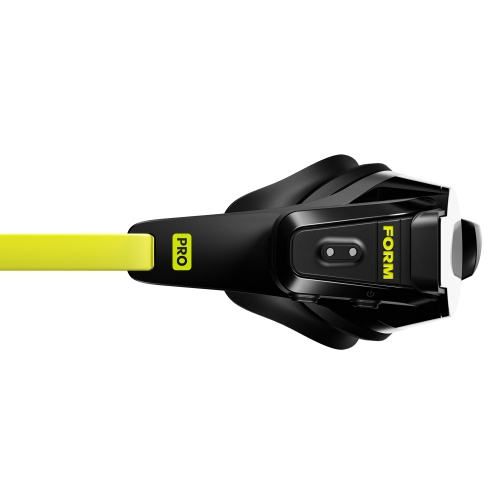 Your price for this item is $339
-
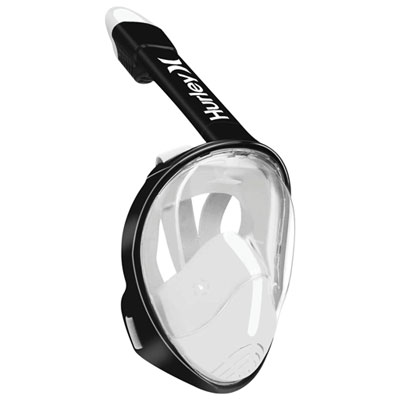 Your price for this item is $31.98
-
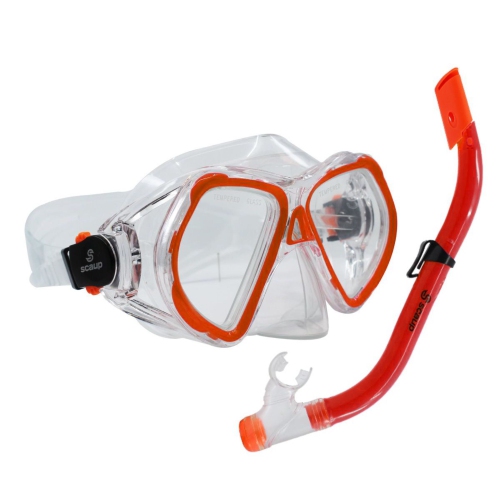 Your price for this item is $38.99
-
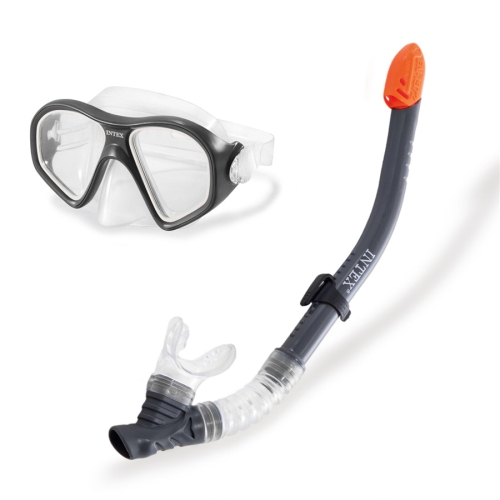 Your price for this item is $27.97
-
 Your price for this item is $39.99
-
 Your price for this item is $58.99
-
 Your price for this item is $14.98
Discover more categories related to Swimming Equipment for Beginners
Top Collections:
Best Black Friday Deals This Year, Best Black Friday Deals On Electronics, Kindle Devices, Pokemon Centers, Best Black Friday Deals On Apple Products, Best Cameras for Sports Photography, Dyson Airwrap, Pokémon 30th Celebration Cards, Apple iPhone 17 Pro, Canon G7X Cameras
Some products may be subject to Environmental Handling Fees
(EHF) depending on your province.
Learn more about EHFs.