Swimming Goggles for Competitive Swimmers
Swimming Goggles for Competitive Swimmers are designed to help you stay focused and comfortable during every lap. Whether you’re training for a big race or fine-tuning your technique, the right pair of goggles can make all the difference in the pool. Explore a wide selection tailored to meet the needs of dedicated athletes, so you can perform at your best from start to finish. Find your next pair of Swimming Goggles for Competitive Swimmers and take your swim sessions to the next level.
Sort






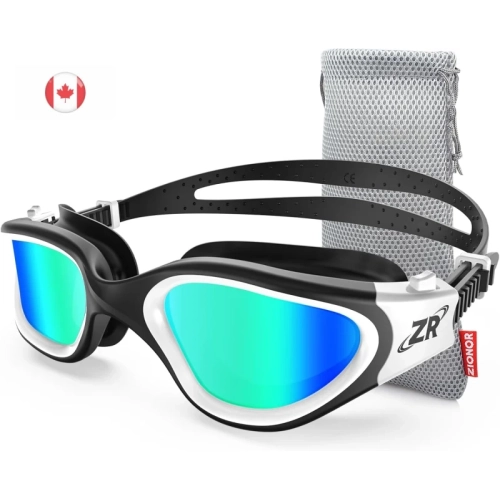


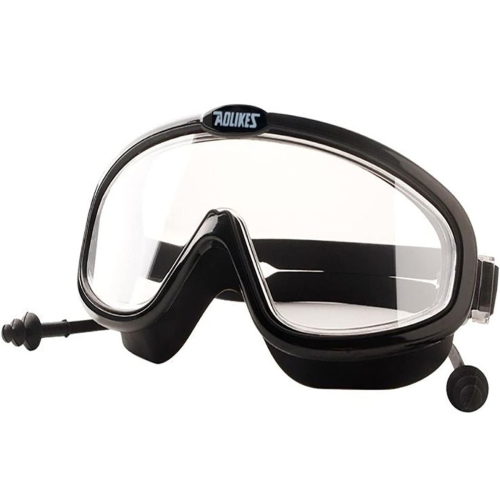
Why a secure fit matters beyond the starting block
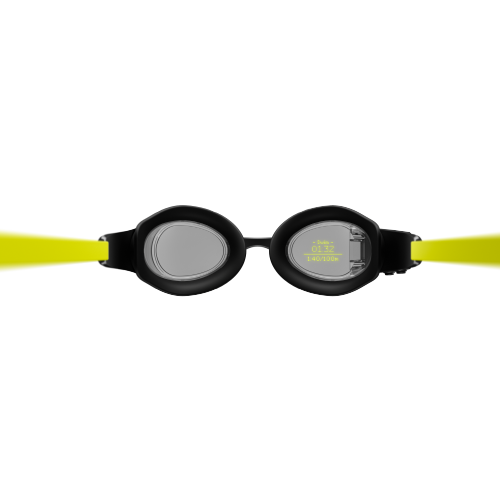
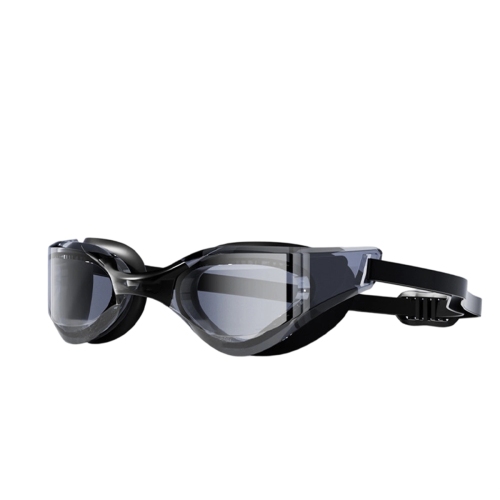
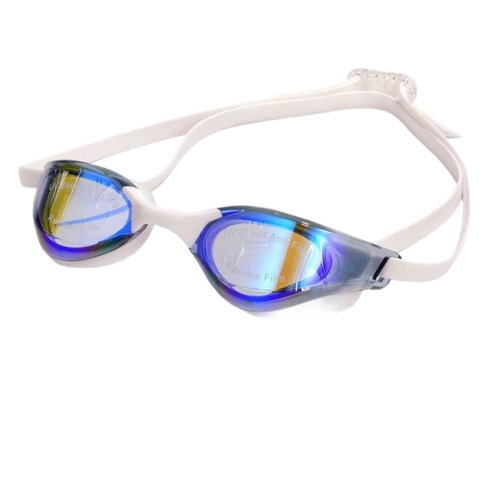
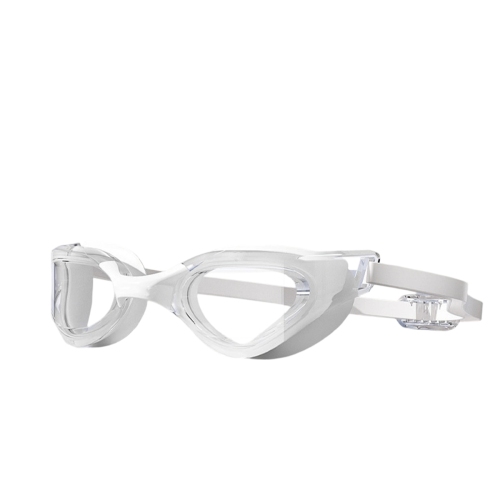
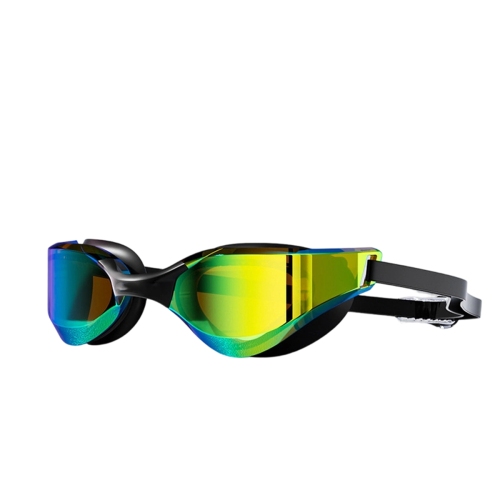
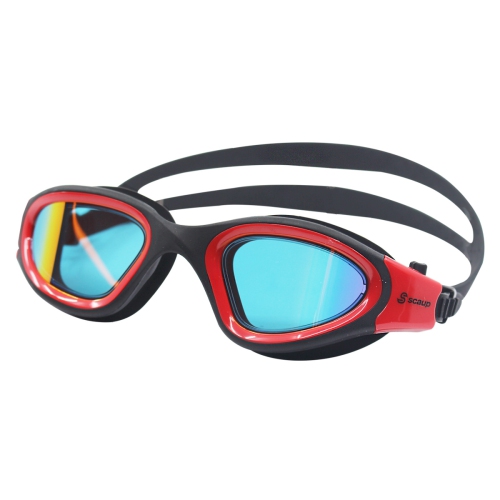
Swimming goggles for competitive swimmers combine a low-profile shape, a secure strap system, and clear, fog-resistant lenses to support fast starts, tight turns, and sustained lane training. Unlike larger recreational designs, racing goggles generally sit close to the face, reducing the amount of material projecting into the water. That compact shape can help limit drag, but a dependable seal and comfortable fit remain essential: a streamlined pair offers little benefit if it shifts during a dive or needs adjusting after every length. Competitive designs often use rigid lens assemblies with soft silicone gaskets that cushion the area around the eyes. Polycarbonate is a common lens material because it is lightweight and impact-resistant, although it still needs protection from scratches. Silicone straps provide stretch and adjustability, while split or dual straps distribute tension across the back of the head. Some goggles have a minimalist seal; others use a broader, more cushioned gasket that may feel better during lengthy practices. Neither style suits every face. The position of the eye sockets, the shape of the nose bridge, and the width of the frame all influence how the goggles feel once swimming begins. Field of view also matters in a busy training lane. A wider lens shape can make it easier to notice lane ropes, nearby swimmers, and the approach to the wall without exaggerated head movement. A more compact design may appeal to swimmers who prefer a close-fitting racing setup. These features serve club athletes, school swim teams, masters competitors, and dedicated lap swimmers who practise race skills alongside endurance work. During a sprint set, the priority may be keeping the goggles steady through a forceful push-off. Across a longer session, consistent visibility and gentle pressure around the eyes can matter just as much. The most useful balance is a design that stays unobtrusive through the movements and distances the swimmer repeats most often.
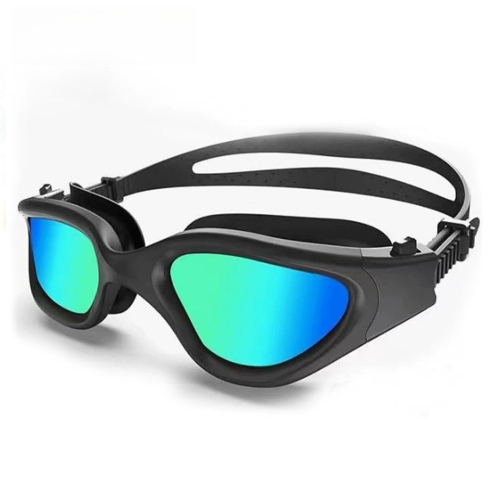
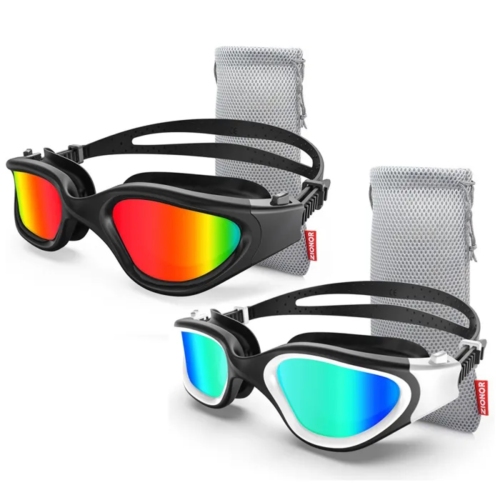
Fit depends on more than tightening the strap. The gasket should follow the contours around the eyes without resting painfully against the eye socket, and the nose bridge should hold the lenses at a natural distance apart. Interchangeable bridges or adjustable bridge designs allow some frames to accommodate different facial proportions. A brief, gentle seal when the eyecups are placed against the face can suggest a promising fit, but it does not guarantee that the goggles will remain watertight during swimming. Comfort and stability in the water are the more meaningful tests. Excessive strap tension can create pressure marks, pull the frame out of alignment, or make a small fit problem more uncomfortable rather than solving it. Dual straps are often positioned separately on the back of the head to help resist movement during starts and turns; their exact placement depends on the frame, the swimmer’s head shape, and whether a swim cap is worn. Lens choice brings another set of practical differences. Clear lenses transmit more light and can be useful in indoor pools where visibility is limited. Tinted lenses reduce brightness to varying degrees, while mirrored coatings can help manage glare. A dark lens is not automatically the best racing option, particularly when the pool’s lighting already makes lane markings or pace clocks difficult to see. UV protection is a separate specification from lens colour or a mirrored finish and is worth checking for outdoor pool use. Swimmers who need vision correction may find prescription swimming goggles helpful for seeing wall markings, lap counters, or instructions from the pool deck. Available correction types vary, so the lens specification needs to suit the swimmer’s vision requirements. Anti-fog treatments can also support clearer sight during repeated efforts, though no coating guarantees fog-free swimming in every situation. A useful competitive setup brings these details together: enough visibility to stay oriented, a frame that remains steady through changes of direction, and a seal that does not require constant attention between intervals.
Regular training puts swimming goggles through repeated stretching, exposure to pool chemicals, and frequent packing and unpacking, so durability depends partly on construction and partly on everyday care. Rinsing goggles with clean, fresh water after swimming helps remove pool residue from the lenses, gaskets, and straps. The inside of the lenses needs especially gentle handling because rubbing with fingers, a towel, or clothing can damage an anti-fog coating. Letting the goggles air-dry before storing them, then placing them in a protective case, helps keep the lenses from rubbing against keys, zippers, and other hard objects inside a swim bag. Care directions differ between coatings and materials, so cleaning solutions and replacement anti-fog treatments should be used only when compatible with the manufacturer’s instructions. Straps that have become brittle, gaskets that no longer sit evenly, and lenses with scratches across the main viewing area can all interfere with reliable use. A loose bridge connection or an adjustment mechanism that slips under tension also deserves attention before a race. For swimmers who train and compete frequently, keeping a familiar spare pair in the kit bag can reduce disruption if a strap breaks just before a session. Using the racing pair during practice provides a chance to confirm its fit through dives, turns, and full-distance efforts rather than discovering a pressure point on the starting block. Younger club swimmers need the same attention to comfort and stability, with frame dimensions suited to their faces rather than simply shorter straps. Families comparing smaller-fitting designs can explore Kids Swimming Goggles alongside the swimmer’s training needs. Goggles can also be a thoughtful gift for a committed swimmer when the preferred fit, lens type, and bridge style are already known. Whether used for early skill development, demanding interval sessions, or race-day preparation, well-matched goggles help keep attention on stroke rhythm, lane position, and the next turn instead of distracting leaks or uncomfortable pressure.
Top selling and popular products
-
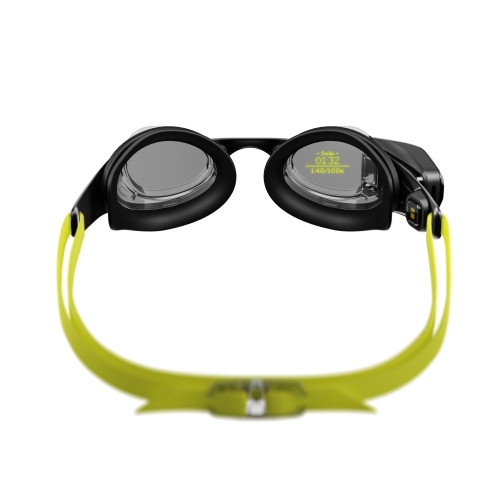 Your price for this item is $269
-
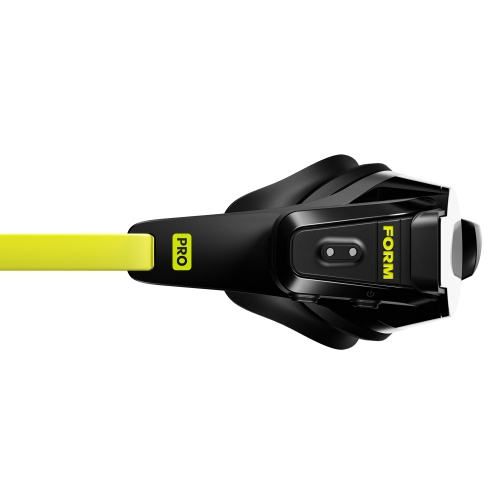 Your price for this item is $339
-
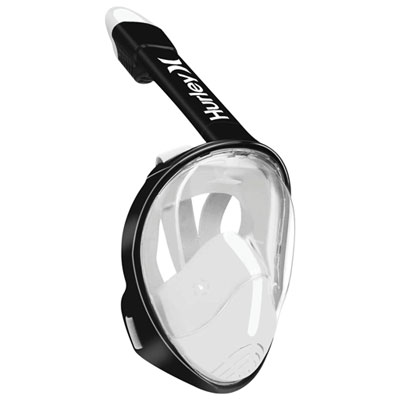 Your price for this item is $31.98
-
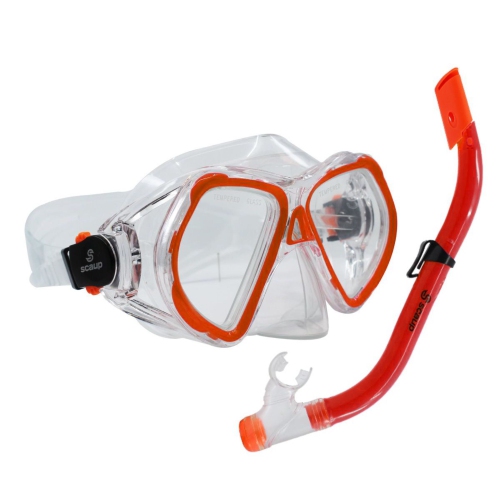 Your price for this item is $38.99
-
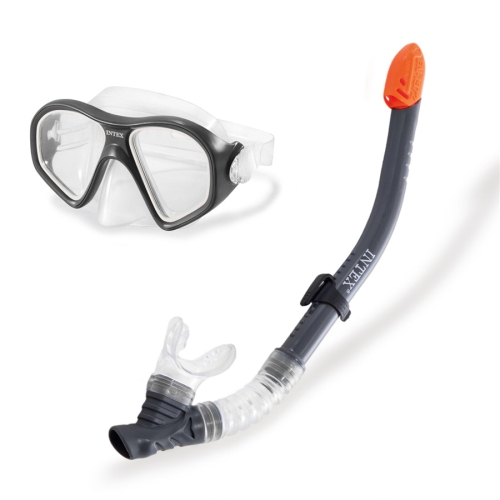 Your price for this item is $27.97
-
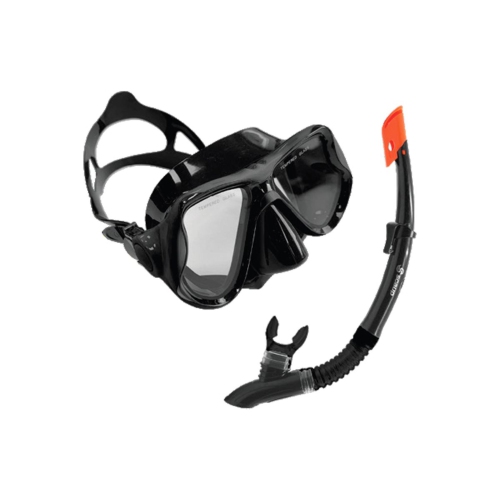 Your price for this item is $39.99
-
 Your price for this item is $58.99
-
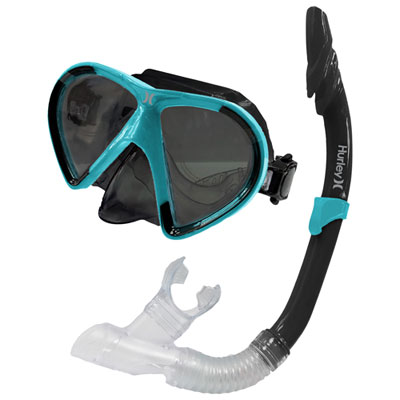 Your price for this item is $14.98
Discover more categories related to Swimming Goggles for Competitive Swimmers

Top Collections:
Best Black Friday Deals This Year, Best Black Friday Deals On Electronics, Kindle Devices, Pokemon Centers, Best Black Friday Deals On Apple Products, Best Cameras for Sports Photography, Dyson Airwrap, Pokémon 30th Celebration Cards, Apple iPhone 17 Pro, Canon G7X Cameras
Some products may be subject to Environmental Handling Fees
(EHF) depending on your province.
Learn more about EHFs.