Swimming Goggles for Women
Swimming goggles for women are essential for anyone looking to enjoy clear vision and comfort in the water, whether at the pool, beach, or during training sessions. With a variety of styles and designs available, it’s easy to find the perfect fit to match your needs and preferences. Explore options that cater specifically to women, ensuring a comfortable and secure swim every time. Find swimming goggles for women that help you make the most of your aquatic activities.
Sort





Why a comfortable seal matters more than strap tightness
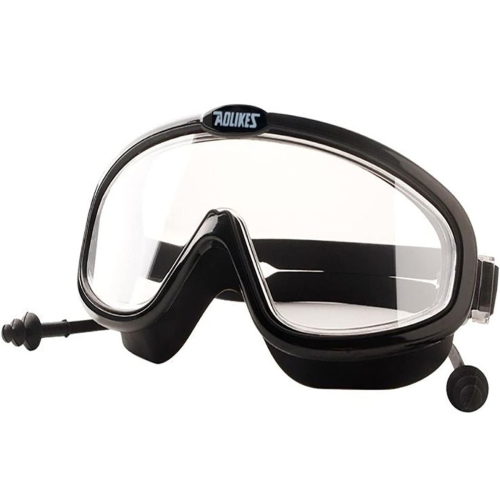
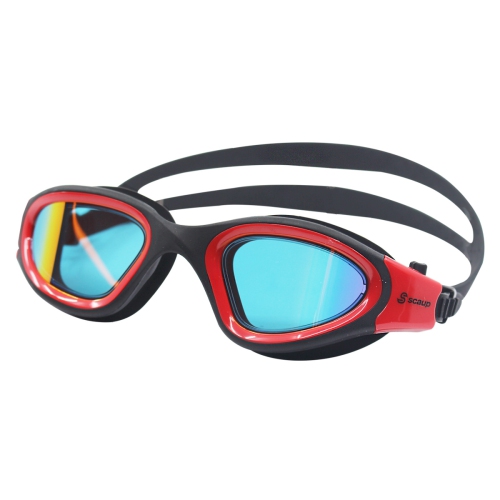
Swimming goggles for women bring clearer underwater vision and a more comfortable swimming experience to lane sessions, lessons, recreational swims, and race training. A well-fitting pair creates a seal around the eyes that helps keep pool water out without requiring an overly tight strap. Women’s designs may use narrower frames, smaller eye cups, or different nose-bridge proportions, but facial shape matters more than the label alone. The right fit depends on the distance between the eyes, the shape of the nose, and how the seals sit against the eye sockets and cheekbones. Soft silicone gaskets can provide a cushioned feel, while flexible frames can accommodate small differences in facial contours. Wider, mask-style designs generally place the seal farther around the eyes and offer a spacious feel; compact goggles sit closer to the eye sockets and may suit swimmers who prefer less bulk. Neither shape is automatically more comfortable, especially over a longer session. A seal should sit evenly against the skin rather than leave a gap beside the nose or press sharply against the brow. Adjustable or interchangeable nose bridges can help refine that fit, and split straps can distribute tension across the back of the head. Tightening a strap excessively is not a reliable solution to leaking and can leave the eyes feeling sore. A strand of hair, a folded gasket, or a swim cap caught beneath the seal can also let water in. For someone who swims several times a week, small details such as an easy-to-reach strap adjustment or a buckle that stays in place can make a noticeable difference between lengths. Silicone straps and gaskets are common, while lightweight polycarbonate lenses provide a durable viewing surface. Anyone with a material sensitivity should check the stated composition, since materials can vary between the frame, seals, and strap. Comfort comes from the whole construction working together, not simply from choosing the softest seal or the smallest frame.
Lens choice affects how easily a swimmer can see lane markings, the pool wall, and other people in the water. Clear lenses are a practical starting point for indoor swimming because they transmit plenty of light without darkening the view. Lightly tinted lenses can offer a different balance of brightness and contrast, while darker smoke tints may be more comfortable in bright outdoor settings. Mirrored lenses help reduce incoming light and glare, but their usefulness depends on the underlying tint and the lighting where they will be worn. Polarized lenses reduce reflected glare from the water’s surface, which can be useful during outdoor or open-water swimming. Polarization, a mirrored finish, and UV protection are separate features; a dark lens should not be assumed to provide UV protection unless that protection is specified. Wide-view lenses can make it easier to notice another swimmer approaching in a neighbouring lane or to look towards a course marker without turning the head as far. They do not replace regular sighting, awareness of other swimmers, or appropriate open-water safety practices. For lap swimming, a stable fit and a clear view of the lane line often matter more than an especially broad lens. For racing, a compact profile and a strap that remains secure during starts and turns may take priority. Someone returning to the pool for gentle exercise may prefer generous eye cups and cushioning instead. Prescription swim goggles can be useful for swimmers who need vision correction, although lens powers and fitting options differ and should match the wearer’s needs. Anti-fog treatments are another consideration, particularly when visibility becomes hazy partway through a session. These treatments help limit condensation rather than guarantee permanently fog-free lenses, and their performance depends partly on handling and care. Within the broader Swimming Goggles range, the most useful distinctions are fit, lens function, and intended activity, rather than colour alone. A comfortable pair for a well-lit indoor pool may have quite different features from one chosen for outdoor distance swimming.
Regular care helps preserve the seals, strap, and lens surfaces that make swimming goggles comfortable to wear. After a pool or saltwater session, a gentle rinse with cool fresh water helps remove residue before it dries. The inside of a lens deserves especially careful handling because rubbing it with fingers, a towel, or a cloth can damage an anti-fog coating. Manufacturer care directions take priority, including any instructions about cleaning solutions or compatible anti-fog treatments. Harsh cleaners, hot water, and prolonged exposure to direct sunlight can damage materials or finishes. Allowing goggles to air-dry away from direct heat before putting them in a protective case helps prevent trapped moisture and keeps the lenses from rubbing against keys, zippers, or other gear inside a swim bag. Pulling goggles off by stretching the eye cups apart can put unnecessary strain on the nose bridge; loosening the strap and removing them gently is easier on the construction. Over time, straps may lose elasticity, gaskets can become misshapen, and scratched lenses can make the view less clear. Persistent leaking after the fit has been checked, a slipping adjustment, or a cracked seal can indicate that a pair needs replacing. Having a familiar fit is particularly valuable for swimmers following a regular training routine, since an uncomfortable seal can interrupt an otherwise steady session. Goggles can also make a thoughtful gift for an adult learning to swim, a dedicated lane swimmer, or someone preparing for a triathlon, provided their preferred fit and swimming setting are known. For a new swimmer, straightforward adjustments and comfortable seals may be more useful than race-focused details. For an experienced swimmer, lens preference and familiar frame proportions may be the deciding factors. Colour can add a personal touch, but comfort, visibility, and dependable positioning remain the features that matter most once the swimmer pushes away from the wall.
Top selling and popular products
-
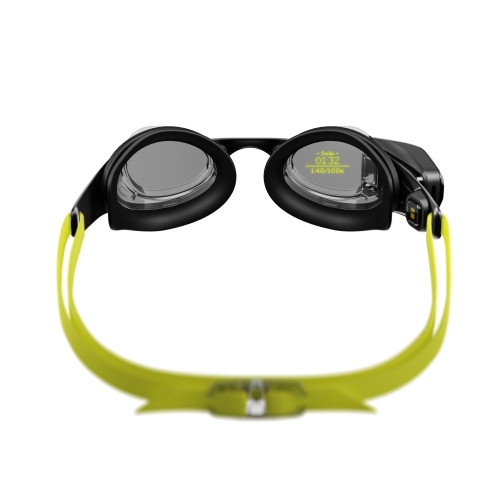 Your price for this item is $269
-
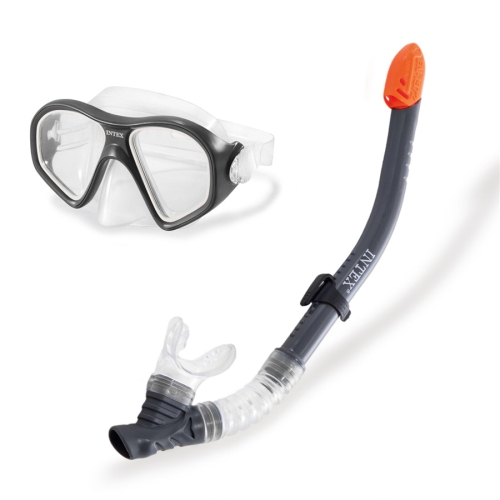 Your price for this item is $14.94
-
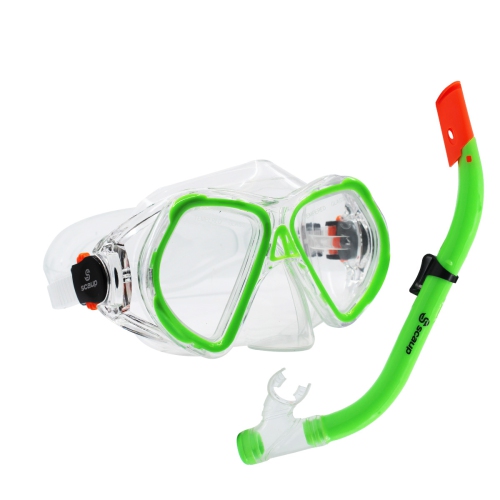 Your price for this item is $38.99
-
 Your price for this item is $26.99
-
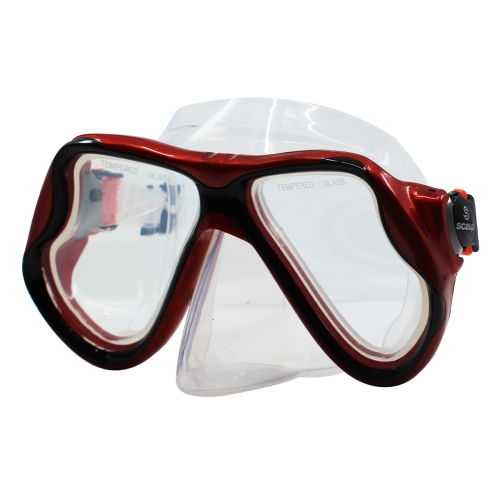 Your price for this item is $33.99
-
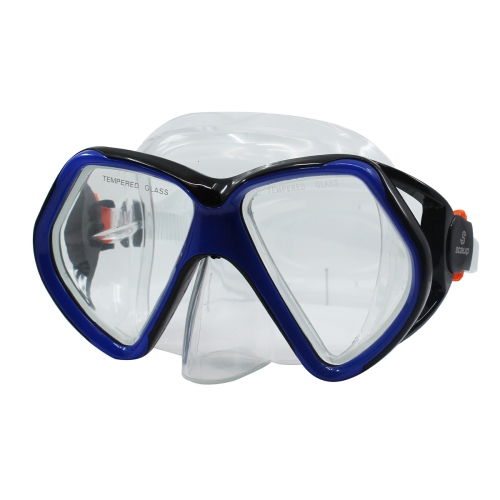 Your price for this item is $26.99
-
 Your price for this item is $19.98
-
 Your price for this item is $33.98
Discover more categories related to Swimming Goggles for Women

Top Collections:
Pokemon Centers, Best Cameras for Sports Photography, Kindle Devices, Samsung Galaxy Phones, Canon G7X Cameras, Pokémon 30th Celebration Cards, Refurbished Apple Laptops, iPhone 15 Apple, Laptops for Students, Budget Smartphones
Some products may be subject to Environmental Handling Fees
(EHF) depending on your province.
Learn more about EHFs.