Terminal Connectors
If you're looking to streamline your electrical connections with ease and efficiency, this selection of terminal connectors offers a wide range of options to suit your needs. From ring terminals to butt connectors, this collection provides high-quality solutions for various wiring projects. Whether you're working on automotive, marine, or home electrical systems, these terminal connectors are designed to deliver reliable performance and secure connections.
Sort
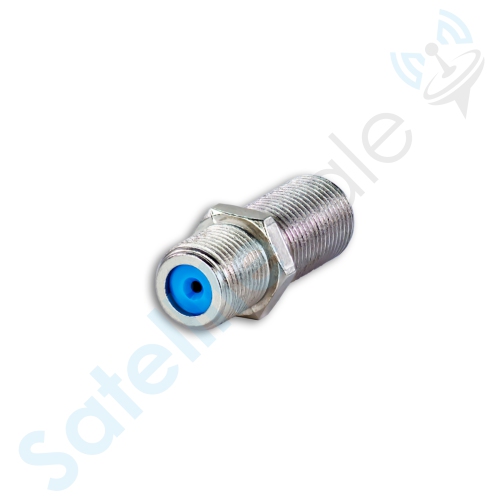
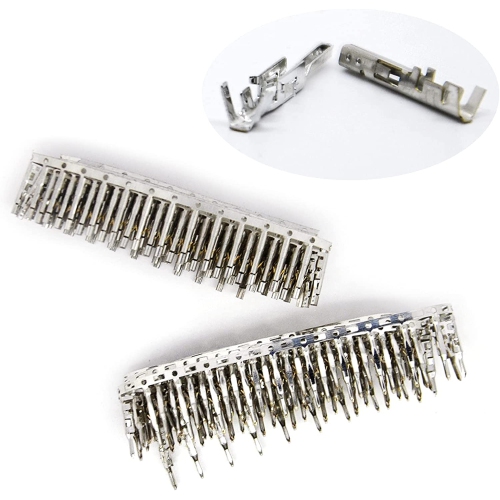
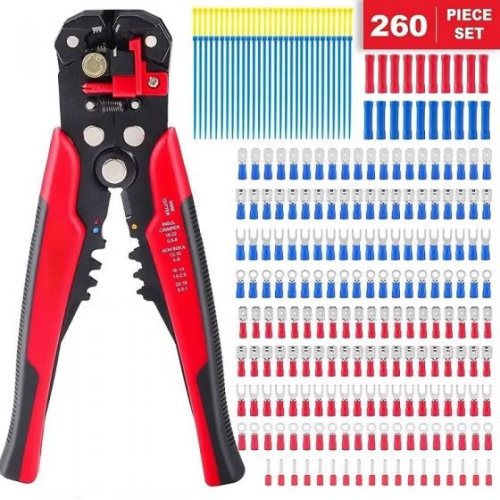
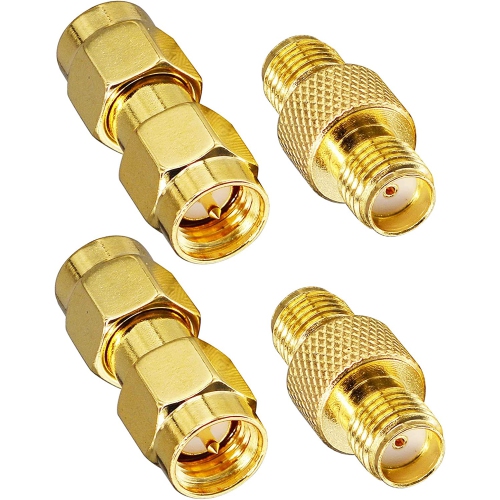
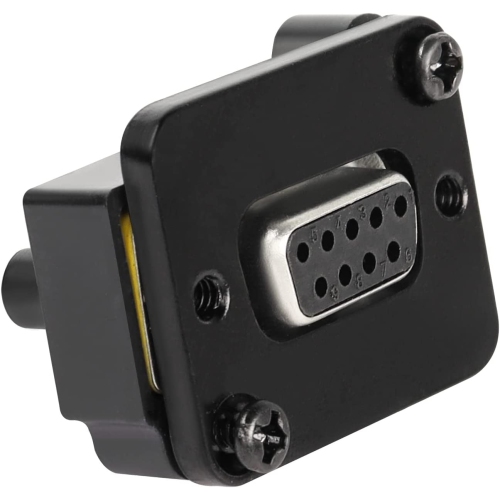
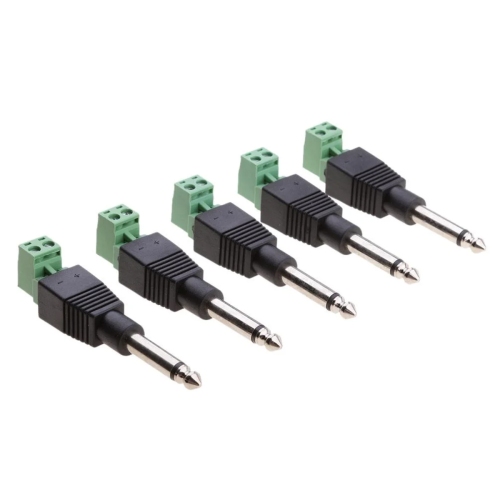
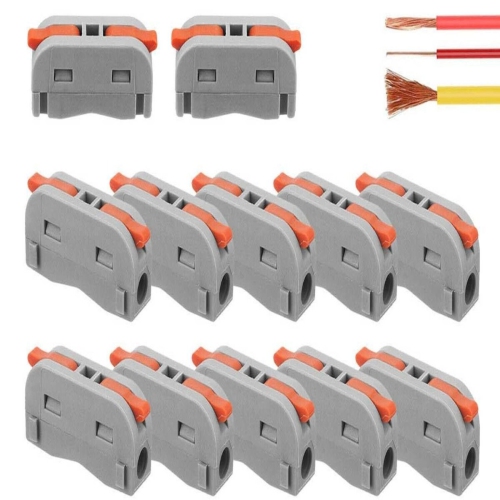
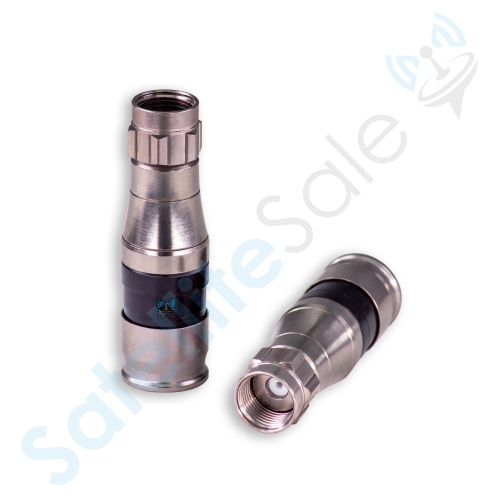
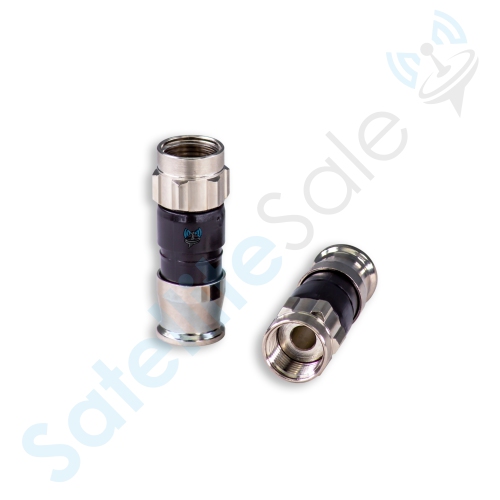
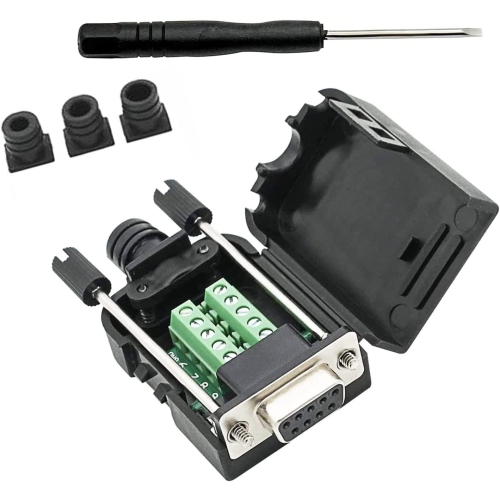
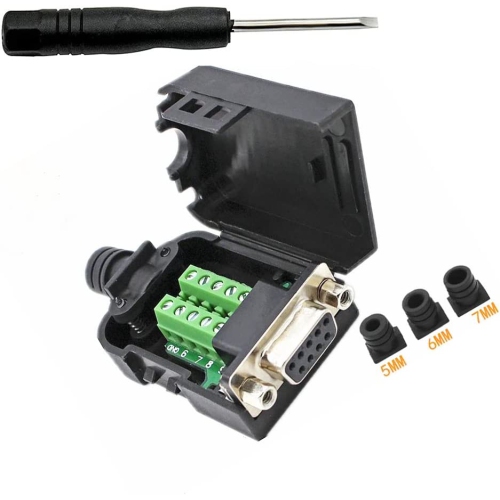
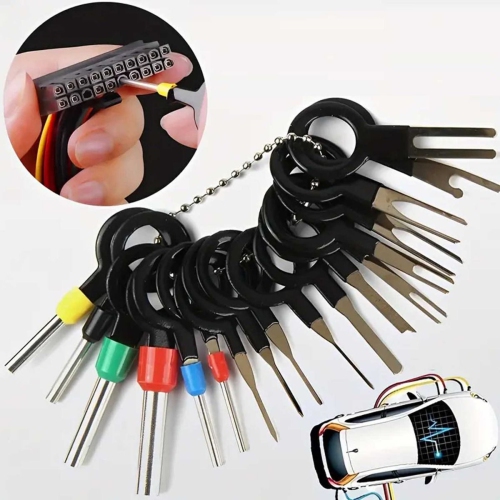
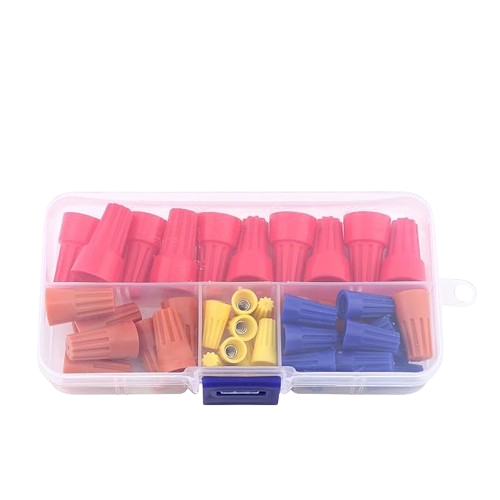
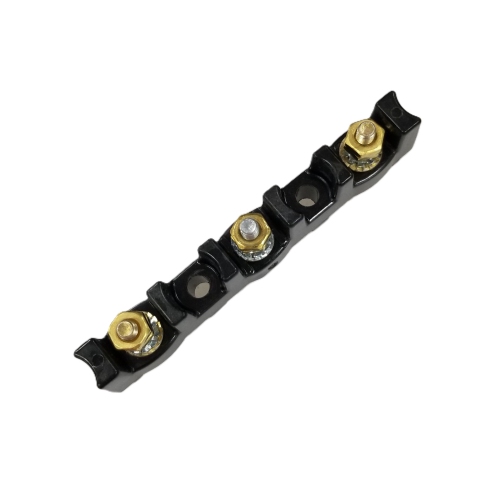
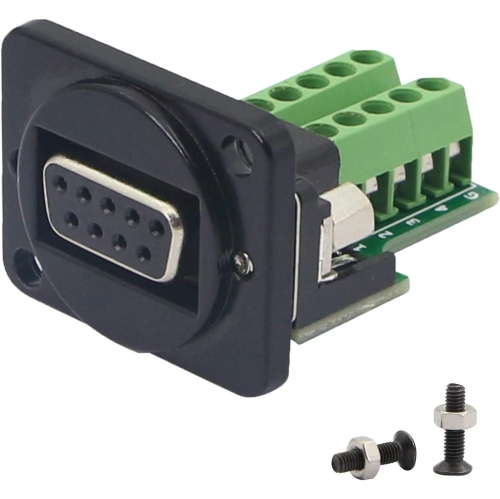
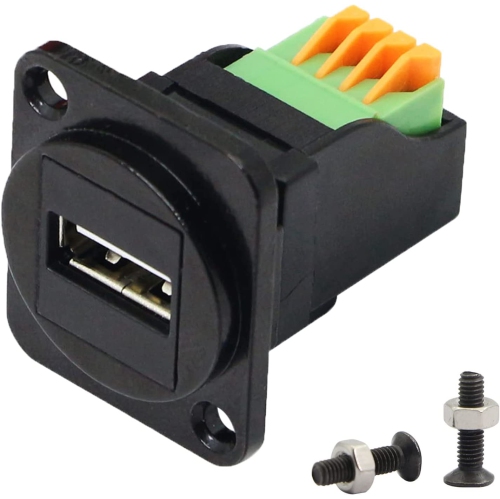
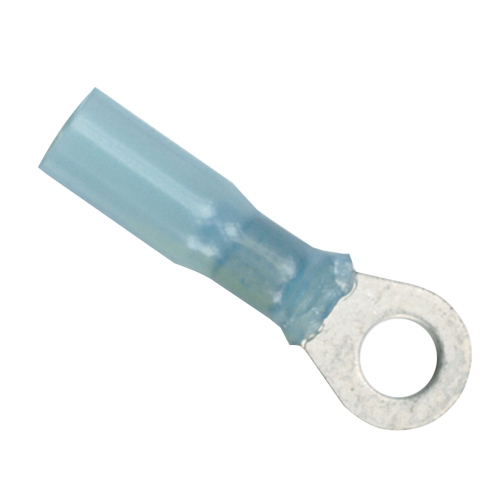
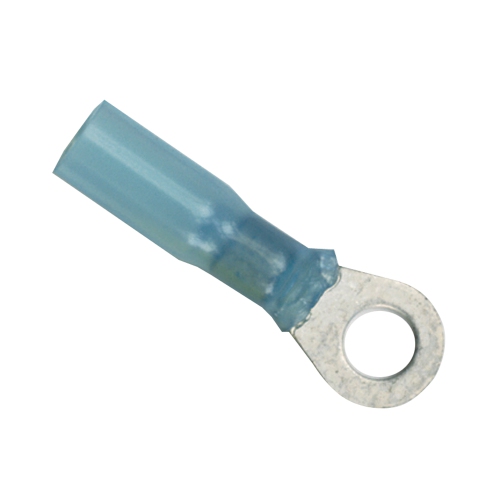
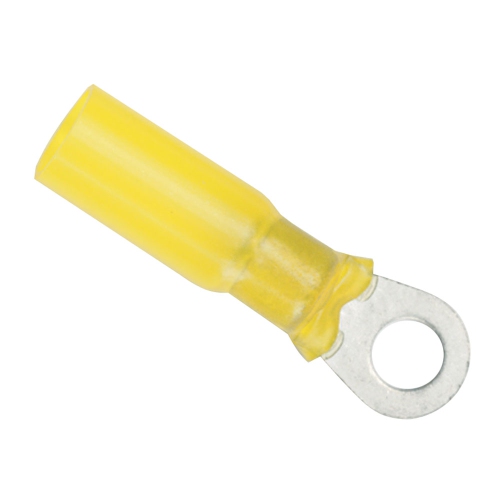
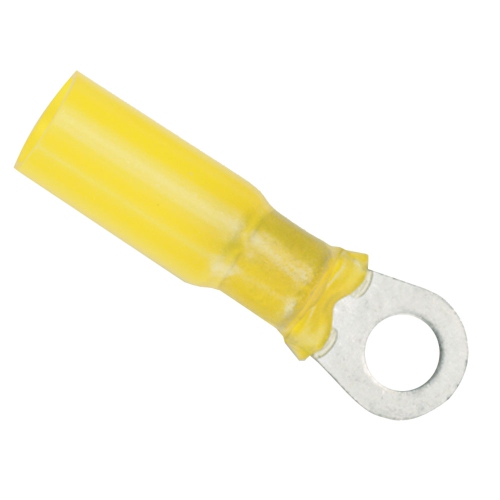
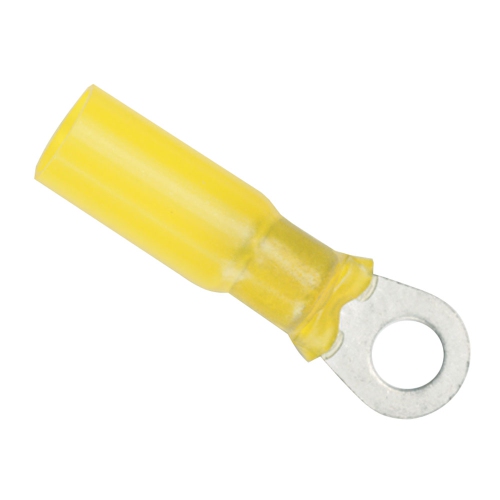
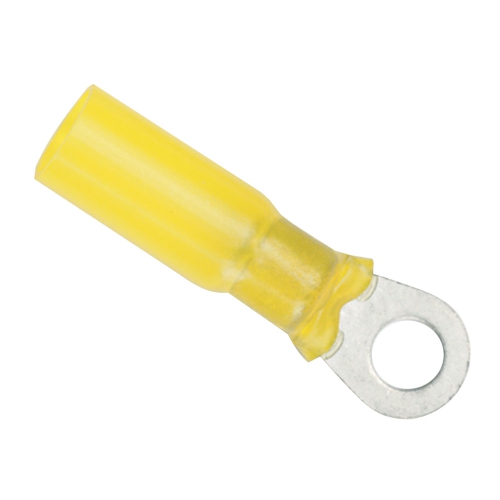
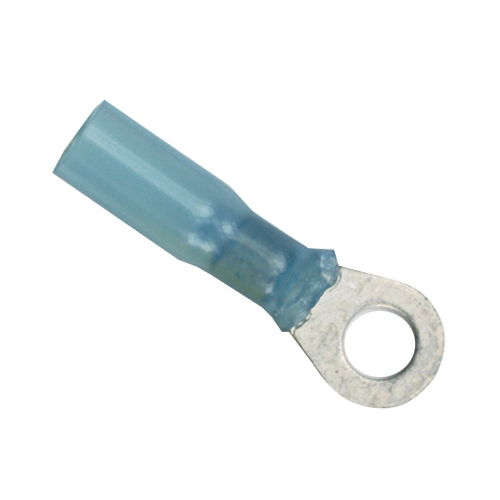
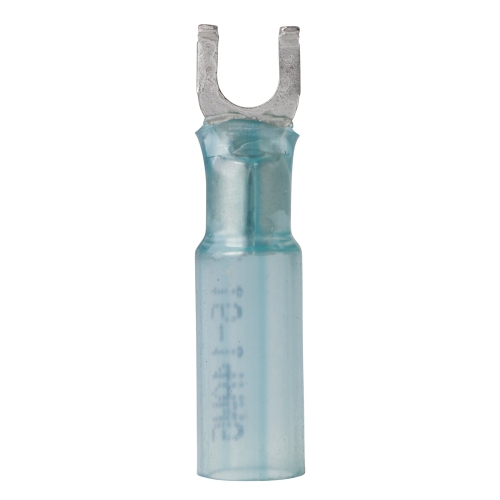


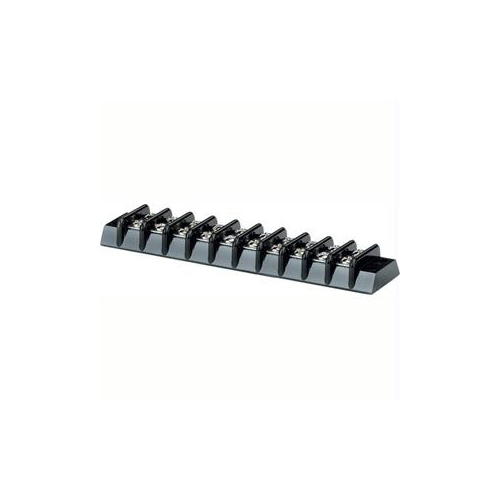
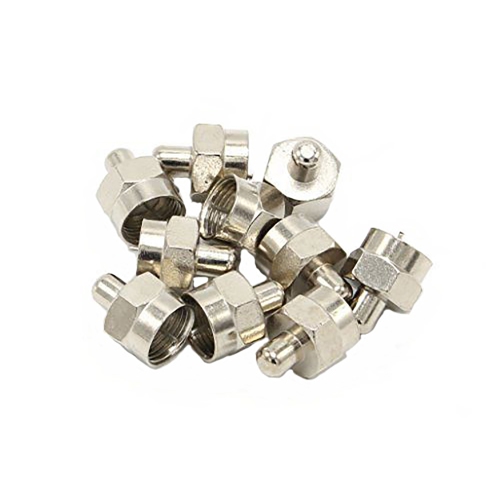
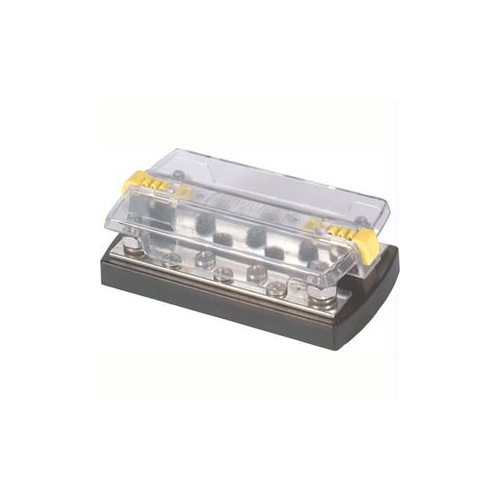

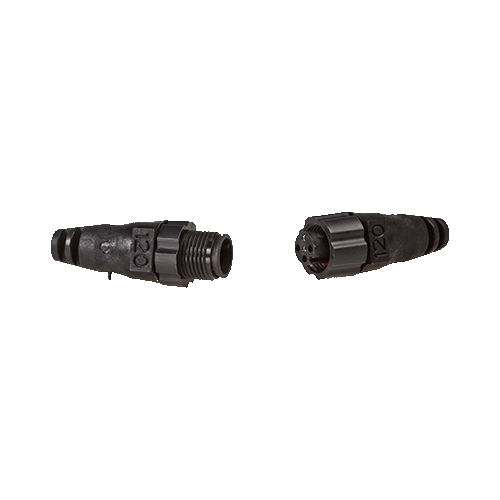

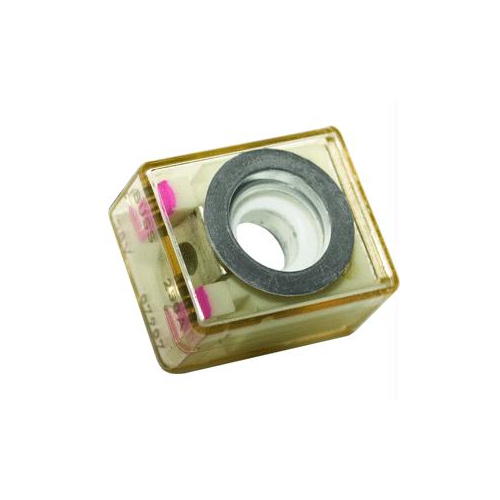
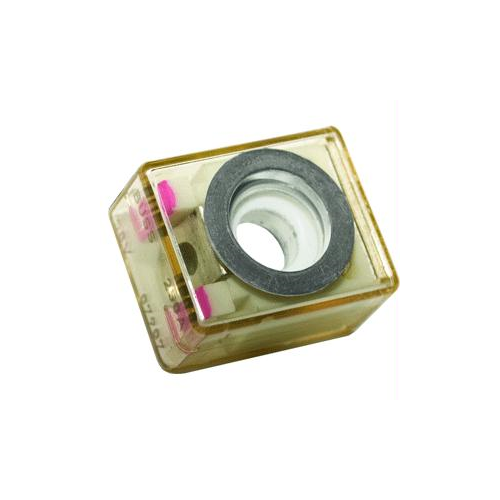
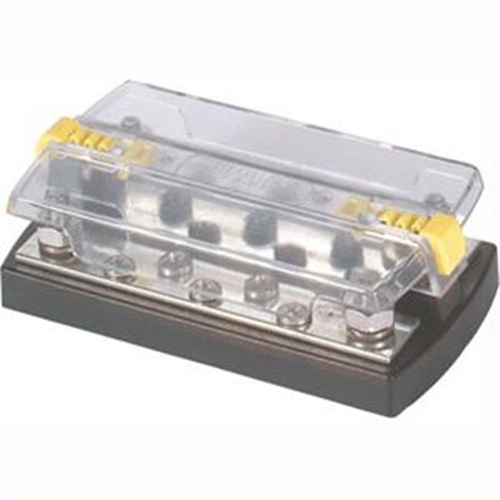

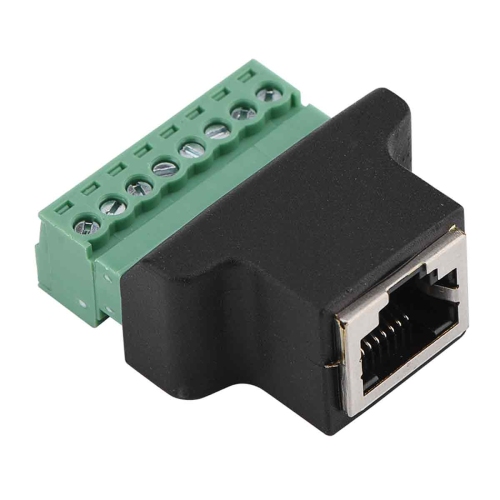
Secure wire connections for repairs, installations, and equipment
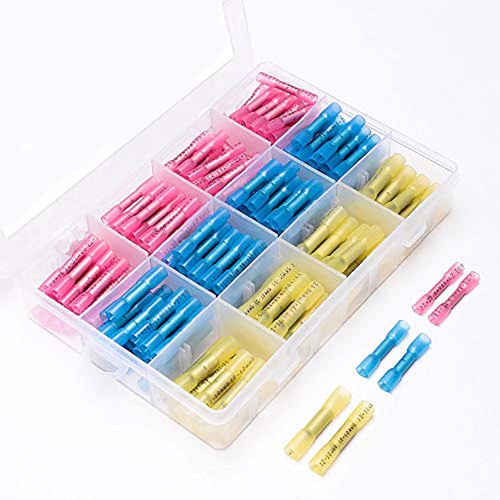
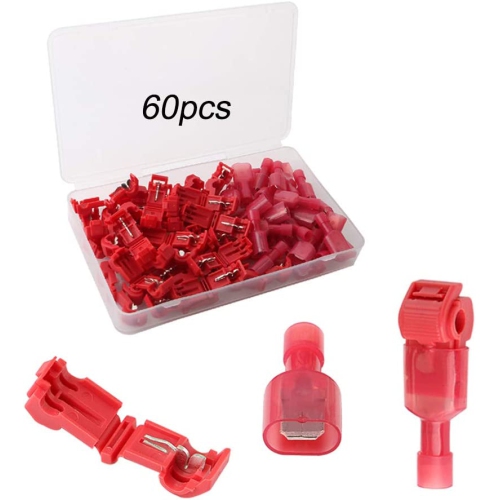
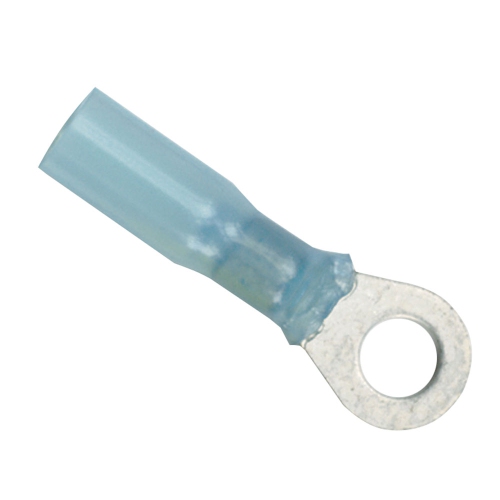
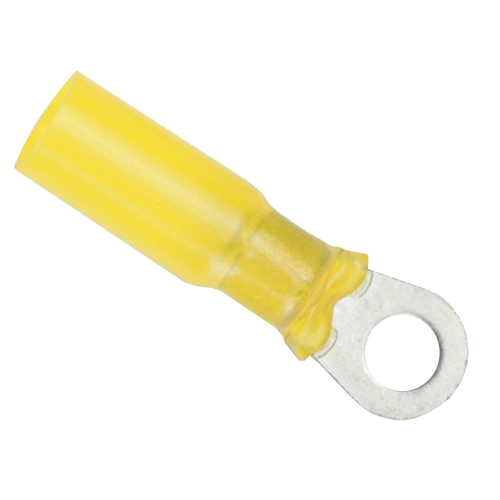
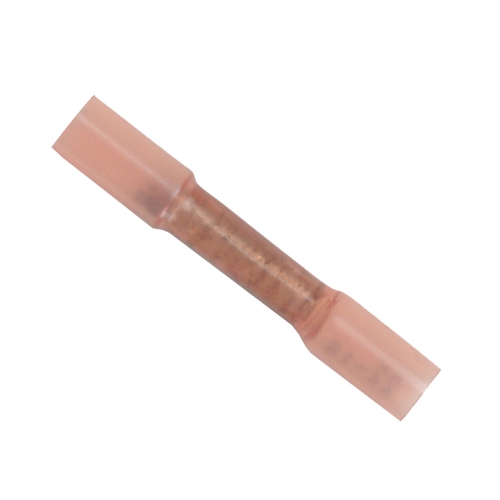
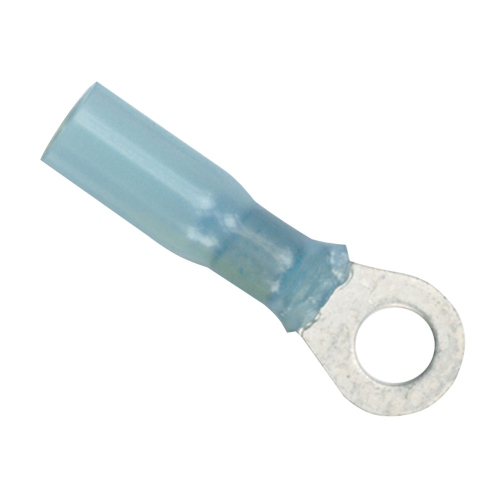
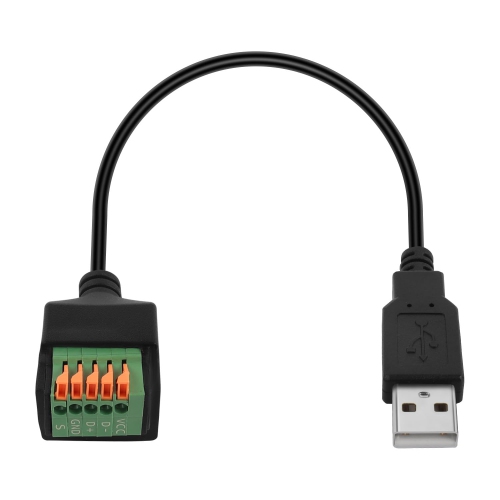
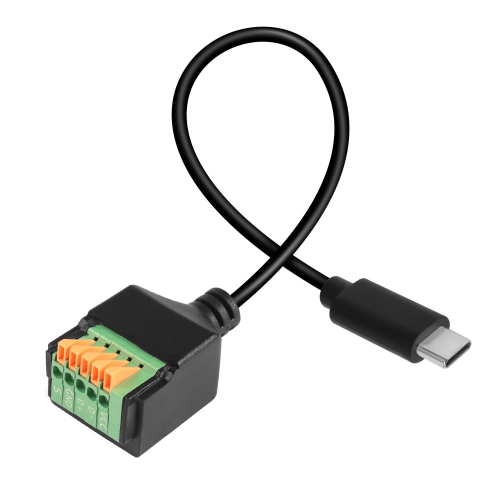
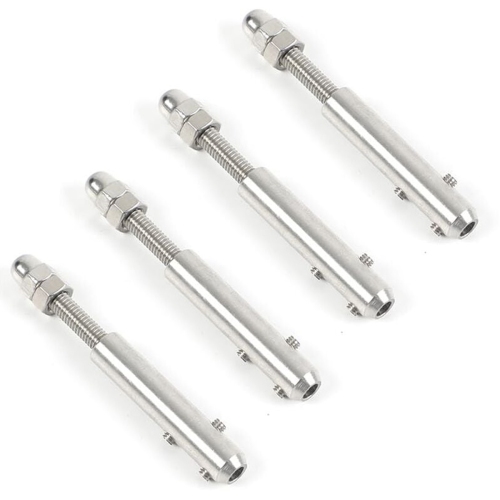
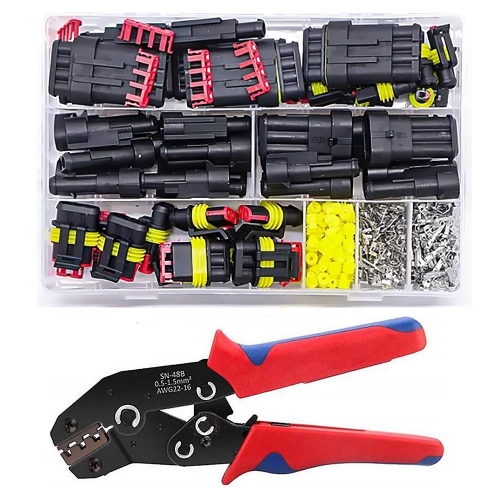
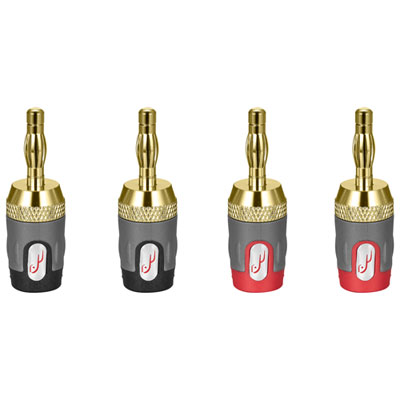
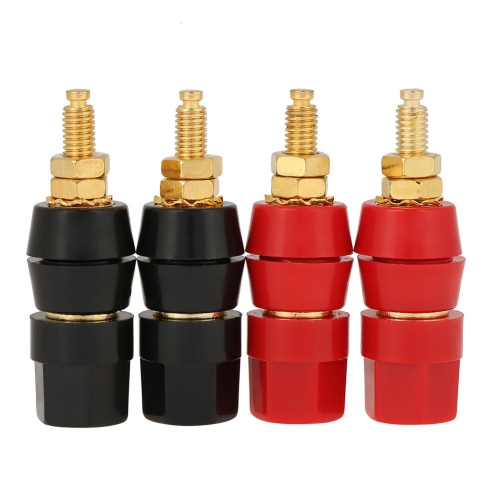
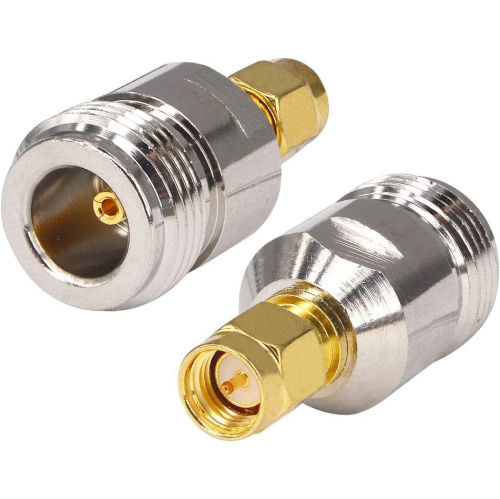
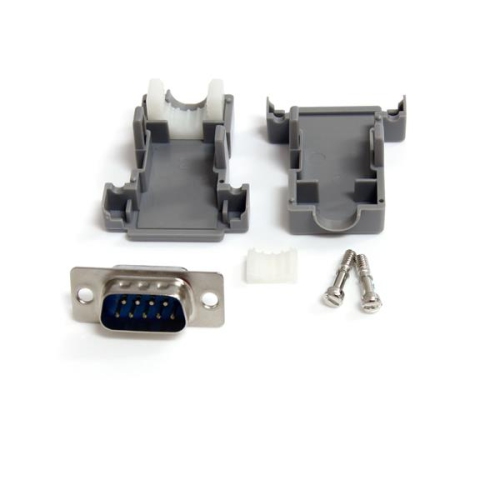
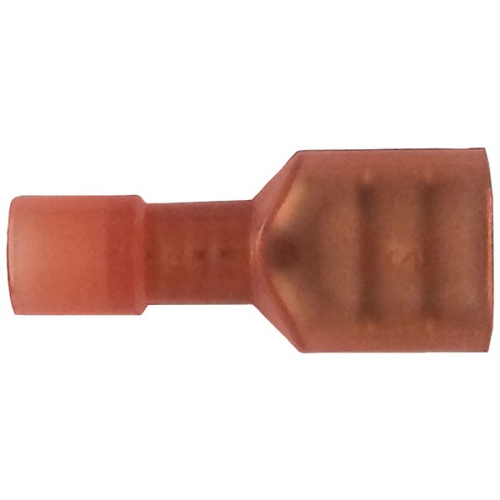
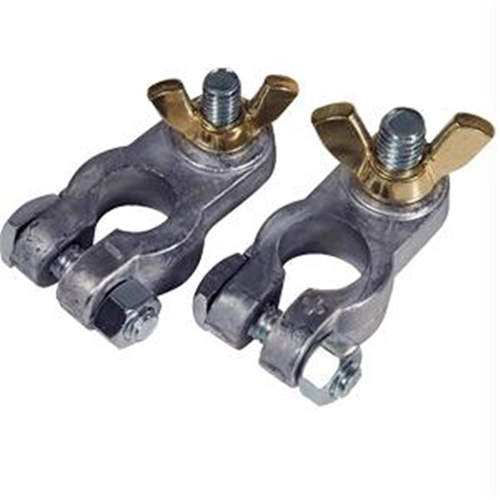
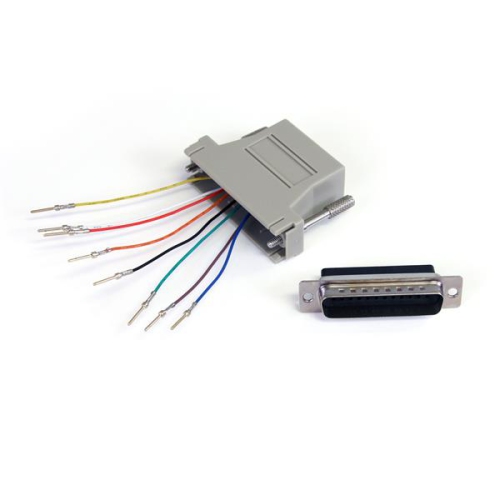
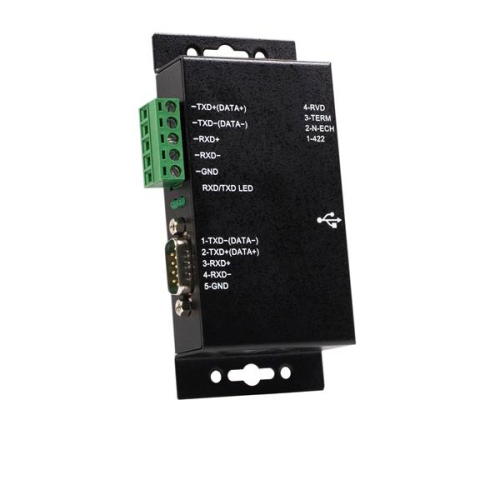
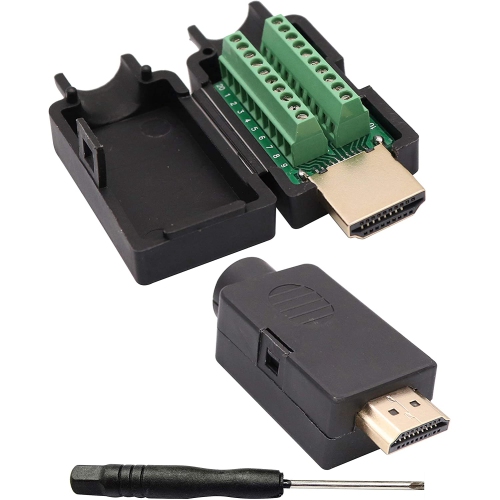
Terminal connectors are compact electrical components designed to join wires securely to equipment, batteries, terminals, or other wires without requiring a soldered connection. They are commonly used in automotive repairs, home electrical projects, marine equipment, audio installations, appliances, lighting systems, and low-voltage wiring. A properly matched terminal connector creates a stable contact point while helping protect exposed wire strands from fraying, bending, and accidental contact. For many repair and installation tasks, terminal connectors are a practical alternative to twisting wires together or relying on makeshift connections. They are typically installed with a crimping tool, which compresses the connector around the stripped end of a wire to form a firm mechanical bond. Some styles include insulated sleeves that help reduce the chance of short circuits, while others are uninsulated for use inside protected electrical assemblies or with additional heat-shrink tubing. When choosing terminal connectors, start by identifying the wire size, connector shape, connection method, and environment where the finished connection will be used. Wire gauge is especially important because a connector that is too large may not grip the conductor tightly, while one that is too small may damage the wire or fail to accept it. Many insulated connectors use colour coding to indicate the intended American Wire Gauge (AWG) range: red commonly corresponds to finer wires from 22 to 16 AWG, blue often suits medium wires from 16 to 14 AWG, and yellow is frequently intended for heavier wires from 12 to 10 AWG. These ranges can vary by manufacturer, so checking the package specifications is an important final step before installation.
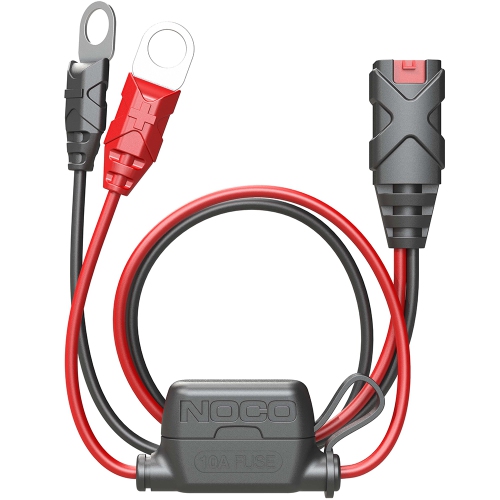
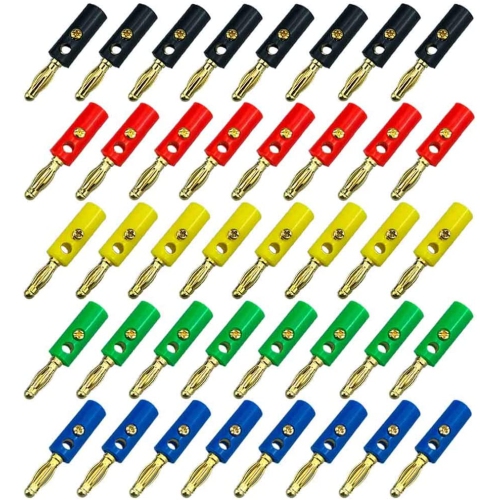
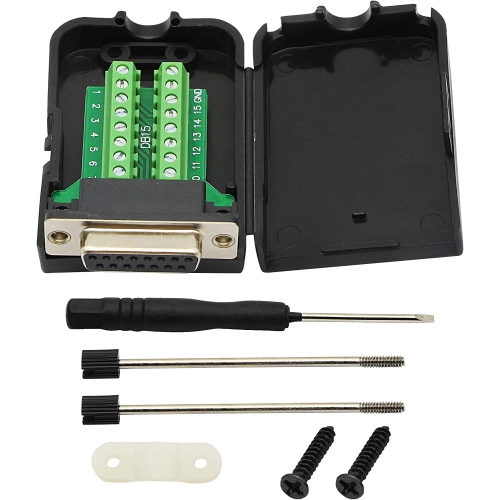
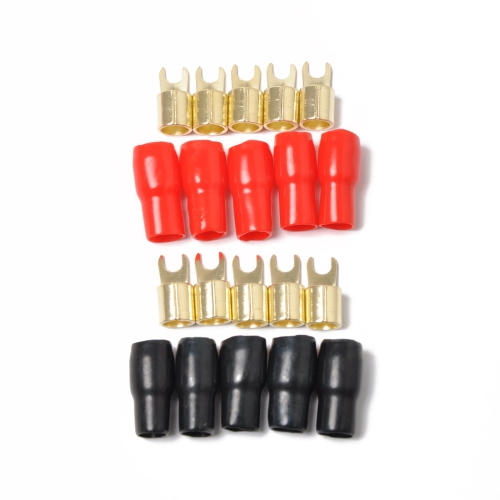
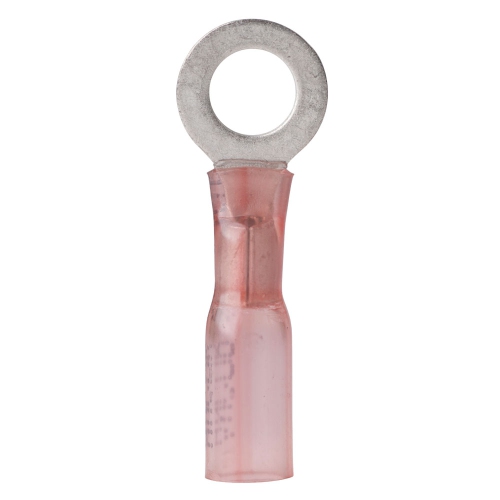
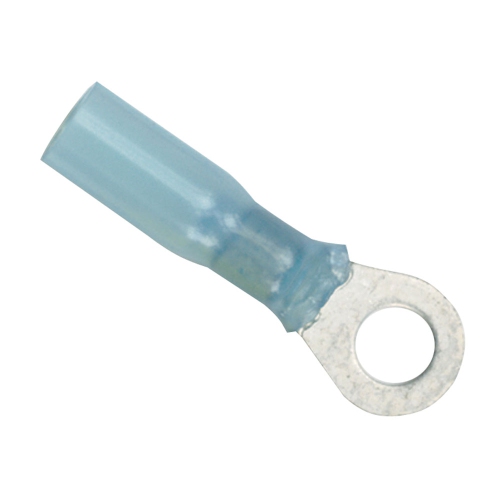
Different terminal connector designs suit different jobs. Ring terminals have a fully enclosed circular opening that fits over a screw, stud, or bolt. Because the connector remains captured even if the fastener loosens slightly, ring terminals are often chosen for battery connections, grounding points, fuse blocks, and other locations where a dependable attachment is important. Spade or fork terminals have an open slot that slides beneath a loosened screw, allowing the wire to be removed without completely taking out the fastener. They can be convenient in control panels, switches, and serviceable wiring assemblies where connections may need to be changed from time to time. Butt splices are short cylindrical connectors used to join two wires end-to-end in a straight line. They are useful when repairing a damaged section of wire, extending a lead, or joining two cable runs while keeping the finished connection relatively compact. Quick-disconnect terminals use matching male and female blades that slide together and pull apart by hand, making them suitable for components that may need to be removed for testing, cleaning, or replacement. You may also encounter bullet connectors, pin terminals, fork variations, and specialty connectors designed for particular harnesses or terminal blocks. Before purchasing, consider whether the connection will be exposed to vibration, moisture, heat, dust, or frequent movement. Automotive and outdoor applications may benefit from sealed or heat-shrink terminals, while protected indoor projects may only require standard insulated connectors. The connector’s material and finish can also affect its suitability for the job, especially in areas where corrosion or repeated handling is a concern. For broader options and related accessories, explore Wire Connectors.
A reliable installation depends as much on preparation as on the connector itself. Cut the wire cleanly, strip only the amount specified for the terminal, and avoid nicking or cutting the individual conductor strands. Insert the wire fully into the connector so that the conductor reaches the metal barrel while the insulation rests close to the connector’s insulated sleeve or support area. Use the correct crimping tool and the die intended for the connector size; ordinary pliers may flatten the terminal without creating enough pressure for a secure connection. After crimping, give the wire a gentle pull to confirm that it is held firmly, then inspect the connection for loose strands, exposed conductor, cracked insulation, or a barrel that has been crushed unevenly. For heat-shrink styles, apply heat carefully with an appropriate heat source and allow the tubing to seal around the connection without scorching the insulation. Disconnect power before working on wiring, and follow the instructions supplied with the equipment, battery, appliance, or vehicle. Terminal connectors can be useful additions to a home repair drawer, an automotive toolkit, a workshop, or a portable electronics kit because assortments often include several connector shapes and wire-size ranges for different tasks. They can also be a thoughtful practical gift for someone who enjoys restoring vehicles, building audio systems, maintaining recreational equipment, or tackling weekend wiring projects, particularly when paired with a quality crimping tool and a wire stripper. Keeping connectors organized by style, size, and colour makes it easier to find the right option when a connection needs attention, whether you are replacing a worn terminal, tidying a control box, repairing a trailer light, or preparing equipment for use during the cooler months.
Different terminal connector designs suit different jobs. Ring terminals have a fully enclosed circular opening that fits over a screw, stud, or bolt. Because the connector remains captured even if the fastener loosens slightly, ring terminals are often chosen for battery connections, grounding points, fuse blocks, and other locations where a dependable attachment is important. Spade or fork terminals have an open slot that slides beneath a loosened screw, allowing the wire to be removed without completely taking out the fastener. They can be convenient in control panels, switches, and serviceable wiring assemblies where connections may need to be changed from time to time. Butt splices are short cylindrical connectors used to join two wires end-to-end in a straight line. They are useful when repairing a damaged section of wire, extending a lead, or joining two cable runs while keeping the finished connection relatively compact. Quick-disconnect terminals use matching male and female blades that slide together and pull apart by hand, making them suitable for components that may need to be removed for testing, cleaning, or replacement. You may also encounter bullet connectors, pin terminals, fork variations, and specialty connectors designed for particular harnesses or terminal blocks. Before purchasing, consider whether the connection will be exposed to vibration, moisture, heat, dust, or frequent movement. Automotive and outdoor applications may benefit from sealed or heat-shrink terminals, while protected indoor projects may only require standard insulated connectors. The connector’s material and finish can also affect its suitability for the job, especially in areas where corrosion or repeated handling is a concern. For broader options and related accessories, explore Wire Connectors.
A reliable installation depends as much on preparation as on the connector itself. Cut the wire cleanly, strip only the amount specified for the terminal, and avoid nicking or cutting the individual conductor strands. Insert the wire fully into the connector so that the conductor reaches the metal barrel while the insulation rests close to the connector’s insulated sleeve or support area. Use the correct crimping tool and the die intended for the connector size; ordinary pliers may flatten the terminal without creating enough pressure for a secure connection. After crimping, give the wire a gentle pull to confirm that it is held firmly, then inspect the connection for loose strands, exposed conductor, cracked insulation, or a barrel that has been crushed unevenly. For heat-shrink styles, apply heat carefully with an appropriate heat source and allow the tubing to seal around the connection without scorching the insulation. Disconnect power before working on wiring, and follow the instructions supplied with the equipment, battery, appliance, or vehicle. Terminal connectors can be useful additions to a home repair drawer, an automotive toolkit, a workshop, or a portable electronics kit because assortments often include several connector shapes and wire-size ranges for different tasks. They can also be a thoughtful practical gift for someone who enjoys restoring vehicles, building audio systems, maintaining recreational equipment, or tackling weekend wiring projects, particularly when paired with a quality crimping tool and a wire stripper. Keeping connectors organized by style, size, and colour makes it easier to find the right option when a connection needs attention, whether you are replacing a worn terminal, tidying a control box, repairing a trailer light, or preparing equipment for use during the cooler months.
Top selling and popular products
-
 Your price for this item is $30.59
 -
 Your price for this item is $30.54
 -
 Your price for this item is $38.85
 -
 Your price for this item is $92.99
 -
 Your price for this item is $844.91
 -
 Your price for this item is $909.33
 -
 Your price for this item is $30.62
 -
 Your price for this item is $34.93
Discover more categories related to Terminal Connectors
Top Collections:
Pokemon Centers, Kindle Devices, Best Budget Office Chairs, Apple iPhones 16, Best Laptops for Writers, iPhone 15 Apple, Canon G7X Cameras, Refurbished Apple Laptops, Alarm Clock, Motorola Razr Phones
Some products may be subject to Environmental Handling Fees
(EHF) depending on your province.
Learn more about EHFs.