RJ45 Connectors
Our selection of RJ45 connectors offers high-quality options to ensure seamless connectivity for your networking needs. Whether you're setting up a home office, upgrading your current network setup, or simply in need of replacement connectors, we have a variety of options to choose from. Stay connected and enjoy fast and stable data transfers with our range of RJ45 connectors designed to meet your networking requirements.
Sort
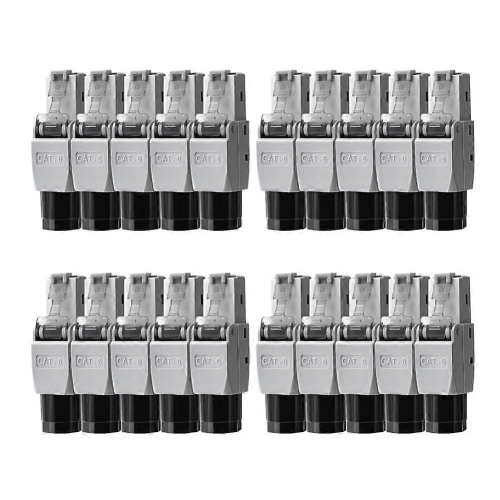
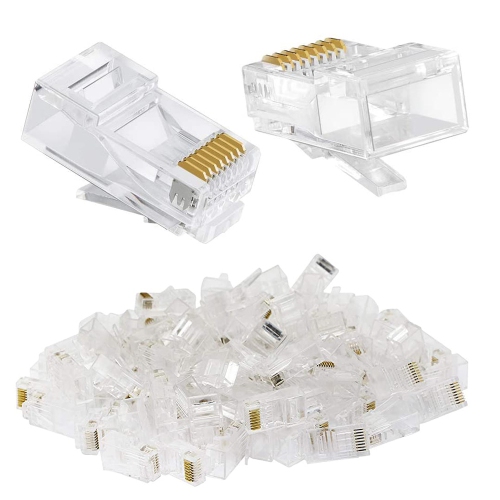
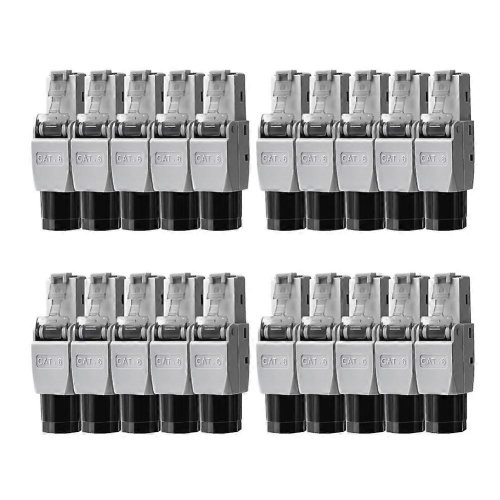

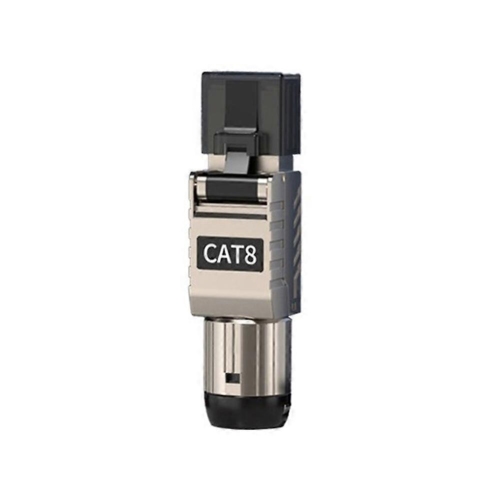









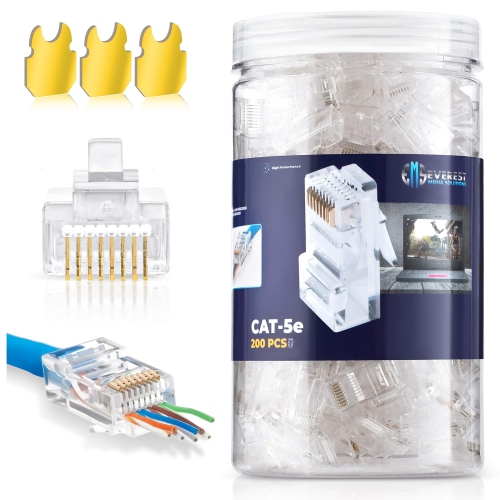
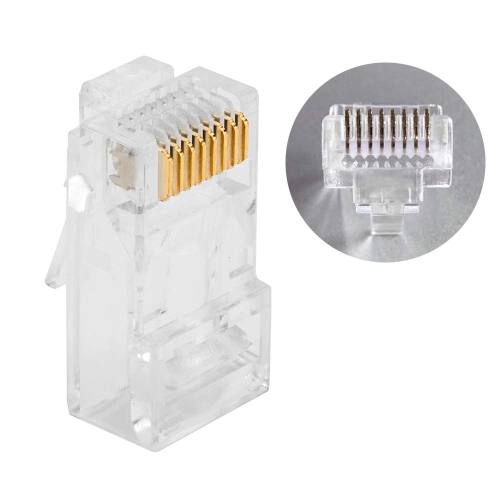

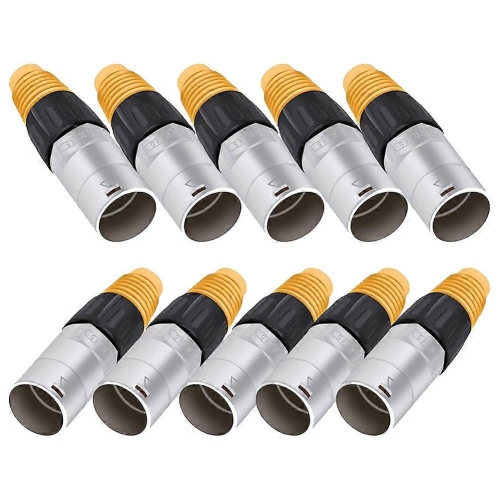
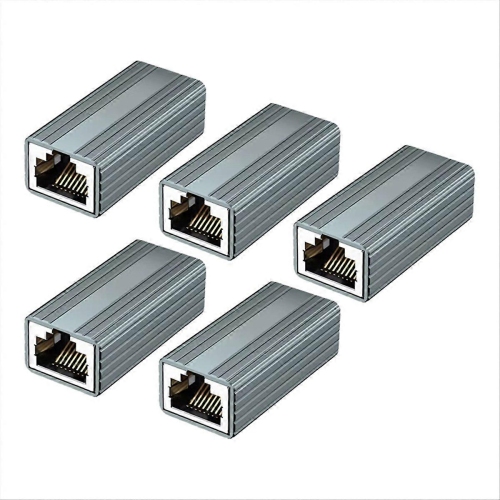
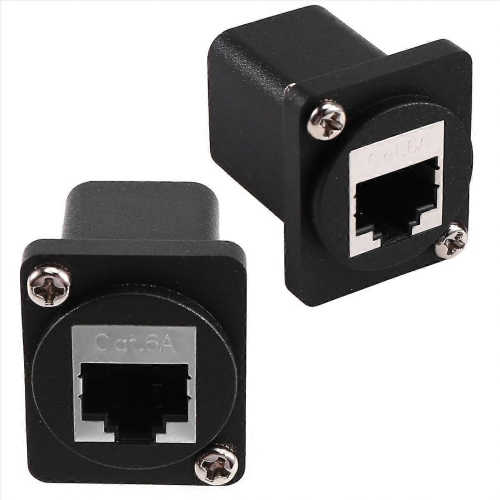
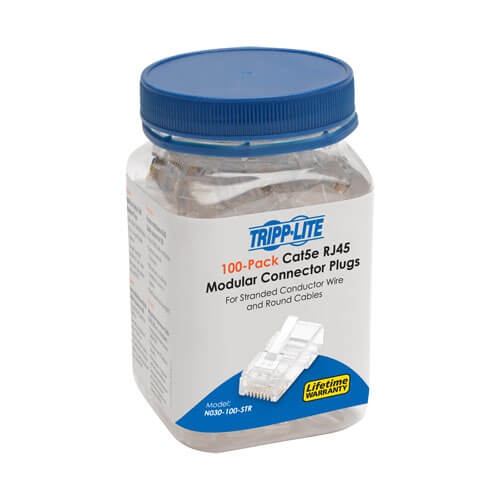






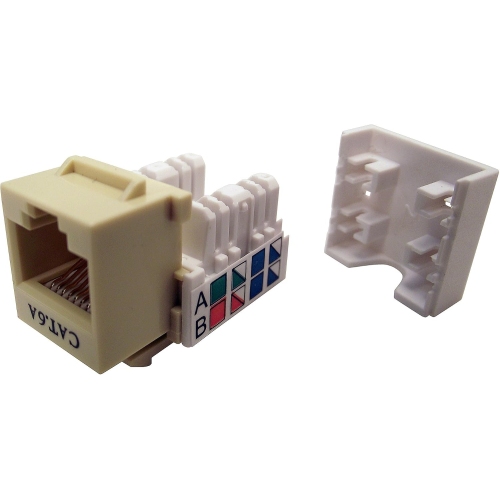
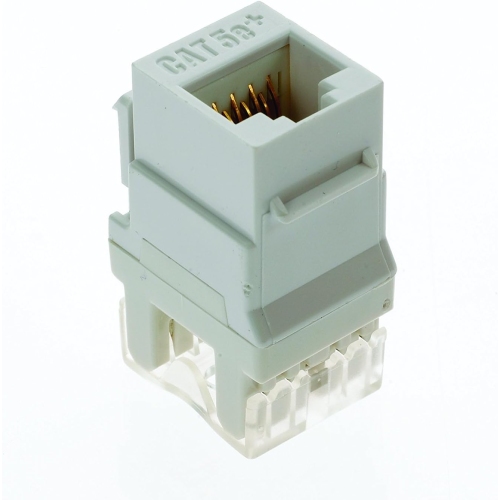
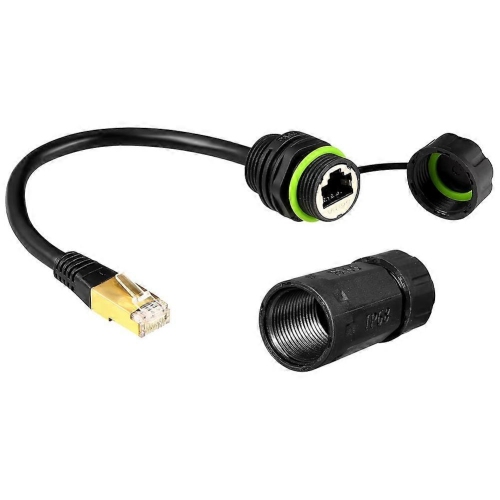
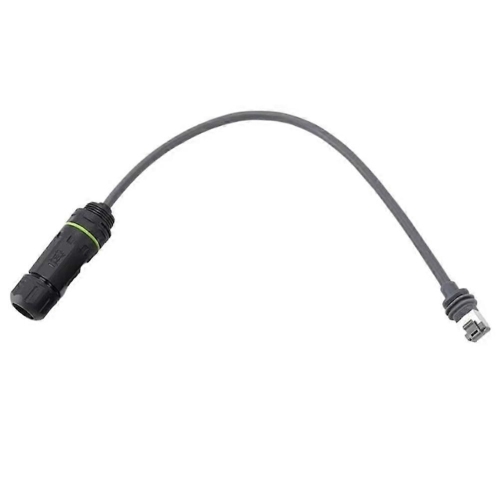




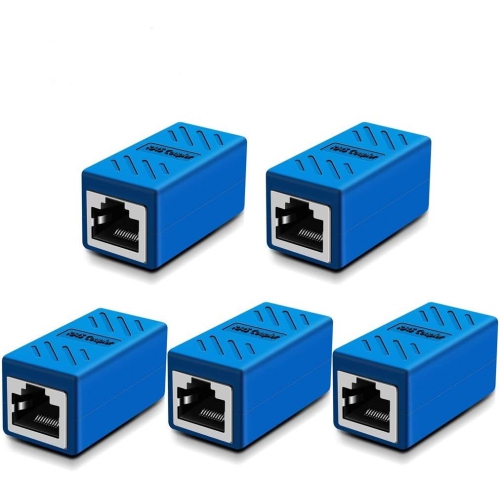

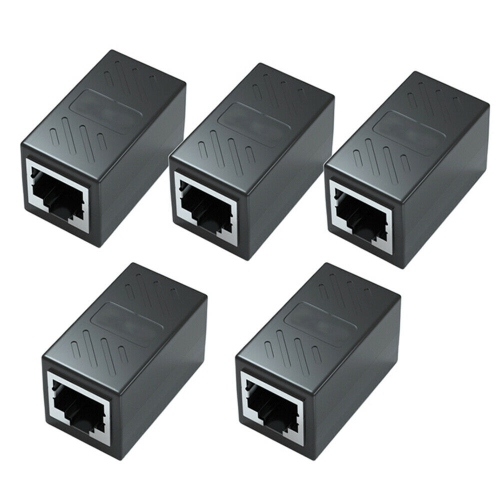

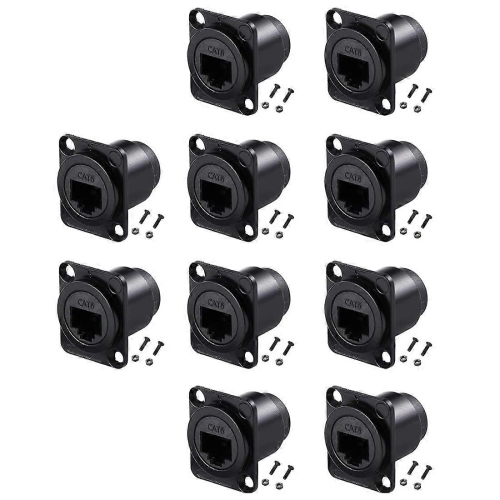

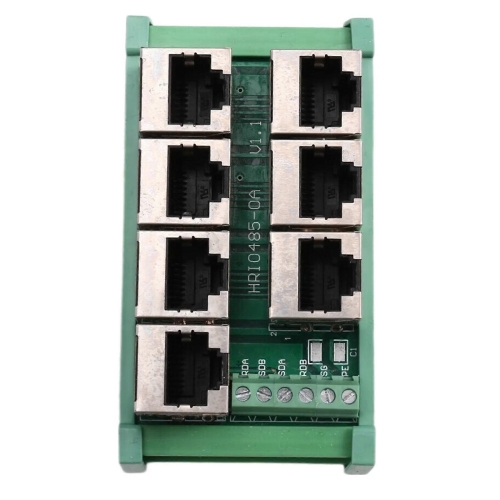
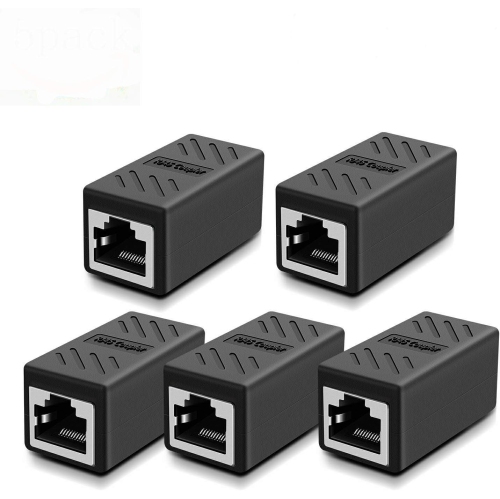

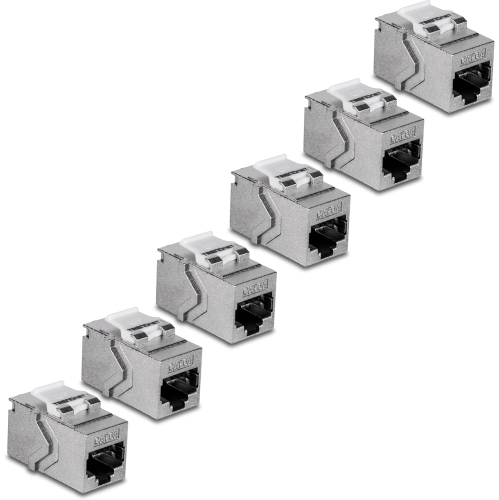
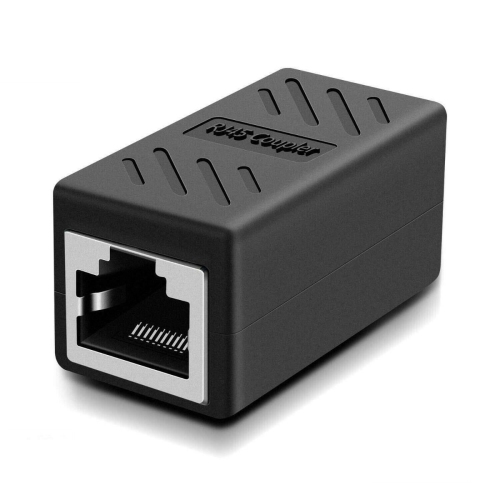
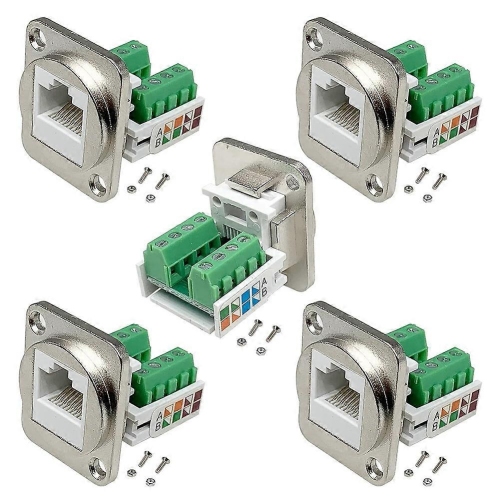


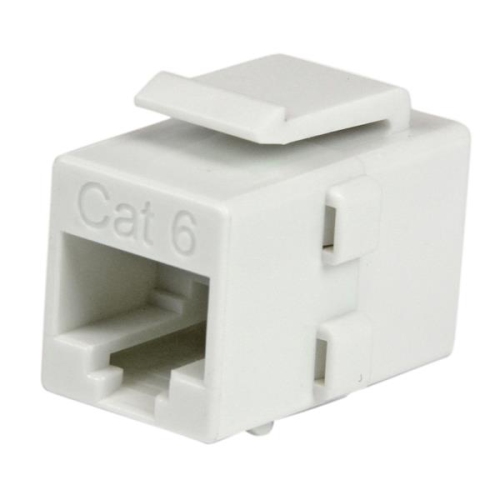
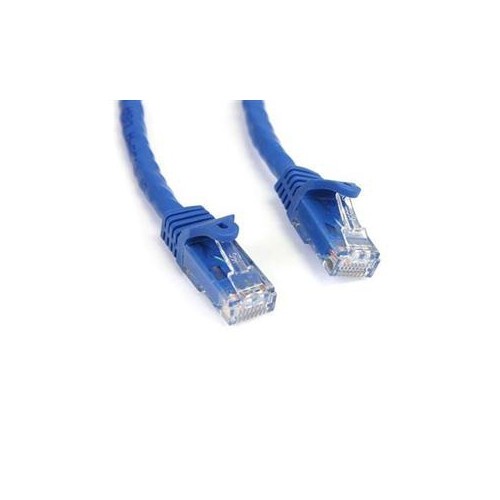
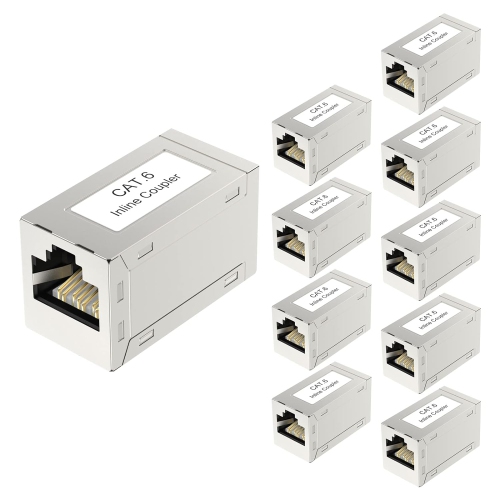
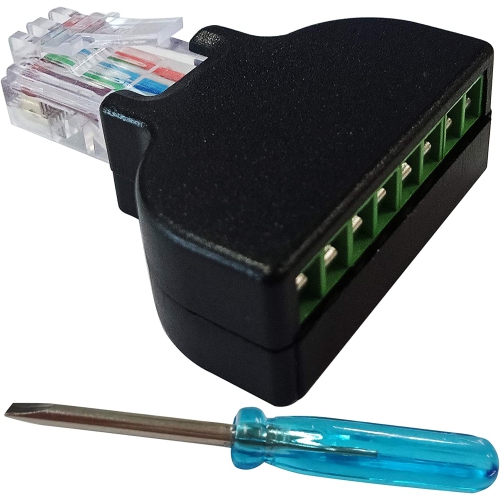


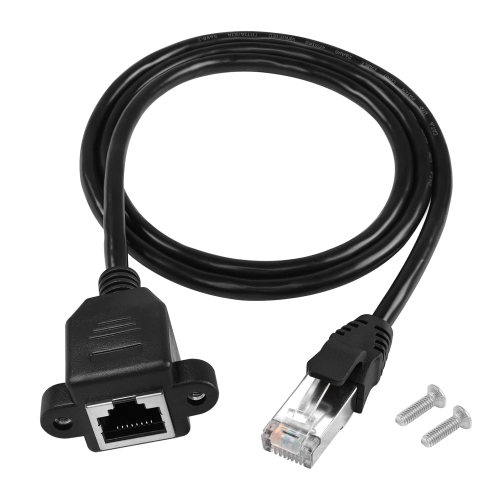
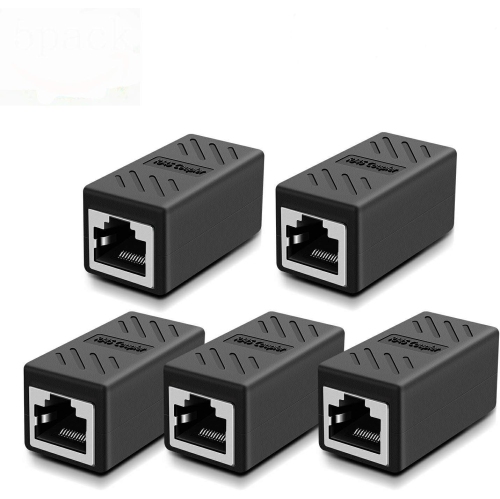
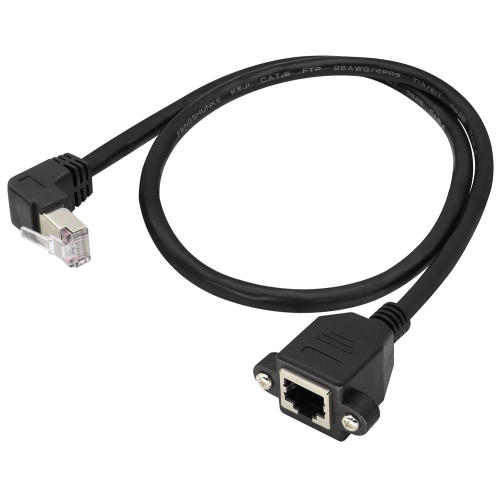

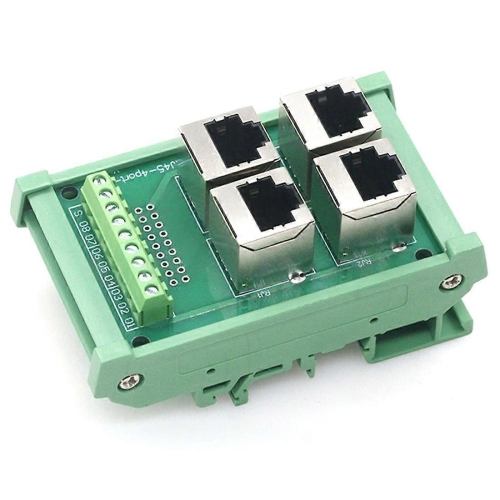
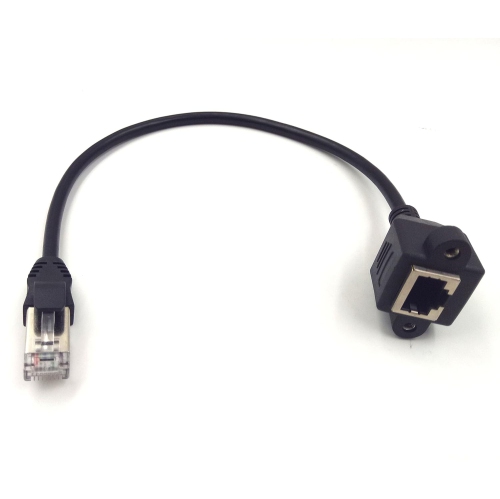
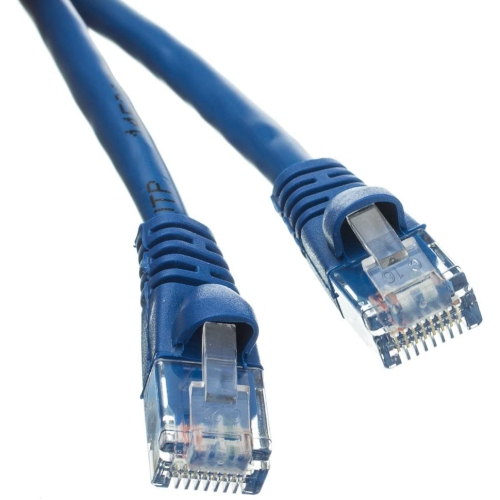

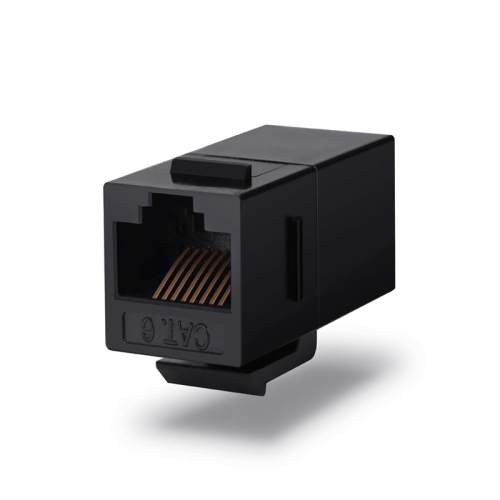





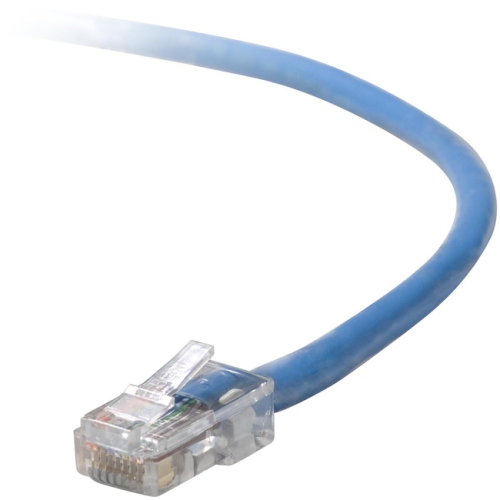
What to know about connector styles and cable compatibility
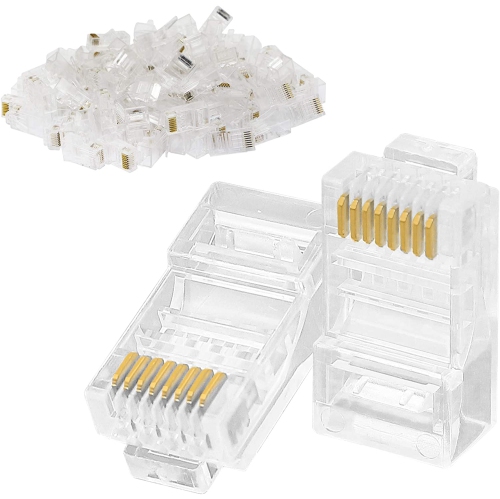
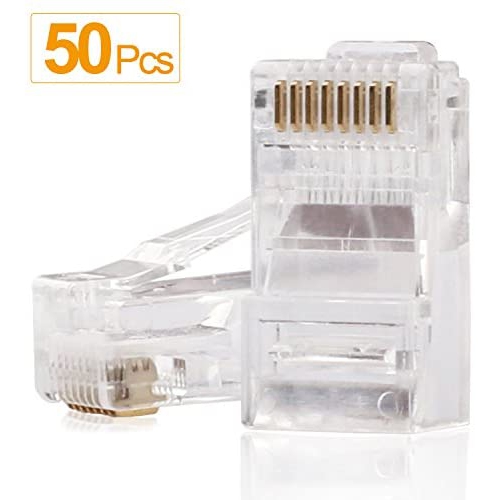
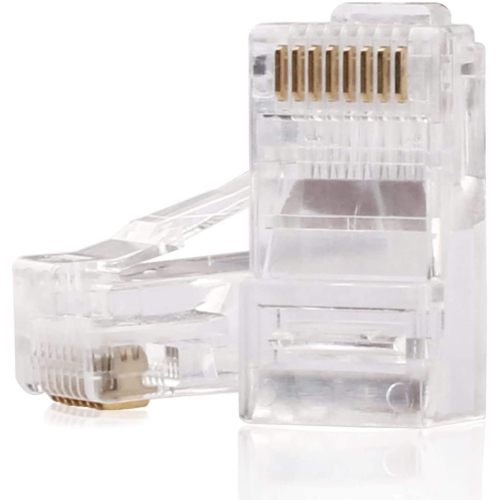
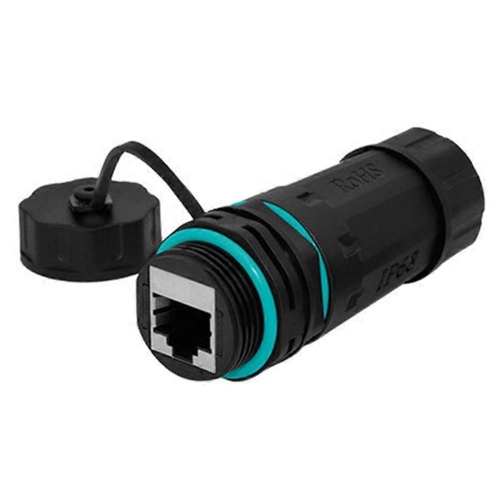
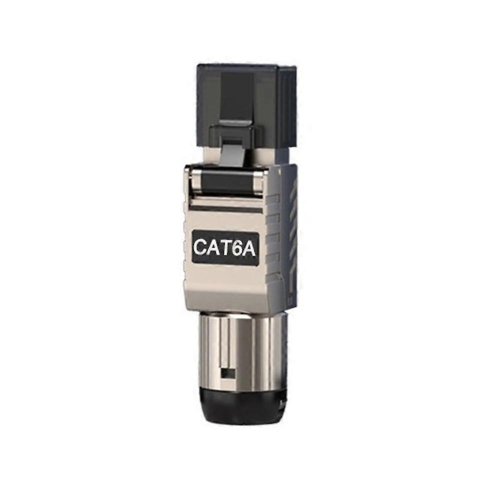
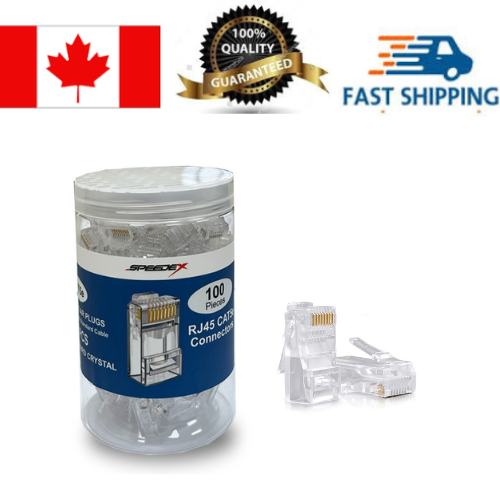
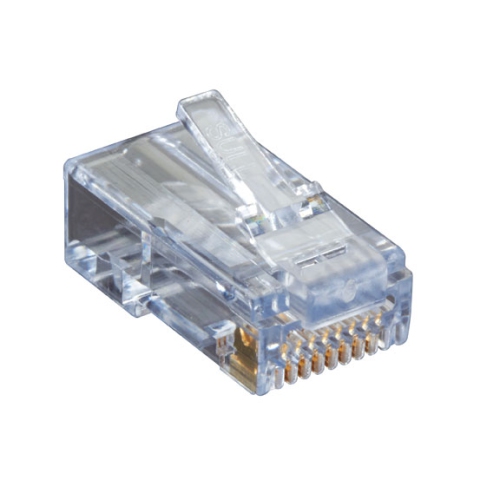
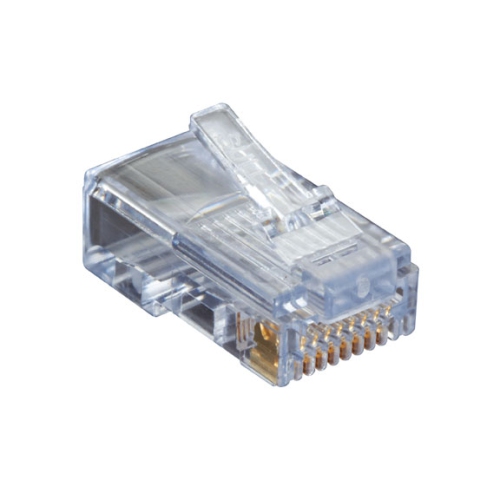
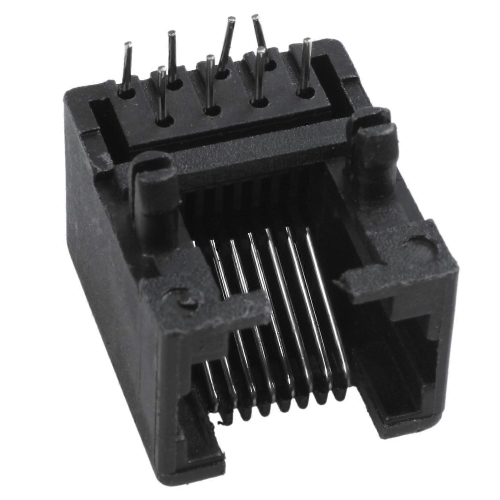
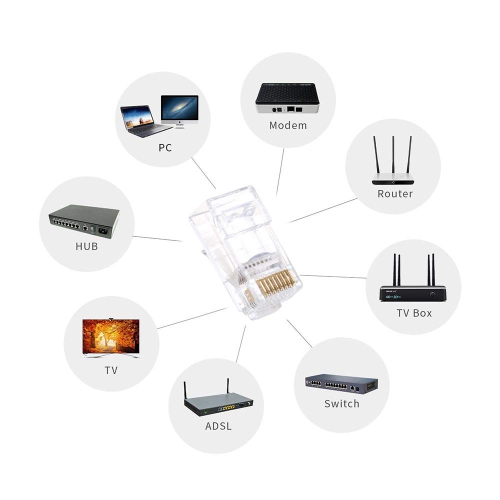
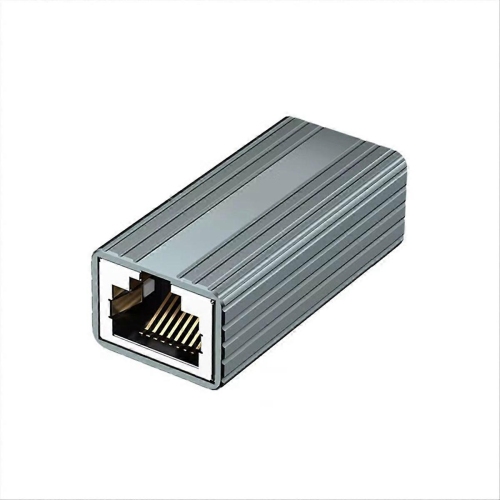
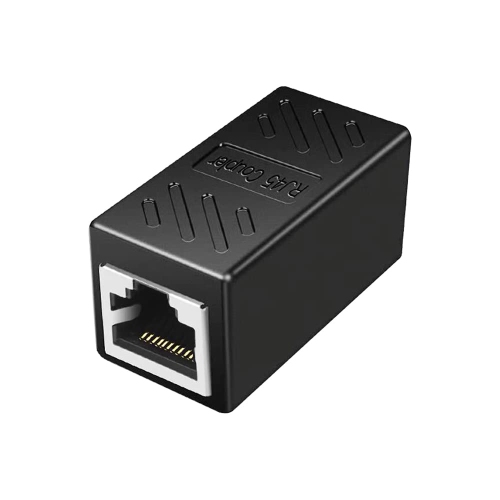
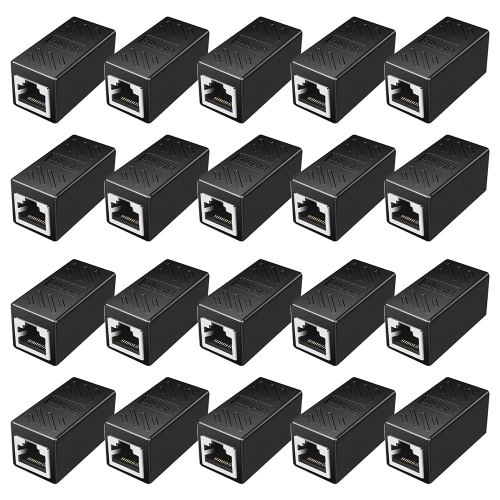
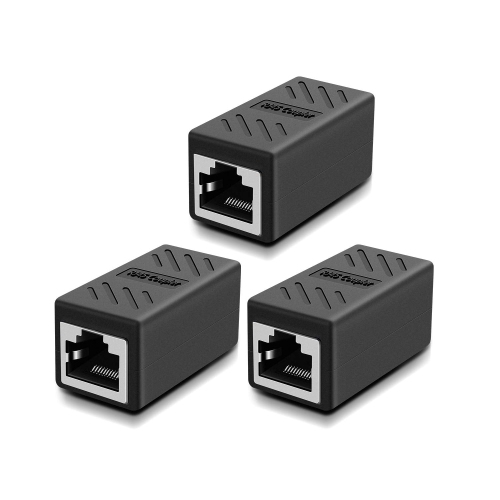
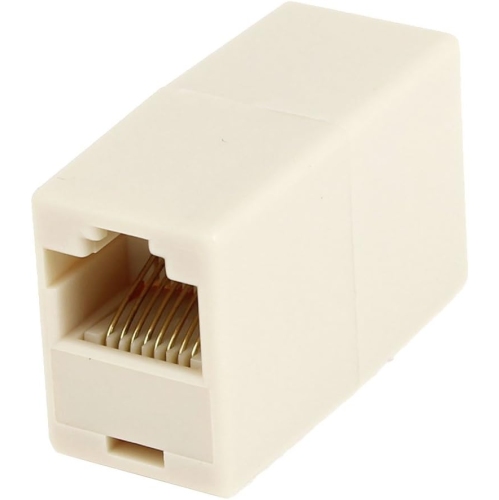
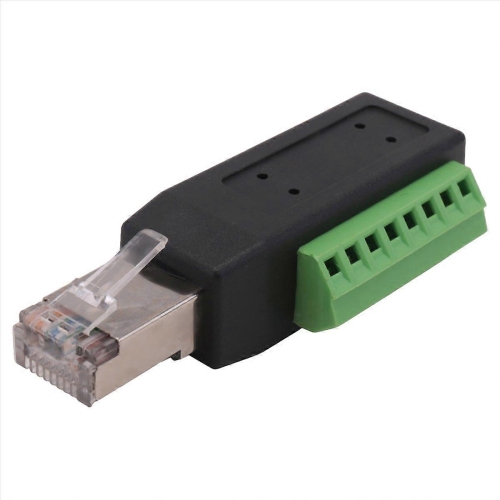
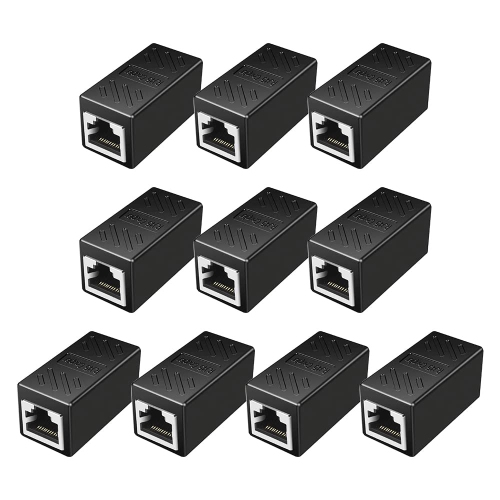
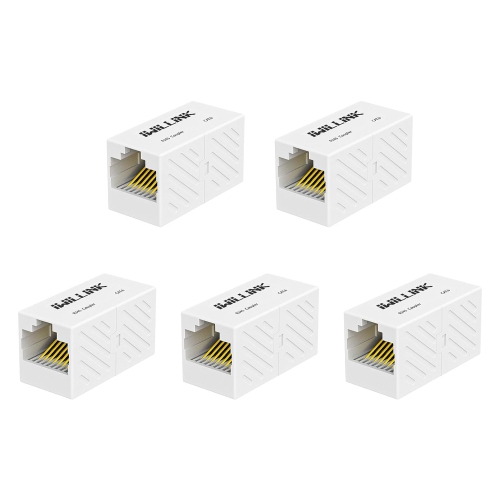
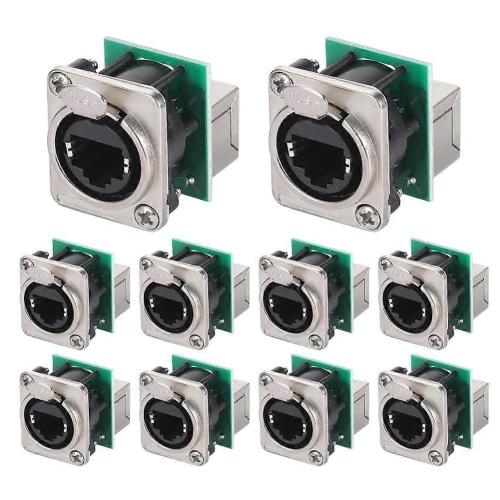
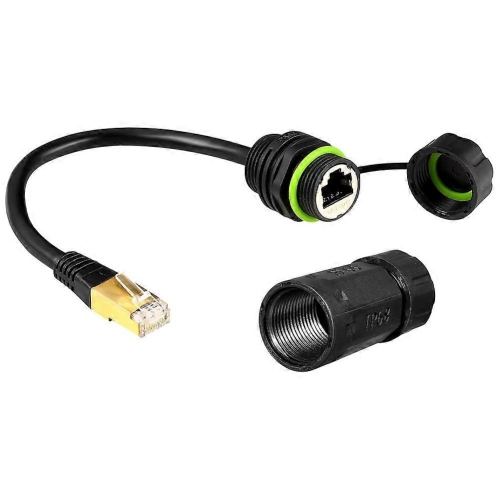
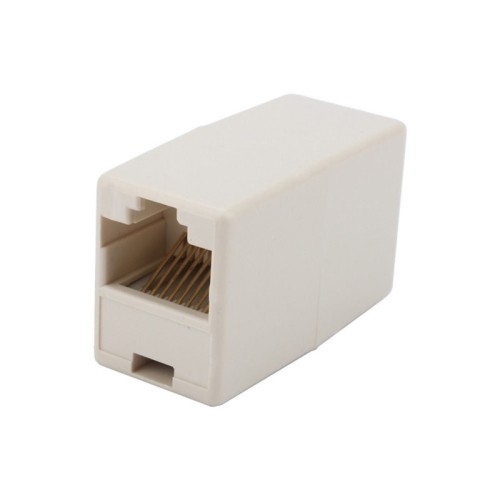
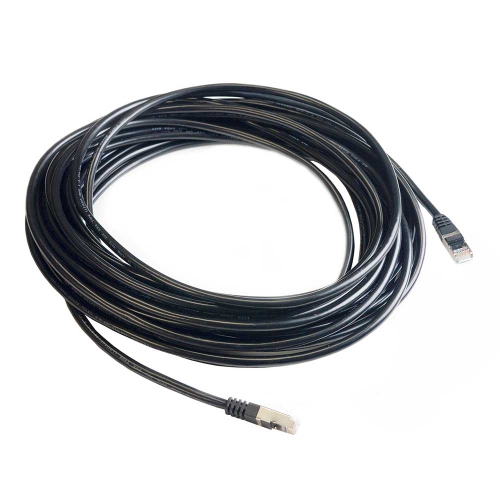
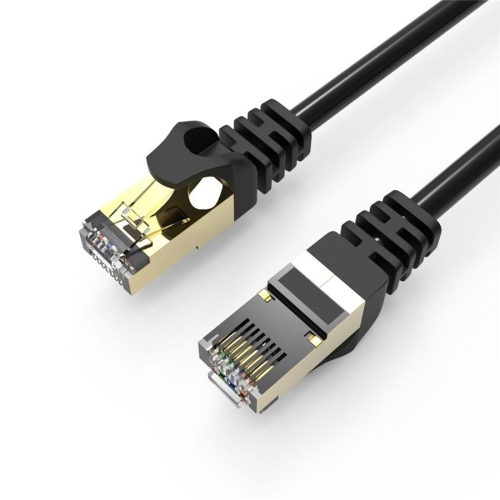
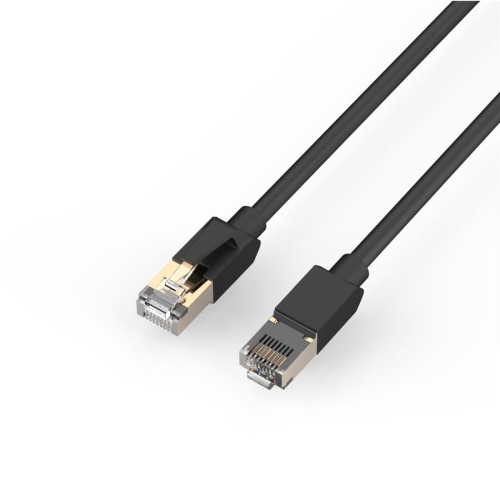
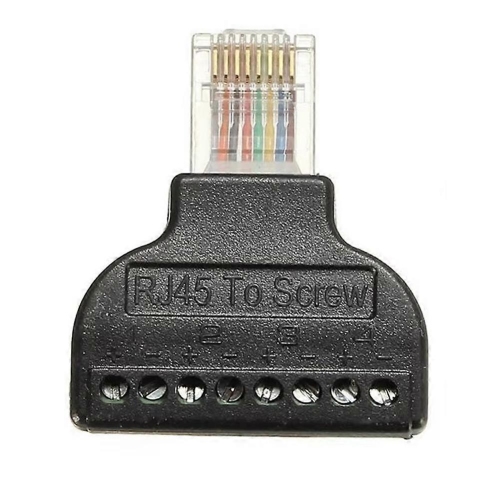
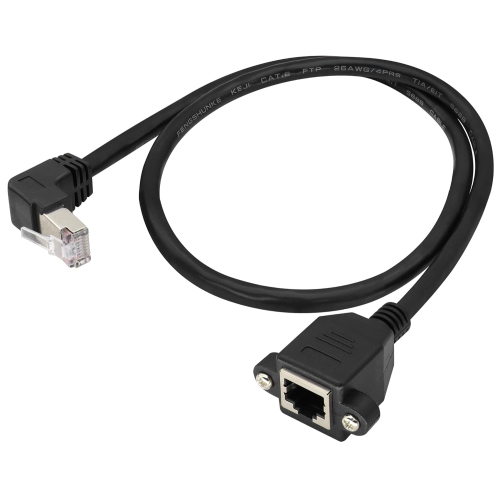
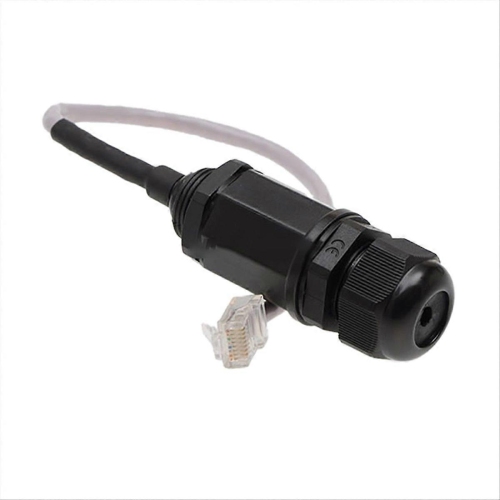
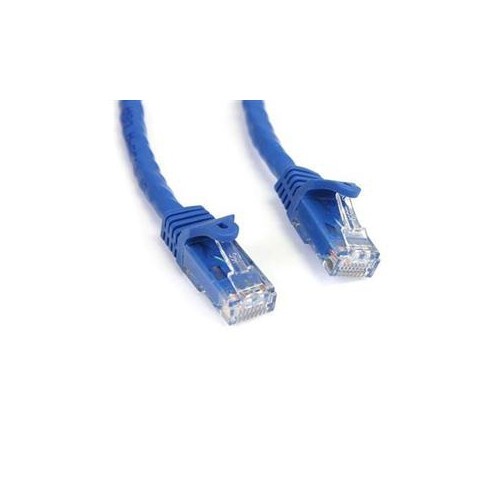
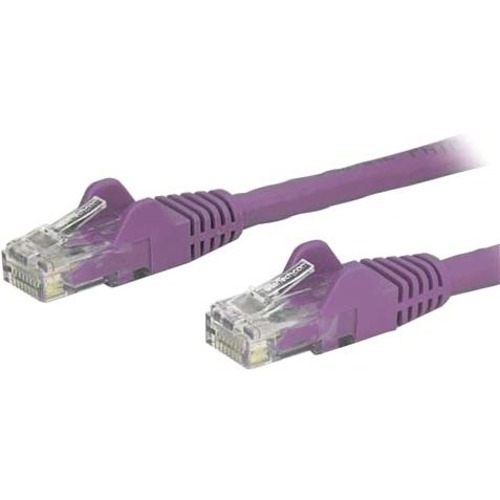
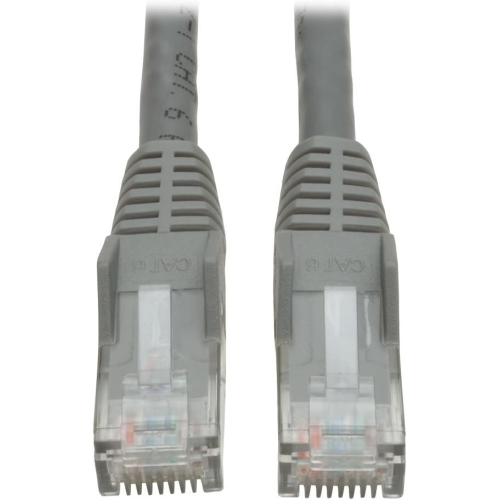
RJ45 connectors are the small but essential components used to terminate Ethernet cable for wired internet and local area networks. A properly fitted connector creates the physical connection between a network cable and equipment such as a router, switch, modem, desktop computer, game console, printer, access point, or networked camera. Although these plugs can look nearly identical at a glance, the right choice depends on the cable being used and the way the installation will be completed. RJ45 connectors typically have eight contact positions and are designed to work with the eight conductors found inside common Ethernet cable. When the wires are arranged in the correct sequence and secured with a compatible crimping tool, the finished cable can provide a neat, dependable connection for home, office, workshop, classroom, or small-business networking. Many people keep a selection of connectors on hand because a cable end can become worn, a custom-length cable may be needed, or a renovation project may call for several new cable runs. They are also useful when a cable needs to be routed through a wall, under flooring, behind furniture, or around a media cabinet before the connector is installed. For pre-made cable options that are ready to connect, browse RJ45 Network Cables alongside RJ45 connectors to match the cable length and connection style to your setup.
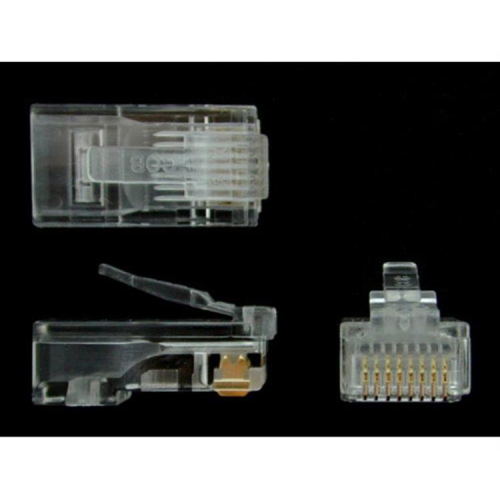
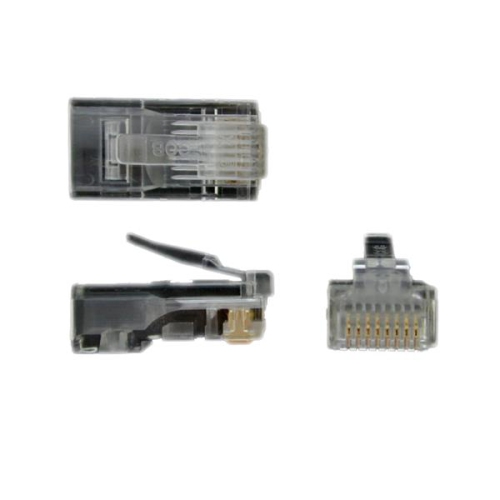
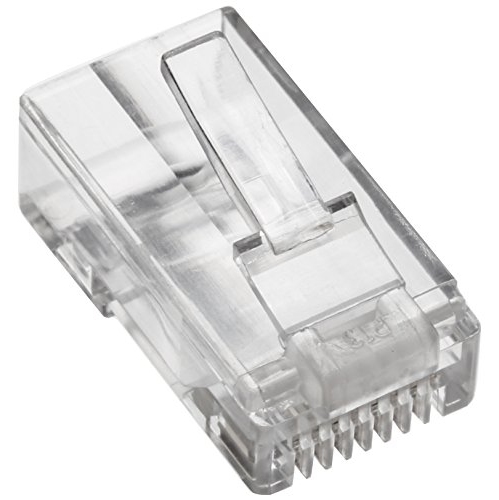
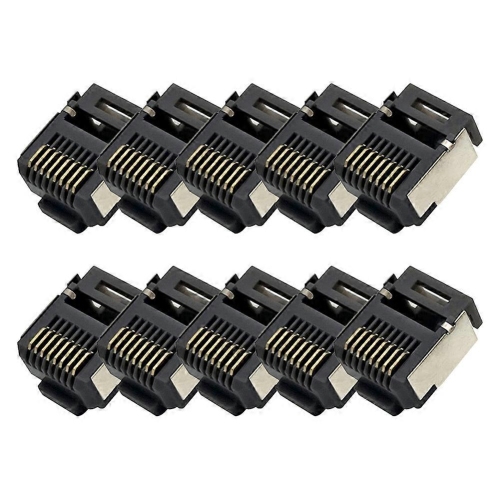
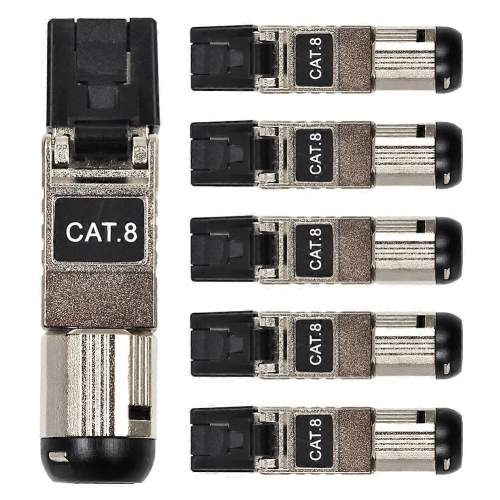
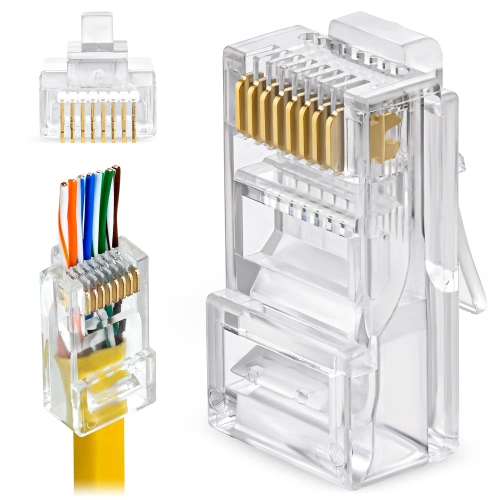
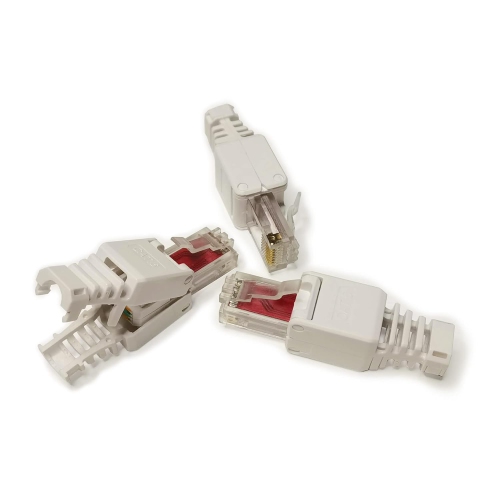
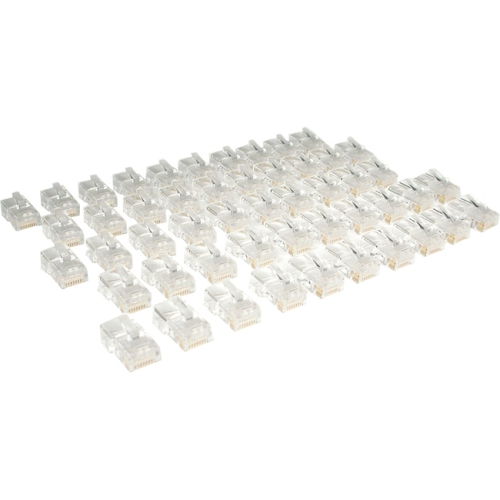
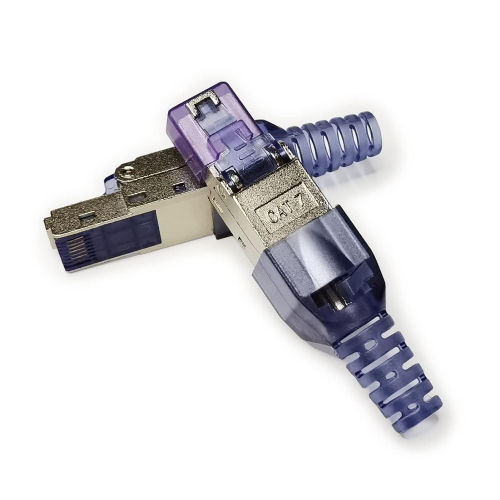
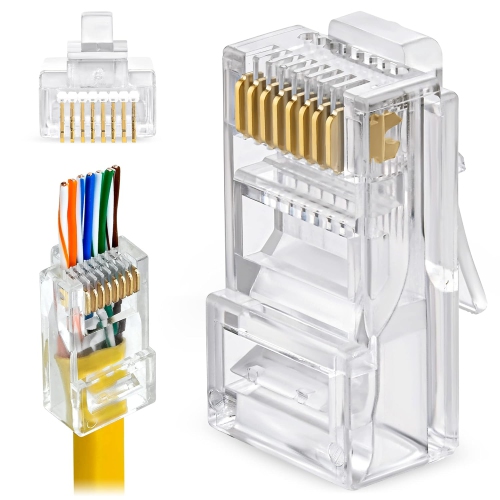
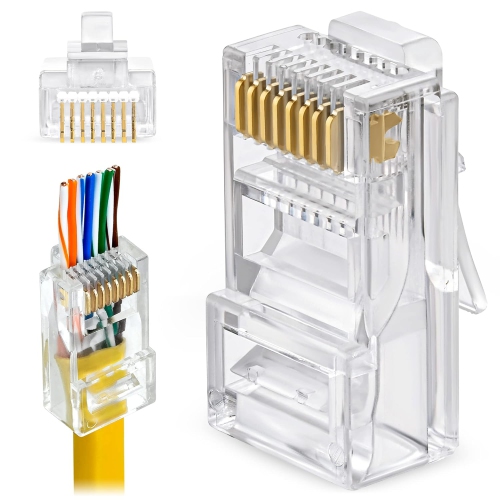
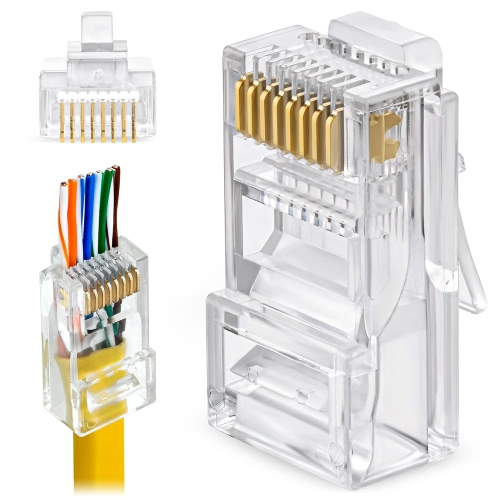
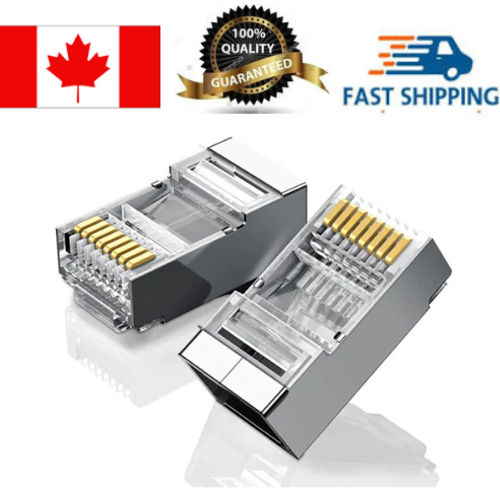
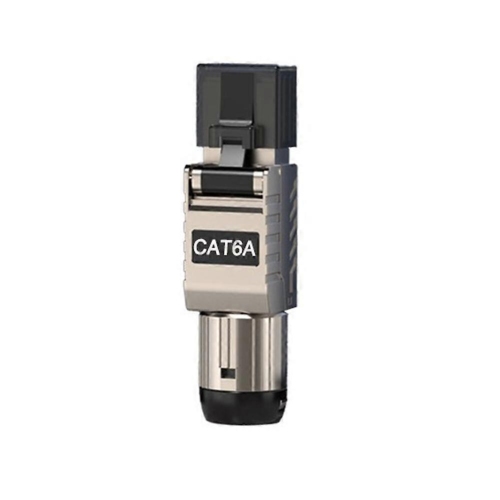
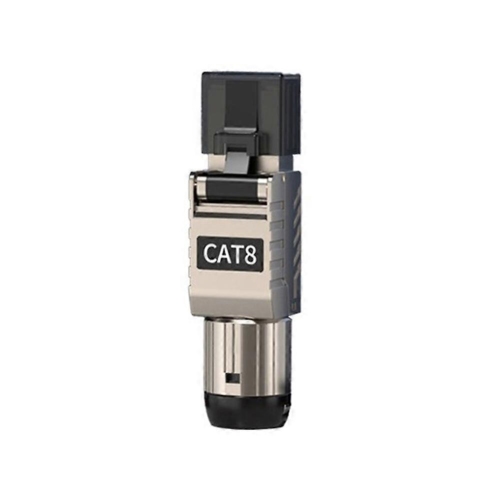
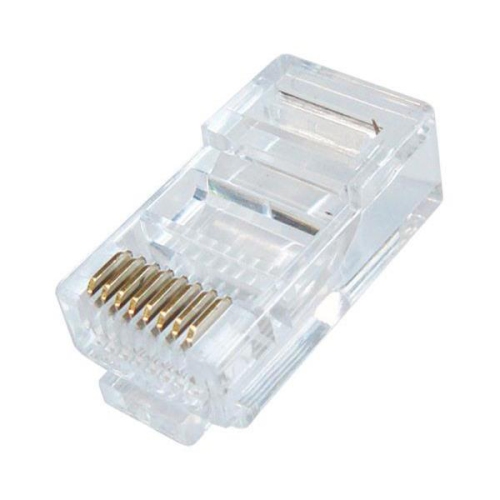
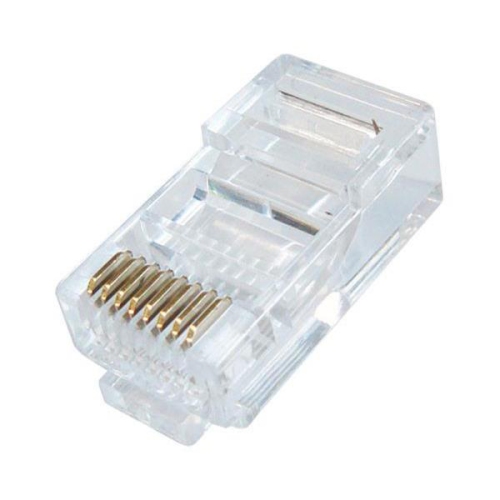
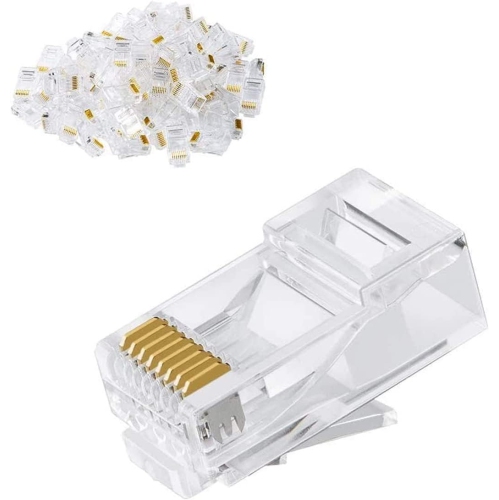
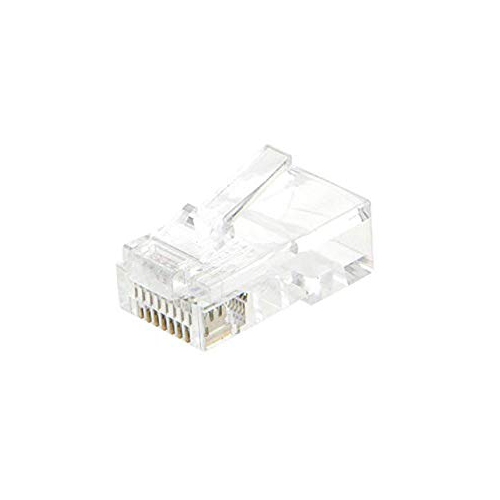
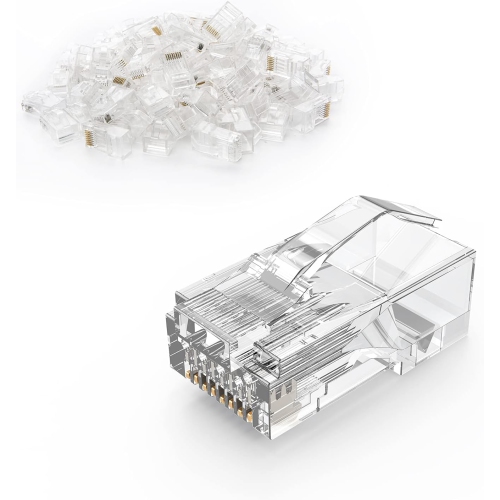
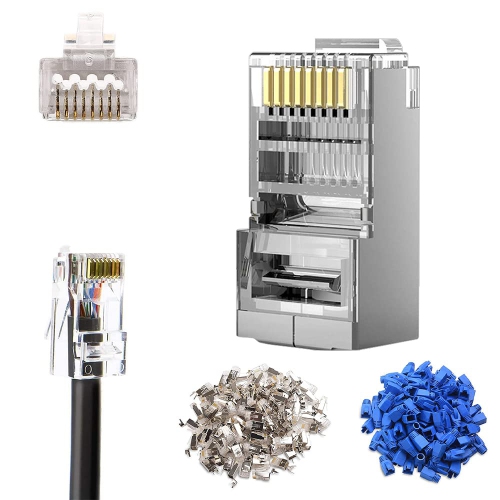
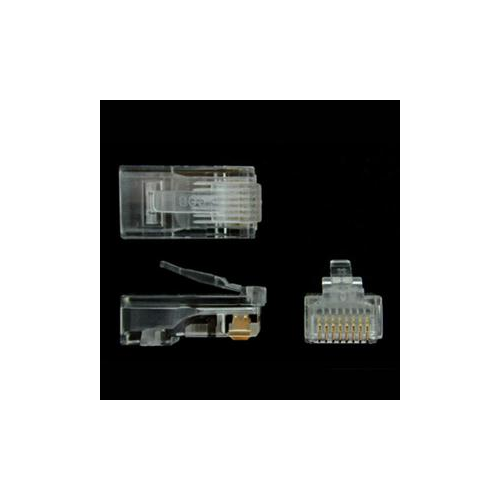
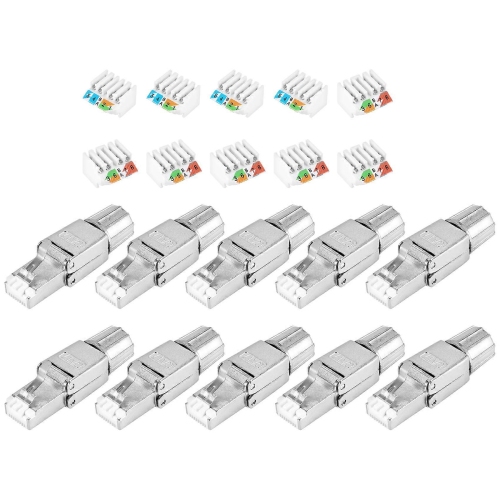
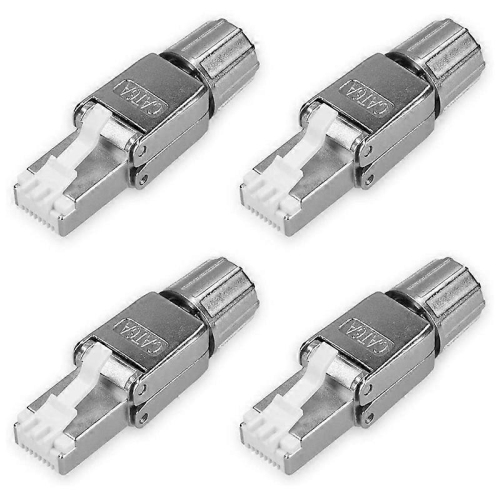
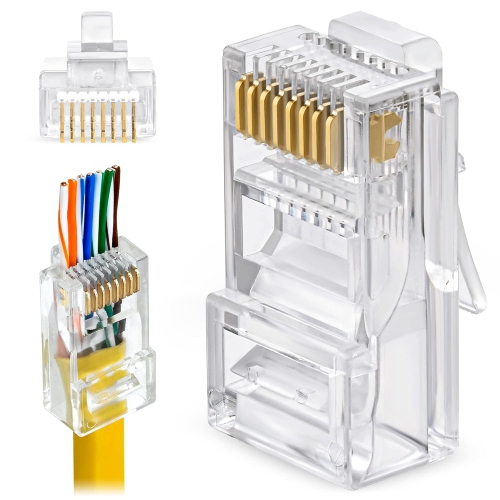
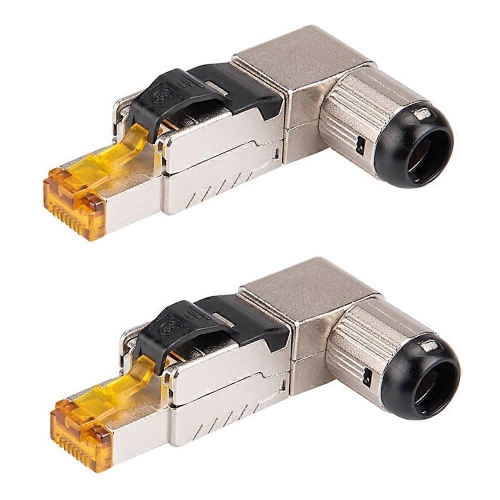
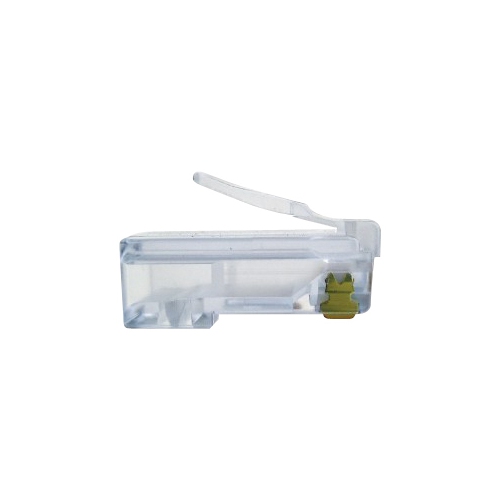
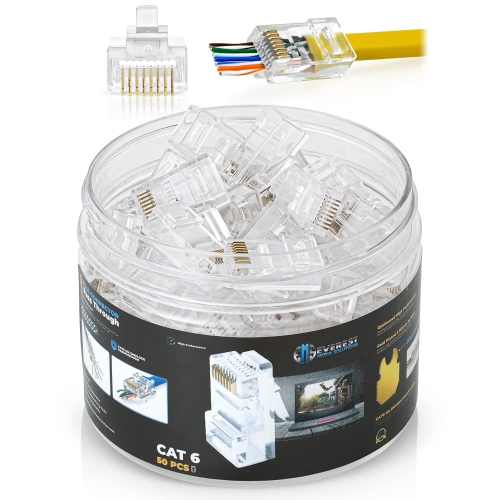
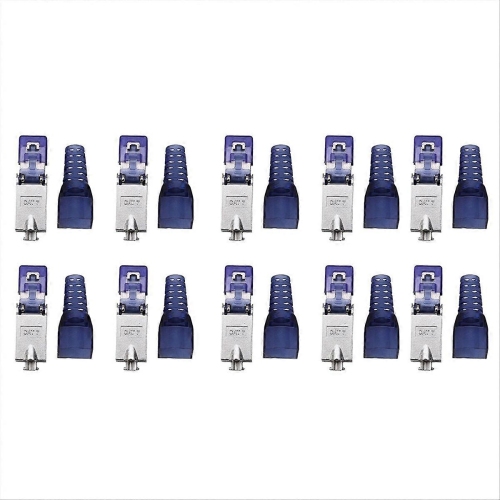
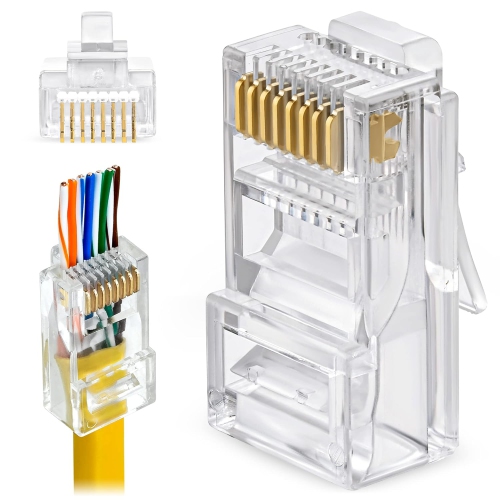
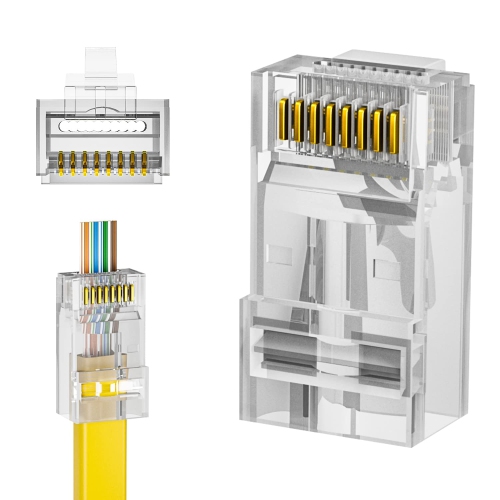
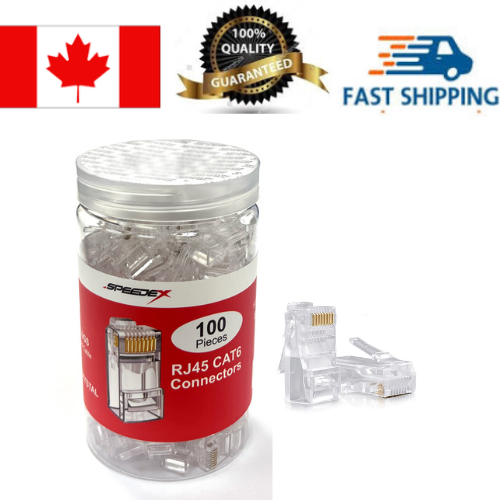
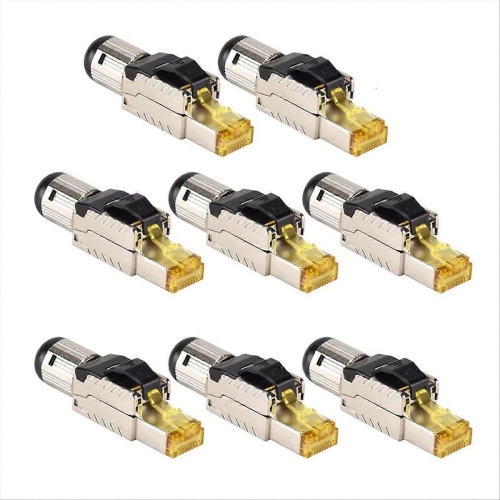
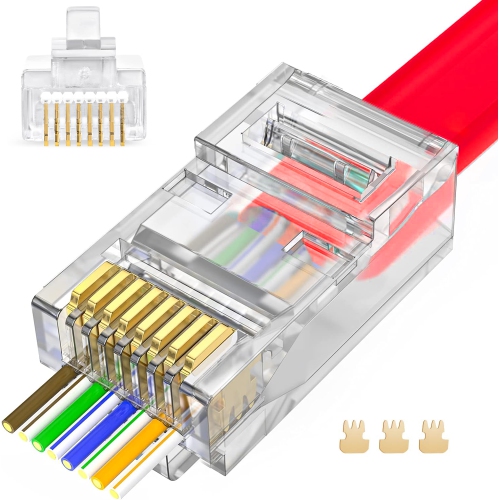
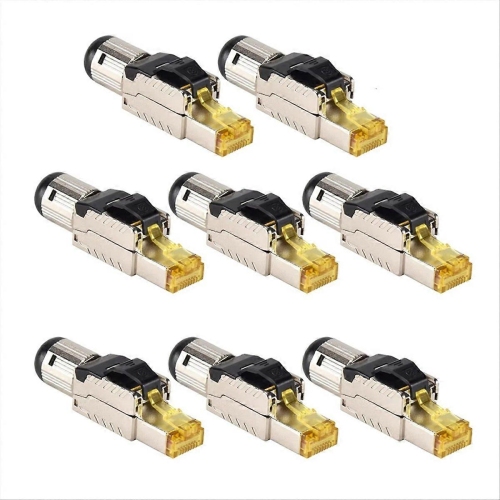
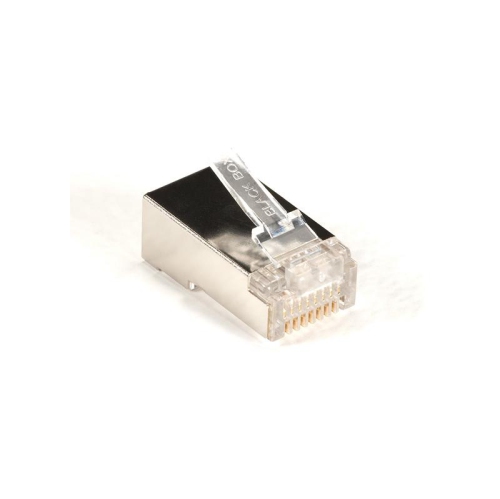
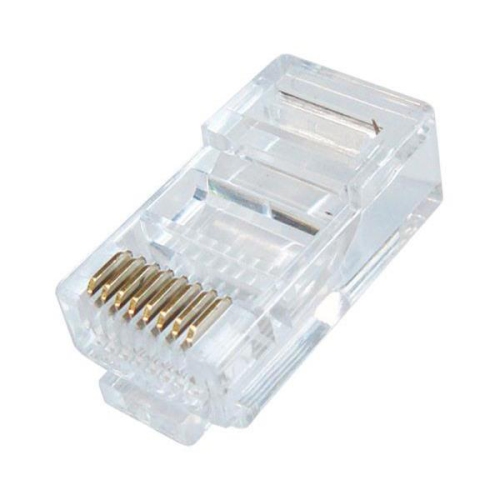
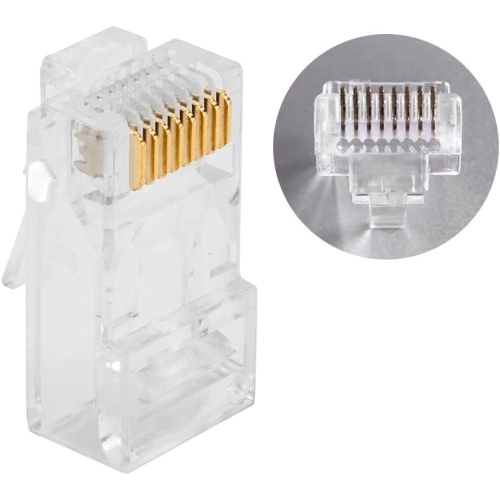
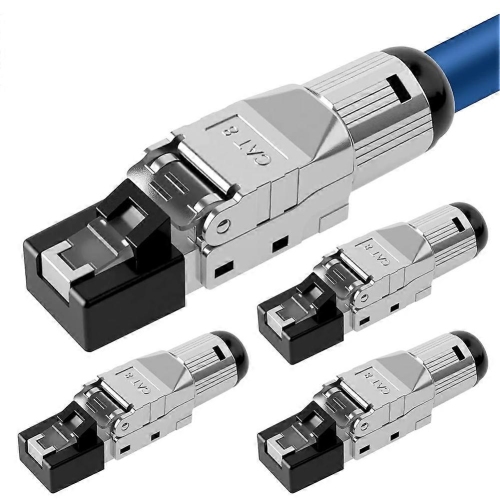
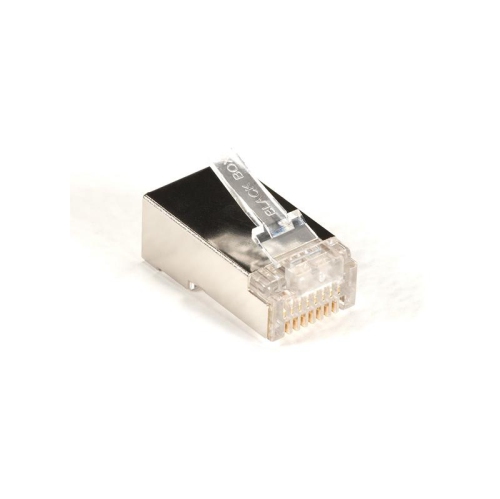
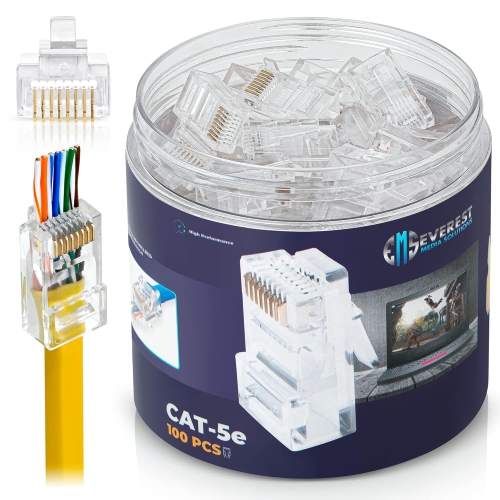
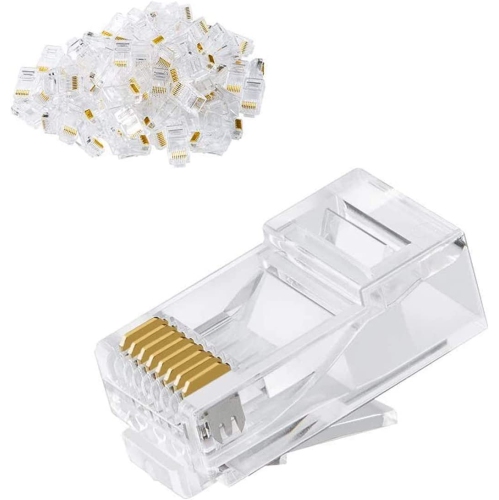
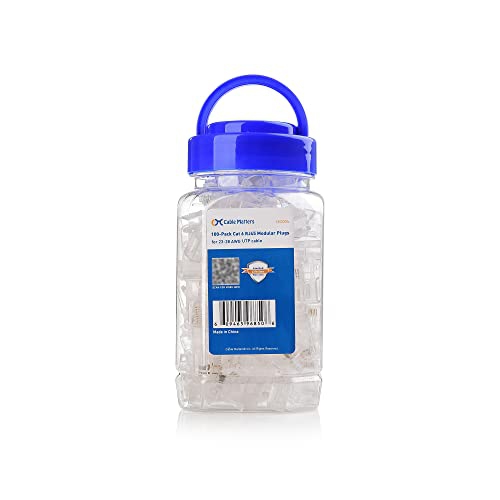
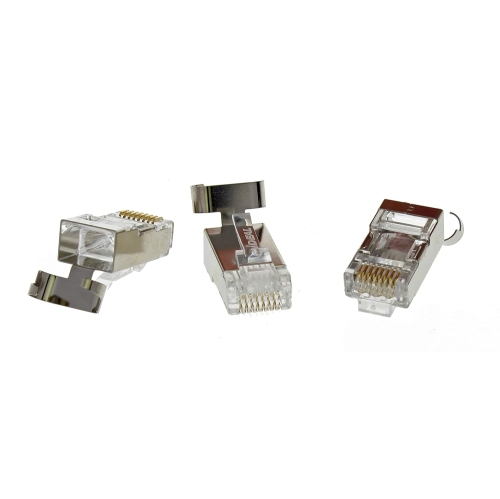
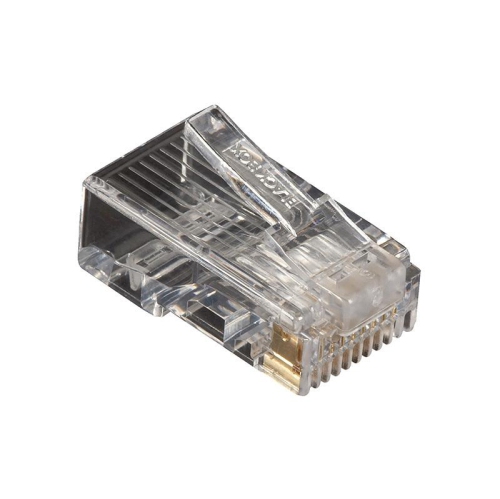
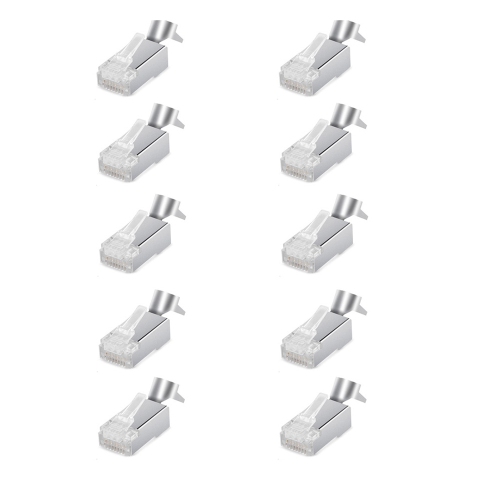
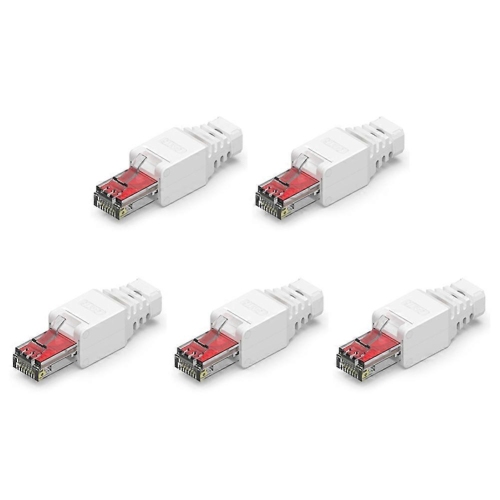
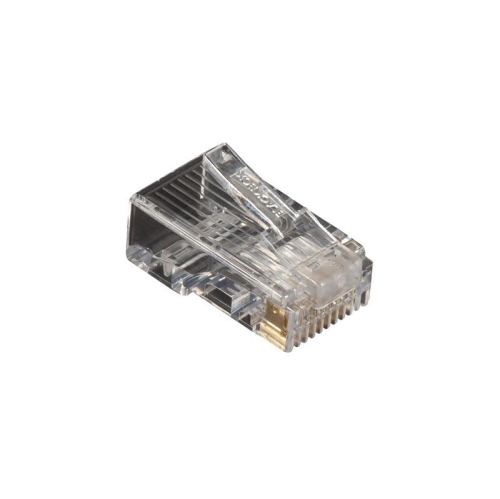
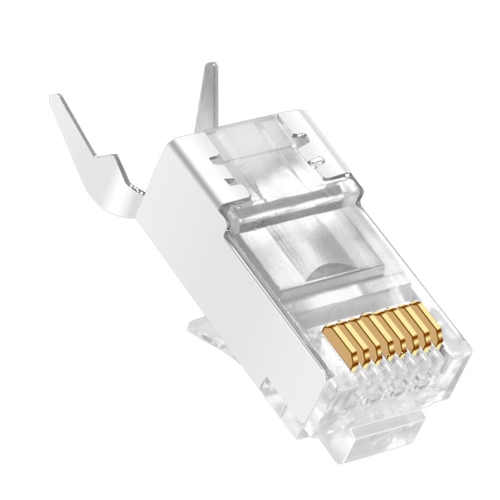
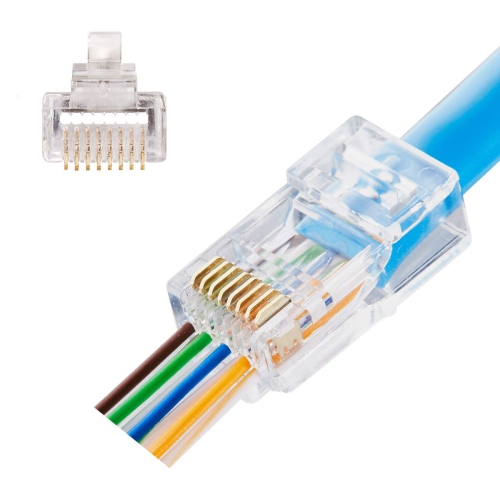
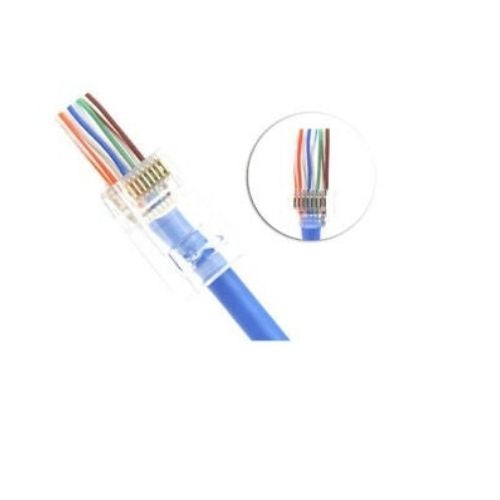
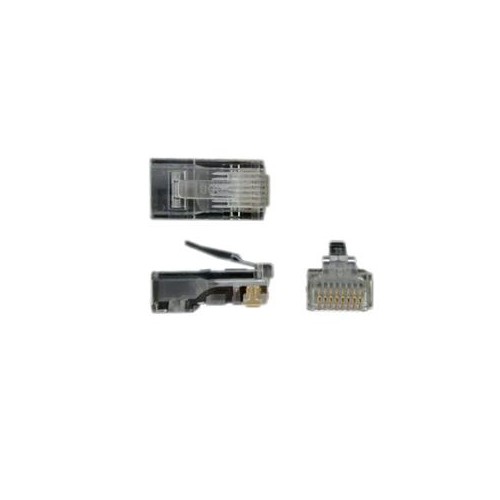
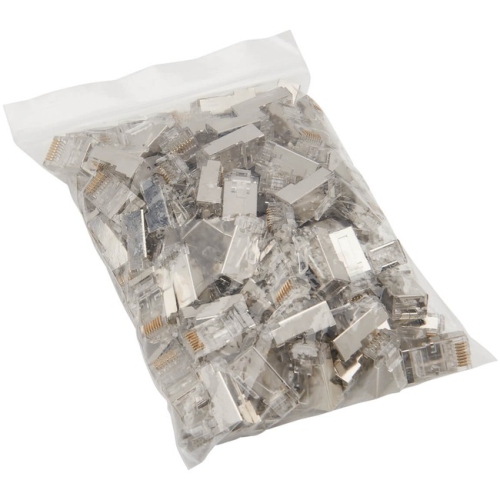
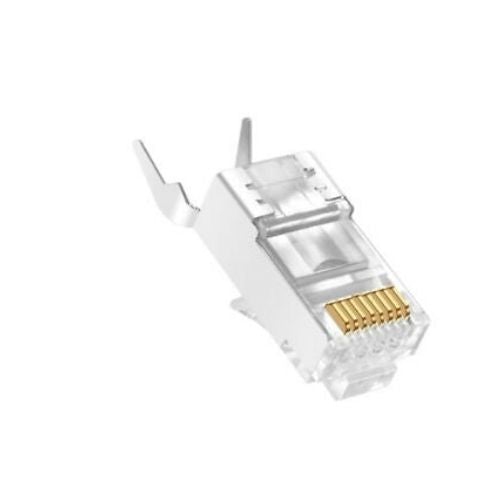
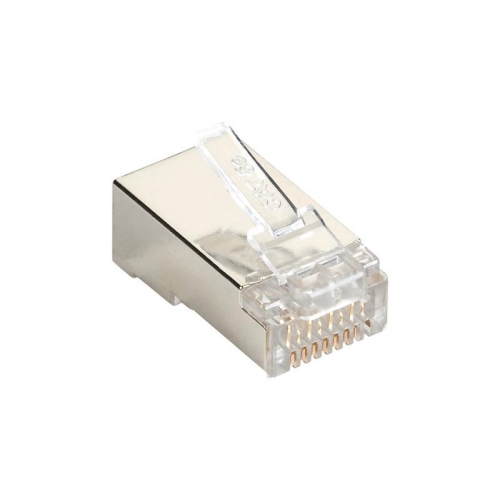
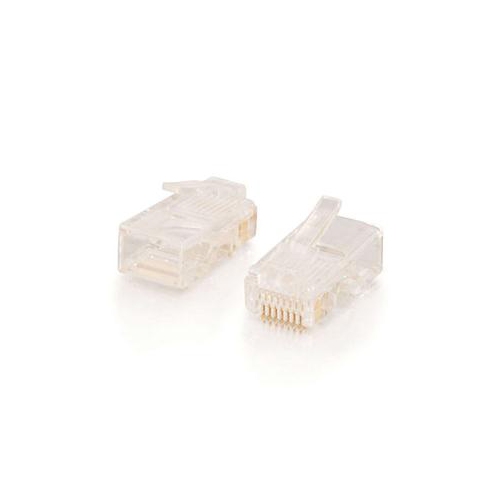
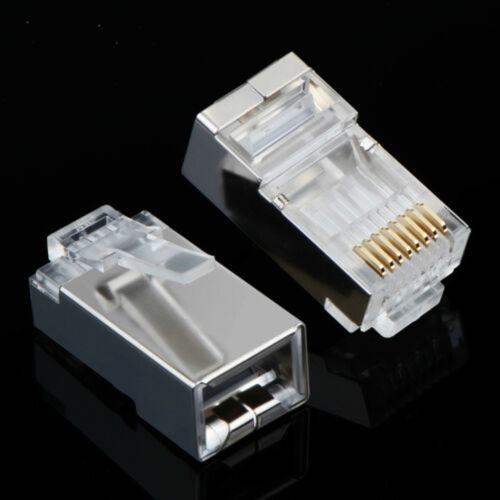
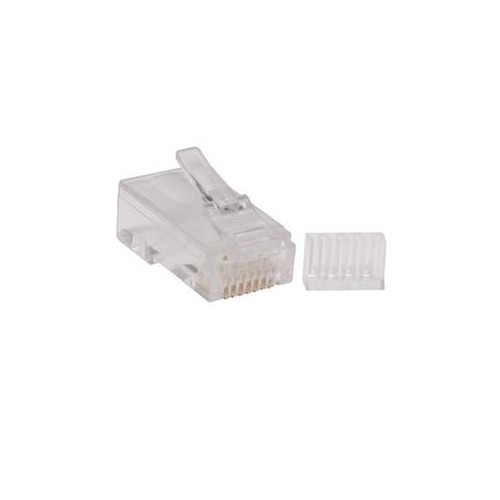
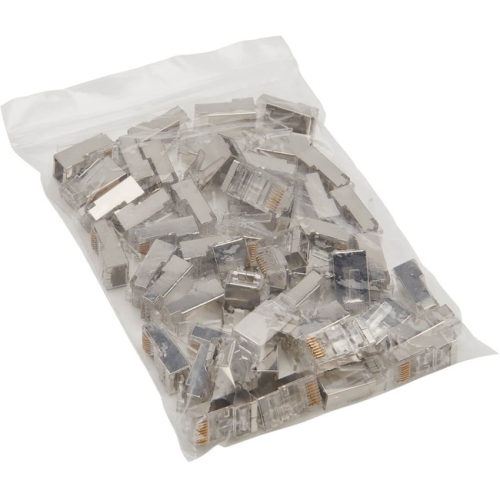
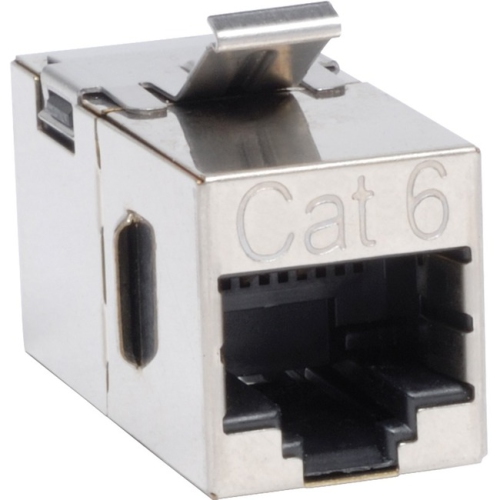
The main connector styles include standard closed-end plugs, pass-through or feed-through plugs, shielded plugs, and unshielded plugs. With a standard closed-end design, the individual wires are inserted into the rear of the plug and stop inside the connector. This familiar format can provide a clean finish when the wire order has already been carefully prepared. Pass-through connectors allow the conductors to extend through the front of the plug before crimping, making it easier to see whether each wire has reached the correct position and remained in the intended sequence. This can be especially helpful when working with longer cable runs, repeated installations, or cable colours that are difficult to distinguish under dim lighting. A compatible pass-through crimping tool is required for this style, so check the tool specifications before making a selection. Shielded RJ45 connectors feature a metal casing that can help reduce the effects of electrical interference around equipment, motors, power cables, or dense cable bundles. They are generally paired with shielded Ethernet cable and grounded network hardware as part of a complete shielded installation. Unshielded connectors are commonly used with unshielded twisted-pair cable in everyday residential and office networks. Choosing a shielded connector for an unshielded cable, or mixing connector types without checking compatibility, may not provide the expected result. Connector packs also vary by cable category and conductor design. Cat5e and Cat6 cables are widely used for wired networking, but their outside diameter, insulation thickness, and internal construction can differ. Some plugs are made for solid-core conductors, while others are intended for stranded conductors; certain designs support both, but the packaging details should be confirmed. Solid-core cable is often selected for permanent runs through walls or along structured cabling routes, while stranded cable is flexible and convenient for shorter patch cables that move regularly. The connector must fit the cable gauge and jacket diameter so the contacts can meet the conductors correctly and the strain relief can hold the cable securely.
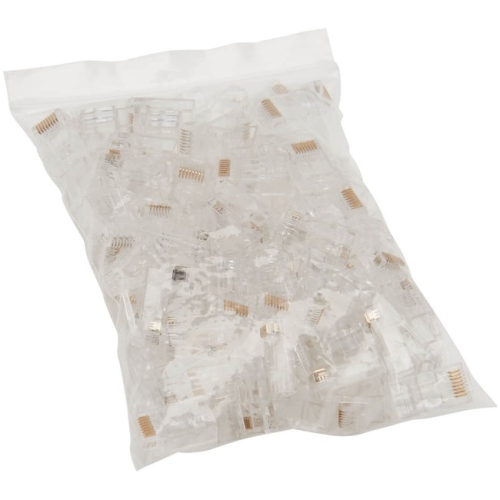
A successful termination begins with the right preparation. Measure the cable carefully, leave enough length for routing and movement, then remove only the necessary amount of outer jacket without nicking the twisted pairs inside. Untwist the conductors as little as possible, arrange them according to the chosen wiring standard, and compare the sequence carefully before inserting them into the connector. With a pass-through design, the wire order can be inspected at the front of the plug; with a closed-end design, taking a moment to line up the conductors before insertion is especially important. The contacts should be pressed evenly with a suitable crimping tool, and the finished cable should be tested with a network cable tester before it is installed behind a wall or furniture. A tester can identify common faults such as an open connection, crossed wires, reversed pairs, or an incomplete crimp. It is also worth checking that the connector latch is intact and that the cable jacket sits far enough inside the plug for the strain relief to grip it. RJ45 connectors are a practical addition to a home networking kit, an electronics drawer, or a technician’s tool case, particularly for people who maintain their own wired connections, build a home office, upgrade a media room, or install networking equipment in a basement, garage, or workshop. They may not be a traditional gift, but a well-chosen multipack can be useful for a family member who enjoys hands-on projects, manages a home server, or regularly repairs cables instead of replacing an entire run. Pack quantity is another consideration: a small pack suits an occasional repair, while a larger pack can be more convenient for several rooms, new construction, classroom setups, or ongoing service work. During the cooler months, when more time is often spent indoors, reliable wired connections can support streaming, online learning, video calls, gaming, file transfers, and smart-home equipment without adding unnecessary clutter. Checking cable category, conductor type, shielding, connector style, cable diameter, and tool requirements before purchase helps ensure that the finished connection fits the intended network and performs as expected.
Top selling and popular products
-
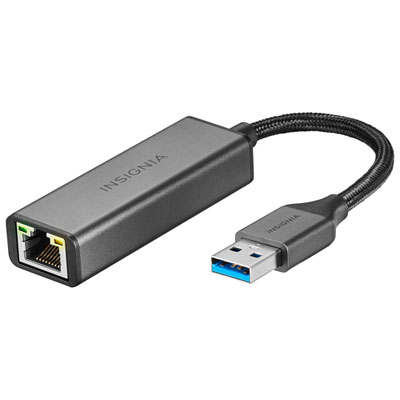 Your price for this item is $39.99
-
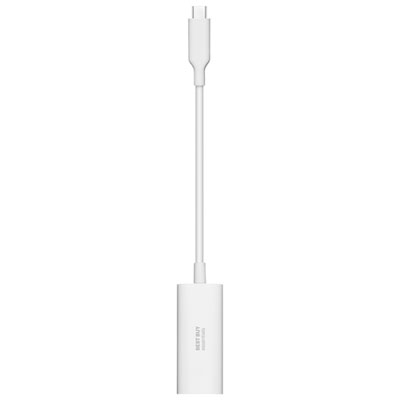 Your price for this item is $19.99
-
 Your price for this item is $88.68
-
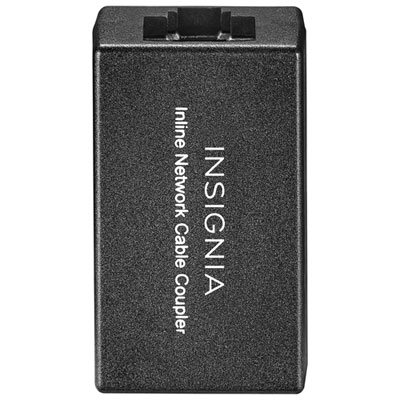 Your price for this item is $14.99
-
 Your price for this item is $108.68
-
 Your price for this item is $40.99
-
 Your price for this item is $65.32
-
 Your price for this item is $78.49
Discover more categories related to RJ45 Connectors
Top Collections:
Pokemon Centers, Kindle Devices, Best Cameras for Sports Photography, Pokémon 30th Celebration Cards, Apple iPhones 16, Canon G7X Cameras, iPhone 15 Apple, Flip Phones, Samsung Galaxy Phones, Alarm Clock
Some products may be subject to Environmental Handling Fees
(EHF) depending on your province.
Learn more about EHFs.