Toggle Switches
Toggle switches are essential components in electronic devices, offering a simple yet effective way to control power and functionality with just a flick. Whether you're a DIY enthusiast, an electrician, or a tech-savvy individual looking to upgrade your gadgets, toggle switches provide a convenient solution for managing various systems. From basic on/off functions to more specialized applications, these versatile switches come in a range of styles and configurations to suit your specific needs. Explore our selection of toggle switches to find the perfect fit for your next project or repair job.
Sort
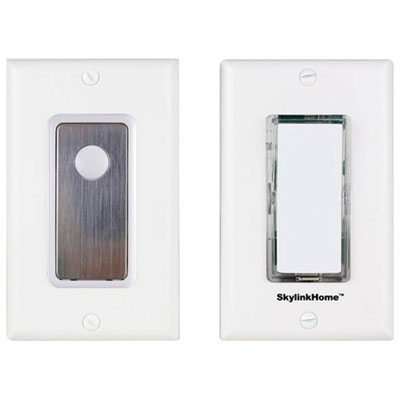
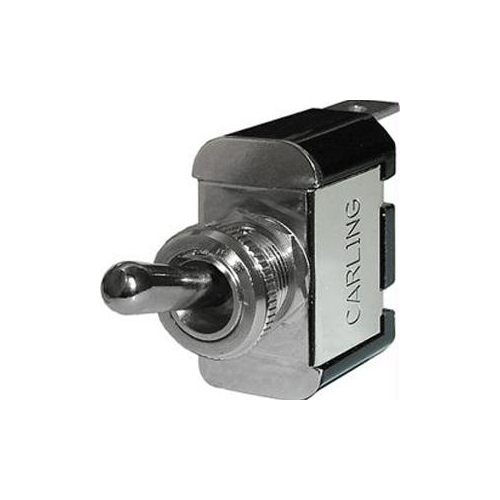
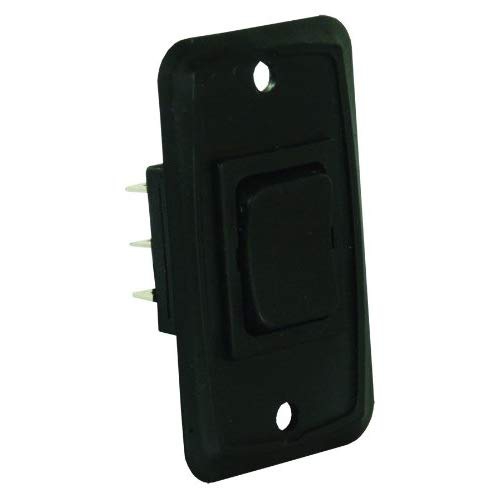
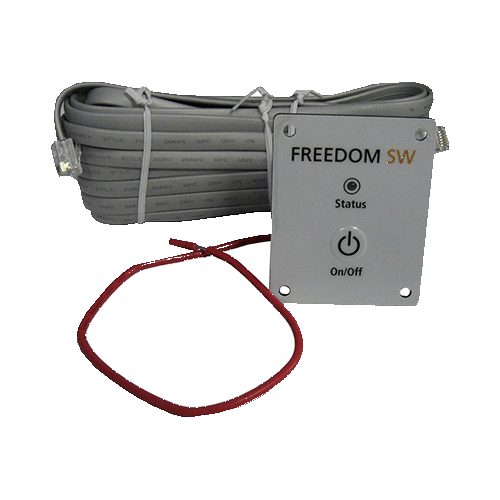

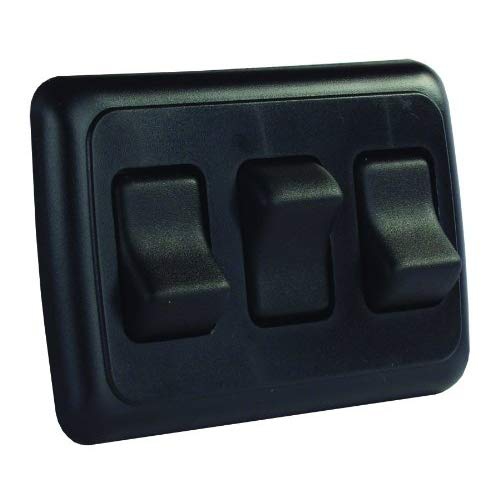
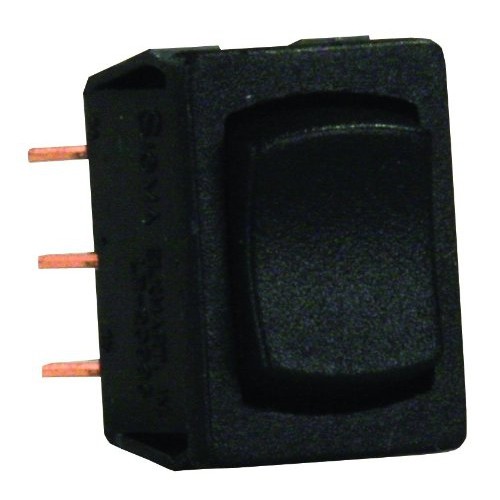
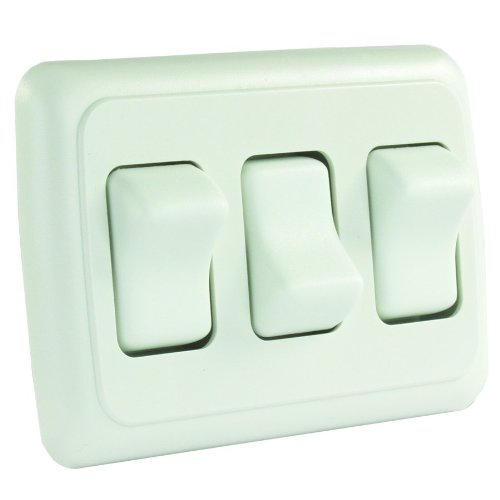
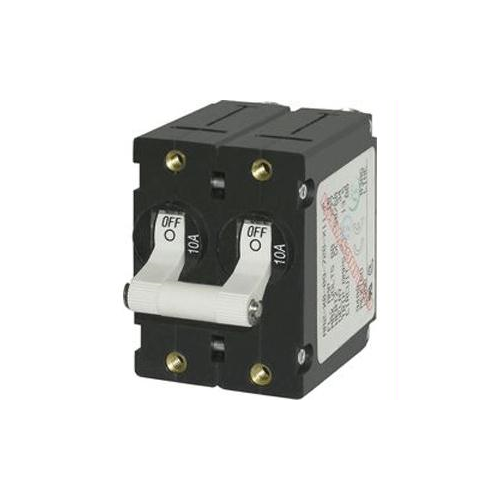
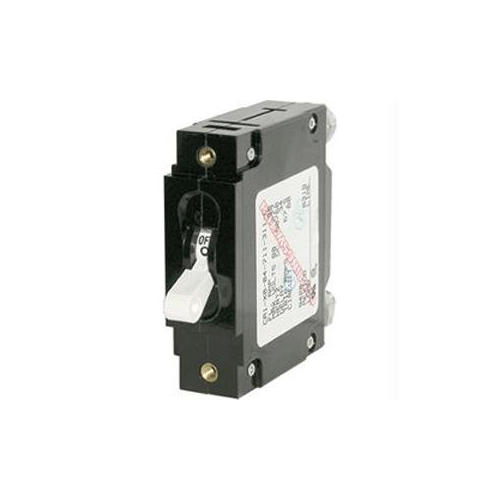
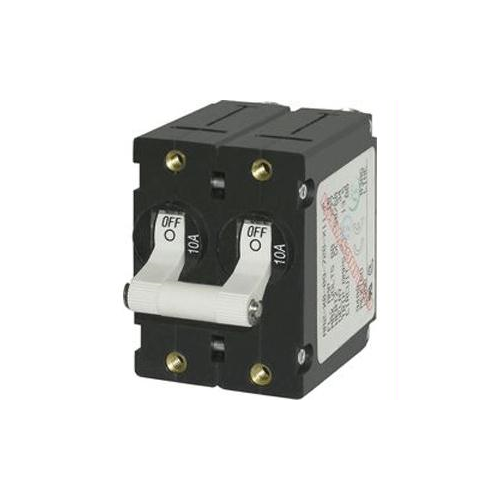
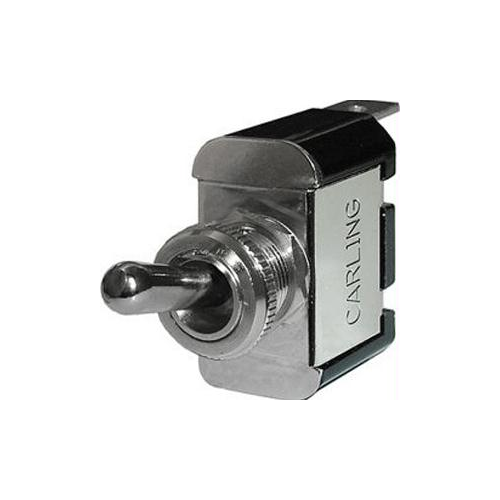
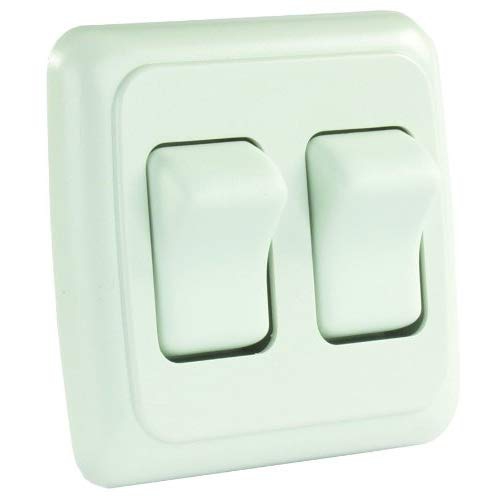

Maintained or momentary: matching switches to circuit needs
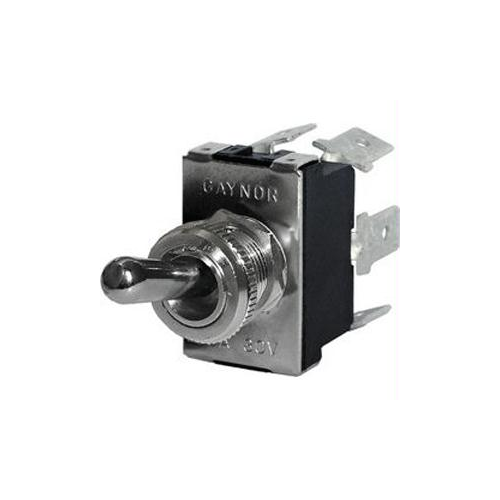
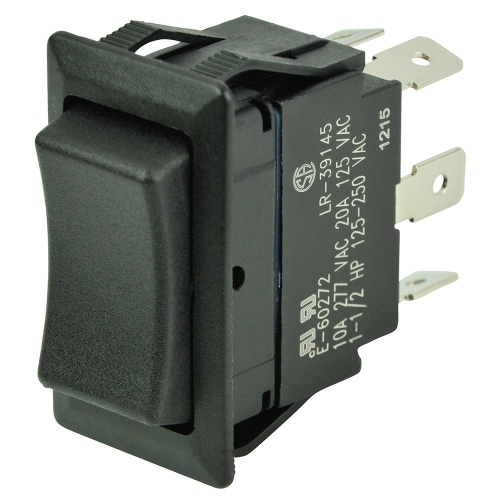
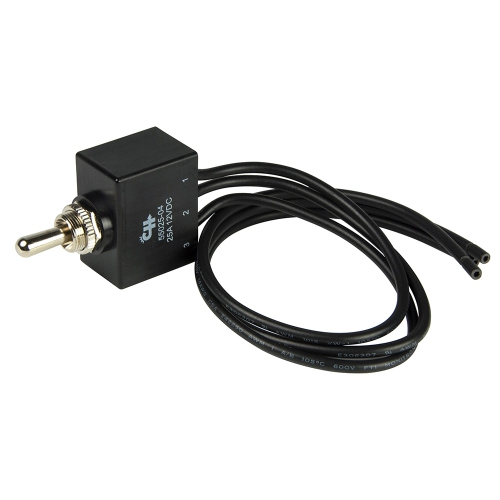
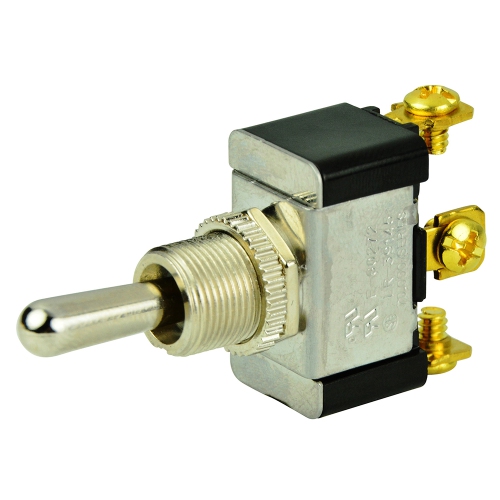
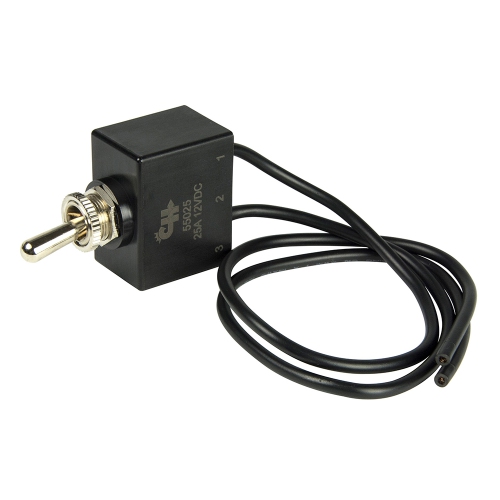
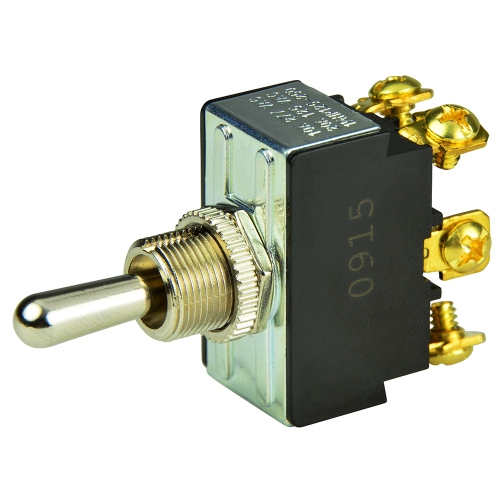
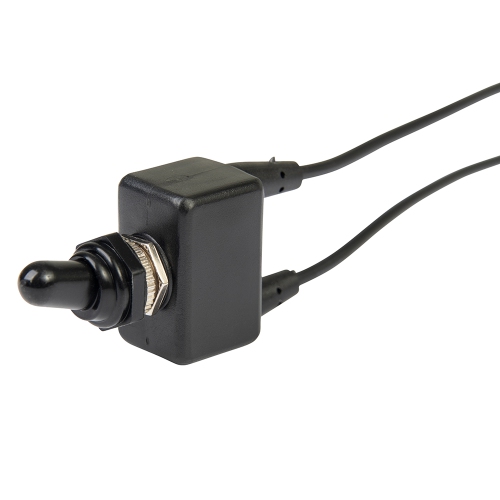
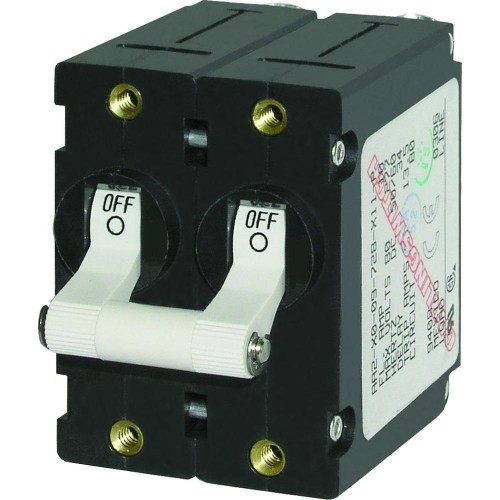
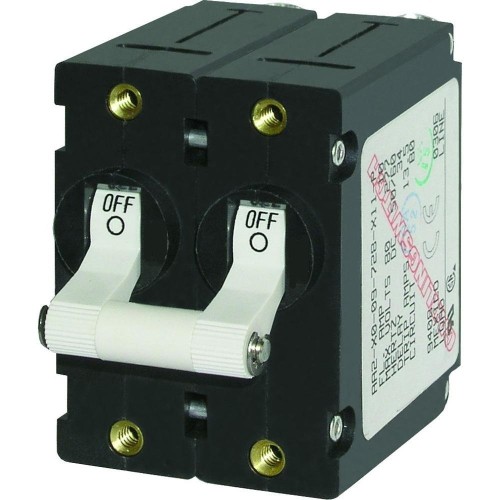
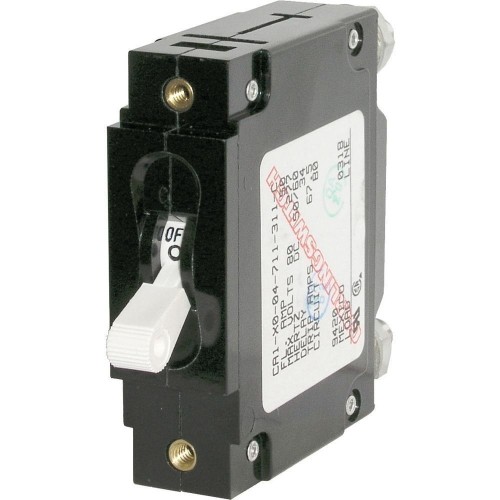
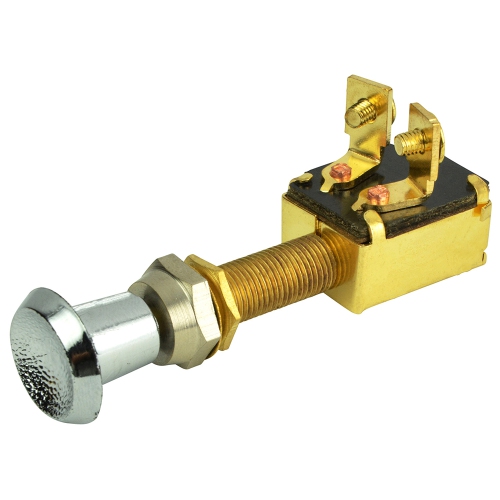
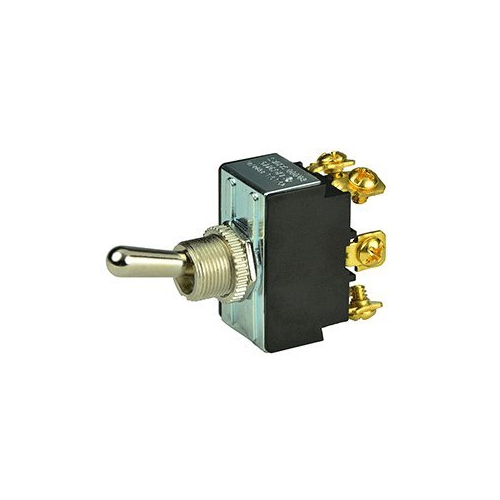
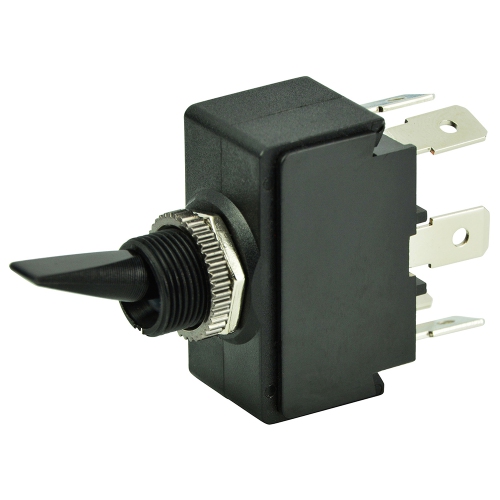
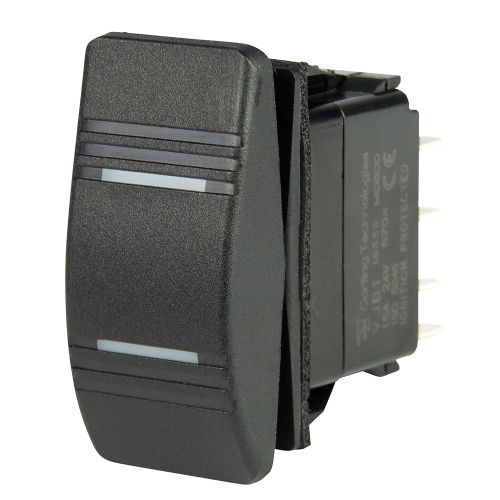
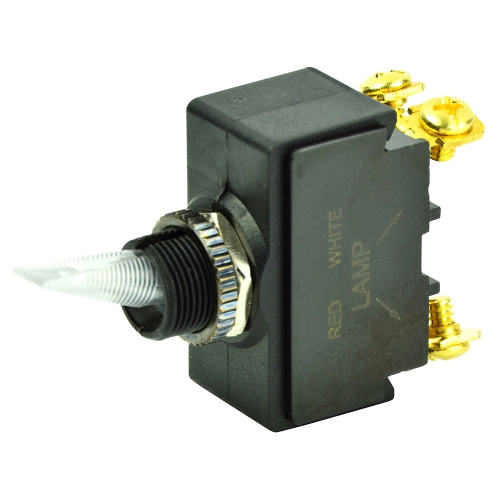
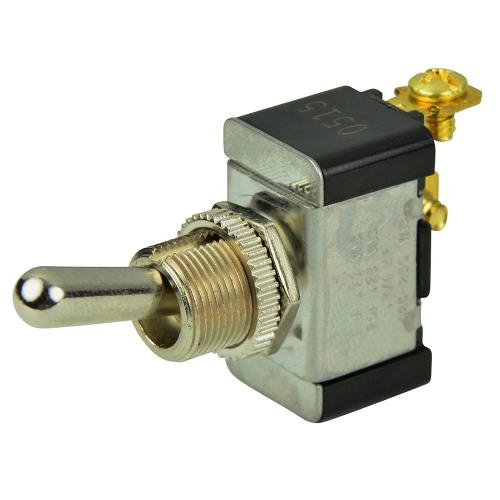
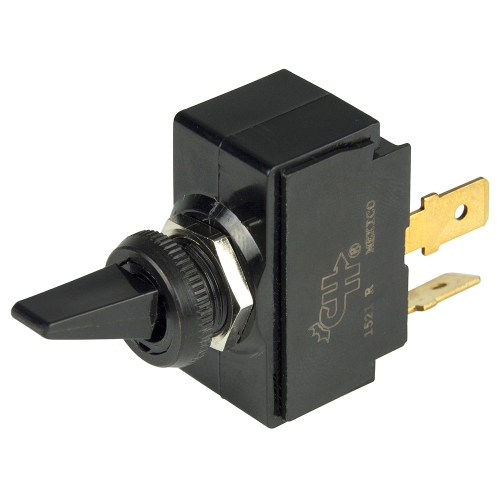
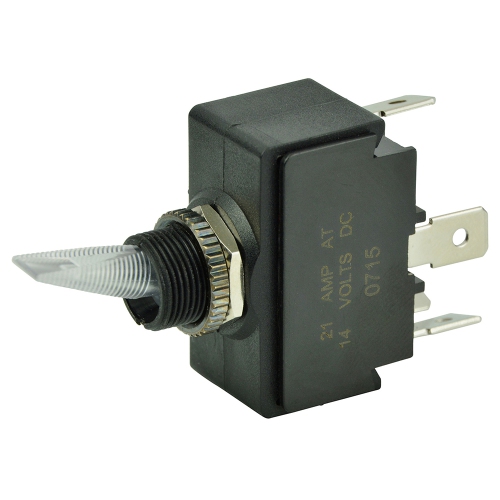
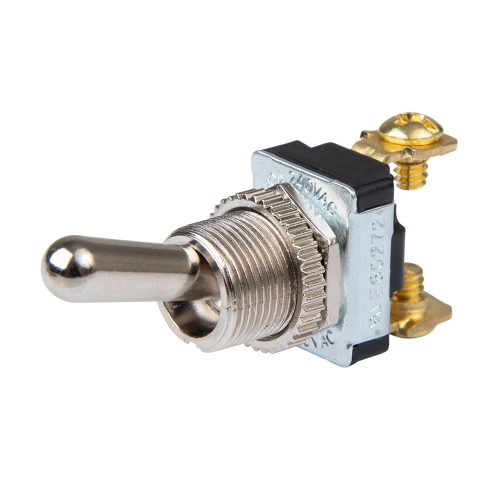
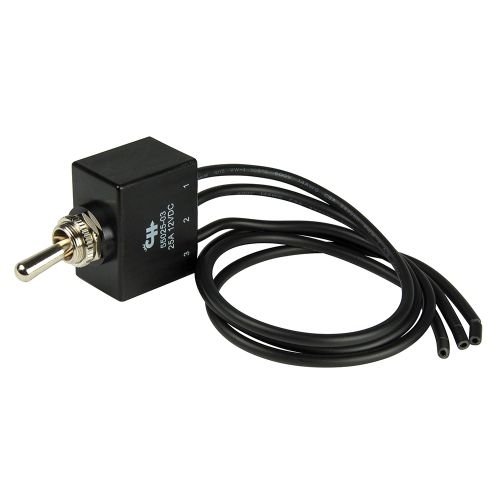
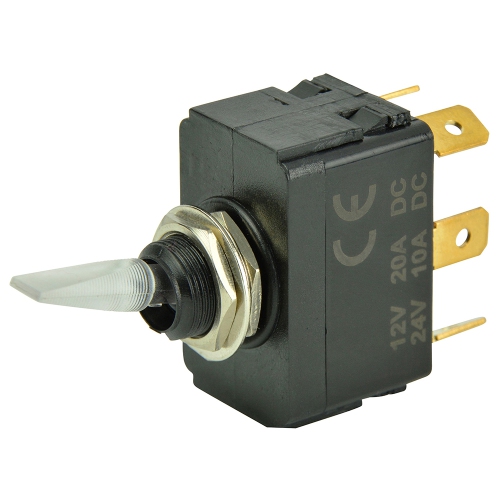
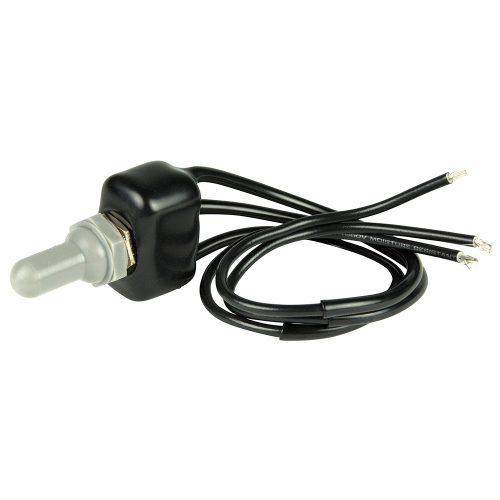
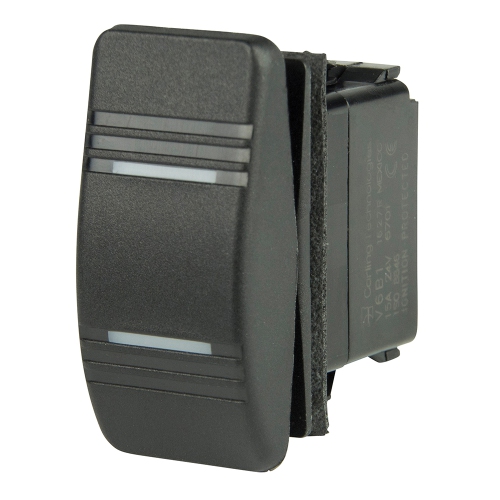
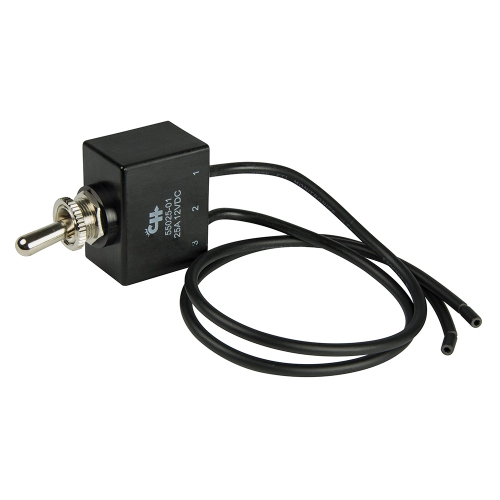
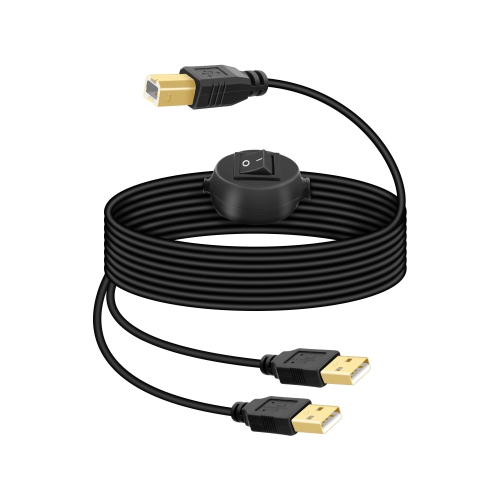
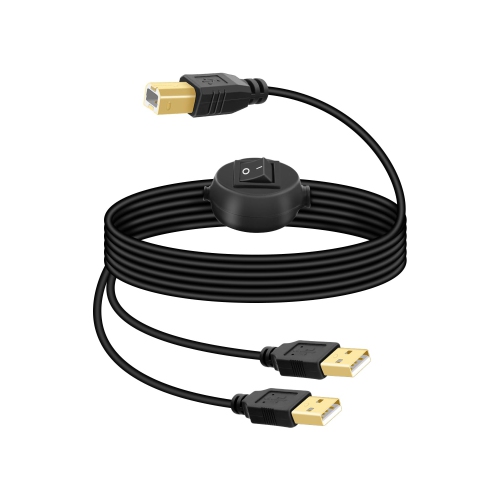
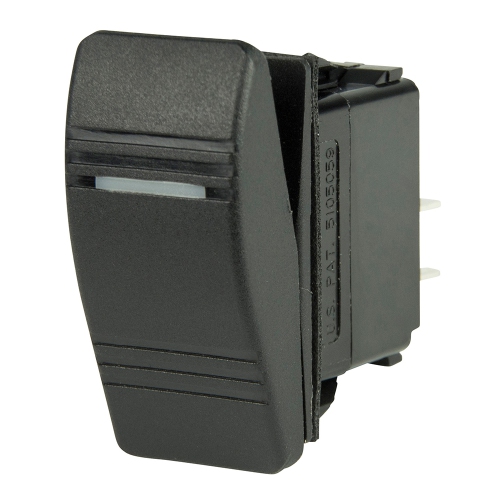
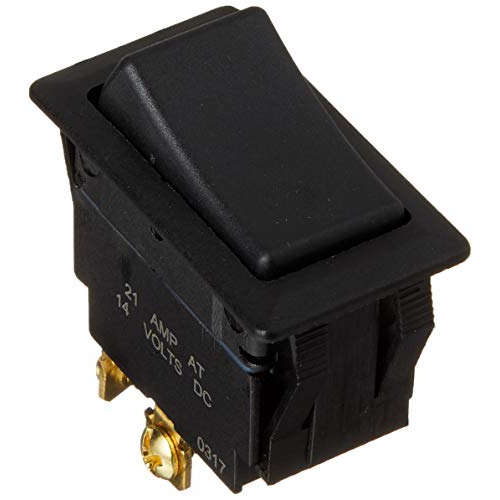
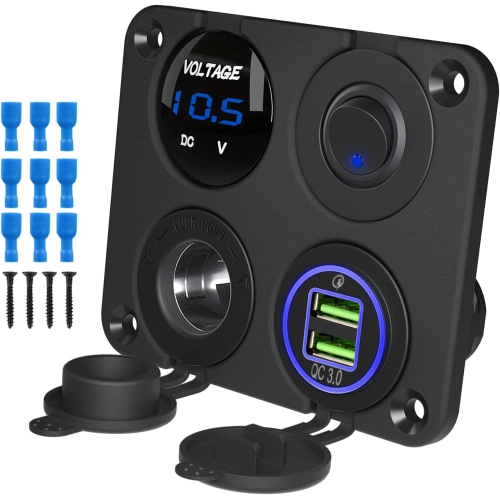
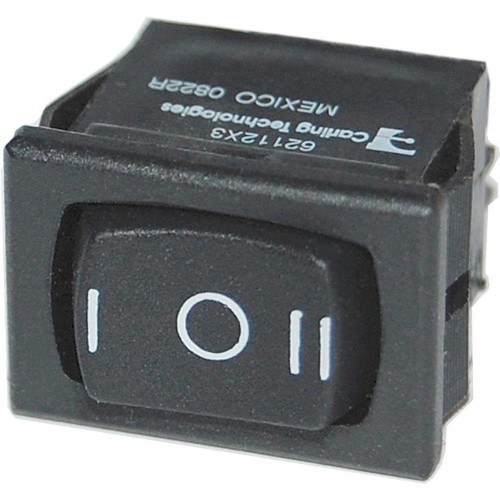
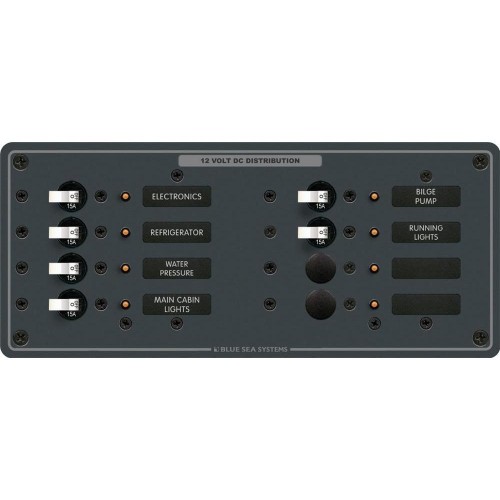
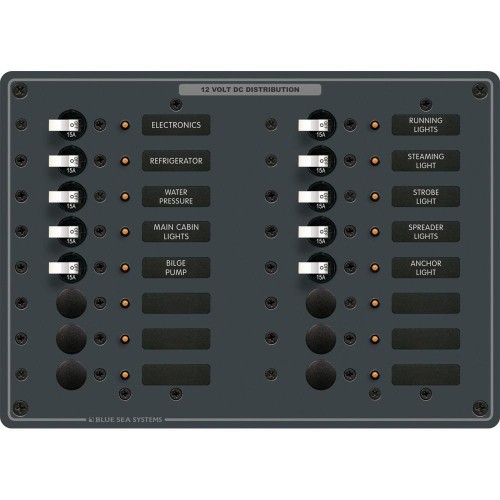
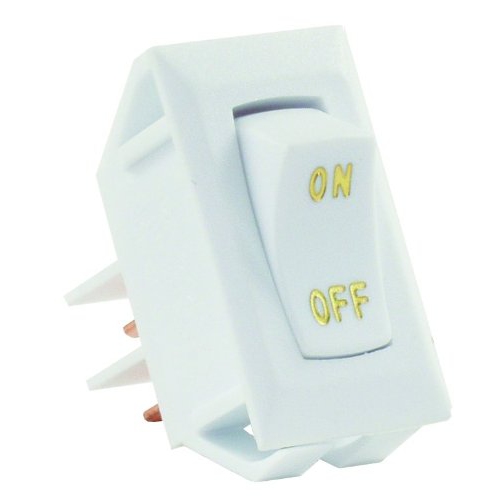
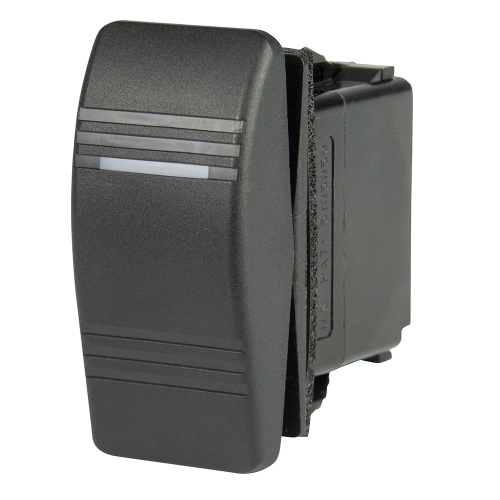
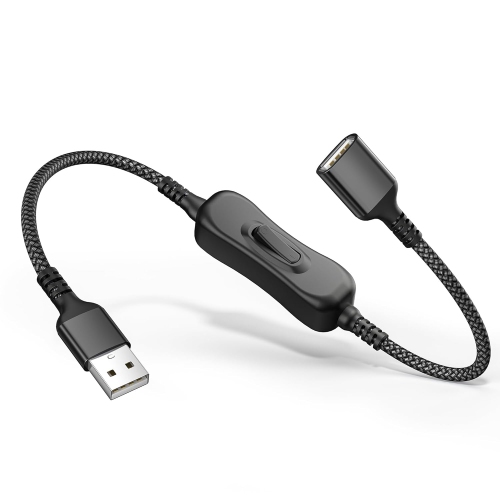
Toggle switches are straightforward, dependable controls used to open or close an electrical circuit with a lever that moves between positions. Their familiar action makes them useful in many settings, from controlling a light or appliance to operating low-voltage electronics, vehicle accessories, workshop equipment, and control panels. When the lever stays in the selected position, the switch is generally described as maintained; when it returns to its original position after being released, it is momentary. Choosing between these two styles depends on how the circuit is meant to operate. A maintained switch can keep a light, fan, or accessory turned on without continued pressure, while a momentary switch is better suited to functions such as triggering a signal, activating a relay, or starting a control sequence. Toggle switches are available in several circuit arrangements, including SPST, or single-pole single-throw, for basic on/off control; SPDT, or single-pole double-throw, for directing one input between two outputs; and DPDT, or double-pole double-throw, for managing two circuits or changing the direction of a motor. Compact versions are often selected for electronics projects, test equipment, audio gear, networking hardware, and model-building applications, while larger switches may be chosen for equipment panels or installations where a more substantial lever is easier to operate.
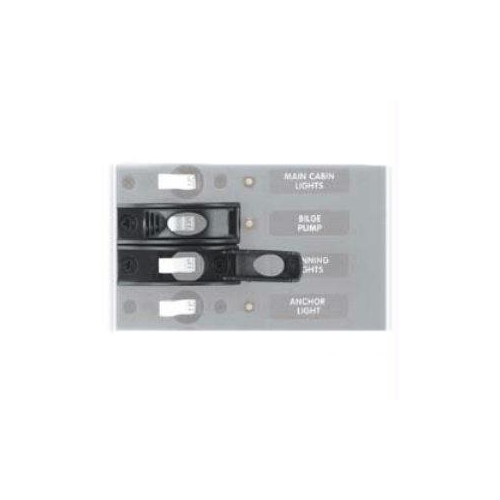
Before choosing a toggle switch, match its electrical rating and circuit configuration to the job rather than selecting by appearance alone. Voltage and amperage ratings indicate the load a switch is designed to handle, and using a switch below the requirements of the circuit can lead to overheating, unreliable operation, or damage. Consider whether the application uses AC or DC power, whether one circuit or multiple circuits must be controlled, and whether the switch needs two, three, or more positions. Terminal style also matters: screw terminals can be convenient for certain wiring tasks, solder lugs suit some electronics projects, and quick-connect terminals may help with compatible harnesses or serviceable assemblies. Check the available panel space, mounting-hole dimensions, lever clearance, and switch depth before ordering, particularly when replacing a component inside a compact enclosure. Some installations benefit from a protective boot or cover that helps shield the switch from dust, splashes, or accidental movement, while a clearly marked lever can make a control panel easier to understand at a glance. For simple household lighting, a standard wall switch may be more appropriate than a panel-mounted toggle switch; for a custom project, however, a toggle can provide a tactile, visible control that is easy to identify in a dim workshop or behind a desk. Those comparing related choices can also browse On Off Switches for products designed around straightforward power control.
Toggle switches can be useful for homeowners, makers, technicians, hobbyists, automotive enthusiasts, and anyone repairing or building equipment that needs a clear manual control. They are also practical for a student assembling a low-voltage electronics project, a musician modifying a piece of gear, or a workshop owner organizing controls on a bench-mounted device. Although a switch may be a small item, a well-chosen one can make a project feel finished: the lever gives a satisfying click, shows the circuit’s state immediately, and can be operated without searching through a menu or handling a small button. For gifting, toggle switches are most suitable as part of a broader electronics, robotics, model-building, or maker-focused collection for someone who already enjoys hands-on projects; they are less likely to be useful as a standalone present for someone without a specific application in mind. During the cooler months, they can support indoor repair and building projects, including custom lighting, hobby consoles, workshop controls, and educational circuit experiments. Installation should always follow the switch manufacturer’s specifications and applicable Canadian electrical requirements. Turn off power before working on a circuit, verify that it is de-energized with appropriate testing equipment, use wiring and connectors rated for the application, and seek a qualified electrician for household mains wiring or any work where the correct procedure is uncertain. A careful match between the switch type, load, mounting method, and intended use helps deliver reliable control and a cleaner, safer finished project.
Before choosing a toggle switch, match its electrical rating and circuit configuration to the job rather than selecting by appearance alone. Voltage and amperage ratings indicate the load a switch is designed to handle, and using a switch below the requirements of the circuit can lead to overheating, unreliable operation, or damage. Consider whether the application uses AC or DC power, whether one circuit or multiple circuits must be controlled, and whether the switch needs two, three, or more positions. Terminal style also matters: screw terminals can be convenient for certain wiring tasks, solder lugs suit some electronics projects, and quick-connect terminals may help with compatible harnesses or serviceable assemblies. Check the available panel space, mounting-hole dimensions, lever clearance, and switch depth before ordering, particularly when replacing a component inside a compact enclosure. Some installations benefit from a protective boot or cover that helps shield the switch from dust, splashes, or accidental movement, while a clearly marked lever can make a control panel easier to understand at a glance. For simple household lighting, a standard wall switch may be more appropriate than a panel-mounted toggle switch; for a custom project, however, a toggle can provide a tactile, visible control that is easy to identify in a dim workshop or behind a desk. Those comparing related choices can also browse On Off Switches for products designed around straightforward power control.
Toggle switches can be useful for homeowners, makers, technicians, hobbyists, automotive enthusiasts, and anyone repairing or building equipment that needs a clear manual control. They are also practical for a student assembling a low-voltage electronics project, a musician modifying a piece of gear, or a workshop owner organizing controls on a bench-mounted device. Although a switch may be a small item, a well-chosen one can make a project feel finished: the lever gives a satisfying click, shows the circuit’s state immediately, and can be operated without searching through a menu or handling a small button. For gifting, toggle switches are most suitable as part of a broader electronics, robotics, model-building, or maker-focused collection for someone who already enjoys hands-on projects; they are less likely to be useful as a standalone present for someone without a specific application in mind. During the cooler months, they can support indoor repair and building projects, including custom lighting, hobby consoles, workshop controls, and educational circuit experiments. Installation should always follow the switch manufacturer’s specifications and applicable Canadian electrical requirements. Turn off power before working on a circuit, verify that it is de-energized with appropriate testing equipment, use wiring and connectors rated for the application, and seek a qualified electrician for household mains wiring or any work where the correct procedure is uncertain. A careful match between the switch type, load, mounting method, and intended use helps deliver reliable control and a cleaner, safer finished project.
Top selling and popular products
-
 Your price for this item is $30.59
 -
 Your price for this item is $30.54
 -
 Your price for this item is $38.85
 -
 Your price for this item is $92.99
 -
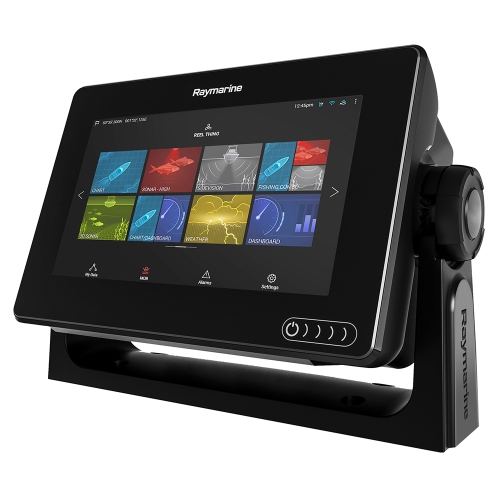 Your price for this item is $844.91
 -
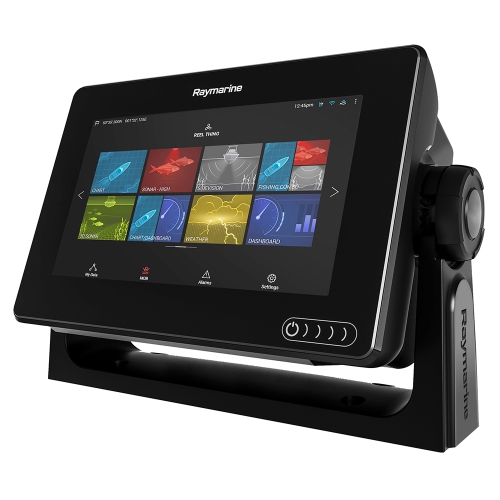 Your price for this item is $909.33
 -
 Your price for this item is $30.62
 -
 Your price for this item is $34.93
Discover more categories related to Toggle Switches
Top Collections:
Pokemon Centers, Kindle Devices, Best Budget Office Chairs, Apple iPhones 16, Best Laptops for Writers, iPhone 15 Apple, Canon G7X Cameras, Refurbished Apple Laptops, Alarm Clock, Motorola Razr Phones
Some products may be subject to Environmental Handling Fees
(EHF) depending on your province.
Learn more about EHFs.