On Off Switches
Explore our selection of on-off switches that offer simplicity and efficiency at your fingertips. Whether you need a basic toggle switch for your home appliances or a more advanced smart switch for enhanced automation, we have a variety of options to suit your needs. Upgrade your home or office with these versatile switches that provide convenience and energy-saving benefits.
Sort
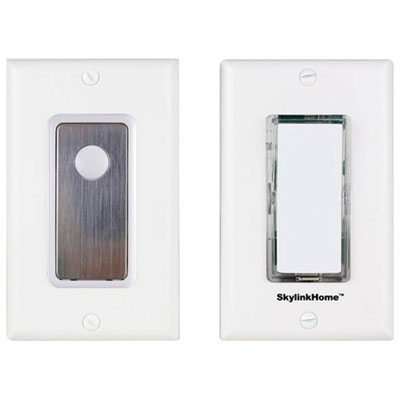
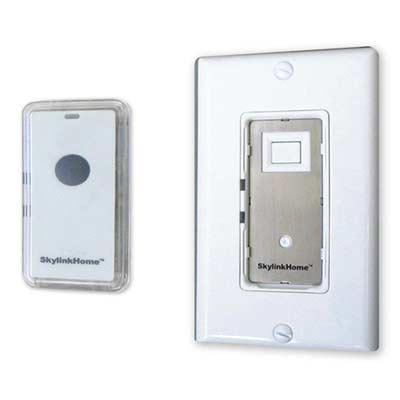
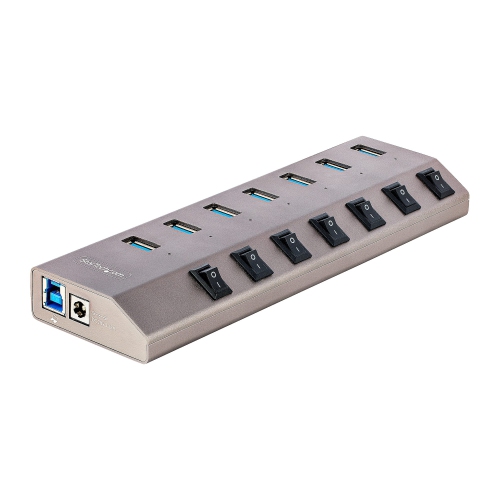

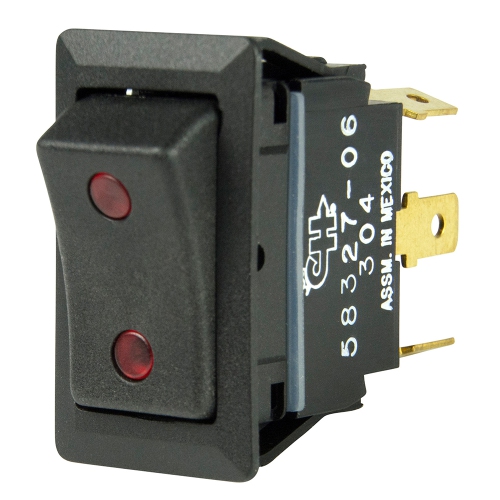

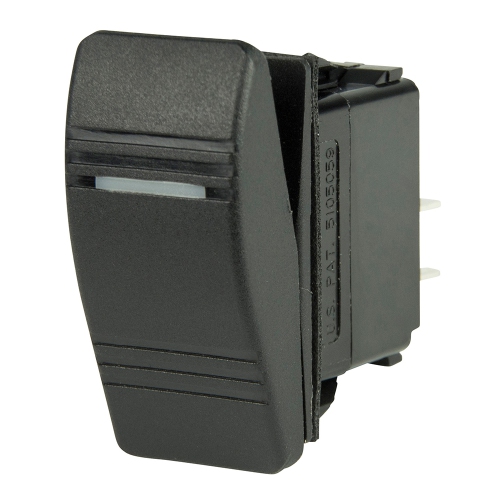
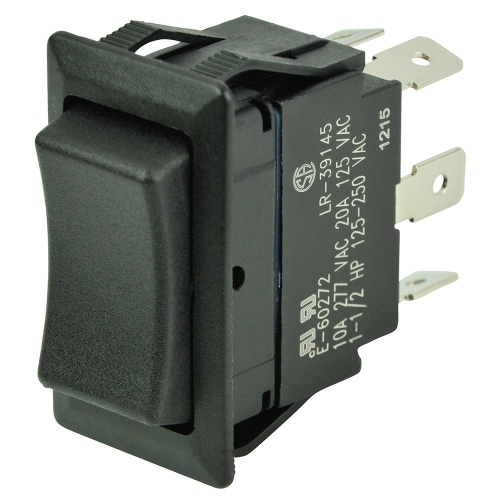
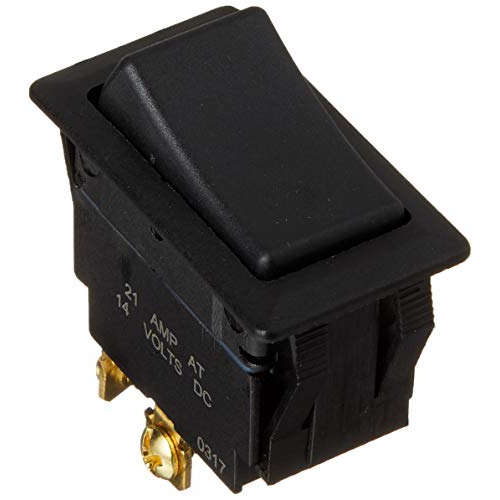
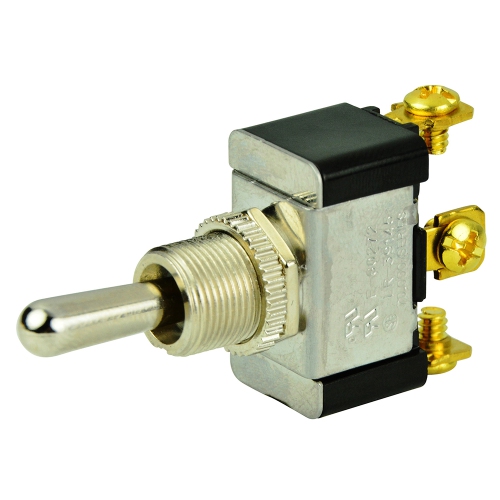
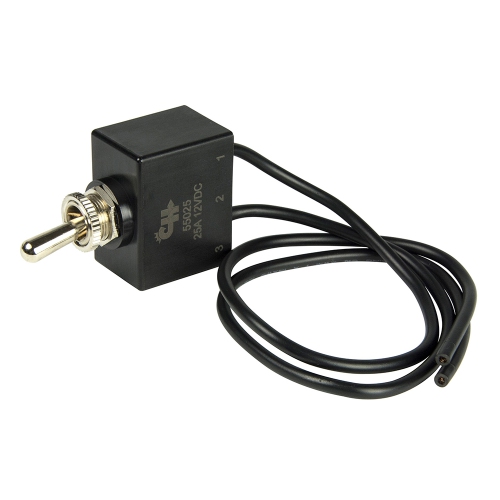
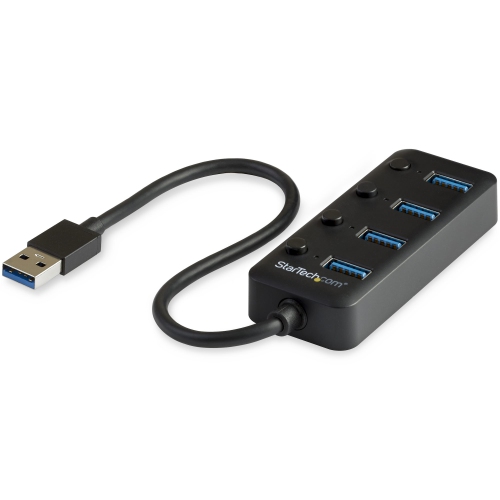
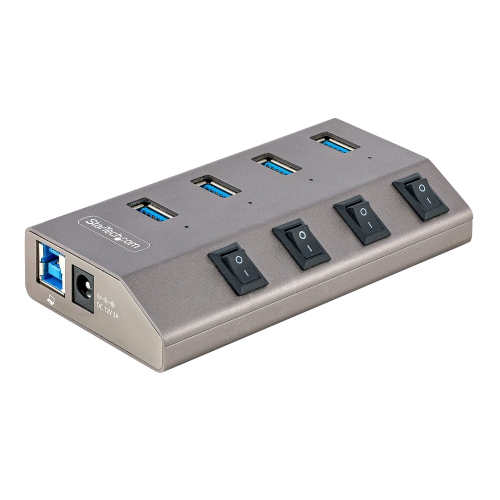
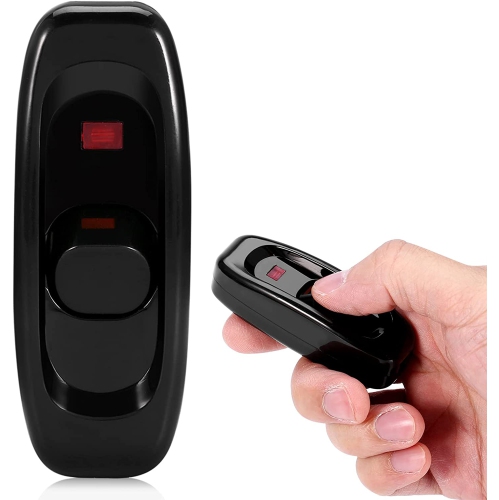
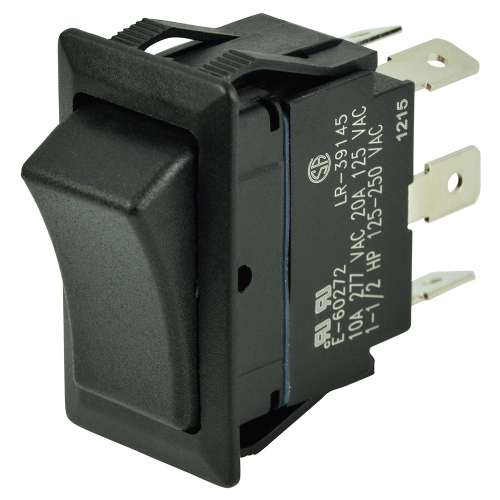
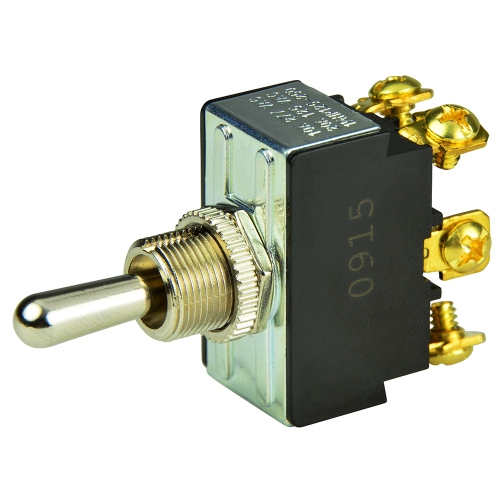
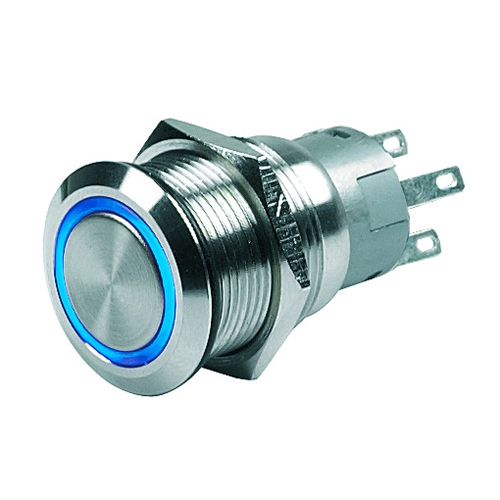
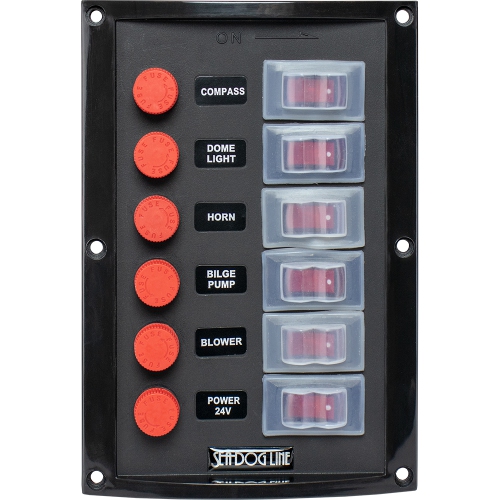
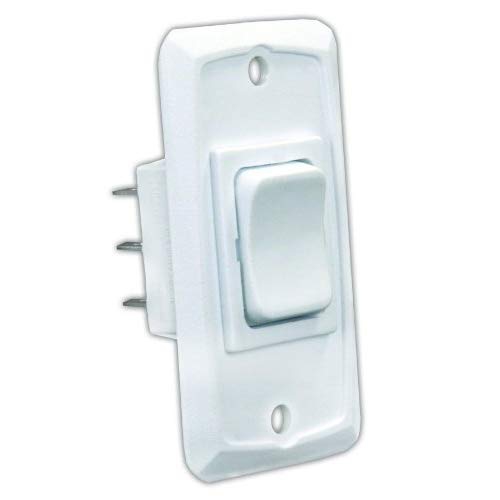
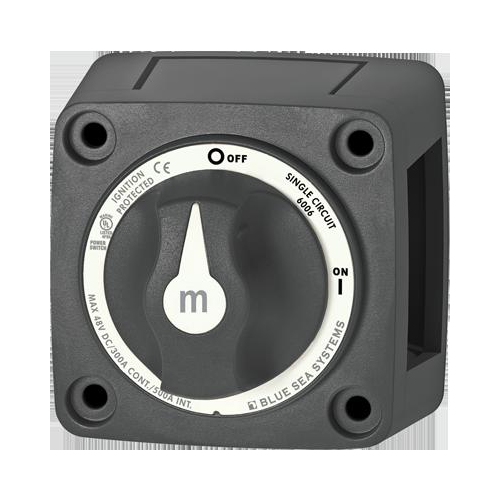
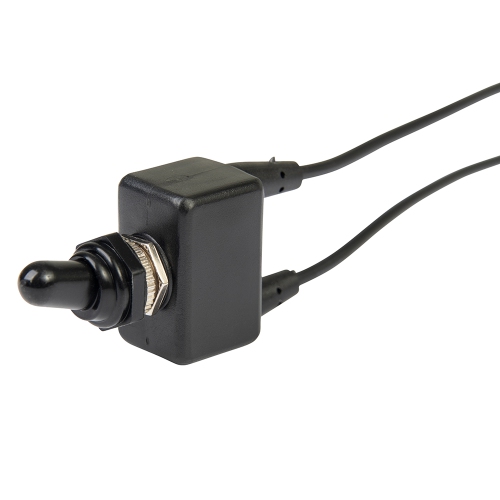
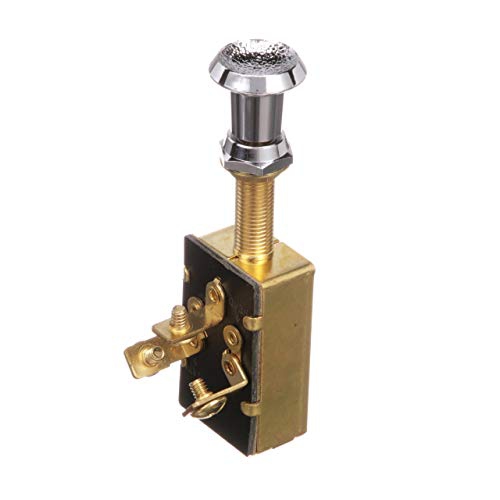
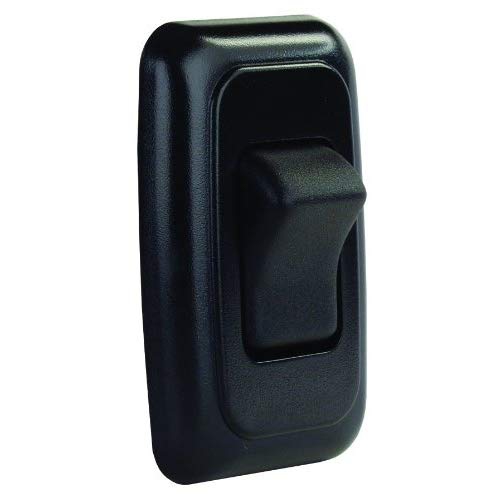
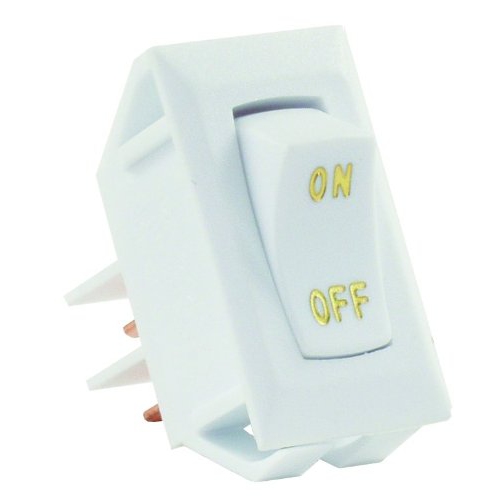
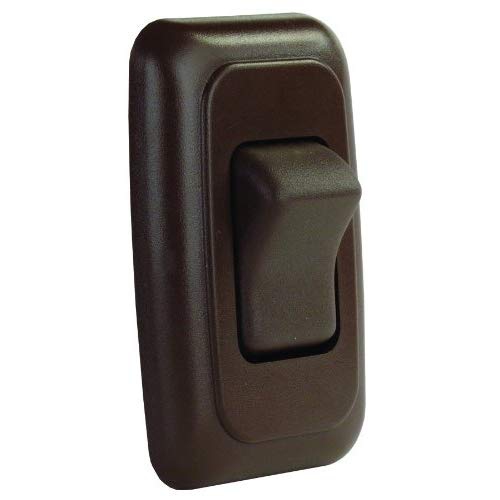
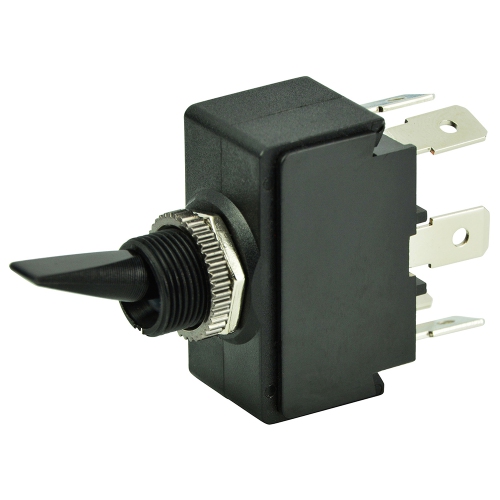
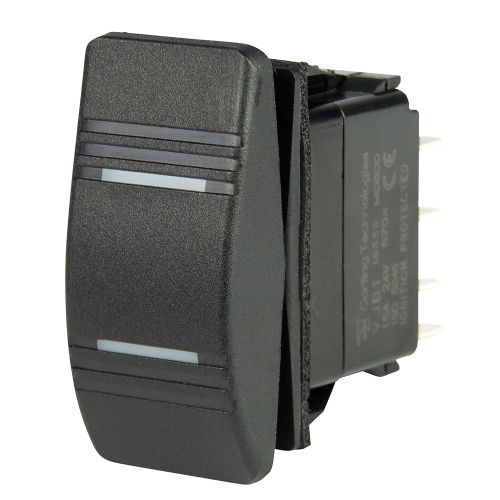
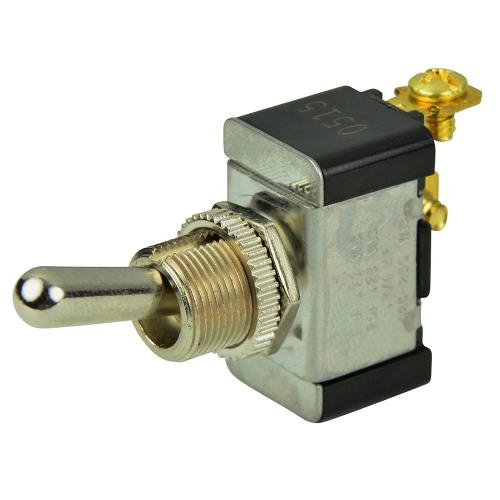
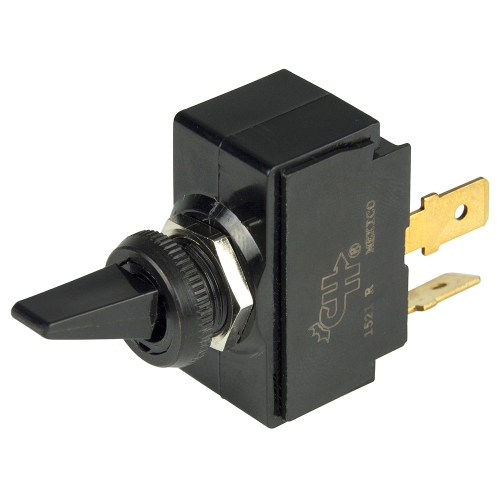
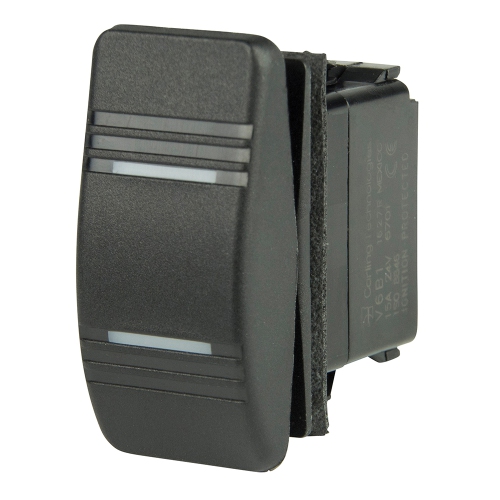
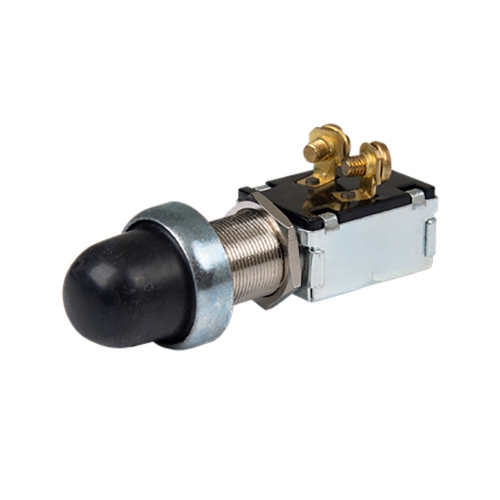
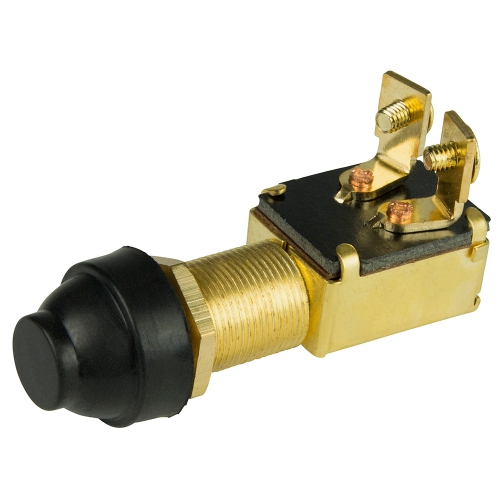
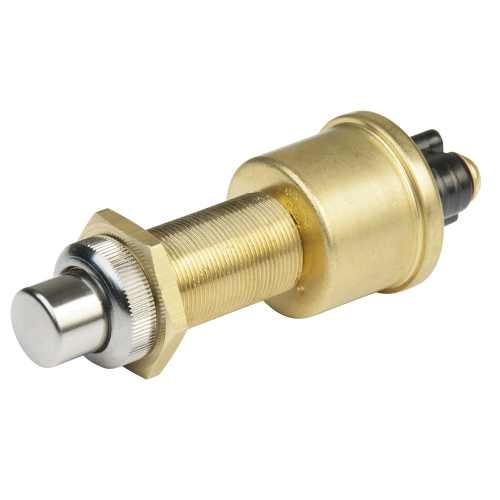


How electrical ratings and switch styles shape installation
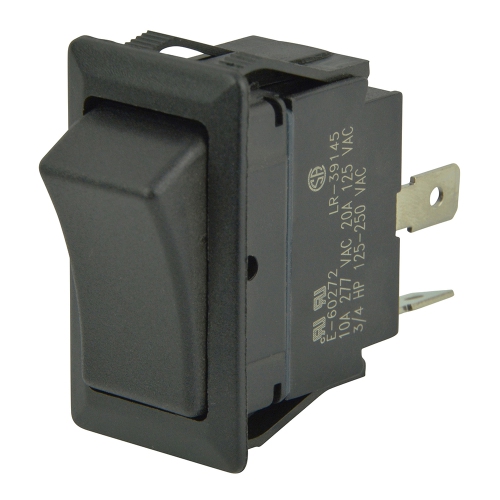
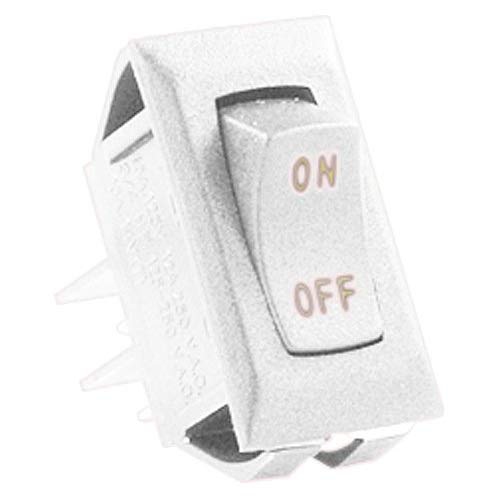
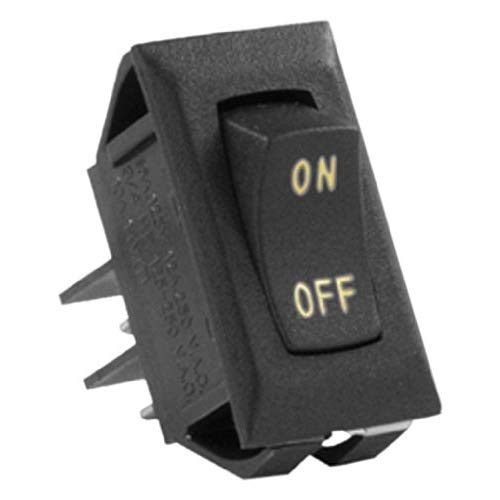
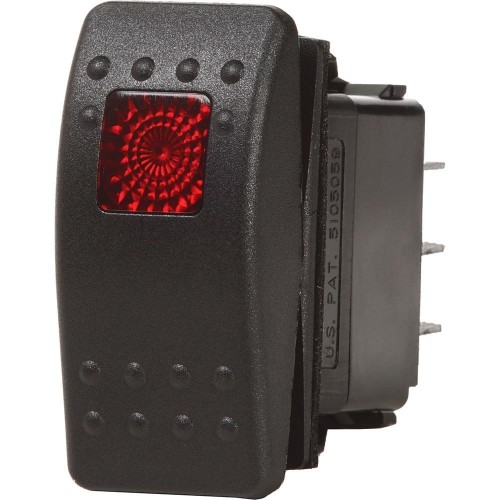
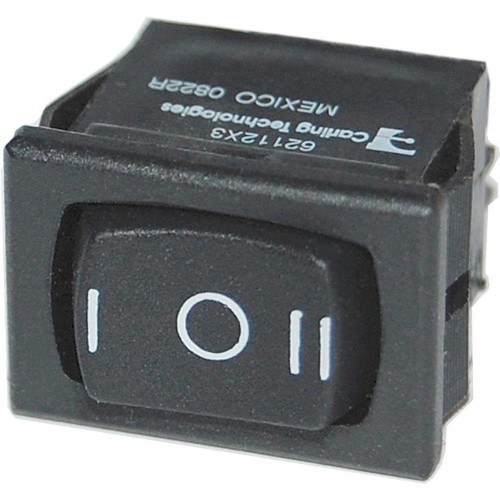
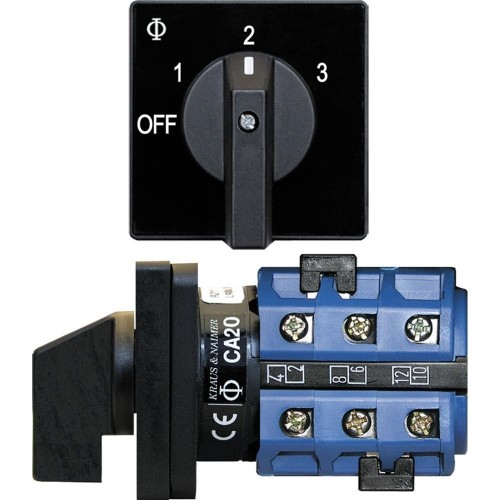
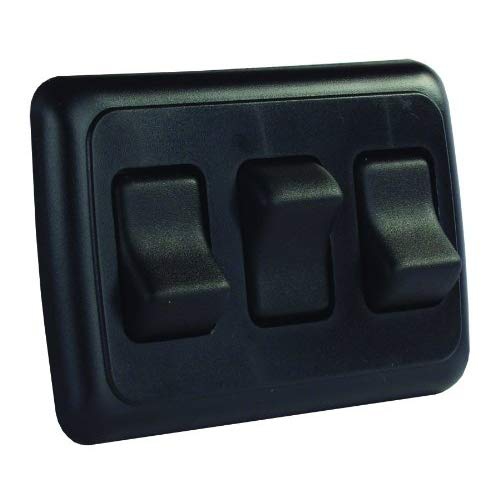
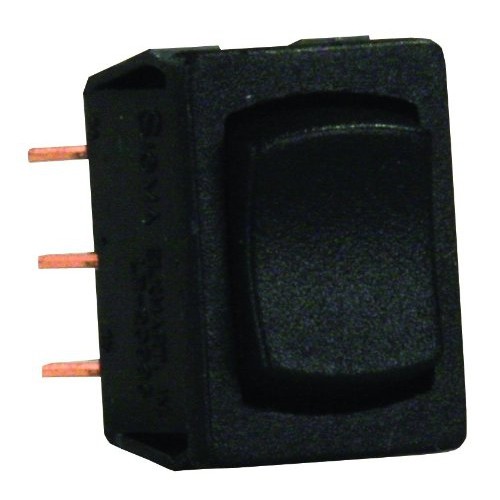
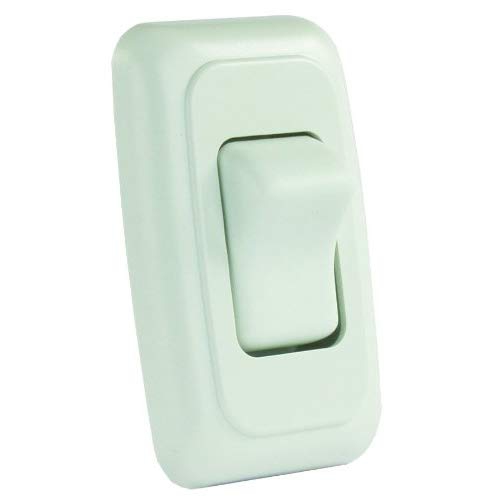
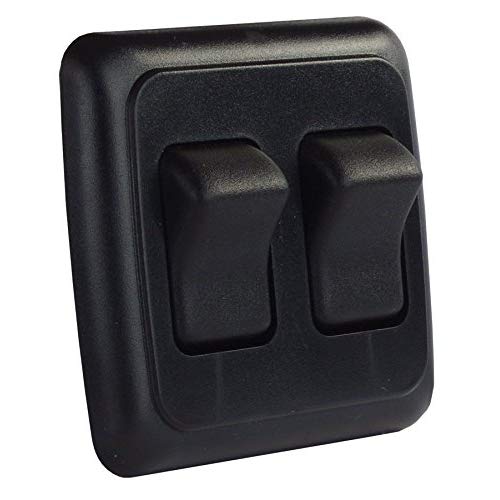
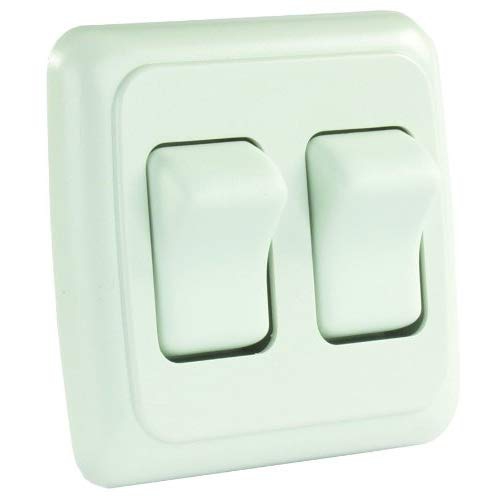
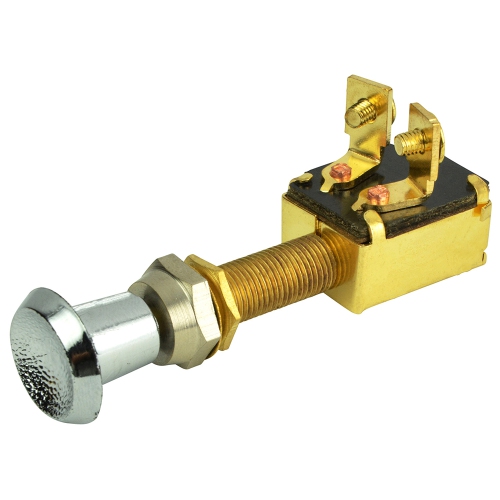
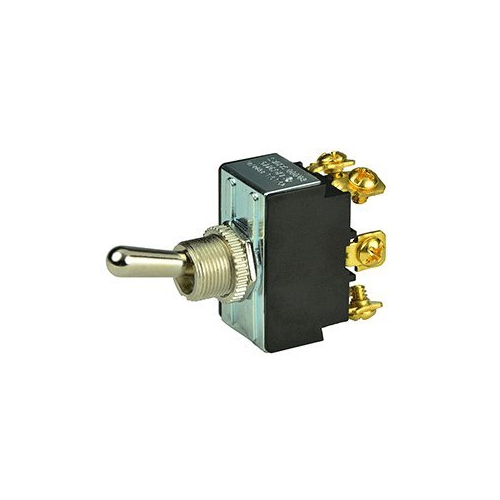
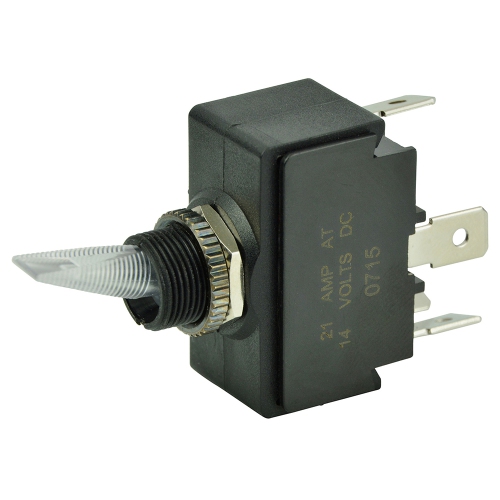
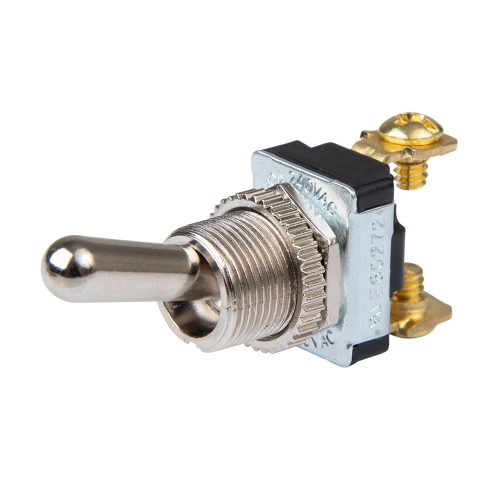
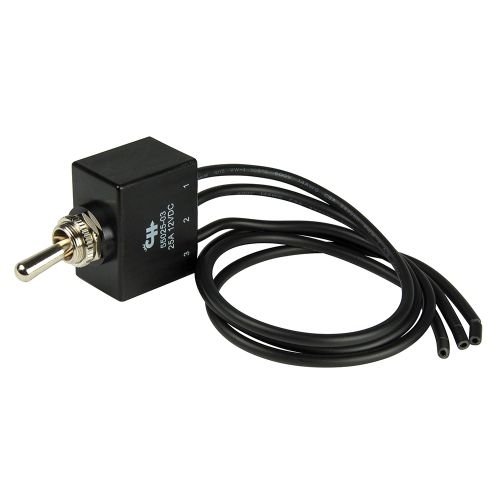
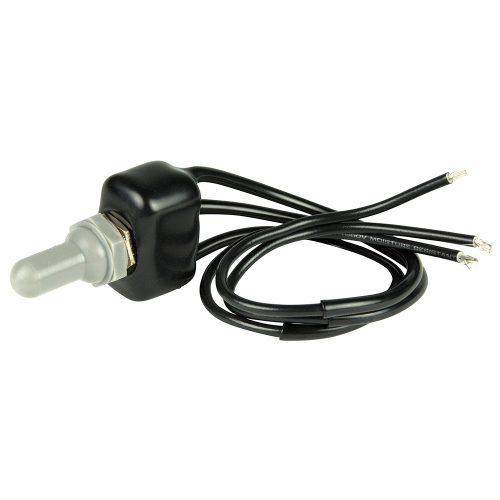
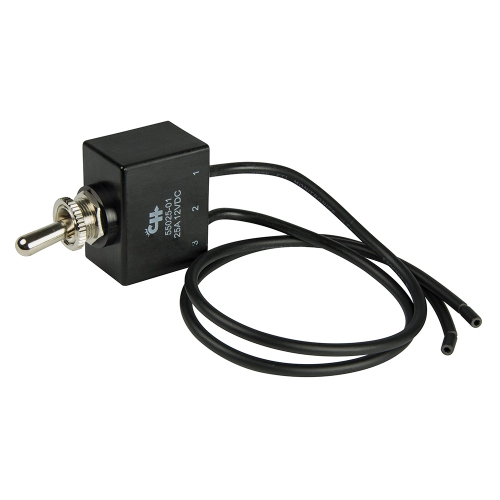
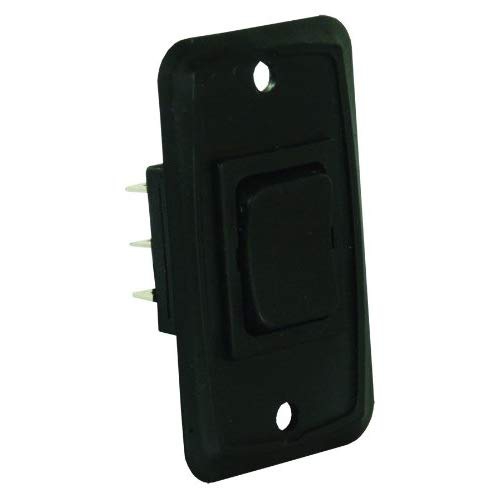
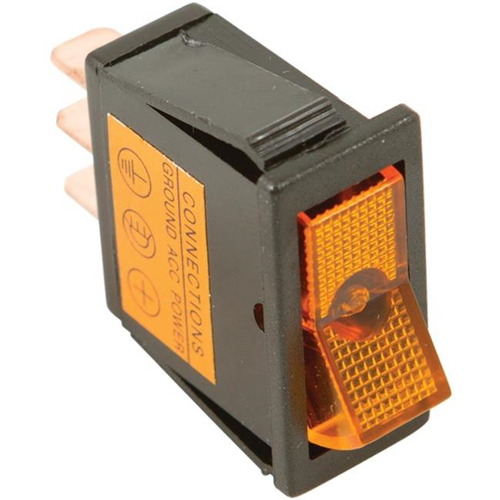
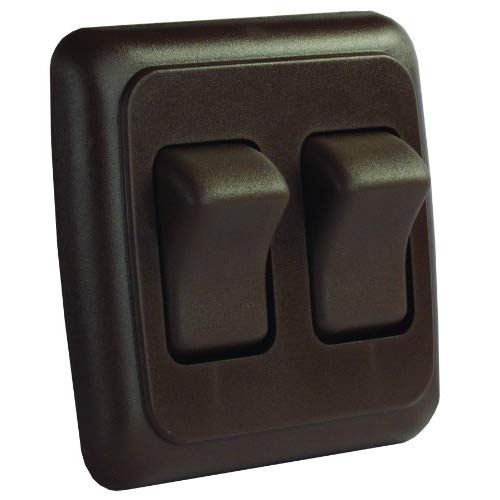
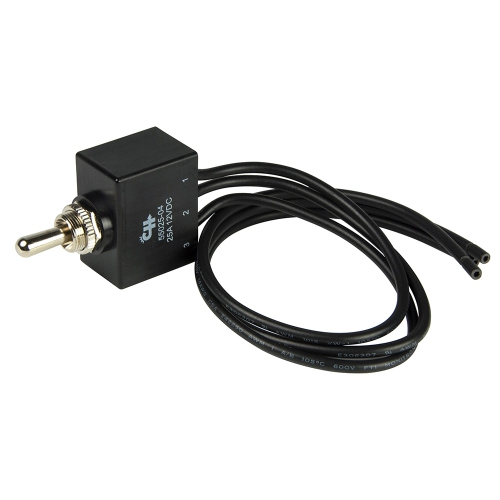
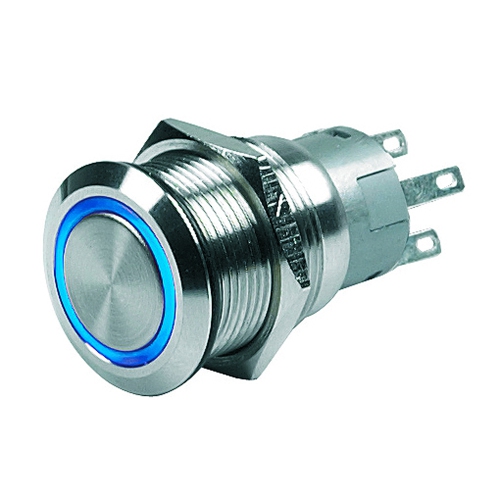
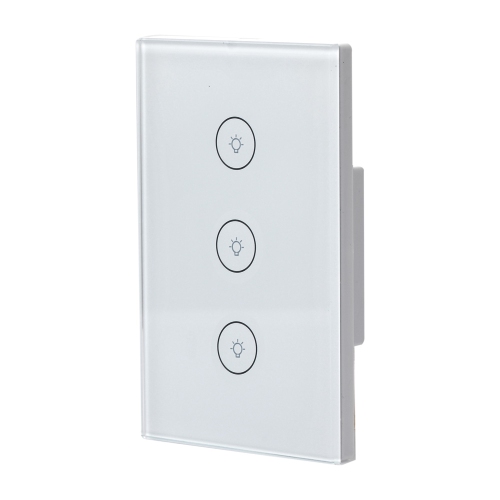
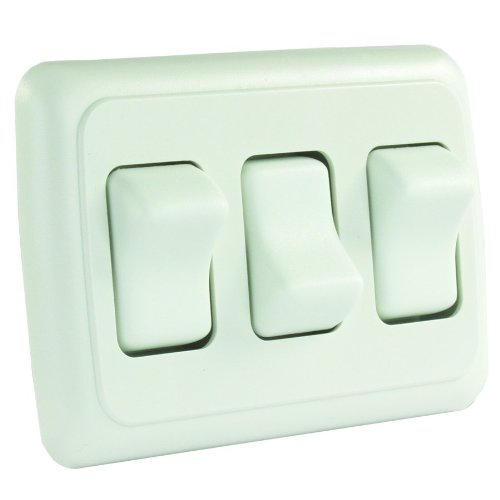
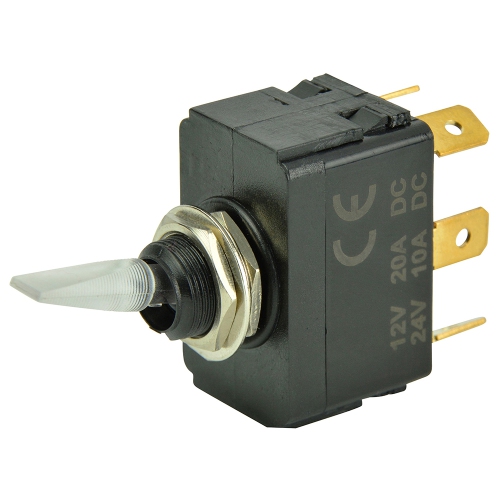
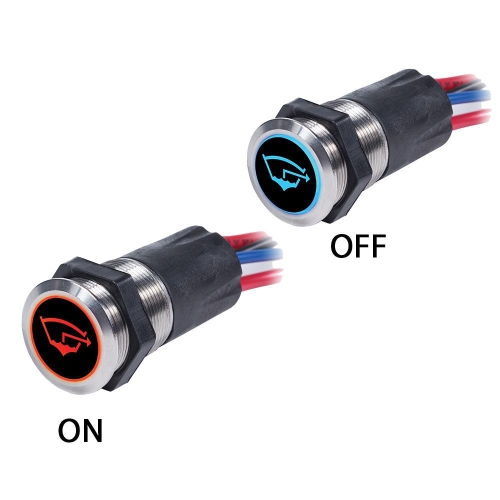
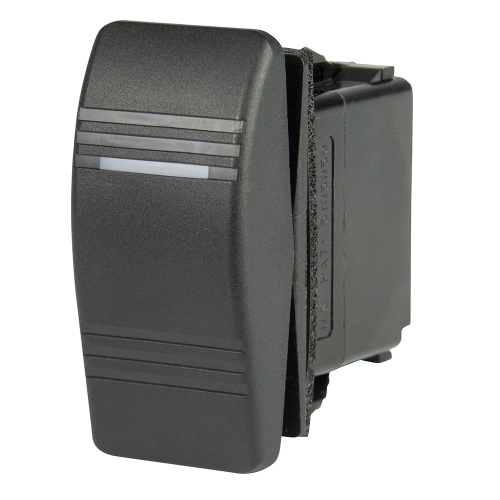
On-off switches control whether electricity can flow through a circuit. When a switch is turned on, the circuit is closed and current can travel to the connected device; when it is turned off, the circuit is open and power stops flowing. The familiar vertical line symbol, I, represents on or active, while the circle symbol, O, represents off or inactive. These symbols come from the binary ideas of 1 and 0 and appear on everything from household electronics to workshop equipment. On-off switches are available in several operating styles, each suited to a different kind of project or everyday task. A toggle switch uses a small lever that moves between positions, offering a clear physical indication of whether the circuit is active. A rocker switch uses a broad paddle that tilts from one side to the other and is often easy to operate with a fingertip, even when visibility is limited. Push-button switches respond to a press, while momentary switches remain on only while they are being held down, making them useful for controls that should not stay powered accidentally. Some switches are illuminated so their status is easy to see in a dim room, inside a vehicle, or at the back of a piece of equipment. The right option depends on the way you want to interact with the circuit, the available mounting space, and whether you need a maintained on-off position or temporary contact.
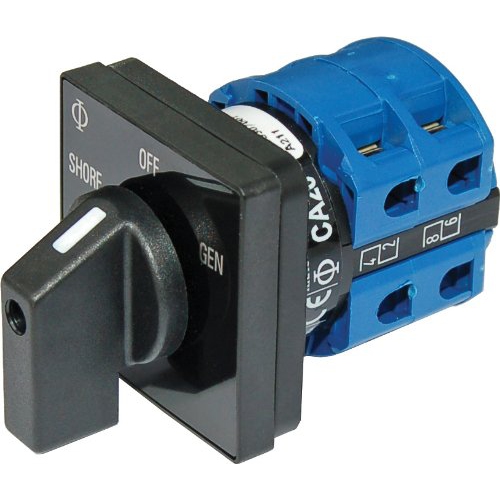
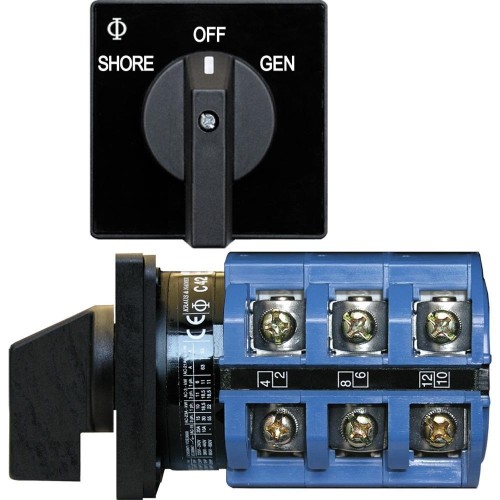
When comparing on-off switches, start with the electrical specifications rather than the appearance alone. Confirm whether the switch is intended for direct current (DC), alternating current (AC), or both, and match its voltage and current ratings to the power source and the device it will control. A switch designed for a low-voltage project should not be assumed to be suitable for a household outlet, and a component rated for one type of load may not be appropriate for motors, heaters, lights, or other equipment with different electrical demands. Check the number of poles and throws as well: a single-pole, single-throw switch is commonly used for a straightforward on-off connection, while other configurations can control multiple circuits or direct power between different outputs. Terminal style is also important. Screw terminals, spade connectors, solder lugs, and wire leads each call for a different installation method, so matching the switch to your existing wiring can make a project cleaner and easier to complete. Consider the physical installation as well, including panel cutout dimensions, switch depth, mounting hardware, lever or paddle clearance, and the amount of space behind the panel. For equipment used in a garage, shed, workshop, vehicle, or outdoor setting, look for construction and an enclosure suited to dust, moisture, vibration, and temperature changes. A firmly mounted switch with an easy-to-read position can be especially helpful on a busy workbench, where a quick glance should show whether a lamp, fan, test circuit, or accessory is operating. If you are exploring related components, Electronic Switches can help you compare options for different control and circuit applications.
On-off switches can be useful for home projects, repairs, hobby electronics, model building, vehicle accessories, lighting installations, and custom control panels. A do-it-yourselfer may use a toggle switch to add a clearly marked power control to a low-voltage project, while a maker might choose a compact rocker switch for a 3D printer enclosure, audio setup, or small appliance project. Push buttons and momentary switches are practical for doorbells, test controls, starter functions, and other applications where releasing the control should return the circuit to its normal state. They can also be a thoughtful addition to a hobby kit or workshop collection for someone who enjoys restoring equipment, building electronic projects, or organizing a home lab. Before purchasing, identify the device or power source, determine whether the circuit uses 12 V DC, another low-voltage supply, or household voltage, and note the required current rating. Review the wiring diagram supplied with the switch and make sure the terminals are understood before installation. Always disconnect the power source before working on wiring, use suitable insulated tools, protect exposed connections, and secure cables so they cannot be pulled loose. Work involving household mains electricity can present a serious shock or fire hazard and should be handled by a qualified electrician when you are not trained and equipped to do it safely. With the correct rating, mounting style, terminal arrangement, and operating action, an on-off switch can provide simple, dependable control and a satisfying physical indication that a circuit is ready to use or safely shut down.
When comparing on-off switches, start with the electrical specifications rather than the appearance alone. Confirm whether the switch is intended for direct current (DC), alternating current (AC), or both, and match its voltage and current ratings to the power source and the device it will control. A switch designed for a low-voltage project should not be assumed to be suitable for a household outlet, and a component rated for one type of load may not be appropriate for motors, heaters, lights, or other equipment with different electrical demands. Check the number of poles and throws as well: a single-pole, single-throw switch is commonly used for a straightforward on-off connection, while other configurations can control multiple circuits or direct power between different outputs. Terminal style is also important. Screw terminals, spade connectors, solder lugs, and wire leads each call for a different installation method, so matching the switch to your existing wiring can make a project cleaner and easier to complete. Consider the physical installation as well, including panel cutout dimensions, switch depth, mounting hardware, lever or paddle clearance, and the amount of space behind the panel. For equipment used in a garage, shed, workshop, vehicle, or outdoor setting, look for construction and an enclosure suited to dust, moisture, vibration, and temperature changes. A firmly mounted switch with an easy-to-read position can be especially helpful on a busy workbench, where a quick glance should show whether a lamp, fan, test circuit, or accessory is operating. If you are exploring related components, Electronic Switches can help you compare options for different control and circuit applications.
On-off switches can be useful for home projects, repairs, hobby electronics, model building, vehicle accessories, lighting installations, and custom control panels. A do-it-yourselfer may use a toggle switch to add a clearly marked power control to a low-voltage project, while a maker might choose a compact rocker switch for a 3D printer enclosure, audio setup, or small appliance project. Push buttons and momentary switches are practical for doorbells, test controls, starter functions, and other applications where releasing the control should return the circuit to its normal state. They can also be a thoughtful addition to a hobby kit or workshop collection for someone who enjoys restoring equipment, building electronic projects, or organizing a home lab. Before purchasing, identify the device or power source, determine whether the circuit uses 12 V DC, another low-voltage supply, or household voltage, and note the required current rating. Review the wiring diagram supplied with the switch and make sure the terminals are understood before installation. Always disconnect the power source before working on wiring, use suitable insulated tools, protect exposed connections, and secure cables so they cannot be pulled loose. Work involving household mains electricity can present a serious shock or fire hazard and should be handled by a qualified electrician when you are not trained and equipped to do it safely. With the correct rating, mounting style, terminal arrangement, and operating action, an on-off switch can provide simple, dependable control and a satisfying physical indication that a circuit is ready to use or safely shut down.
Top selling and popular products
-
 Your price for this item is $30.59
 -
 Your price for this item is $30.54
 -
 Your price for this item is $38.85
 -
 Your price for this item is $92.99
 -
 Your price for this item is $844.91
 -
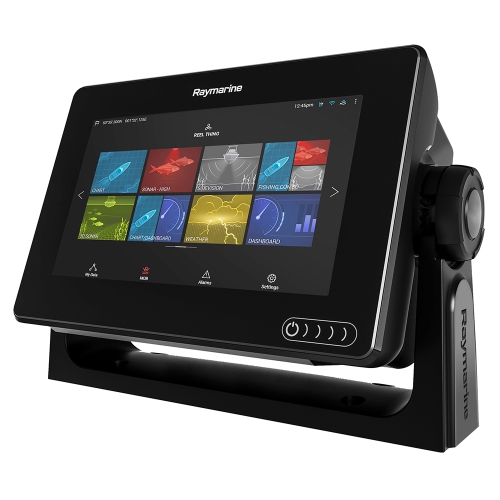 Your price for this item is $909.33
 -
 Your price for this item is $30.62
 -
 Your price for this item is $34.93
Discover more categories related to On Off Switches
Top Collections:
Pokemon Centers, Kindle Devices, Best Budget Office Chairs, Apple iPhones 16, Best Laptops for Writers, iPhone 15 Apple, Canon G7X Cameras, Refurbished Apple Laptops, Alarm Clock, Motorola Razr Phones
Some products may be subject to Environmental Handling Fees
(EHF) depending on your province.
Learn more about EHFs.