Electrical Switches
If you're looking to upgrade your electrical switches, look no further! This wide selection of electrical switches is designed to meet all your home or office needs. Whether you're looking for a simple on/off switch or a more advanced dimmer switch, we have the perfect solution for you. With a variety of styles, finishes, and features available, you can easily find the right electrical switches to enhance the functionality and aesthetics of almost any space.
Sort







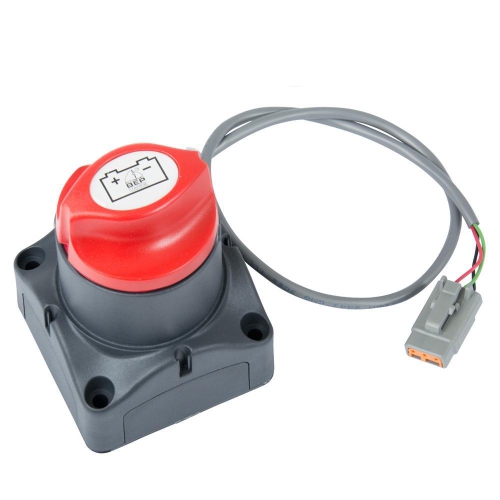
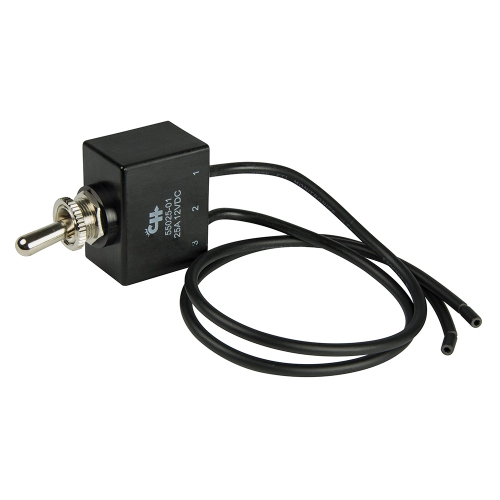
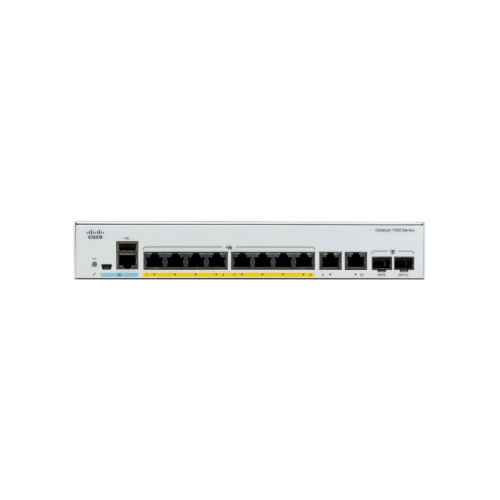
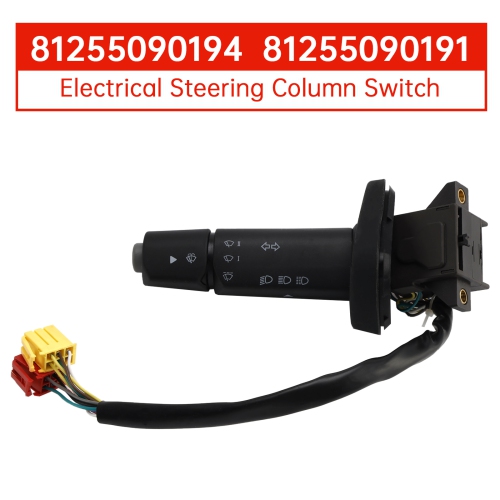
Why switch compatibility matters as much as style
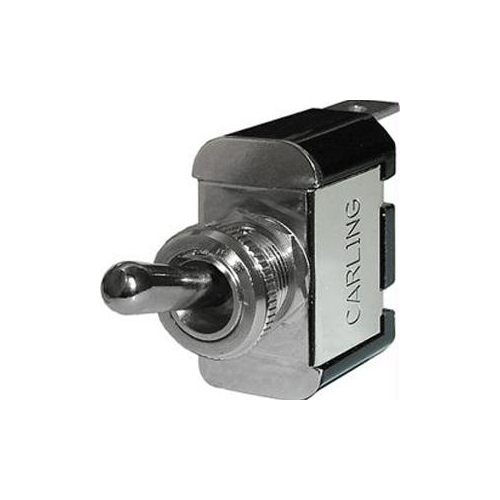
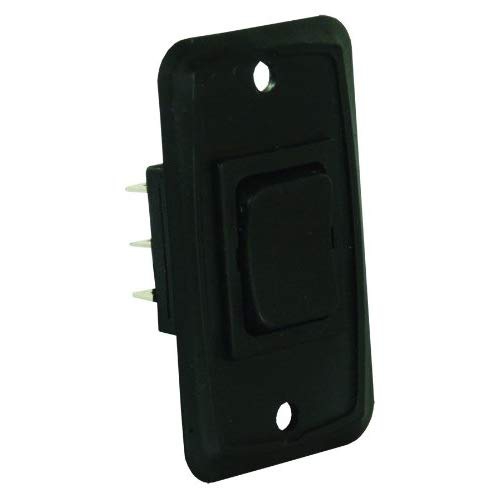
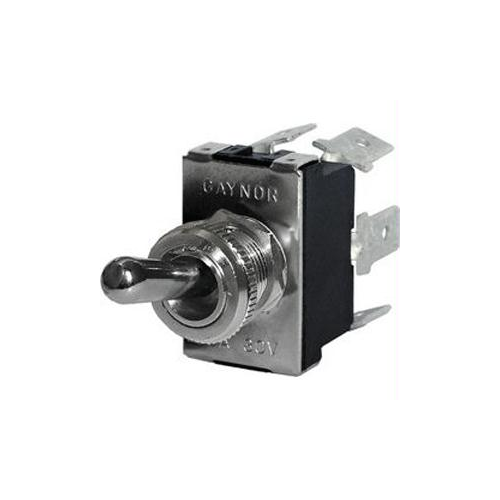
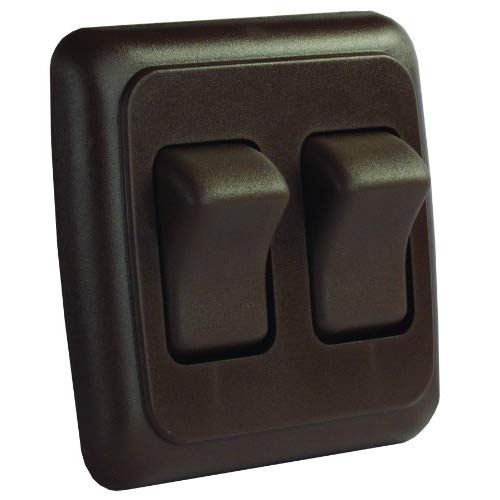
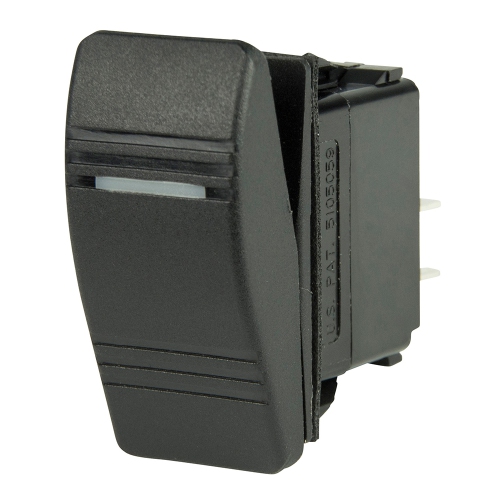
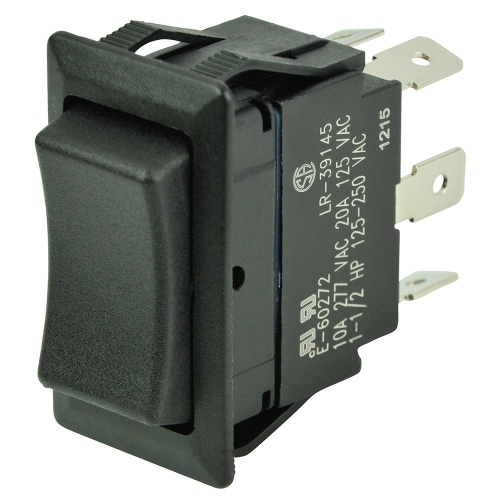
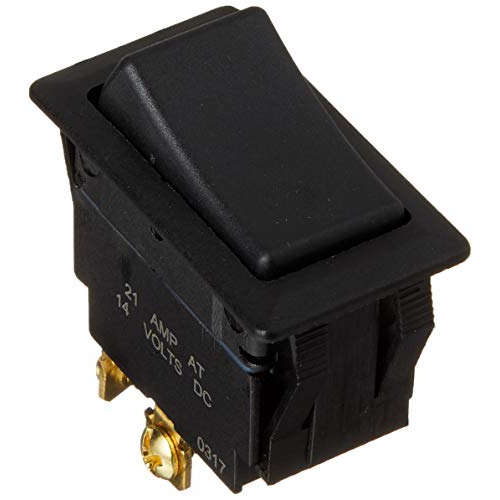
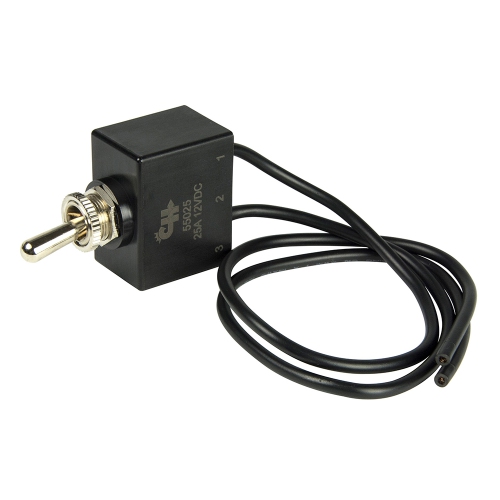
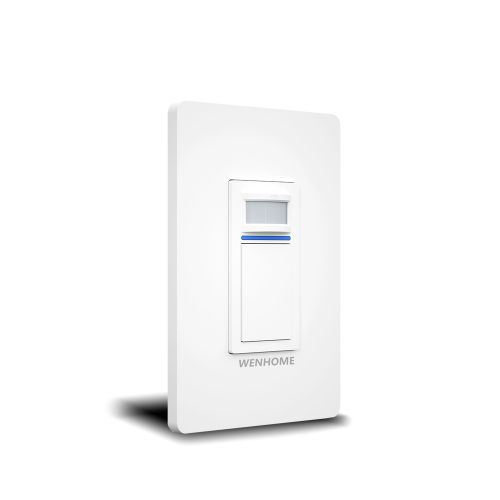
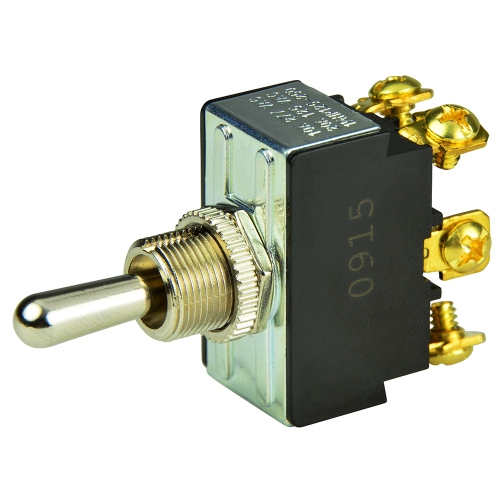
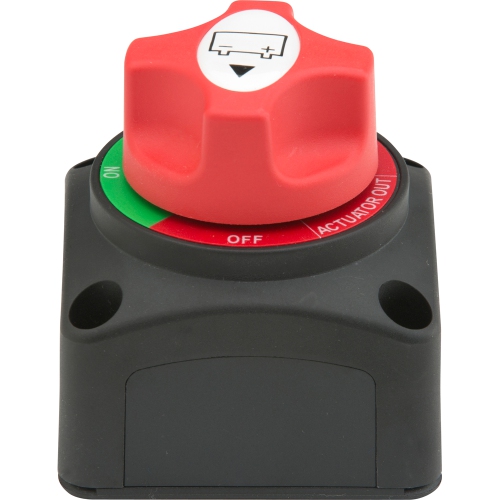
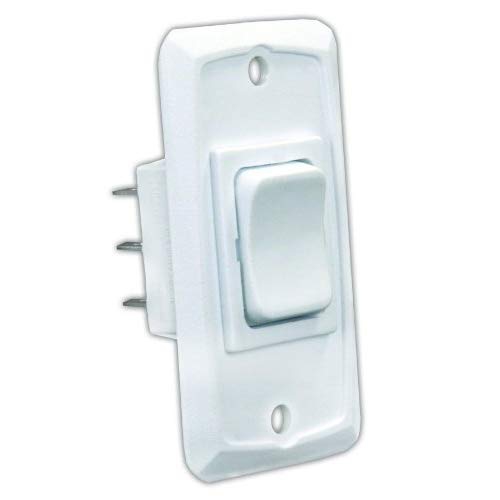
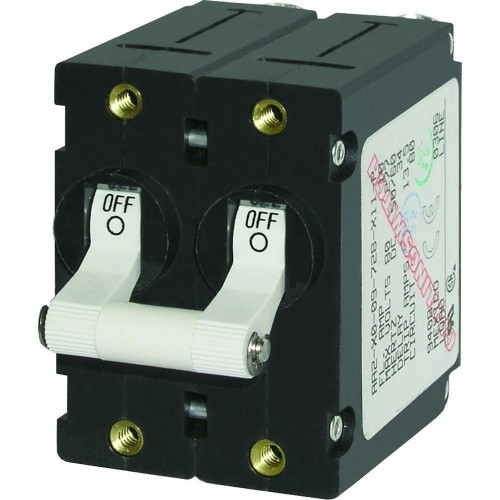
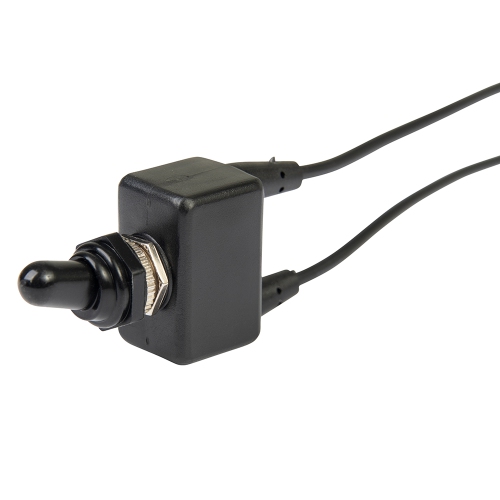
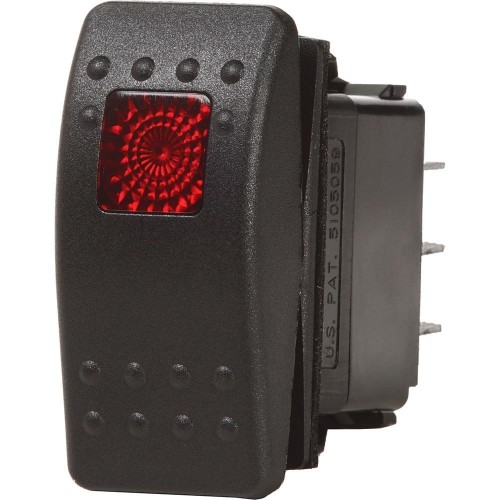
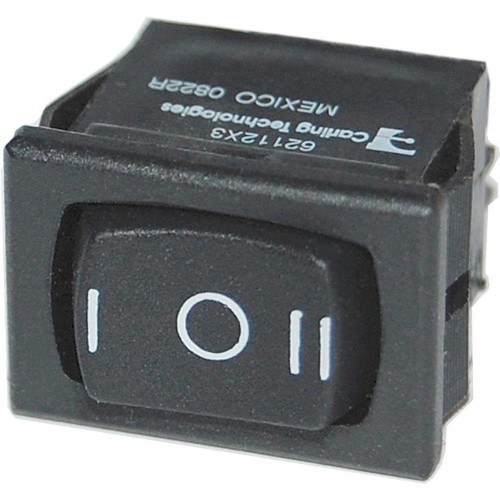
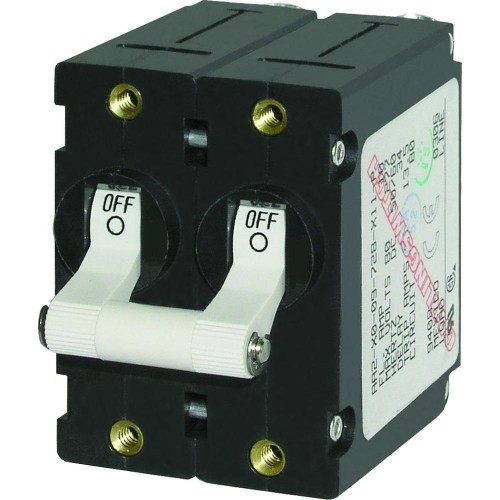
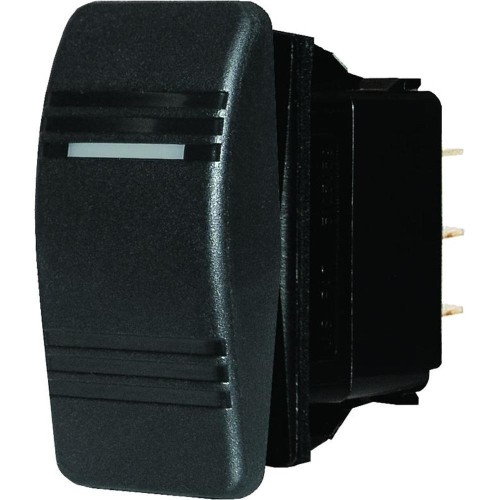
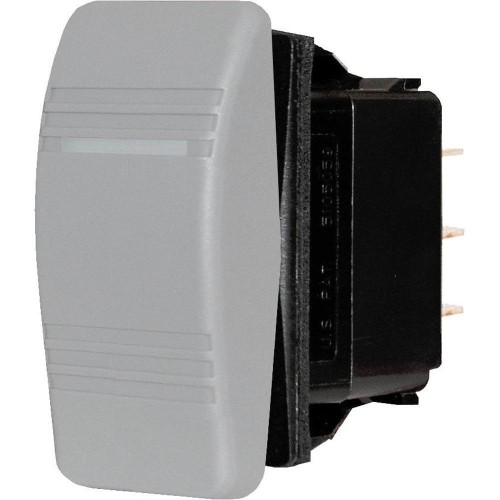
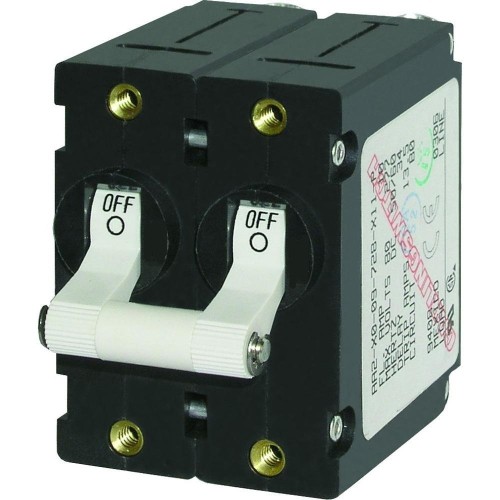
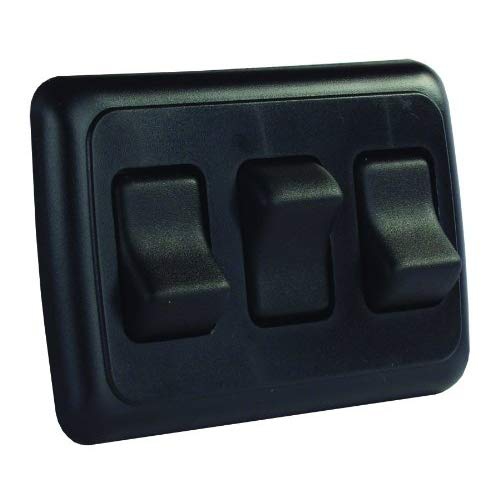
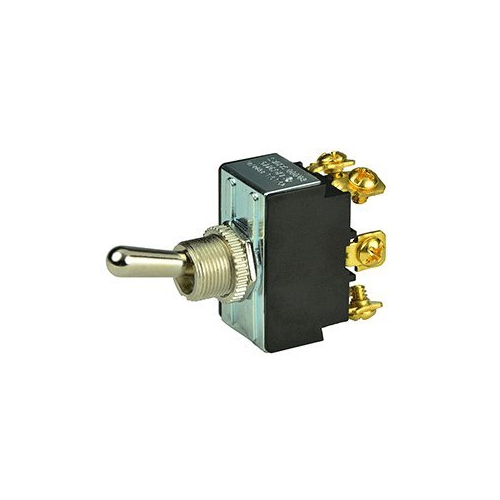
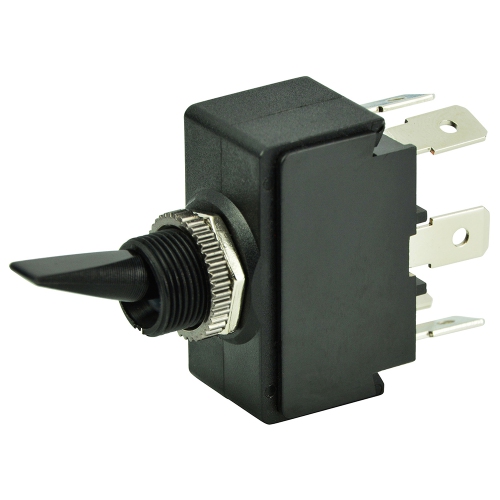
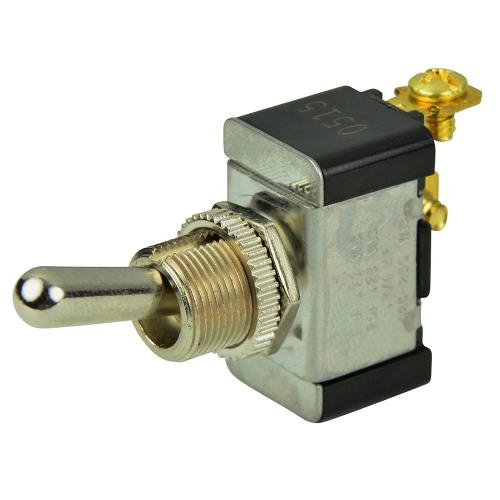
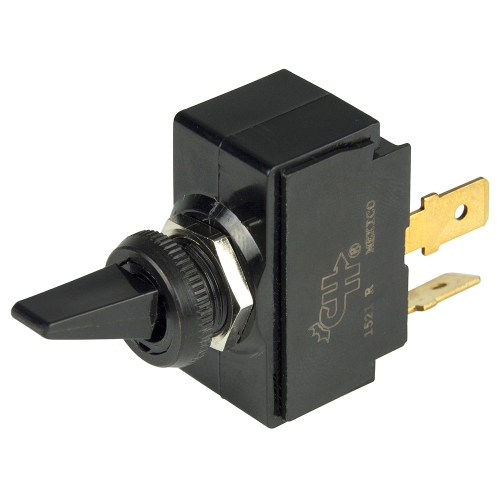
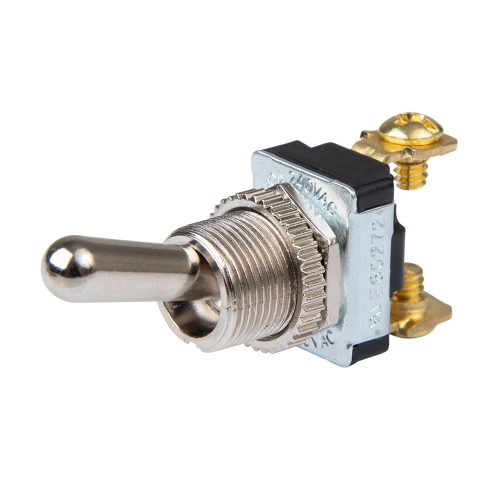
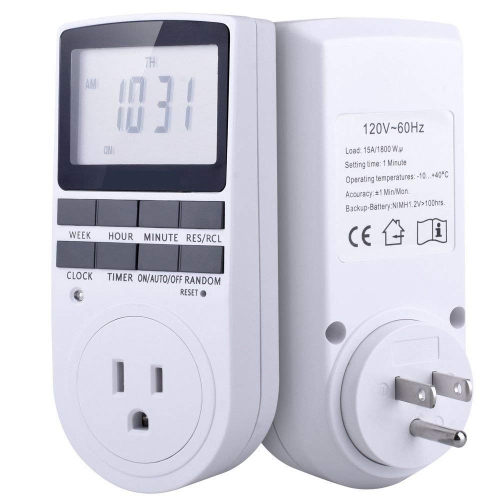
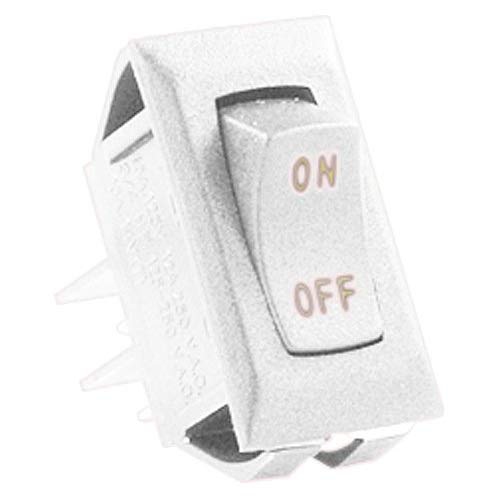
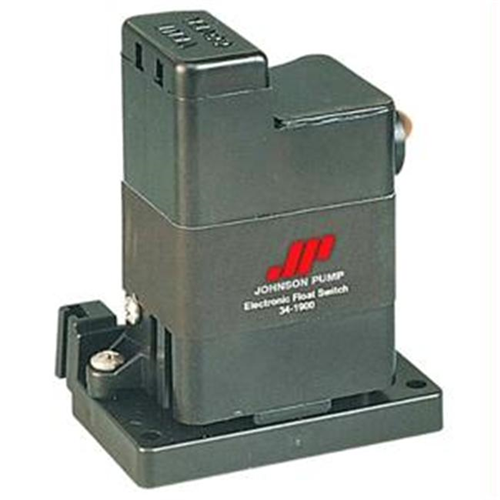
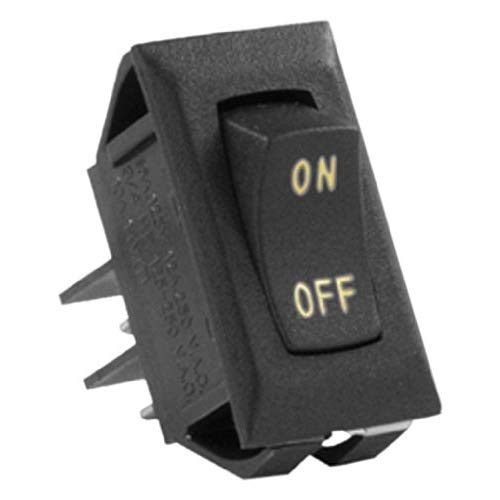
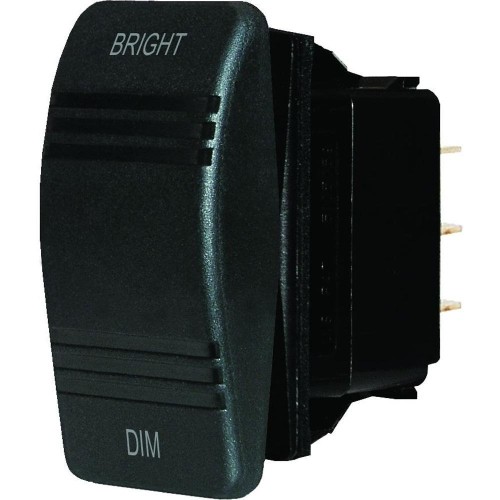
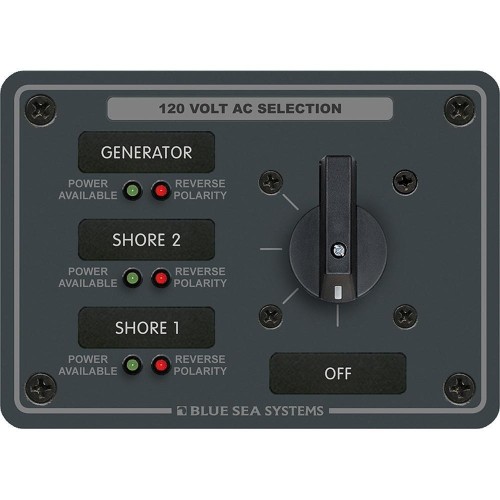
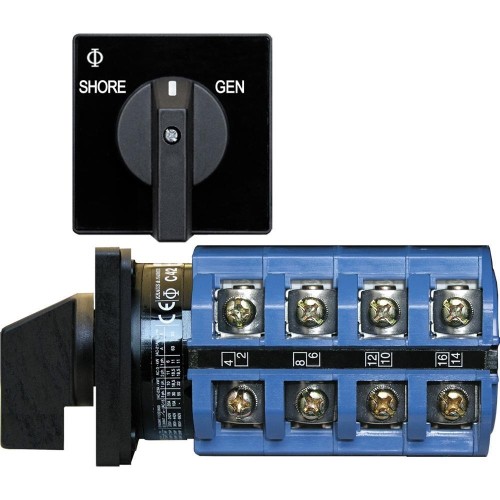
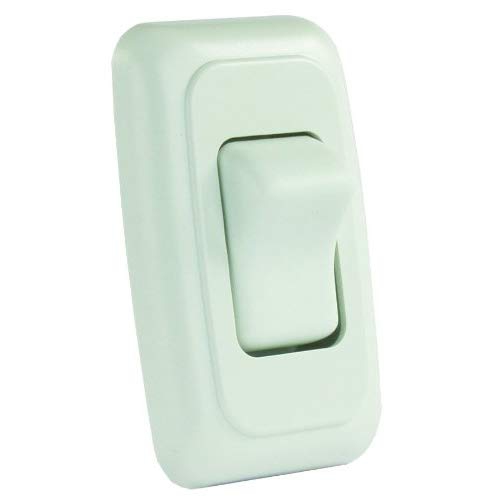
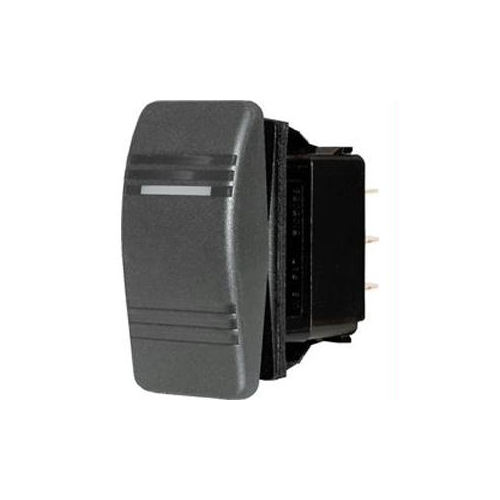
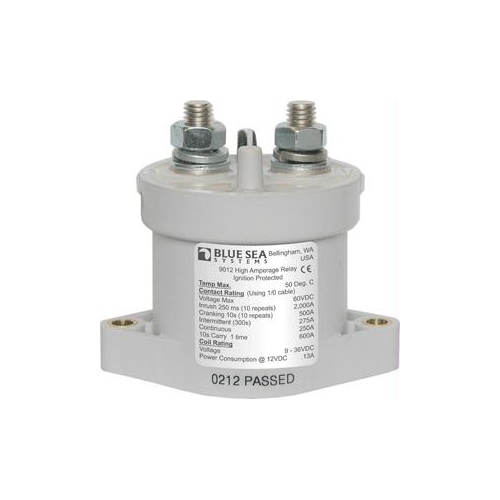
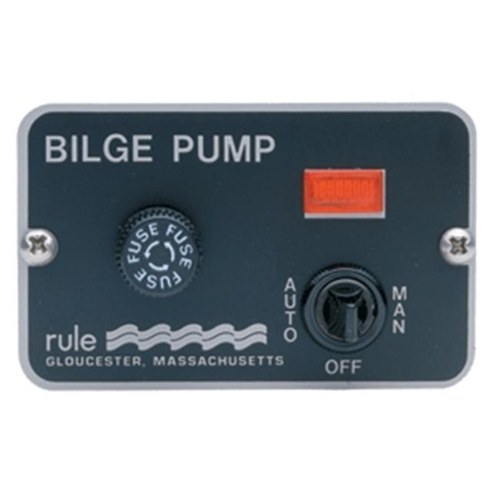
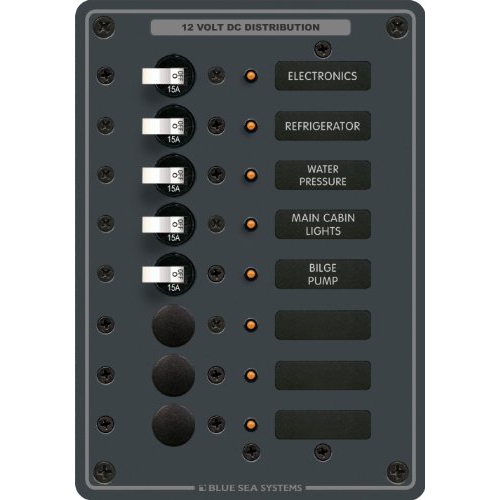
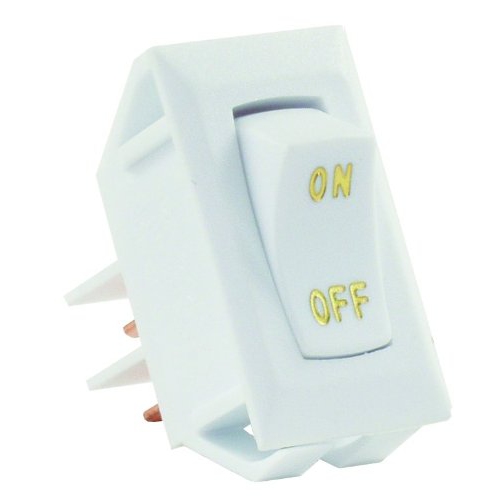
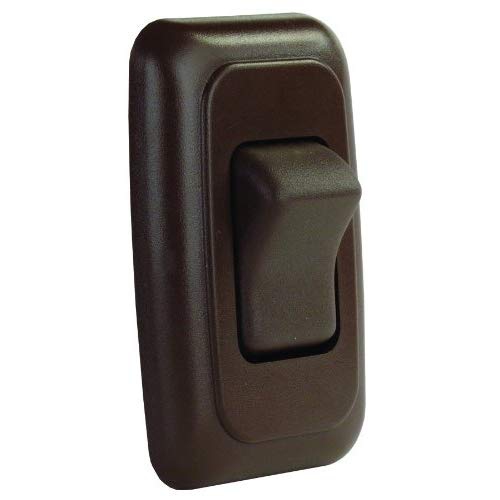
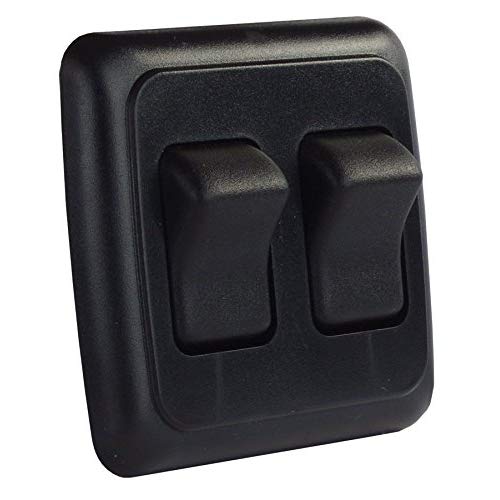
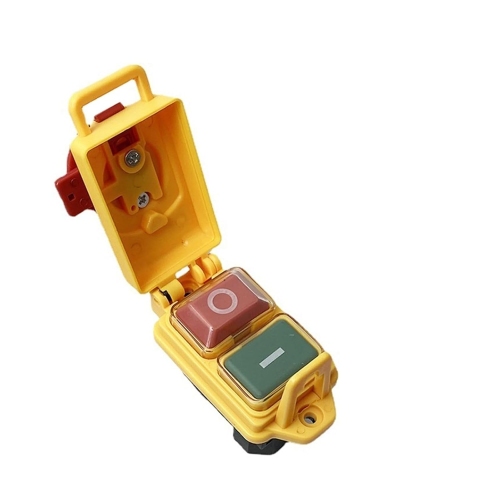
Electrical switches control the flow of current in a circuit, turning connected lights or equipment on and off. In a home, they form part of the everyday routine: lighting a hallway with an armful of groceries, switching on a bathroom fan, or bringing a kitchen work area into clear view. The main differences between switches are how they operate, the circuit arrangements they support, and the electrical loads they are designed to control. A single-pole switch operates a light or suitable device from one location, making it a familiar choice for bedrooms, closets, and smaller rooms with one entrance. A three-way switch works with another compatible switch to control the same lighting from two locations, such as opposite ends of a corridor or the top and bottom of a staircase. Where lighting needs to be controlled from three or more places, a conventional arrangement uses four-way switches between the two three-way switches. Double-pole switches open or close two conductors together and may be used with certain 240-volt loads, provided their ratings and intended applications match the equipment. These circuit functions are separate from the switch’s physical style. A toggle switch has a projecting lever, while a rocker switch uses a broader paddle that is pressed at either end. Either style can suit everyday lighting, and the right feel often depends on the room and the people using it. A broad paddle may be easier to locate by touch near a doorway, while a toggle offers a distinct lever position and a familiar action. Dimmer switches add adjustable brightness rather than simple on-and-off control, helping a dining area shift from bright task lighting to a softer setting. Fan controls, timers, and occupancy-sensing switches serve different purposes again, so a similar faceplate does not mean two switches are interchangeable. Their usefulness comes from matching the control to the fixture, the circuit, and the way the space is used.
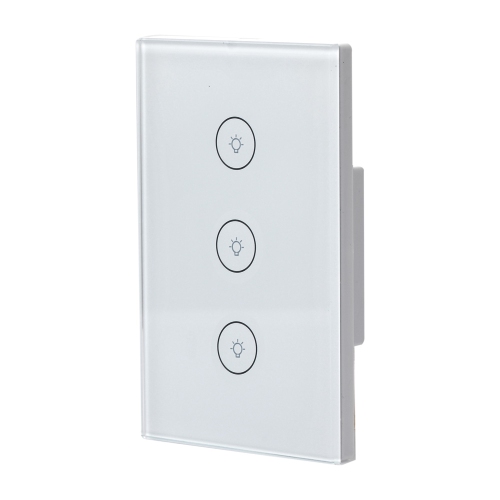
Electrical compatibility matters as much as appearance when choosing switches for a renovation, a room refresh, or a replacement for a worn control. Voltage, current rating, load type, and wiring configuration all affect suitability. A switch designed for an ordinary lighting circuit is not automatically appropriate for a motor, heater, or other higher-demand equipment. Likewise, a lighting dimmer should not be used as a ceiling fan speed control unless it is expressly designed for that application. LED lighting introduces another compatibility consideration: both the lamps and the dimmer need to support dimming, and the pairing should fall within the manufacturer’s stated requirements. A suitable combination can help avoid flickering, buzzing, or an abrupt drop from bright light to darkness at the lower end of the dimming range. Smart switches bring features such as schedules, app control, and integration with compatible connected-home systems, but their requirements vary. Some need a neutral conductor in the wall box, some depend on a separate hub, and others connect through Wi-Fi or another supported wireless protocol. Network requirements, multi-location compatibility, and behaviour when the internet connection is interrupted are useful distinctions for households that want connected features without losing convenient wall control. Physical fit deserves equal attention. Wall boxes differ in depth and usable space, and a control with a larger housing may not fit comfortably into the same space as a basic mechanical switch. Multi-gang installations, where several controls sit beside one another, also require compatible wall plates and may affect a dimmer’s permitted load according to its installation instructions. Matching the plate opening to a toggle, rocker, or other control style gives the finished installation a tidy appearance without gaps or a strained fit. For shoppers exploring related circuit-control terminology, Electronic Switches provides a separate browsing category; the names alone do not establish suitability for household wiring. Electrical ratings, Canadian certification markings, and the manufacturer’s intended use remain the important details. A qualified electrician can confirm compatibility with existing wiring and carry out installation in accordance with applicable local requirements.
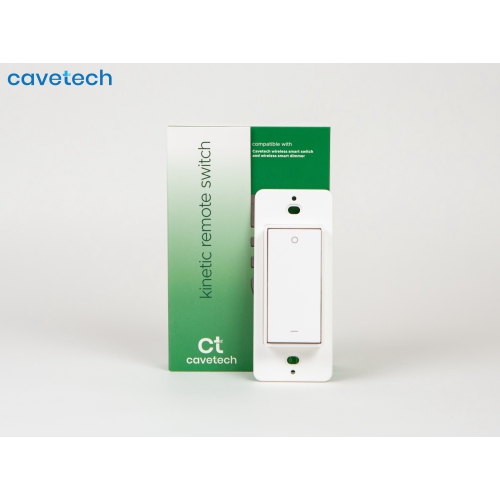
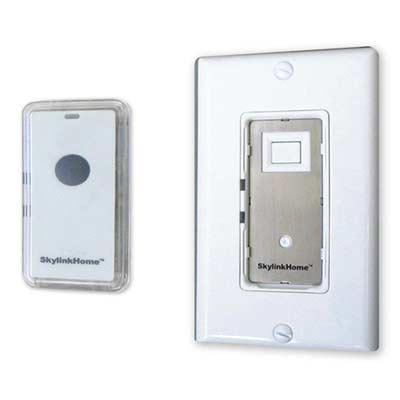
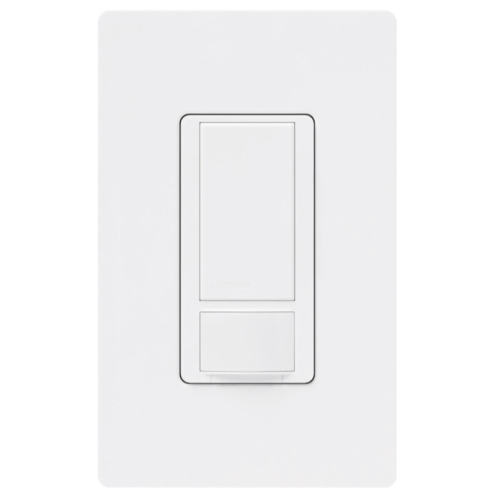
Materials, construction, and ease of use help determine how electrical switches stand up to years of daily handling. Common wall-switch bodies and operating surfaces use insulating plastics, while internal conductive contacts and terminals are typically metal. The housing, contact design, and quality of the operating mechanism all contribute to dependable performance; a substantial feel alone is not proof of a suitable electrical rating. In busy family spaces, a smooth surface with few crevices can make routine cleaning simpler, while a finish that coordinates with nearby outlets and wall plates helps the room look consistent. White and other neutral finishes blend into many interiors, and contrasting controls can be easier to spot against a pale wall. Placement and operation matter for accessibility, too. A clearly defined paddle, readable markings, or a suitable locator light can make a control easier to find in a dim hallway, although illuminated features should be checked for compatibility with the connected lighting. For homeowners updating several rooms, keeping the control style consistent can make daily use more intuitive. Renters planning a change should obtain the property owner’s approval before arranging work on fixed wiring. Intended use also shapes the choice between manual and automatic operation. A timer can limit how long a compatible bathroom fan runs after a shower, while an occupancy sensor can switch suitable lighting on when someone enters a utility room. Sensor coverage, delay settings, and detection method affect performance: a person sitting quietly at a desk may not be detected as readily as someone walking through a doorway. In damp, wet, or exposed locations, switches and their enclosures need to be specifically rated for the conditions rather than selected for appearance alone. Care should follow the manufacturer’s directions, with no cleaning liquid sprayed into openings or allowed to enter the mechanism. Cracking, discolouration, an unusual smell, sparking, or a change in operation warrants professional assessment rather than continued use. Thoughtfully matched electrical switches bring together the right circuit function, a comfortable action, and a finish that suits the room, supporting dependable control wherever lighting and compatible equipment are part of daily life.
Electrical compatibility matters as much as appearance when choosing switches for a renovation, a room refresh, or a replacement for a worn control. Voltage, current rating, load type, and wiring configuration all affect suitability. A switch designed for an ordinary lighting circuit is not automatically appropriate for a motor, heater, or other higher-demand equipment. Likewise, a lighting dimmer should not be used as a ceiling fan speed control unless it is expressly designed for that application. LED lighting introduces another compatibility consideration: both the lamps and the dimmer need to support dimming, and the pairing should fall within the manufacturer’s stated requirements. A suitable combination can help avoid flickering, buzzing, or an abrupt drop from bright light to darkness at the lower end of the dimming range. Smart switches bring features such as schedules, app control, and integration with compatible connected-home systems, but their requirements vary. Some need a neutral conductor in the wall box, some depend on a separate hub, and others connect through Wi-Fi or another supported wireless protocol. Network requirements, multi-location compatibility, and behaviour when the internet connection is interrupted are useful distinctions for households that want connected features without losing convenient wall control. Physical fit deserves equal attention. Wall boxes differ in depth and usable space, and a control with a larger housing may not fit comfortably into the same space as a basic mechanical switch. Multi-gang installations, where several controls sit beside one another, also require compatible wall plates and may affect a dimmer’s permitted load according to its installation instructions. Matching the plate opening to a toggle, rocker, or other control style gives the finished installation a tidy appearance without gaps or a strained fit. For shoppers exploring related circuit-control terminology, Electronic Switches provides a separate browsing category; the names alone do not establish suitability for household wiring. Electrical ratings, Canadian certification markings, and the manufacturer’s intended use remain the important details. A qualified electrician can confirm compatibility with existing wiring and carry out installation in accordance with applicable local requirements.
Materials, construction, and ease of use help determine how electrical switches stand up to years of daily handling. Common wall-switch bodies and operating surfaces use insulating plastics, while internal conductive contacts and terminals are typically metal. The housing, contact design, and quality of the operating mechanism all contribute to dependable performance; a substantial feel alone is not proof of a suitable electrical rating. In busy family spaces, a smooth surface with few crevices can make routine cleaning simpler, while a finish that coordinates with nearby outlets and wall plates helps the room look consistent. White and other neutral finishes blend into many interiors, and contrasting controls can be easier to spot against a pale wall. Placement and operation matter for accessibility, too. A clearly defined paddle, readable markings, or a suitable locator light can make a control easier to find in a dim hallway, although illuminated features should be checked for compatibility with the connected lighting. For homeowners updating several rooms, keeping the control style consistent can make daily use more intuitive. Renters planning a change should obtain the property owner’s approval before arranging work on fixed wiring. Intended use also shapes the choice between manual and automatic operation. A timer can limit how long a compatible bathroom fan runs after a shower, while an occupancy sensor can switch suitable lighting on when someone enters a utility room. Sensor coverage, delay settings, and detection method affect performance: a person sitting quietly at a desk may not be detected as readily as someone walking through a doorway. In damp, wet, or exposed locations, switches and their enclosures need to be specifically rated for the conditions rather than selected for appearance alone. Care should follow the manufacturer’s directions, with no cleaning liquid sprayed into openings or allowed to enter the mechanism. Cracking, discolouration, an unusual smell, sparking, or a change in operation warrants professional assessment rather than continued use. Thoughtfully matched electrical switches bring together the right circuit function, a comfortable action, and a finish that suits the room, supporting dependable control wherever lighting and compatible equipment are part of daily life.
Top selling and popular products
-
 Your price for this item is $30.59
 -
 Your price for this item is $30.54
 -
 Your price for this item is $38.85
 -
 Your price for this item is $92.99
 -
 Your price for this item is $844.91
 -
 Your price for this item is $909.33
 -
 Your price for this item is $30.62
 -
 Your price for this item is $34.93
Discover more categories related to Electrical Switches
Top Collections:
Pokemon Centers, Kindle Devices, Best Budget Office Chairs, Apple iPhones 16, Best Laptops for Writers, iPhone 15 Apple, Canon G7X Cameras, Refurbished Apple Laptops, Alarm Clock, Motorola Razr Phones
Some products may be subject to Environmental Handling Fees
(EHF) depending on your province.
Learn more about EHFs.