Trailer Lights
Trailer lights ensure visibility and safety while towing, whether heading out on a road trip or transporting equipment. With the right trailer lights, you can enhance your vehicle’s presence on the road and comply with transportation regulations. Explore a wide selection of trailer lights to find options that suit various trailer types and needs, making it easy to keep your journeys safe and well-lit.
Sort
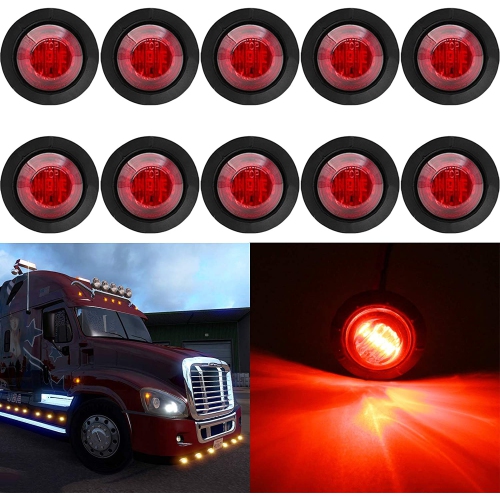
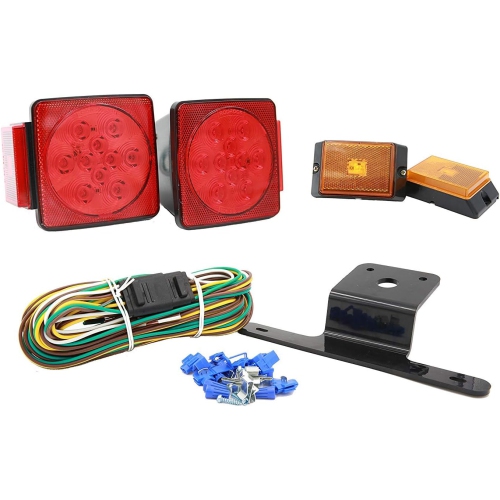
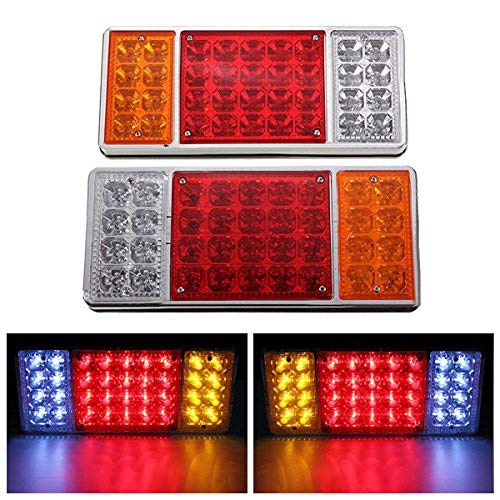
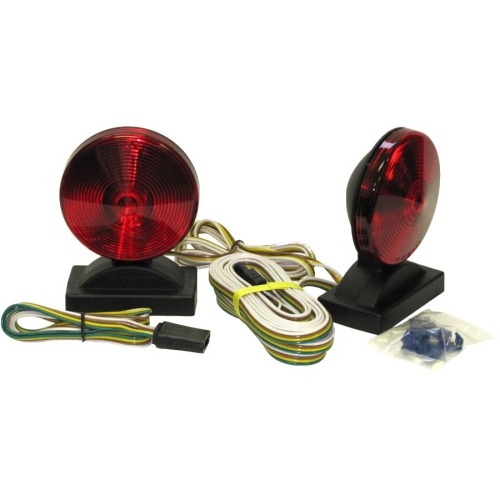

Visibility depends on the right lights, wiring, and placement
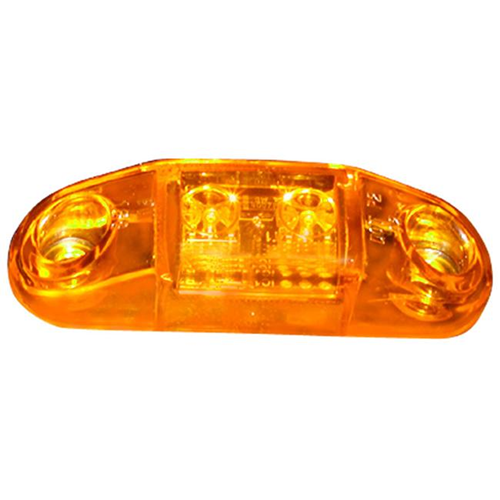
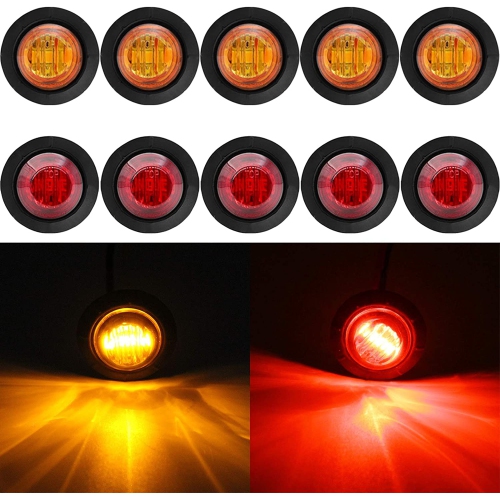
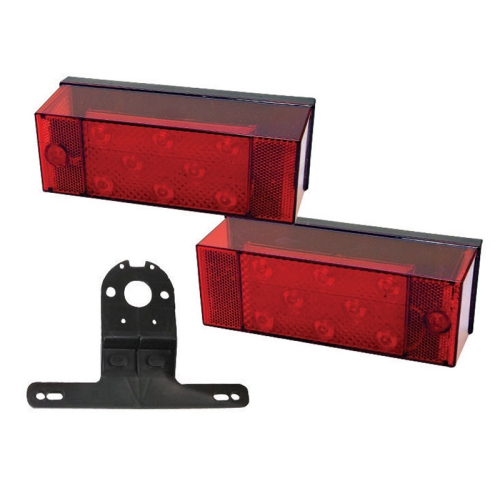
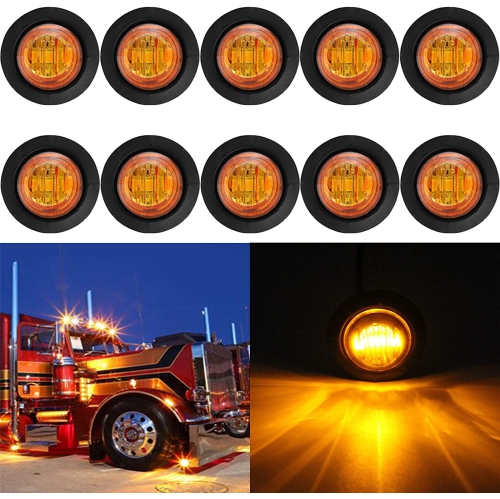
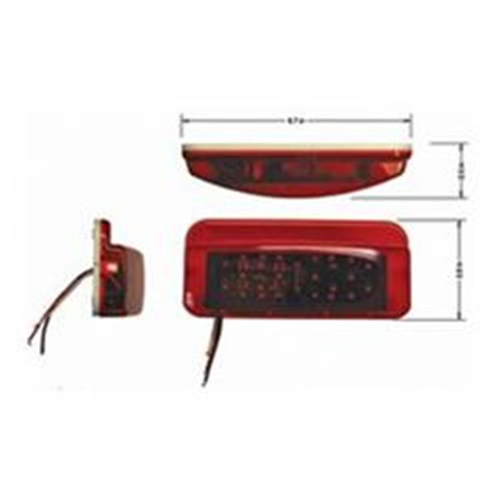
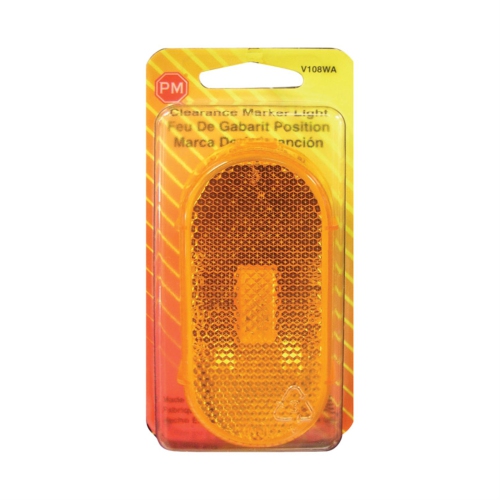
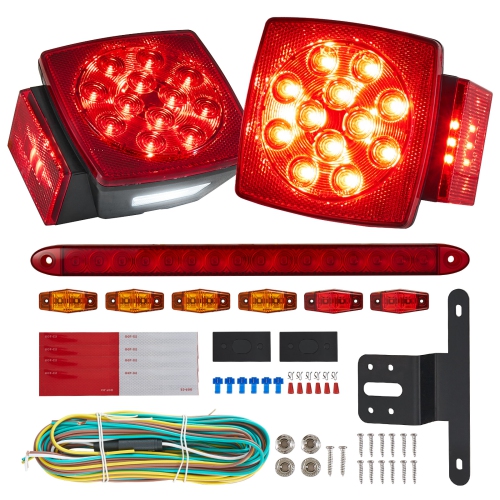
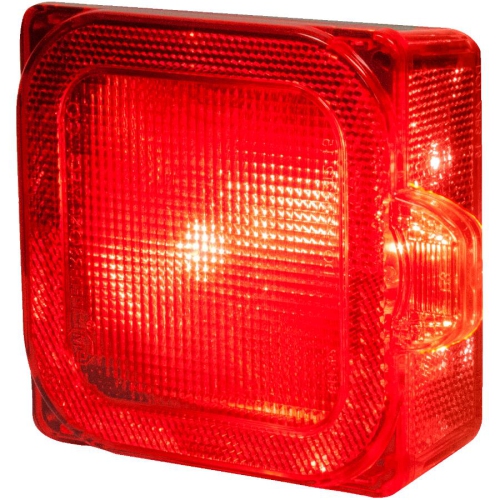
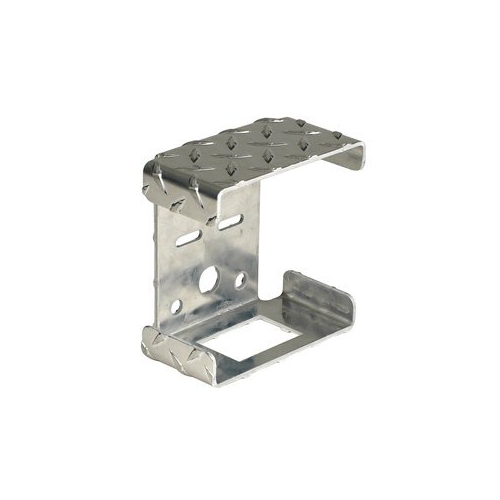
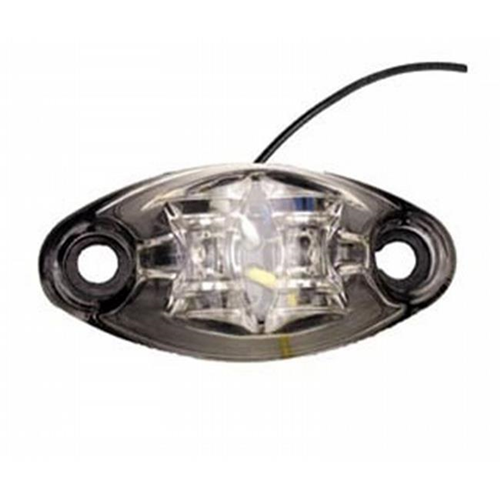
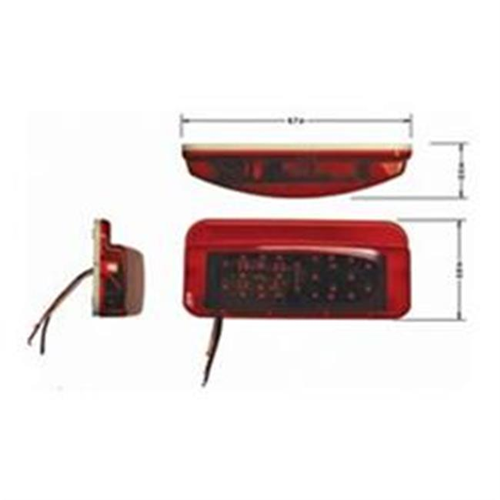
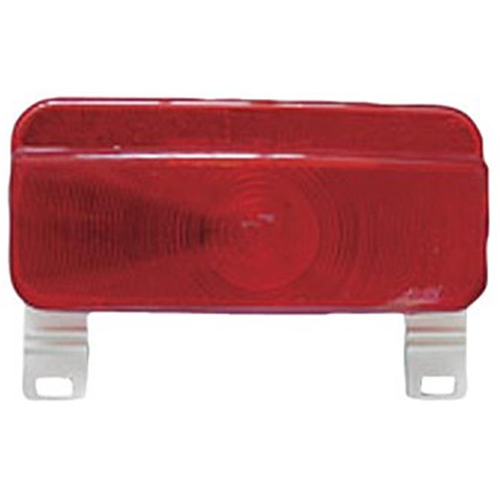
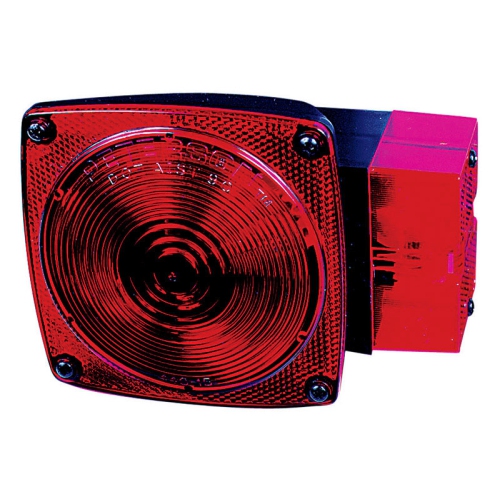
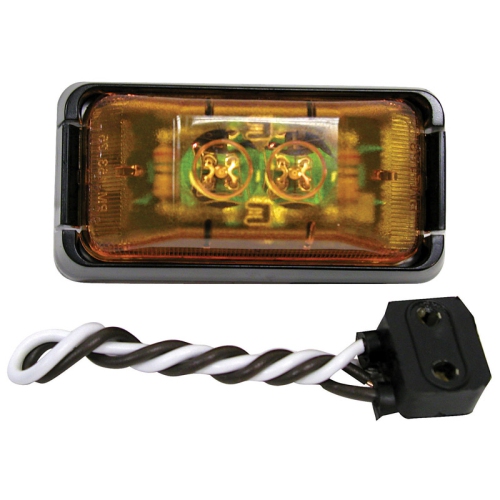
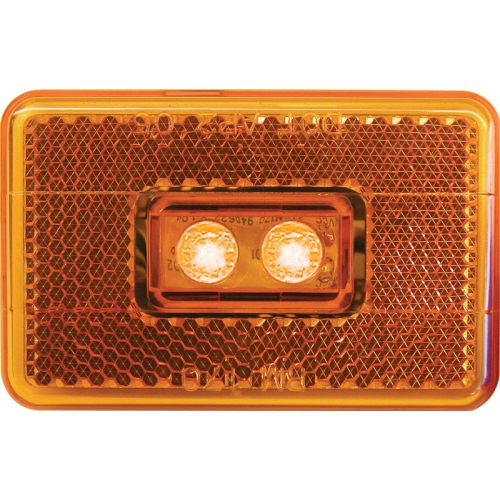
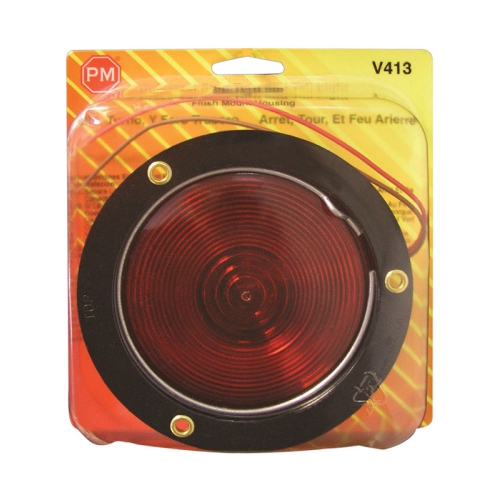
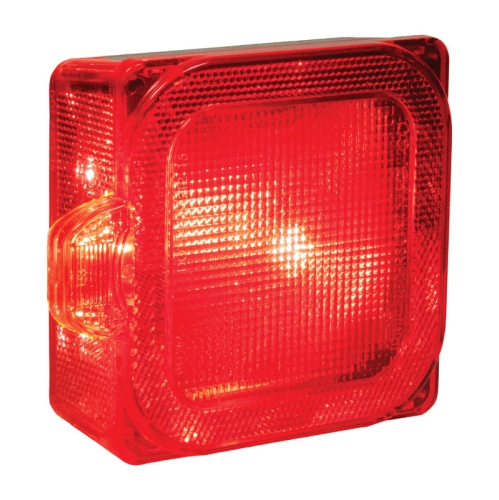
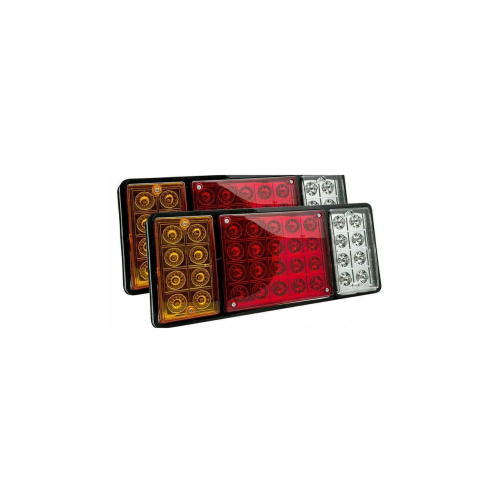
Trailer lights are an important part of any towing setup, helping other road users see when a trailer is slowing, turning, changing lanes, or travelling after dark. A complete lighting arrangement may include rear combination lamps for stop, turn, and tail functions, along with side marker and clearance lights that outline the trailer’s width and length. This visibility matters on everything from compact utility trailers carrying outdoor equipment to enclosed cargo trailers, campers, and boat trailers travelling along rural roads or busy highways. Before choosing replacement or additional lights, consider the trailer’s size, mounting points, wiring arrangement, and intended use. A compact trailer may only need a pair of combination lamps and a licence plate light, while a wider or longer trailer may require additional amber markers near the front and red markers toward the rear. Reflectors can also contribute to visibility, but they do not replace functioning lights. Look for fixtures with dimensions and mounting holes that match the existing trailer, or be prepared to measure and adapt the installation area carefully. The lens colour, light function, connector style, and voltage should also be compatible with the towing vehicle and trailer wiring. A light that appears similar but has a different mounting pattern or connector can turn a straightforward replacement into a more involved project. For a broader selection of towing and hauling essentials, explore Trailer Accessories alongside trailer lights and related equipment.
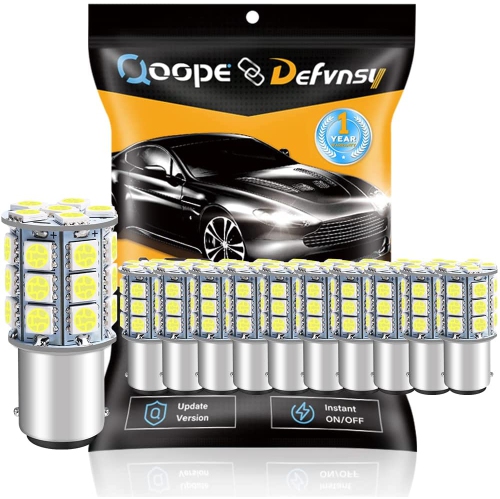
The trailer’s environment should guide the type of light you select. Boat trailers spend time near water and may have their lamps briefly or fully submerged during launching, so sealed submersible fixtures are designed to reduce the chance of water reaching sensitive electrical connections. They can be especially useful when a trailer is backed down a ramp, where splashing and repeated changes in temperature place extra demands on the housing and wiring. Utility and cargo trailers may spend more time exposed to road spray, dust, gravel, and changing temperatures, making a sturdy housing and protected connections valuable. LED trailer lights are a popular choice because they typically use less electrical power, illuminate quickly, and have a long service life under normal conditions. Their rapid response can make braking and signalling easier for following drivers to notice. Incandescent lights remain available for compatible setups and can provide a small amount of warmth in freezing conditions, although that warmth should not be treated as a substitute for clearing snow or ice safely. Wireless magnetic light kits offer a practical temporary option for some towing situations, particularly when a trailer does not have permanent lighting or when a rental, borrowed, or recently repaired trailer needs rear lamps in a hurry. Their usefulness depends on secure magnetic contact, charged batteries, clear line of sight, and a suitable attachment surface. They should be positioned where they can be seen without being blocked by cargo, ramps, spare tyres, or a tailgate. For a permanent installation, hardwired lights generally provide a more dependable long-term arrangement when the trailer’s wiring is in good condition and properly protected.
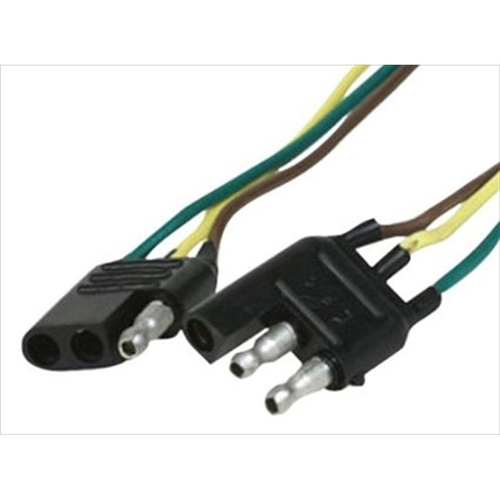
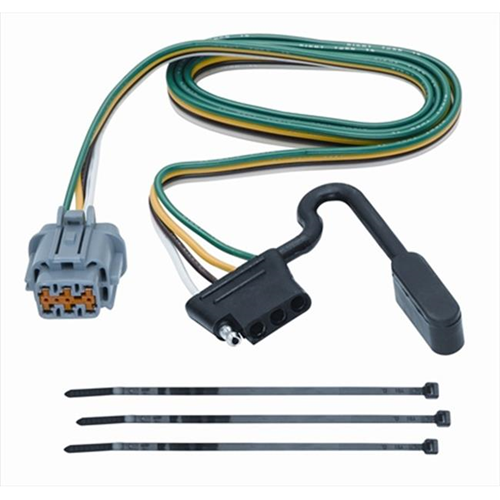
Wiring and grounding deserve just as much attention as the lamps themselves. Standard trailer wiring commonly uses a brown wire for running lights, a yellow wire for the driver-side turn and stop signal, and a green wire for the passenger-side turn and stop signal, though colour conventions can vary and should be checked against the wiring diagram or vehicle connector. White is often used for the ground connection. A secure, clean metal-to-metal ground between the light assembly, trailer frame, and wiring system is essential; paint, rust, dirt, loose fasteners, or corrosion can interrupt the circuit and lead to dim, flickering, or non-functioning lights. Wiring should be routed away from sharp edges, hot exhaust components, suspension movement, and areas where stones or cargo could cause damage. Protective loom, clips, heat-shrink connectors, and sealed connections can help keep moisture out and reduce strain on the wires. Before towing, test the running lights, brake lights, turn signals, and four-way flashers with the trailer connected, then walk around the trailer to confirm that each lamp is visible and operating as intended. Check that lenses are clean, fasteners are tight, and no cargo or cover blocks the lamps. During the cooler months, inspect for packed snow, road salt, slush, and ice around the lights and connectors before setting out. Regular checks are especially worthwhile before a long drive, after launching a boat, or when a trailer has been stored for an extended period. Choosing trailer lights that match the trailer’s purpose and maintaining the complete electrical connection can make loading, hauling, and arriving at your destination more predictable and confident.
The trailer’s environment should guide the type of light you select. Boat trailers spend time near water and may have their lamps briefly or fully submerged during launching, so sealed submersible fixtures are designed to reduce the chance of water reaching sensitive electrical connections. They can be especially useful when a trailer is backed down a ramp, where splashing and repeated changes in temperature place extra demands on the housing and wiring. Utility and cargo trailers may spend more time exposed to road spray, dust, gravel, and changing temperatures, making a sturdy housing and protected connections valuable. LED trailer lights are a popular choice because they typically use less electrical power, illuminate quickly, and have a long service life under normal conditions. Their rapid response can make braking and signalling easier for following drivers to notice. Incandescent lights remain available for compatible setups and can provide a small amount of warmth in freezing conditions, although that warmth should not be treated as a substitute for clearing snow or ice safely. Wireless magnetic light kits offer a practical temporary option for some towing situations, particularly when a trailer does not have permanent lighting or when a rental, borrowed, or recently repaired trailer needs rear lamps in a hurry. Their usefulness depends on secure magnetic contact, charged batteries, clear line of sight, and a suitable attachment surface. They should be positioned where they can be seen without being blocked by cargo, ramps, spare tyres, or a tailgate. For a permanent installation, hardwired lights generally provide a more dependable long-term arrangement when the trailer’s wiring is in good condition and properly protected.
Wiring and grounding deserve just as much attention as the lamps themselves. Standard trailer wiring commonly uses a brown wire for running lights, a yellow wire for the driver-side turn and stop signal, and a green wire for the passenger-side turn and stop signal, though colour conventions can vary and should be checked against the wiring diagram or vehicle connector. White is often used for the ground connection. A secure, clean metal-to-metal ground between the light assembly, trailer frame, and wiring system is essential; paint, rust, dirt, loose fasteners, or corrosion can interrupt the circuit and lead to dim, flickering, or non-functioning lights. Wiring should be routed away from sharp edges, hot exhaust components, suspension movement, and areas where stones or cargo could cause damage. Protective loom, clips, heat-shrink connectors, and sealed connections can help keep moisture out and reduce strain on the wires. Before towing, test the running lights, brake lights, turn signals, and four-way flashers with the trailer connected, then walk around the trailer to confirm that each lamp is visible and operating as intended. Check that lenses are clean, fasteners are tight, and no cargo or cover blocks the lamps. During the cooler months, inspect for packed snow, road salt, slush, and ice around the lights and connectors before setting out. Regular checks are especially worthwhile before a long drive, after launching a boat, or when a trailer has been stored for an extended period. Choosing trailer lights that match the trailer’s purpose and maintaining the complete electrical connection can make loading, hauling, and arriving at your destination more predictable and confident.
Top selling and popular products
-
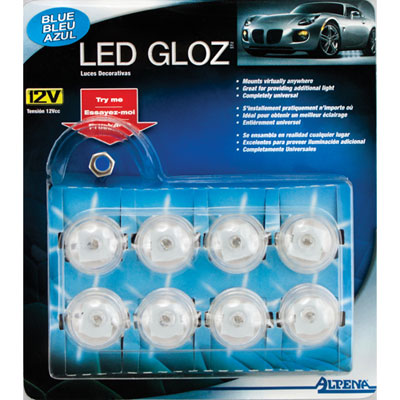 Your price for this item is $16.99
 -
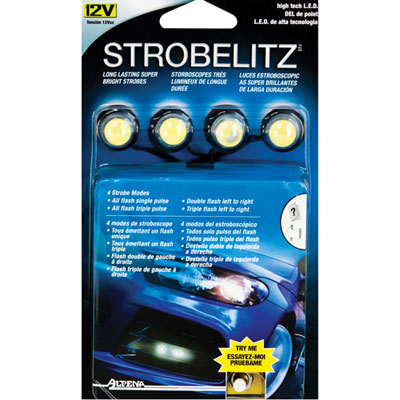 Your price for this item is $31.99
 -
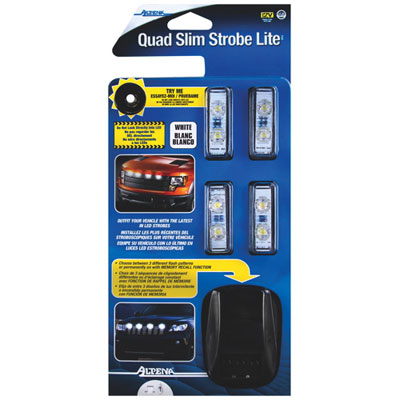 Your price for this item is $48.99
 -
 Your price for this item is $36.99
 -
 Your price for this item is $36.96
 -
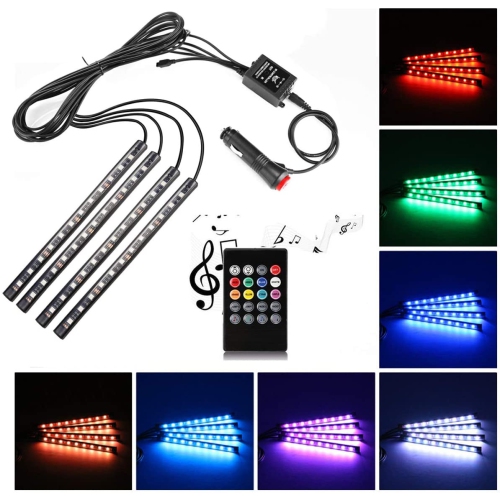 Your price for this item is $29.99
 -
 Your price for this item is $52.96
 -
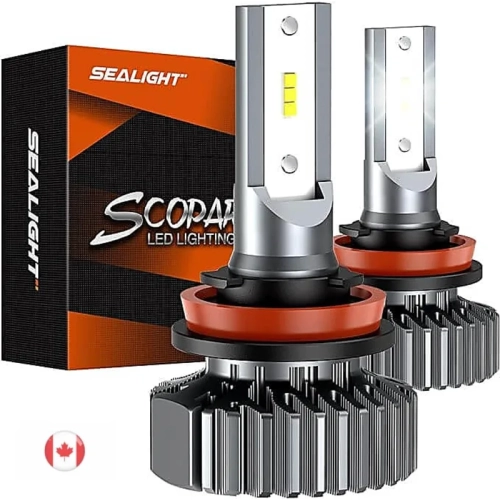 Your price for this item is $59.99
Discover more categories related to Trailer Lights

Top Collections:
Pokemon Centers, Kindle Devices, Best Budget Office Chairs, Apple iPhones 16, Best Laptops for Writers, iPhone 15 Apple, Canon G7X Cameras, Refurbished Apple Laptops, Alarm Clock, Motorola Razr Phones
Some products may be subject to Environmental Handling Fees
(EHF) depending on your province.
Learn more about EHFs.