Trailer Tie Down Straps
When it comes to transporting your valuable cargo safely and securely, trailer tie-down straps are an essential accessory. These heavy-duty straps are designed to keep your items in place during transit, giving you peace of mind on the road. Whether you're hauling furniture, appliances, or outdoor equipment, having reliable tie-down straps can make all the difference in ensuring a smooth and worry-free journey. Explore this selection of high-quality trailer tie-down straps to find the perfect solution for your hauling needs.
Sort


How to match straps to cargo and anchor points
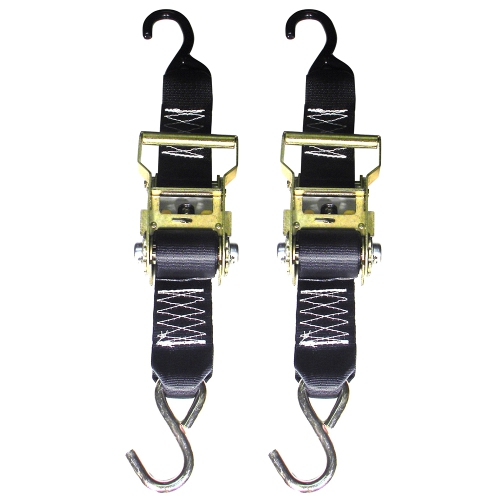
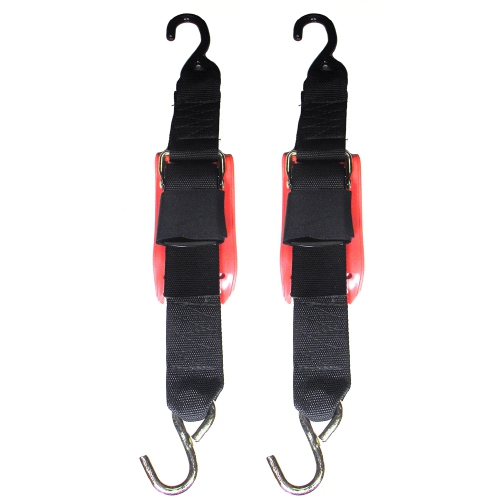
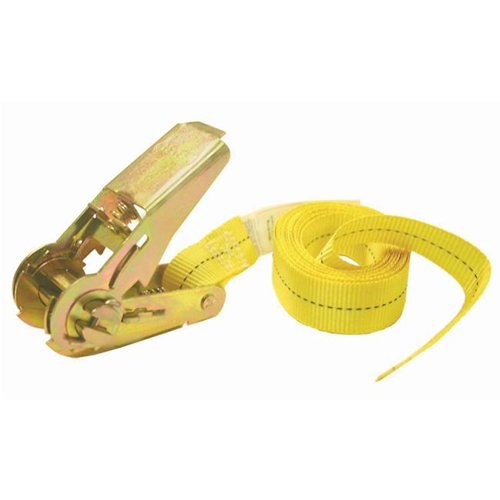
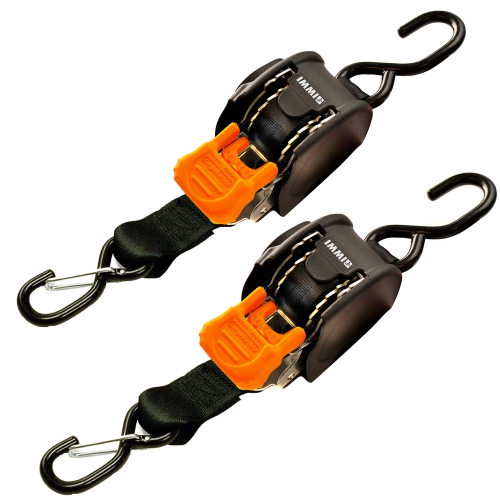
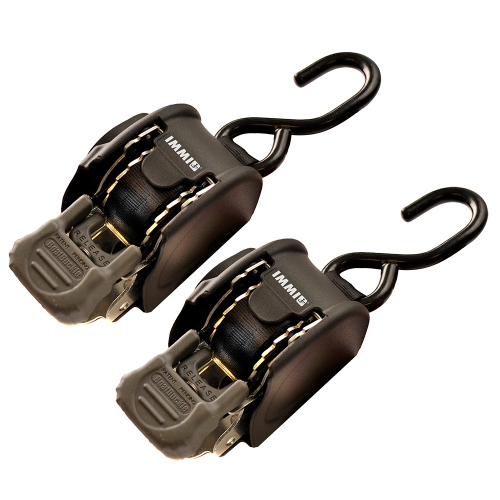
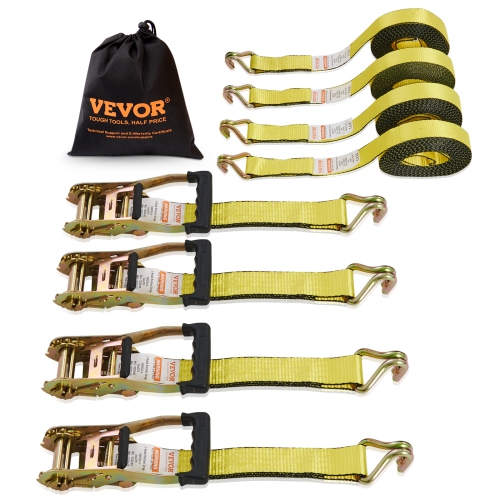
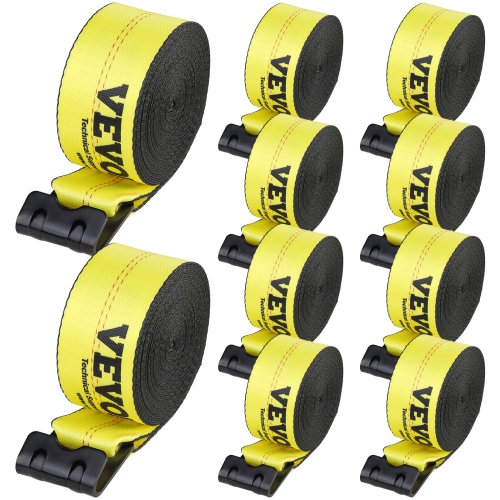
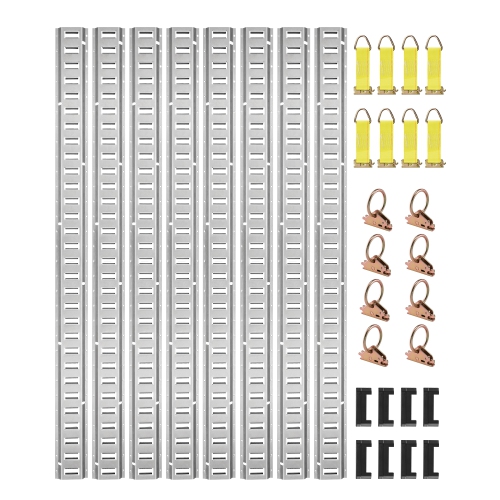
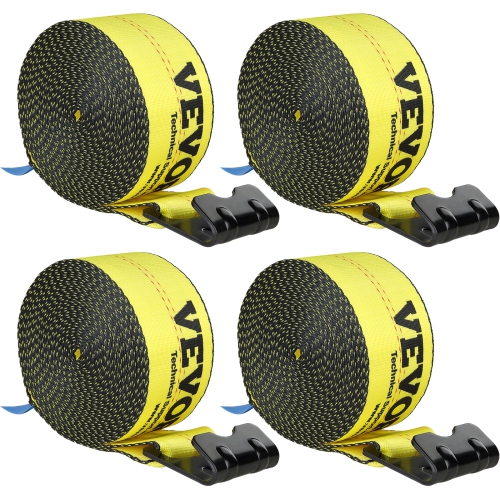
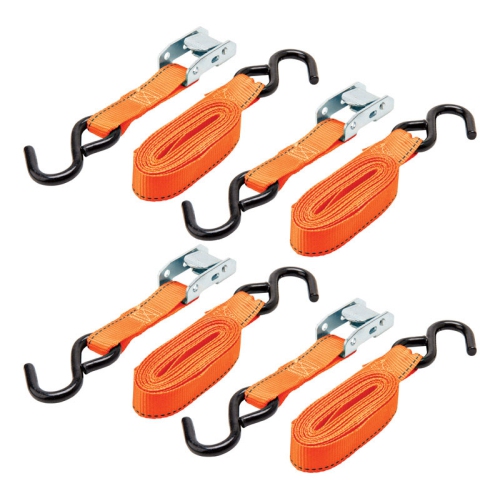
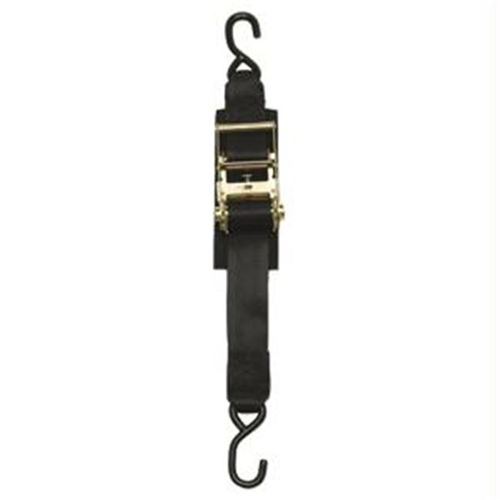
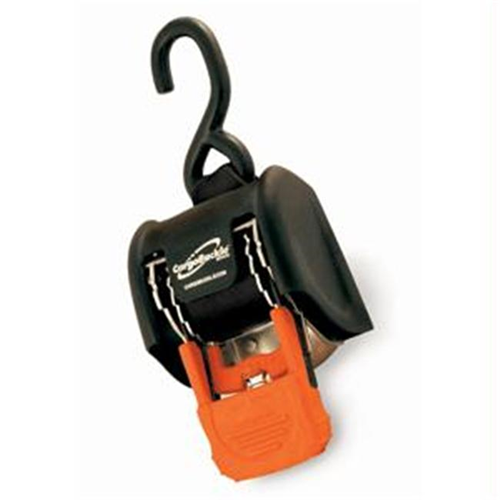
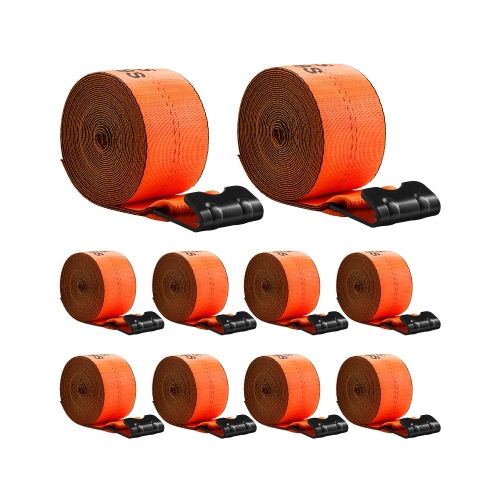
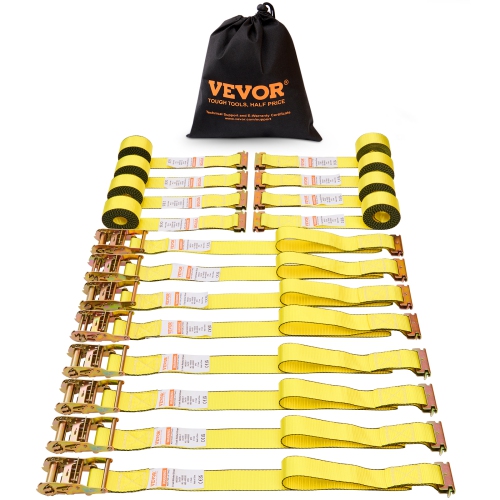
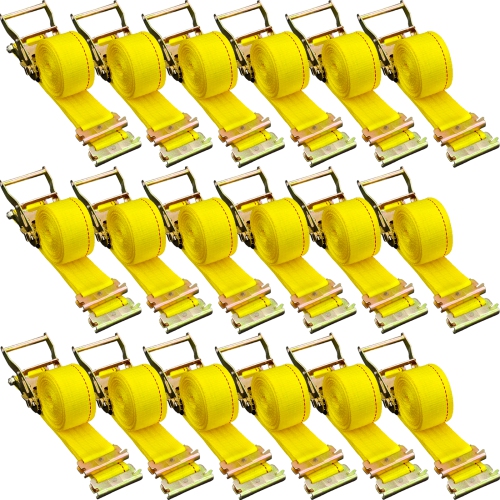
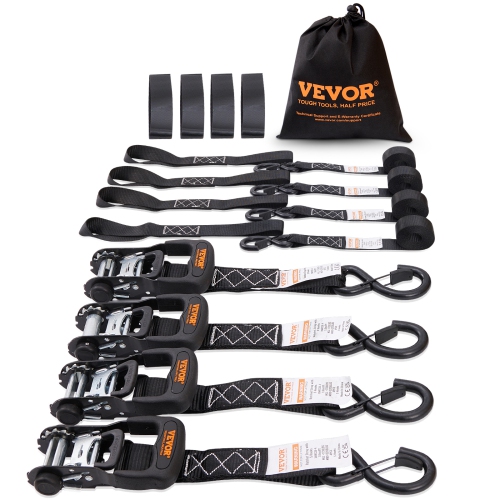
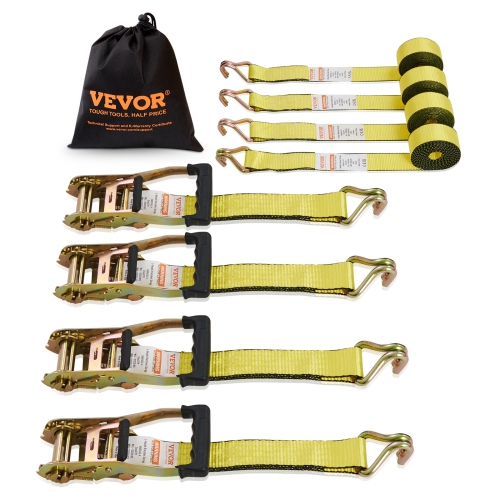
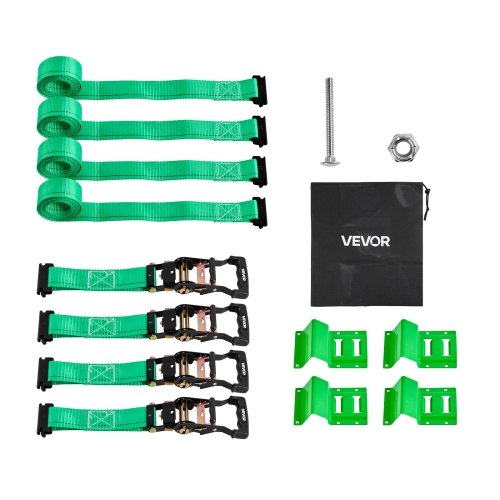
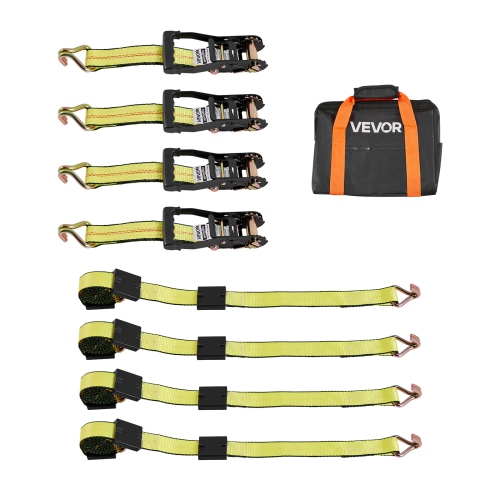
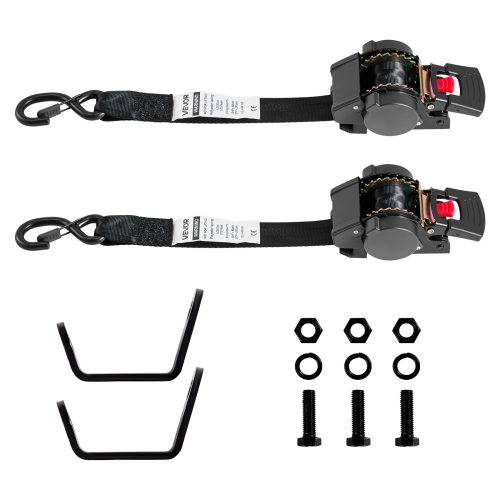
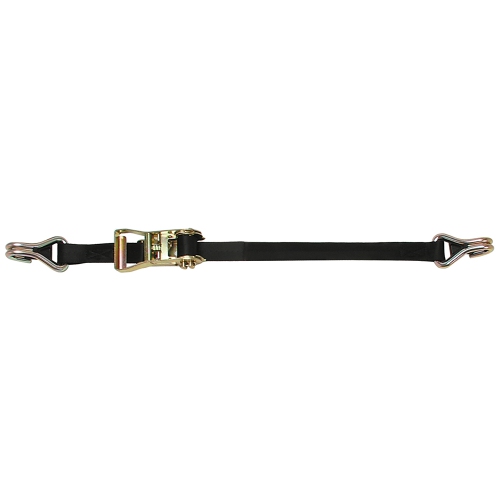
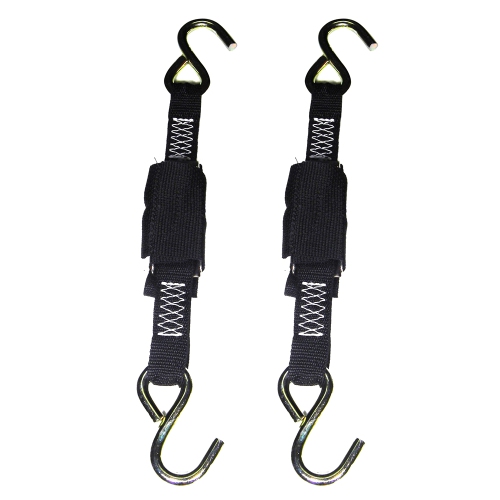
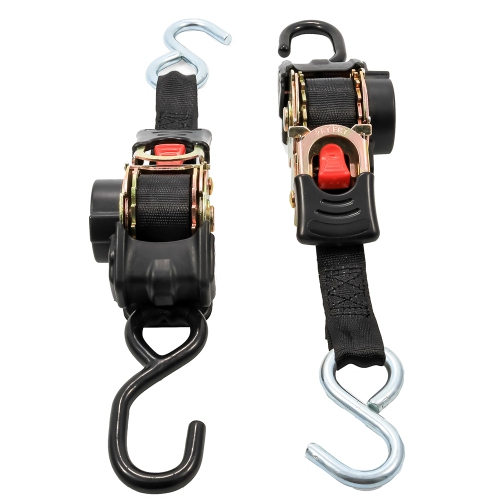
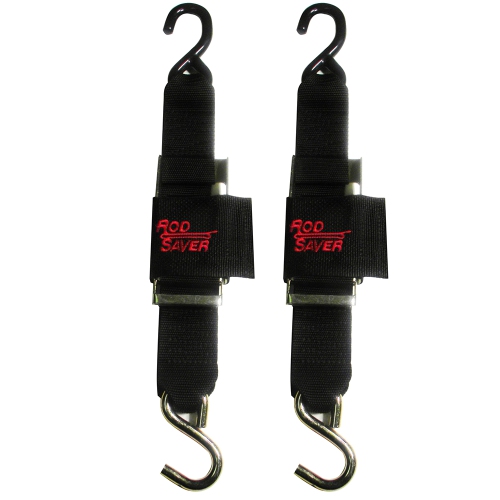
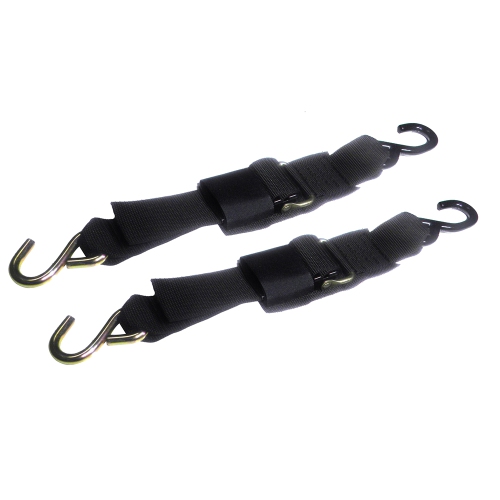
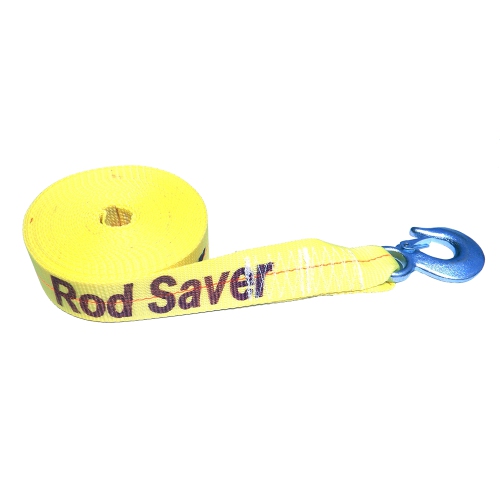
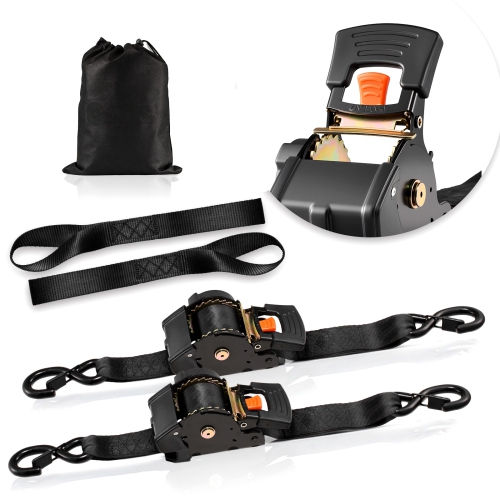
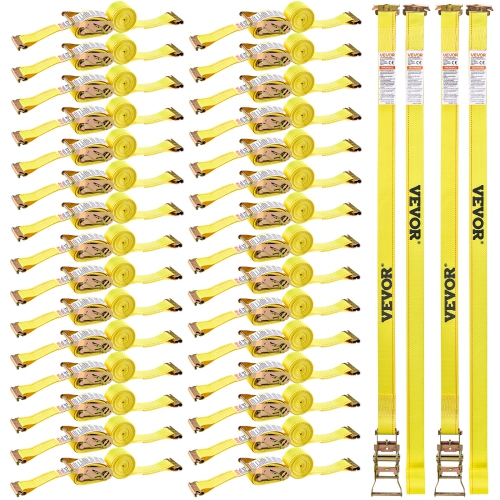
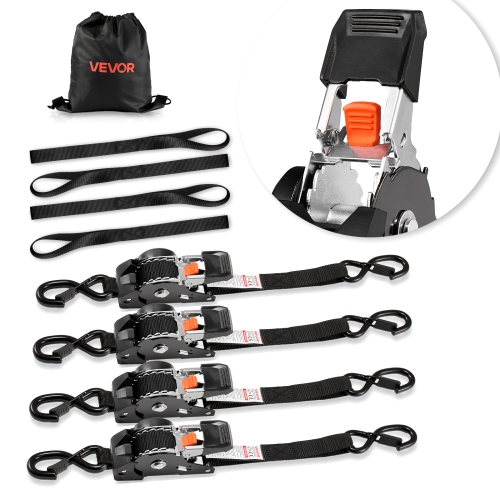
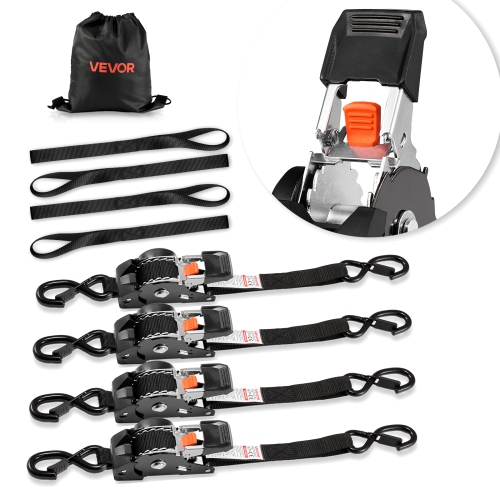
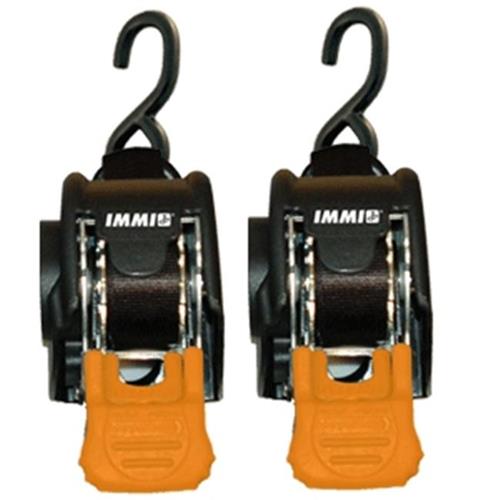
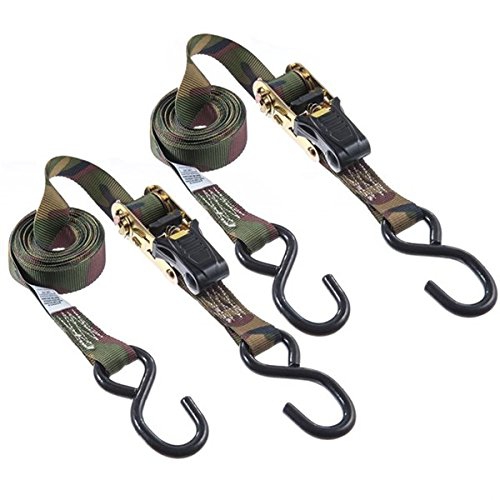
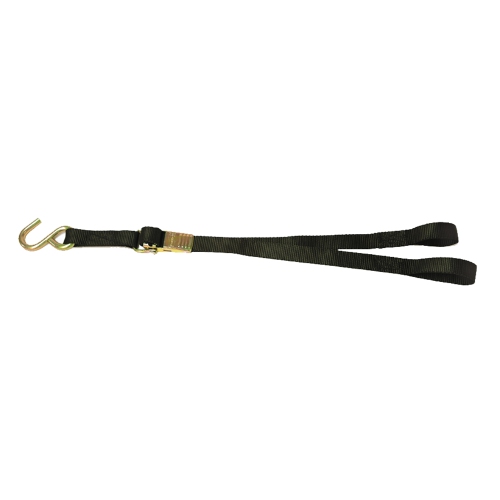
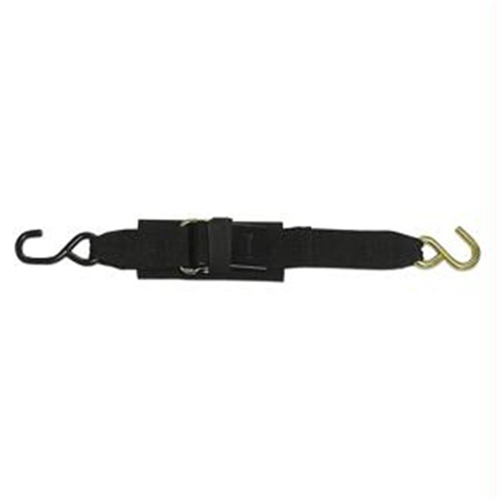
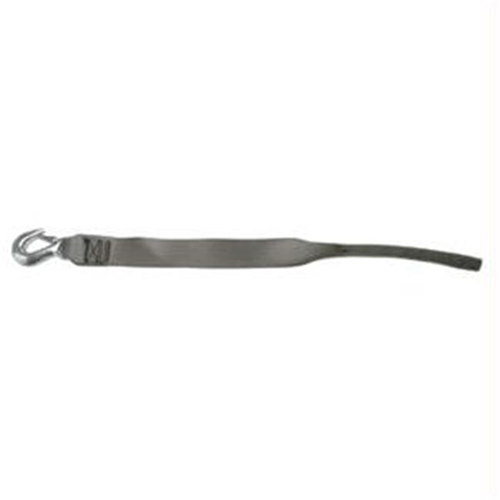
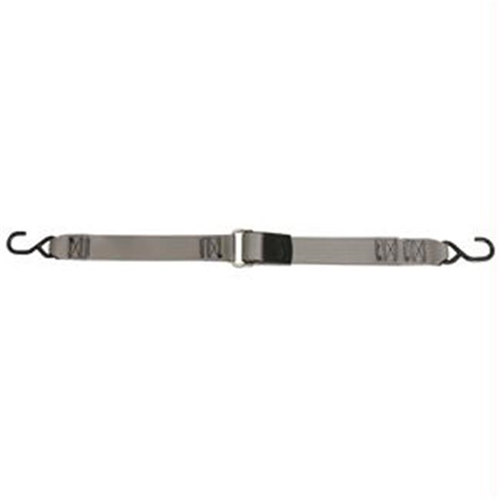
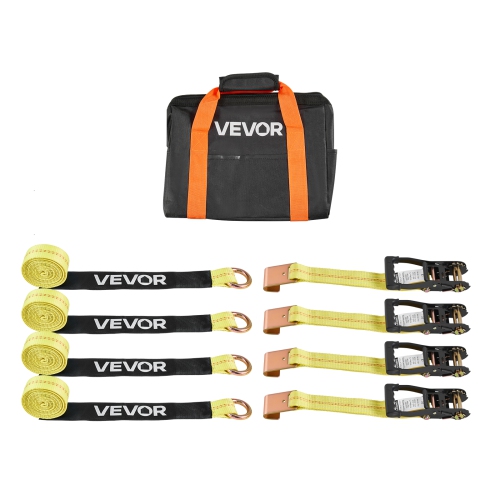
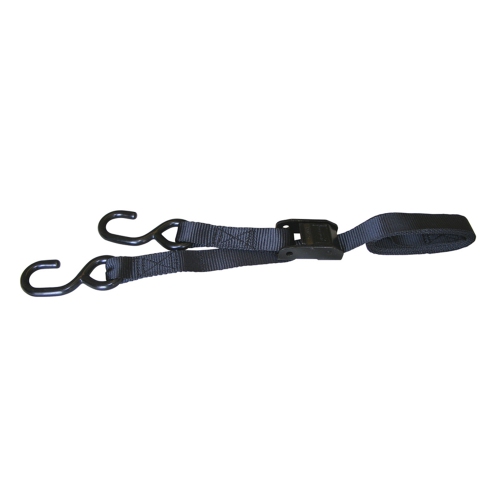
Trailer tie-down straps are heavy-duty bands designed to secure cargo, equipment, vehicles, and recreational gear to a trailer during transport. They help keep a load from shifting, sliding, tipping, or falling when the trailer accelerates, brakes, turns, or travels over uneven roads. The right strap depends on what you are hauling, how much it weighs, how it is positioned, and which anchor points are available on the trailer. Ratchet straps use a mechanical gear and handle to apply substantial tension, making them a practical choice for heavier loads such as motorcycles, lawn equipment, appliances, building materials, and workshop machinery. Cam straps use a clamp-style buckle rather than a ratchet, so they are often preferred for lighter cargo or items that could be damaged by excessive pressure. Winch straps are made for trailer winch systems and are commonly used with flatbed trailers, vehicle transporters, and commercial hauling setups. Logistic straps are designed to work with trailer-mounted E-track or A-track systems, allowing cargo to be secured at multiple heights and positions along the trailer wall. Some straps include flat hooks, S-hooks, snap hooks, loop ends, or other fittings to match different rails, rings, D-rings, and anchor points. For a broader selection of load-securing accessories, explore Cargo Tie Downs and compare the attachment style with the hardware already installed on your trailer.
When choosing trailer tie-down straps, start with the load’s actual weight and the strap’s working load limit, rather than relying only on the advertised break strength. Break strength describes the force required to cause a strap to fail under controlled testing, while the working load limit is the recommended maximum load for regular use and is the more useful figure for planning a secure setup. The combined capacity of the tie-down system should suit the cargo, with enough margin for movement and road conditions. Strap width, length, material, buckle design, and hook shape also matter. Wider straps may distribute pressure across a larger area, while a longer strap can be helpful for bulky equipment, tall furniture, or loads that need to be routed around a frame. A strap that is too long can leave loose material that flaps against the trailer or becomes caught in a wheel, so excess webbing should be bundled and secured. Before loading, clear away dirt, oil, sharp edges, and loose debris from the contact area. Place protective sleeves, corner guards, blankets, or edge protectors between the webbing and rough metal, unfinished wood, painted surfaces, or corners that could cut or abrade the strap. Keep the strap flat and untwisted wherever possible, and attach each hook fully to a rated anchor point rather than to a thin panel, trim piece, or movable component. On open trailers, use multiple tie-down points so the cargo is restrained in more than one direction. A vehicle may require wheel straps or purpose-built axle and frame attachment methods, while a stack of boxes or furniture may need straps crossing over the load as well as blocking or bracing to prevent forward and sideways movement.
A dependable tie-down routine begins with checking the trailer, anchor points, and straps before every trip. Do not use webbing that is cut, frayed, melted, heavily stained with chemicals, stretched out of shape, or showing damaged stitching. Inspect ratchet mechanisms for bent parts and confirm that the handle locks securely after tension is applied. Cam buckles should clamp the webbing firmly without slipping, and hooks should not be loaded at an angle that could allow them to pull free. Position straps so they do not rub against tyres, exhaust components, hot surfaces, moving parts, or sharp cargo edges. Tighten the system until the load is held firmly, but avoid crushing fragile items, bending lightweight frames, or compressing suspension components unnecessarily. After a short distance, stop in a safe location and recheck the tension, hook placement, webbing position, and condition of the cargo; straps can settle as materials shift and suspension moves. Longer trips and rough roads call for additional inspections whenever it is safe to pull over. Store clean, dry straps away from direct sunlight, moisture, and chemicals, and leave ratchet handles released when the straps are not in use. Trailer tie-down straps are useful for homeowners moving furniture, outdoor enthusiasts transporting recreational equipment, tradespeople carrying tools and materials, farmers and property owners hauling machinery, and commercial operators securing vehicles or freight. They can also make a practical gift for someone who owns a utility trailer, motorcycle, boat, snowmobile, all-terrain vehicle, or workshop equipment. Whether the load is travelling during the warmer days of early fall or through cooler conditions later in the season, choosing properly rated straps and using sound attachment techniques helps cargo arrive in the same position in which it was loaded.
When choosing trailer tie-down straps, start with the load’s actual weight and the strap’s working load limit, rather than relying only on the advertised break strength. Break strength describes the force required to cause a strap to fail under controlled testing, while the working load limit is the recommended maximum load for regular use and is the more useful figure for planning a secure setup. The combined capacity of the tie-down system should suit the cargo, with enough margin for movement and road conditions. Strap width, length, material, buckle design, and hook shape also matter. Wider straps may distribute pressure across a larger area, while a longer strap can be helpful for bulky equipment, tall furniture, or loads that need to be routed around a frame. A strap that is too long can leave loose material that flaps against the trailer or becomes caught in a wheel, so excess webbing should be bundled and secured. Before loading, clear away dirt, oil, sharp edges, and loose debris from the contact area. Place protective sleeves, corner guards, blankets, or edge protectors between the webbing and rough metal, unfinished wood, painted surfaces, or corners that could cut or abrade the strap. Keep the strap flat and untwisted wherever possible, and attach each hook fully to a rated anchor point rather than to a thin panel, trim piece, or movable component. On open trailers, use multiple tie-down points so the cargo is restrained in more than one direction. A vehicle may require wheel straps or purpose-built axle and frame attachment methods, while a stack of boxes or furniture may need straps crossing over the load as well as blocking or bracing to prevent forward and sideways movement.
A dependable tie-down routine begins with checking the trailer, anchor points, and straps before every trip. Do not use webbing that is cut, frayed, melted, heavily stained with chemicals, stretched out of shape, or showing damaged stitching. Inspect ratchet mechanisms for bent parts and confirm that the handle locks securely after tension is applied. Cam buckles should clamp the webbing firmly without slipping, and hooks should not be loaded at an angle that could allow them to pull free. Position straps so they do not rub against tyres, exhaust components, hot surfaces, moving parts, or sharp cargo edges. Tighten the system until the load is held firmly, but avoid crushing fragile items, bending lightweight frames, or compressing suspension components unnecessarily. After a short distance, stop in a safe location and recheck the tension, hook placement, webbing position, and condition of the cargo; straps can settle as materials shift and suspension moves. Longer trips and rough roads call for additional inspections whenever it is safe to pull over. Store clean, dry straps away from direct sunlight, moisture, and chemicals, and leave ratchet handles released when the straps are not in use. Trailer tie-down straps are useful for homeowners moving furniture, outdoor enthusiasts transporting recreational equipment, tradespeople carrying tools and materials, farmers and property owners hauling machinery, and commercial operators securing vehicles or freight. They can also make a practical gift for someone who owns a utility trailer, motorcycle, boat, snowmobile, all-terrain vehicle, or workshop equipment. Whether the load is travelling during the warmer days of early fall or through cooler conditions later in the season, choosing properly rated straps and using sound attachment techniques helps cargo arrive in the same position in which it was loaded.
Top selling and popular products
-
 Your price for this item is $30.59
 -
 Your price for this item is $30.54
 -
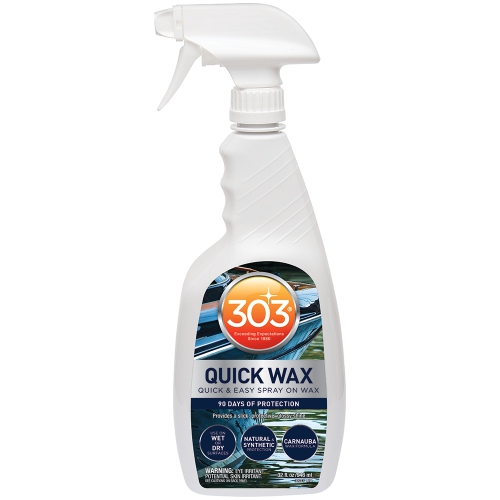 Your price for this item is $38.85
 -
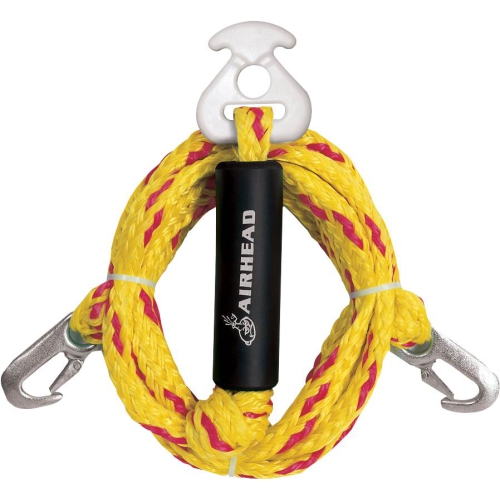 Your price for this item is $92.99
 -
 Your price for this item is $844.91
 -
 Your price for this item is $909.33
 -
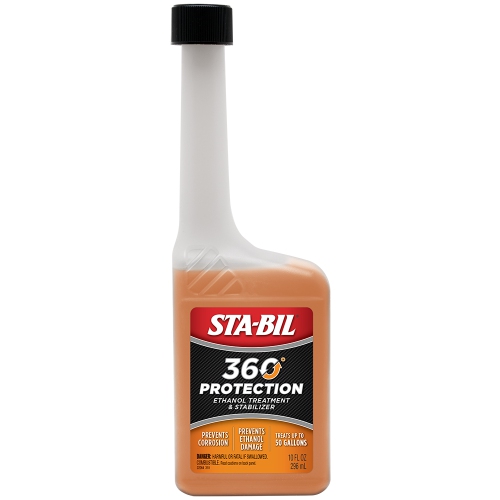 Your price for this item is $30.62
 -
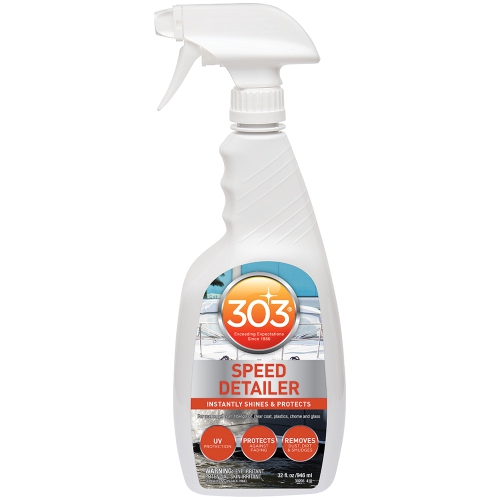 Your price for this item is $34.93
Discover more categories related to Trailer Tie Down Straps
Top Collections:
Pokemon Centers, Kindle Devices, Best Budget Office Chairs, Apple iPhones 16, Best Laptops for Writers, iPhone 15 Apple, Canon G7X Cameras, Refurbished Apple Laptops, Alarm Clock, Motorola Razr Phones
Some products may be subject to Environmental Handling Fees
(EHF) depending on your province.
Learn more about EHFs.