Trailer Tie Downs
When it comes to transporting your valuable cargo safely and securely, having reliable trailer tie downs is essential. Whether you're hauling ATVs, motorcycles, furniture, or any other large items, having the right tie downs can give you peace of mind on the road. Our selection of trailer tie downs offers a variety of options to suit your needs, with strong materials and easy-to-use designs that will keep your load in place during transit. Browse through our collection and find the perfect tie downs to ensure a smooth and secure journey for your belongings.
Sort
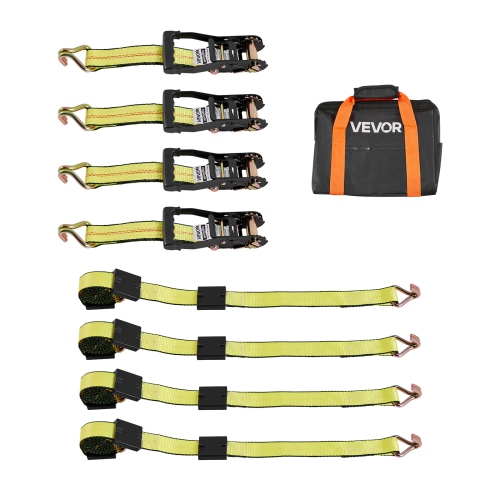

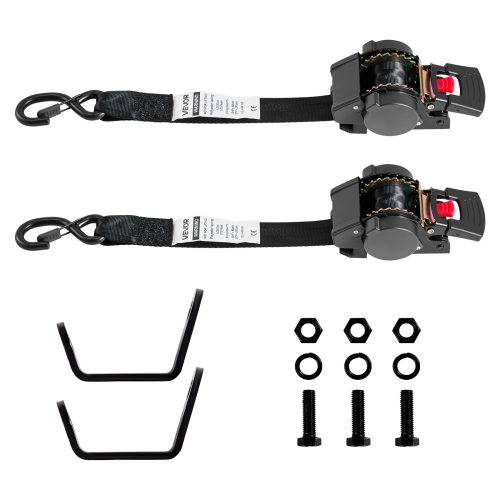
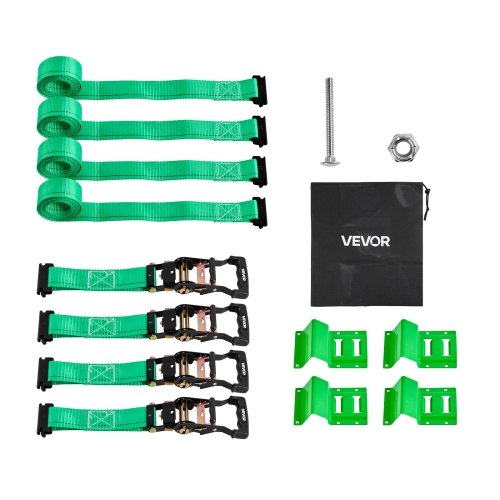
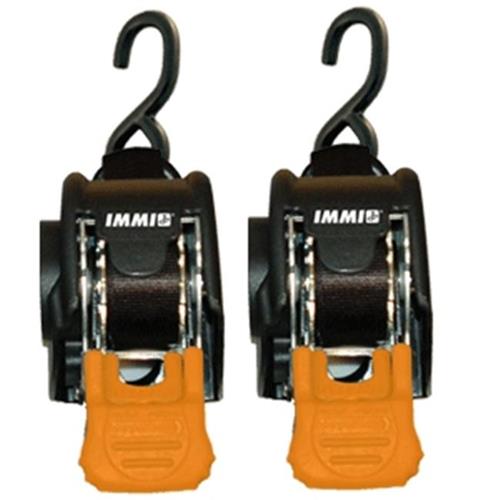
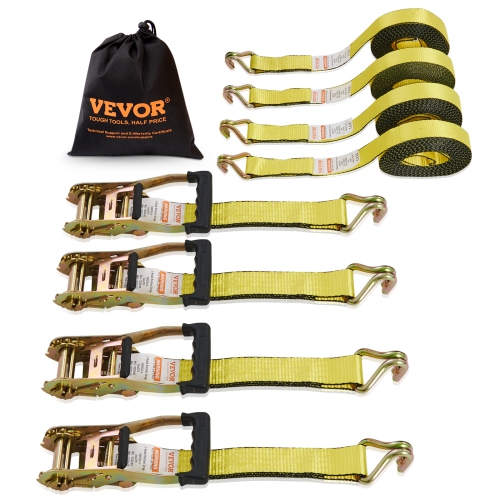
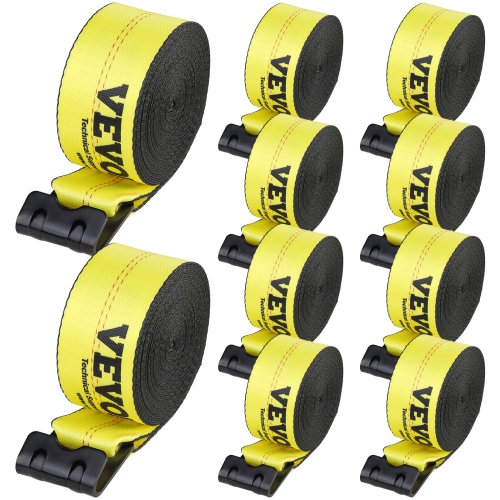
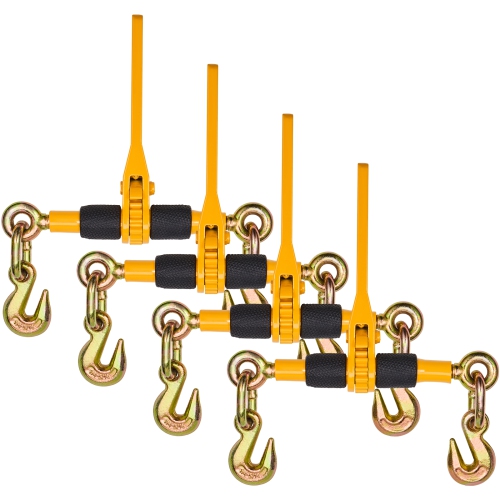
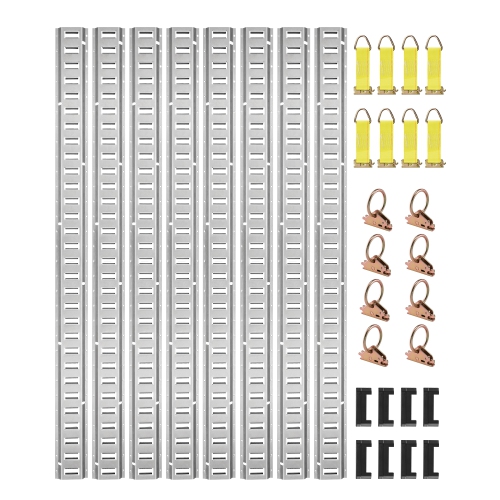

Cargo restraint depends on more than tight straps
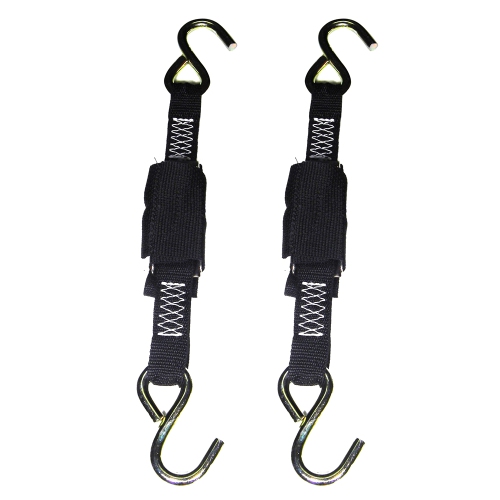
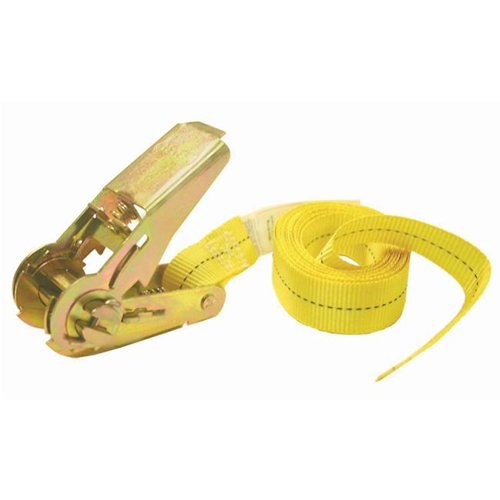
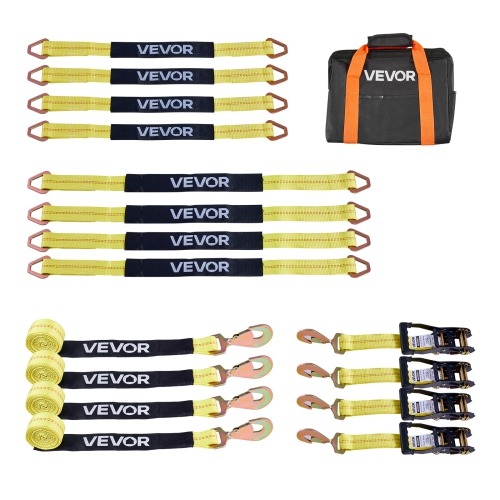
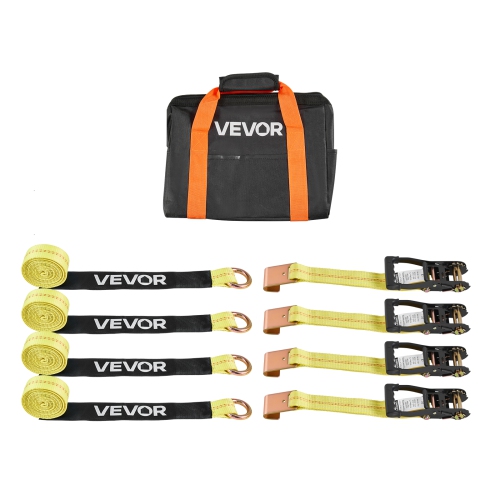
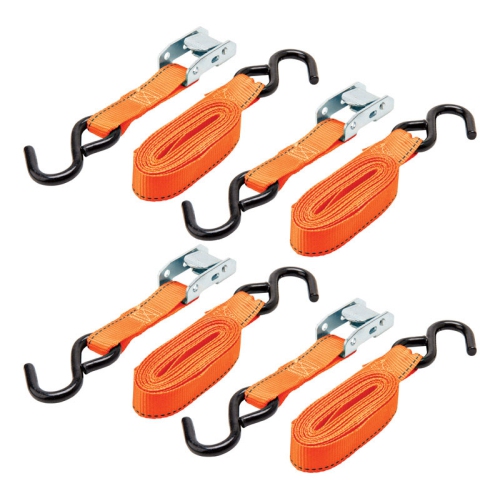
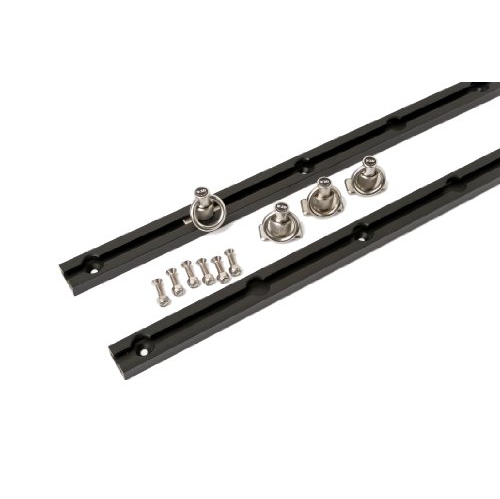
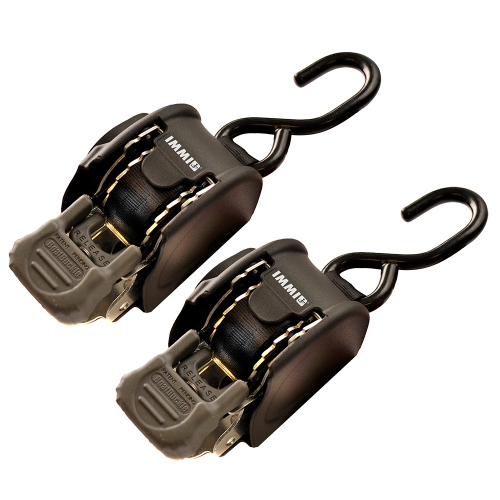
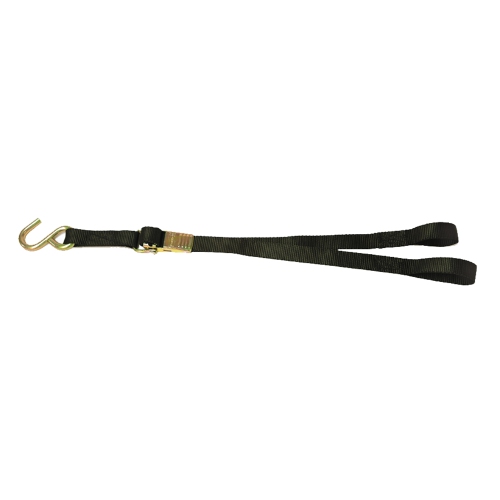
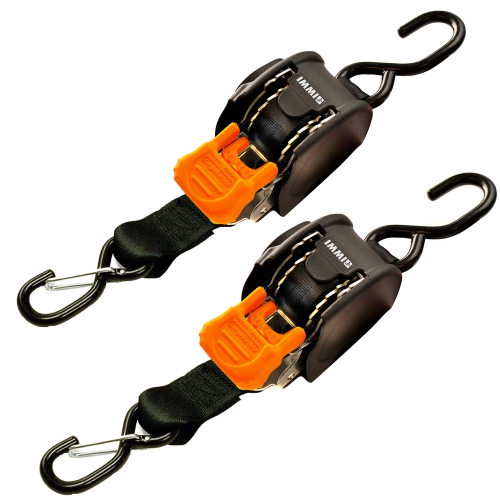
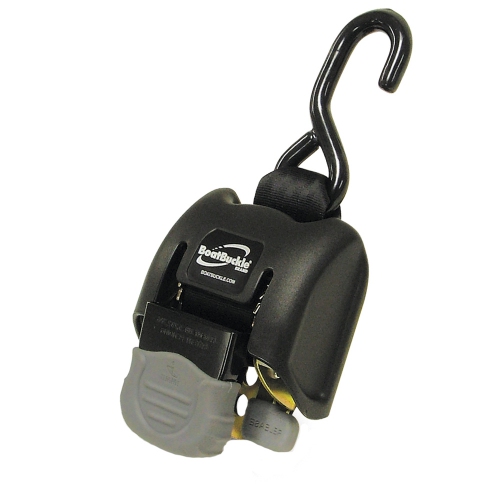
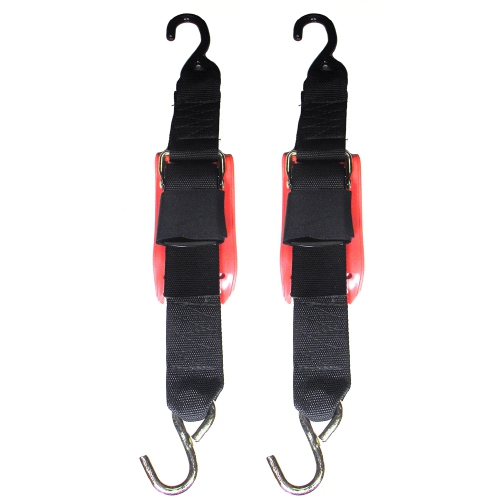
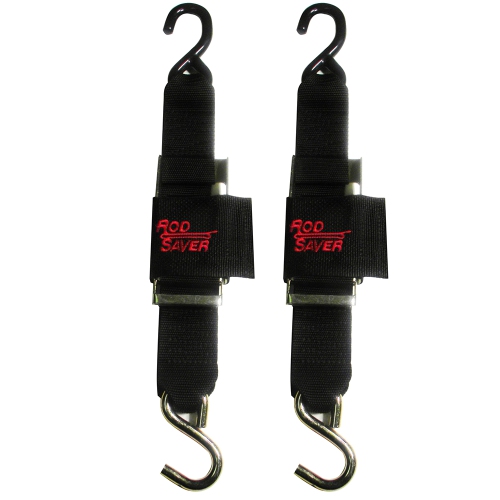
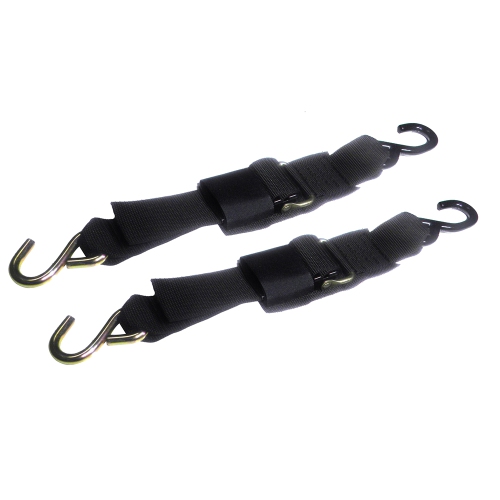
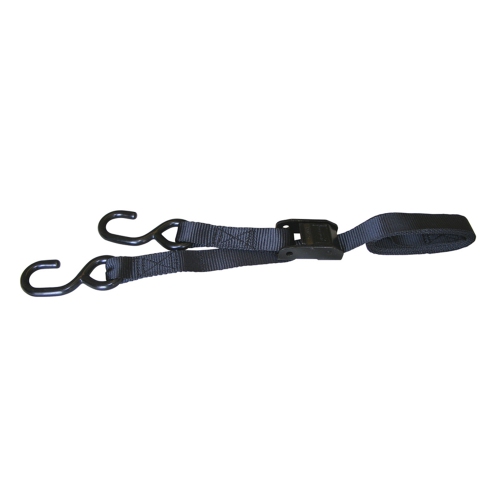
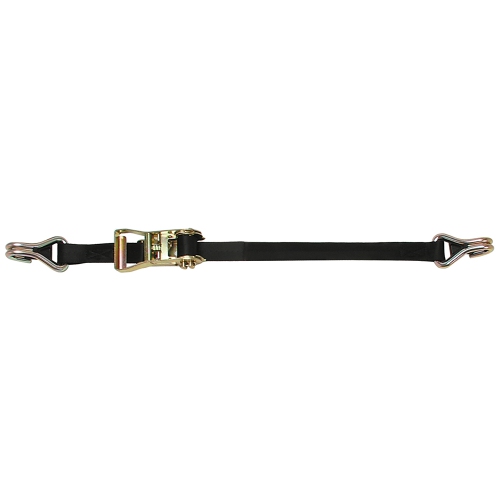
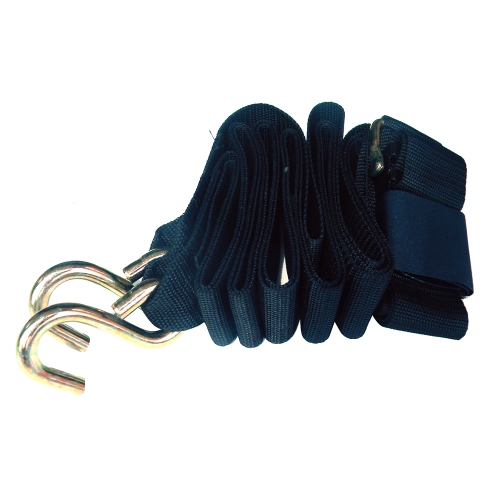
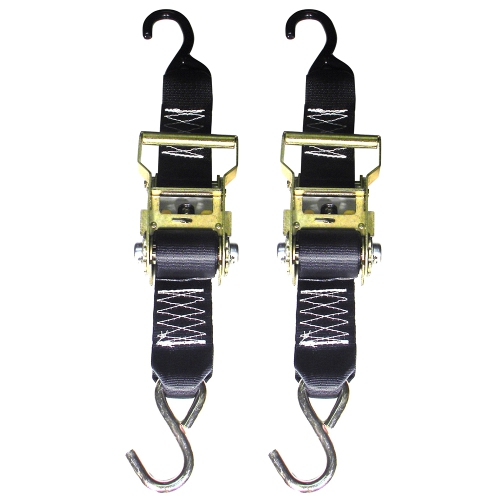
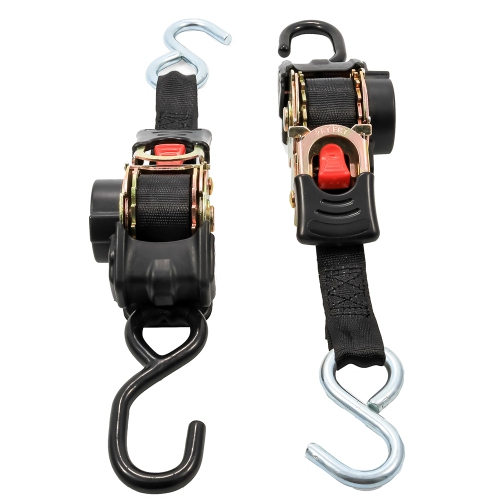
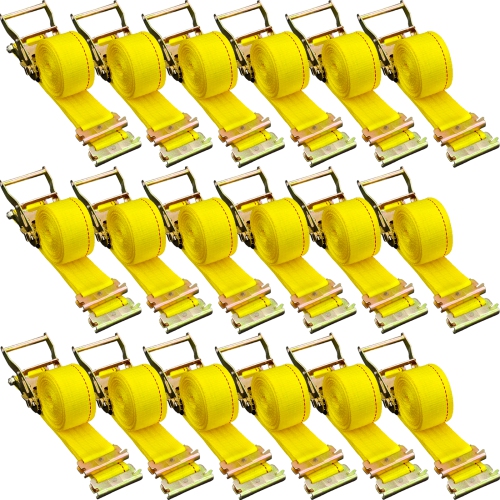
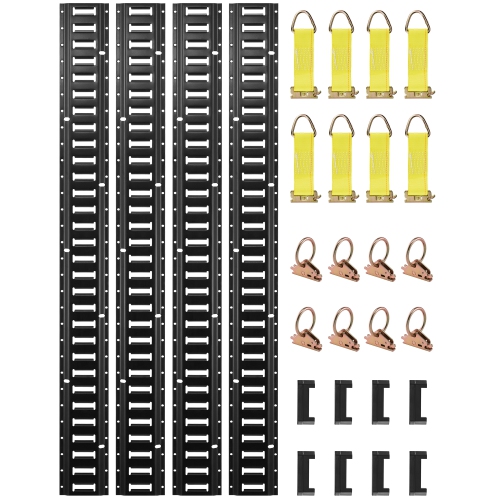
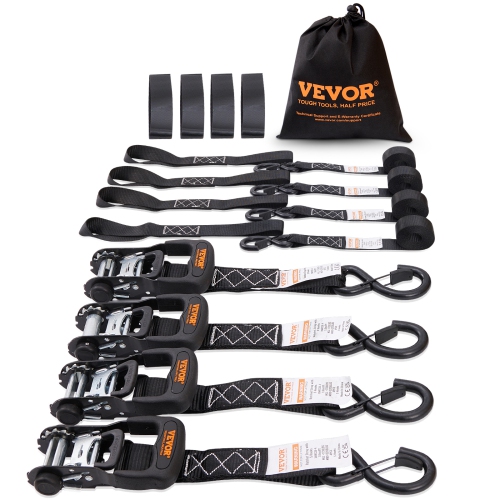
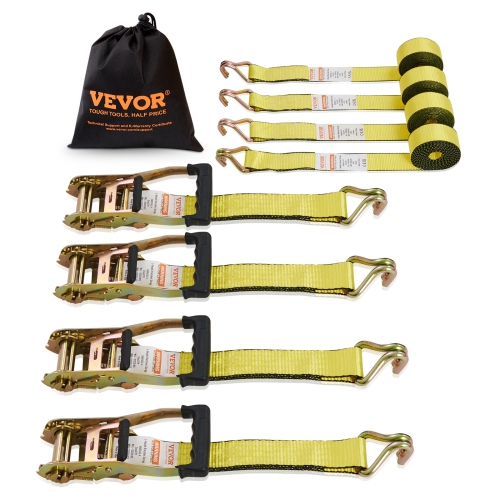
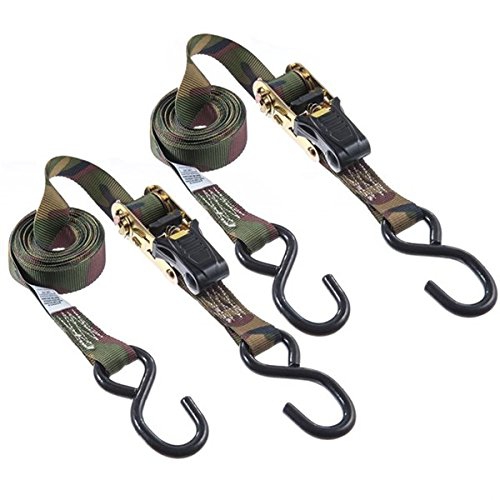
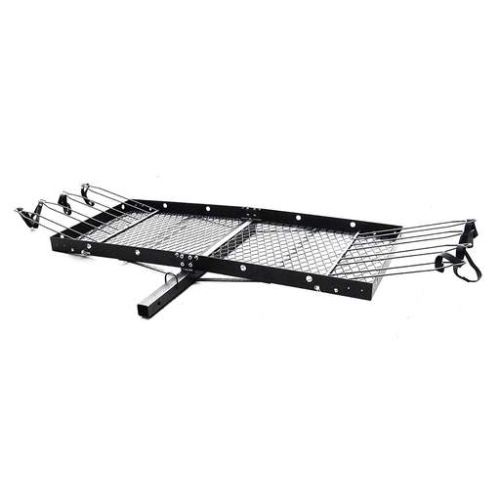
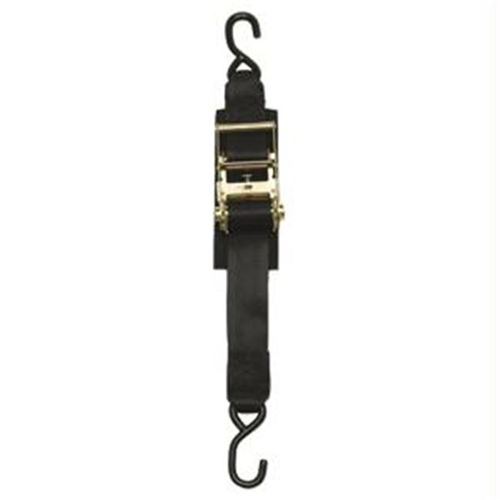
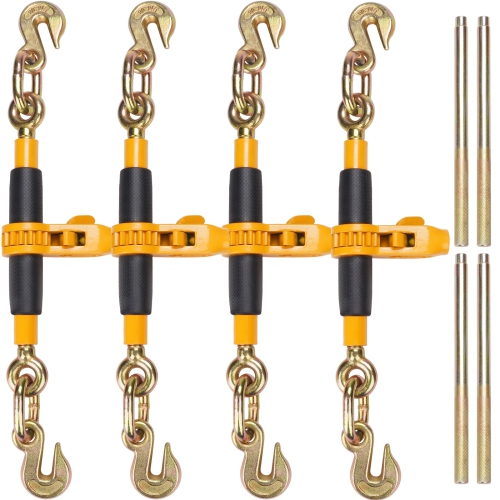
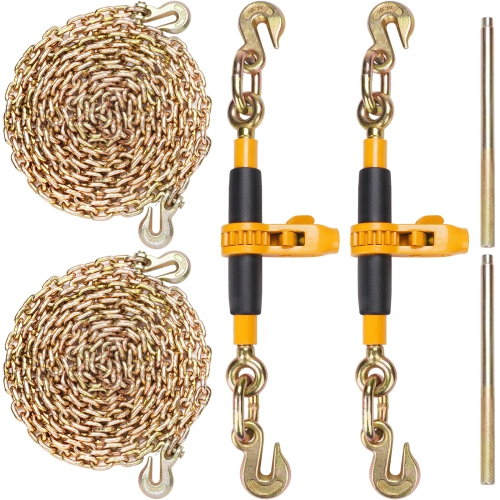
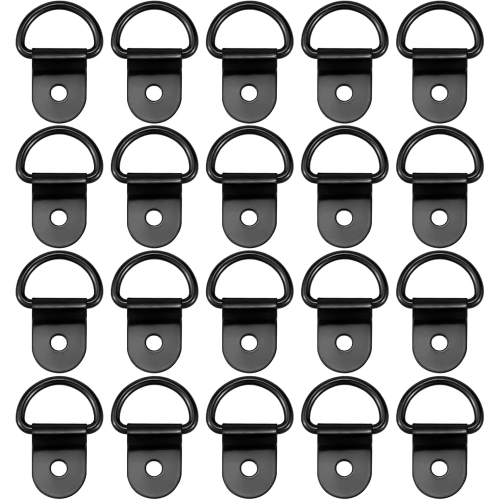
Trailer tie downs are straps, anchors, and track systems that help hold cargo in position on a trailer during transport. They connect the load to suitable attachment points, limiting movement caused by braking, cornering, and road vibration. The right arrangement depends on both the cargo and the trailer: a motorcycle on an open utility trailer has different attachment needs from a cabinet inside an enclosed trailer or a wheeled machine on a flatbed. Ratchet straps use a geared tensioning mechanism to tighten webbing and hold it under tension, making them a common choice for loads that need firm restraint. Cam buckle straps use a spring-loaded clamp and hand-applied tension, which can suit lighter loads where controlled tightening matters, provided their rated capacity is sufficient. Neither style makes a fragile object crush-proof; strap placement and suitable padding still matter. Vehicle tie downs may include wheel nets, axle straps, or soft loops, each designed for particular attachment methods rather than interchangeable use on any vehicle component. D-rings and other fixed anchors provide individual connection points, while E-track and L-track systems offer multiple positions for compatible fittings along a mounted rail. These options serve homeowners moving furniture, tradespeople transporting tools and equipment, and riders hauling motorcycles or off-road vehicles. For someone carrying the same machine regularly, a purpose-matched arrangement can make loading more consistent. For mixed loads, such as workshop equipment one trip and household belongings the next, adjustable attachment positions offer more flexibility. Trailer tie downs also sit within the broader category of Cargo Tie Downs, which covers restraint options for different transport applications. Across these uses, the aim is not simply to pull a strap tight, but to create a suitable connection between the load and the trailer structure without damaging either. A tidy bundle of straps is useful only when its fittings, capacity, and intended application match the job.
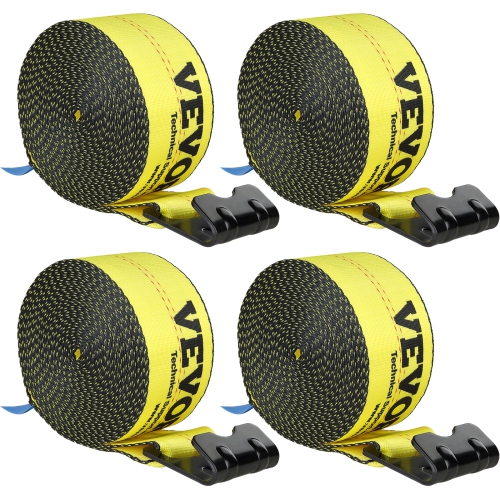
Materials and construction affect how trailer tie downs handle repeated loading, tension, and contact with cargo. Polyester webbing is common because it offers relatively low stretch and good abrasion resistance, although sharp edges can still cut or weaken it. Webbing width alone does not establish strength; the labelled rating of the complete assembly matters more than its appearance. Reinforced stitching, protective sleeves, and clearly marked capacity labels are useful details when comparing construction. Steel ratchets and hooks provide strength at connection points, with finishes such as zinc plating helping resist corrosion. Track systems may use steel or aluminium, and their suitability depends on the specific rail, fittings, mounting method, and load requirements. Hook shape is another important fit consideration. An S-hook, snap hook, flat hook, or track fitting needs an attachment point designed to accept it, with enough clearance to seat properly rather than bearing against an edge. E-track and L-track fittings are generally not interchangeable, so matching the connection system matters as much as choosing the strap. Strap length should accommodate the route between the load and anchor points while allowing the tensioner to operate as intended. Excess webbing needs to be secured so it cannot drag, flap, or reach moving parts. Working load limit is the rated load a component or assembly is designed to handle in service; breaking strength is not a substitute for that rating. The strap, fittings, anchors, and trailer mounting structure all contribute to the restraint system, and a higher-rated strap cannot compensate for an inadequate attachment point. Required capacity and the number of restraints depend on factors including cargo weight, tie-down arrangement, attachment angles, and applicable transport requirements. A trailer wall panel or thin deck surface is not automatically a suitable structural anchor. Bolt-on and weld-on hardware require installation suited to the trailer construction and the hardware manufacturer's specifications. These details are particularly important with heavy machinery or vehicles, where the cargo's approved attachment locations and securement requirements should determine the arrangement.
Everyday usability often comes down to how well the tie downs suit the load space and the surfaces they touch. In an enclosed trailer carrying furniture, wall-mounted track can provide varied strap positions, but the wall structure must be suitable for the forces involved. Padding beneath a strap can help protect a finished cabinet, while edge protectors can separate webbing from corners that might abrade or cut it. A moving blanket protects surfaces but does not replace a rated restraint. On an open trailer, accessible ratchet handles and suitably positioned anchors make it easier to tension straps without reaching beneath the load or forcing hardware against bodywork. Soft loops can help keep metal hooks away from vulnerable finishes when used at approved attachment points, but they should not be wrapped around arbitrary handlebars, cables, or suspension parts. Wheel restraints and axle straps likewise need to match the vehicle and the manufacturer's specified securement method. Loads with wheels may also need compatible chocks or other blocking; these support a restraint arrangement rather than automatically replacing tie downs. For frequent hauling, practical details include handles that are comfortable to operate, labels that remain legible, and storage that keeps straps separated from sharp tools. Care has a direct effect on service life. Webbing should be checked for cuts, fraying, damaged stitching, chemical damage, and other deterioration, while hooks, ratchets, and anchors need attention for bending, cracks, corrosion, or loose mounting hardware. Damaged restraints should be removed from service rather than repaired with knots or improvised stitching. Cleaning and drying should follow the manufacturer's directions, with straps stored dry and away from chemicals or abrasive objects. Keeping assemblies neatly bundled also makes tangles and hidden damage easier to spot before loading. Cargo can settle during a journey, so inspection and tension checks remain part of responsible transport, following manufacturer guidance and applicable requirements. Well-matched trailer tie downs combine suitable capacity, compatible fittings, sound mounting points, and manageable operation, making them practical equipment for both occasional moves and repeated hauling.
Materials and construction affect how trailer tie downs handle repeated loading, tension, and contact with cargo. Polyester webbing is common because it offers relatively low stretch and good abrasion resistance, although sharp edges can still cut or weaken it. Webbing width alone does not establish strength; the labelled rating of the complete assembly matters more than its appearance. Reinforced stitching, protective sleeves, and clearly marked capacity labels are useful details when comparing construction. Steel ratchets and hooks provide strength at connection points, with finishes such as zinc plating helping resist corrosion. Track systems may use steel or aluminium, and their suitability depends on the specific rail, fittings, mounting method, and load requirements. Hook shape is another important fit consideration. An S-hook, snap hook, flat hook, or track fitting needs an attachment point designed to accept it, with enough clearance to seat properly rather than bearing against an edge. E-track and L-track fittings are generally not interchangeable, so matching the connection system matters as much as choosing the strap. Strap length should accommodate the route between the load and anchor points while allowing the tensioner to operate as intended. Excess webbing needs to be secured so it cannot drag, flap, or reach moving parts. Working load limit is the rated load a component or assembly is designed to handle in service; breaking strength is not a substitute for that rating. The strap, fittings, anchors, and trailer mounting structure all contribute to the restraint system, and a higher-rated strap cannot compensate for an inadequate attachment point. Required capacity and the number of restraints depend on factors including cargo weight, tie-down arrangement, attachment angles, and applicable transport requirements. A trailer wall panel or thin deck surface is not automatically a suitable structural anchor. Bolt-on and weld-on hardware require installation suited to the trailer construction and the hardware manufacturer's specifications. These details are particularly important with heavy machinery or vehicles, where the cargo's approved attachment locations and securement requirements should determine the arrangement.
Everyday usability often comes down to how well the tie downs suit the load space and the surfaces they touch. In an enclosed trailer carrying furniture, wall-mounted track can provide varied strap positions, but the wall structure must be suitable for the forces involved. Padding beneath a strap can help protect a finished cabinet, while edge protectors can separate webbing from corners that might abrade or cut it. A moving blanket protects surfaces but does not replace a rated restraint. On an open trailer, accessible ratchet handles and suitably positioned anchors make it easier to tension straps without reaching beneath the load or forcing hardware against bodywork. Soft loops can help keep metal hooks away from vulnerable finishes when used at approved attachment points, but they should not be wrapped around arbitrary handlebars, cables, or suspension parts. Wheel restraints and axle straps likewise need to match the vehicle and the manufacturer's specified securement method. Loads with wheels may also need compatible chocks or other blocking; these support a restraint arrangement rather than automatically replacing tie downs. For frequent hauling, practical details include handles that are comfortable to operate, labels that remain legible, and storage that keeps straps separated from sharp tools. Care has a direct effect on service life. Webbing should be checked for cuts, fraying, damaged stitching, chemical damage, and other deterioration, while hooks, ratchets, and anchors need attention for bending, cracks, corrosion, or loose mounting hardware. Damaged restraints should be removed from service rather than repaired with knots or improvised stitching. Cleaning and drying should follow the manufacturer's directions, with straps stored dry and away from chemicals or abrasive objects. Keeping assemblies neatly bundled also makes tangles and hidden damage easier to spot before loading. Cargo can settle during a journey, so inspection and tension checks remain part of responsible transport, following manufacturer guidance and applicable requirements. Well-matched trailer tie downs combine suitable capacity, compatible fittings, sound mounting points, and manageable operation, making them practical equipment for both occasional moves and repeated hauling.
Top selling and popular products
-
 Your price for this item is $30.58
 -
 Your price for this item is $30.54
 -
 Your price for this item is $38.85
 -
 Your price for this item is $92.99
 -
 Your price for this item is $917.79
 -
 Your price for this item is $844.31
 -
 Your price for this item is $30.62
 -
 Your price for this item is $34.93
Discover more categories related to Trailer Tie Downs
Top Collections:
Pokemon Centers, Kindle Devices, Best Budget Office Chairs, Apple iPhones 16, Canon G7X Cameras, iPhone 15 Apple, Alarm Clock, Refurbished Apple Laptops, Flip Phones, Best Laptops for Writers
Some products may be subject to Environmental Handling Fees
(EHF) depending on your province.
Learn more about EHFs.