Off Road Winches
Looking to take your off-road adventures to the next level? Look no further than our selection of off-road winches. Whether you're tackling tough terrain or need a reliable tool for recovery, these powerful and versatile devices are designed to help you out of any sticky situation. With a range of options available, you can find the perfect off-road winch to suit your needs and budget. From compact and lightweight models for smaller vehicles to heavy-duty winches capable of handling larger loads, we've got you covered. Get ready to conquer the trails with our top-notch selection of off-road winches.
Sort
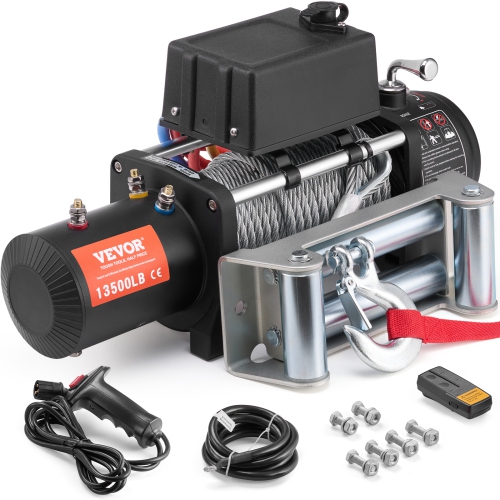
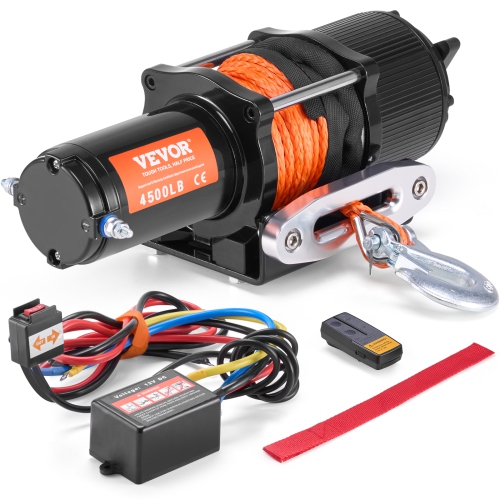
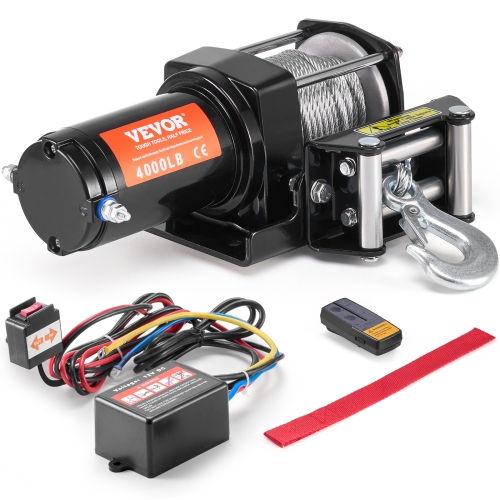
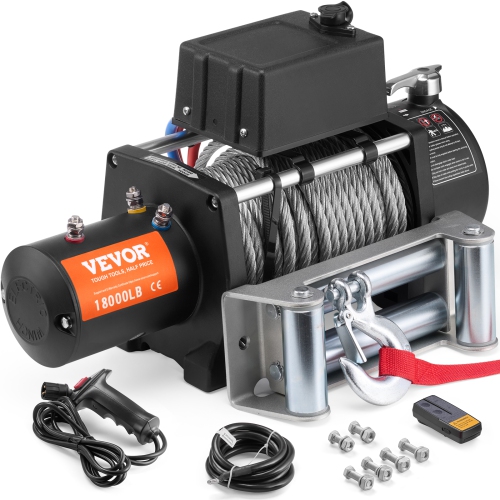
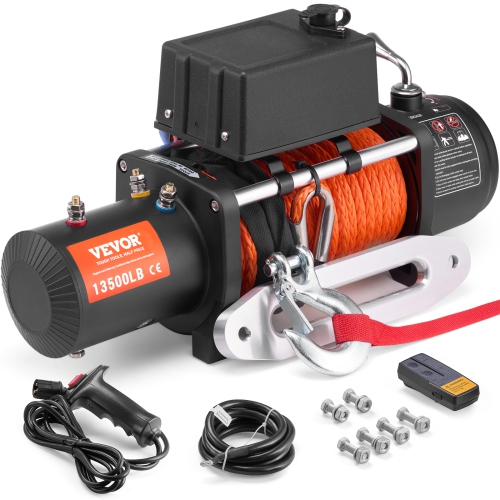
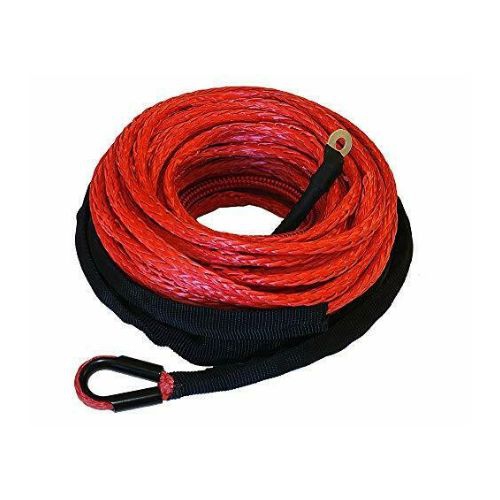
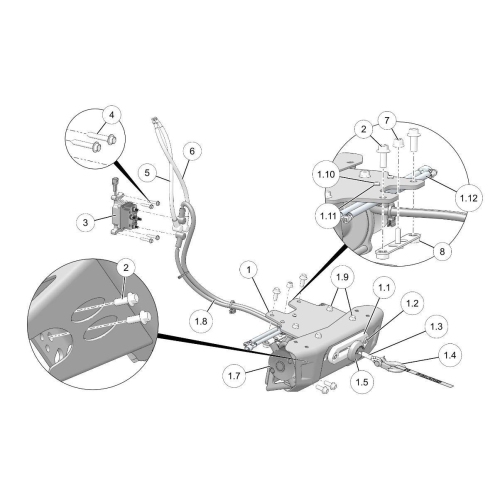
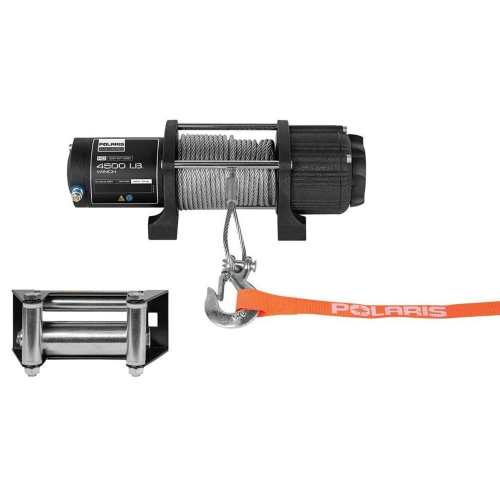
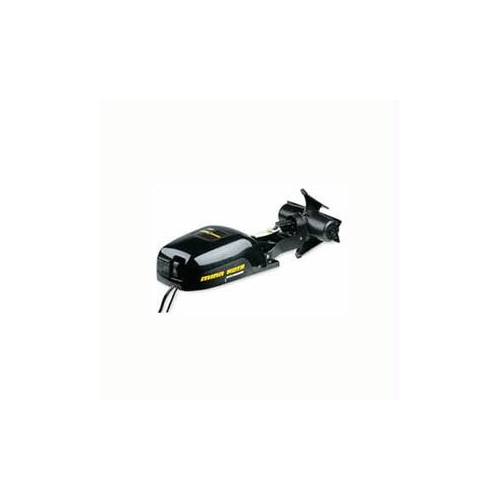
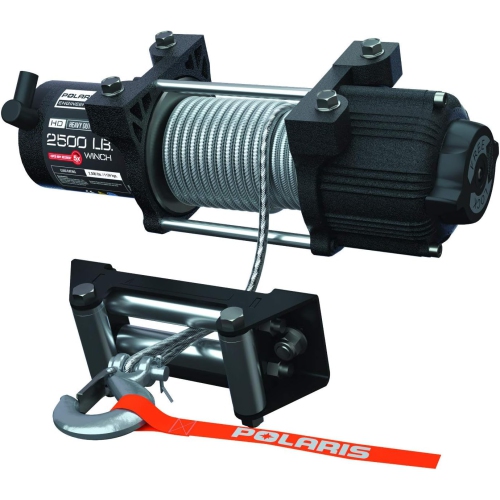
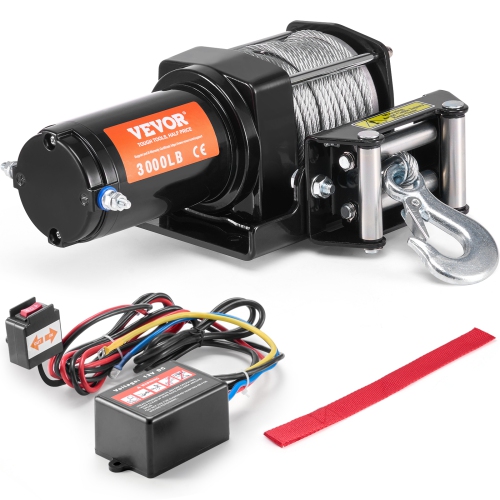
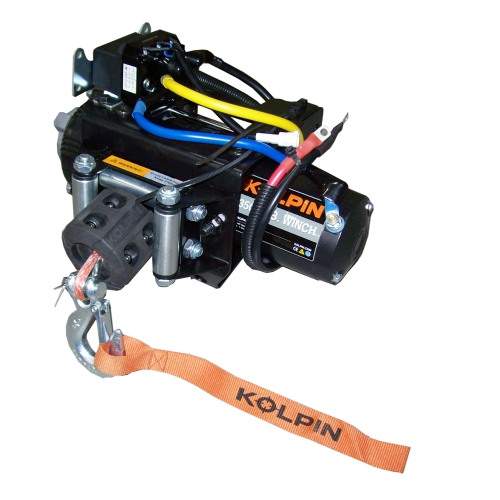
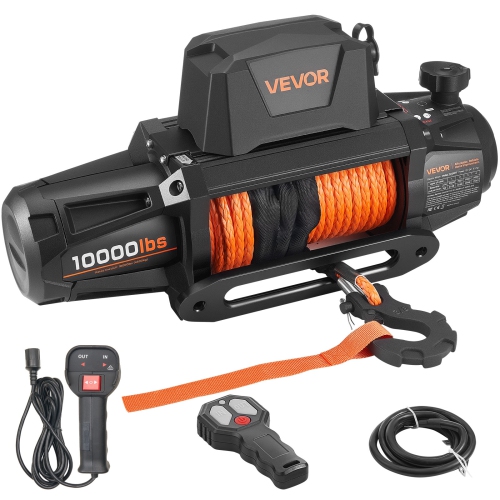

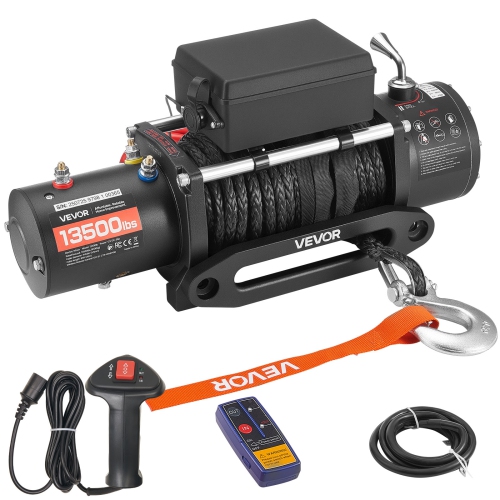
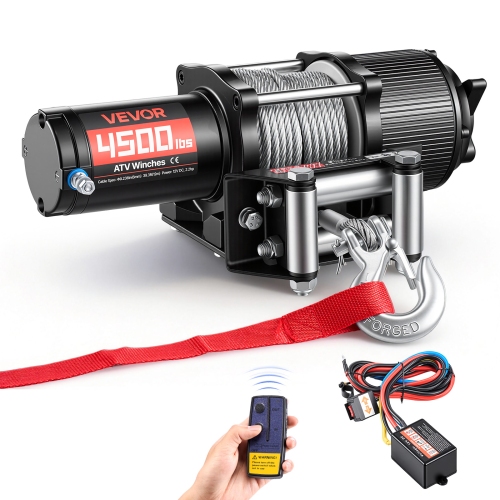
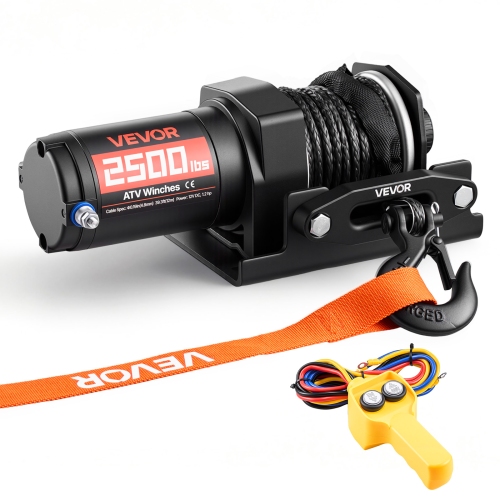
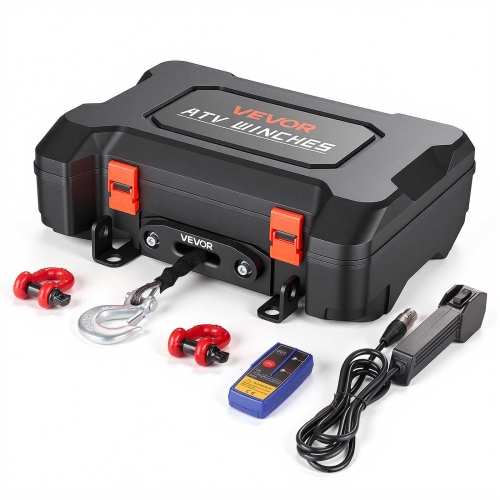
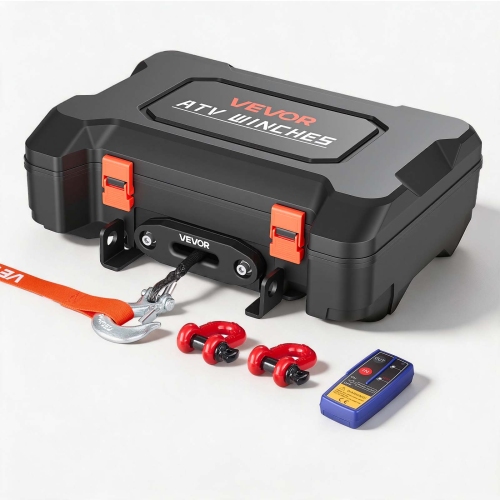


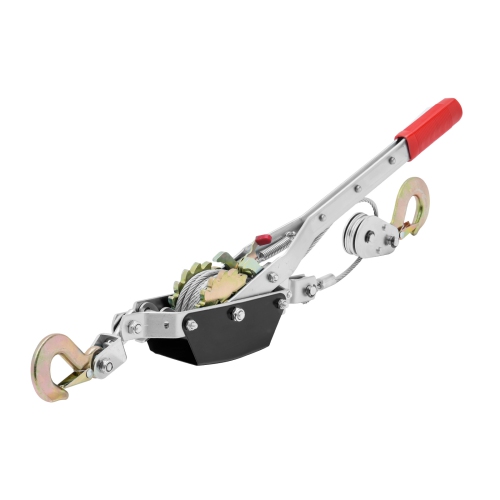
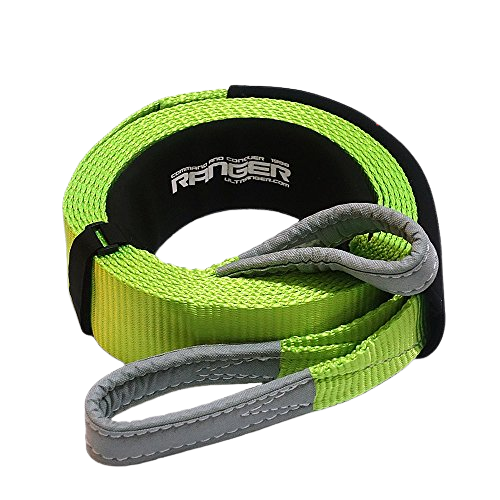
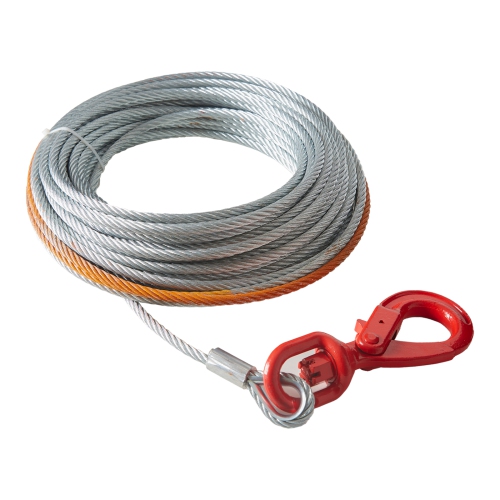
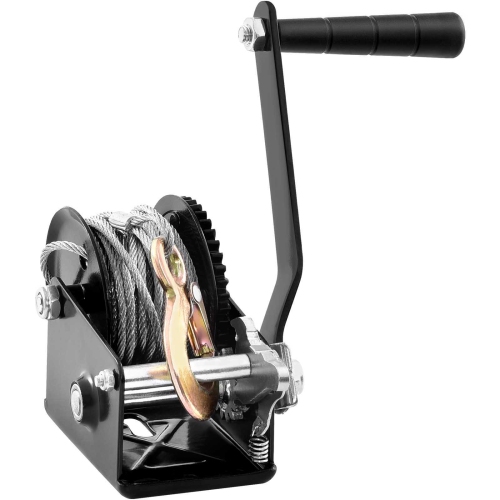
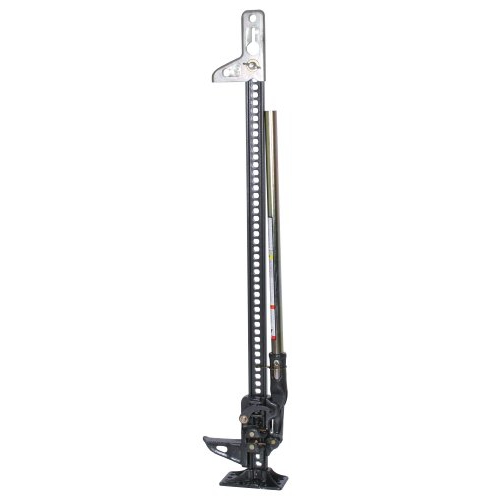

What to know about capacity, compatibility, and safe recovery
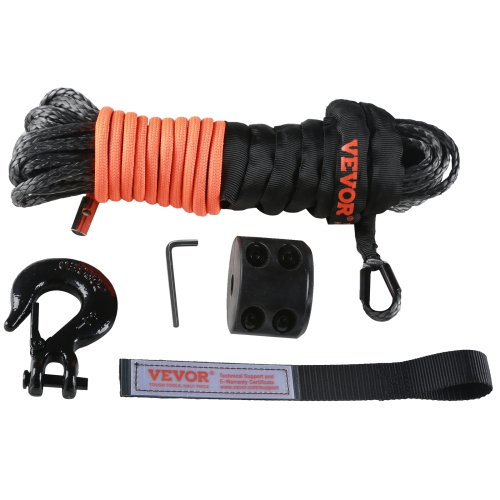
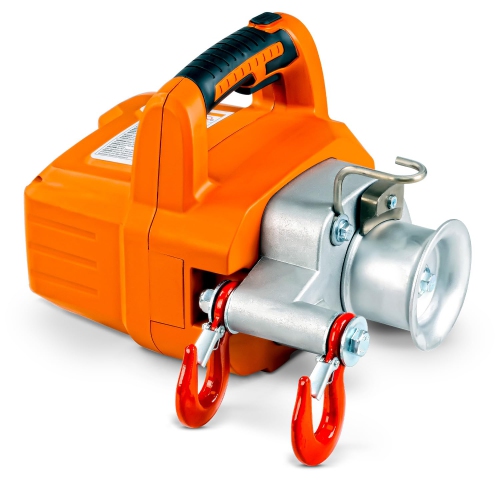
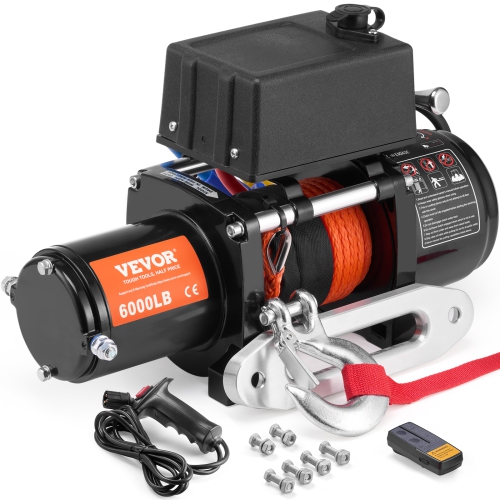
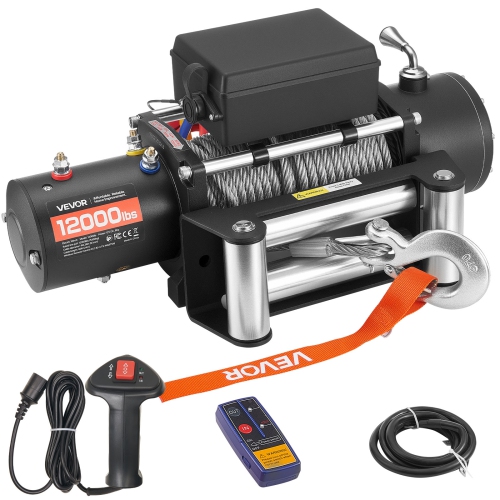
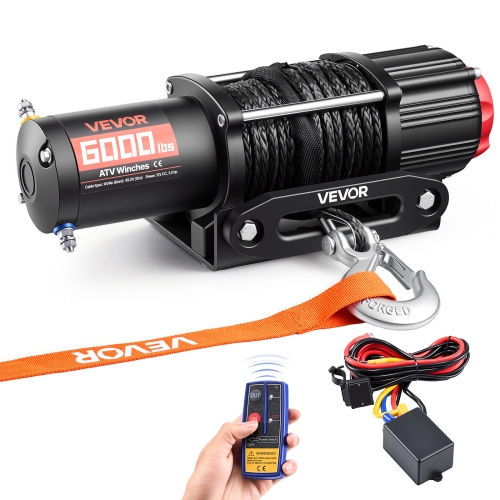
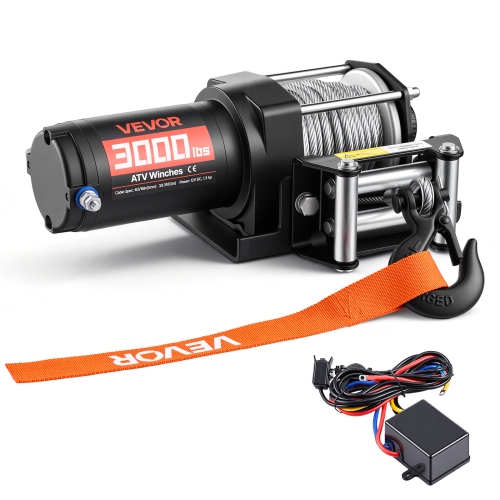
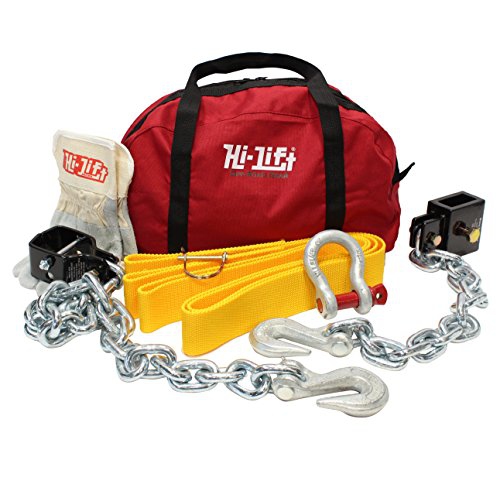
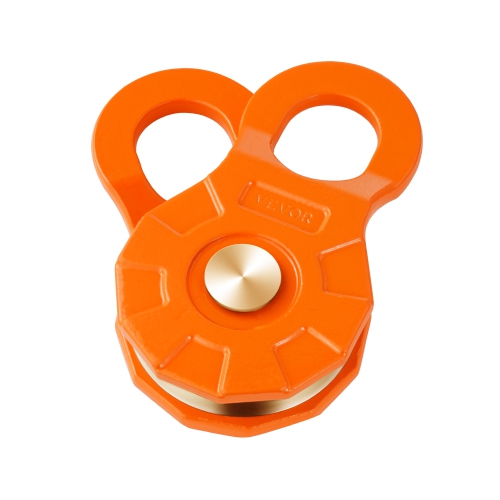
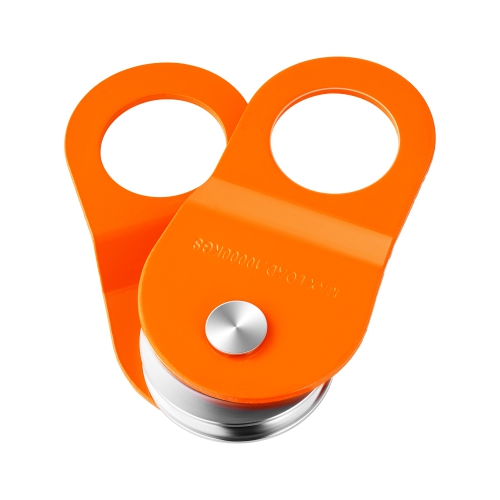
Off-road winches are motorized recovery tools designed to help pull a truck, SUV, utility vehicle, or recreational off-road vehicle through mud, sand, snow, deep ruts, and other difficult terrain. Mounted at the front of a vehicle on a compatible bumper or winch plate, they use an electric motor and wound line to create a controlled pulling force when traction alone is not enough. They can be useful on remote trails, rural properties, construction areas, hunting and fishing access roads, and during cooler months when wet ground, loose gravel, or snow can make a familiar route unexpectedly challenging. Choosing the right winch starts with the vehicle’s fully loaded weight, including passengers, fuel, cargo, tools, recovery equipment, and any accessories. A common rule is to select a pulling capacity of at least 1.5 times that total weight. For example, a vehicle weighing 4,000 pounds when ready for an outing should generally be paired with a winch rated for at least 6,000 pounds. Heavier trucks and off-road builds may require a higher-capacity model, while a lighter utility vehicle may need less. This extra capacity helps account for the increased force required when a vehicle is buried to its axles, positioned on an incline, or held by thick mud. Compatibility matters just as much as capacity, so check the vehicle’s mounting pattern, bumper or winch plate requirements, battery and electrical connections, available space, and the manufacturer’s instructions before purchasing. A winch should be treated as part of a complete recovery setup rather than a stand-alone solution; rated shackles, recovery straps, appropriate anchor points, gloves, and a line damper all contribute to a safer and more controlled pull. For situations where vehicle mounting is not practical, compact Hand Winches can provide a manually operated alternative for selected light-duty recovery and positioning tasks.
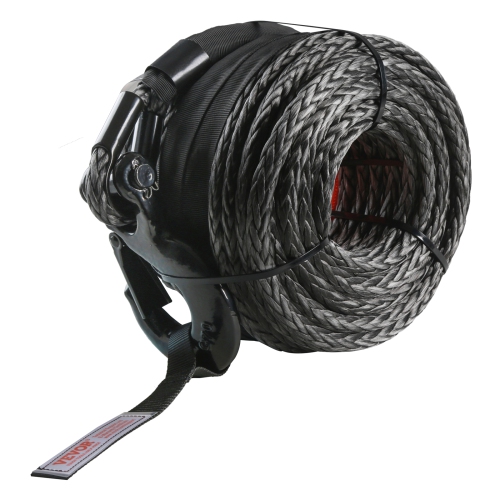
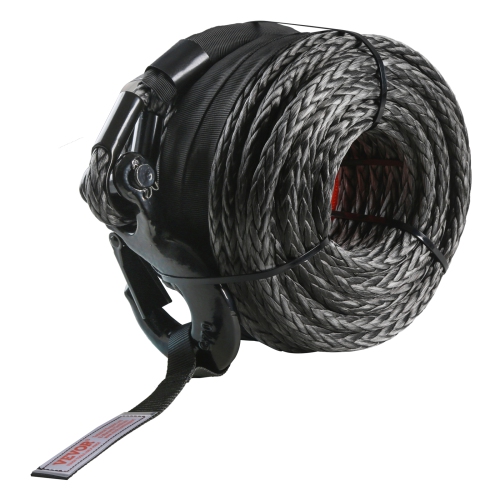
The line is another important consideration. Steel cable is known for its toughness and resistance to abrasion, making it well suited to rocky terrain, sharp edges, and demanding work where the line may encounter rough surfaces. It is generally heavier, can develop sharp burrs with use, and requires careful handling with sturdy gloves. Synthetic rope is lighter and often easier to carry, inspect, and handle on the trail. It is a popular choice for recreational off-road driving because it can reduce weight at the front of the vehicle and is less likely to recoil forcefully if it breaks under load. Synthetic rope still needs protection from sharp rocks, friction, heat, and extended ultraviolet exposure, so a protective sleeve is valuable when the line passes over an abrasive surface or around an anchor point. Whichever line type you choose, examine it regularly for fraying, crushed sections, kinks, corrosion, broken strands, or other damage, and replace it when its condition is uncertain. Water and mud protection are also worth close attention. Off-road recovery can involve puddles, creek crossings, wet sand, and heavy spray, so look for a motor and housing designed for the conditions you expect to encounter and review the stated ingress protection rating, such as IP67 or IP68, where applicable. Keep in mind that a water-resistant rating does not remove the need for correct installation, cleaning, drying, and maintenance. Electrical connections should be secure and protected from corrosion, while the battery and charging system should be in good condition because winching places a substantial demand on the vehicle’s electrical system. A synthetic or steel line should be spooled evenly and tightly under a light, steady load before serious trail use. This helps prevent the upper layers from pulling down into loose lower layers, which can make the line difficult to unwind and increase the chance of damage during a high-load recovery.
Safe operation depends on preparation, patience, and clear communication. Before beginning a pull, inspect the recovery area, identify a strong and suitable anchor point, place the vehicle in the recommended gear, apply the parking brake as appropriate, and keep bystanders well away from the line and attachment points. Use only rated recovery hardware and follow the winch and vehicle manufacturers’ instructions for connecting the line. Heavy leather or purpose-made recovery gloves help protect hands while handling cable or rope, and a dedicated line damper or heavy blanket placed over the line can help reduce movement if a component fails. Never stand over, step across, or remain close to a tensioned line, and never exceed the winch’s rated capacity. A straight, steady pull is generally more controlled than a sudden jerk, while snatch blocks and suitable rigging can change the direction of a pull or improve mechanical advantage when used correctly. Allow the motor to cool during demanding recoveries, and stop immediately if the line, anchor, mounting point, or vehicle begins to shift in an unexpected way. After use, rinse away mud and salt where appropriate, dry the equipment, inspect the line and hardware, and spool the line neatly so it is ready for the next outing. Running an electric winch periodically under a light load can help confirm that the motor, controls, and electrical connections remain operational during periods of limited use. An off-road winch can be a practical addition for drivers who explore back roads, maintain rural land, tow equipment through uneven areas, or simply want greater preparedness when travelling beyond reliable roadside assistance. It can also make a thoughtful gift for an experienced off-road enthusiast, provided the recipient’s vehicle, mounting system, weight, preferred line type, and recovery habits are considered before selecting a suitable model.
The line is another important consideration. Steel cable is known for its toughness and resistance to abrasion, making it well suited to rocky terrain, sharp edges, and demanding work where the line may encounter rough surfaces. It is generally heavier, can develop sharp burrs with use, and requires careful handling with sturdy gloves. Synthetic rope is lighter and often easier to carry, inspect, and handle on the trail. It is a popular choice for recreational off-road driving because it can reduce weight at the front of the vehicle and is less likely to recoil forcefully if it breaks under load. Synthetic rope still needs protection from sharp rocks, friction, heat, and extended ultraviolet exposure, so a protective sleeve is valuable when the line passes over an abrasive surface or around an anchor point. Whichever line type you choose, examine it regularly for fraying, crushed sections, kinks, corrosion, broken strands, or other damage, and replace it when its condition is uncertain. Water and mud protection are also worth close attention. Off-road recovery can involve puddles, creek crossings, wet sand, and heavy spray, so look for a motor and housing designed for the conditions you expect to encounter and review the stated ingress protection rating, such as IP67 or IP68, where applicable. Keep in mind that a water-resistant rating does not remove the need for correct installation, cleaning, drying, and maintenance. Electrical connections should be secure and protected from corrosion, while the battery and charging system should be in good condition because winching places a substantial demand on the vehicle’s electrical system. A synthetic or steel line should be spooled evenly and tightly under a light, steady load before serious trail use. This helps prevent the upper layers from pulling down into loose lower layers, which can make the line difficult to unwind and increase the chance of damage during a high-load recovery.
Safe operation depends on preparation, patience, and clear communication. Before beginning a pull, inspect the recovery area, identify a strong and suitable anchor point, place the vehicle in the recommended gear, apply the parking brake as appropriate, and keep bystanders well away from the line and attachment points. Use only rated recovery hardware and follow the winch and vehicle manufacturers’ instructions for connecting the line. Heavy leather or purpose-made recovery gloves help protect hands while handling cable or rope, and a dedicated line damper or heavy blanket placed over the line can help reduce movement if a component fails. Never stand over, step across, or remain close to a tensioned line, and never exceed the winch’s rated capacity. A straight, steady pull is generally more controlled than a sudden jerk, while snatch blocks and suitable rigging can change the direction of a pull or improve mechanical advantage when used correctly. Allow the motor to cool during demanding recoveries, and stop immediately if the line, anchor, mounting point, or vehicle begins to shift in an unexpected way. After use, rinse away mud and salt where appropriate, dry the equipment, inspect the line and hardware, and spool the line neatly so it is ready for the next outing. Running an electric winch periodically under a light load can help confirm that the motor, controls, and electrical connections remain operational during periods of limited use. An off-road winch can be a practical addition for drivers who explore back roads, maintain rural land, tow equipment through uneven areas, or simply want greater preparedness when travelling beyond reliable roadside assistance. It can also make a thoughtful gift for an experienced off-road enthusiast, provided the recipient’s vehicle, mounting system, weight, preferred line type, and recovery habits are considered before selecting a suitable model.
Top selling and popular products
-
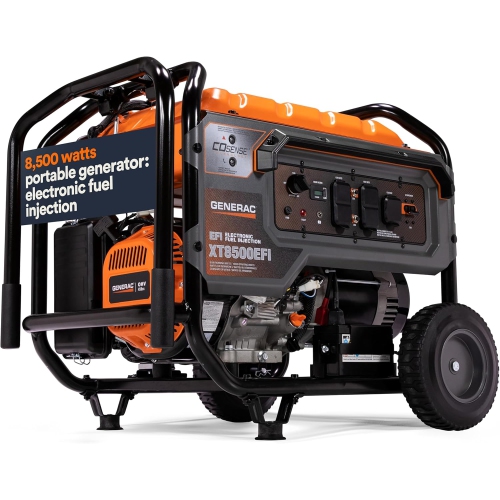 Your price for this item is $3000
 -
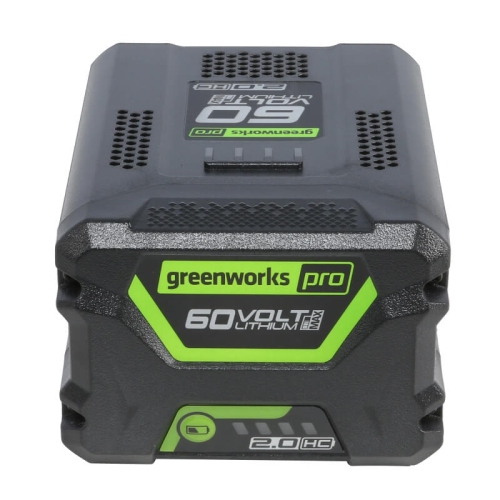 Your price for this item is $124.45
 -
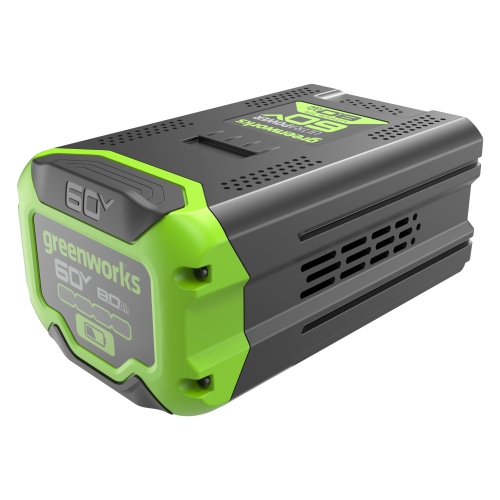 Your price for this item is $329.99
 -
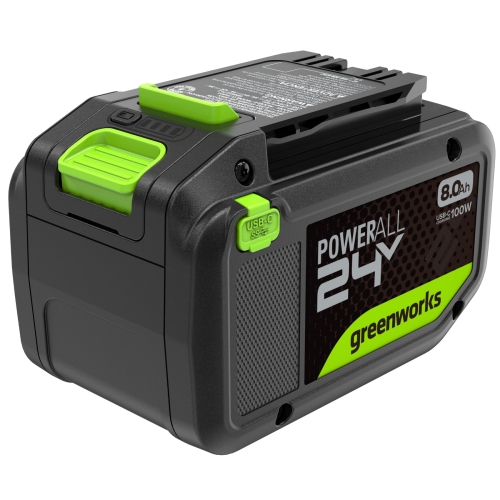 Your price for this item is $139.99
 -
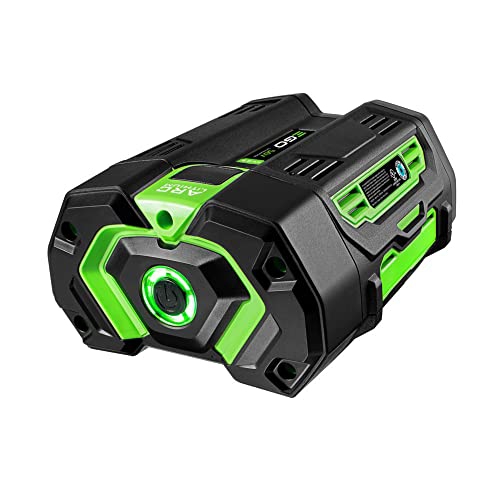 Your price for this item is $264
 -
 Your price for this item is $217.55
 -
 Your price for this item is $739.99
 -
 Your price for this item is $599.99
Discover more categories related to Off Road Winches
Top Collections:
Pokemon Centers, Kindle Devices, Best Budget Office Chairs, Apple iPhones 16, Canon G7X Cameras, iPhone 15 Apple, Alarm Clock, Refurbished Apple Laptops, Flip Phones, Best Laptops for Writers
Some products may be subject to Environmental Handling Fees
(EHF) depending on your province.
Learn more about EHFs.