Utility Pump
Utility Pump solutions offer reliable performance for a wide range of water transfer needs around your home, job site, or outdoor space. Whether you’re managing excess water, draining appliances, or handling other tasks, a Utility Pump provides the versatility and convenience to help get the job done efficiently. Explore options designed to make water removal and transfer straightforward and hassle-free. Find the right Utility Pump to suit your requirements and keep your space running smoothly.
Sort







Why water removal takes more than pumping power
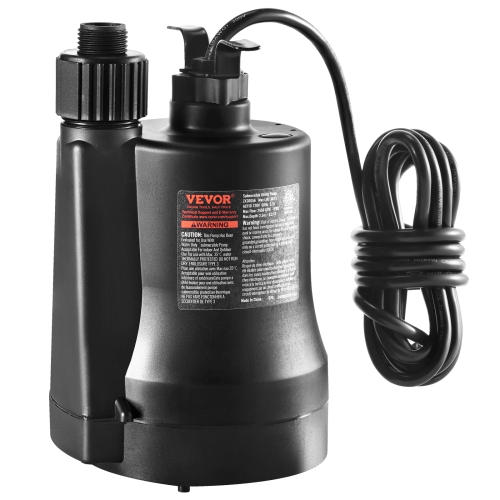
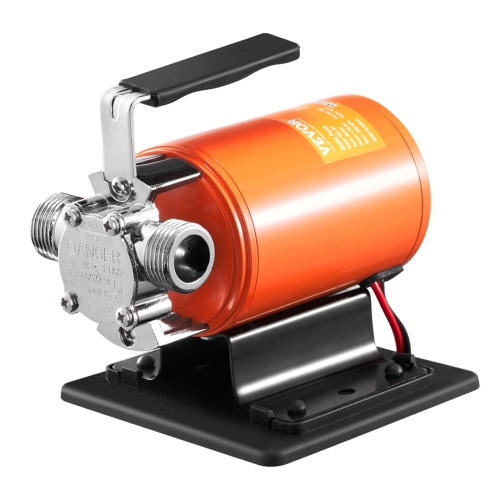
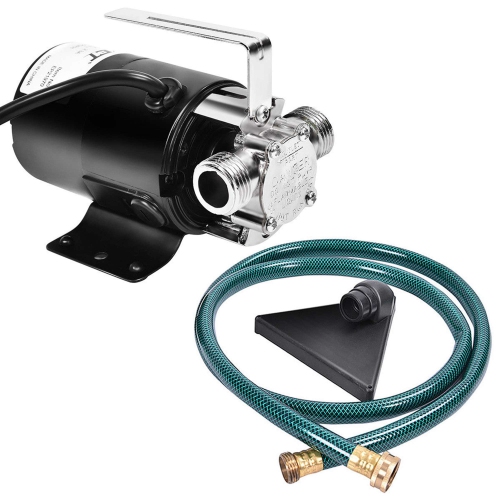
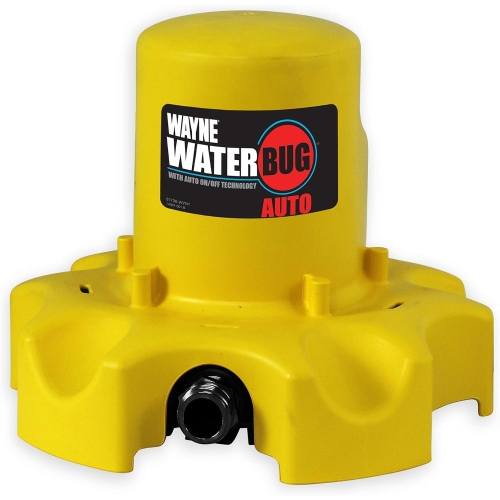
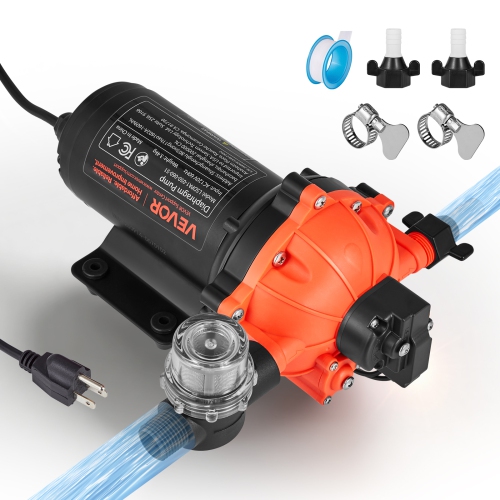
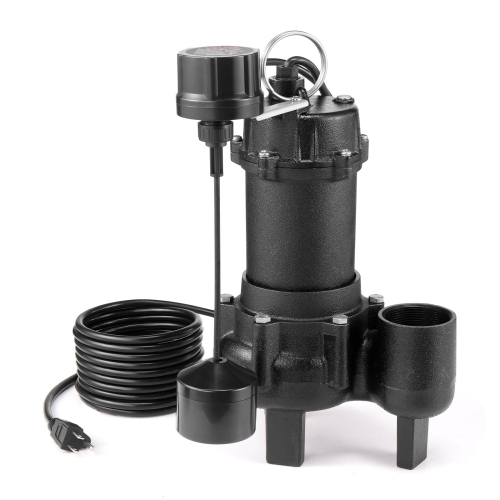
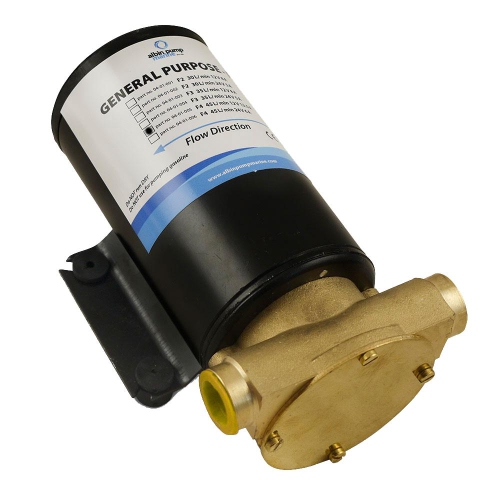
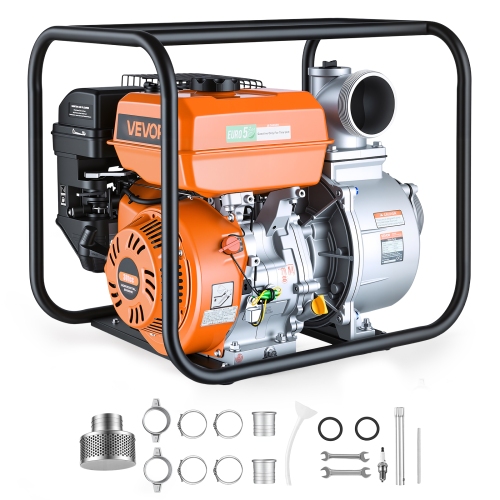
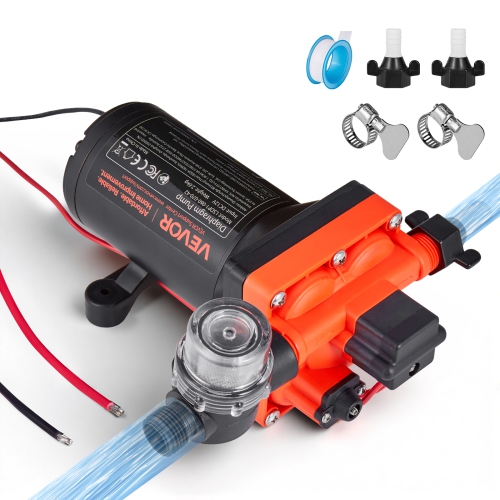
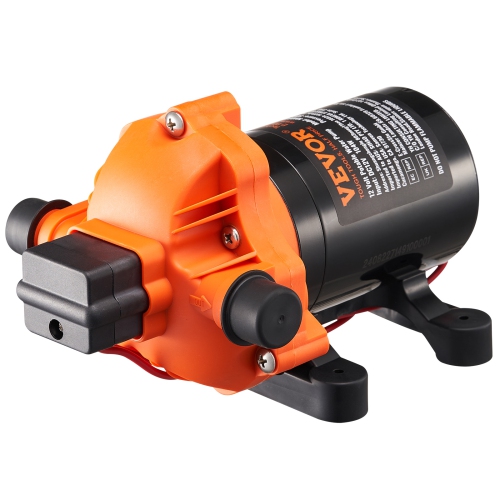
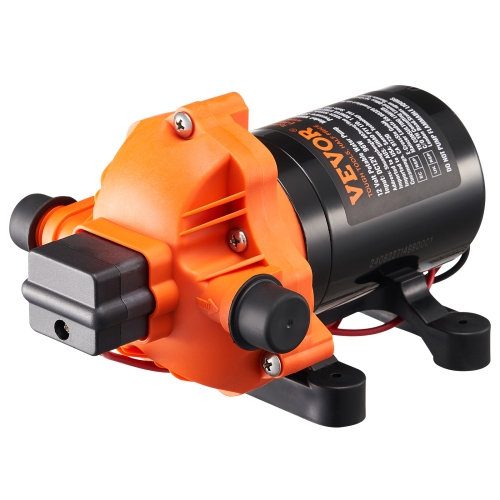
A utility pump is a portable water pump used to move unwanted water from one place to another, such as from a container to a suitable drain or from a shallow puddle to an approved discharge area. Common uses include emptying hot tubs, draining water tanks, removing standing water from hard surfaces, and helping with water removal in basements or crawl spaces once the area is safe to access. These pumps are useful for homeowners, property managers, maintenance teams, and workshop users who need water-moving equipment that can be brought out for a particular task rather than permanently installed. The two main configurations are submersible utility pumps and non-submersible transfer pumps. A submersible pump operates with its pump body in the water, drawing water through an intake near its base and sending it through a discharge hose. A non-submersible transfer pump stays outside the water and draws it through an inlet hose before pushing it through an outlet hose. That distinction matters in practical situations: a pump sitting on the bottom of a tank needs enough room and an appropriate operating depth, while a transfer pump needs a stable position beside the container and a suitable suction hose. Many utility pumps handle relatively clean water, although the amount and size of debris they can tolerate depend on their design. Sand, grit, leaves, and sludge can clog an intake or damage components when the pump is not built to handle them. A utility pump is also different from a sewage pump, a drinking-water pump, or a dedicated sump pump, even when their housings look similar. Suitability depends on the liquid, installation, and duty rating, not simply the motor size. Within the broader Electric Pump category, utility pumps serve a distinct role in temporary water removal and transfer, with features that help match the equipment to the space and the work involved.
Performance depends on more than the largest flow number printed on a pump’s specifications. Flow rate describes how much water a pump moves over time, commonly expressed in litres per minute or gallons per hour; when comparing gallon-based ratings, confirm whether the measurement uses US or imperial gallons. The actual flow changes with the height the water must rise, the hose diameter, the hose length, and restrictions such as bends or fittings. Moving water out of a shallow container beside a floor drain is a different job from sending it up from a basement and along a discharge hose. Maximum head describes the greatest vertical lift a pump can achieve under specified conditions, typically at or near zero flow, rather than a height at which it still delivers its advertised maximum output. A performance curve, when provided, gives a more useful picture of the expected flow at the required lift. Hose compatibility deserves equal attention. A familiar garden-hose connection can be convenient for modest transfer tasks, but a narrow hose may significantly limit output compared with a larger discharge hose. Connection size, thread type, adapter requirements, and the hose’s pressure rating all affect the setup. For non-submersible pumps, the inlet hose generally needs to resist collapse under suction, and the permitted suction lift is separate from the discharge head. Priming requirements also vary; some pumps require the housing or inlet line to be filled before operation. At the other end of the task, the minimum water level determines how much water remains. A low-level intake may leave only a shallow film, while another design may stop drawing water with a deeper puddle still present. Automatic operation can be useful where water collects repeatedly, but a float switch needs clearance to move freely and sufficient depth to activate. Manual pumps require monitoring, and automatic controls do not necessarily provide dry-run protection. These details help distinguish a convenient setup from one that needs frequent repositioning or leaves more finishing work with a mop or wet/dry vacuum.
Materials, construction, and care influence how well a utility pump stands up to repeated handling. Thermoplastic housings can keep weight manageable and resist many forms of corrosion, while stainless steel or cast-iron components bring different combinations of strength, weight, and maintenance needs. Housing material alone does not establish suitability for salt water, chemically treated water, or other demanding liquids; seals, impellers, and internal components must also be compatible. For a pump carried between a storage shelf, a utility room, and a tank, a comfortable handle, stable base, accessible intake screen, and manageable hose connections make a noticeable difference. Physical fit matters as much as portability. Narrow openings can restrict access, uneven surfaces can leave an intake poorly positioned, and suspended sediment can quickly collect around a pump resting directly on a dirty bottom. A removable screen can simplify cleaning after use, while clear instructions for rinsing, draining, and storage help preserve the pump’s working parts. Electrical safety is especially important because these tools operate close to water. An electric utility pump requires the specified power supply and ground-fault circuit interrupter protection, with plugs and connections kept dry and positioned away from the discharge path. A flooded room with possible electrical hazards needs professional assessment before anyone enters or operates equipment there. The pump should be disconnected from power before its intake is cleared or its position is adjusted, and it should never be lifted by its cord. Discharge planning is another part of a workable setup: the hose needs a secure route to a location permitted by local rules, without directing water towards foundations, neighbouring properties, or walking surfaces. After use, removing debris and draining the equipment according to its instructions helps keep the next task straightforward. For occasional household water removal or regular property maintenance, the best fit is a utility pump whose rated performance, liquid compatibility, controls, and physical design suit the actual job.
Top selling and popular products
-
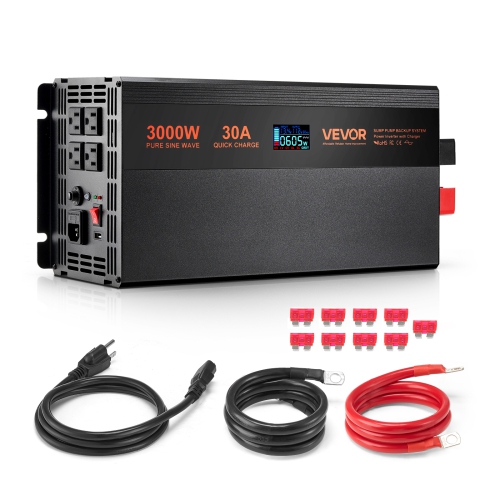 Your price for this item is $364.9
-
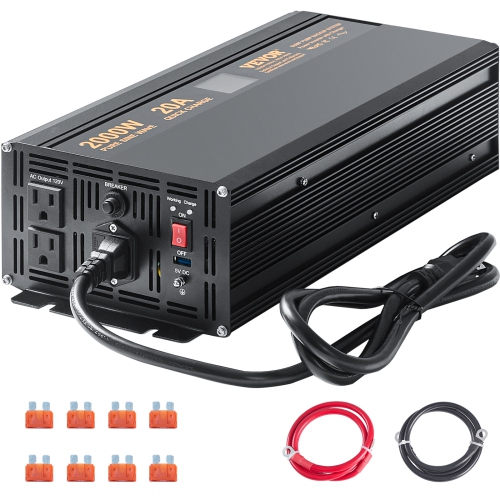 Your price for this item is $263.42
-
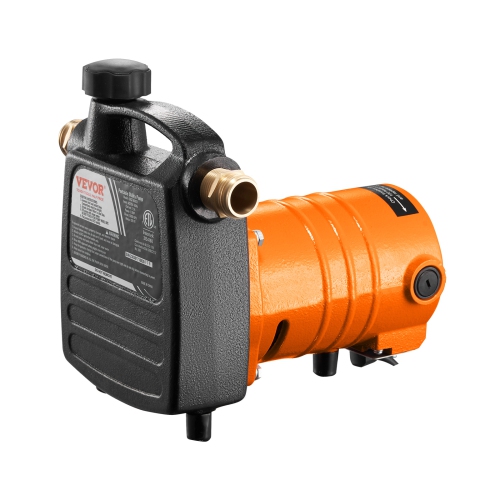 Your price for this item is $164.99
-
 Your price for this item is $39.99
-
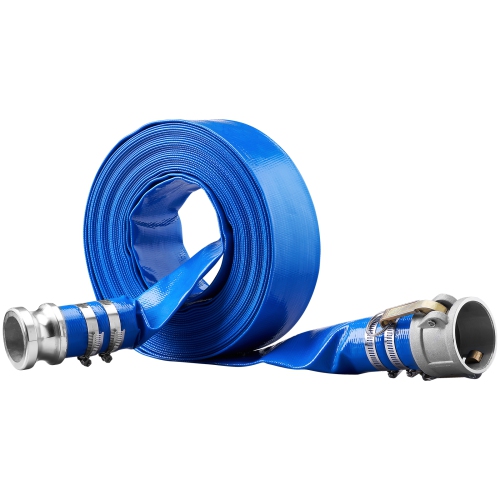 Your price for this item is $52.9
-
 Your price for this item is $37.8
-
 Your price for this item is $268.9
-
 Your price for this item is $50.9
Discover more categories related to Utility Pump

Top Collections:
Pokemon Centers, Best Cameras for Sports Photography, Kindle Devices, Samsung Galaxy Phones, Canon G7X Cameras, Pokémon 30th Celebration Cards, Refurbished Apple Laptops, iPhone 15 Apple, Laptops for Students, Budget Smartphones
Some products may be subject to Environmental Handling Fees
(EHF) depending on your province.
Learn more about EHFs.