Water Pump
Discover the perfect water pump solution to meet your needs with our diverse selection designed for a variety of applications. Whether you're looking to manage water in your home, garden, or construction site, our assortment offers reliable and efficient options to ensure smooth operation. From enhancing irrigation systems to managing water levels in basements or pools, find the right fit that combines performance with durability. Explore features that cater to both residential and commercial needs, ensuring you have peace of mind knowing your water management tasks are handled efficiently. Dive into our collection and experience the convenience of modern water pump technology.
Sort
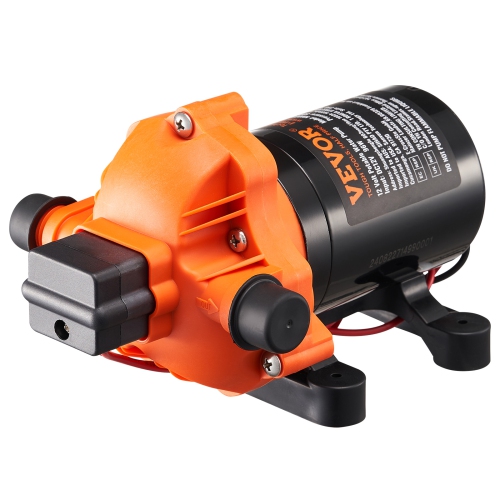
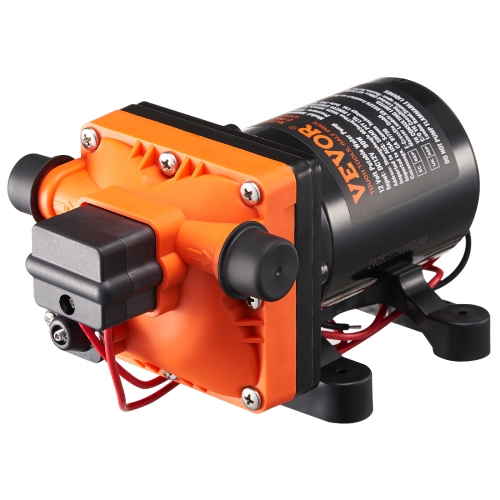
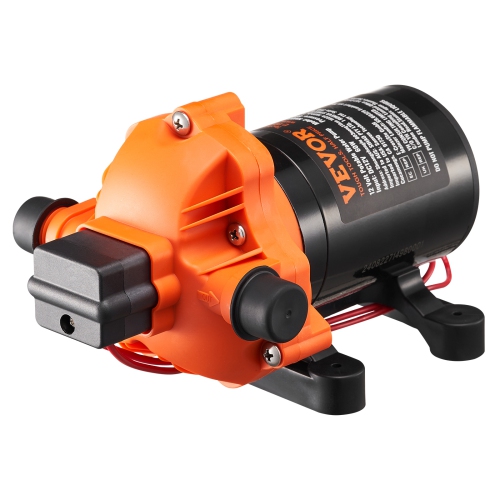
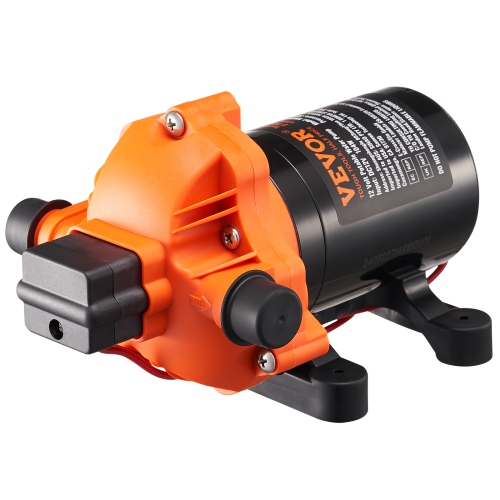


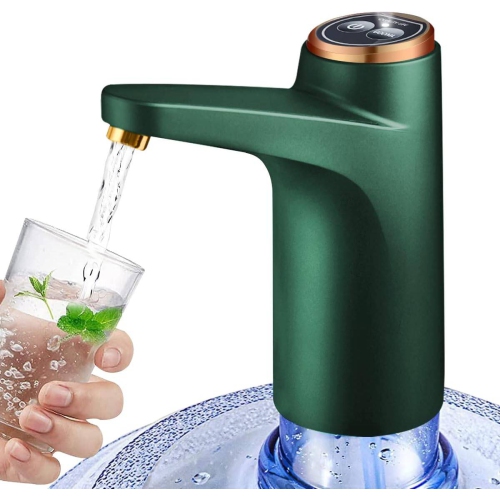
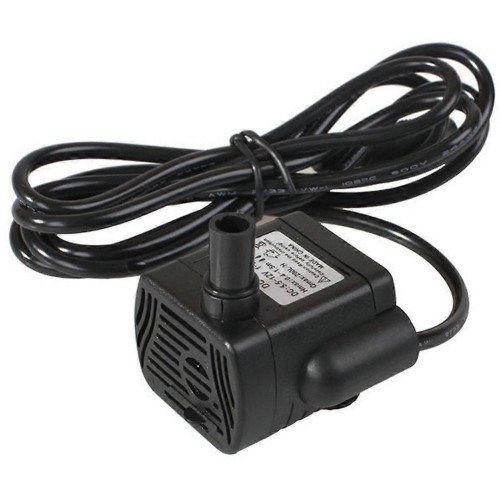
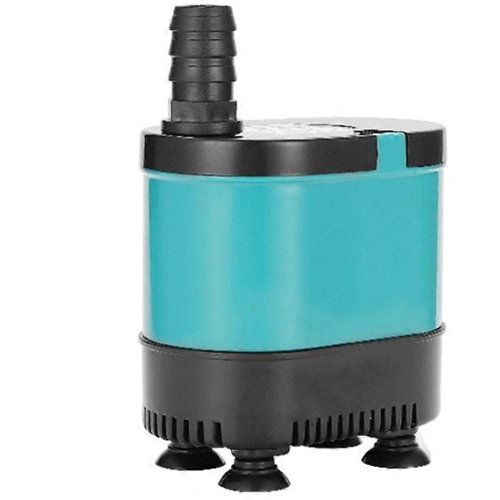
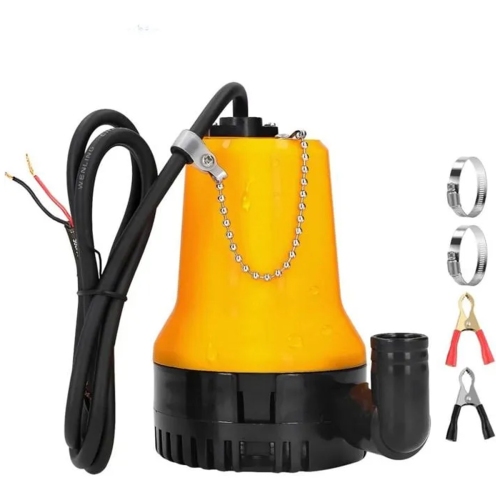
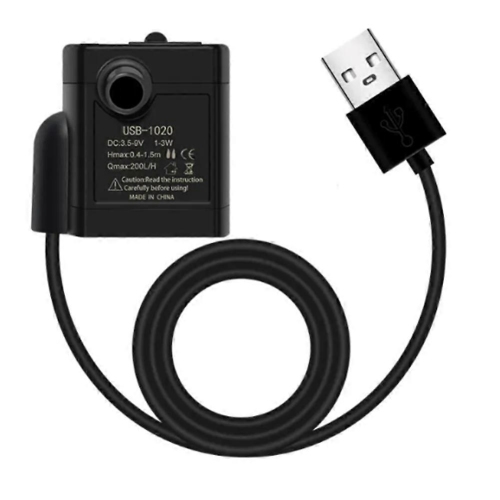
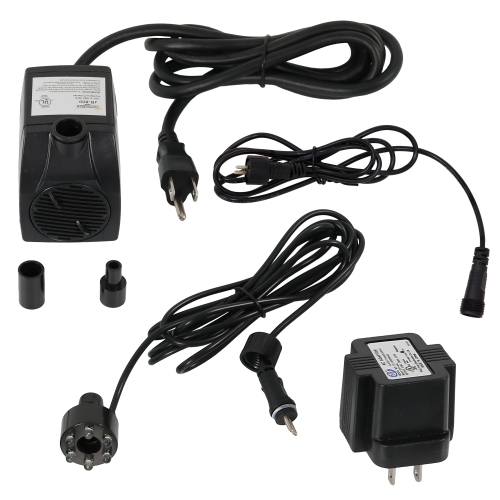
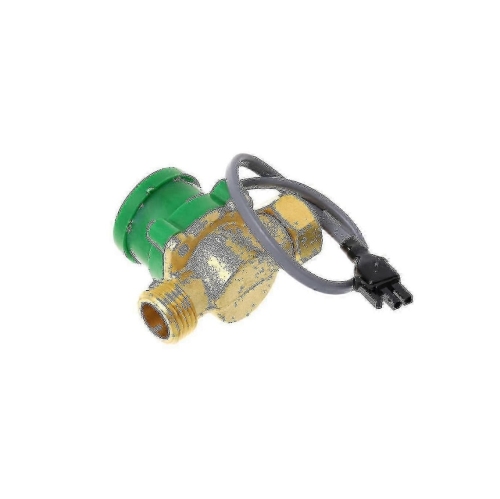

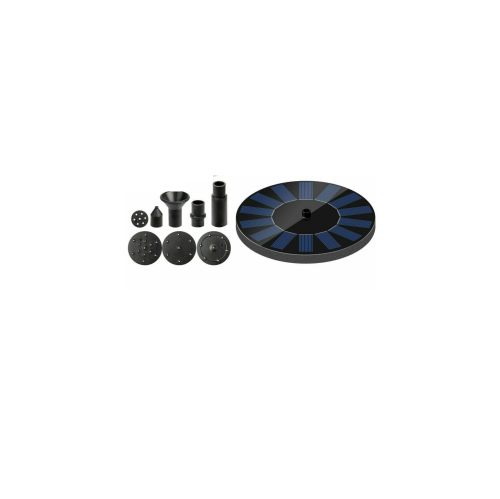
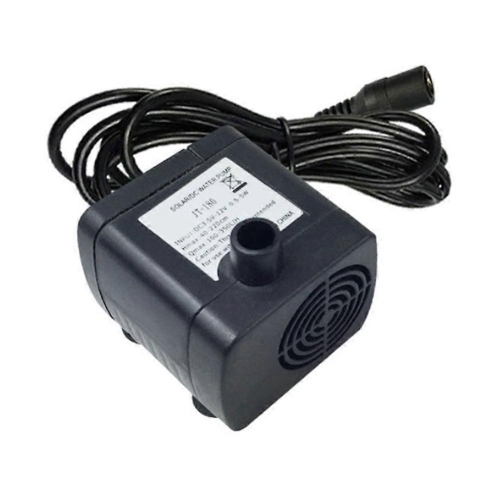
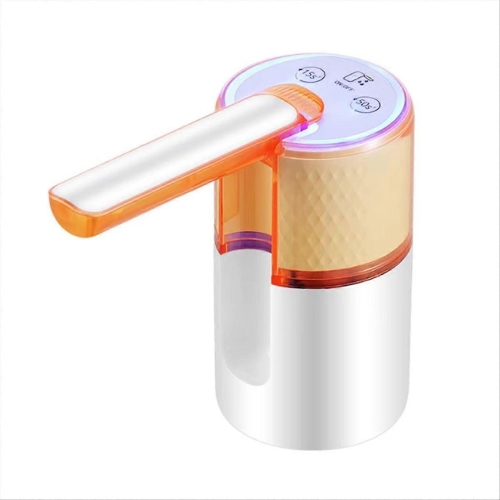
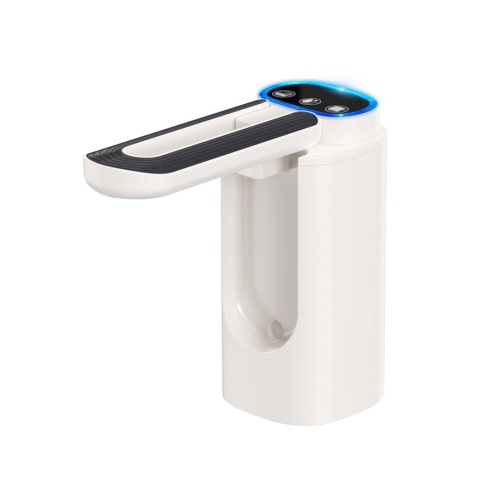
How flow rate and head lift affect pump performance
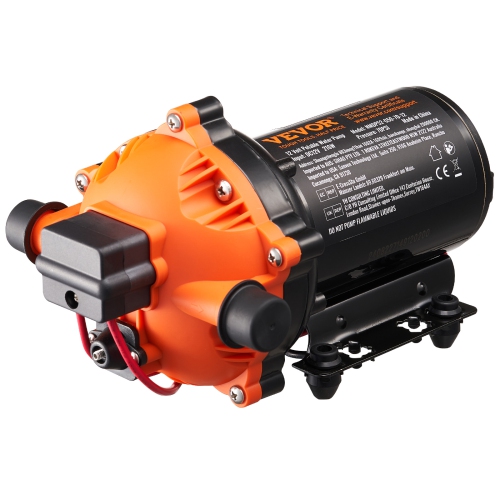
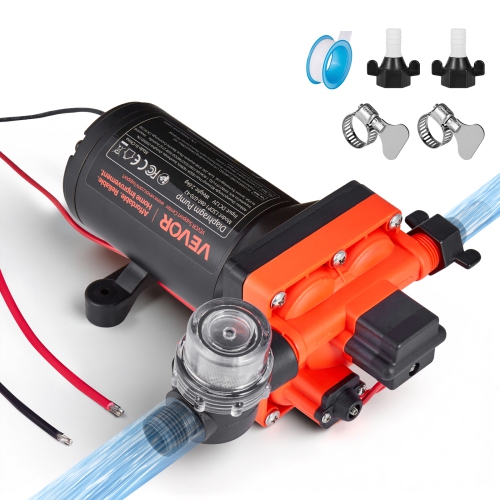
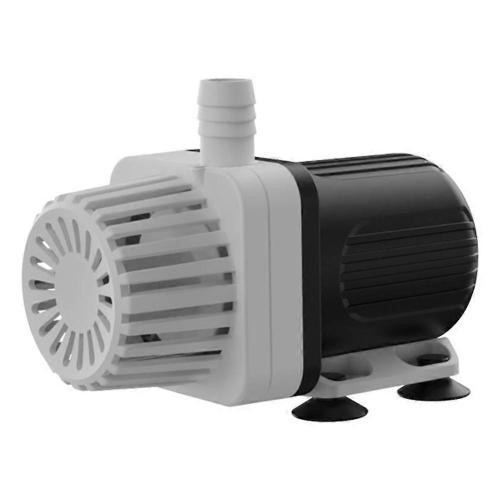
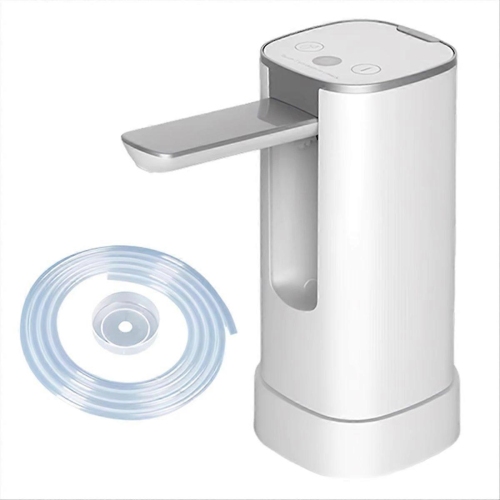
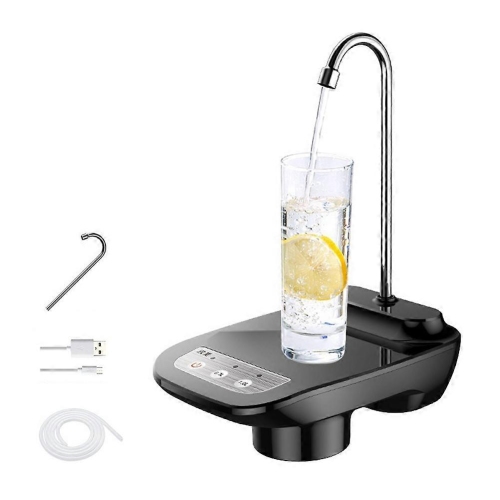
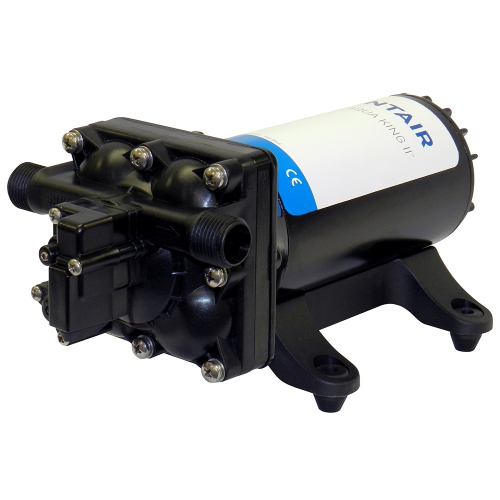
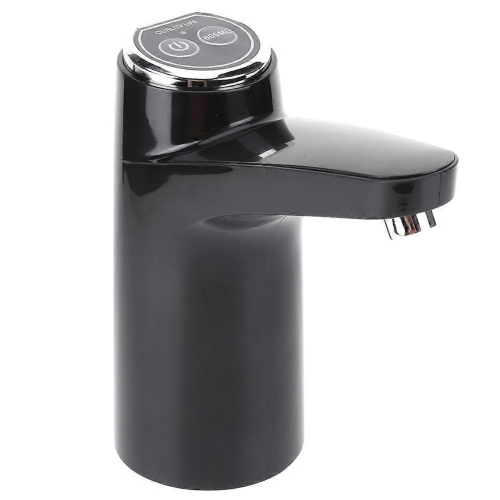
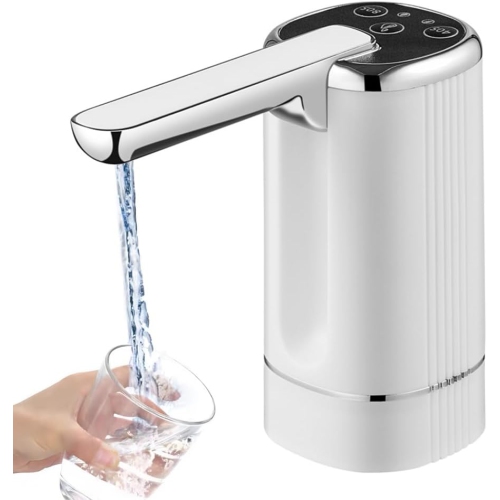
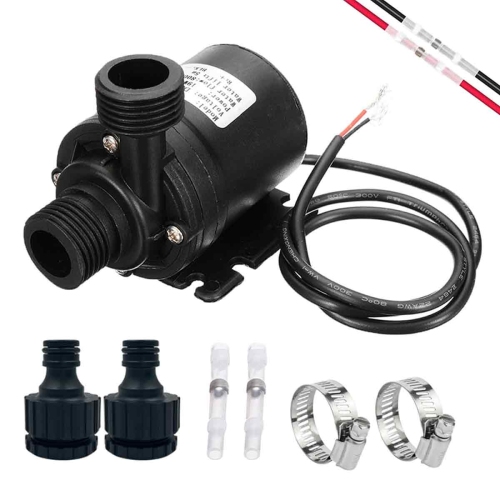
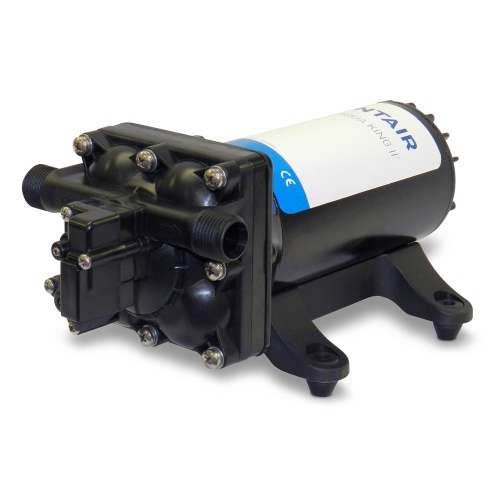
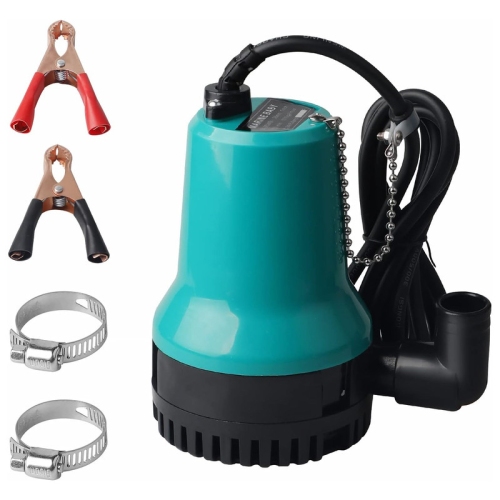
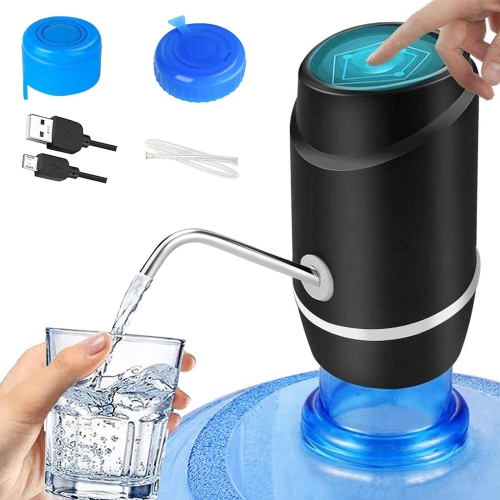
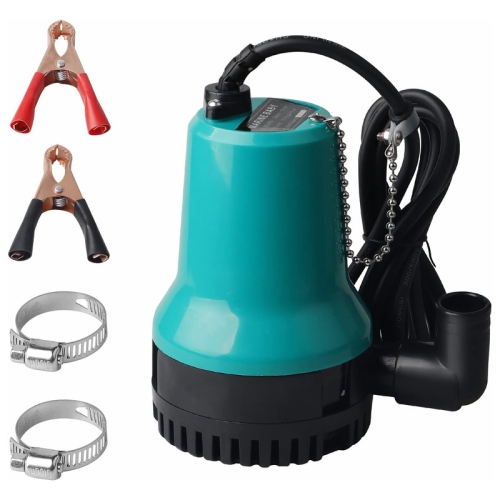
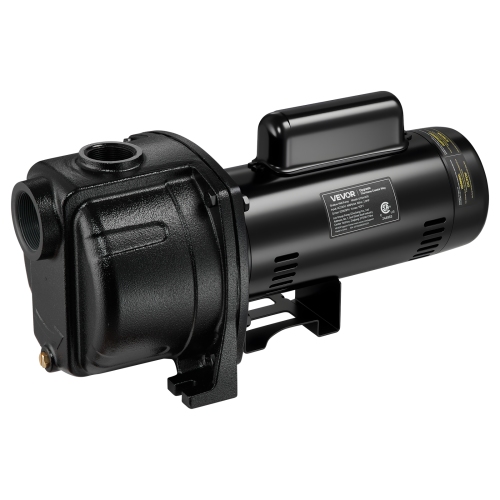
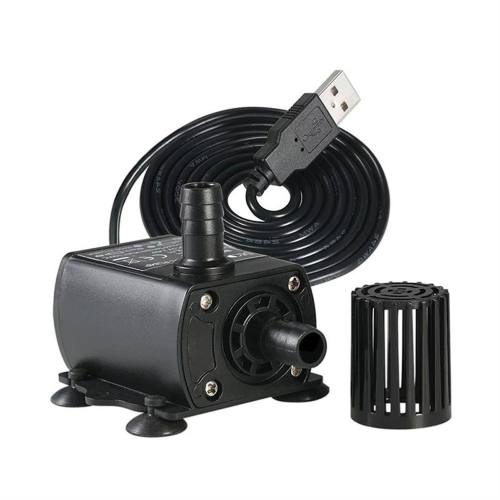
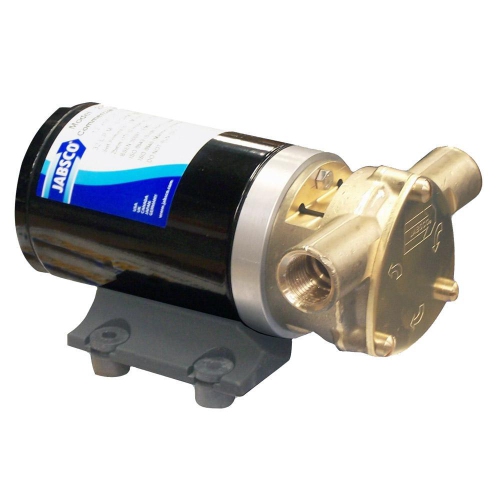
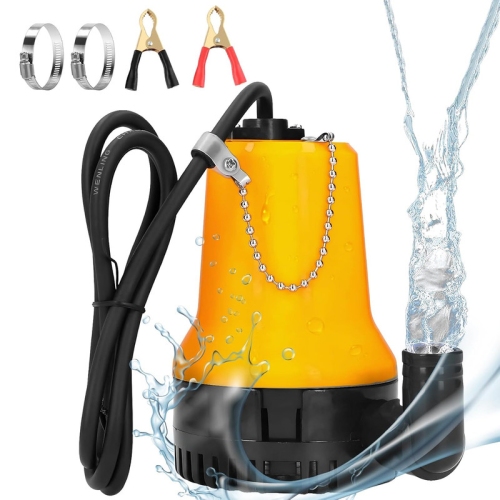
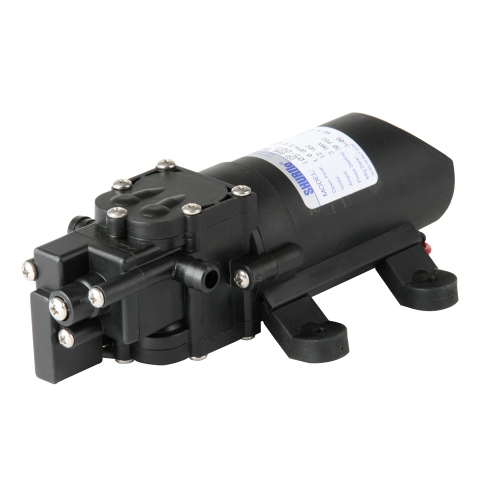
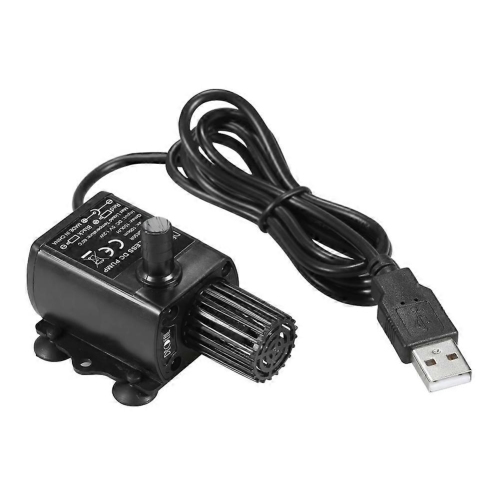
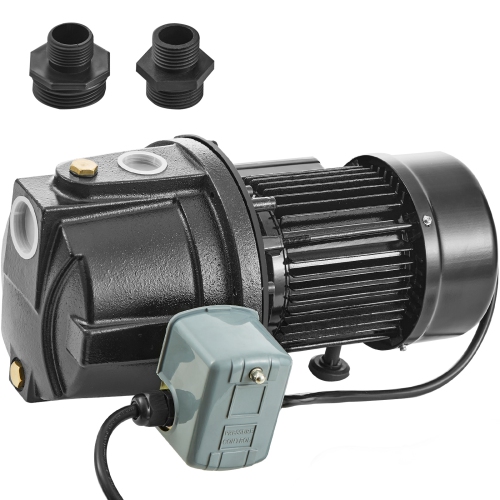
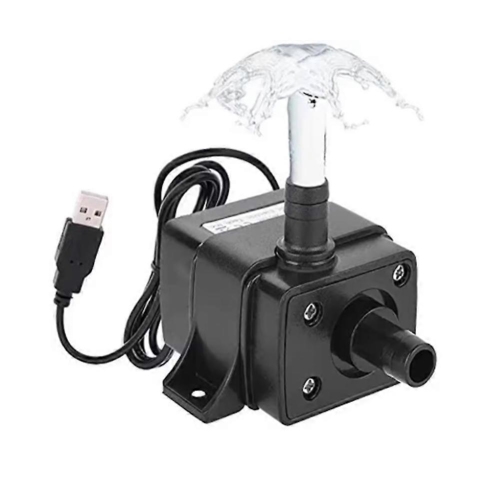
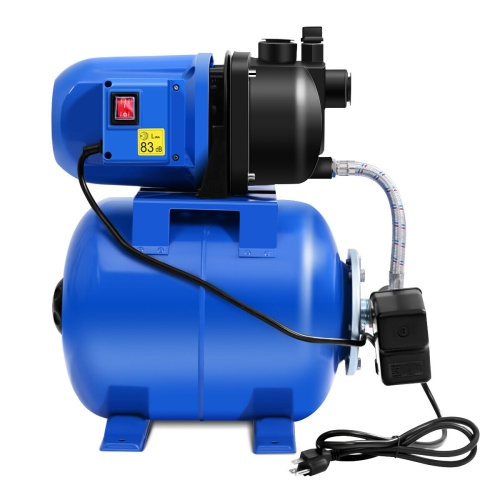
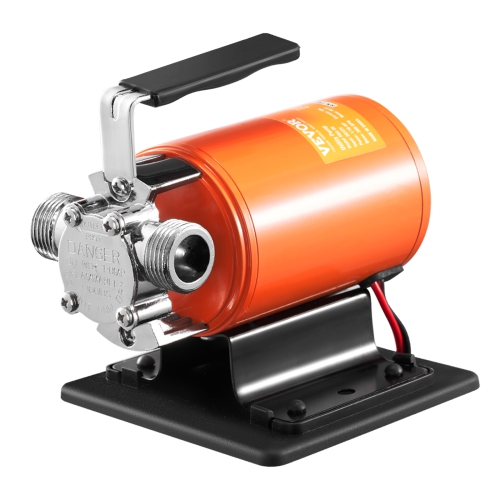
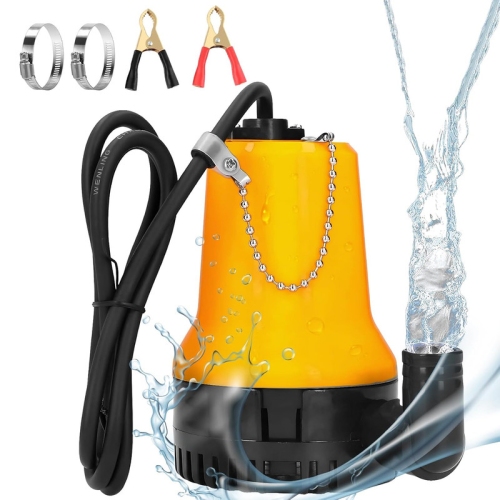
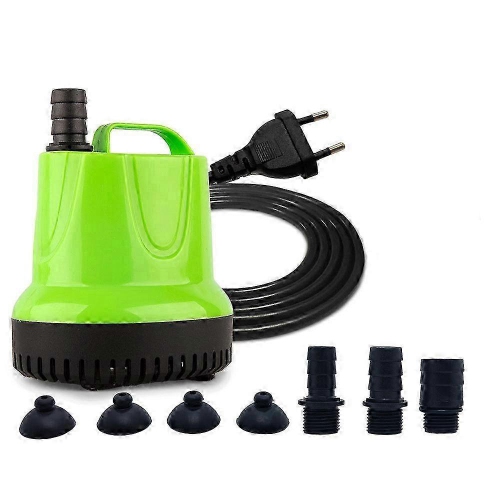
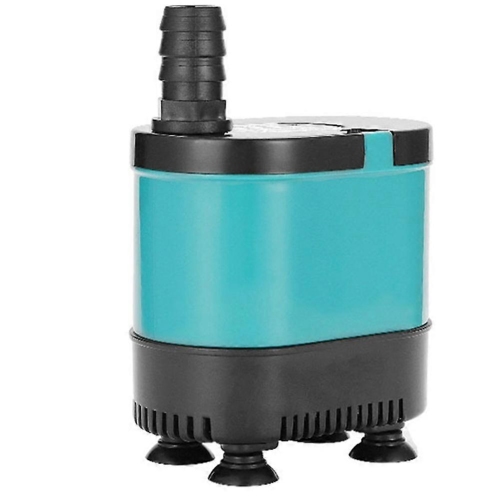
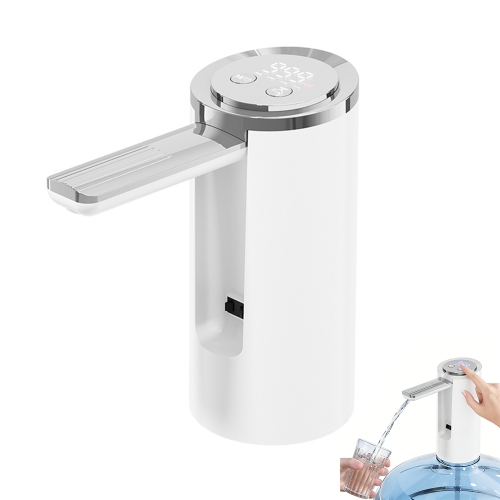
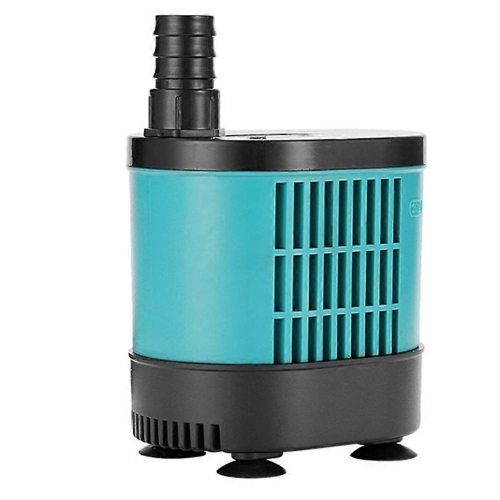
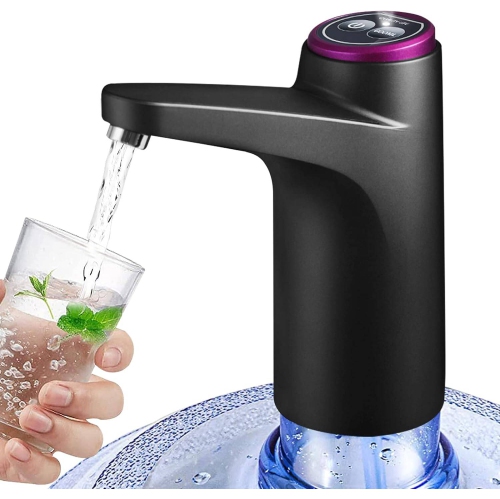
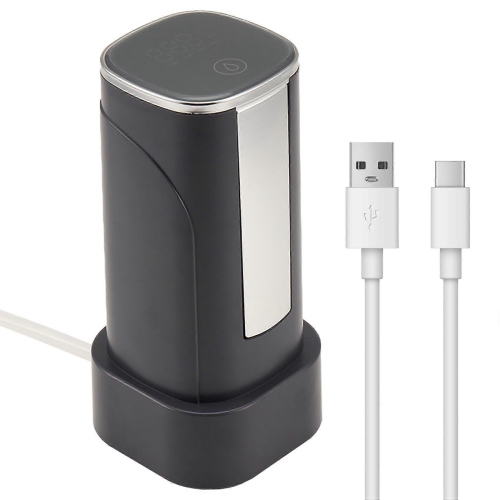
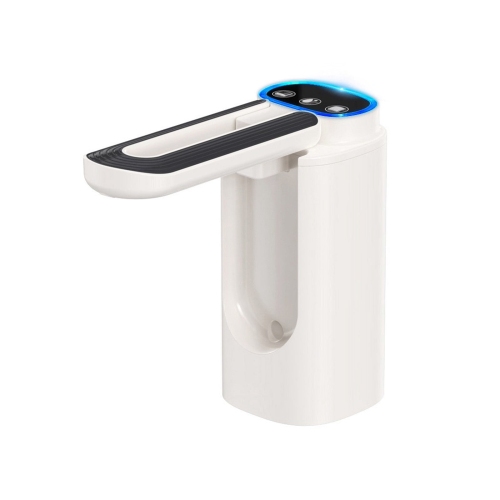
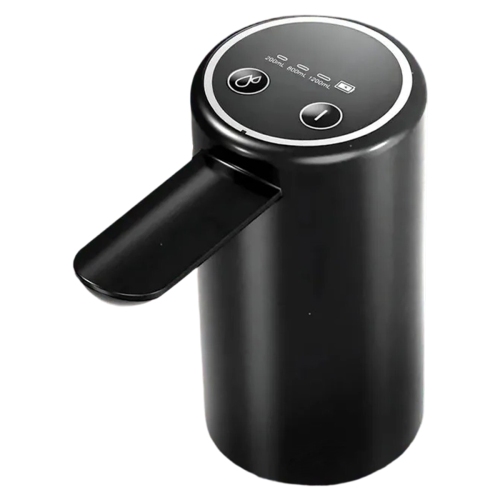
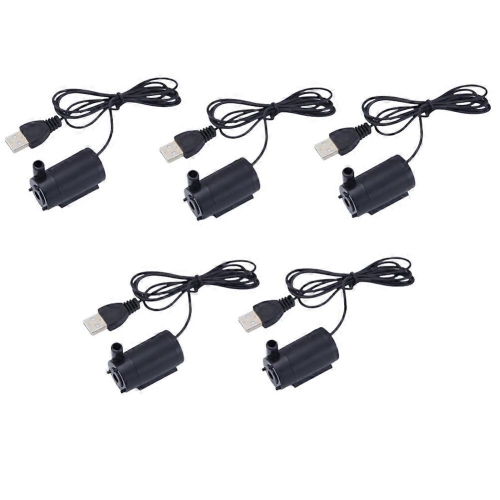
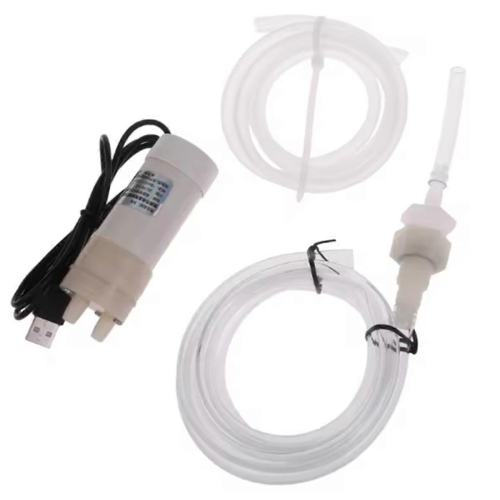
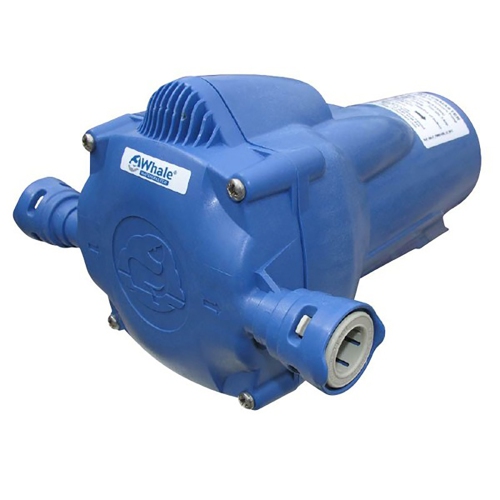
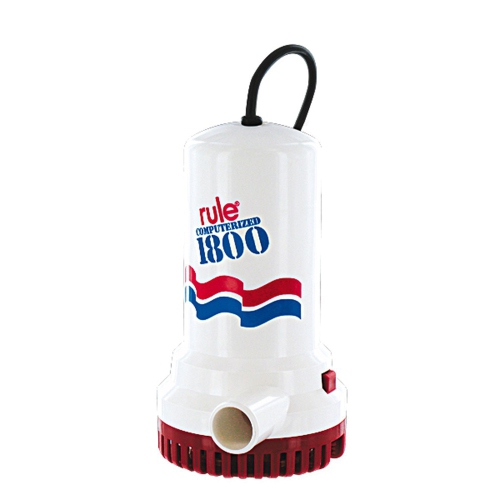
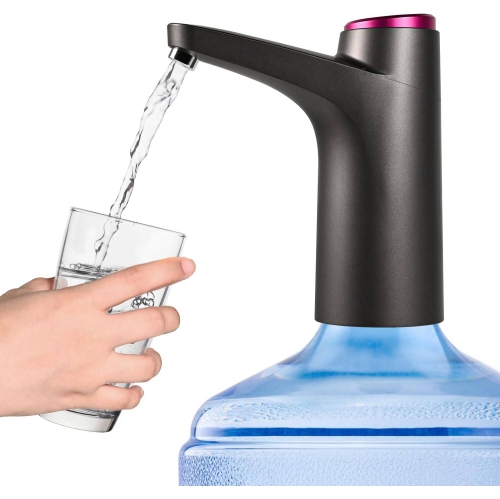
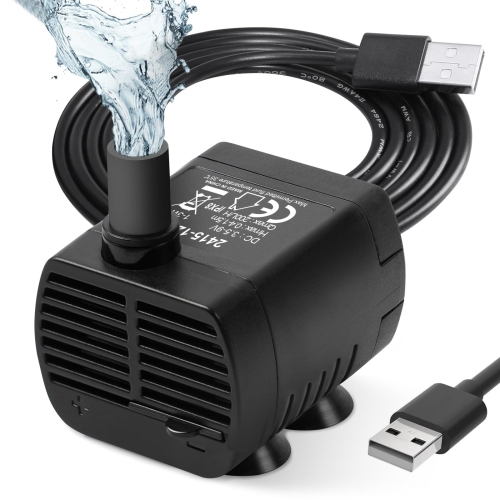
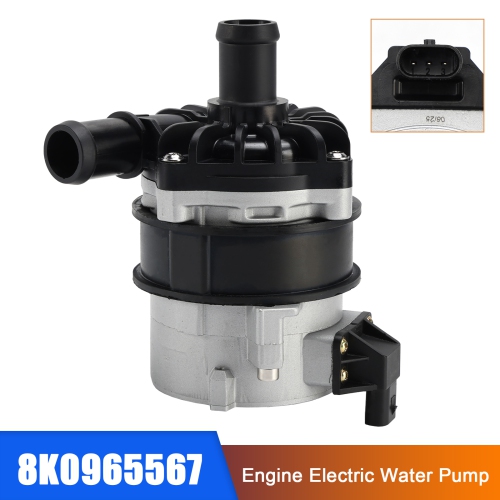
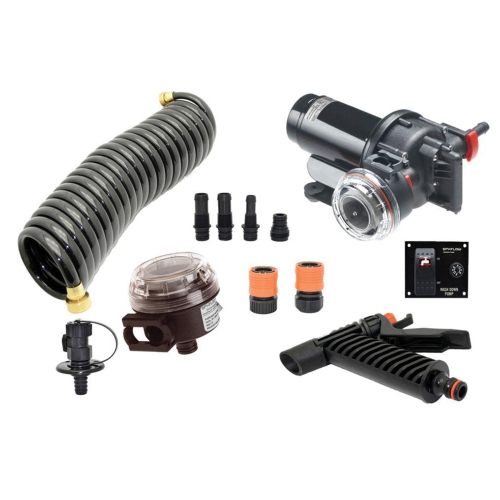
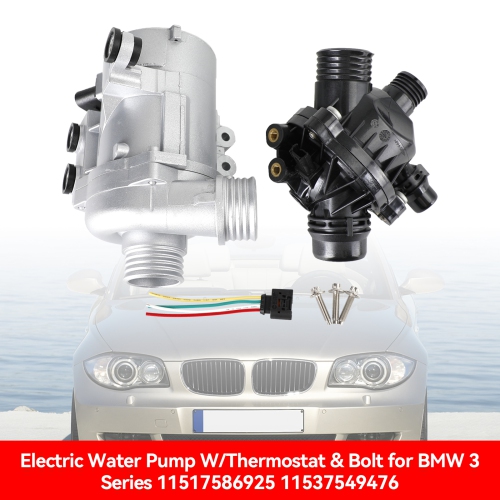
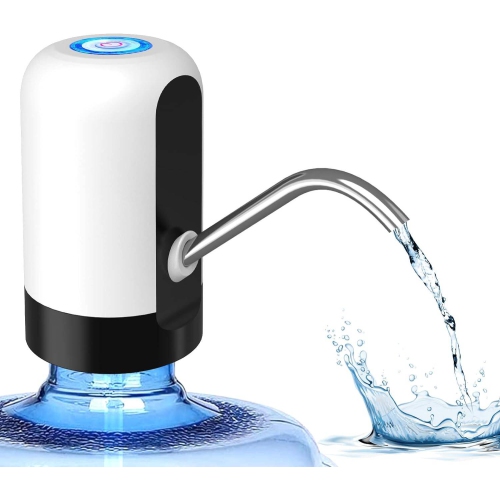
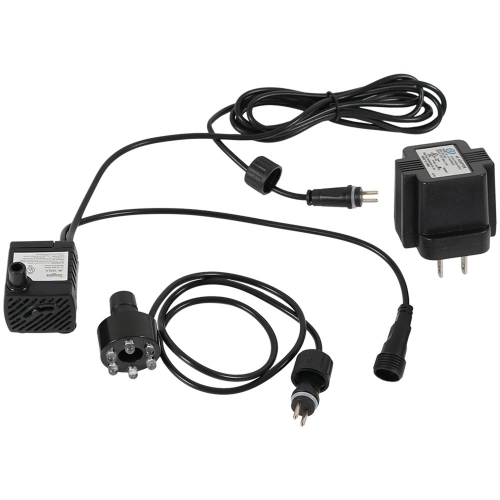
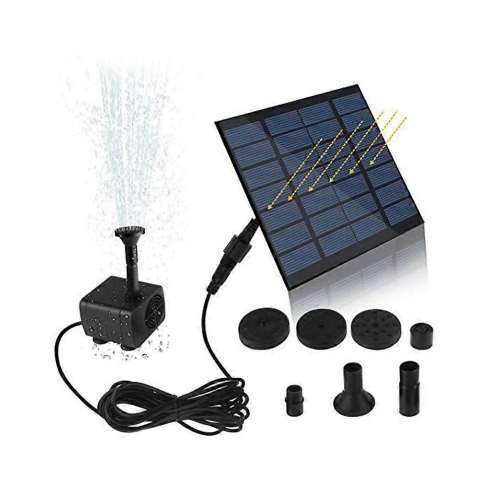
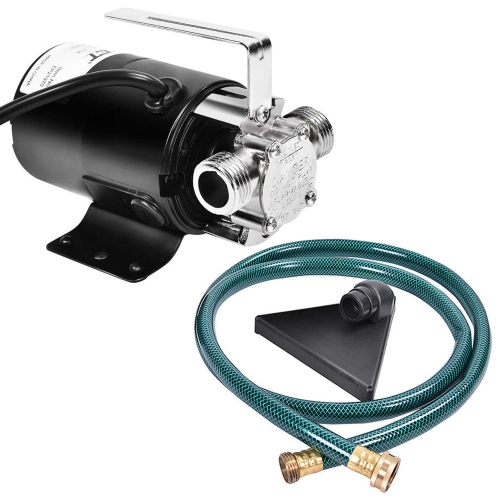
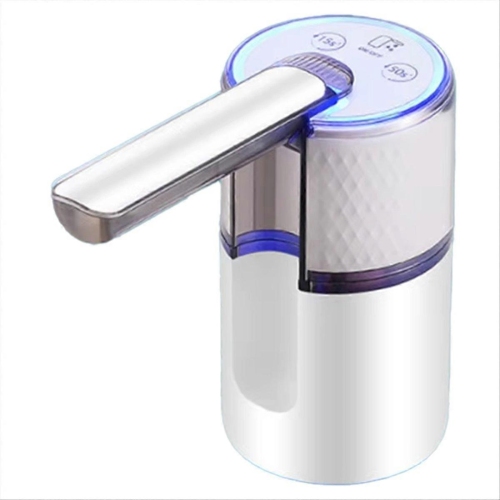
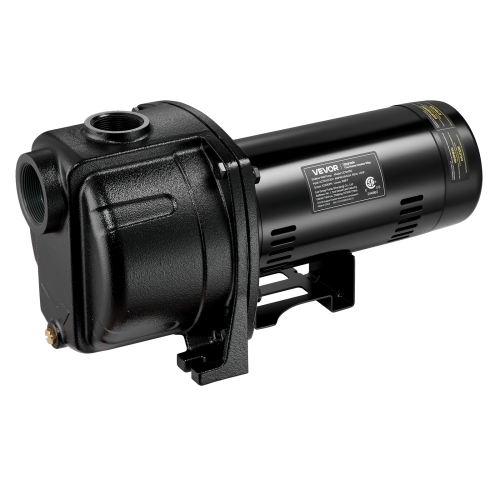
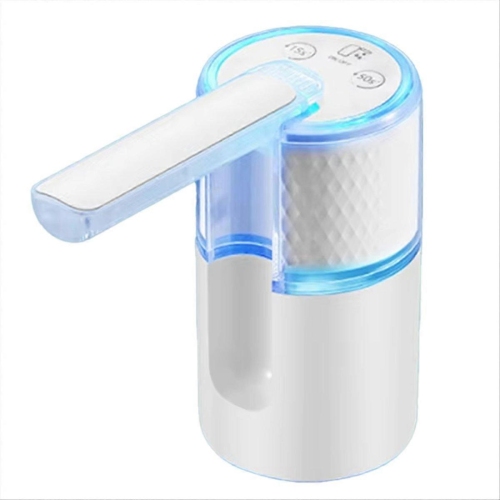
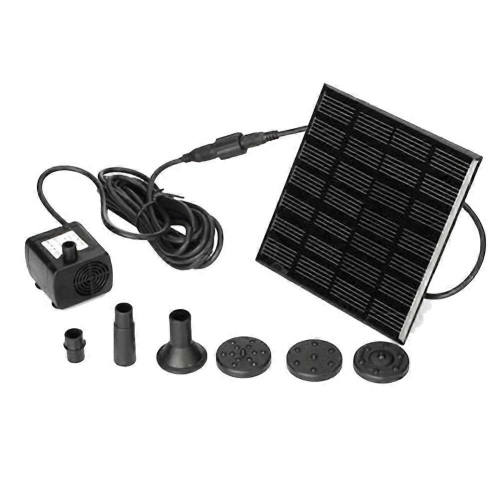
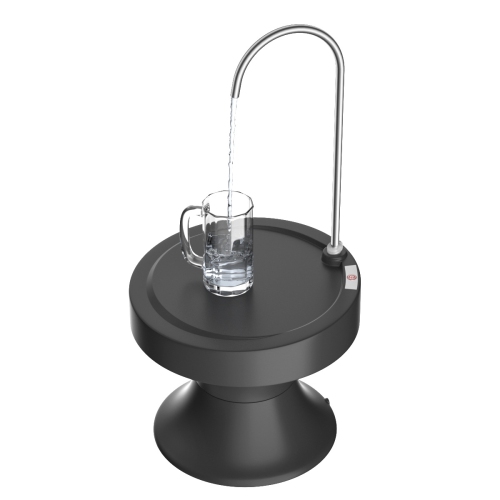
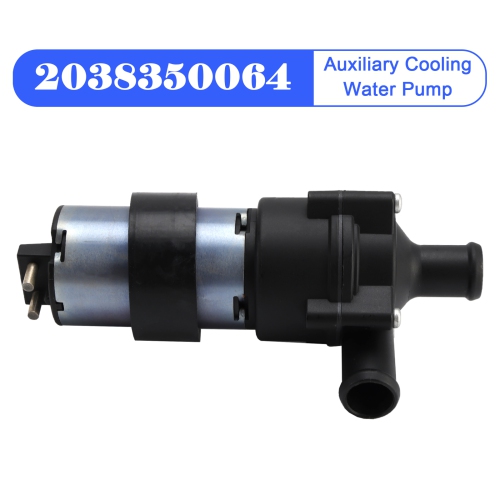
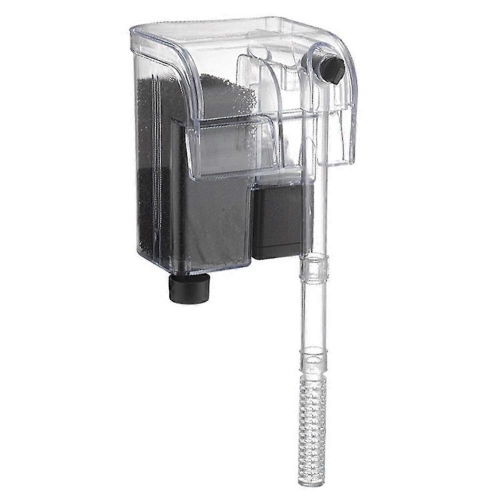
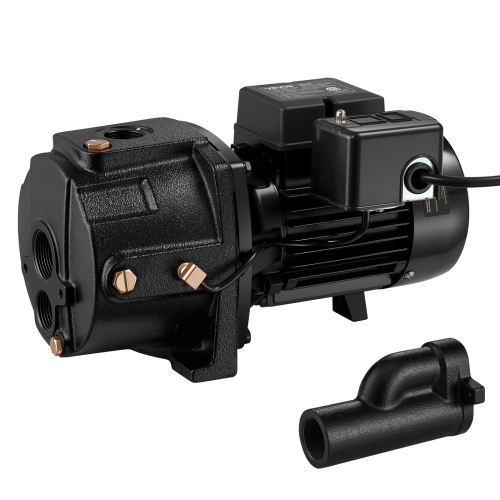
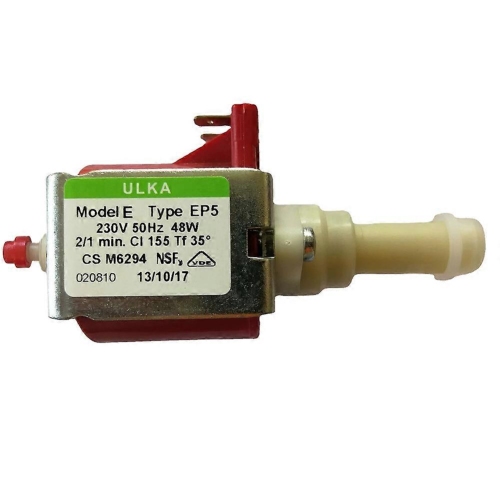
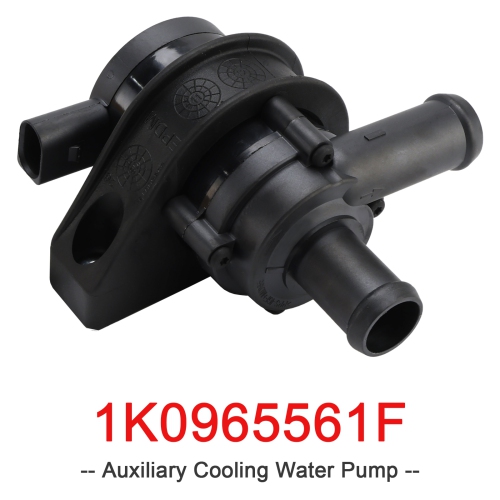
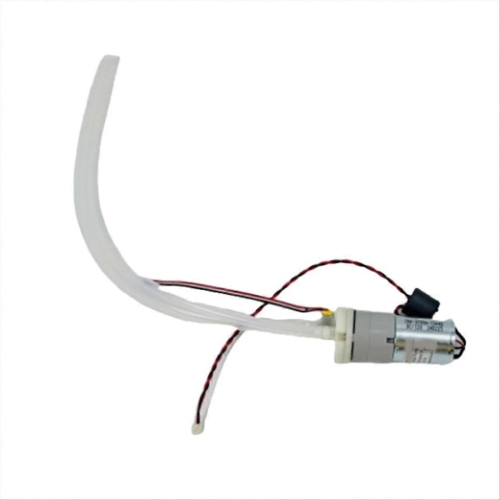
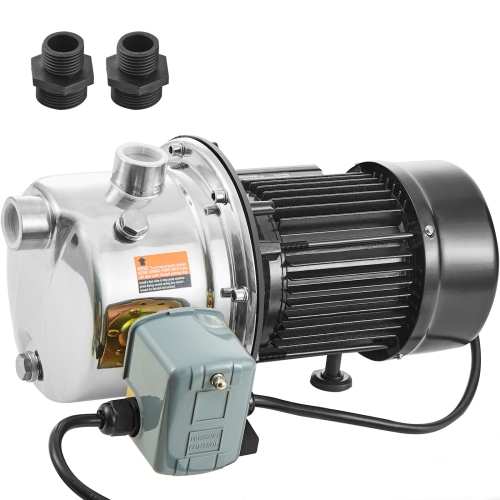
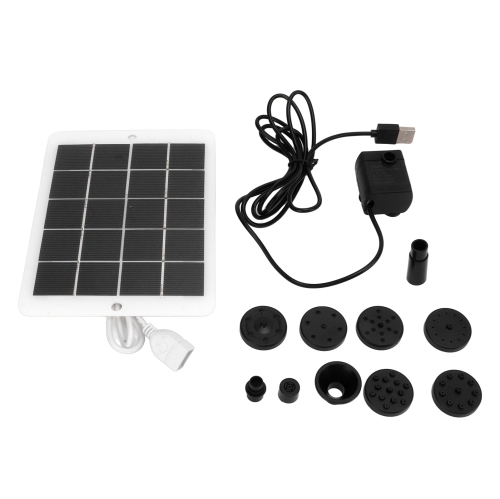
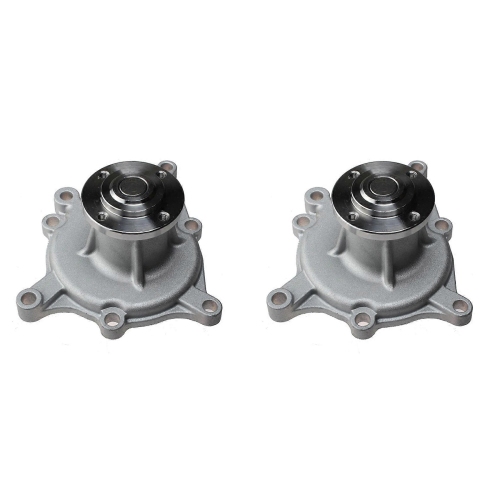
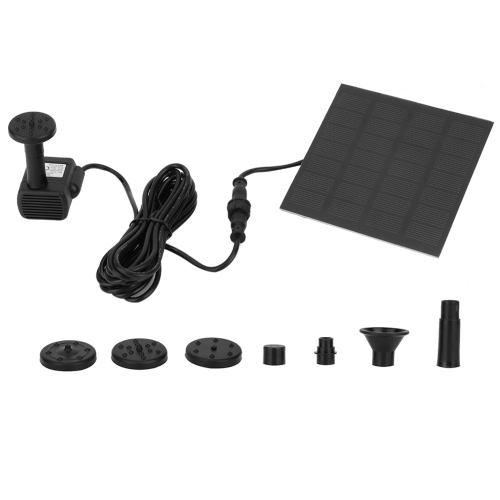
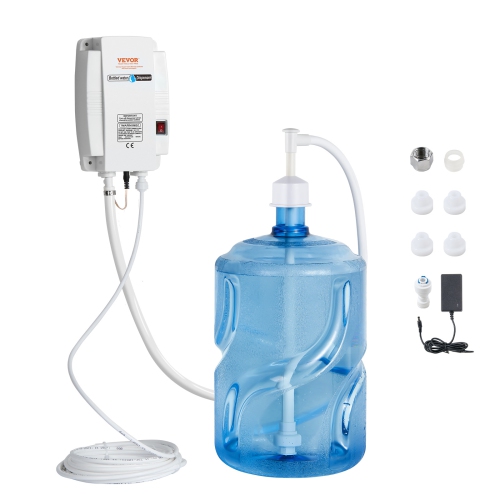
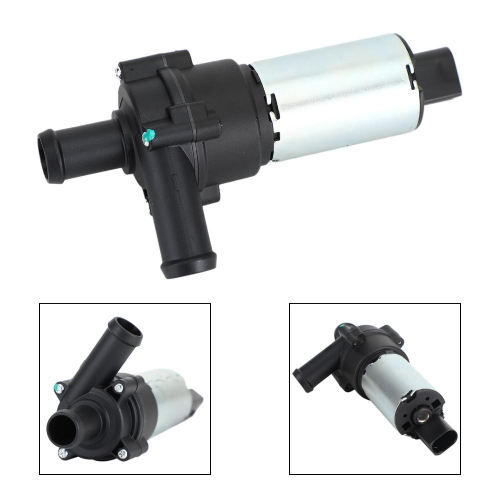
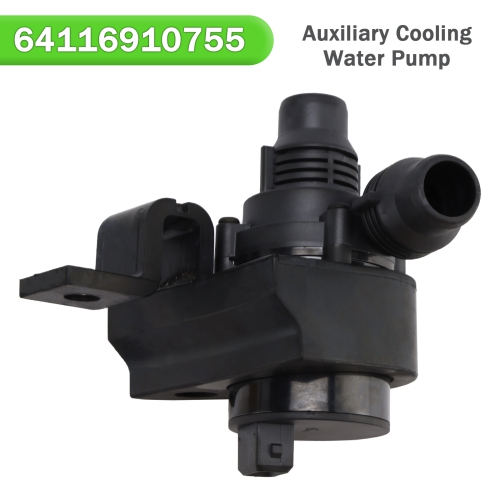
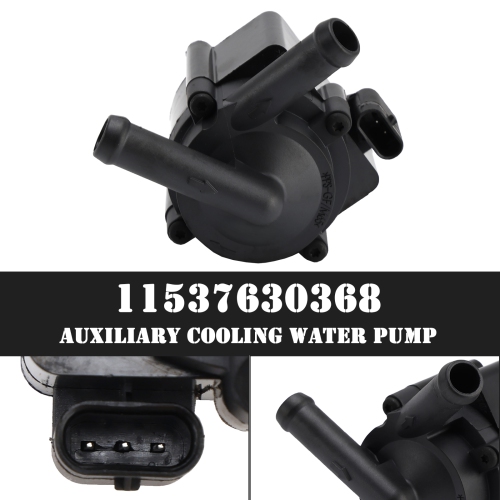
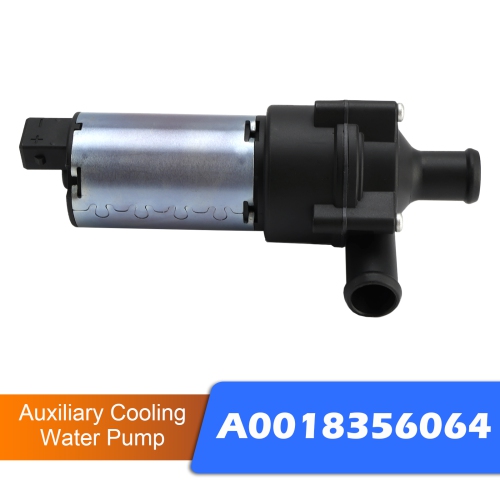
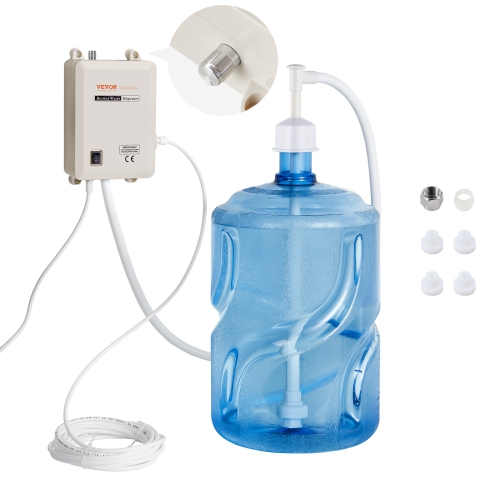
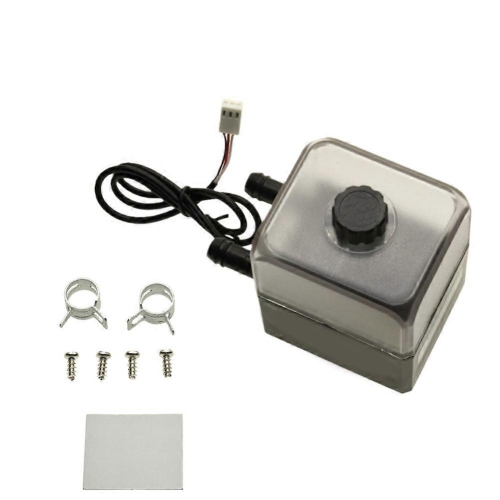
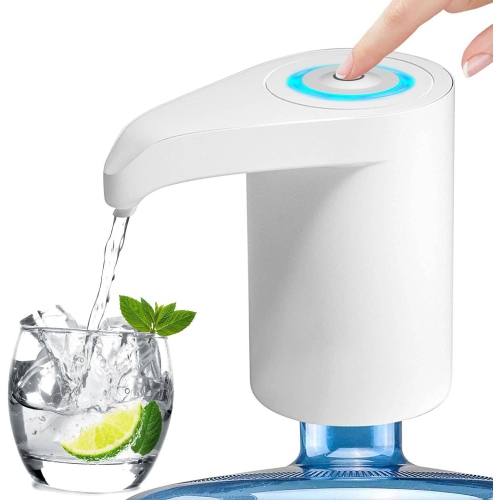
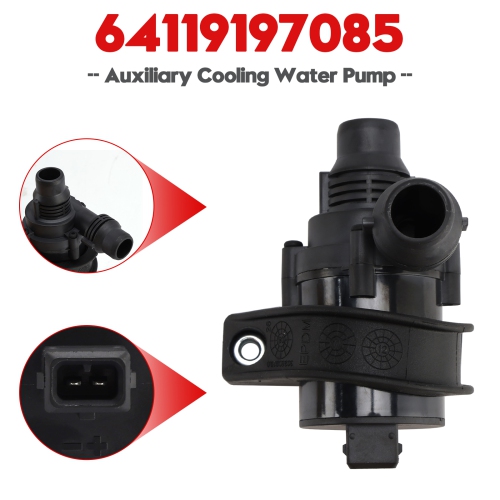
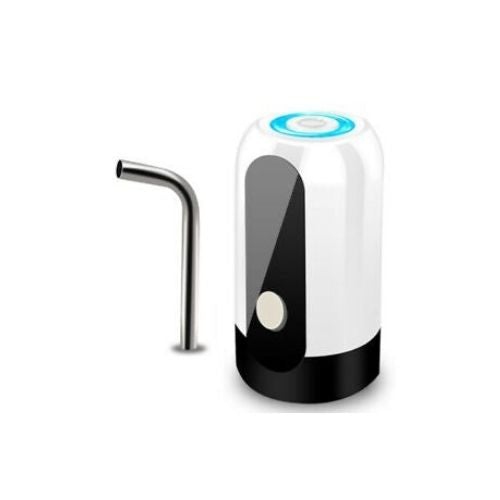
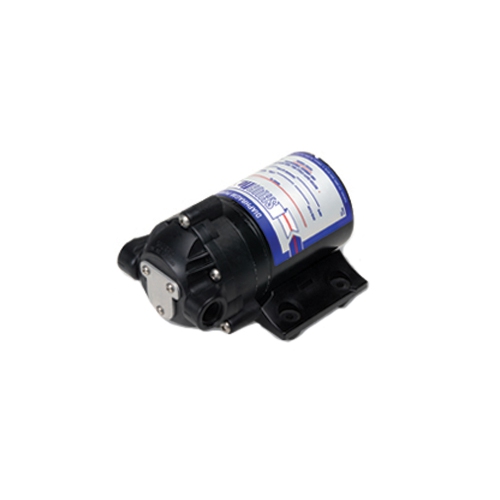
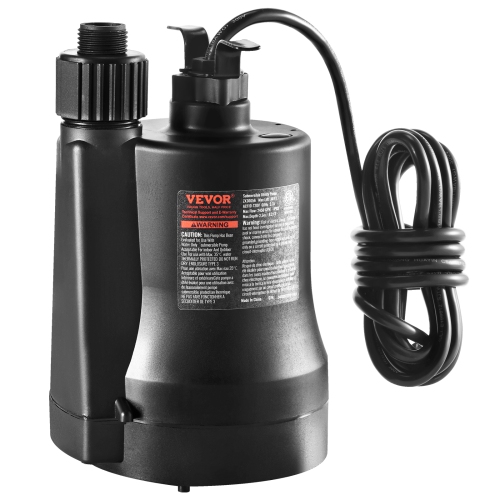
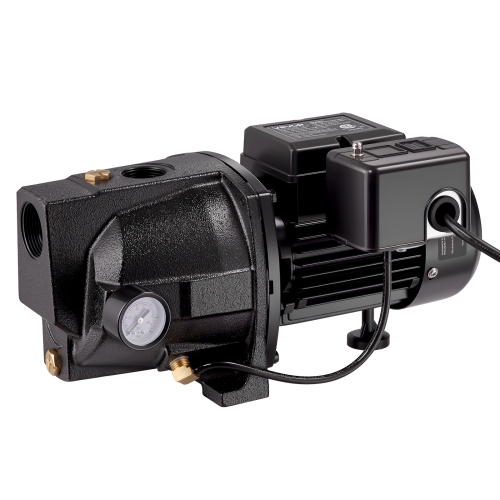
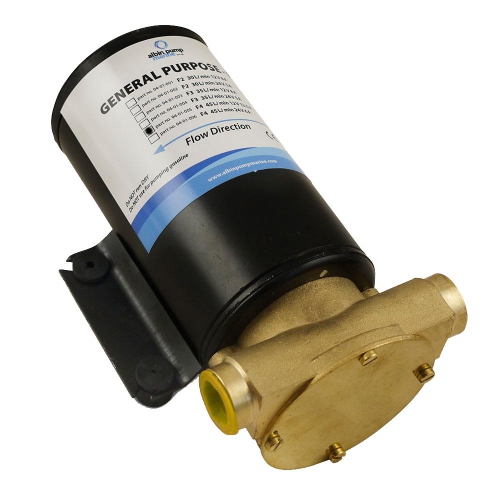
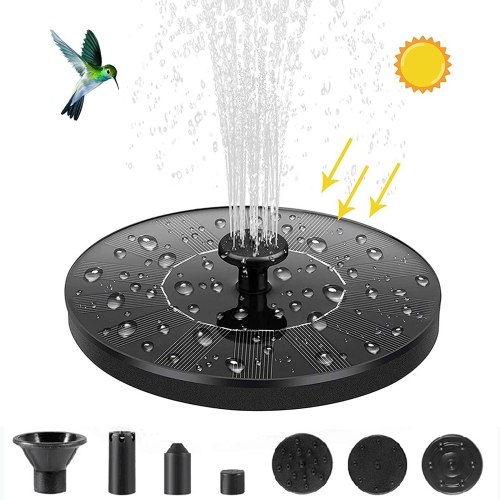
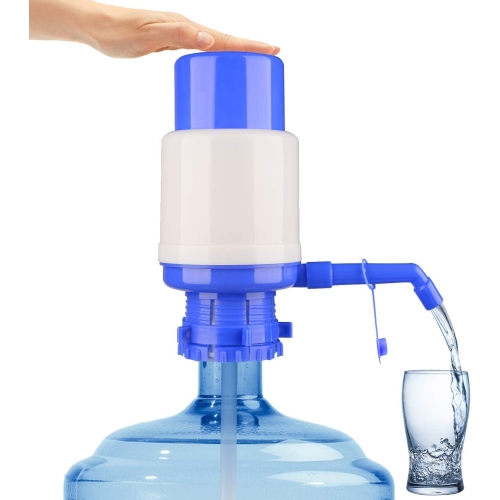
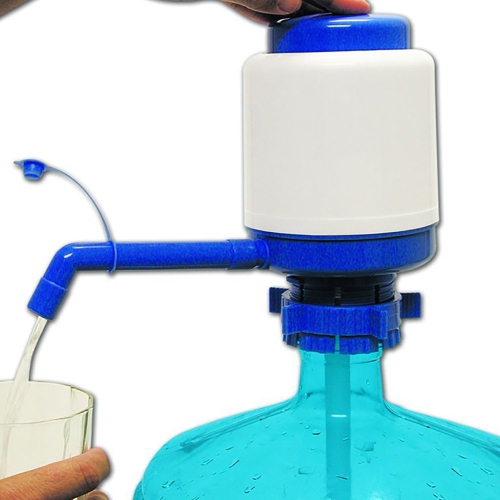
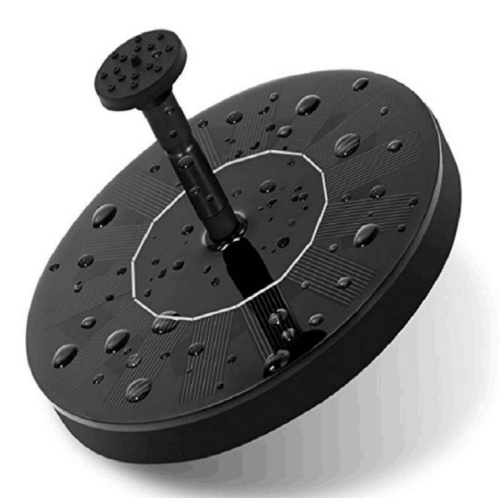
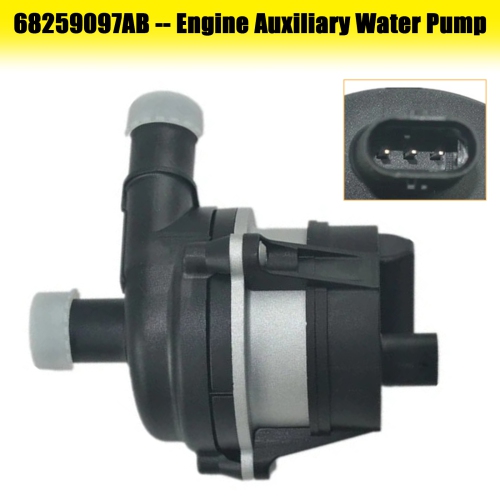
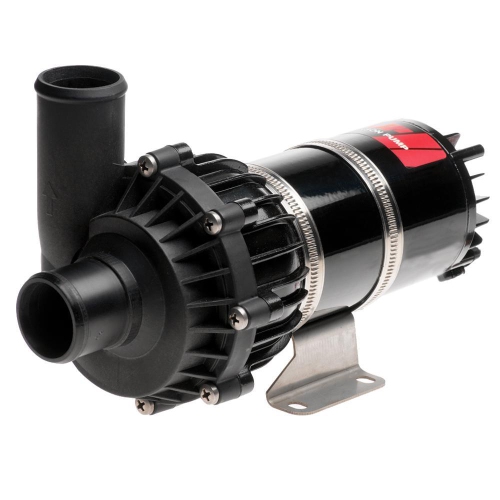
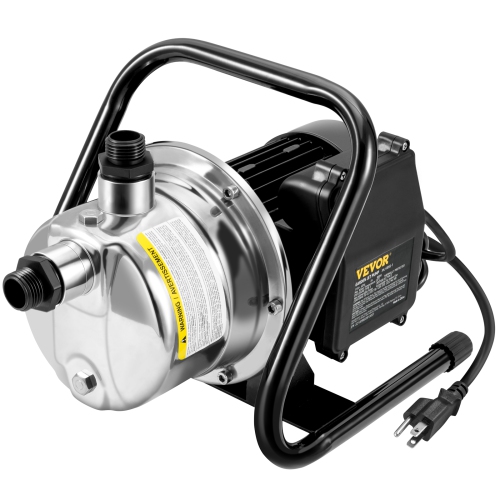
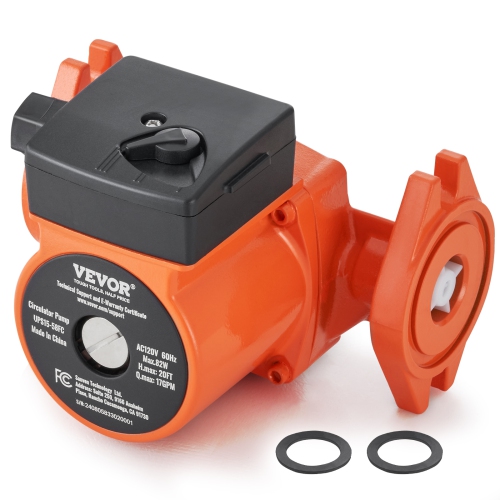
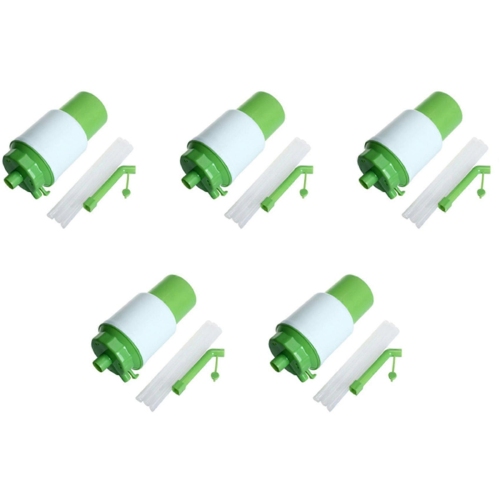
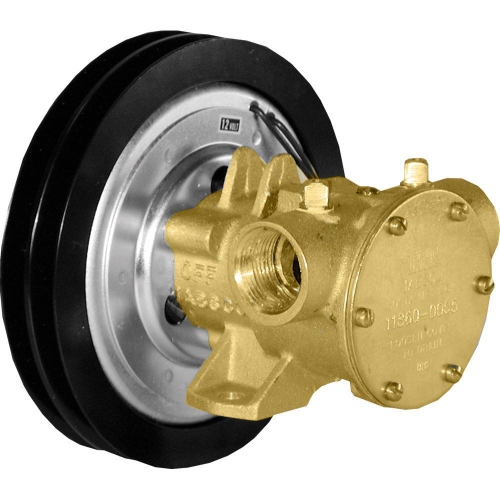
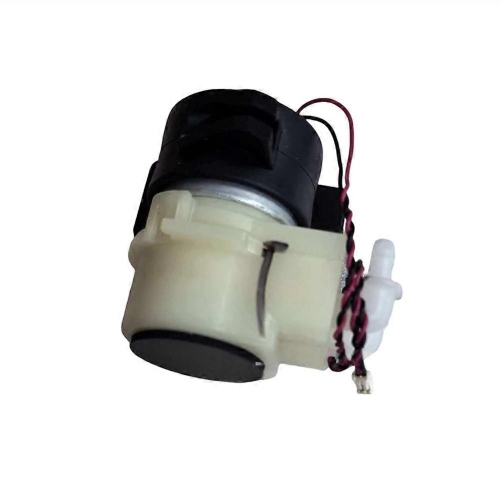
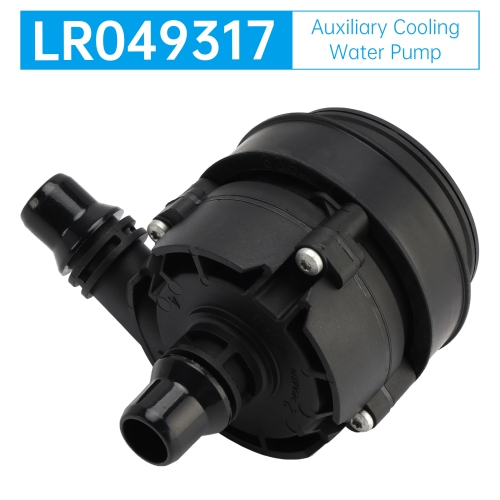
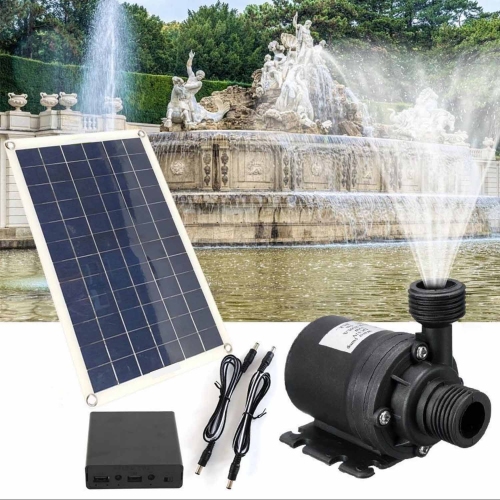
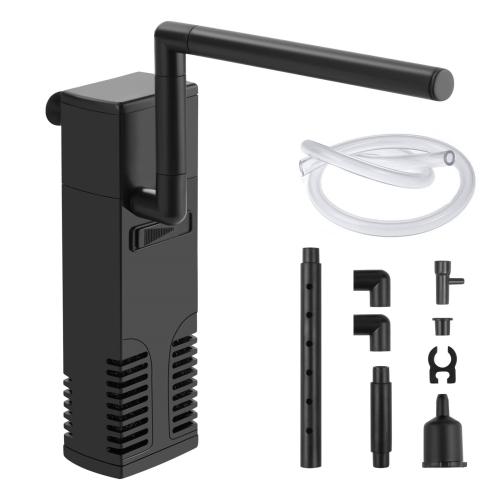
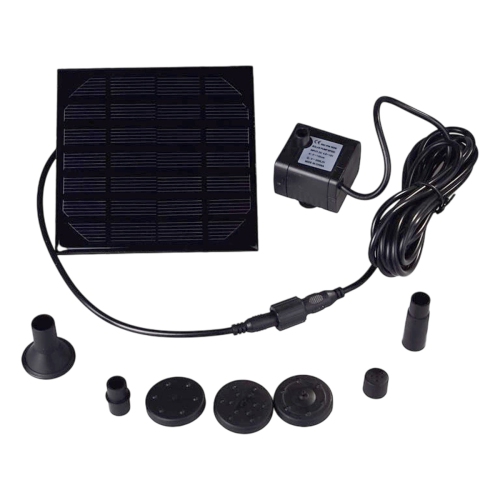
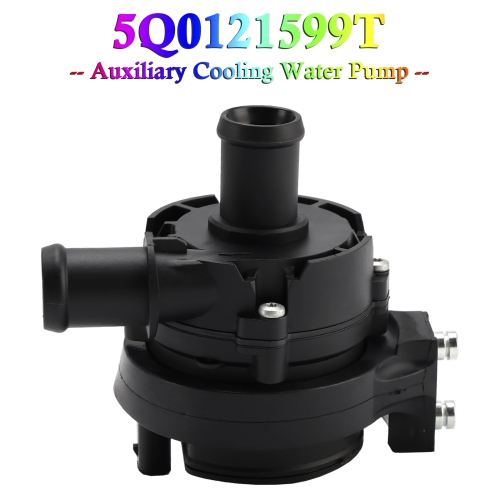
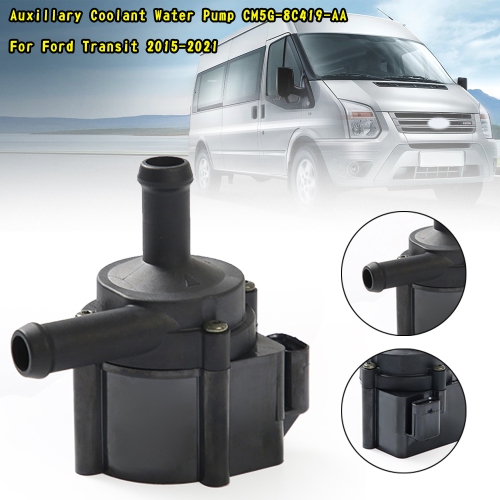
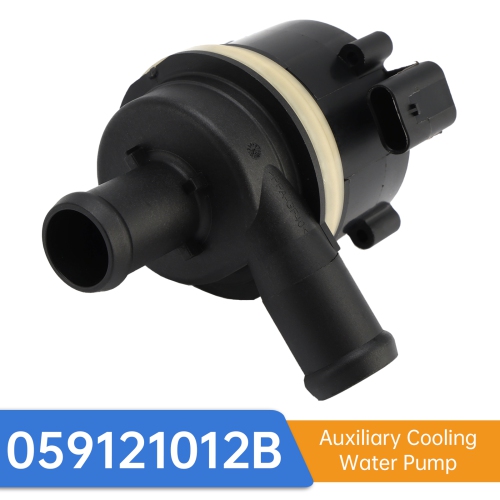
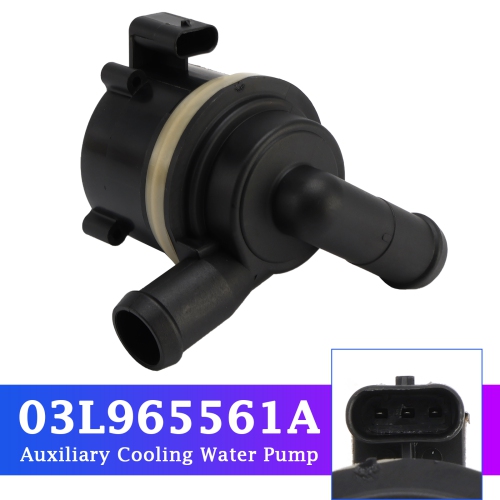
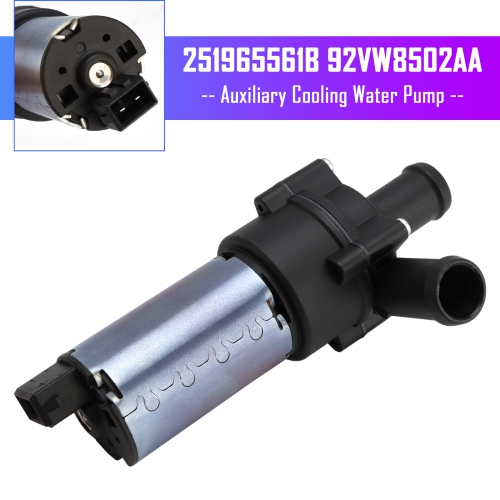
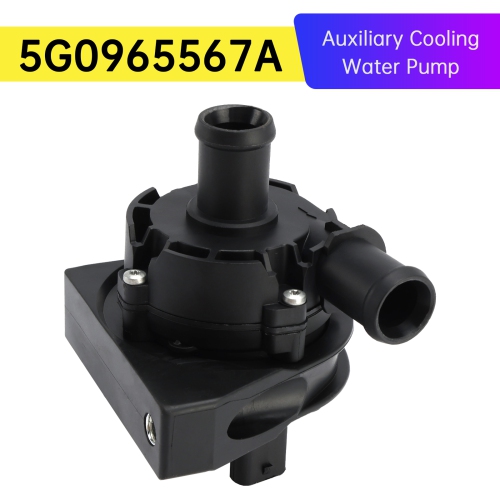
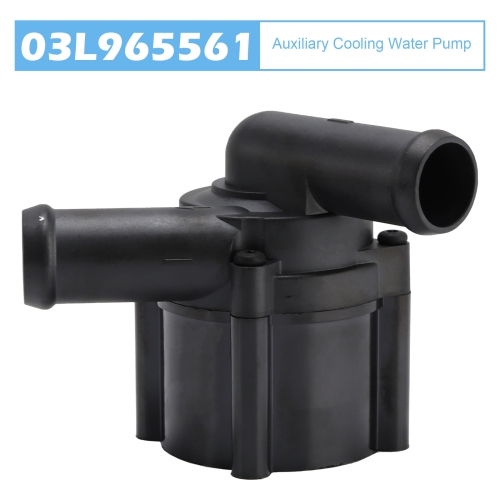
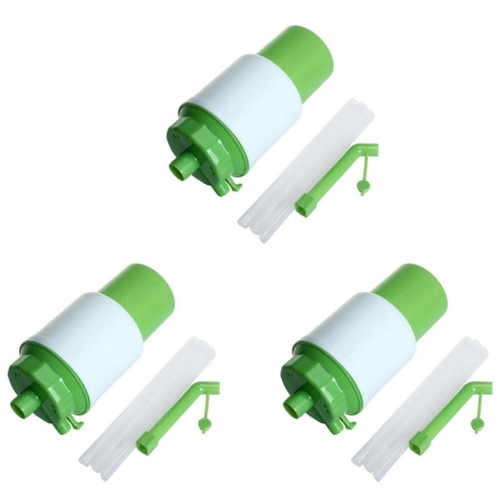
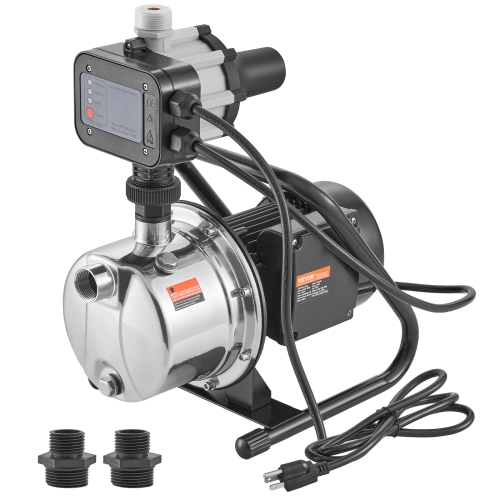
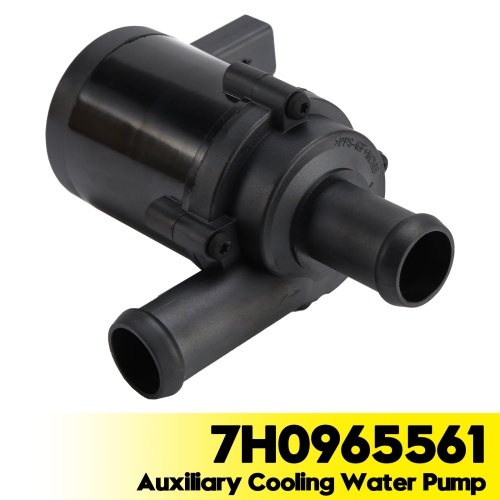
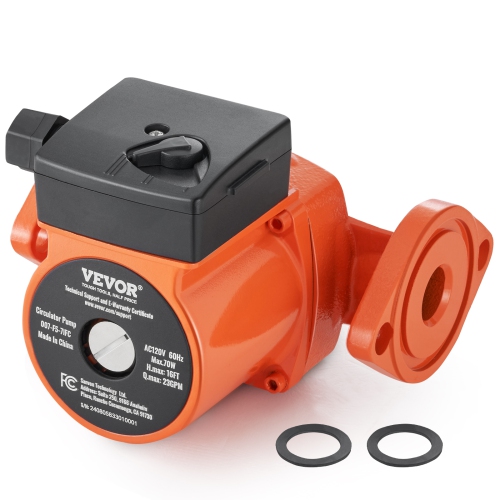
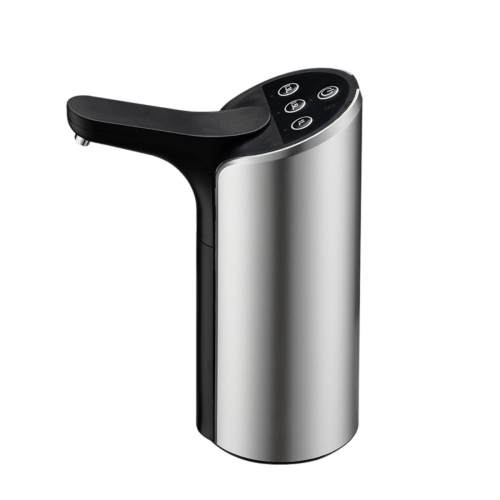
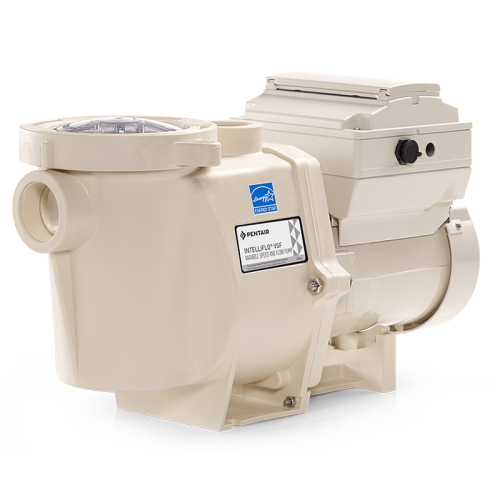
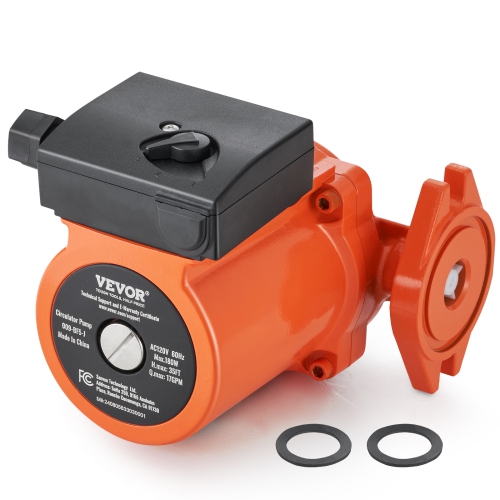
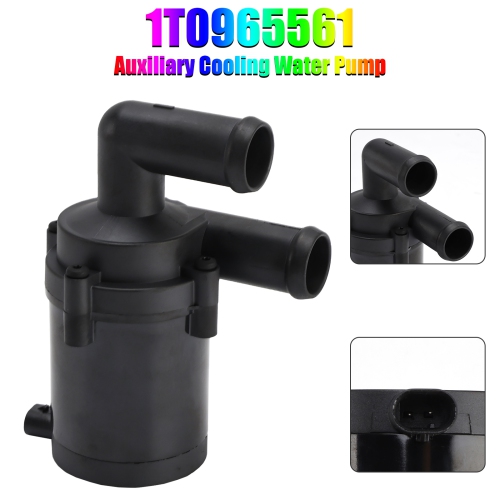
A water pump is designed to move water from one place to another, making it useful for household maintenance, outdoor work, recreation, plumbing systems, vehicle cooling and emergency cleanup. The right choice depends on the type of water involved, where the pump will operate and how far the water needs to travel. Submersible pumps are made to sit directly in water and can help drain a flooded basement, pool cover, pond, hot tub or other low-lying area. Transfer and utility pumps are often portable solutions for moving relatively clean water between containers, rain barrels, tanks and outdoor spaces. Well and jet pumps are designed for drawing water from underground sources, while automotive water pumps circulate coolant through an engine and radiator to help manage operating temperatures. Manual pumps can be convenient for simple, low-volume tasks where electricity is unavailable, while powered models are better suited to repeated use, larger quantities of water or jobs that need to be completed efficiently. When browsing water pumps, start by identifying the task rather than choosing based only on appearance or motor size. A pump intended for clear water may not be suitable for water containing mud, leaves or small debris, and a pump for drainage may not be appropriate for potable water or a vehicle cooling system. Product descriptions can help clarify intended use, compatible liquids, hose connections, inlet requirements and operating position, giving you a clearer sense of whether a particular design belongs in a home utility kit, workshop, garden shed, garage or well system.
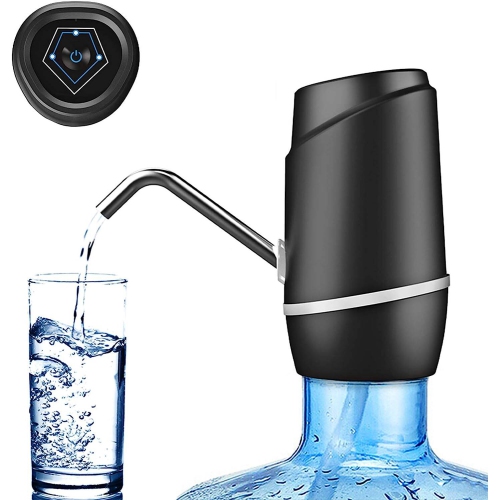
Flow rate is one of the most important specifications to compare. It may be listed in gallons per minute (GPM) or gallons per hour (GPH), and it indicates how quickly the pump can move water under stated conditions. A high flow rate can be valuable when clearing a large amount of standing water, filling a storage tank or supporting irrigation, while a lower flow rate may be easier to control for smaller containers, fountains or delicate applications. Head lift is equally important because it describes how high the pump can push water vertically. A pump may move water quickly across a short, level distance but perform more slowly when the outlet hose climbs stairs, reaches an upper floor or rises to a garden bed. Total distance, hose diameter, bends and restrictions can all affect real-world performance, so leave room between the maximum listed capacity and the demands of your setup. Also consider the pump’s intake depth, maximum particle size, duty cycle and whether it can run continuously or needs cooling breaks. Electric models are convenient for areas with a suitable outlet and are often straightforward for seasonal maintenance, whereas battery-powered options can be useful around remote sheds, boats, gardens or locations where cords are impractical. Gas-powered units can provide high output away from household power, but they require fuel, ventilation and careful storage. For a portable household solution, explore the selection of Electric Pump models and compare their power requirements, hose compatibility and intended water conditions. Before connecting any pump, check that the voltage and outlet are appropriate, use a ground-fault circuit interrupter where required and keep electrical connections away from standing water. Never operate a pump outside its listed purpose, and follow the manufacturer’s instructions for priming, placement and shutoff.
Water pumps can be helpful for homeowners preparing for heavy rain, cottage owners managing shoreline or basement water, gardeners moving water between barrels and beds, and drivers maintaining a vehicle’s cooling system with the correct replacement component. They can also be practical for RVs, boats, workshops, fish ponds and seasonal properties where water must be drained, circulated or transferred without carrying buckets back and forth. During warmer weather, a portable pump may assist with draining a pool cover, emptying a rain-filled container or directing water to a lawn and garden area. As temperatures drop, it can support preparation for storage by helping remove water from outdoor equipment, tanks or low spots where freezing could cause damage. A compact manual or electric model may be a thoughtful housewarming gift for someone who has recently bought a home, taken on a cottage or begun gardening, especially when paired with the correct hose and fittings. For a vehicle owner, an automotive water pump should be selected by make, model, engine and year rather than by general appearance; installation is often a detailed repair, so professional advice may be appropriate. For drainage and transfer tasks, check the pump’s dimensions against the available space, consider how easily it can be carried when wet and confirm that replacement hoses, adapters, filters or strainers are available. Clear instructions, accessible controls and an automatic shutoff can make regular use more manageable, particularly when the pump will be used by different members of a household. Keeping the intake clear, inspecting cords and seals, flushing away residue and storing the unit according to its instructions can help maintain dependable operation through changing conditions. A well-matched water pump turns an awkward water-moving job into a more controlled part of home, property, vehicle or recreational maintenance.
Flow rate is one of the most important specifications to compare. It may be listed in gallons per minute (GPM) or gallons per hour (GPH), and it indicates how quickly the pump can move water under stated conditions. A high flow rate can be valuable when clearing a large amount of standing water, filling a storage tank or supporting irrigation, while a lower flow rate may be easier to control for smaller containers, fountains or delicate applications. Head lift is equally important because it describes how high the pump can push water vertically. A pump may move water quickly across a short, level distance but perform more slowly when the outlet hose climbs stairs, reaches an upper floor or rises to a garden bed. Total distance, hose diameter, bends and restrictions can all affect real-world performance, so leave room between the maximum listed capacity and the demands of your setup. Also consider the pump’s intake depth, maximum particle size, duty cycle and whether it can run continuously or needs cooling breaks. Electric models are convenient for areas with a suitable outlet and are often straightforward for seasonal maintenance, whereas battery-powered options can be useful around remote sheds, boats, gardens or locations where cords are impractical. Gas-powered units can provide high output away from household power, but they require fuel, ventilation and careful storage. For a portable household solution, explore the selection of Electric Pump models and compare their power requirements, hose compatibility and intended water conditions. Before connecting any pump, check that the voltage and outlet are appropriate, use a ground-fault circuit interrupter where required and keep electrical connections away from standing water. Never operate a pump outside its listed purpose, and follow the manufacturer’s instructions for priming, placement and shutoff.
Water pumps can be helpful for homeowners preparing for heavy rain, cottage owners managing shoreline or basement water, gardeners moving water between barrels and beds, and drivers maintaining a vehicle’s cooling system with the correct replacement component. They can also be practical for RVs, boats, workshops, fish ponds and seasonal properties where water must be drained, circulated or transferred without carrying buckets back and forth. During warmer weather, a portable pump may assist with draining a pool cover, emptying a rain-filled container or directing water to a lawn and garden area. As temperatures drop, it can support preparation for storage by helping remove water from outdoor equipment, tanks or low spots where freezing could cause damage. A compact manual or electric model may be a thoughtful housewarming gift for someone who has recently bought a home, taken on a cottage or begun gardening, especially when paired with the correct hose and fittings. For a vehicle owner, an automotive water pump should be selected by make, model, engine and year rather than by general appearance; installation is often a detailed repair, so professional advice may be appropriate. For drainage and transfer tasks, check the pump’s dimensions against the available space, consider how easily it can be carried when wet and confirm that replacement hoses, adapters, filters or strainers are available. Clear instructions, accessible controls and an automatic shutoff can make regular use more manageable, particularly when the pump will be used by different members of a household. Keeping the intake clear, inspecting cords and seals, flushing away residue and storing the unit according to its instructions can help maintain dependable operation through changing conditions. A well-matched water pump turns an awkward water-moving job into a more controlled part of home, property, vehicle or recreational maintenance.
Top selling and popular products
-
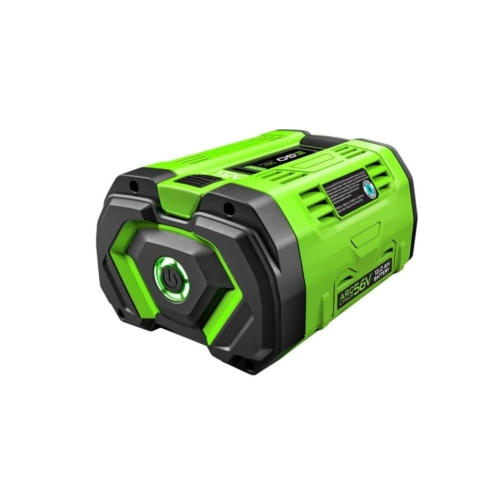 Your price for this item is $674.99
 -
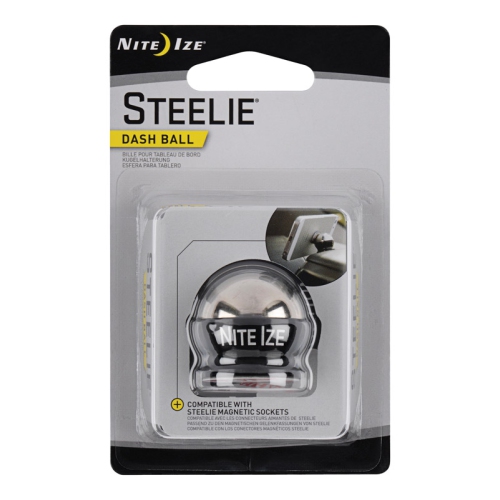 Your price for this item is $39.99
 -
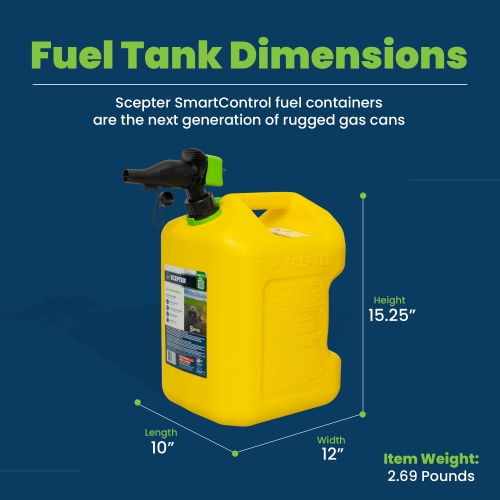 Your price for this item is $91.99
 -
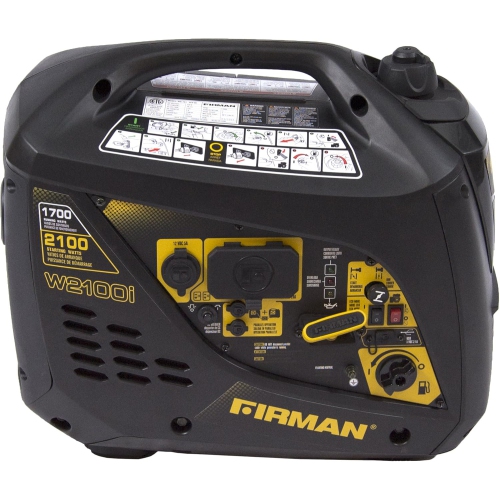 Your price for this item is $854.05
 -
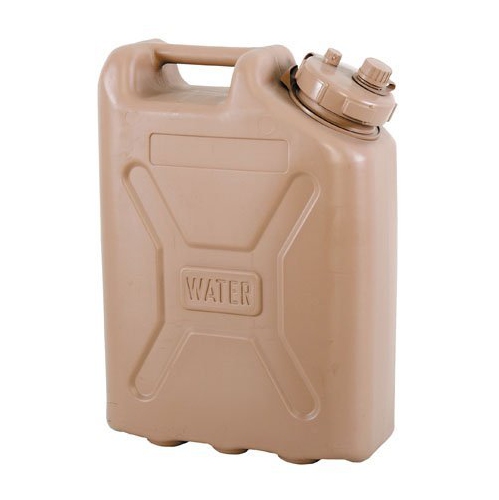 Your price for this item is $116.99
 -
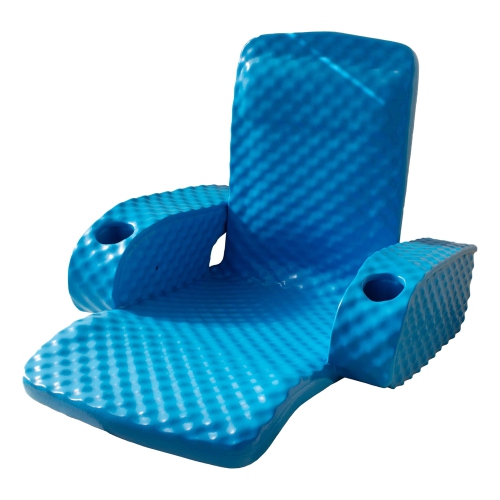 Your price for this item is $939.99
 -
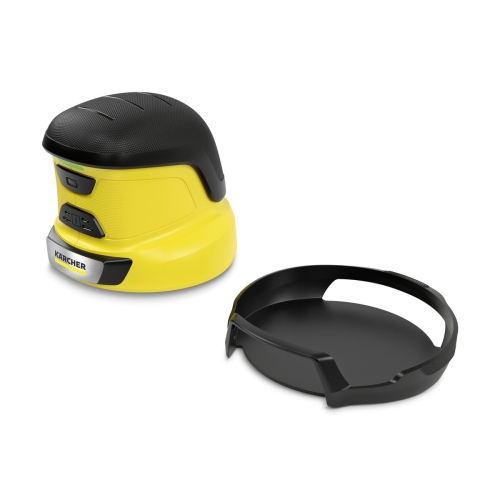 Your price for this item is $99.99
 -
 Your price for this item is $201.99
Discover more categories related to Water Pump
Top Collections:
Pokemon Centers, Best Cameras for Sports Photography, Kindle Devices, Samsung Galaxy Phones, Canon G7X Cameras, Pokémon 30th Celebration Cards, Refurbished Apple Laptops, iPhone 15 Apple, Laptops for Students, Budget Smartphones
Some products may be subject to Environmental Handling Fees
(EHF) depending on your province.
Learn more about EHFs.