Water Floating Mats
Create unforgettable memories on the water with our water floating mat collection. Whether you're looking to lounge under the sun, play games with friends and family, or simply relax on the calm waters, these floating mats are the perfect addition to your summer adventures. Crafted with durable materials for long-lasting use, our selection of water mats offers comfort, stability, and endless fun for all ages. Dive into a world of aquatic enjoyment and make a splash with our versatile water floating mats.
Sort
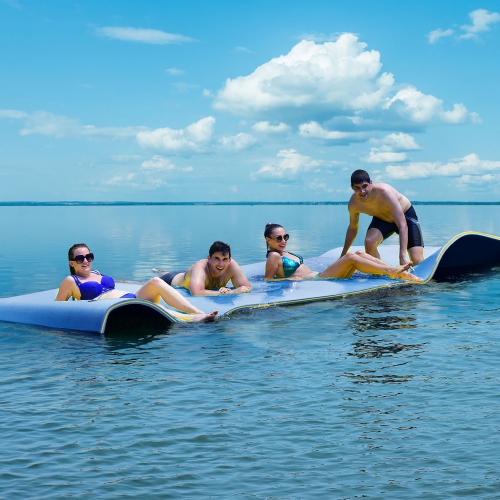
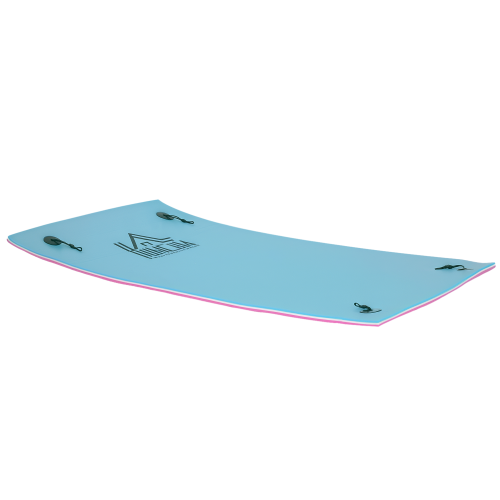
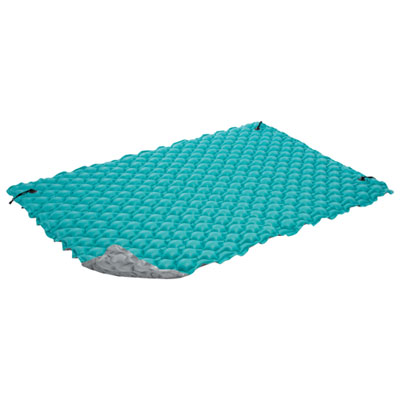
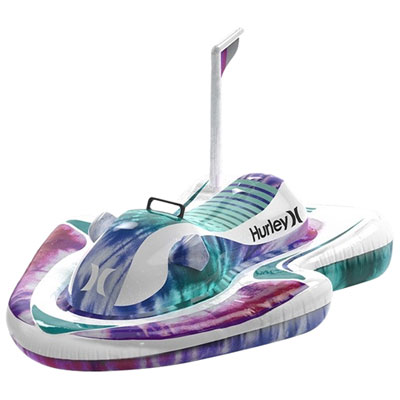
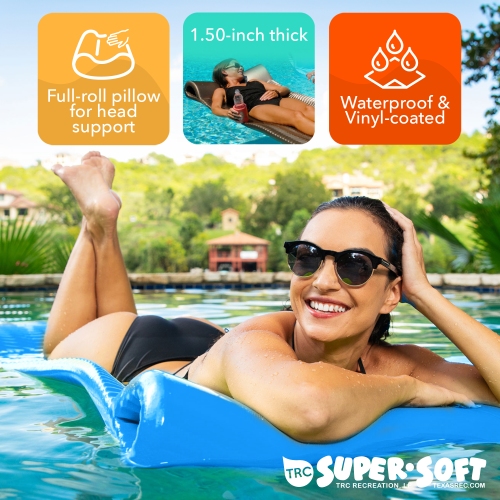
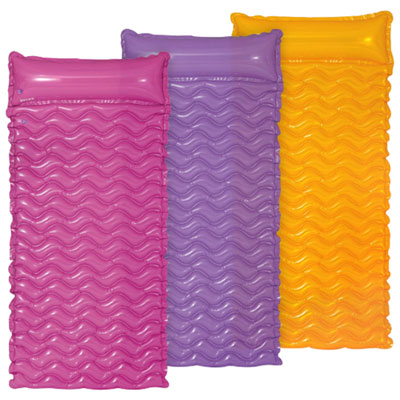
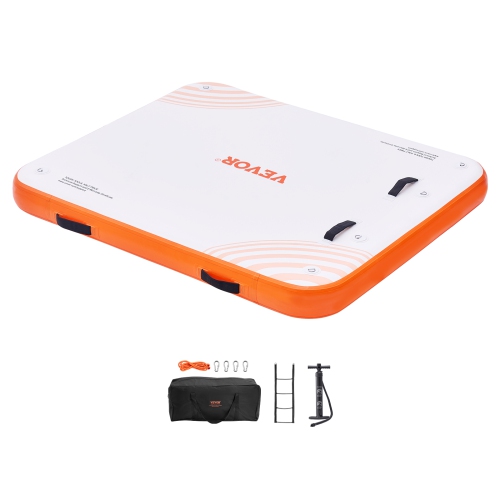
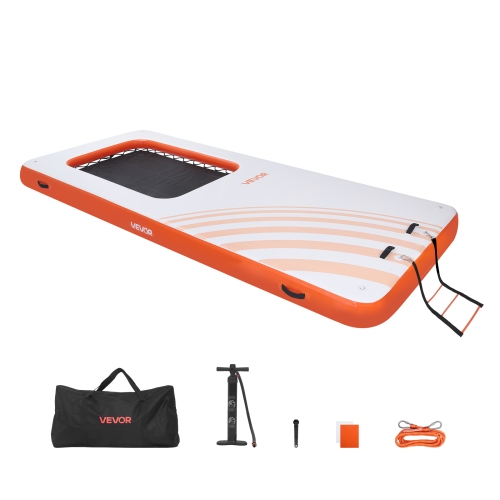
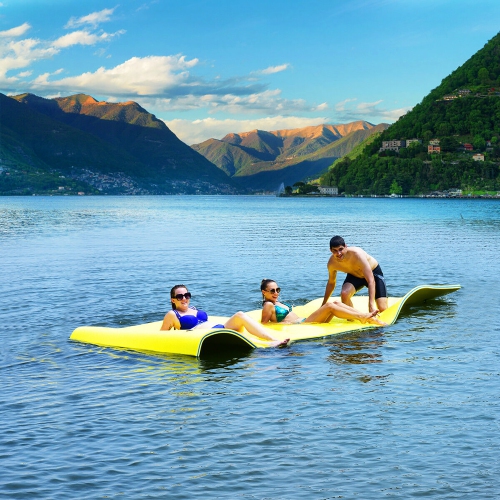
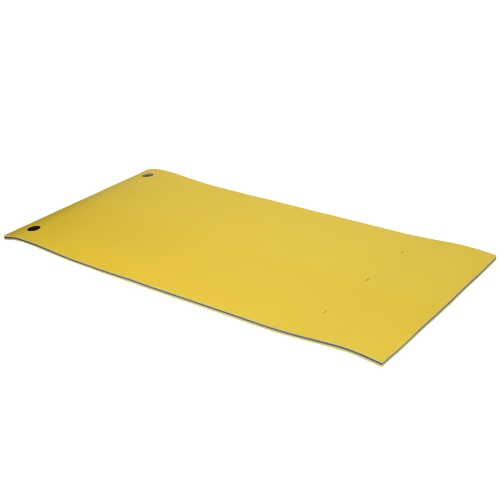

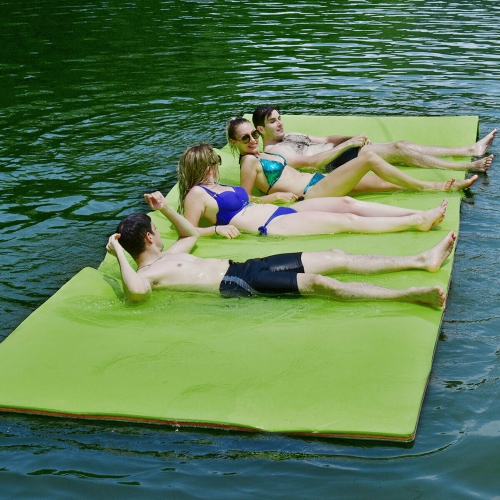
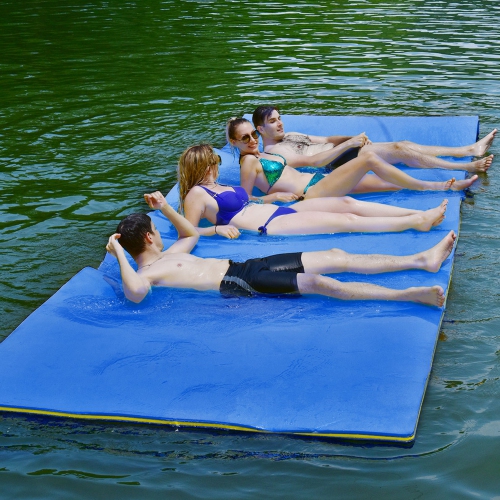
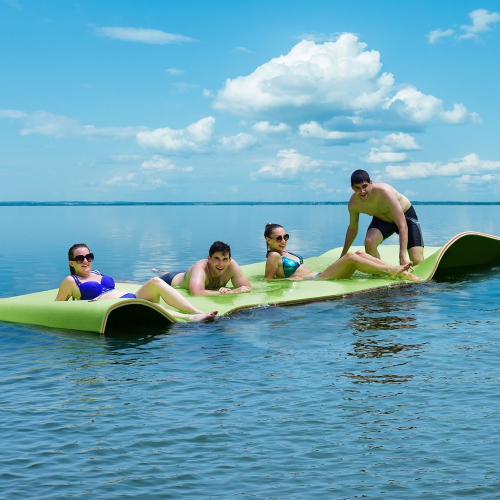
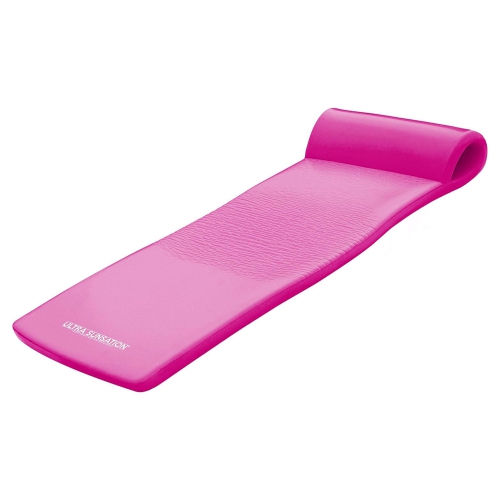

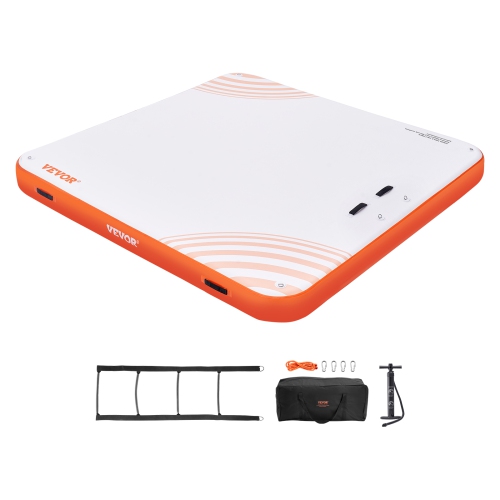
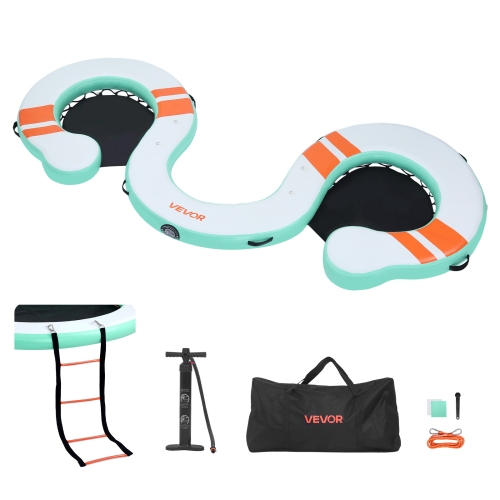
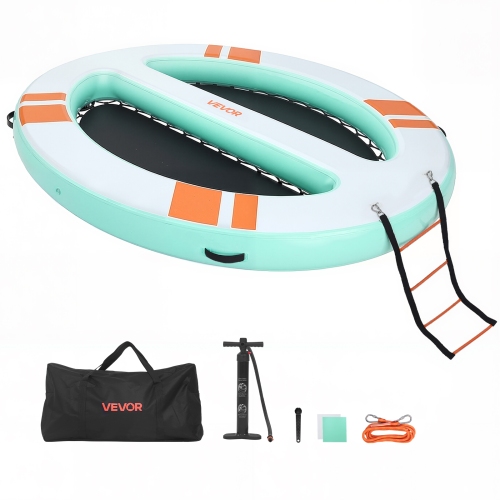
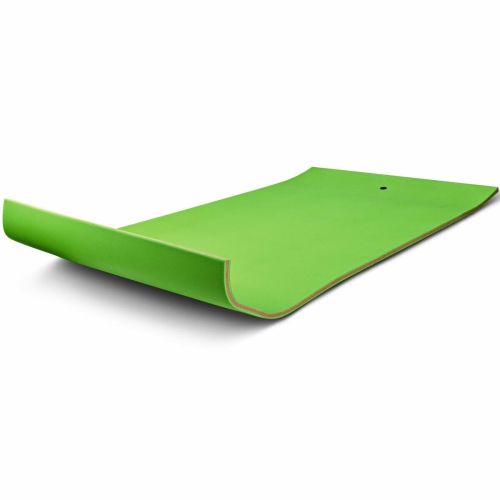
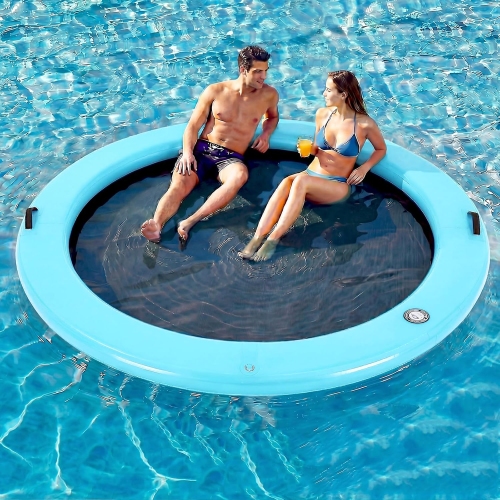
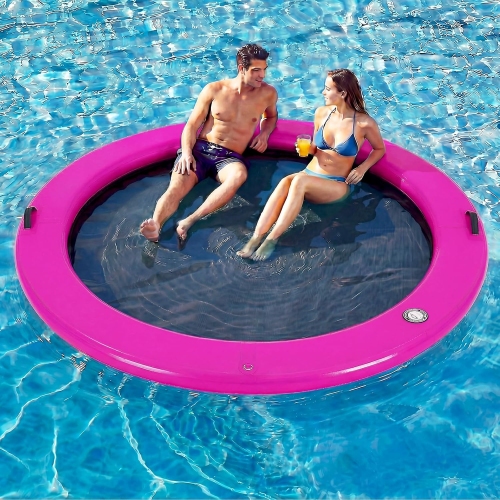
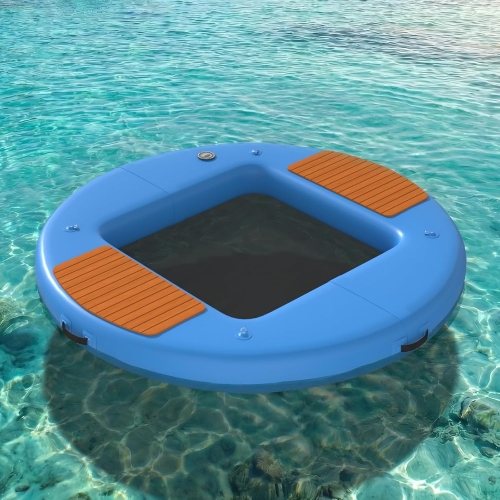
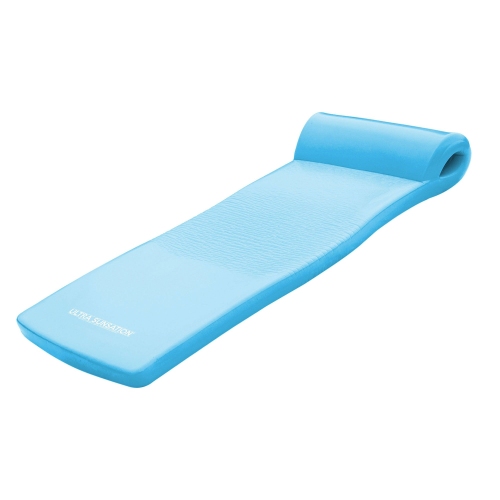
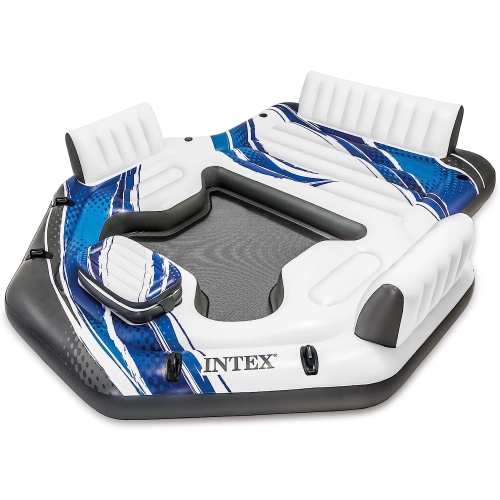

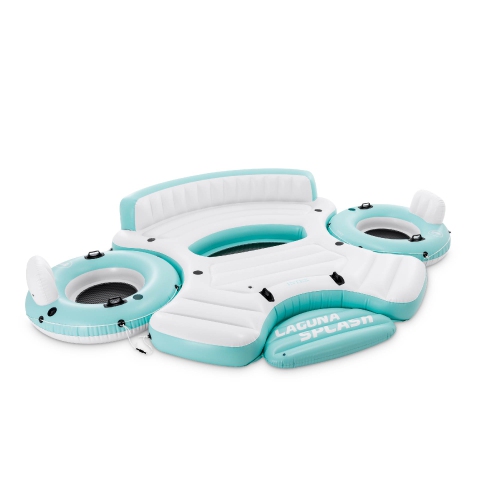
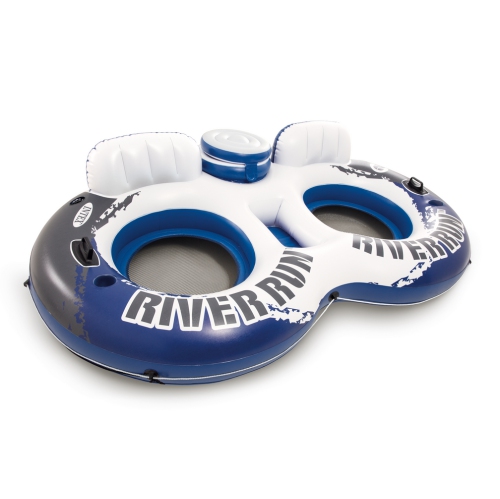
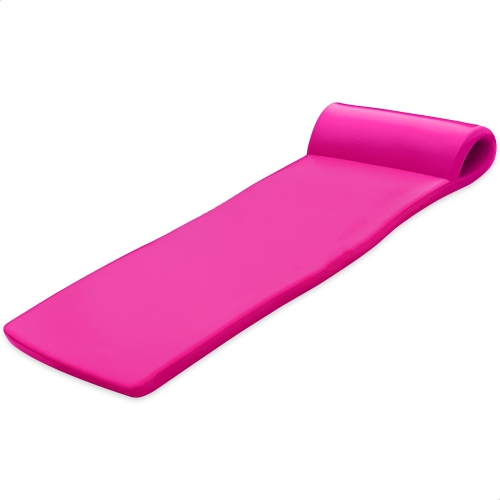
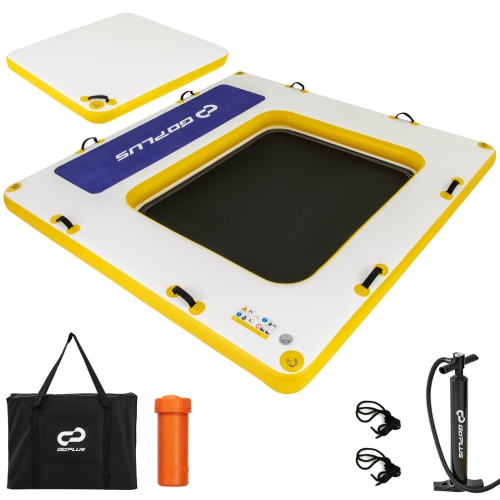
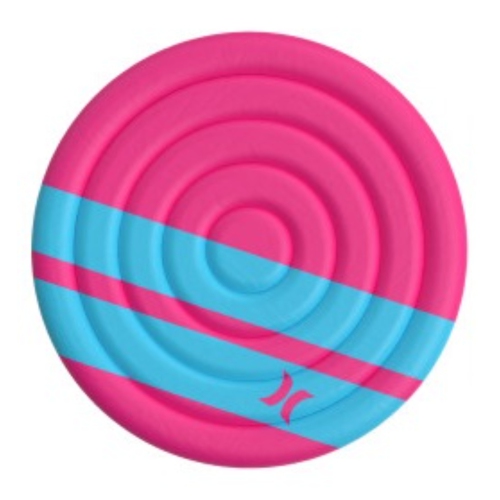
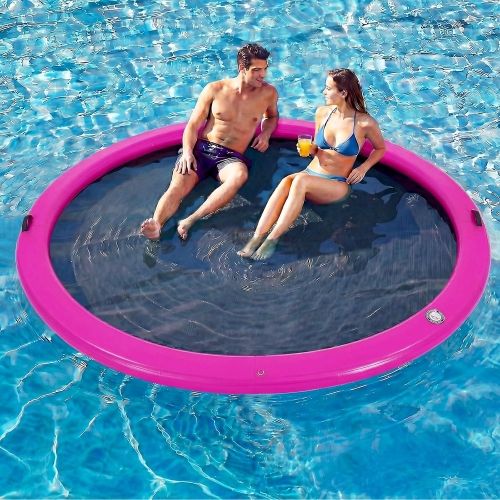
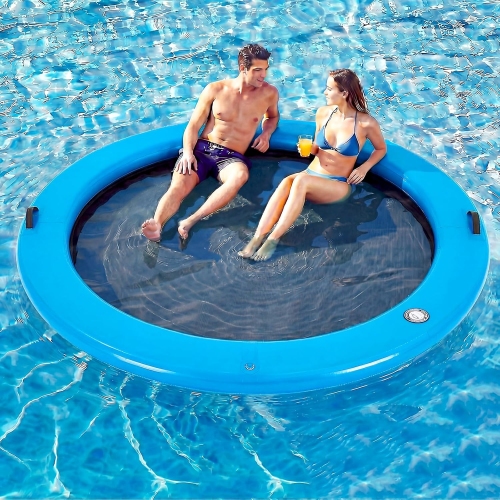
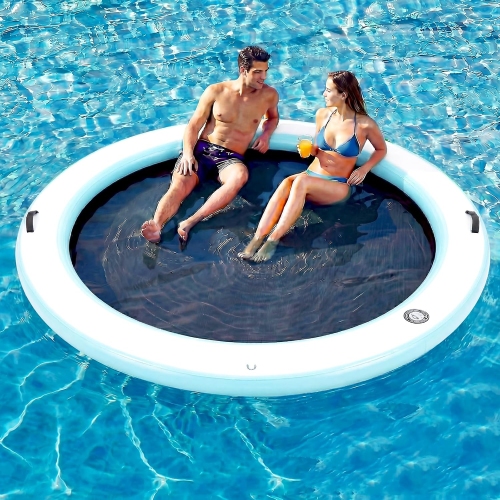
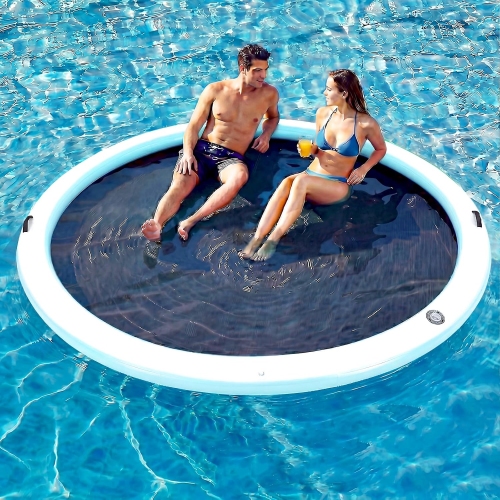
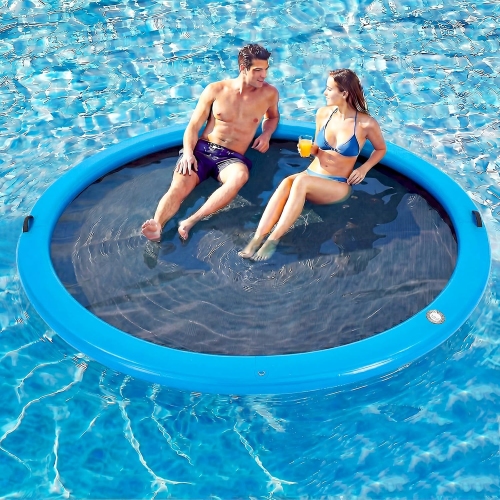
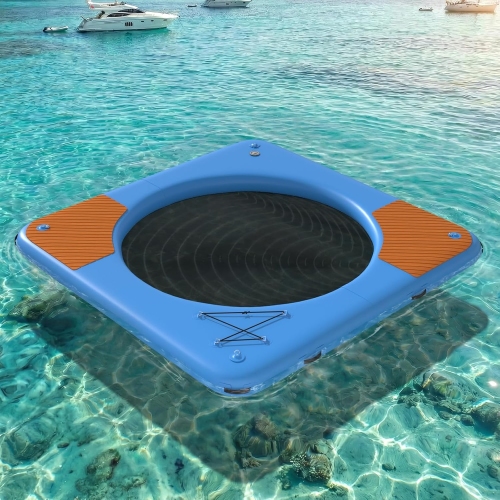
A shared platform for relaxing and playing together
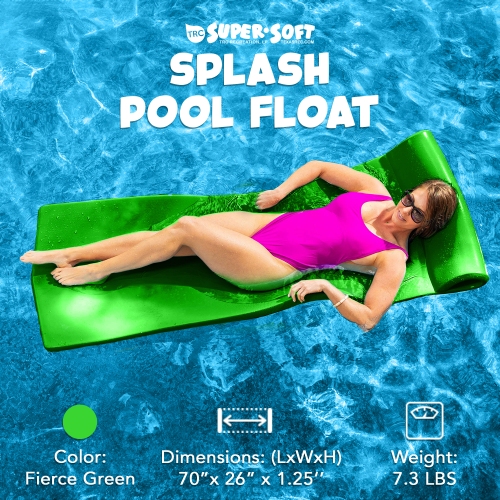
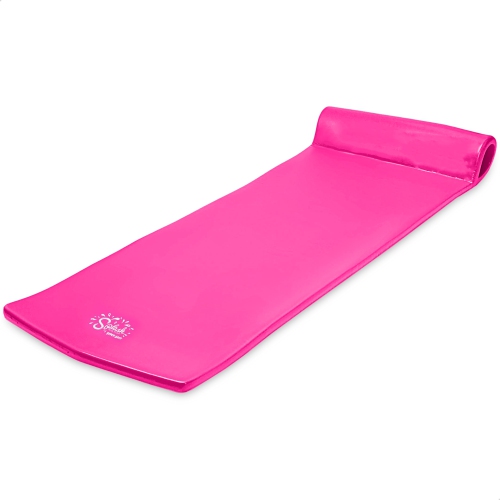
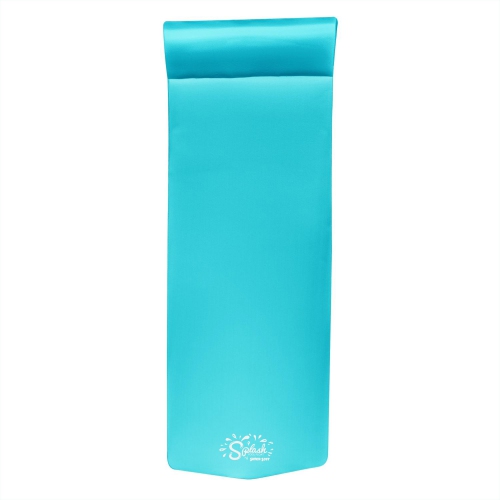
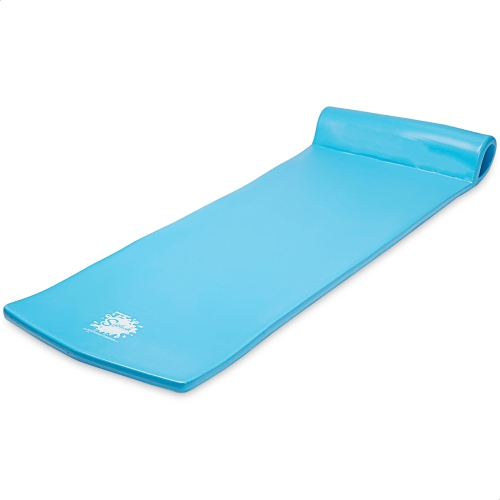
Water floating mats are large, buoyant platforms designed to create extra space for relaxing, playing and spending time on the water. Often made with dense XPE foam, these mats provide a stable-feeling surface that can be used on lakes, rivers, ponds and larger pools, whether they are placed beside a dock, secured to a boat or positioned in a designated swimming area. Unlike a small inflatable float intended for one person, a water floating mat can offer room for several people to sit, stretch out, climb aboard or enjoy gentle games together. Families may use one as a comfortable base for cooling off between swims, while cottage owners and boaters may appreciate having a shared platform for lounging at the edge of the water. They can also be a thoughtful gift for people who spend warm days at a cottage, own a boat or enjoy hosting friends outdoors. When selecting a mat, begin by considering where it will be used and how many people are likely to be on it at the same time. A compact mat may be well suited to a backyard pool, a couple of users or a smaller storage area, while a longer, wider design can provide more room for groups and active use. Keep in mind that the listed dimensions describe the overall platform, so usable space may feel different when several people are sitting, kneeling or moving around. Weight capacity is equally important. Follow the manufacturer’s stated limit and consider the combined weight of everyone who may use the mat, along with towels, water toys and other items brought aboard. A thicker or multi-layer construction may offer increased support for multiple adults, whereas a lighter option may be easier to roll, carry and put away after a casual afternoon in the pool.
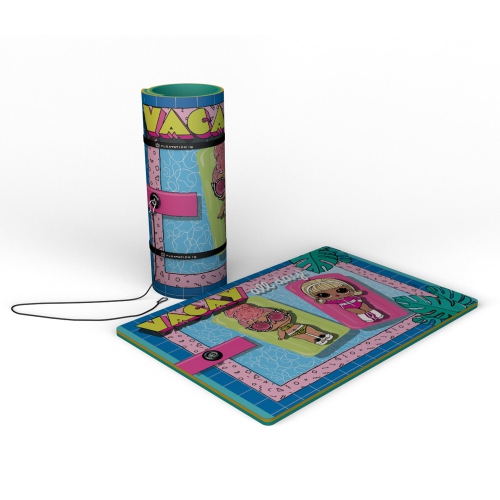
The construction and handling features of water floating mats can make a noticeable difference in everyday use. Many solid foam mats use cross-linked polyethylene, commonly called XPE, because it is buoyant, non-absorbent and comfortable under bare feet. Some designs include an inner mesh layer between foam layers to help reinforce the platform and improve resistance to tearing during regular handling. Look for securely finished edges, durable attachment points and a surface that feels comfortable when sitting or lying down. A mat with a bright, easy-to-see colour may also be simpler to locate from a dock or boat, particularly when the water is busy. Attachment hardware is another practical consideration. A bungee tether, rope or compatible anchor point can help keep the mat near a dock, shoreline or vessel, but the securing method should always suit the location and follow the instructions supplied with the mat. Moving water, wind and boat activity can quickly shift an unsecured platform, so choose a calm, designated area and check that the mat is firmly positioned before anyone climbs aboard. Some water floating mats roll up for storage and include hook-and-loop straps to keep the bundle contained between outings. Measure the available storage space before buying, especially if the mat will be kept in a locker, vehicle, shed or cottage storage room during the cooler months. It is also worth considering the rolled size and carrying weight if one person will be responsible for moving it from the garage to the shoreline. After use, rinse away sand, chlorine or lake water as recommended, allow the mat to dry thoroughly and store it away from sharp objects that could puncture, cut or abrade the surface. Avoid dragging it across rough ground, rocks or concrete, since even a tough foam platform can be damaged by repeated friction.
A floating mat can turn an ordinary swim area into a comfortable gathering spot, but it is best used with sensible supervision and realistic expectations. Children should be watched closely around any body of water, and everyone using the mat should understand how to climb on and off without pushing, jumping onto occupied sections or creating unnecessary instability. These platforms are intended for floating and lounging rather than as diving boards, trampolines or replacements for approved personal flotation devices. Keep the mat within a suitable distance of shore, a dock or the boat it is attached to, and take local water conditions into account before setting it out. On a lake, a mat may be ideal for sunbathing, reading or sharing snacks at the water’s edge; at a cottage, it can become the place where children sit with their feet in the water while adults relax nearby. In a pool, a smaller design can provide a gentle floating surface for quiet play, provided the pool size and depth allow enough room to use it safely. For browsing additional options, explore Floating Water Pads and compare dimensions, material, thickness, capacity, tethering features and storage requirements. During the warmer part of the year, these mats can support long afternoons of swimming and socializing, while during the cooler months they can be cleaned, rolled and stored ready for the next season. Choosing a mat that matches the water setting, group size and available storage space helps ensure it feels practical from the first outing, whether it is purchased for family use, cottage entertaining or a friend who always feels most at home beside the water.
The construction and handling features of water floating mats can make a noticeable difference in everyday use. Many solid foam mats use cross-linked polyethylene, commonly called XPE, because it is buoyant, non-absorbent and comfortable under bare feet. Some designs include an inner mesh layer between foam layers to help reinforce the platform and improve resistance to tearing during regular handling. Look for securely finished edges, durable attachment points and a surface that feels comfortable when sitting or lying down. A mat with a bright, easy-to-see colour may also be simpler to locate from a dock or boat, particularly when the water is busy. Attachment hardware is another practical consideration. A bungee tether, rope or compatible anchor point can help keep the mat near a dock, shoreline or vessel, but the securing method should always suit the location and follow the instructions supplied with the mat. Moving water, wind and boat activity can quickly shift an unsecured platform, so choose a calm, designated area and check that the mat is firmly positioned before anyone climbs aboard. Some water floating mats roll up for storage and include hook-and-loop straps to keep the bundle contained between outings. Measure the available storage space before buying, especially if the mat will be kept in a locker, vehicle, shed or cottage storage room during the cooler months. It is also worth considering the rolled size and carrying weight if one person will be responsible for moving it from the garage to the shoreline. After use, rinse away sand, chlorine or lake water as recommended, allow the mat to dry thoroughly and store it away from sharp objects that could puncture, cut or abrade the surface. Avoid dragging it across rough ground, rocks or concrete, since even a tough foam platform can be damaged by repeated friction.
A floating mat can turn an ordinary swim area into a comfortable gathering spot, but it is best used with sensible supervision and realistic expectations. Children should be watched closely around any body of water, and everyone using the mat should understand how to climb on and off without pushing, jumping onto occupied sections or creating unnecessary instability. These platforms are intended for floating and lounging rather than as diving boards, trampolines or replacements for approved personal flotation devices. Keep the mat within a suitable distance of shore, a dock or the boat it is attached to, and take local water conditions into account before setting it out. On a lake, a mat may be ideal for sunbathing, reading or sharing snacks at the water’s edge; at a cottage, it can become the place where children sit with their feet in the water while adults relax nearby. In a pool, a smaller design can provide a gentle floating surface for quiet play, provided the pool size and depth allow enough room to use it safely. For browsing additional options, explore Floating Water Pads and compare dimensions, material, thickness, capacity, tethering features and storage requirements. During the warmer part of the year, these mats can support long afternoons of swimming and socializing, while during the cooler months they can be cleaned, rolled and stored ready for the next season. Choosing a mat that matches the water setting, group size and available storage space helps ensure it feels practical from the first outing, whether it is purchased for family use, cottage entertaining or a friend who always feels most at home beside the water.
Top selling and popular products
-
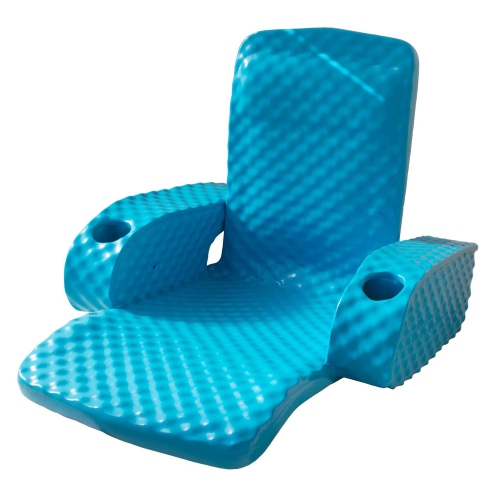 Your price for this item is $669.99
 -
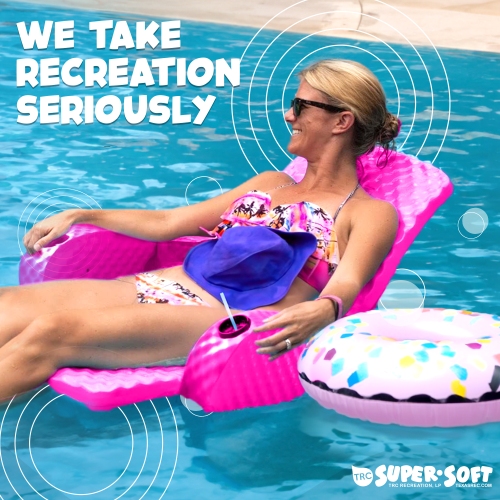 Your price for this item is $640.99
 -
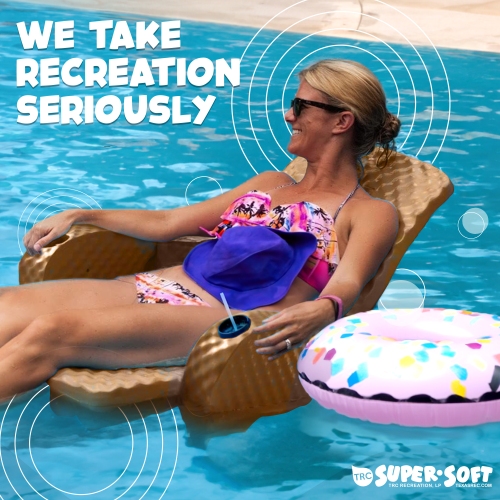 Your price for this item is $533.99
 -
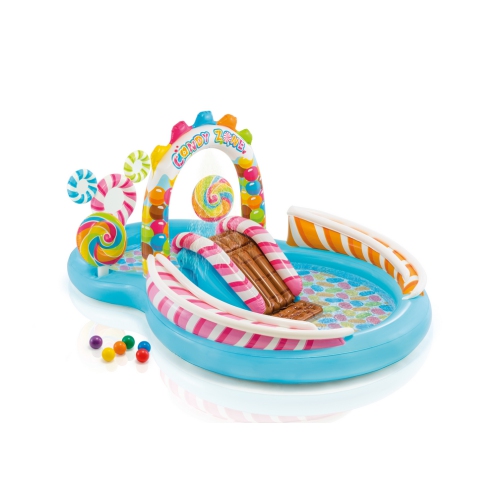 Your price for this item is $133.99
 -
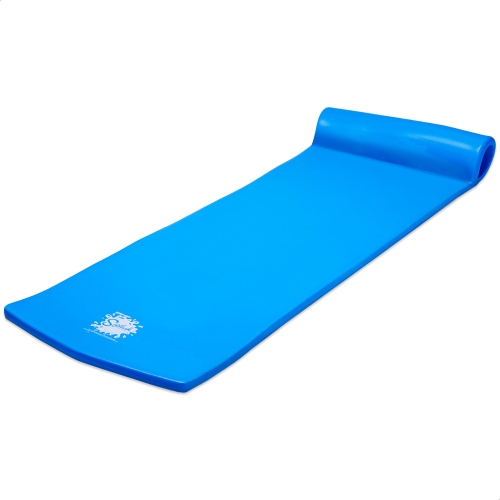 Your price for this item is $596.99
 -
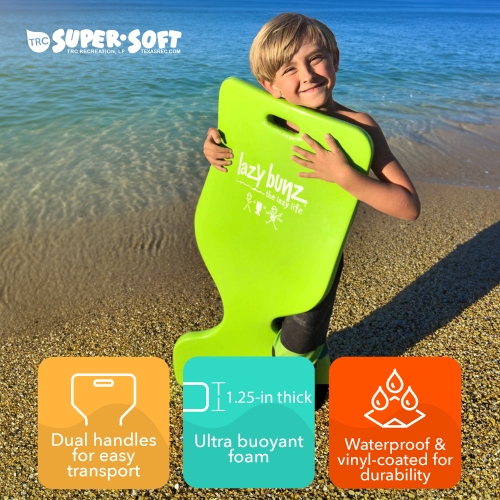 Your price for this item is $103.99
 -
 Your price for this item is $90.99
 -
 Your price for this item is $506.99
Discover more categories related to Water Floating Mats
Top Collections:
Pokemon Centers, Kindle Devices, Best Budget Office Chairs, Apple iPhones 16, Canon G7X Cameras, iPhone 15 Apple, Alarm Clock, Refurbished Apple Laptops, Flip Phones, Best Laptops for Writers
Some products may be subject to Environmental Handling Fees
(EHF) depending on your province.
Learn more about EHFs.