Water Mats
Looking to add a splash of fun and relaxation to your outdoor activities? Dive into our collection of water mats that offer the perfect blend of entertainment and comfort for all ages. Whether you're planning a beach day, pool party, or lakeside retreat, these floating mats provide a versatile and enjoyable way to soak up the sun while staying cool and refreshed on the water. Explore our range of water mats designed to elevate your aquatic adventures with their durable materials, innovative features, and vibrant designs.
Sort


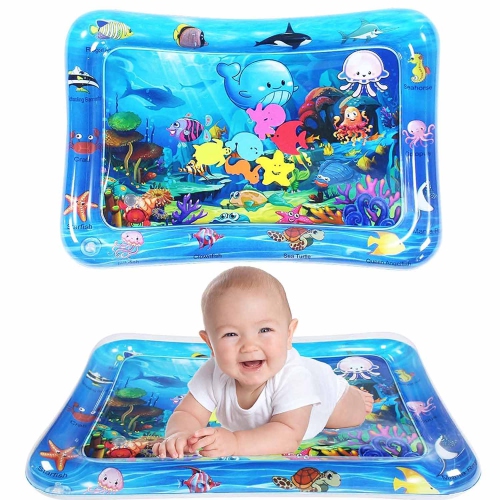
Floating platforms and sensory play mats serve different needs
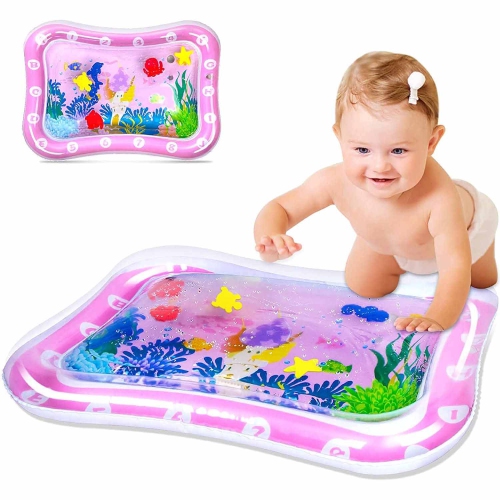
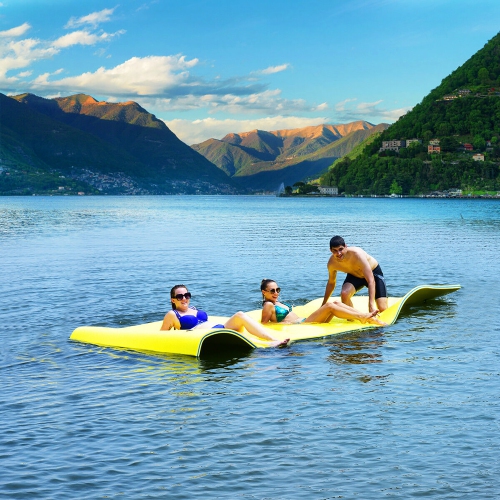
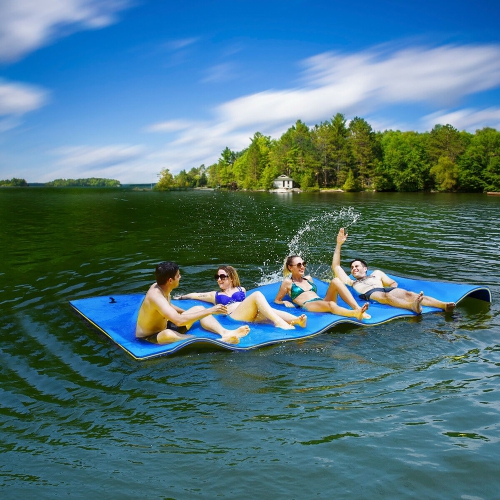
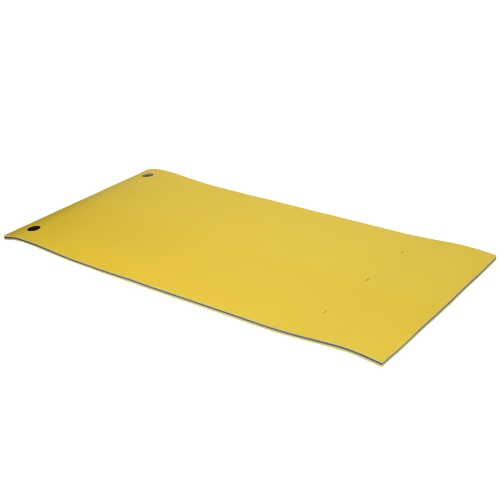
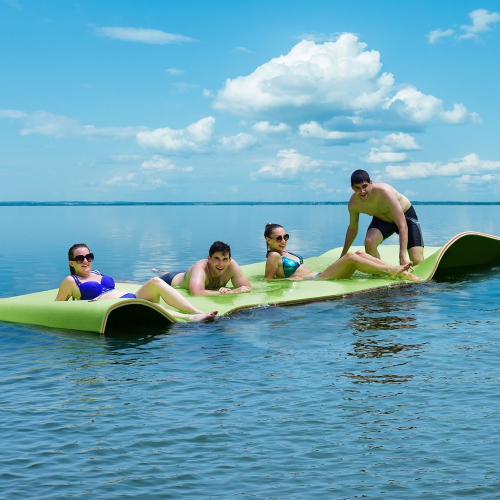
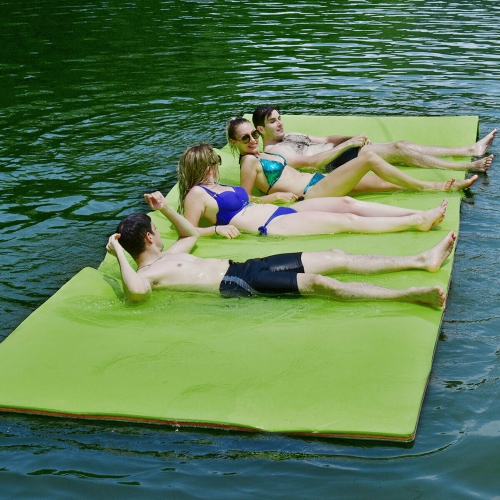
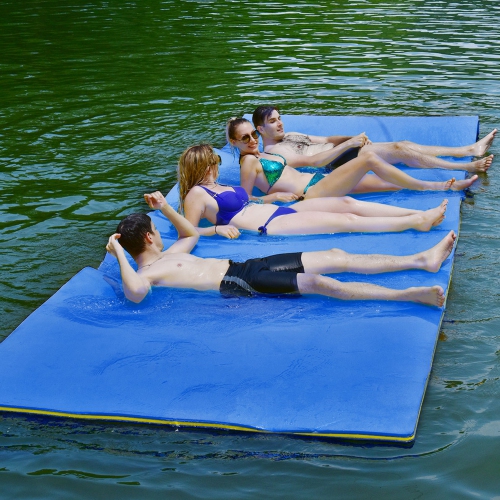
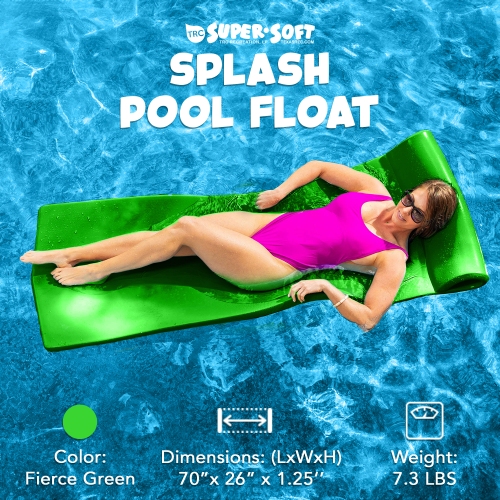
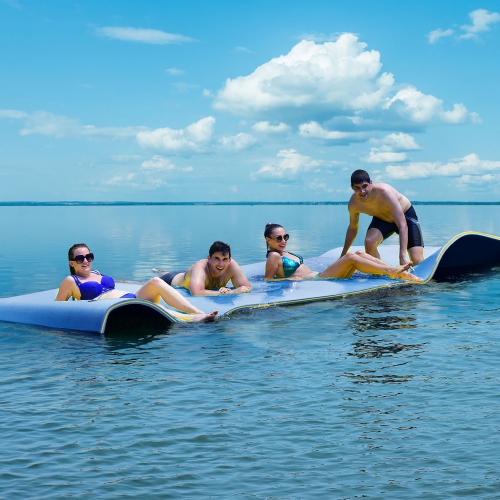
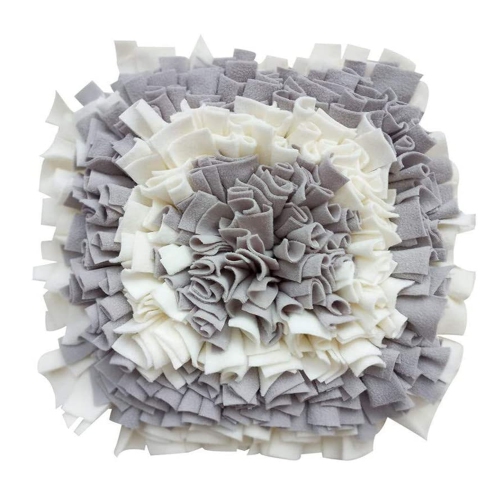
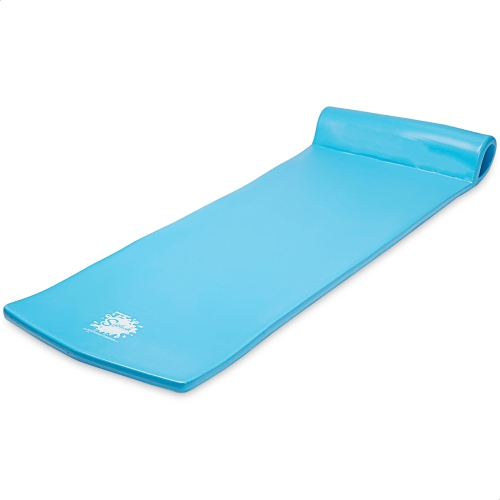
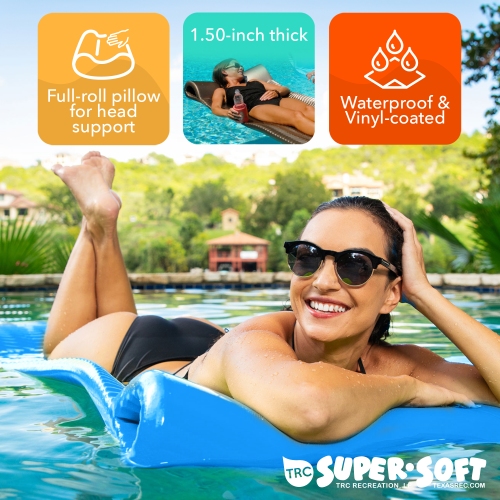
Water mats can refer to two distinct types of products, so identifying the intended use is the first step when comparing options. Large floating water mats are designed for lakes, calm bays and swimming pools, creating a buoyant platform for lounging, playing, climbing aboard from the water or gathering with family and friends. Smaller sensory water mats are made for babies and are used indoors during supervised tummy-time play. Although both styles involve water, their construction, dimensions and safety considerations are very different. A floating recreational mat is generally made with high-density XPE or polyethylene foam that provides buoyancy without absorbing water, while a baby water mat typically has a soft inflatable outer ring and a sealed inner chamber filled with a modest amount of water. For families spending time near a cottage, dock or pool, a larger mat can turn a quiet stretch of shoreline into a place for stretching out in the sun, practising balance or giving older children a new way to enjoy the water. For babies, a water mat offers a cool, gently moving surface with floating shapes that can encourage reaching, looking and lifting the head during supervised floor play. Families shopping for a baby-focused option may also wish to browse Fabric Mats for other soft surfaces suited to indoor activity areas.
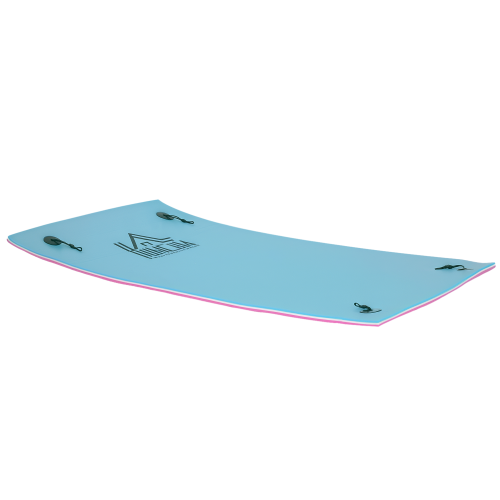
When choosing a floating water mat, size and weight capacity should be considered together rather than separately. Compact mats may be easier for one or two people to handle, carry and store, while longer models provide more room for several children or adults to sit, lie down and move around. Recreational lake mats commonly range from about 6 feet to 18 feet in length, with capacities that can span roughly 300 to 1,100 pounds depending on the design, thickness and configuration. A three-layer foam mat may offer a lighter, more manageable setup, while a thicker multi-person floating island may feel steadier under a group. Check the manufacturer’s stated capacity and intended use, and remember that the total includes everyone using the mat as well as any items placed on it. A mat with a durable surface, reinforced edges and secure connection points can be more comfortable for repeated use around docks and boat launches, where contact with rough wood, metal hardware or textured surfaces may occur. Anchoring is another practical detail. Many larger models include a bungee tether or attachment system to help keep the mat near a boat, dock or shore instead of allowing it to drift with the wind or current. The tether should be connected only as directed, and users should follow local water-safety practices, maintain adult supervision around children and avoid treating a floating mat as a substitute for a personal flotation device. Before each use, inspect the foam, seams, handles and tether points for damage, and place the mat in an area with enough clearance from propellers, rocks, sharp edges and heavy boat traffic.
Portability matters just as much as capacity for people who move a water mat between home, a cottage and the beach. Many full-size foam mats roll up for transport and include compression straps to make them easier to carry or secure in storage. Measure the available space in a vehicle, shed or storage room before choosing a larger size, and allow the mat to dry thoroughly after use so water is not trapped between layers or beneath folded sections. During cooler months, store it clean, dry and protected from prolonged exposure to freezing conditions, following the care instructions supplied with the mat. For baby water mats, look closely at the recommended age range, inflated dimensions and filling instructions. These mats are intended for supervised play on a clean, level indoor floor, not for use in a bathtub, pool or other body of water. Use only the specified amount of water, close the fill opening securely and check for leaks before placing the mat within reach of a baby. A soft blanket or play area nearby can make it easier to transition between tummy time, rolling and rest, while the bright floating elements provide a simple focal point for short, engaging sessions. Water mats can make thoughtful gifts for new parents, cottage owners, families with access to a pool and children who enjoy active outdoor play, but the most suitable choice depends on the recipient’s age, available space and planned setting. A small sensory mat is easy to keep in a playroom or nursery, whereas a full-size floating mat requires transport space, safe water access and enough users to make its capacity worthwhile. Comparing dimensions, materials, anchoring features, storage requirements and supervision needs helps ensure the selected water mat fits naturally into the way it will be used, whether that means gentle indoor play on a cool day or shared time on the water when the weather warms.
When choosing a floating water mat, size and weight capacity should be considered together rather than separately. Compact mats may be easier for one or two people to handle, carry and store, while longer models provide more room for several children or adults to sit, lie down and move around. Recreational lake mats commonly range from about 6 feet to 18 feet in length, with capacities that can span roughly 300 to 1,100 pounds depending on the design, thickness and configuration. A three-layer foam mat may offer a lighter, more manageable setup, while a thicker multi-person floating island may feel steadier under a group. Check the manufacturer’s stated capacity and intended use, and remember that the total includes everyone using the mat as well as any items placed on it. A mat with a durable surface, reinforced edges and secure connection points can be more comfortable for repeated use around docks and boat launches, where contact with rough wood, metal hardware or textured surfaces may occur. Anchoring is another practical detail. Many larger models include a bungee tether or attachment system to help keep the mat near a boat, dock or shore instead of allowing it to drift with the wind or current. The tether should be connected only as directed, and users should follow local water-safety practices, maintain adult supervision around children and avoid treating a floating mat as a substitute for a personal flotation device. Before each use, inspect the foam, seams, handles and tether points for damage, and place the mat in an area with enough clearance from propellers, rocks, sharp edges and heavy boat traffic.
Portability matters just as much as capacity for people who move a water mat between home, a cottage and the beach. Many full-size foam mats roll up for transport and include compression straps to make them easier to carry or secure in storage. Measure the available space in a vehicle, shed or storage room before choosing a larger size, and allow the mat to dry thoroughly after use so water is not trapped between layers or beneath folded sections. During cooler months, store it clean, dry and protected from prolonged exposure to freezing conditions, following the care instructions supplied with the mat. For baby water mats, look closely at the recommended age range, inflated dimensions and filling instructions. These mats are intended for supervised play on a clean, level indoor floor, not for use in a bathtub, pool or other body of water. Use only the specified amount of water, close the fill opening securely and check for leaks before placing the mat within reach of a baby. A soft blanket or play area nearby can make it easier to transition between tummy time, rolling and rest, while the bright floating elements provide a simple focal point for short, engaging sessions. Water mats can make thoughtful gifts for new parents, cottage owners, families with access to a pool and children who enjoy active outdoor play, but the most suitable choice depends on the recipient’s age, available space and planned setting. A small sensory mat is easy to keep in a playroom or nursery, whereas a full-size floating mat requires transport space, safe water access and enough users to make its capacity worthwhile. Comparing dimensions, materials, anchoring features, storage requirements and supervision needs helps ensure the selected water mat fits naturally into the way it will be used, whether that means gentle indoor play on a cool day or shared time on the water when the weather warms.
Top selling and popular products
-
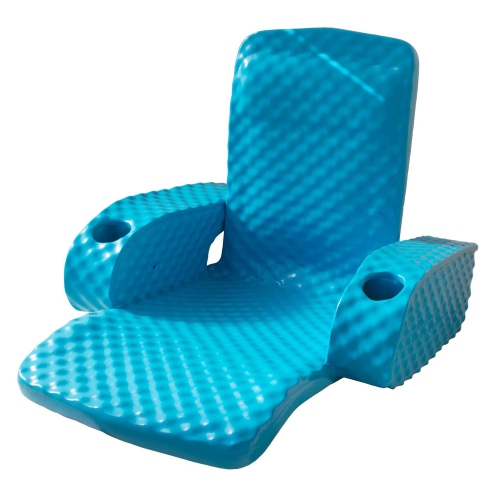 Your price for this item is $670.99
 -
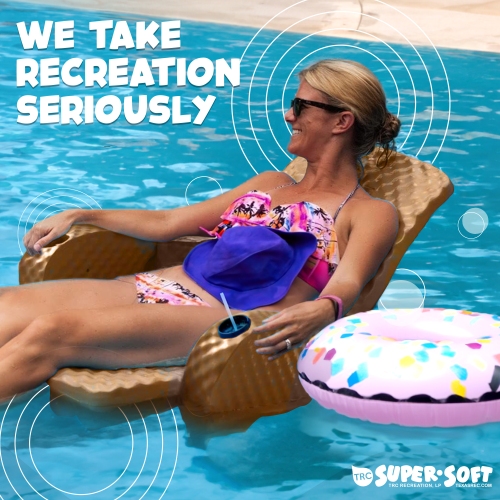 Your price for this item is $534.99
 -
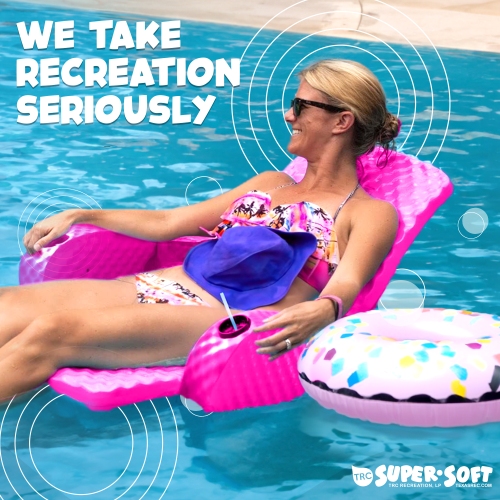 Your price for this item is $646.99
 -
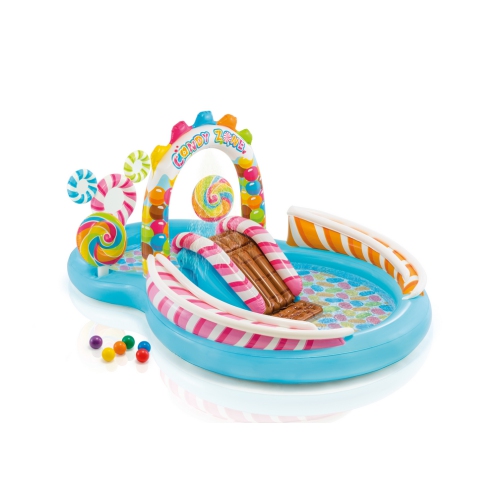 Your price for this item is $128.99
 -
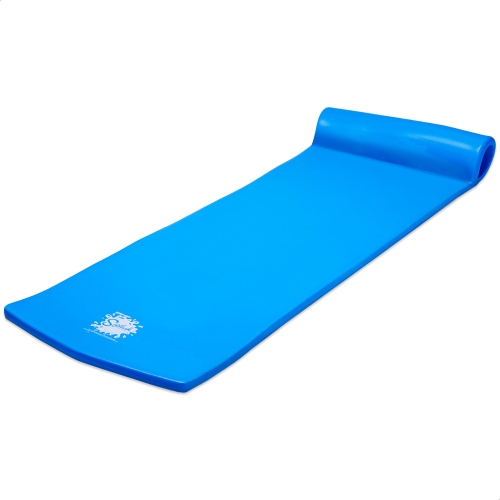 Your price for this item is $596.99
 -
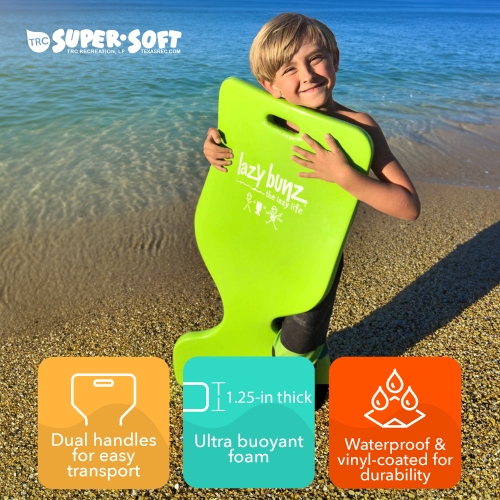 Your price for this item is $103.99
 -
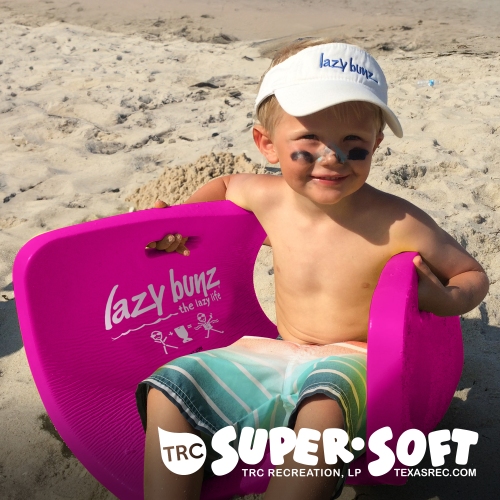 Your price for this item is $97.99
 -
 Your price for this item is $507.99
Discover more categories related to Water Mats
Top Collections:
Pokemon Centers, Kindle Devices, Best Budget Office Chairs, Apple iPhones 16, Best Laptops for Writers, iPhone 15 Apple, Canon G7X Cameras, Refurbished Apple Laptops, Alarm Clock, Motorola Razr Phones
Some products may be subject to Environmental Handling Fees
(EHF) depending on your province.
Learn more about EHFs.