Waterproof Binoculars
Looking to take your outdoor adventures to the next level? Look no further than our selection of waterproof binoculars. Whether you're an avid birdwatcher, a nature enthusiast, or simply love exploring the great outdoors, these binoculars are designed to withstand almost any weather condition. With their durable construction and advanced waterproof technology, you can now enjoy crystal-clear views even in the harshest of environments. From rugged terrains to rainy days, these waterproof binoculars ensure that nothing gets in the way of your exploration and discovery. So gear up and get ready to experience the world like never before with our range of waterproof binoculars.
Sort
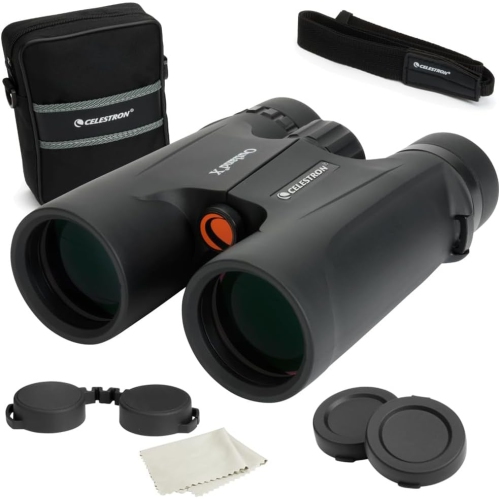
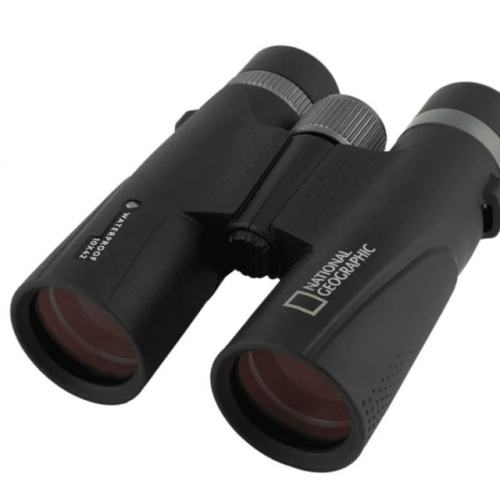
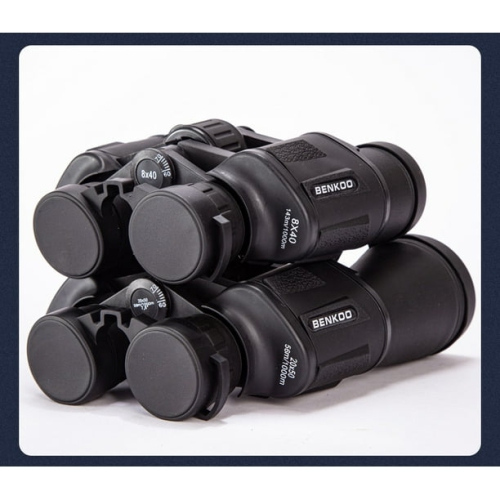
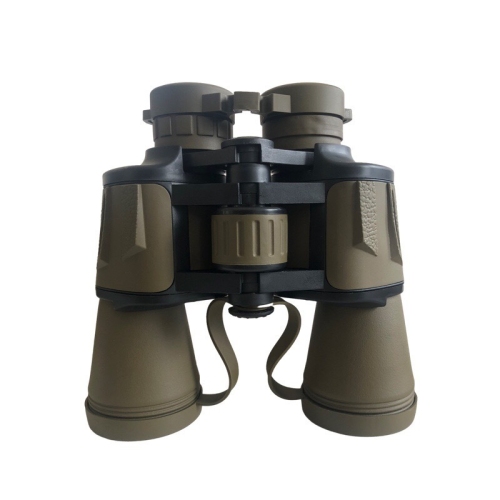
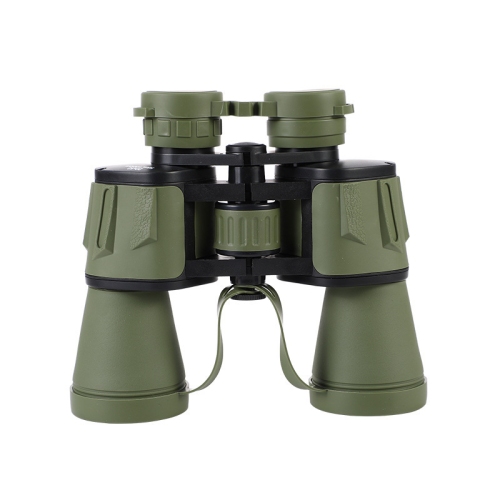

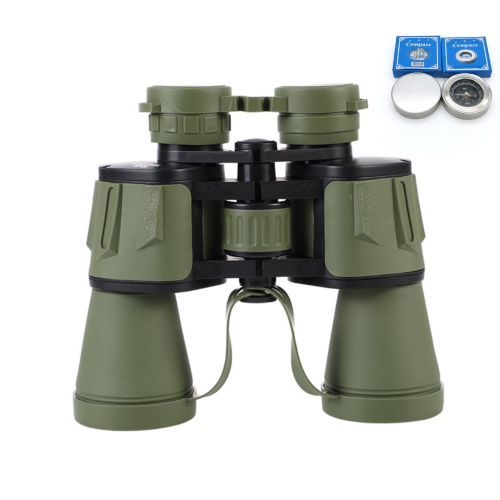
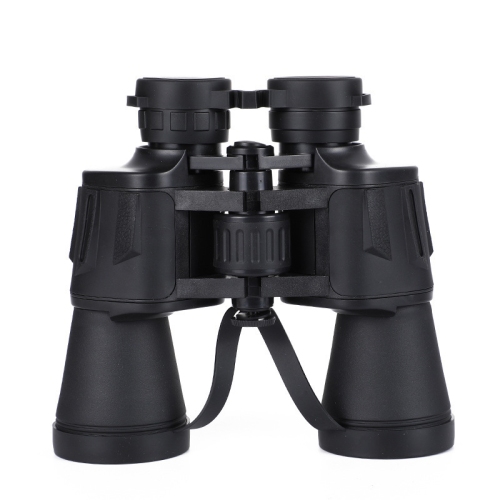
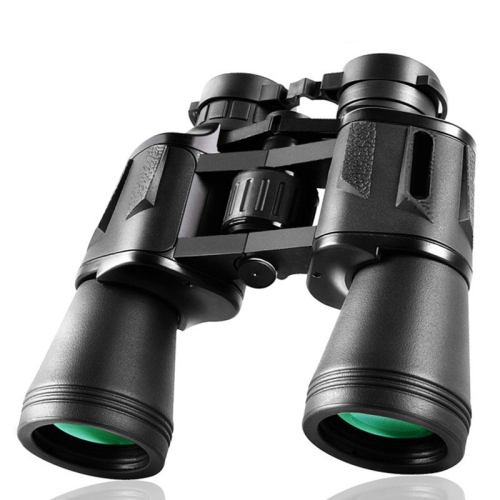

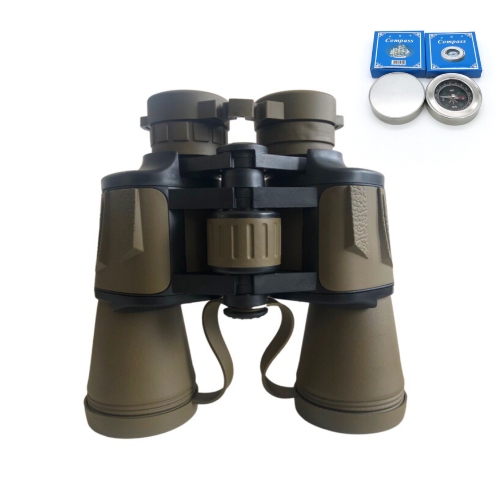
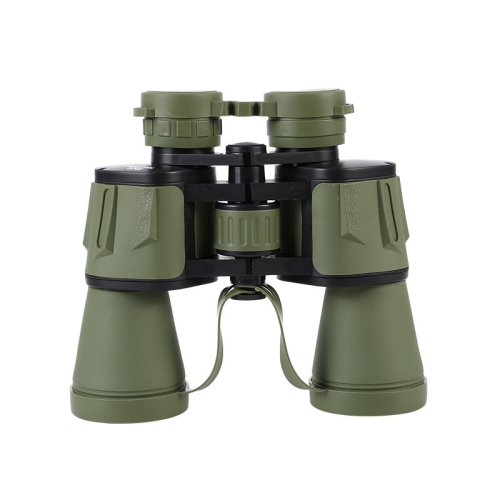
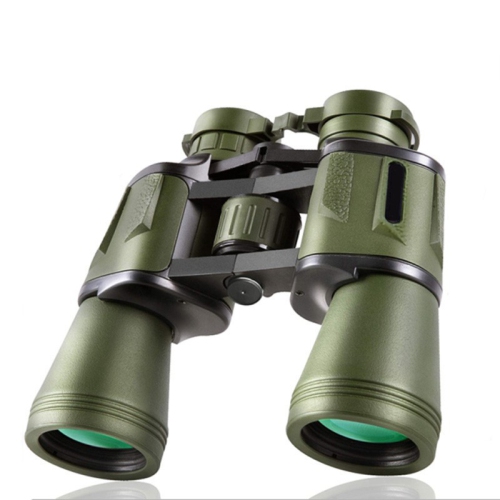
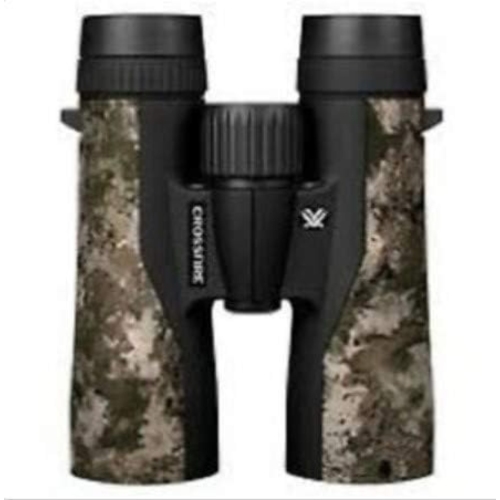
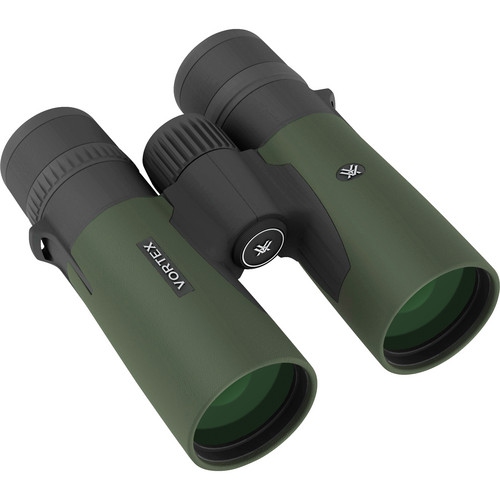
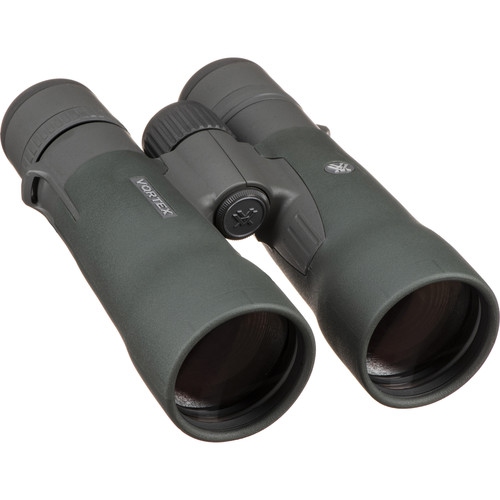
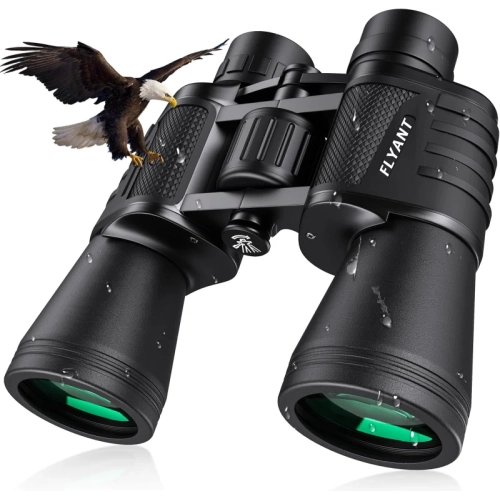
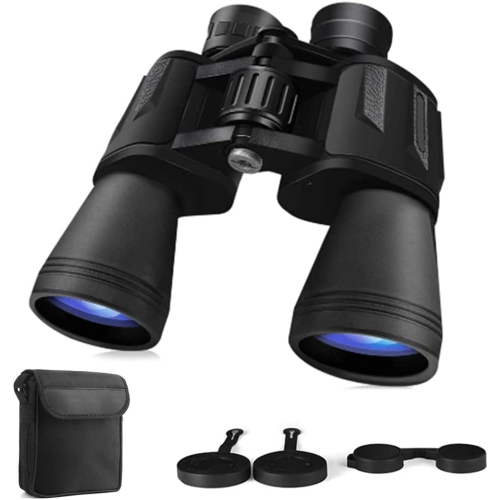
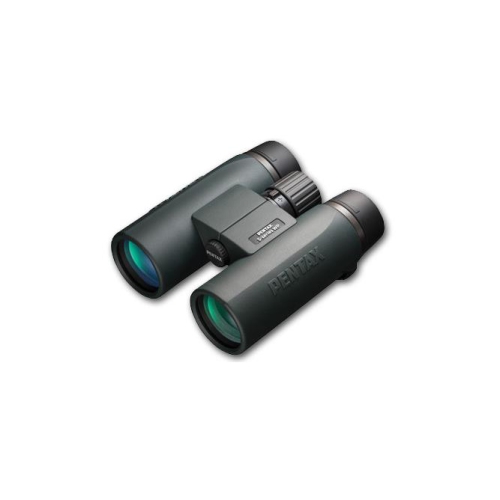
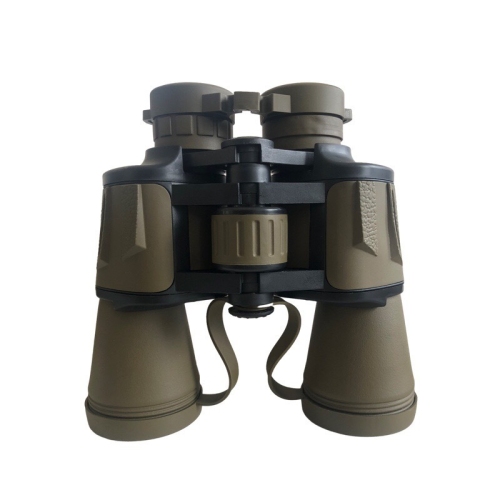
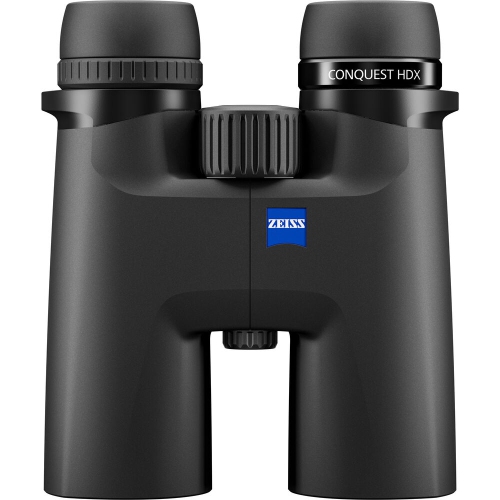
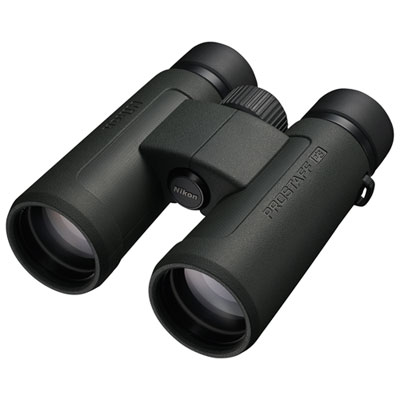
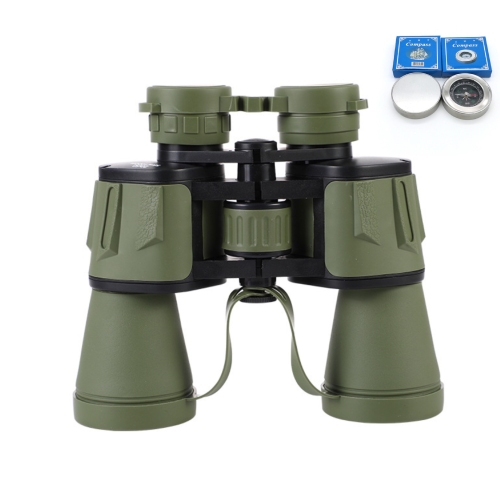
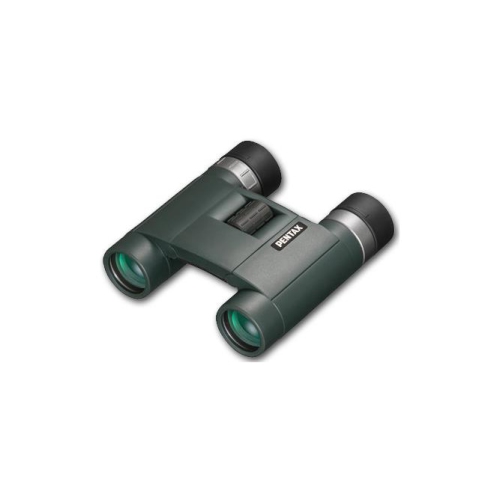
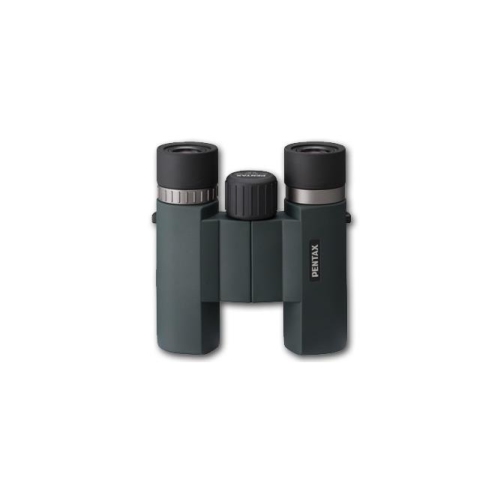
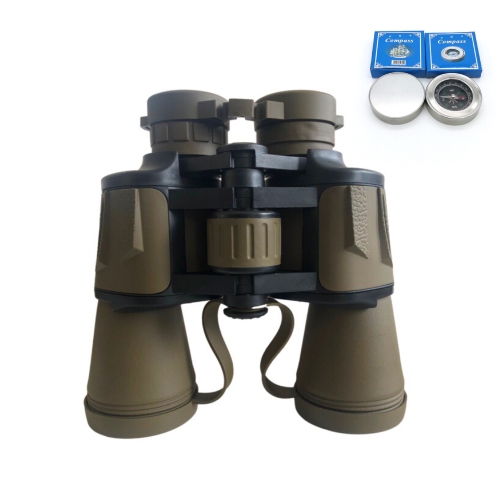

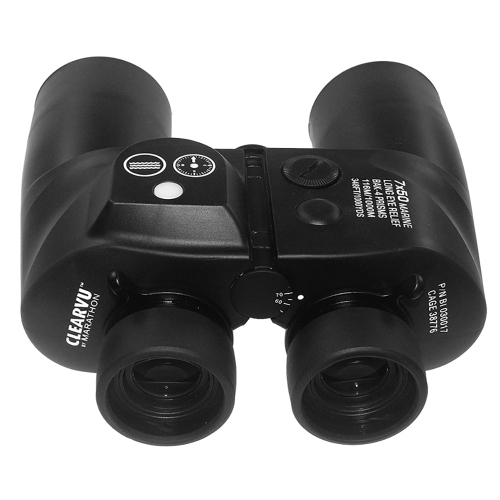
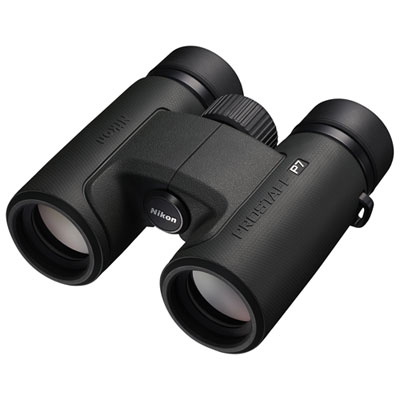
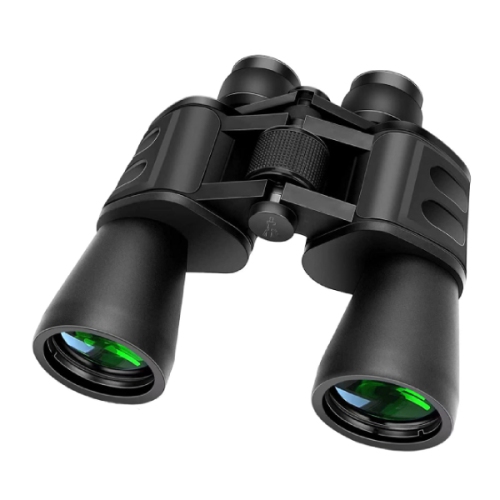
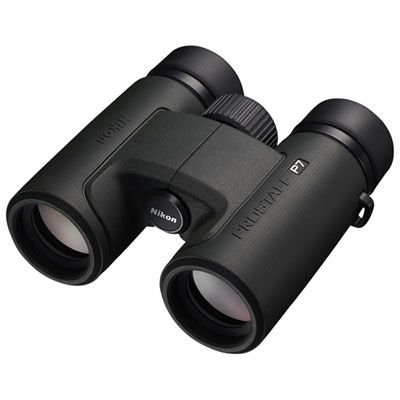
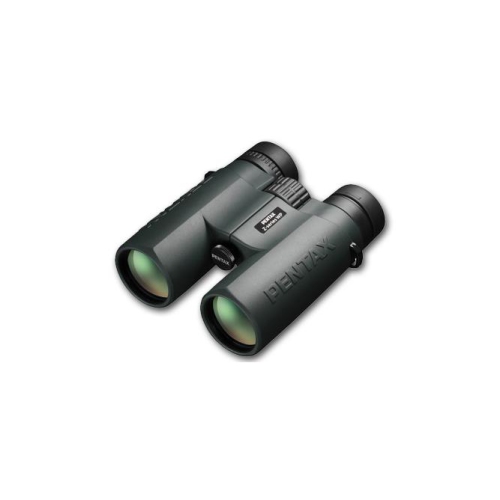
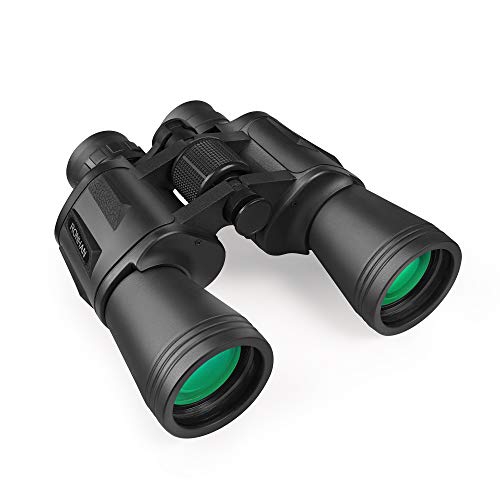
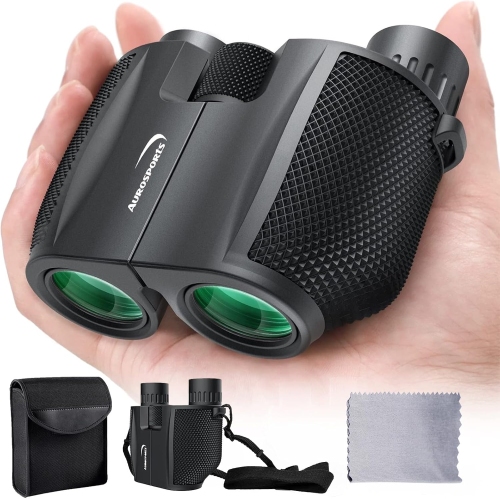
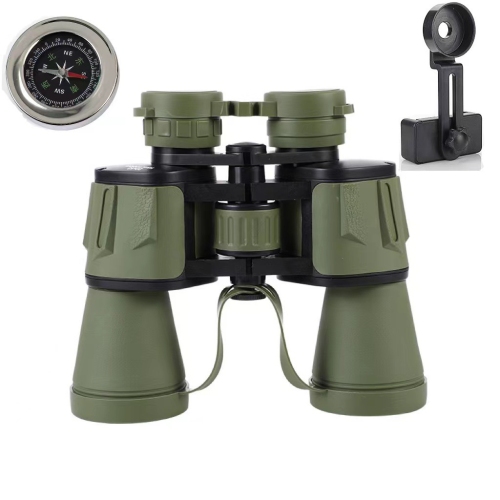
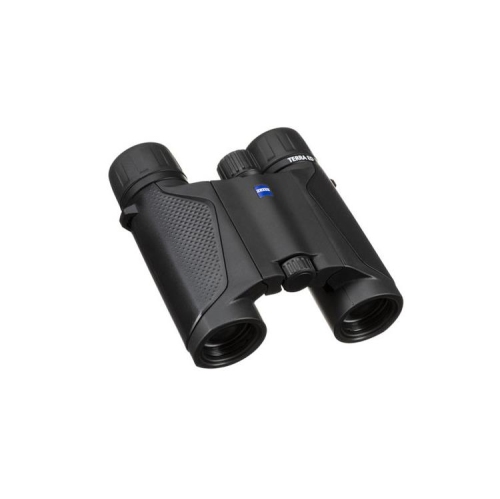
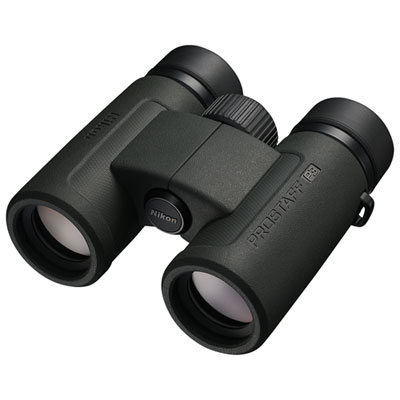
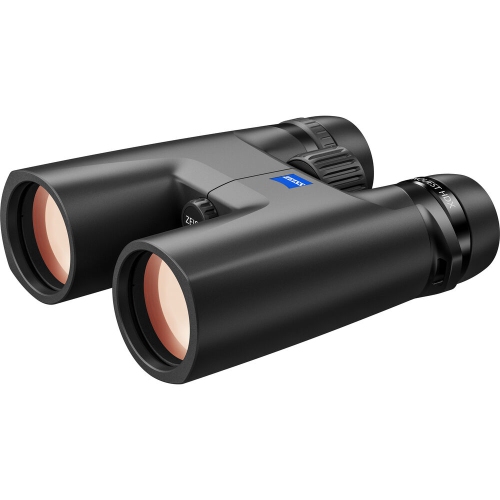
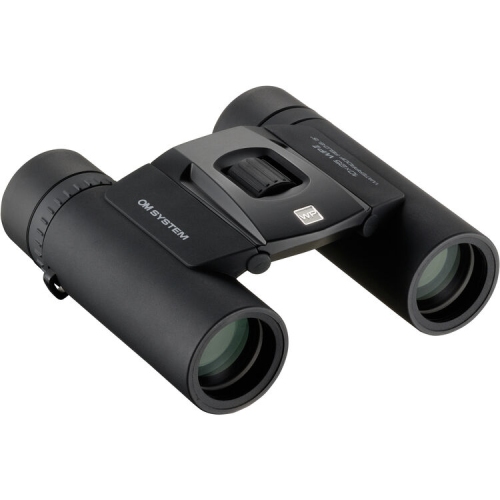
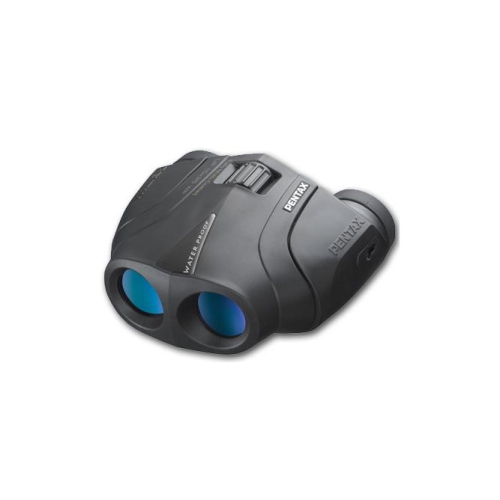
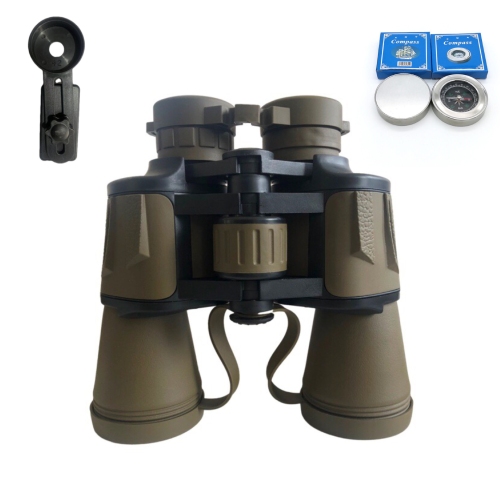
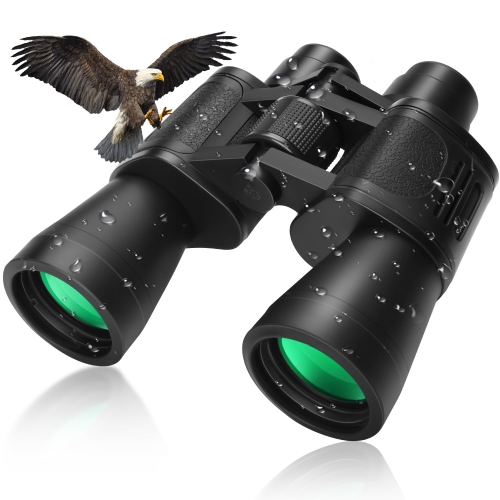
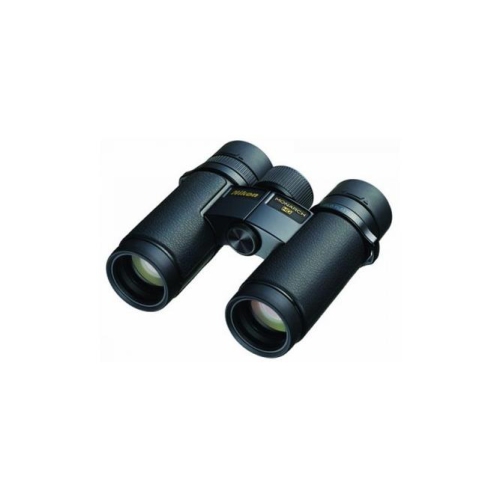
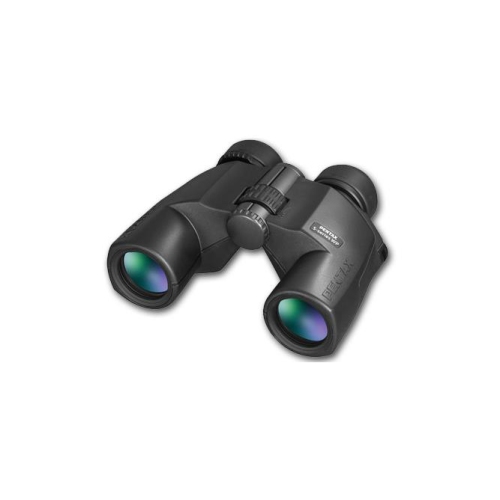
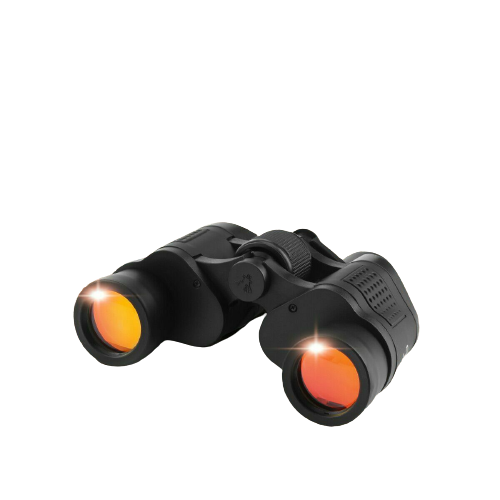
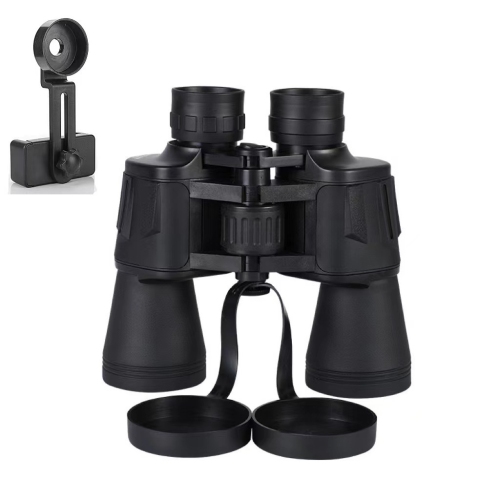
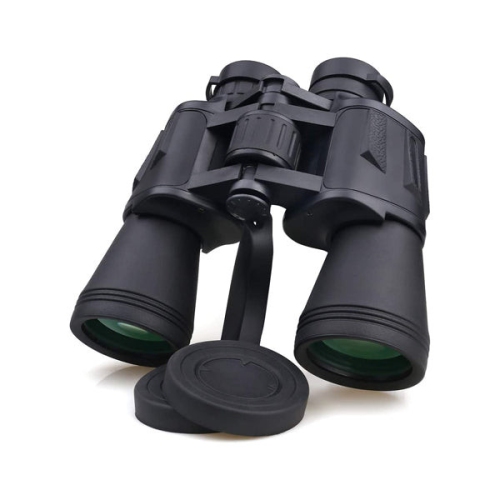
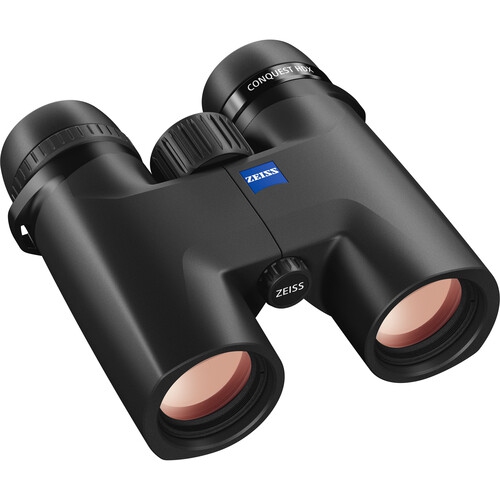
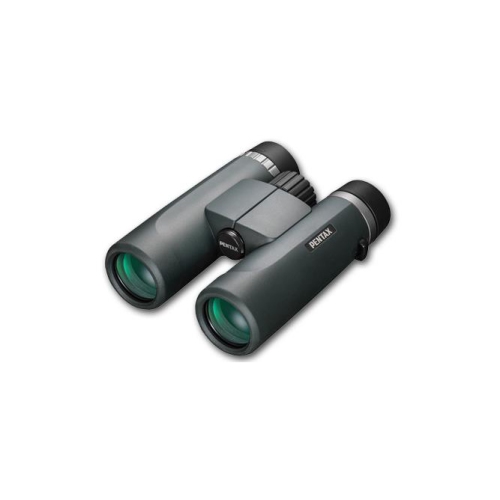
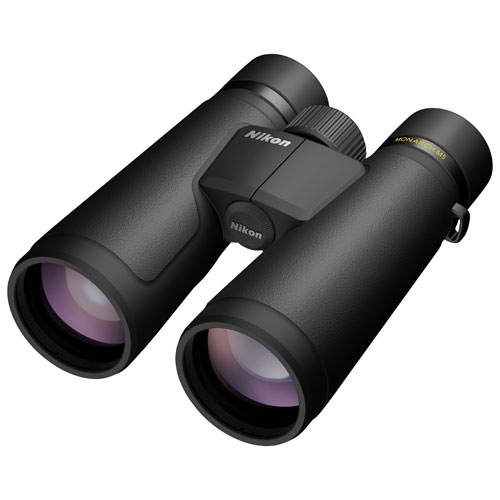
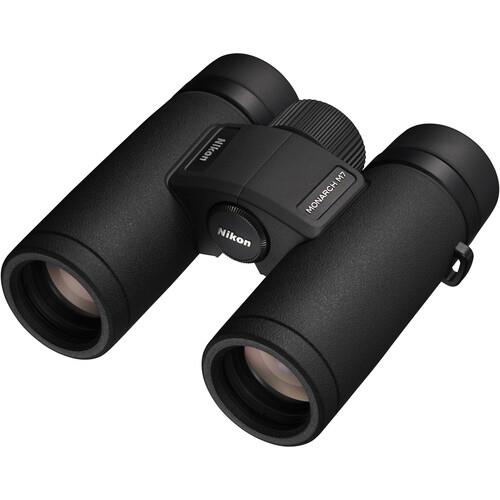
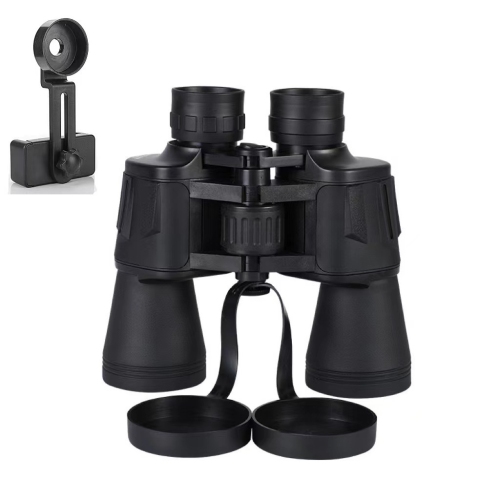
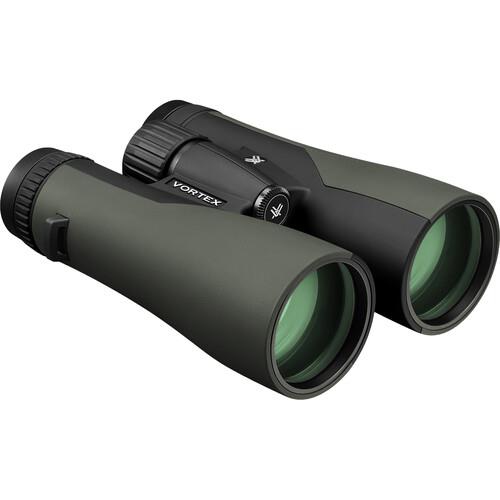
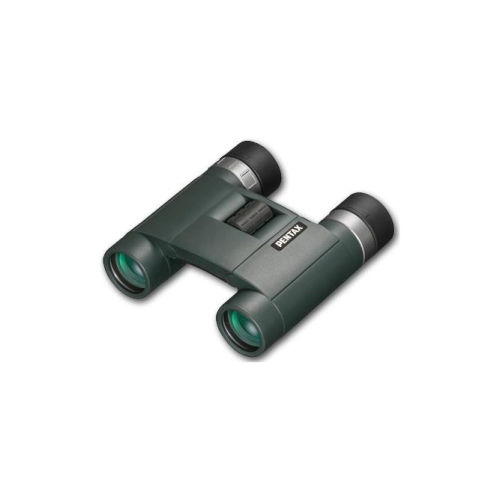
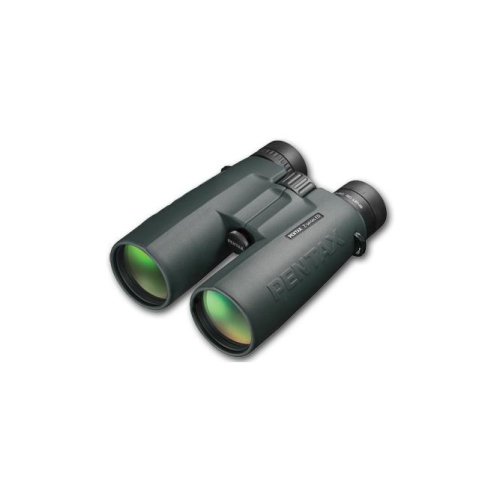
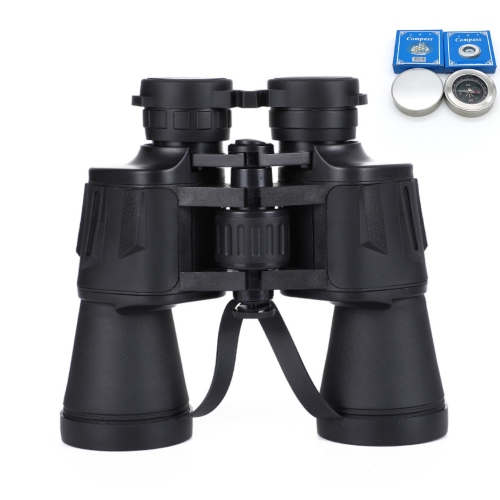
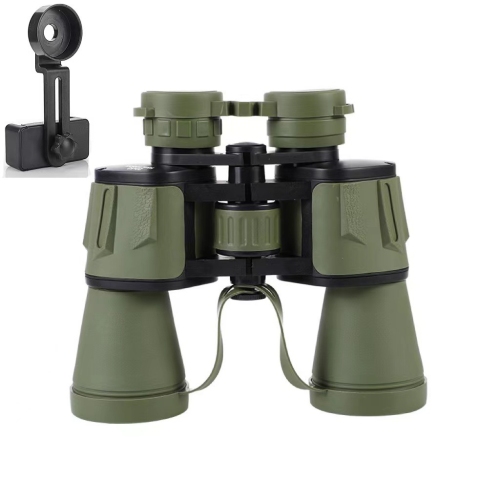
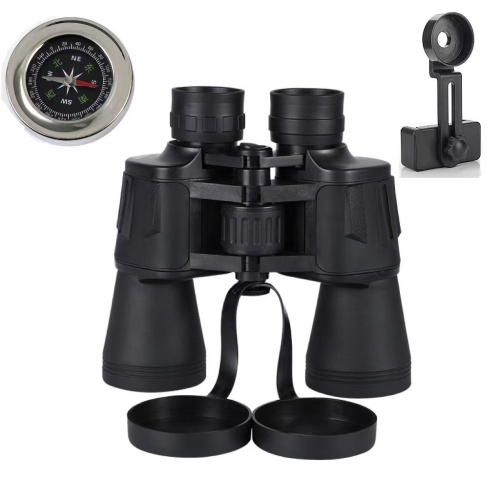
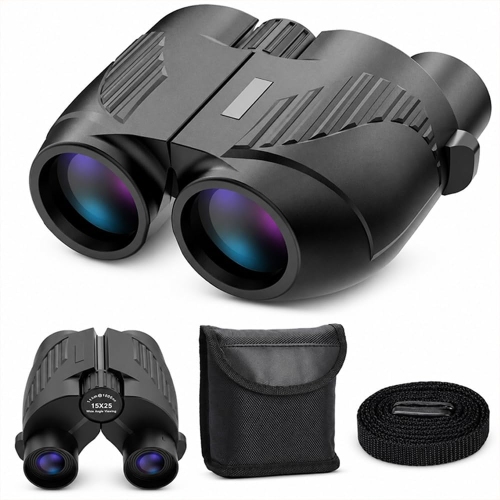
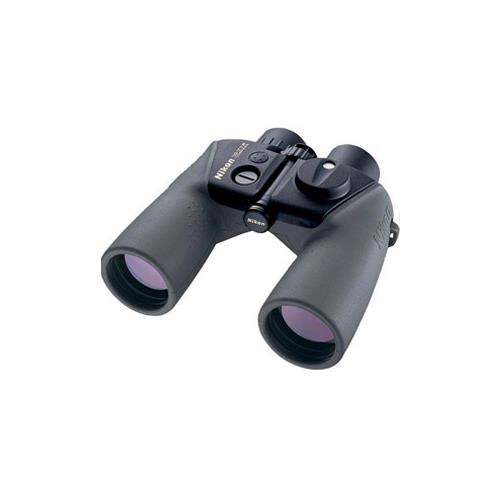
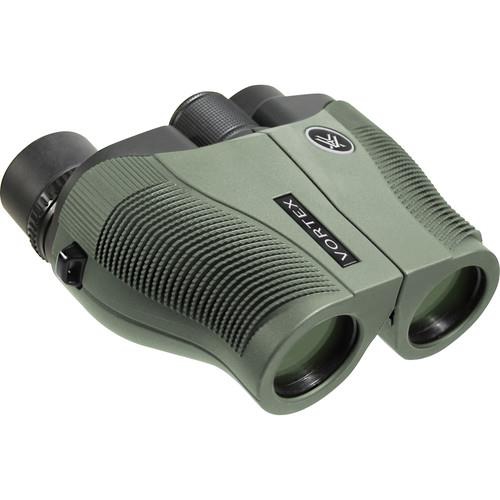
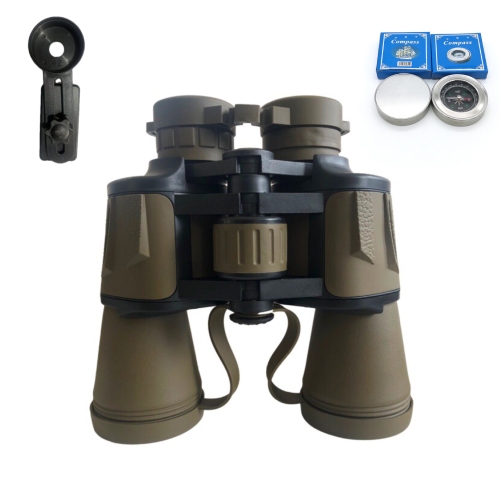
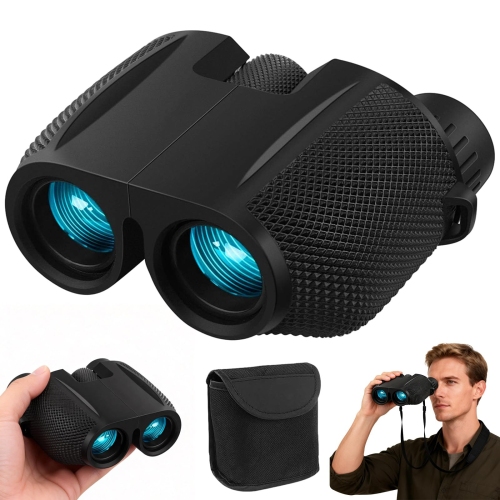
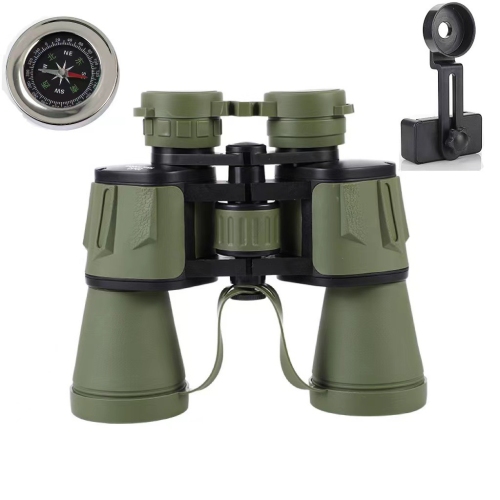
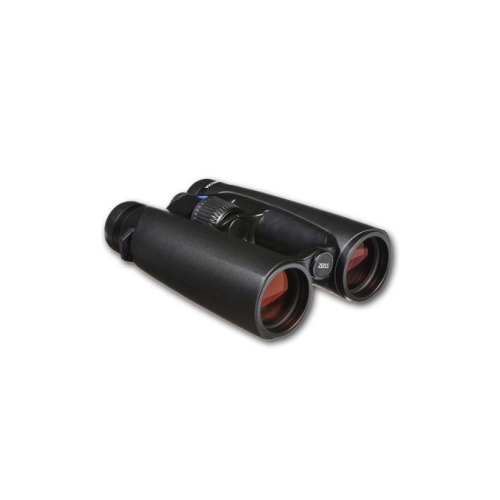
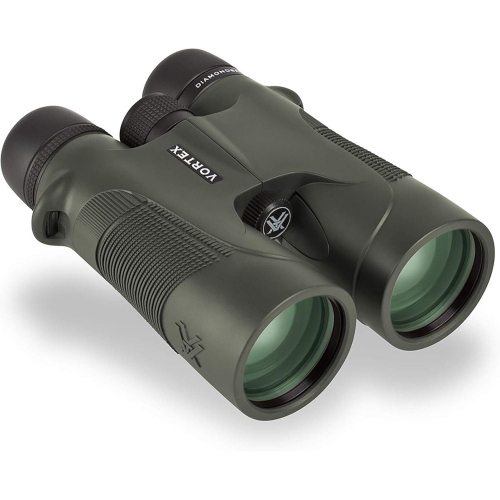
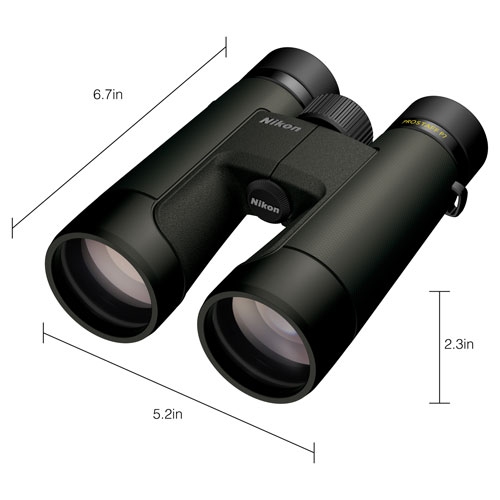

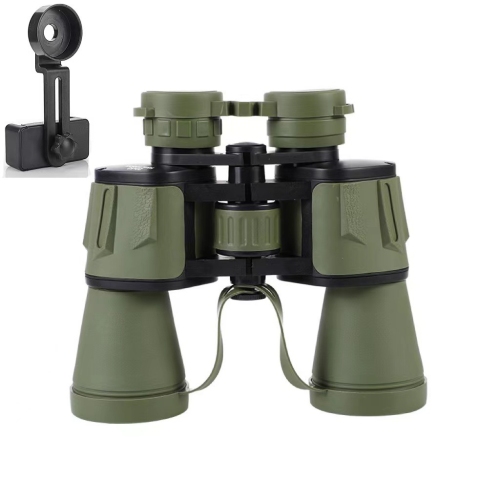
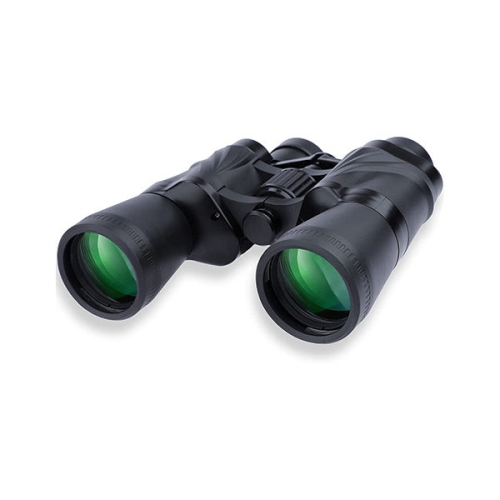
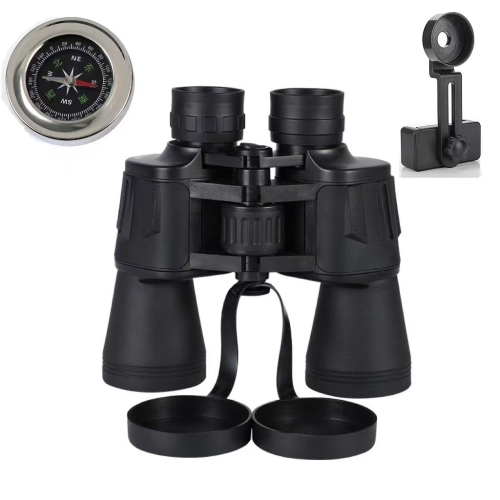
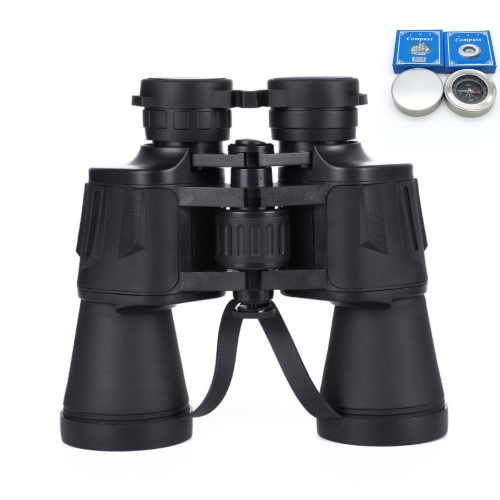
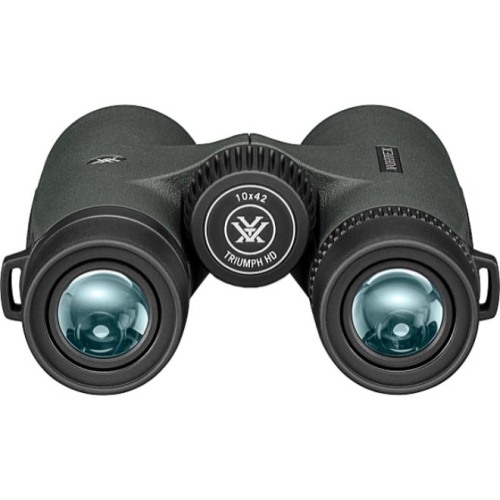

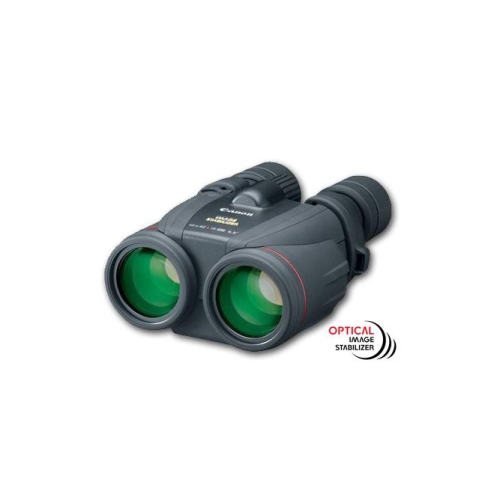
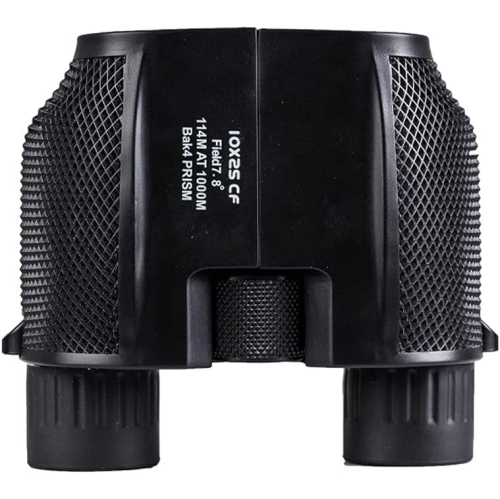

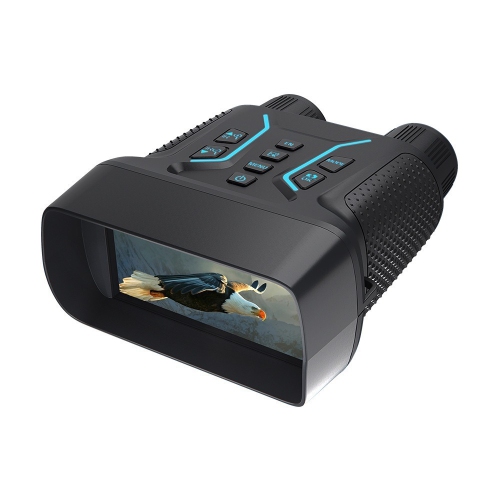
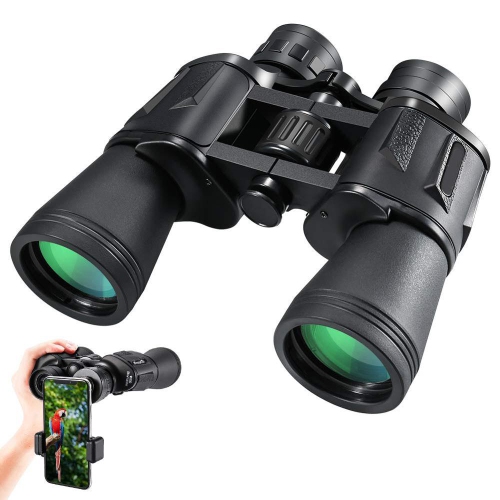
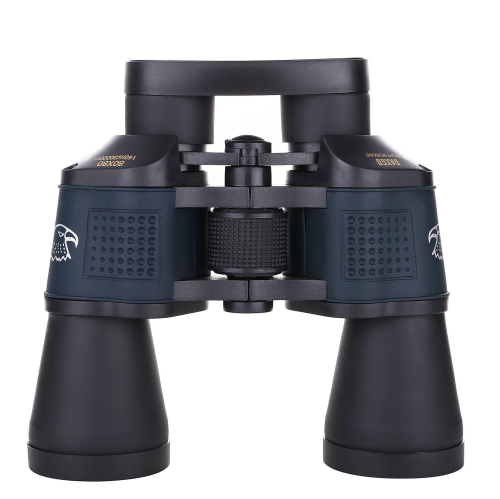
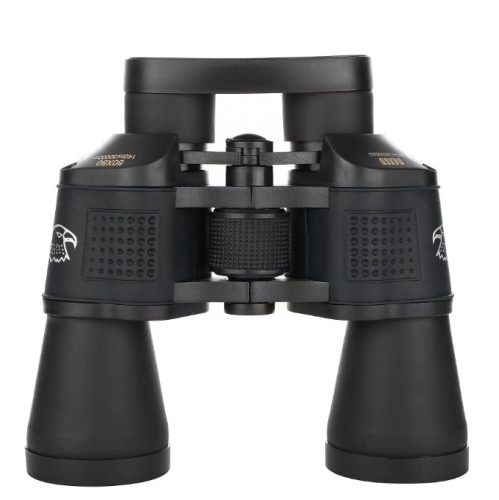
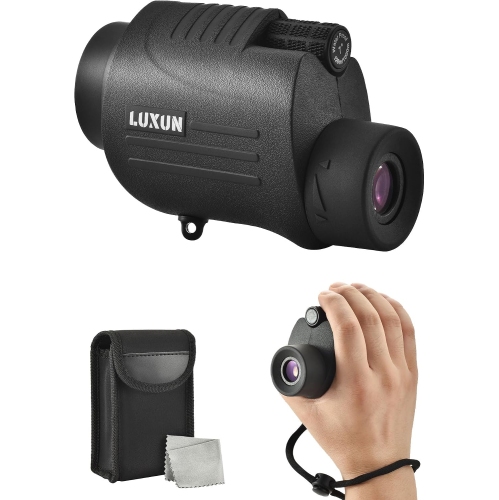
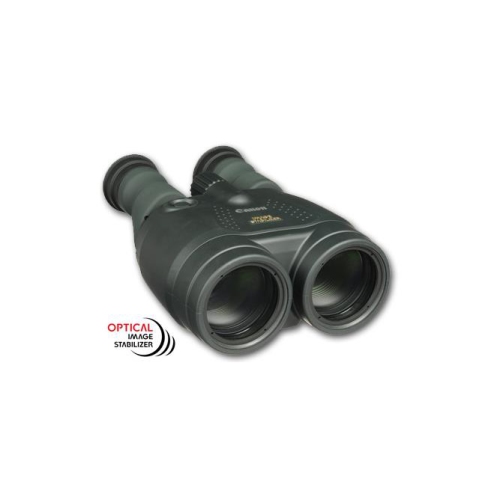
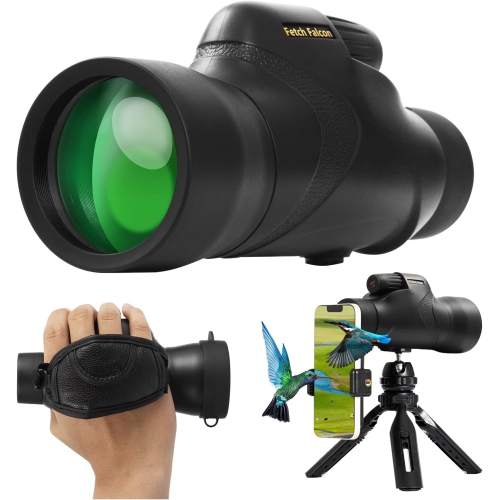
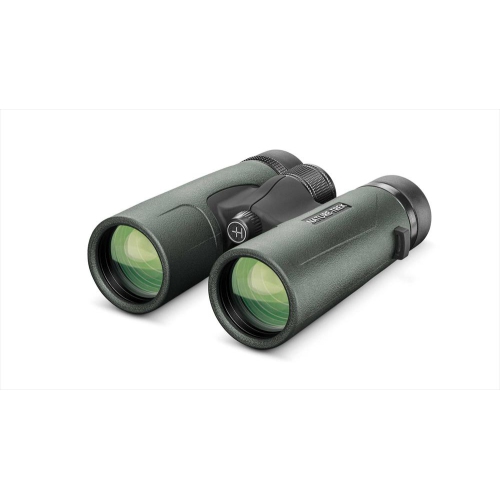
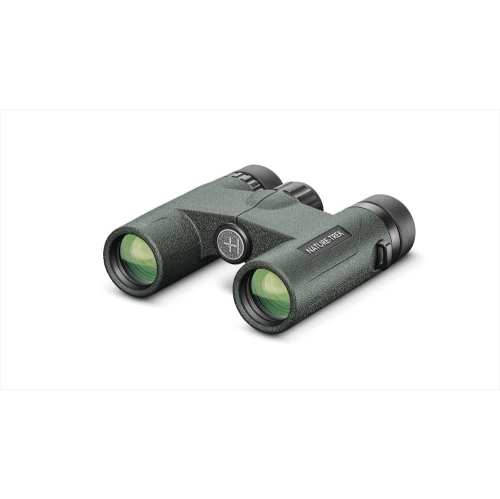
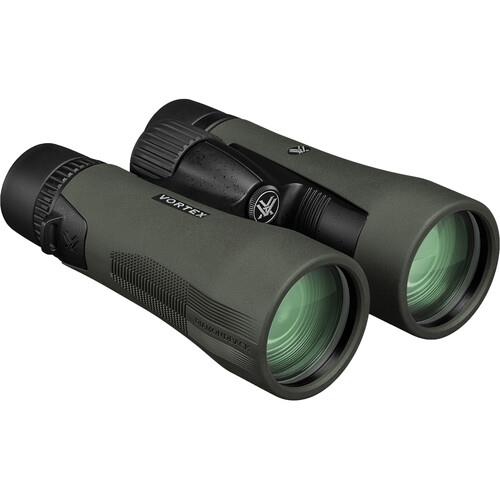
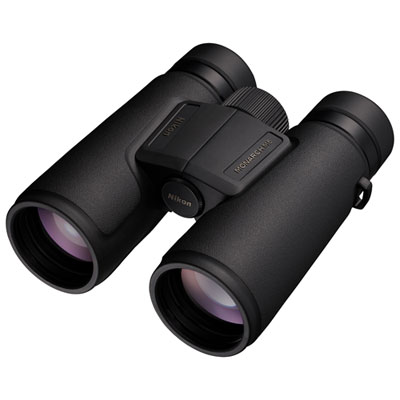
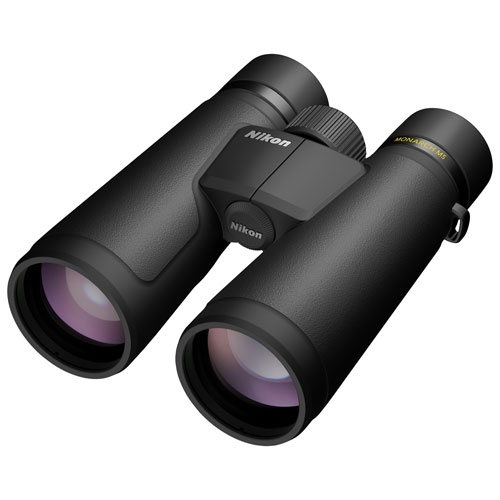
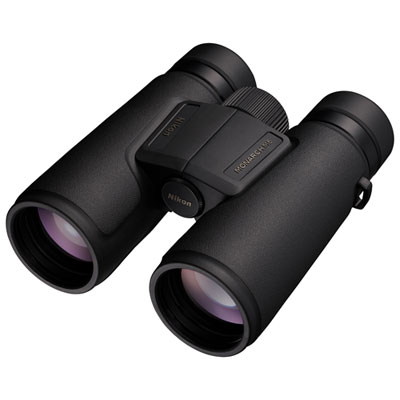
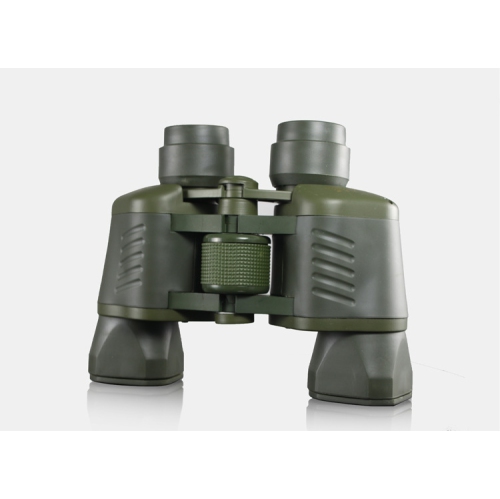
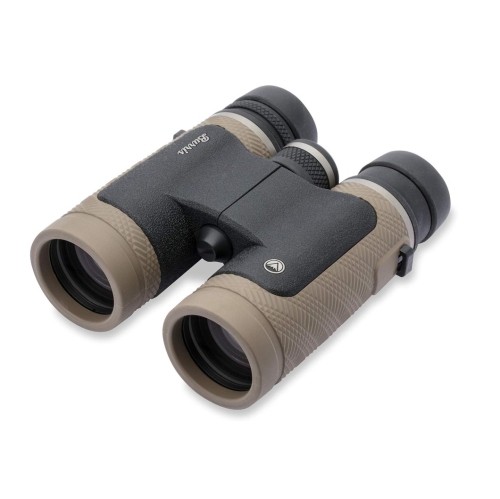
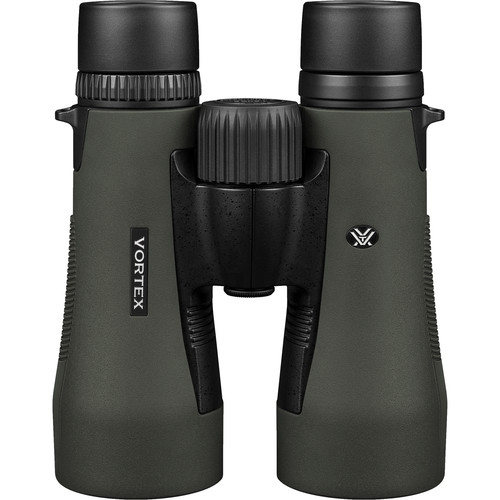


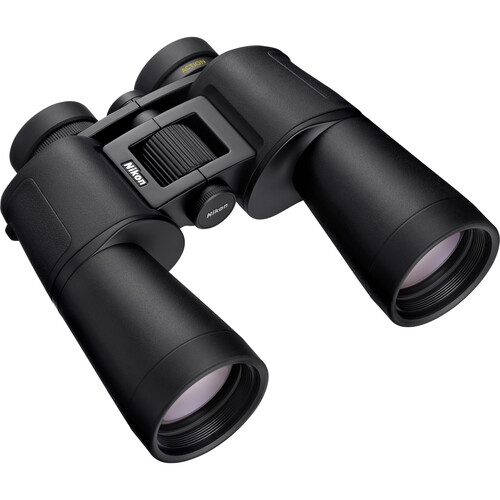
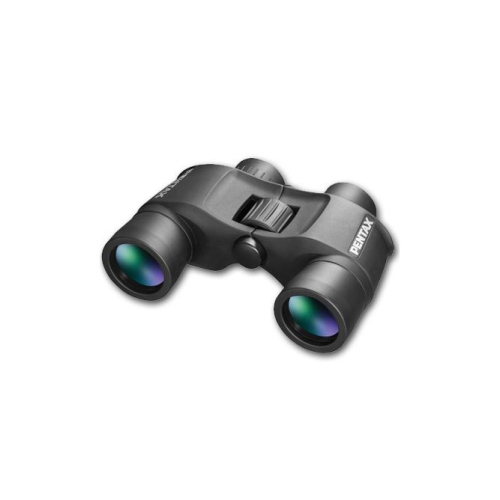
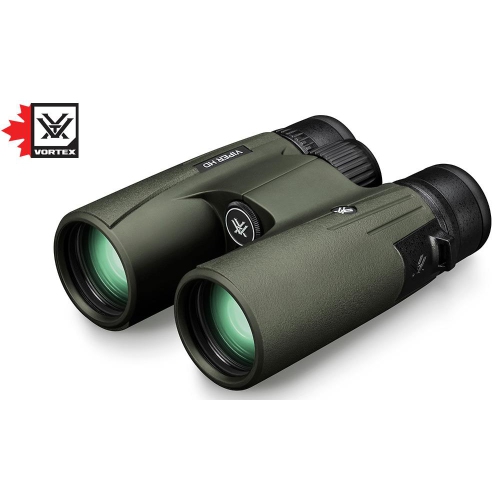
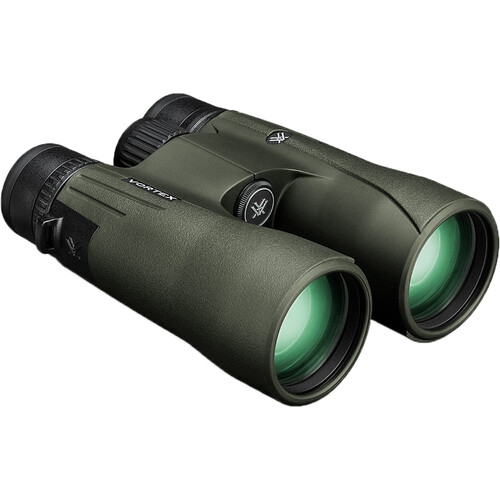
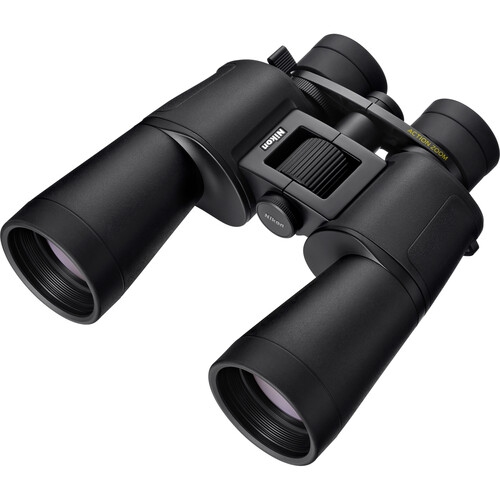
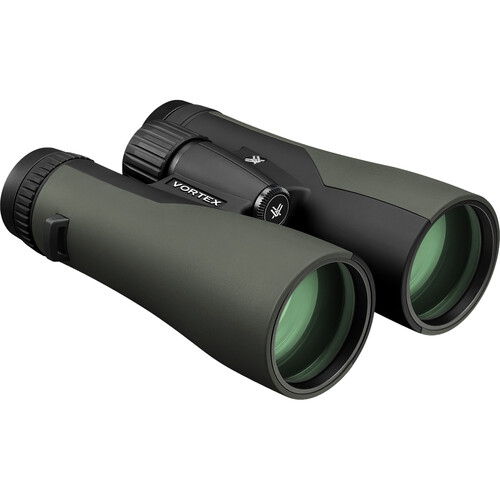
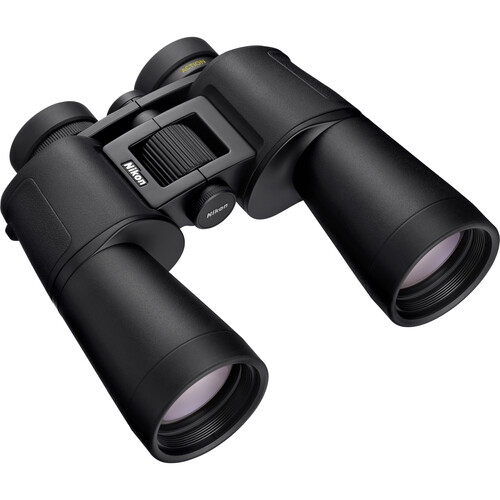
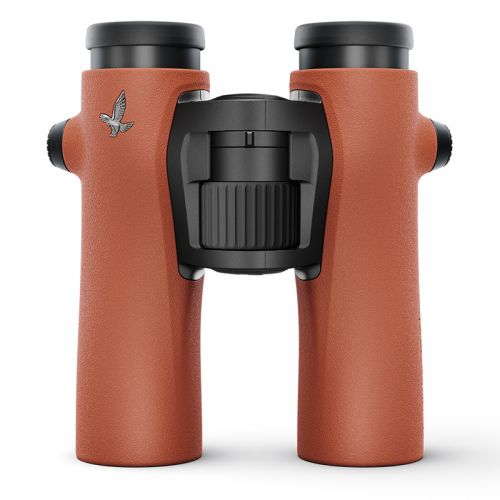
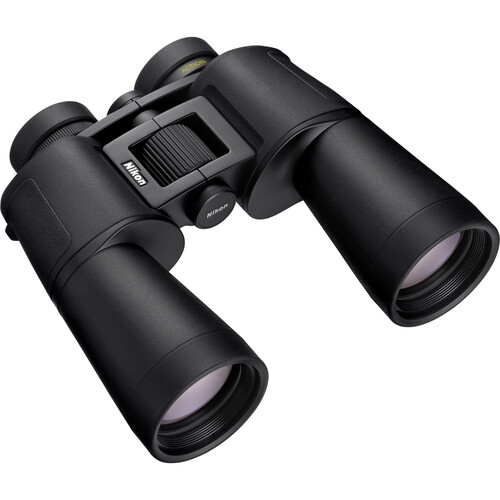
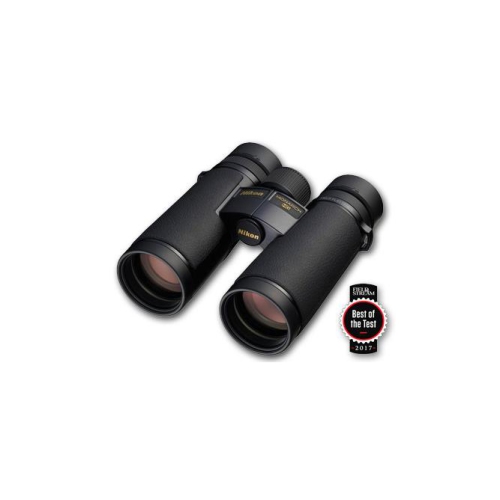

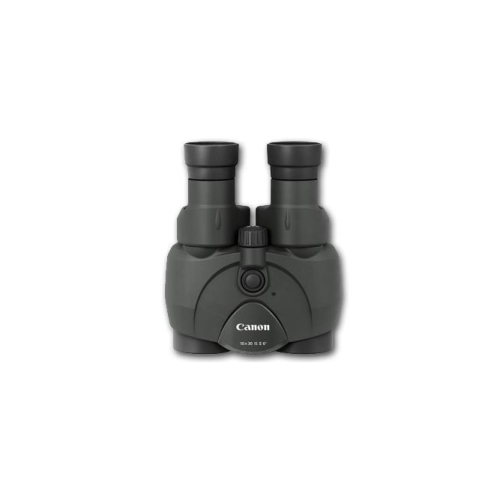

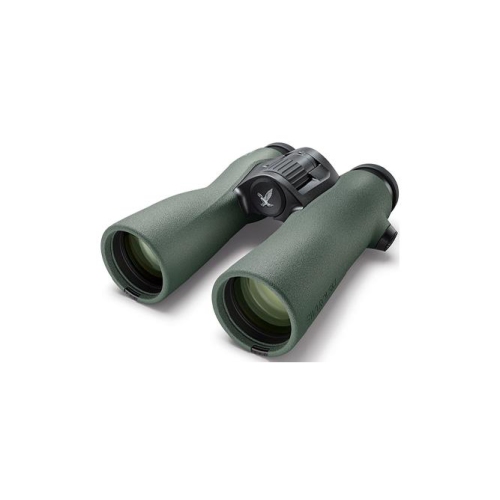
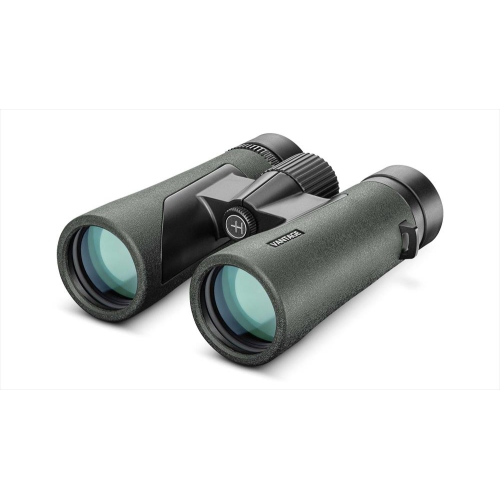
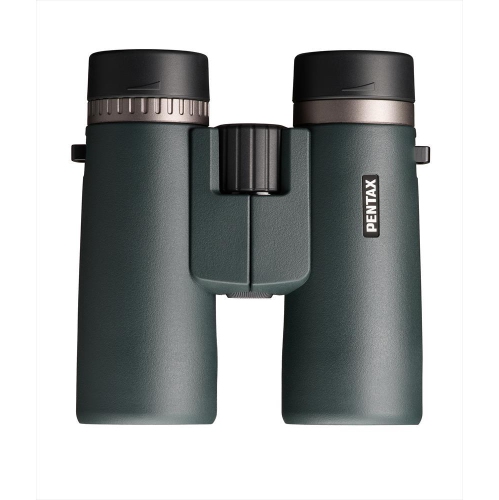
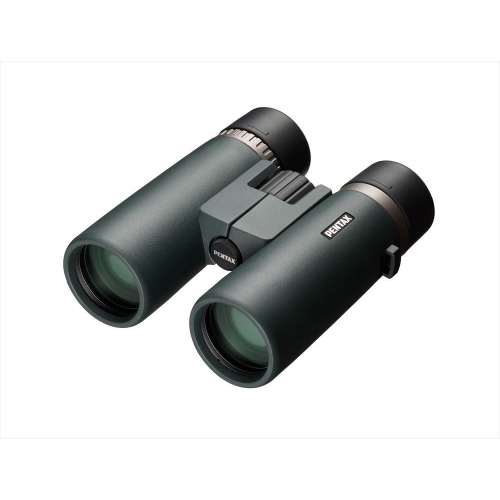
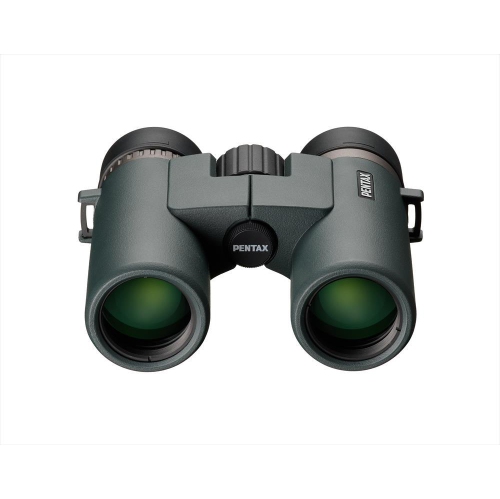
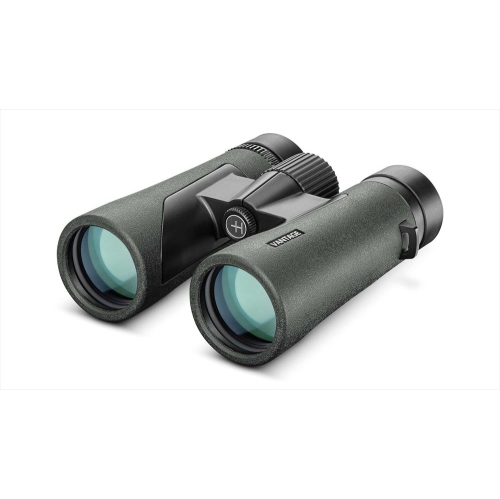
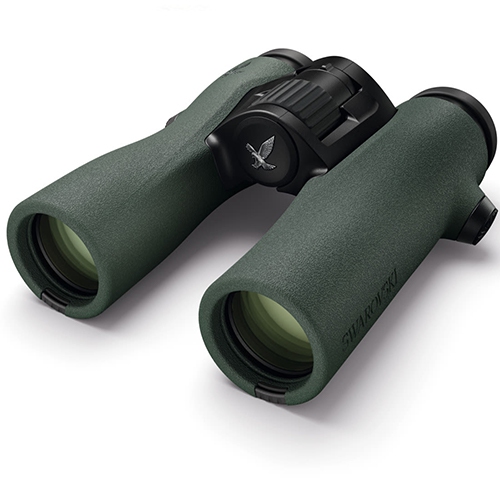
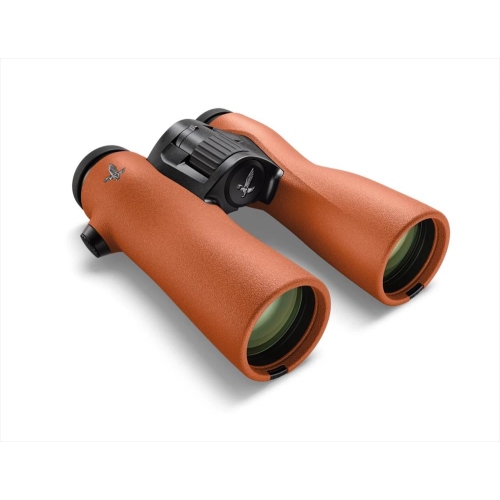
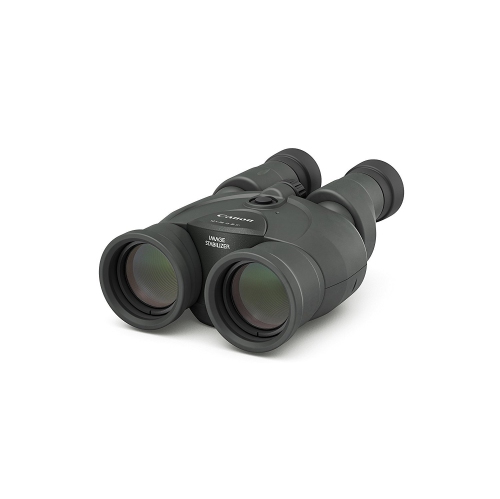
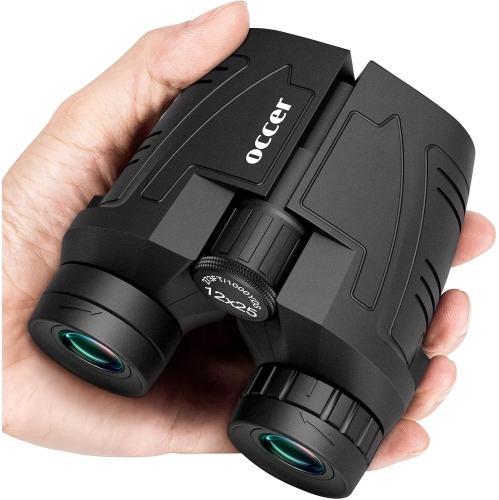
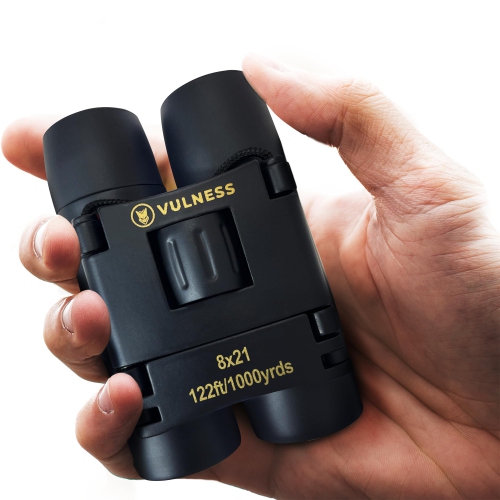
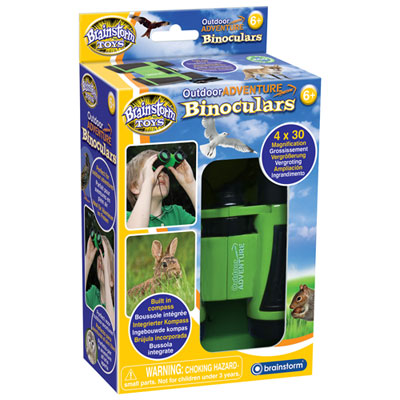
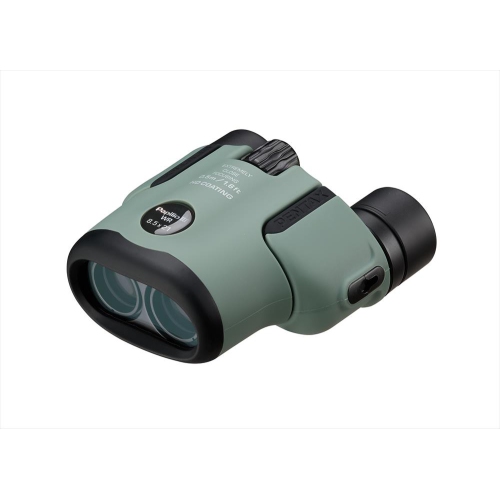
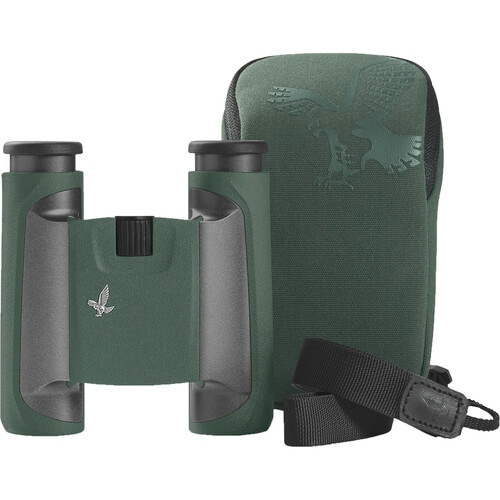
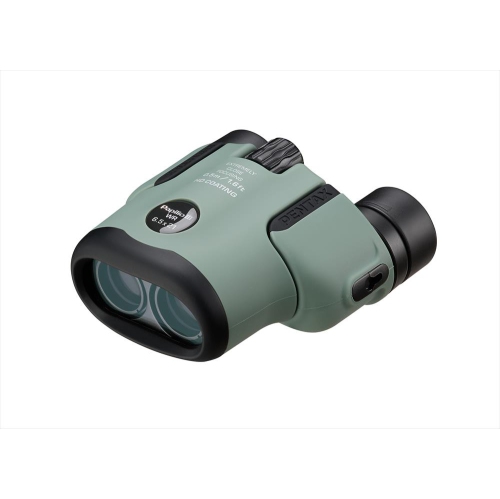
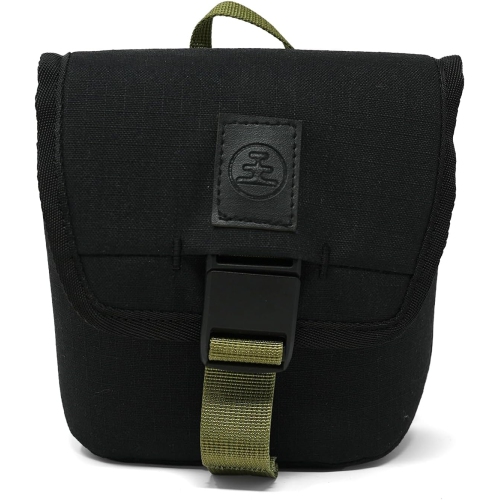


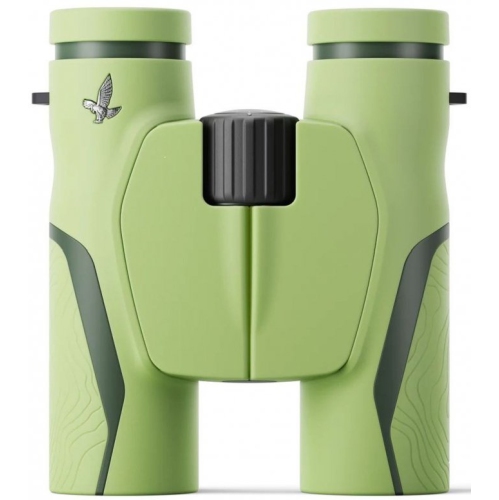

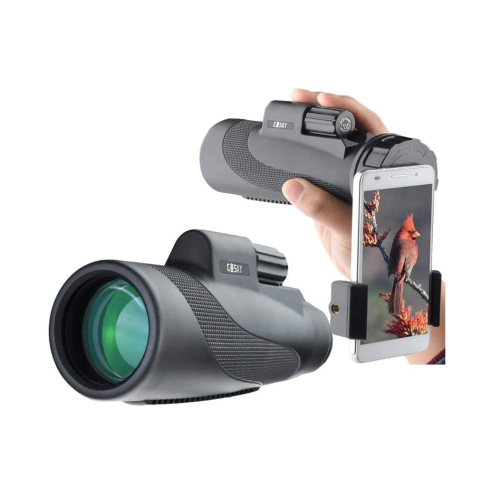
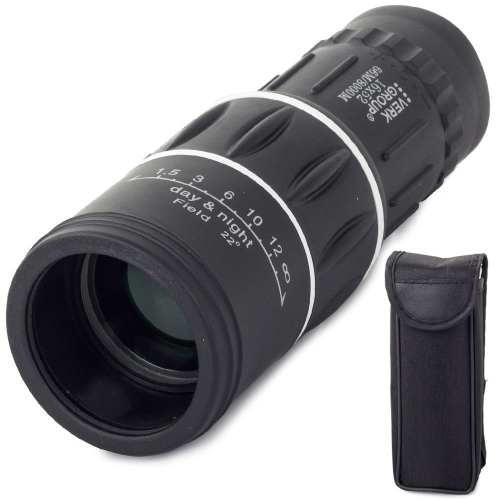
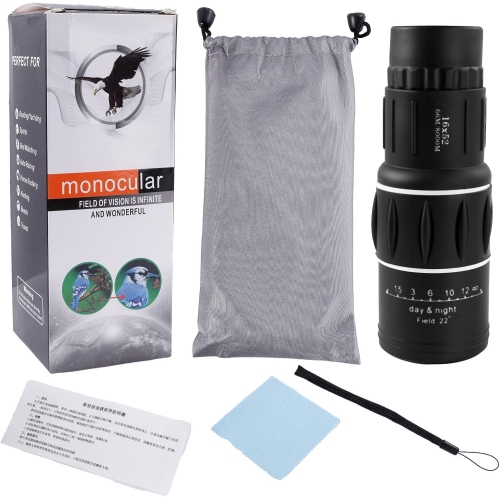
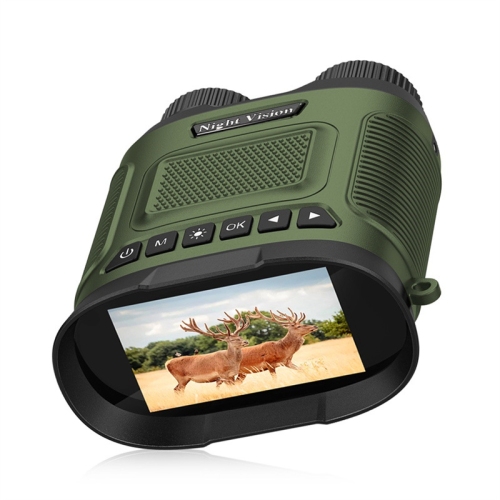
Clear views take more than a waterproof seal
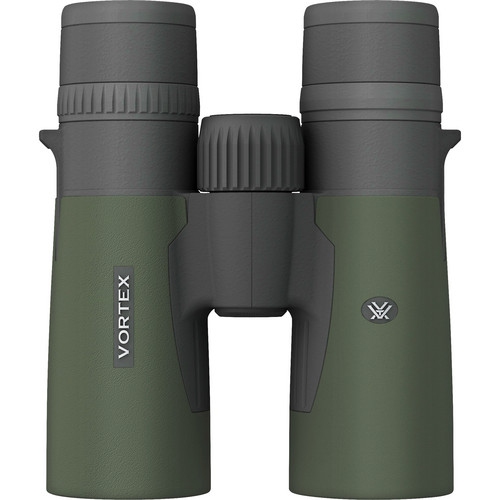
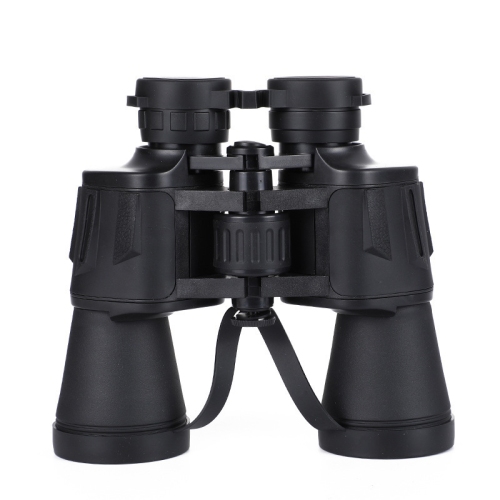
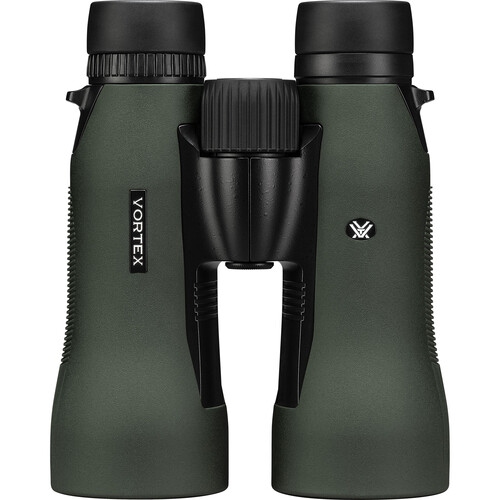
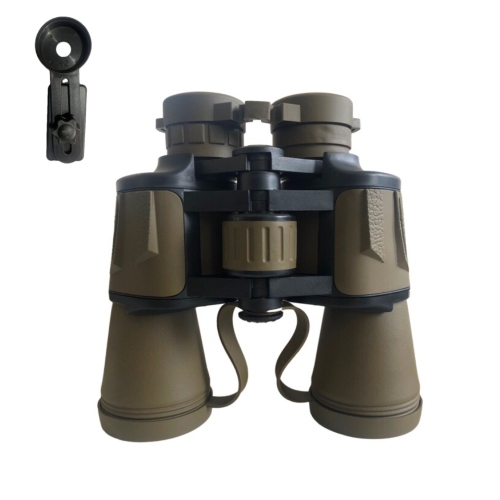
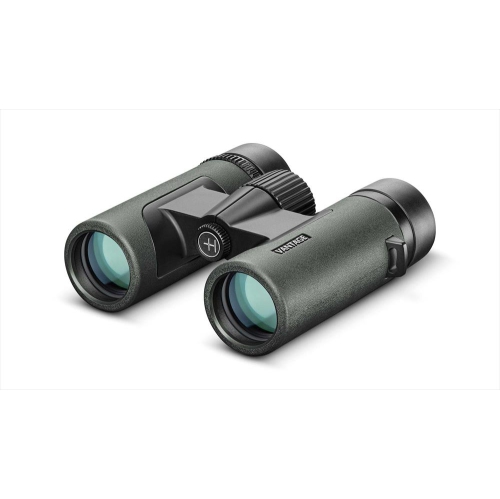
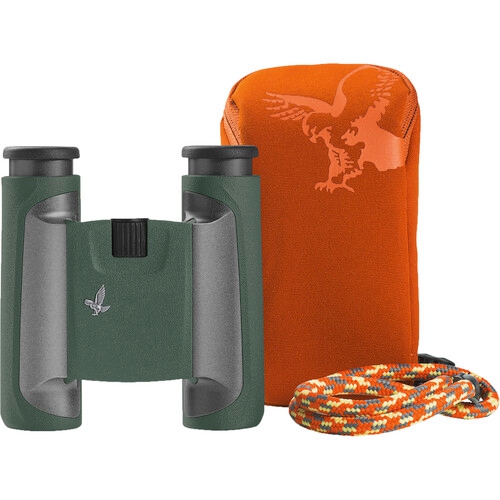
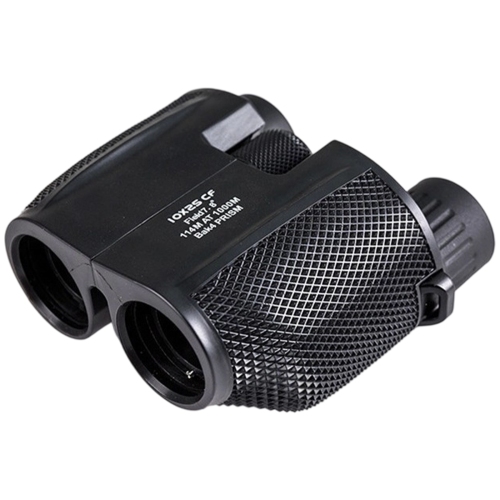
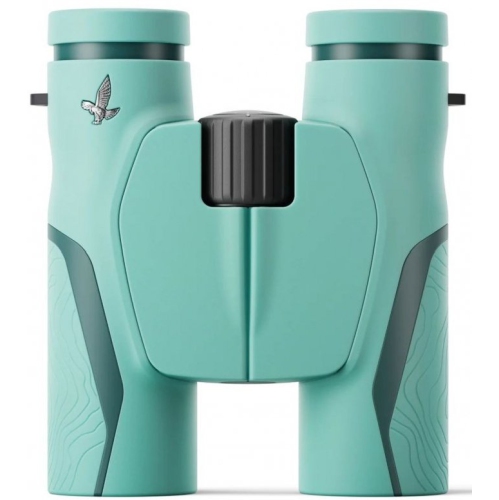
Waterproof binoculars are optical viewing instruments with sealed housings designed to keep water out of the internal optics under specified conditions. They suit activities where splashes, rain, or an accidental drop into shallow water could interrupt a closer look, from watching shorebirds along a lakeside trail to following a distant sailboat from the dock. Many waterproof designs use O-ring seals around potential entry points, while nitrogen or argon purging helps prevent condensation inside the optical chambers. Waterproofing and fog resistance serve different purposes: seals resist water entry, and dry gas filling reduces internal fogging. Moisture can still collect on the outside lens surfaces, especially when binoculars move between places with different temperatures. The stated waterproof rating matters more than the word “waterproof” alone. An IPX7 rating generally indicates protection against temporary immersion in up to one metre of water for 30 minutes under specified test conditions; it does not mean the binoculars are intended for underwater viewing, prolonged submersion, or exposure to pressurized water. Other designs may state a particular depth and duration instead, so those limits are worth distinguishing from a general claim of water resistance. Waterproof construction also does not guarantee that binoculars will float. For boating and fishing, a suitable flotation strap can provide an additional safeguard, provided its buoyancy is sufficient for the binoculars and any attached accessories. Optical features remain important alongside sealing. Fully multi-coated lenses have multiple anti-reflective coatings on all air-to-glass lens surfaces, helping reduce reflections and improve light transmission. Prism materials and coatings also influence the view, although a label such as BaK4 describes only one part of the optical system rather than guaranteeing overall image quality. The appeal is a clear, comfortable view backed by protection suited to the activity, whether that means observing a heron from a canoe or scanning a rocky shoreline without having to put the binoculars away at the first splash.
The numbers used to describe binoculars make their handling and viewing characteristics easier to understand. In an 8x42 configuration, the first number means eight-times magnification, while the second indicates an objective lens diameter of 42 millimetres. Moderate magnification is often comfortable for handheld viewing because small hand movements are less noticeable than they are at higher magnifications. This can be particularly helpful on a moving boat or when following a bird between branches. Higher magnification brings distant subjects closer, but it can make the image harder to steady and may narrow the field of view. Field of view describes how much of a scene is visible at once, usually expressed as an angle or a width at a stated distance. A wider view can make locating a moving subject easier, especially before it settles into the centre of the image. Larger objective lenses can support a brighter view in dim light when other factors are comparable, though they usually add size and weight. Compact binoculars are easier to carry in a daypack or jacket pocket, while larger designs may feel more comfortable for extended observation from a fixed spot. Roof-prism binoculars typically have a straight, streamlined shape; porro-prism designs have offset barrels and a broader profile. Neither shape alone establishes waterproof performance. Rubber armour can improve grip and cushion minor knocks, but it is the underlying construction and seals that provide water protection. Fit also makes a noticeable difference. Adjustable barrel spacing helps align both eyepieces with the eyes, while twist-up or folding eyecups help position the face at the appropriate viewing distance. For people who wear glasses, sufficient eye relief can make more of the image visible without removing their eyewear. A dioptre adjustment compensates for differences between the eyes, and a focus wheel that turns smoothly can make it easier to shift attention from reeds nearby to wildlife across an inlet.
Comfort over a full outing depends on more than the view through the lenses. Weight distribution, grip shape, strap attachment points, and the position of the focus control all affect how naturally binoculars sit in the hands. A textured surface can feel more secure with damp fingers, and a focus wheel that remains easy to operate with gloves may be useful for exposed decks or open observation points. Close-focus distance is another consideration for people who enjoy looking at butterflies, flowers, or birds feeding just beyond a window, rather than only distant scenery. For hikers and travellers, a compact waterproof design can be a practical companion that takes up little space, while birdwatchers and shoreline observers may place greater value on a broad field of view and comfortable extended viewing. Waterproof binoculars can also make a thoughtful gift for someone who spends time paddling, fishing, watching wildlife, or exploring coastal paths, particularly when their size and handling suit the recipient. A padded case, secure strap, and well-fitting lens covers help protect them between uses. Care still matters, even with a sealed body. Loose grit is best removed with a blower or soft lens brush before an appropriate lens cloth touches the glass, since rubbing dust across a lens can scratch coatings. Salt deposits need particular attention after use near seawater, with cleaning or rinsing carried out only as the manufacturer permits. High-pressure sprays, harsh household cleaners, and unnecessary immersion can damage components or exceed the protection the binoculars were designed to provide. Binoculars should be dry before being enclosed in their case, and seals, eyecups, and strap connections benefit from occasional checks for wear. Opening a sealed optical housing can compromise its protection, so internal cleaning and repairs belong with qualified service personnel. For outings that combine distant observation with photography, Waterproof Cameras offer a related way to capture scenes near the water, with their own protection ratings and care requirements. Together, viewing comfort, optical clarity, and clearly stated water protection help make binoculars a dependable part of time spent outdoors.
Top selling and popular products
-
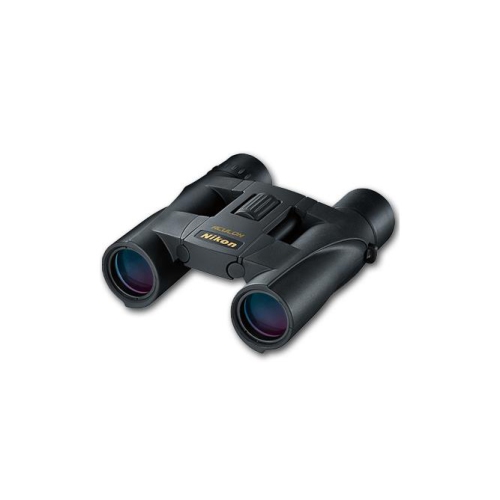 Your price for this item is $129.95
-
 Your price for this item is $349.99
-
 Your price for this item is $28.99
-
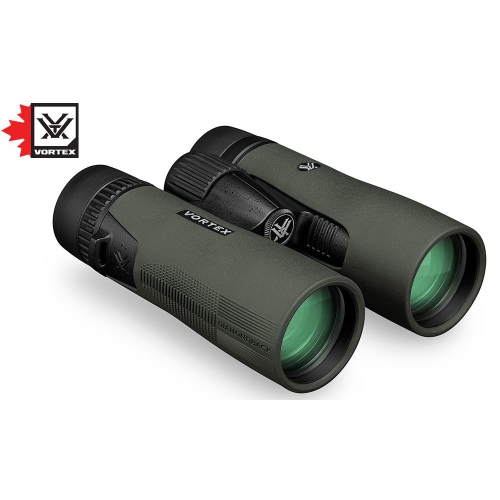 Your price for this item is $439
-
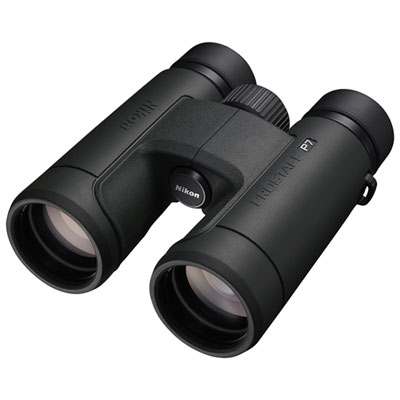 Your price for this item is $147.98
-
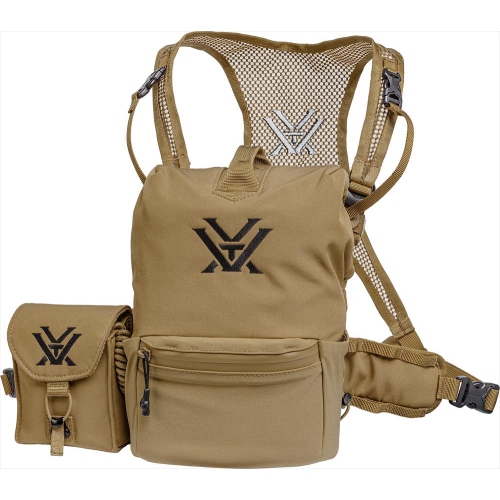 Your price for this item is $199
-
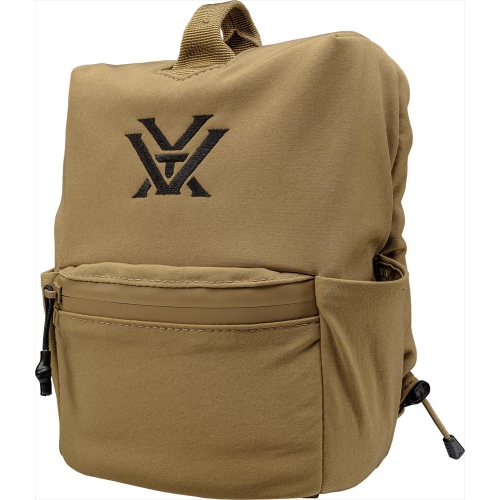 Your price for this item is $199
-
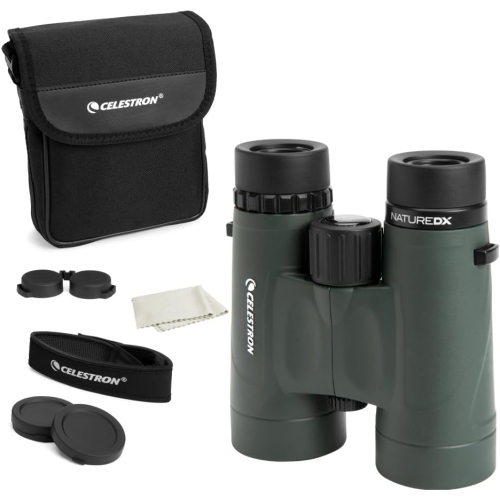 Your price for this item is $235
Discover more categories related to Waterproof Binoculars

Top Collections:
Best Black Friday Deals This Year, Best Black Friday Deals On Electronics, Kindle Devices, Pokemon Centers, Best Black Friday Deals On Apple Products, Best Cameras for Sports Photography, Dyson Airwrap, Pokémon 30th Celebration Cards, Apple iPhone 17 Pro, Canon G7X Cameras
Some products may be subject to Environmental Handling Fees
(EHF) depending on your province.
Learn more about EHFs.