Waterproof Binoculars for Kayaking
Waterproof Binocularss for Kayaking are essential companions for anyone who loves exploring waterways and observing nature from a unique vantage point. Designed to handle the challenges of life on the water, these binocularss help you spot distant wildlife, navigate with confidence, and enjoy every detail of your kayaking adventure. Whether you're paddling along calm lakes or tackling winding rivers, choosing the right pair ensures clear views and added enjoyment throughout your journey. Discover a selection of Waterproof Binocularss for Kayaking that combine durability and performance, making them a must-have accessory for your next outing.
Sort
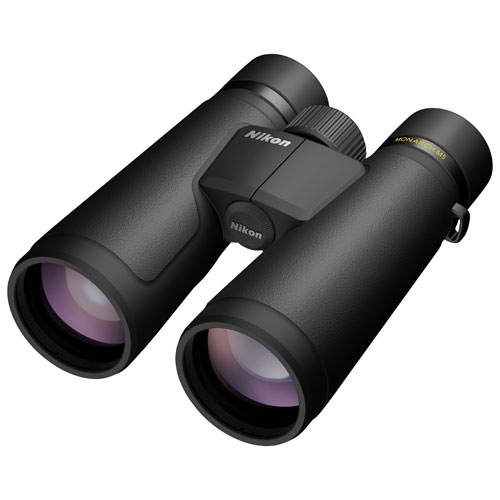
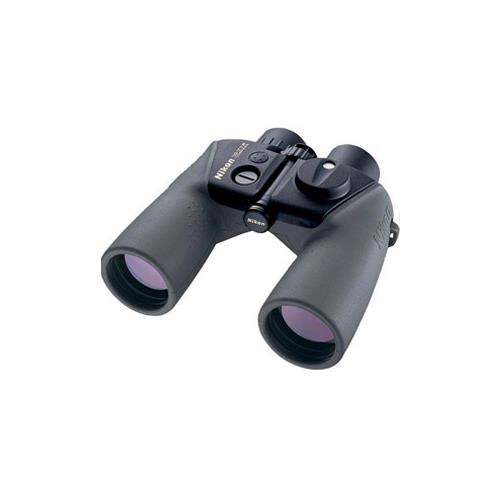
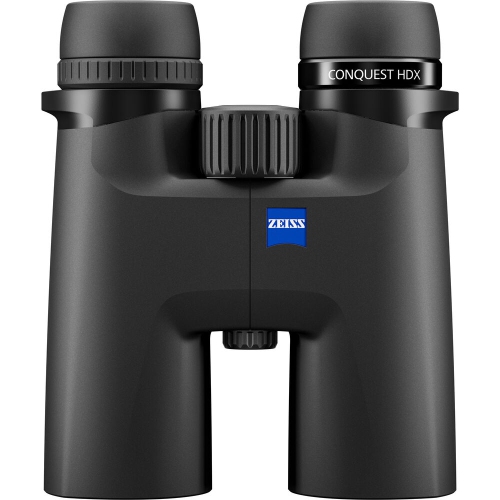
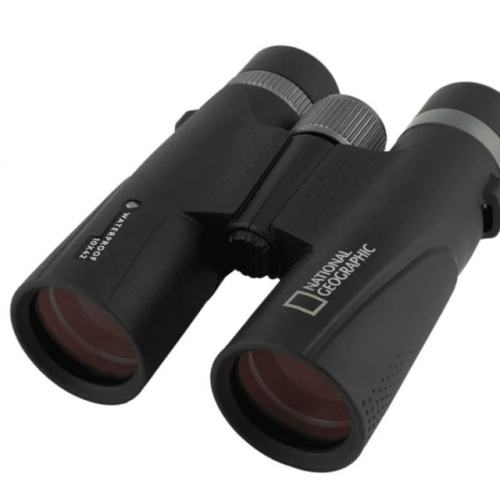
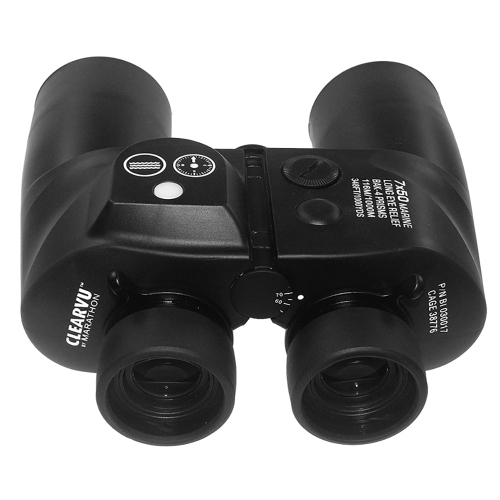
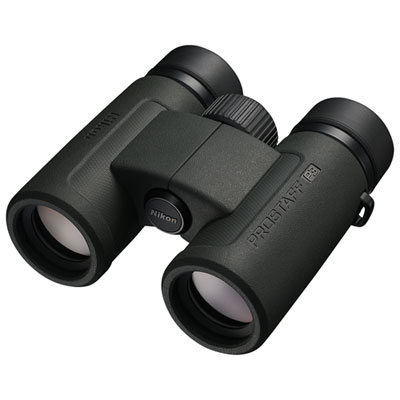
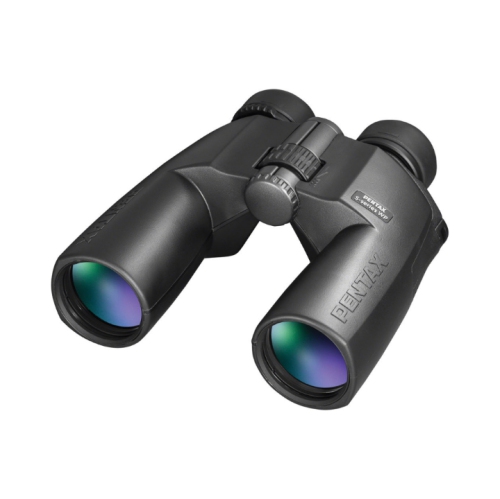
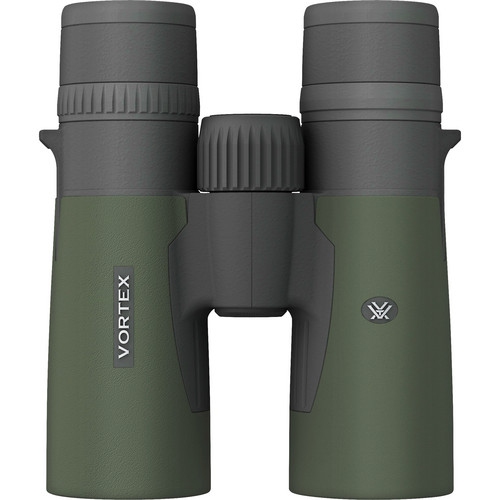
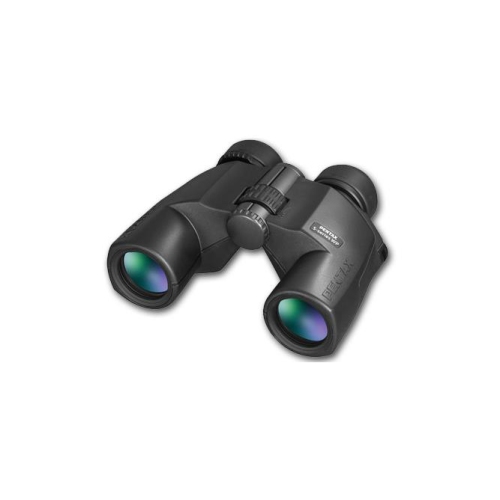
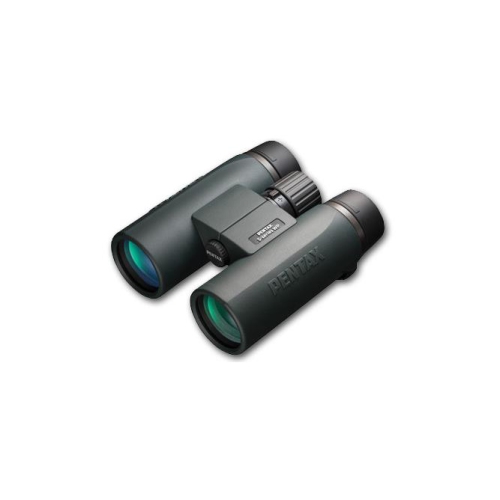
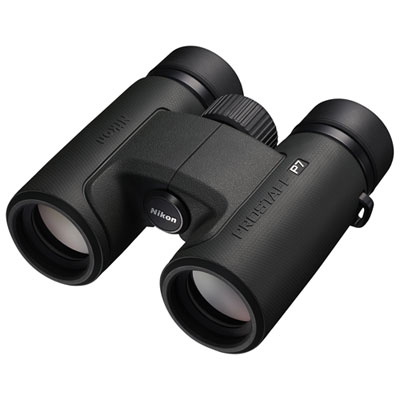
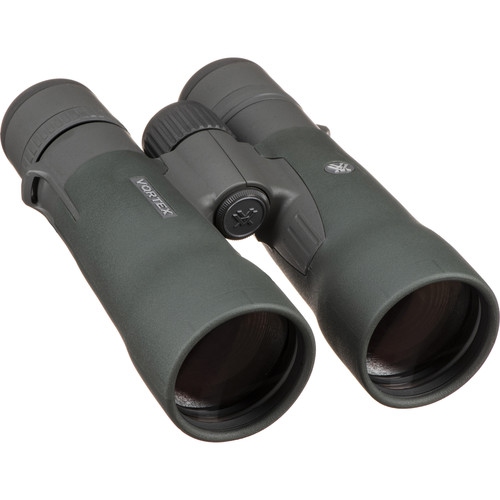
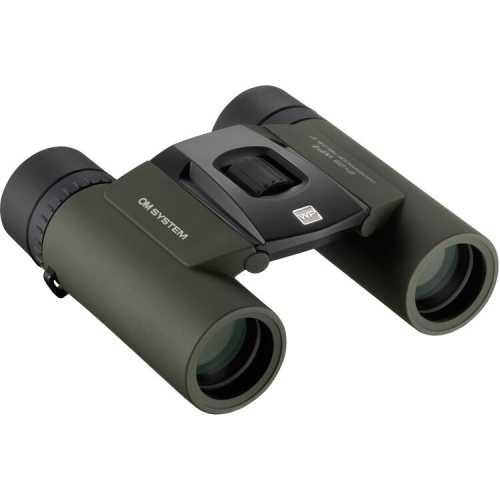
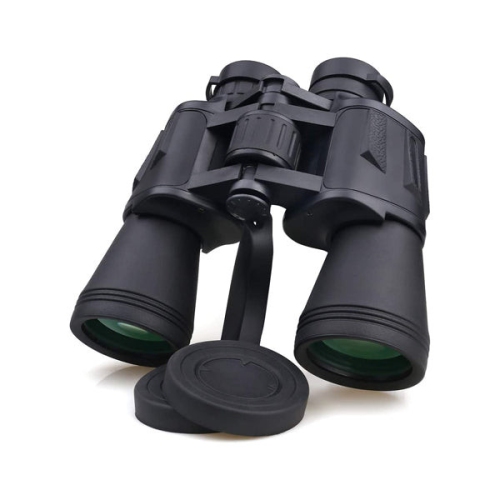

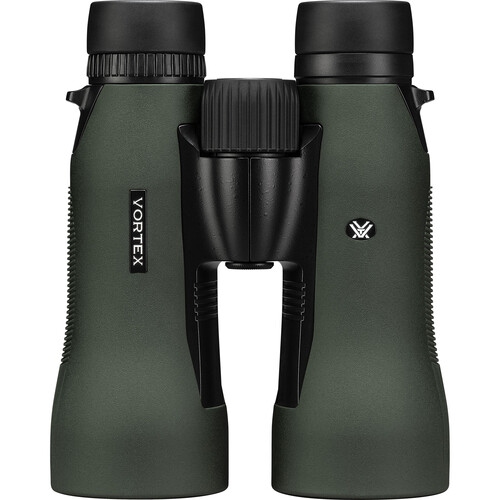
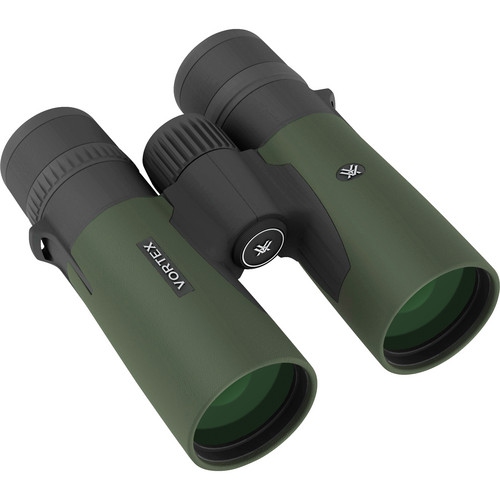
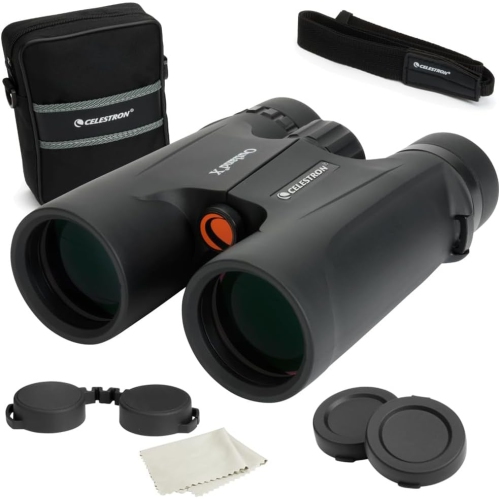
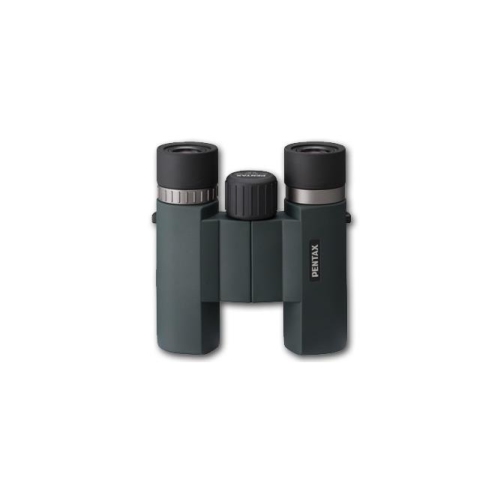

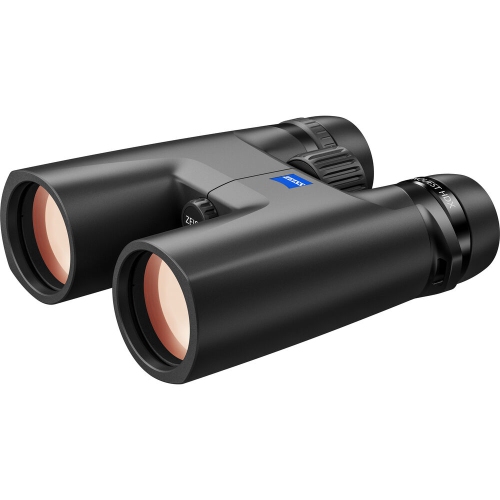
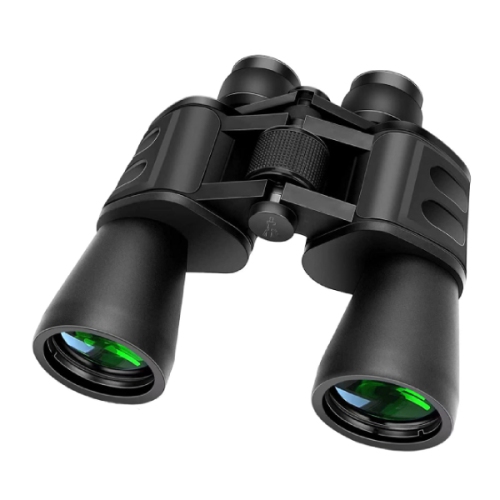
A closer look at shoreline wildlife from your kayak
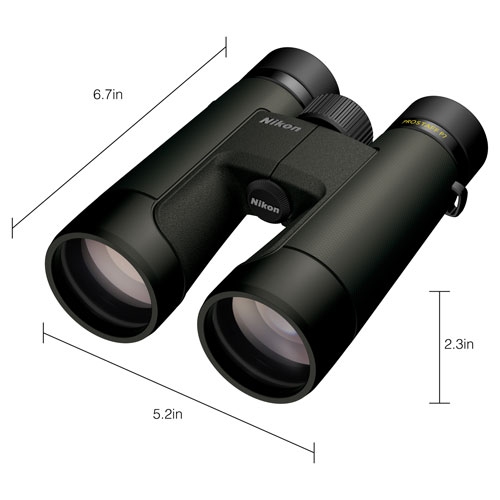
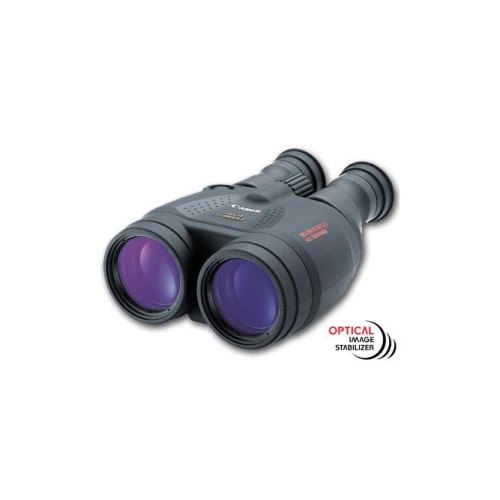
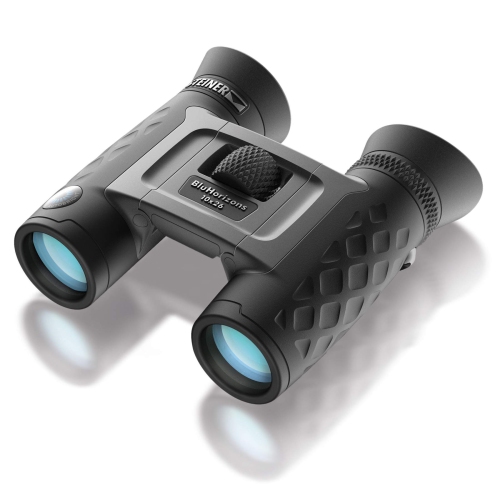
Waterproof binoculars for kayaking bring distant shoreline details into clearer view, from a heron standing among reeds to a channel marker beyond a sheltered bay. A low seat on the water creates a distinctive viewing position: the kayak moves beneath the paddler, hands may be damp, and space within easy reach is limited. In that setting, waterproof binoculars combine useful magnification with protection against splashes and brief contact with water, within the limits specified for their construction. They suit recreational paddlers who enjoy watching birds, spotting wildlife along a riverbank or examining distant features during a pause in a trip. Magnification is an important consideration because greater reach also makes movement more noticeable. Moderate magnification, such as 7x or 8x, can offer a manageable handheld view from a gently moving kayak, while stronger magnification may be harder to hold steady. A broad field of view helps when following a bird across the water or locating an object without repeatedly lowering the binoculars. Objective lens size also affects the experience. Smaller lenses generally allow a lighter, more compact body, while larger lenses can provide a brighter view in dim light at comparable magnification and optical quality. Lens diameter alone does not determine clarity; optical design, lens coatings and accurate alignment all contribute to a crisp image with useful contrast. A compact pair may fit neatly into a small deck bag, while a larger pair can make sense for someone who places more emphasis on extended observation than minimal bulk. Binoculars can help paddlers inspect a distant landmark, but they remain a viewing accessory rather than a replacement for charts, navigation equipment or safe route planning. Their most enjoyable use often comes during a comfortable stop, with the paddle secured and attention free to settle on the shoreline rather than maintaining direction.
Construction matters as much as optical reach when binoculars travel close to the water. Waterproofing depends on seals and the overall design of the housing, not simply on a rubber-covered exterior. A stated water-resistance rating or immersion specification gives more meaningful information than appearance alone, particularly when considering the possibility of an accidental dunk beside the kayak. Protection against splashes should not be assumed to mean protection during prolonged submersion, and waterproof binoculars do not necessarily float. Where buoyancy is important, an explicitly floating design or a compatible flotation accessory offers a separate benefit. Internal fog resistance is another distinct feature. Nitrogen- or argon-filled housings can help limit condensation inside properly sealed binoculars, although moisture can still collect on exposed outer lens surfaces. Rubber armouring adds grip and helps cushion minor knocks against a cockpit rim or storage compartment, but it does not make the optics impact-proof. A textured surface can feel more secure in wet hands, and a balanced shape reduces the effort needed to hold the view steady. Underneath that covering, housings may use reinforced polymers or metals such as aluminium, with different balances of weight, rigidity and bulk. Roof-prism designs tend to have a relatively straight, narrow profile that packs easily, while many Porro-prism designs have a broader shape; comfort depends on the particular body and the paddler’s hands. A smooth centre-focus wheel that can be reached without shifting the grip is useful when moving between nearby birds and distant shoreline features. Adjustable eyecups and sufficient eye relief matter for paddlers who wear prescription glasses or sunglasses, helping them see more of the available image without pressing the lenses together. The hinge adjustment should also accommodate the distance between the viewer’s eyes. For binoculars shared between paddling partners, easily adjusted eyecups, focus and dioptre settings make changes between users less cumbersome.
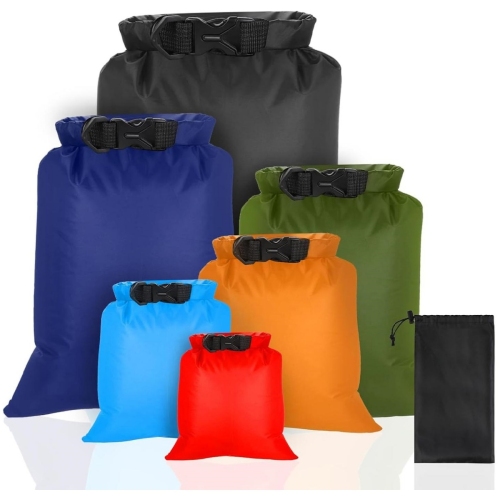
Storage and handling are part of how well binoculars fit into a kayaking routine. A pair that feels comfortable on land may become awkward if it hangs against a personal flotation device or occupies the space needed for a paddle stroke. Packed dimensions, strap placement and the size of the protective case therefore deserve attention alongside weight. A secure pouch within reach can keep the optics from sliding around the cockpit, while a suitable tether may reduce the chance of losing them overboard. Attachment arrangements should avoid loose loops that could snag on fittings or interfere with movement, paddling or a wet exit. Lens covers help shield exposed glass from spray and grit between viewing stops, and a padded case adds protection during transport to and from the launch. On salt water, residue can collect around eyecups, hinges and exterior surfaces, so care instructions are especially relevant. Where the manufacturer permits it, a gentle fresh-water rinse can remove salt from the exterior; waterproofing alone is not permission to use forceful jets, detergents or unrestricted immersion. Sand and grit are best removed before wiping lenses, since rubbing particles across the glass can scratch coatings. A clean lens cloth and an appropriate optical cleaner help maintain the view, while drying the exterior before enclosed storage keeps moisture from lingering in the case. These practical details also make waterproof binoculars a thoughtful gift for a kayak-owning birdwatcher, a cottage visitor who explores by paddle or a recreational paddler who enjoys noticing more along a familiar route. The most suitable format depends on whether that person values pocket-sized portability, comfortable viewing with glasses or longer observation stops. Close-focus capability may appeal to someone watching shoreline plants and nearby birds from a respectful distance, while a wider view can be more useful for scanning open stretches of water. Across these uses, the strongest match is a balance of clear optics, dependable water protection, comfortable handling and a size that fits naturally among the paddler’s essential gear.
Top selling and popular products
-
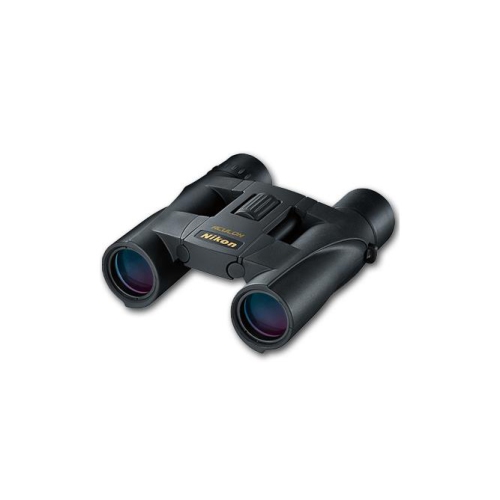 Your price for this item is $129.95
-
 Your price for this item is $349.99
-
 Your price for this item is $28.99
-
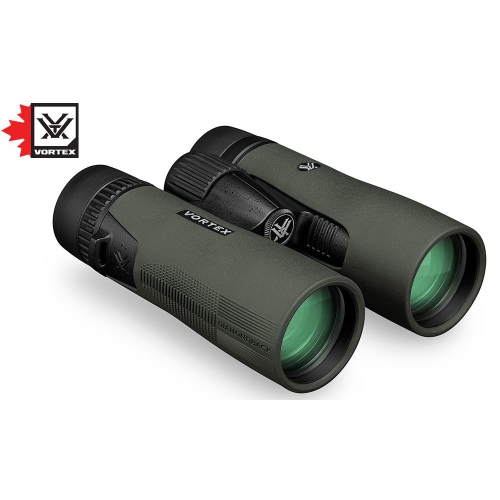 Your price for this item is $439
-
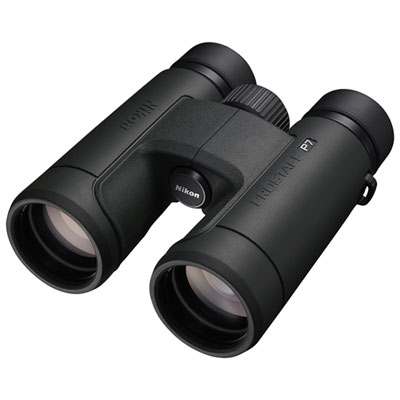 Your price for this item is $147.98
-
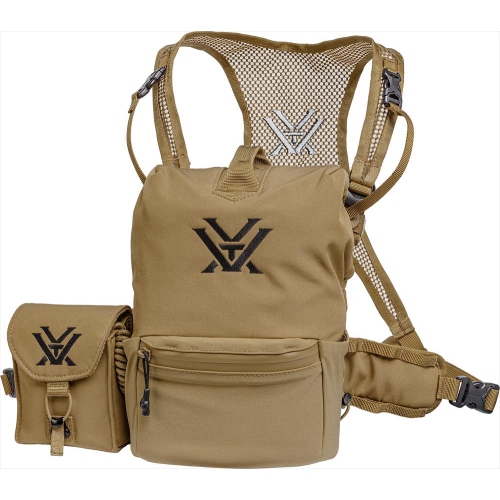 Your price for this item is $199
-
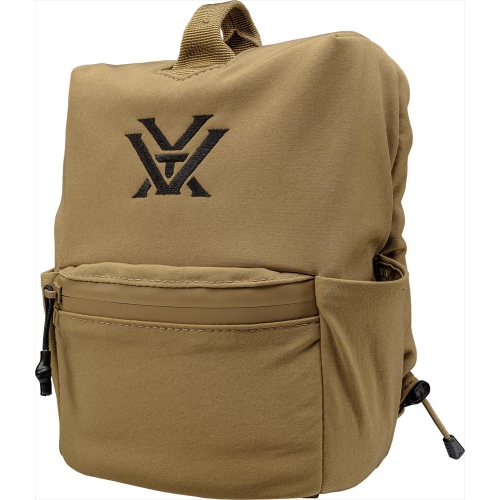 Your price for this item is $199
-
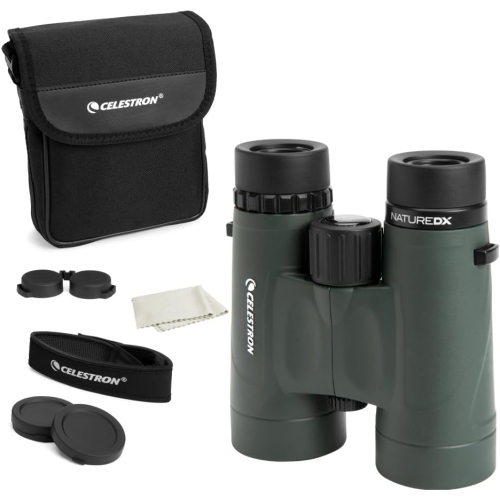 Your price for this item is $235
Discover more categories related to Waterproof Binoculars for Kayaking
Top Collections:
Best Black Friday Deals This Year, Best Black Friday Deals On Electronics, Kindle Devices, Pokemon Centers, Best Black Friday Deals On Apple Products, Best Cameras for Sports Photography, Dyson Airwrap, Pokémon 30th Celebration Cards, Apple iPhone 17 Pro, Canon G7X Cameras
Some products may be subject to Environmental Handling Fees
(EHF) depending on your province.
Learn more about EHFs.