Wearable Tech for Cold Weather

Find wearable tech for cold weather, from smartwatches for everyday use to fitness trackers for winter workouts. Compare activity tracking, battery life, and controls that suit your routine, whether you’re walking to work or exercising outdoors. Check each model’s operating temperature range and water-resistance rating to help choose a device suited to the conditions you expect.
Read More

Sort

How winter layers change what matters in a wearable

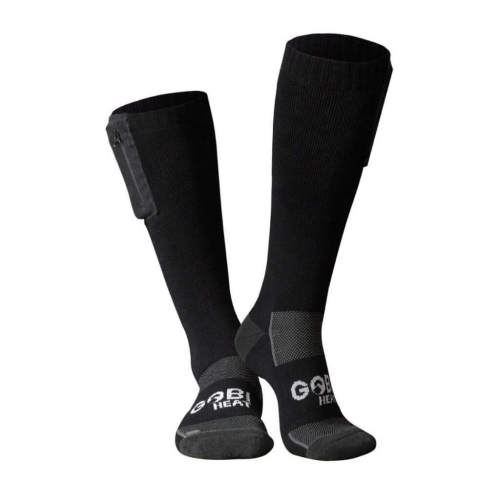
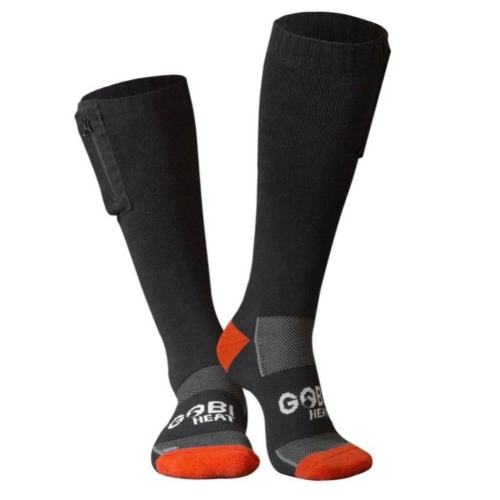
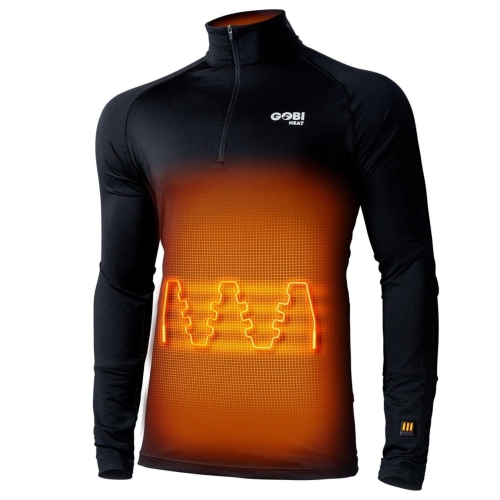
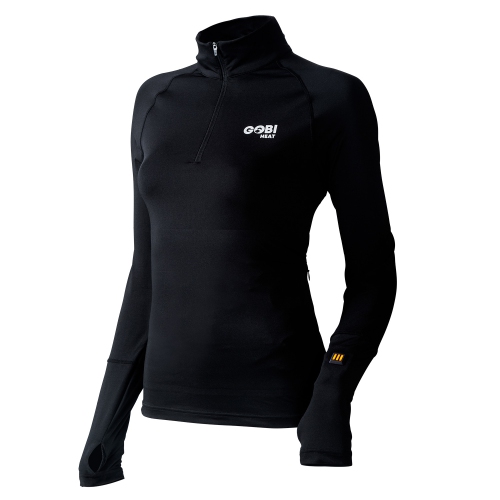
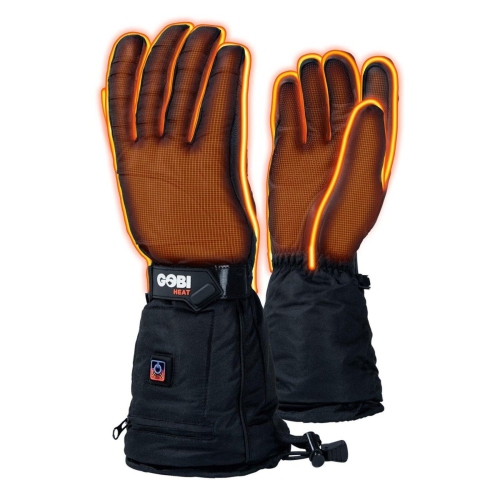
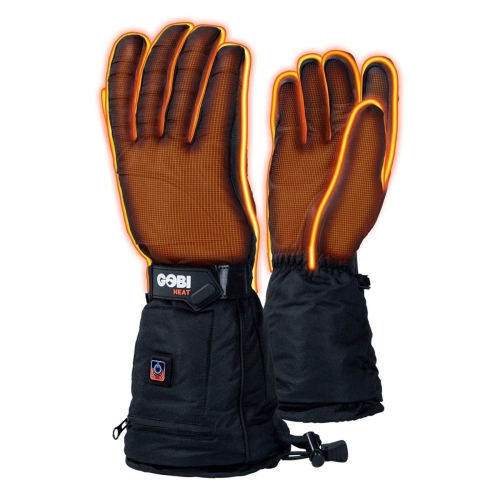
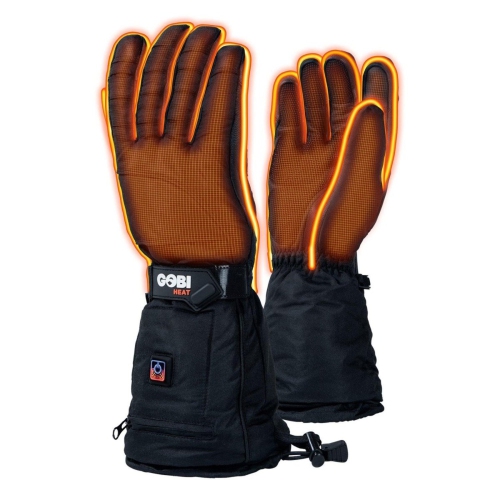
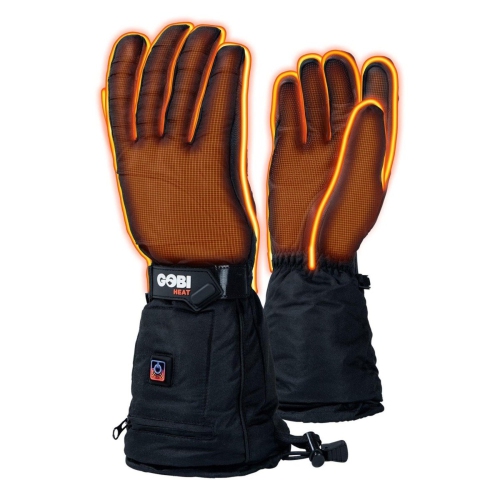
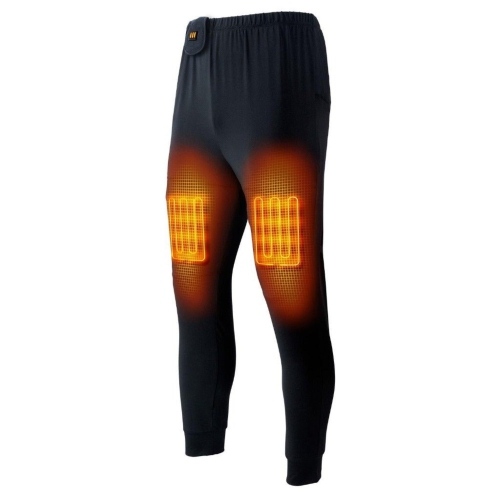
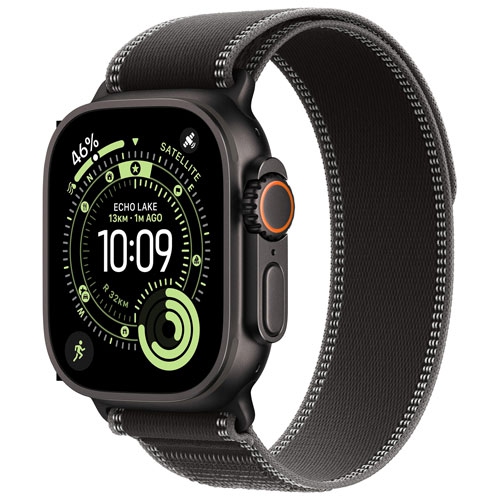
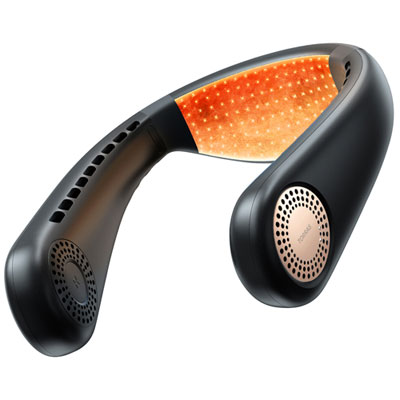
Wearable tech for cold weather brings everyday connectivity, activity tracking, and practical comfort into routines that do not stop when the temperature drops. A brisk walk to the bus stop, a run along a frosty path, or an afternoon on a snowy trail can place different demands on a wearable than time spent indoors. Smartwatches and fitness trackers can keep useful information close at hand, while compatible heated clothing and accessories can add adjustable warmth for certain outdoor activities. The right match depends on how the technology will be used: a commuter may value discreet alerts and easy-to-read transit notifications, while a runner may be more interested in pace, distance, and controls that are manageable with cold fingers. For someone who spends long stretches outdoors, comfort beneath layers and dependable battery performance may matter more than a long list of features. Supported functions vary, and some require a paired phone, a compatible app, a subscription, or a separate cellular plan. GPS capability can be useful for tracking outdoor routes, but location tracking does not necessarily include maps or navigation. Likewise, the ability to display a message does not always mean a device can send a reply independently. These distinctions become especially relevant when a phone is tucked into an inside pocket beneath a zipped jacket. A clear display, adjustable text, and noticeable vibration alerts can make quick checks more convenient without repeatedly exposing hands to the cold. During the cooler months, shorter daylight hours also make screen readability worth considering, both in dim light and against the glare of snow. Wearables can support recreational activity and everyday organization, but they are not a substitute for suitable outerwear, route planning, or dedicated safety equipment. Their most useful role is often a simple one: helping someone stay aware of their activity and connected to important information while moving between chilly streets, warm buildings, and outdoor spaces.

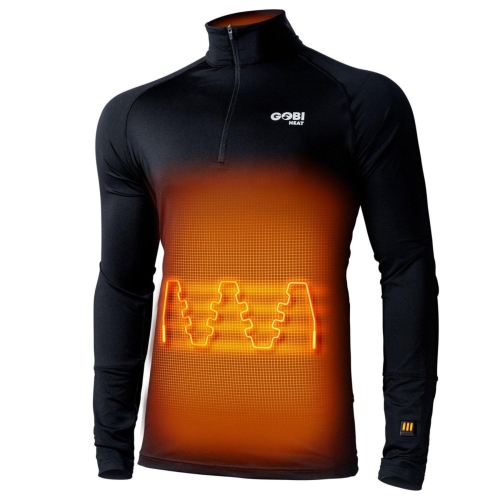
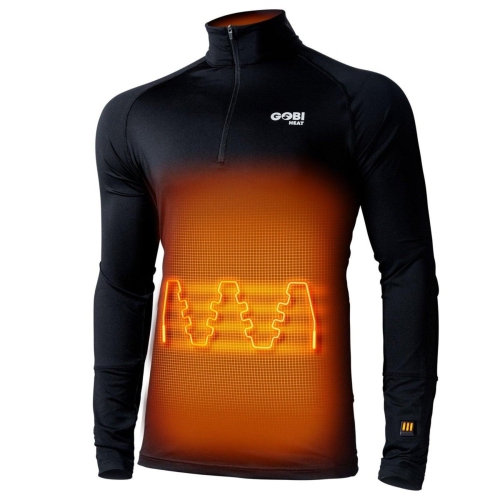
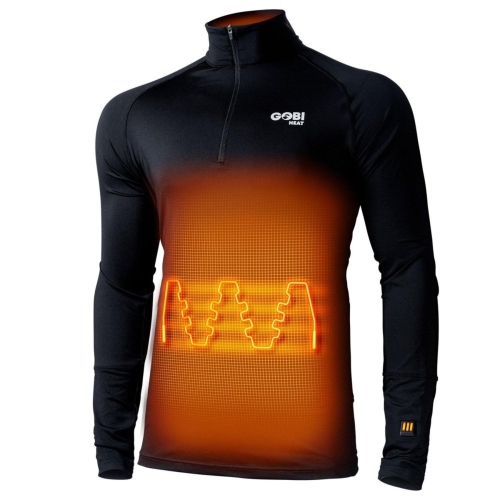
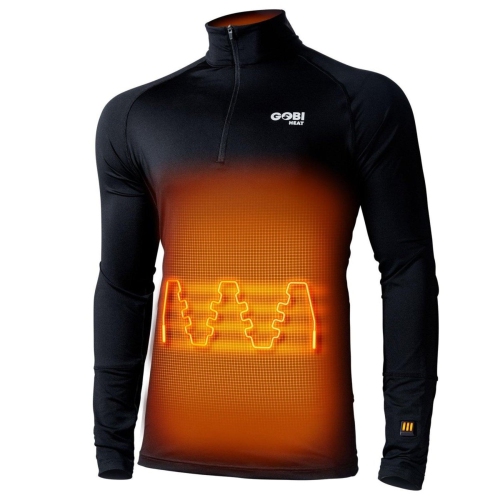
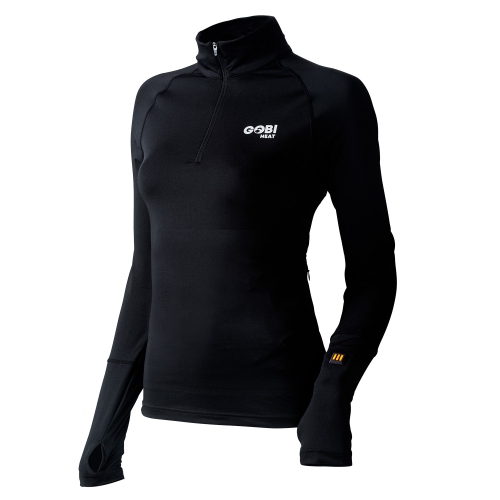
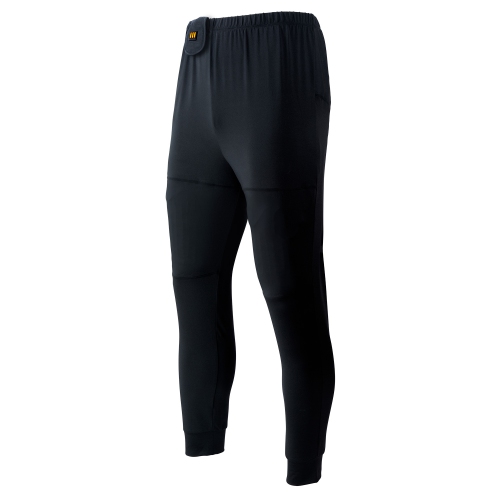
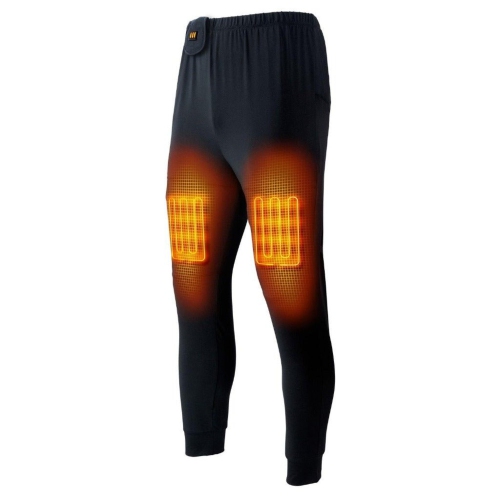
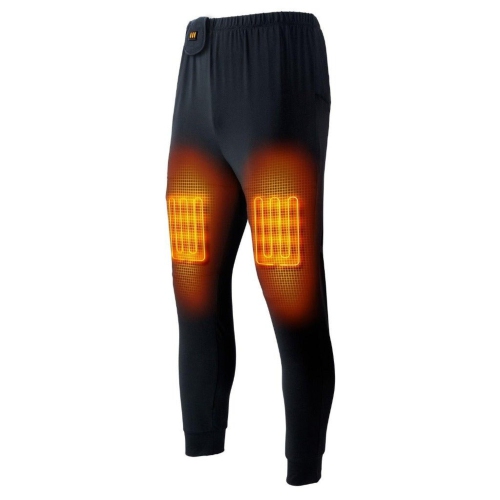
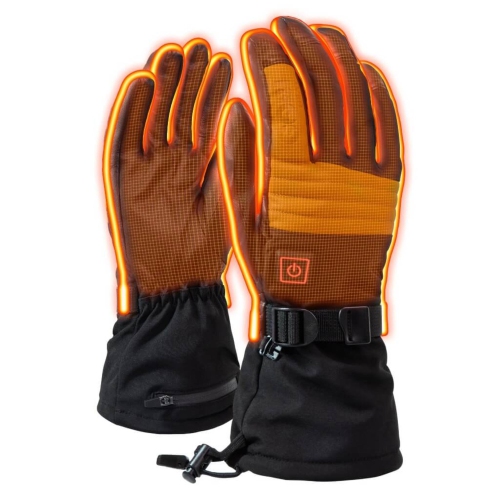
Materials, fit, and controls make a noticeable difference when wearable technology becomes part of a layered outfit. A wristband that feels comfortable at a desk may press against the skin beneath a close-fitting base layer, while a bulky watch case can catch on a glove cuff each time a sleeve is pulled down. Smooth edges, a manageable case profile, and an adjustable band can help a device sit comfortably without bunching fabric at the wrist. Flexible silicone bands are often practical for workouts because they are easy to wipe clean, although sweat and moisture can still collect beneath them. Woven bands may feel softer against the skin, but their drying time and care requirements vary by material. Leather generally needs more protection from prolonged dampness, making the band material as relevant as the watch itself for frequent outdoor use. For wrist-based heart rate readings, most devices need direct skin contact and a secure fit that is snug rather than tight; wearing a watch over a coat sleeve can limit those functions. Cold skin, movement, and changes in circulation may also affect readings, so activity measurements are best treated as estimates rather than medical assessments. Physical buttons can be useful when touchscreens are difficult to operate with gloves, though ease of use depends on button size, spacing, and the thickness of the gloves. Heated apparel has its own fit considerations, including freedom of movement, the position of heating zones, and whether a battery pack sits comfortably when bending or carrying a backpack. Adjustable heat settings may help accommodate changes in activity, but powered warmth should complement appropriate clothing rather than replace insulation and protection from wind. Moisture protection deserves equal attention across wearable categories. Rain, wet snow, perspiration, and accidental splashes are different from immersion, and a water-resistance rating does not automatically establish suitability for every activity. For related options, Waterproof Wearable Tech brings moisture protection into focus, with each device’s stated rating and use limitations remaining important.

Durability and care help determine how comfortably wearable technology fits into repeated cold-weather use. Low temperatures can temporarily reduce battery performance, so a runtime estimate measured under controlled conditions may not reflect a long outing in freezing air. Continuous GPS use, a bright screen, cellular connectivity, and powered heating can also increase energy demands. For longer stretches away from an outlet, battery capacity matters alongside the manufacturer’s operating temperature range and the functions being used. A device rated for water resistance is not necessarily rated for extreme cold, and neither rating guarantees protection from impact. Scratches from jacket hardware, pressure beneath tight cuffs, and drops onto hard ground are separate durability concerns. After exposure to snow or sweat, gentle cleaning and thorough drying according to the care instructions can help protect bands, charging contacts, and surfaces that touch the skin. Charging should take place only when the device is dry and within its specified charging temperature range; a very cold wearable may need time to return to a suitable temperature first. Washable heated garments often require battery removal and particular washing and drying methods, so their care labels are just as important as those on conventional outerwear. Day-to-day convenience also depends on phone compatibility, app support, accessible controls, and how easily a wearer can manage charging alongside other routines. These details are especially valuable when choosing a gift. Someone who enjoys casual neighbourhood walks may appreciate straightforward activity summaries and a comfortable band, while a regular outdoor exerciser may place greater value on route tracking and adjustable workout displays. A person who dislikes frequent charging may prefer simpler functionality over features they rarely use. For heated wearables, clothing size, battery placement, and the recipient’s intended activities deserve close attention. Across the category, a comfortable fit and features that suit familiar habits tend to matter more than novelty. Wearable technology earns its place in a cold-weather routine when it is easy to wear, straightforward to maintain, and useful from the first step outdoors to the return home.
Read More

FAQ

Some products may be subject to Environmental Handling Fees (EHF) depending on your province. Learn more about EHFs.