Wind Direction Indicators
If you're an outdoor enthusiast or a professional in need of accurate wind information, you've come to the right place. Our selection of wind direction indicators is designed to provide you with reliable and real-time data on wind direction, allowing you to make informed decisions for a variety of activities. Whether you're planning a camping trip, organizing a sporting event, or working on a construction site, these indicators are essential tools that can help you stay ahead of the weather conditions. With a range of options available, finding the perfect wind direction indicator for your needs has never been easier.
Sort
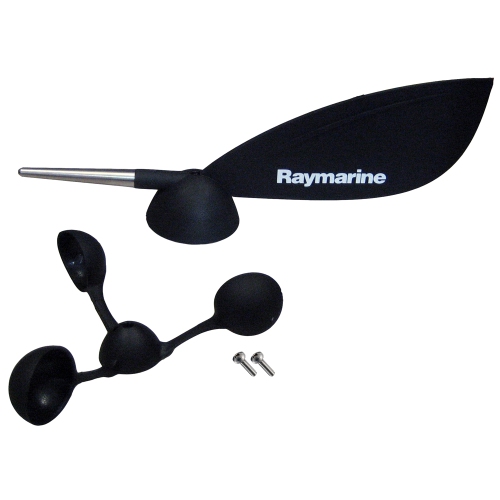
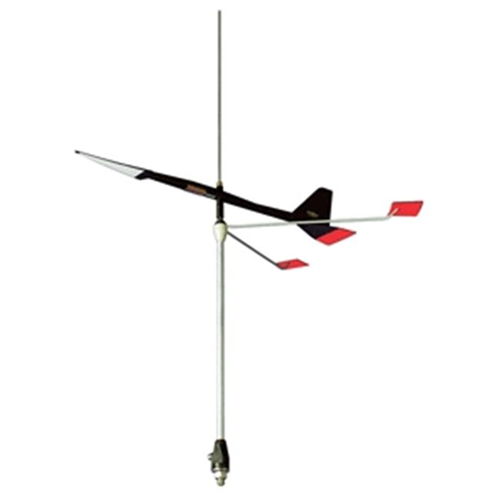
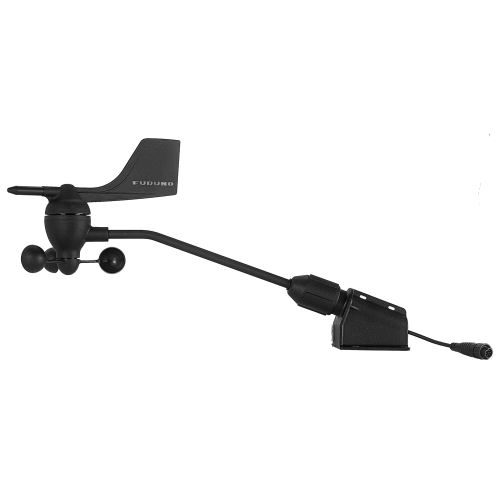
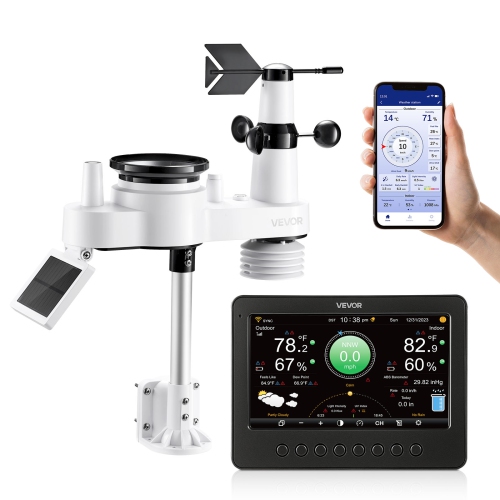

Changing air movement becomes easier to see outdoors
Wind direction indicators provide a simple, visible way to understand how air is moving around a property, field, dock, runway, workshop, or outdoor recreation area. Some are fabric indicators that extend in the direction the wind is travelling, while others use a rotating arrow, pointer, or shaped marker that turns toward the source of the breeze. The design you choose should suit the setting, the distance from which you need to read it, and the kind of information you want at a glance. A windsock-style indicator is easy to spot from across an open area and can offer a general sense of wind strength as well as direction: when the fabric hangs loosely, the air may be calm; when it lifts partially, a moderate breeze is present; and when it stretches out horizontally, the wind is considerably stronger. A wind vane is useful when you want a clear directional reading, since its pointer or tail rotates as the air changes and commonly identifies the direction from which the wind is coming. Before choosing, consider the mounting location and available height. An indicator placed near trees, buildings, fences, or rooflines may be affected by turbulence and may not show the same conditions found in a more open area. A taller pole or elevated mounting point can improve visibility and airflow, while a compact design may be better for a balcony, garden, shed, or smaller recreational property. Check the construction materials, pivoting mechanism, pole compatibility, and included mounting hardware, particularly if the indicator will be installed outdoors for extended periods. Bright colours and high-contrast markings are helpful in changing light, during overcast afternoons, or when the indicator is viewed from a distance. For a more detailed picture of outdoor conditions, consider pairing a visual indicator with Weather Stations With Wind Speed, which can provide measured readings that complement the quick, intuitive information shown by a mechanical marker.
Wind direction indicators are used by people with very different routines, but the practical benefit is much the same: they make changing air movement easier to see and interpret. Pilots and aviation students use ground-based indicators to assess the wind before takeoff or landing, while flight clubs and private airstrip operators may rely on a highly visible marker that can be read from the air and from the ground. Boaters, sailors, paddlers, and anglers can use directional information to understand how conditions may shift across a lake, river, harbour, or shoreline. On a property, an indicator can help with planning outdoor work, positioning a shelter, deciding where to sit around a fire pit, or knowing when a breeze may carry smoke, dust, or leaves across the yard. Gardeners and hobby farmers may watch wind direction when protecting delicate plants, adjusting irrigation, or deciding when to carry out light outdoor tasks. Photographers, model aircraft enthusiasts, campers, and people who enjoy flying kites can also find it useful to have a visible reference rather than relying only on the feel of the air. In coastal and prairie settings, where conditions can change quickly across open ground, a marker that responds freely can reveal shifts that are difficult to notice from a sheltered doorway. Near buildings or in wooded areas, readings may be less representative because air can swirl around corners and obstacles, so placement matters as much as the indicator itself. Look for a smooth, responsive pivot and a balanced design that turns readily without sticking. If the item includes a pole, review its overall height, stability, and installation requirements; if it does not, confirm that the mounting point you have in mind can support the chosen hardware. For marine or aviation-related use, prioritize clear visibility, dependable movement, and suitability for the intended operating environment. For home use, appearance may also matter, especially when the indicator will be placed in a garden, on a deck, or near an entrance where it becomes part of the outdoor space.
These products can be useful throughout the year, from warm breezy days when outdoor plans depend on a comfortable airflow to the cooler months when stronger gusts, shifting weather, and changing wind patterns become more noticeable. A well-placed indicator can add movement and character to an outdoor setting while serving a practical purpose, giving children an easy introduction to weather observation and helping adults make quick decisions before heading outside. It can also be a thoughtful gift for someone who enjoys aviation, boating, gardening, camping, backyard projects, or simply keeping an eye on local conditions. When selecting one as a gift, consider the recipient’s setting first: an open rural property may suit a larger, highly visible design, while a townhouse, balcony, or compact garden may call for something smaller and easier to mount. A person who enjoys hands-on projects may appreciate an indicator that allows for straightforward assembly and installation, whereas someone focused on immediate use may prefer a ready-to-mount option. Think about visibility from the usual viewing position, including a kitchen window, porch, dock, workshop, or runway approach, and choose a size and colour that will remain easy to read from there. Regularly inspect the mounting point and moving parts, especially after periods of high wind, heavy precipitation, or freezing conditions. Keep the indicator clear of branches, cables, and nearby structures, and make sure it can rotate or extend without obstruction. For fabric designs, follow the care instructions and allow any damp material to dry properly before storage; for mechanical designs, check that the pivot remains clean and moves smoothly. With the right placement and a design suited to its surroundings, a wind direction indicator turns an invisible force into a useful visual reference, helping you notice subtle changes in the air and better understand the conditions around your home or favourite outdoor setting.
Wind direction indicators are used by people with very different routines, but the practical benefit is much the same: they make changing air movement easier to see and interpret. Pilots and aviation students use ground-based indicators to assess the wind before takeoff or landing, while flight clubs and private airstrip operators may rely on a highly visible marker that can be read from the air and from the ground. Boaters, sailors, paddlers, and anglers can use directional information to understand how conditions may shift across a lake, river, harbour, or shoreline. On a property, an indicator can help with planning outdoor work, positioning a shelter, deciding where to sit around a fire pit, or knowing when a breeze may carry smoke, dust, or leaves across the yard. Gardeners and hobby farmers may watch wind direction when protecting delicate plants, adjusting irrigation, or deciding when to carry out light outdoor tasks. Photographers, model aircraft enthusiasts, campers, and people who enjoy flying kites can also find it useful to have a visible reference rather than relying only on the feel of the air. In coastal and prairie settings, where conditions can change quickly across open ground, a marker that responds freely can reveal shifts that are difficult to notice from a sheltered doorway. Near buildings or in wooded areas, readings may be less representative because air can swirl around corners and obstacles, so placement matters as much as the indicator itself. Look for a smooth, responsive pivot and a balanced design that turns readily without sticking. If the item includes a pole, review its overall height, stability, and installation requirements; if it does not, confirm that the mounting point you have in mind can support the chosen hardware. For marine or aviation-related use, prioritize clear visibility, dependable movement, and suitability for the intended operating environment. For home use, appearance may also matter, especially when the indicator will be placed in a garden, on a deck, or near an entrance where it becomes part of the outdoor space.
These products can be useful throughout the year, from warm breezy days when outdoor plans depend on a comfortable airflow to the cooler months when stronger gusts, shifting weather, and changing wind patterns become more noticeable. A well-placed indicator can add movement and character to an outdoor setting while serving a practical purpose, giving children an easy introduction to weather observation and helping adults make quick decisions before heading outside. It can also be a thoughtful gift for someone who enjoys aviation, boating, gardening, camping, backyard projects, or simply keeping an eye on local conditions. When selecting one as a gift, consider the recipient’s setting first: an open rural property may suit a larger, highly visible design, while a townhouse, balcony, or compact garden may call for something smaller and easier to mount. A person who enjoys hands-on projects may appreciate an indicator that allows for straightforward assembly and installation, whereas someone focused on immediate use may prefer a ready-to-mount option. Think about visibility from the usual viewing position, including a kitchen window, porch, dock, workshop, or runway approach, and choose a size and colour that will remain easy to read from there. Regularly inspect the mounting point and moving parts, especially after periods of high wind, heavy precipitation, or freezing conditions. Keep the indicator clear of branches, cables, and nearby structures, and make sure it can rotate or extend without obstruction. For fabric designs, follow the care instructions and allow any damp material to dry properly before storage; for mechanical designs, check that the pivot remains clean and moves smoothly. With the right placement and a design suited to its surroundings, a wind direction indicator turns an invisible force into a useful visual reference, helping you notice subtle changes in the air and better understand the conditions around your home or favourite outdoor setting.
Top selling and popular products
-
 Your price for this item is $30.62
 -
 Your price for this item is $30.54
 -
 Your price for this item is $43.31
 -
 Your price for this item is $844.91
 -
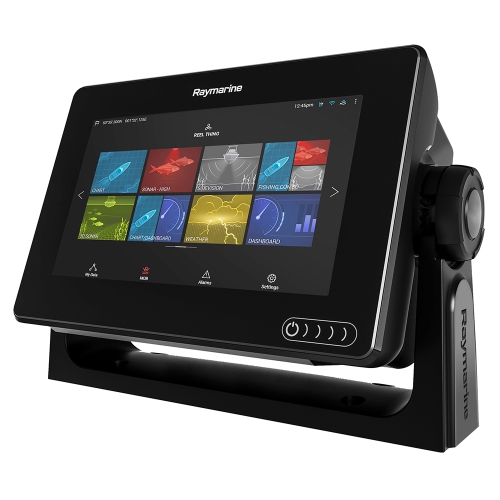 Your price for this item is $909.33
 -
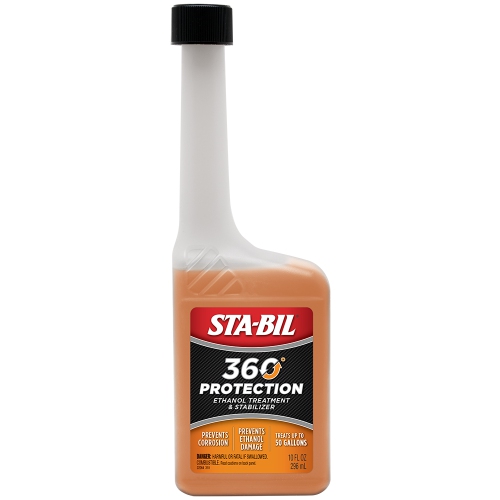 Your price for this item is $30.65
 -
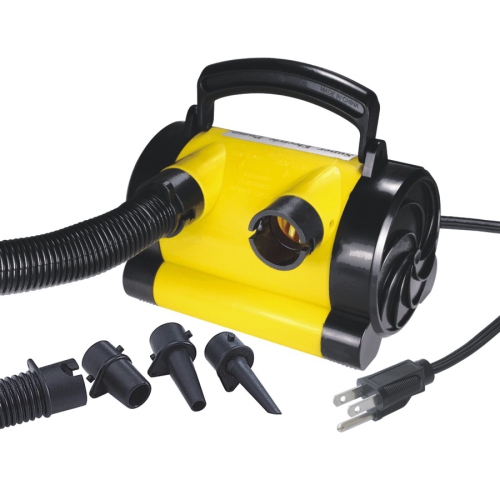 Your price for this item is $65.23
 -
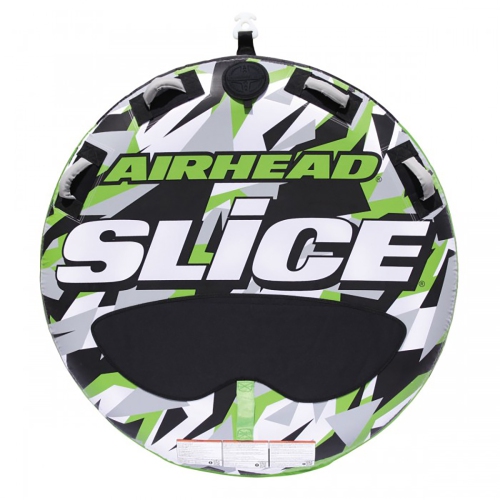 Your price for this item is $213.56
Discover more categories related to Wind Direction Indicators
Top Collections:
Pokemon Centers, Kindle Devices, Best Cell Phones Under $500, Alarm Clock, Canon G7X Cameras, iPhone 15 Apple, Laptops for Students, Budget Smartphones, iPhone 14 256GB, Best Camera Tripods Under $100
Some products may be subject to Environmental Handling Fees
(EHF) depending on your province.
Learn more about EHFs.