Wind Measurement Tools
Are you a weather enthusiast or someone who needs accurate wind measurements for various outdoor activities? Look no further! Our wide range of wind measurement tools is here to help you gauge wind speed and direction with precision. Whether you're a professional meteorologist, an avid sailor, or simply curious about the weather conditions in your area, our selection of top-notch wind measurement tools has got you covered. From handheld anemometers to wireless weather stations, we have the perfect device to suit your needs. Explore our collection today and stay informed about the ever-changing winds around you.
Sort






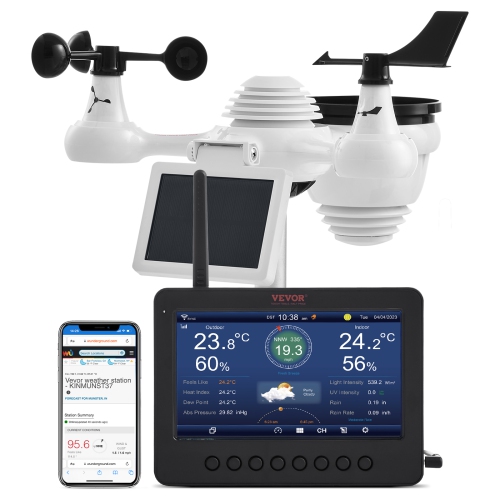


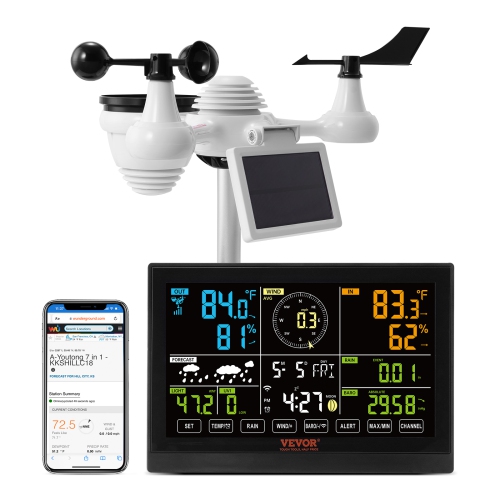
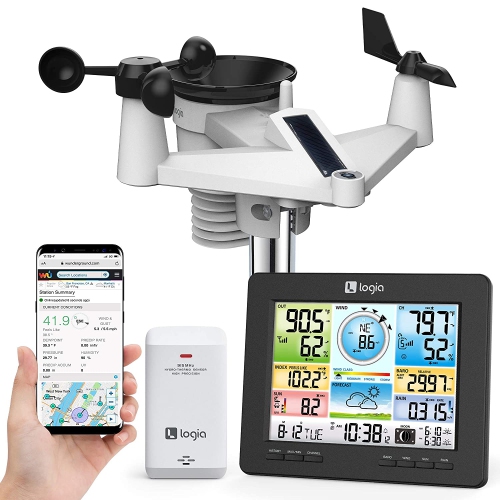
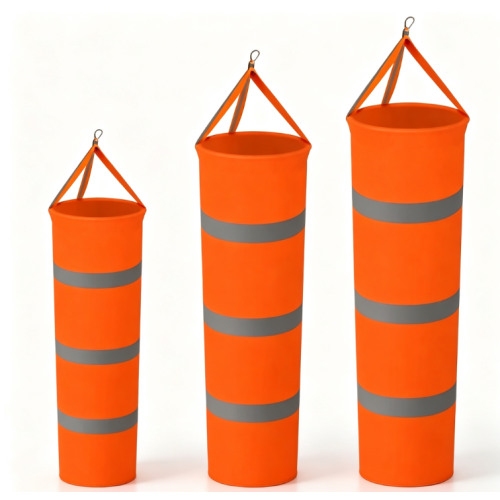

What wind speed and direction reveal together
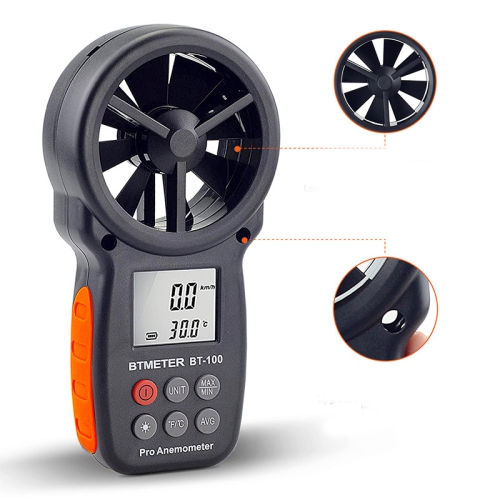
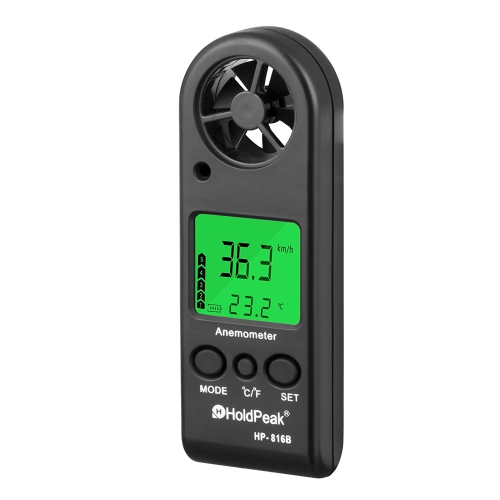
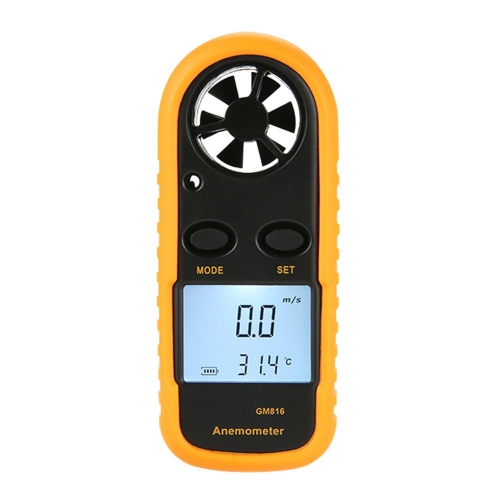
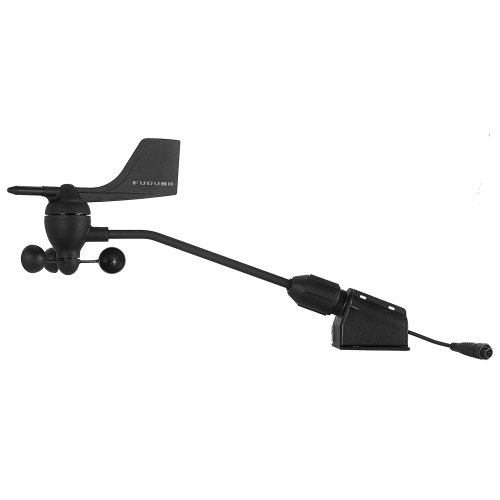
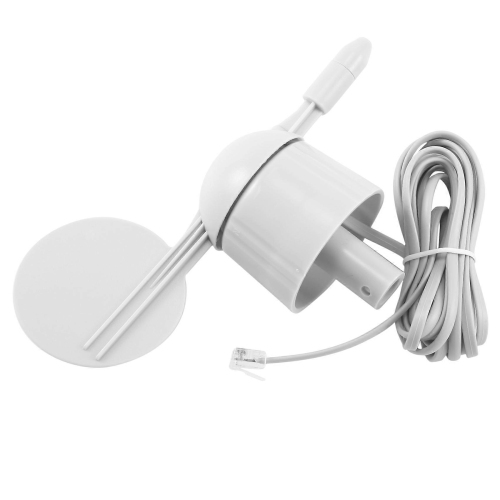
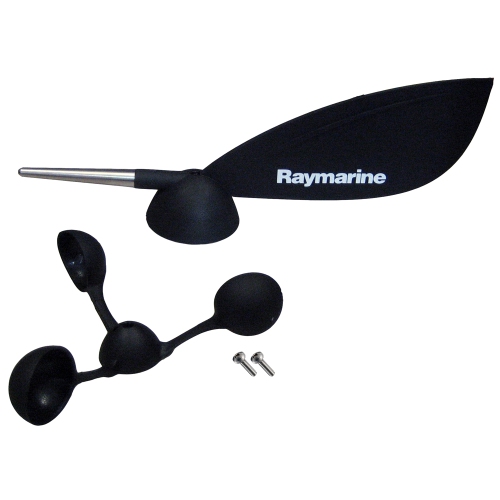
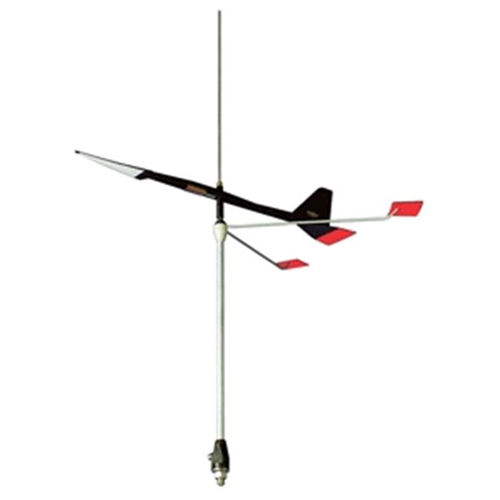
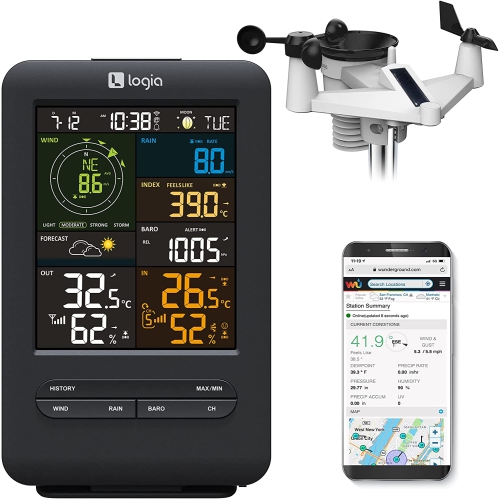
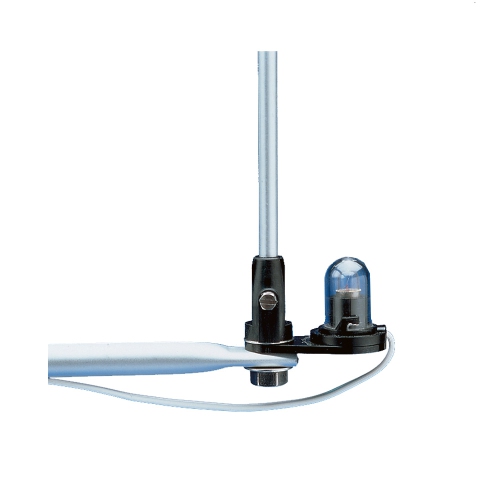
Wind measurement tools measure the speed of moving air and, depending on their design, its direction. An anemometer is the main instrument for measuring wind speed, while a wind vane shows the direction from which the wind is blowing. Together, these measurements provide a clearer picture of conditions than either reading alone: a steady breeze across an open field behaves differently from gusts funnelled between buildings, even when their average speeds are similar. Cup anemometers typically have three or four cups mounted on rotating arms, with the rotation rate converted into a wind speed reading. Their design allows them to respond to wind from different horizontal directions without being pointed into the breeze. Vane anemometers use a rotating impeller to measure air speed and generally need to face the airflow for an accurate reading. Some fixed designs combine a propeller with a tail that keeps the sensor aligned with the wind. Ultrasonic anemometers calculate wind velocity from the travel time of sound pulses between sensors, avoiding the moving cups or blades found in mechanical designs. A separate wind vane adds directional information, usually expressed as compass points or degrees. A northerly wind, for example, comes from the north rather than travelling towards it. Handheld wind meters suit spot checks at a particular location, while fixed sensors support repeated measurements from the same position. Readings may appear in kilometres per hour, metres per second, miles per hour, or knots, with unit selection helping match the display to the activity. Knots are commonly used for sailing, while kilometres per hour may be more familiar for everyday weather observations in Canada. Maximum, minimum, and average readings can reveal variations that a single number misses, although the averaging period and sampling rate affect how those figures compare. This makes wind measurement useful for hobby weather tracking, outdoor recreation, educational experiments, and certain airflow checks, with the instrument’s design determining which tasks it can reasonably support.
The practical differences between wind measurement tools often become clearest where they are used. A compact handheld anemometer can fit into a jacket pocket or equipment bag for a reading beside a lakeshore, on a playing field, or near a campsite. For sailors and other watersport enthusiasts, wind speed and direction can add useful context to forecasts and observations, but a reading taken on shore may not represent conditions farther out on the water. Kite flyers may be interested in changes between a steady breeze and brief gusts, while gardeners may use measurements to better understand an exposed corner of a yard. A handheld vane meter can also measure air velocity at a ventilation outlet, provided its operating range and sensor size suit the task. Air velocity is not the same as airflow volume; calculating volume requires the opening’s area and an appropriate measurement method. For all these uses, measurement range, stated accuracy, and resolution deserve separate attention. A display with small numerical increments does not necessarily indicate equally precise measurements, and a sensor’s lower starting threshold can matter when measuring light airflow. A clear screen, accessible buttons, and a comfortable grip make a difference when taking readings outdoors, particularly with gloves. Backlighting can improve visibility in dim conditions, while a hold function can keep a reading on screen after the meter is moved. A tripod connection or suitable mounting point may help with repeated observations, where supported by the design. Additional sensors sometimes provide air temperature or humidity readings, and some instruments calculate wind chill from measured wind speed and temperature. Wind chill describes the cooling effect on exposed skin rather than the actual temperature of an object. Data logging and wireless connectivity, where included, can make patterns easier to review over time. People interested in combining wind readings with other local observations may also find Weather Stations with Wind Speed useful for understanding how an integrated setup brings measurements together.
Construction, placement, and care all influence how well a wind measurement tool performs over time. Handheld housings are often made from moulded plastics that keep weight manageable, while fixed instruments may use metal mounting hardware and materials designed for prolonged outdoor exposure. Water resistance, operating temperature limits, and protection against dust are worth checking in the stated specifications; a weather-resistant housing is not necessarily suitable for immersion or every exposed location. Cups, impellers, and bearings need to move freely, so accumulated dirt, insects, or ice can interfere with readings. Ultrasonic designs have no rotating components, but their sensing paths still need to remain unobstructed, and their resistance to precipitation or icing depends on the design. Care should follow the manufacturer’s directions, especially around delicate blades and sensors, rather than relying on harsh cleaners or forcing a stiff mechanism. A protective case can help prevent damage during transport, and secure straps or mounts can reduce the chance of a handheld instrument being dropped. Fixed installations need stable supports and appropriate fasteners, with access for battery changes and cleaning considered alongside exposure to the wind. Buildings, fences, trees, and roof edges can block airflow or create turbulence, so measurements close to these obstacles may describe that particular spot rather than the wider area. Consistent placement and measurement height are important when comparing readings over time. For wireless systems, the distance to the display and obstructions between components can affect signal reliability. Battery requirements also matter, since cold conditions can reduce battery performance and outdoor sensors may be inconvenient to reach. These practical details help distinguish tools suited to occasional checks from equipment intended for regular monitoring. Wind meters can make thoughtful gifts for weather enthusiasts, sailors, curious students, and people who enjoy recording observations outdoors. For educational use, a simple display can help connect the motion of spinning cups with a measurable quantity. Whatever the application, local readings are best treated as one source of information, alongside forecasts and relevant safety guidance, rather than as a guarantee of conditions elsewhere.
Top selling and popular products
-
 Your price for this item is $301.99
-
 Your price for this item is $169
-
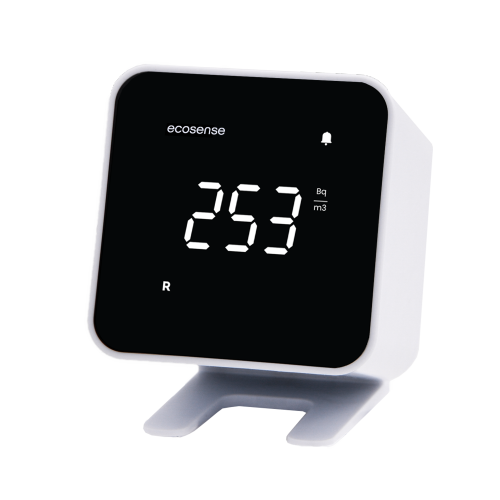 Your price for this item is $139
-
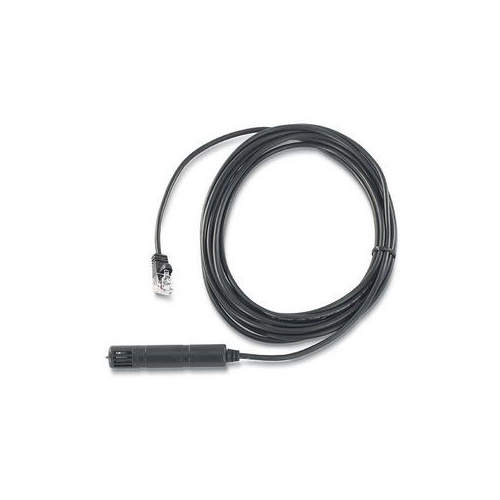 Your price for this item is $217.68
-
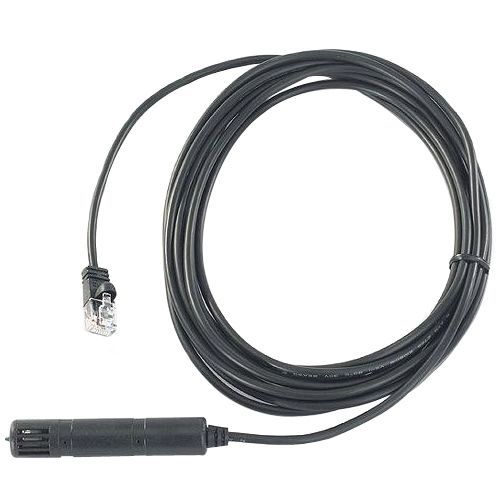 Your price for this item is $255.89
-
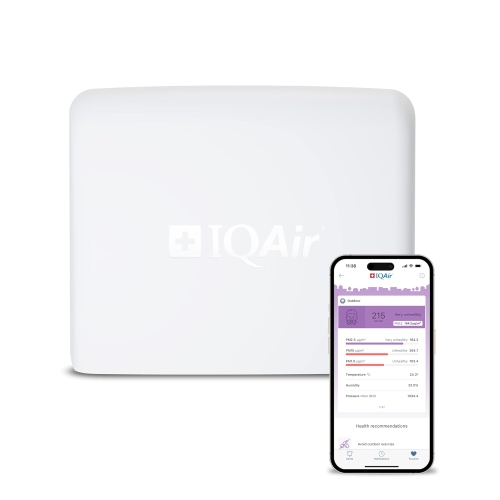 Your price for this item is $429.99
-
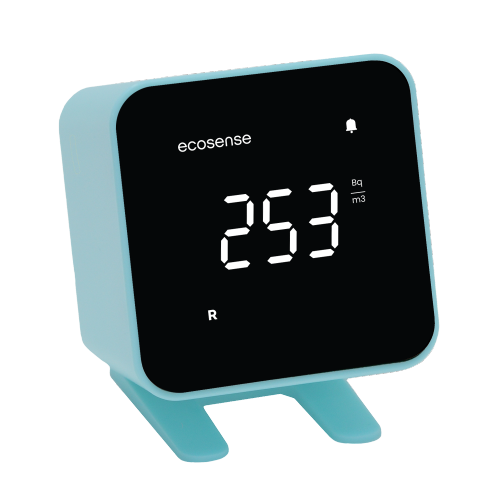 Your price for this item is $139
-
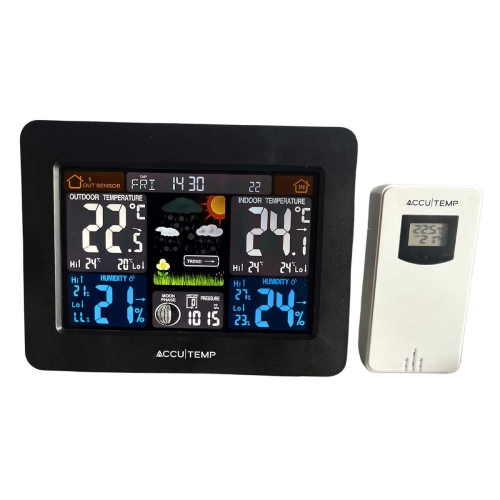 Your price for this item is $68.83
Discover more categories related to Wind Measurement Tools
Top Collections:
Pokemon Centers, Kindle Devices, Best Cameras for Sports Photography, Pokémon 30th Celebration Cards, Apple iPhones 16, Canon G7X Cameras, iPhone 15 Apple, Flip Phones, Samsung Galaxy Phones, Alarm Clock
Some products may be subject to Environmental Handling Fees
(EHF) depending on your province.
Learn more about EHFs.