Motor Scooters
Looking for an efficient and convenient way to navigate through city streets? Look no further than motor scooters. These compact and versatile vehicles have become increasingly popular for their ease of use, fuel efficiency, and stylish designs. Whether you're commuting to work, running errands, or exploring the town, motor scooters offer a practical and fun solution for getting around. With their smaller size and agile maneuverability, motor scooters provide a hassle-free alternative to traditional modes of transportation. Discover the benefits of owning a motor scooter and how it can enhance your daily commute and lifestyle.
Sort
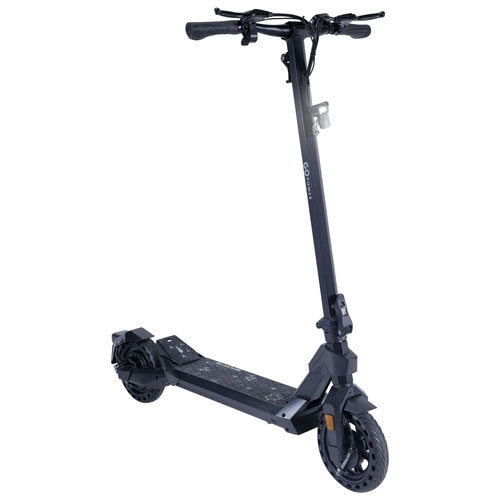
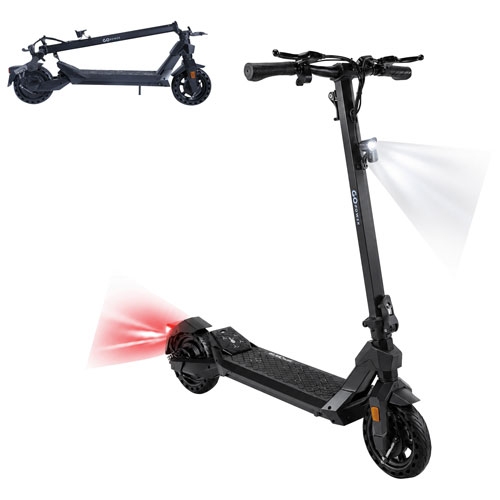
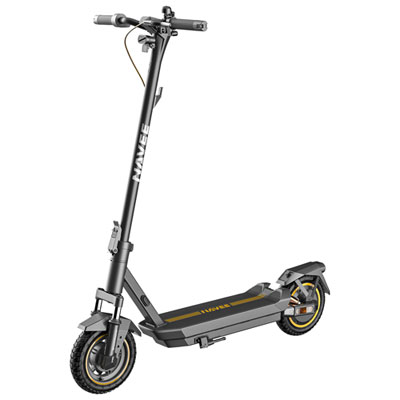
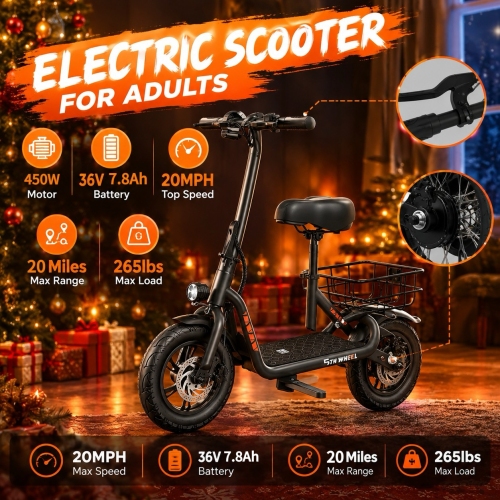
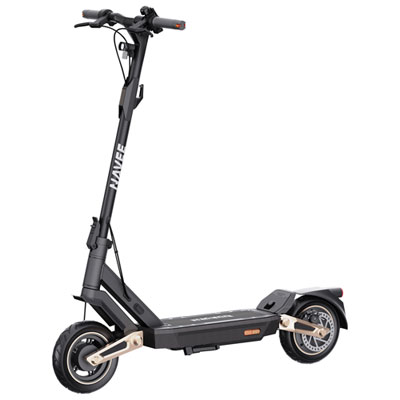
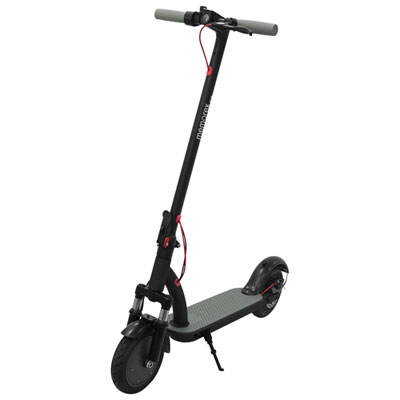
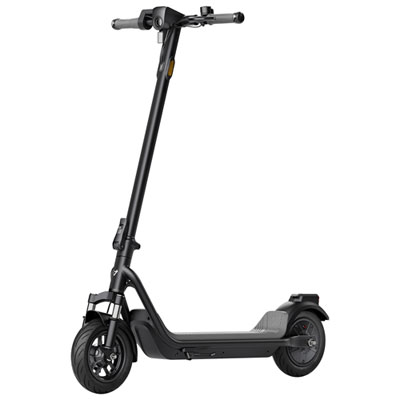
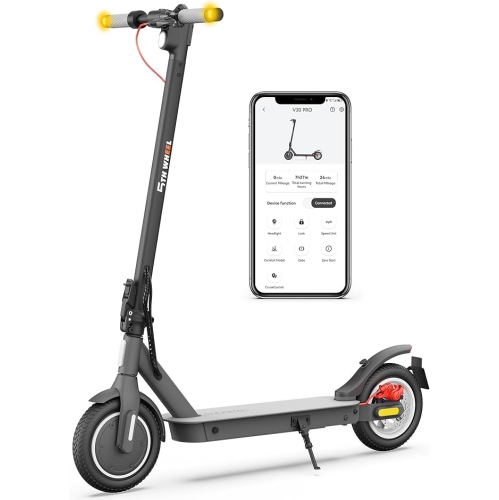
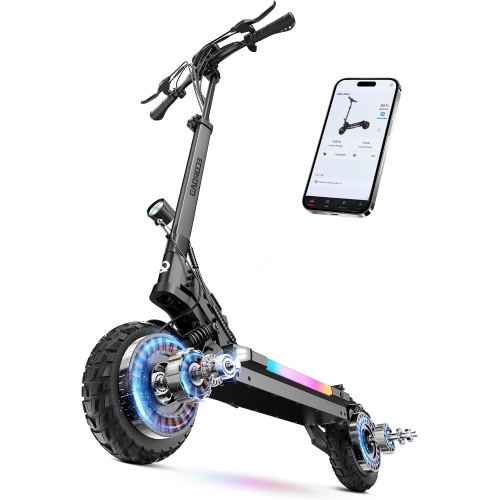
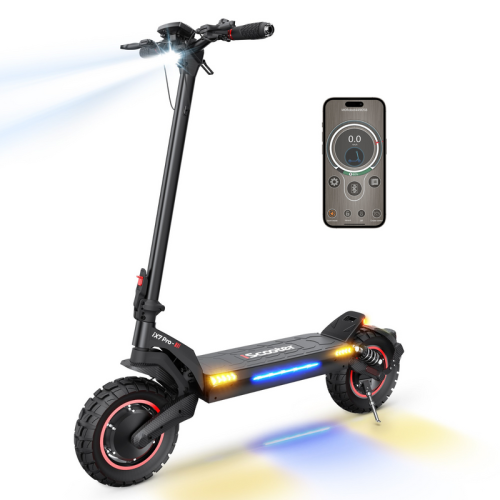
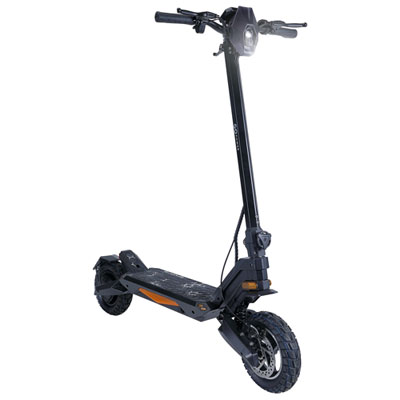
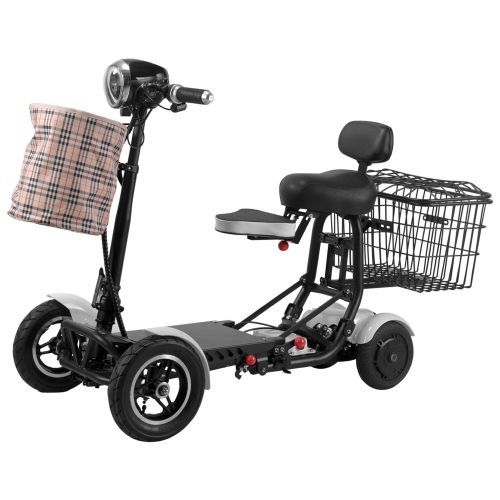

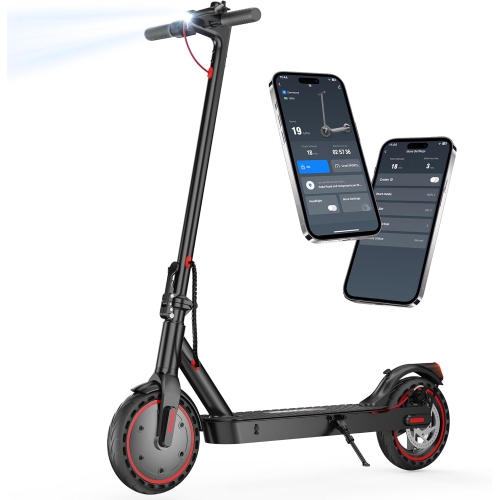
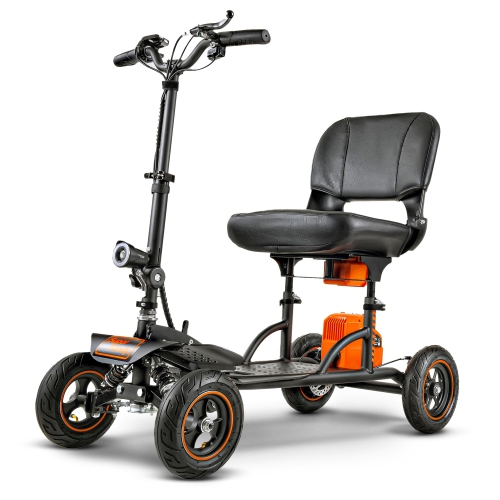
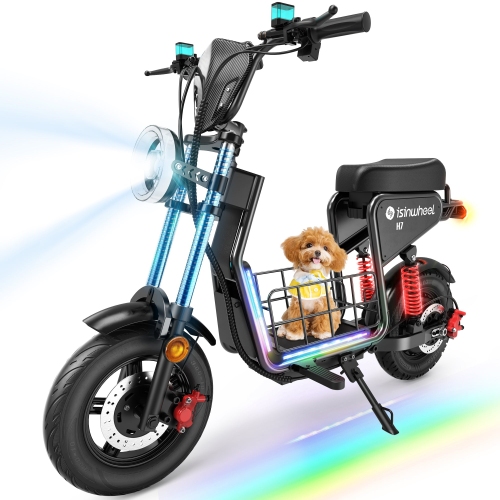
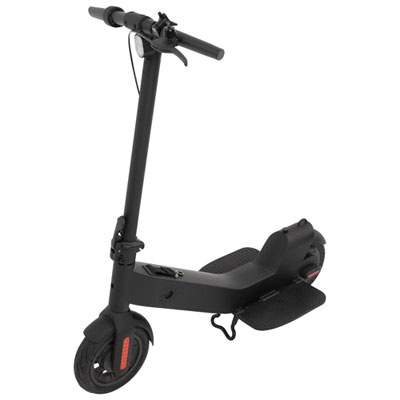
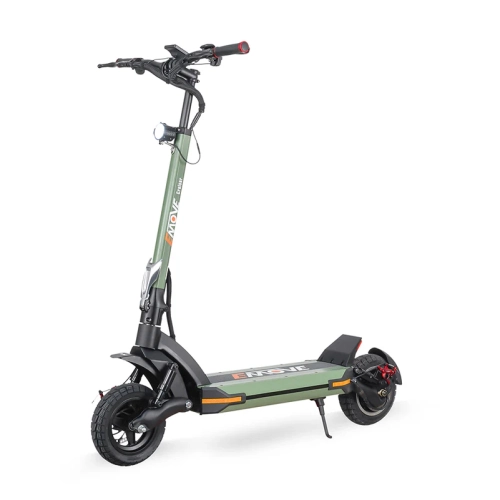
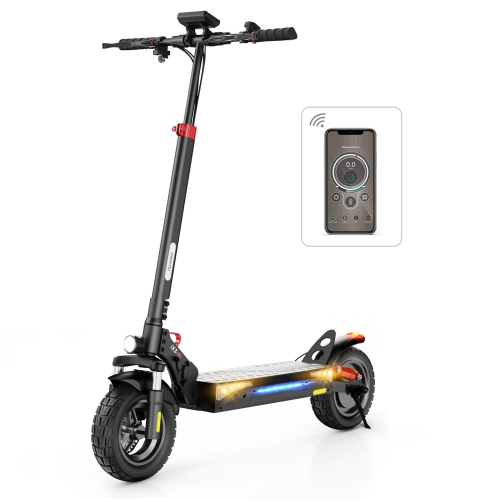
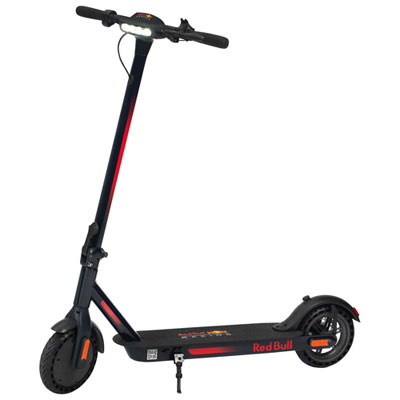
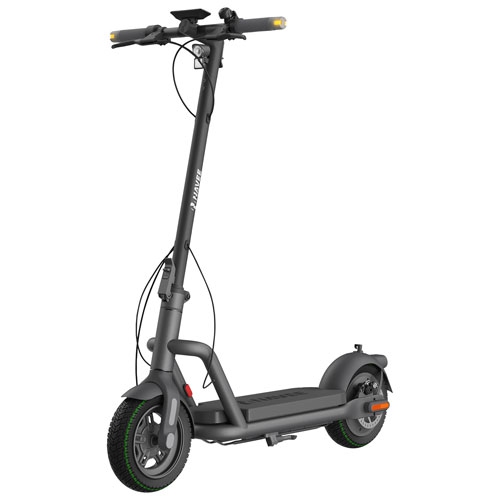

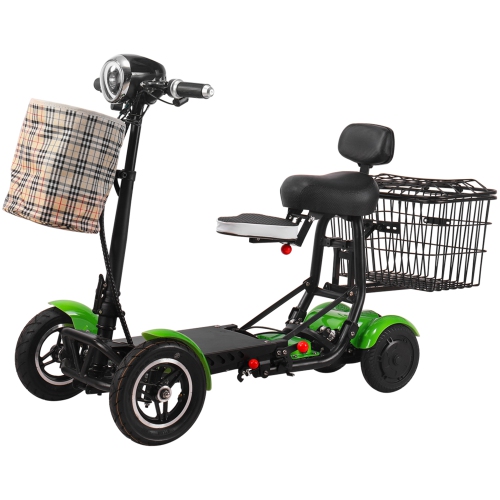
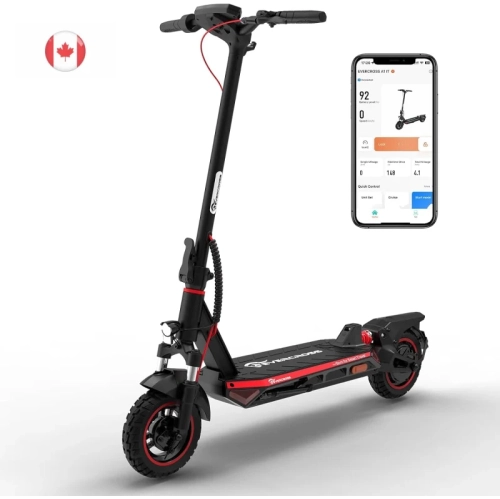
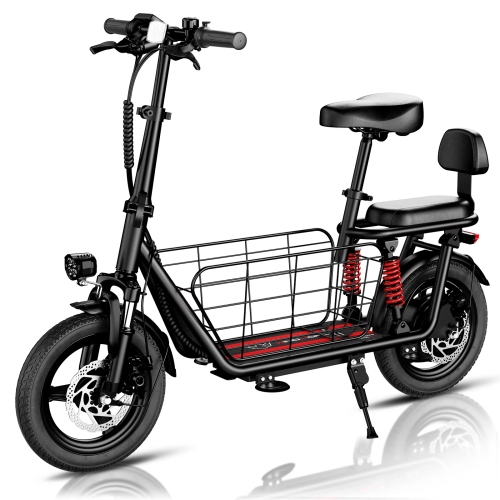
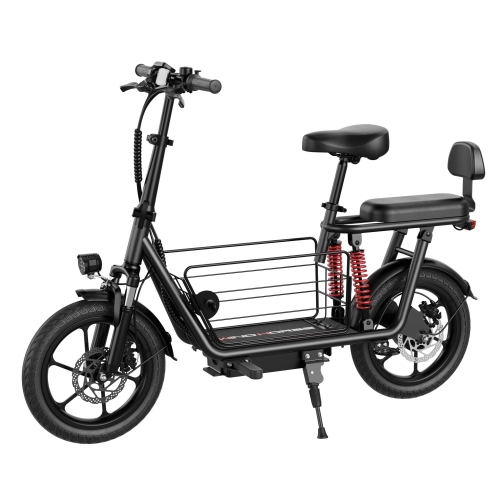


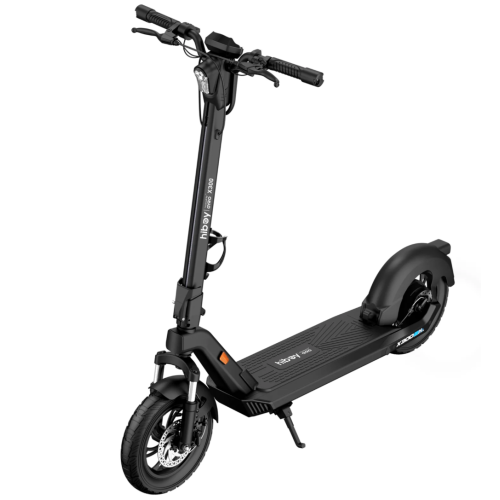
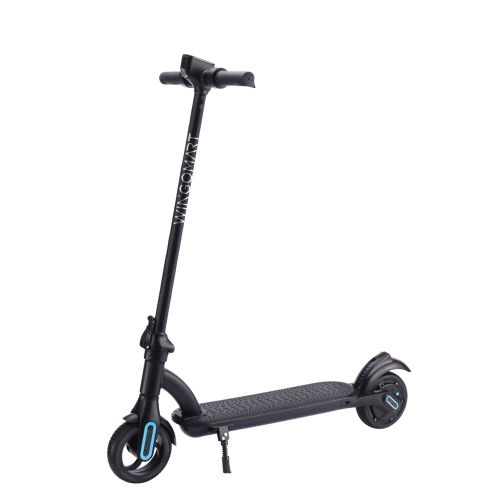
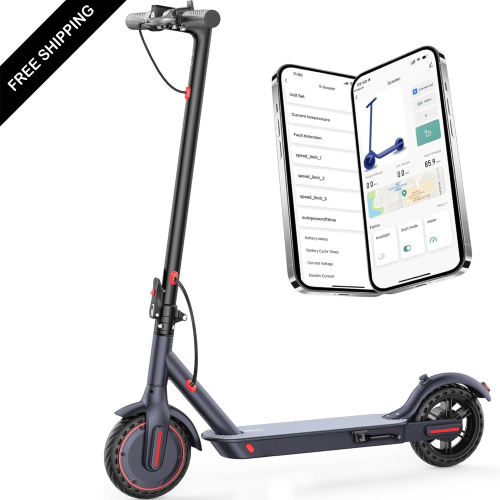
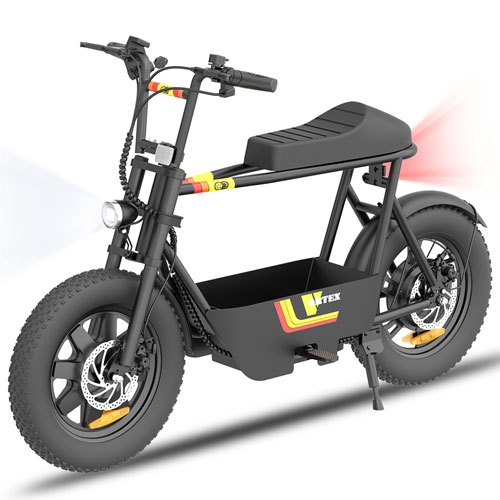

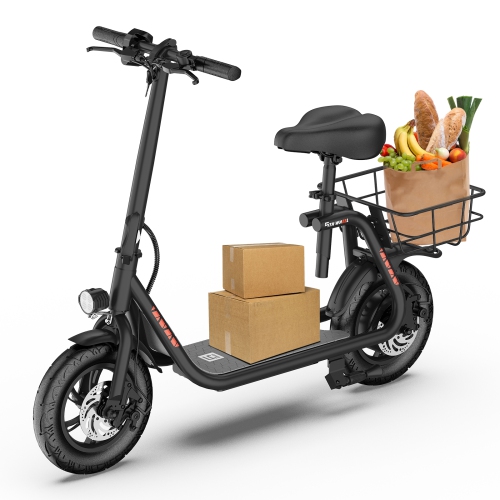
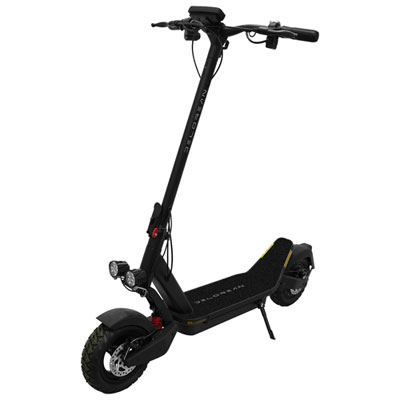

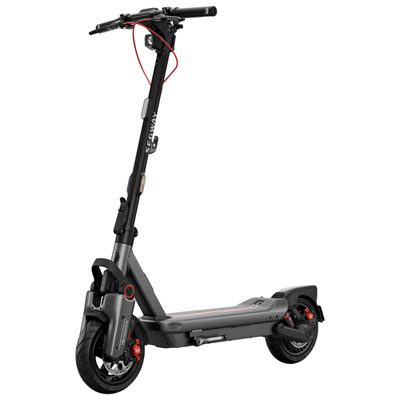
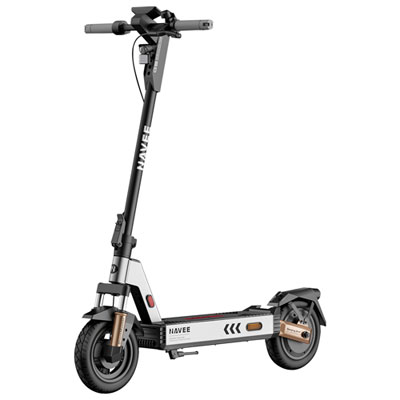
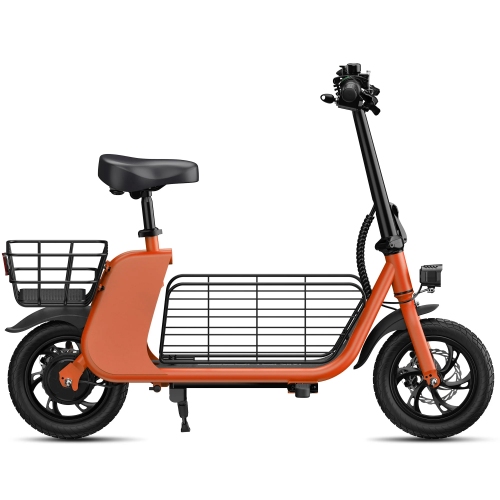
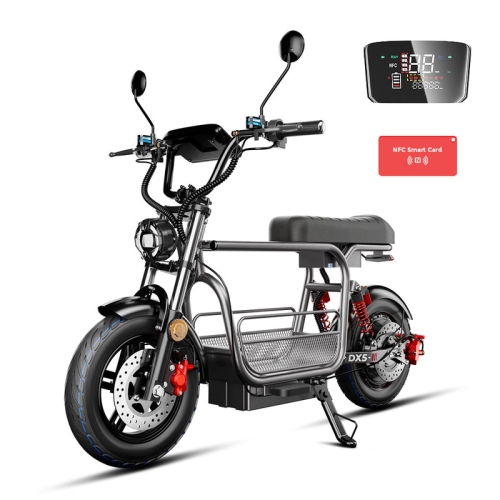

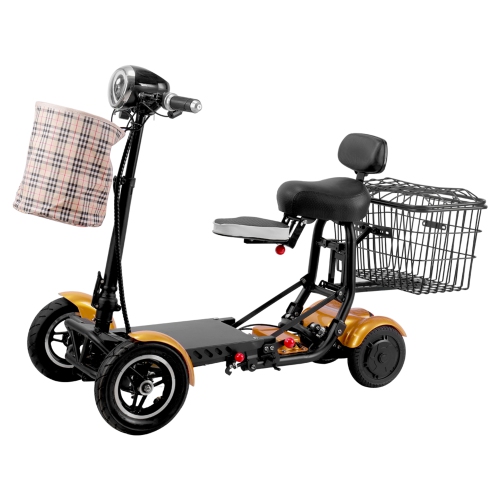
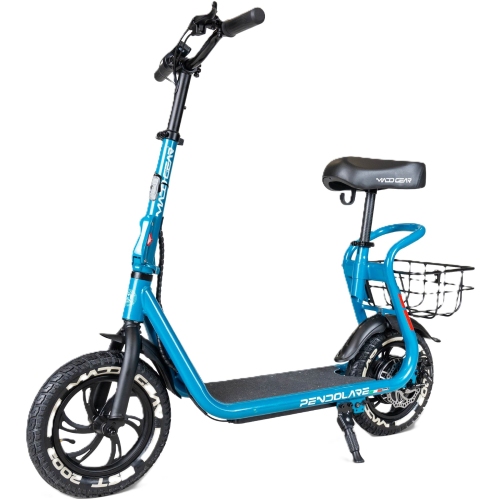








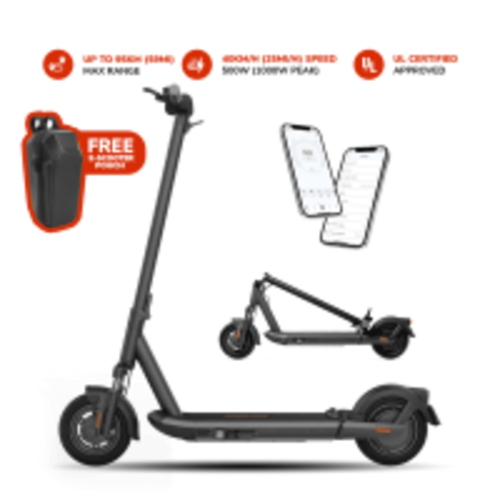
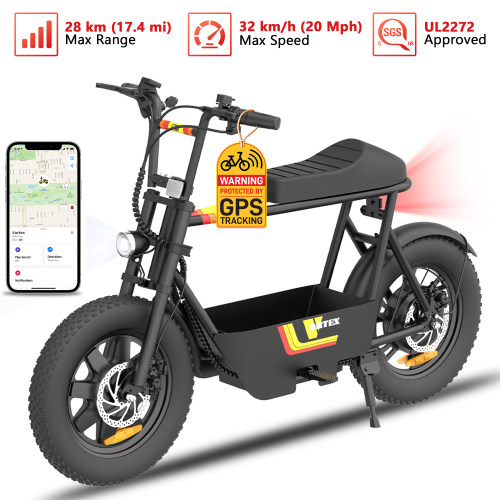
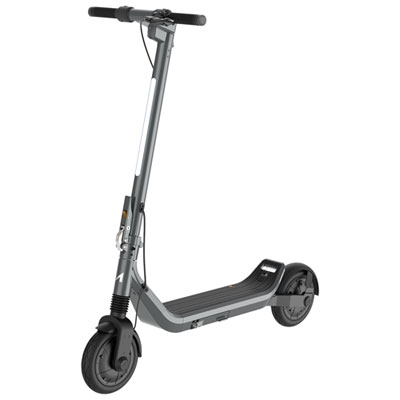


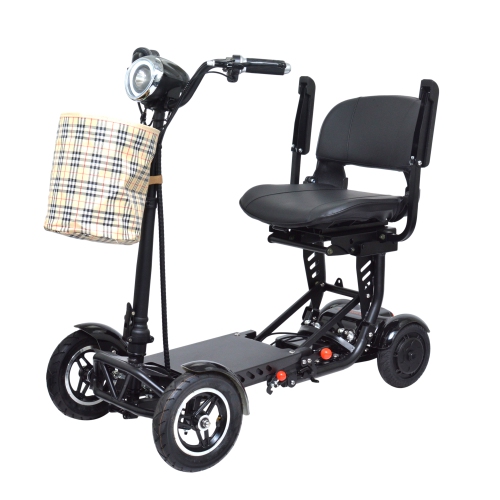
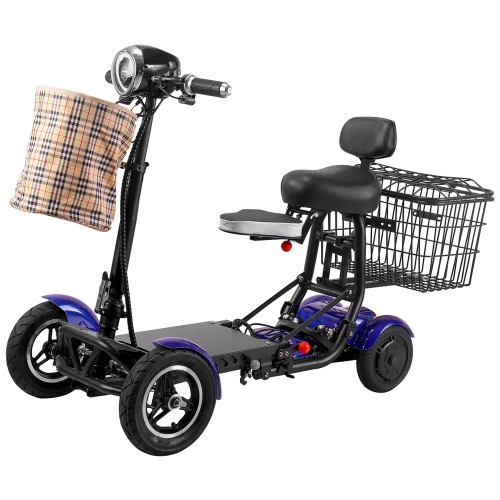
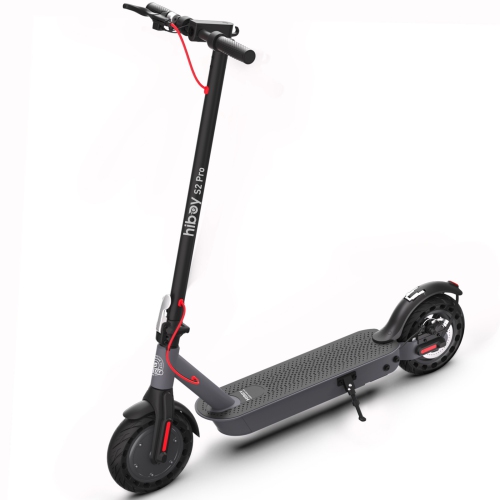
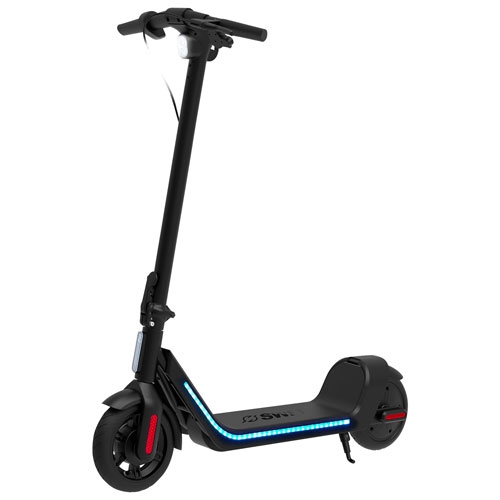
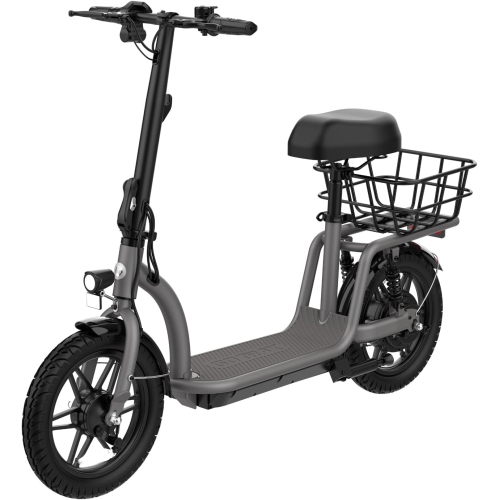
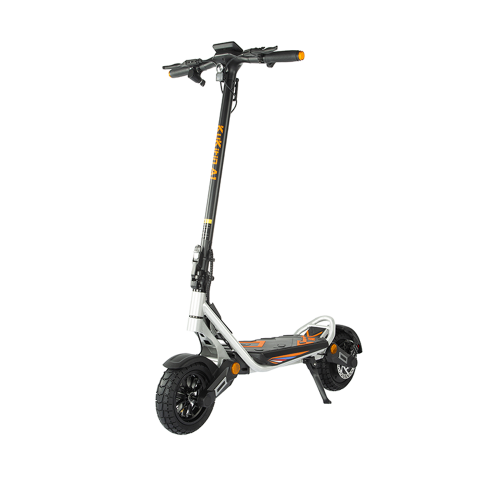
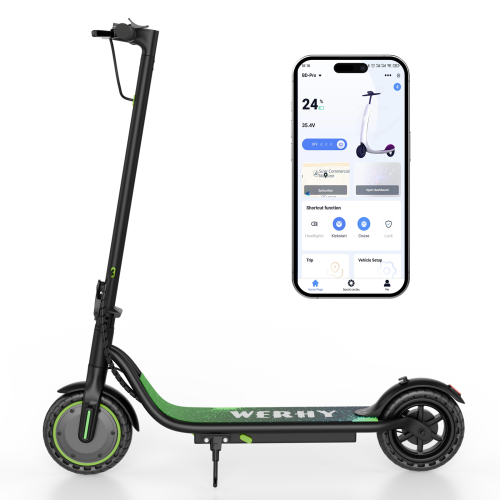
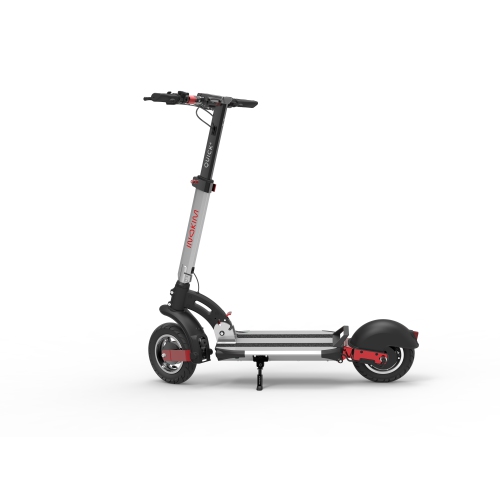
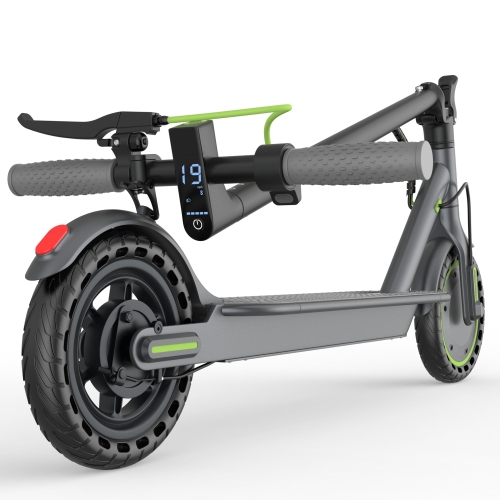
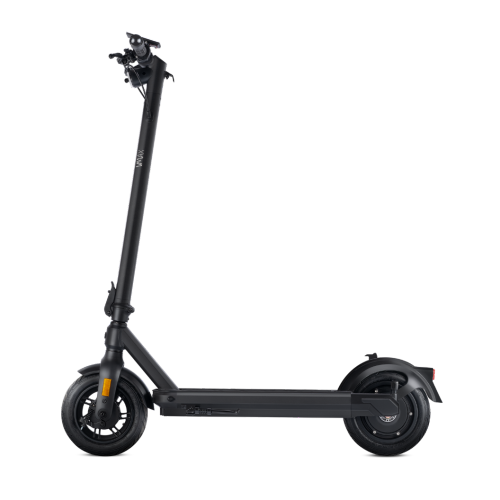
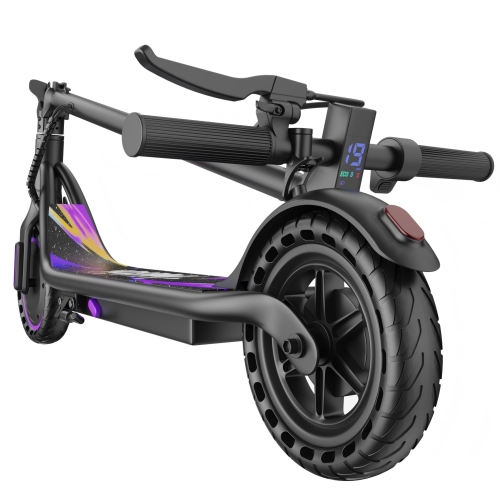

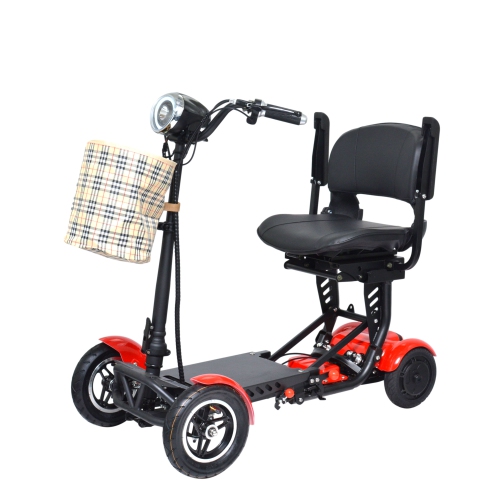
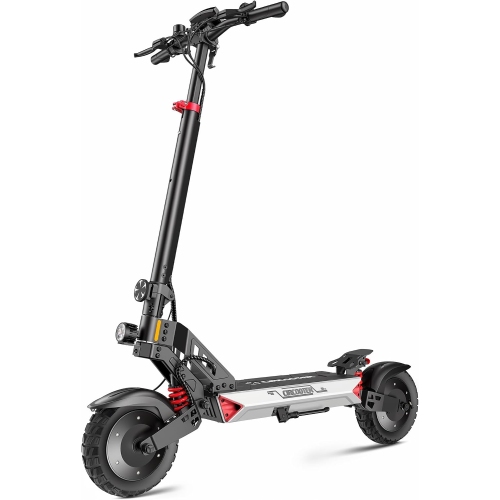
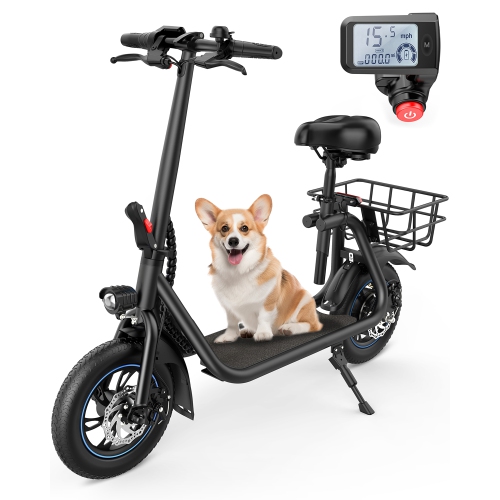
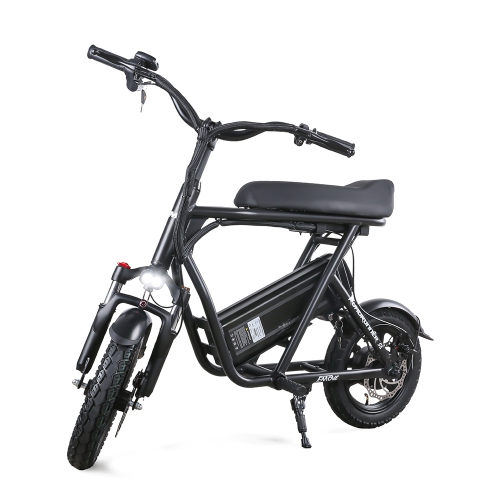
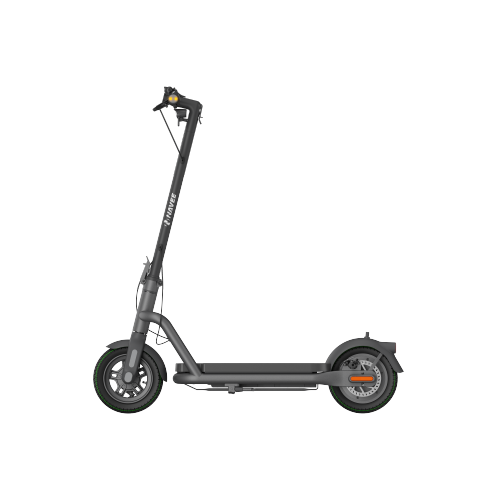
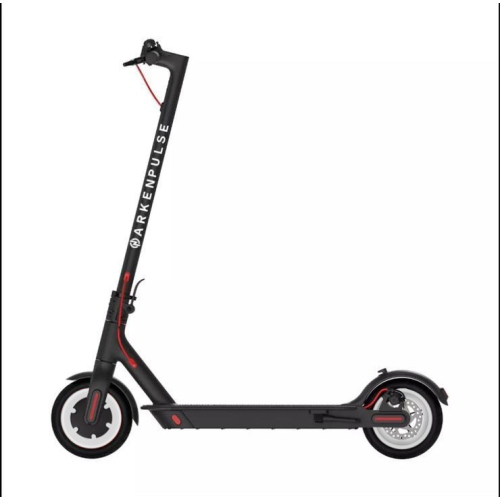
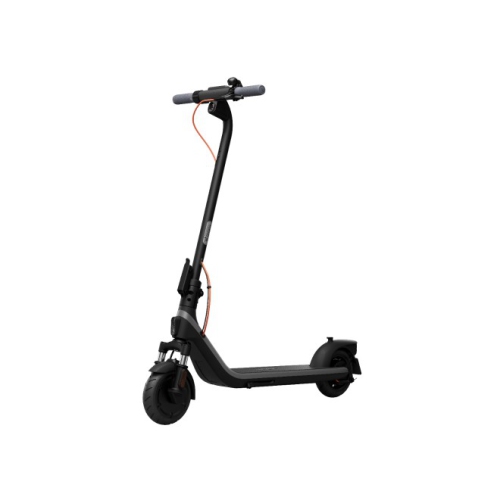
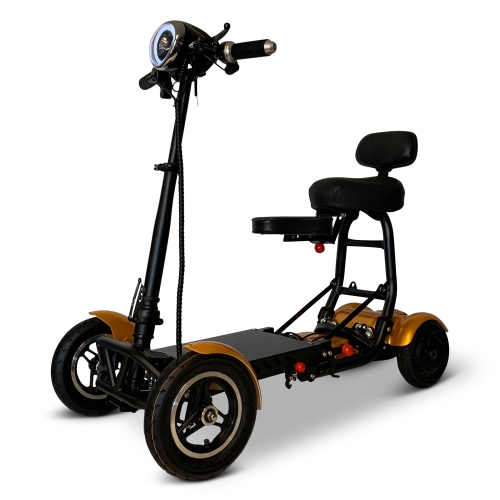
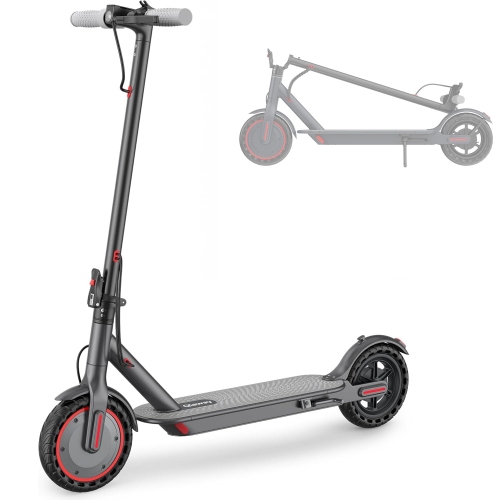
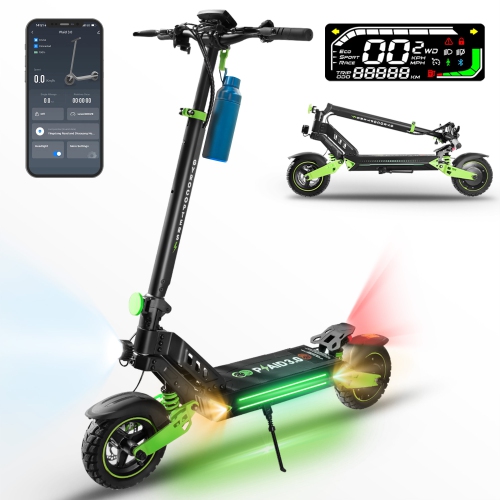
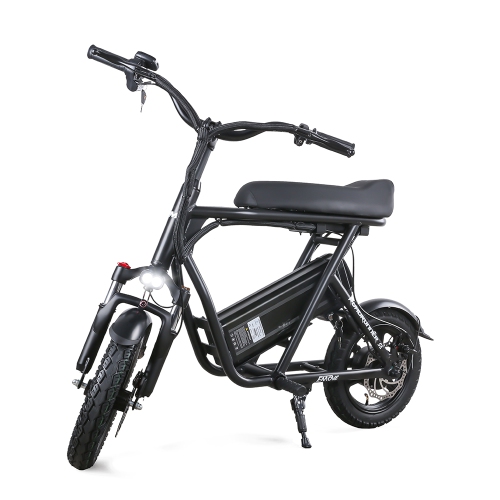
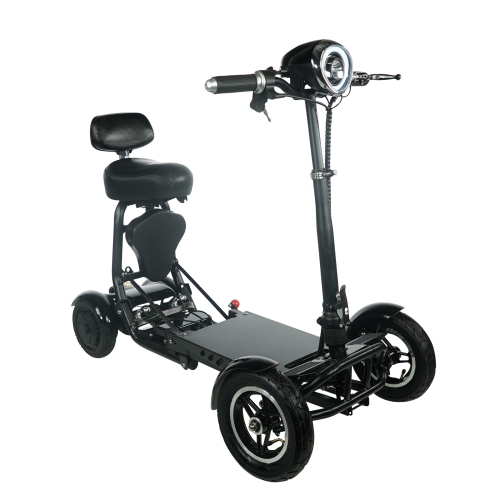

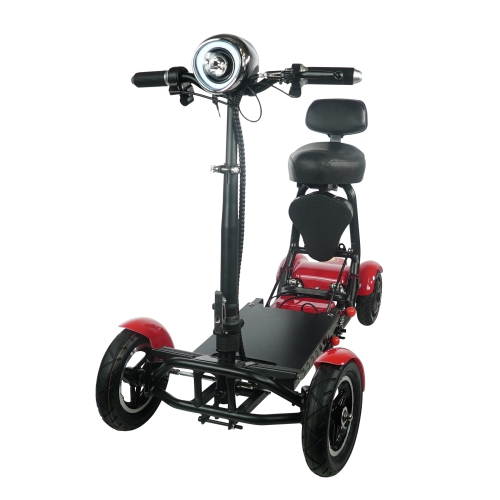
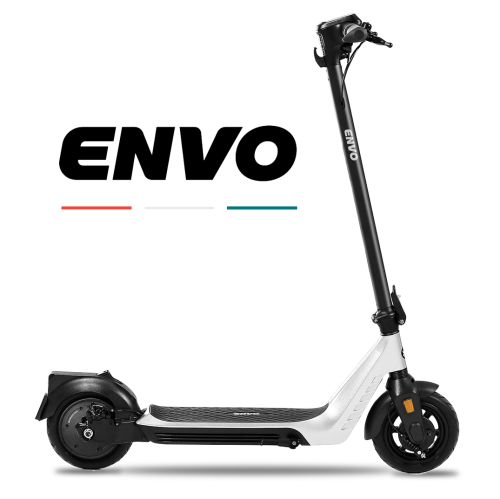





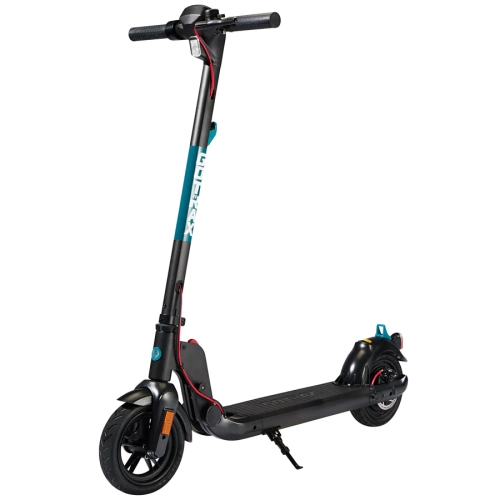
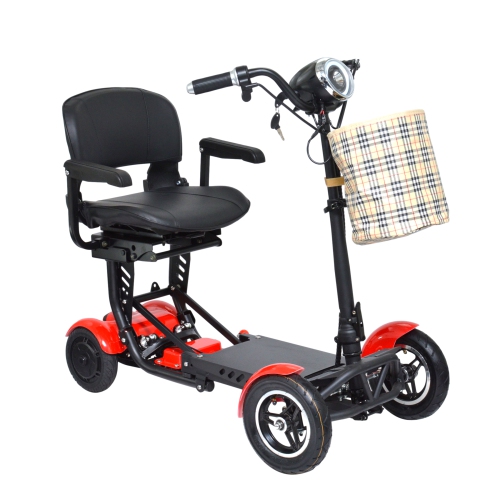
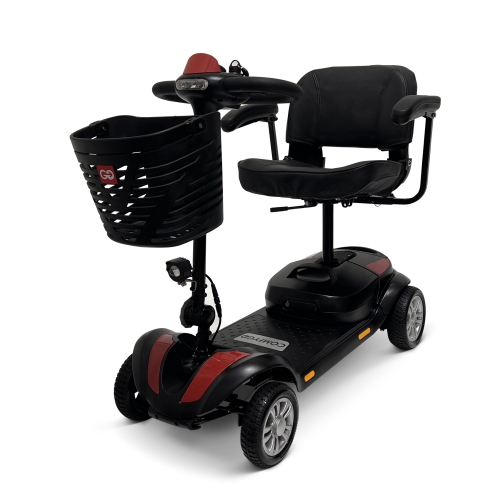
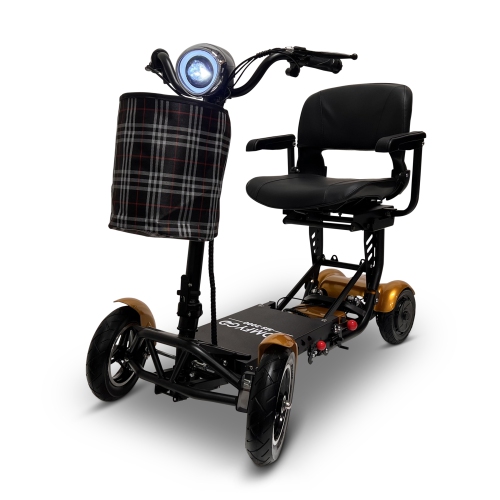
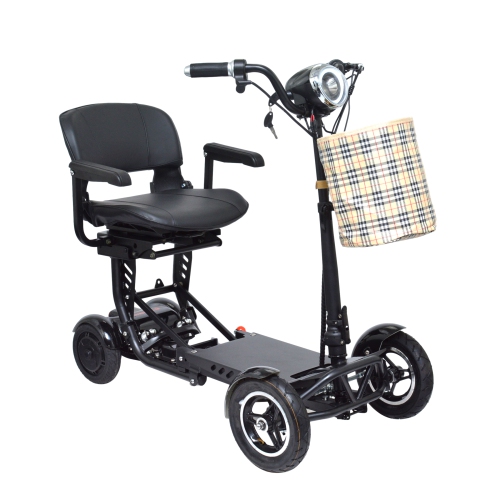
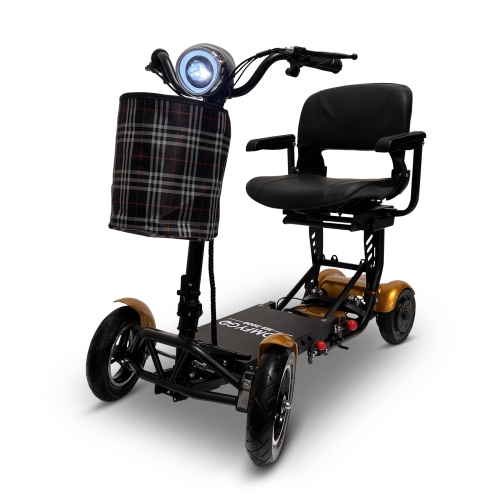
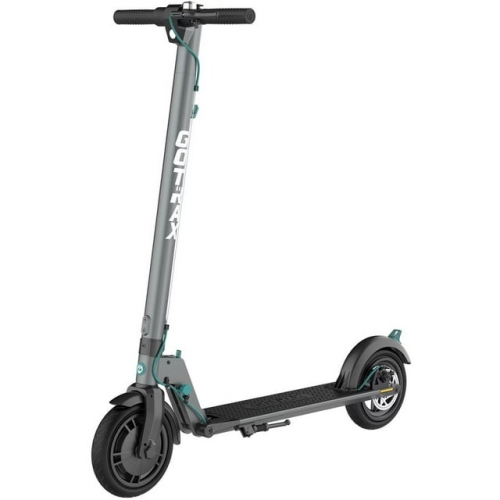
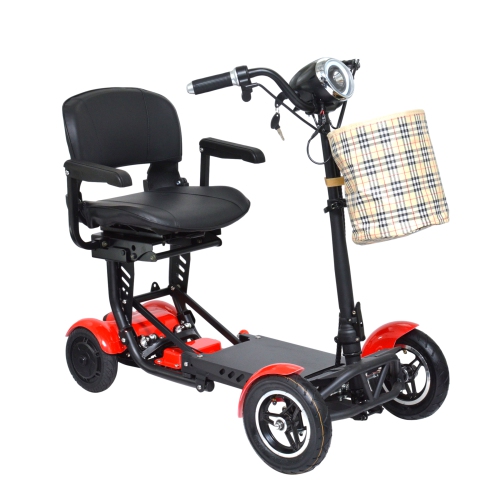


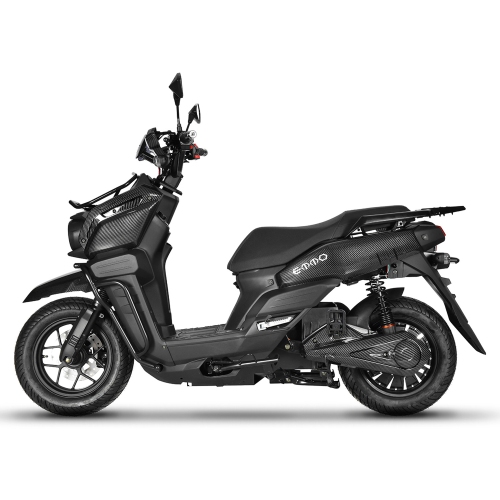
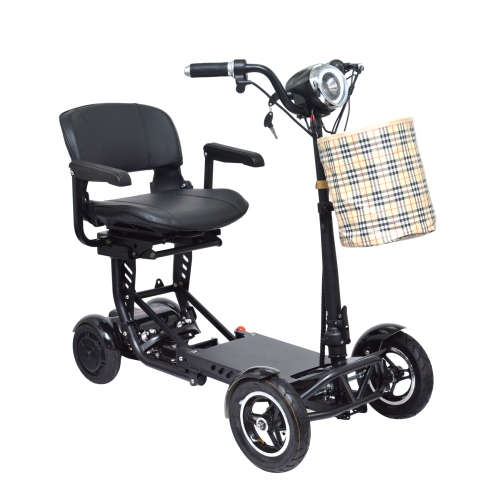
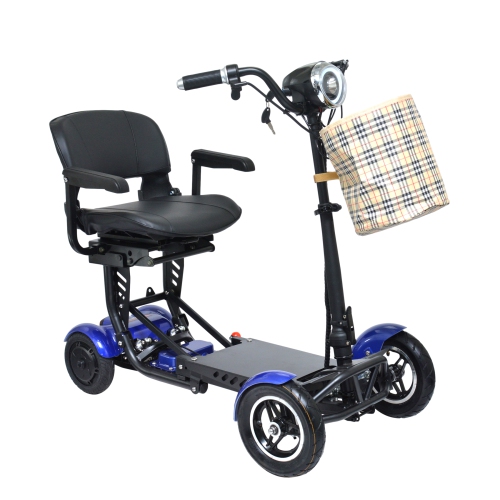
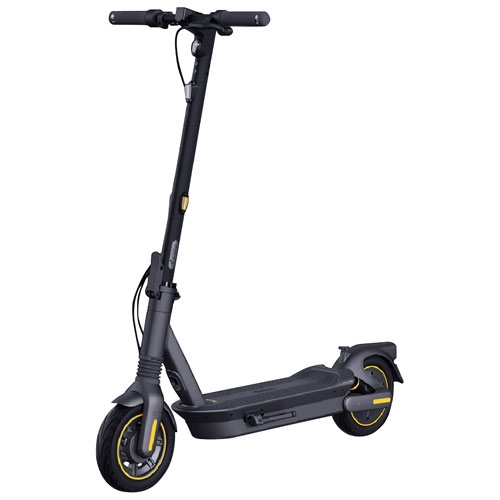
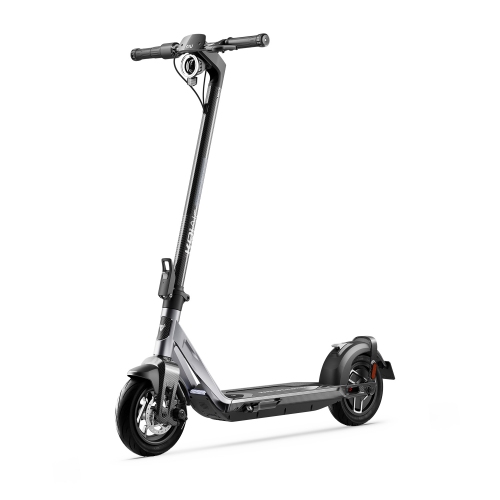
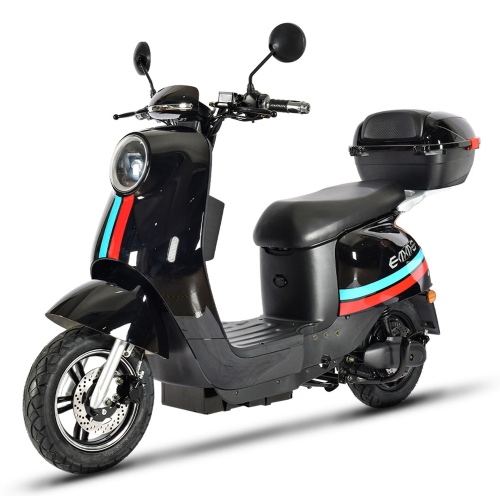
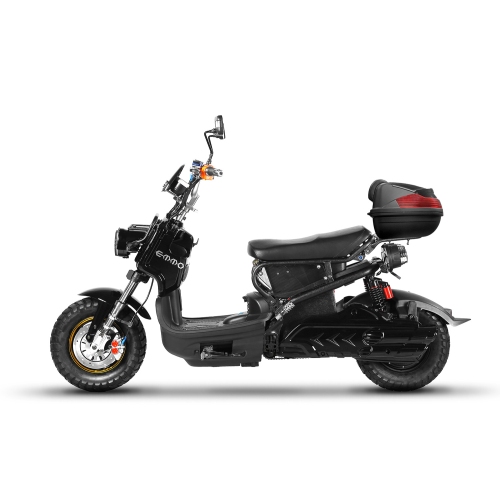
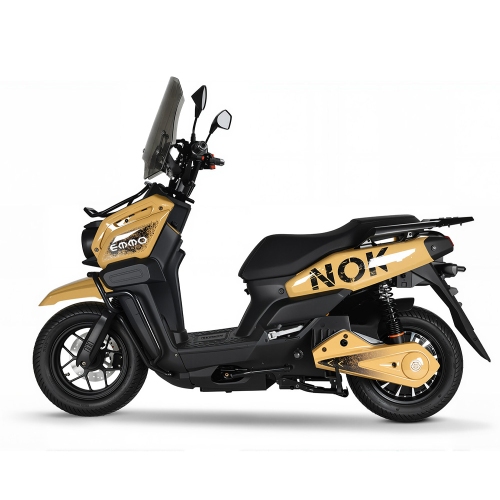
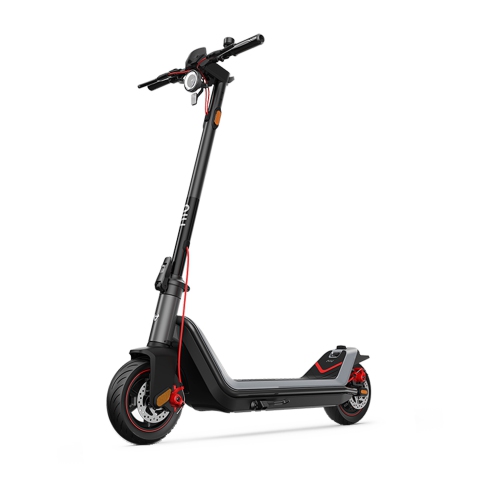
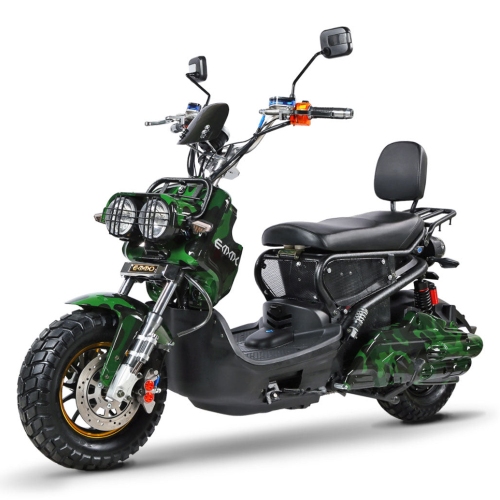
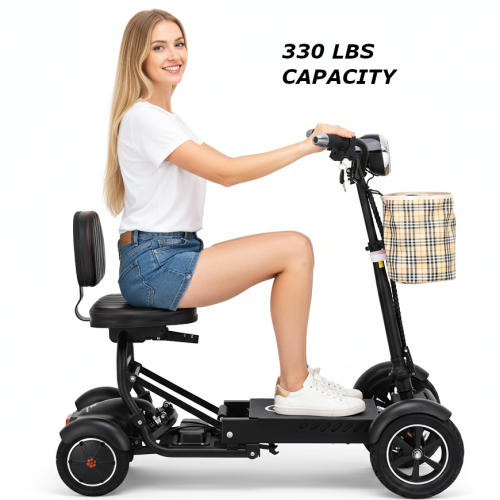

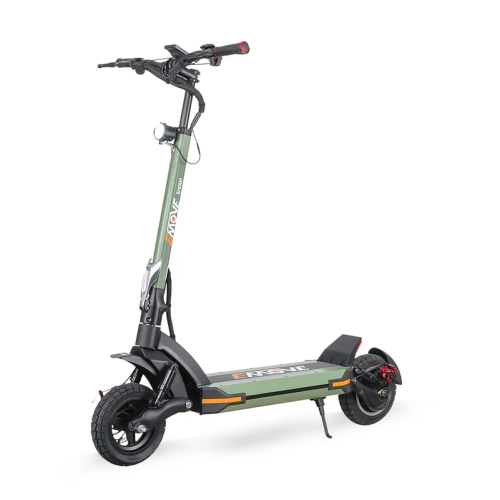

Practical considerations for everyday urban travel and safer riding
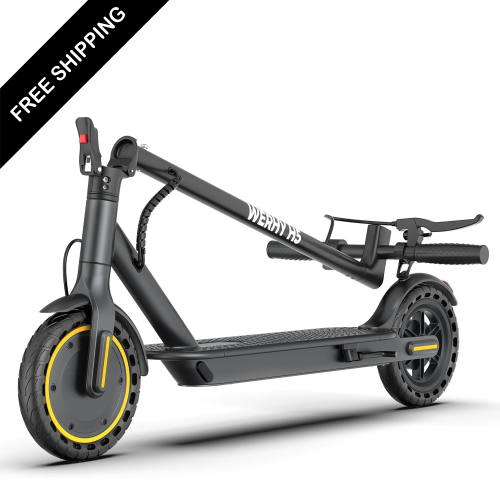
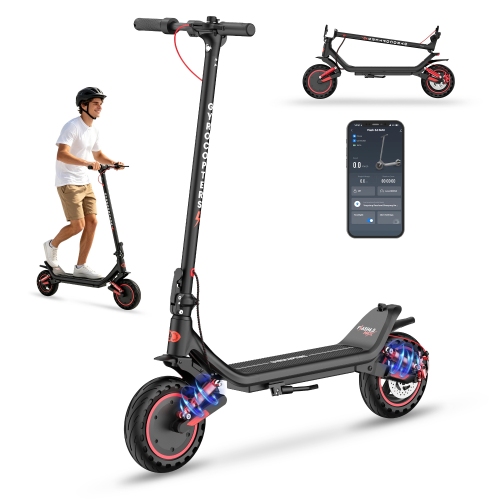
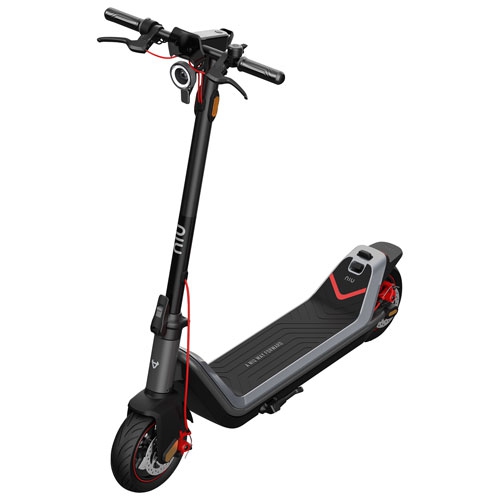
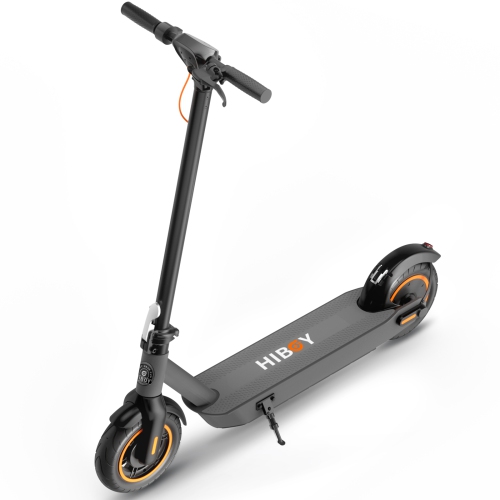
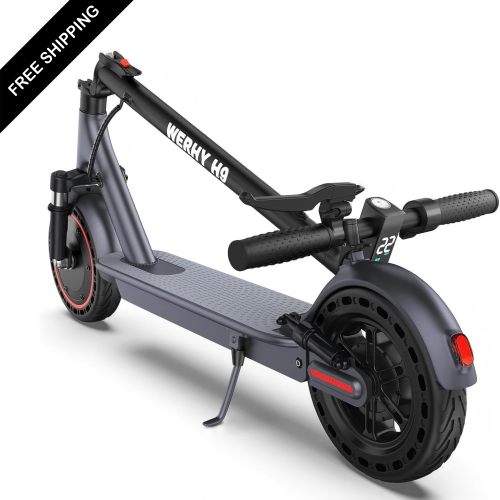
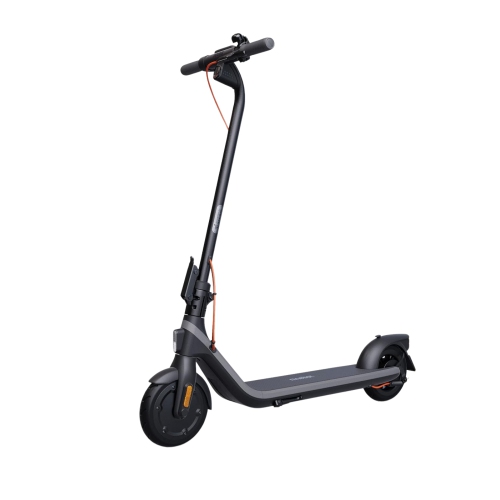
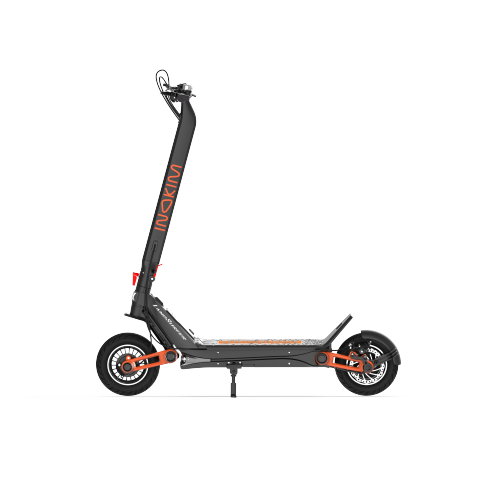
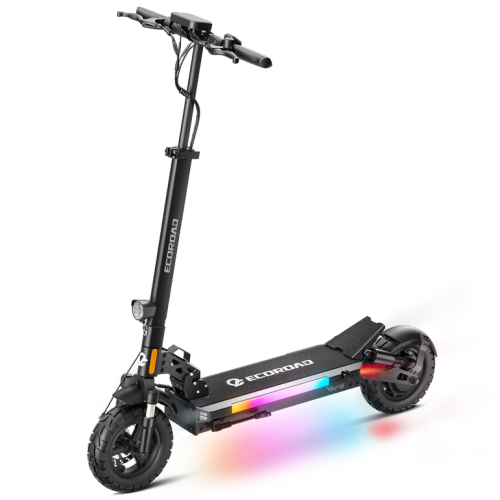
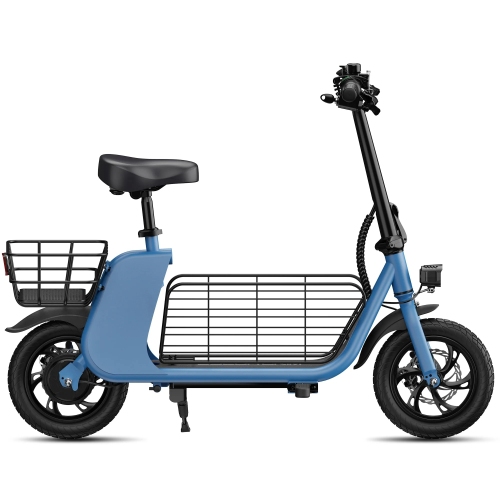
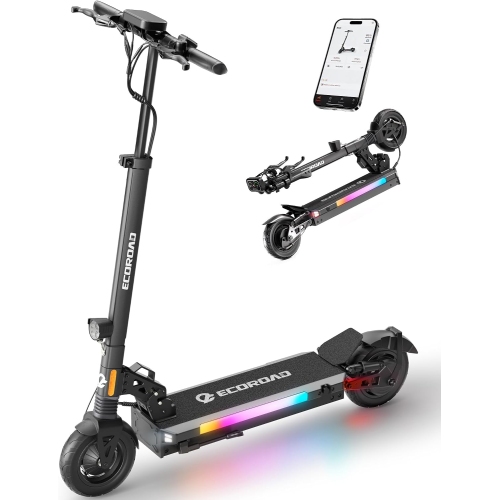
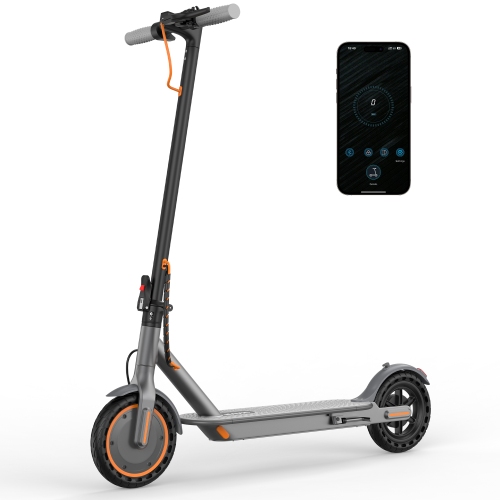
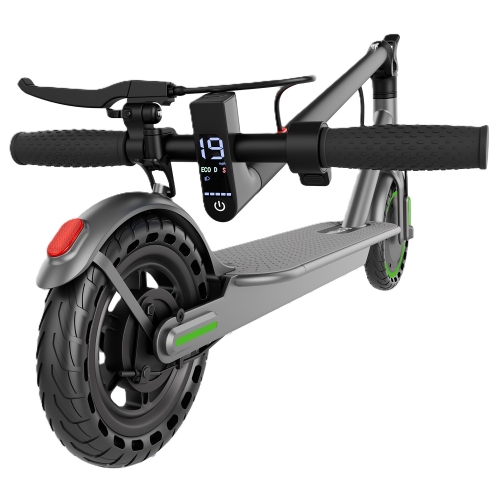
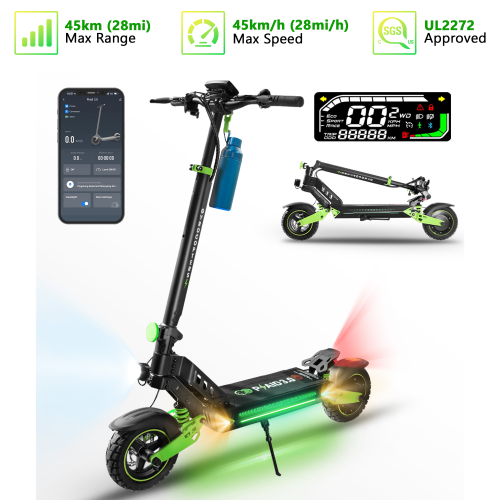
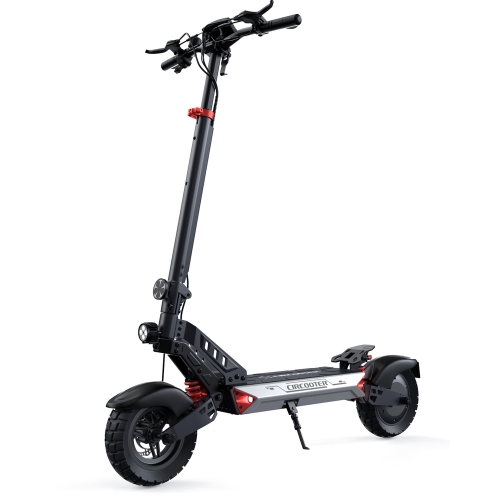
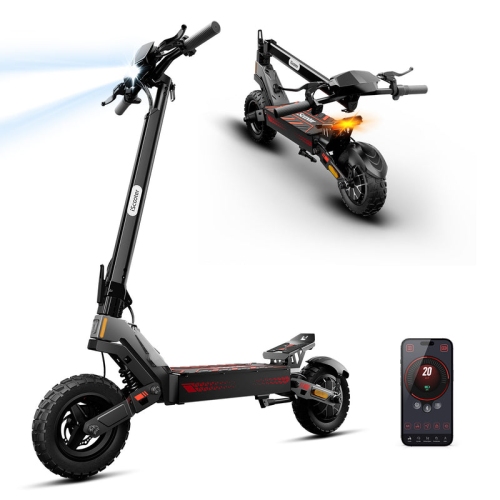
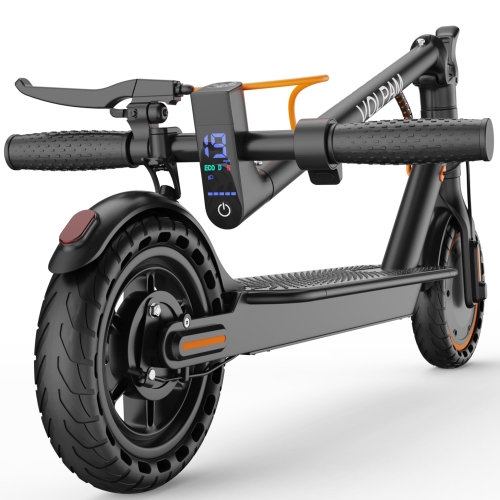
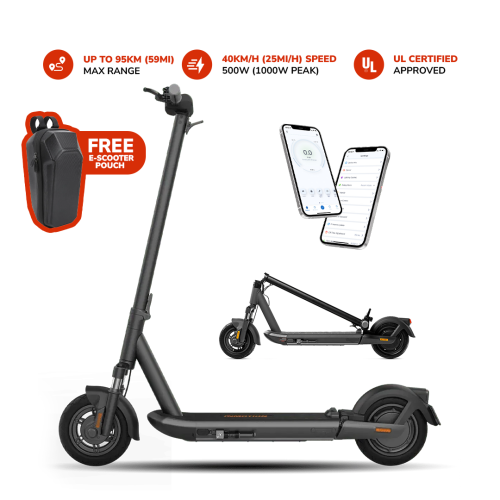
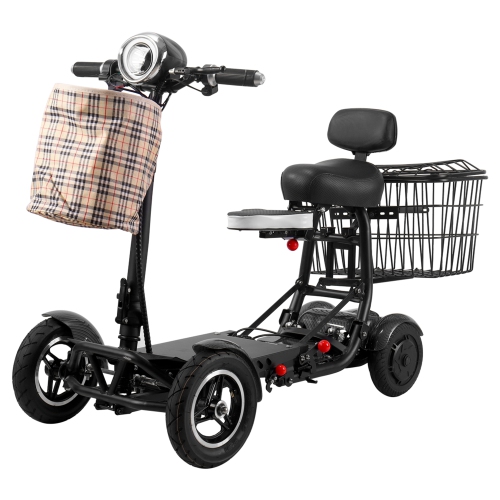
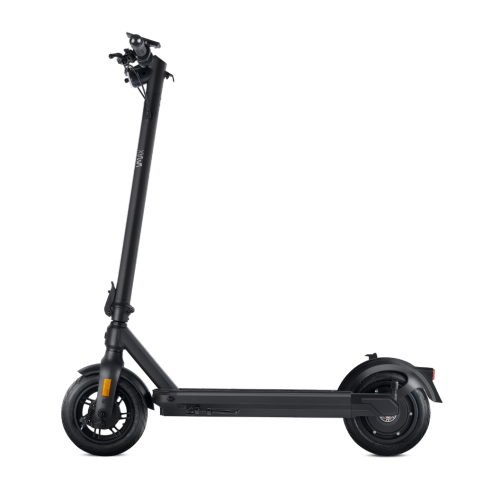
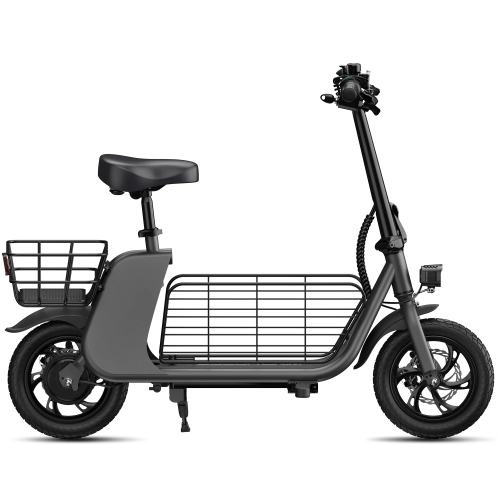
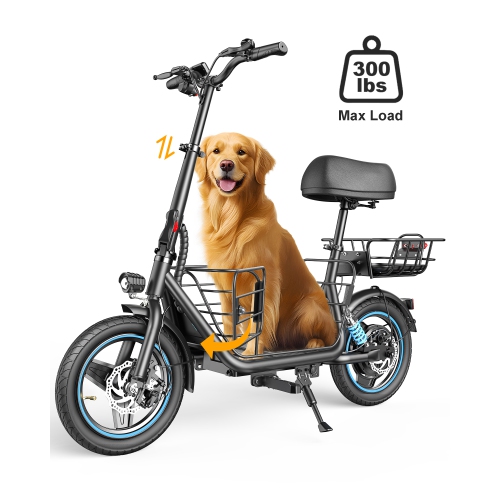
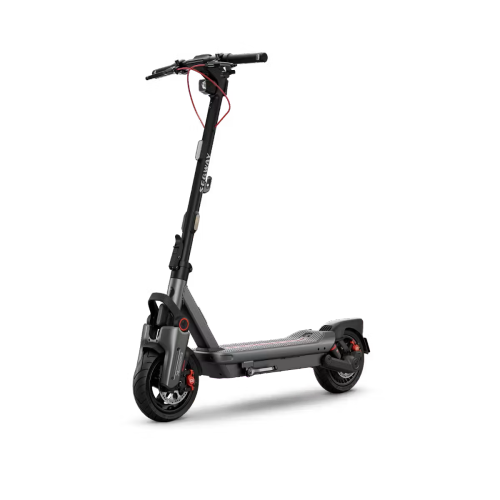
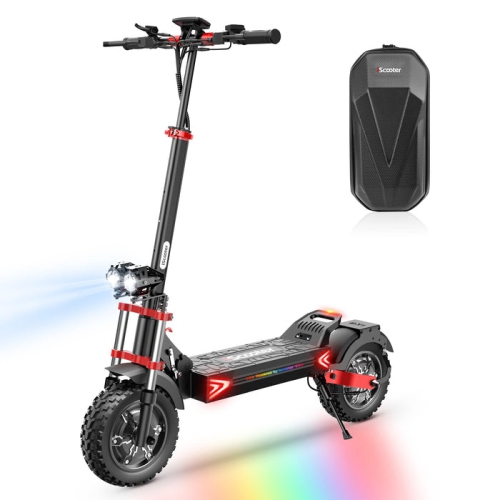
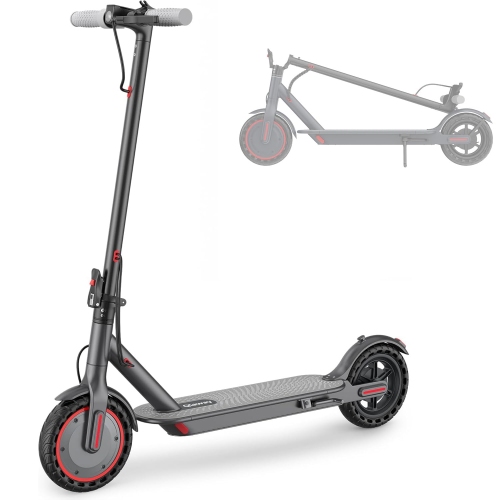
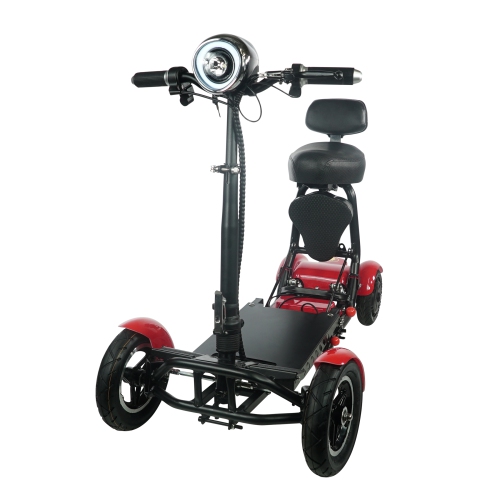
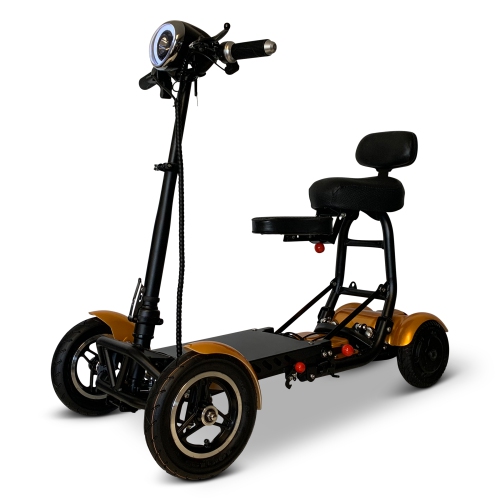
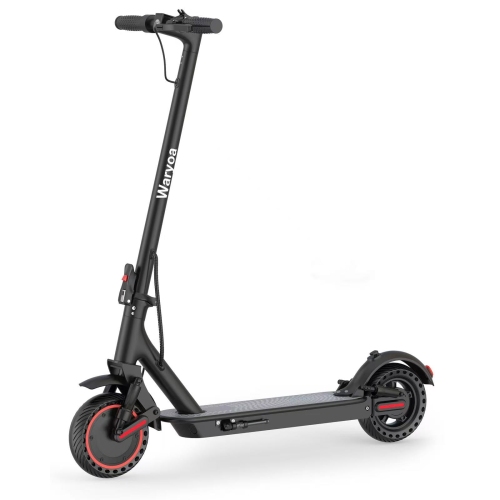
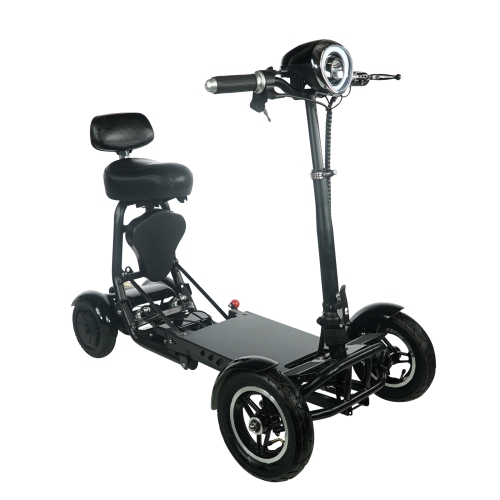
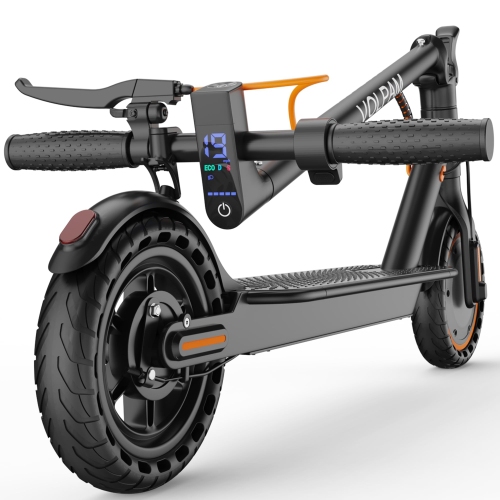
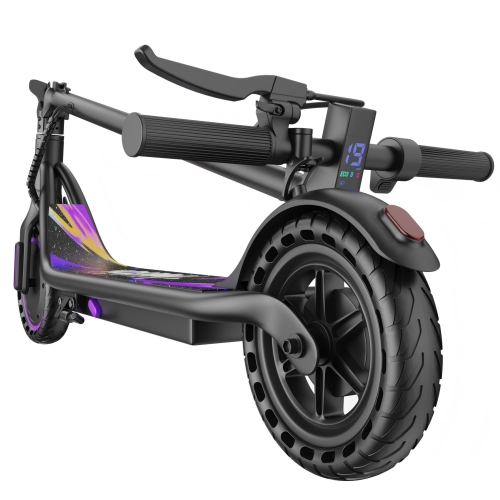
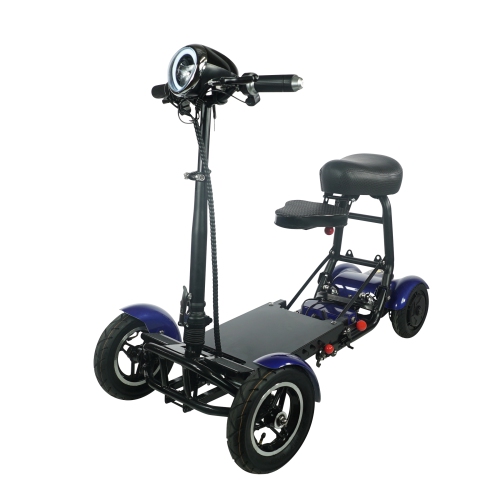
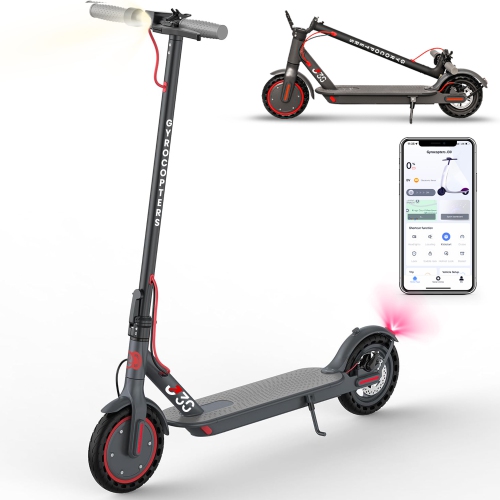
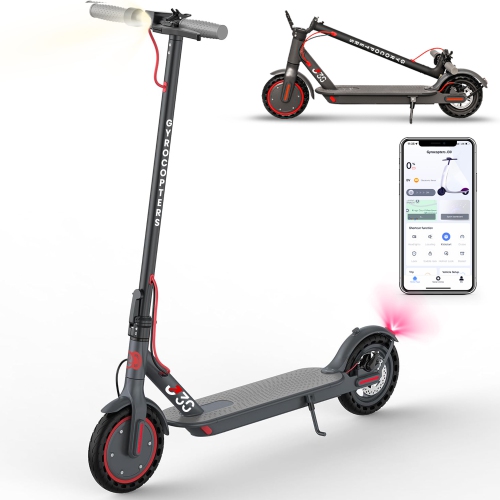
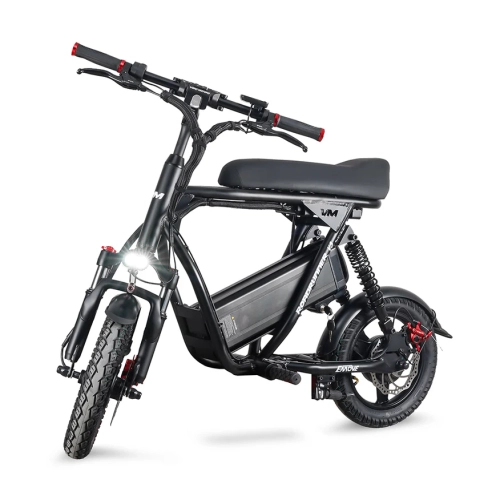
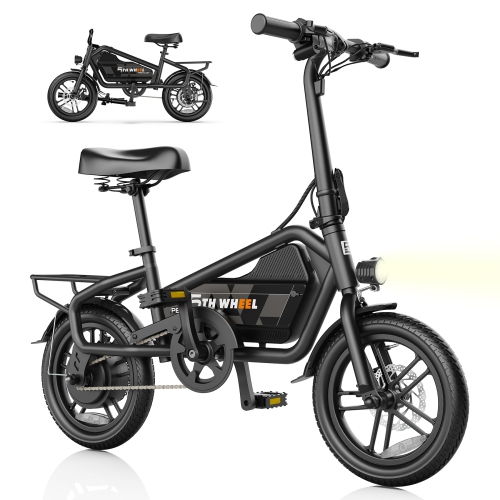
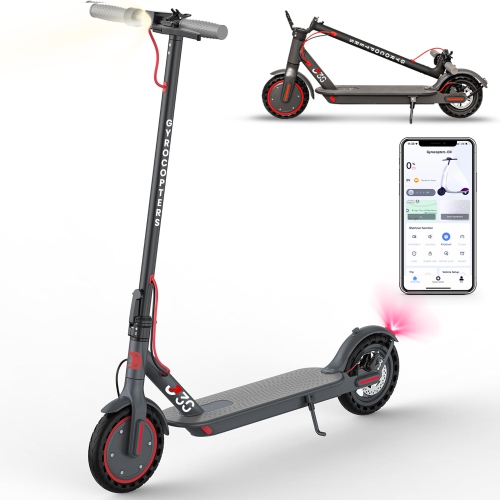
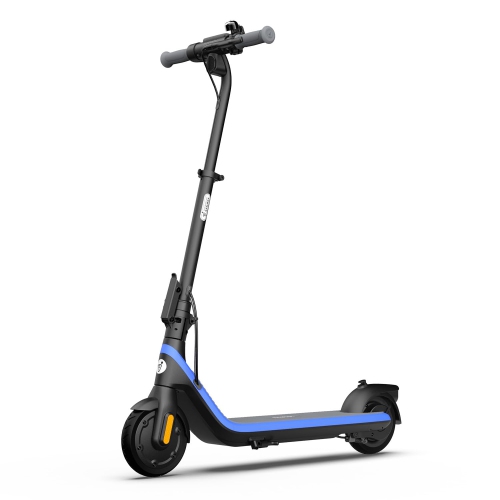
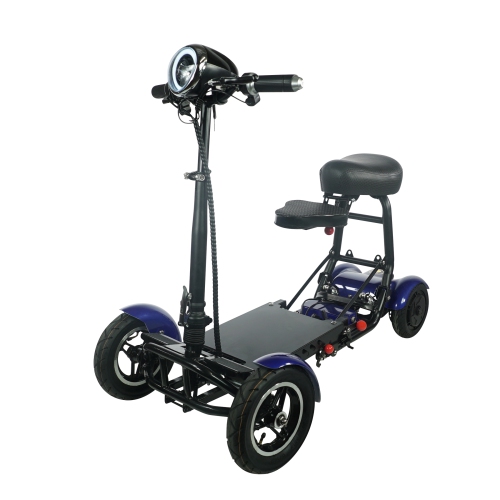
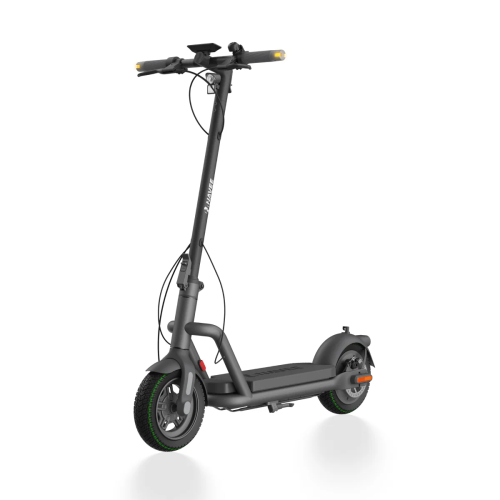
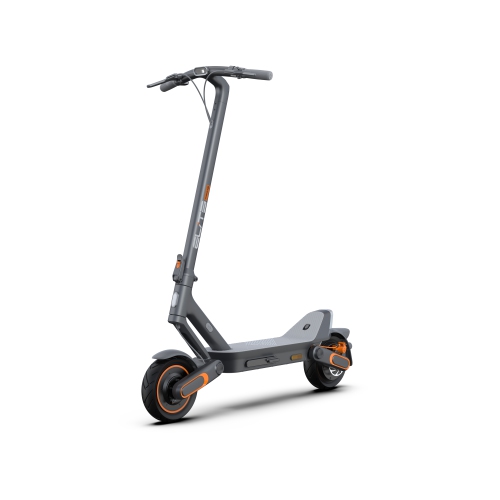
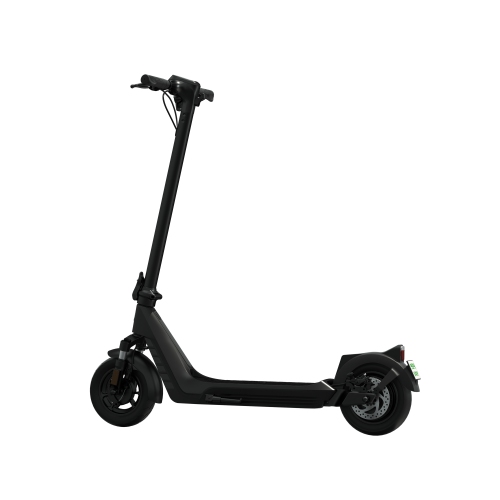
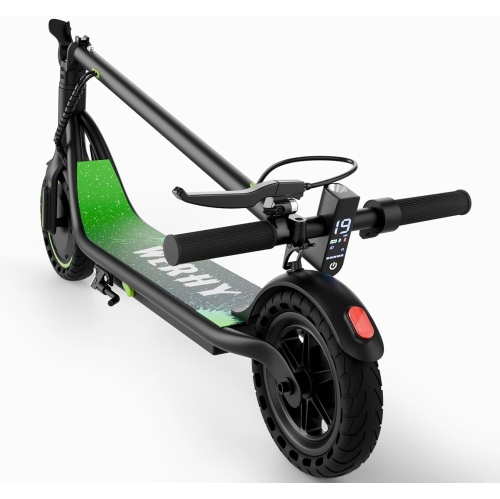
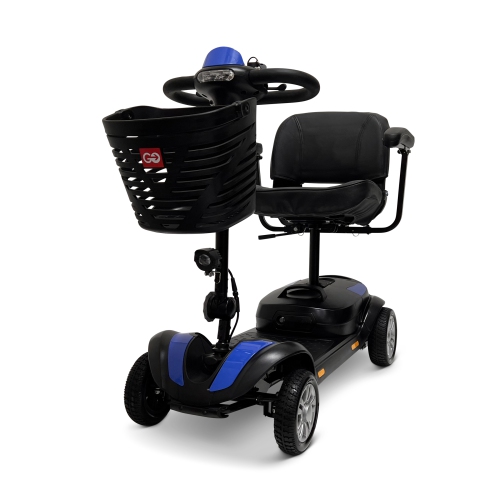
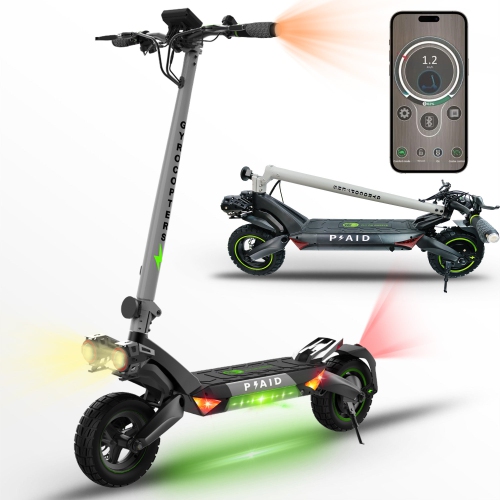
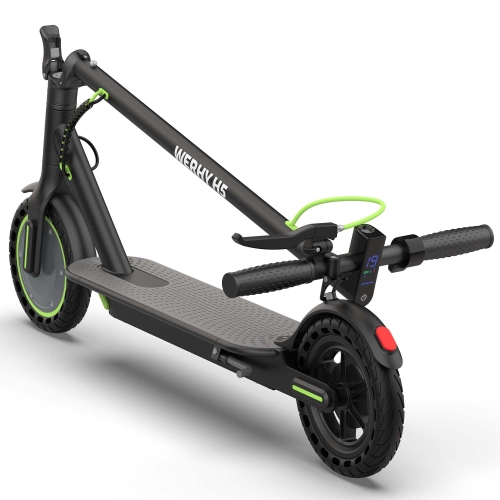
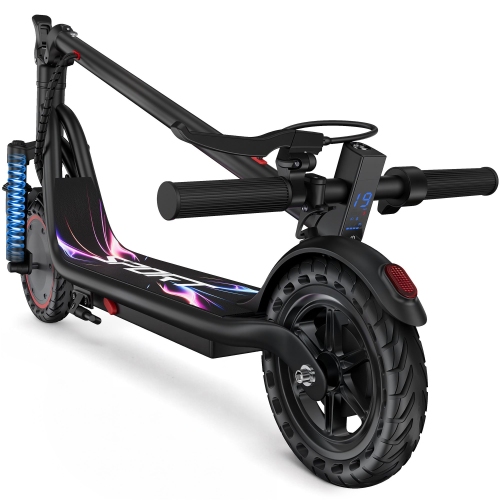
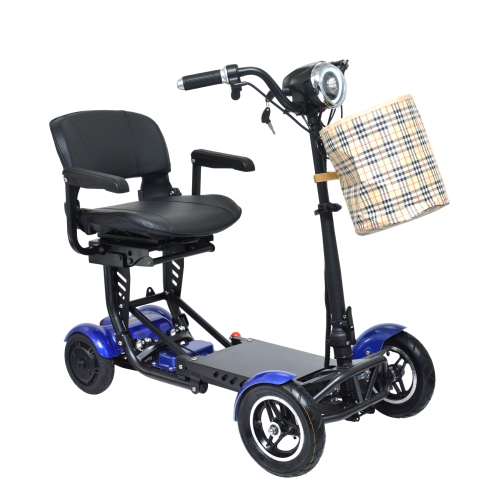
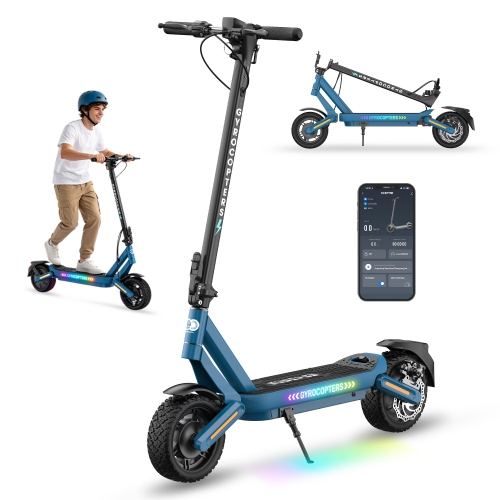
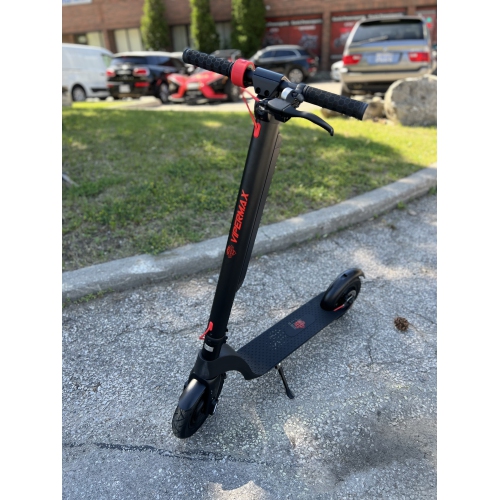
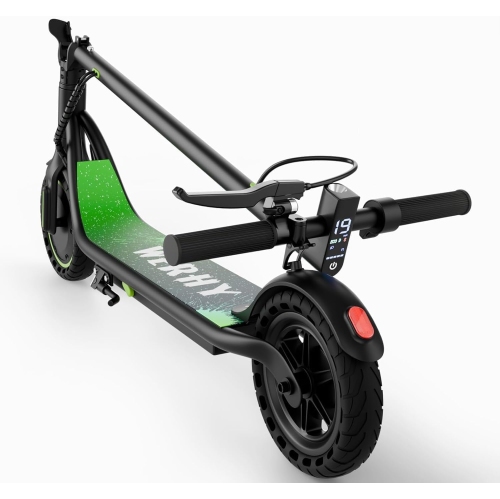
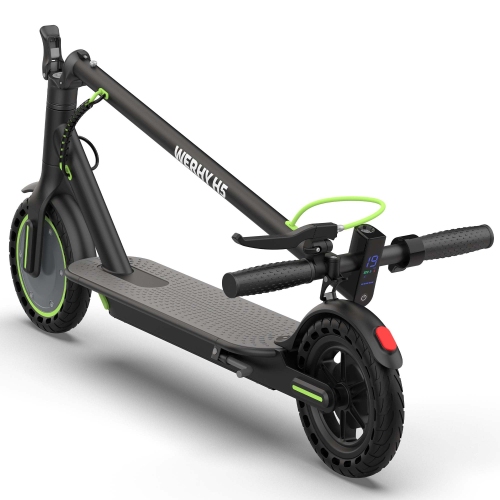
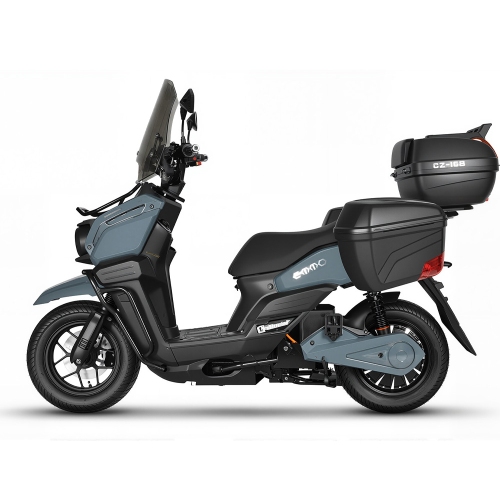
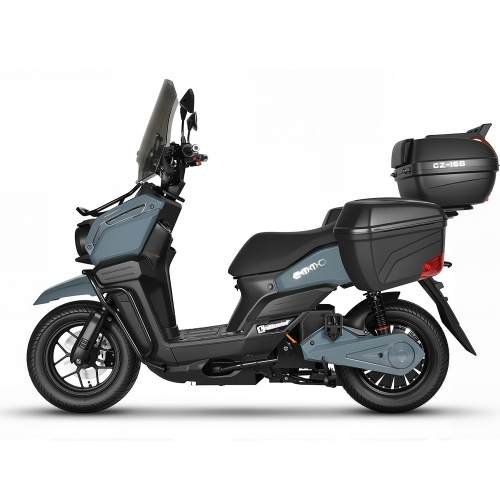
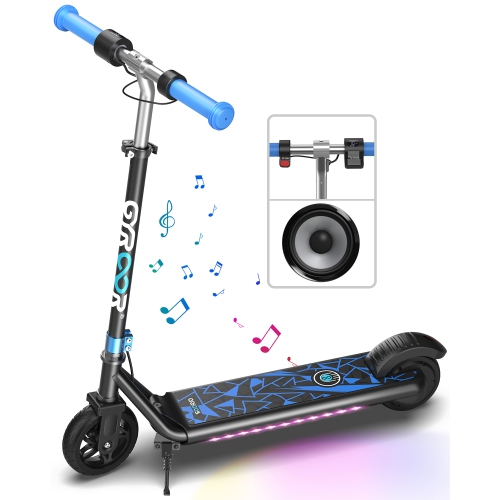
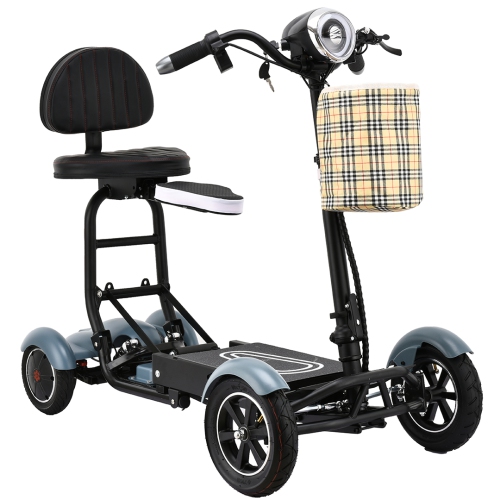
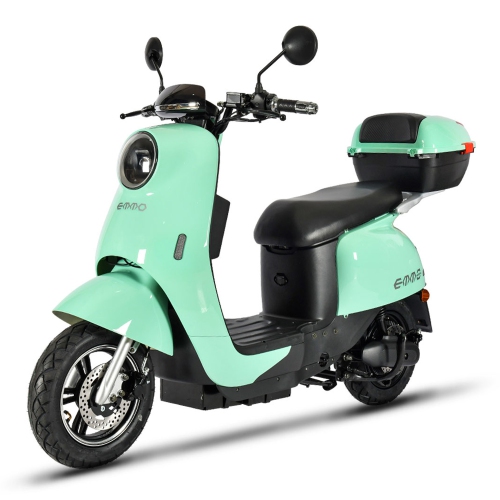
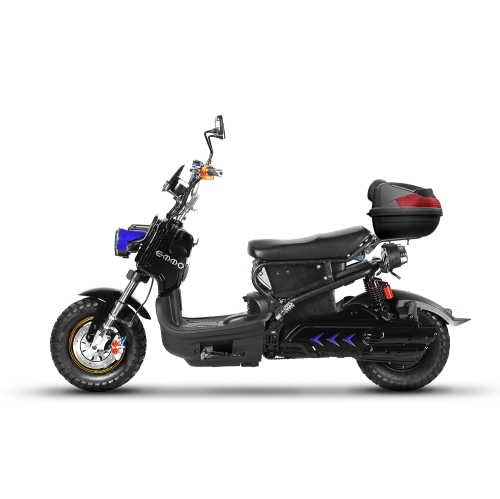
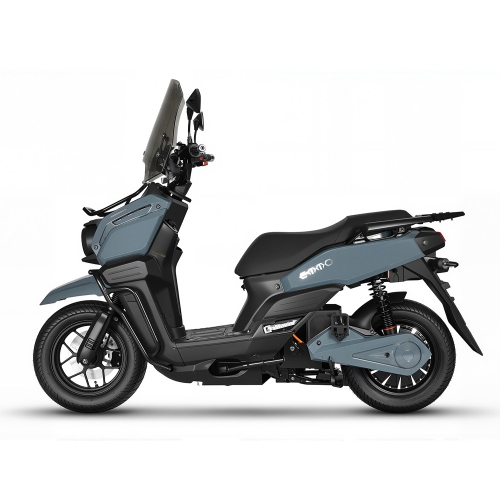
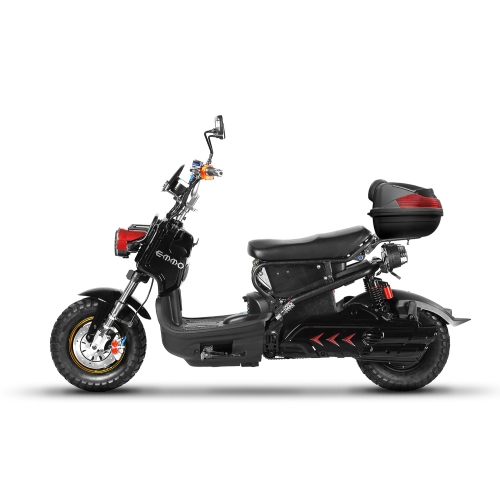
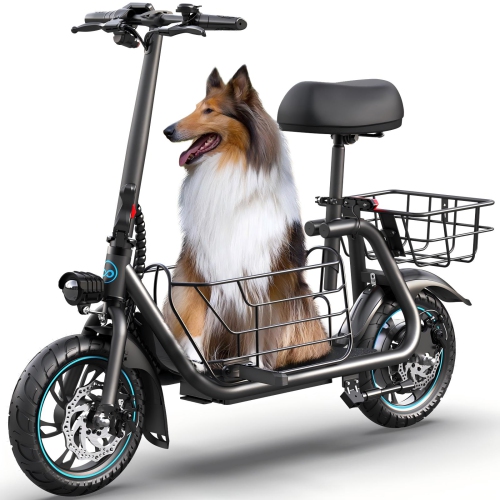
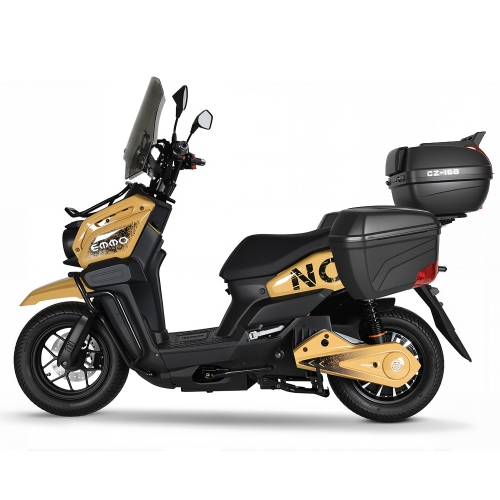
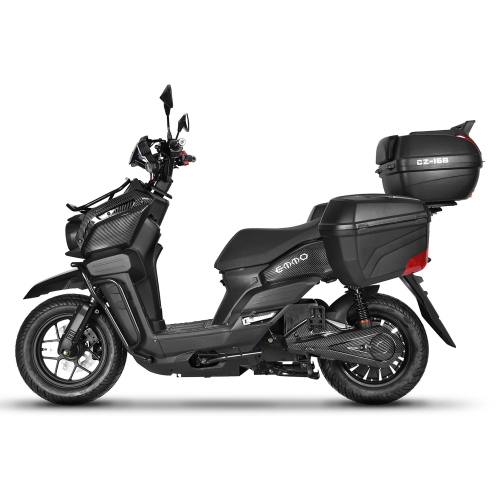
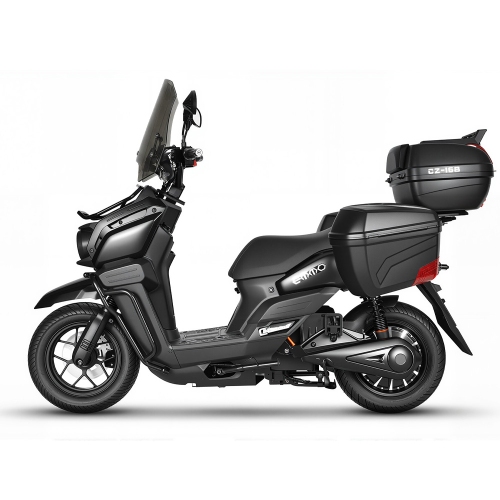
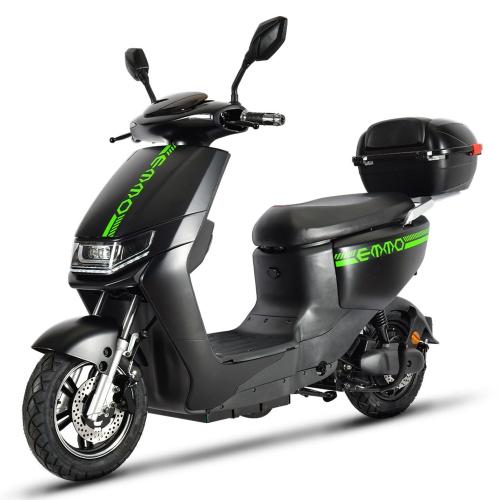
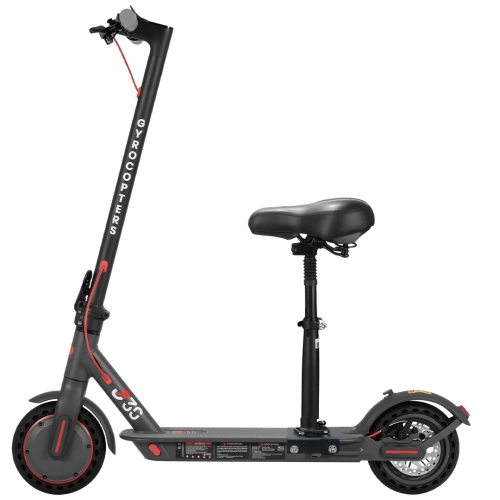
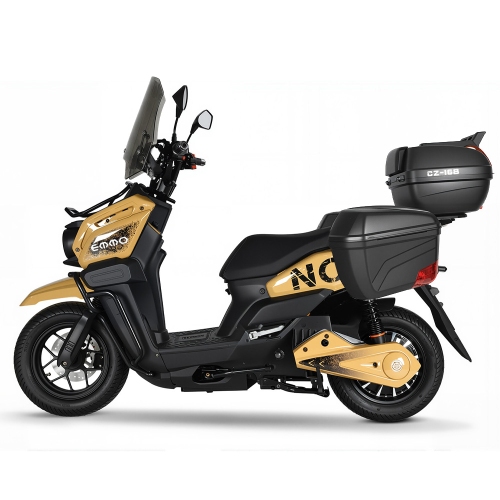
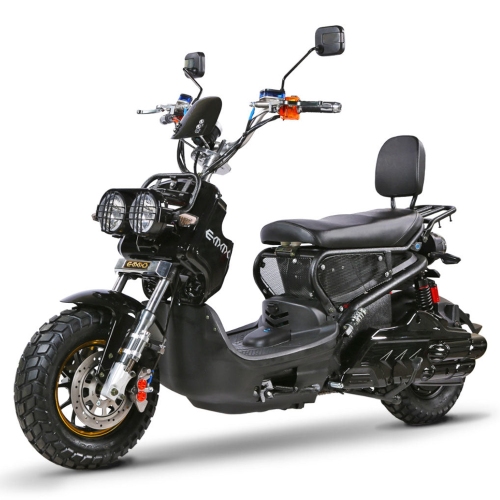
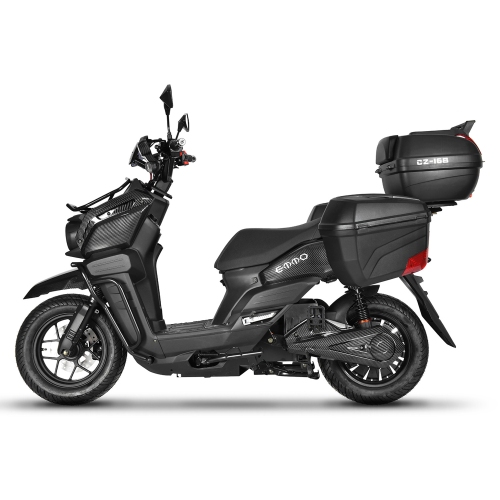
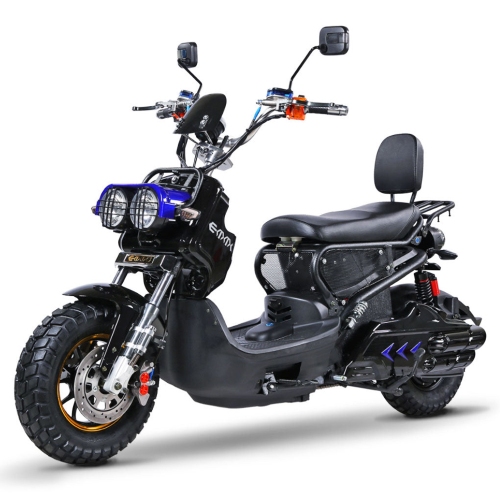
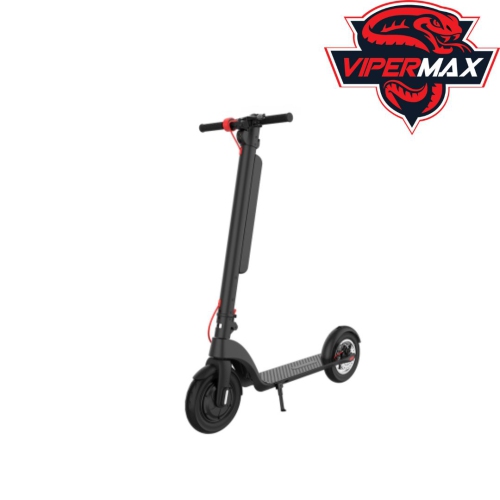
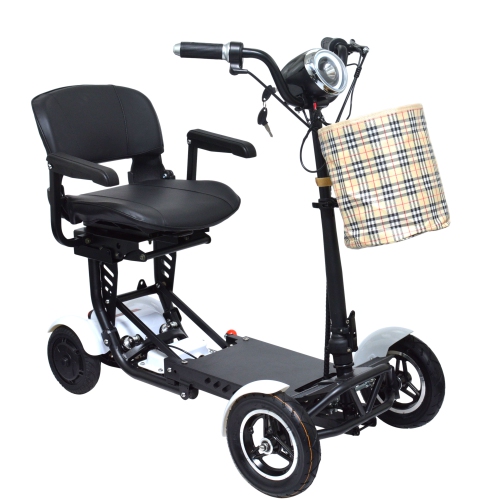
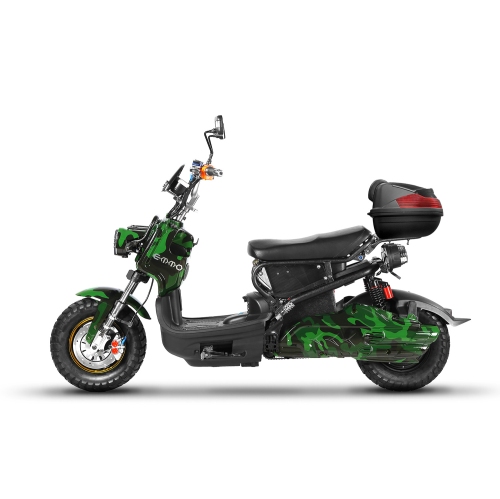
Motor scooters are compact, practical vehicles designed to make everyday travel feel more manageable, especially in busy urban areas and neighbourhoods where narrow streets, crowded parking lots, and short distances can make a full-size vehicle feel excessive. Their step-through frames, flat floorboards, protective bodywork, and automatic transmissions make them approachable for riders who want a straightforward way to get around without the hand-operated clutch found on many traditional motorcycles. Depending on the model, motor scooters may use a small petrol engine or an electric motor, with performance ranging from modest city travel to higher-powered riding suited to longer routes and faster roads where permitted. Most are built with manoeuvrability in mind, allowing riders to move confidently through slower traffic and take advantage of convenient parking spaces. Under-seat storage is another useful feature, providing room for a lock, gloves, rain gear, or a small bag, while some designs may also accommodate a top case or accessory storage. A motor scooter can be useful for commuting to work or school, travelling between appointments, picking up a few groceries, or enjoying an unhurried ride through familiar streets. It can also be a thoughtful gift for an experienced rider or someone preparing for a new daily commute, although the recipient’s licence requirements, storage arrangements, riding experience, and intended routes should be considered before making a purchase. For shoppers drawn to a particular look, Black Scooters offer a versatile style that pairs easily with a wide range of riding gear and accessories.
Choosing the right motor scooter starts with understanding how and where it will be used. Engine size or motor output affects acceleration, top speed, hill-climbing ability, and the types of roads the scooter may be allowed to use. Smaller-capacity models are often well suited to flat urban routes, residential streets, and short trips, while higher-powered options may be more appropriate for riders who regularly travel farther or encounter hills and faster traffic. Electric scooters bring their own set of considerations, including battery capacity, charging time, estimated range, and access to a suitable household outlet or charging location. Range can vary with rider weight, temperature, terrain, speed, tyre pressure, and the amount of stop-and-go riding, so it is wise to compare the expected daily distance with a comfortable reserve rather than relying only on the maximum figure. Petrol-powered scooters may be judged by fuel capacity, fuel economy, maintenance access, and the availability of service in the rider’s area. Across all types, pay close attention to seat height, overall weight, handlebar position, floorboard space, and turning radius. A scooter should feel balanced when stationary and easy to move into a parking spot or storage area. Storage capacity matters more than it may first appear; the ability to carry a lock, charger, helmet accessories, or a light jacket can make short errands considerably easier. Features such as lighting, mirrors, a clear instrument display, weather-resistant controls, a centre stand, and an accessible ignition system can also add daily convenience. During the cooler months, riders should consider how temperature may affect battery performance, tyre grip, visibility, and comfort, while as the weather warms, ventilation, sun protection, and secure storage become especially useful.
Safety and local requirements are essential parts of selecting and using a motor scooter. Regulations vary by province, territory, municipality, engine size, and vehicle classification, so prospective owners should confirm whether they need a motorcycle licence, scooter endorsement, registration, insurance, or additional equipment before riding on public roads. Some routes may have restrictions based on speed capability or displacement, and rules for passengers, parking, and roadway use may differ between communities. A properly fitted certified helmet is fundamental, and protective gloves, abrasion-resistant clothing, sturdy footwear, and visibility-enhancing layers can provide valuable protection in changing traffic and weather. Riders should practise braking, cornering, low-speed balance, shoulder checks, and smooth acceleration in a quiet area before joining busy streets. Defensive riding is particularly important because a motor scooter offers less physical protection than a car: leave extra following distance, assume other drivers may not see you, position yourself where you remain visible, and reduce speed when pavement is wet, loose, uneven, or covered with leaves. Regular checks of tyre pressure, tread, brakes, lights, mirrors, battery charge, and fluid levels—where applicable—help keep the scooter ready for the road. Secure parking is also worth planning in advance, with a strong lock and a sheltered location helping protect the vehicle during stops and overnight storage. With the appropriate licence, equipment, maintenance routine, and realistic expectations about performance, a motor scooter can become a convenient part of daily life, offering an efficient and enjoyable way to handle local travel from the first crisp ride of the season through the cooler days that follow.
Top selling and popular products
-
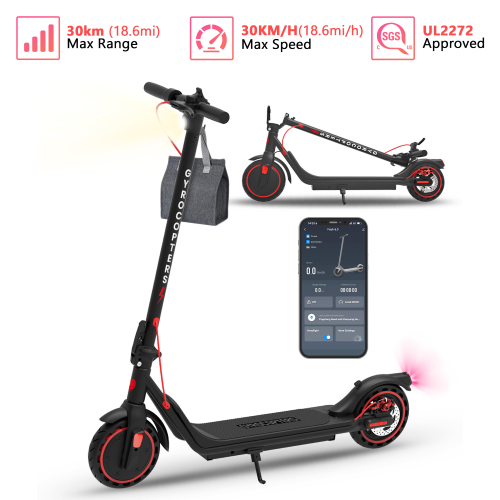 Your price for this item is $269.97
-
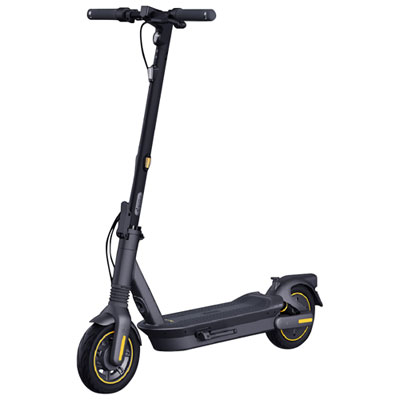 Your price for this item is $1199.99
-
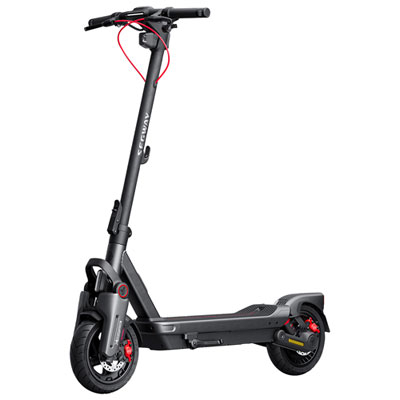 Your price for this item is $1599.99
-
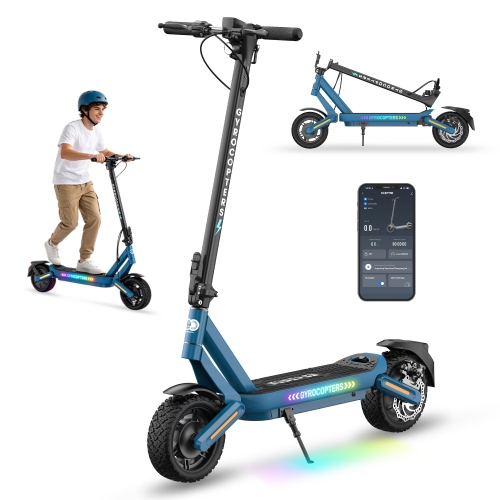 Your price for this item is $699.97
-
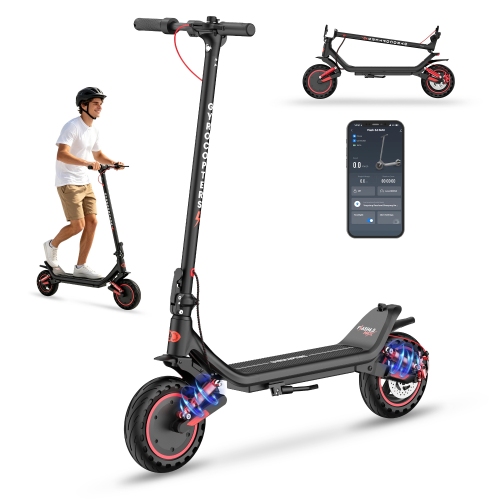 Your price for this item is $499.97
-
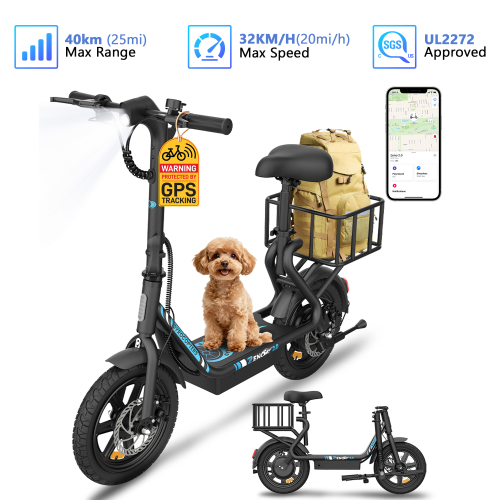 Your price for this item is $499.97
-
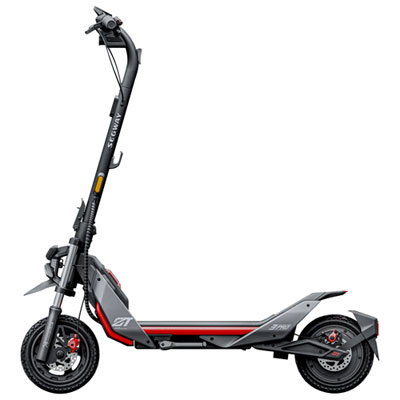 Your price for this item is $1599.99
-
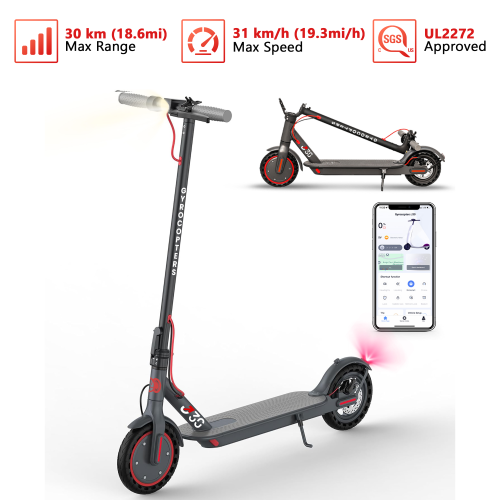 Your price for this item is $319.97
Discover more categories related to Motor Scooters
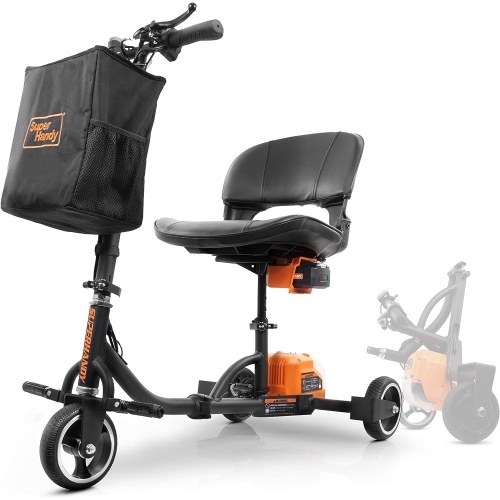
Top Collections:
Pokemon Centers, Best Cameras for Sports Photography, Kindle Devices, Samsung Galaxy Phones, Canon G7X Cameras, Pokémon 30th Celebration Cards, Refurbished Apple Laptops, iPhone 15 Apple, Laptops for Students, Budget Smartphones
Some products may be subject to Environmental Handling Fees
(EHF) depending on your province.
Learn more about EHFs.