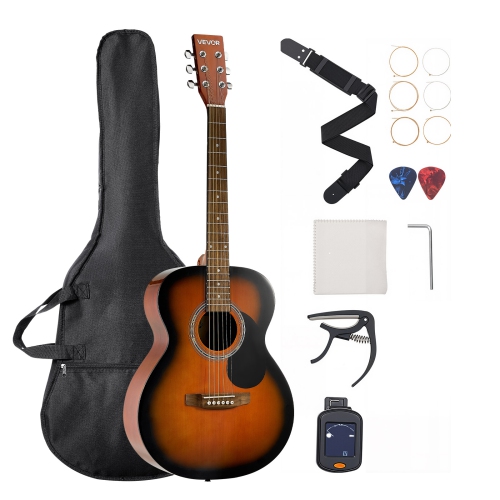
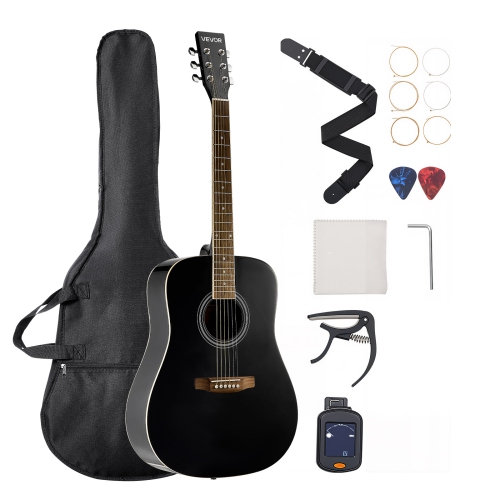
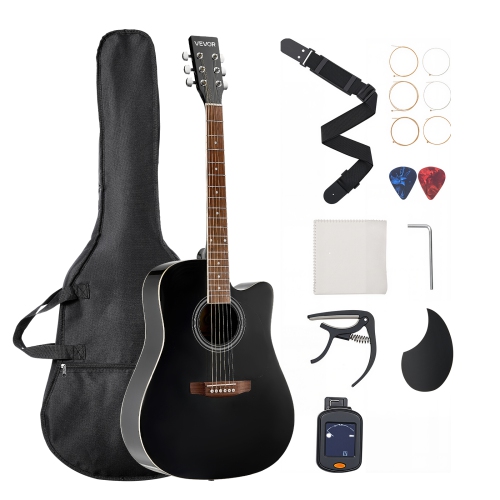
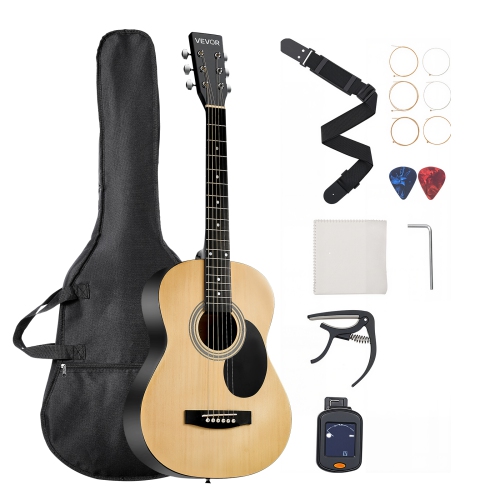
Steel-String Acoustic Guitars

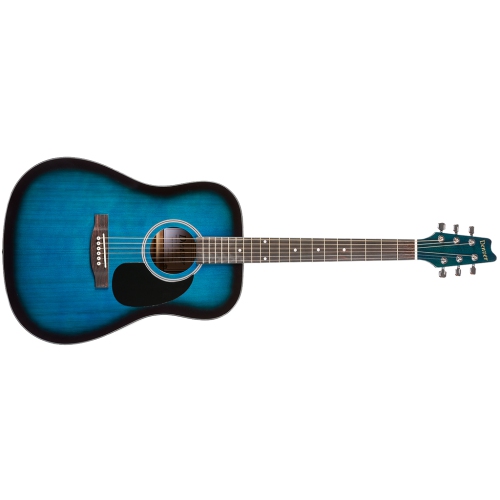
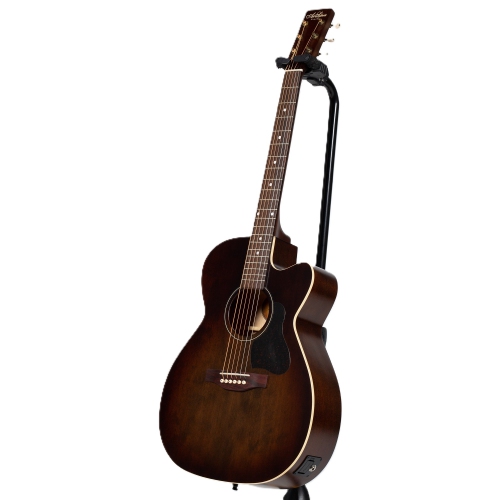
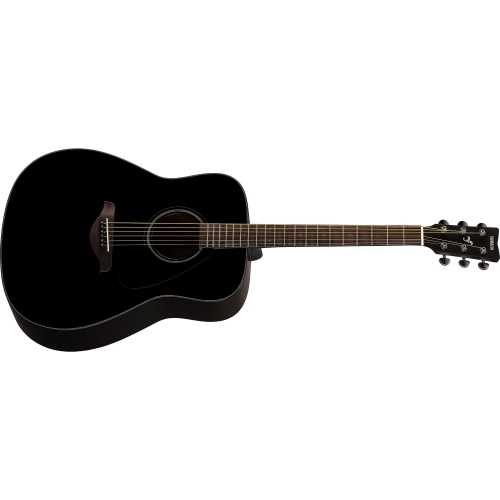
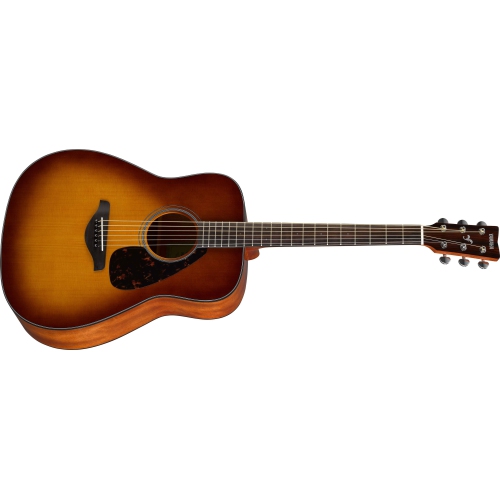
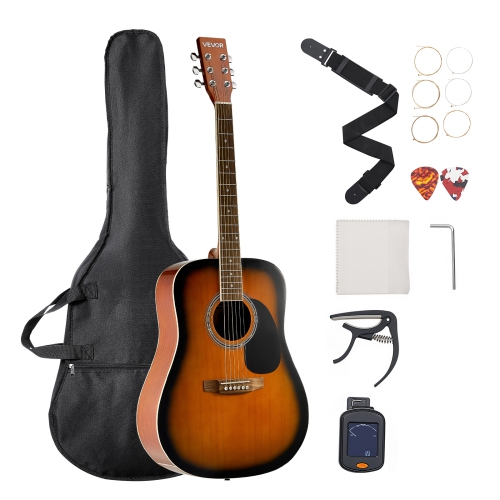
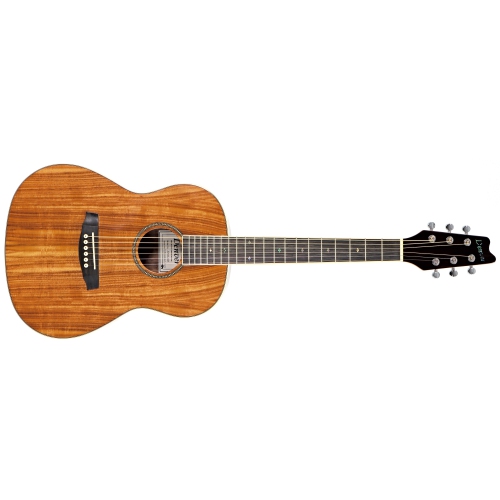
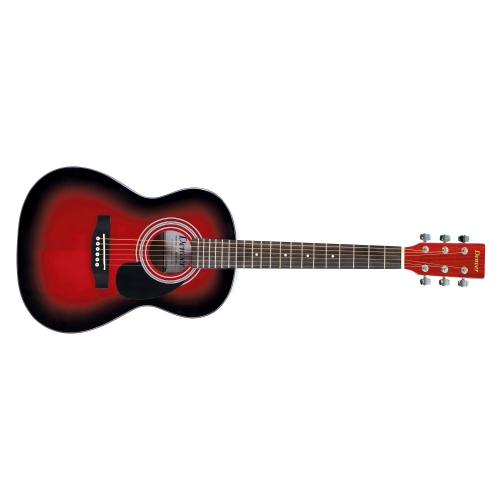
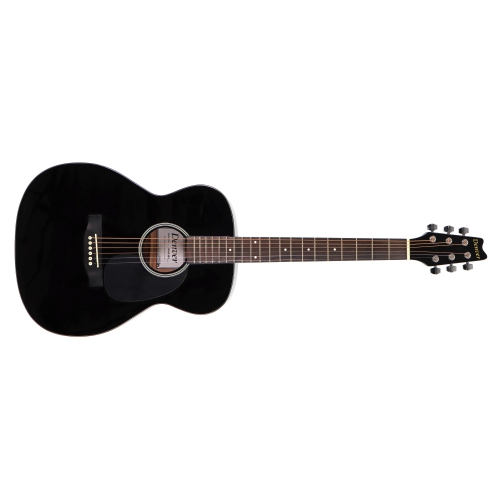
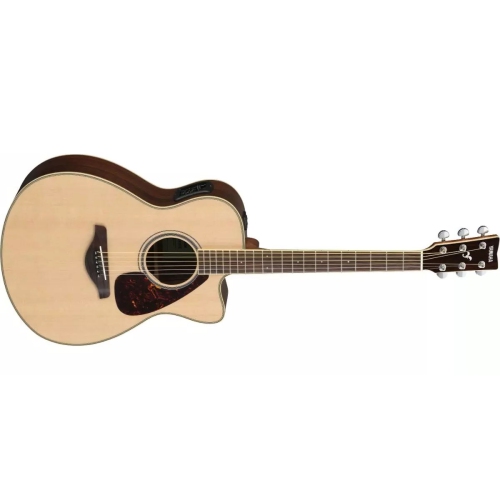
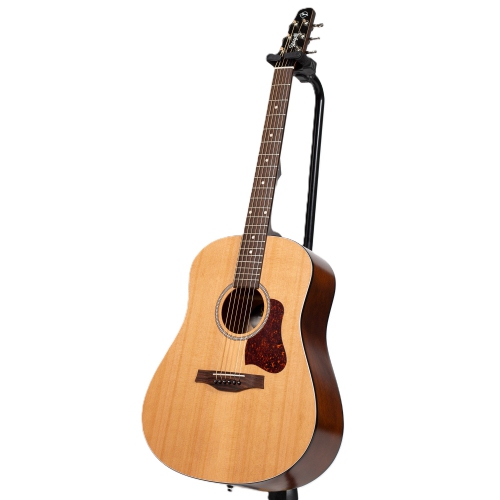
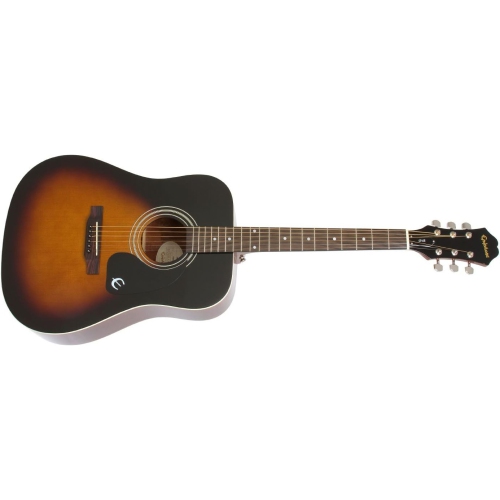
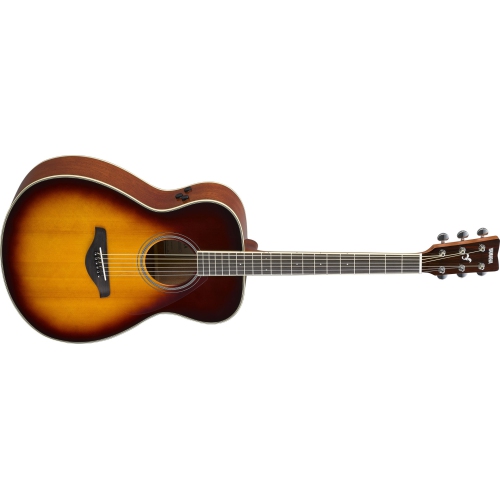
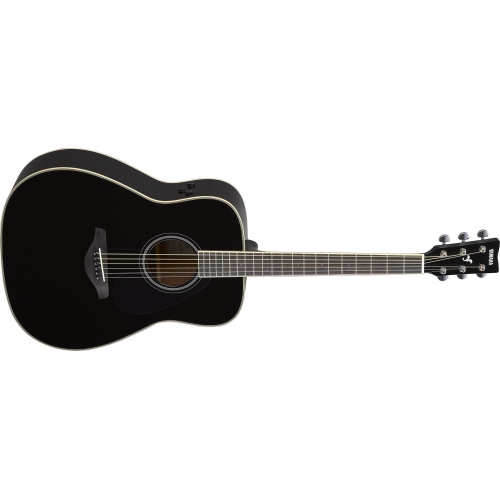
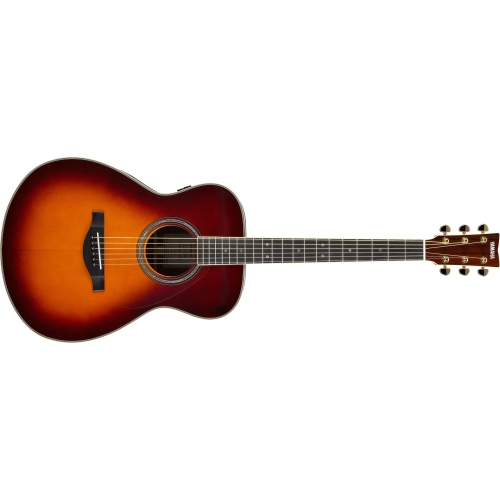
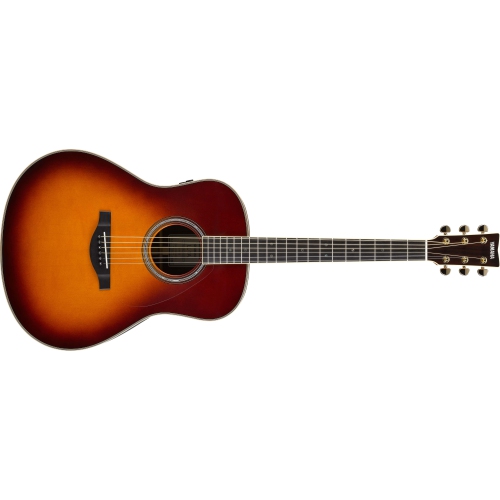
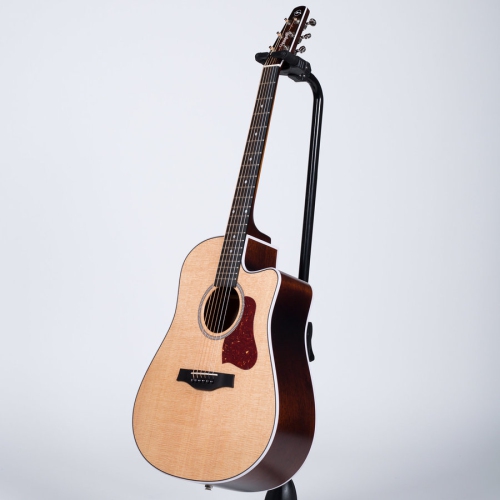
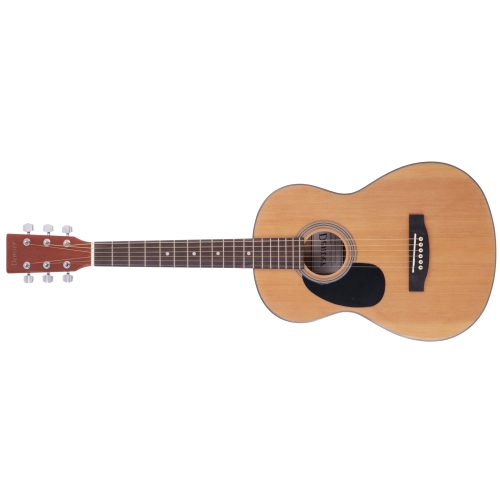
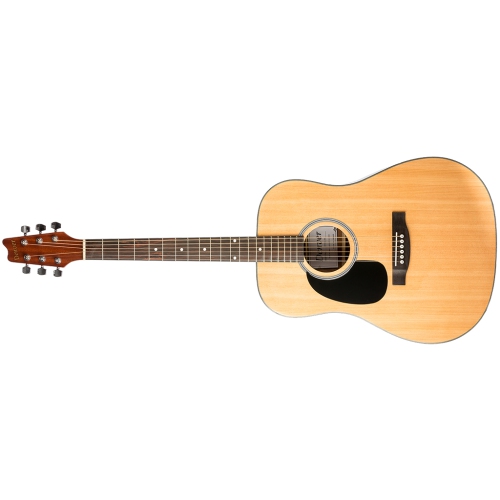
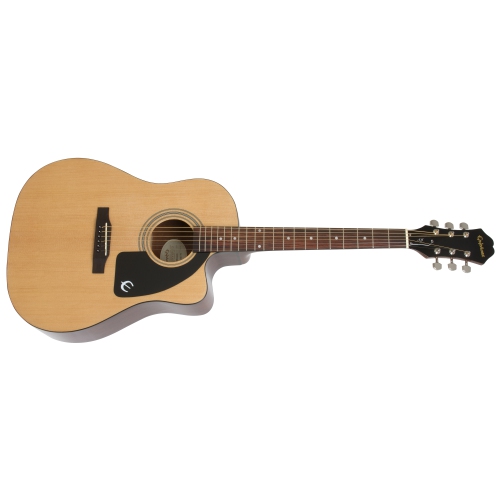
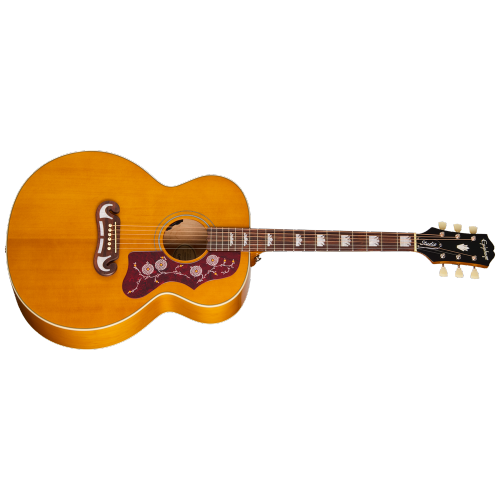
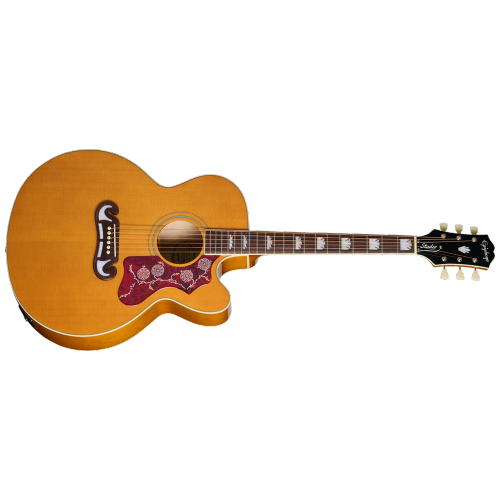
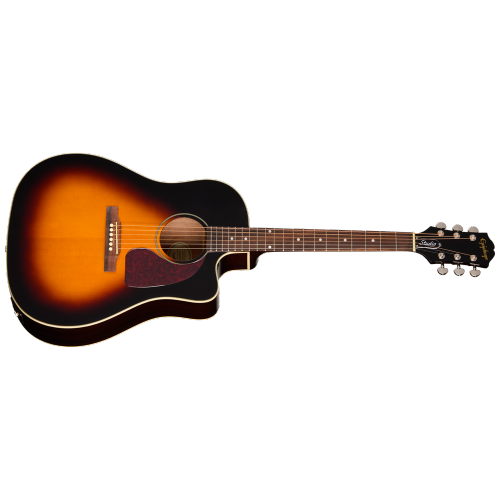
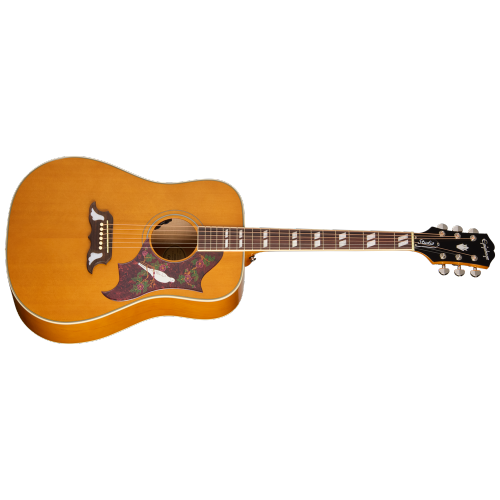
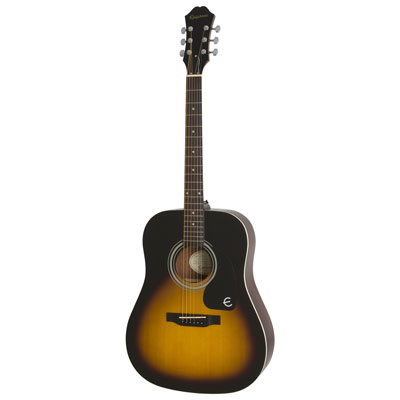
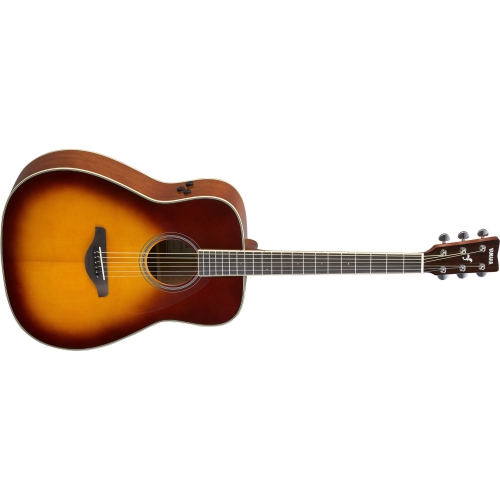
Explore steel-string acoustic guitars for practising chords, fingerpicking, or accompanying vocals. Known for their bright, crisp tone, these guitars suit a range of playing styles. Compare body size, neck feel, and listed features to find an instrument that fits your playing needs and feels comfortable to hold.
Read More

Sort

Bright acoustic tone that responds to your touch

Steel-string acoustic guitars are fretted musical instruments that use metal strings and a hollow body to produce a bright, clear sound without requiring amplification. Their crisp attack, ringing sustain, and broad dynamic range make them familiar voices in folk, country, pop, blues, and acoustic rock. A lightly picked melody can sound intimate and delicate, while a firm strum can provide the rhythmic foundation for a singer or a small group. Despite the name, the strings are not necessarily made entirely of steel: the higher strings are commonly plain steel, while the lower strings typically have a steel core wrapped in an alloy such as bronze or phosphor bronze. This construction contributes to their distinctive feel and tone. Compared with nylon-string classical guitars, steel-string acoustics generally have higher string tension and often narrower necks, although neck dimensions vary considerably. Most modern designs include an adjustable truss rod that helps control the neck’s curvature under tension. The instrument’s sound also depends on its wooden body, internal bracing, scale length, and the way it is played. A pick brings out a defined, percussive edge for chord work, while fingertips can draw softer textures and separate bass notes from a melody. That versatility suits beginners learning their first chord changes, songwriters working through a new chorus, and experienced musicians accompanying vocals or playing instrumental arrangements. For home practice, an acoustic body provides sound on its own; for performance, an acoustic-electric version adds a pickup system that can connect to suitable amplification or recording equipment. Neither approach changes the essential appeal of a steel-string guitar: the direct response of strings and wood to the player’s touch. From a steady strummed accompaniment at a family gathering to intricate fingerstyle passages played alone, these instruments support a wide range of musical settings without requiring an elaborate setup.
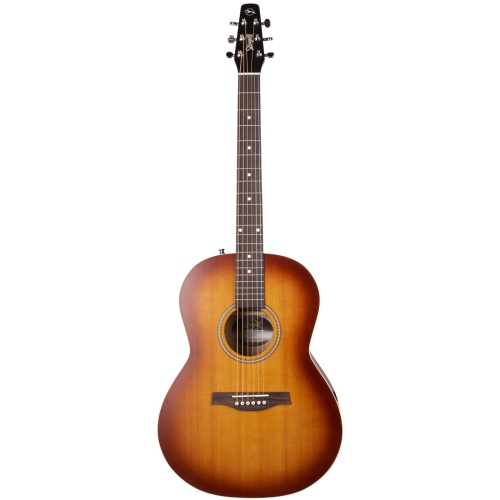
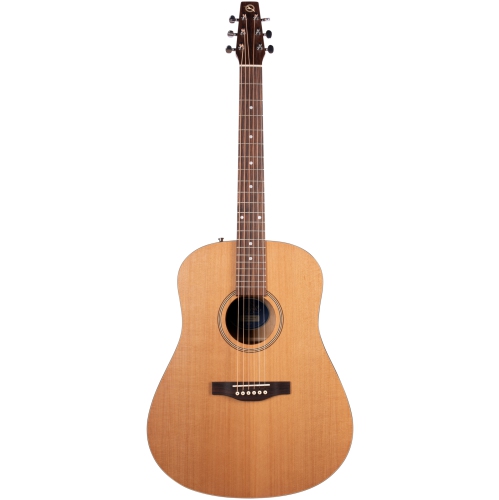
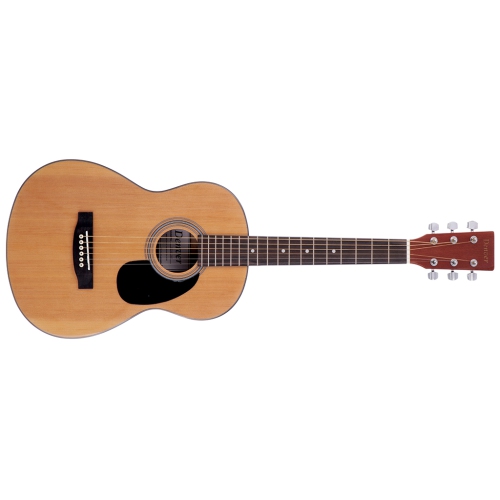
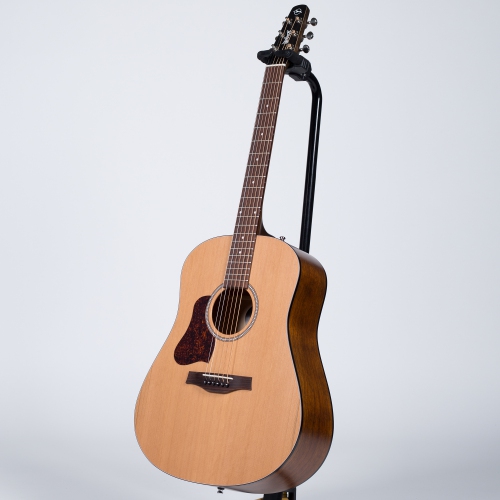
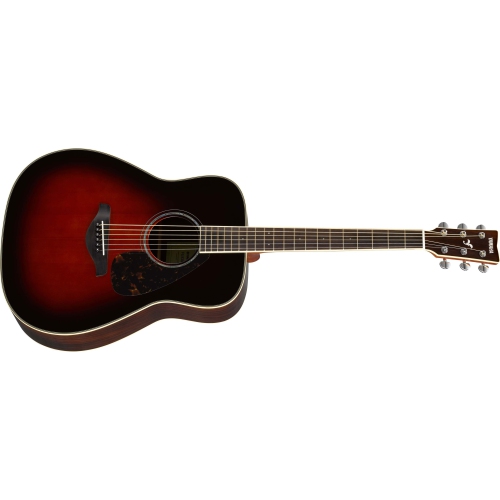
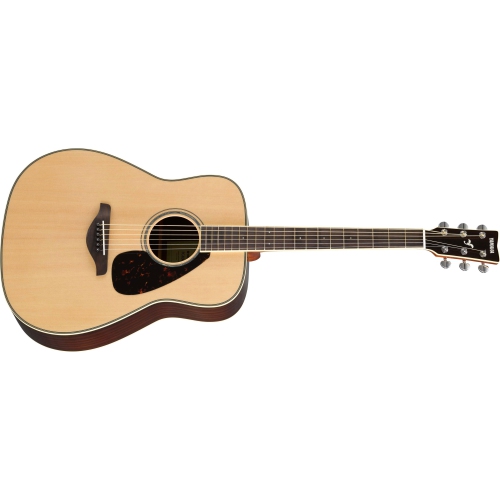
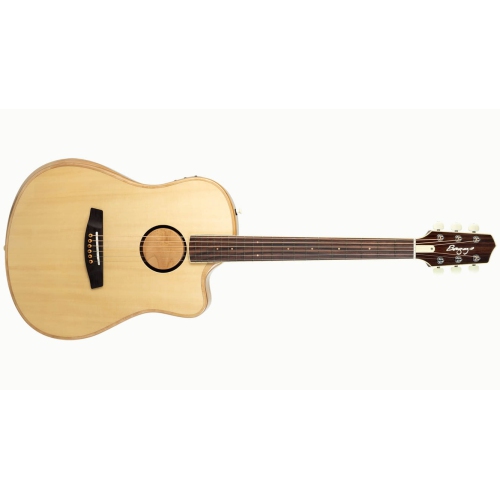
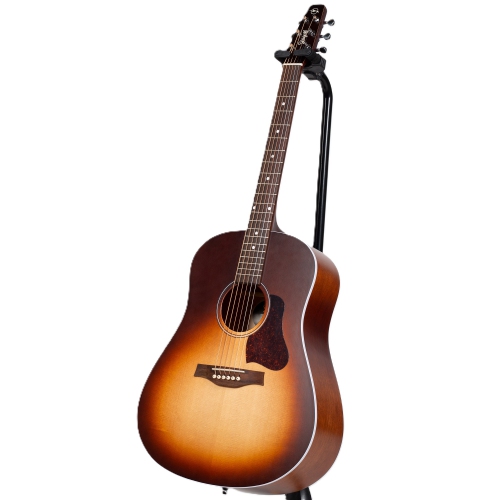
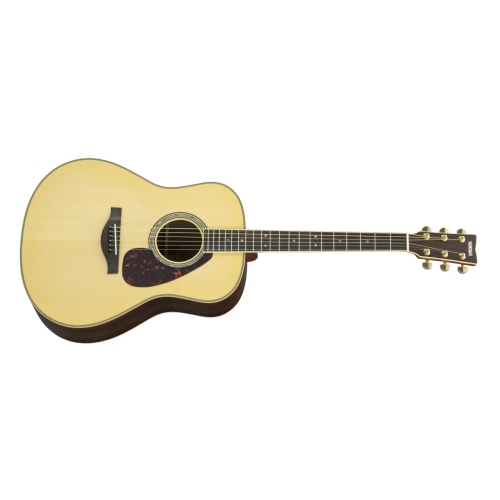
Body shape and construction help determine how a steel-string acoustic guitar sounds and how comfortably it sits against the player. Dreadnought bodies are associated with a strong low end and substantial projection, qualities that can suit open-chord strumming and flatpicked passages. Smaller concert and parlour bodies can offer a more compact feel and a focused response, while auditorium shapes often balance bass, midrange, and treble across different playing styles. These are useful tendencies rather than fixed rules: two guitars with similar outlines can sound noticeably different because of their bracing, depth, woods, and construction. A deep body may feel awkward beneath a smaller player’s picking arm, even when its sound is appealing. Someone practising seated for extended periods may prefer a shallower body or a narrower waist that rests comfortably on the leg. Neck profile, nut width, and string spacing matter just as much. A fingerstyle player may appreciate extra room between strings, whereas another player may find a slimmer neck easier for frequent chord changes. Shorter scale lengths generally reduce string tension when tuning and string gauge are otherwise equal, though the overall feel also depends on the setup. Materials add another layer of character. Spruce soundboards are widely used for their responsiveness and ability to accommodate a range of playing dynamics; cedar is often associated with a warm response to a lighter touch. Mahogany can contribute a focused, woody character, while rosewood is often associated with fuller bass and complex overtones, depending on where and how each wood is used. Solid-wood tops and layered construction offer different combinations of resonance, structural consistency, and care requirements. The broader category of Wooden Acoustic Guitars provides context for these material choices, but wood species alone cannot predict an instrument’s voice. Finish, bracing, and craftsmanship all contribute, so body dimensions and construction details are most useful when considered together rather than as isolated specifications.
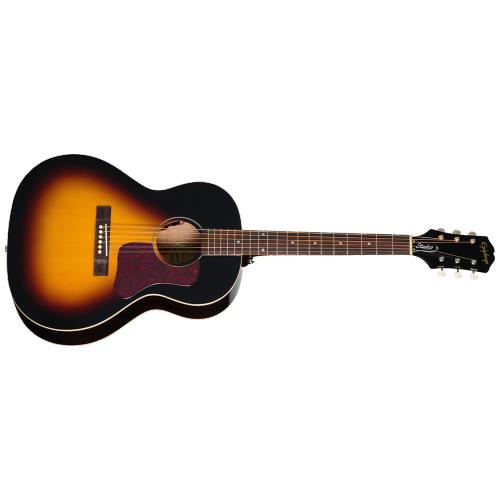
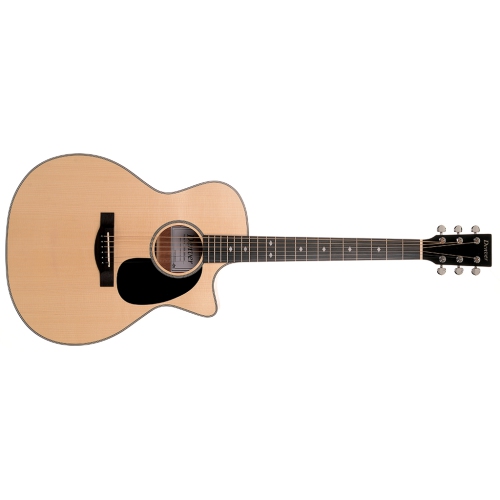
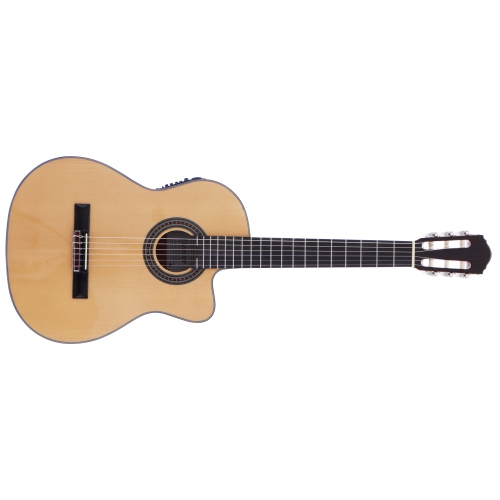
Everyday playability often matters more than decorative details, particularly for someone building a regular practice habit. Action—the distance between the strings and frets—affects how much pressure fretting requires. Excessively high action can make even basic chords tiring, while action that is too low may cause unwanted buzzing. A professional setup can address neck relief, nut slots, and saddle height to suit the instrument and the player’s technique. Lighter strings can make fretting and bending easier, although changing gauge may also change the sound and require setup adjustments. Some fingertip tenderness is common when learning steel strings, but persistent hand or wrist pain is a reason to reassess posture, technique, and fit rather than simply press harder. For younger learners, a smaller-bodied or shorter-scale steel-string guitar can be more manageable than a full-size instrument, provided its reach and string tension suit the player. As a gift for a new musician or someone returning to music, the recipient’s handedness, preferred style, and physical comfort are more useful considerations than appearance alone. Practical details become important as playing moves beyond the living room. A cutaway gives easier access to higher frets, strap buttons support standing use, and an onboard tuner can simplify tuning between songs. Acoustic-electric electronics vary, with some offering basic output and others including tone controls or a built-in preamp; systems that require a battery also need occasional battery checks. Regular care helps preserve both sound and reliability. Wiping the strings and body with a clean, dry, soft cloth after playing removes residue, and replacing worn strings can restore clarity and improve tuning consistency. A well-fitting case protects against knocks, while keeping the instrument away from direct heat and monitoring humidity helps protect the wooden body from cracking, swelling, or changes in action. Steel strings belong only on instruments designed for their tension, not on a classical guitar intended for nylon strings. With appropriate care and a comfortable setup, a steel-string acoustic guitar can remain a dependable companion through lessons, rehearsals, songwriting sessions, and years of everyday playing.
Read More

FAQ

Some products may be subject to Environmental Handling Fees (EHF) depending on your province. Learn more about EHFs.