Stem Learning
Dive into the exciting world of STEM learning, where curiosity meets innovation and young minds are inspired to explore science, technology, engineering, and mathematics. Our diverse selection of educational tools and resources is designed to ignite a passion for discovery and problem-solving. Whether you're nurturing a budding scientist or an aspiring engineer, these engaging products provide hands-on experiences that foster critical thinking and creativity. Empower the next generation with the skills they need to succeed in a rapidly evolving world, all while having fun along the way.
Sort
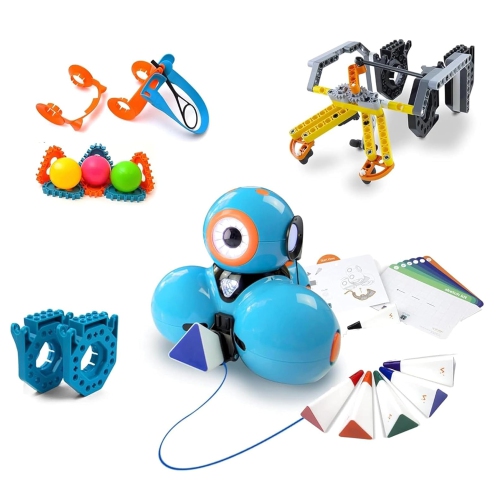
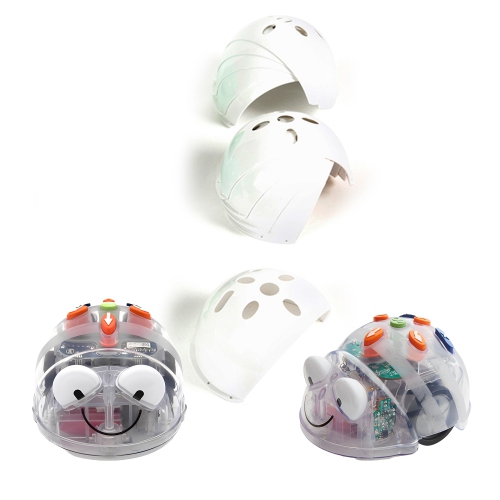
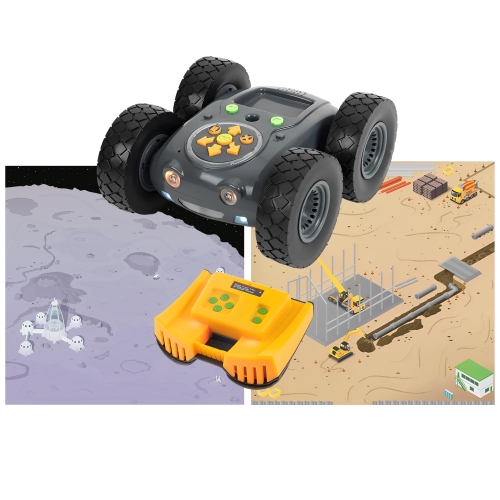
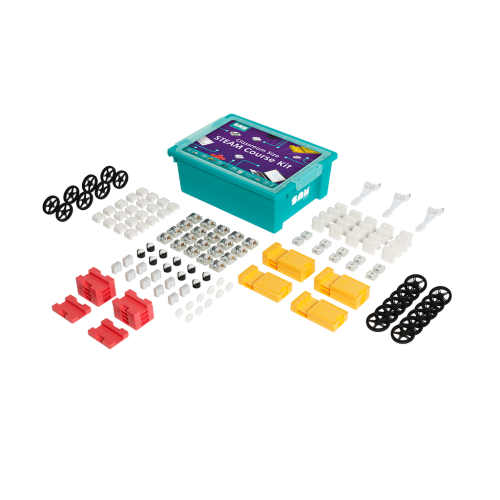


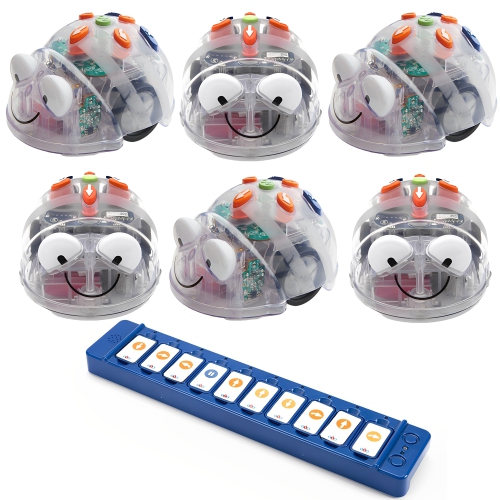
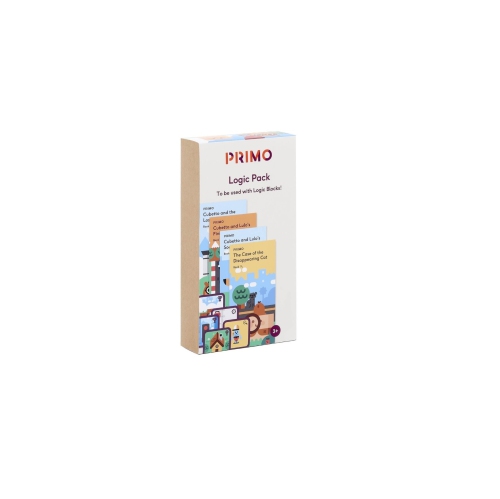
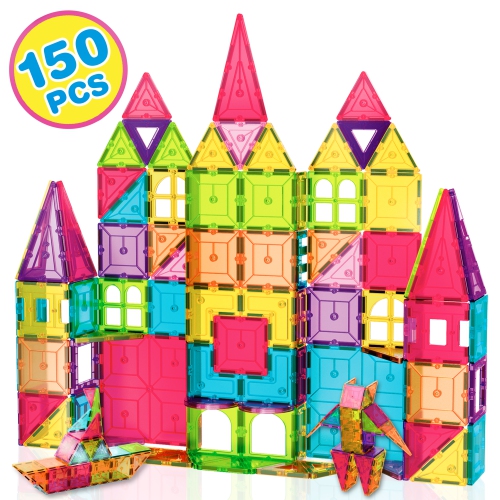
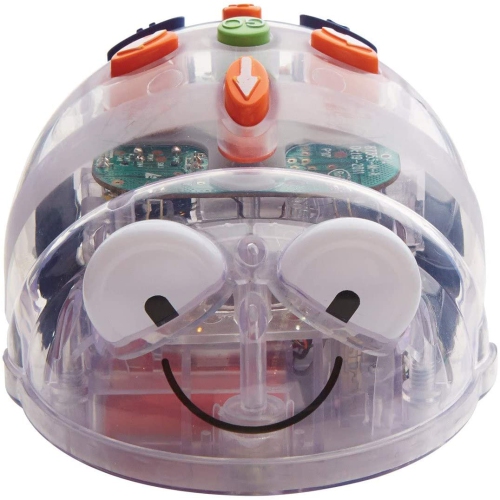








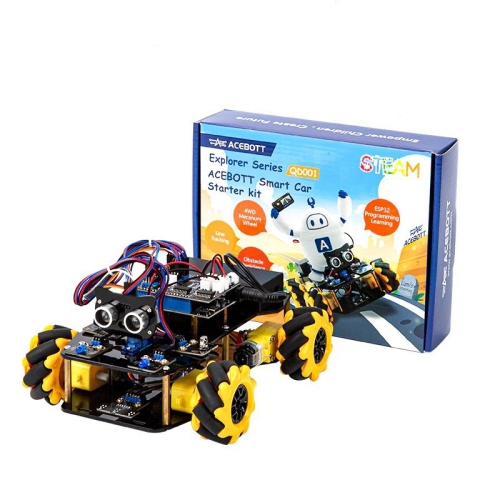
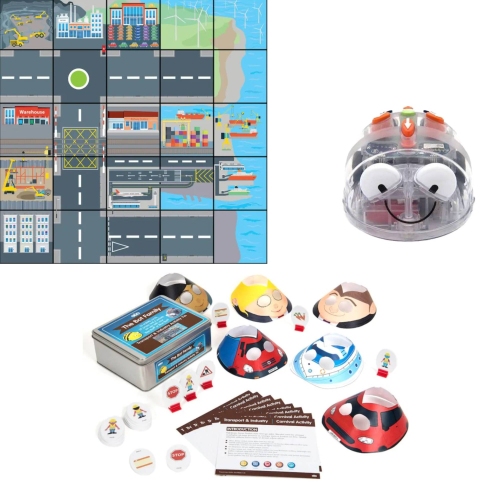
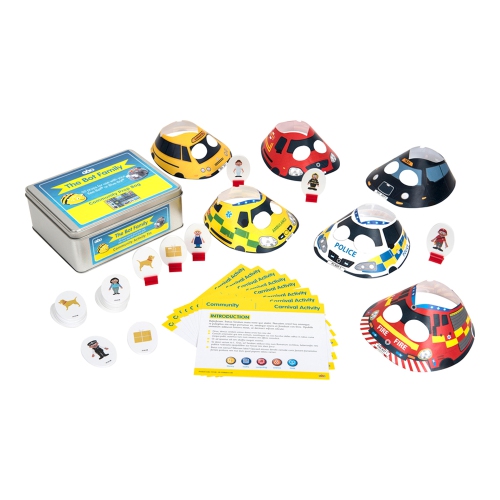
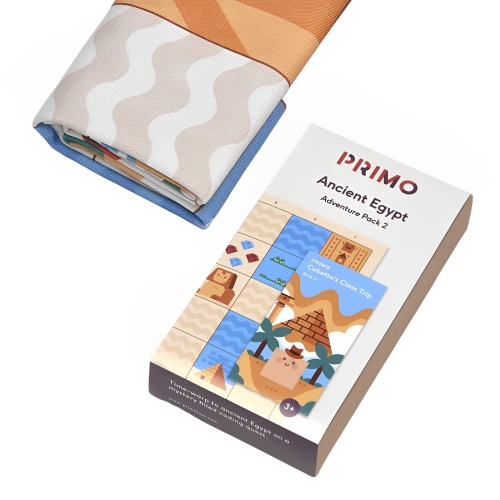





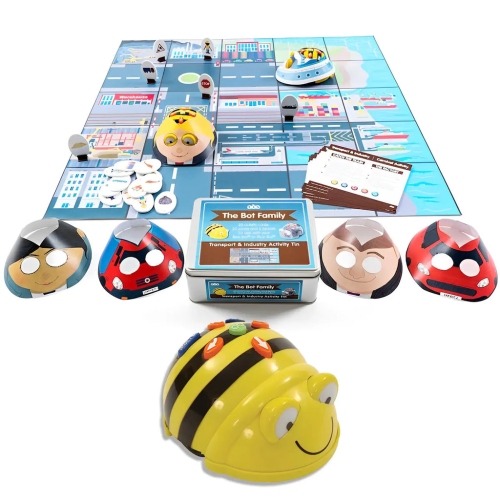


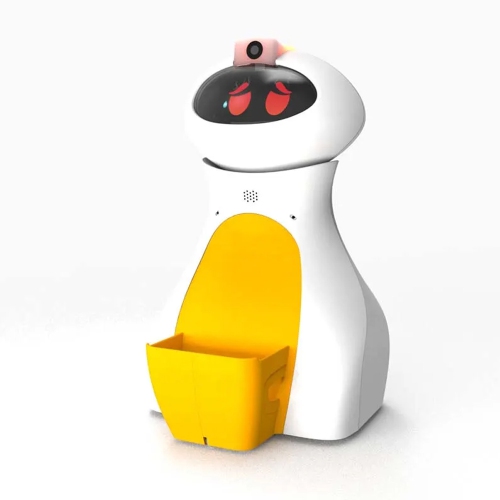
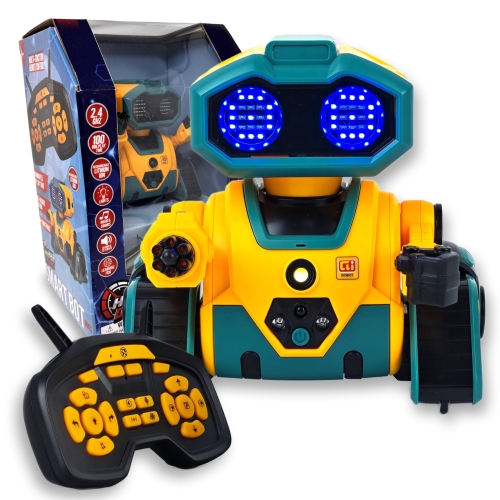
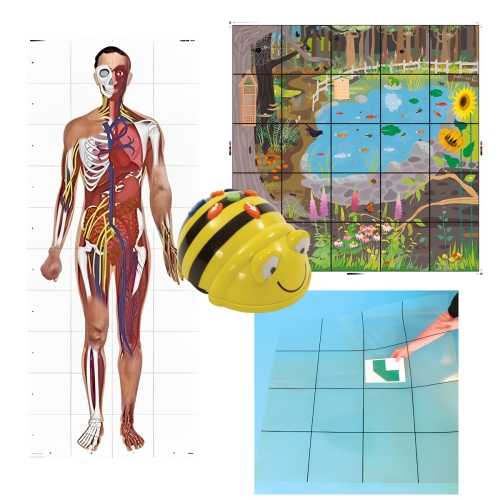



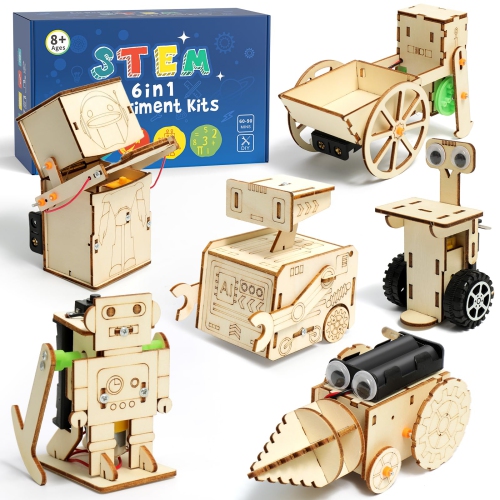
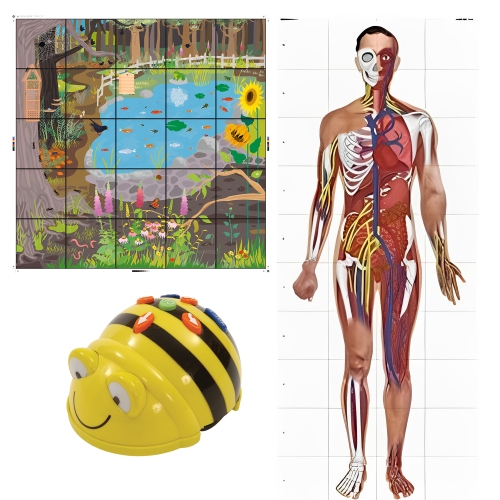
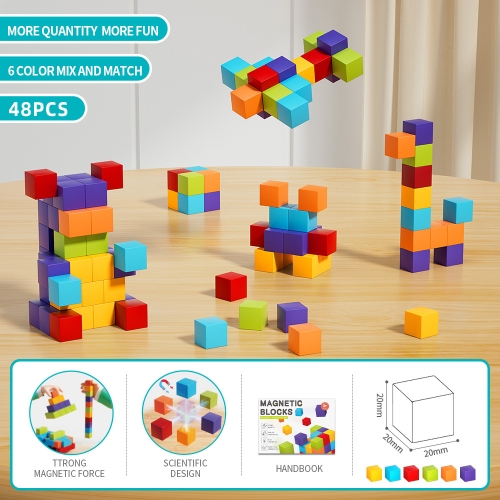
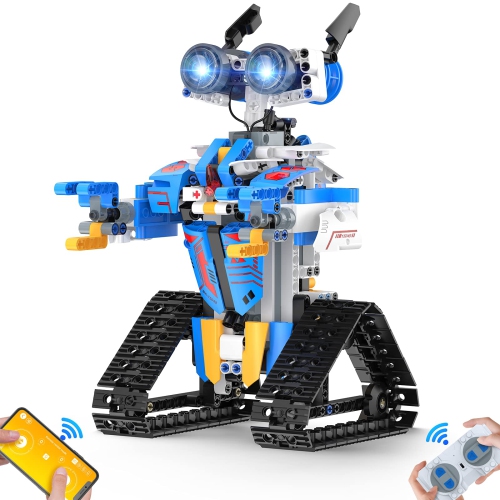
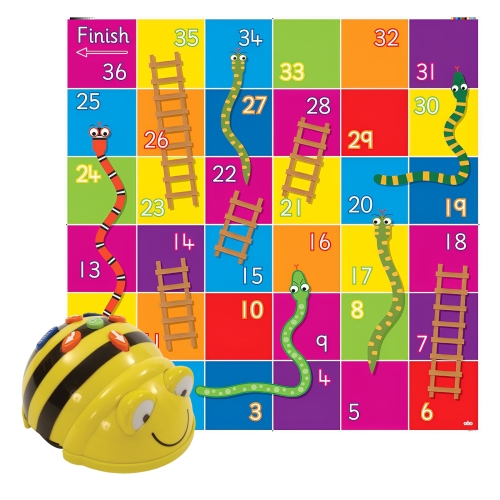
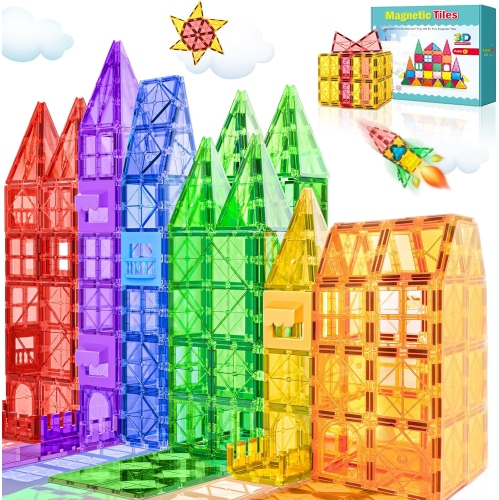
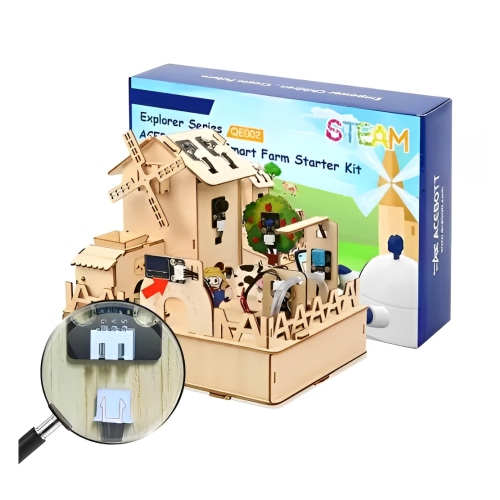

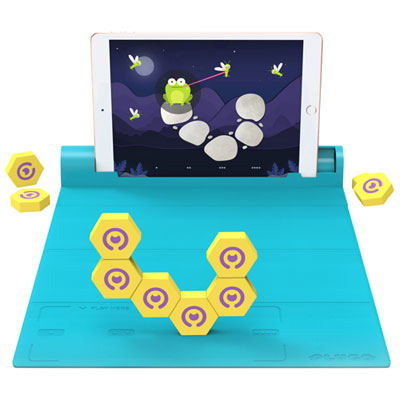

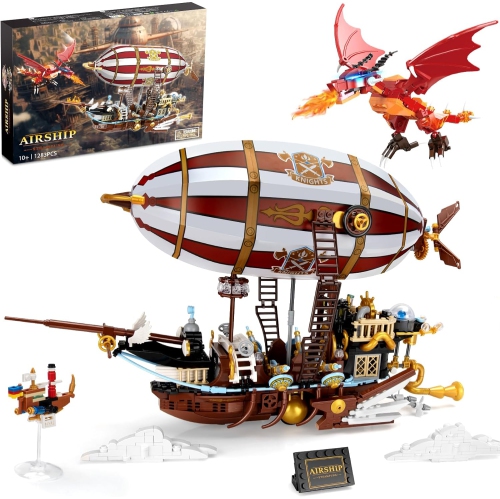
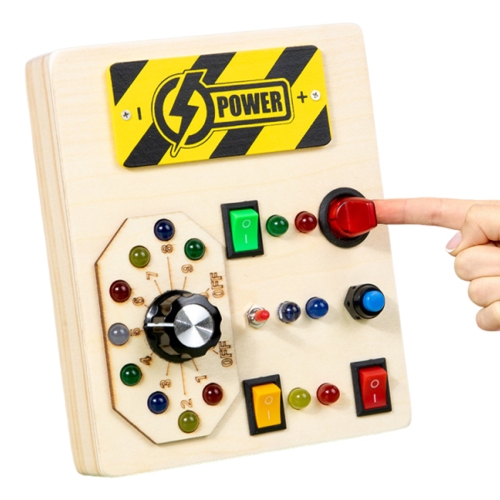
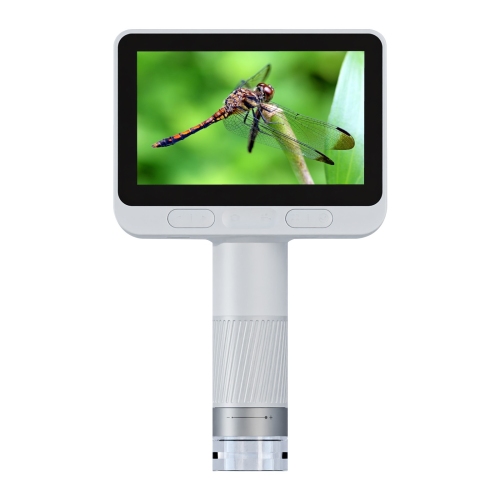

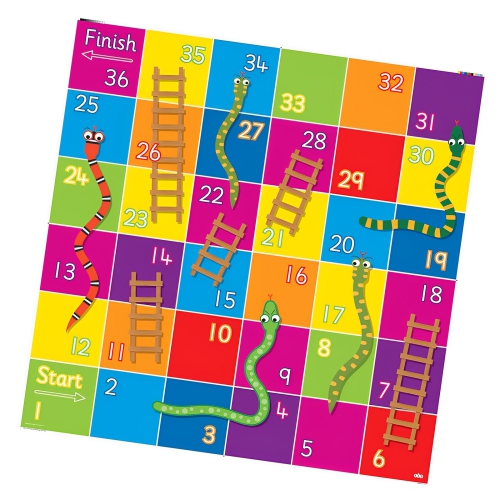
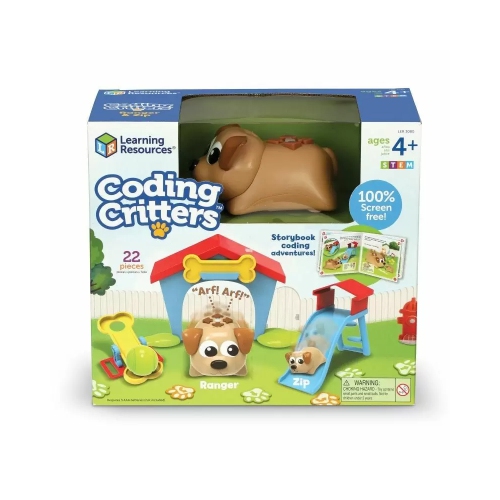


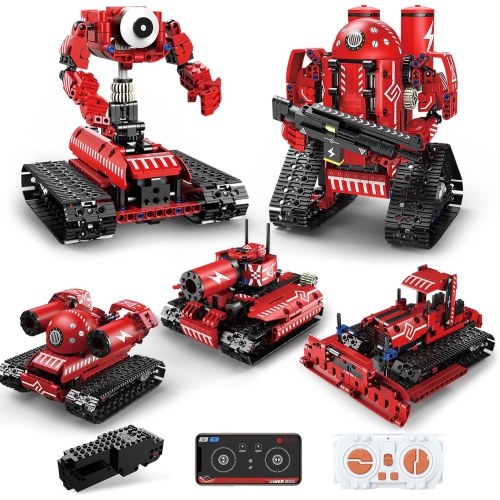
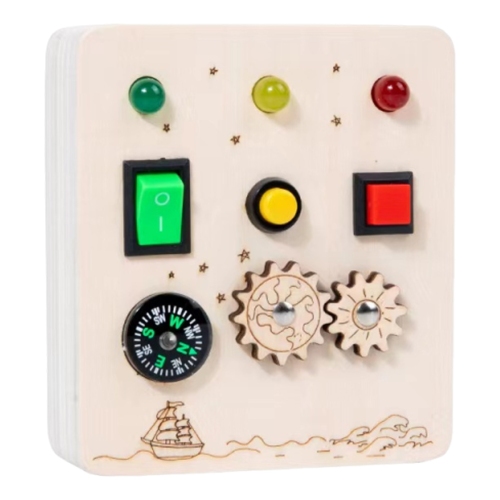
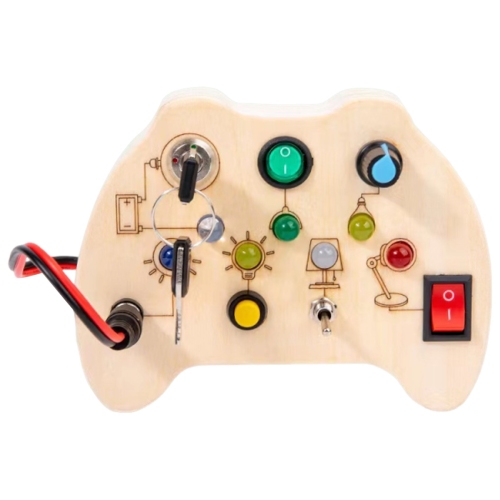
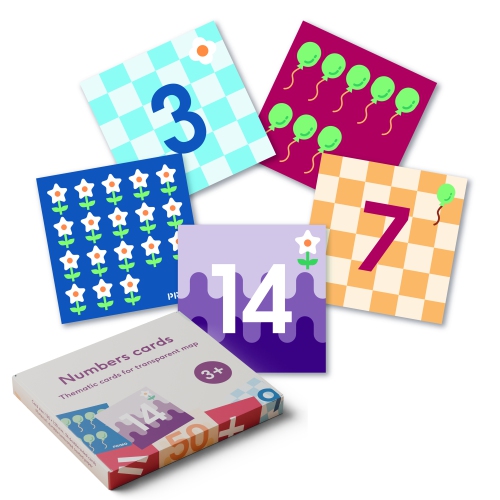

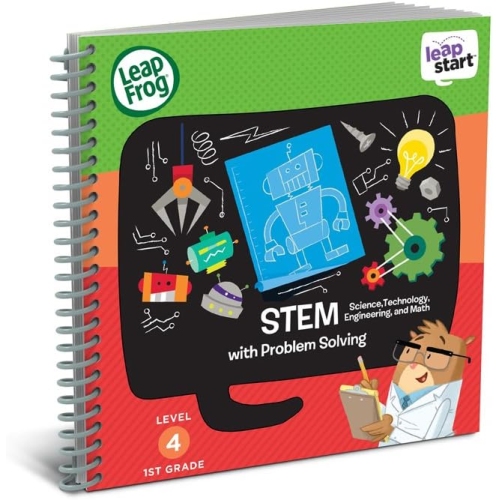
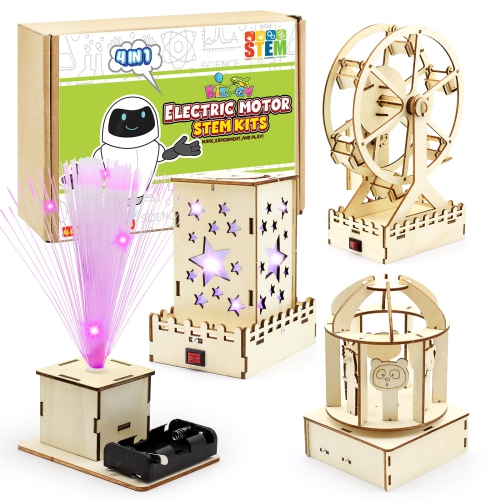
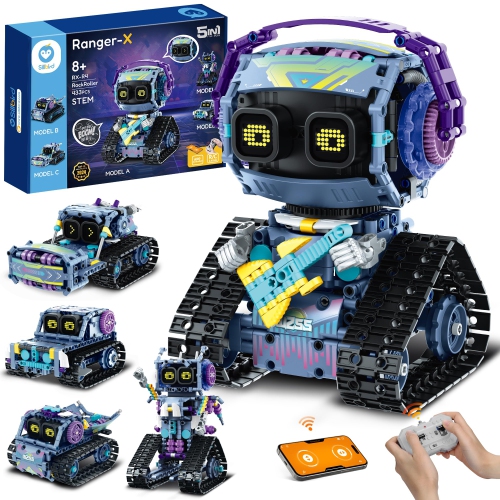

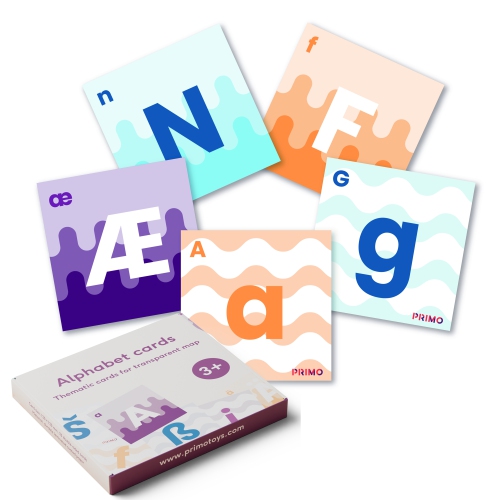

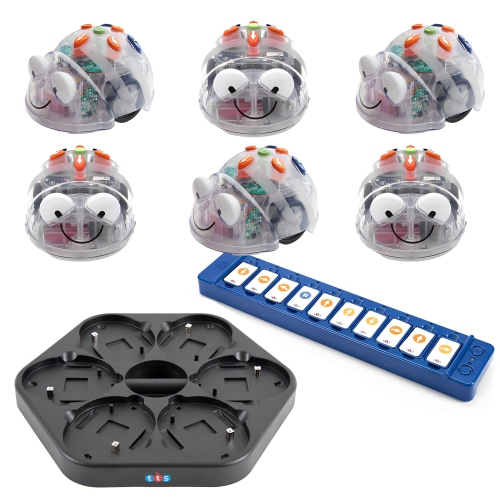
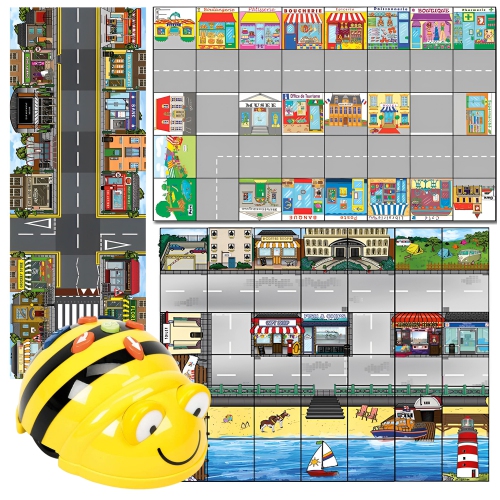



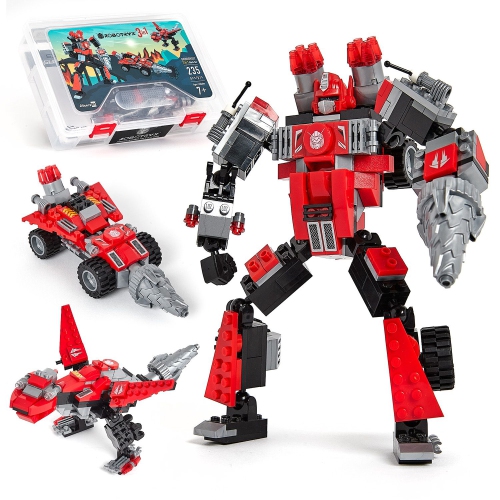

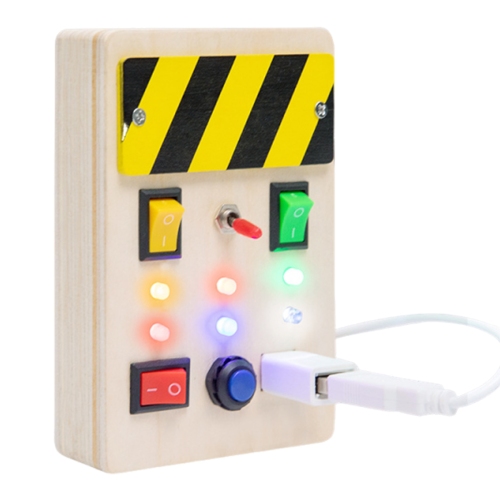
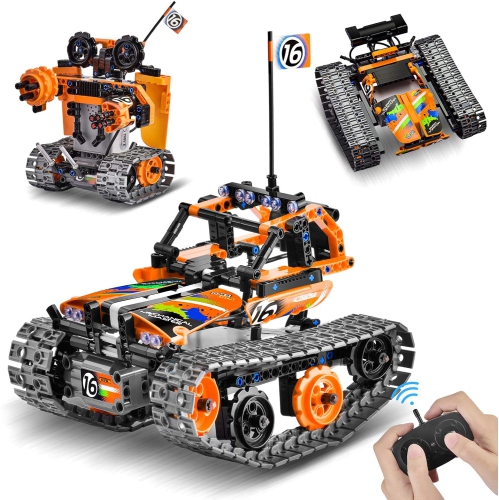
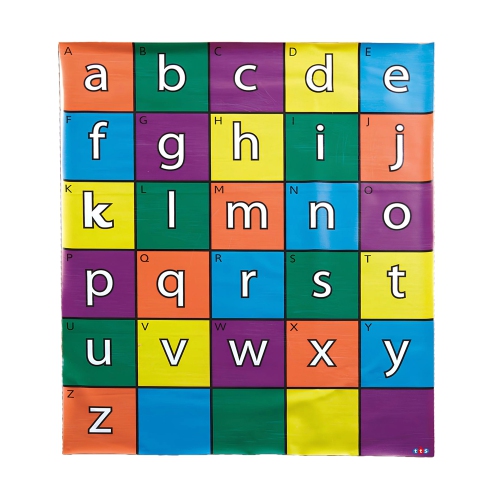

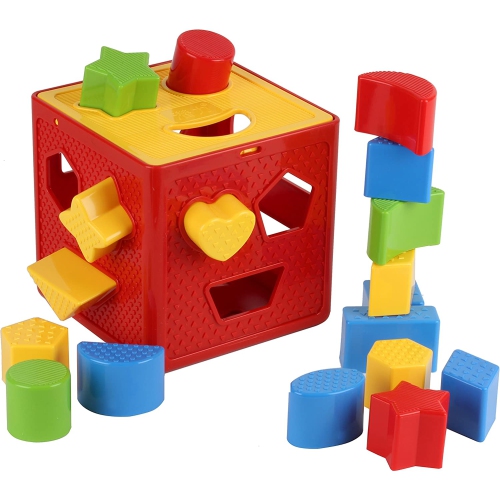

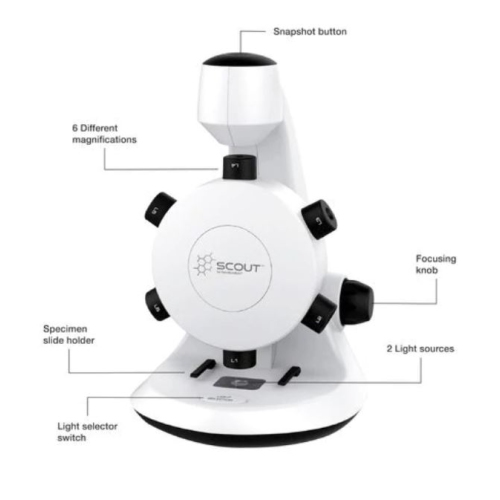
How hands-on play turns trial and error into learning
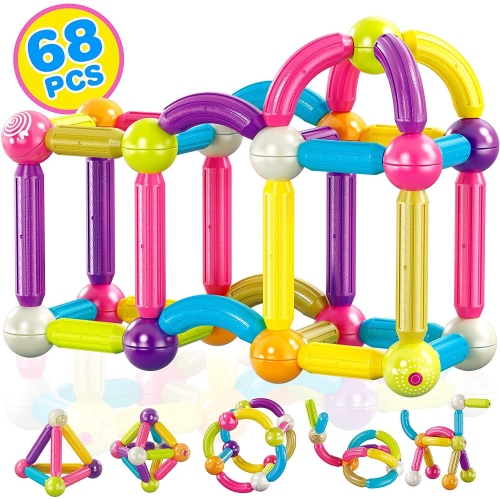
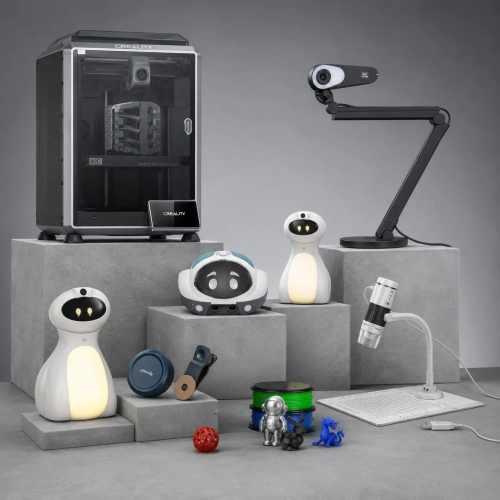
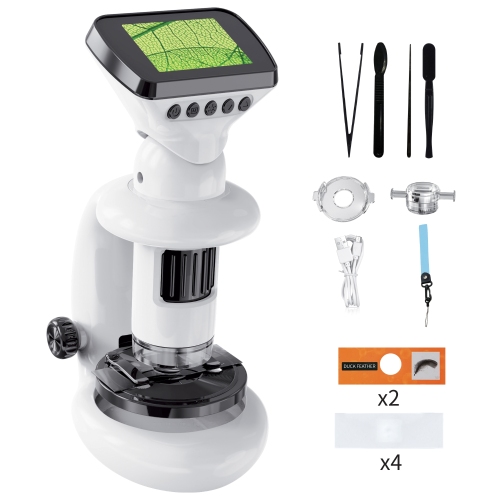
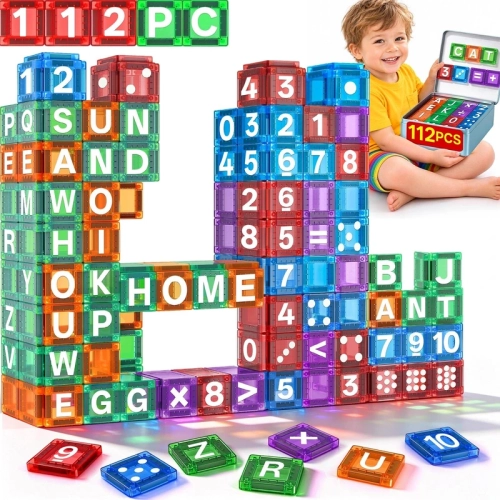
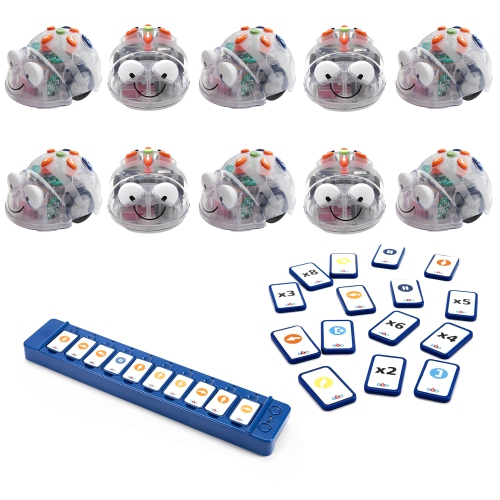
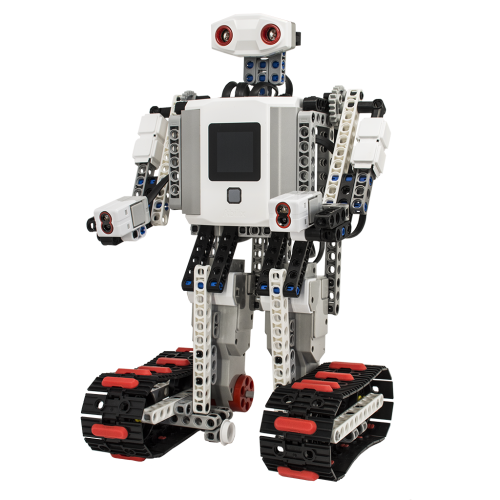
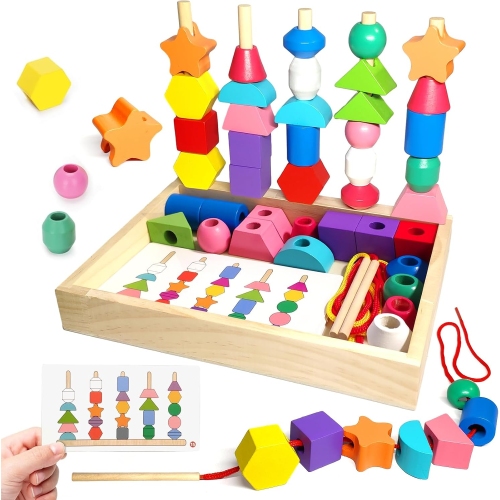
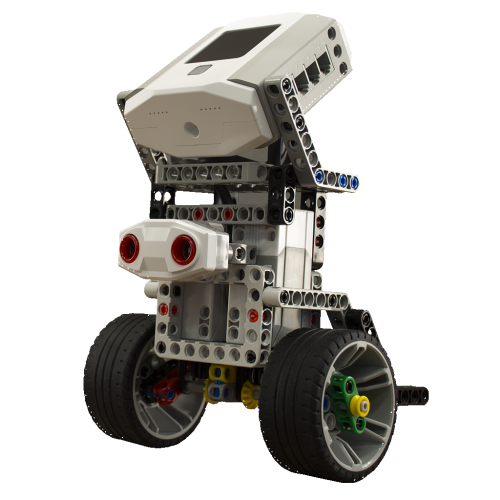
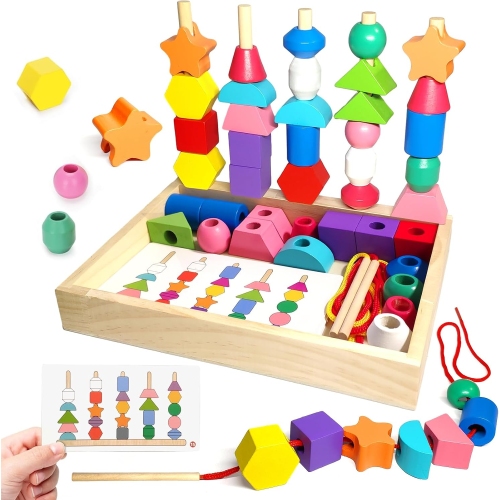
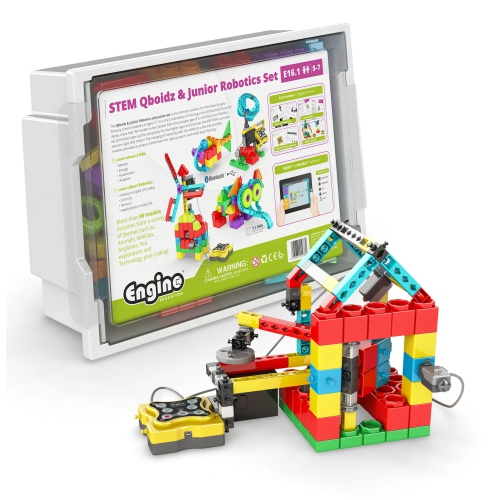
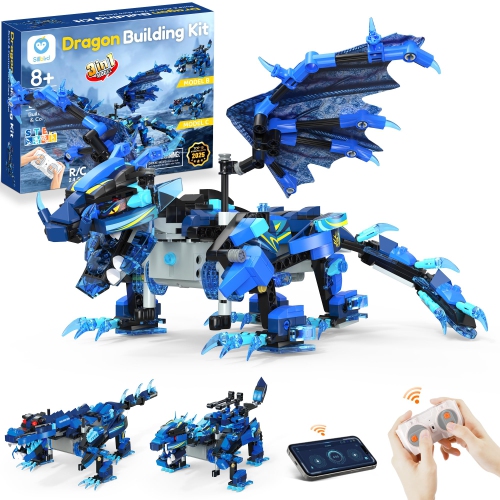
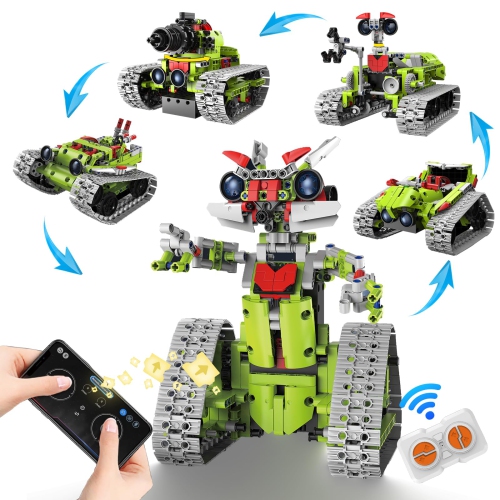
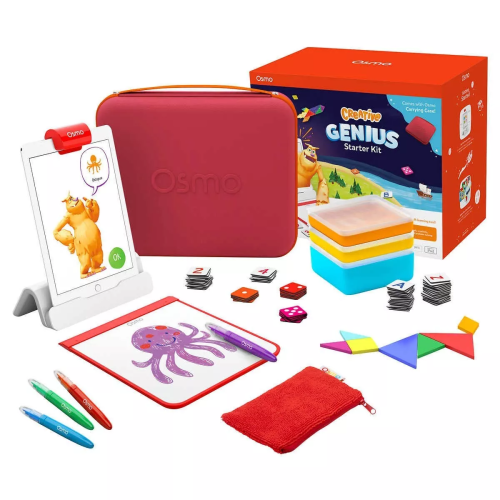
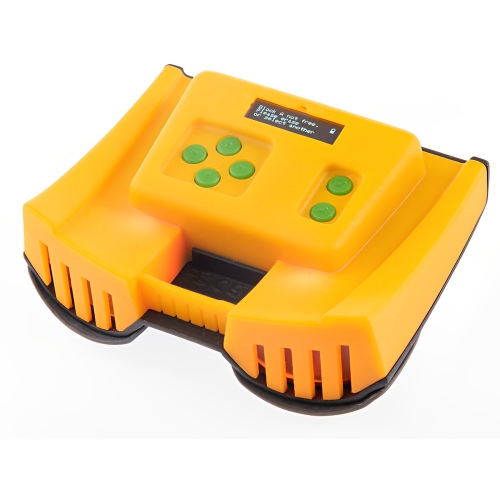
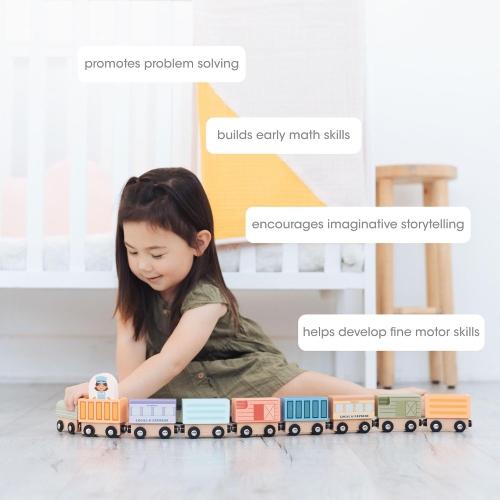
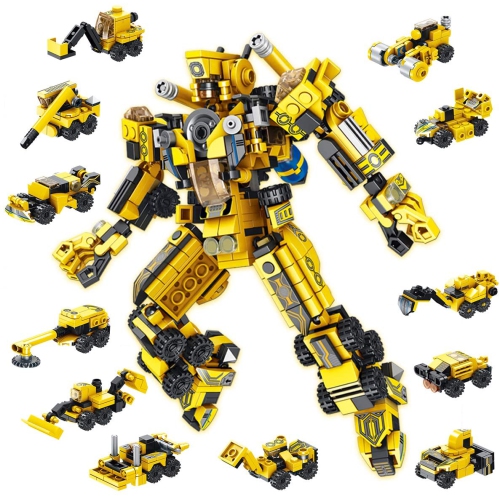
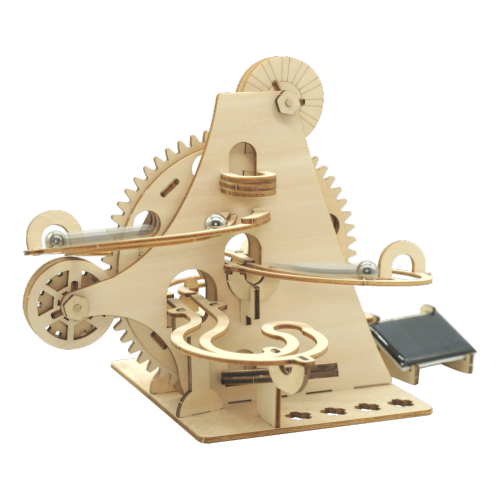
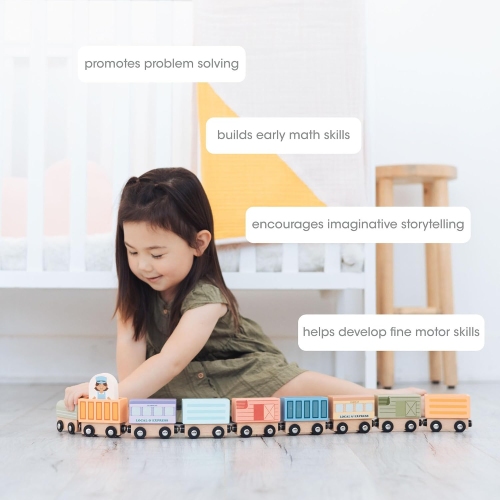
STEM learning brings science, technology, engineering and mathematics together through hands-on exploration and problem-solving. Rather than treating each subject as a separate lesson, it connects ideas through activities such as building a structure, testing a circuit or programming a sequence of movements. STEM learning toys, building sets and activity kits give children tangible ways to explore those connections, with pieces they can arrange, measure, test and rearrange. A bridge made from construction pieces can introduce balance and load distribution; a rolling-ball track can make speed, slope and motion easier to observe. When a ball stops short or a tower leans, the result becomes something to investigate rather than simply an incorrect answer. These experiences encourage children to make predictions, compare outcomes and explain their thinking in their own words. For younger learners, large building pieces, sorting activities and simple cause-and-effect play can introduce patterns, shapes and spatial relationships. As skills develop, more involved construction, introductory electronics and coding activities can add planning, measurement and step-by-step reasoning. The most suitable starting point depends on a child’s interests and experience as much as their age. A child who enjoys drawing might connect with symmetrical designs or moving creations, while one who loves puzzles may prefer sequencing challenges and logic-based activities. Instructions with clear illustrations can provide a useful starting structure, while open-ended components leave room for original designs once the basic task is complete. Both approaches have value: following a sequence practises attention to detail, and adapting it introduces decisions about what to change and why. STEM play can also give adults a practical way to join in without taking over. Holding a base steady, helping read a measurement or asking what changed between attempts keeps the learner involved in the work. The finished creation is only part of the experience; noticing a loose connection, adjusting a support and trying again are meaningful parts of learning, too.
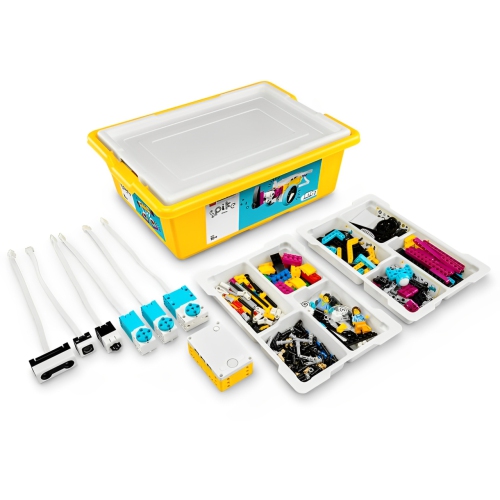
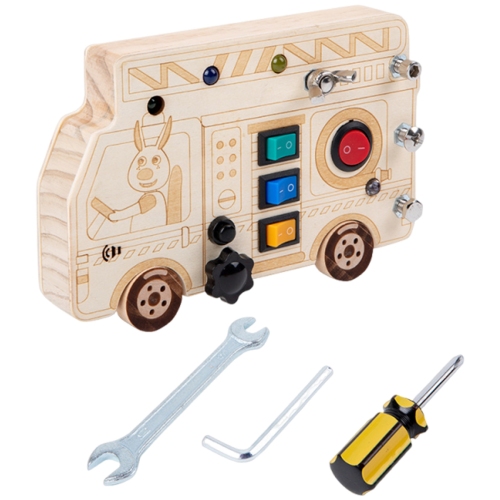
The physical design of STEM learning products matters, particularly when activities involve repeated assembly or small components. Materials may include plastic, wood, metal, paperboard and electronic parts, each suited to different kinds of use. Smooth edges, manageable piece sizes and connections that fit securely can make a difference to how comfortably a child works. Larger components are generally easier for small hands to grasp, while detailed assemblies may demand greater hand strength, precision and patience. Age recommendations and safety information should guide selection, especially where there are small parts, magnets, batteries, glass components or substances used for experiments. A younger sibling sharing the play space is also worth considering, even when the main user is old enough for the activity. Science activities involving heat, liquids or household materials may need adult preparation and supervision according to the instructions. Practical fit extends to the work surface: a broad building base needs enough table space to remain undisturbed, while a multi-stage experiment may need a dedicated area between sessions. Trays and divided containers can help keep fasteners, connectors and other small pieces together without interrupting the activity. Durability is about more than a sturdy outer shell. Repeated-use sets benefit from joints that tolerate assembly and disassembly, readable markings and components that can be stored without bending or crushing. Moving parts should be handled as directed rather than forced when something does not fit. Care requirements vary by material, so cleaning and storage should follow the manufacturer’s directions. Electronic sections may need to stay dry, while paper instructions and observation sheets are best kept away from spills. A set that can be packed away in an organized way is easier to return to later, particularly when several people share it. Clear storage also makes it simpler to spot a missing piece before starting a longer build. These everyday details help keep the focus on exploring ideas rather than searching for parts or repairing preventable damage.
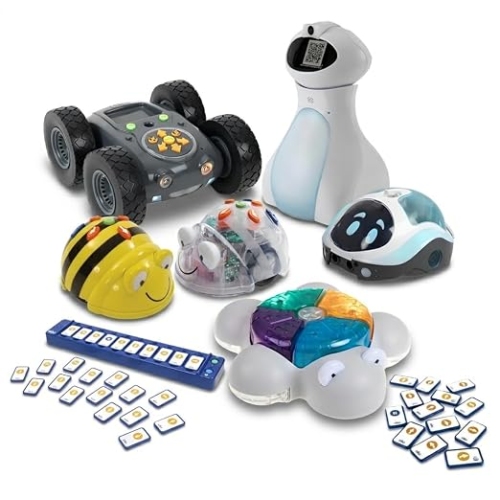
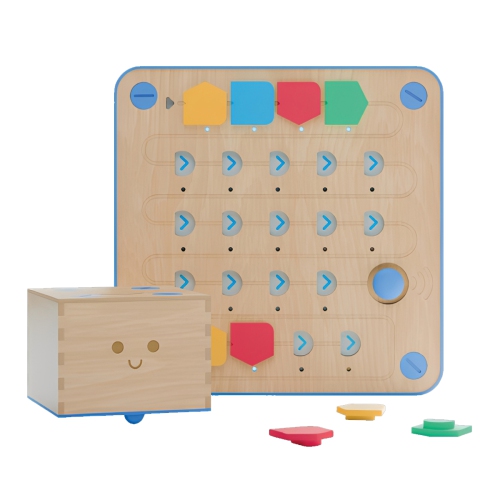
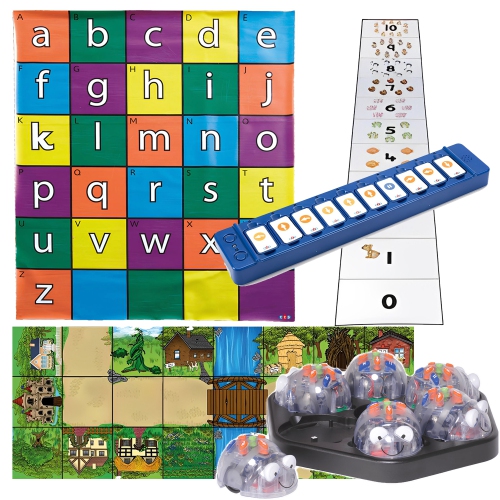
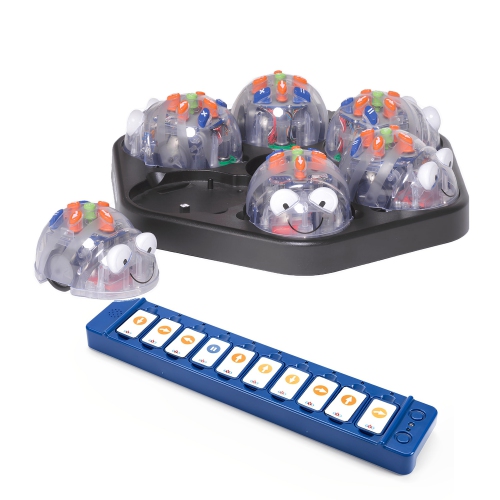
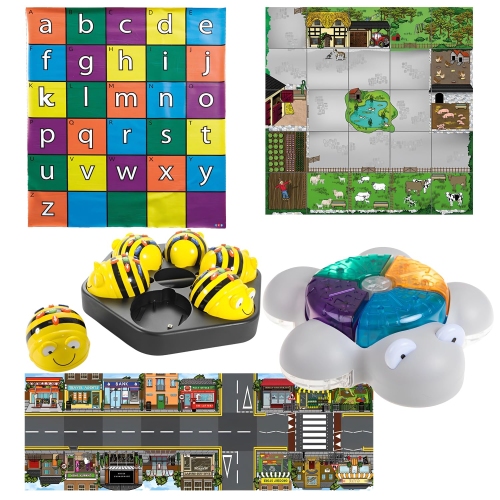
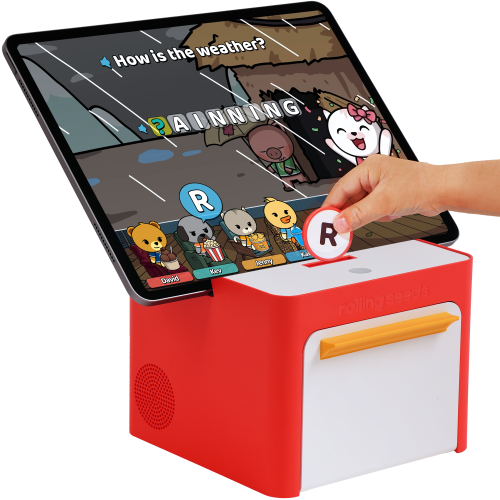
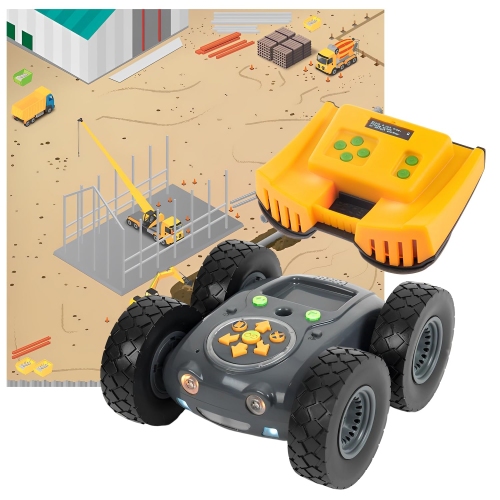
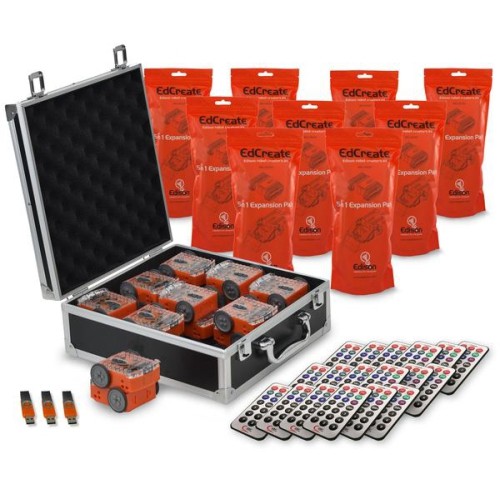
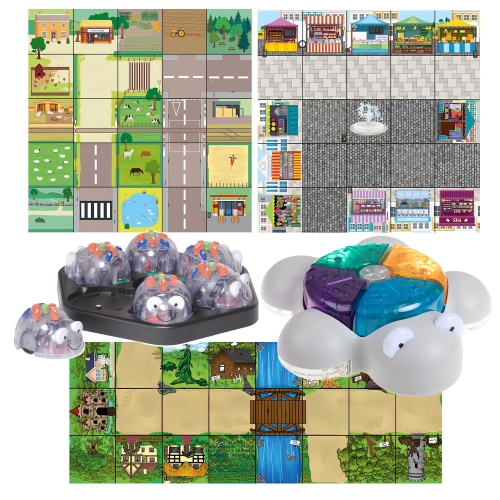
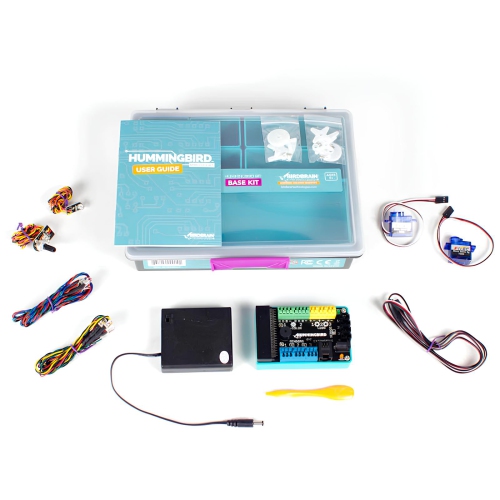
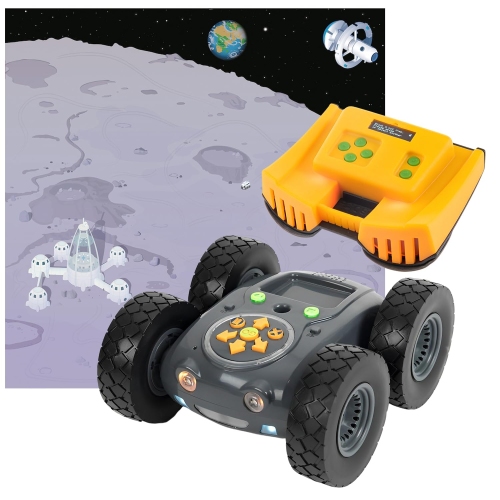
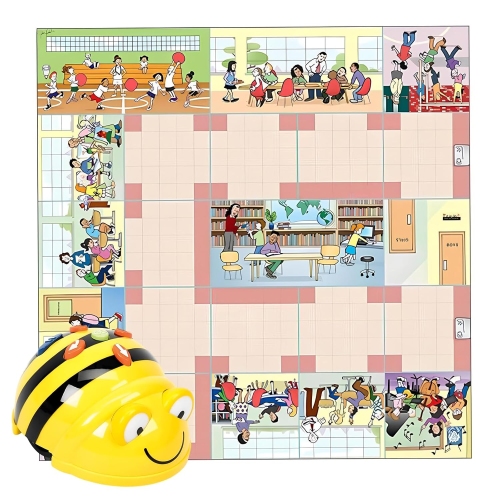
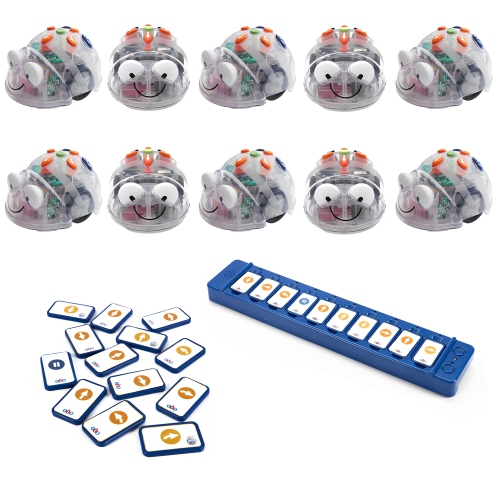
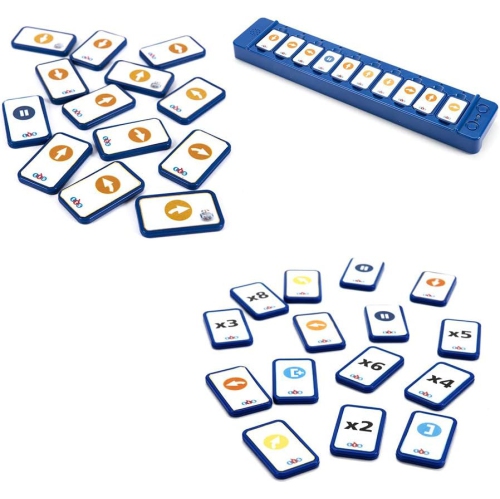
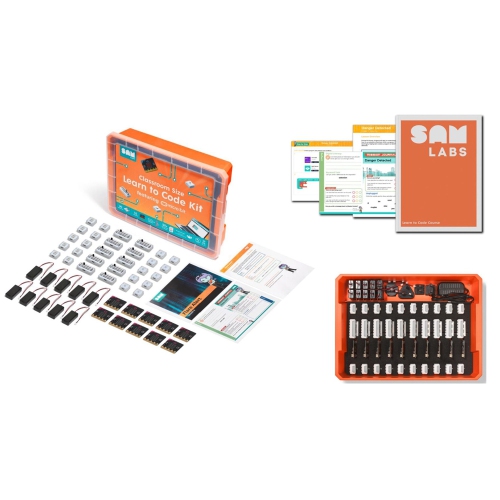
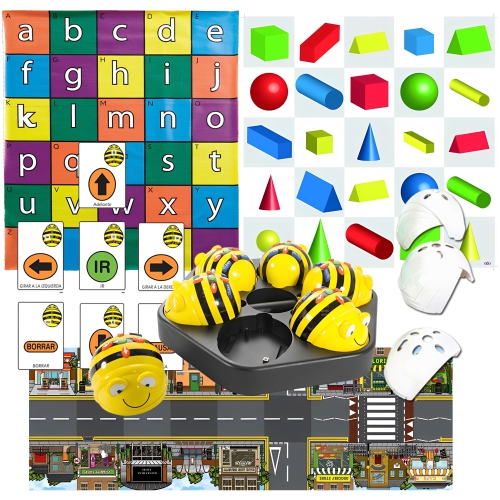
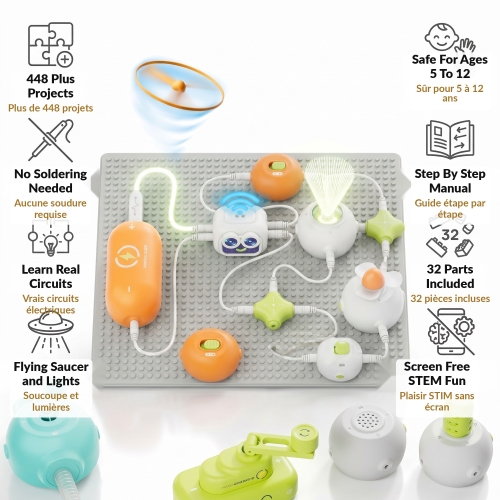
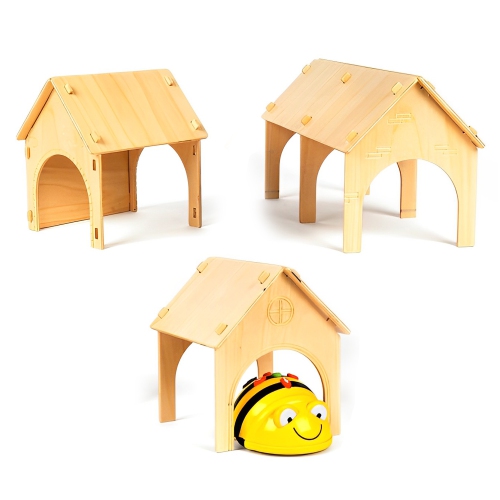
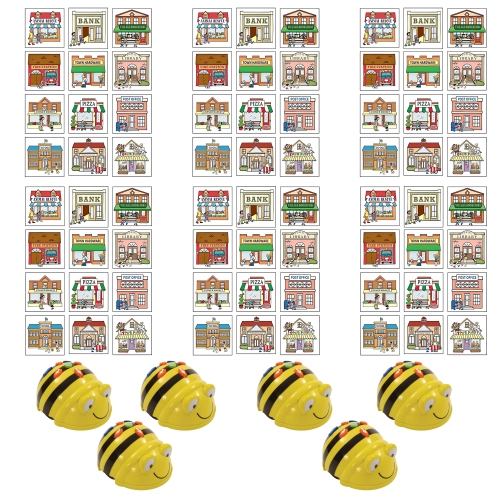
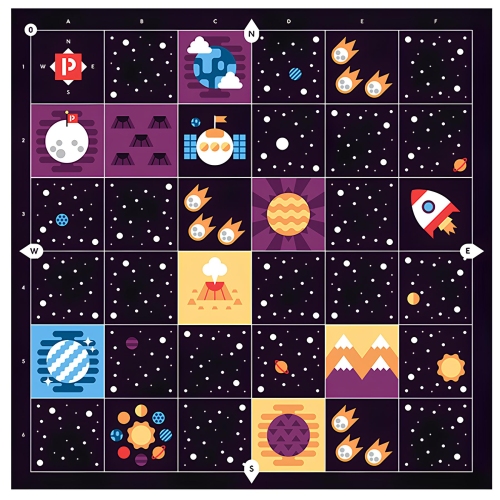
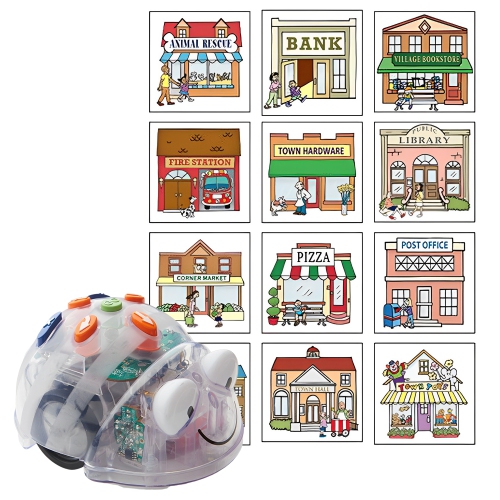
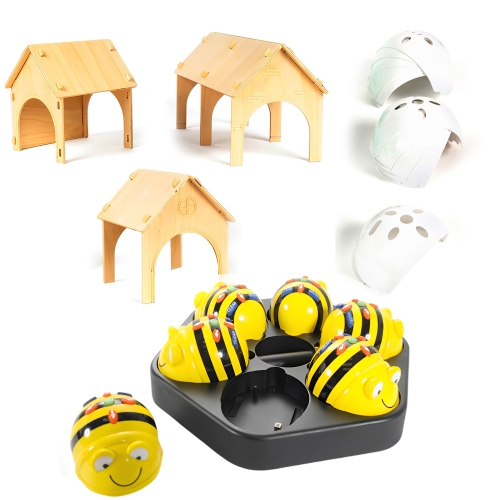
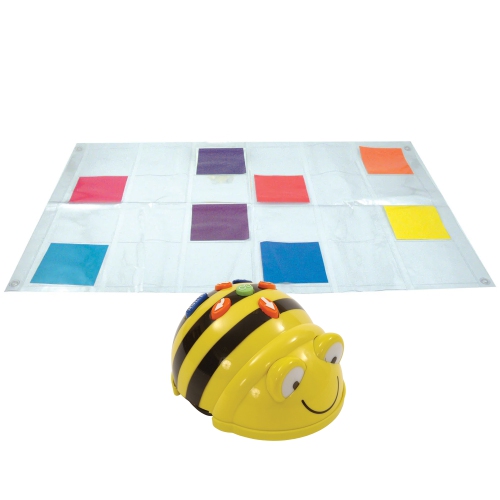
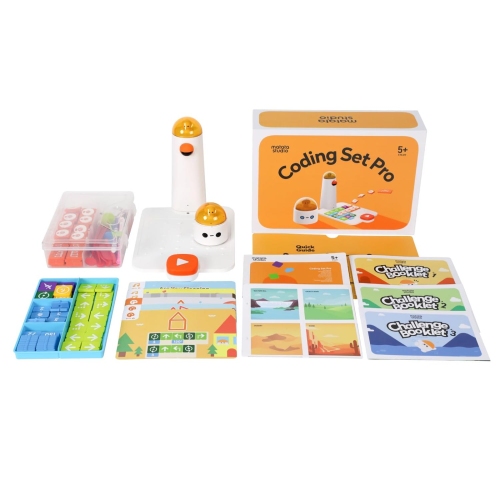
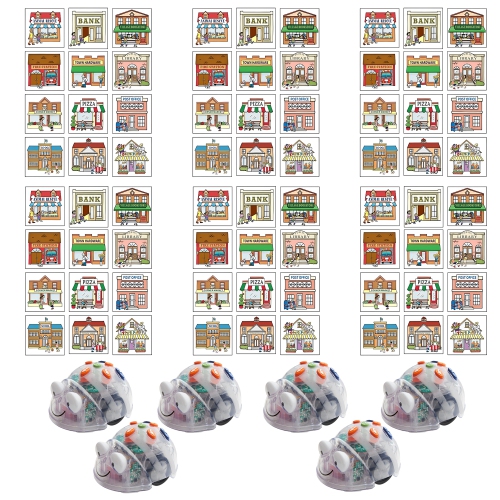
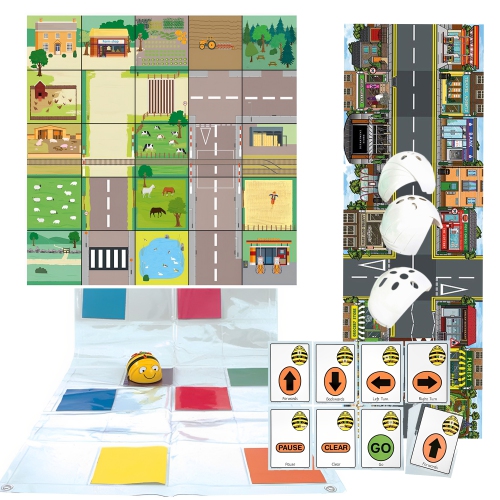
Intended use is another useful way to distinguish between STEM activities. Some are designed for a short, self-contained task, while others support a build that develops over several sessions. A learner who enjoys visible mechanical action may be drawn to gears, wheels and linkages; someone interested in technology may prefer circuits, programmable movement or activities that connect physical controls with digital instructions. Screen-free coding tools can introduce order, direction and repetition without a computer, while app-connected activities may offer another way to control or modify a project. For anything that uses software, device compatibility, operating system requirements and any account or internet requirements deserve attention before the activity begins. The digital element should suit the intended learner and the way the product will be used at home or in a learning space. For more hands-on building and investigation ideas, Stem Projects offers a related place to explore. Individual activities can provide room for concentration and personal experimentation, while shared projects create opportunities to divide tasks, compare ideas and explain decisions. One child might assemble a structure while another measures its height or records how much weight it holds, with roles changing on the next attempt. A notebook, sketch or simple results table can help make those comparisons clearer without turning every play session into a formal assignment. For gifting, a familiar interest is often a better starting point than the most complicated challenge: building, puzzles, motion, numbers and creative design can all provide a route into STEM learning. It is also helpful to consider whether an adult will be available for setup and whether the recipient prefers clear instructions or room to improvise. Activities with more than one possible outcome can remain engaging as confidence grows, because the same components may support a different design or a new test. The lasting appeal comes from having something worth figuring out, enough support to get started and room to make the next attempt a little different.
Top selling and popular products
-
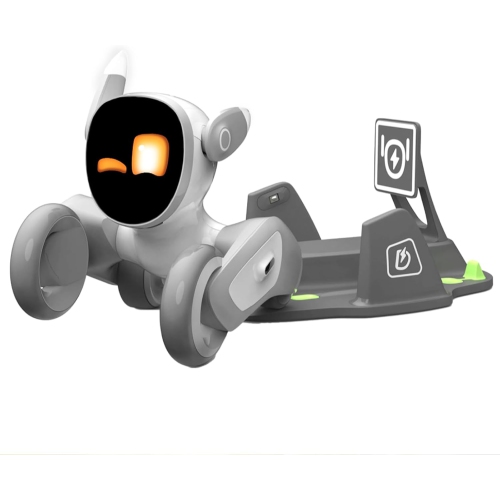 Your price for this item is $559.99
-
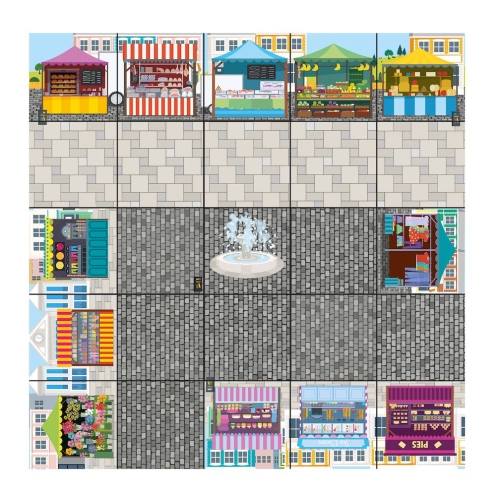 Your price for this item is $75.99
-
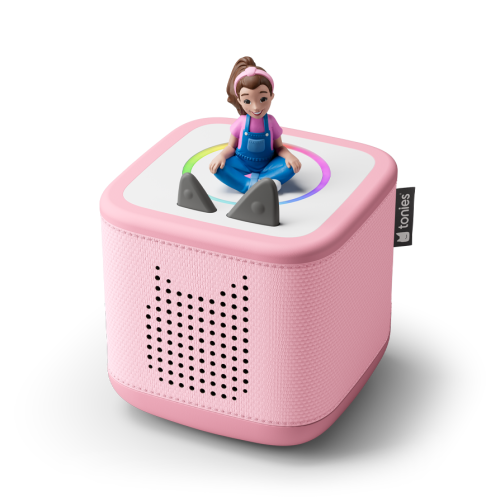 Your price for this item is $199.99
-
 Your price for this item is $79.95
-
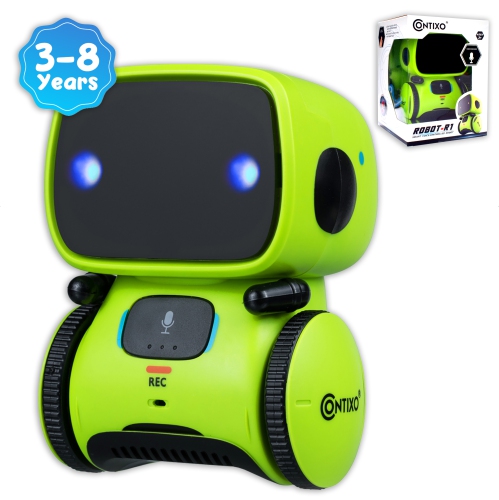 Your price for this item is $39.99
-
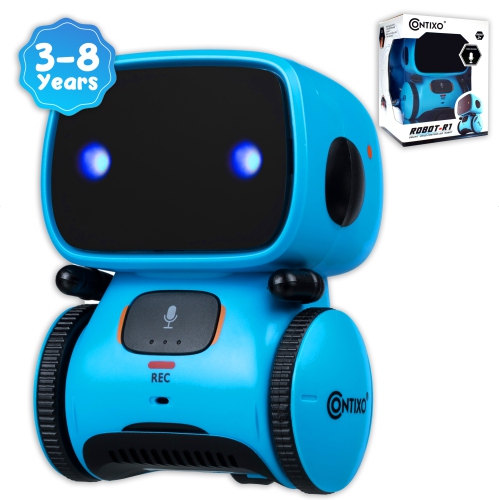 Your price for this item is $39.99
-
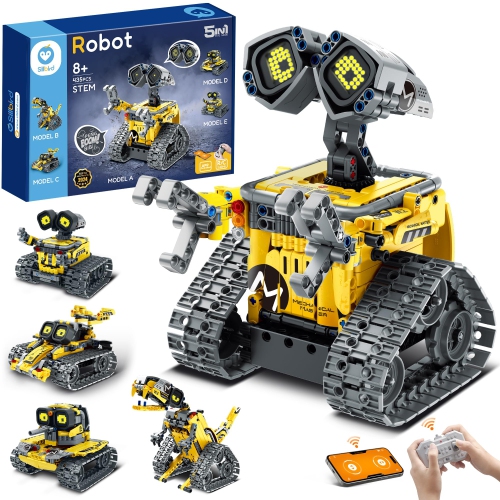 Your price for this item is $99.99
-
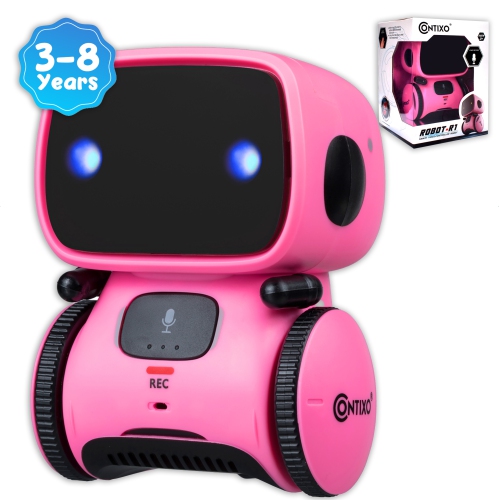 Your price for this item is $39.99
Discover more categories related to Stem Learning
Top Collections:
Pokemon Centers, Best Black Friday Deals This Year, Best Black Friday Deals On Electronics, Kindle Devices, Best Budget Office Chairs, Best Black Friday Deals On Apple Products, Best Cameras for Sports Photography, Pokémon 30th Celebration Cards, Dyson Airwrap, Canon G7X Cameras
Some products may be subject to Environmental Handling Fees
(EHF) depending on your province.
Learn more about EHFs.