Interactive Robot Toys
Get ready to bring playtime to a whole new level with our incredible selection of interactive robot toys. These futuristic companions are not only fun and entertaining, but also educational, fostering creativity and imagination in children of all ages. Whether you're looking for a robotic pet, a programmable companion, or a remote-controlled marvel, our collection of interactive robot toys has something for everyone. Explore the possibilities and discover the perfect robotic sidekick to ignite your child's curiosity and spark their love for technology.
Sort
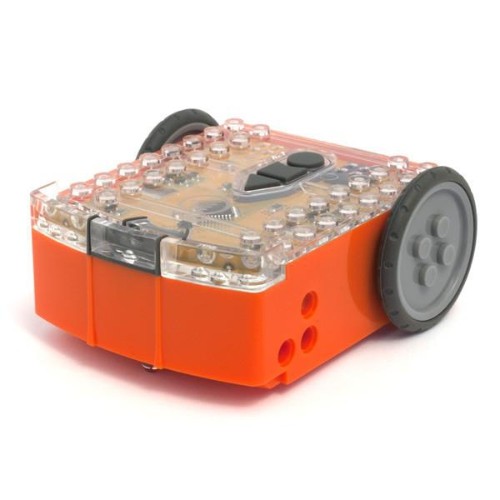
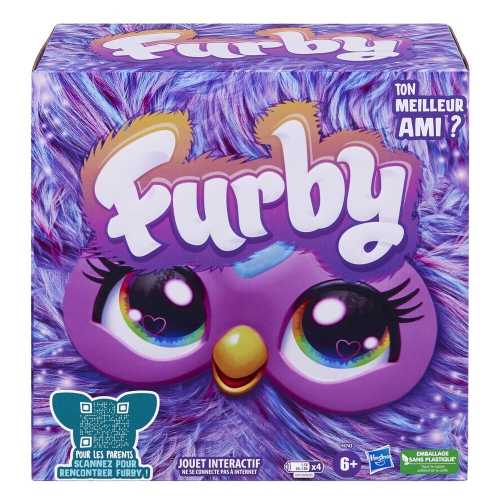
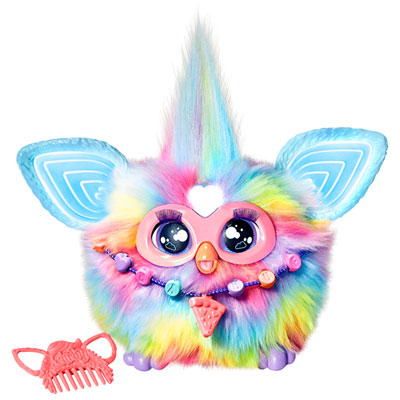
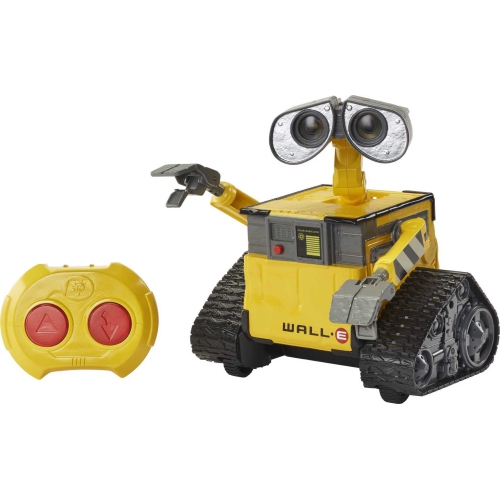


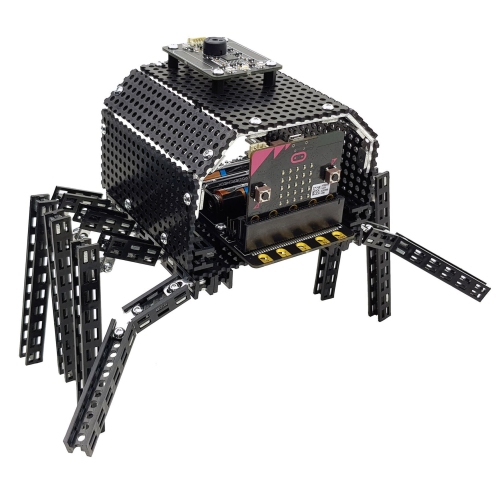
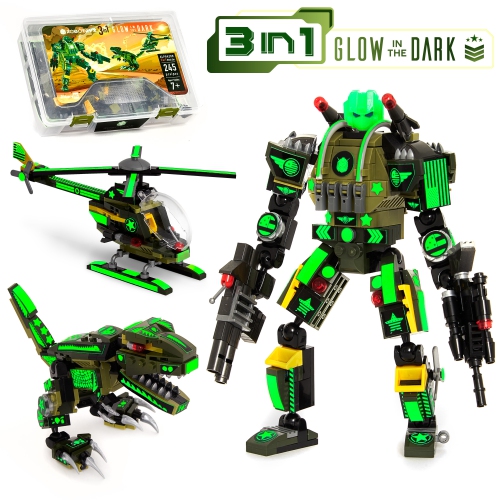
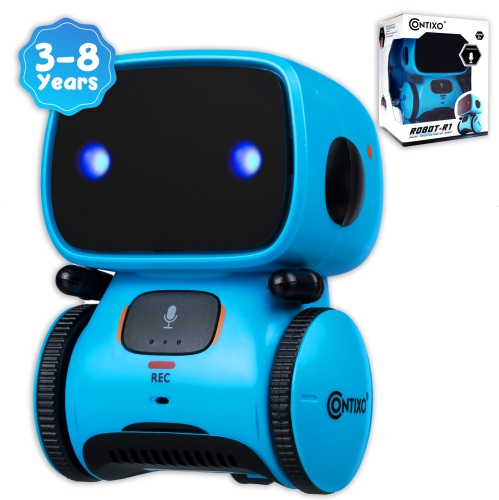
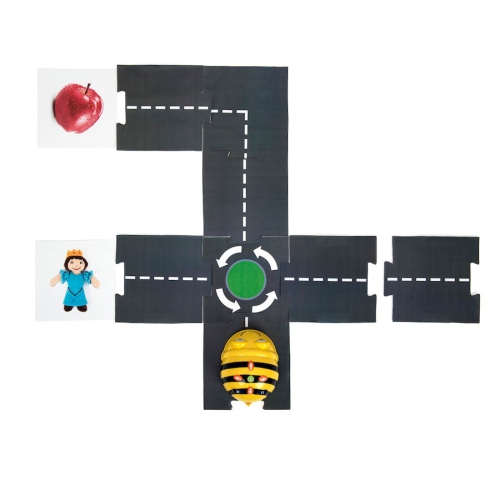
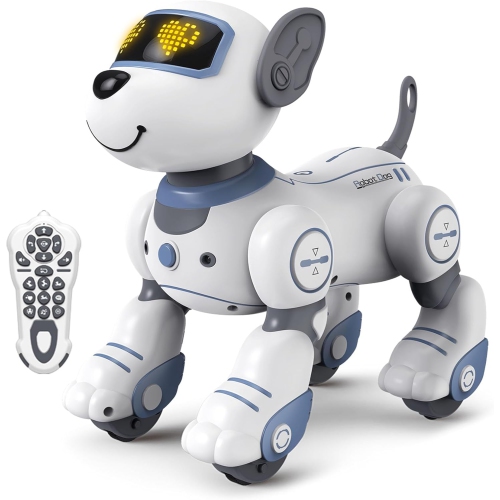
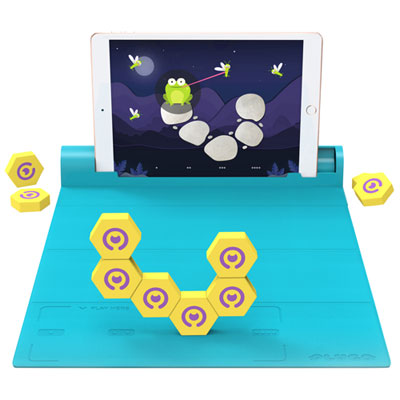
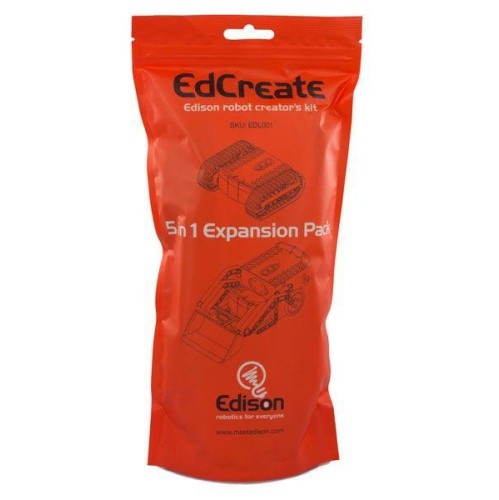
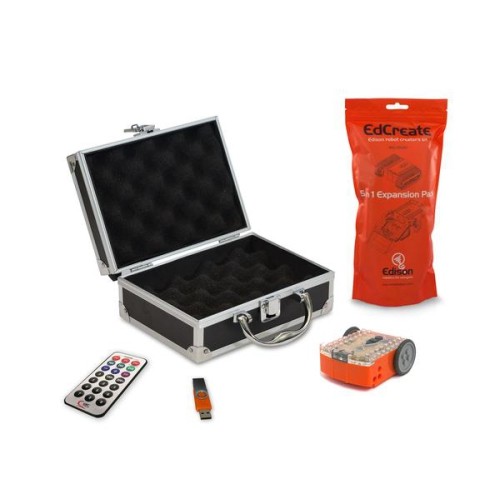

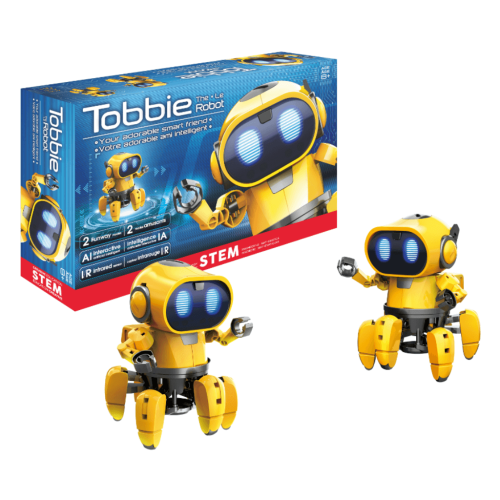
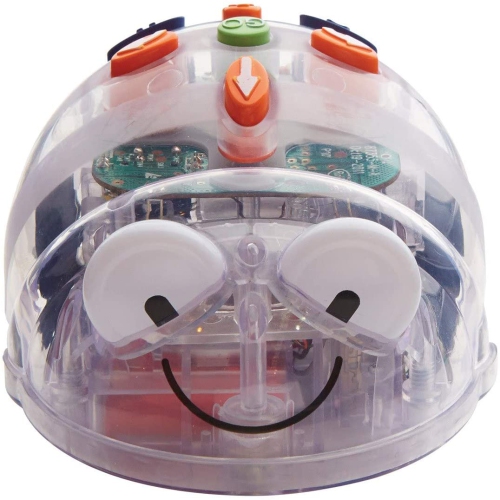
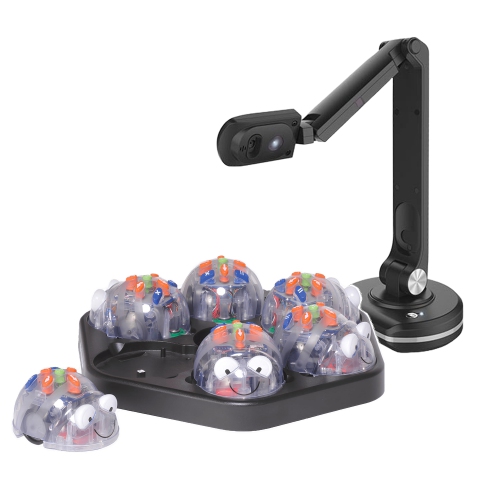
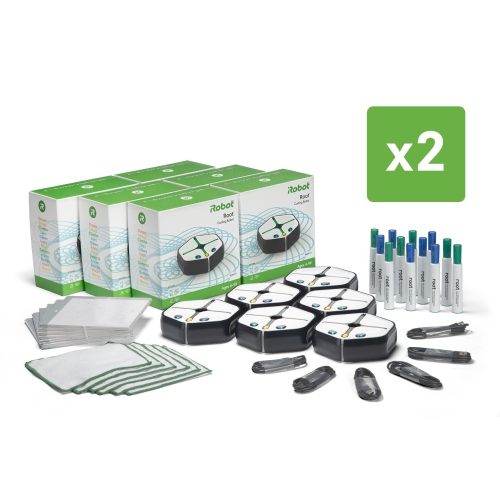
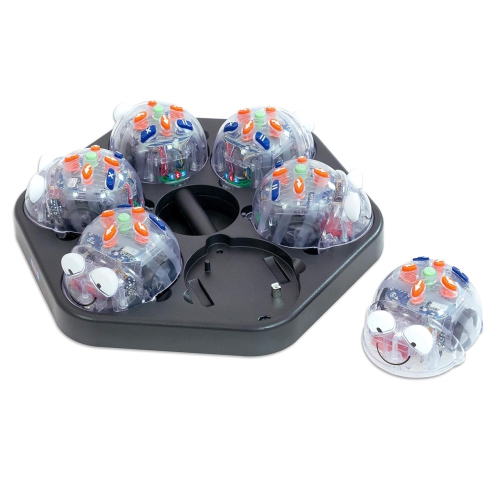

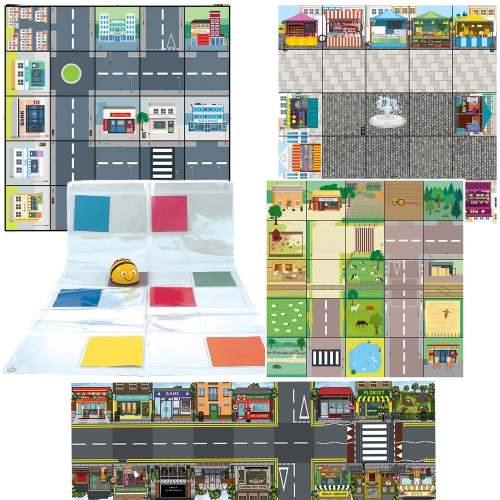
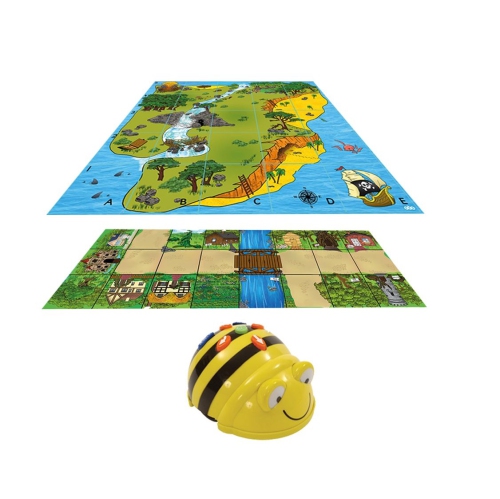
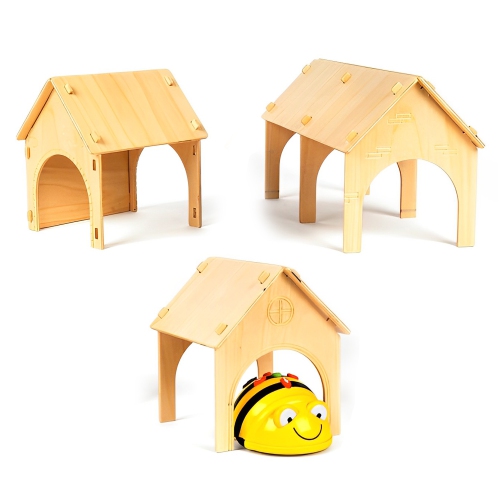
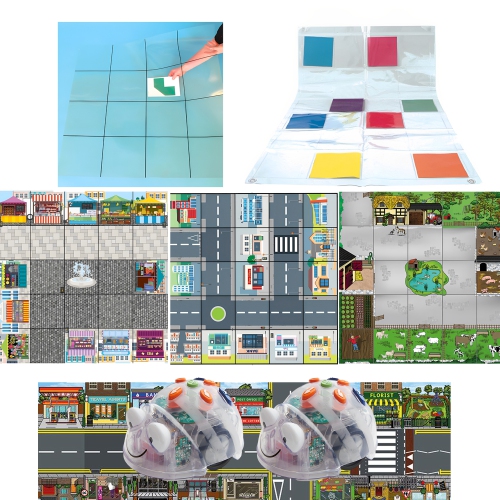

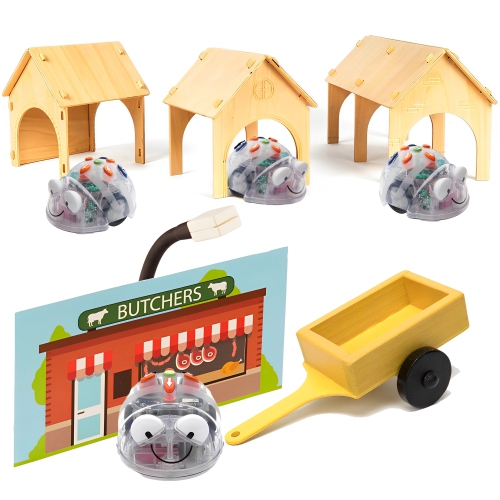
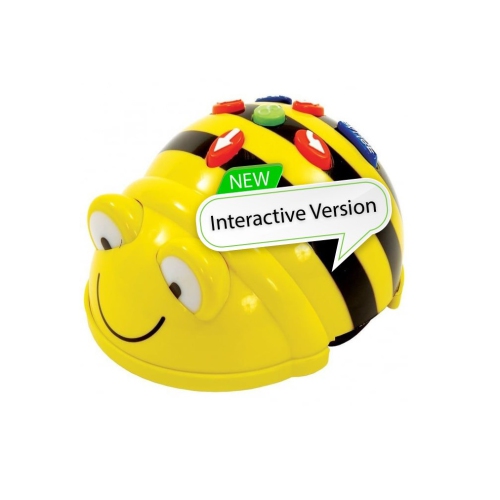

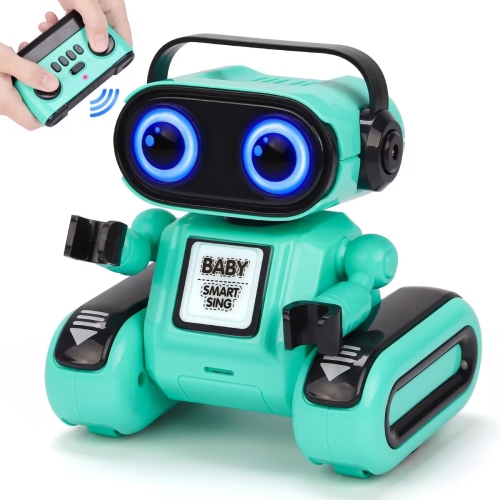
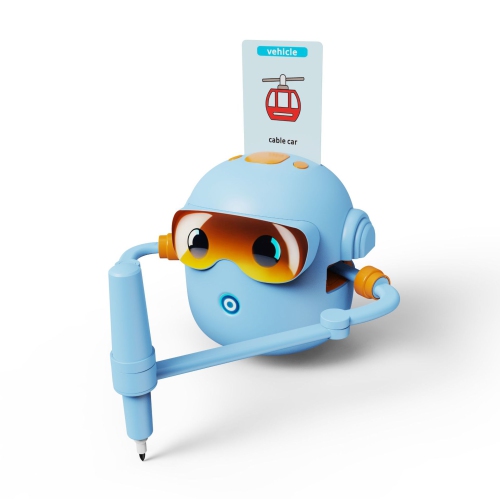
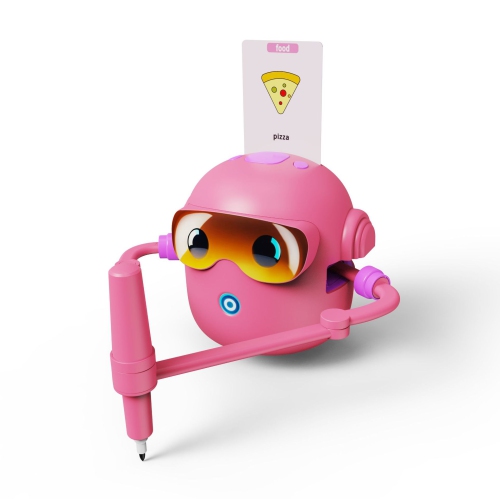

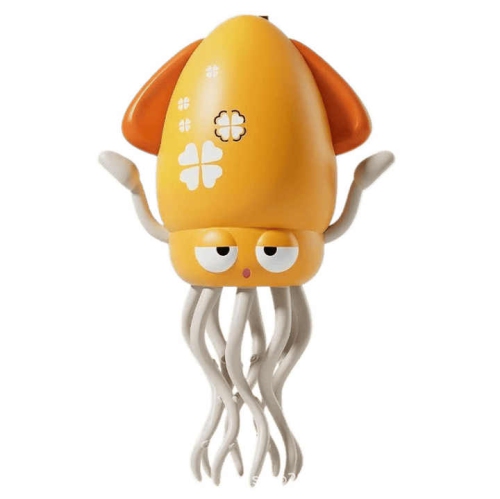
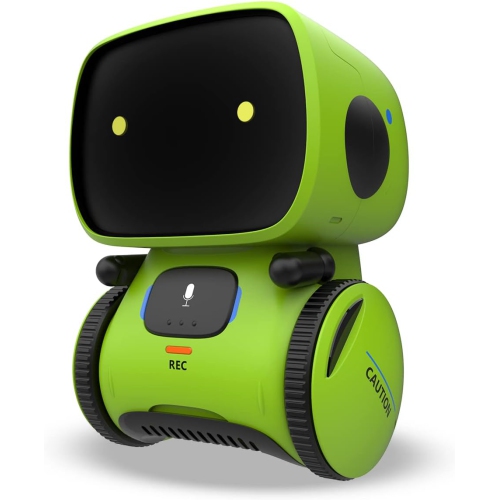
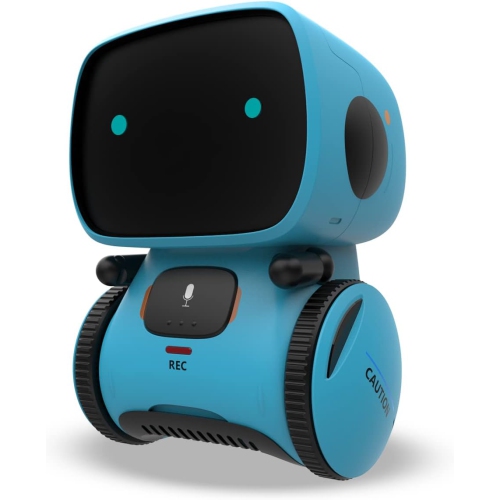

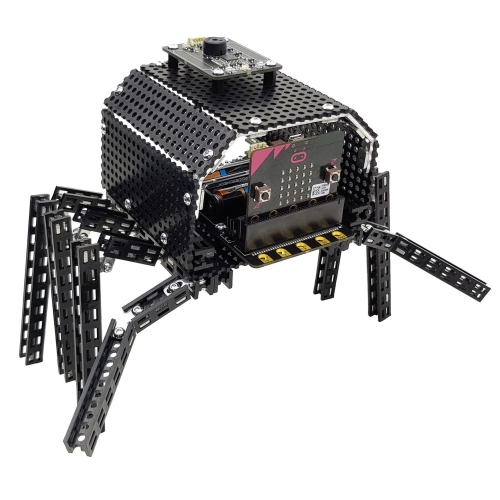

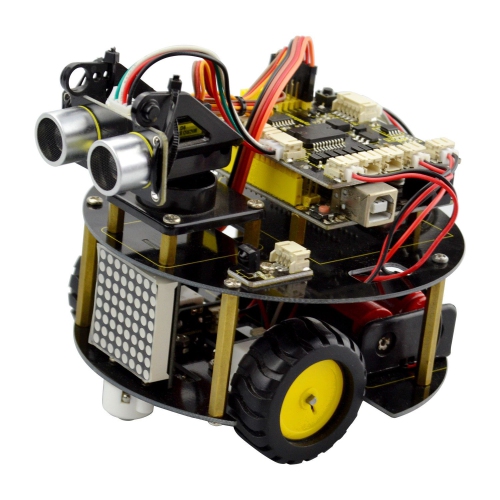
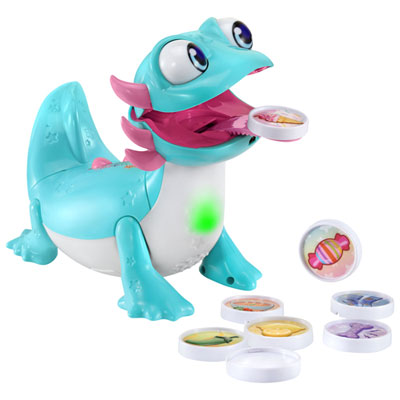
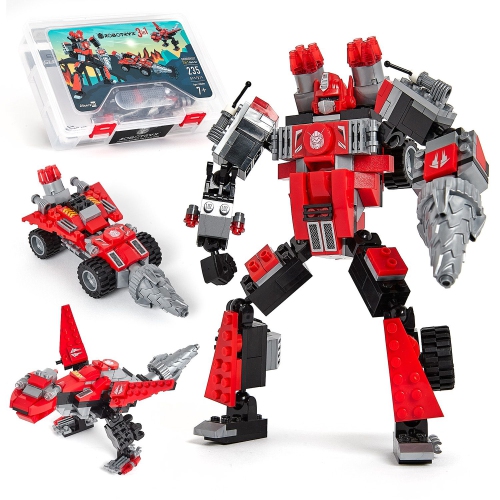
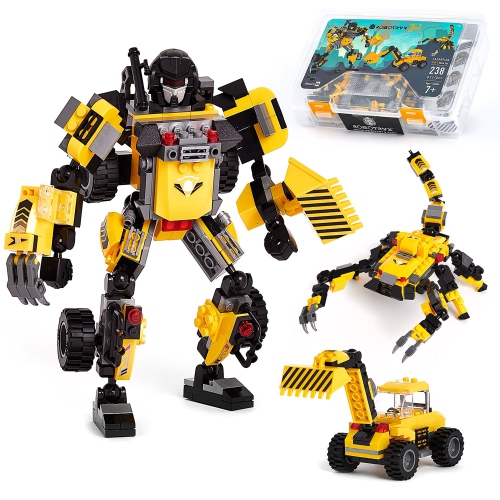
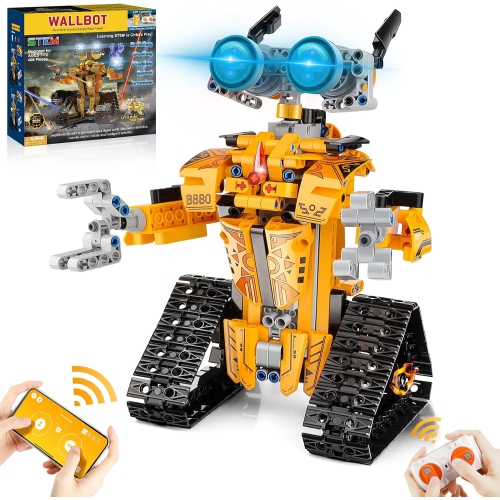



From responsive companions to beginner coding adventures
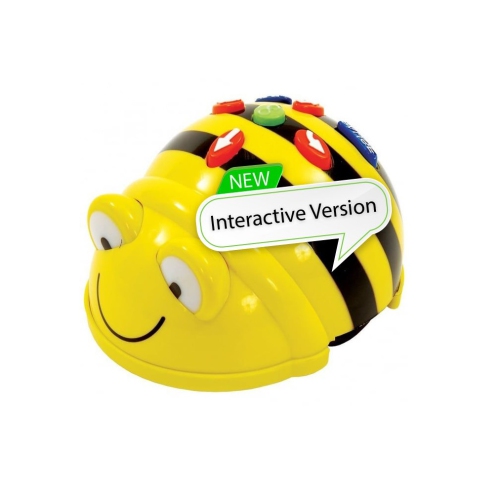
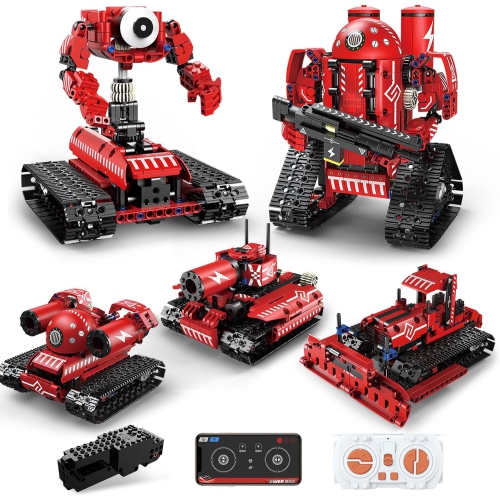
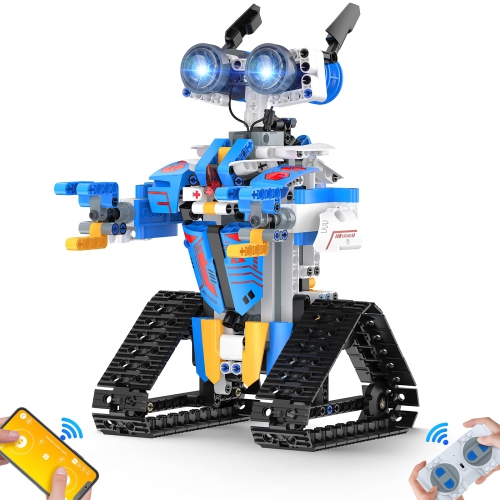
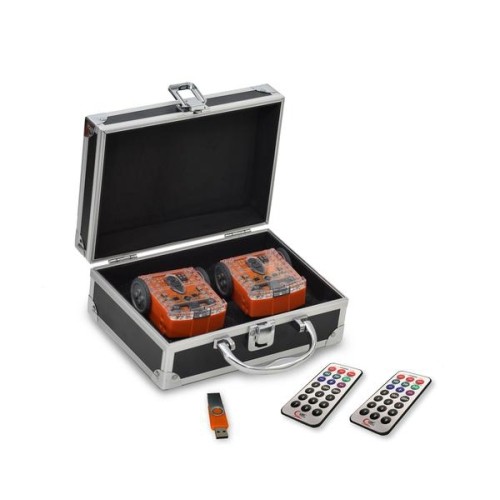
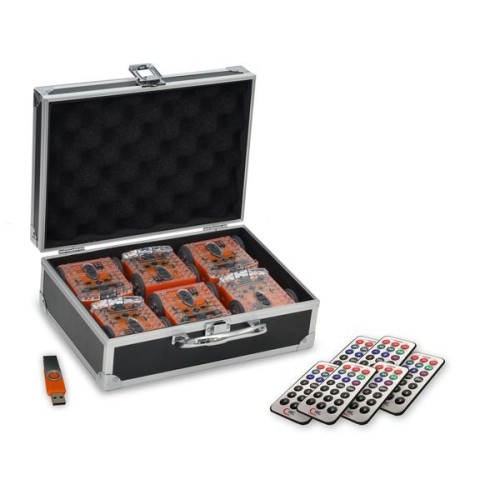
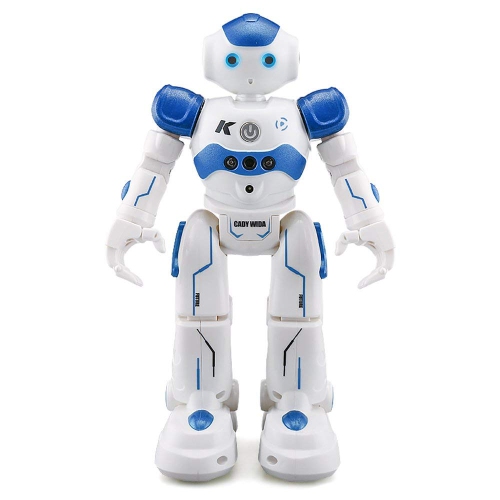
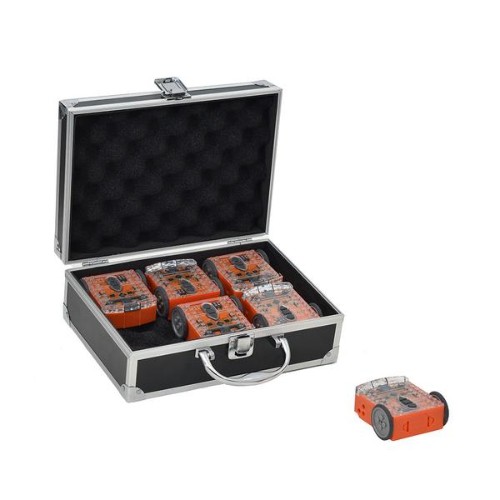
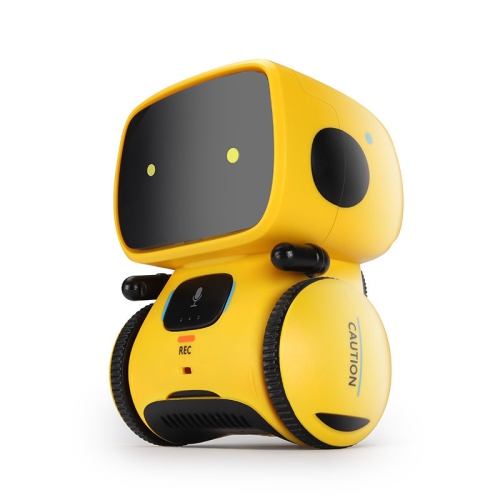
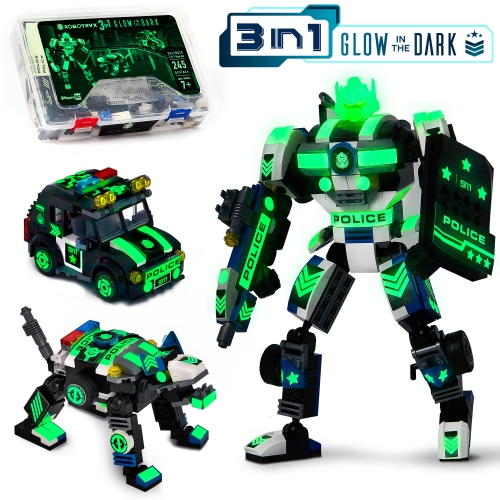
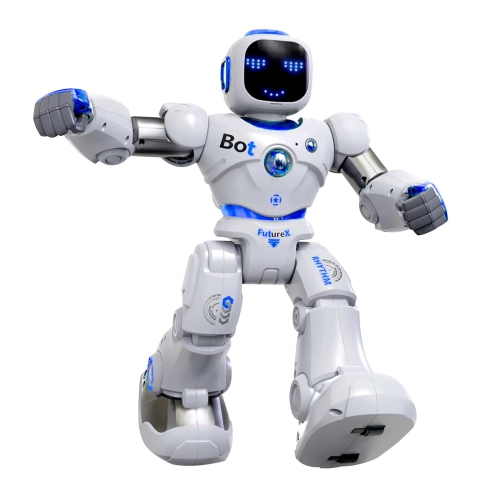
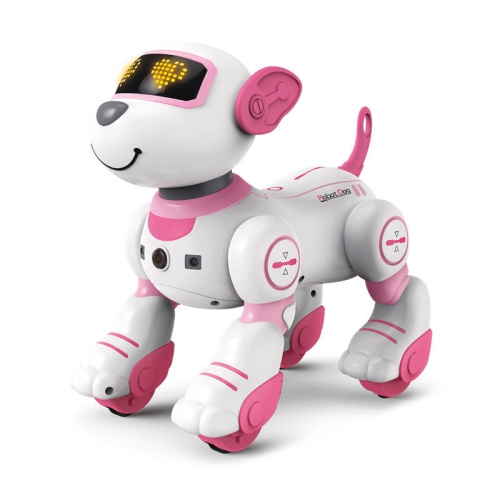
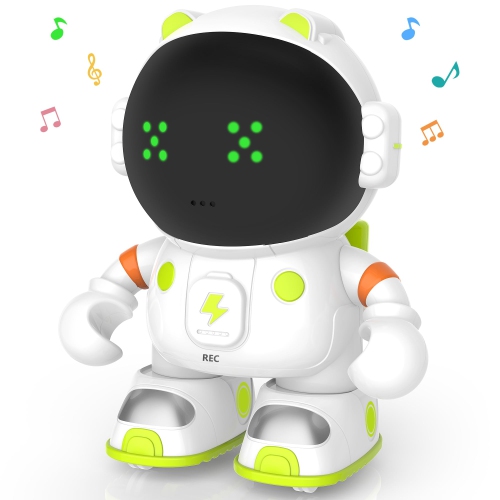
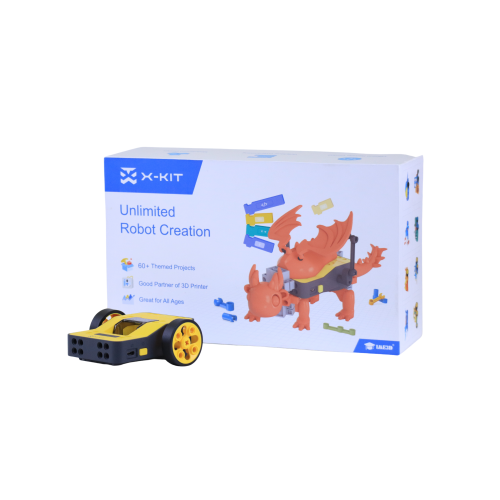
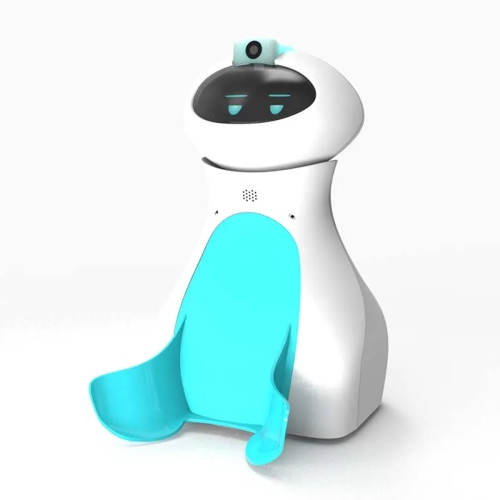
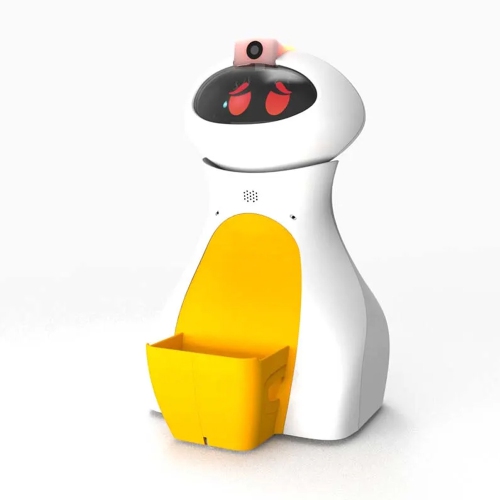
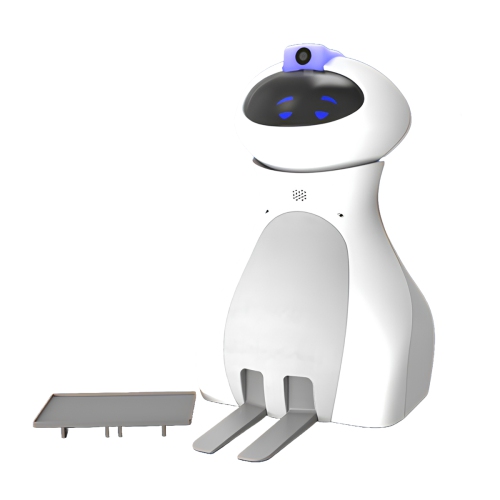
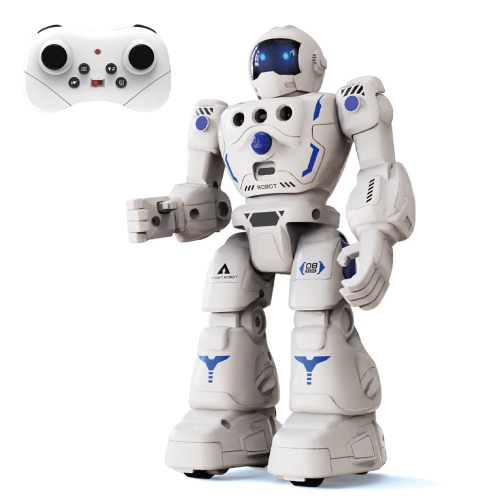
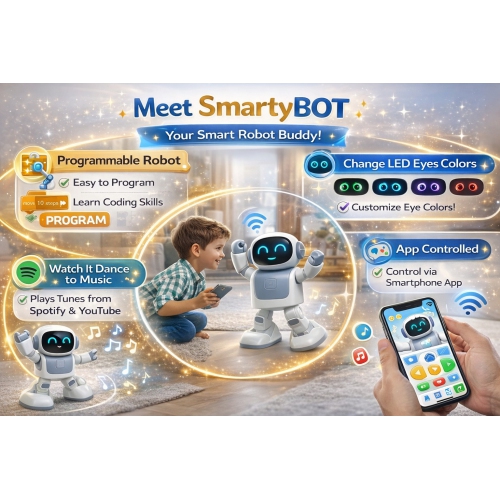
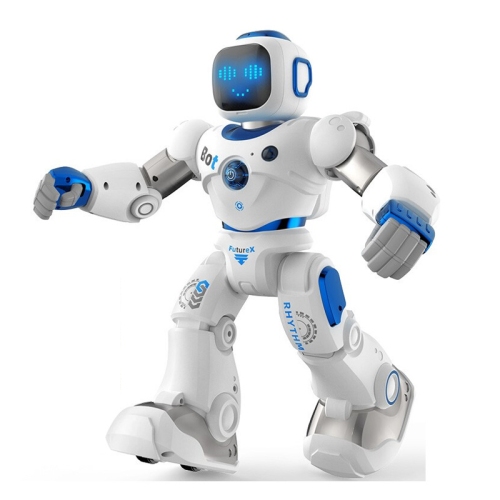
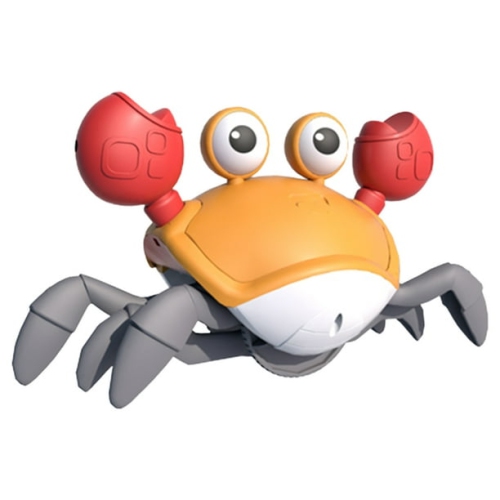
Interactive robot toys bring movement, sound, lights, conversation and responsive play into one engaging experience. Depending on the design, a robot may react when a child touches its head, hands or body, follow simple voice commands, repeat words, dance to built-in music, tell stories, play mini-games or perform a sequence of programmed actions. Some are designed as cheerful companions for imaginative play, while others introduce early STEM concepts through coding, problem-solving and experimentation. This range makes interactive robot toys suitable for many interests and ages, from young children who enjoy songs, expressive faces and playful motion to older kids who want to explore sensors, app controls, robotics and beginner programming. A child may spend an afternoon teaching a robot a short dance, arranging commands to make it move across the floor or creating a story in which the robot becomes a helpful space explorer. During the cooler months, these toys can add an active, screen-light option to indoor play, while their compact size makes them easy to bring from a playroom to a bedroom, family room or cottage. When browsing, start with the child’s age, interests and comfort with technology. A simple touch-responsive companion can be a better match for a preschooler than a programmable model with several controls, while a school-aged child may appreciate a robot that encourages trial and error. For more movement-focused options, explore Walking Robot Toys.
The type of interaction is one of the most important details to compare. Touch-activated robots respond to taps, pats or buttons and can be easy for younger children to understand without a lengthy setup. Voice-responsive toys may listen for commands, repeat spoken phrases or respond with songs and stories, making them appealing for pretend play and language development. Movement-based models can walk, turn, dance, gesture or react to obstacles, bringing extra energy to a play space and encouraging children to build simple obstacle courses with cushions, books or blocks. Programmable robots offer a different kind of experience: children can arrange commands, adjust movement patterns and learn how one instruction leads to the next. Drag-and-drop coding can provide an approachable introduction to sequencing, logic and cause and effect, while more advanced controls may involve multiple joints, sensors or an accompanying mobile app. Check whether the toy requires a smartphone, tablet, Wi-Fi connection or a separate controller, and confirm that the compatible device is available before gifting it. It is also helpful to review charging and battery details, including charging time, expected play time, battery access and whether the package includes the required batteries. Sound level, motion speed and the amount of space needed are practical considerations too. A lively dancing robot may be ideal in an open family room but less suitable for a small bedside table, whereas a compact companion can fit neatly beside books, craft supplies or a homework station. Families may also want to review microphone, camera, app and internet settings. Some interactive robots work entirely with built-in responses and do not need an internet connection; others may offer additional features through an app or online service. Reading the product specifications and instructions helps clarify what information is collected, how accounts are managed and which features can be used offline.
Interactive robot toys can support several kinds of play without replacing the child’s imagination. A child who enjoys storytelling might give the robot a personality, create dialogue between the robot and stuffed animals, or use its sounds and movements as inspiration for a make-believe adventure. A child who likes building can construct a cardboard garage, maze or launch station and test how the robot navigates the space. For a budding coder, programming a short routine can feel like solving a puzzle: first the robot moves forward, then turns, pauses, lights up and finishes with a wave. Small mistakes become part of the fun, because changing one command can produce an entirely different result. These toys may also be thoughtful gifts for birthdays, family celebrations or the holiday season, particularly when the recipient enjoys gadgets, animals, science, music or creative play. Adults choosing a gift can make the experience more successful by matching the level of interaction to the child rather than selecting the most advanced-looking option. Look for clear age recommendations, durable construction, accessible controls and instructions that a child can follow with a little guidance. Consider where the robot will be used, whether siblings can play together and whether the toy encourages shared activities instead of solitary operation. A responsive companion may become part of a child’s daily routine, greeting them after school or joining a quiet imaginative game, while a programmable model can remain interesting as skills develop and new challenges are invented. With the right fit, interactive robot toys offer a memorable combination of play, movement and discovery, giving children opportunities to explore how technology responds to their ideas.
The type of interaction is one of the most important details to compare. Touch-activated robots respond to taps, pats or buttons and can be easy for younger children to understand without a lengthy setup. Voice-responsive toys may listen for commands, repeat spoken phrases or respond with songs and stories, making them appealing for pretend play and language development. Movement-based models can walk, turn, dance, gesture or react to obstacles, bringing extra energy to a play space and encouraging children to build simple obstacle courses with cushions, books or blocks. Programmable robots offer a different kind of experience: children can arrange commands, adjust movement patterns and learn how one instruction leads to the next. Drag-and-drop coding can provide an approachable introduction to sequencing, logic and cause and effect, while more advanced controls may involve multiple joints, sensors or an accompanying mobile app. Check whether the toy requires a smartphone, tablet, Wi-Fi connection or a separate controller, and confirm that the compatible device is available before gifting it. It is also helpful to review charging and battery details, including charging time, expected play time, battery access and whether the package includes the required batteries. Sound level, motion speed and the amount of space needed are practical considerations too. A lively dancing robot may be ideal in an open family room but less suitable for a small bedside table, whereas a compact companion can fit neatly beside books, craft supplies or a homework station. Families may also want to review microphone, camera, app and internet settings. Some interactive robots work entirely with built-in responses and do not need an internet connection; others may offer additional features through an app or online service. Reading the product specifications and instructions helps clarify what information is collected, how accounts are managed and which features can be used offline.
Interactive robot toys can support several kinds of play without replacing the child’s imagination. A child who enjoys storytelling might give the robot a personality, create dialogue between the robot and stuffed animals, or use its sounds and movements as inspiration for a make-believe adventure. A child who likes building can construct a cardboard garage, maze or launch station and test how the robot navigates the space. For a budding coder, programming a short routine can feel like solving a puzzle: first the robot moves forward, then turns, pauses, lights up and finishes with a wave. Small mistakes become part of the fun, because changing one command can produce an entirely different result. These toys may also be thoughtful gifts for birthdays, family celebrations or the holiday season, particularly when the recipient enjoys gadgets, animals, science, music or creative play. Adults choosing a gift can make the experience more successful by matching the level of interaction to the child rather than selecting the most advanced-looking option. Look for clear age recommendations, durable construction, accessible controls and instructions that a child can follow with a little guidance. Consider where the robot will be used, whether siblings can play together and whether the toy encourages shared activities instead of solitary operation. A responsive companion may become part of a child’s daily routine, greeting them after school or joining a quiet imaginative game, while a programmable model can remain interesting as skills develop and new challenges are invented. With the right fit, interactive robot toys offer a memorable combination of play, movement and discovery, giving children opportunities to explore how technology responds to their ideas.
Top selling and popular products
-
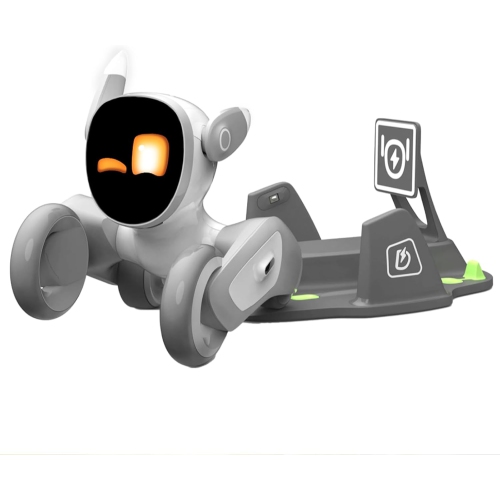 Your price for this item is $699.99
 -
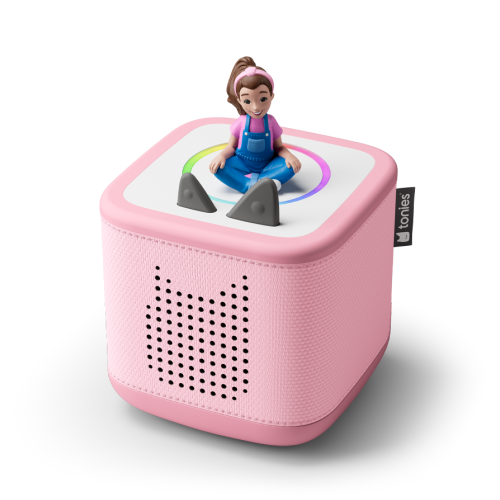 Your price for this item is $199.99
 -
 Your price for this item is $75.99
 -
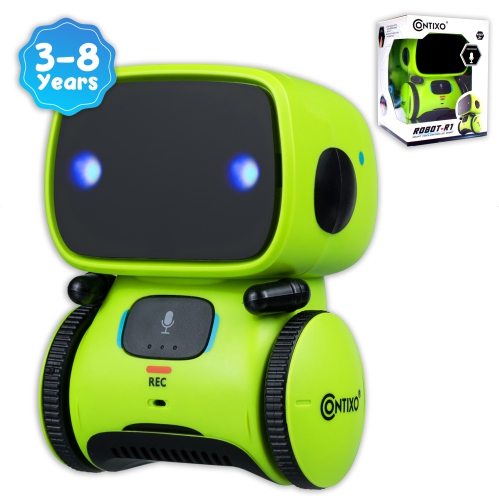 Your price for this item is $39.99
 -
 Your price for this item is $55.95
 -
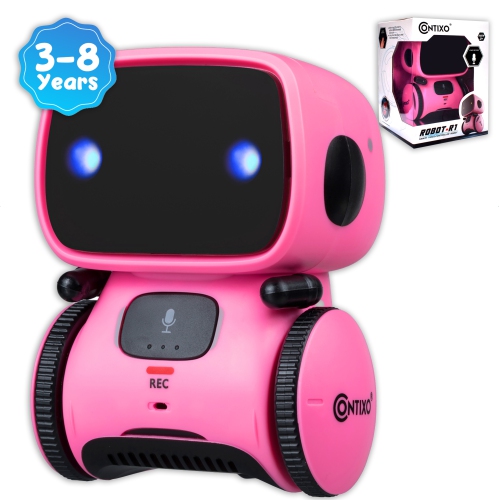 Your price for this item is $39.99
 -
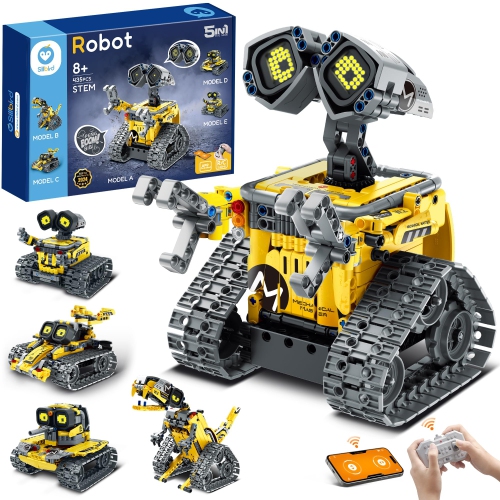 Your price for this item is $116.96
 -
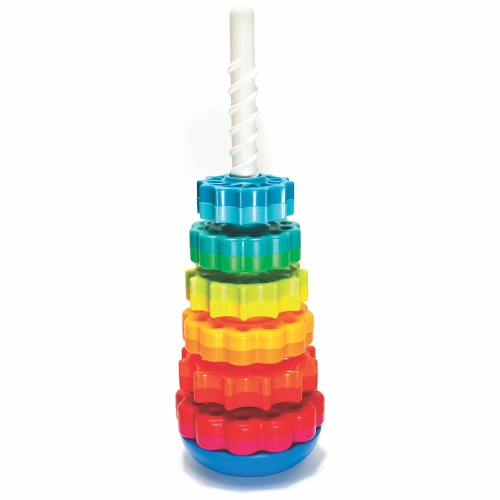 Your price for this item is $52.17
Discover more categories related to Interactive Robot Toys
Top Collections:
Pokemon Centers, Kindle Devices, Best Budget Office Chairs, Apple iPhones 16, Best Laptops for Writers, iPhone 15 Apple, Canon G7X Cameras, Refurbished Apple Laptops, Alarm Clock, Motorola Razr Phones
Some products may be subject to Environmental Handling Fees
(EHF) depending on your province.
Learn more about EHFs.