Creative Engineering Toys
Unleash the power of imagination and innovation with our diverse selection of creative engineering toys. Designed to captivate curious minds, these toys offer endless opportunities for exploration and learning. Whether you're nurturing a budding inventor or simply looking to engage in hands-on fun, you'll find a variety of options that inspire problem-solving, critical thinking, and creativity. Perfect for all ages, these toys provide a playful gateway into the fascinating world of engineering, encouraging kids and adults alike to build, experiment, and discover new possibilities. Dive into the adventure of learning through play and watch as creativity takes flight!
Sort


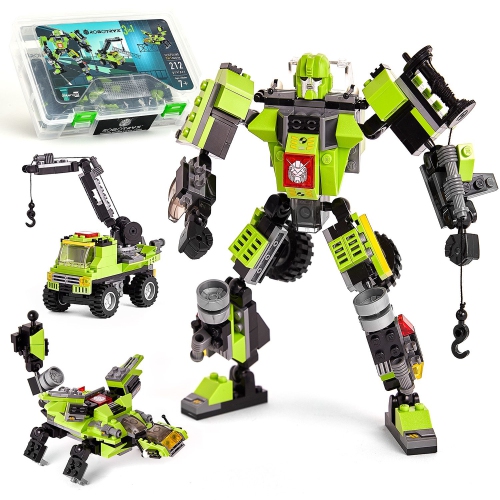
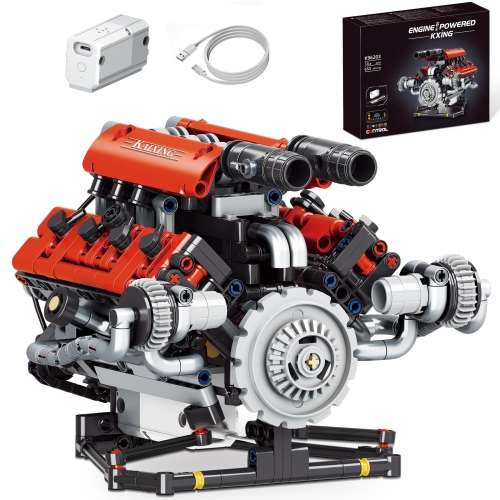
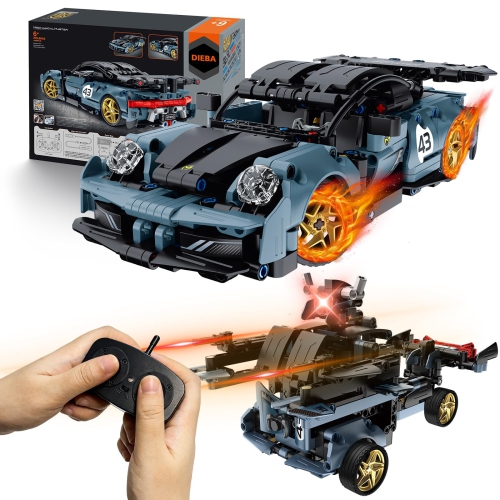
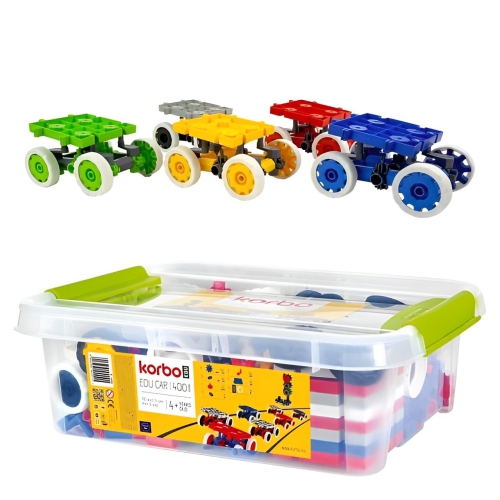









Why a finished model is only the beginning
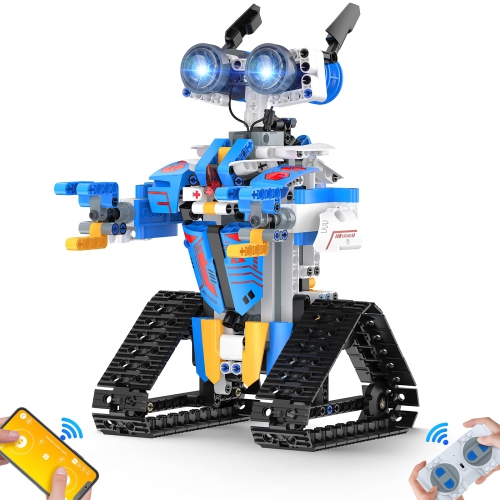
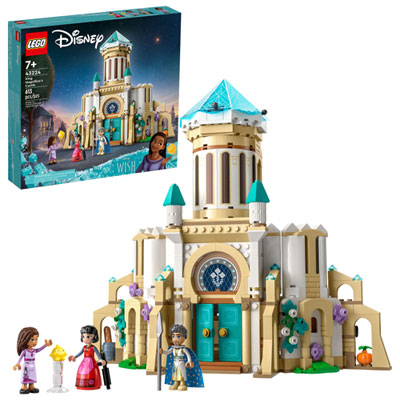
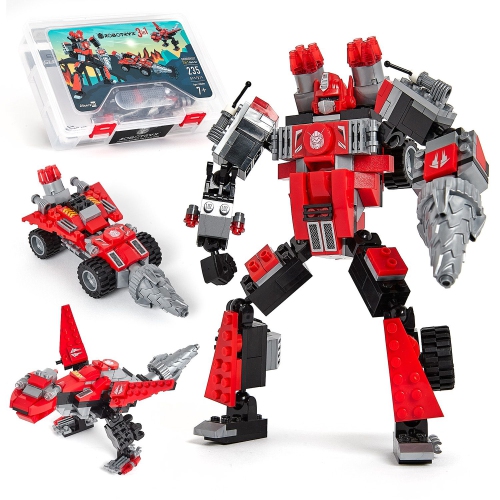
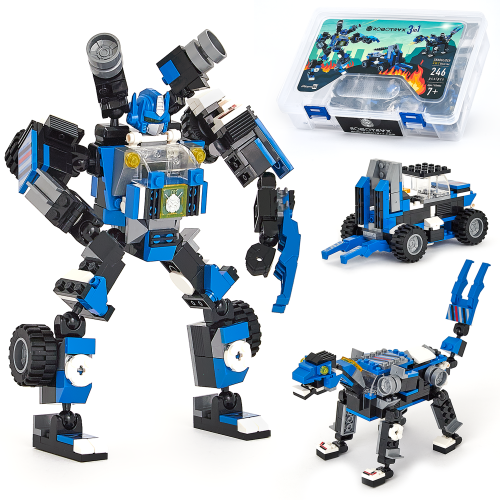
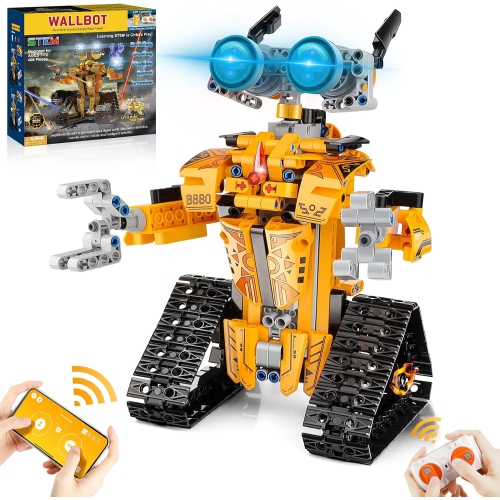
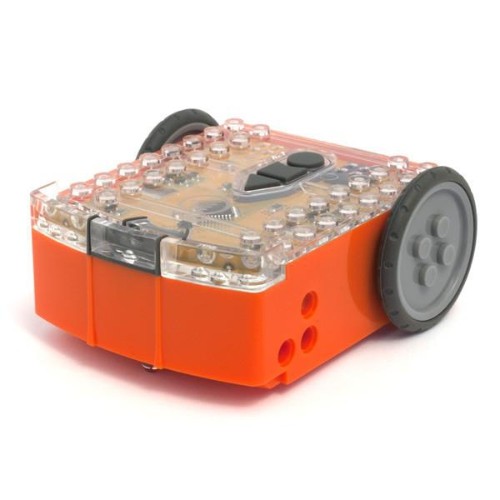
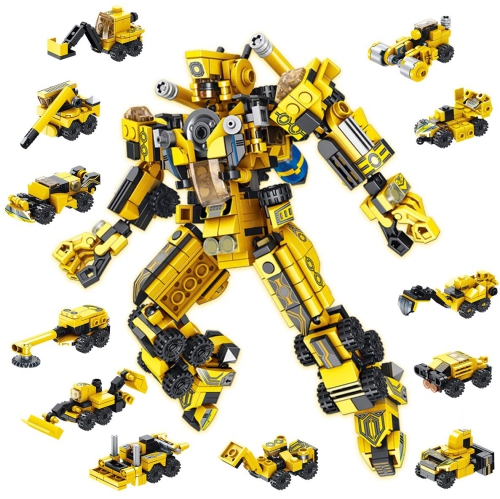
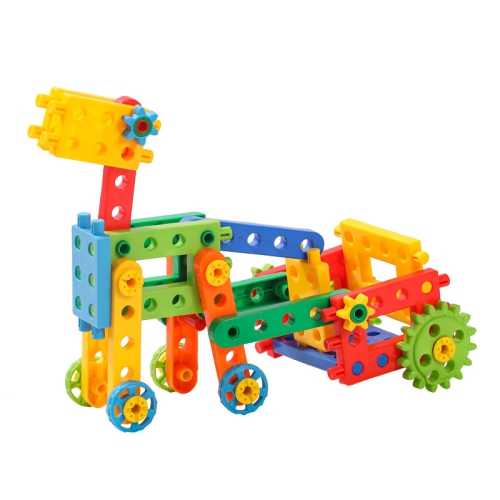
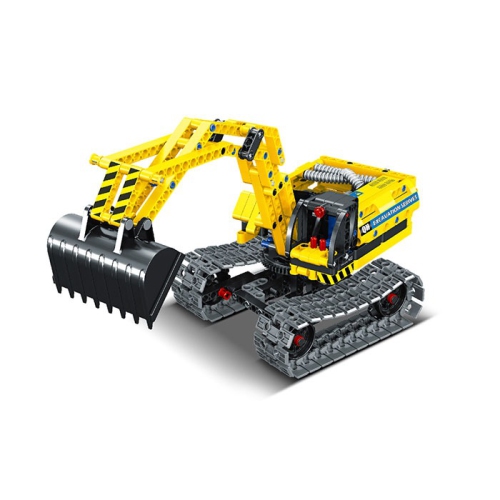
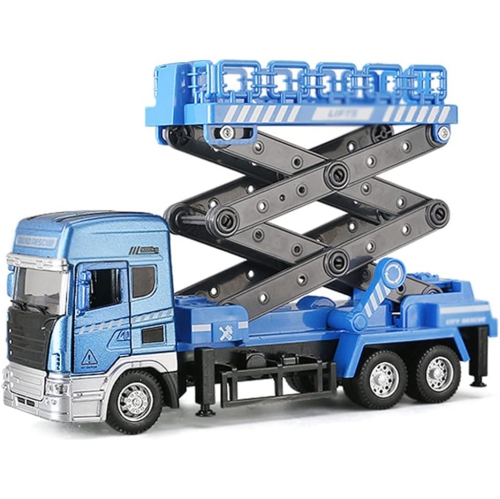
Creative engineering toys bring design, construction, and experimentation into hands-on play, giving builders a way to explore how structures stand, mechanisms move, and simple electrical systems work. This category includes open-ended building sets, snap-fit construction systems, mechanical model kits, circuit-building toys, and introductory robotics kits. Each format offers a different starting point: loose components invite original designs, while guided projects show how separate parts come together to perform a task. A bridge that sags in the middle, a wheel that rubs against its frame, or a gear that fails to turn gives a builder something concrete to investigate. Moving a support or adjusting an axle can make the difference visible immediately. That connection between an idea and a physical result is central to engineering play. It creates opportunities to practise spatial reasoning, planning, fine motor coordination, and problem-solving without requiring every attempt to succeed. Construction toys emphasize shape, balance, and connection; mechanical kits make forces and movement easier to observe; electronics sets introduce circuits, switches, and cause and effect. Robotics can add sequencing and basic coding, although not every robotic toy requires an app or screen. Creative possibilities matter as much as the technical focus. A wheeled chassis might become a delivery vehicle, a lifting mechanism might serve an imaginary construction site, and a rotating platform might form part of a miniature amusement park. Builders interested in brick-based construction can also explore Engineering Kit LEGO for a related approach to engineering play. Across these formats, the most engaging challenge is often one that leaves room for adjustment rather than ending when the last piece clicks into place. A finished model can be a starting point for another experiment, whether that means widening its base, changing its movement, or rebuilding it for an entirely different purpose. Those repeated changes give familiar pieces new uses and help children connect the shapes in an instruction booklet with objects they can hold, turn, and test.
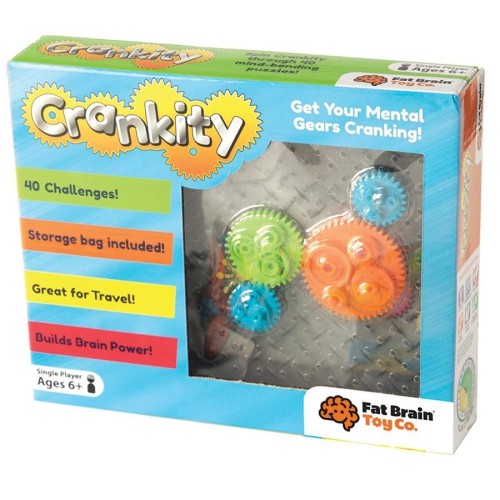
The intended builder’s age, interests, and comfort with detailed assembly help distinguish one type of creative engineering toy from another. Recommended age ranges and safety labels are the starting point, but the style of interaction also matters. Younger builders may find large, easy-grip components and obvious connection points more manageable, while children who enjoy careful assembly may prefer smaller parts, multi-stage instructions, or mechanisms that need precise alignment. A high piece count does not necessarily mean a more satisfying challenge: the variety of connections, clarity of diagrams, and freedom to rebuild can matter just as much. Snap-fit systems typically support repeated assembly without separate fasteners, while screw-together kits introduce the coordination involved in holding components steady and using an included tool. Open-ended sets suit builders who like inventing as they go; guided kits can offer a clearer beginning and a visible goal. Some combine both approaches, with example models that demonstrate techniques before leaving room for original creations. Mechanical building toys may use gears, levers, pulleys, or linkages to turn a small input into a larger movement or change its direction. Turning a handle and watching a platform rise makes that relationship easier to understand than a diagram alone. Circuit toys focus on electrical connections, with age-appropriate components that may activate a light, sound, or motor when assembled correctly. Motorized and coding-based formats introduce further considerations, including power requirements, controller design, compatible devices, and whether essential features depend on software. For shared play, a layout with several smaller assemblies can let children contribute separately before bringing their work together. For independent play, clear illustrations and connections that are easy to check can reduce frustration. Adults may still need to help with alignment, tools, or troubleshooting, particularly when a model involves tensioned parts or electrical components. The right level of complexity leaves space for concentration and discovery without making every stage dependent on an adult completing it.
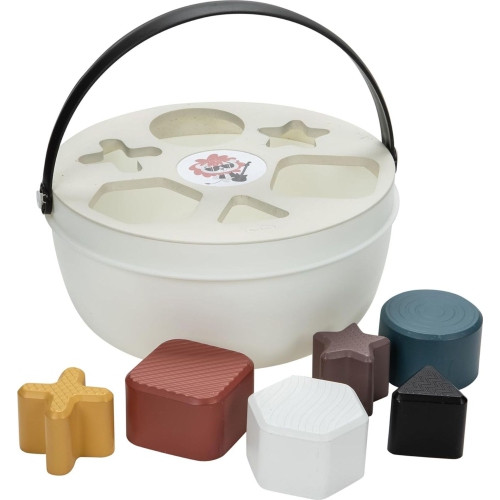
Materials, construction quality, and everyday practicality influence how creative engineering toys feel to use and how well they hold up to rebuilding. Moulded plastic components can offer lightweight handling and repeatable connections, while wooden pieces provide a different texture and may use slots, dowels, or other fitted joints. Metal construction parts often rely on nuts, bolts, and tools, making secure fastening part of the activity. Durability depends on more than material alone: connector design, part thickness, edge finishing, and the way a toy is handled all affect its useful life. Pieces should fit as intended without being forced, and moving sections need enough clearance to work without scraping or catching. Physical scale matters, too. A tall structure needs a stable surface, and a rolling or moving model needs room beyond its display footprint. A tray can keep small fasteners from wandering across a table, while divided storage makes it easier to find matching connectors during the next build. Care instructions vary by material and mechanism, so cleaning should follow the manufacturer’s directions. Electronic parts generally need to stay dry, and assembled models with gears or joints benefit from storage that does not bend or compress their moving sections. Before play, checking for cracked pieces, rough edges, loose fasteners, and damaged battery compartments helps identify parts that should no longer be used. Small components require particular care around younger children; any magnets and button or coin batteries must remain secure and inaccessible to them. As gifts, engineering toys can suit children who enjoy drawing inventions, constructing elaborate scenes, following patterns, or figuring out why things move. They can also support family projects, classroom activities, and group building sessions where the pleasure comes from contributing to a shared design. For a frequent builder, compatibility with an existing construction system may extend the possibilities, but similar-looking connectors are not always interchangeable. A manageable assembly process, satisfying movement, and room to revise a design can make an engineering toy rewarding well beyond its first finished model.
The intended builder’s age, interests, and comfort with detailed assembly help distinguish one type of creative engineering toy from another. Recommended age ranges and safety labels are the starting point, but the style of interaction also matters. Younger builders may find large, easy-grip components and obvious connection points more manageable, while children who enjoy careful assembly may prefer smaller parts, multi-stage instructions, or mechanisms that need precise alignment. A high piece count does not necessarily mean a more satisfying challenge: the variety of connections, clarity of diagrams, and freedom to rebuild can matter just as much. Snap-fit systems typically support repeated assembly without separate fasteners, while screw-together kits introduce the coordination involved in holding components steady and using an included tool. Open-ended sets suit builders who like inventing as they go; guided kits can offer a clearer beginning and a visible goal. Some combine both approaches, with example models that demonstrate techniques before leaving room for original creations. Mechanical building toys may use gears, levers, pulleys, or linkages to turn a small input into a larger movement or change its direction. Turning a handle and watching a platform rise makes that relationship easier to understand than a diagram alone. Circuit toys focus on electrical connections, with age-appropriate components that may activate a light, sound, or motor when assembled correctly. Motorized and coding-based formats introduce further considerations, including power requirements, controller design, compatible devices, and whether essential features depend on software. For shared play, a layout with several smaller assemblies can let children contribute separately before bringing their work together. For independent play, clear illustrations and connections that are easy to check can reduce frustration. Adults may still need to help with alignment, tools, or troubleshooting, particularly when a model involves tensioned parts or electrical components. The right level of complexity leaves space for concentration and discovery without making every stage dependent on an adult completing it.
Materials, construction quality, and everyday practicality influence how creative engineering toys feel to use and how well they hold up to rebuilding. Moulded plastic components can offer lightweight handling and repeatable connections, while wooden pieces provide a different texture and may use slots, dowels, or other fitted joints. Metal construction parts often rely on nuts, bolts, and tools, making secure fastening part of the activity. Durability depends on more than material alone: connector design, part thickness, edge finishing, and the way a toy is handled all affect its useful life. Pieces should fit as intended without being forced, and moving sections need enough clearance to work without scraping or catching. Physical scale matters, too. A tall structure needs a stable surface, and a rolling or moving model needs room beyond its display footprint. A tray can keep small fasteners from wandering across a table, while divided storage makes it easier to find matching connectors during the next build. Care instructions vary by material and mechanism, so cleaning should follow the manufacturer’s directions. Electronic parts generally need to stay dry, and assembled models with gears or joints benefit from storage that does not bend or compress their moving sections. Before play, checking for cracked pieces, rough edges, loose fasteners, and damaged battery compartments helps identify parts that should no longer be used. Small components require particular care around younger children; any magnets and button or coin batteries must remain secure and inaccessible to them. As gifts, engineering toys can suit children who enjoy drawing inventions, constructing elaborate scenes, following patterns, or figuring out why things move. They can also support family projects, classroom activities, and group building sessions where the pleasure comes from contributing to a shared design. For a frequent builder, compatibility with an existing construction system may extend the possibilities, but similar-looking connectors are not always interchangeable. A manageable assembly process, satisfying movement, and room to revise a design can make an engineering toy rewarding well beyond its first finished model.
Top selling and popular products
-
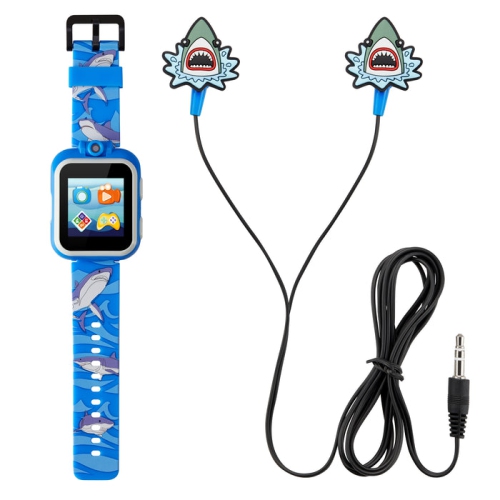 Your price for this item is $38.98
 -
 Your price for this item is $19.99
 -
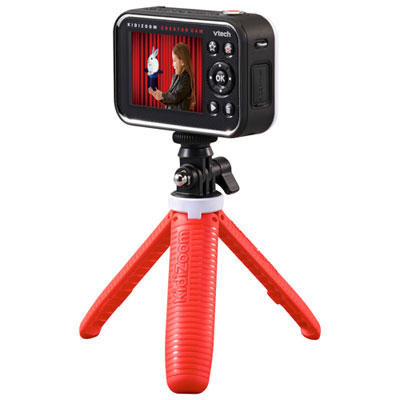 Your price for this item is $89.99
 -
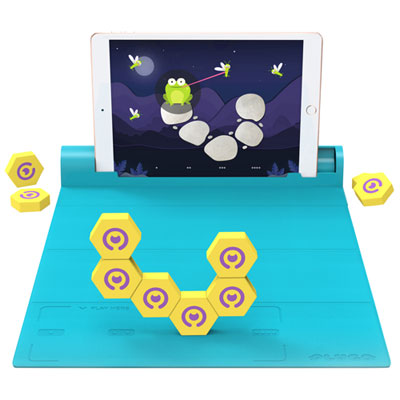
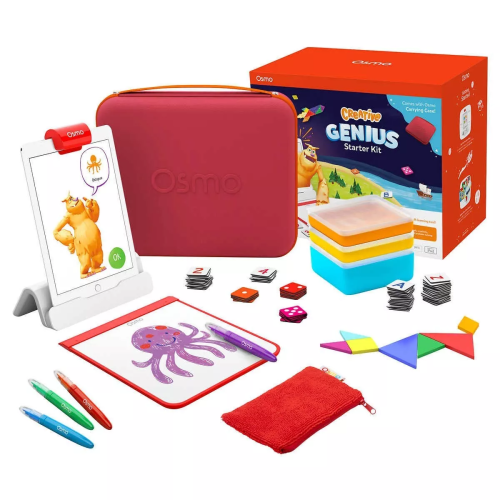
![OSMO - Genius Starter Kit - for Ipad [Electronics]](https://multimedia.bbycastatic.ca/multimedia/products/500x500/188/18884/18884576.jpeg) Your price for this item is $199.99
Your price for this item is $199.99 -
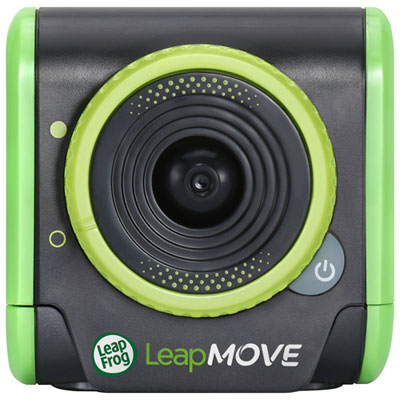 Your price for this item is $79.99
 -
 Your price for this item is $79.99
 -
 Your price for this item is $149
 -
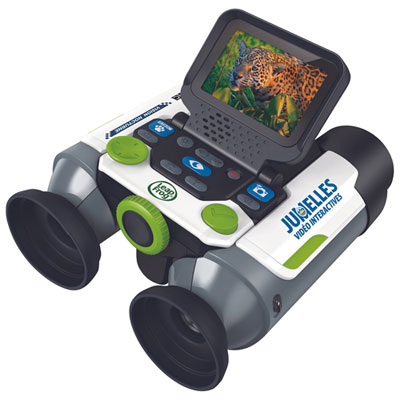 Your price for this item is $67.98
Discover more categories related to Creative Engineering Toys
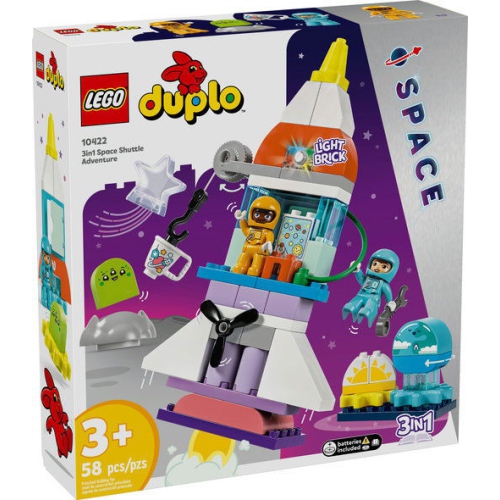

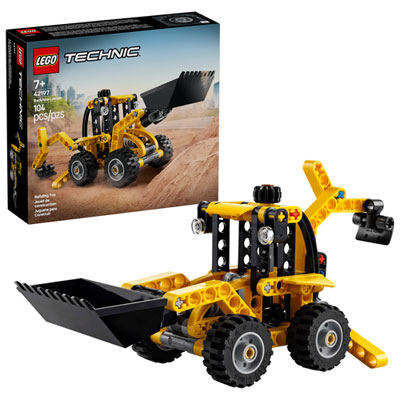
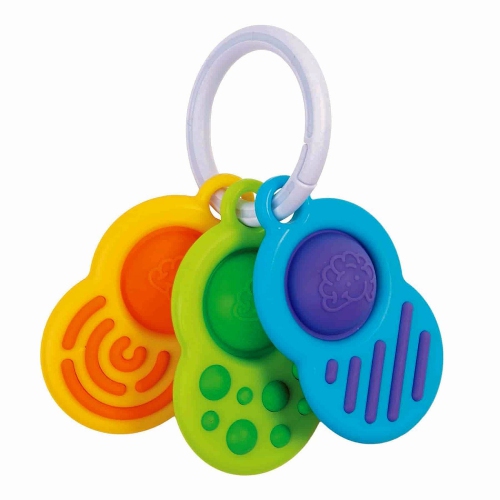
Top Collections:
Pokemon Centers, Kindle Devices, Best Budget Office Chairs, Apple iPhones 16, Best Laptops for Writers, iPhone 15 Apple, Canon G7X Cameras, Refurbished Apple Laptops, Alarm Clock, Motorola Razr Phones
Some products may be subject to Environmental Handling Fees
(EHF) depending on your province.
Learn more about EHFs.