Engineering Kit LEGO
Unleash the power of creativity and innovation with engineering kits designed to inspire budding engineers and seasoned builders alike. These kits offer a hands-on approach to learning, allowing enthusiasts to explore the fascinating world of engineering principles while constructing intricate models. Whether you're looking to challenge your problem-solving skills or simply enjoy the satisfaction of building something from scratch, these kits provide endless opportunities for fun and education. Dive into a universe where imagination meets technology, and watch as your creations come to life with every piece you connect.
Sort
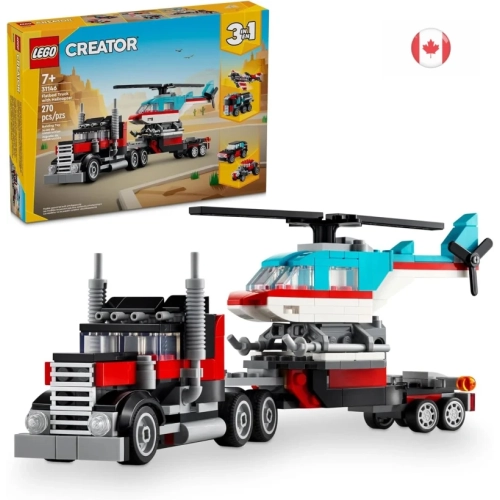
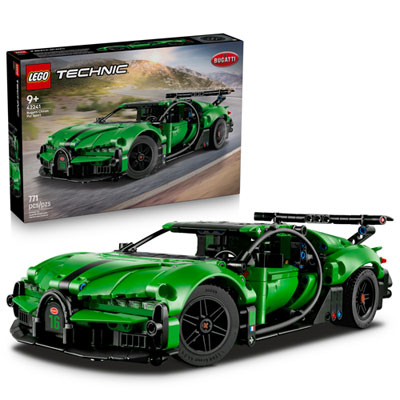
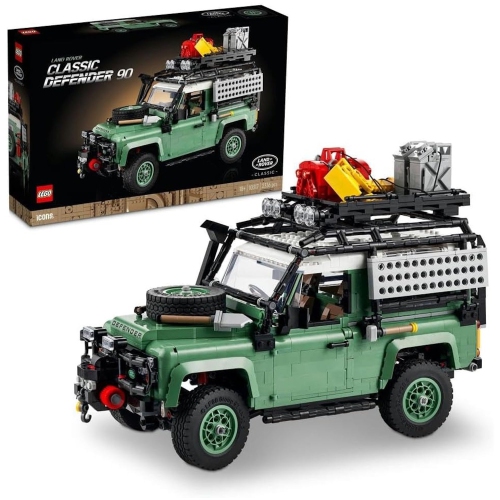

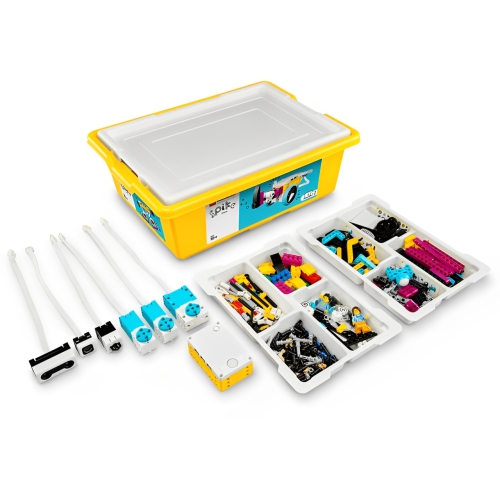
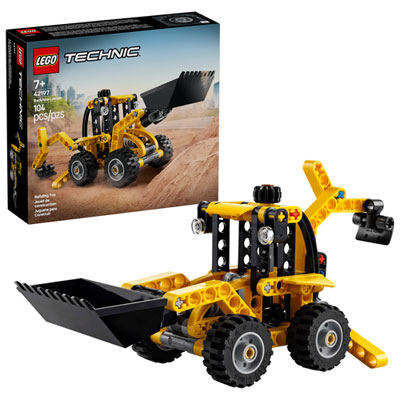
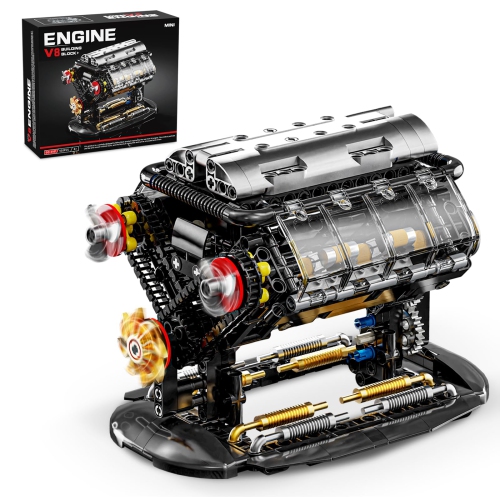
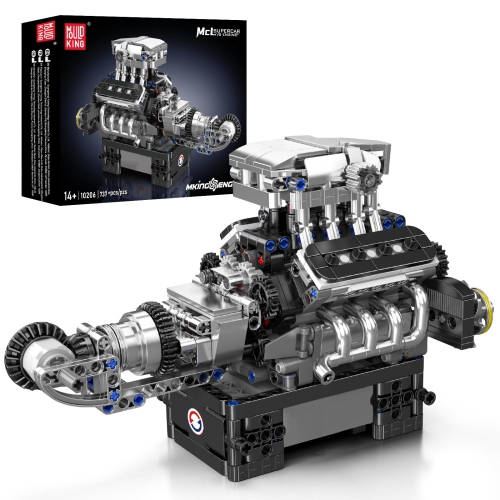
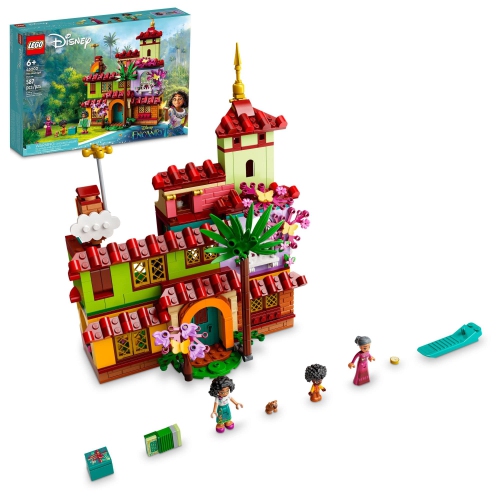

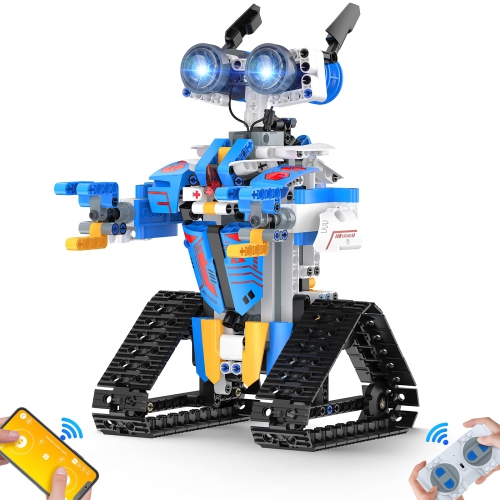
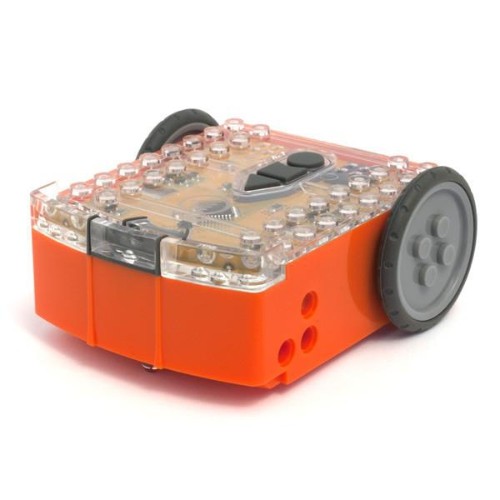
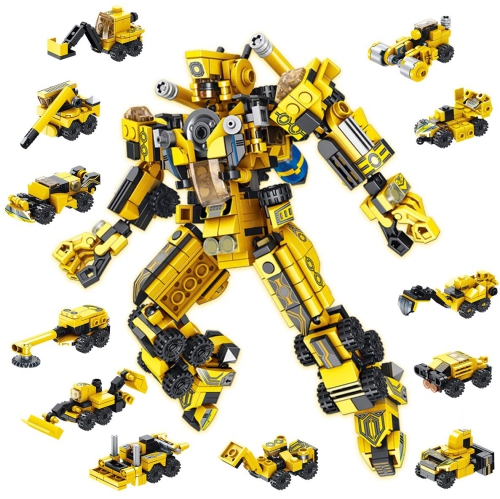
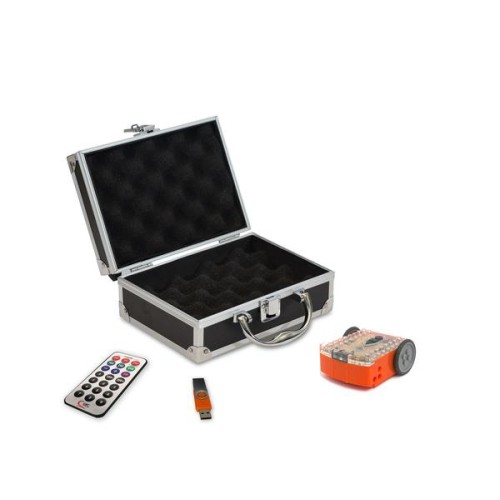


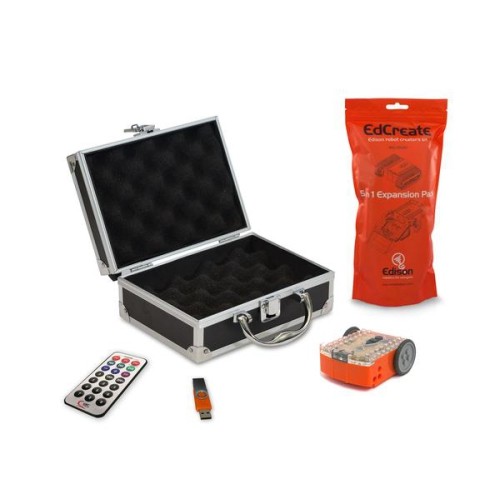

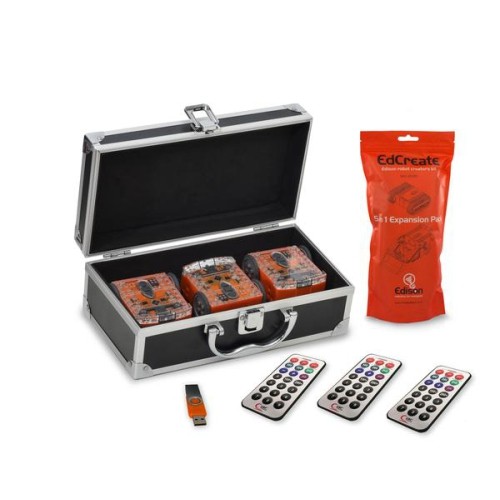
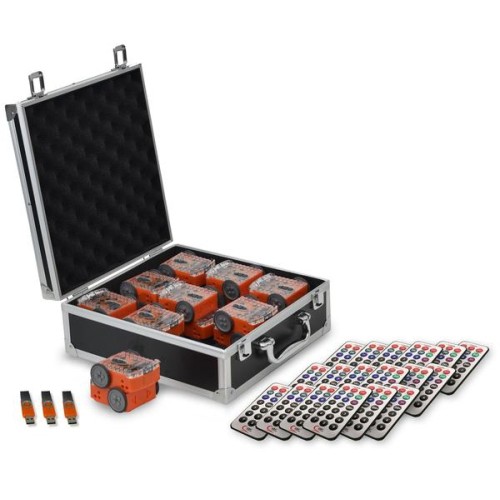
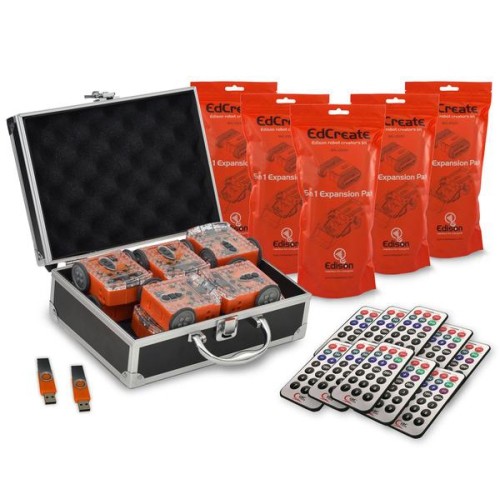

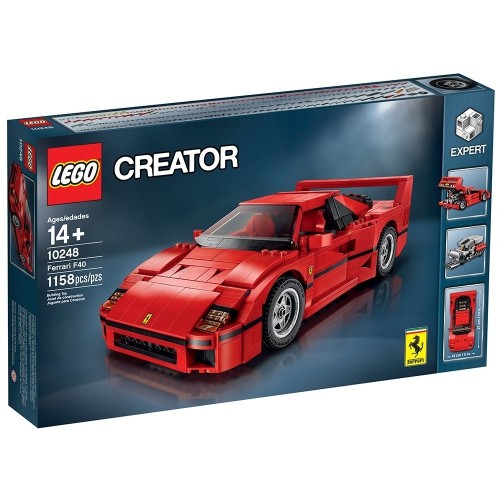

Hands-on projects reveal how gears, motion, and structures work
Engineering construction kits bring mechanical ideas to life through pieces that can be handled, rearranged, tested, and improved. Rather than learning about gears, axles, levers, pulleys, steering systems, or structural support only from a page or screen, builders can watch these principles work in front of them. A wheel turns another wheel, a linkage lifts an arm, or a suspension system responds to pressure, making each build feel like a small working machine. This hands-on approach makes engineering kits appealing to curious children, teens, families, educators, and adults who enjoy solving practical challenges. Some kits focus on guided construction, with clear steps that help new builders gain confidence, while others encourage experimentation after the main model is complete. The best choice depends on the builder’s age, patience, experience, and preferred style of play. Younger builders may benefit from larger components, simple mechanisms, and colourful instructions, while older children and adults may enjoy tighter tolerances, multi-stage assemblies, realistic movement, and more intricate mechanical systems. When comparing options, consider the recommended age range, approximate build time, number of components, size of the finished model, and whether the kit is intended for display, repeated rebuilding, or both. A well-chosen engineering kit can become a satisfying weekend project, a quiet after-school activity, or a shared challenge at the kitchen table, with the finished creation serving as a reminder of the ideas explored along the way.
Mechanical engineering kits are particularly useful for builders who like to understand how things work. Visible gears provide an immediate introduction to rotation, speed, and force; changing the size or position of a gear can show why one component moves faster while another produces more turning strength. Functional steering, working suspension, articulated arms, and movable doors add another layer of discovery, helping builders connect individual parts into a complete system. Pneumatic-style mechanisms can introduce pressure and controlled motion, while structural builds demonstrate how beams, frames, joints, and bracing contribute to strength and stability. For children who enjoy vehicles, machines, space exploration, or imaginative construction, these kits offer a natural way to combine storytelling with practical problem-solving. A builder may begin by following the instructions, then modify the design to create a longer arm, a sturdier frame, or a different moving feature. That process of building, testing, noticing a weakness, and trying again is central to the experience. Families can make the activity more engaging by keeping a small tray nearby for loose components, sorting pieces by type before starting, and setting aside enough uninterrupted time to complete one stage at a time. Adults do not need to take over; a helpful prompt such as “What changed when you moved that gear?” can encourage independent thinking while keeping the builder in control. For classrooms, libraries, clubs, and makerspaces, engineering kits can support group activities in which participants compare designs, record observations, or work together to improve a shared model. Explore Creative Engineering Toys for additional hands-on building ideas that can complement an engineering-focused collection.
These kits also make thoughtful gifts for children who prefer creating to simply watching, as well as for teens and adults who enjoy detailed projects with a clear sense of progress. They can suit a wide range of interests, from machines and transportation to robotics, architecture, physics, and coding. When programmable features are included, builders can move from physical assembly into basic logic by giving a model instructions, adjusting timing, and observing how sensors or motors respond. This can provide an approachable introduction to sequences, loops, conditions, and troubleshooting without requiring previous programming experience. Check whether a compatible device, software, batteries, or additional accessories are needed before purchasing, particularly when selecting a kit for a classroom or shared family use. It is also worth considering the workspace: complex builds may need a stable table, good lighting, and a place where the model can remain undisturbed between sessions. For a gift, matching the kit to the recipient’s interests is often more important than choosing the largest or most advanced option. Someone fascinated by construction may enjoy cranes and lifting systems, while a young inventor who likes movement may prefer gears, steering, or robotic functions. During the cooler months, an engineering kit can offer a rewarding indoor project that stretches across several afternoons, with plenty of room for rebuilding once the first design is finished. Whether used independently, with a parent or grandparent, or as part of a group activity, these kits turn curiosity into something tangible: a model that moves, a structure that holds, and a builder who gains confidence with every adjustment.
Mechanical engineering kits are particularly useful for builders who like to understand how things work. Visible gears provide an immediate introduction to rotation, speed, and force; changing the size or position of a gear can show why one component moves faster while another produces more turning strength. Functional steering, working suspension, articulated arms, and movable doors add another layer of discovery, helping builders connect individual parts into a complete system. Pneumatic-style mechanisms can introduce pressure and controlled motion, while structural builds demonstrate how beams, frames, joints, and bracing contribute to strength and stability. For children who enjoy vehicles, machines, space exploration, or imaginative construction, these kits offer a natural way to combine storytelling with practical problem-solving. A builder may begin by following the instructions, then modify the design to create a longer arm, a sturdier frame, or a different moving feature. That process of building, testing, noticing a weakness, and trying again is central to the experience. Families can make the activity more engaging by keeping a small tray nearby for loose components, sorting pieces by type before starting, and setting aside enough uninterrupted time to complete one stage at a time. Adults do not need to take over; a helpful prompt such as “What changed when you moved that gear?” can encourage independent thinking while keeping the builder in control. For classrooms, libraries, clubs, and makerspaces, engineering kits can support group activities in which participants compare designs, record observations, or work together to improve a shared model. Explore Creative Engineering Toys for additional hands-on building ideas that can complement an engineering-focused collection.
These kits also make thoughtful gifts for children who prefer creating to simply watching, as well as for teens and adults who enjoy detailed projects with a clear sense of progress. They can suit a wide range of interests, from machines and transportation to robotics, architecture, physics, and coding. When programmable features are included, builders can move from physical assembly into basic logic by giving a model instructions, adjusting timing, and observing how sensors or motors respond. This can provide an approachable introduction to sequences, loops, conditions, and troubleshooting without requiring previous programming experience. Check whether a compatible device, software, batteries, or additional accessories are needed before purchasing, particularly when selecting a kit for a classroom or shared family use. It is also worth considering the workspace: complex builds may need a stable table, good lighting, and a place where the model can remain undisturbed between sessions. For a gift, matching the kit to the recipient’s interests is often more important than choosing the largest or most advanced option. Someone fascinated by construction may enjoy cranes and lifting systems, while a young inventor who likes movement may prefer gears, steering, or robotic functions. During the cooler months, an engineering kit can offer a rewarding indoor project that stretches across several afternoons, with plenty of room for rebuilding once the first design is finished. Whether used independently, with a parent or grandparent, or as part of a group activity, these kits turn curiosity into something tangible: a model that moves, a structure that holds, and a builder who gains confidence with every adjustment.
Top selling and popular products
-
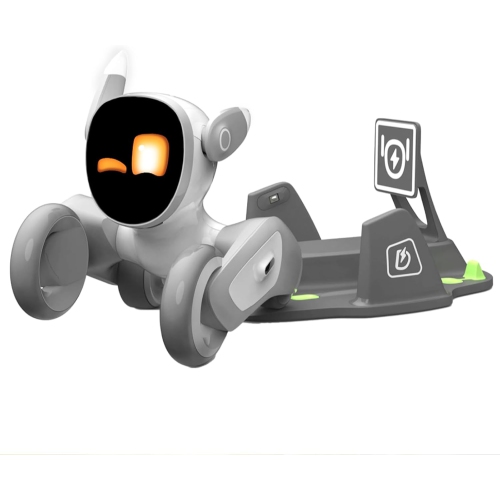 Your price for this item is $699.99
 -
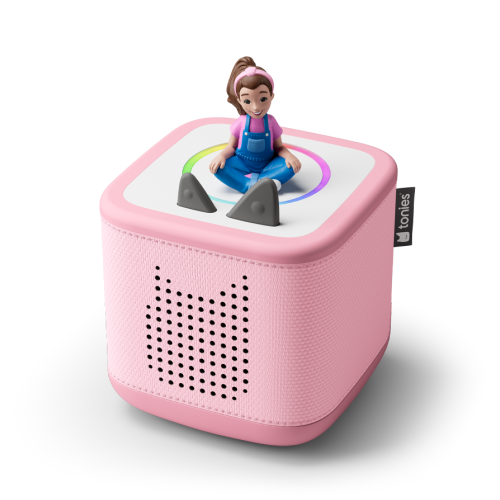 Your price for this item is $199.99
 -
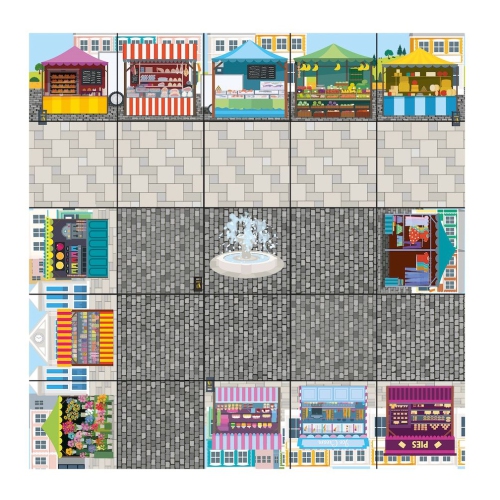 Your price for this item is $75.99
 -
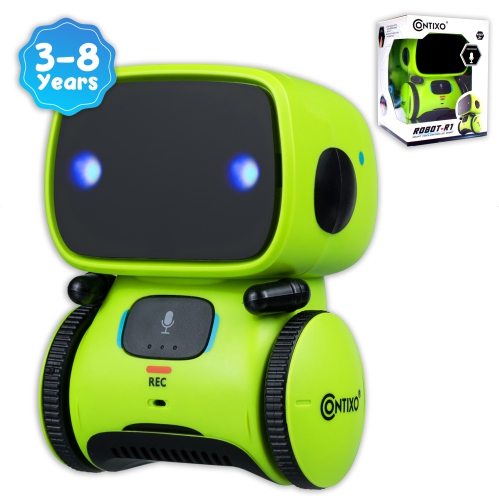 Your price for this item is $39.99
 -
 Your price for this item is $55.95
 -
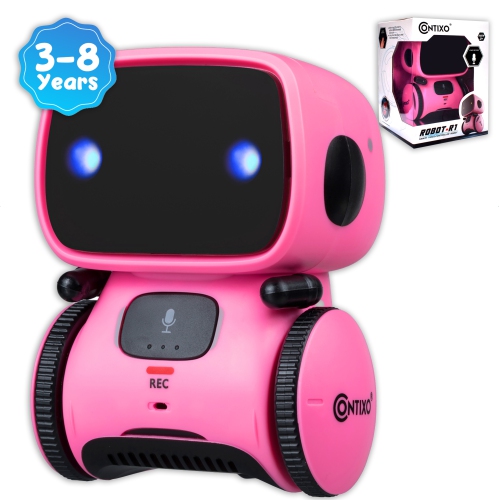 Your price for this item is $39.99
 -
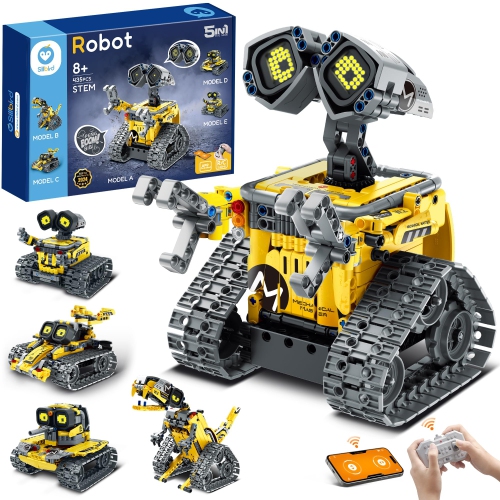 Your price for this item is $116.96
 -
 Your price for this item is $52.17
Discover more categories related to Engineering Kit LEGO
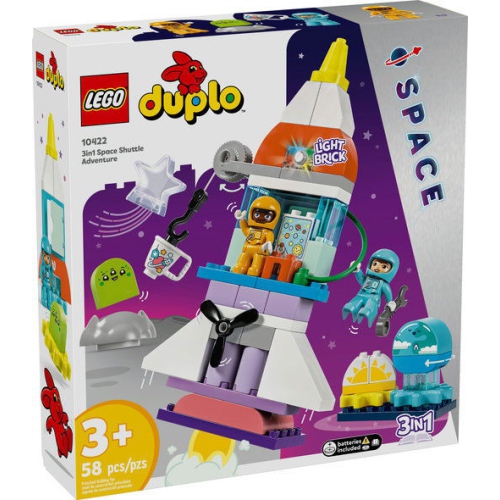
Top Collections:
Pokemon Centers, Kindle Devices, Best Budget Office Chairs, Apple iPhones 16, Best Laptops for Writers, iPhone 15 Apple, Canon G7X Cameras, Refurbished Apple Laptops, Alarm Clock, Motorola Razr Phones
Some products may be subject to Environmental Handling Fees
(EHF) depending on your province.
Learn more about EHFs.