Magnetic Tiles
Magnetic tiles are the perfect blend of creativity and education, offering endless possibilities for imaginative play. These vibrant, interlocking pieces captivate young minds, encouraging problem-solving skills and spatial awareness as children construct their own unique designs. Whether building towering castles, intricate patterns, or simple geometric shapes, magnetic tiles provide hours of fun while fostering cognitive development. Ideal for playrooms, classrooms, or family gatherings, they make learning an exciting adventure that can be enjoyed by kids and adults alike. Explore the world of magnetic tiles and watch as creativity takes shape with every connection.
Sort
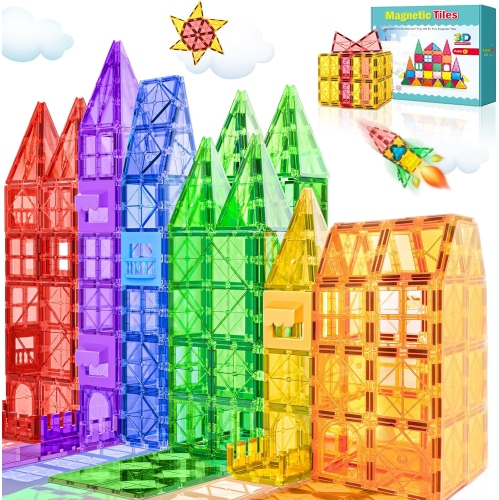
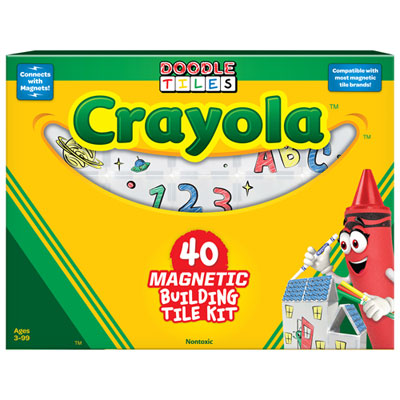

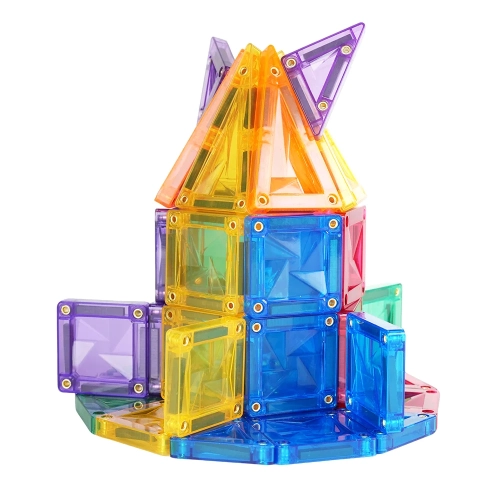

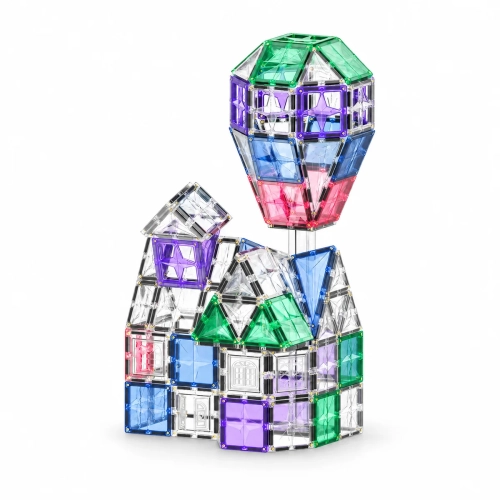

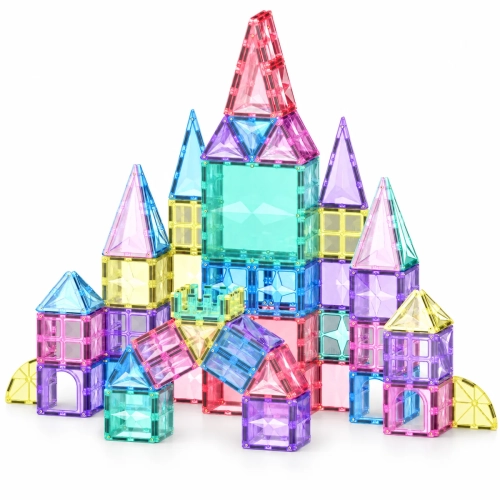
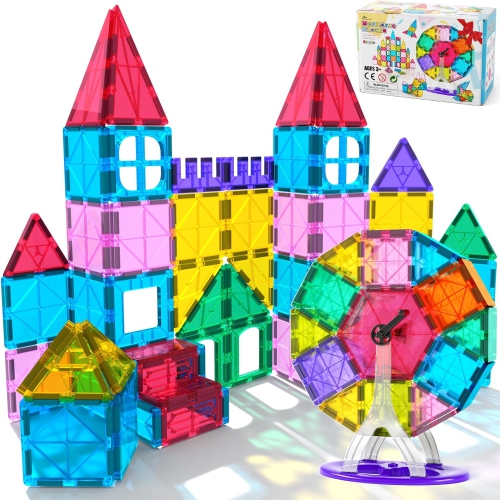


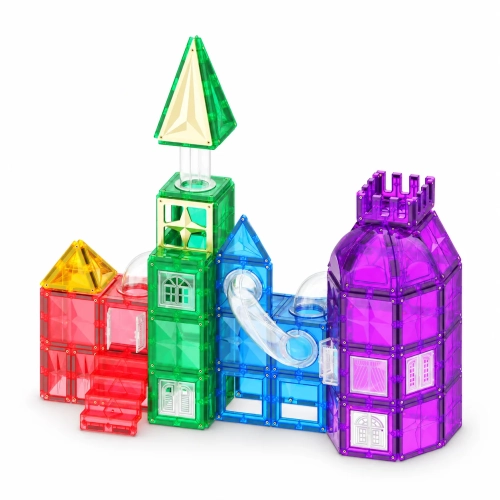
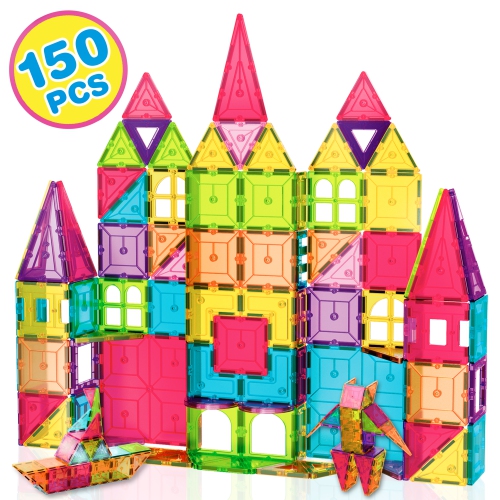
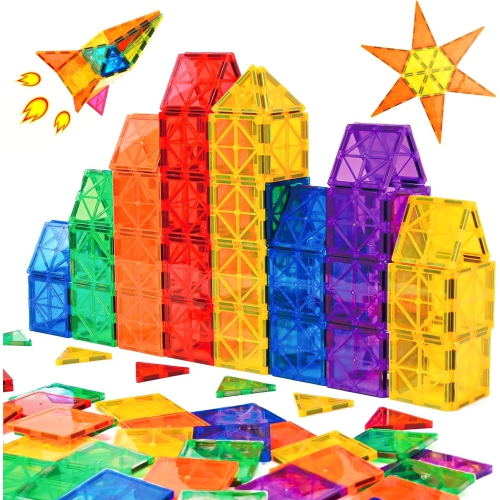
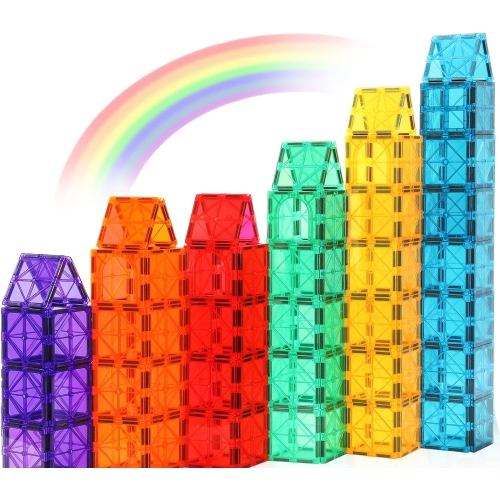
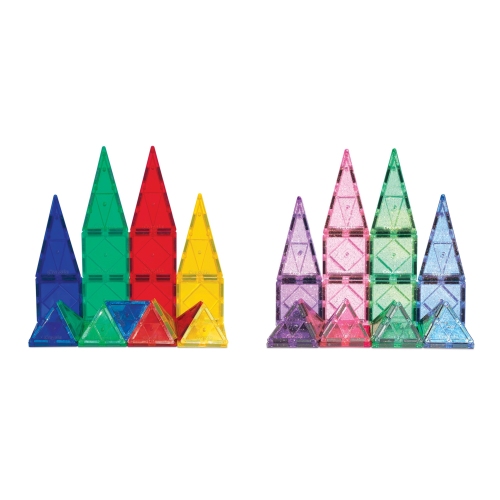
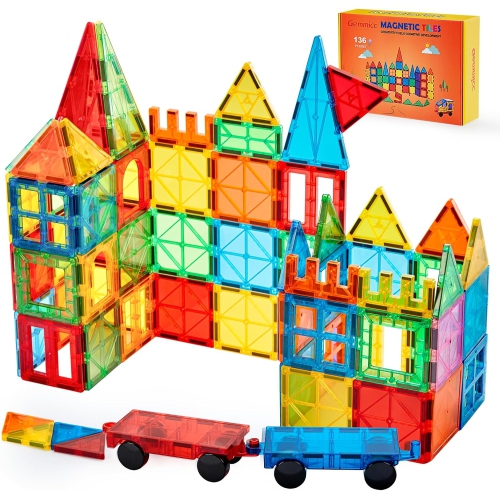
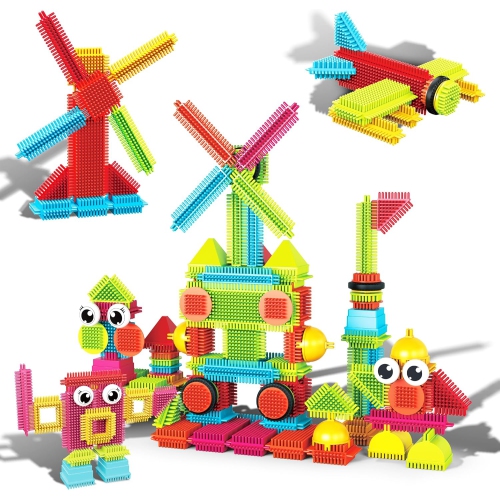
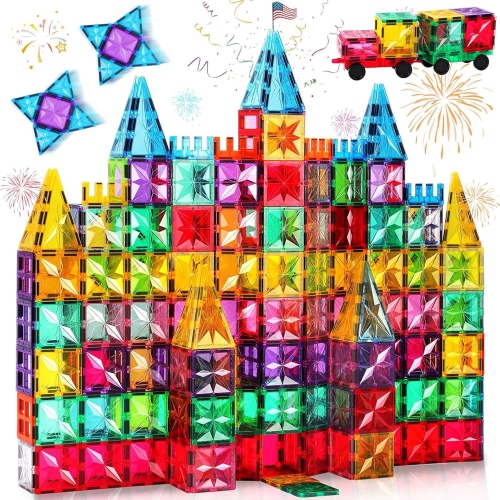
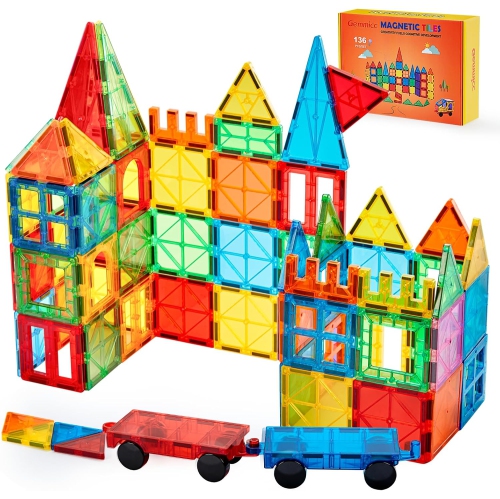
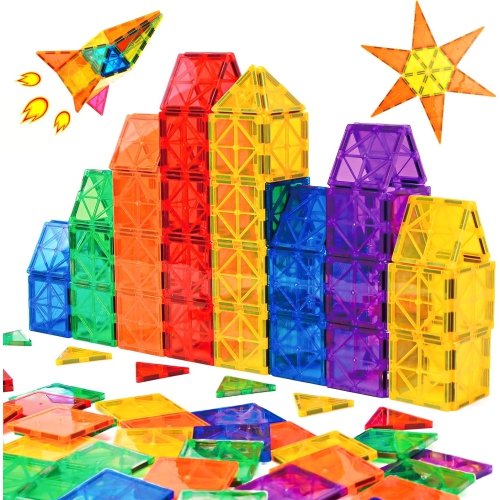
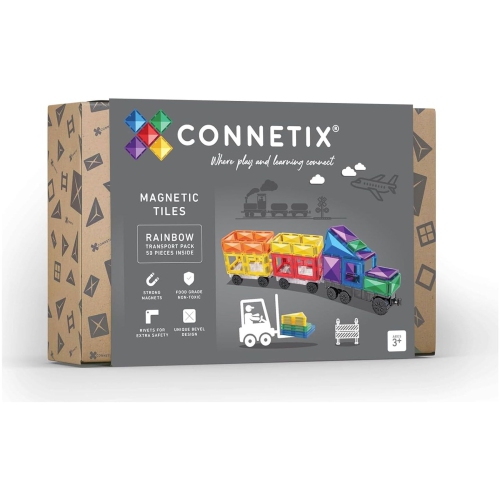
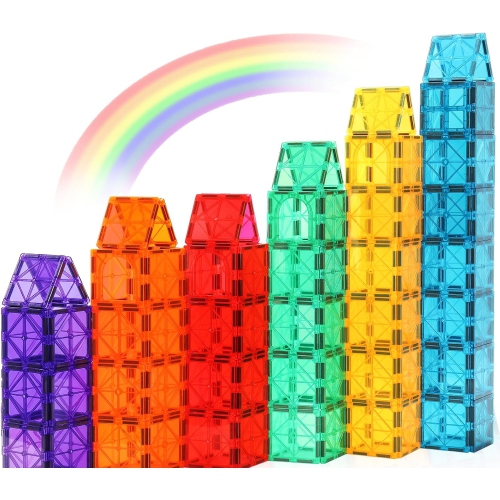
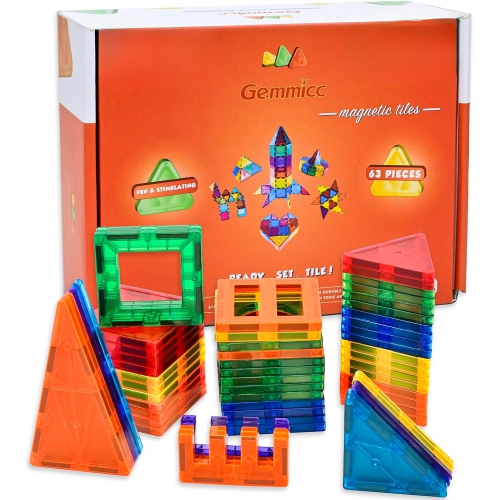
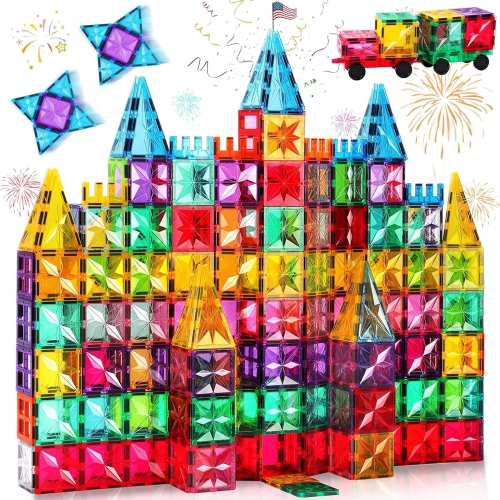

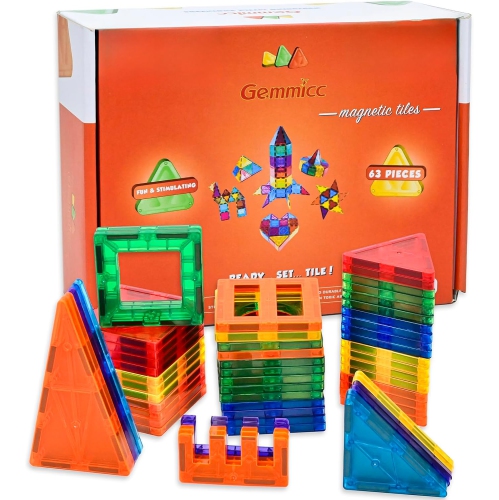
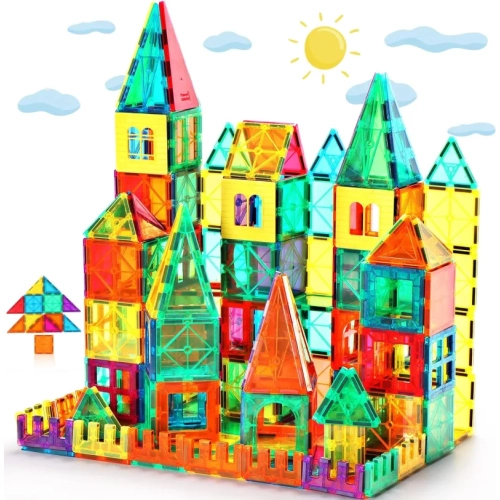
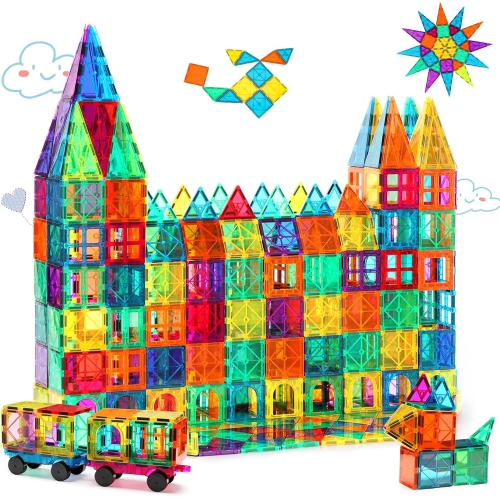


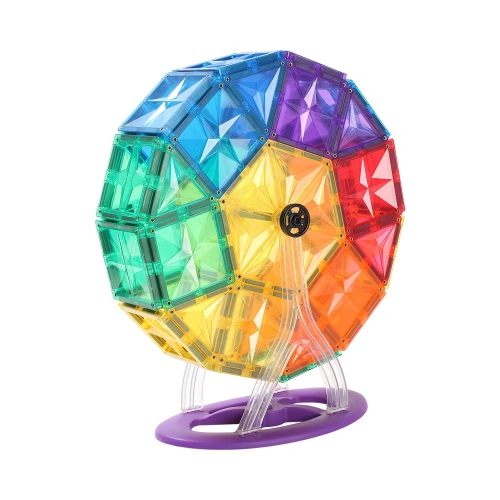
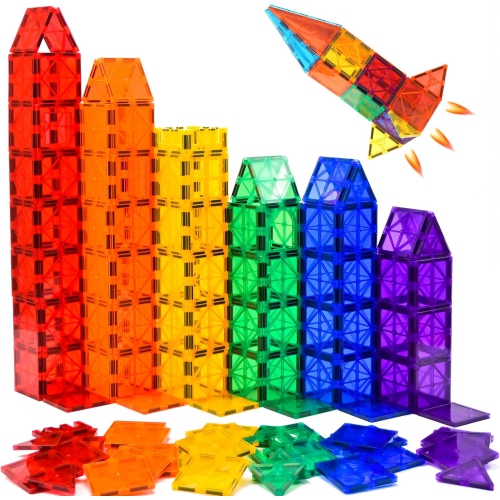
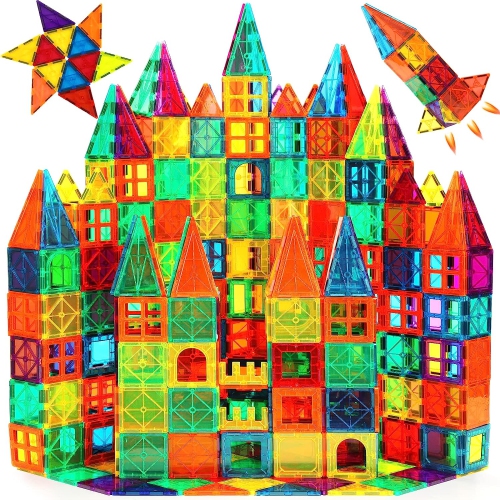

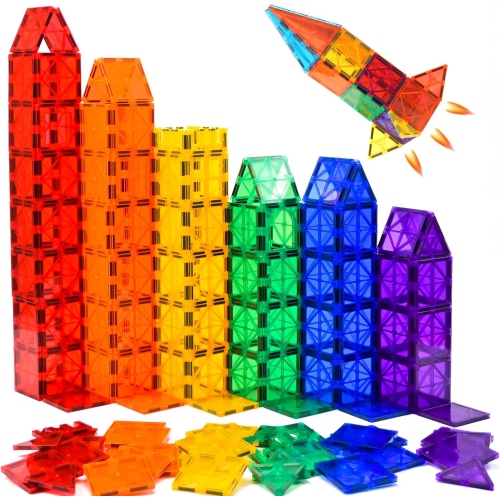


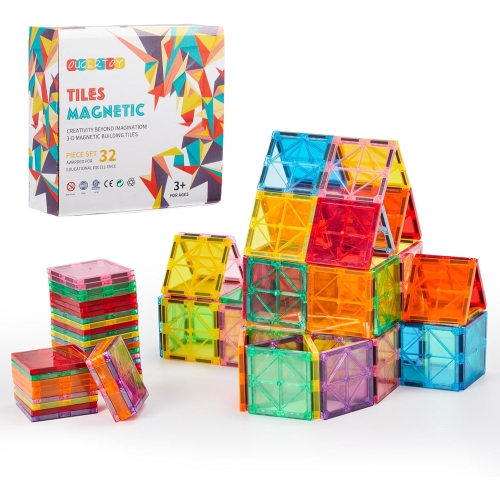


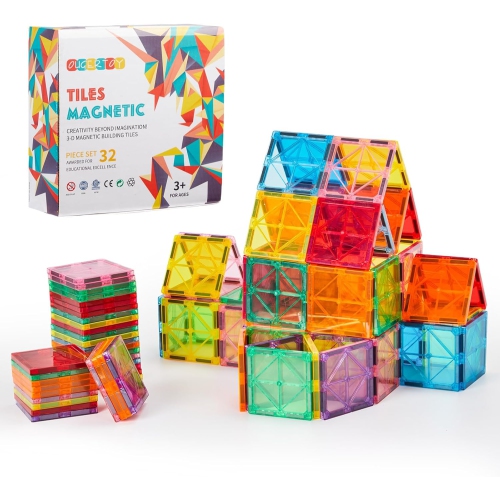

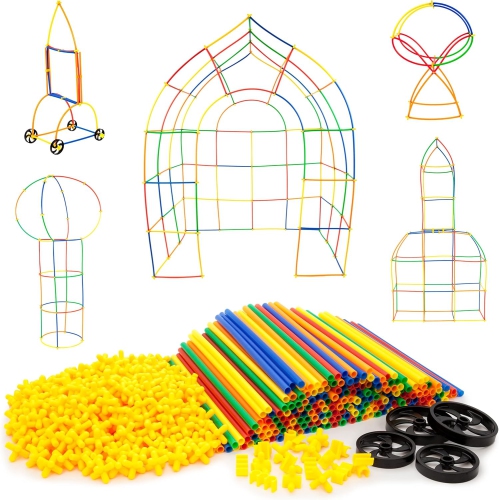
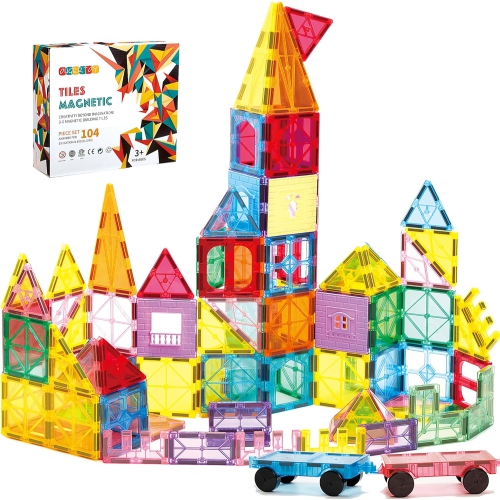
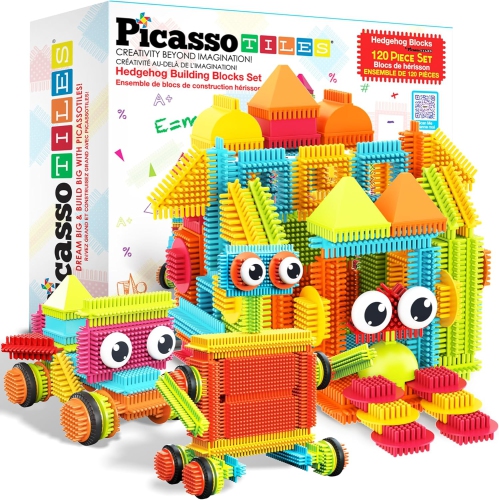
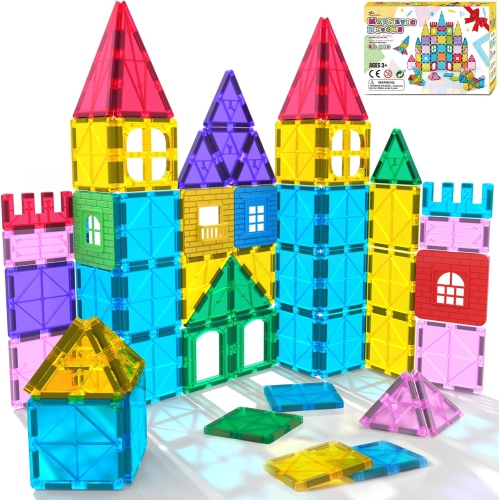
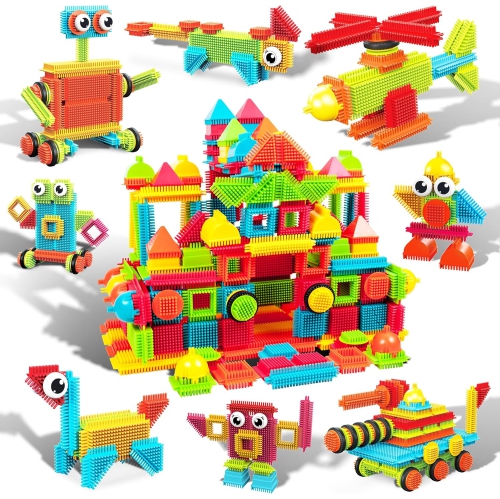
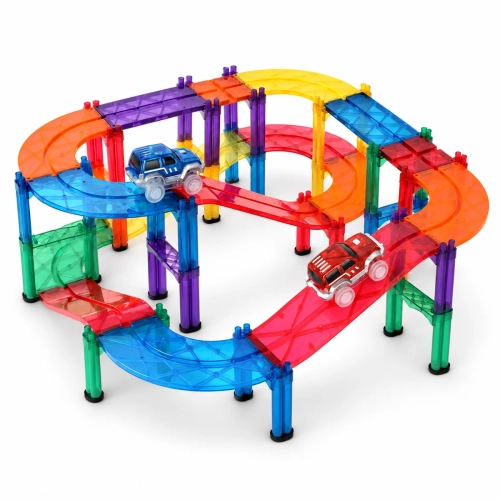
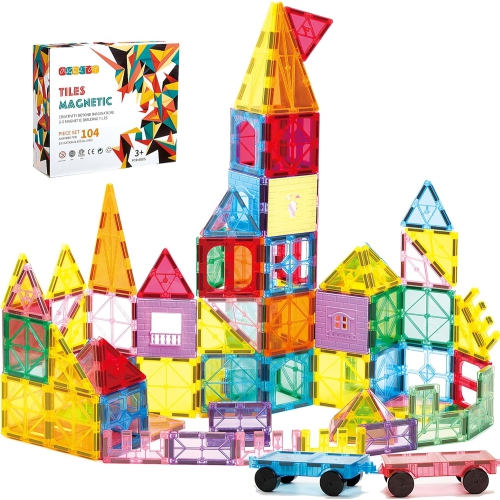
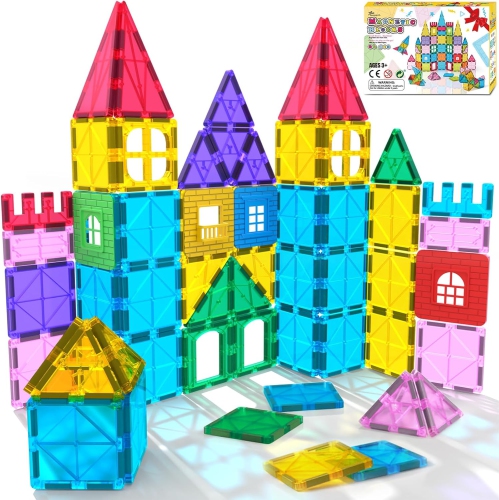
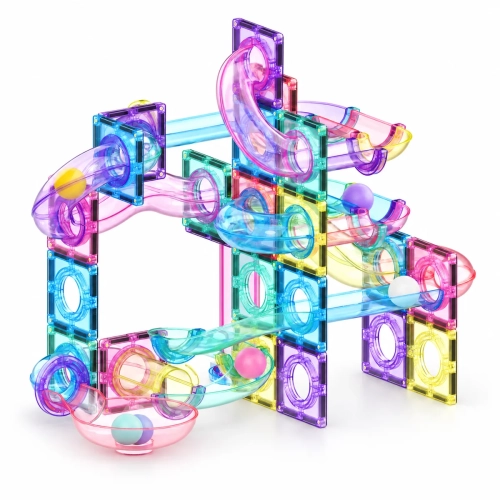
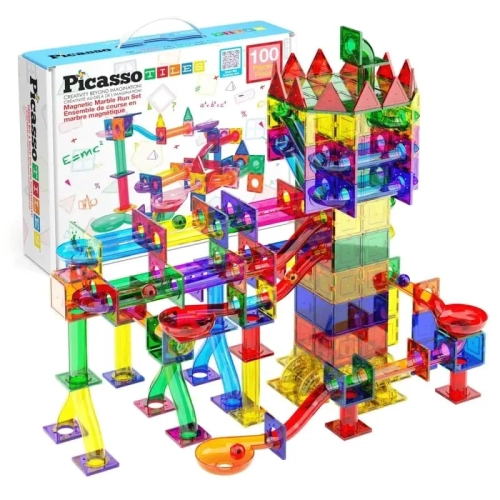
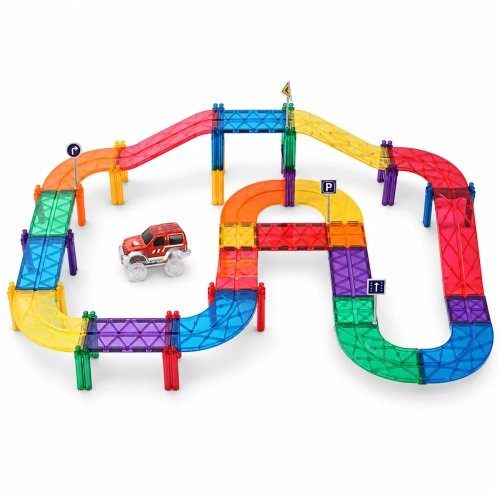

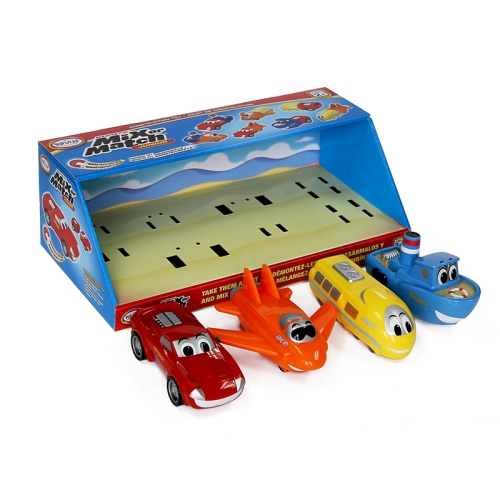


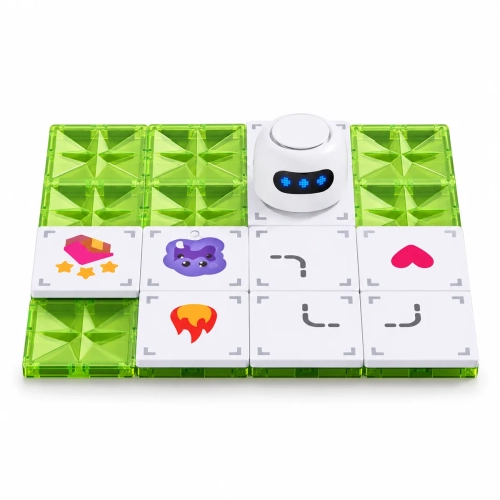
Open-ended building play that grows with children
Magnetic tiles are open-ended building toys made from geometric pieces with magnets sealed inside the edges, allowing children to connect squares, triangles, rectangles and other shapes into flat designs or three-dimensional creations. A child may begin by arranging a simple row of colourful tiles on the floor, then turn that pattern into a tower, house, tunnel, animal, rocket or imaginative city. Because the pieces connect and come apart easily, there is no single correct result and a build can change many times during one play session. This flexibility makes magnetic tiles appealing to preschoolers, school-aged children and families who enjoy building together. Younger children can practise holding, sorting, stacking and lining up pieces, while older children can explore balance, symmetry, patterns, scale and more complicated structures. Magnetic tiles can also support early STEM and STEAM learning in a hands-on way, helping children see how shapes combine, how weight affects a structure and how a flat arrangement can become a three-dimensional form. Counting sides and corners introduces basic geometry, matching colours encourages sorting, and planning a stable build develops spatial reasoning. The click of two pieces joining, the satisfying moment when a wall stands upright and the gentle frustration of rebuilding a collapsed tower all make the learning feel like play rather than a lesson. For families spending more time indoors during cooler months, a magnetic tile set can become a dependable activity for a playroom, kitchen table or living-room rug. It is also a thoughtful gift for birthdays, family celebrations or a child who enjoys construction, drawing, puzzles, pretend play and hands-on discovery. Browse related Magnetic Toys to explore other ways children can build, connect and create.
When choosing magnetic tiles, start with the child’s age, interests and available play space. Always follow the manufacturer’s recommended age range and supervision guidance, especially for younger children. Magnets should remain securely enclosed, and any tile with a cracked casing, loose component or visible magnet should be removed from play immediately. Sets designed for older children may include smaller pieces or more detailed accessories, while a basic set with larger geometric shapes can be easier for beginners to handle. The number and variety of pieces also affect how children play. A smaller starter set may be ideal for learning how the tiles connect, practising simple patterns or keeping a compact collection at a grandparent’s home. Larger sets offer more freedom for group play and make it easier to build wide layouts, tall towers and several structures at once. Look for a balanced assortment of shapes rather than focusing only on the total piece count. Squares and triangles are useful foundations, while rectangles, larger panels, windows, arches, wheels and other specialty shapes can encourage storytelling and more ambitious designs. Transparent or brightly coloured pieces may add visual appeal, but the most important consideration is whether the tiles have strong, reliable connections and edges that feel comfortable to handle. Check the construction details, such as the quality of the plastic, the way magnets are enclosed and whether the set is designed to work with other pieces in the same collection. Compatibility is not universal, so families expanding an existing collection should compare dimensions, magnet placement and shape design before purchasing. Storage is worth considering as well: a lidded bin, fabric basket or divided container can make clean-up easier and help prevent pieces from being scattered under furniture. A set that is simple to sort and put away is more likely to be used regularly, particularly when children can reach the storage container themselves.
Magnetic tiles can suit solo play, sibling projects and adult-child building sessions. One child might use them to create a pretend shop and fill it with toy figures, while another may prefer testing how many levels a tower can support before it tips. Adults can encourage discovery by offering gentle prompts such as building a bridge for a toy vehicle, making a symmetrical pattern, creating a shelter with an entrance or designing a structure that uses every triangle in the set. It is often helpful to let children lead, even when their design looks unconventional; a wobbly tower may be an experiment in balance, and a colourful flat pattern may be the beginning of a story. Magnetic tiles also work well alongside other play materials, including wooden blocks, toy animals, vehicles, dolls, craft supplies and picture books. During the cooler months, they can bring an active building challenge to a quiet afternoon, and during early fall they can be a useful addition to after-school play without requiring screens or a large setup. Families buying a gift can choose a starter collection for a first introduction, a larger assortment for siblings or a themed expansion for a child who already enjoys building. Consider whether the recipient tends to prefer imaginative storytelling, careful pattern-making, engineering challenges or cooperative play, then select a set with shapes and accessories that support those interests. With proper care, well-made magnetic tiles can remain part of a child’s play rotation for years, moving from simple colour matching and stacking to elaborate structures that invite planning, problem-solving and shared creativity.
Top selling and popular products
-
 Your price for this item is $38.53
-
 Your price for this item is $93.99
-
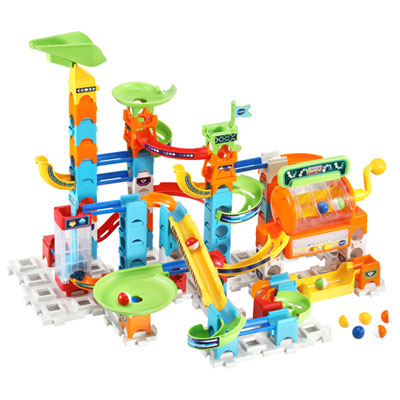 Your price for this item is $59.99
-
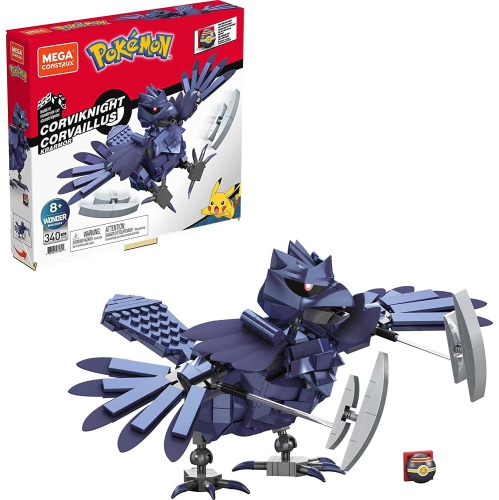 Your price for this item is $51
-
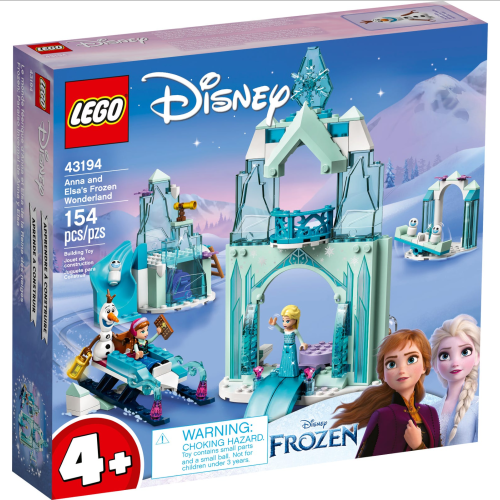 Your price for this item is $108.48
-
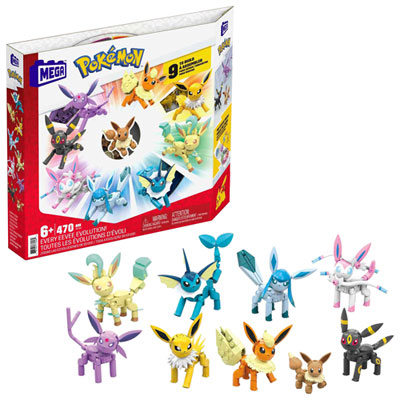 Your price for this item is $82.99
-
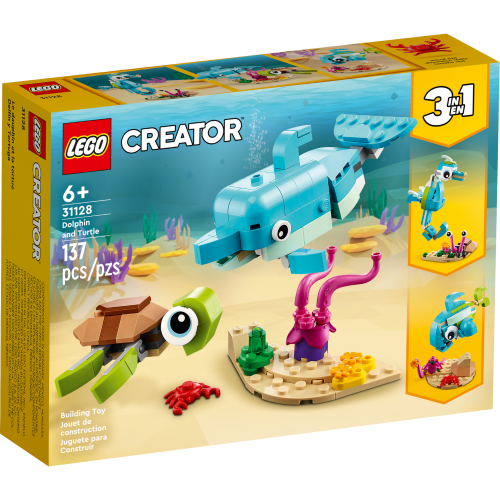 Your price for this item is $55.78
-
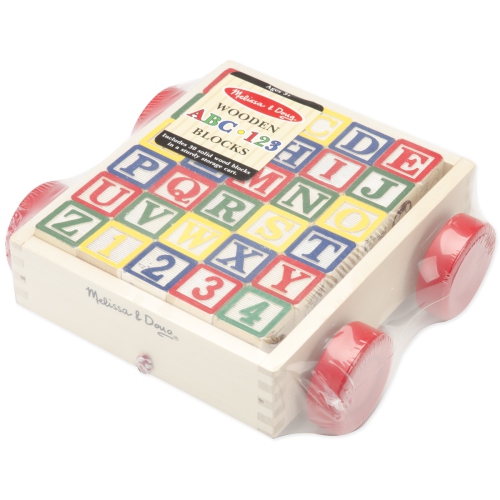 Your price for this item is $38.99
Discover more categories related to Magnetic Tiles

Top Collections:
Pokemon Centers, Kindle Devices, Best Budget Office Chairs, Canon G7X Cameras, Apple iPhones 16, Samsung Galaxy Phones, Refurbished Apple Laptops, Laptops for Students, iPhone 15 Apple, Budget Smartphones
Some products may be subject to Environmental Handling Fees
(EHF) depending on your province.
Learn more about EHFs.