Magnetic Tiles Kids
Magnetic tiles for kids are a fantastic way to spark creativity and learning through play. These vibrant, interlocking pieces offer endless possibilities for building and designing, making them a favorite among children and parents alike. Ideal for developing spatial awareness, problem-solving skills, and hand-eye coordination, magnetic tiles provide an engaging experience that combines fun with educational value. Whether constructing towering structures or intricate patterns, kids can explore their imaginations while enjoying hours of interactive entertainment. Perfect for solo adventures or collaborative projects, these versatile toys encourage teamwork and innovation in young minds. Discover the joy of building with magnetic tiles and watch your child's creativity soar.



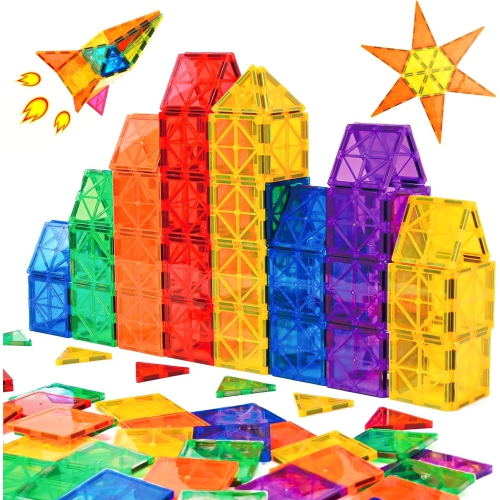
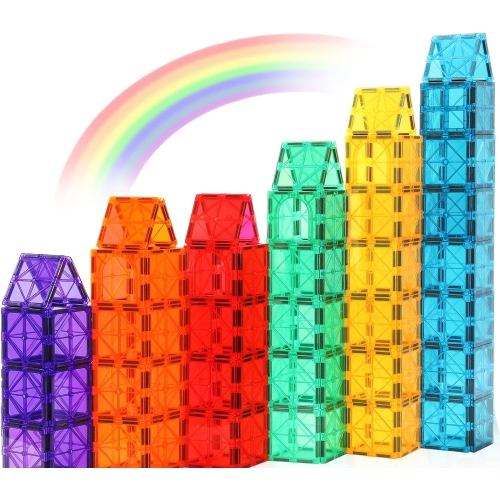
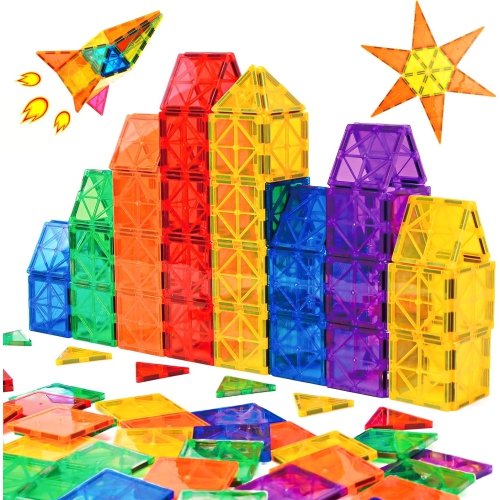
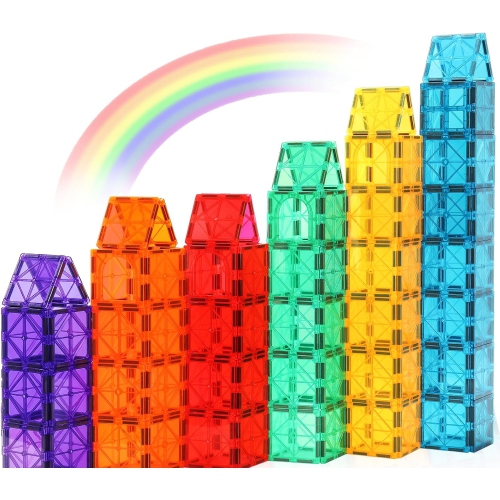
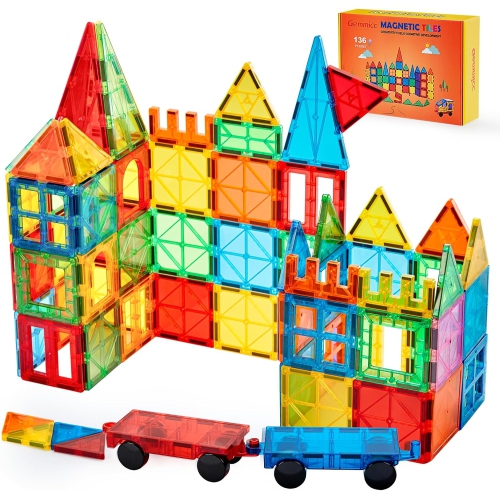
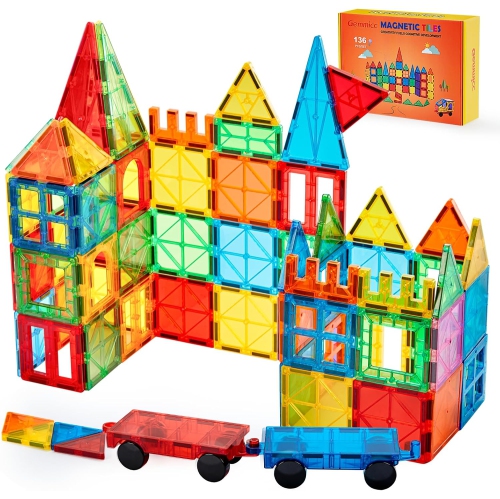
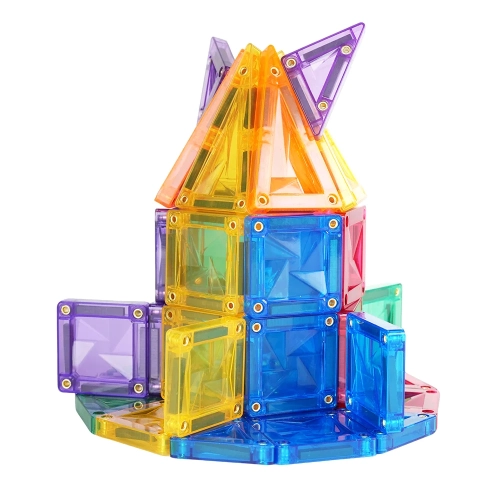
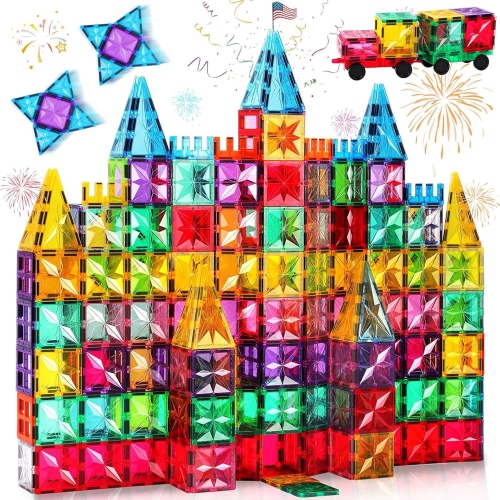


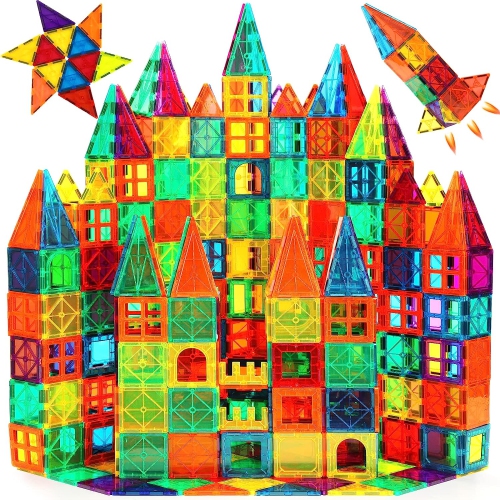


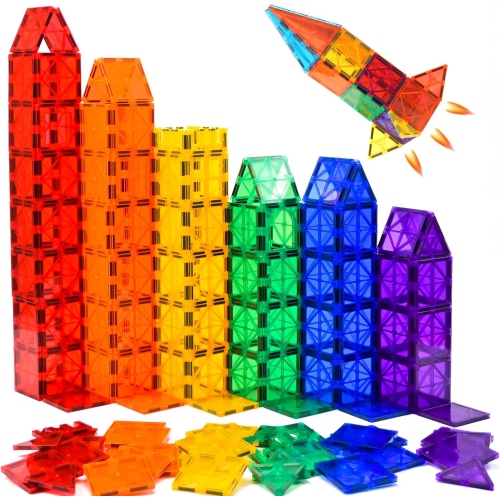

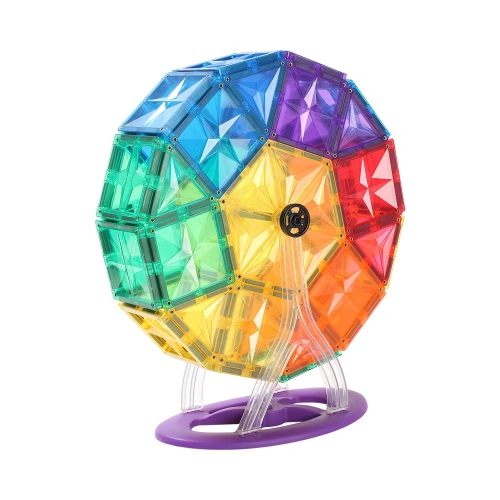

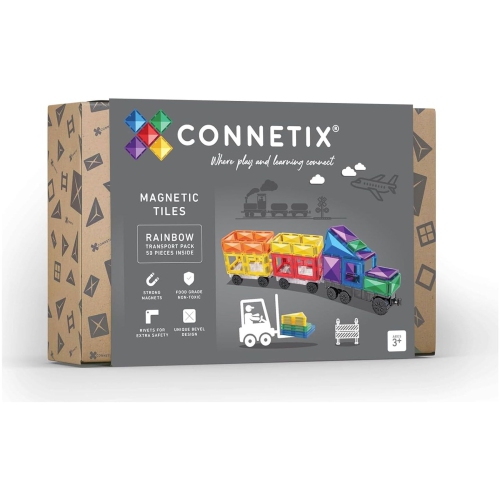

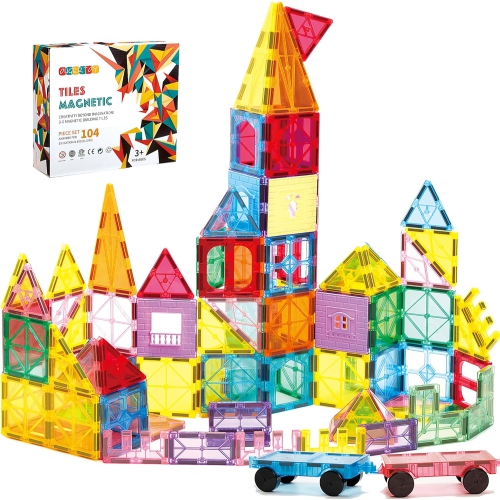
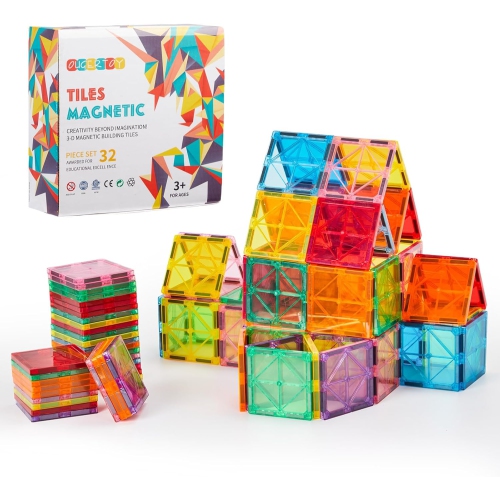
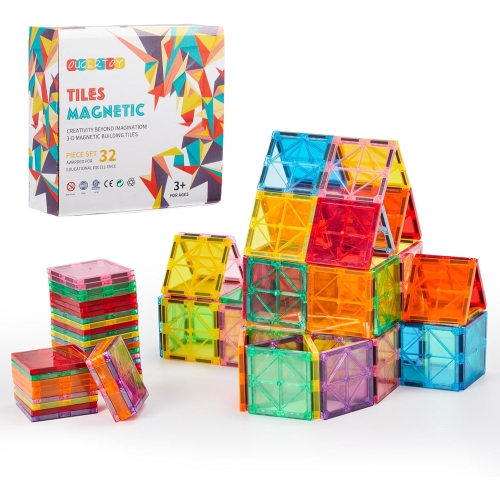


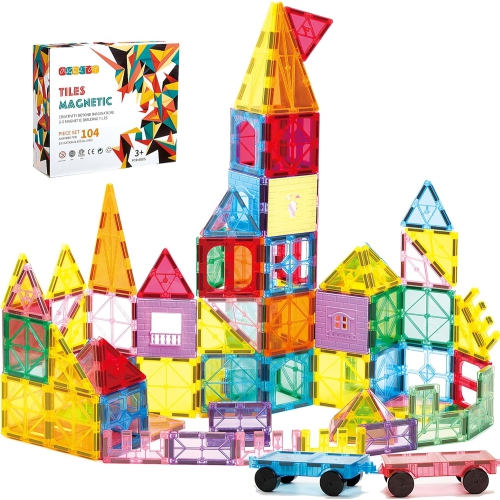
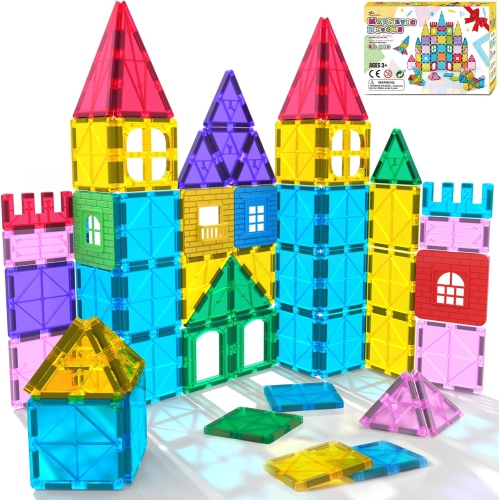
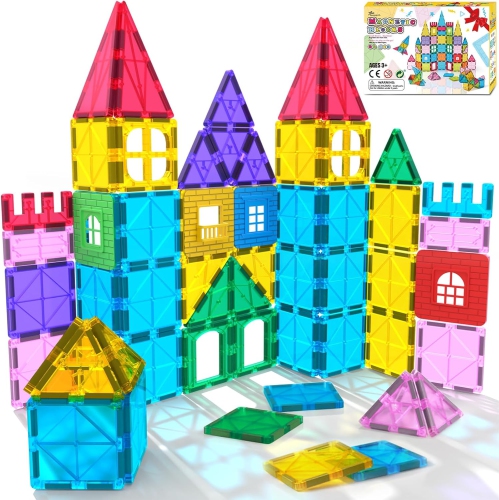

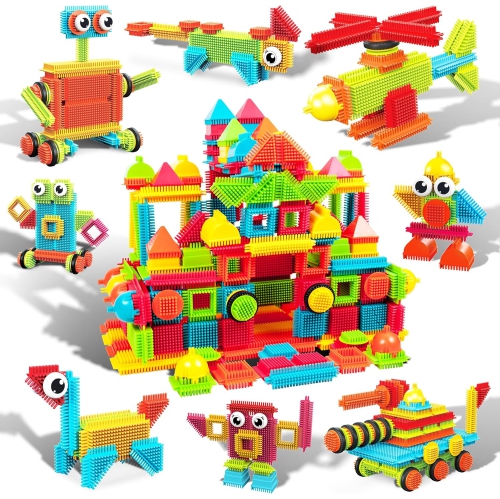
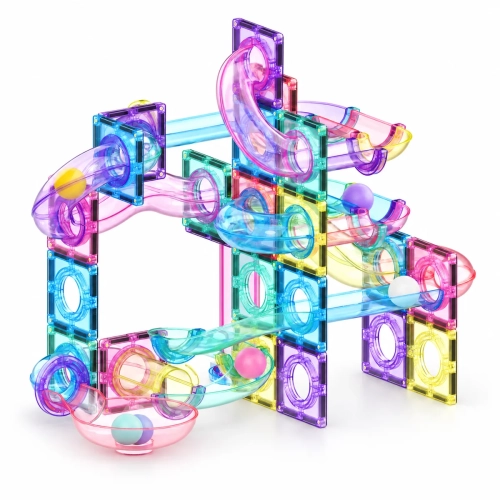
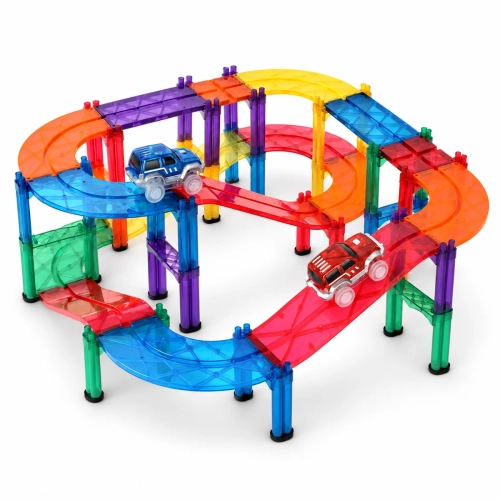
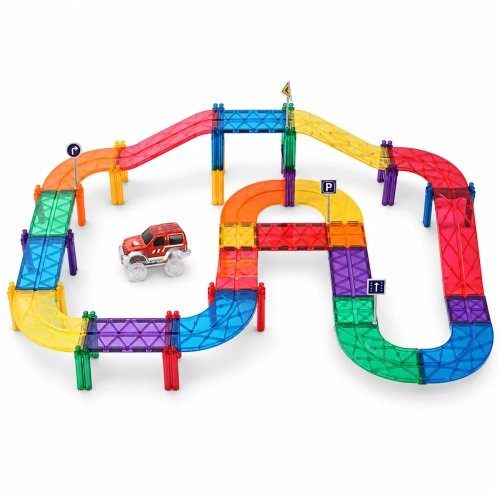



From flat shapes to towers and pretend towns
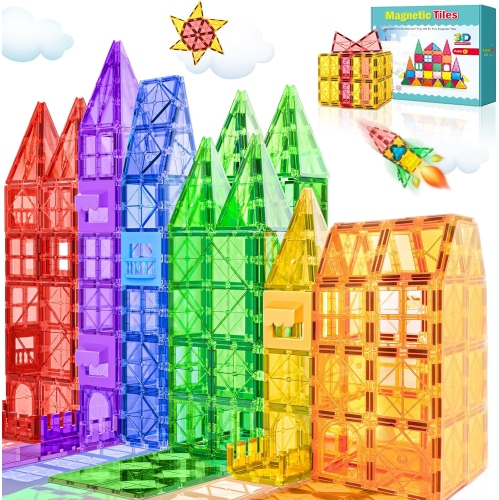
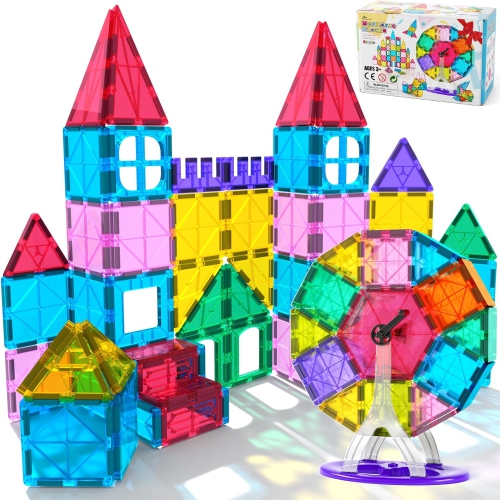
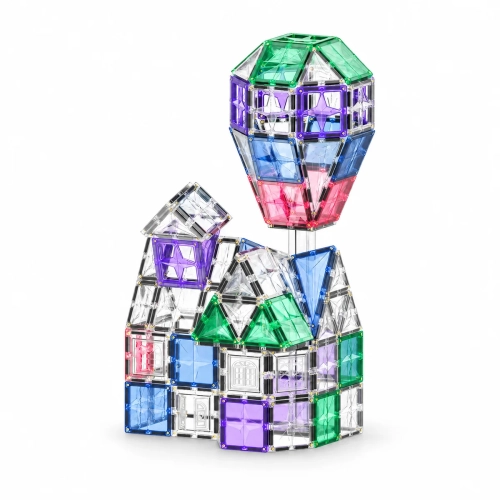
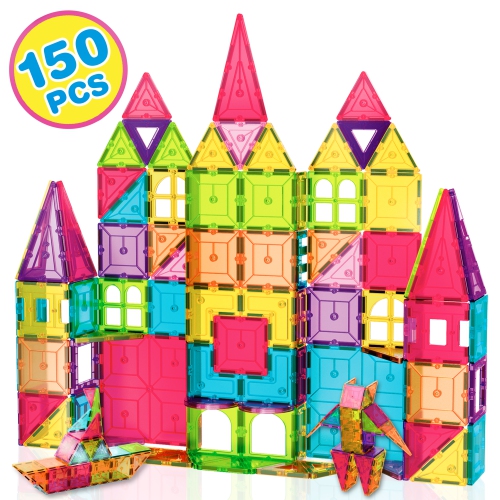
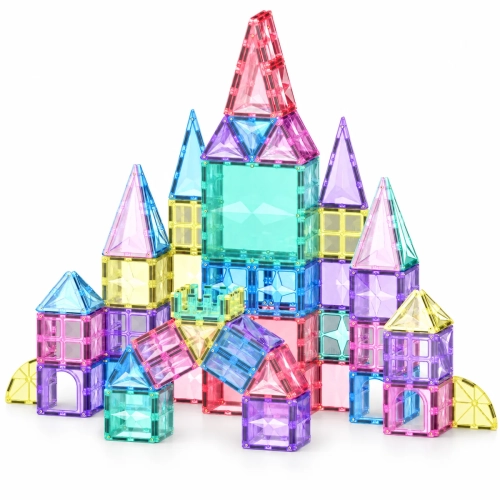
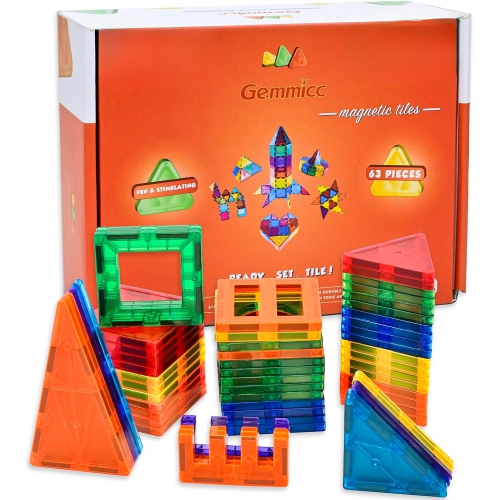
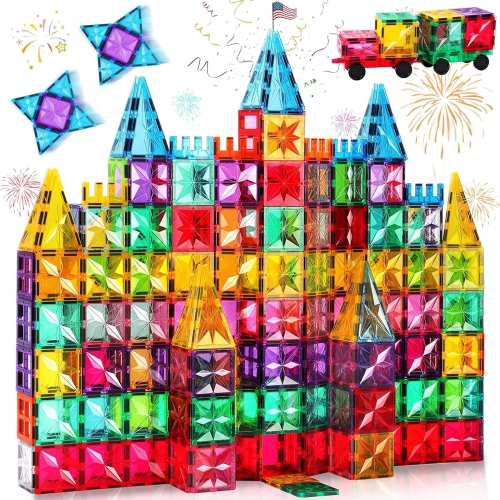
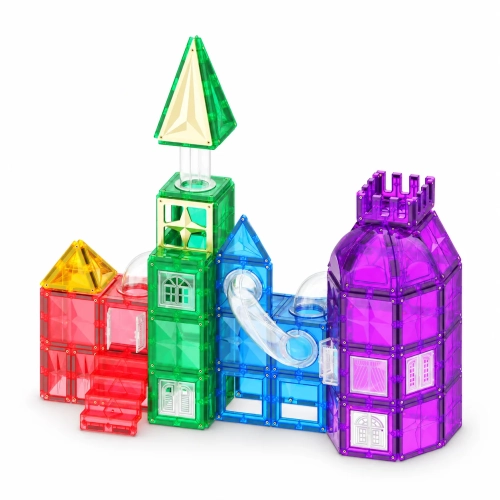
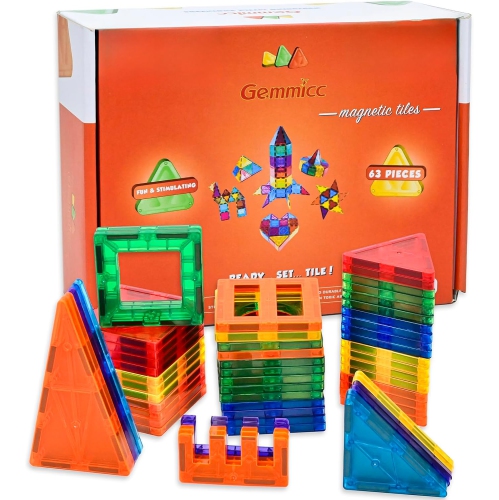
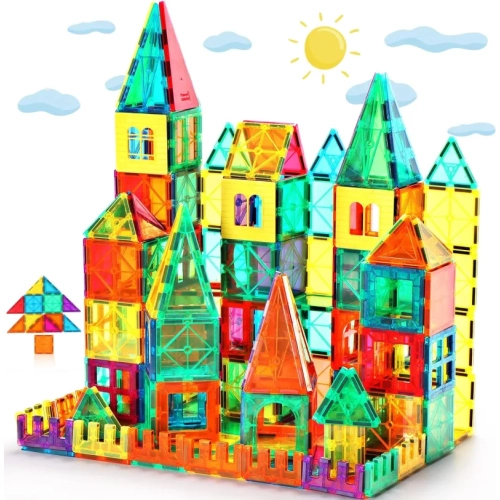
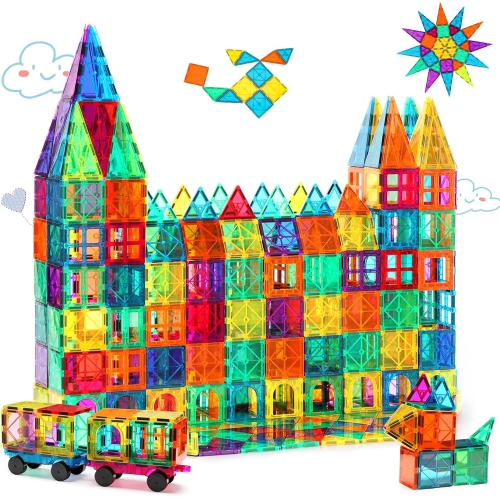
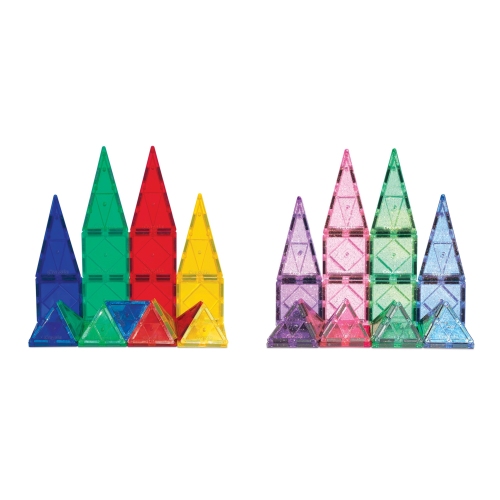
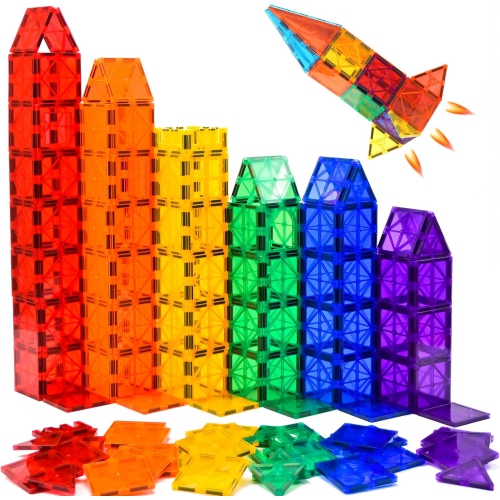
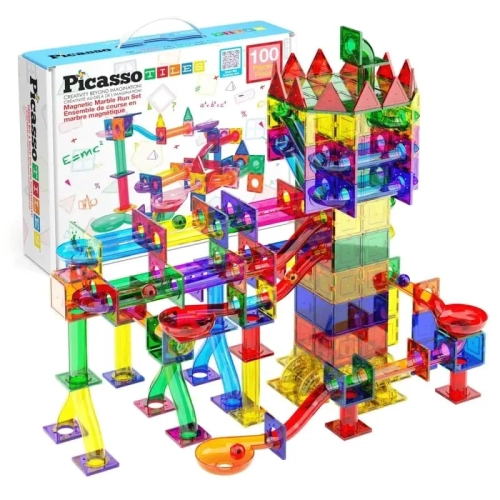
The most useful magnetic tile assortment depends on how a child likes to play, not simply on the number of pieces in the box. A mix of squares and triangles gives children the foundations for walls, roofs, cubes, and repeating patterns. More squares can be helpful for broad floors and tall buildings, while different triangle shapes offer more possibilities for peaks, corners, and decorative details. Large base pieces can provide a starting point for a building, though stability still depends on the design and the surface underneath it. A smaller assortment may suit a child who enjoys making compact houses or arranging colourful mosaics; shared building sessions and sprawling pretend towns often call for more pieces of the shapes children use most. Accessories such as wheeled bases, windows, or track components can introduce another style of play, but they may also require particular connectors or age suitability. Compatibility should never be assumed from a similar appearance. Tile dimensions, edge profiles, magnet placement, and accessory connections can differ, so manufacturer guidance is more reliable than colour or shape alone when combining sets. The physical feel matters, too. Smooth edges, well-finished seams, and pieces that are comfortable for small hands to hold are practical considerations. Magnet strength affects how pieces connect and how easily a child can separate them, but stronger attraction does not automatically make every structure sturdier or every set easier to use. Taller towers need balanced foundations, and broad roofs may need support underneath. Intended use is worth considering alongside construction features: a child who enjoys pretend play may appreciate space for figures and vehicles, while a keen pattern maker may spend more time arranging shapes across a tabletop. On a smooth, level floor or a low play table, children can spread out their pieces and see how shapes relate to one another. A thick, uneven rug can make narrow structures wobble, which may frustrate a beginner who is still learning how the connections work.
Durability and care are especially important for toys that are repeatedly connected, pulled apart, stacked, and packed away. Magnetic tiles are designed for building play, but they should not be treated as unbreakable, stepped on, thrown, or used to support a child’s weight. Regularly checking for cracks, separated seams, sharp edges, or loose internal parts helps identify pieces that should be removed from play. A damaged tile should not be taped back together or returned to the toy bin. Loose magnets are a serious ingestion hazard; swallowing more than one magnet, or a magnet along with a metal object, can cause severe internal injury. If a child may have swallowed a magnet, seek emergency medical care immediately, even if there are no symptoms. Keep damaged pieces and any loose components away from children and pets, and follow the maker’s safety and disposal directions. For everyday cleaning, follow the supplied care instructions; a soft, lightly damp cloth is often suitable for wiping plastic surfaces, followed by drying before storage. Avoid soaking tiles or putting them in a dishwasher unless the manufacturer specifically permits it, since water and heat can affect enclosed components or joins. A low storage bin, divided tray, or sturdy carry case can make pieces easier to gather, and sorting by shape helps children find the parts they need for their next build. At home, magnetic tiles can suit independent construction within appropriate supervision, collaborative family play, or a shared activity when friends visit. They can also make a thoughtful birthday gift for a child who enjoys puzzles, blocks, vehicles, pretend worlds, or hands-on creative activities. For a gift recipient who already builds with tiles, confirmed compatibility and a useful balance of shapes matter more than an impressive piece count alone. Enough clear space to build, somewhere to keep unfinished creations, and an easy clean-up routine all help these toys fit into everyday life. The lasting appeal lies in being able to take yesterday’s tower apart and turn the same pieces into something entirely different.
Top selling and popular products
-
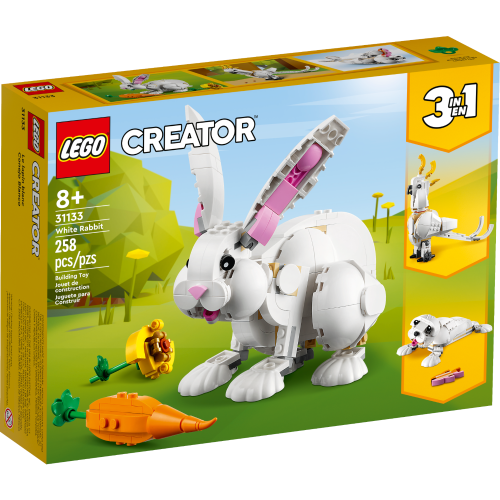 Your price for this item is $38.53
-
 Your price for this item is $93.99
-
 Your price for this item is $59.99
-
 Your price for this item is $51
-
 Your price for this item is $108.48
-
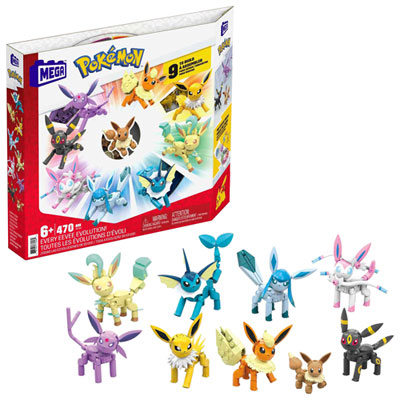 Your price for this item is $82.99
-
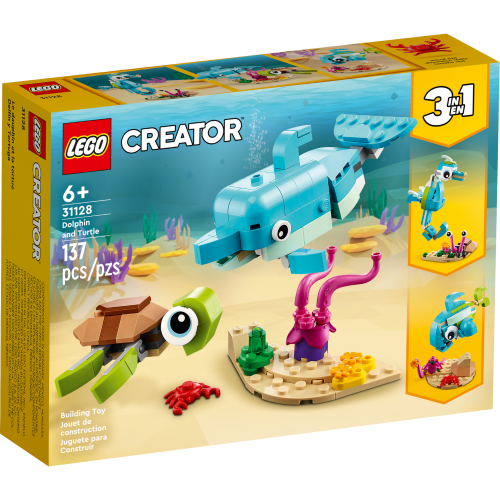 Your price for this item is $55.78
-
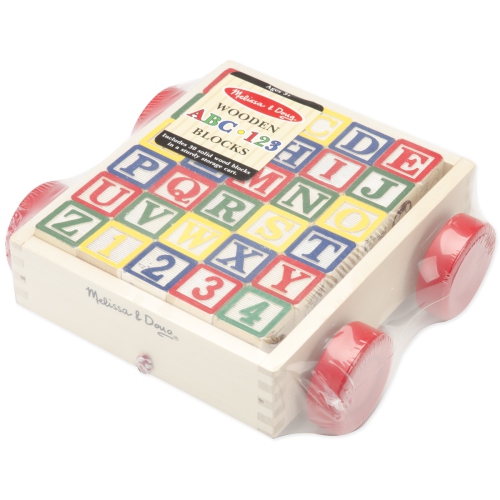 Your price for this item is $38.99