Magna Tiles
Ignite your child's imagination and creativity with Magna Tiles, the perfect blend of fun and educational play. These vibrant, magnetic tiles offer endless possibilities for building and learning, making them a favorite among children and parents alike. Whether constructing towering structures or exploring geometric shapes, kids are sure to develop essential skills like spatial reasoning and problem-solving while enjoying hours of interactive play. Ideal for solo adventures or collaborative projects, Magna Tiles provide a hands-on experience that fosters creativity and innovation in young minds. Explore our selection today and watch as your child's world expands with every click and connection.
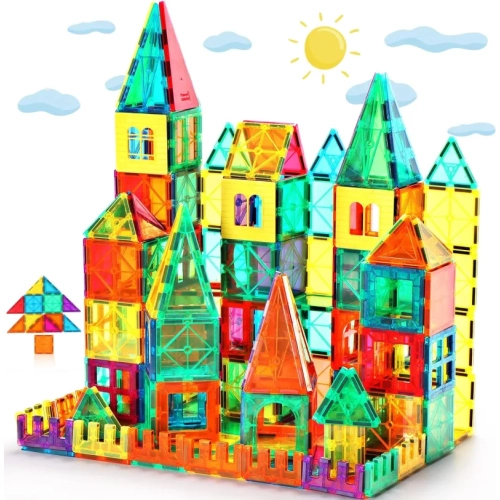
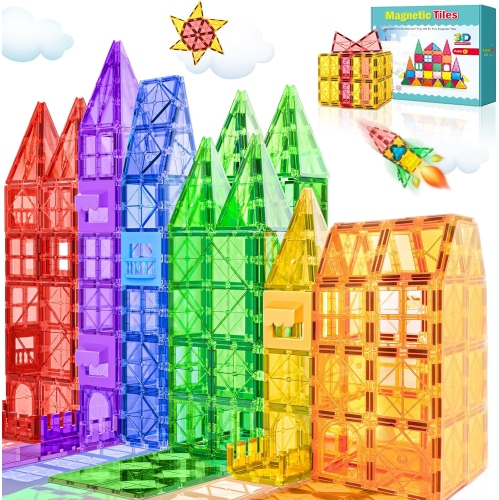
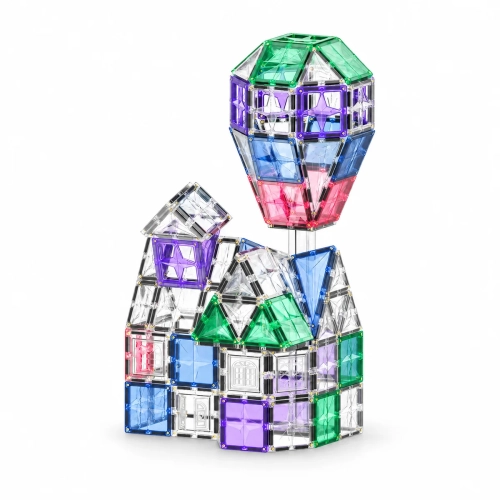
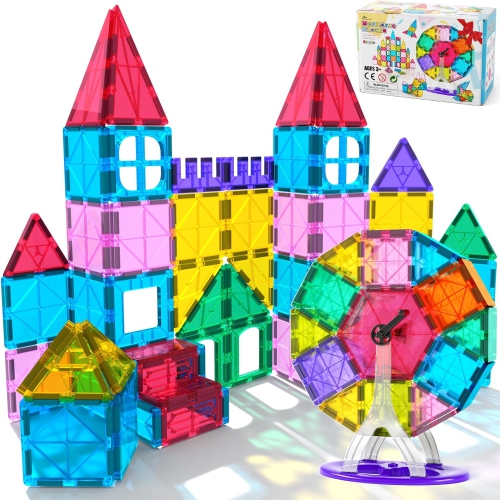


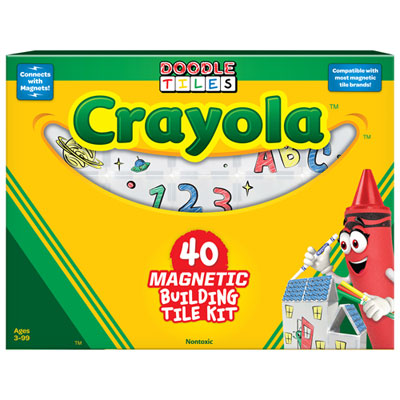


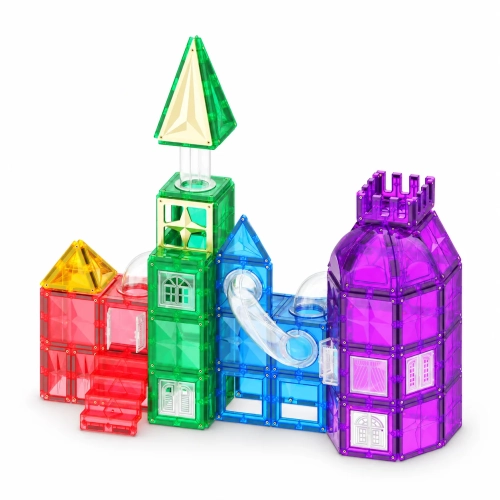
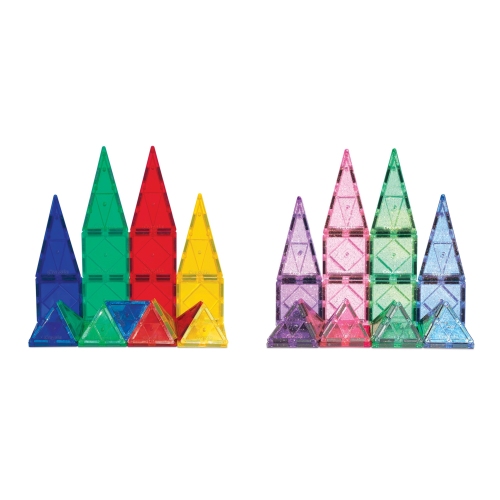
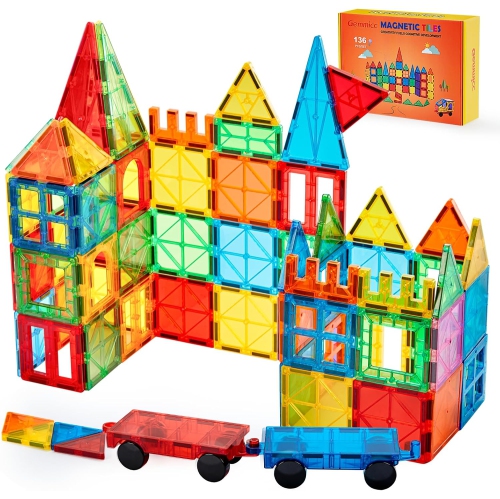
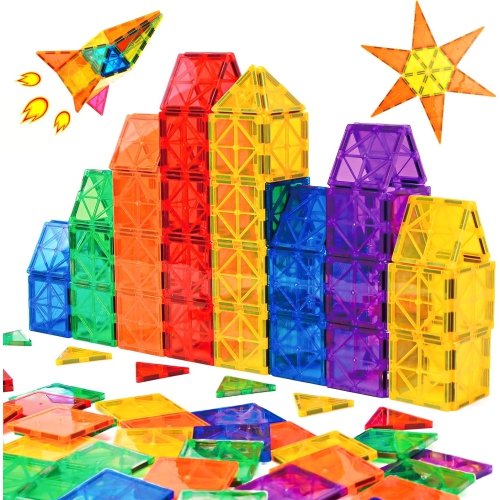
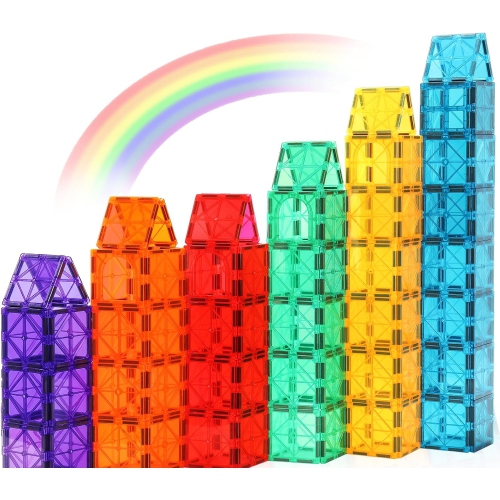
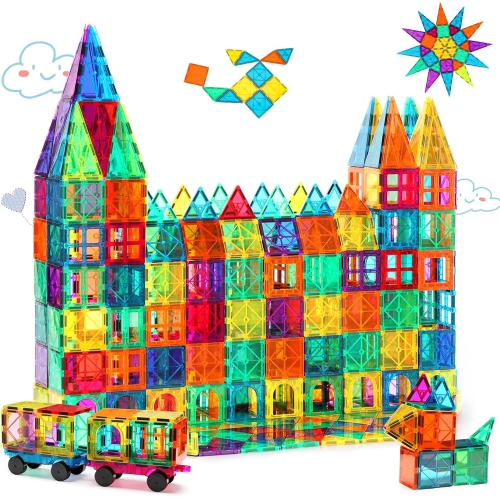
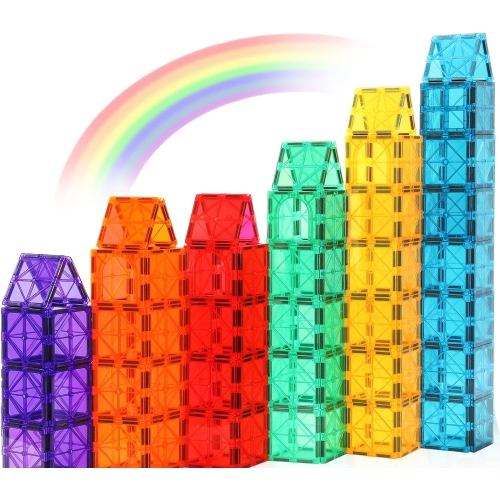
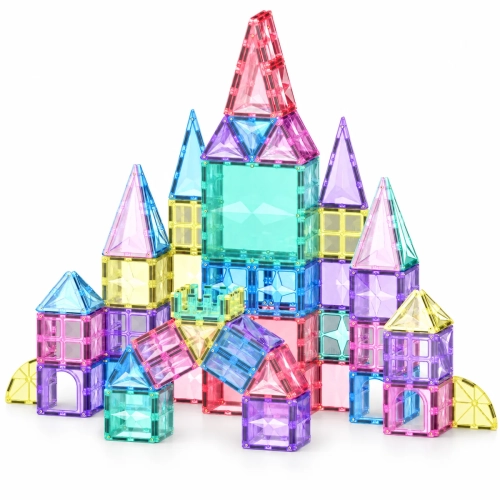
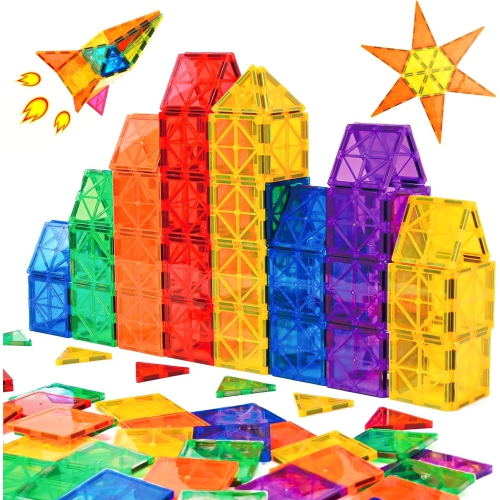
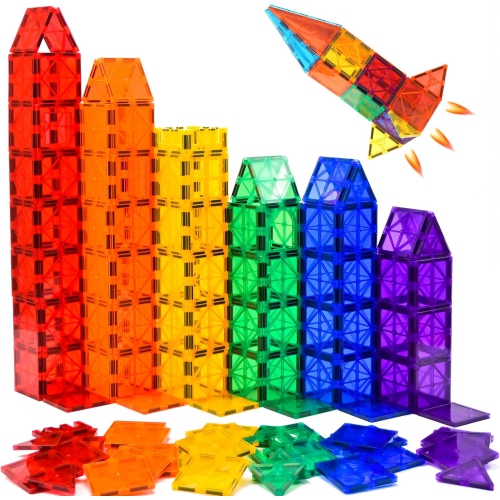


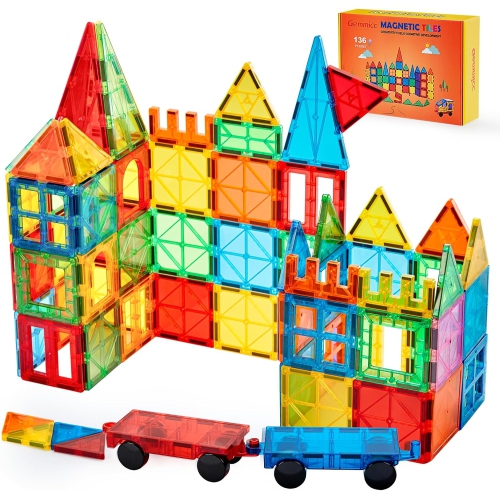
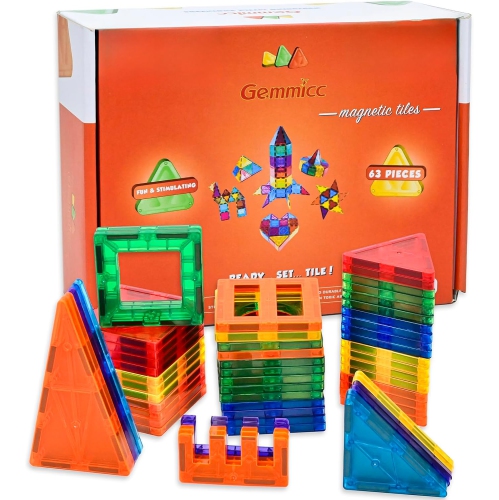
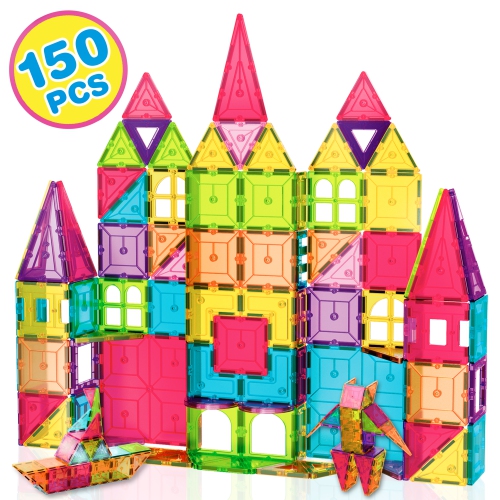
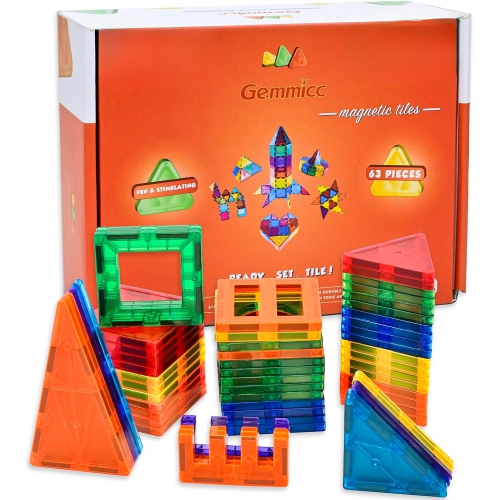

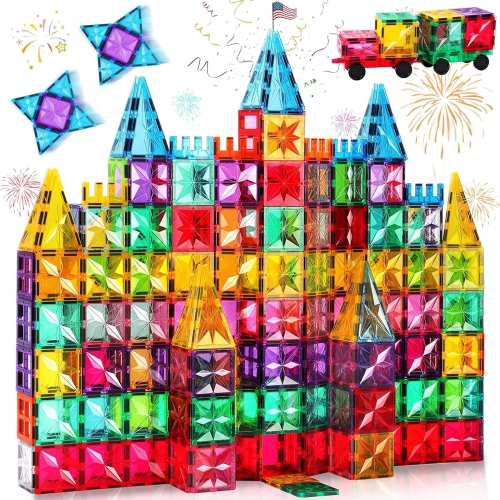
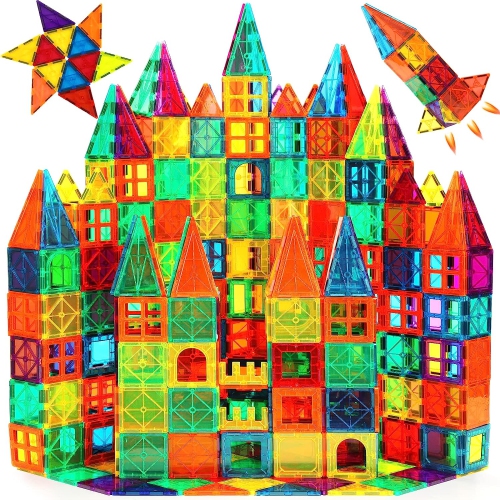
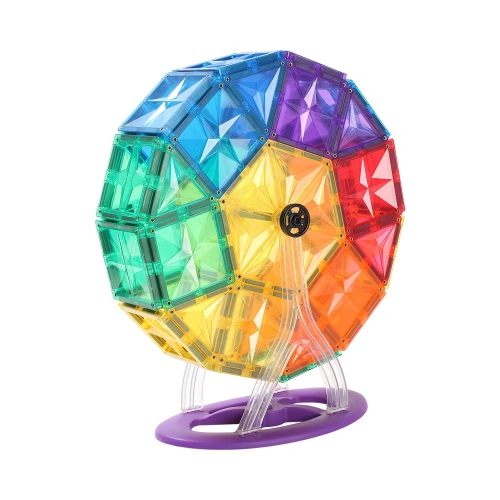
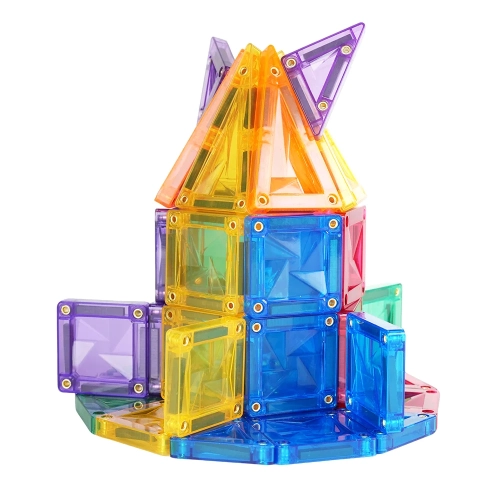
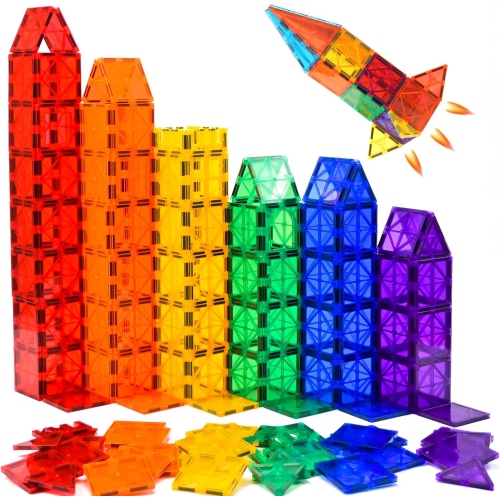

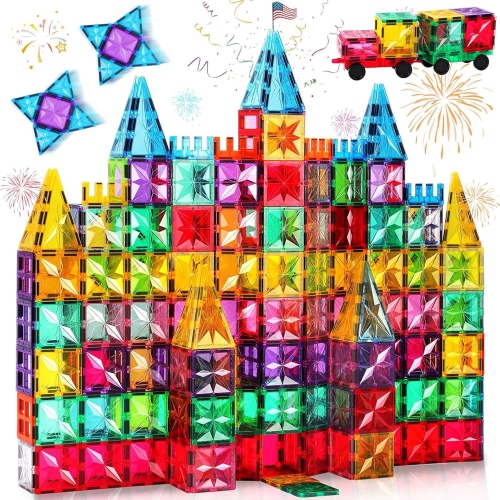
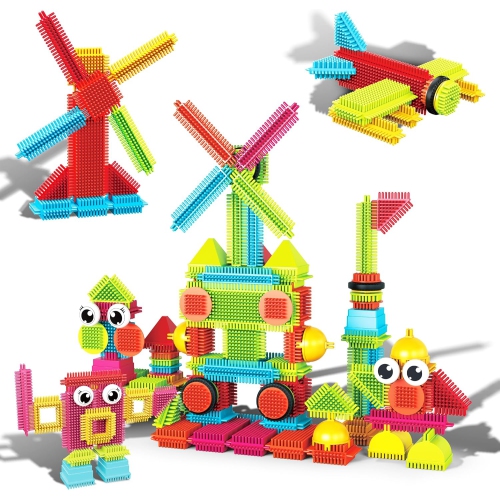


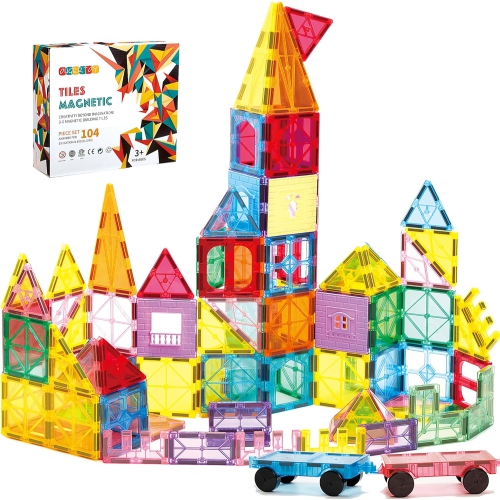
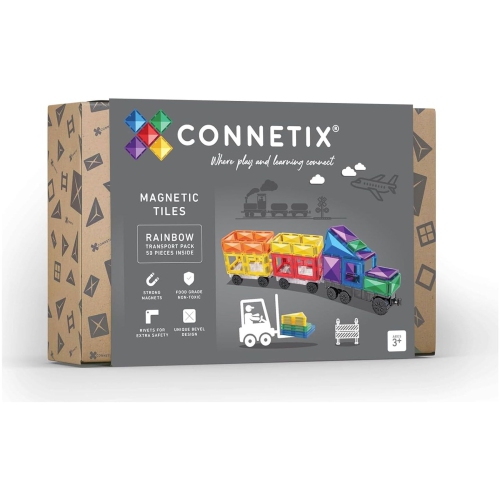

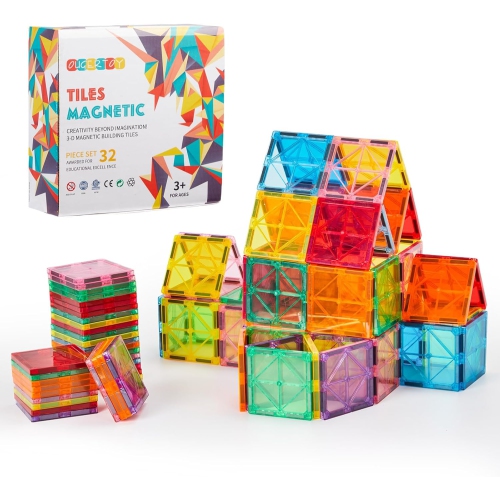


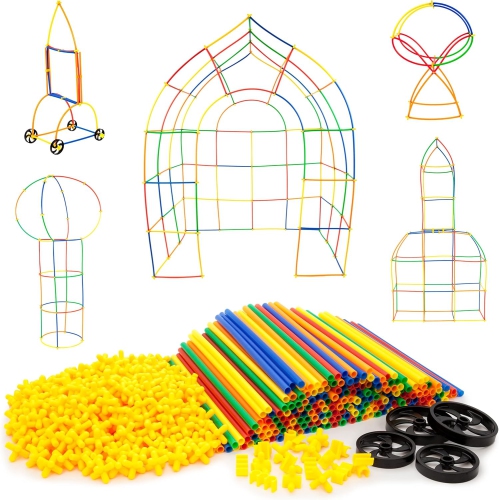
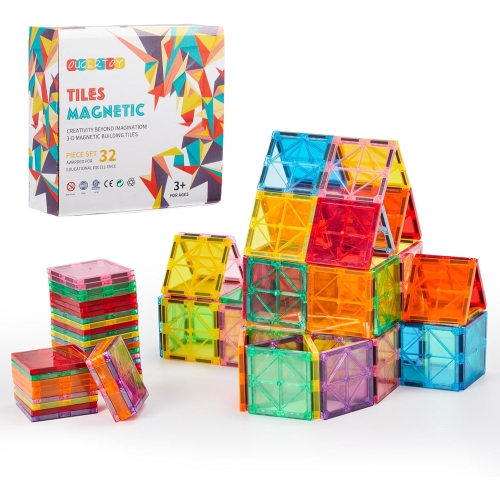
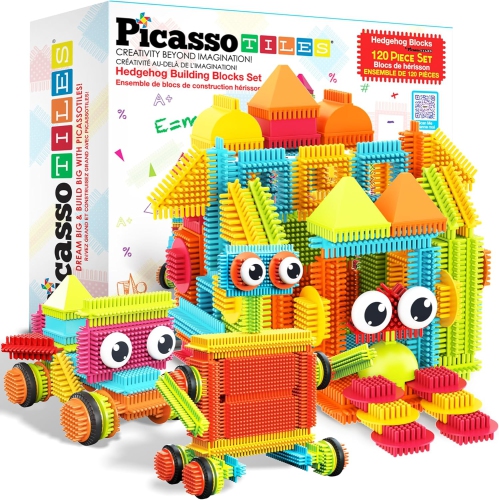
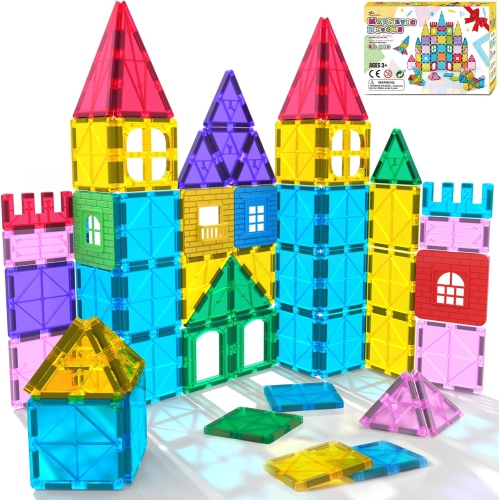
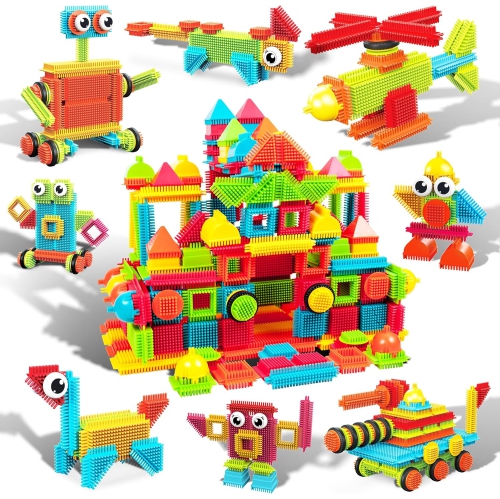
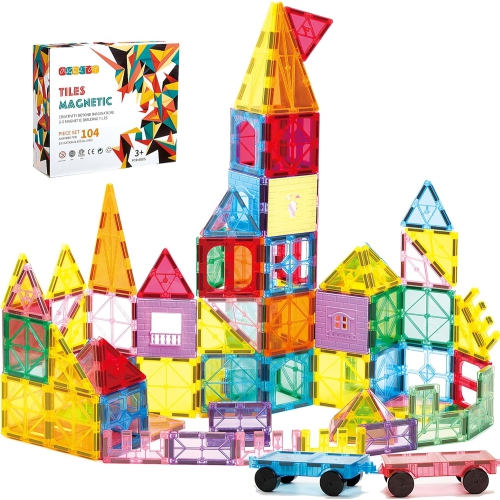
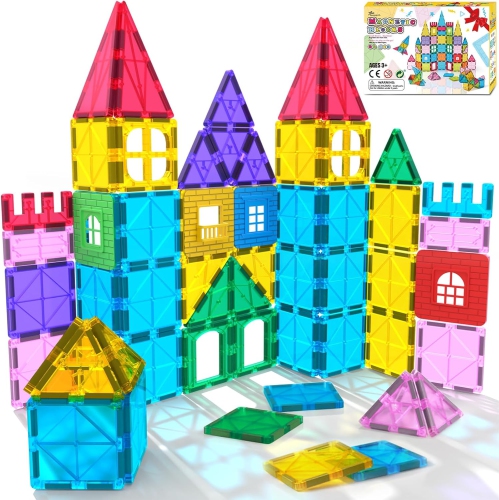
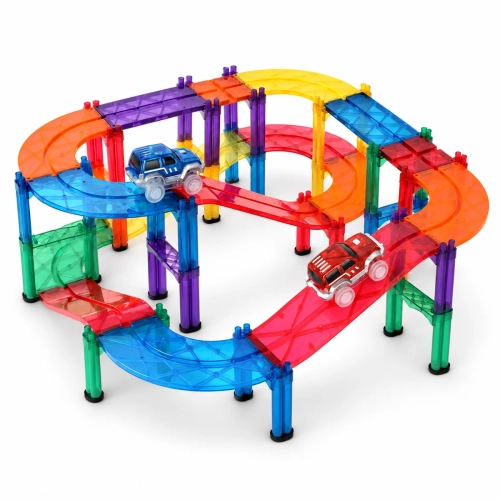


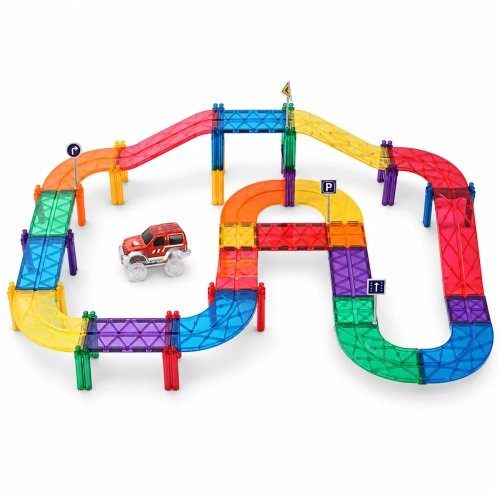
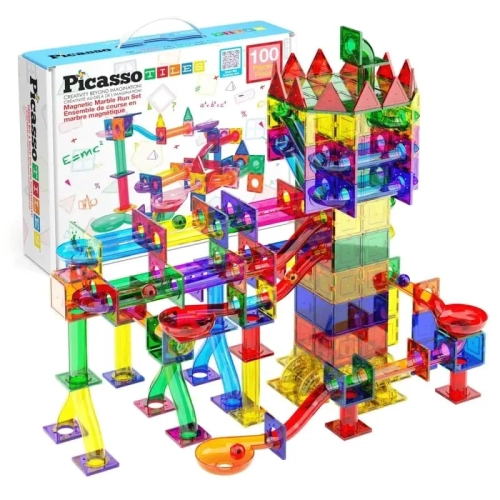
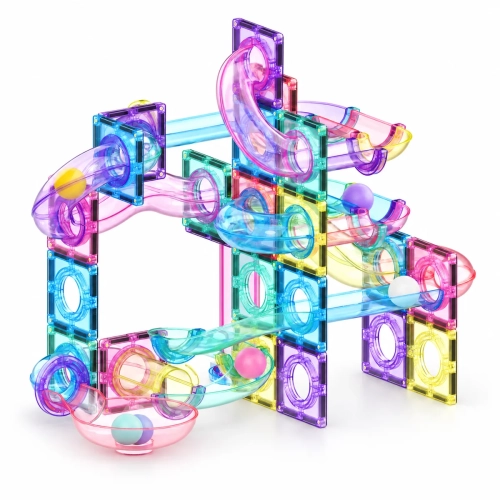
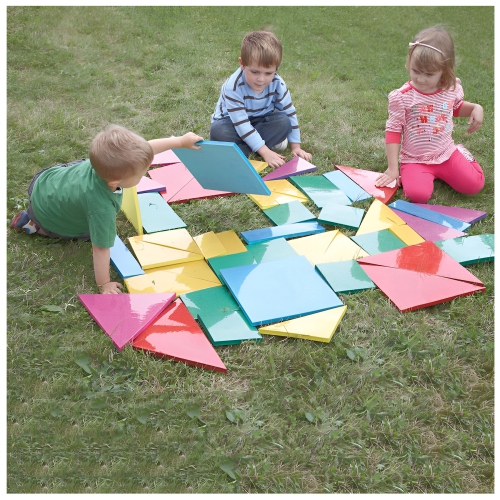
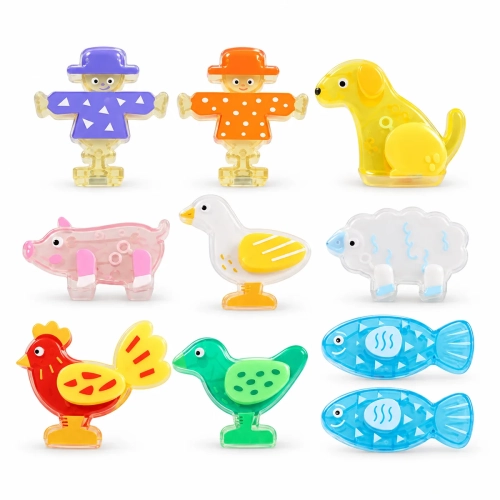
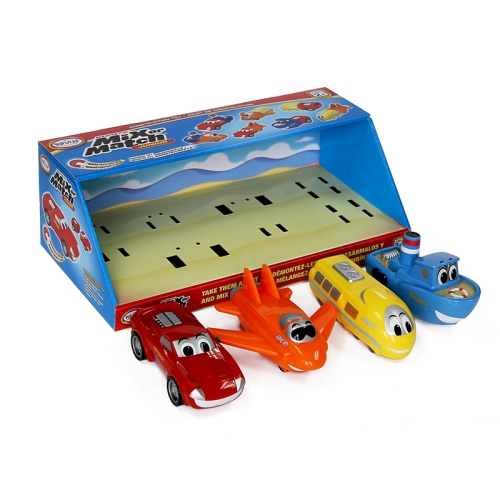

Simple shapes take on new dimensions through magnetic play
The makeup of a magnetic tile set matters more than a large piece count alone. A balanced mix of squares and triangles can support many familiar structures, while additional shapes may open up different layouts. Larger panels can cover an area quickly, but smaller pieces often give children more control over details. Think about what a child tends to build: tall towers need enough pieces for stable bases and supporting walls, while broad floor patterns use many tiles without adding much height. For shared play, having several of the same basic shape can help two builders work side by side without repeatedly needing the same piece. Physical size matters, too. Check the stated dimensions rather than judging scale from photographs, especially when adding to a collection already at home. Similar-looking magnetic tiles are not necessarily compatible; edge lengths, thicknesses, magnet placement, and connection strength can differ. Manufacturer compatibility information is more useful than appearance alone. Materials and construction deserve equal attention. These toys commonly use moulded plastic panels with magnets contained inside, but the type of plastic and the method used to secure the casing vary. Smooth edges, firmly joined faces, and clear age and safety information are important considerations. Translucent surfaces may show scuffs after repeated use, while cracked panels, separating seams, or exposed magnets are reasons to stop using a piece immediately. Magnetic building toys are not suitable for children below the stated age range, and supervision should reflect both the child’s age and how they play. Keep damaged pieces and any loose magnets out of reach; swallowed magnets can cause serious injury and require immediate medical attention. A suitable play area also helps the pieces work as intended. A level table or a firm section of floor gives walls and towers a steadier footing than a deep rug. Leave enough room around a structure for children to reach across comfortably, and keep busy walkways clear so an ambitious build does not become a tripping hazard.
Day-to-day use is often what determines whether magnetic tiles become a lasting part of the toy rotation. Storage that children can manage themselves makes it easier to start a project and tidy up afterwards. A sturdy, appropriately sized container can keep pieces together, while simple sorting by shape helps children find what they need without emptying everything onto the floor. Avoid overfilling a container to the point that its weight becomes awkward for a child to lift. For care, follow the manufacturer’s cleaning directions, which may differ between sets. A soft cloth is often useful for removing fingerprints and surface marks, but do not assume the pieces can be submerged, placed in a dishwasher, or treated with strong cleaners. Keep tiles dry before storing them, and inspect them regularly for damage, particularly after a hard fall or rough handling. With thoughtful care and age-appropriate use, the same basic shapes can support increasingly involved play as a child’s interests develop. Building a short fence calls for a different approach than spanning a gap between two towers, so familiar pieces can continue to present fresh challenges. Adults can take part without taking over by describing what they notice, helping hold a wall steady, or inviting a child to explain a design. Counting the tiles in a row, comparing the height of two buildings, and rotating a triangle to fill a space introduce mathematical language naturally through play. Working with another builder also creates opportunities to practise turn-taking, communicate a plan, and adjust when two ideas do not fit together. For gifting, these construction toys can suit children who enjoy puzzles, model-making, pretend play, or hands-on creative activities, provided the age rating matches the recipient. Consider the space they have to build, whether siblings will share the pieces, and whether an existing collection needs compatible additions rather than a separate system. The most useful choice is one that fits the child’s play habits and leaves room for invention, whether that means a carefully arranged colour pattern or a sprawling make-believe neighbourhood.
Top selling and popular products
-
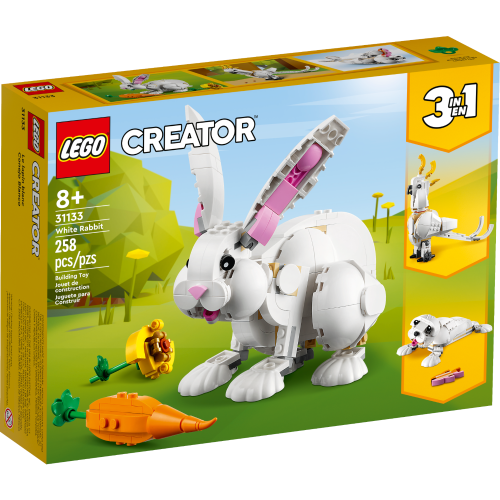 Your price for this item is $38.53
-
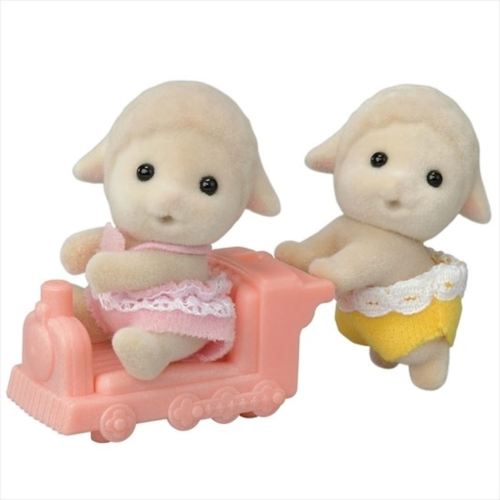 Your price for this item is $93.99
-
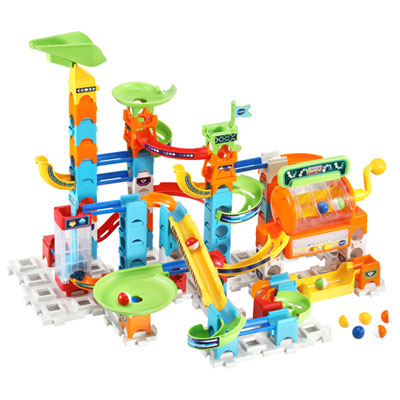 Your price for this item is $59.99
-
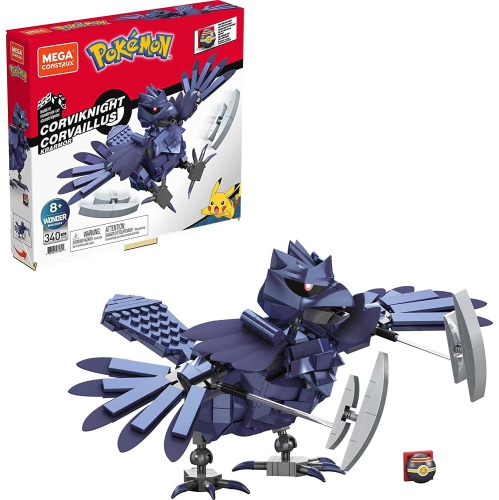 Your price for this item is $51
-
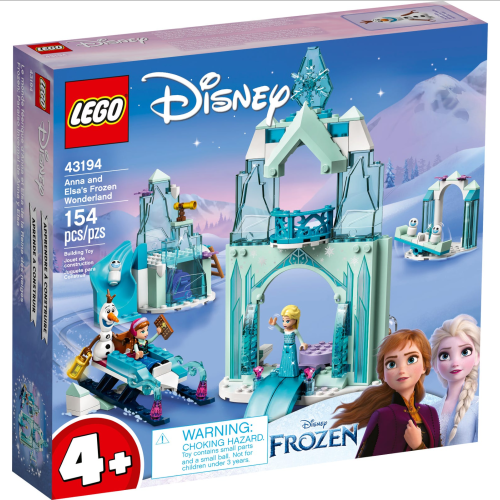 Your price for this item is $108.48
-
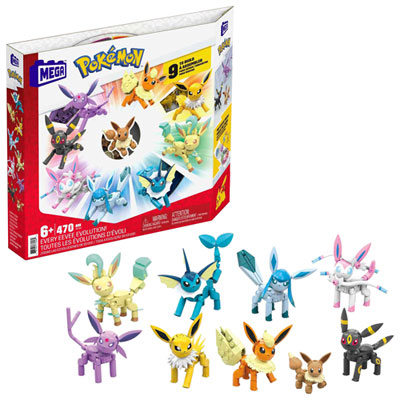 Your price for this item is $82.99
-
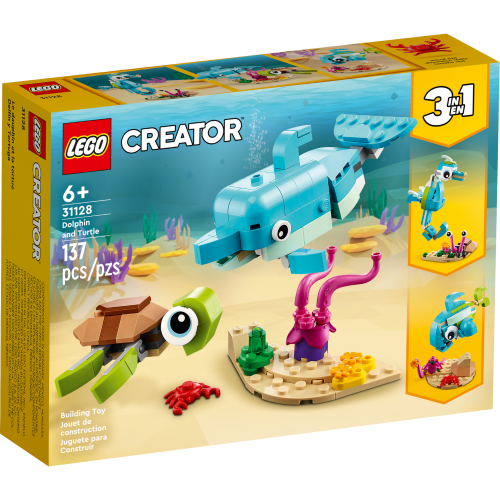 Your price for this item is $55.78
-
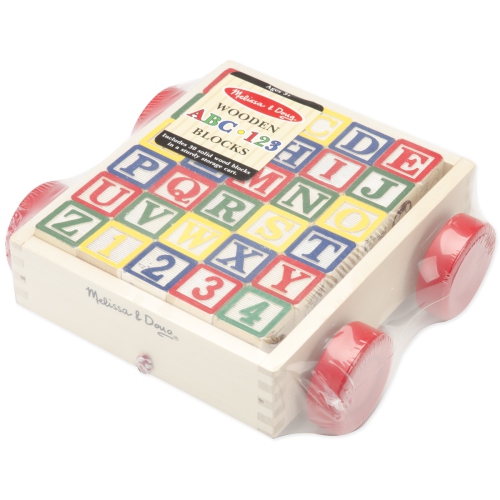 Your price for this item is $38.99