Math Toys
Unlock a world of learning and fun with our engaging selection of math toys designed to captivate young minds. These educational tools are perfect for sparking curiosity and enhancing problem-solving skills through interactive play. Whether you're looking to boost counting abilities, improve spatial reasoning, or introduce basic arithmetic concepts, our diverse range of math toys offers something for every budding mathematician. Encourage exploration and foster a lifelong love for numbers with toys that make learning exciting and enjoyable.
Sort
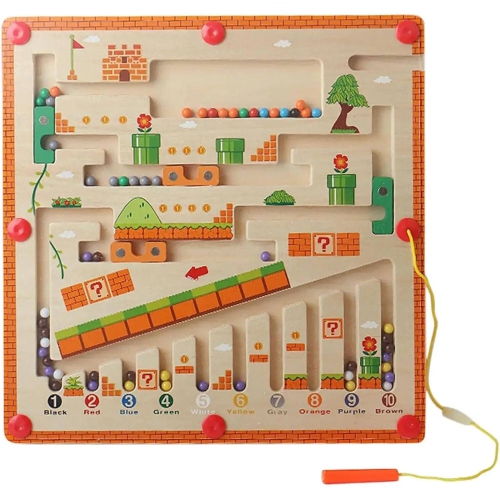
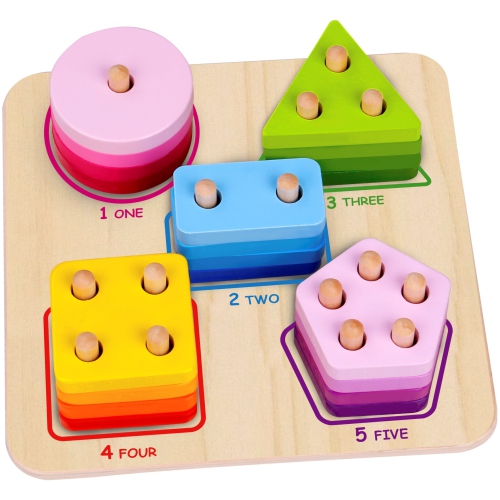

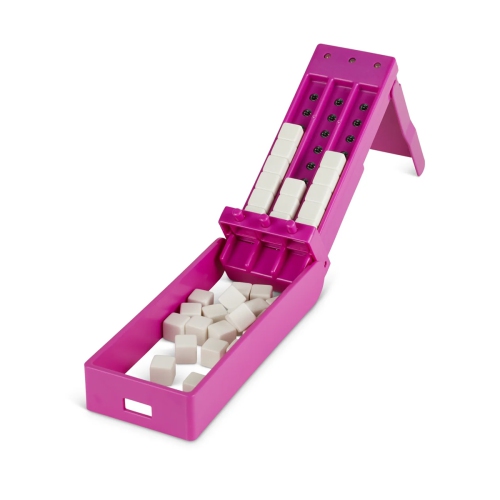
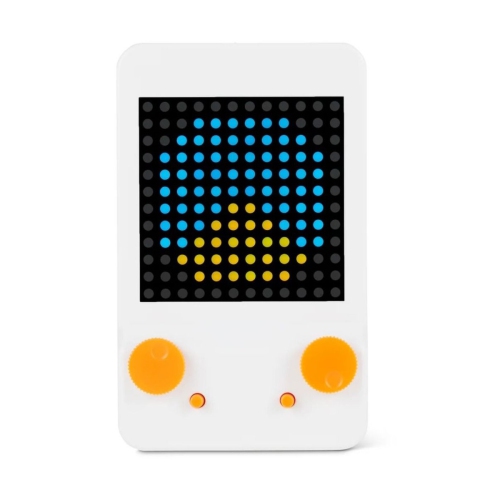
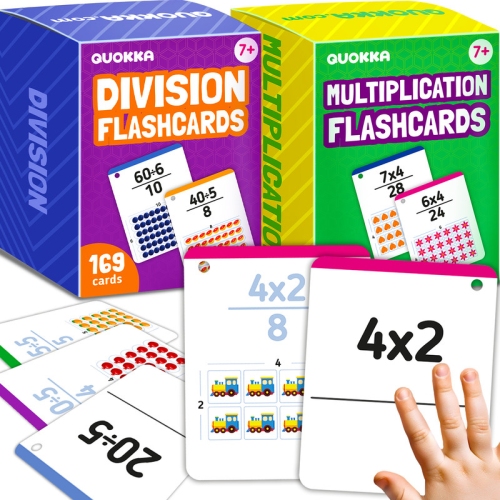
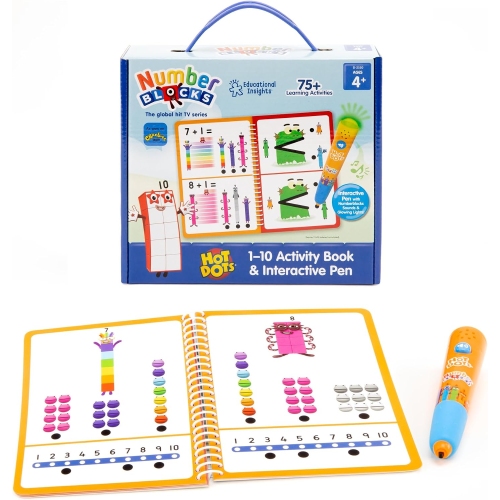
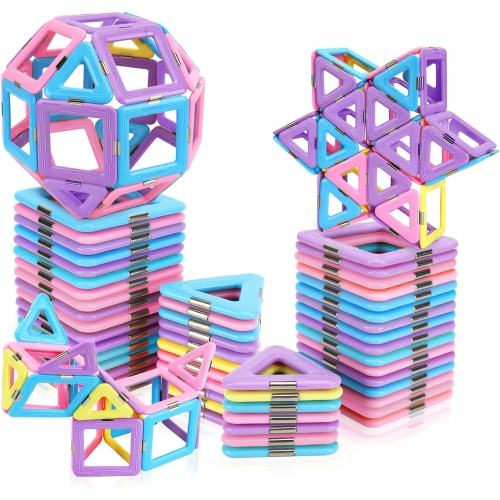
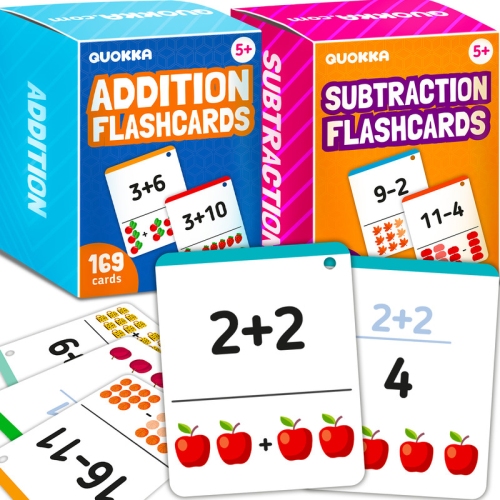

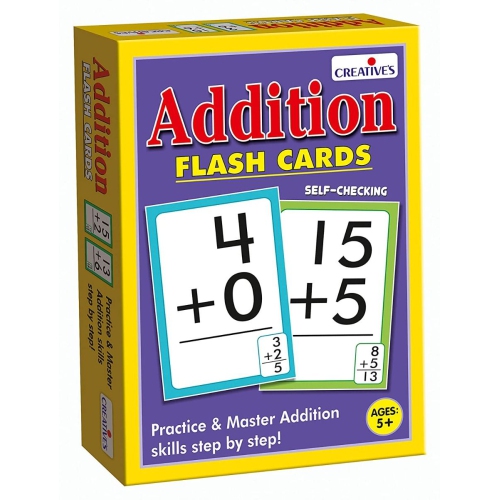

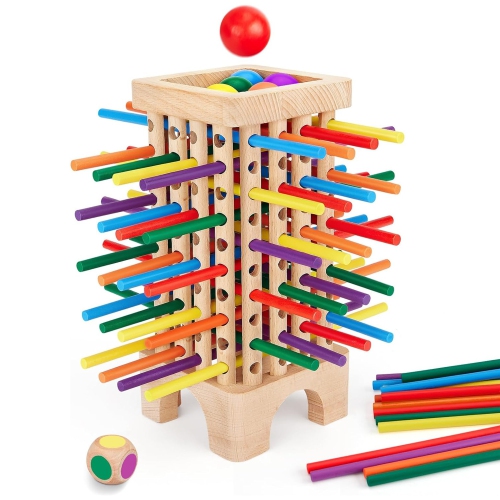
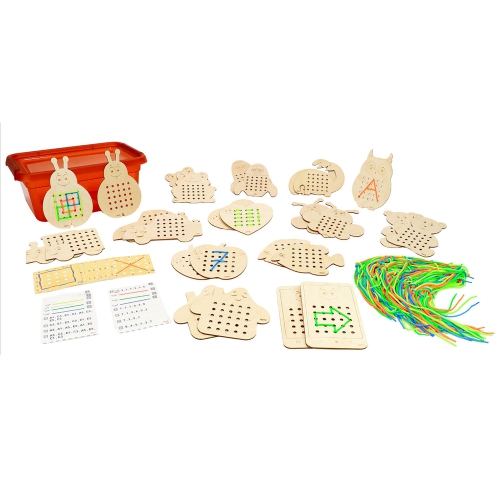
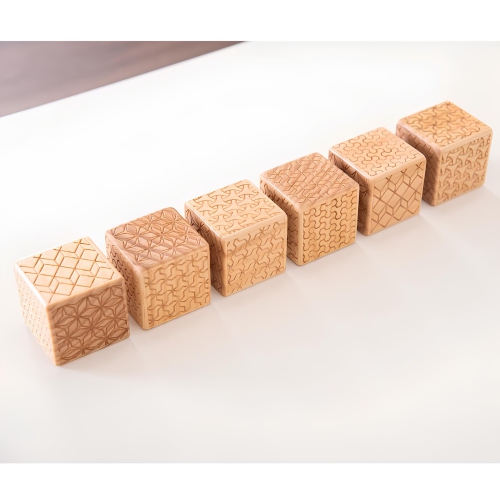








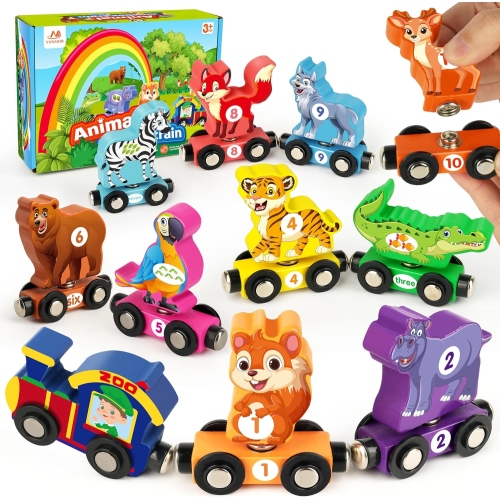
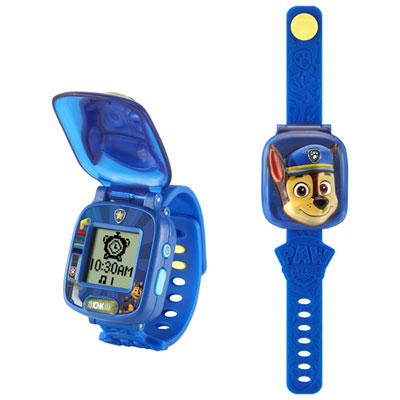
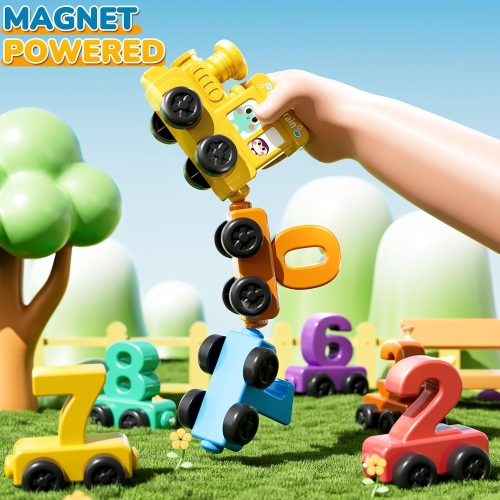
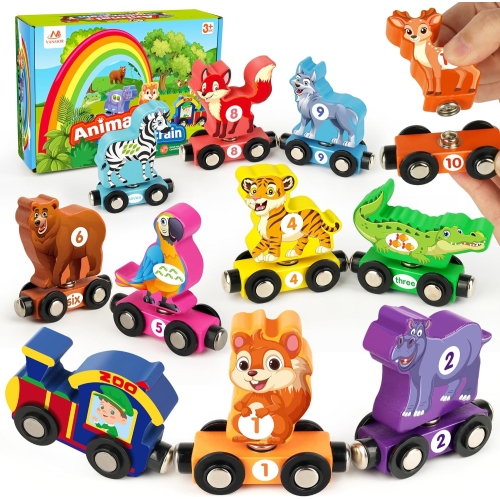
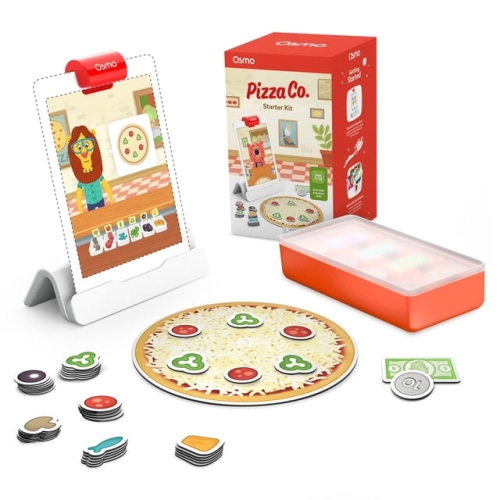
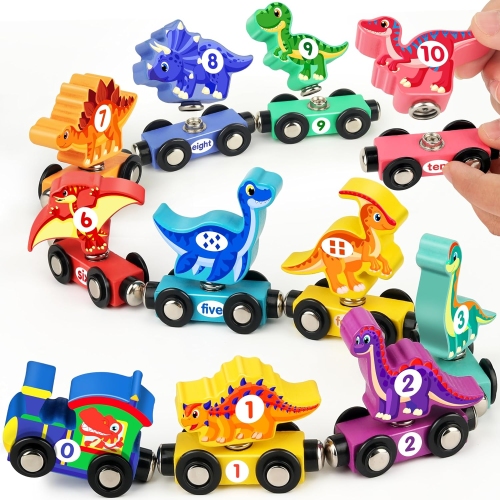
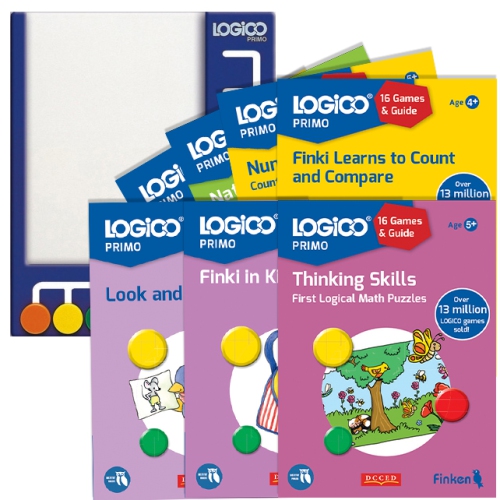



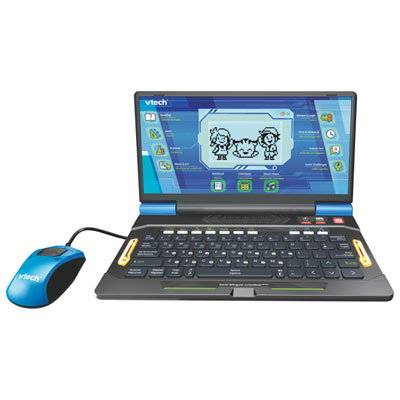
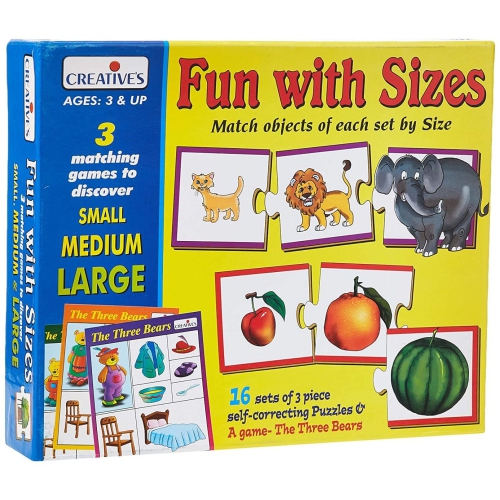
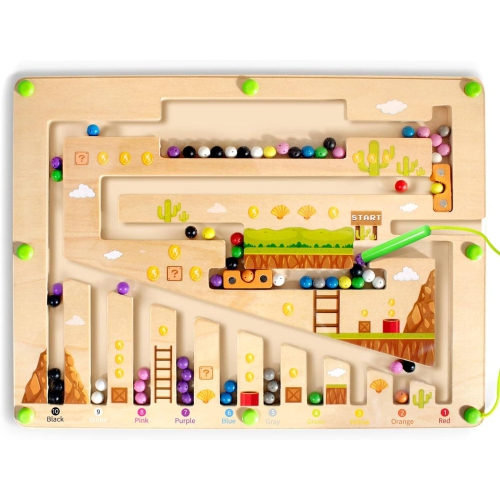
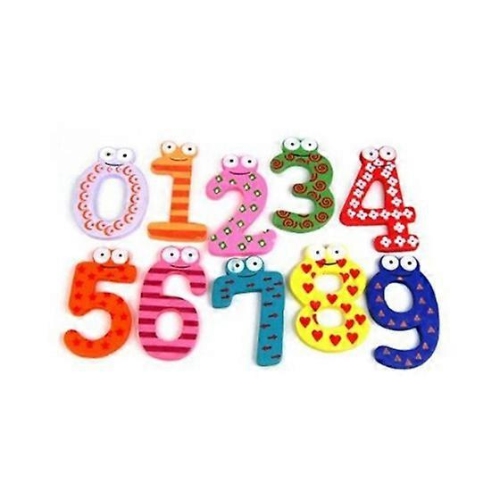
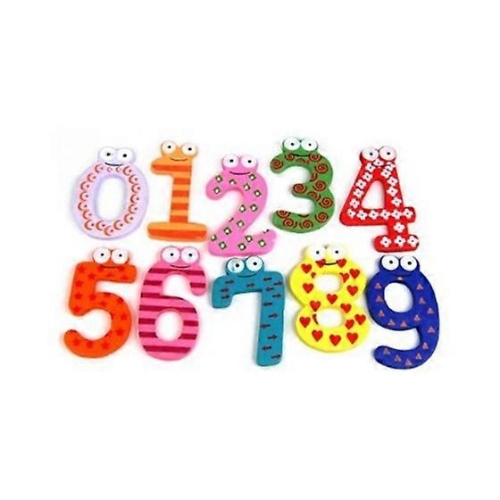
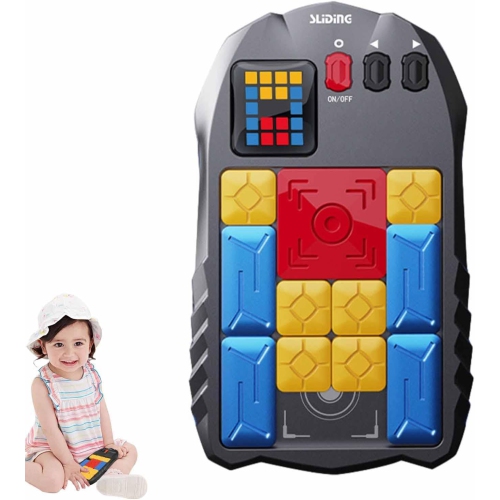
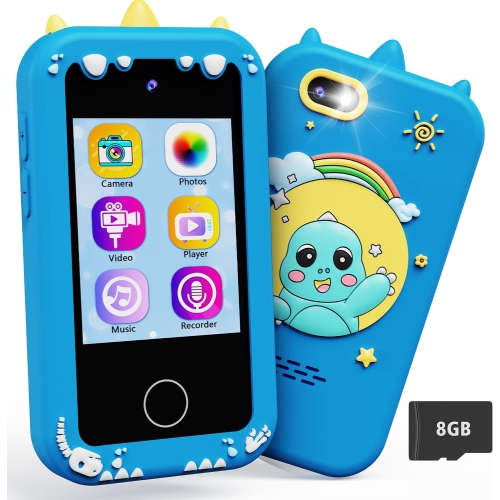
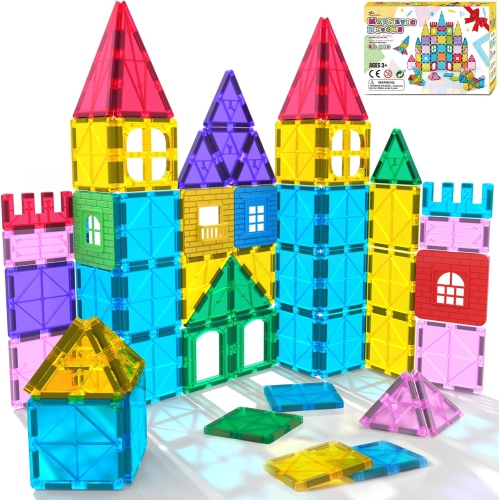
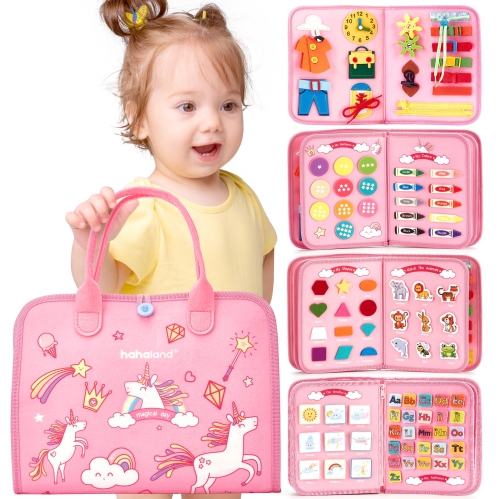
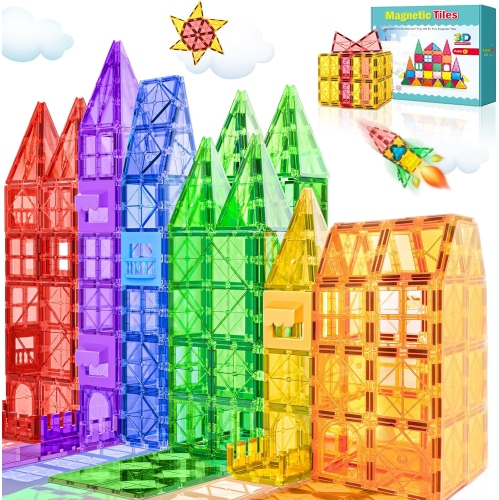
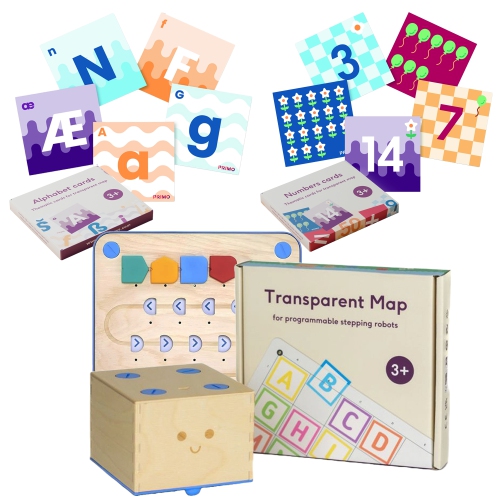
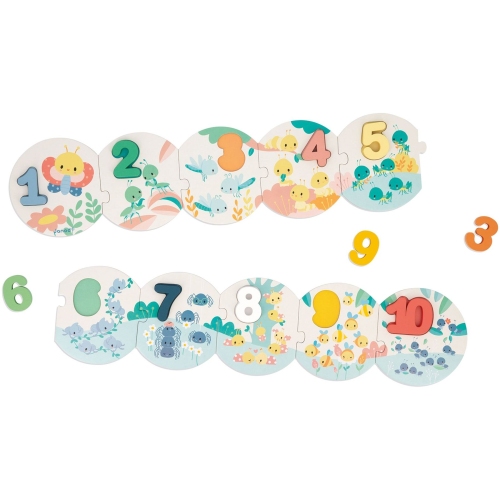
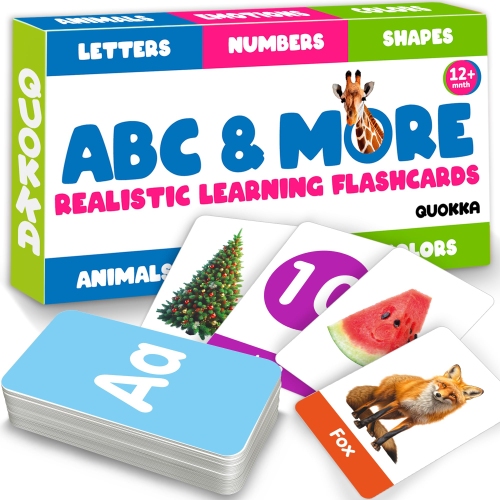

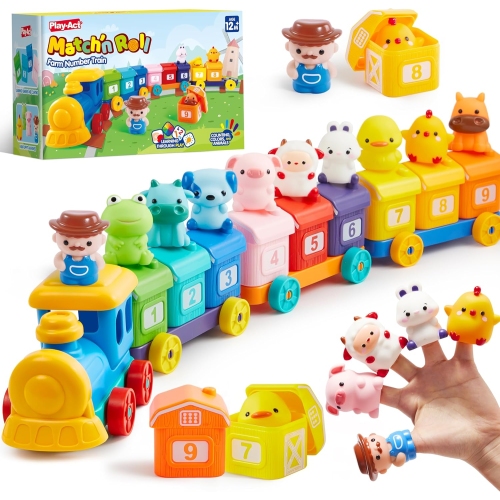
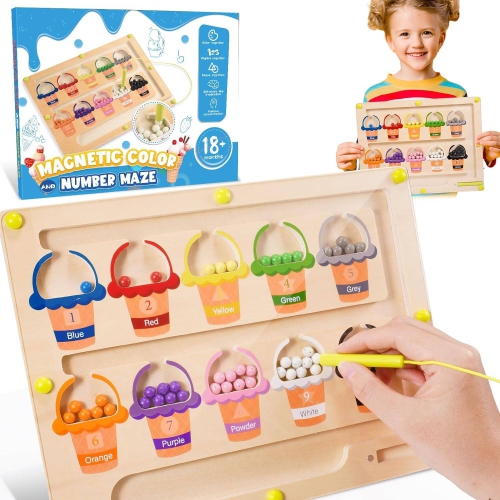
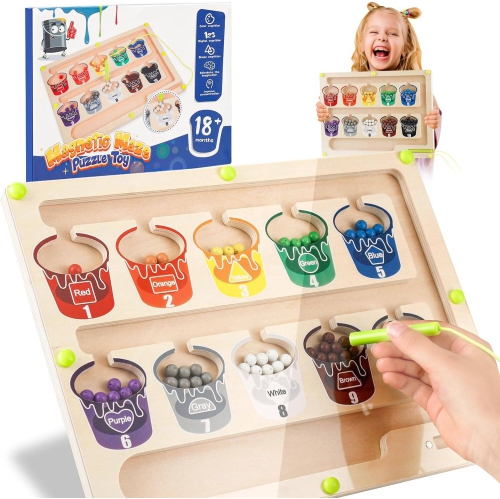
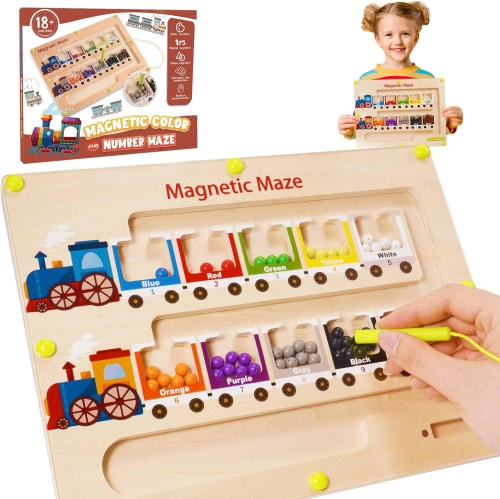

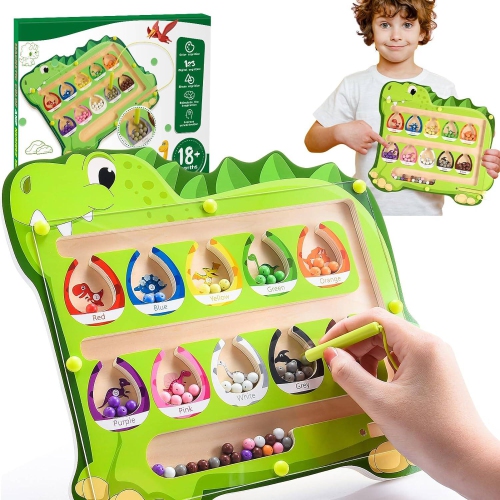
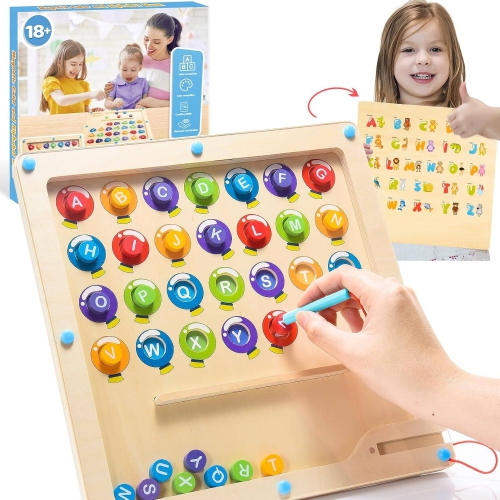
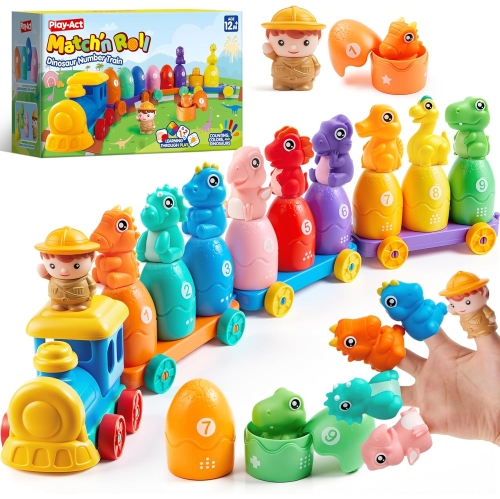
How hands-on play helps children make sense of numbers
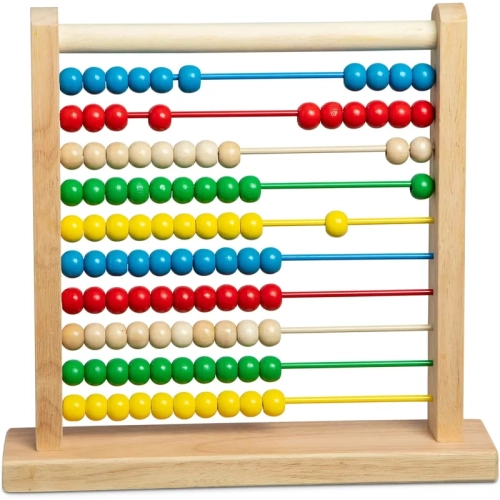
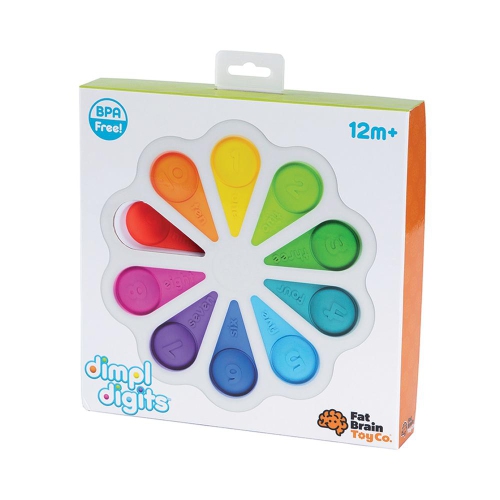
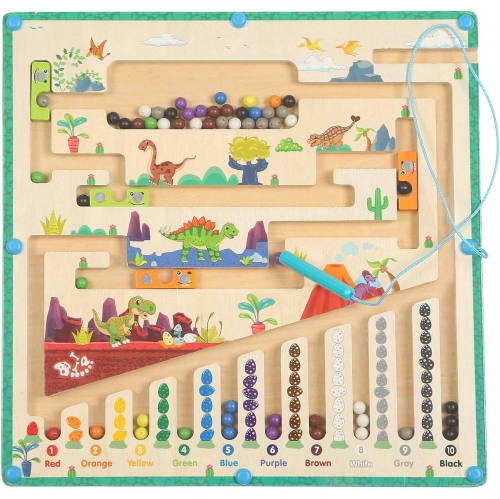
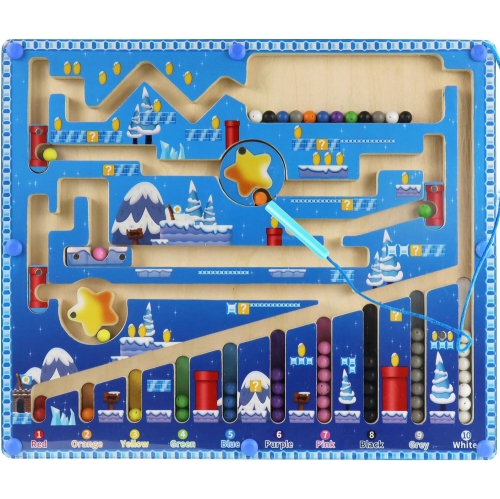
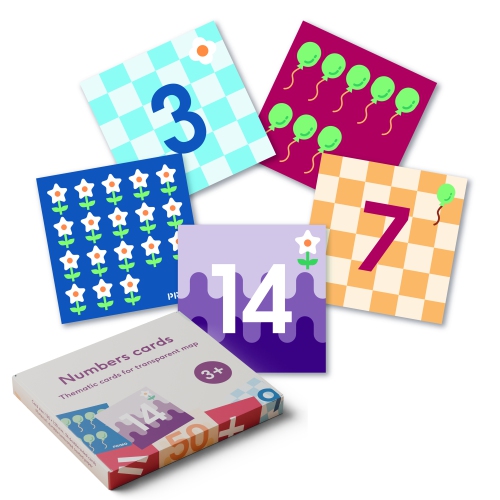
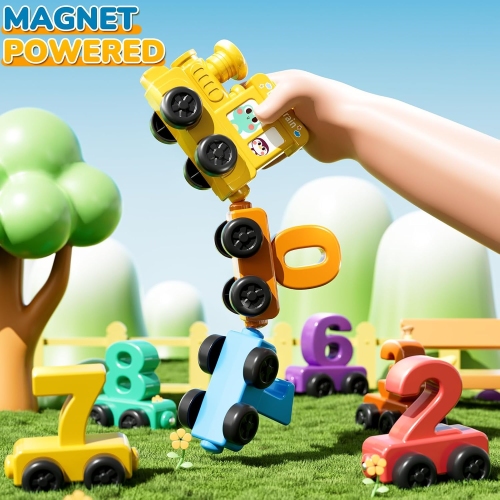
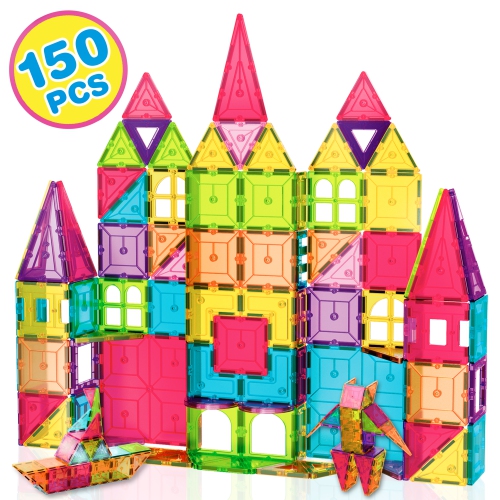
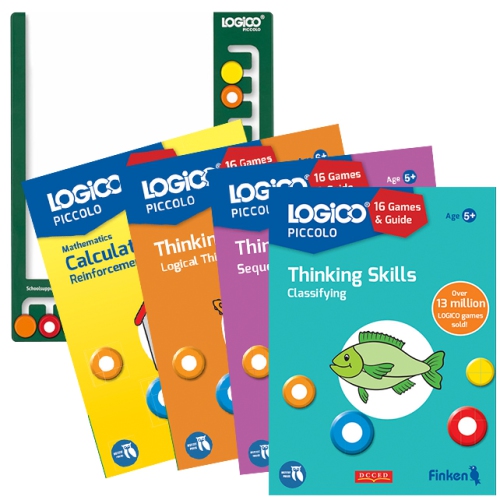
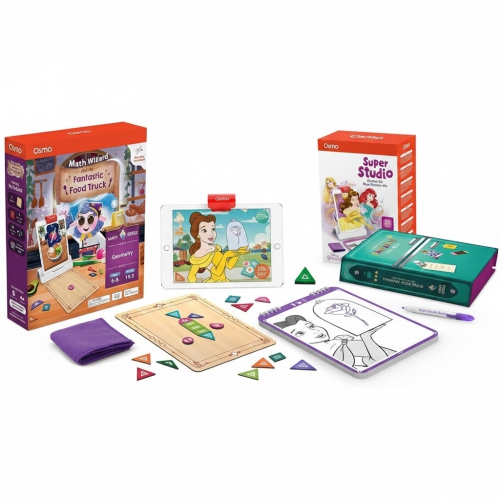
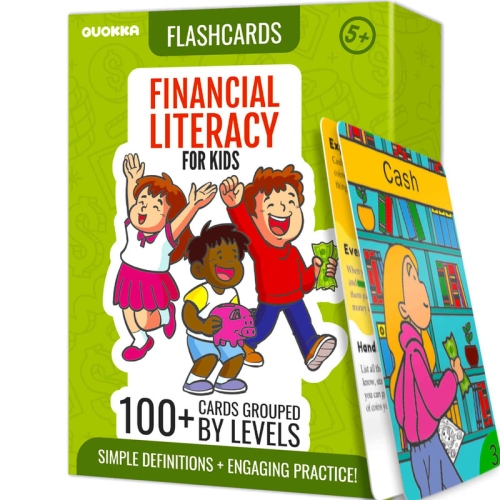
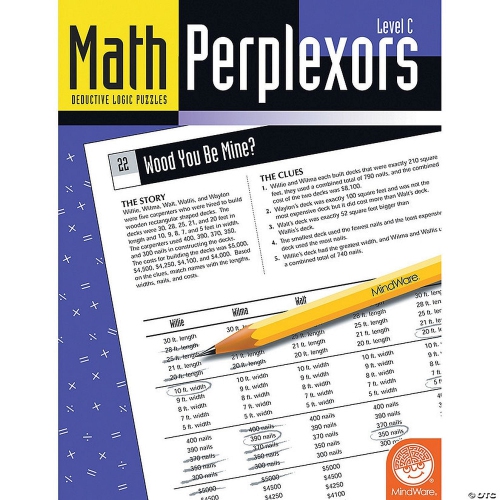
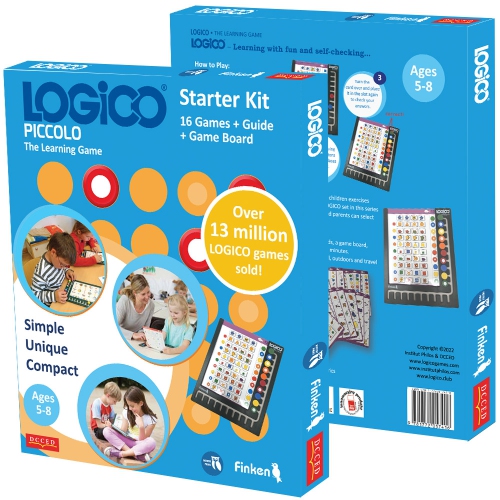
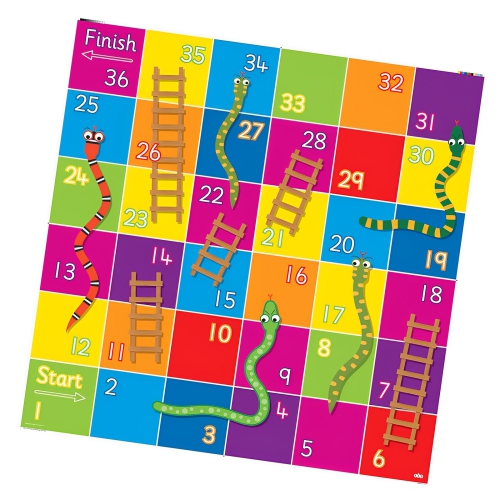
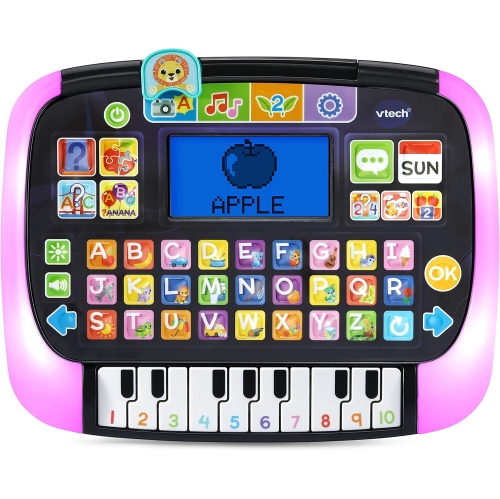
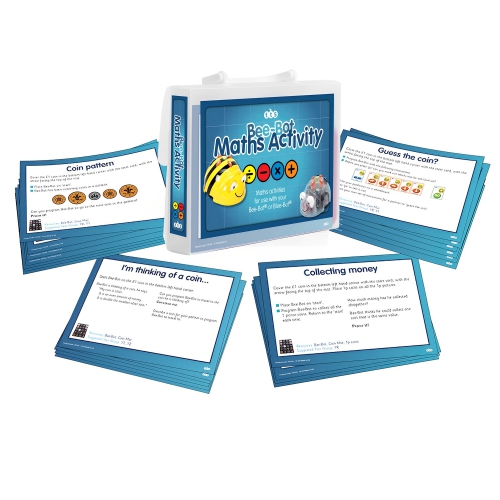
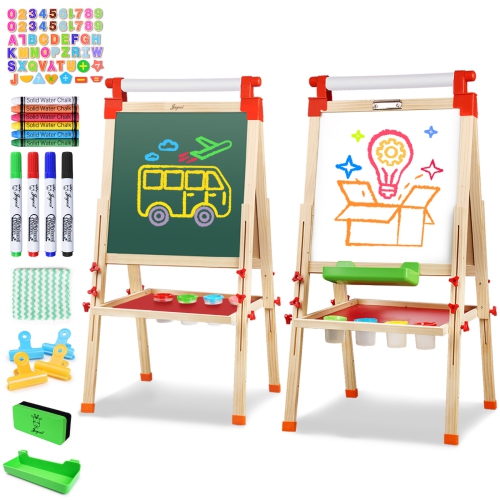
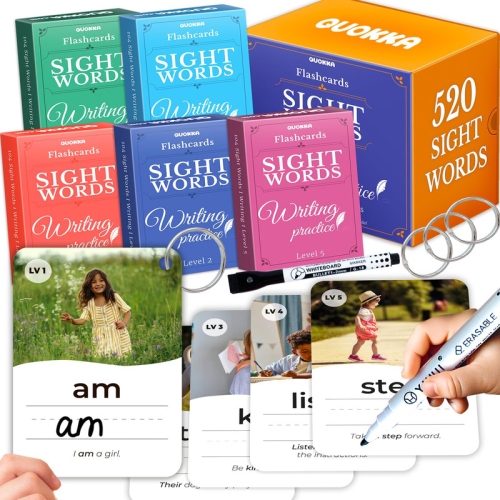
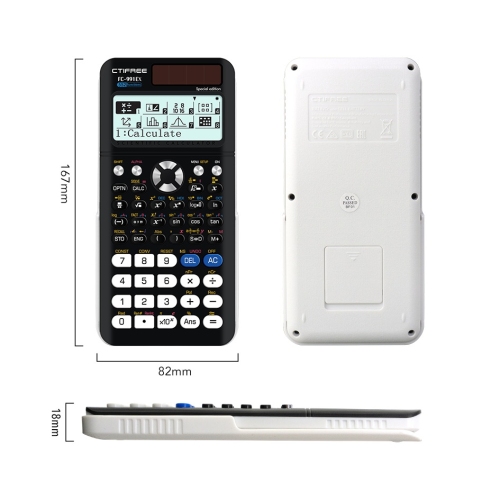
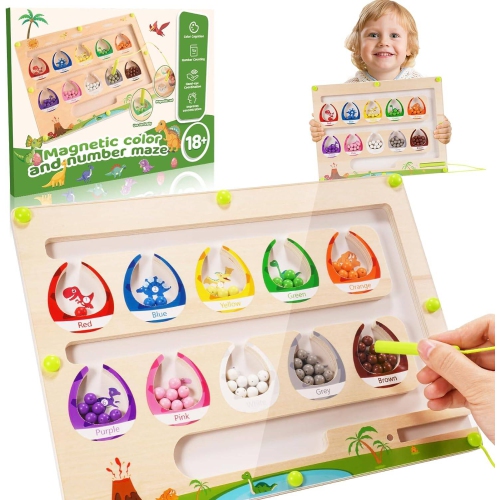
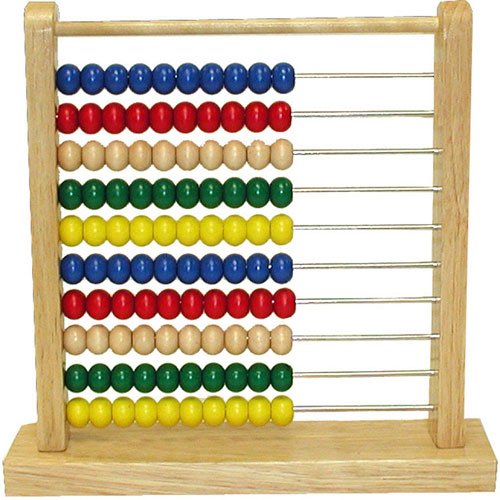
Math toys turn counting, shapes, patterns, and arithmetic into hands-on play, giving children something to move, arrange, compare, and talk about as they explore numbers. A row of counters can show what five looks like, while two groups pushed together can make addition easier to understand than a written equation alone. These educational toys range from simple sorting and stacking activities to number games, fraction puzzles, and logic challenges, with different formats suited to different stages of learning. For toddlers around ages two to three, the emphasis is usually on exploring size, matching objects, filling spaces, and hearing number words during play. Large, easy-to-grasp pieces can support these early activities, provided the toy is labelled for the child’s age. Preschool and kindergarten learners, often around ages four to six, may be ready to match numerals with quantities, continue repeating patterns, or count spaces during a simple game. For school-aged children, math play can extend to addition, subtraction, multiplication, division, measurement, and fractions. These age ranges are starting points rather than fixed milestones; a child’s interests, experience, and comfort with the activity matter alongside the manufacturer’s age recommendation. The most useful level of challenge leaves room for a little thinking without making every turn frustrating. A child who enjoys lining up objects might spend time comparing longer and shorter rows, while another may prefer rolling dice and working out how far to move. Shape-based play brings another dimension to early maths by encouraging children to notice edges, corners, symmetry, and how pieces fit together. Related shape toys offer opportunities to practise matching and spatial reasoning alongside counting activities. Across these formats, the value comes from making an idea visible: children can see a group grow, feel the difference between sizes, or rearrange the same pieces to discover that a quantity stays unchanged. That connection between an action and its result gives adults a natural opening to introduce words such as more, fewer, equal, half, and whole.
Different types of math toys suit different kinds of play, from quiet exploration at a table to shared games with siblings, classmates, or caregivers. Open-ended counting pieces allow children to invent their own arrangements, sort by colour, and build groups without following a single sequence of steps. Structured puzzles and activity cards provide a clearer task, such as completing a pattern or matching an answer to a visual model. Board and card games can bring counting and mental arithmetic into social play, although the amount of reading, the length of a turn, and the rules all affect how comfortably a child can participate. A game with short rounds may fit a brief after-school activity, while a construction-based challenge can hold attention through a longer stretch of independent play. Cooperative formats let players work towards a shared result, and activities without a timer give children space to check their thinking. For someone learning addition, moving three pieces beside four others provides a concrete way to count the total. For multiplication, arranging pieces into equal rows makes the relationship between groups and totals visible. Fraction activities can show how equal parts form a whole, while balance-based play introduces comparisons and the idea that both sides can have the same value. These experiences can complement classroom learning without needing to resemble a worksheet. They also give adults a way to notice the child’s approach: counting each piece, spotting a familiar grouping, or testing several arrangements before settling on an answer. Children who are still developing reading skills may find picture-led activities more accessible, while those who enjoy explaining ideas may appreciate games that encourage conversation. Clear markings, uncluttered layouts, and pieces that are comfortable to handle can make participation easier. For shared use, the number of players and the spread of abilities matter as much as the topic. A flexible activity can let one child practise counting while another uses the same materials to make number sentences or solve a more involved challenge.
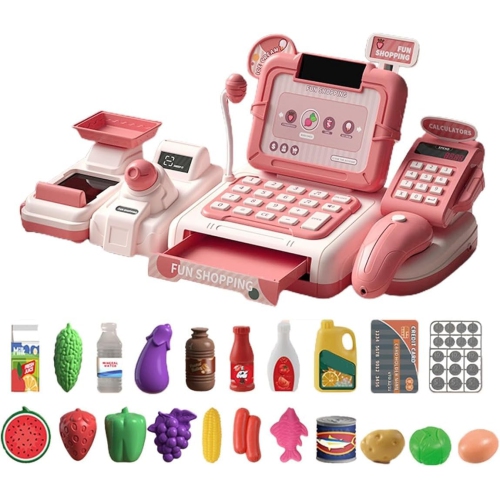
Materials, construction, and care influence how well math toys fit into everyday routines. Wooden pieces can have a substantial feel, but smooth edges, intact finishes, and manageable weight are important for comfortable handling. Plastic pieces are often lightweight and may be easy to wipe clean, depending on the manufacturer’s care instructions. Cardboard puzzles, game boards, and cards benefit from sturdy construction and storage away from spills, while fabric components may have separate washing requirements. Durable number markings and clear colour contrast help keep an activity usable through repeated handling. For connecting pieces, the fit should be secure enough to hold an arrangement together without requiring more hand strength than the intended user can manage. Size also affects practical use: broad pieces may be easier for small hands to grasp, whereas compact components need closer attention to age suitability and storage. Small parts can pose a choking hazard, particularly for children under three, and an older child’s game should be kept out of reach of younger siblings when it contains unsuitable pieces. Toys with magnets or batteries require particular attention to age labels, warnings, and secure compartments. Regular checks for loose parts, cracks, splinters, or worn surfaces help identify when a toy needs repair or replacement according to its instructions. At home, a tray or divided container can keep counting pieces together and make tidying up part of the activity, with children sorting by shape, size, or colour. In classrooms, childcare settings, and tutoring spaces, manageable storage and surfaces that tolerate the specified cleaning method are especially useful when materials pass between learners. Math toys can also make thoughtful birthday gifts for children who enjoy building, puzzles, games, or pretend play. Matching the format to an existing interest gives the learning a familiar starting point, whether that means sharing equal portions at a pretend picnic or creating a repeating pattern across a tabletop. Clear instructions and activities with more than one difficulty level can help families return to the same toy as a child’s understanding develops, keeping number play varied without making each session a test.
Top selling and popular products
-
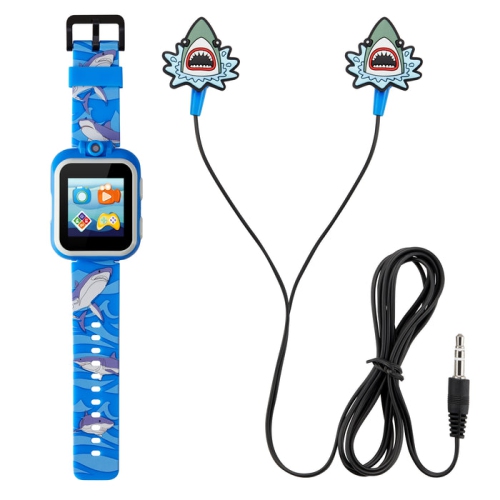 Your price for this item is $38.98
-
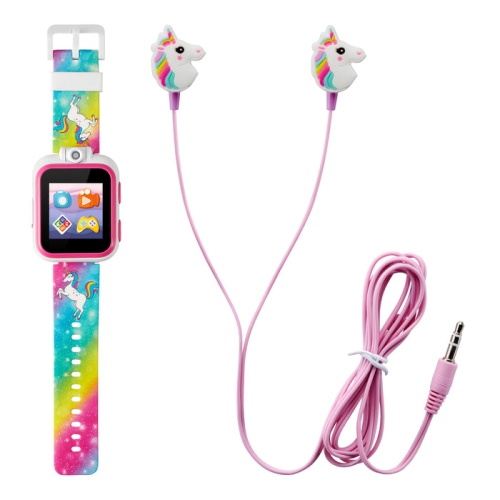 Your price for this item is $19.99
-
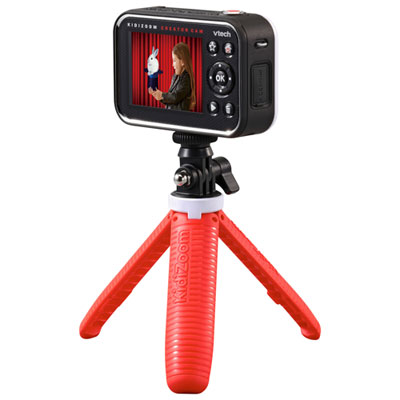 Your price for this item is $89.99
-
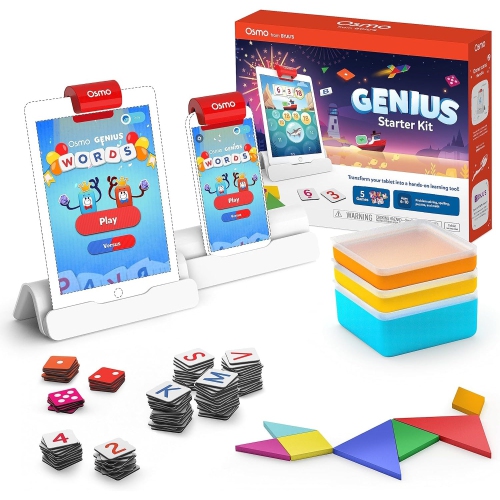 Your price for this item is $49.99
-
 Your price for this item is $79.99
-
 Your price for this item is $79.99
-
 Your price for this item is $149
-
 Your price for this item is $67.98
Discover more categories related to Math Toys
Top Collections:
Pokemon Centers, Best Cameras for Sports Photography, Kindle Devices, Samsung Galaxy Phones, Canon G7X Cameras, Pokémon 30th Celebration Cards, Refurbished Apple Laptops, iPhone 15 Apple, Laptops for Students, Budget Smartphones
Some products may be subject to Environmental Handling Fees
(EHF) depending on your province.
Learn more about EHFs.