STEM Robots
Ignite curiosity and inspire the next generation of innovators with our diverse selection of STEM robots. These engaging educational tools are designed to captivate young minds, blending fun and learning seamlessly. Whether you're looking to enhance problem-solving skills, foster creativity, or introduce foundational concepts in coding and engineering, our range of STEM robots offers endless possibilities. Perfect for budding scientists and tech enthusiasts alike, these interactive companions make exploring the world of science, technology, engineering, and mathematics an exciting adventure. Discover the perfect robot to spark imagination and fuel a passion for discovery today!
Sort
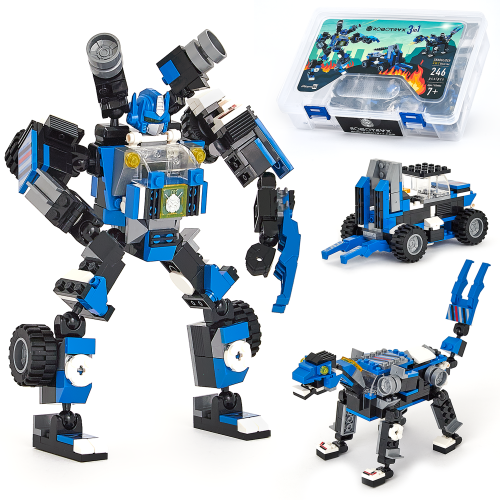
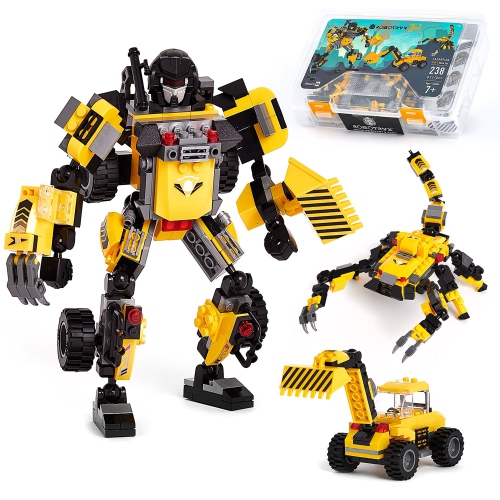
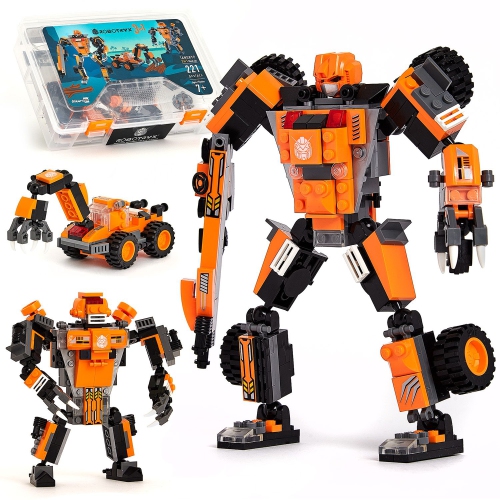
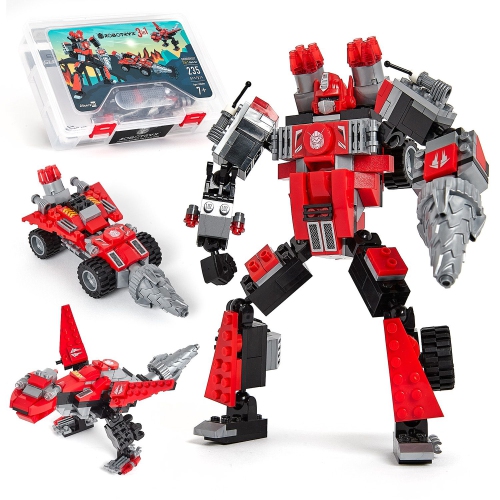
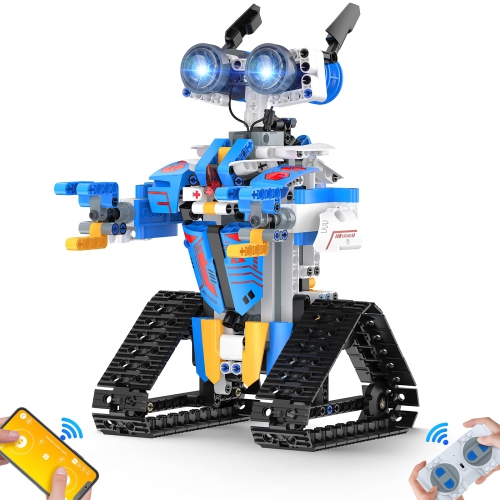
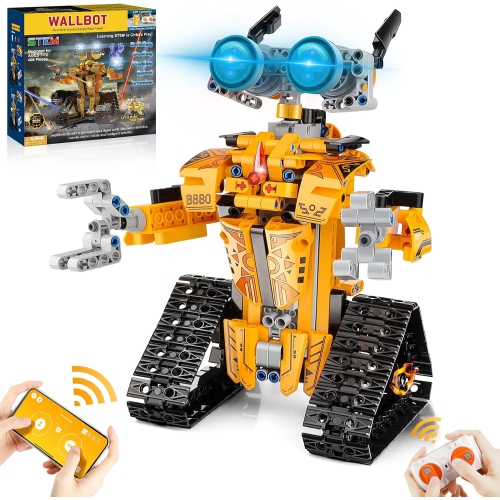

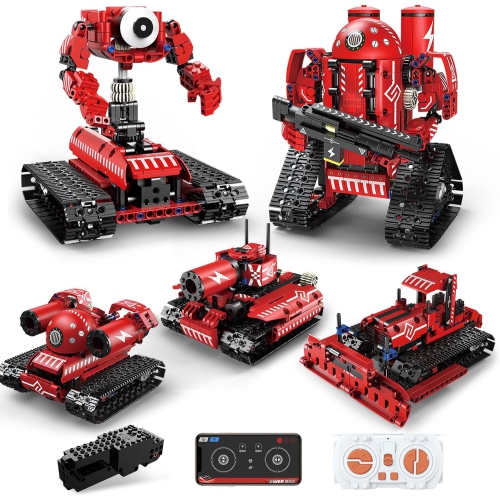
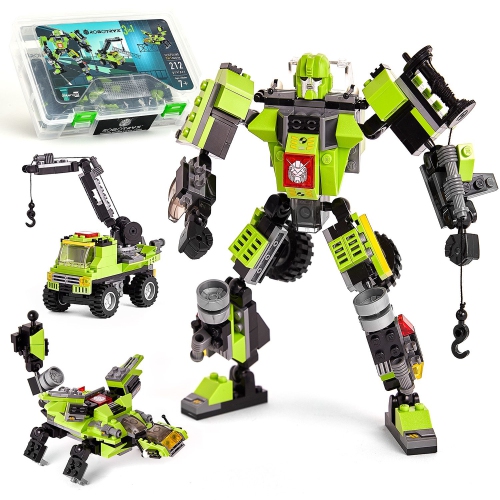
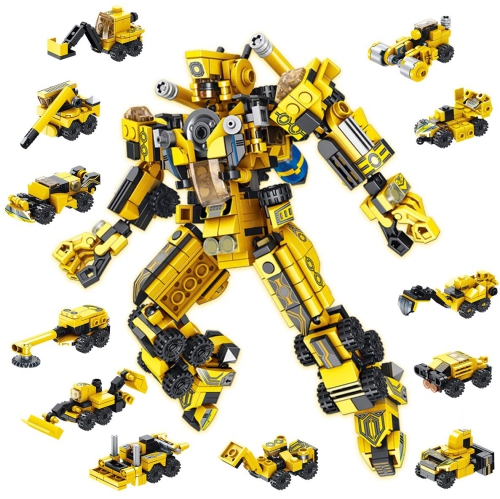
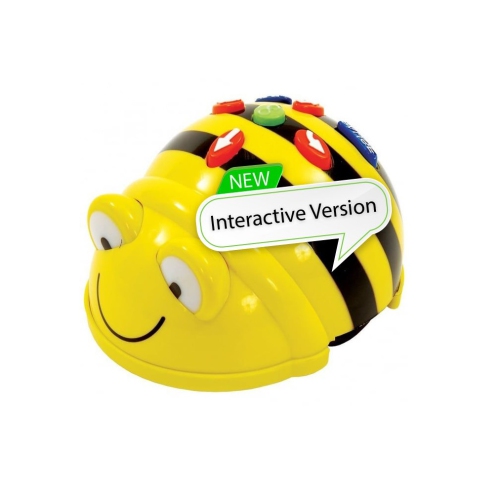
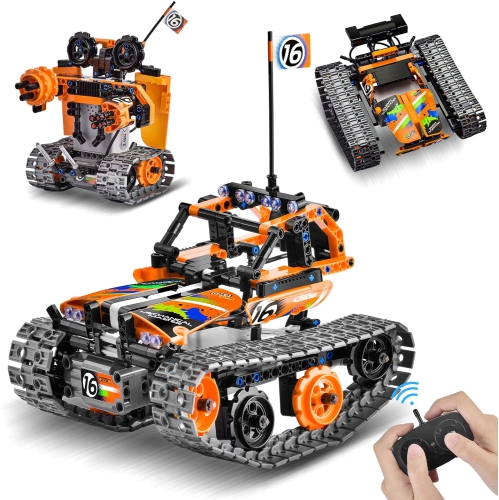

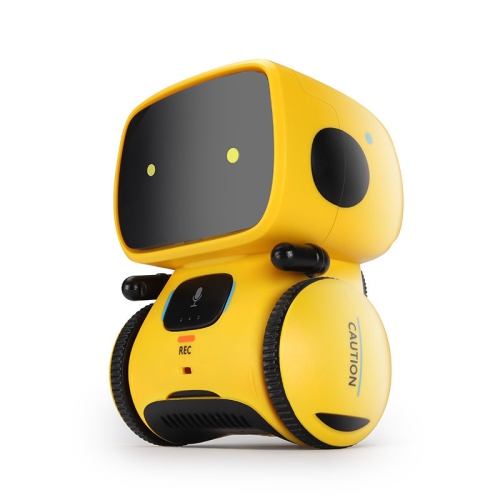
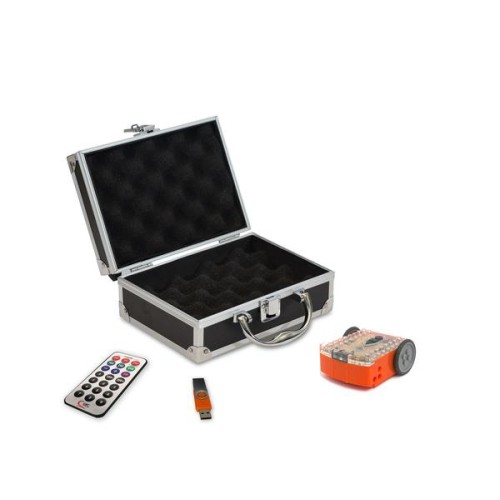
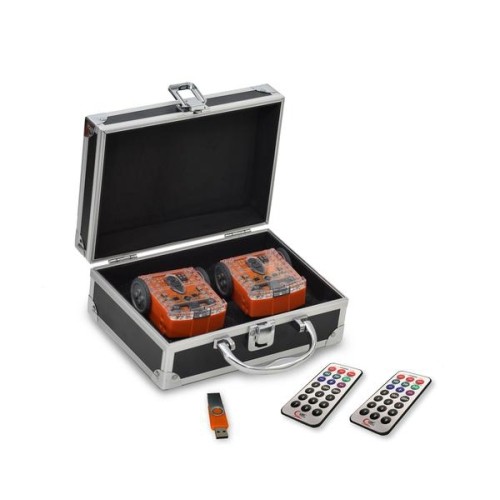
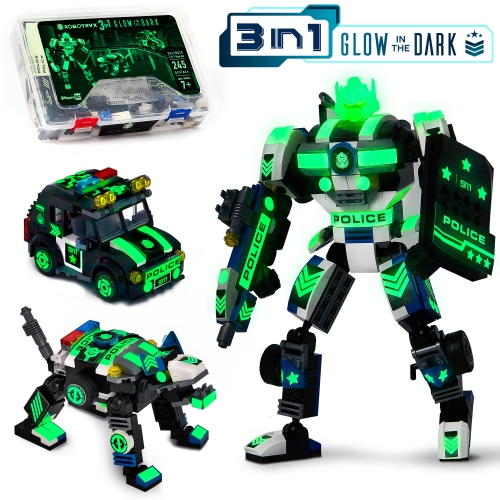

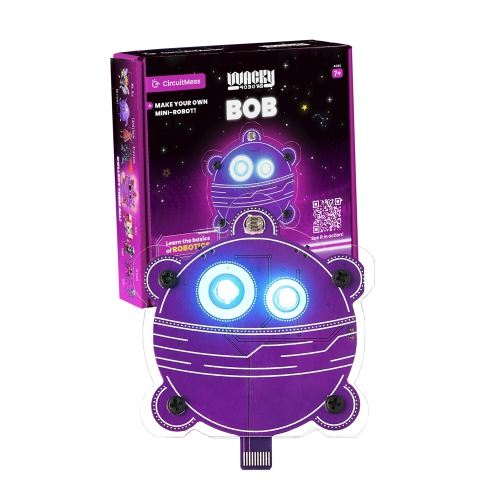
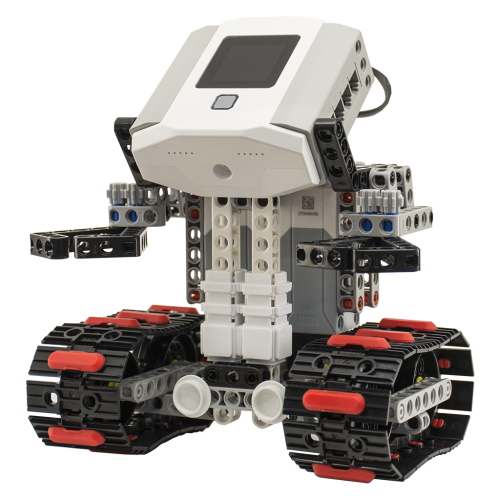
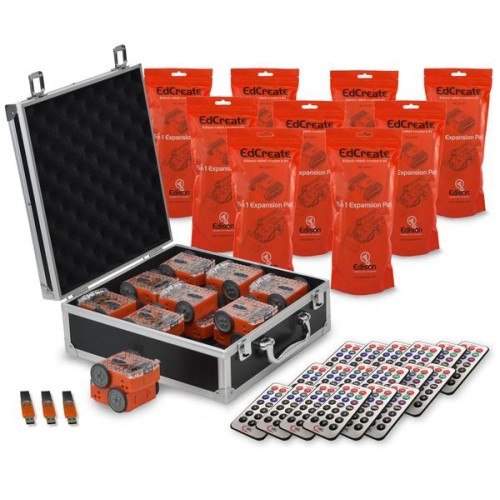
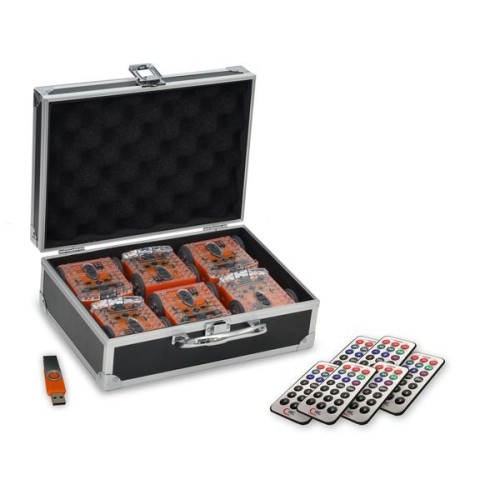

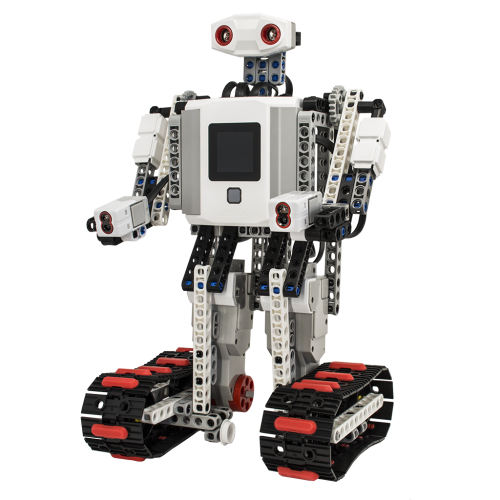
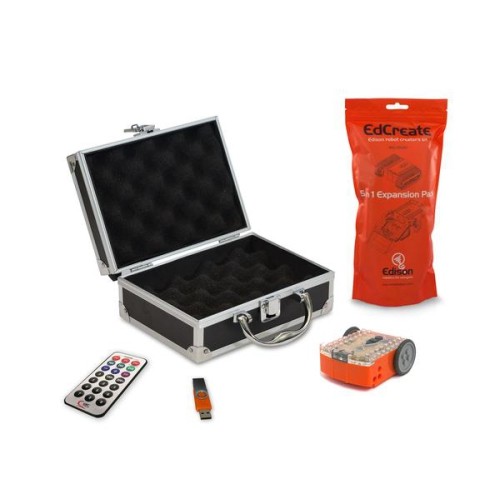

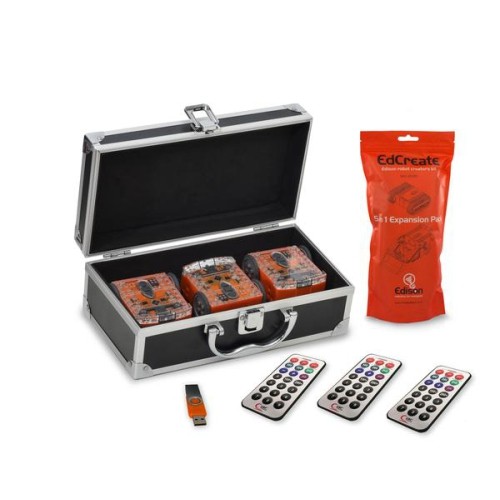
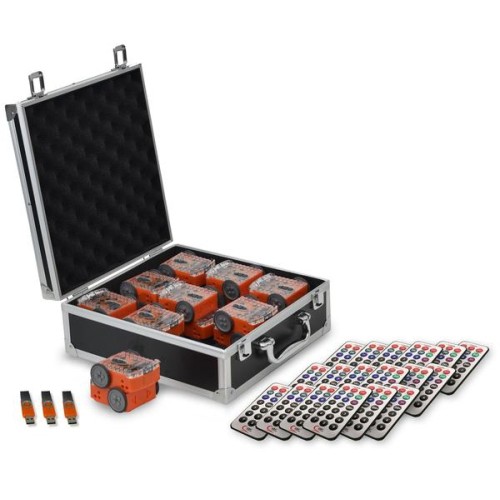
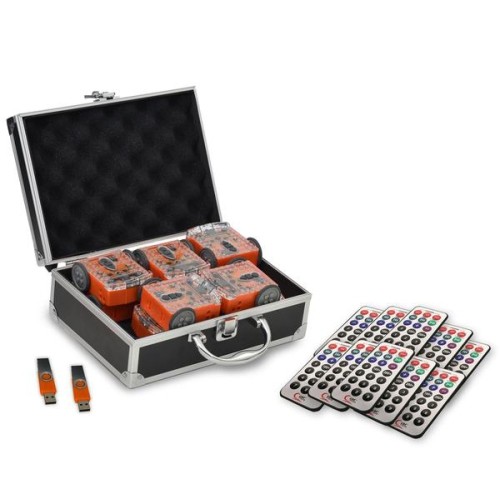
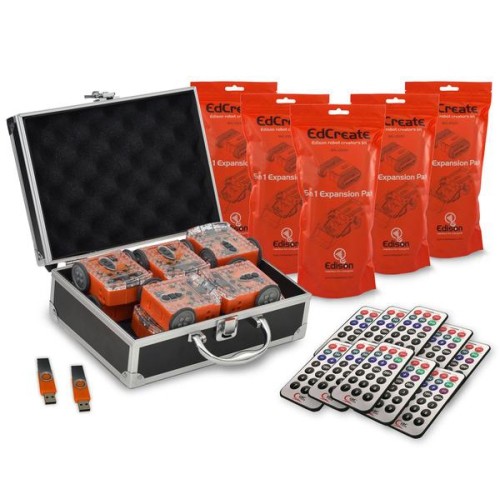
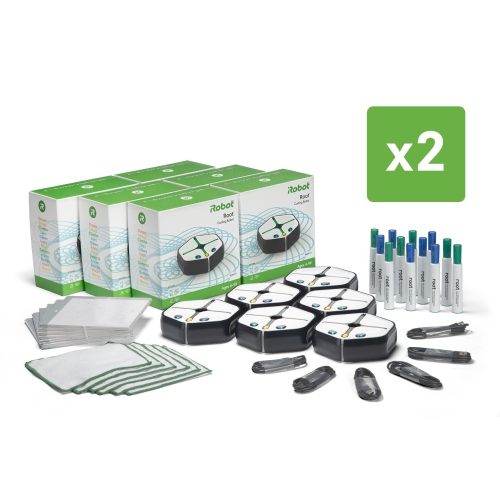
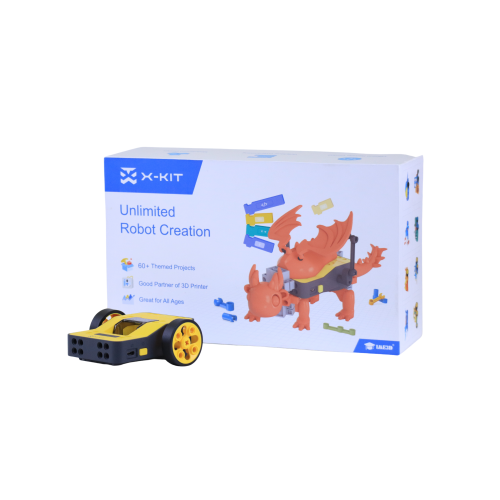
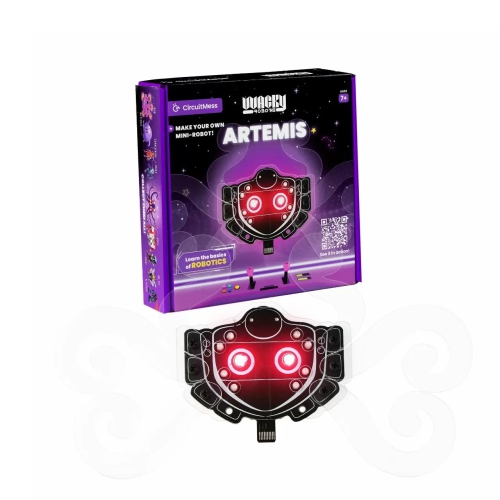
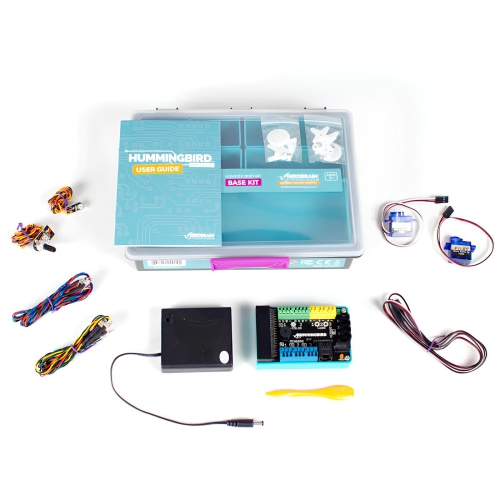
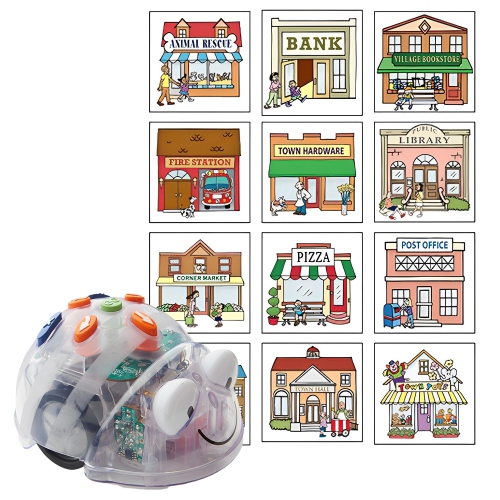
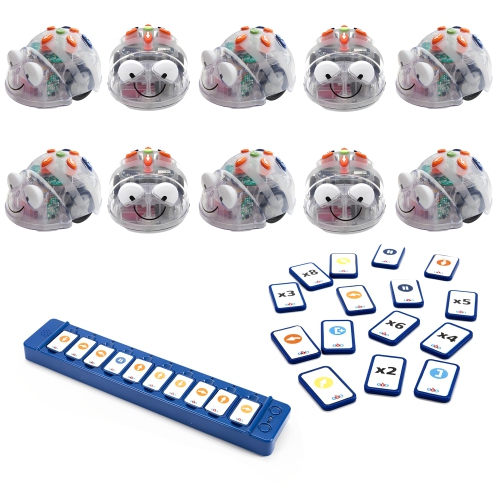
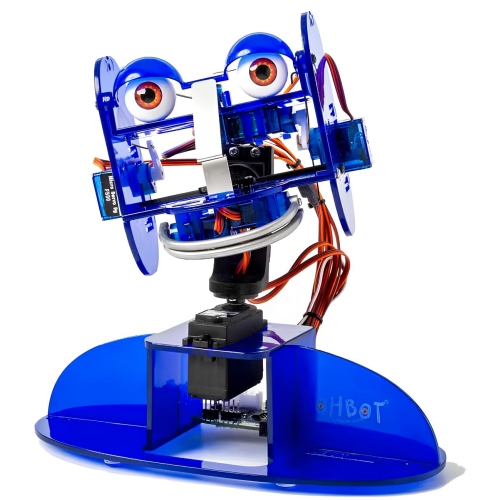
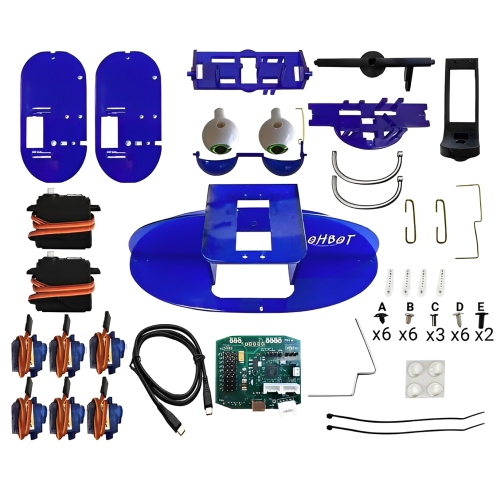
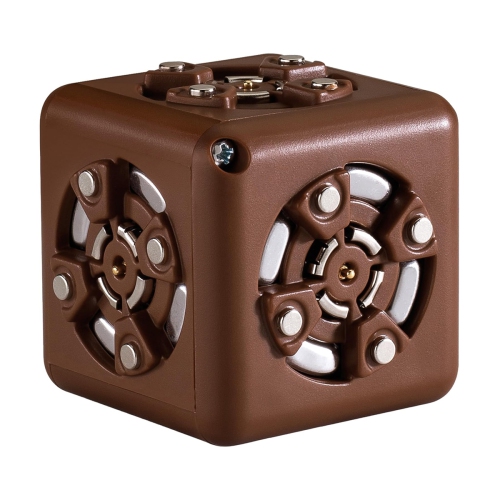
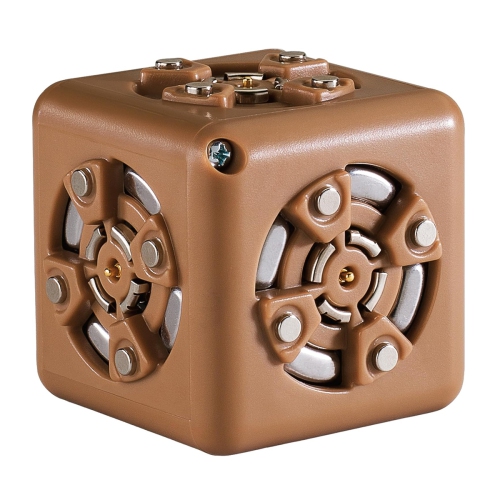
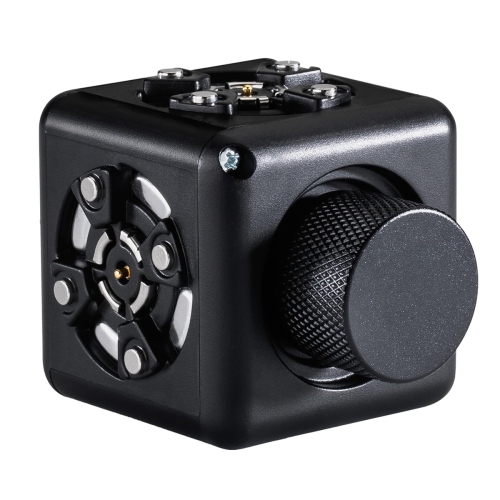
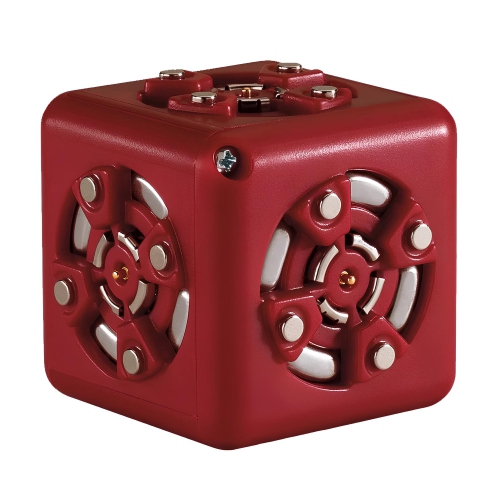
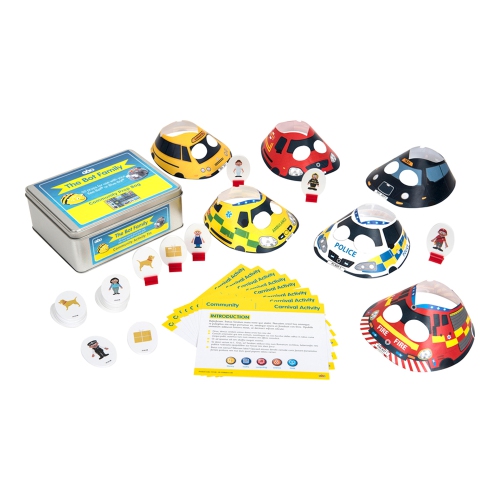
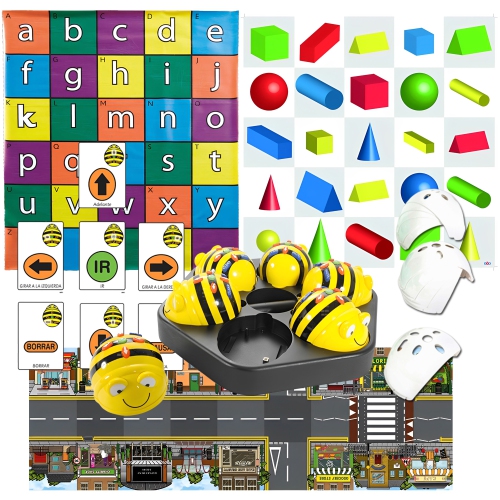
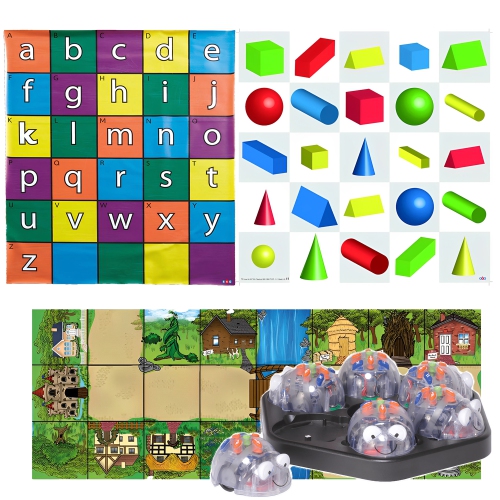

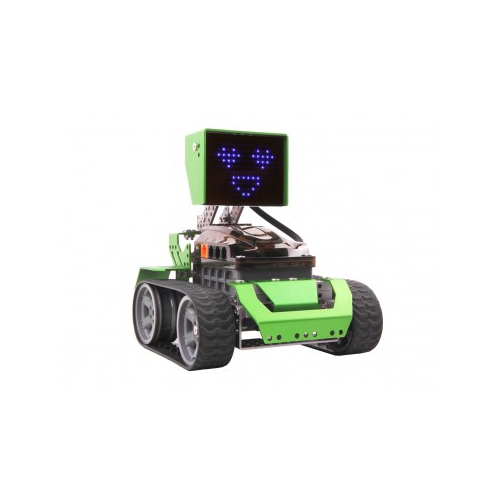
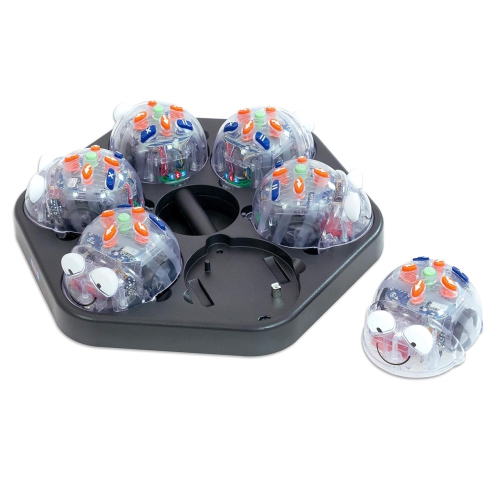

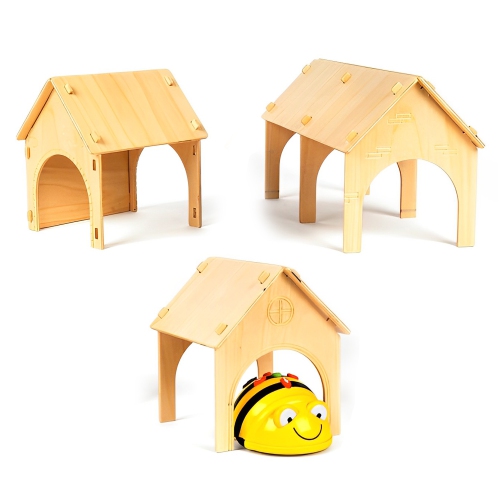

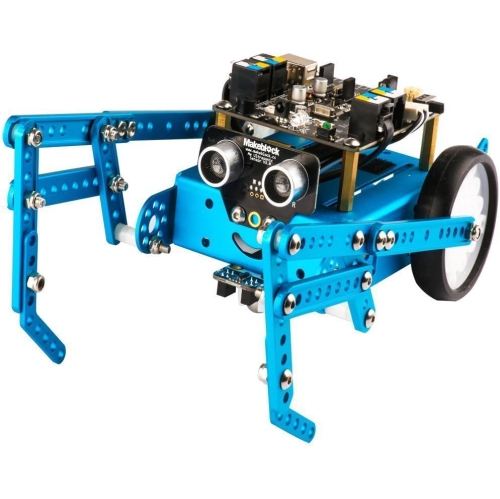
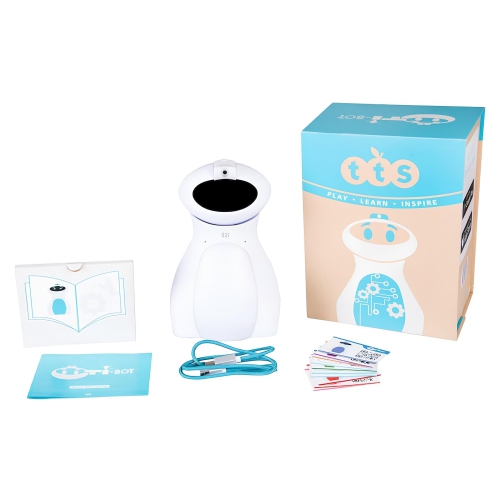
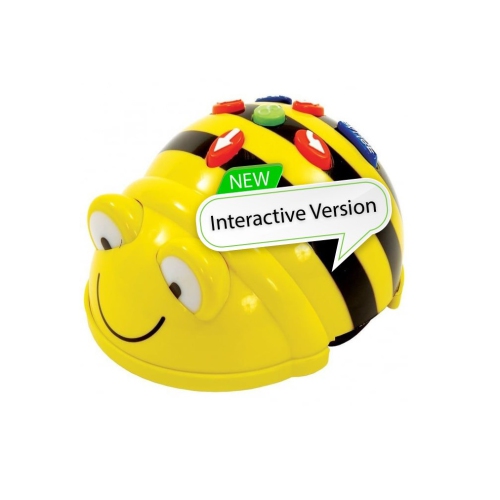
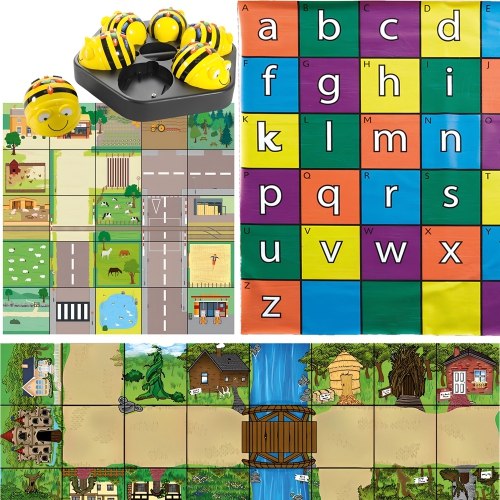
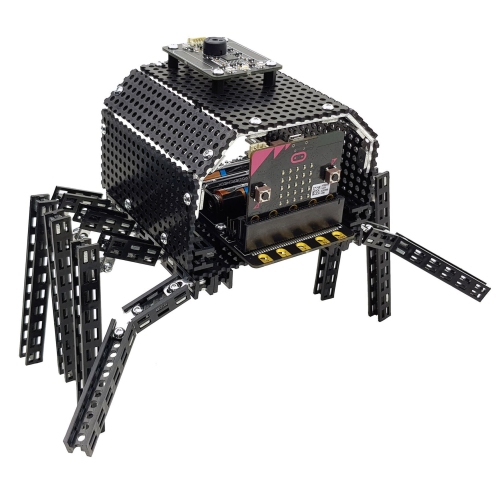
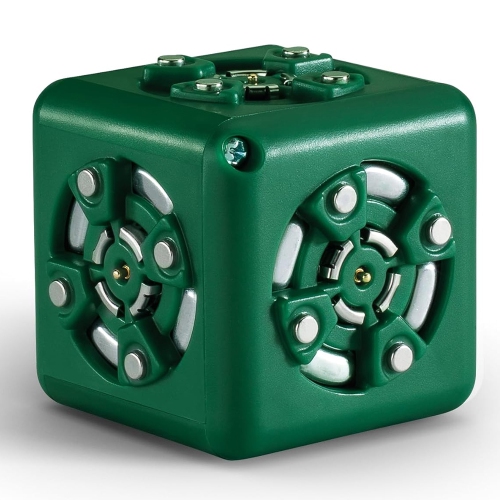
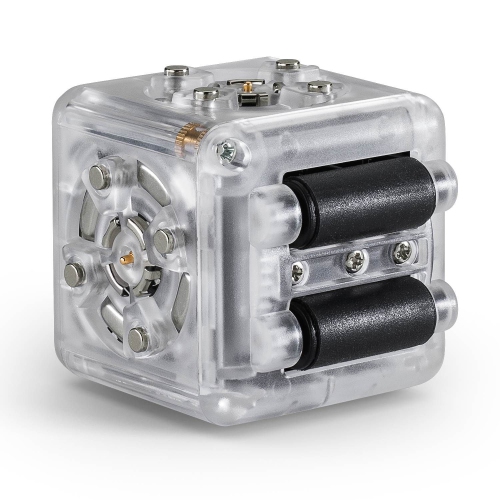
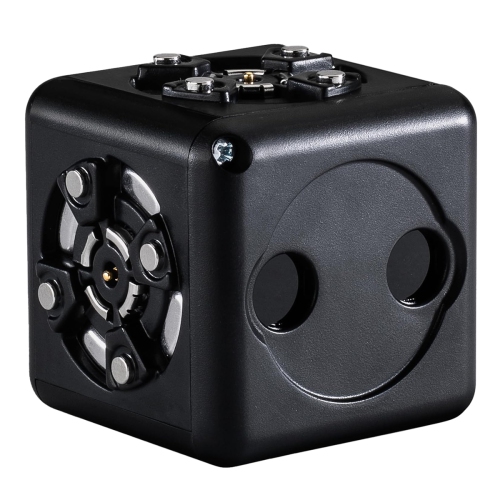
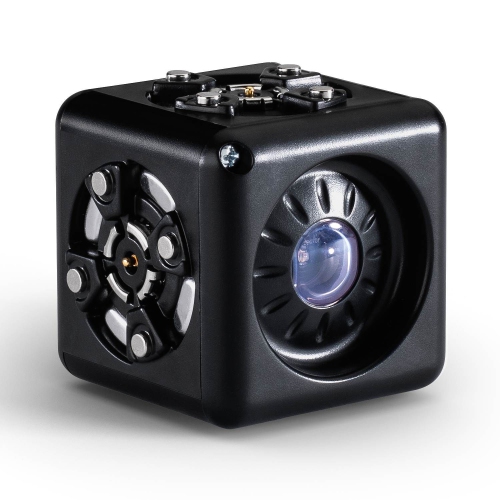
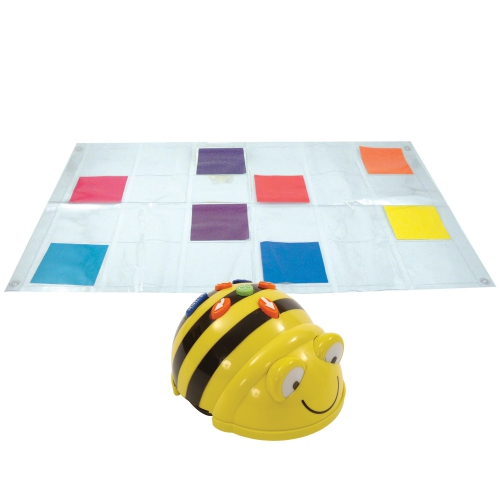
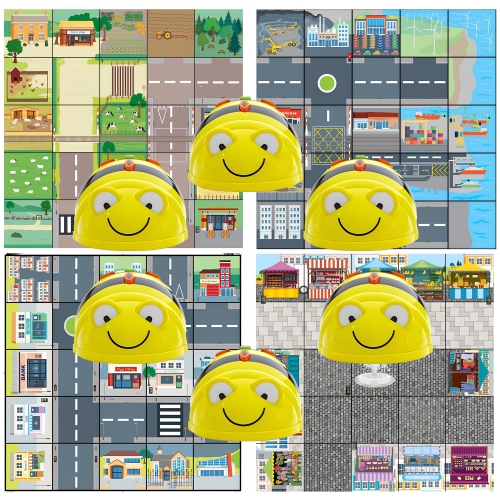
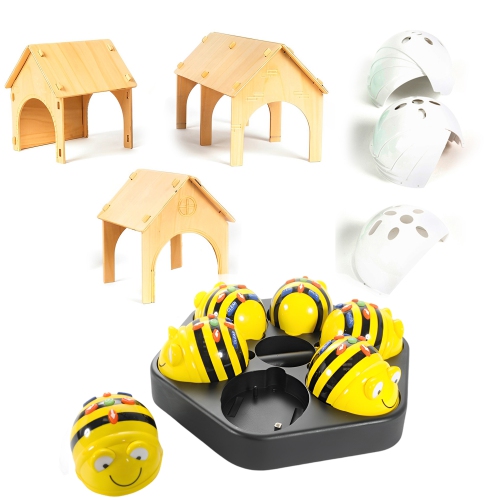

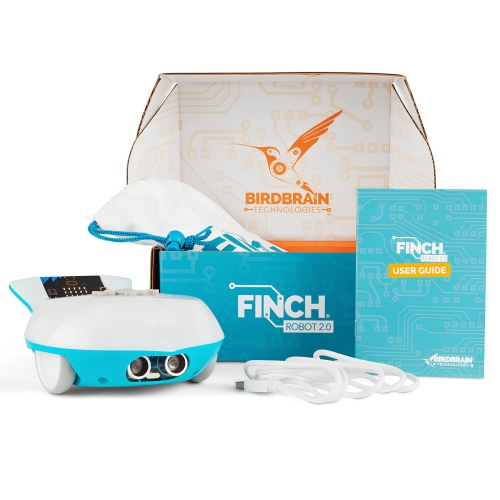
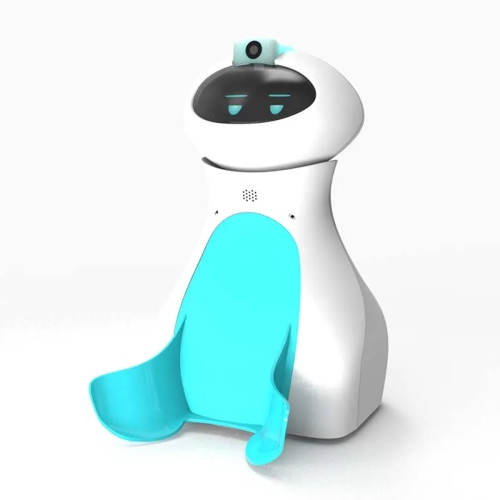
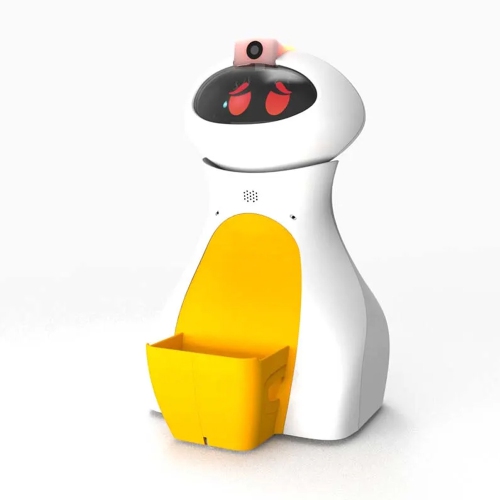
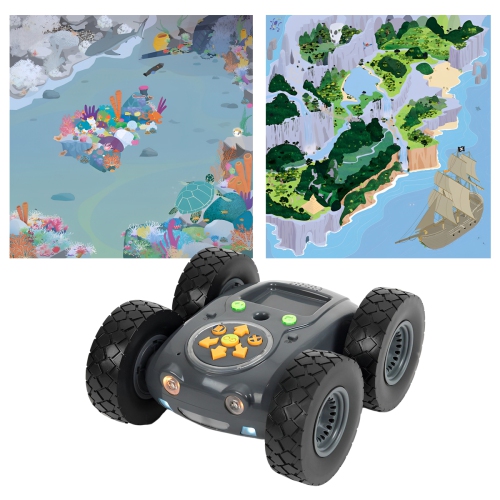
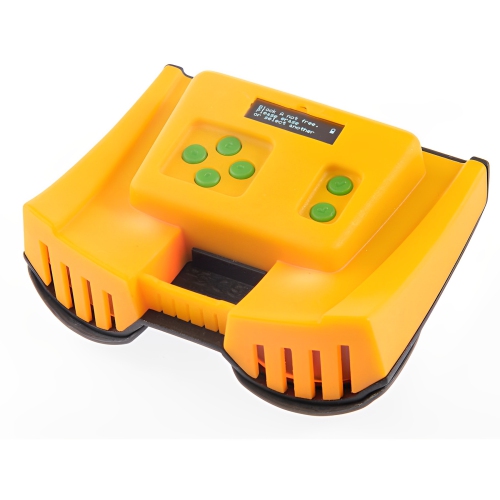
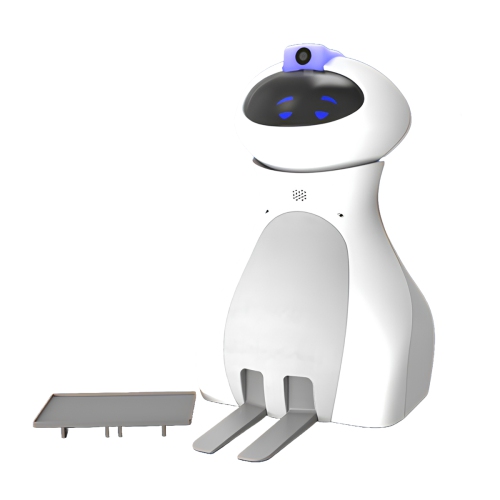
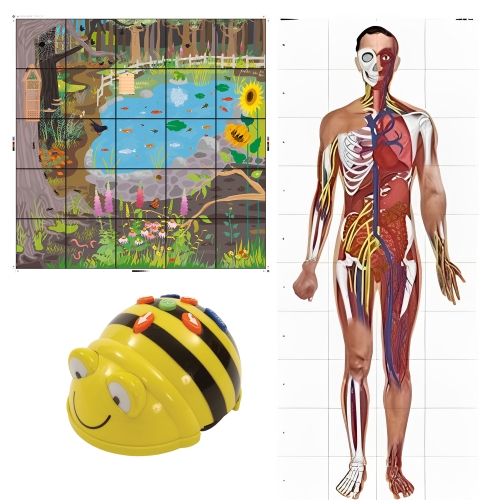
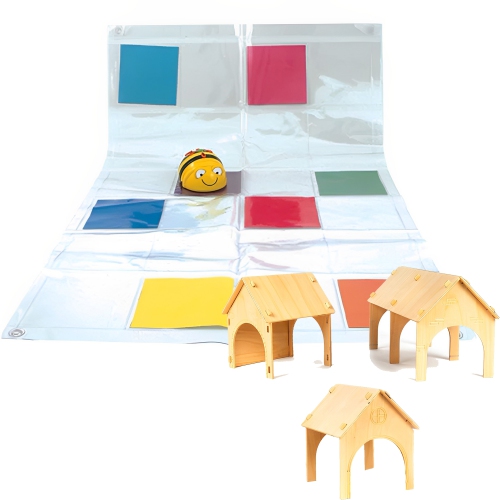
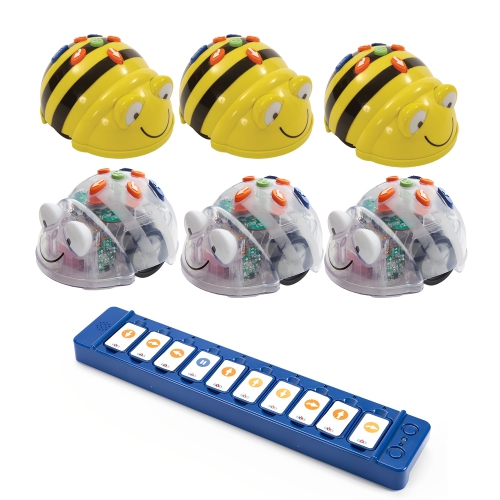
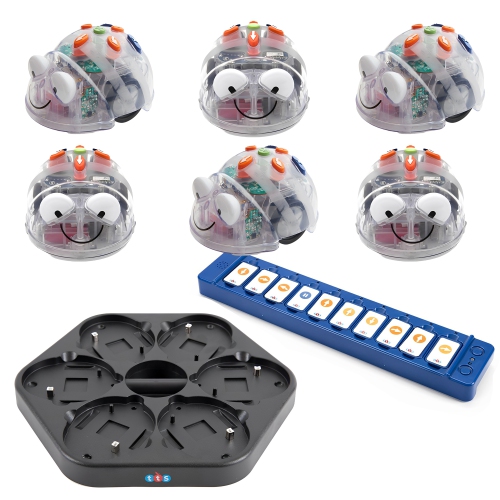
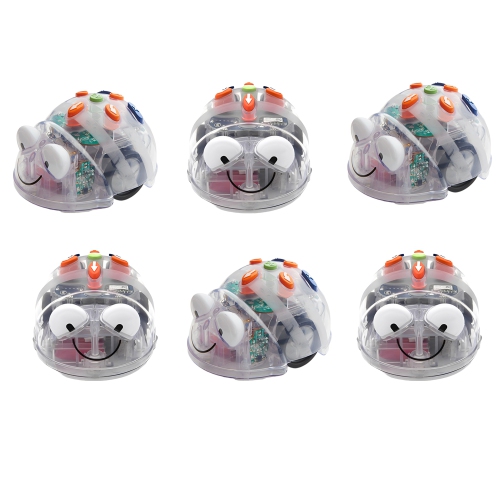
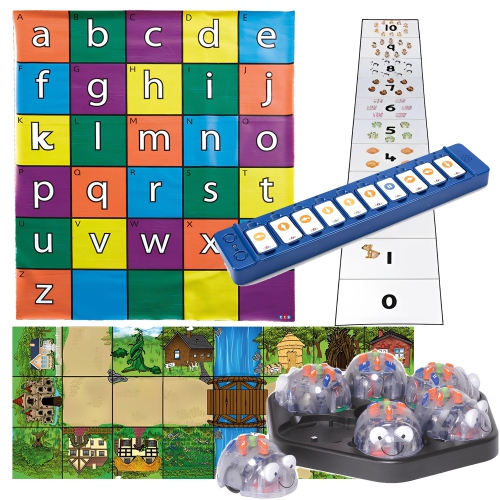
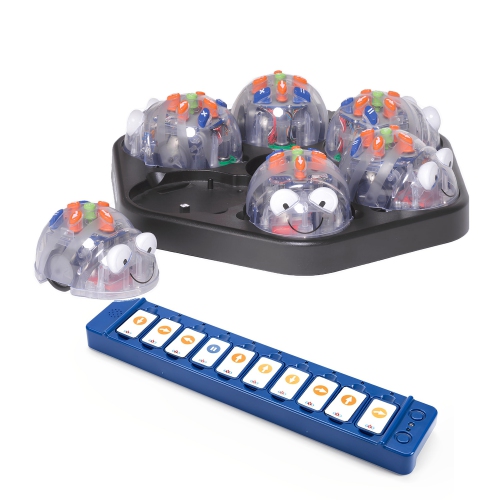
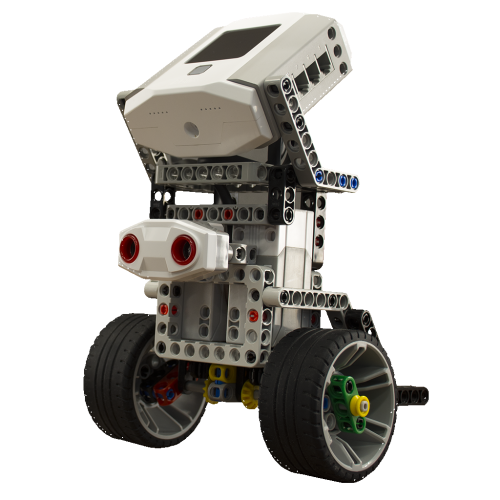
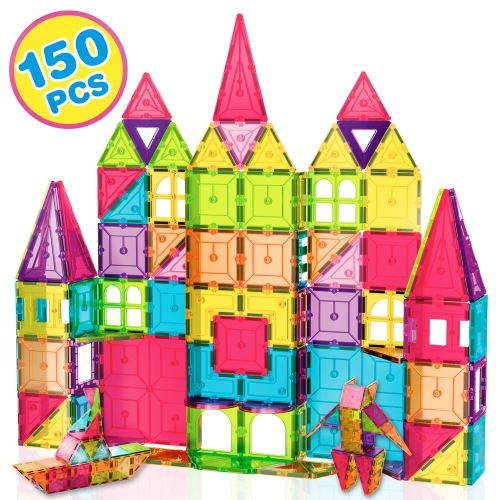
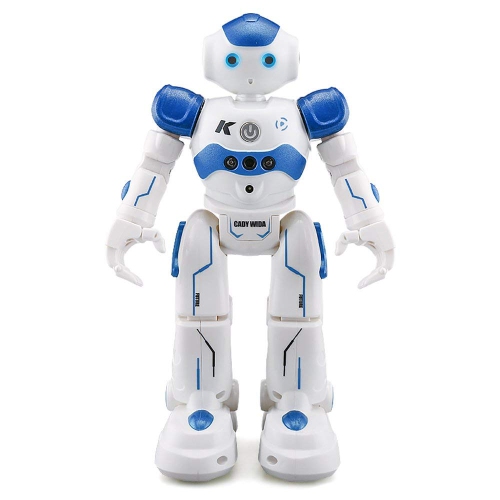
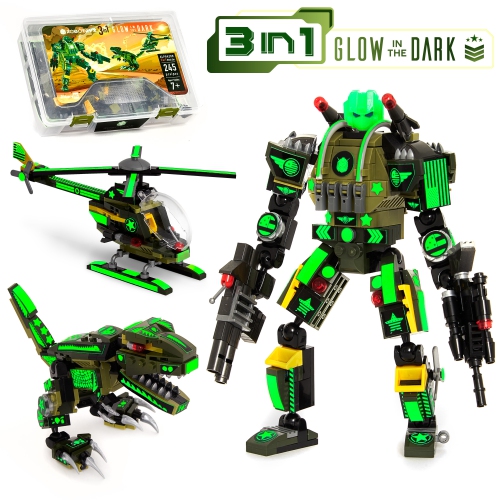





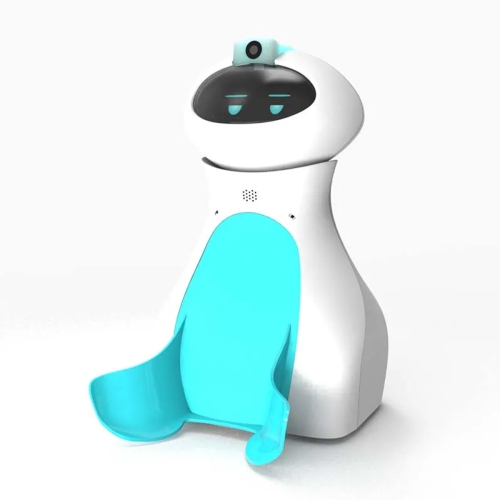
Hands-on projects turn coding ideas into moving creations
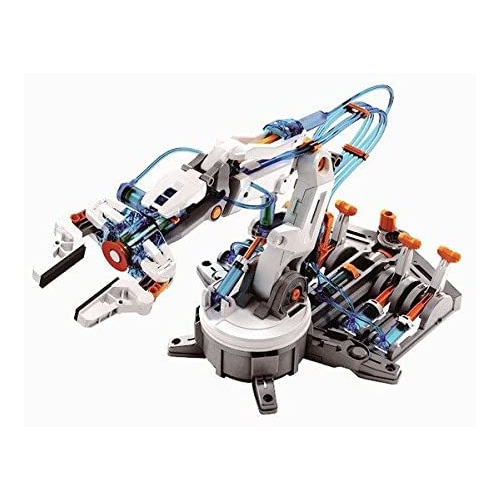
STEM robots are hands-on learning tools that bring coding, engineering and problem-solving to life through building, programming and experimentation. Instead of only reading about how machines move or respond to their surroundings, children and students can assemble a working robot, test its controls and make changes based on what happens next. Depending on the design, a kit may involve constructing a walking, rolling, lifting or balancing robot, then using a remote control, mobile app, block-based coding platform or text-based programming environment to operate it. Some models are made for first-time builders, with simple snap-together parts and guided activities, while others offer more advanced challenges involving sensors, motors, gears, gyroscopes and automated movement. These products can help learners practise sequencing, logic, spatial reasoning and troubleshooting in a way that feels active and rewarding. A robot that veers to one side, moves too quickly or fails to complete a programmed action creates a useful opportunity to inspect the build, review the instructions and try a different solution. That process can make technical concepts easier to understand because each adjustment produces a visible result. STEM robots can be used at home, in classrooms, libraries, after-school programmes or makerspaces, giving learners a project they can return to over several sessions. During the cooler months, a robotics kit can also provide an engaging indoor activity that combines focused screen time with physical construction and creative play.
Choosing the right STEM robot begins with the learner’s age, experience and preferred style of play. Check the recommended age range, piece count and building requirements before making a selection, especially when the kit includes small components or detailed assembly steps. Beginners may appreciate clear, illustrated instructions, pre-sorted parts and short activities that introduce one idea at a time. More experienced builders may prefer open-ended kits that allow them to redesign the frame, add attachments or write custom commands. Coding options are another important consideration. Block-based programming can be a comfortable starting point for children who are learning basic logic, while programmable robots that support more advanced languages may suit older students or hobbyists developing software skills. Consider how the robot is controlled as well. Remote control operation can provide immediate feedback and make free-form play enjoyable, while sensors and autonomous modes introduce concepts such as detection, distance, balance and cause and effect. App compatibility, device requirements and connection methods should be reviewed in advance so the kit works with the technology available at home or school. It is also helpful to consider the available workspace: a compact robot may be easier to use on a desk or bedroom floor, while a larger moving model may need a clear area for testing. Look for durable construction, replacement parts where available and storage for loose pieces, since keeping components organized makes future building sessions easier. For younger children, adult guidance can help with assembly and safe battery handling, while older learners may enjoy taking the lead and documenting their designs. A notebook, tablet or camera can turn each session into a record of changes, results and new ideas. Families looking for related hands-on learning inspiration can also explore Stem Activities for complementary ways to keep curiosity moving beyond a single robot project.
STEM robots can make thoughtful gifts for children who enjoy building sets, science experiments, puzzles, technology or imaginative play, as well as for students looking for a project that feels more personal than a standard toy. They can be especially appealing to learners who like to understand how things work, whether that means watching gears turn, adjusting a motor’s speed or figuring out why a sensor responds differently in one part of a room. The best experience does not always come from completing the build as quickly as possible. Often, the memorable part is the moment a child discovers that changing the angle of a wheel helps the robot travel in a straighter line, or that a small coding adjustment gives it a completely different movement pattern. Parents, grandparents, educators and gift-givers can support that process by choosing a kit that leaves room for trial and error rather than expecting a perfect result on the first attempt. Shared building sessions can encourage communication and patience, with one person reading the steps, another sorting parts and everyone discussing what to test next. In a classroom or club, robots can support group challenges such as navigating a marked route, moving an object or creating a sequence of actions, allowing students to compare approaches without requiring every project to look the same. Before purchase, review the kit’s skill level, required tools, included accessories, power needs, programming support and compatibility with any required device. It is also worth considering whether the learner prefers structured instructions or open-ended invention. With the right fit, a STEM robot becomes more than a one-time activity: it can be rebuilt, reprogrammed and revisited as skills grow, offering a practical introduction to engineering thinking and a satisfying way to turn ideas into motion.
Choosing the right STEM robot begins with the learner’s age, experience and preferred style of play. Check the recommended age range, piece count and building requirements before making a selection, especially when the kit includes small components or detailed assembly steps. Beginners may appreciate clear, illustrated instructions, pre-sorted parts and short activities that introduce one idea at a time. More experienced builders may prefer open-ended kits that allow them to redesign the frame, add attachments or write custom commands. Coding options are another important consideration. Block-based programming can be a comfortable starting point for children who are learning basic logic, while programmable robots that support more advanced languages may suit older students or hobbyists developing software skills. Consider how the robot is controlled as well. Remote control operation can provide immediate feedback and make free-form play enjoyable, while sensors and autonomous modes introduce concepts such as detection, distance, balance and cause and effect. App compatibility, device requirements and connection methods should be reviewed in advance so the kit works with the technology available at home or school. It is also helpful to consider the available workspace: a compact robot may be easier to use on a desk or bedroom floor, while a larger moving model may need a clear area for testing. Look for durable construction, replacement parts where available and storage for loose pieces, since keeping components organized makes future building sessions easier. For younger children, adult guidance can help with assembly and safe battery handling, while older learners may enjoy taking the lead and documenting their designs. A notebook, tablet or camera can turn each session into a record of changes, results and new ideas. Families looking for related hands-on learning inspiration can also explore Stem Activities for complementary ways to keep curiosity moving beyond a single robot project.
STEM robots can make thoughtful gifts for children who enjoy building sets, science experiments, puzzles, technology or imaginative play, as well as for students looking for a project that feels more personal than a standard toy. They can be especially appealing to learners who like to understand how things work, whether that means watching gears turn, adjusting a motor’s speed or figuring out why a sensor responds differently in one part of a room. The best experience does not always come from completing the build as quickly as possible. Often, the memorable part is the moment a child discovers that changing the angle of a wheel helps the robot travel in a straighter line, or that a small coding adjustment gives it a completely different movement pattern. Parents, grandparents, educators and gift-givers can support that process by choosing a kit that leaves room for trial and error rather than expecting a perfect result on the first attempt. Shared building sessions can encourage communication and patience, with one person reading the steps, another sorting parts and everyone discussing what to test next. In a classroom or club, robots can support group challenges such as navigating a marked route, moving an object or creating a sequence of actions, allowing students to compare approaches without requiring every project to look the same. Before purchase, review the kit’s skill level, required tools, included accessories, power needs, programming support and compatibility with any required device. It is also worth considering whether the learner prefers structured instructions or open-ended invention. With the right fit, a STEM robot becomes more than a one-time activity: it can be rebuilt, reprogrammed and revisited as skills grow, offering a practical introduction to engineering thinking and a satisfying way to turn ideas into motion.
Top selling and popular products
-
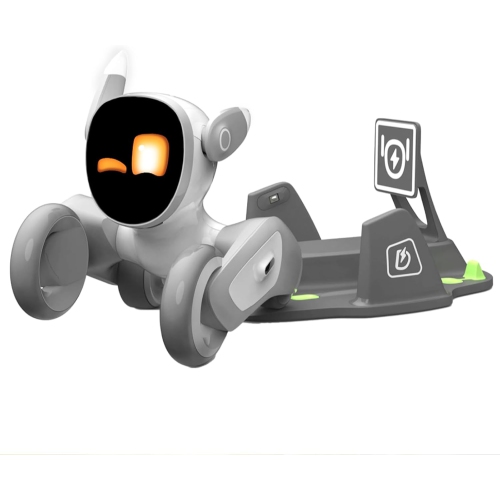 Your price for this item is $699.99
 -
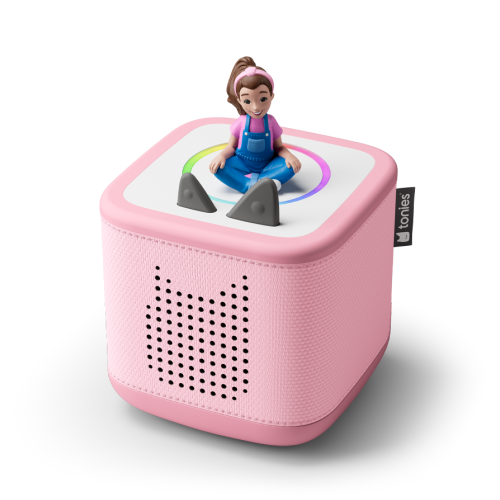 Your price for this item is $199.99
 -
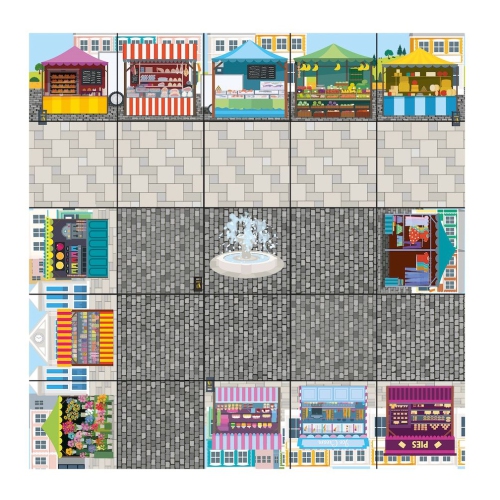 Your price for this item is $75.99
 -
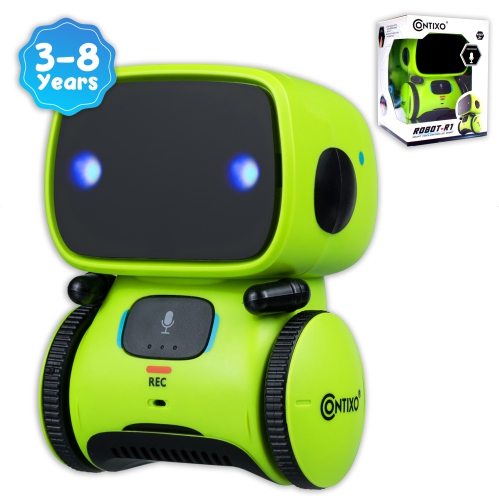 Your price for this item is $39.99
 -
 Your price for this item is $55.95
 -
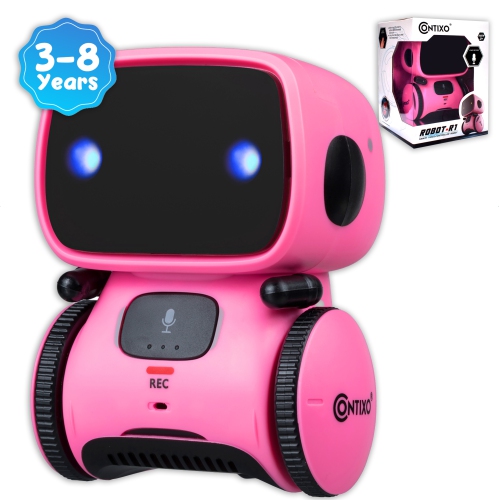 Your price for this item is $39.99
 -
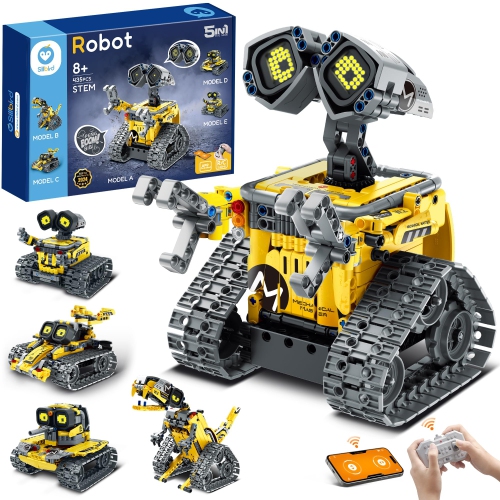 Your price for this item is $116.96
 -
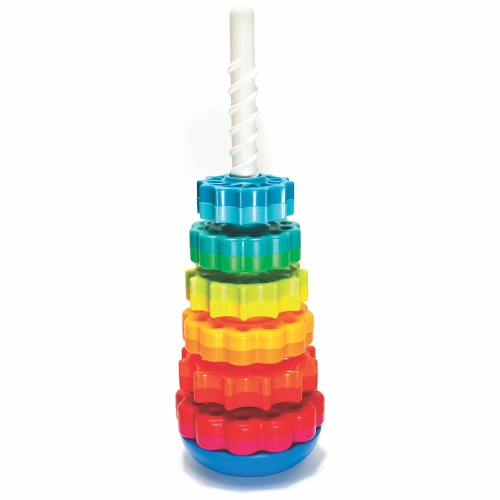 Your price for this item is $52.17
Discover more categories related to STEM Robots

Top Collections:
Pokemon Centers, Budget 4K TVs, Kindle Devices, Canon G7X Cameras, Apple iPhones 16, iPhone 15 Apple, Laptops for Business Work, Flip Phones, Xiaomi Phones, Refurbished Apple Laptops
Some products may be subject to Environmental Handling Fees
(EHF) depending on your province.
Learn more about EHFs.