Mini Steppers
Discover a convenient way to stay active at home or in the office with a mini stepper. Compact and easy to use, mini steppers offer an efficient solution for those looking to add more movement to their daily routine. Whether you have limited space or a busy schedule, finding the right mini stepper can help you reach your fitness goals without the need for bulky equipment. Explore options designed to fit seamlessly into your lifestyle and enjoy a simple path toward improved wellness.
Sort


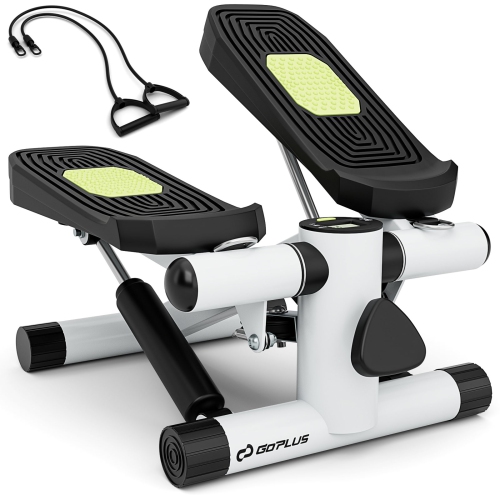
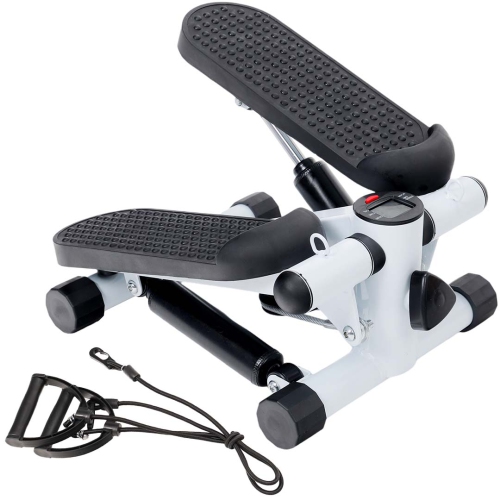

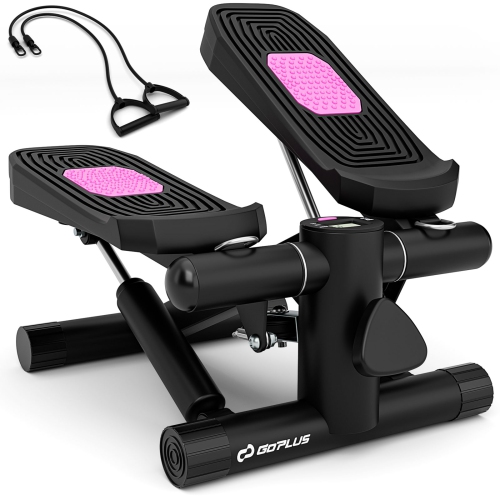

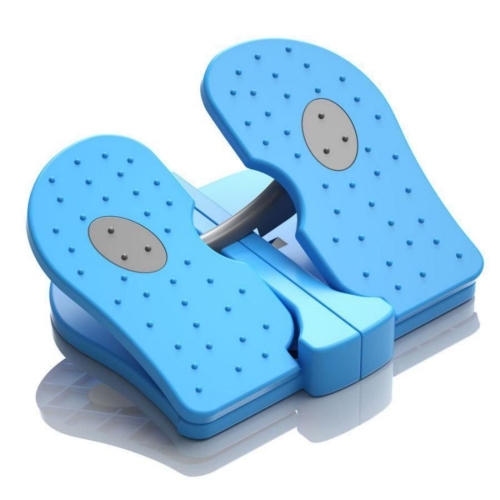


Lower-body cardio without a full-size machine’s footprint
Mini steppers are compact exercise machines that use two moving pedals to simulate a stair-climbing motion, providing a way to add lower-body activity and indoor cardio without a full-size machine. Most use hydraulic cylinders to resist each downward step, with the feet staying in contact with the pedals throughout the movement. This makes stepping a lower-impact activity than exercises that involve repeated jumping or running, although the effort and joint demands still depend on the machine, pace, movement depth, and person using it. The main working muscles include the quadriceps, glutes, hamstrings, and calves, while maintaining an upright position also involves the muscles that help stabilize the torso. For someone setting up a small workout corner in a condo, bedroom, or shared living space, the appeal is straightforward: a relatively small piece of equipment that supports purposeful movement without taking over the room. A short stepping session might fit between work tasks, alongside a favourite television program, or within a broader routine that includes strength and mobility exercises. Traditional mini steppers move primarily up and down, while twist steppers add a lateral component to the pedal path. That difference affects how the movement feels, so the preferred stepping action matters as much as the machine’s footprint. Mini steppers also differ from full-size stair climbers: their pedals generally travel through a shorter range, and many do not have a large console or integrated handrails. They are best understood as compact fitness equipment rather than miniature versions of every feature found on a gym machine. Beginners may appreciate a manageable starting pace, while more experienced exercisers may use stepping to add variety to an established routine. A low-impact design does not automatically make a machine suitable for every knee, hip, or balance concern; individual comfort and any relevant guidance from a qualified healthcare professional remain important.
The frame, pedals, resistance system, and overall fit all contribute to how a mini stepper feels underfoot. Steel frames are common, with moulded pedal platforms and textured surfaces intended to help footwear stay in place. A solid base and secure connections matter more than appearance alone, particularly when weight shifts repeatedly from one leg to the other. The stated maximum user weight is a key specification, but pedal size and spacing deserve equal attention. Someone wearing larger athletic shoes needs enough usable pedal area to stand comfortably without crowding the edges, while pedal spacing should allow a natural stance rather than forcing the feet unusually close together or far apart. Supportive footwear with clean, dry soles helps maintain contact with the textured surface. On some machines, an adjustment changes the pedal travel or step height; this is not necessarily the same as independently adjustable resistance. Hydraulic resistance can also feel different as the cylinders warm during use, so the manufacturer’s description of the mechanism provides useful context. Removable resistance bands add options for arm movements, but they are not handrails or balance supports. Their usefulness depends on secure attachment points, comfortable handles, and enough room to move without pulling the machine off balance. An upright handlebar, where included, serves a different purpose and changes both the footprint and storage requirements. Small digital displays may track measures such as elapsed time, step count, or an estimated calorie figure. These readings can help someone follow a consistent routine, although calorie estimates are not precise measurements of individual energy use. Connected features, when offered, may add workout tracking or guided sessions, but basic stepping does not inherently require an app. For everyday use, readable controls, accessible adjustments, and a stable stance can be more valuable than a long feature list. A machine that suits the user’s height, footwear, and preferred movement is more likely to feel comfortable during repeated sessions.
Living with a mini stepper involves more than finding a spot where its base fits. The usable workout area needs clearance around the pedals and, if resistance bands are involved, room for the arms to move freely. A firm, level surface helps the machine sit evenly; a suitable equipment mat may protect the floor and reduce some transmitted vibration, provided it does not make the base unstable. Hydraulic components and moving joints can still produce sound, so compact does not mean silent, especially in a shared home or an upper-floor apartment. Storage dimensions are worth distinguishing from exercise dimensions. A low-profile frame may tuck into a cupboard or beneath furniture with sufficient clearance, while a handlebar-equipped design can need considerably more space. The machine’s weight and any carrying provisions also affect how practical it is to move frequently. A stepper can support a movement break near a home office, but it should not be assumed to work beneath a standard desk or to be suitable for seated use unless expressly designed for that purpose. Care generally centres on wiping contact surfaces with a soft cloth, keeping moisture away from displays and moving components, and checking for loose fasteners or visible wear. Resistance bands need attention for cracks, thinning, or damage near their attachment points. Lubrication requirements vary, and only the products and application points specified by the manufacturer should be used. Hydraulic systems may also have limits on continuous use and require cooling periods, making the recommended session length an important consideration for households where several people plan to exercise. Comparing mini steppers with other stair steppers for home gyms can clarify the trade-off between a small storage footprint and features such as a longer stepping range or substantial handrails. As a gift, a mini stepper makes the most sense for someone who has expressed an interest in home exercise and has an appropriate space to use it. For personal use or a shared fitness area, the strongest match is equipment whose movement, support, care requirements, and storage needs fit comfortably into everyday life.
Top selling and popular products
-
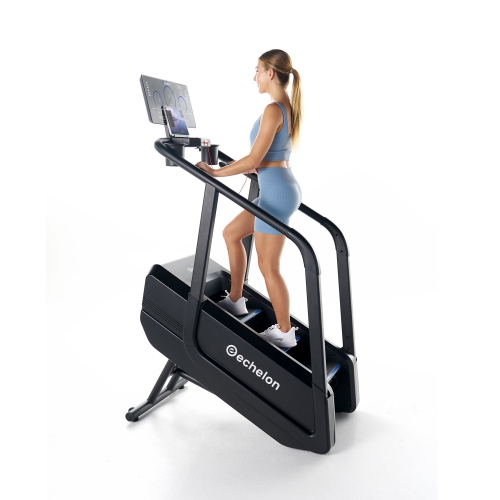 Your price for this item is $3150.99
-
 Your price for this item is $199.95
-
 Your price for this item is $219.99
-
 Your price for this item is $209.99
-
 Your price for this item is $184.95
-
 Your price for this item is $229.99
-
 Your price for this item is $249.99
-
 Your price for this item is $169.99
Discover more categories related to Mini Steppers


Top Collections:
Pokemon Centers, Kindle Devices, Best Cameras for Sports Photography, Pokémon 30th Celebration Cards, Canon G7X Cameras, Samsung Galaxy Phones, iPhone 15 Apple, Best Black Friday Deals On Electronics, Jackery Power Stations, Solar Generators for Home
Some products may be subject to Environmental Handling Fees
(EHF) depending on your province.
Learn more about EHFs.