Dark Grey Dressers
A dark grey dresser is a great way to add a sleek, modern look to your bedroom. The color is sophisticated and neutral, which means it will work with almost any decor style. It's also a good choice if you want to keep your bedroom as simple as possible. A dark grey dresser won't take away from the focus of your room, it will instead help set the tone for an elegant space. Here are some of our favorites.
Sort
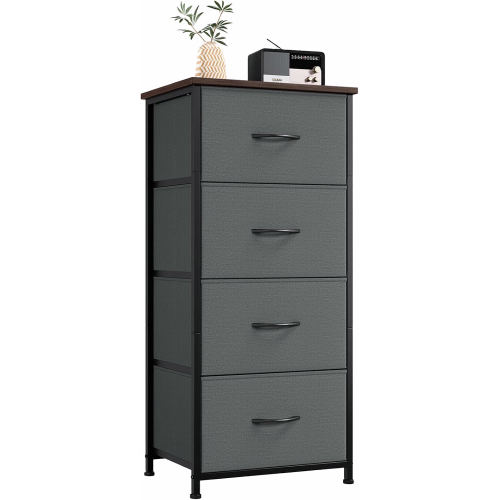
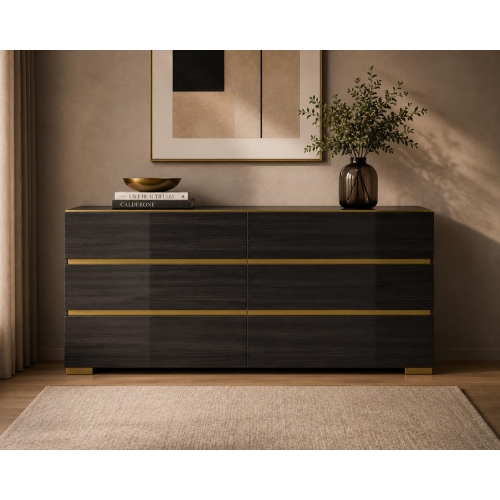
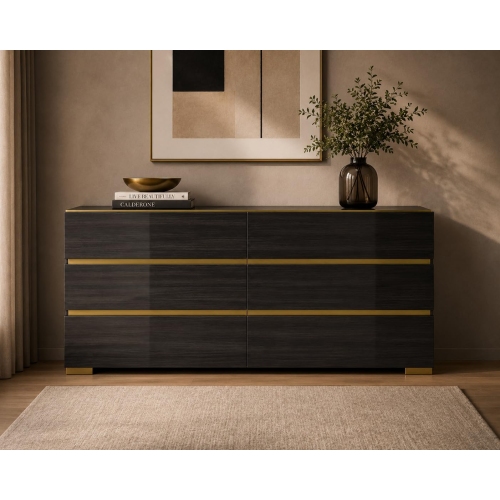


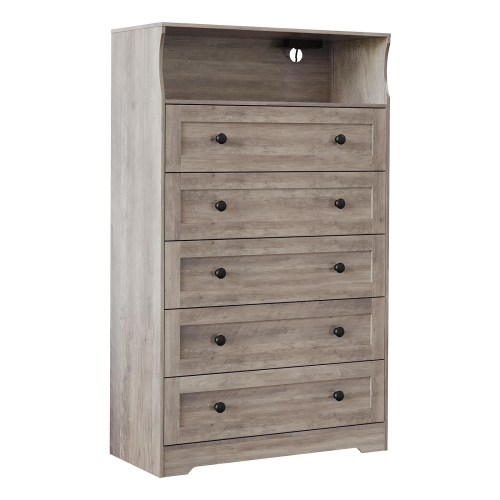
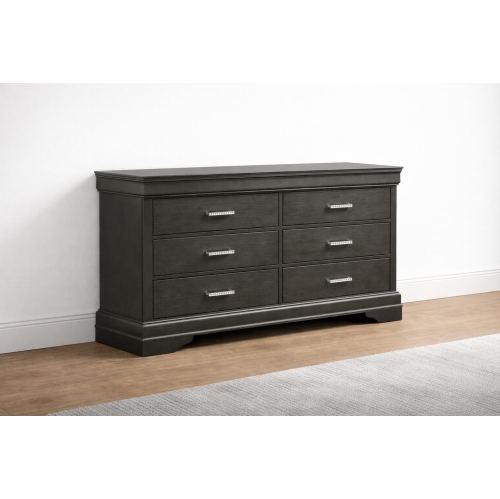
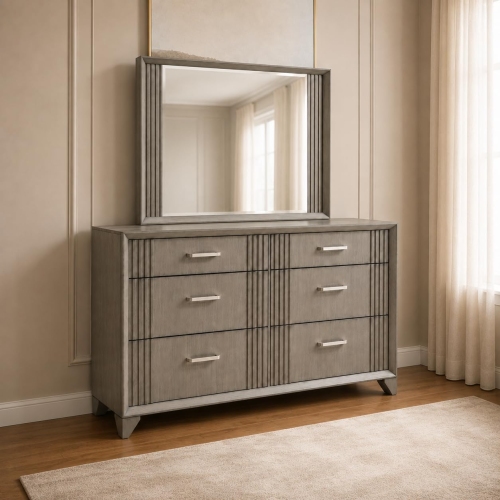
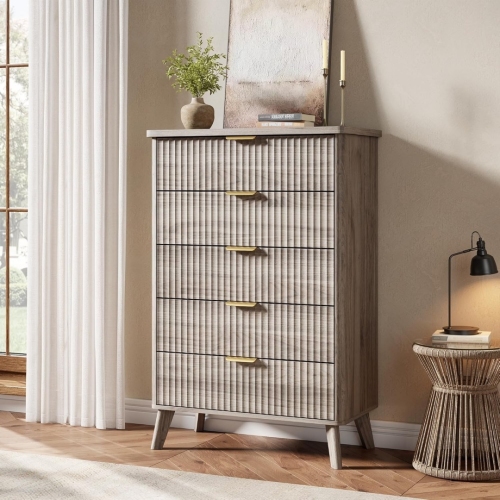
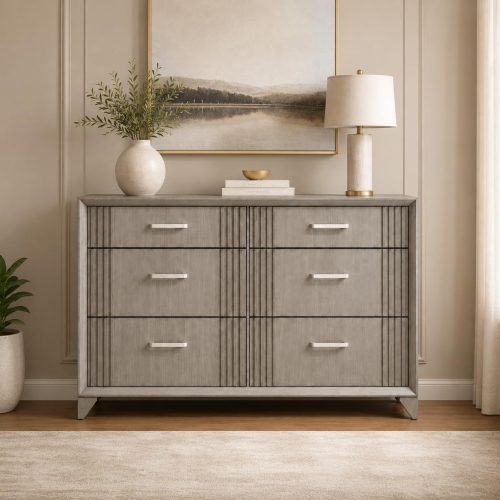
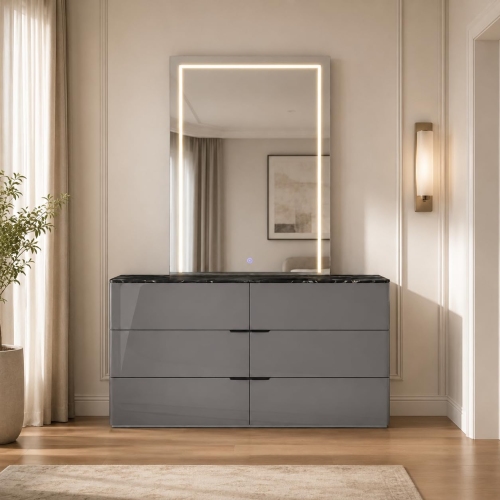


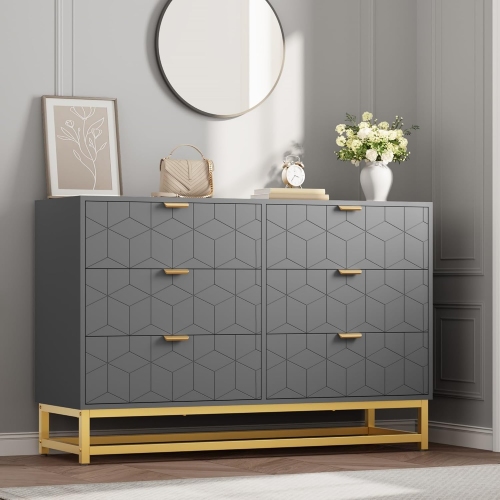
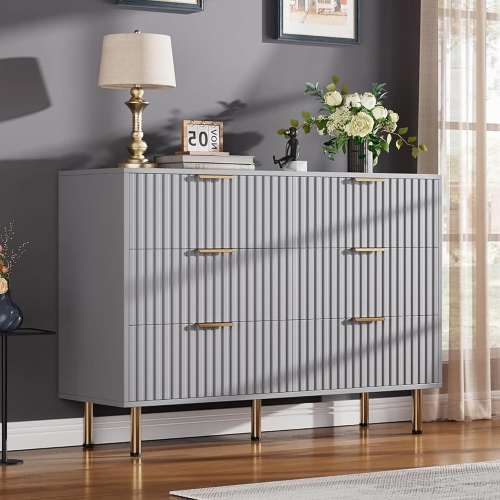
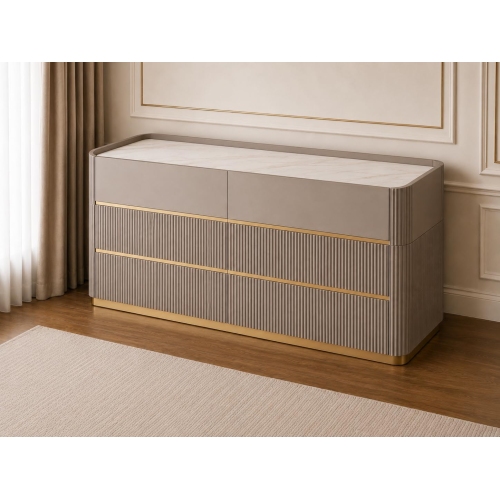
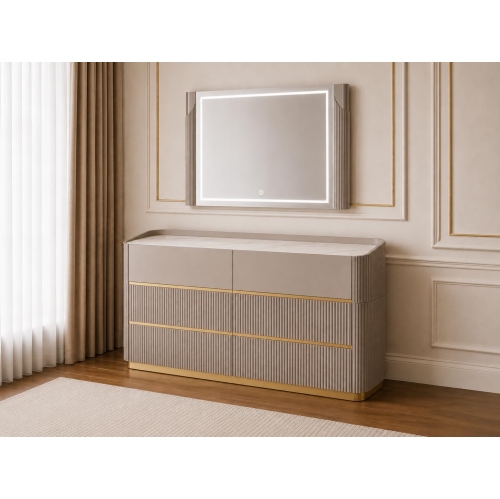

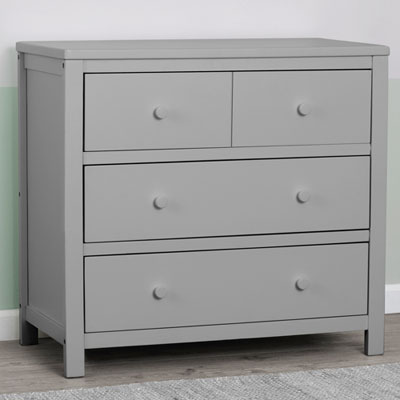
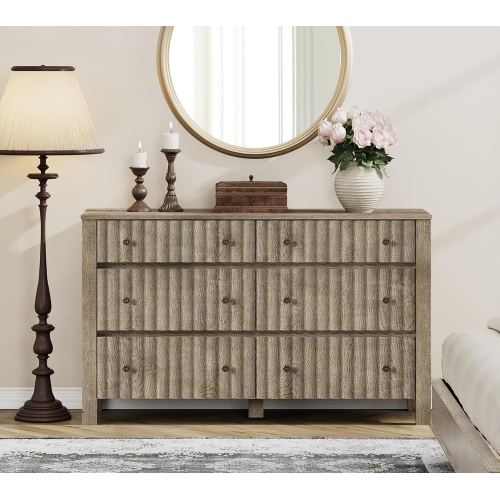
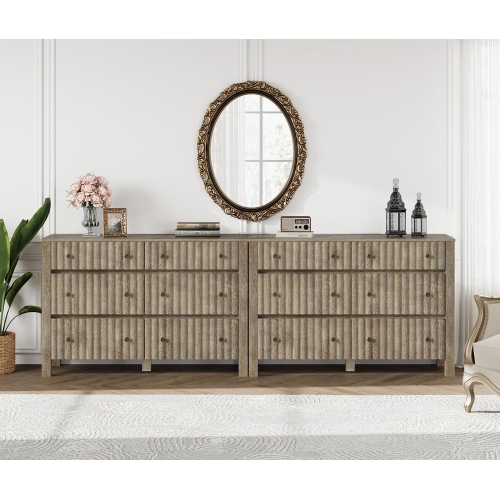
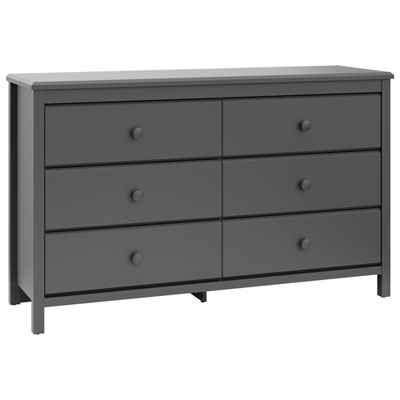
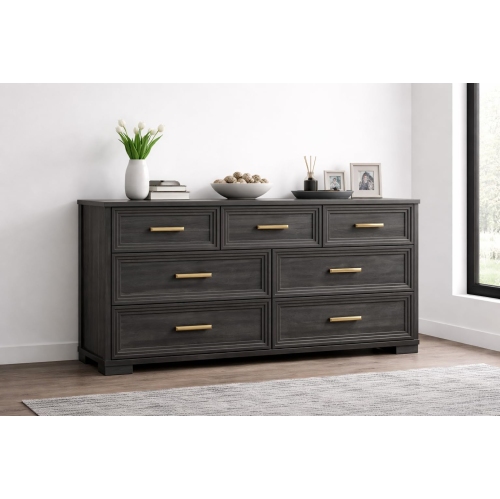
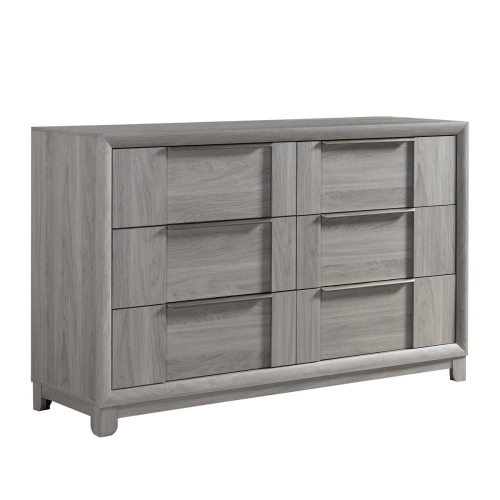

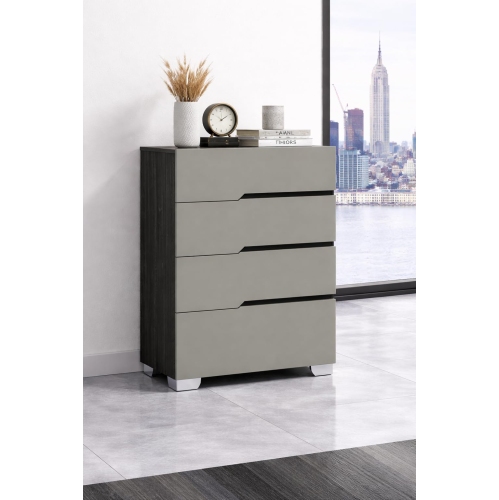
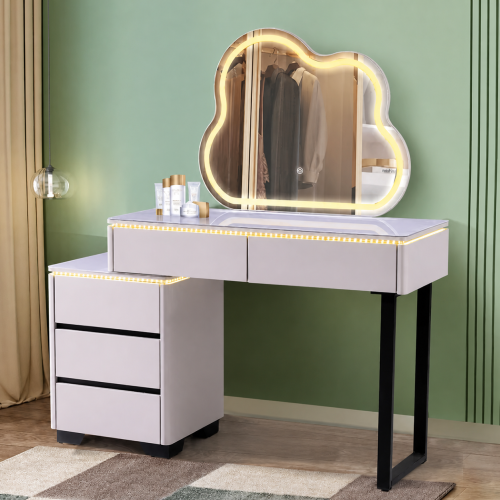
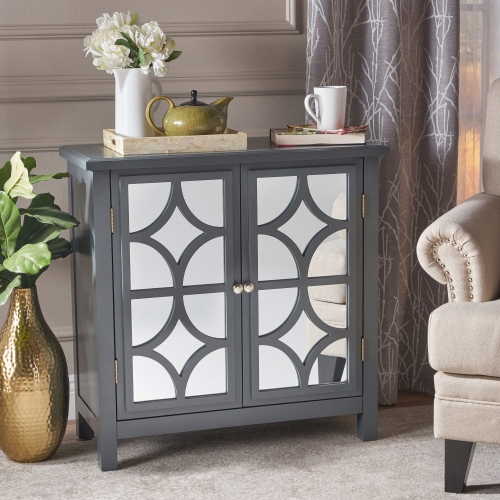

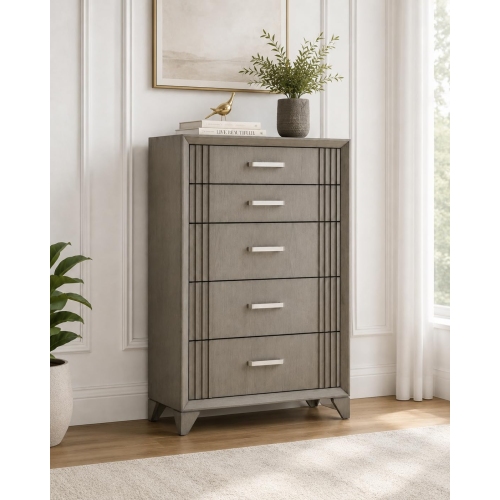
Understated bedroom storage without a matching furniture set
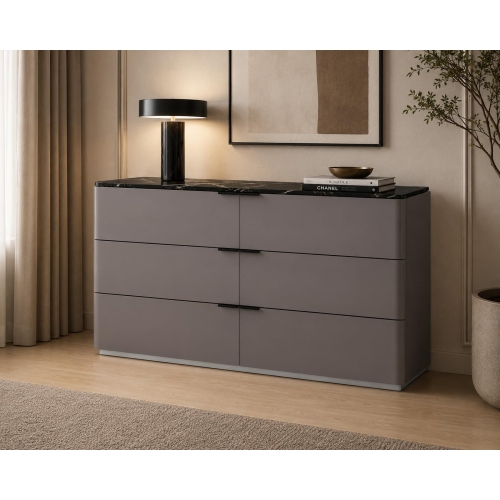
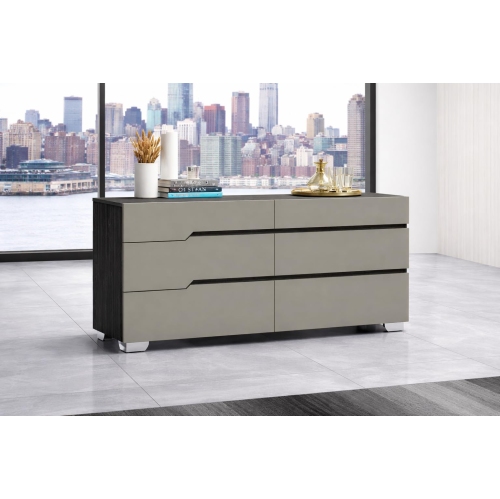
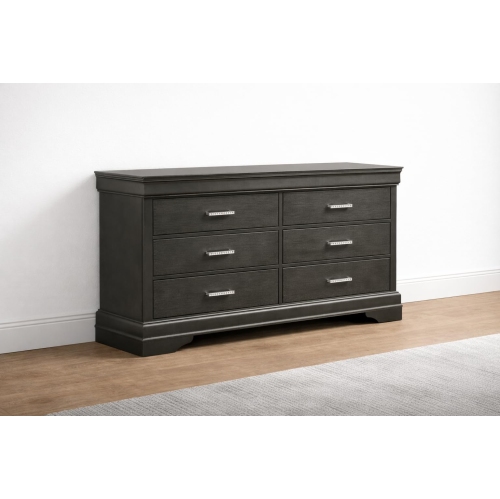
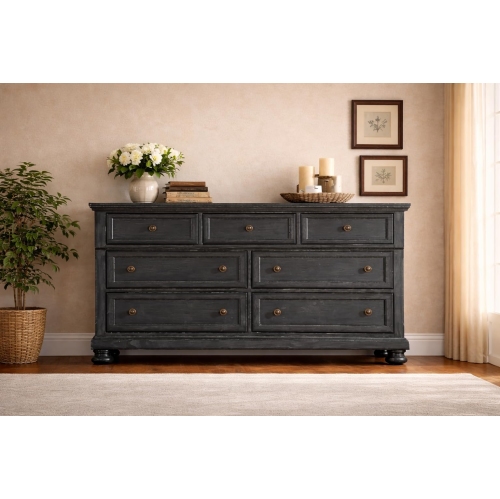
Dark grey dressers bring practical clothing storage and a grounded, understated look to bedrooms, guest rooms, and other spaces where folded essentials need a home. Shades such as charcoal, graphite, and anthracite can sit comfortably alongside pale walls, warm wood floors, and richly coloured bedding without requiring every piece of furniture to match. The finish makes a noticeable difference: a flat, painted surface creates a more uniform appearance, while visible wood grain adds texture and gives the colour subtle variation. Dark grey can also have blue, brown, or green undertones, so its appearance depends partly on the room’s lighting and nearby furnishings. Against crisp white bedding, a charcoal dresser can create a defined contrast; beside an oak bed frame and a woven rug, the same colour may feel softer and more relaxed. Shape and hardware help establish the overall style. Flat drawer fronts, slim handles, and a simple rectangular frame suit a streamlined bedroom, while framed fronts and substantial metal pulls lend a more traditional feel. Raised legs leave more floor visible, whereas a broad base gives the dresser a heavier visual presence. For spaces built around clean lines and restrained detailing, Modern Grey Dressers offer a closely related direction. A dark grey dresser does not need to be part of a matching bedroom set to feel intentional. Repeating a similar metal finish in a lamp or mirror frame, or pairing the dresser with bedside tables in a complementary wood tone, can help connect the room. The top surface can hold a jewellery tray, a small lamp, or a few personal photographs, provided their combined weight stays within the stated limit. Leaving some of that surface clear preserves a useful place to set down everyday belongings without making the room feel crowded.
The most useful dresser layout depends on both the floor plan and what goes inside the drawers. A wide, low dresser spreads storage horizontally and may fit well along an open bedroom wall, while a tall, narrow chest uses less floor width. Neither shape automatically provides more usable space: exterior dimensions, drawer depth, and the thickness of the frame all affect capacity. Drawer count is only part of the picture, too. Several shallow drawers can keep socks, underwear, and accessories separate, while deeper drawers are better suited to bulkier folded clothing or spare bed linen. In a shared bedroom, distinct drawer sections can make it easier for two people to keep belongings organized. For a child’s room, accessible lower drawers can support everyday routines, although safe placement and secure wall anchoring remain essential. Measuring the intended location means allowing for more than the dresser’s footprint. Drawers need room to open fully without hitting the bed, and there should still be enough space to stand comfortably in front of them. Nearby closet doors, skirting boards, outlets, and floor vents can all affect placement. Delivery access matters as well, particularly where stair turns or narrow doorways limit the size of an assembled piece that can pass through. Materials influence the dresser’s weight, appearance, and care requirements. Solid wood offers natural grain and can develop small variations over time; depending on its finish, some surface damage may be repairable. Engineered wood, including particleboard and medium-density fibreboard, is commonly used beneath painted, laminated, or veneered surfaces. Veneer provides a thin layer of real wood over a core, while laminate creates a finished surface whose resistance to scratches and moisture varies by construction. Metal-framed units with fabric drawers offer a different storage format, generally better suited to lighter contents than substantial stacks of clothing. For any construction, sturdy joints, well-supported drawer bottoms, and securely attached handles matter more to daily use than colour alone.
A dresser earns its place through repeated use, from putting away laundry to finding a clean shirt before leaving home. Smooth drawer movement, comfortable pulls, and interiors sized for familiar clothing can make those routines less fussy. Metal runners, wooden slides, drawer stops, and soft-close mechanisms each affect how drawers operate, but their presence and design vary. Full-extension runners can make contents at the back easier to reach, while a drawer stop helps prevent a drawer from being pulled out unintentionally. Neither feature replaces safe loading or proper anchoring. Follow the manufacturer’s instructions for assembly and wall attachment, using hardware appropriate to the wall construction; a plasterboard wall and a masonry wall may require different fasteners. Dressers can tip, including short or wide designs, so keep heavier belongings in lower drawers, avoid opening several drawers at once, and never allow children to climb on them. A television should only sit on furniture specifically designed and rated to support it, with the required restraints installed. Everyday care also helps preserve a dark grey finish. Dust with a soft cloth, clean spills promptly, and use only cleaning products recommended for the surface. Excess moisture can damage exposed edges or joints, particularly on wood-based panels, while abrasive pads may leave visible marks on painted or laminated fronts. Dark finishes can show pale dust, fingerprints, and scratches clearly, making gentle, regular cleaning more useful than occasional vigorous scrubbing. Protective pads beneath lamps and trays can reduce rubbing, but their material should be compatible with the finish. Avoid overfilling drawers or forcing them shut around bulky clothing, which can strain runners and drawer bottoms. If handles loosen or the unit begins to wobble, check the fittings and assembly instructions rather than continuing to load it. With dimensions, construction, and drawer layout suited to the room, a dark grey dresser can serve as dependable storage in a first apartment, a shared bedroom, or a guest space that also holds household linens. Its neutral colour leaves room for bedding and accessories to change while the main storage piece remains visually settled.
Top selling and popular products
-
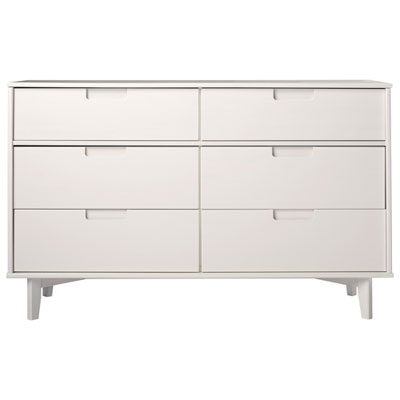 Your price for this item is $569.99
-
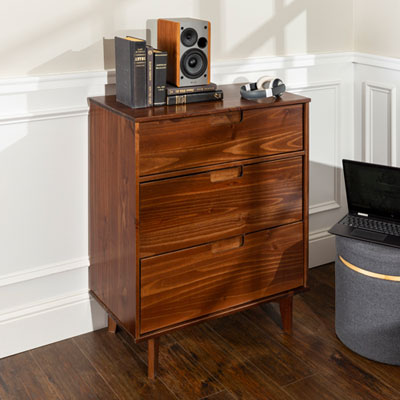 Your price for this item is $364.99
-
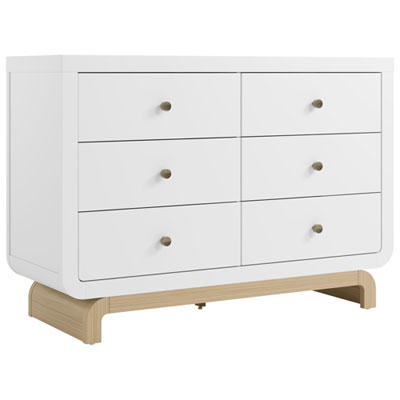 Your price for this item is $899.99
-
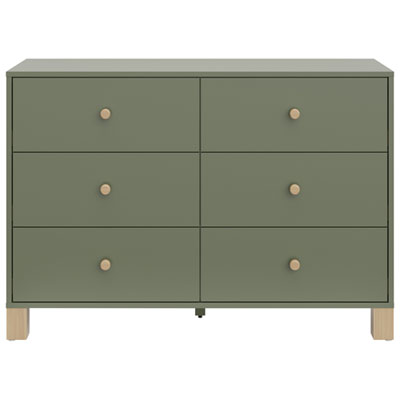 Your price for this item is $699.99
-
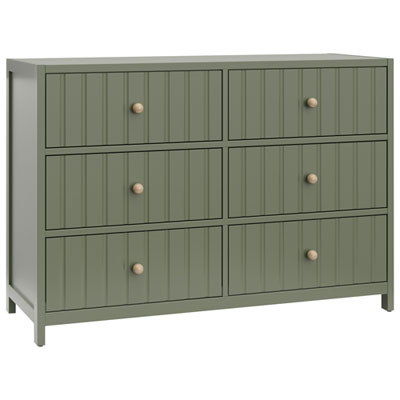 Your price for this item is $699.99
-
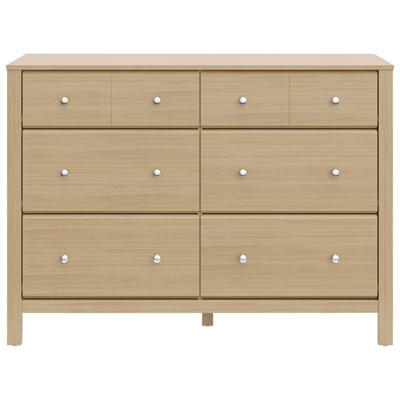 Your price for this item is $399.99
-
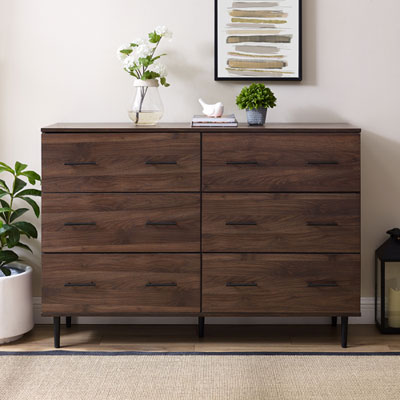 Your price for this item is $886.99
-
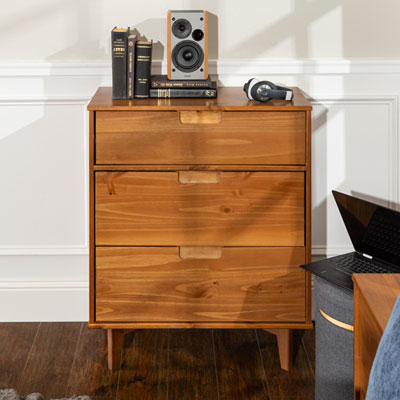 Your price for this item is $364.99
Discover more categories related to Dark Grey Dressers

Top Collections:
Pokemon Centers, Best Cameras for Sports Photography, Kindle Devices, Samsung Galaxy Phones, Canon G7X Cameras, Pokémon 30th Celebration Cards, Refurbished Apple Laptops, iPhone 15 Apple, Laptops for Students, Budget Smartphones
Some products may be subject to Environmental Handling Fees
(EHF) depending on your province.
Learn more about EHFs.