Easy Strollers
The best strollers for travel and everyday use are the ones that make life easier, whether you're traveling with your baby or toddler, commuting to work or school, or just walking around town. Here are some of the best easy strollers on the market.
Sort
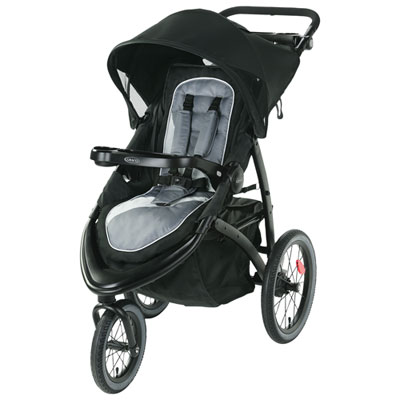
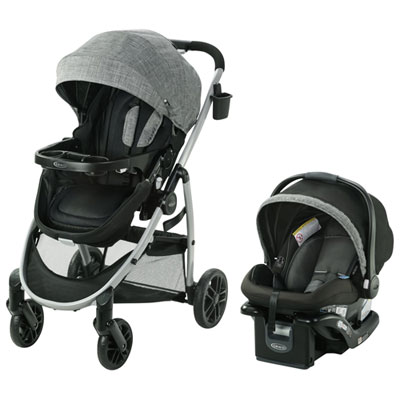
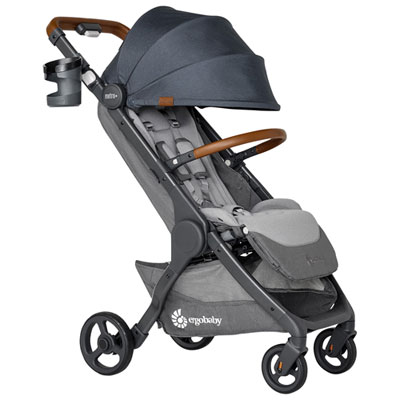
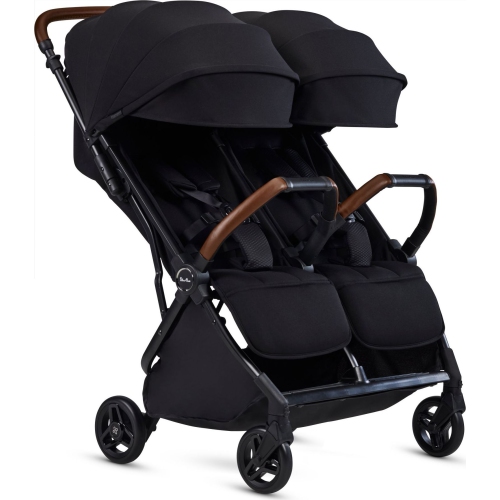
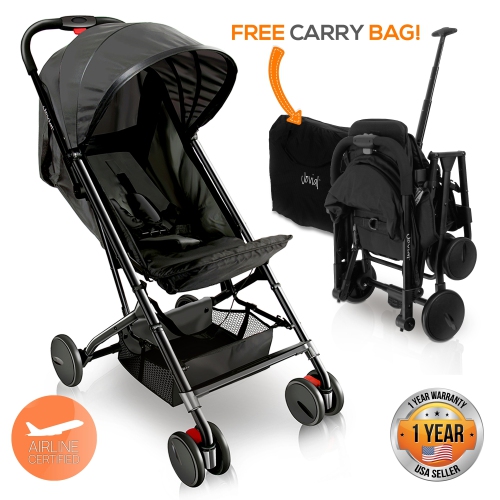
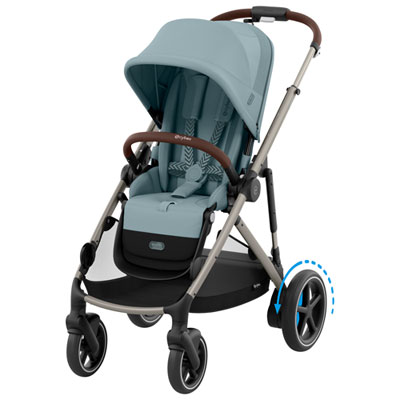
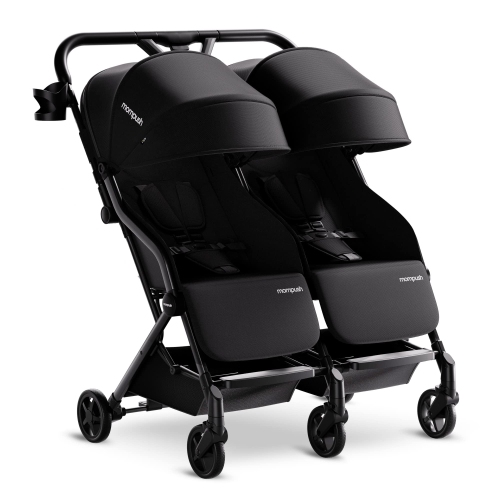
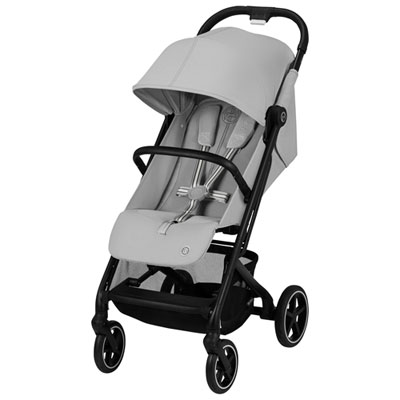
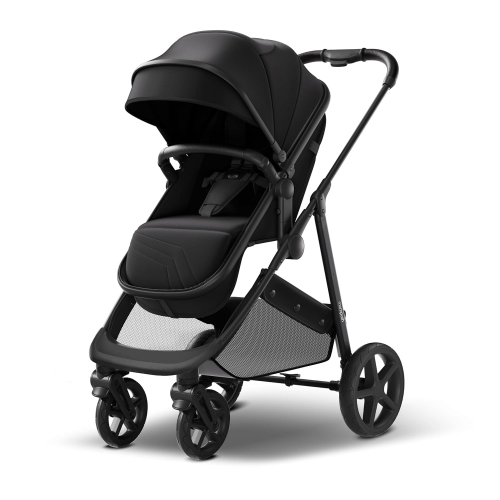
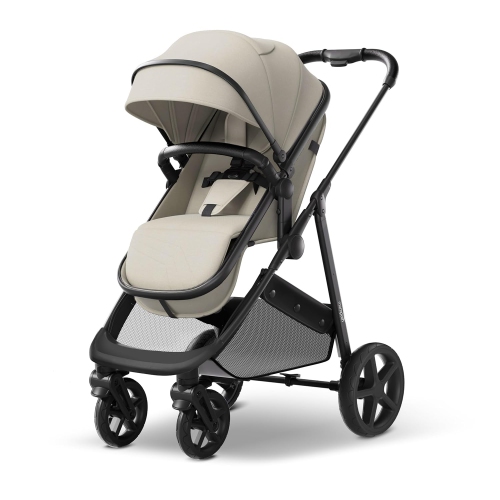
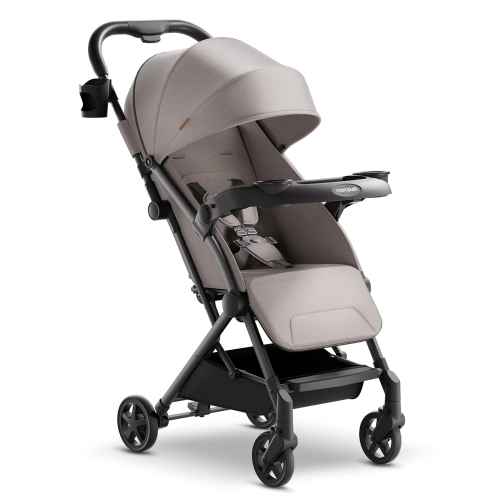
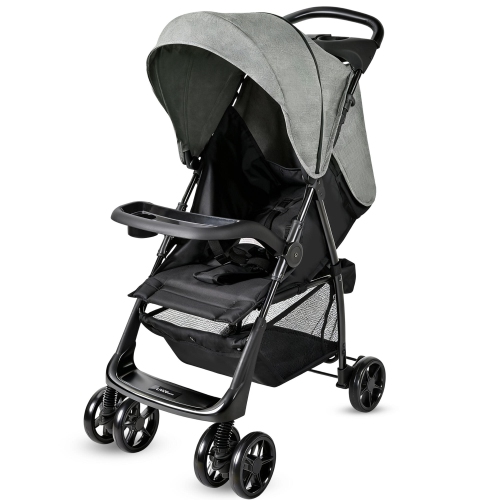
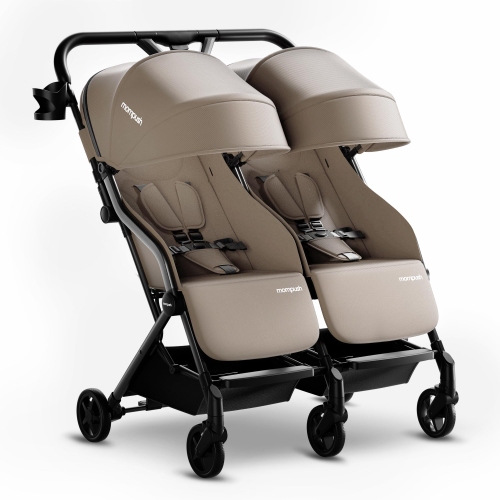
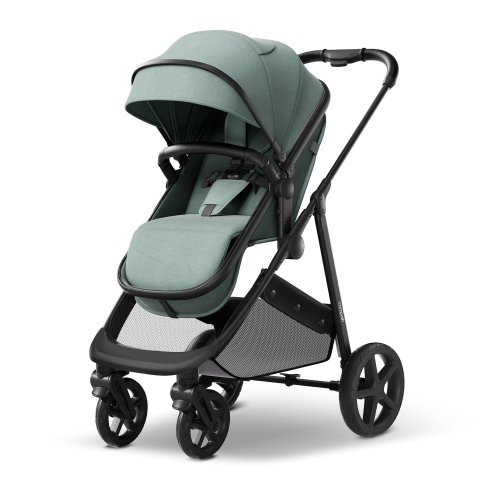
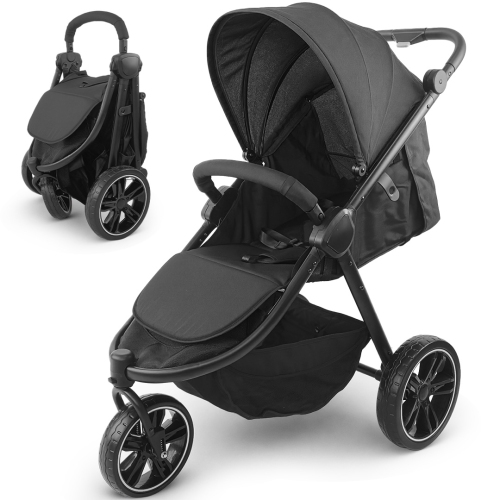
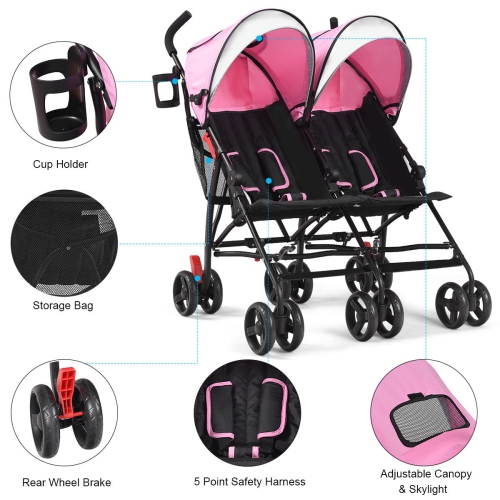
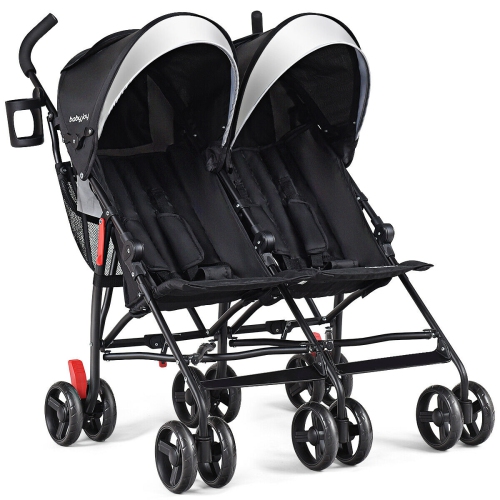
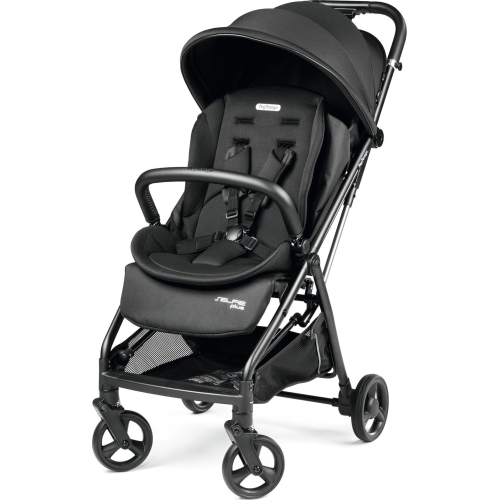
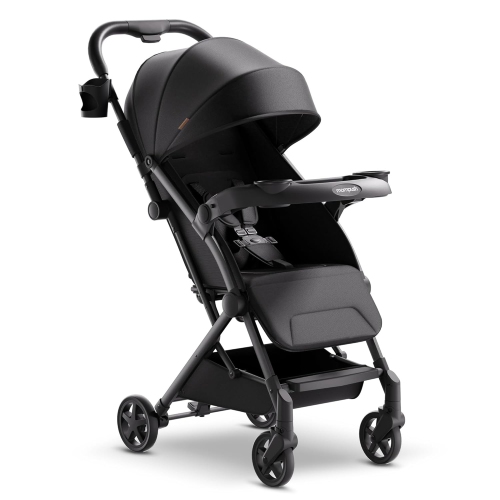
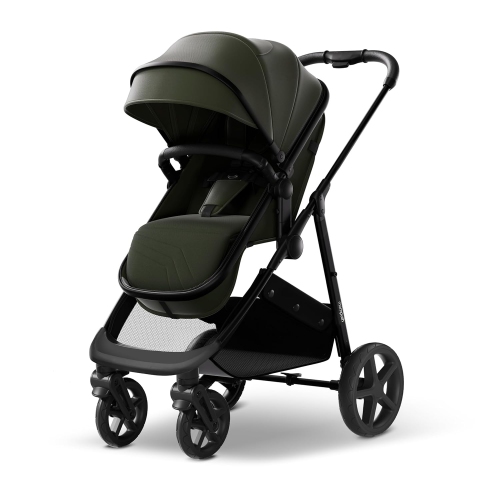
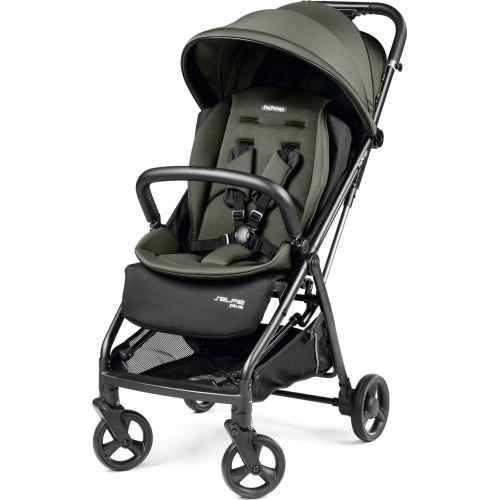
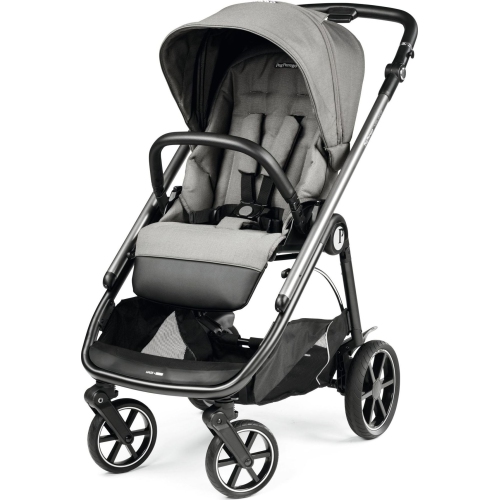
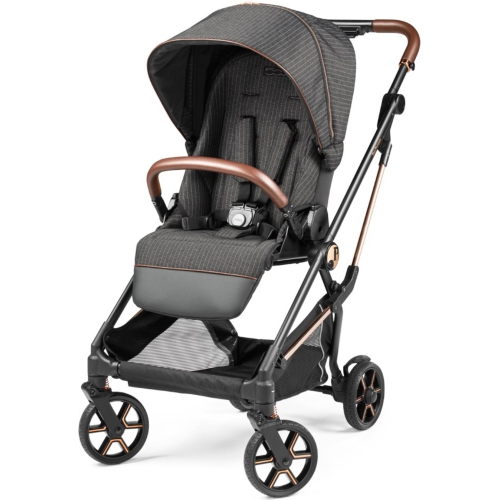
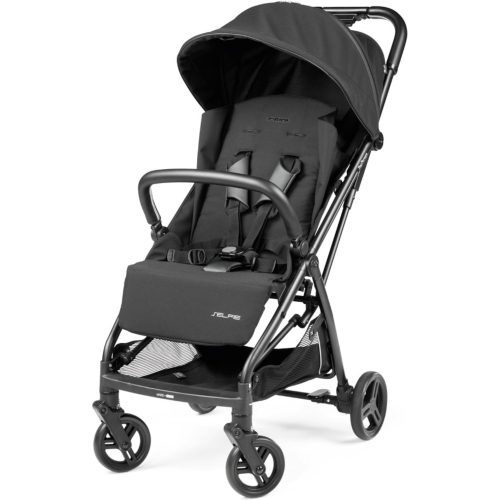
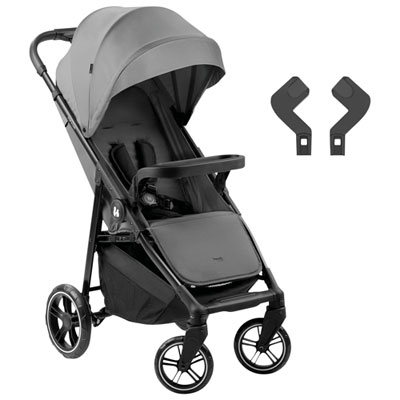
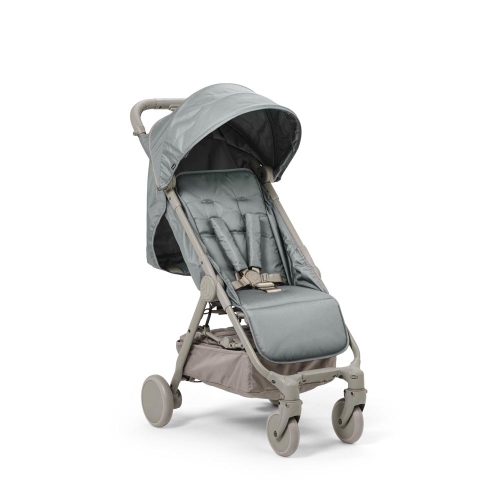
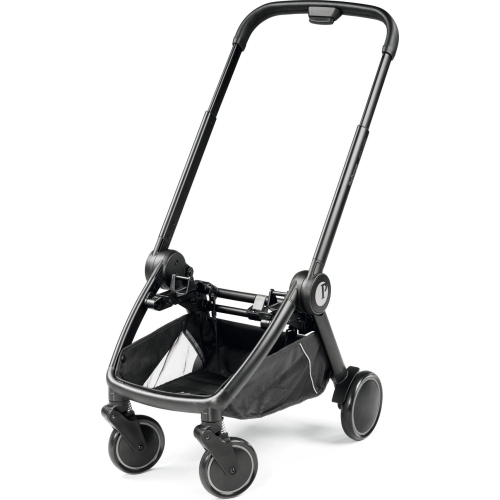
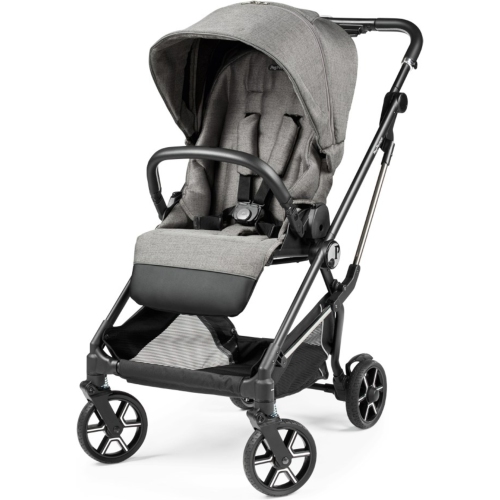
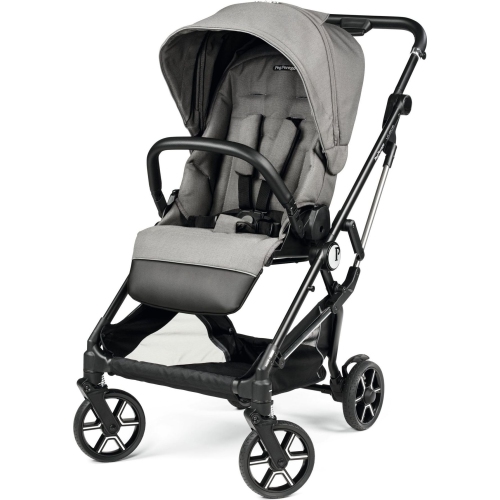
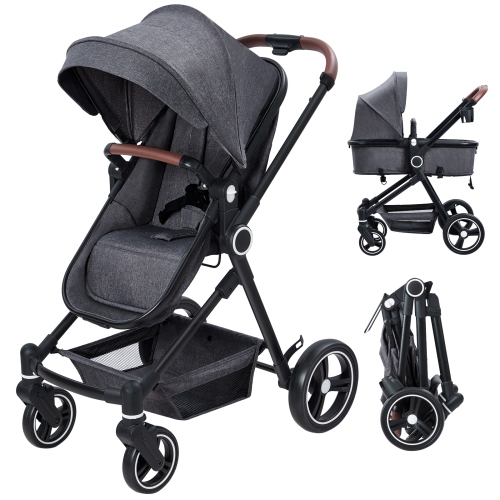
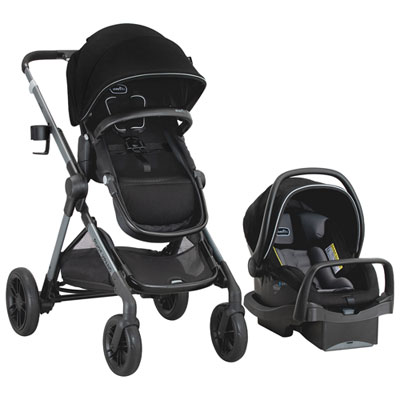
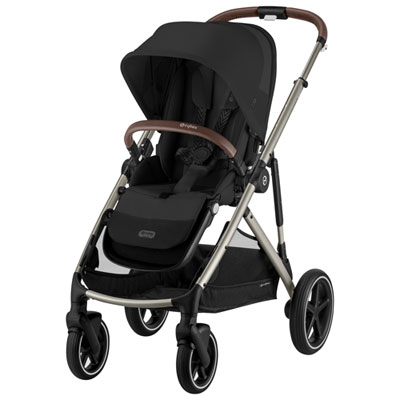
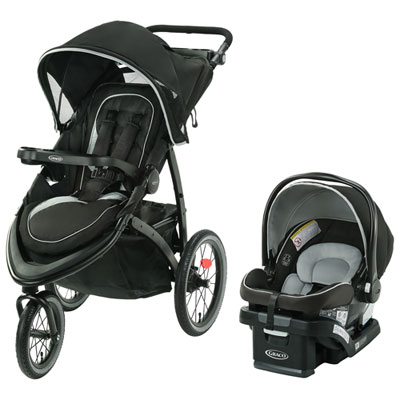
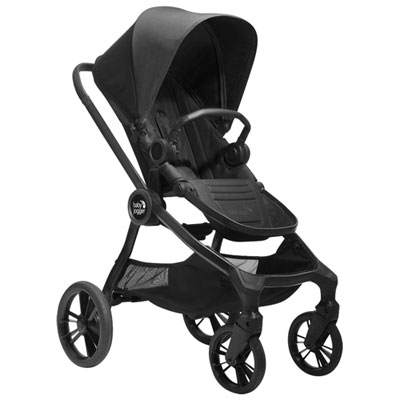
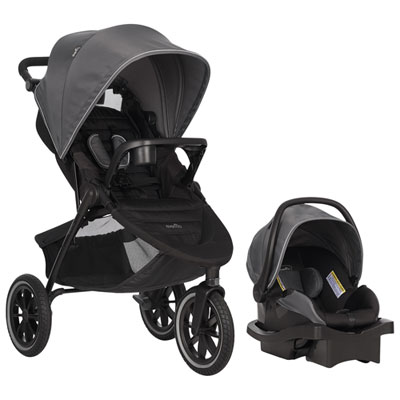
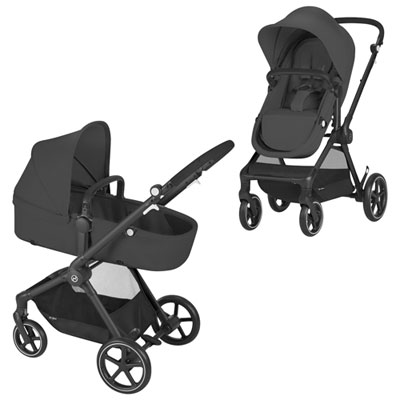
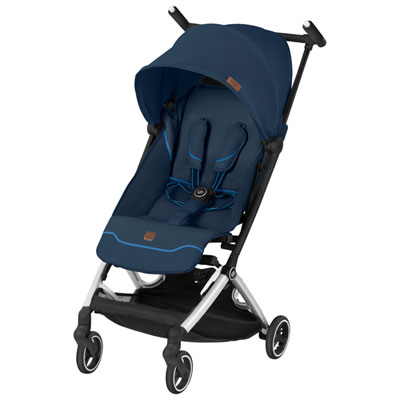
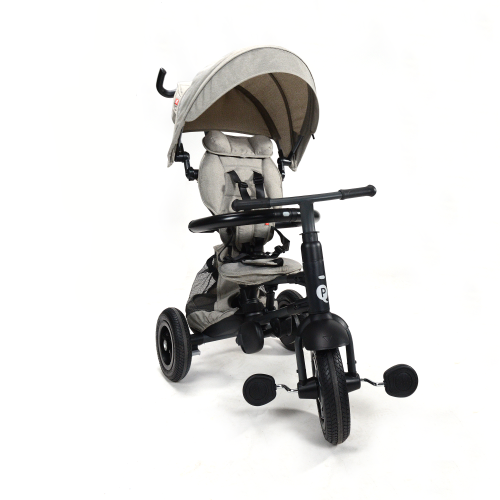
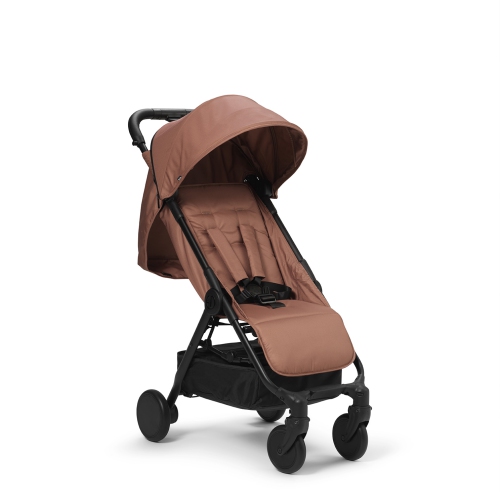
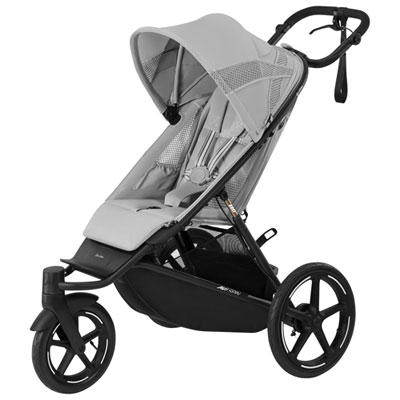
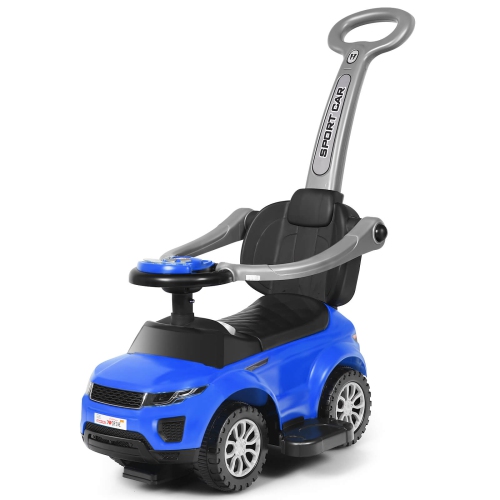
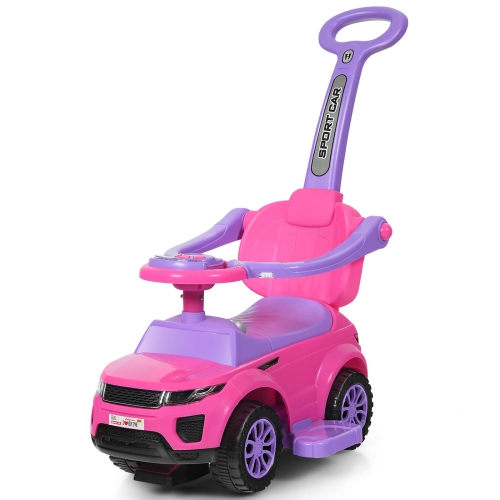
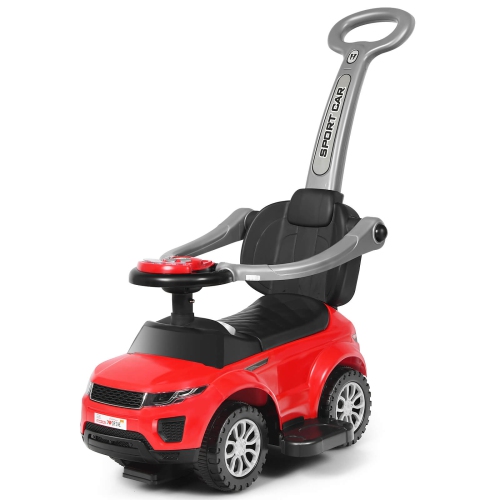
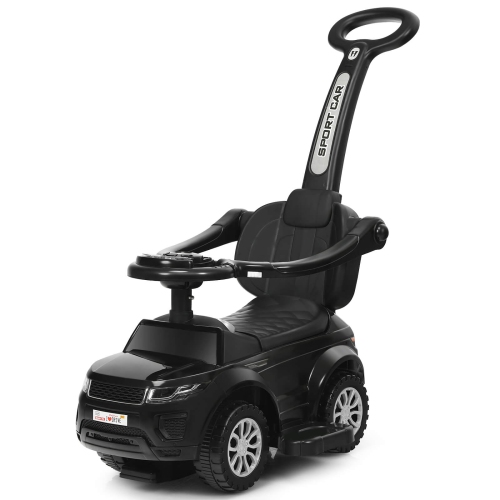
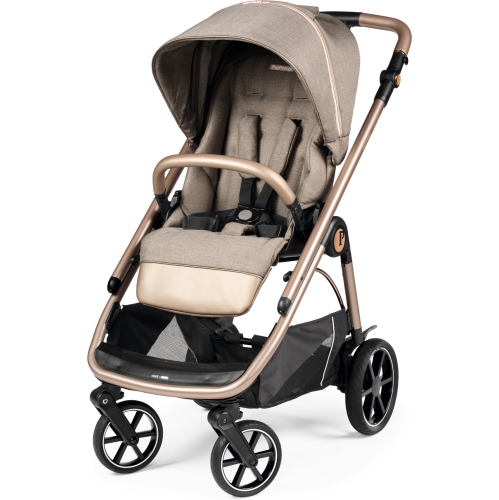
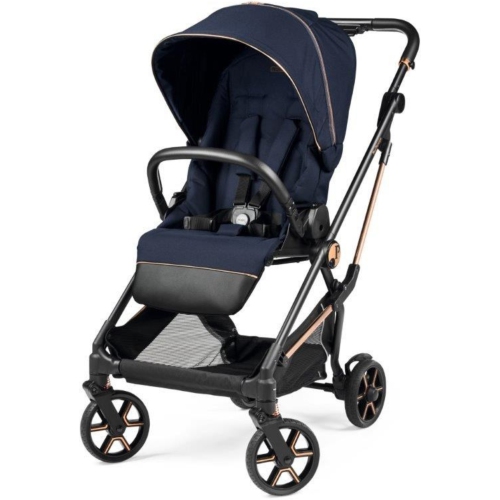
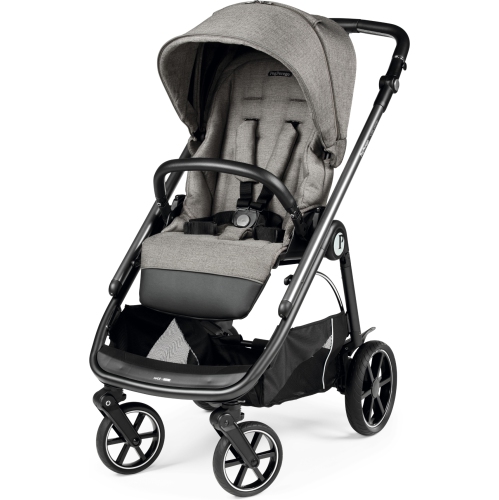
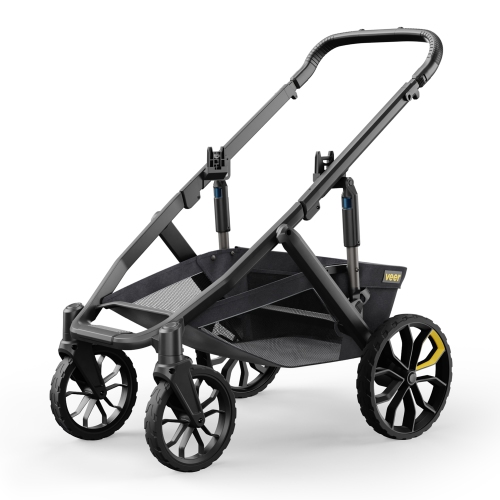
Small stroller details that simplify everyday outings
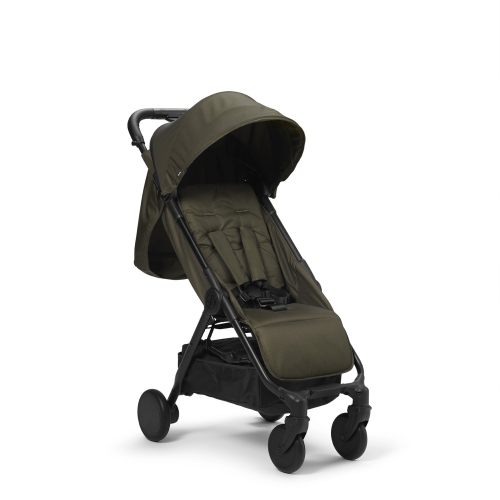
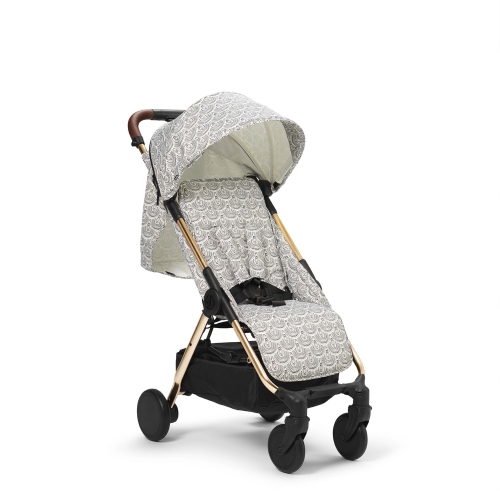
Easy strollers are designed to make everyday outings simpler through manageable weight, straightforward folding, and responsive steering. The term describes a practical mix of features rather than one particular stroller style: a compact travel stroller, an umbrella stroller, or a full-size design can all feel easy to use when they suit a family’s routine. For a parent moving between a car park, a daycare entrance, and a grocery aisle, convenience often comes down to small details. A handle that feels comfortable, a brake that engages clearly, and a basket that can be reached without disturbing a sleeping child all make a difference. One-handed folding mechanisms can reduce the steps involved in packing up, while an automatic fold lock helps keep the frame closed during lifting and storage. Folding should always happen with the child safely clear of the stroller and its moving parts. A self-standing fold can also be useful in a narrow entryway, particularly when the wheels are wet from an outdoor walk. Lightweight frames are easier to lift into a vehicle or carry up steps, but overall weight is only part of the picture. The position of the carry handle, the balance of the folded frame, and its size beside other belongings affect how manageable it feels. Families who frequently navigate stairs, public transit, or smaller vehicle boots may find Light Weight Strollers especially relevant to their daily needs. For air travel, compact folding is helpful, but cabin baggage acceptance depends on the airline’s rules and the stroller’s folded dimensions; a travel-friendly description alone does not guarantee permission to bring it into the cabin. Parents, grandparents, and other caregivers may also value clear adjustment points and controls that are easy to operate without an elaborate sequence. The most useful convenience features are the ones that remove friction from familiar moments, whether that means fitting through a café doorway or putting the stroller away after an afternoon walk.
Comfort and fit matter just as much as a quick fold, especially when short errands turn into longer outings. A stroller’s stated age, weight, and height limits establish who can use it, while the seat design determines the support it provides. Many lightweight seats are intended for children who can sit independently, so a reclining backrest should not be assumed to make a stroller suitable for a newborn. Younger babies need a configuration specifically approved by the manufacturer for their age and stage, which may involve a suitable bassinet or a compatible infant car seat with the required adapters. Car seat compatibility is specific to the stroller, car seat, and adapter combination, rather than a universal feature. For older babies and toddlers, an adjustable leg rest, supportive seat, and smoothly operating recline can make the ride more comfortable as their position changes. A properly adjusted harness helps keep the child secure, and accessible straps make it easier to maintain a close fit as clothing changes during the cooler months. Bulky layers should not interfere with the harness, and any added liner or foot covering should be approved for use with the stroller. Canopy coverage can help shield a child from sun and light wind, although coverage and any stated ultraviolet protection vary by design. Ventilation panels and a viewing window can make it easier to keep an eye on a passenger without stopping and walking around to the front. Caregiver fit deserves attention too: handle height, grip shape, and enough walking space behind the frame can affect comfort over several kilometres. Swivelling front wheels are useful around shop displays and tight corners, while wheel size, tread, and suspension influence how the stroller handles uneven pavement. Small wheels tend to suit smooth surfaces, whereas larger wheels may offer a more settled ride over cracks and packed gravel. No everyday stroller should be treated as suitable for jogging unless it is specifically designed and approved for that activity.
Materials and construction shape how an easy stroller feels after repeated folding, lifting, and outdoor use. Aluminium frames are common in lightweight designs, while some strollers use steel or other materials to meet different strength and weight goals. Frame material alone does not determine durability; hinge construction, wheel attachment points, fabric stitching, and the quality of adjustment mechanisms also matter. Seat fabrics need to balance comfort with practical cleaning, since crumbs, muddy shoes, and spilled drinks are ordinary parts of family outings. Removable covers can make care more convenient, but washing methods vary: some fabrics can be machine washed, while others require spot cleaning. Following the care label helps protect padding, coatings, and the fit of the cover. After a damp walk, allowing the stroller to dry fully before folding it for storage helps prevent trapped moisture and musty odours. Wheels and brakes benefit from regular checks for grit, hair, and debris, particularly when pavements are slushy or treated with salt. Any cleaning or lubrication should follow the manufacturer’s directions so that moving parts continue to work as intended. Storage design is another everyday consideration. A basket with a wide opening can be more useful than a larger basket that becomes difficult to access when the seat reclines, and its stated load limit still applies. Hanging heavy bags from the handle can affect stability, so designated storage areas are the appropriate place for belongings. For families living in apartments, a compact folded shape may matter more than extra accessories; for longer neighbourhood walks, seat comfort and wheel performance may take priority. An easy stroller can also be a thoughtful gift for new parents or caregivers when it matches their child’s stage, storage space, and transport habits. Checking those practical details beforehand is more useful than choosing by appearance alone. Across daily errands, visits with family, and journeys farther from home, ease comes from a stroller that fits the child securely, handles familiar routes comfortably, and can be cleaned, carried, and stored without unnecessary effort.
Comfort and fit matter just as much as a quick fold, especially when short errands turn into longer outings. A stroller’s stated age, weight, and height limits establish who can use it, while the seat design determines the support it provides. Many lightweight seats are intended for children who can sit independently, so a reclining backrest should not be assumed to make a stroller suitable for a newborn. Younger babies need a configuration specifically approved by the manufacturer for their age and stage, which may involve a suitable bassinet or a compatible infant car seat with the required adapters. Car seat compatibility is specific to the stroller, car seat, and adapter combination, rather than a universal feature. For older babies and toddlers, an adjustable leg rest, supportive seat, and smoothly operating recline can make the ride more comfortable as their position changes. A properly adjusted harness helps keep the child secure, and accessible straps make it easier to maintain a close fit as clothing changes during the cooler months. Bulky layers should not interfere with the harness, and any added liner or foot covering should be approved for use with the stroller. Canopy coverage can help shield a child from sun and light wind, although coverage and any stated ultraviolet protection vary by design. Ventilation panels and a viewing window can make it easier to keep an eye on a passenger without stopping and walking around to the front. Caregiver fit deserves attention too: handle height, grip shape, and enough walking space behind the frame can affect comfort over several kilometres. Swivelling front wheels are useful around shop displays and tight corners, while wheel size, tread, and suspension influence how the stroller handles uneven pavement. Small wheels tend to suit smooth surfaces, whereas larger wheels may offer a more settled ride over cracks and packed gravel. No everyday stroller should be treated as suitable for jogging unless it is specifically designed and approved for that activity.
Materials and construction shape how an easy stroller feels after repeated folding, lifting, and outdoor use. Aluminium frames are common in lightweight designs, while some strollers use steel or other materials to meet different strength and weight goals. Frame material alone does not determine durability; hinge construction, wheel attachment points, fabric stitching, and the quality of adjustment mechanisms also matter. Seat fabrics need to balance comfort with practical cleaning, since crumbs, muddy shoes, and spilled drinks are ordinary parts of family outings. Removable covers can make care more convenient, but washing methods vary: some fabrics can be machine washed, while others require spot cleaning. Following the care label helps protect padding, coatings, and the fit of the cover. After a damp walk, allowing the stroller to dry fully before folding it for storage helps prevent trapped moisture and musty odours. Wheels and brakes benefit from regular checks for grit, hair, and debris, particularly when pavements are slushy or treated with salt. Any cleaning or lubrication should follow the manufacturer’s directions so that moving parts continue to work as intended. Storage design is another everyday consideration. A basket with a wide opening can be more useful than a larger basket that becomes difficult to access when the seat reclines, and its stated load limit still applies. Hanging heavy bags from the handle can affect stability, so designated storage areas are the appropriate place for belongings. For families living in apartments, a compact folded shape may matter more than extra accessories; for longer neighbourhood walks, seat comfort and wheel performance may take priority. An easy stroller can also be a thoughtful gift for new parents or caregivers when it matches their child’s stage, storage space, and transport habits. Checking those practical details beforehand is more useful than choosing by appearance alone. Across daily errands, visits with family, and journeys farther from home, ease comes from a stroller that fits the child securely, handles familiar routes comfortably, and can be cleaned, carried, and stored without unnecessary effort.
Top selling and popular products
-
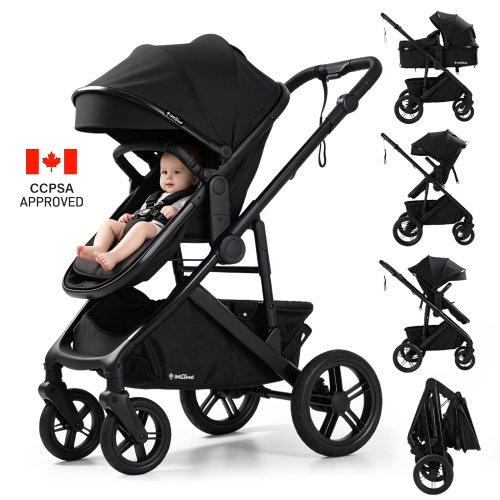 Your price for this item is $499.97
 -
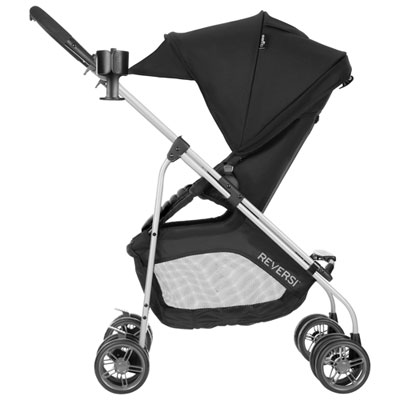 Your price for this item is $249.99
 -
 Your price for this item is $399.99
 -
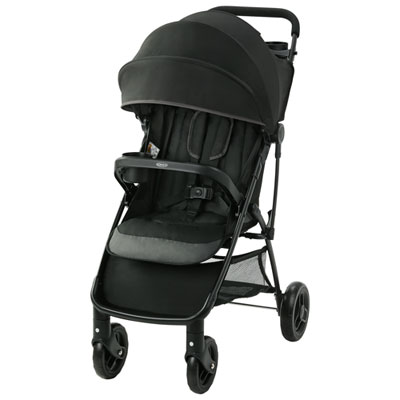 Your price for this item is $249.99
 -
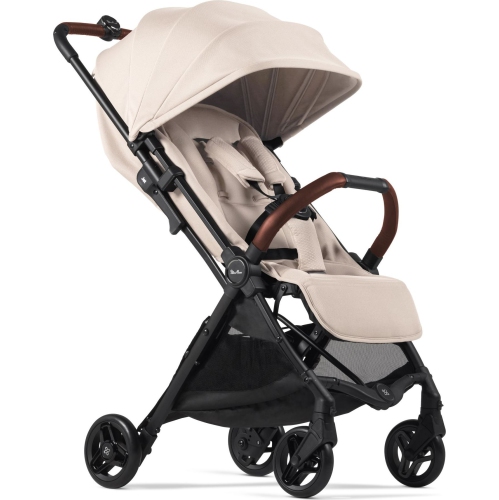 Your price for this item is $615
 -
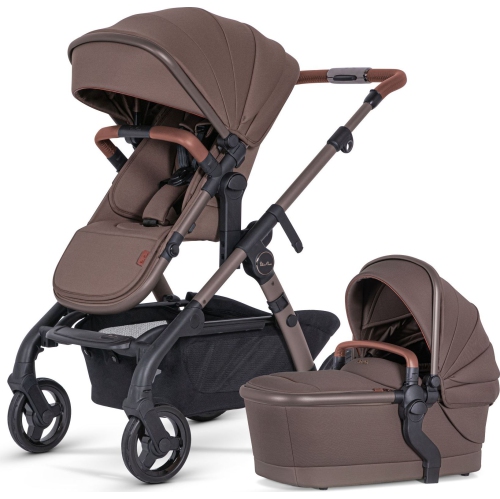 Your price for this item is $1964
 -
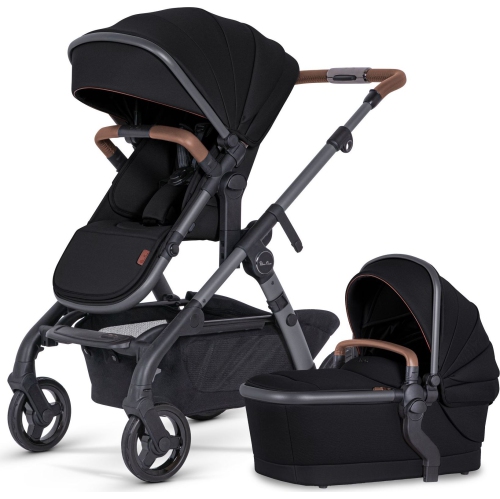 Your price for this item is $1964
 -
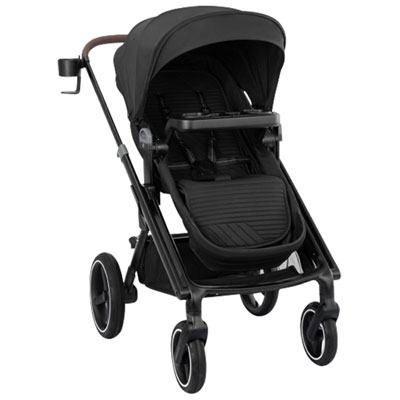 Your price for this item is $699.99
Discover more categories related to Easy Strollers
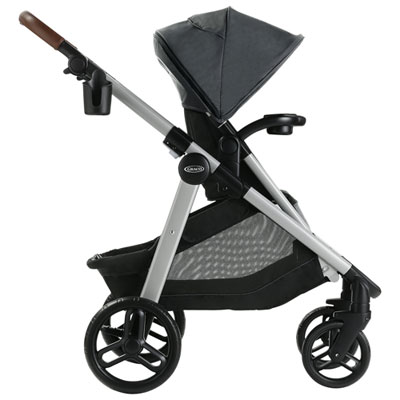
Top Collections:
Pokemon Centers, Kindle Devices, Best Budget Office Chairs, Apple iPhones 16, Canon G7X Cameras, iPhone 15 Apple, Alarm Clock, Refurbished Apple Laptops, Flip Phones, Best Laptops for Writers
Some products may be subject to Environmental Handling Fees
(EHF) depending on your province.
Learn more about EHFs.