Table Bases
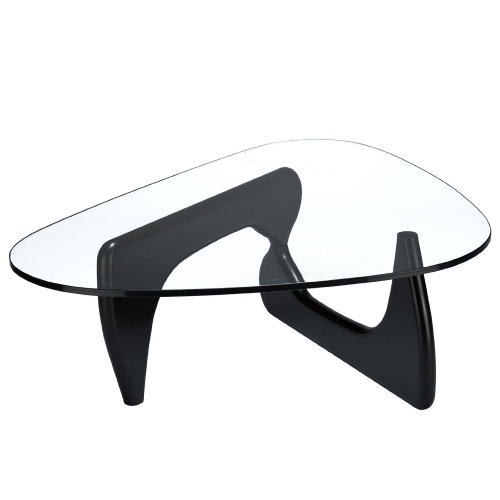
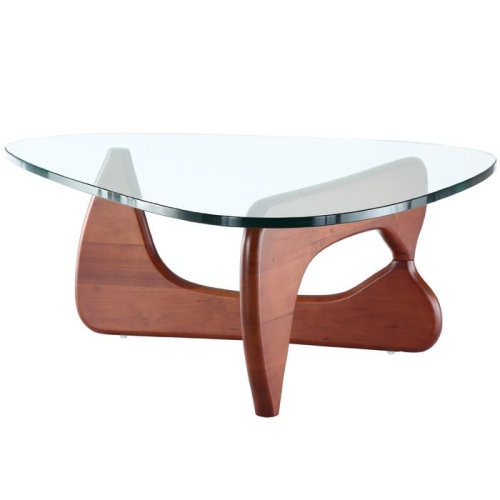
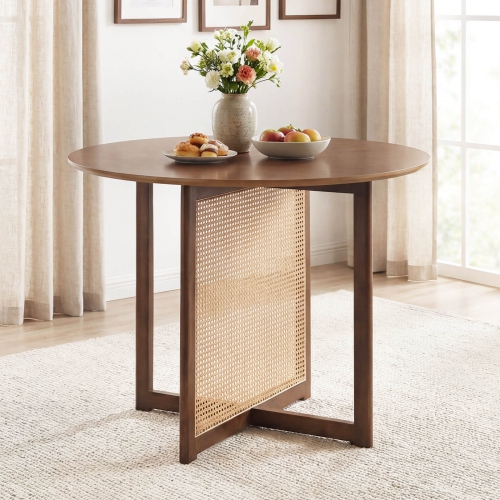
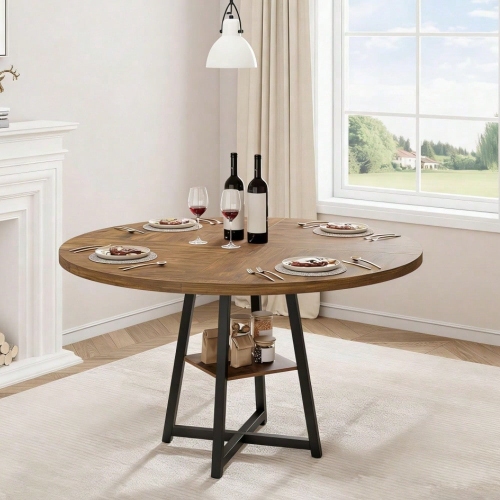
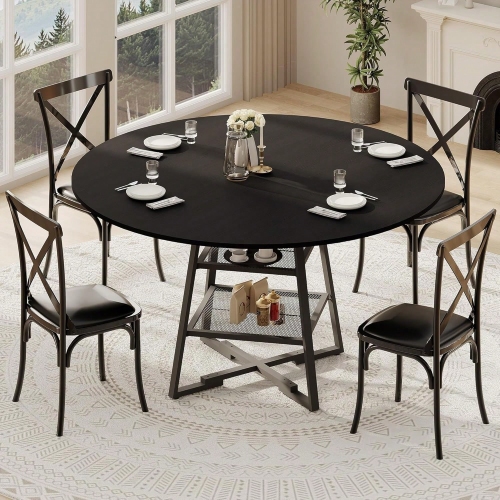
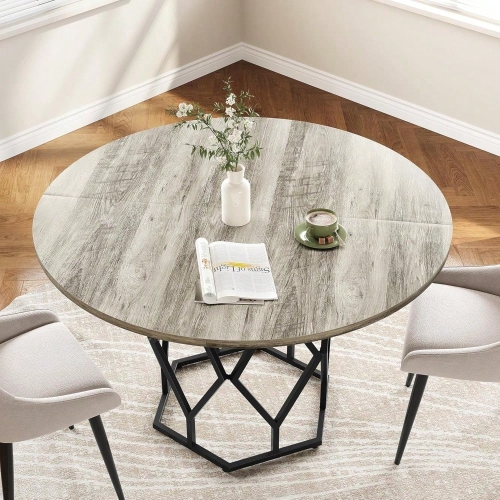
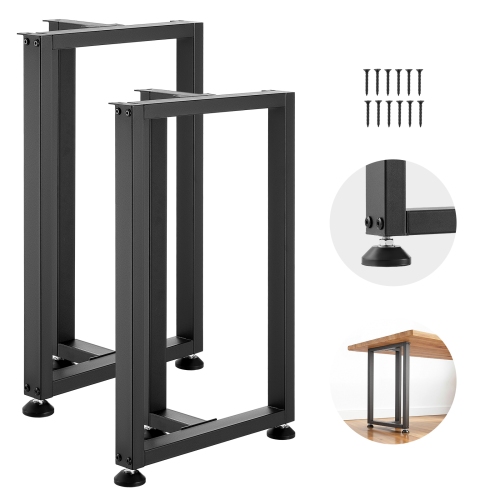
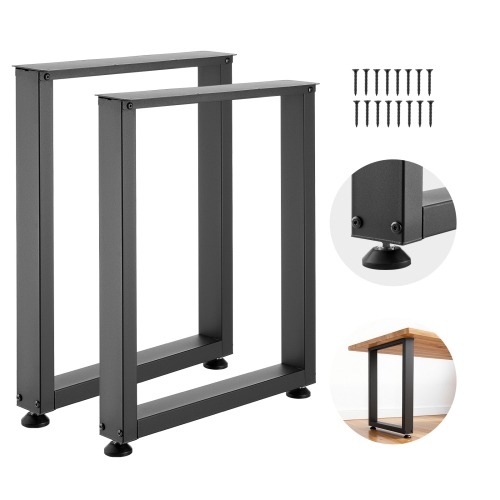
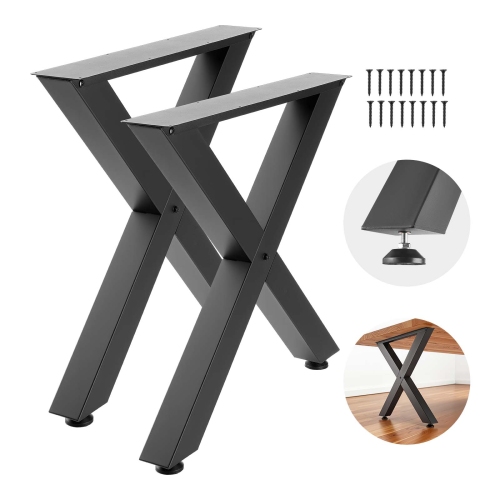
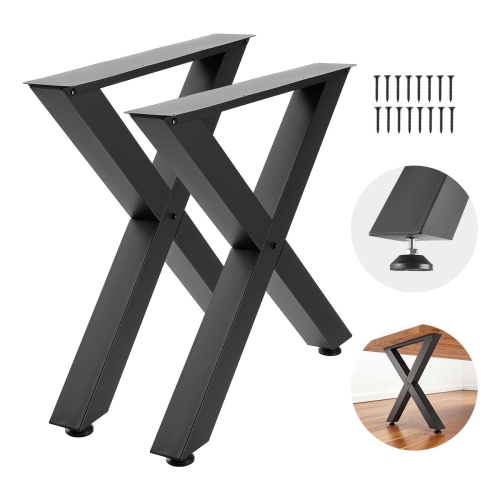
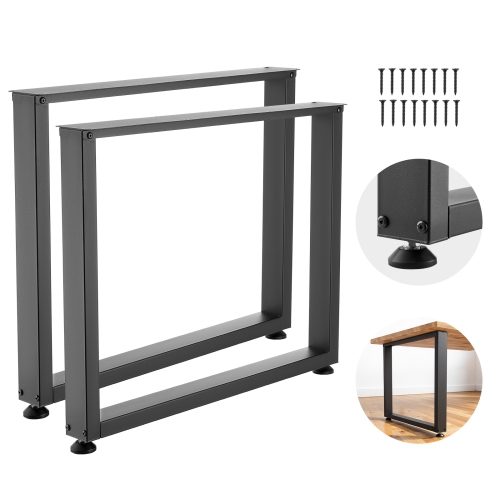
Find a table base to support your tabletop, whether you’re replacing an existing base or building a new table. Compare designs with your tabletop’s size, shape, and weight in mind, and check mounting compatibility, overall height, and legroom to find the right fit for your space.
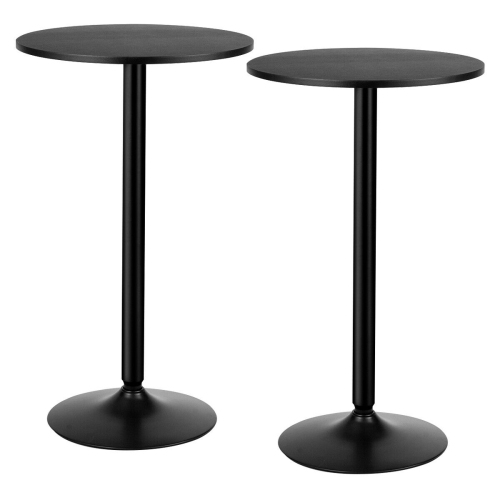
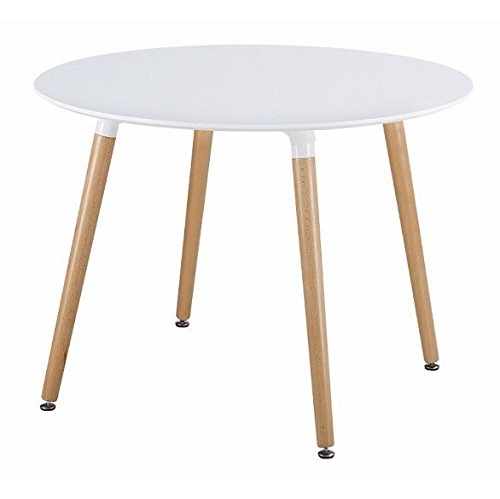
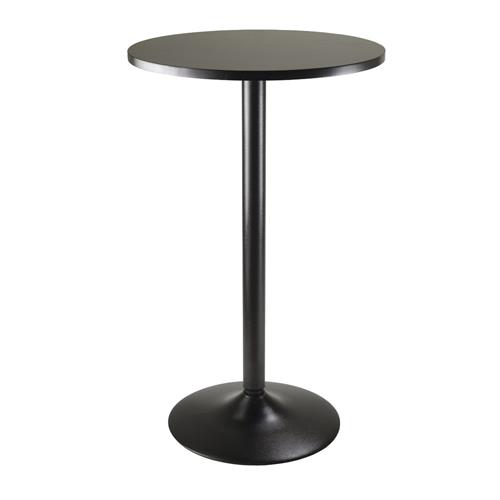
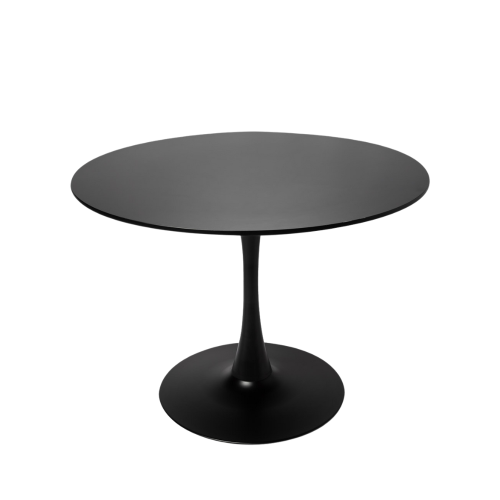





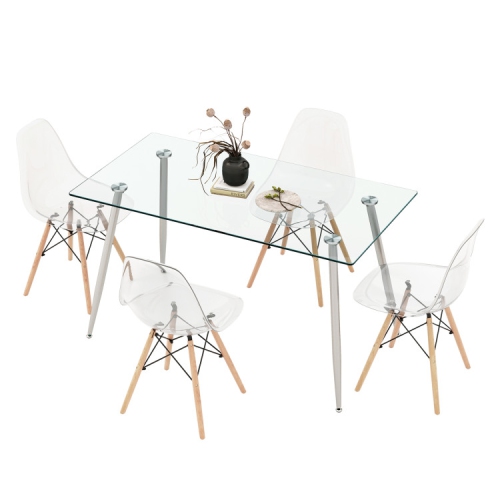
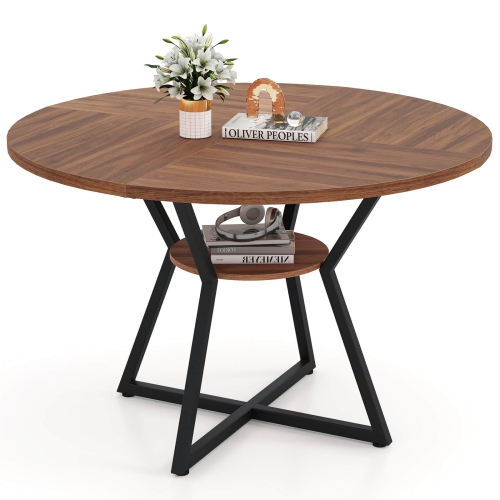
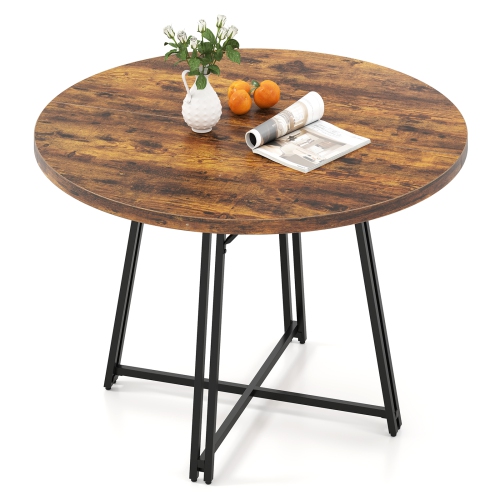
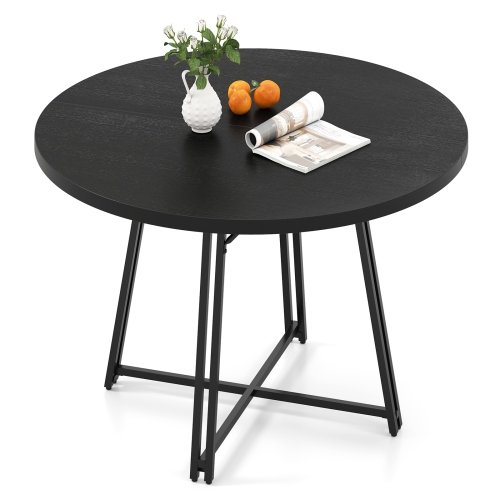

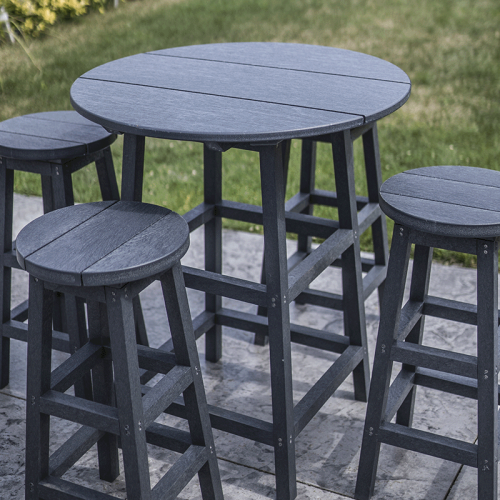
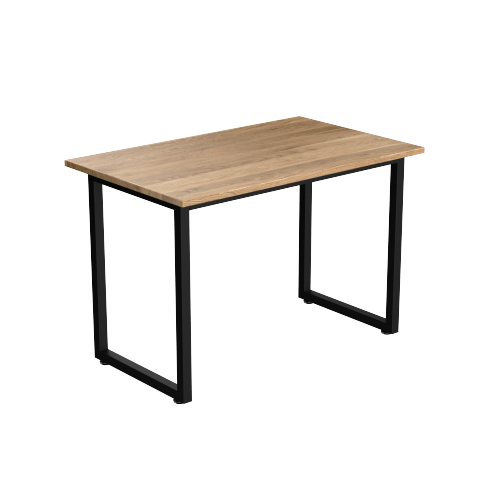
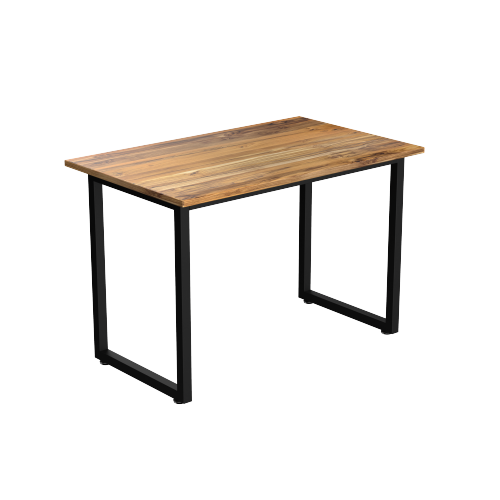

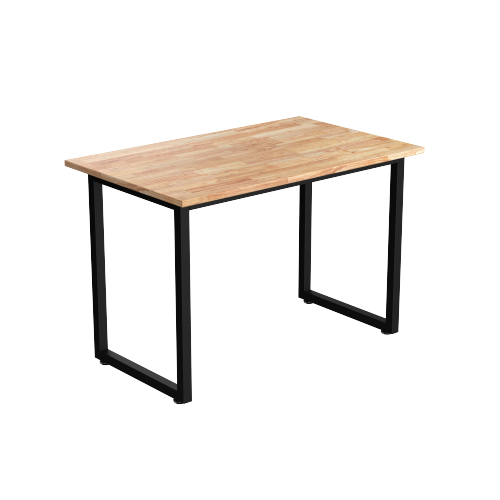



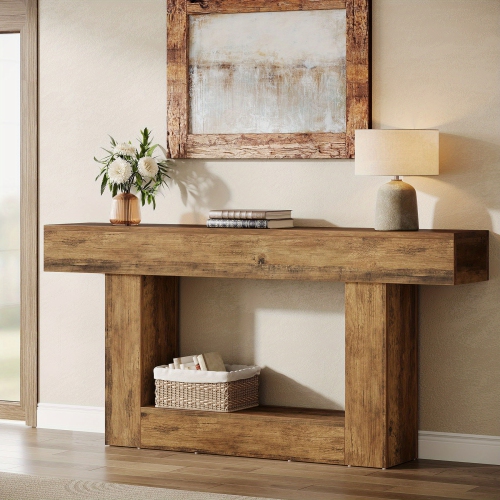
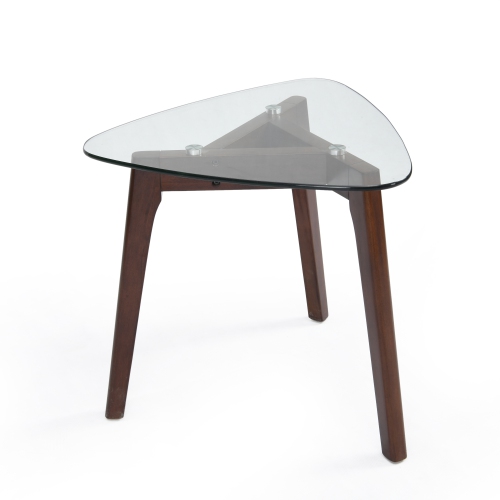
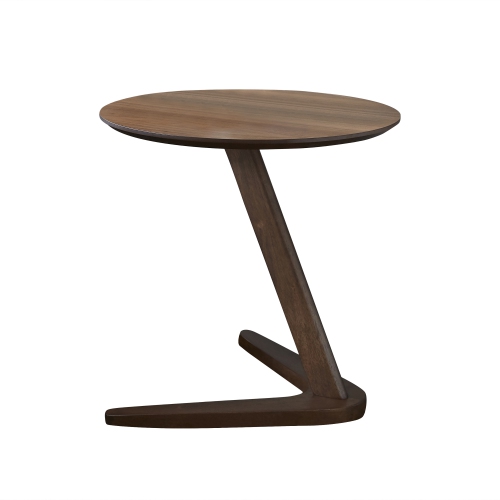
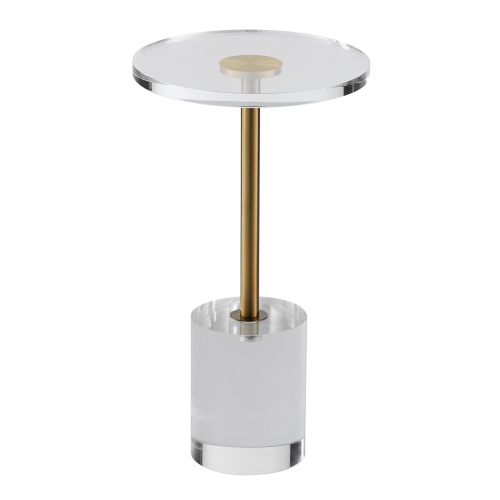
FAQ
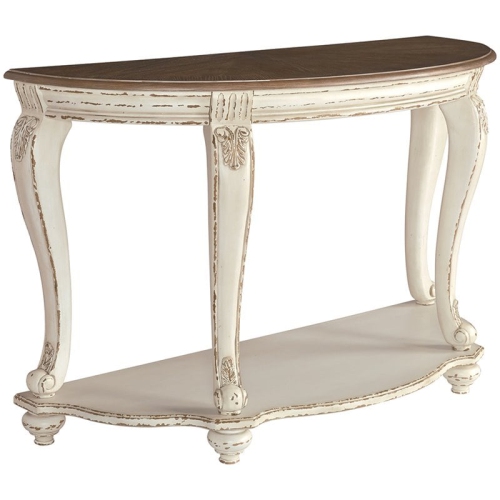
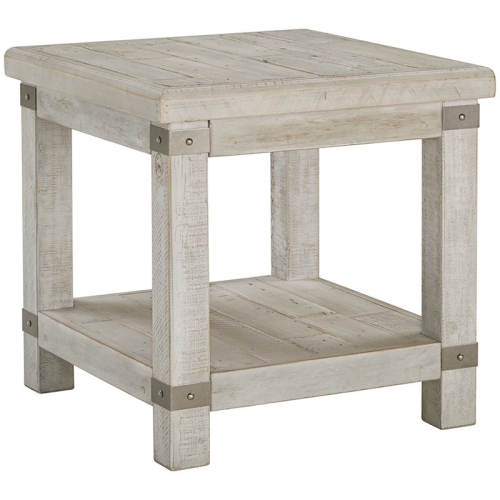
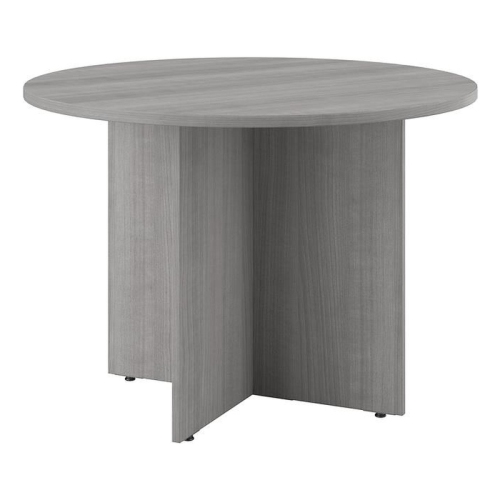
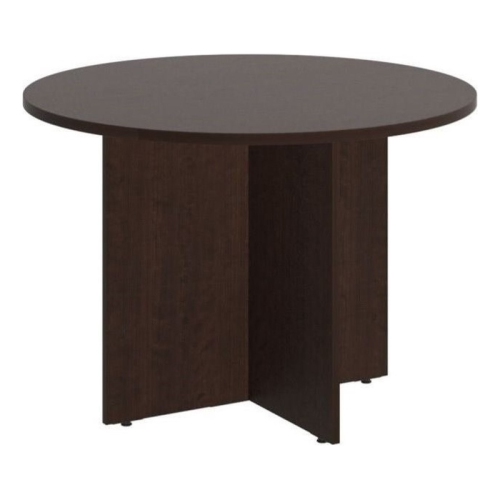
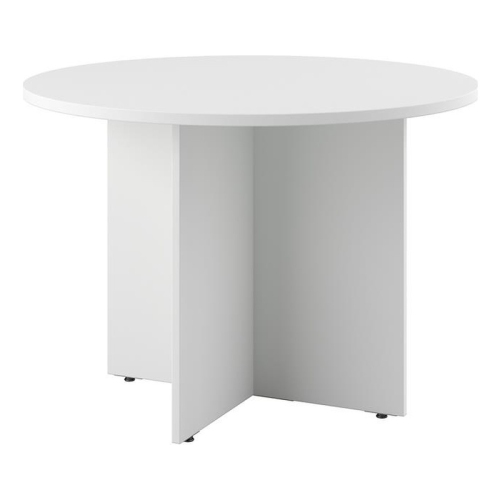
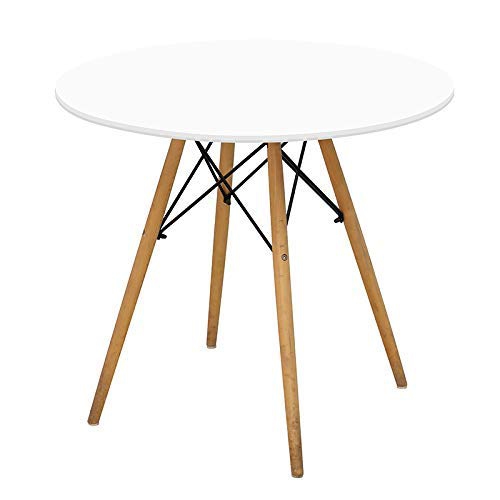
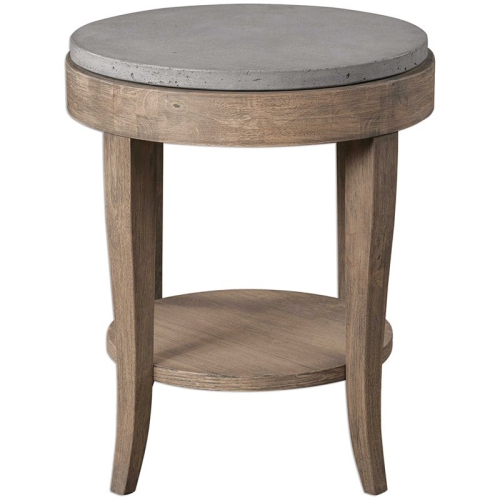
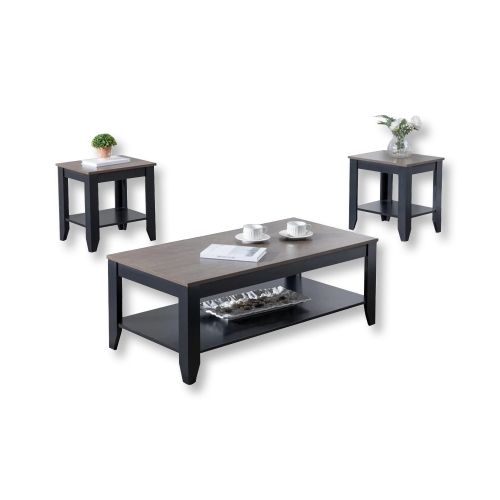
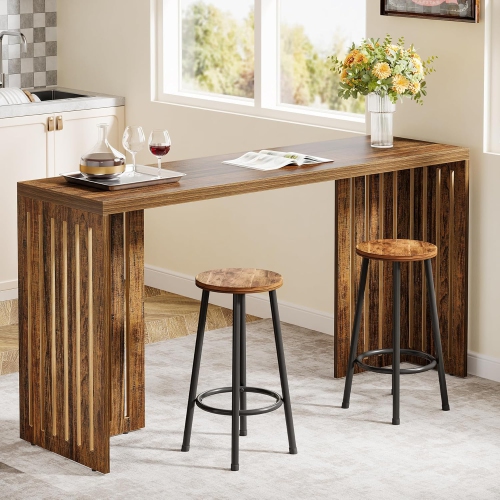
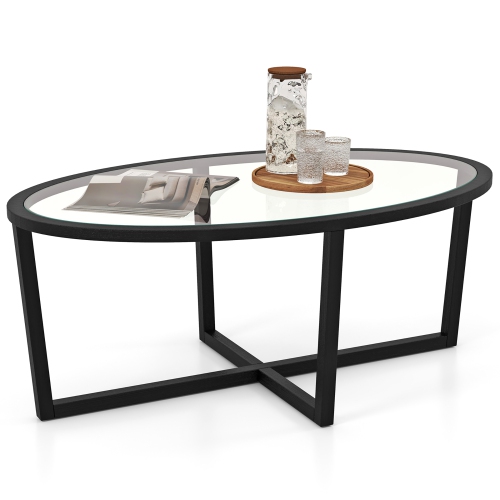
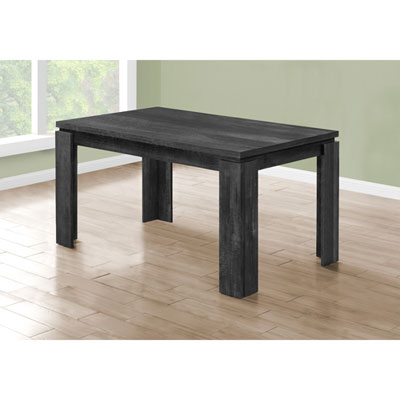
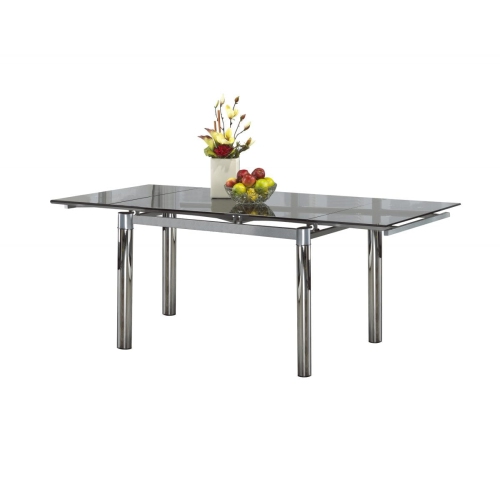
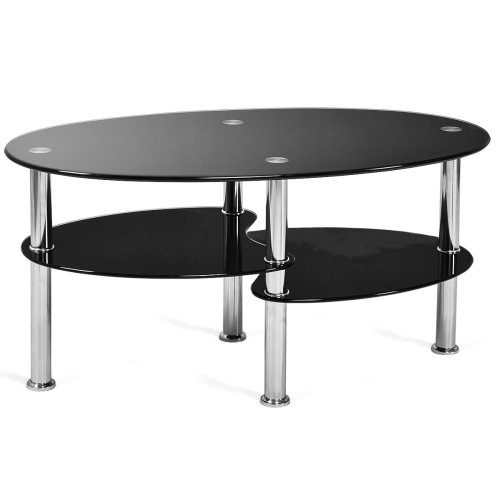
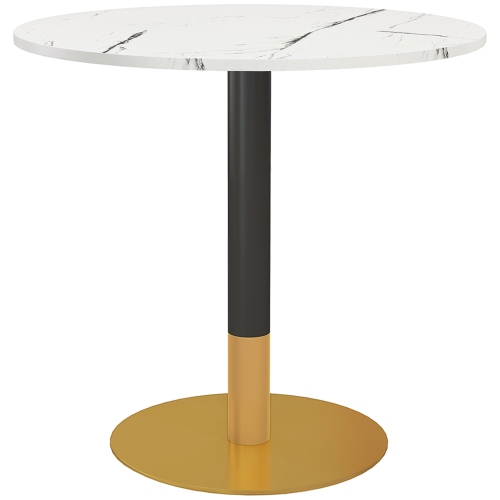
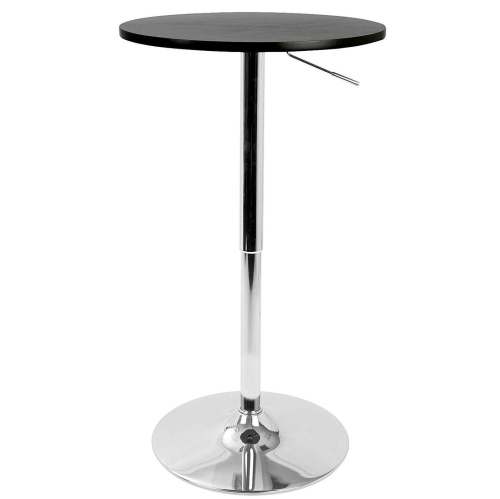
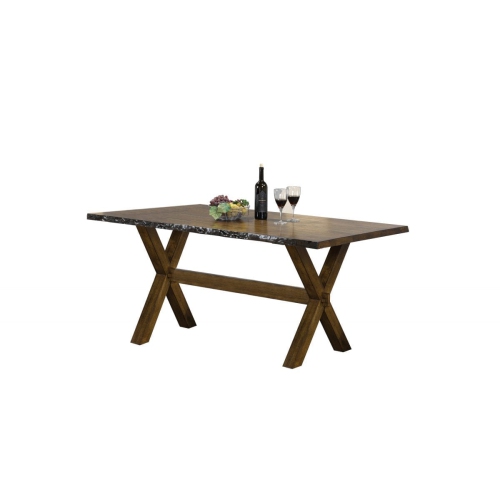
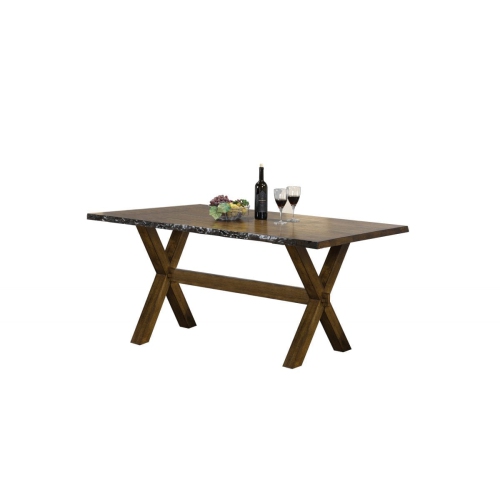
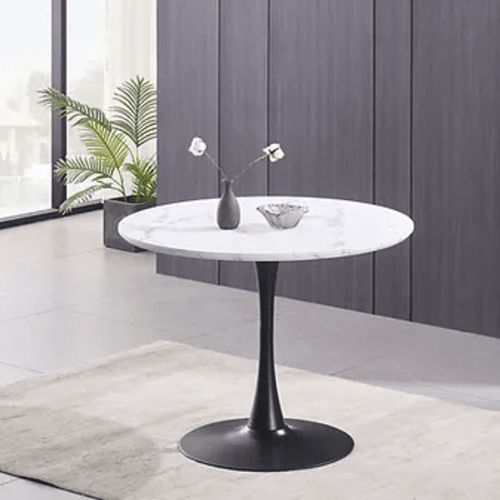
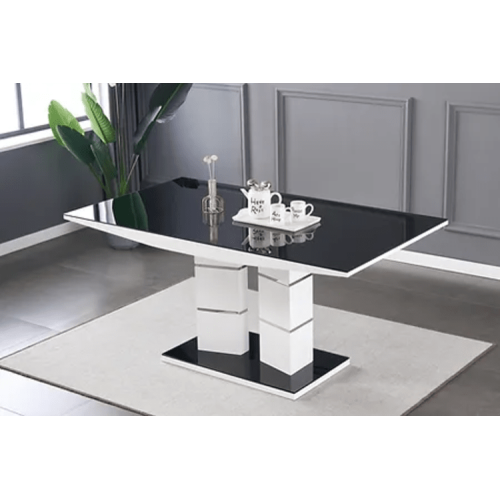
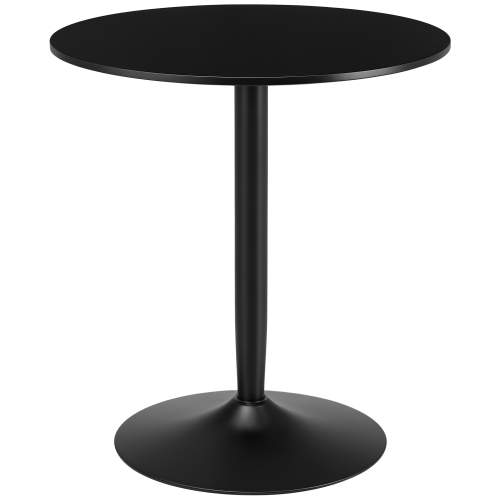
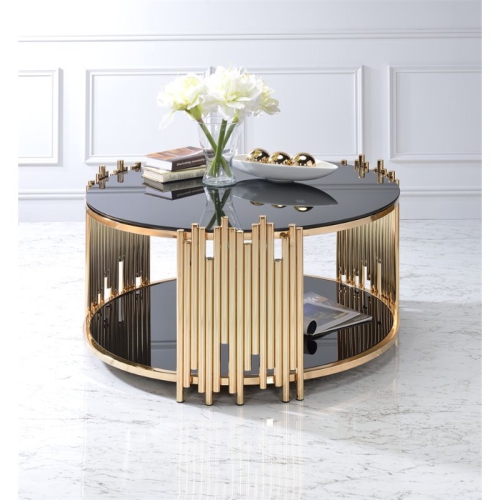
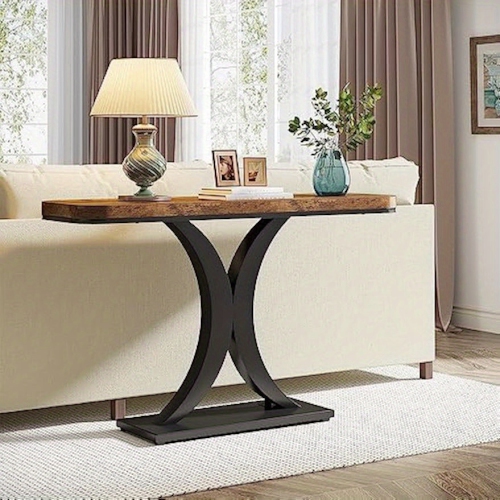
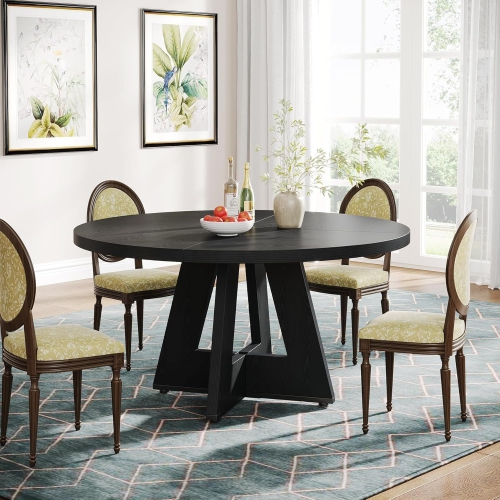
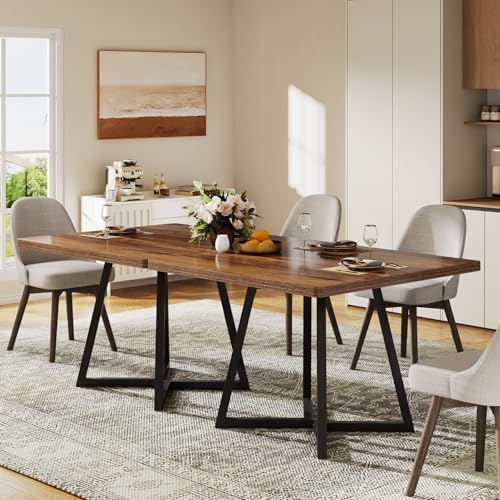
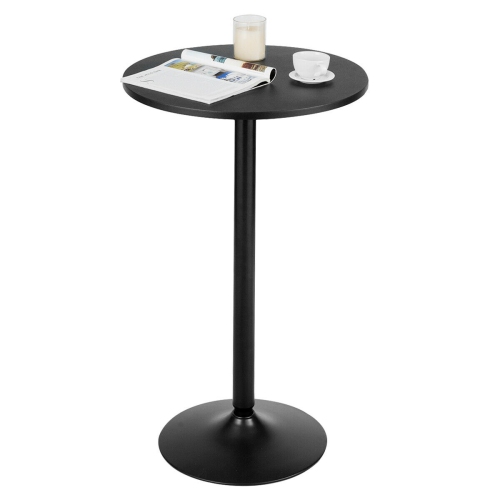
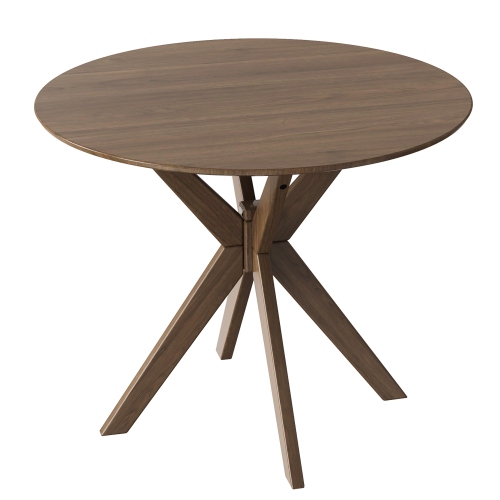
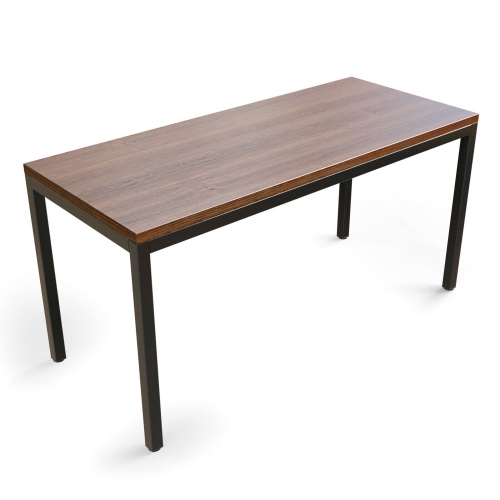
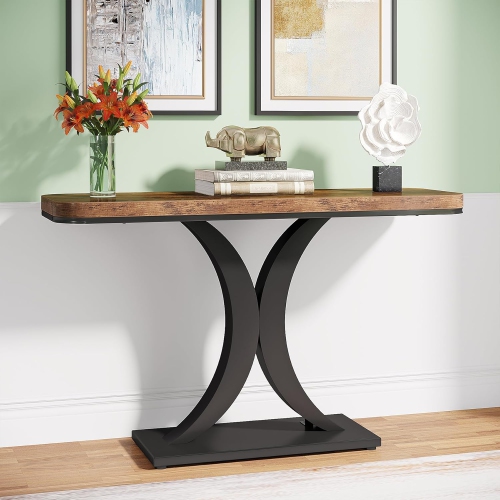
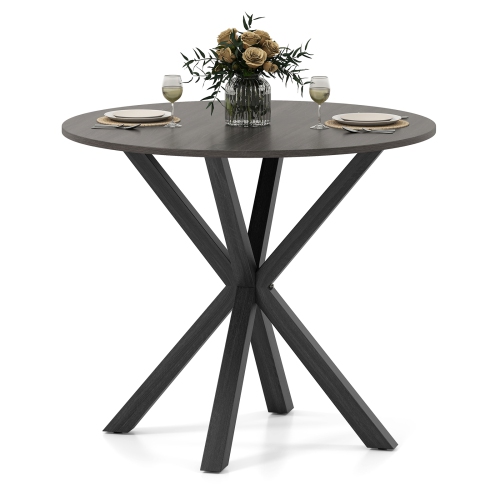
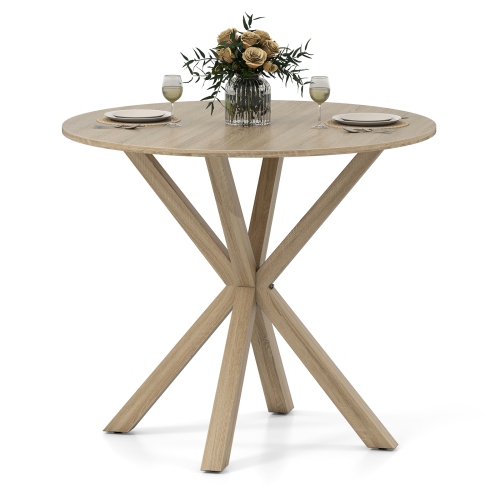
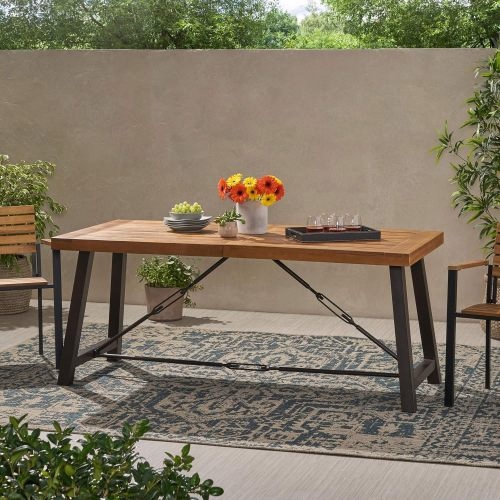
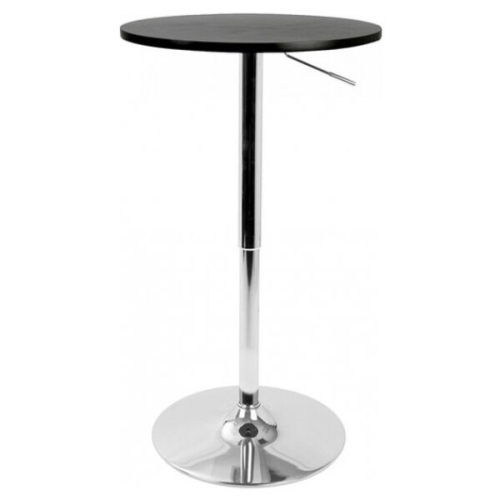
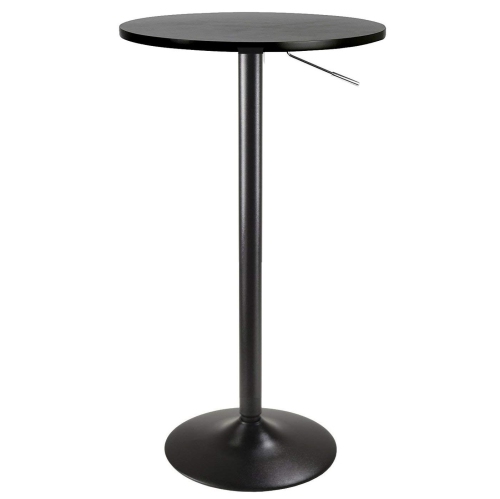
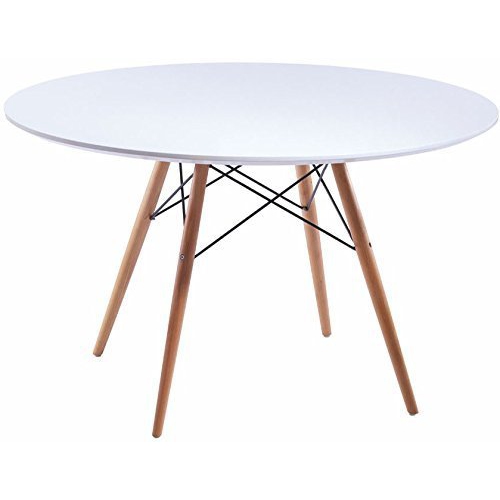
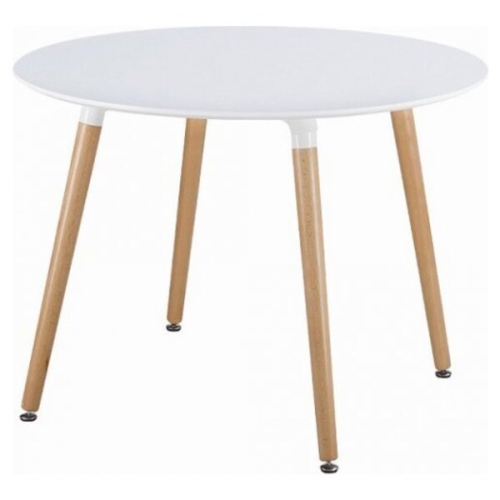
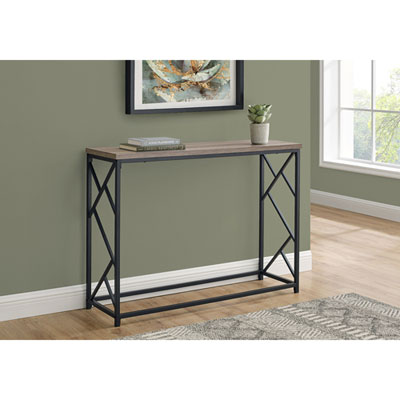
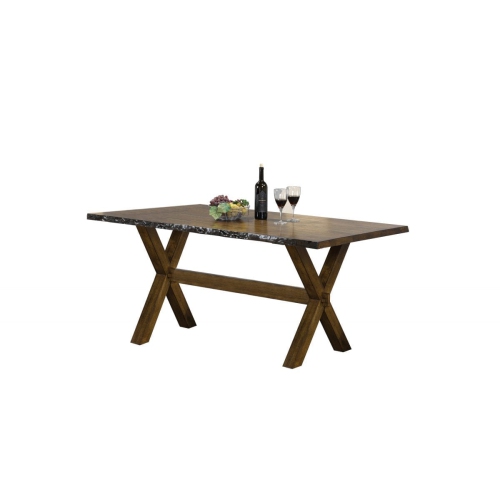
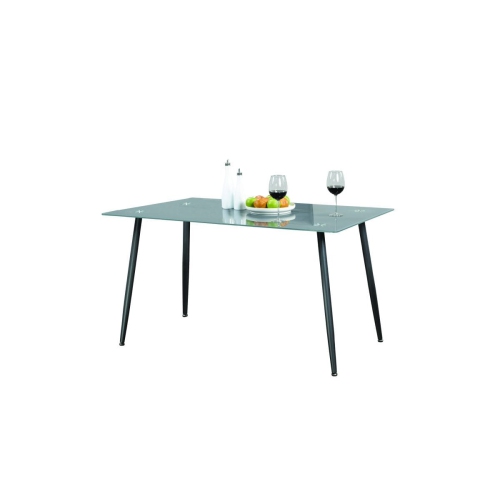
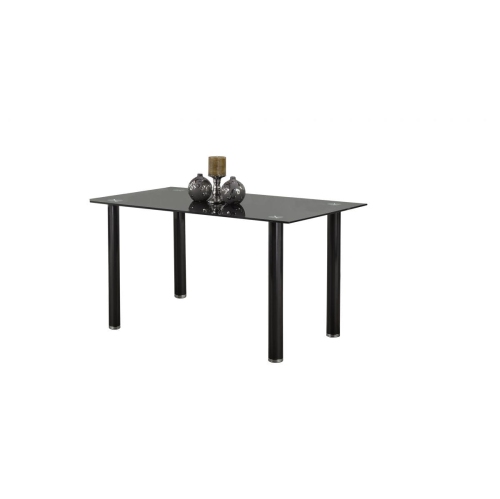
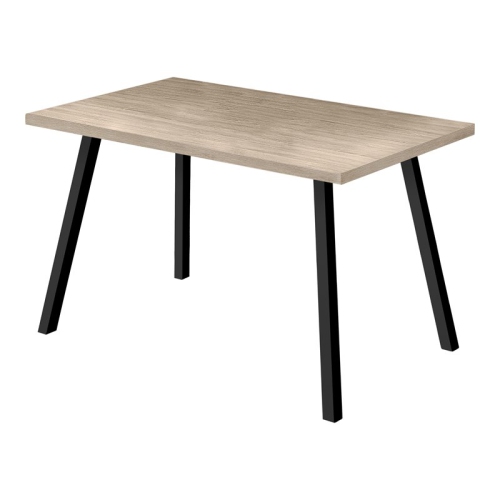
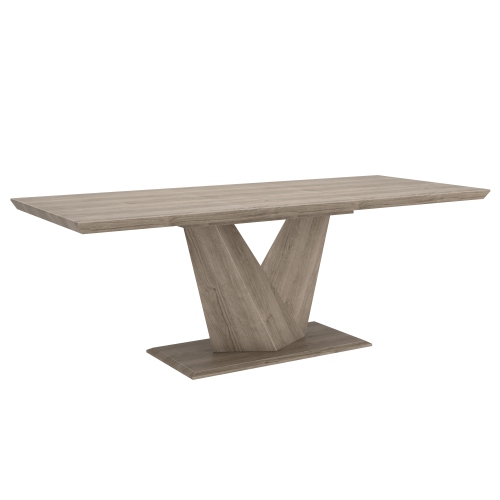
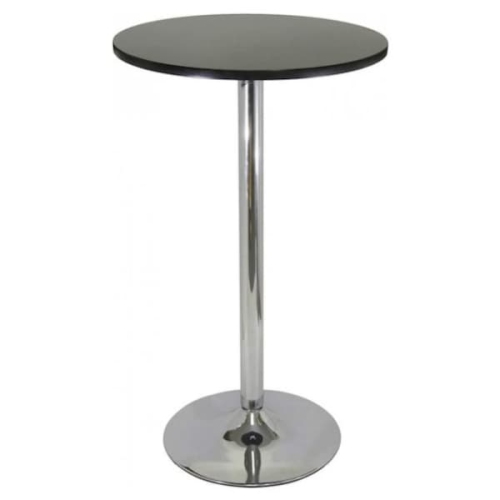
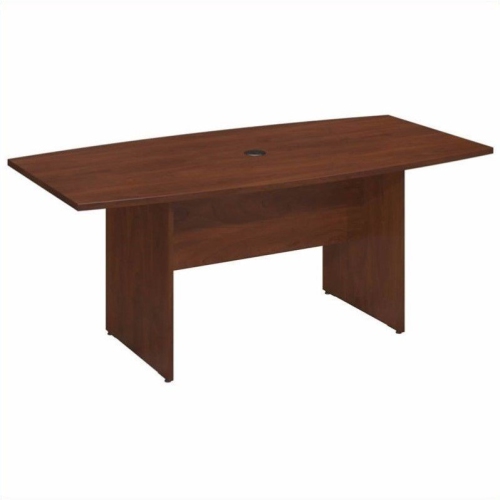
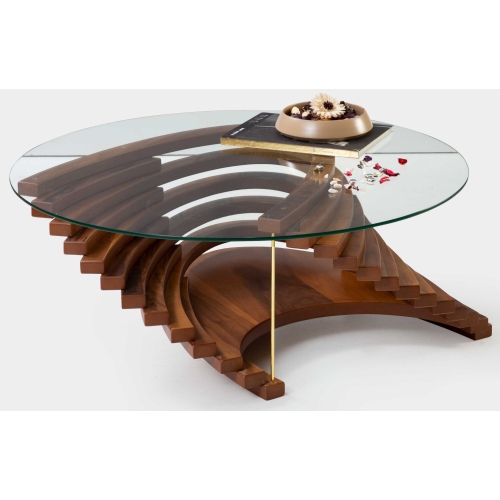
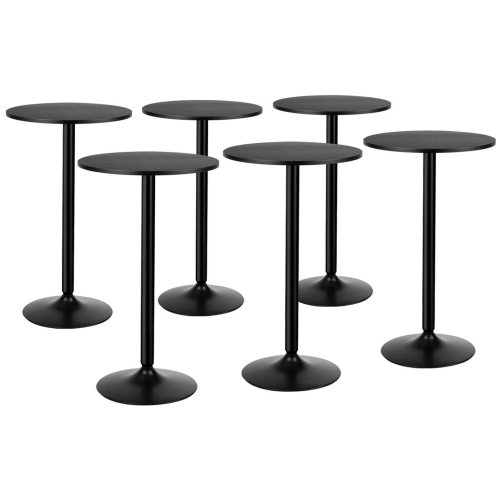
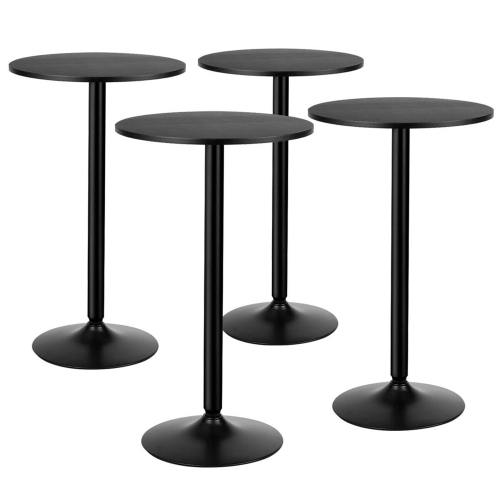
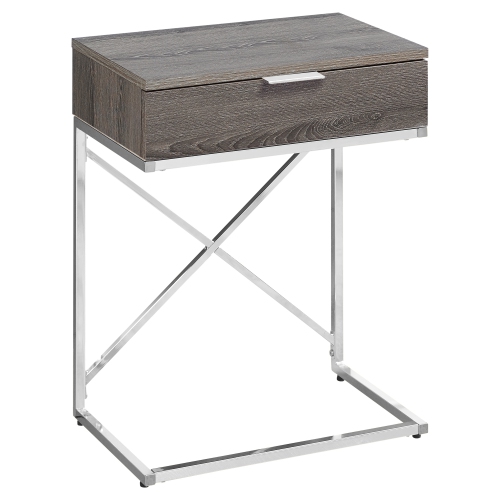
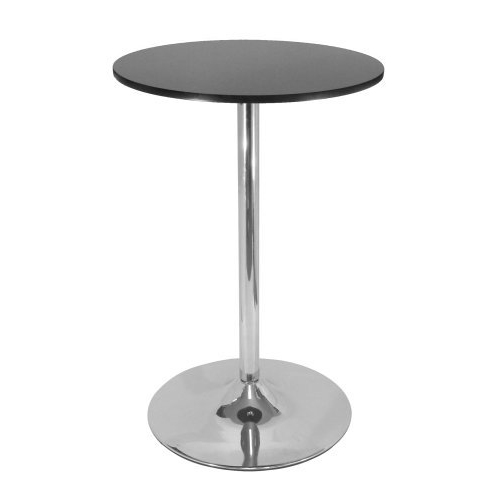
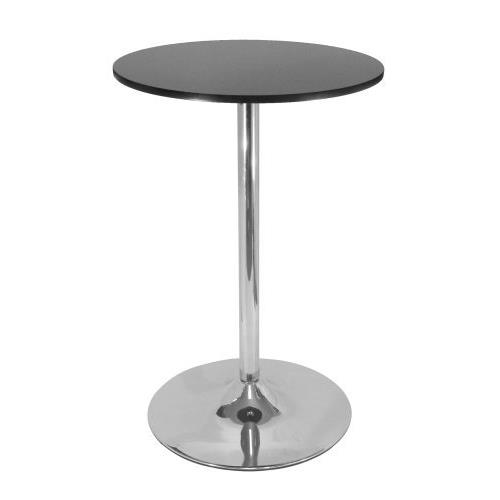
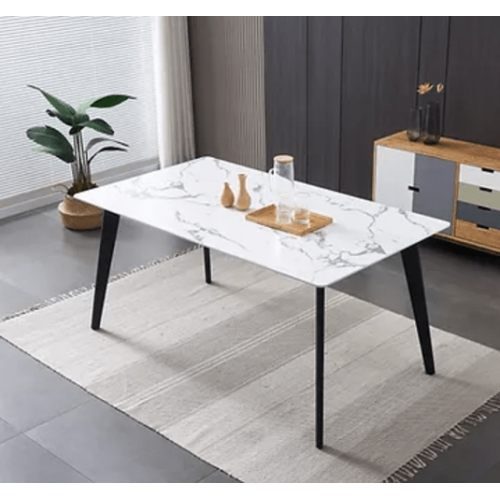
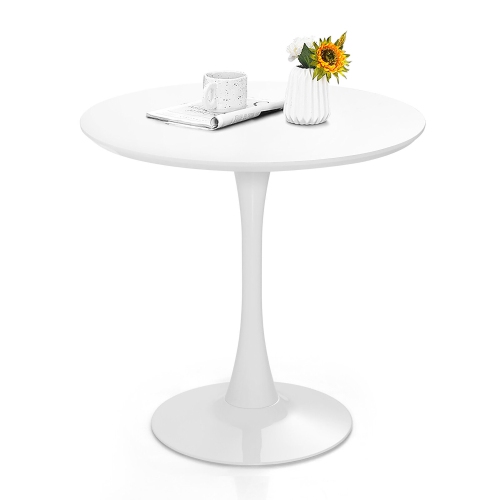
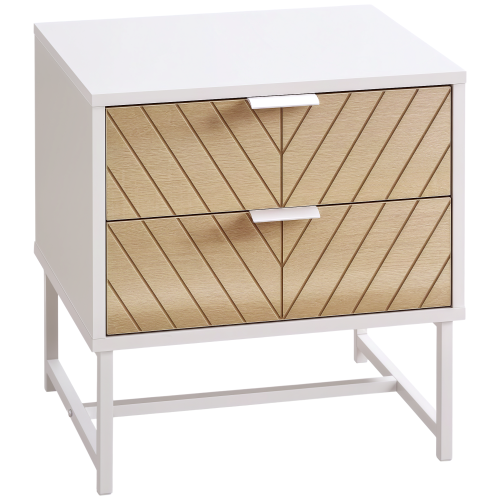
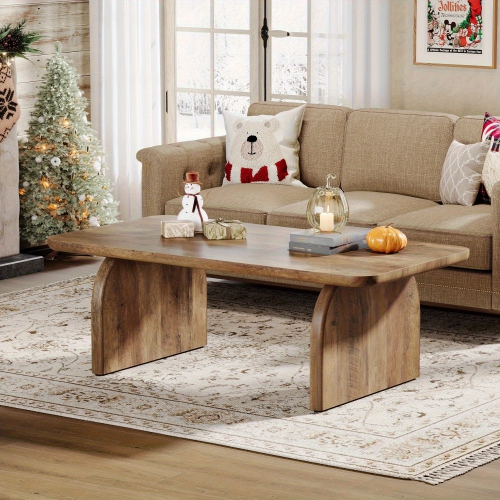
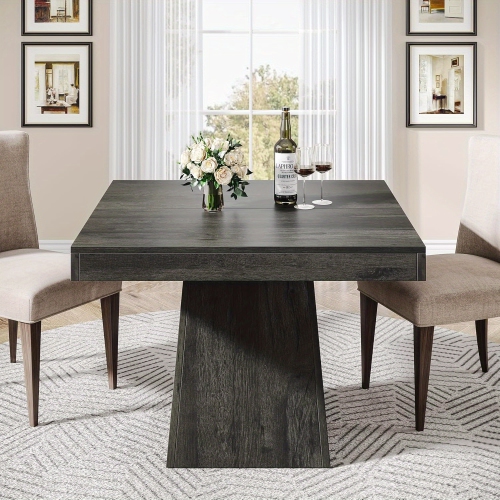
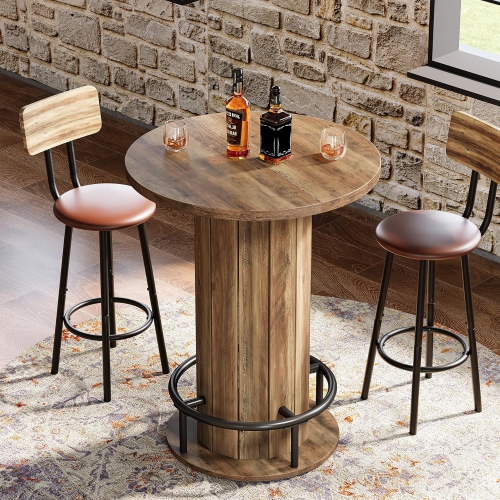
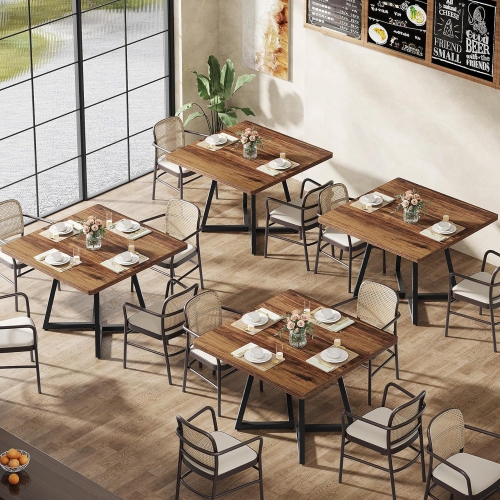
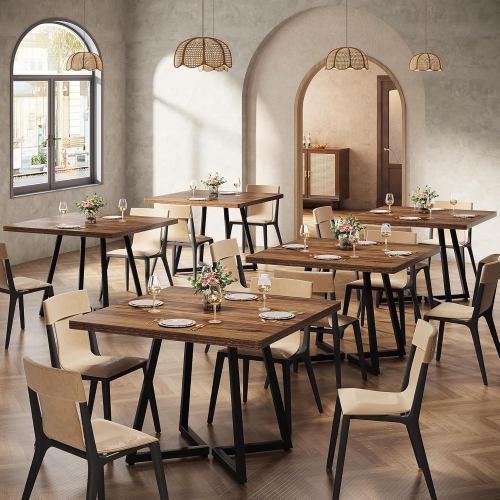
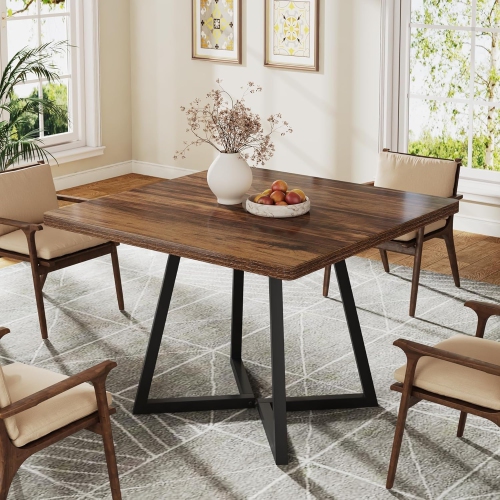
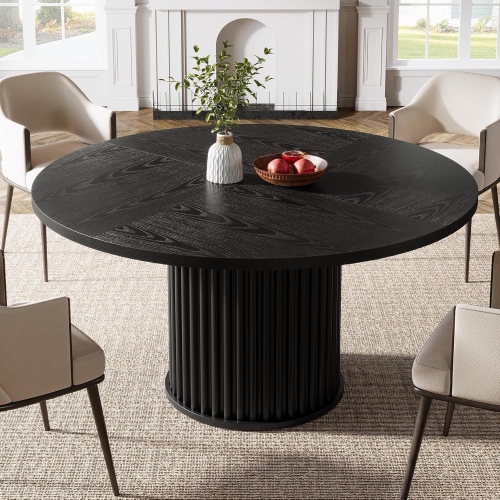
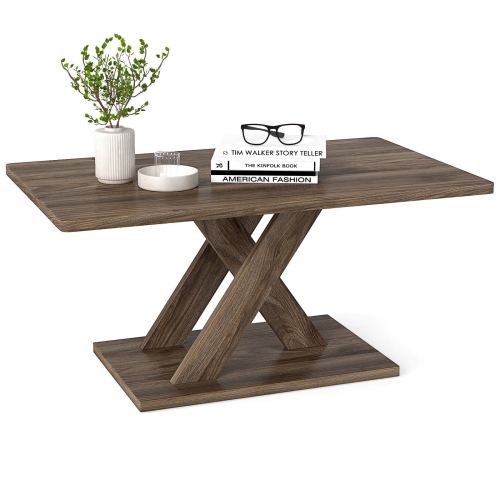
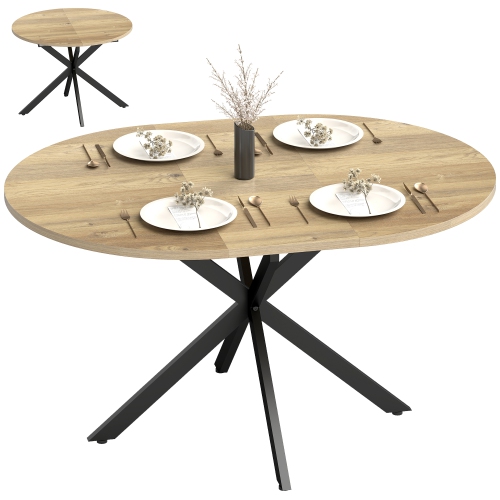
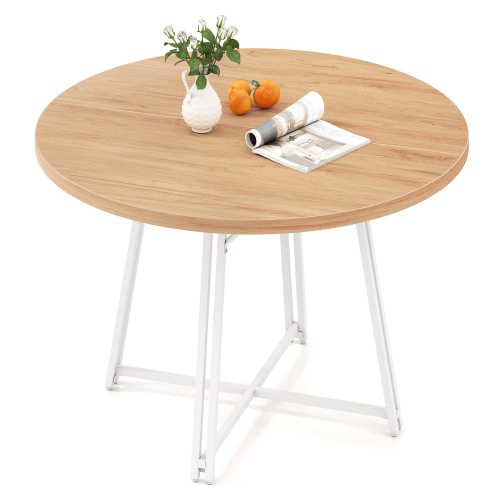
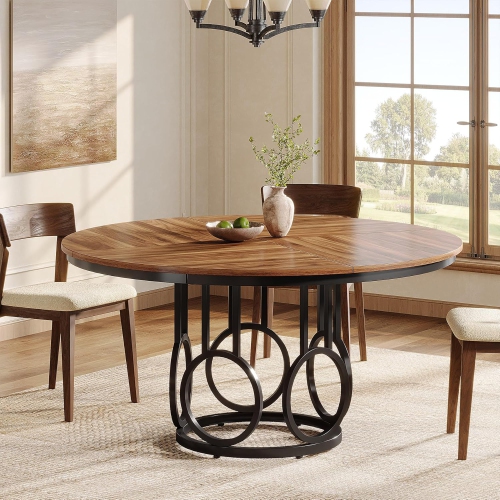
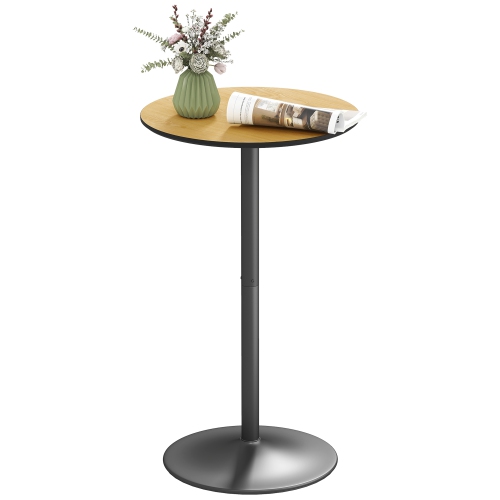
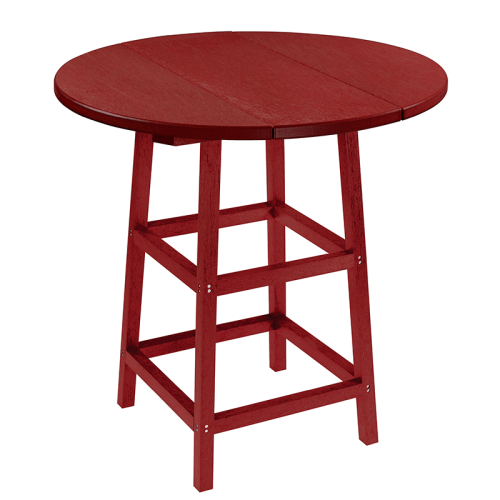
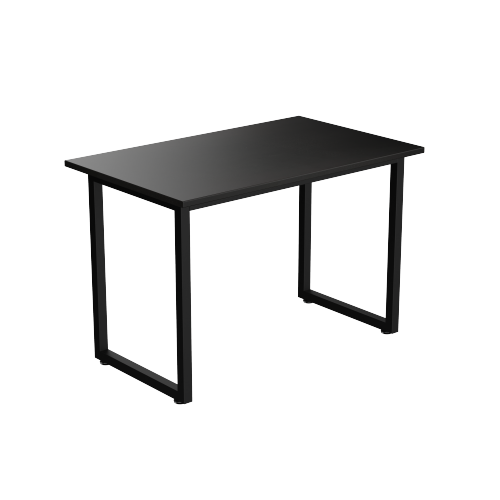
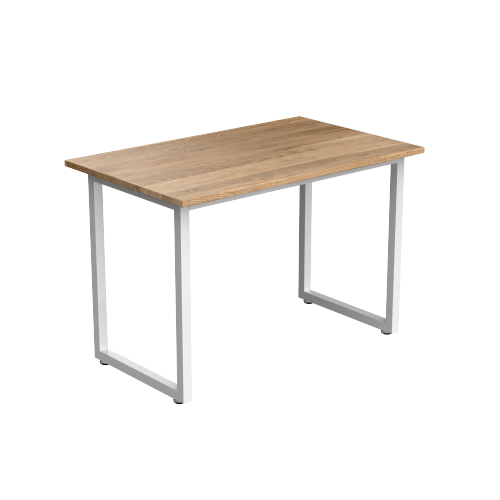
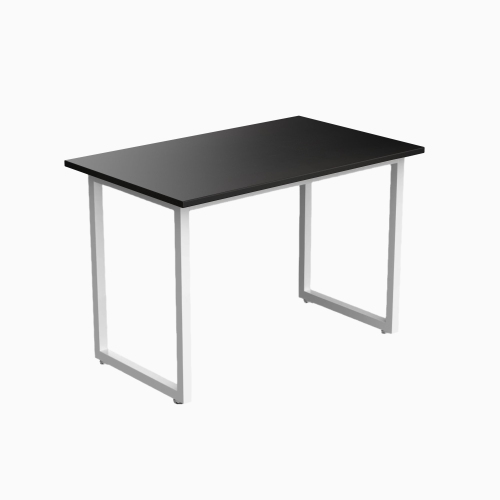
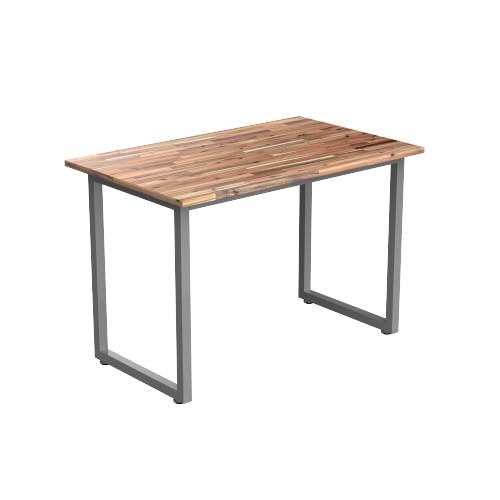
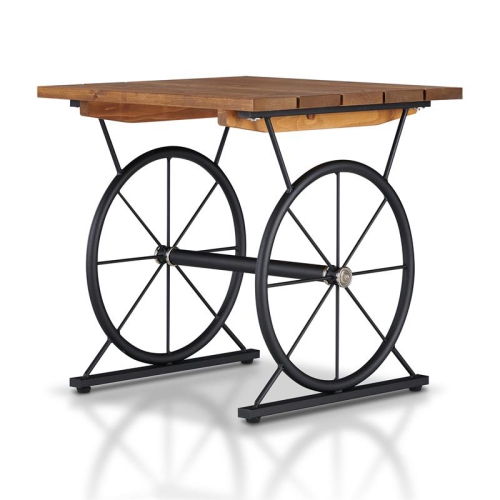
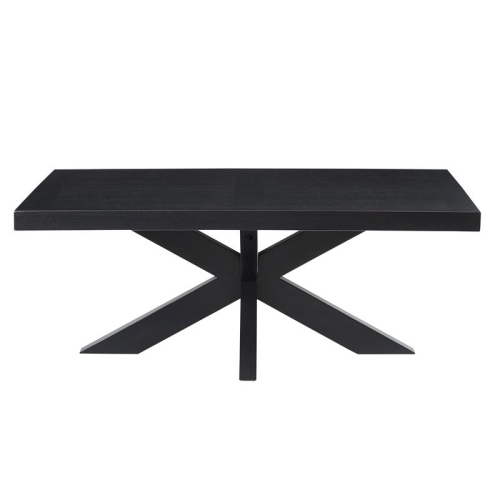
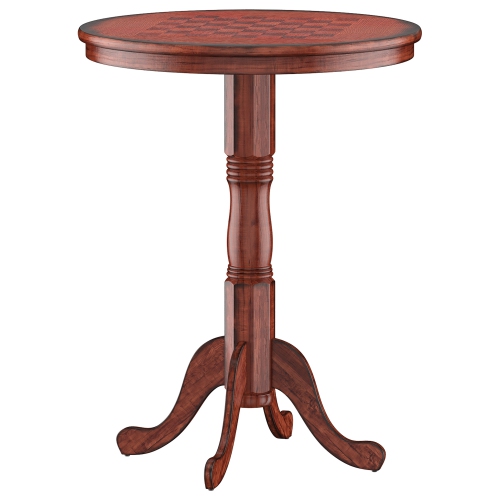
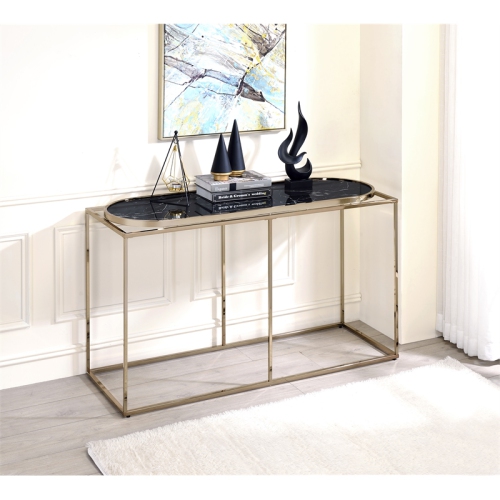
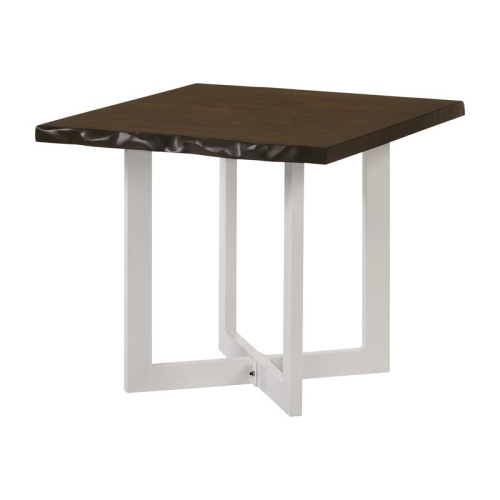
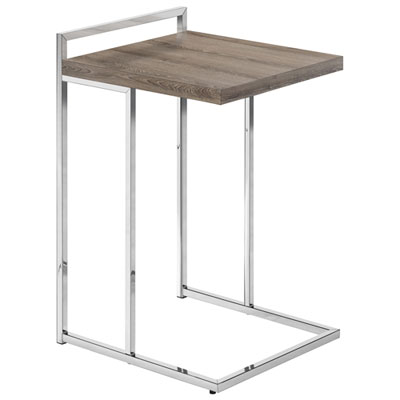
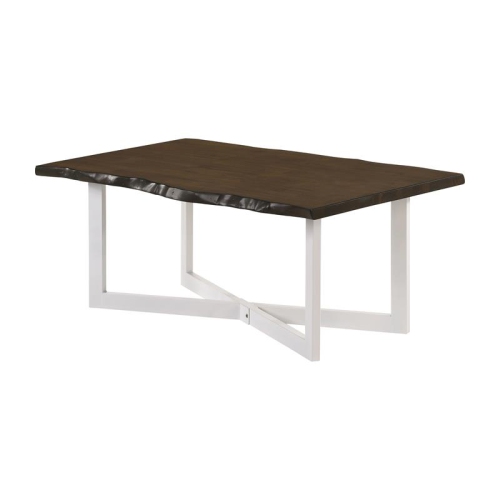
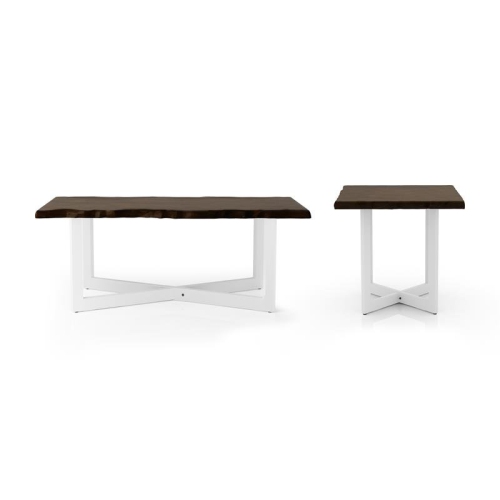
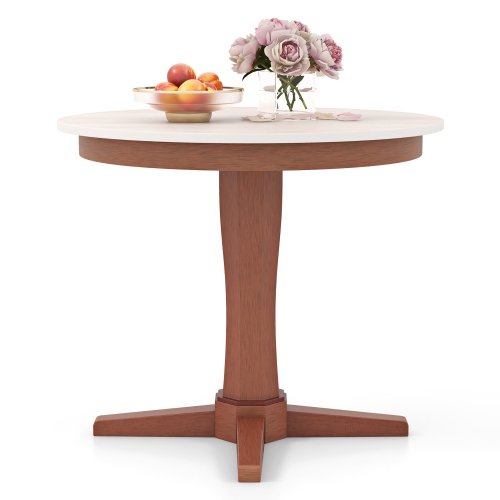
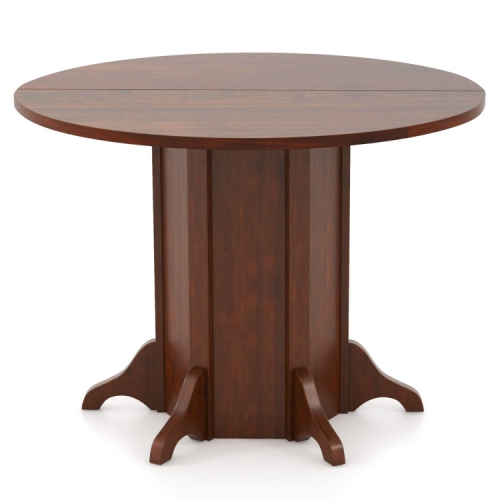
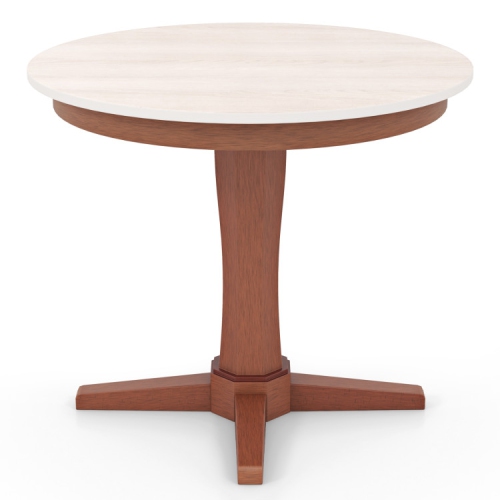
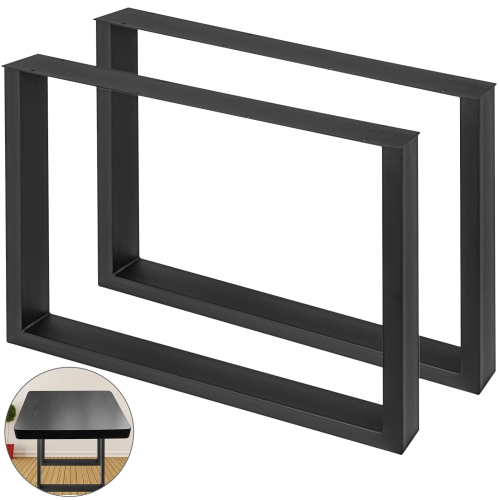
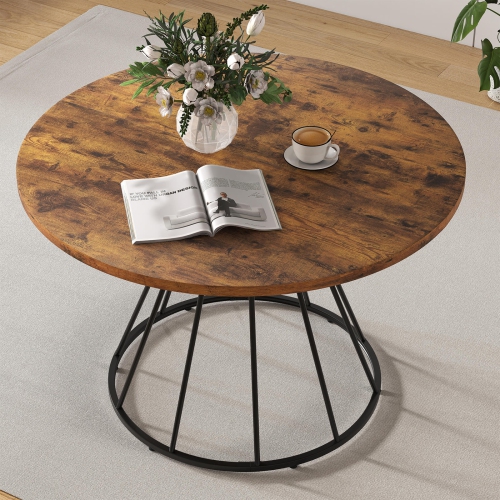
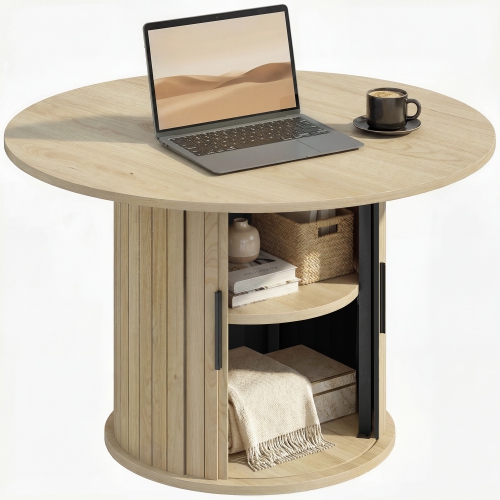
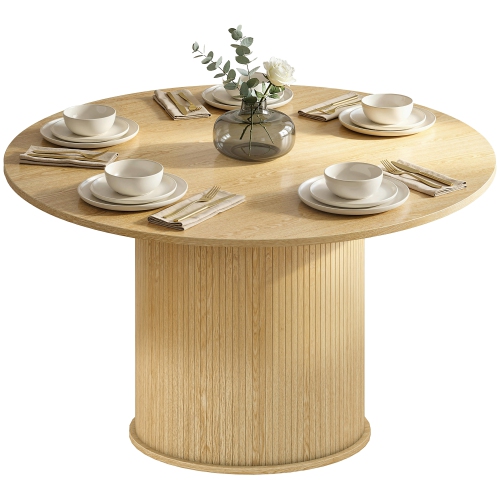
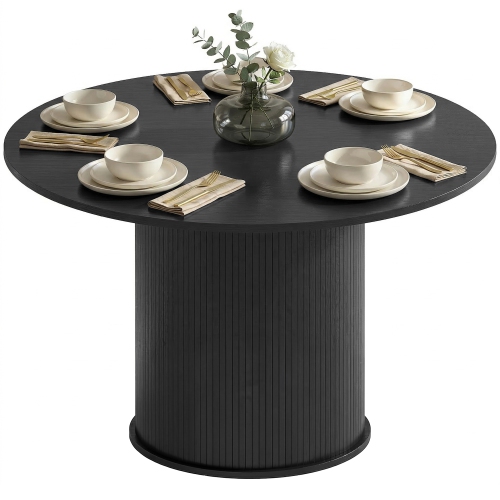
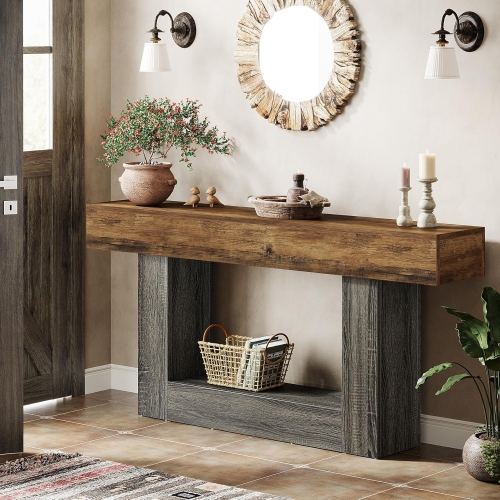
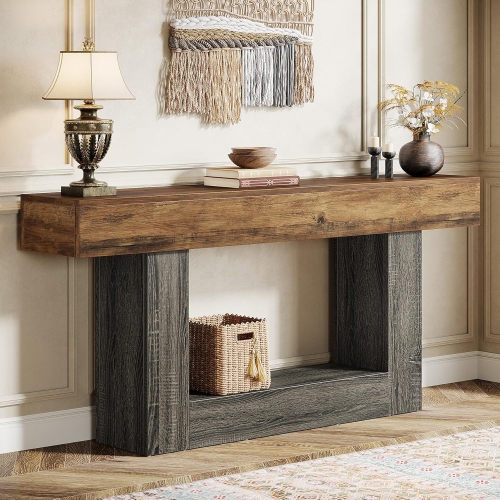
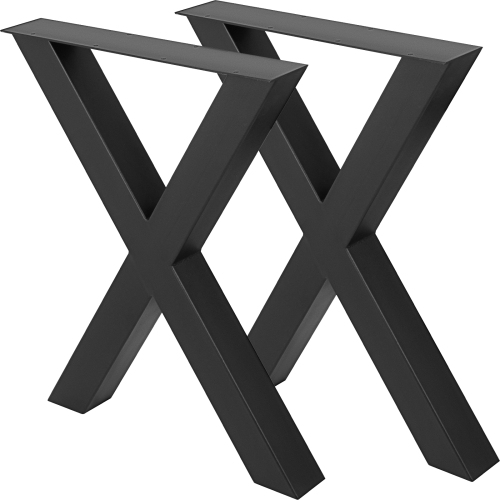
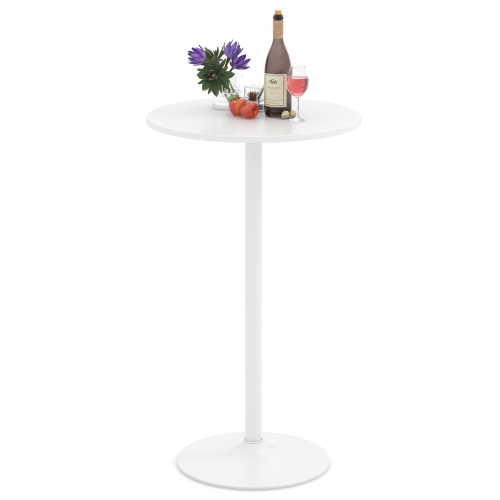
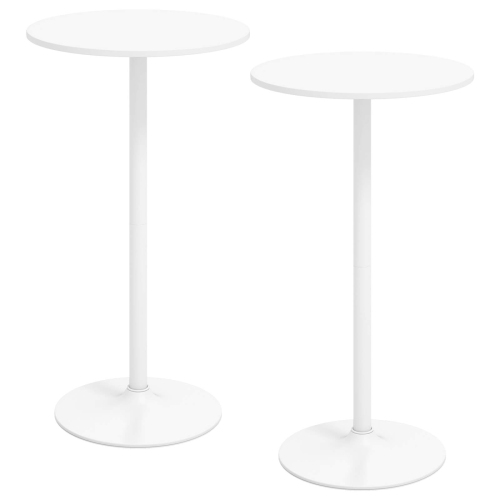
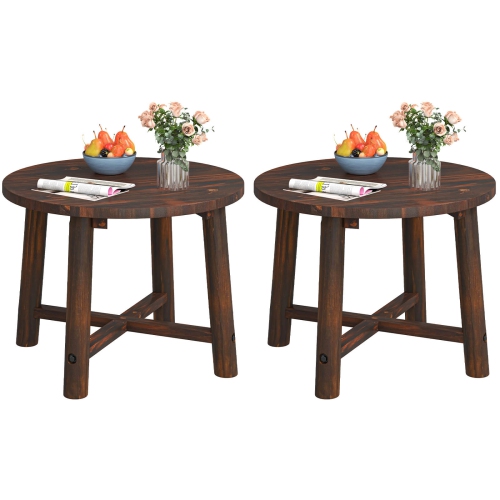
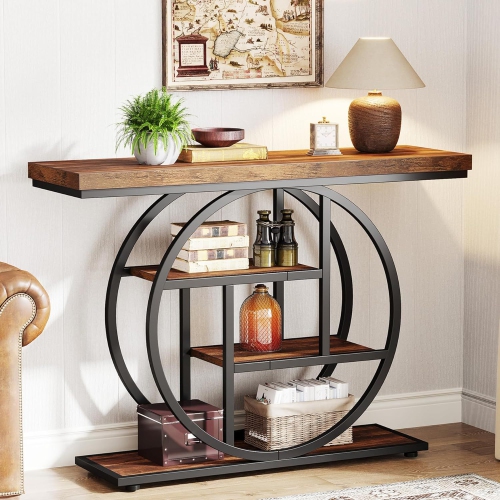
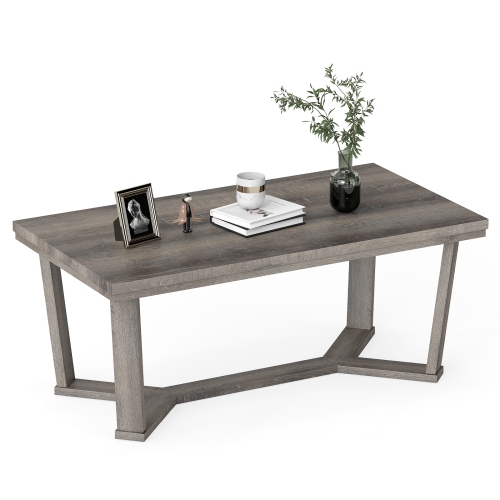
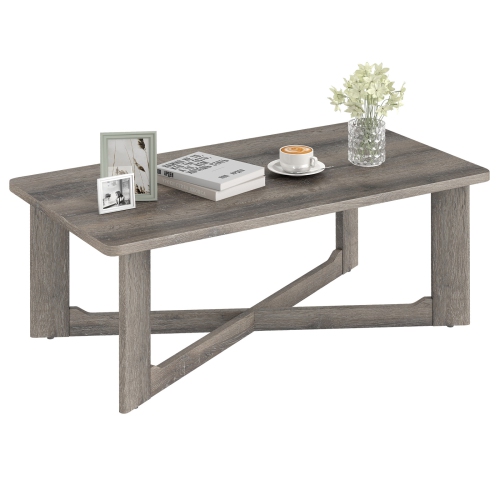
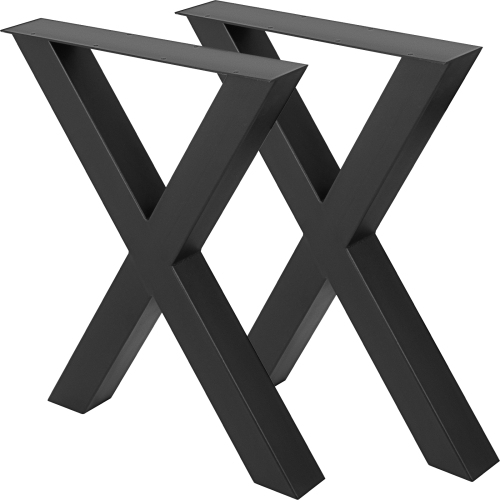
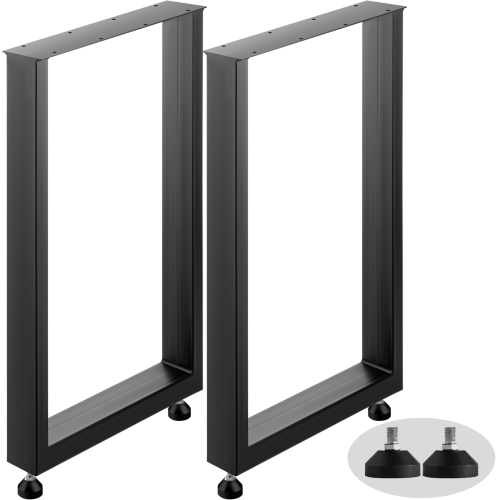
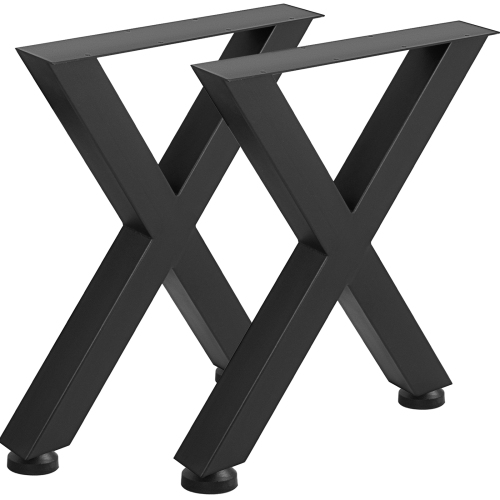
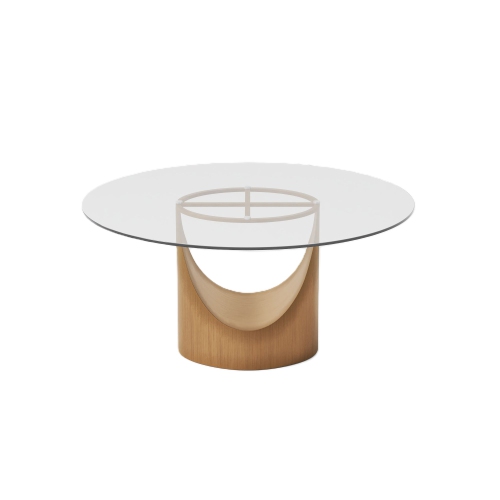
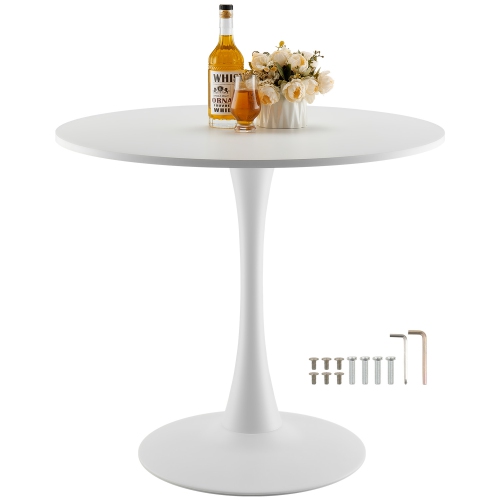
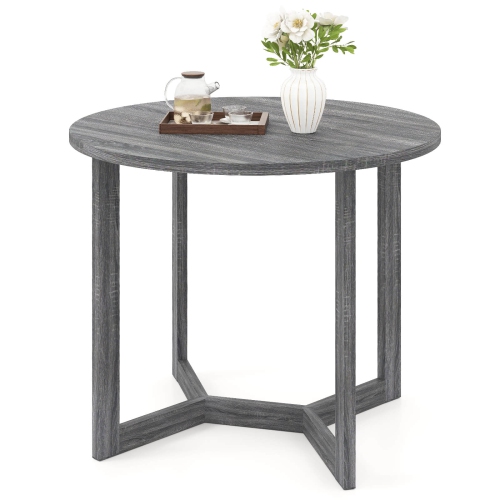
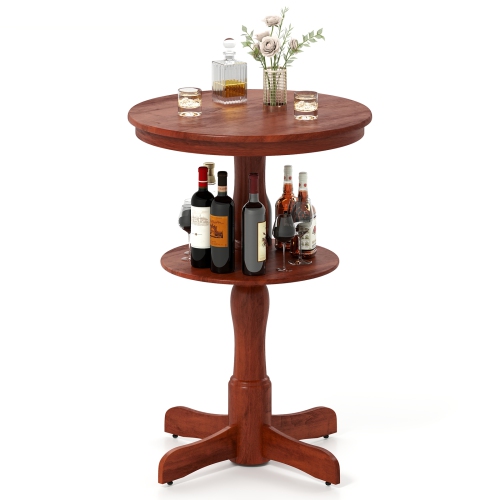
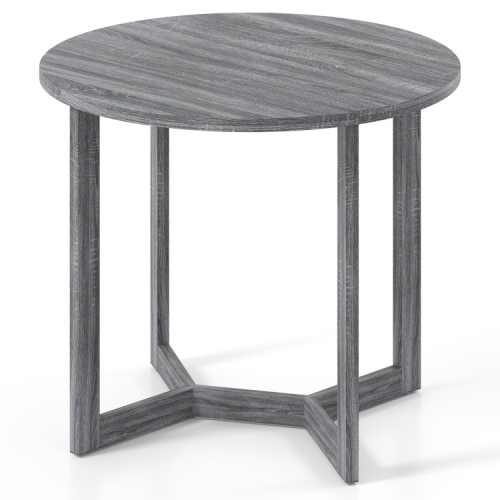
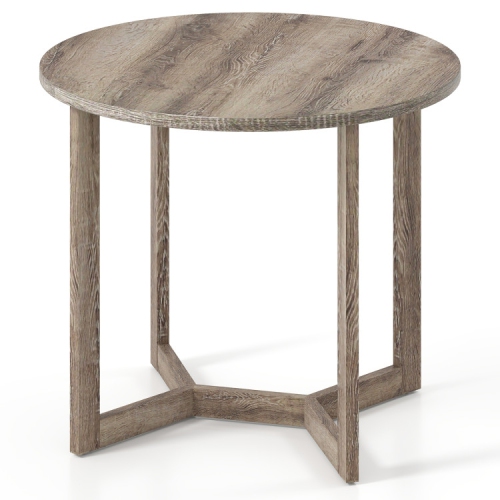
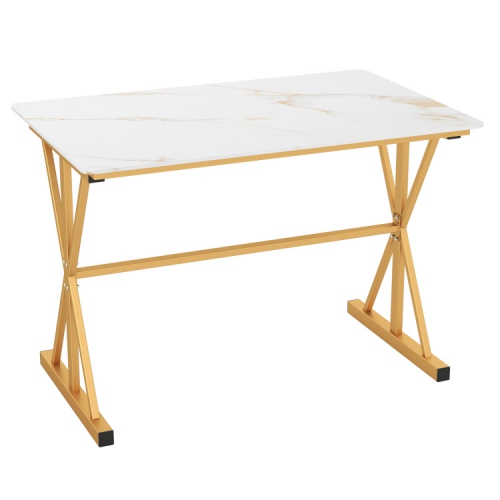
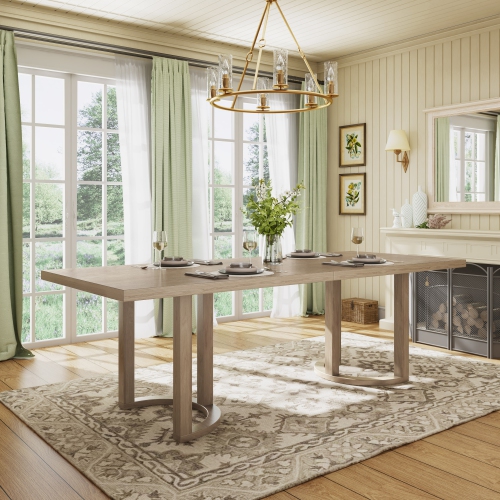
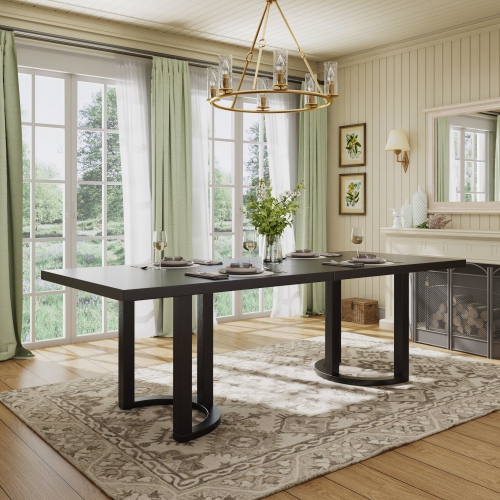
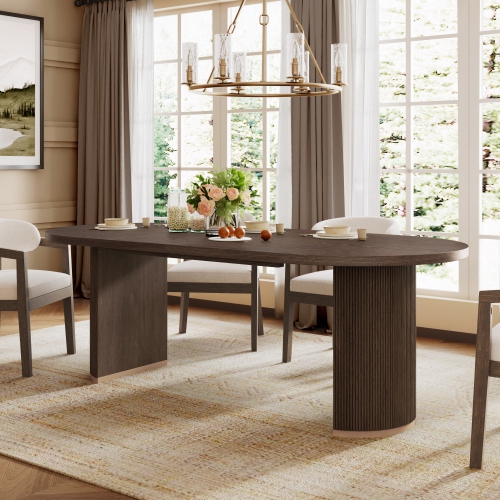
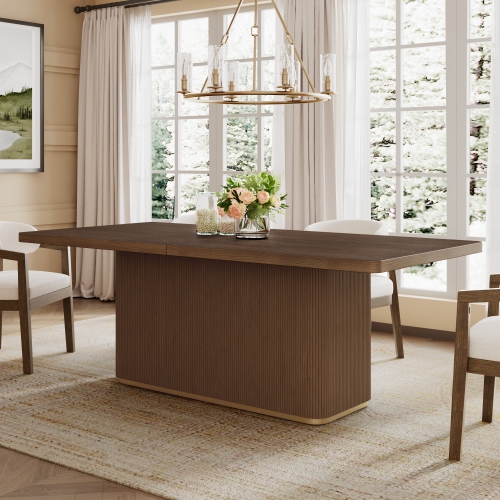
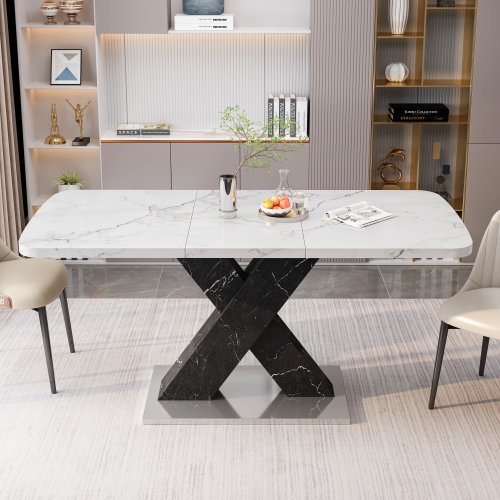
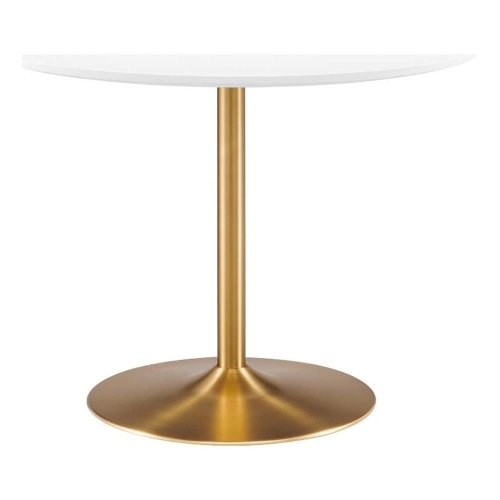
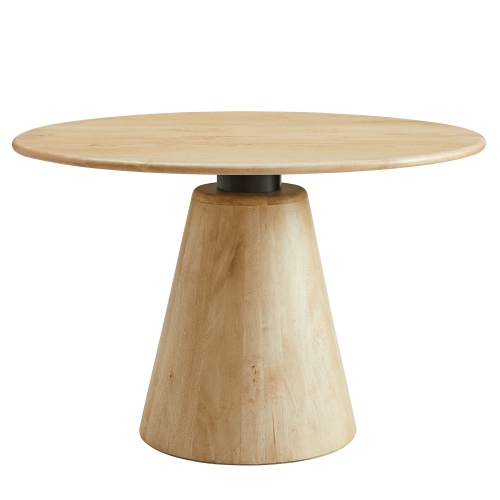
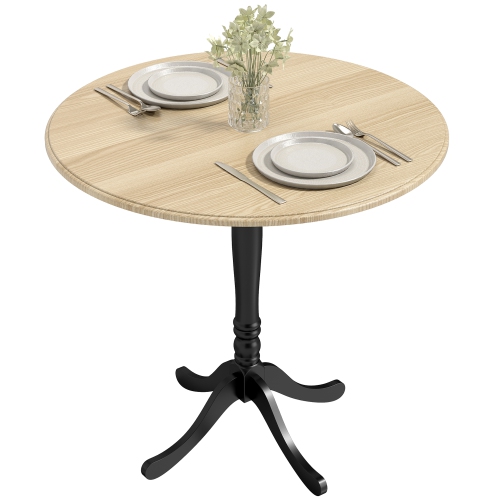
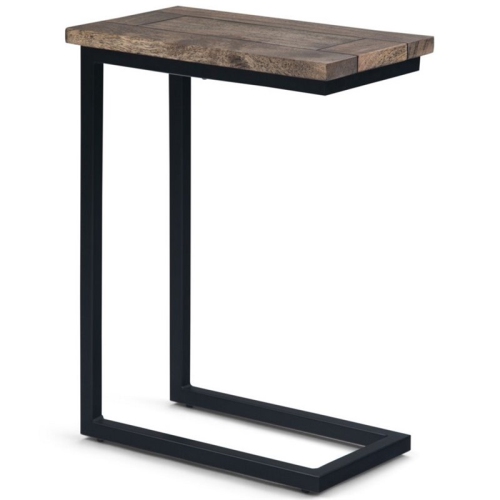
Common table base styles include pedestal, trestle, four-leg, and sled designs. A pedestal base has a central support, while a trestle base uses supports connected by a horizontal beam. Four-leg bases offer a classic look, and sled bases feature continuous runners for a more contemporary appearance.
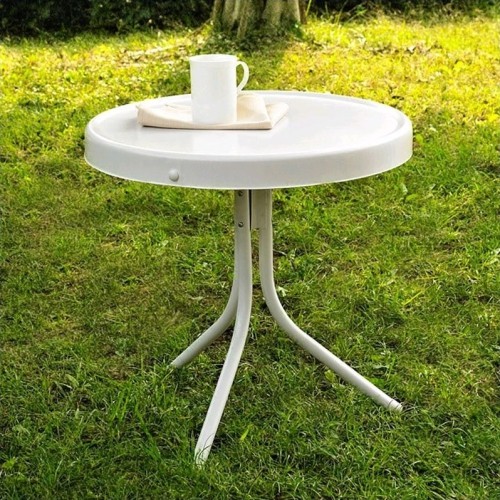
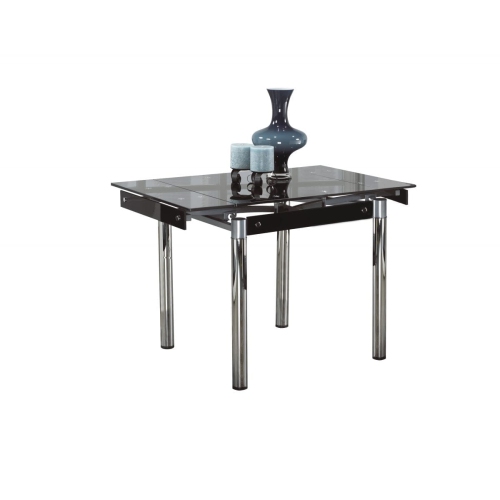
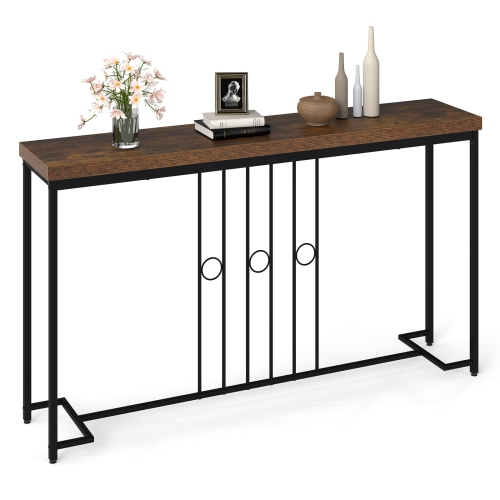
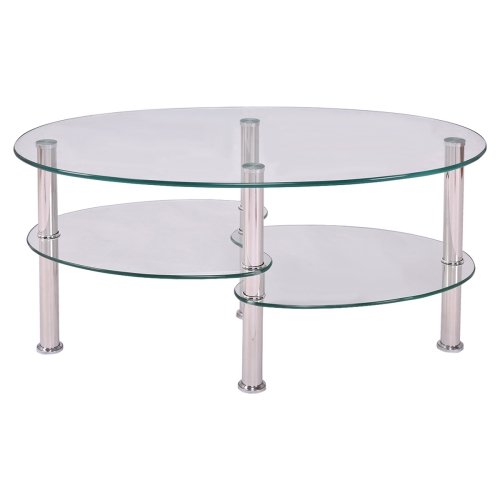
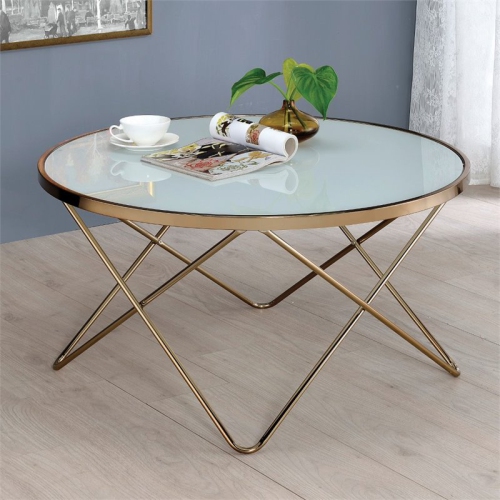
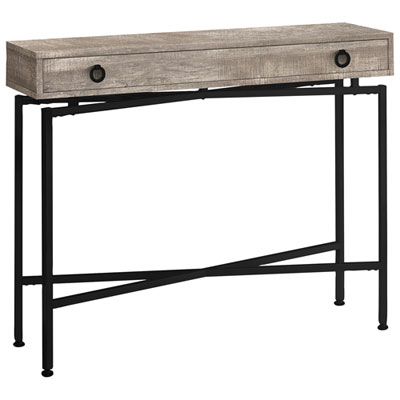
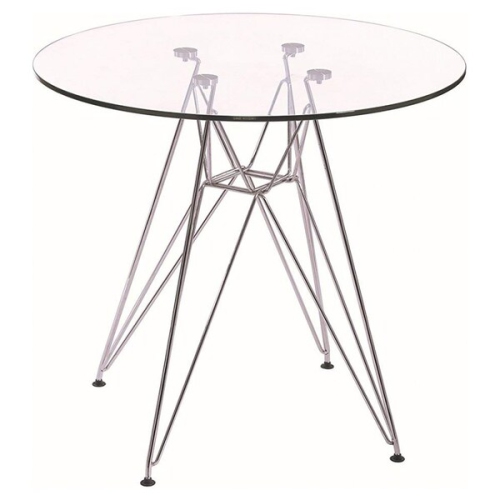
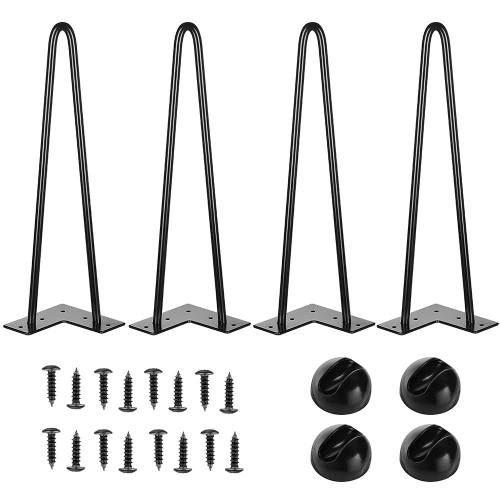
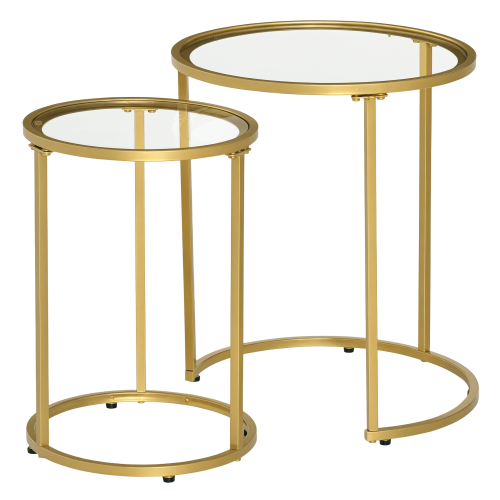
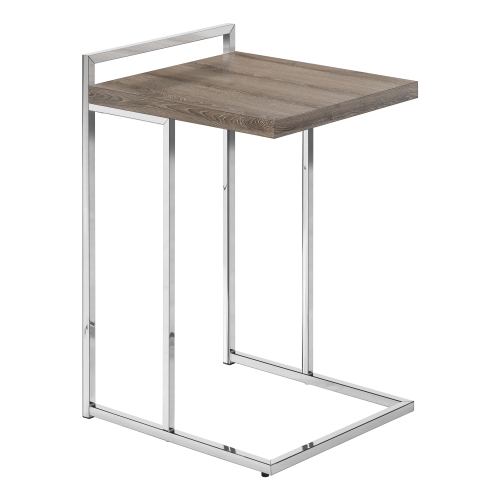
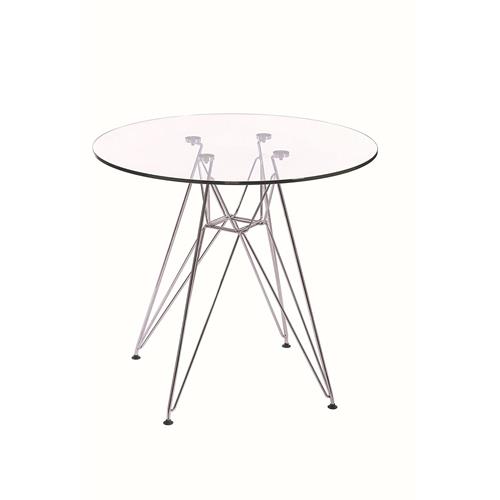
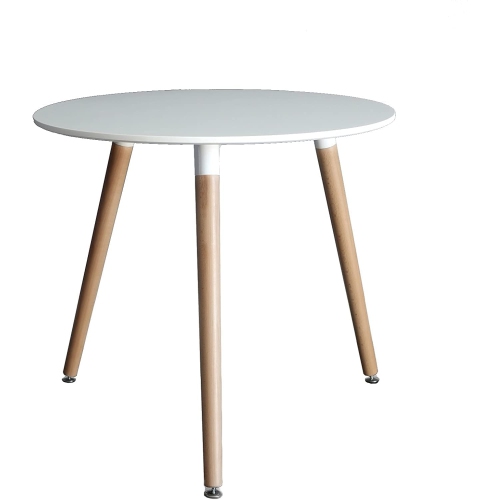
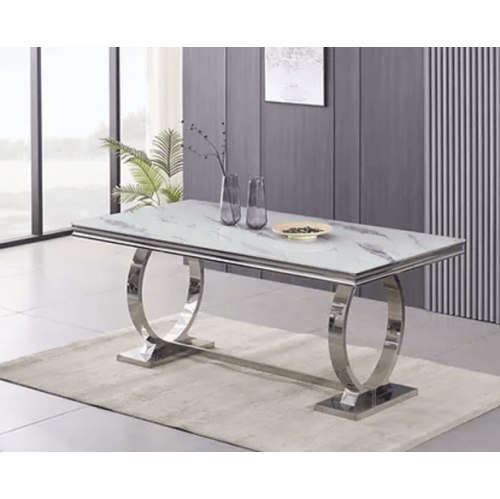
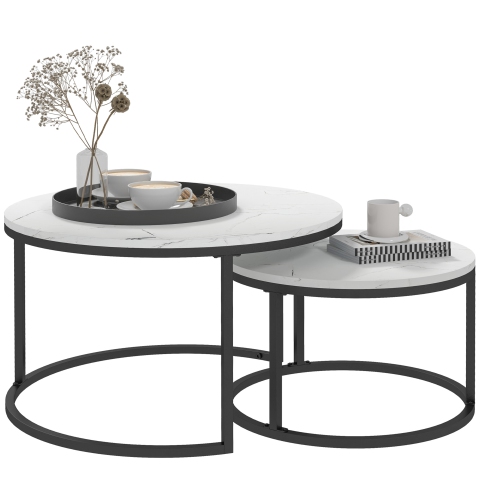
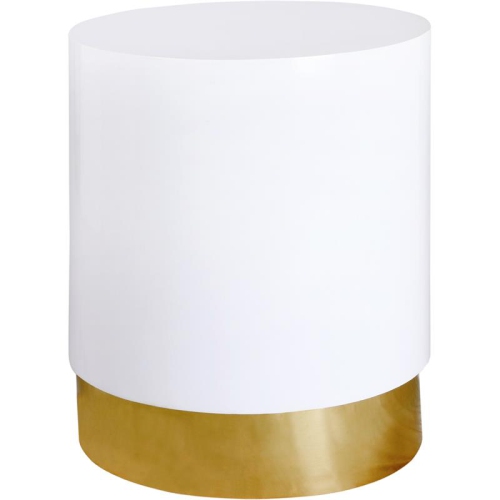
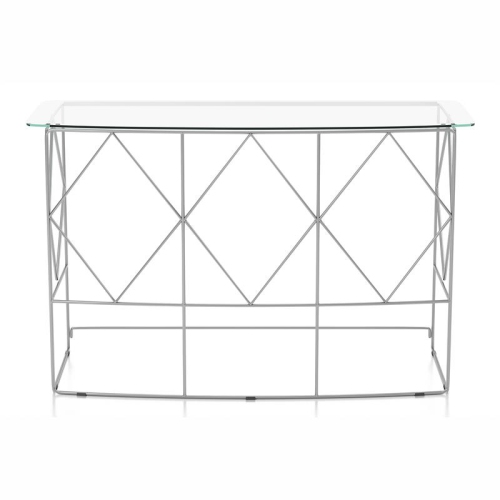
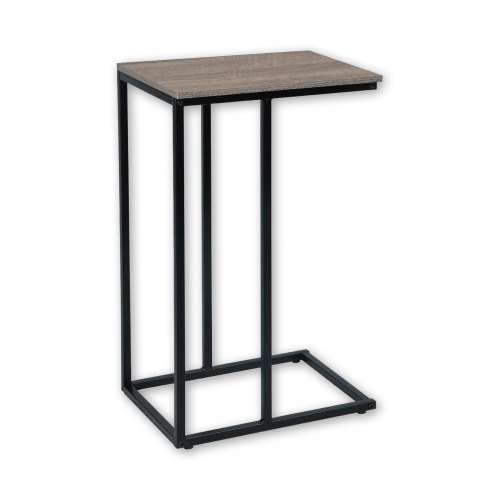
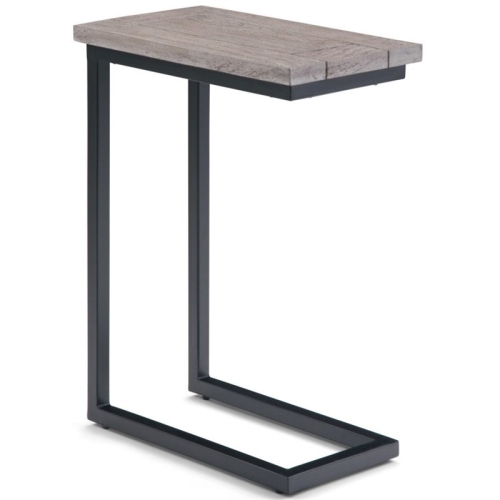
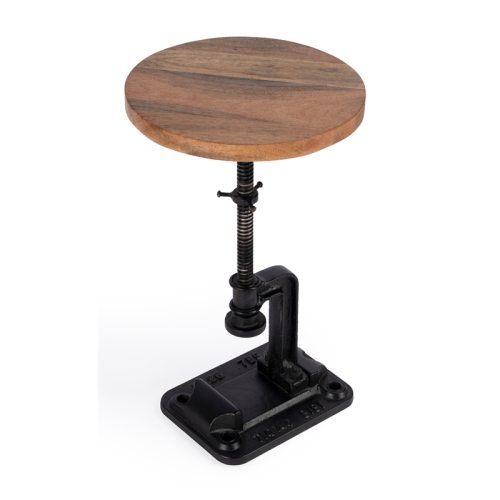
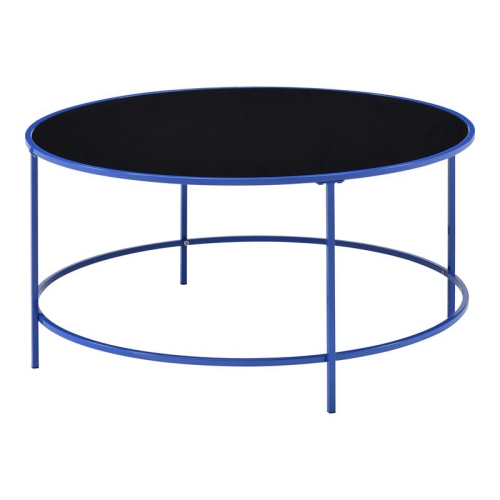
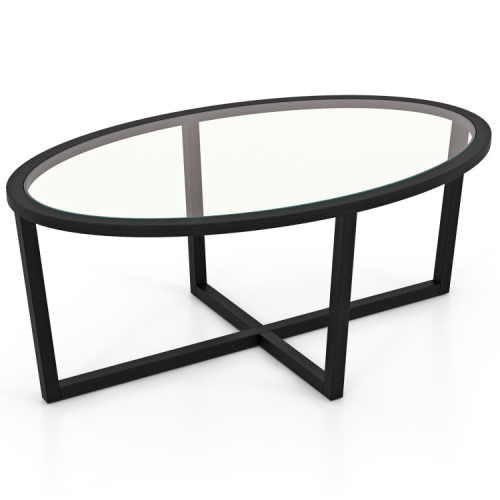
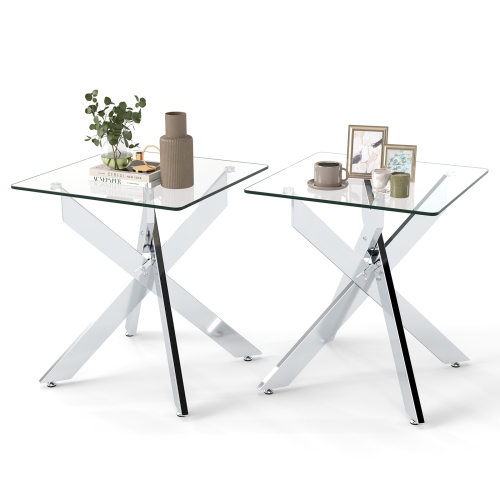
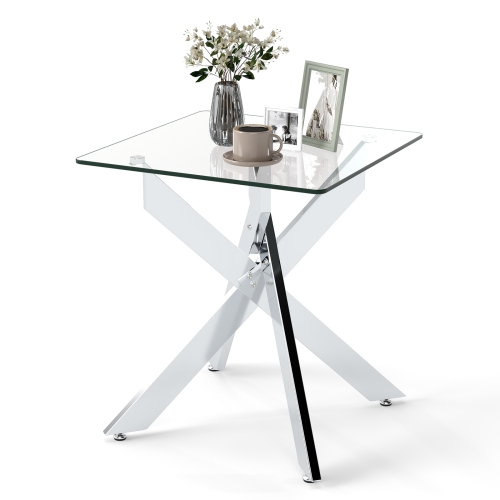
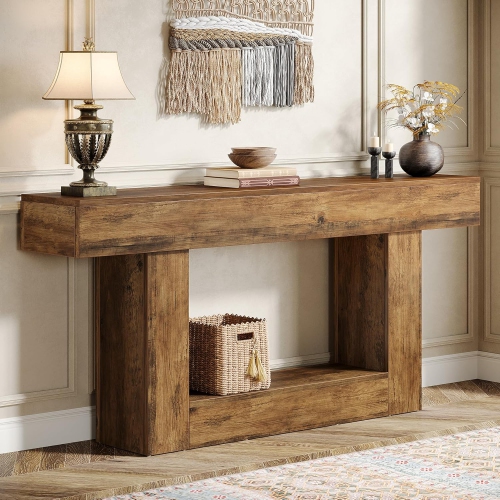
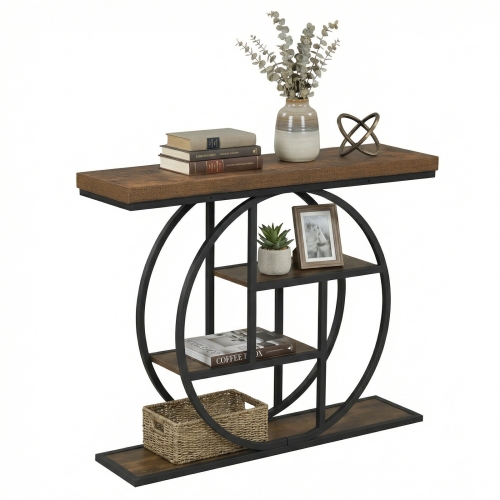
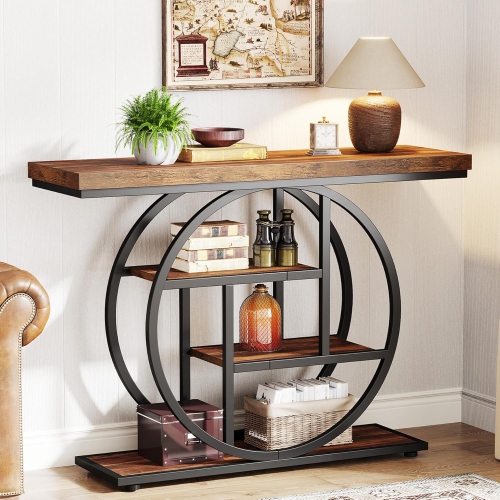
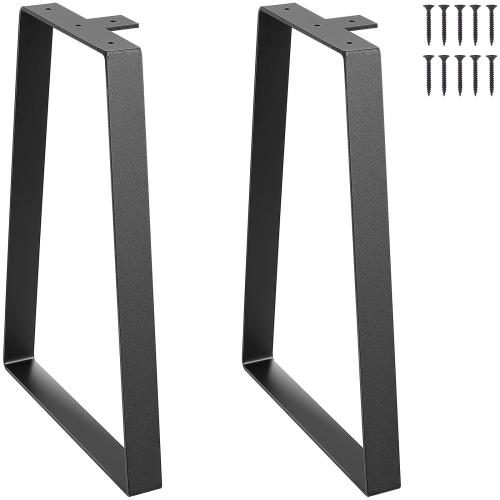
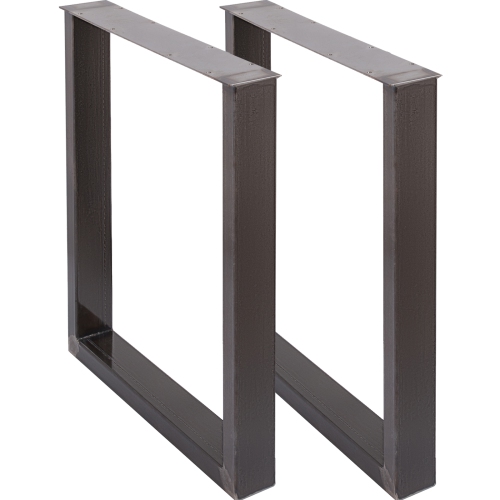
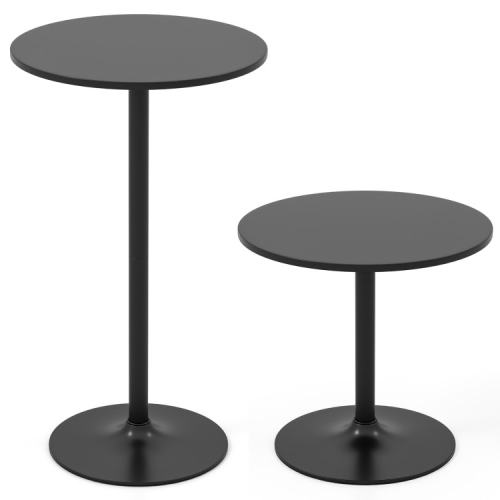
Table bases are often made from wood, steel, cast iron, or aluminum. Wood adds warmth and highlights natural grain, while metal can create an industrial or minimalist look. Some bases combine materials, such as wood accents with a steel frame.
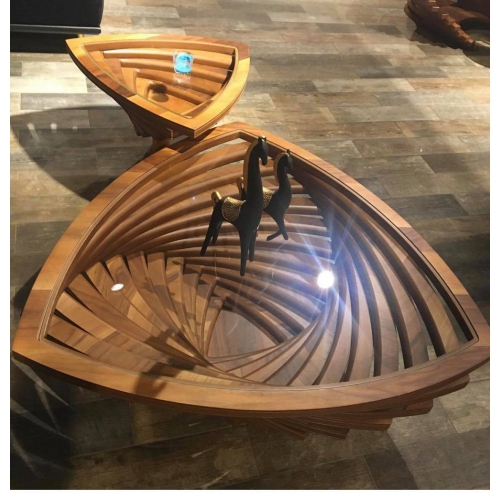
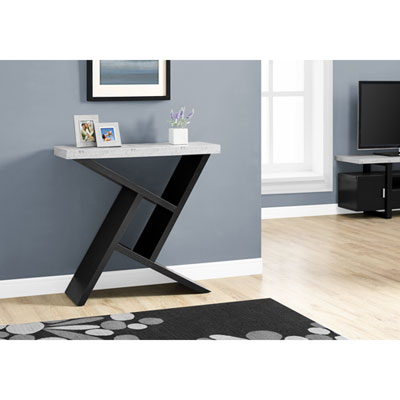
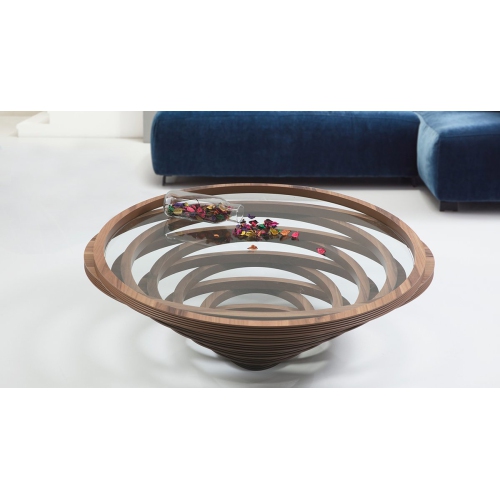
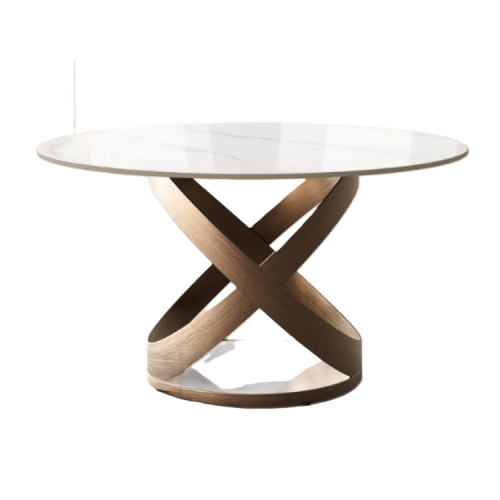
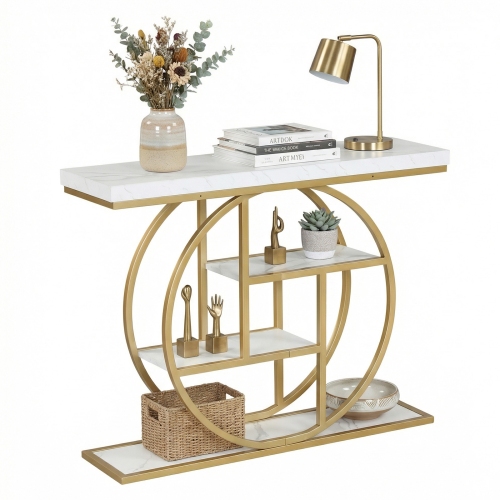
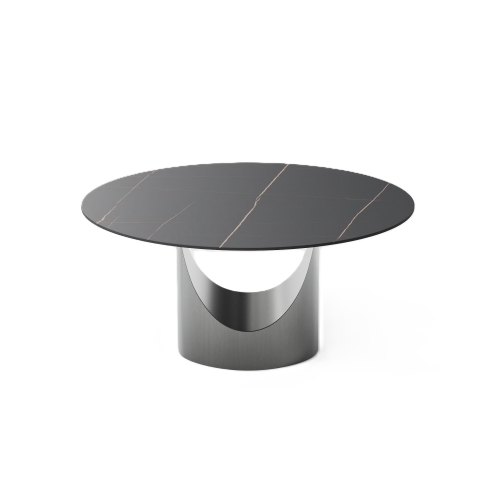
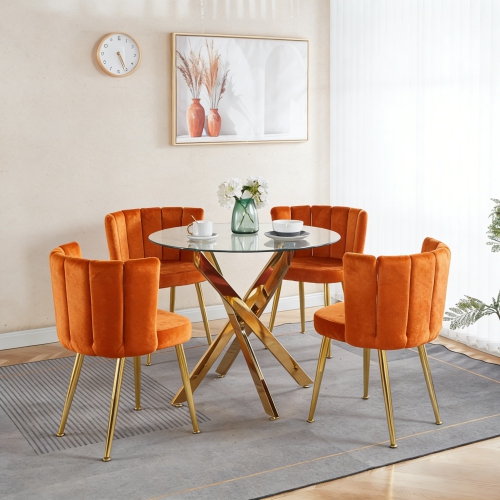
Look for a base that complements the room’s existing colours, finishes, and shapes. Turned wood legs suit many traditional interiors, while simple metal frames pair well with contemporary décor. A sculptural pedestal can act as a focal point, and a finish that echoes cabinet hardware or lighting can tie the room together.
Many table bases are sold separately for pairing with a tabletop. Check the manufacturer’s guidance for compatible tabletop materials and attachment methods. Wood, glass, and stone tops may require different mounting hardware or connectors.
Follow the care instructions for the base’s material and finish. Dust regularly with a soft cloth and use a lightly dampened cloth for routine cleaning when permitted. Dry the surface afterwards, and avoid abrasive cleaners that could scratch or dull the finish.
Top selling and popular products
Discover more categories related to Table Bases
Some products may be subject to Environmental Handling Fees (EHF) depending on your province. Learn more about EHFs.