Metal Base Tables
Metal base tables are a versatile and stylish addition to any home or office space. With their sleek and modern design, these tables offer both functionality and aesthetic appeal. Whether you're looking for a coffee table, dining table, or side table, metal base tables come in a variety of shapes, sizes, and finishes to suit your decor preferences. Durable and sturdy, these tables provide a stable foundation for everyday use while adding a touch of contemporary flair to your living area. Explore our selection of metal base tables to find the perfect piece to elevate your space.
Sort
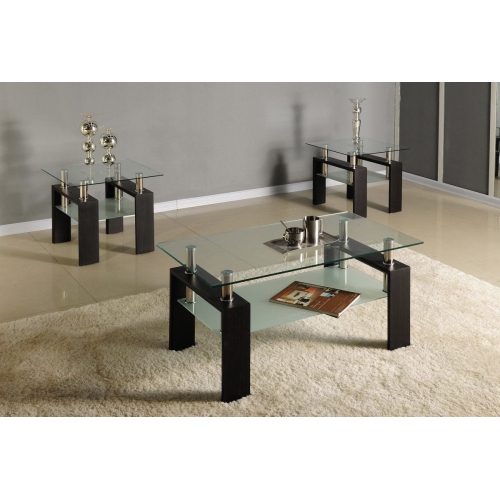
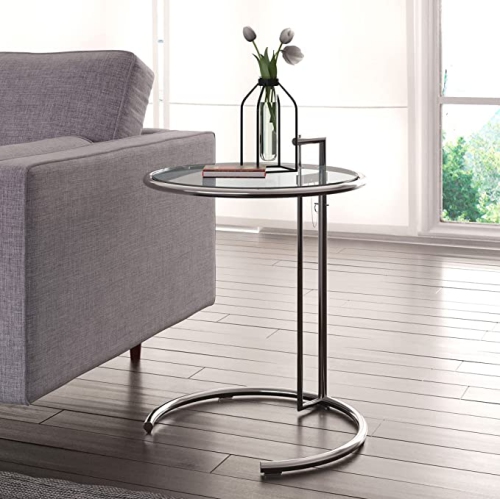
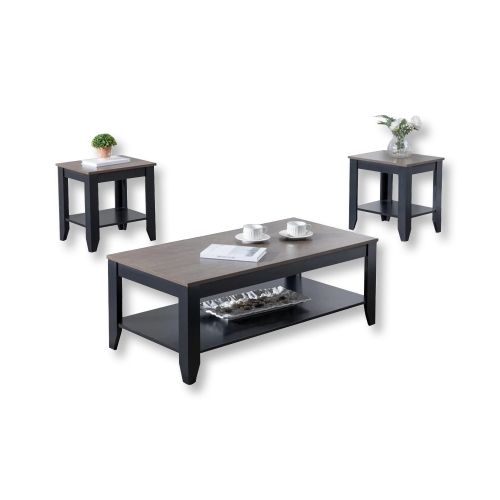
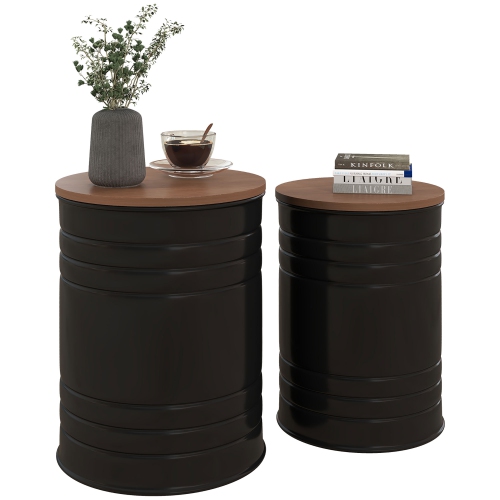
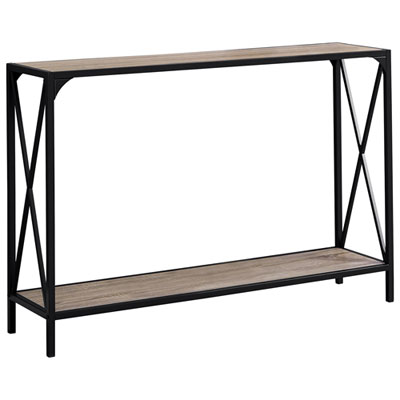
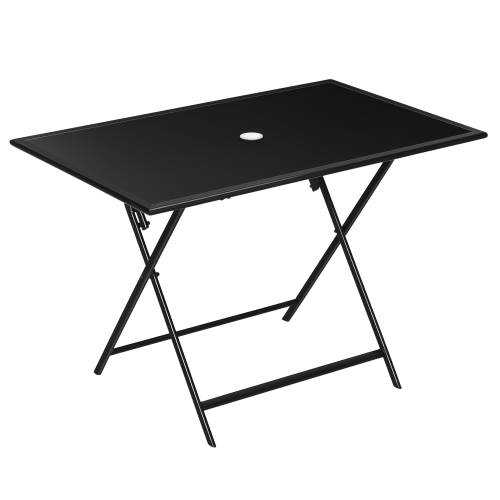

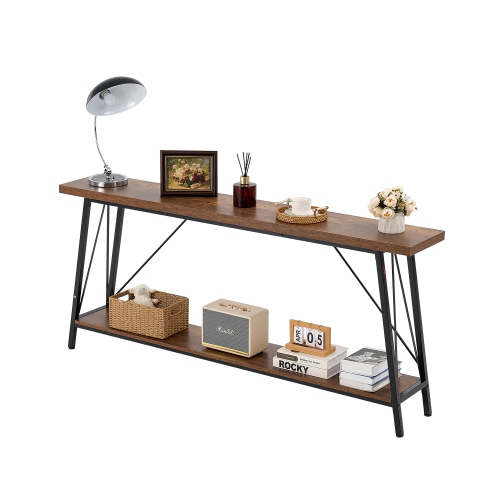
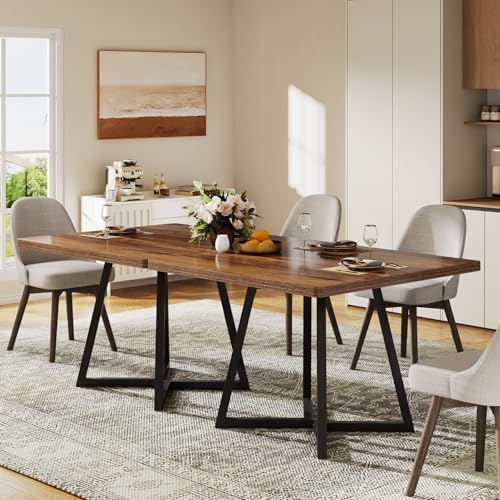
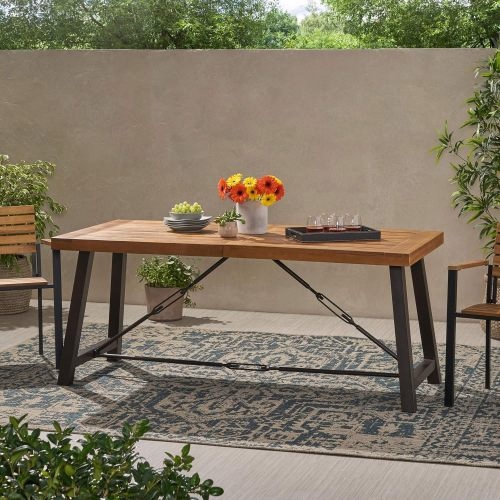
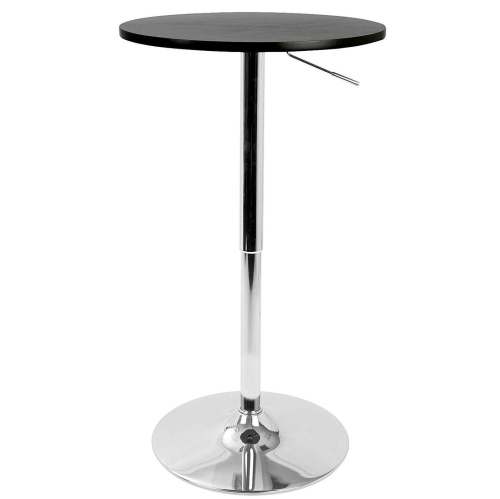
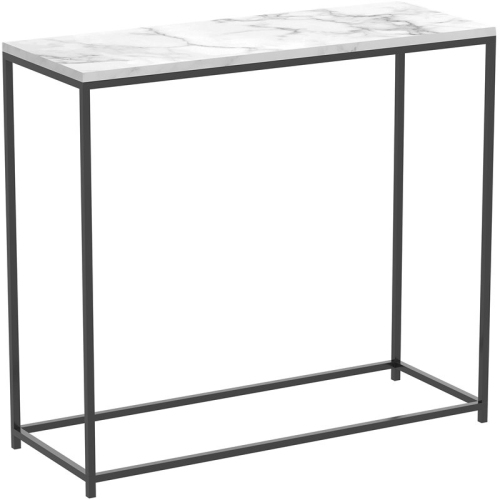
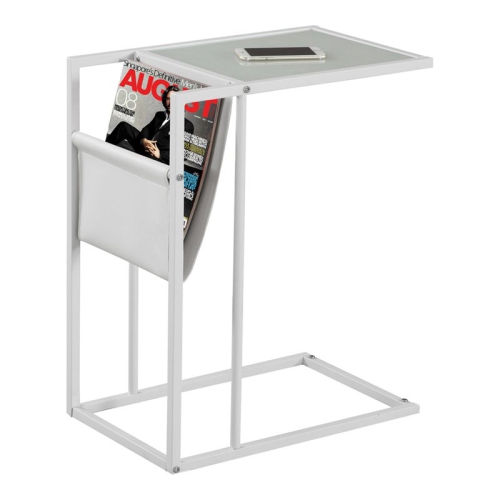

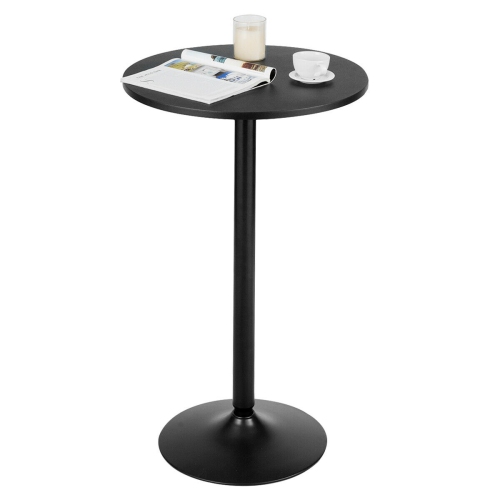
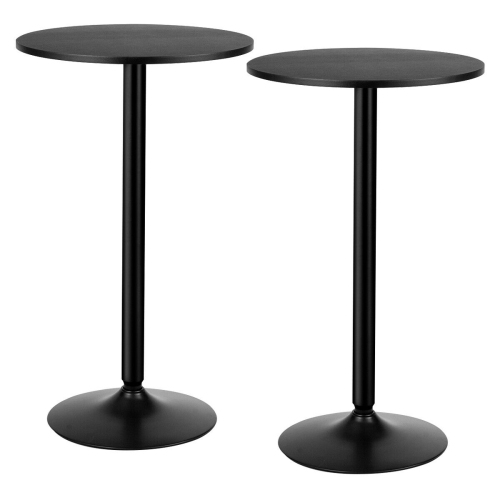

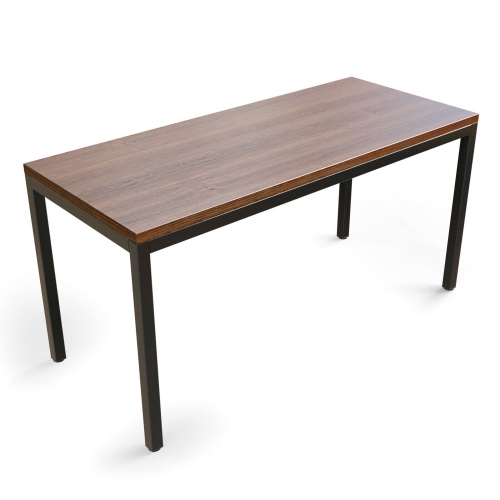
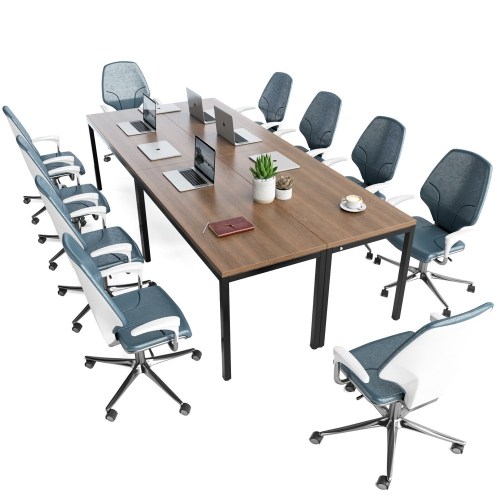
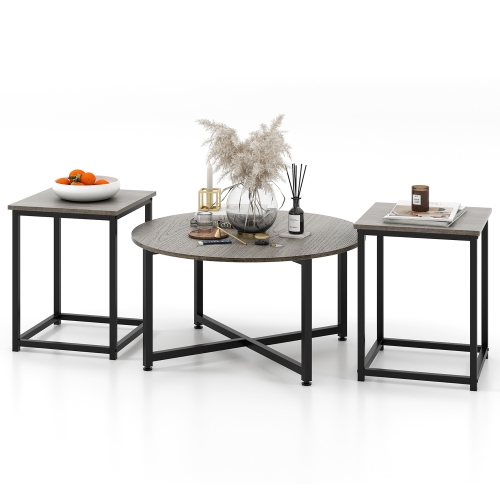
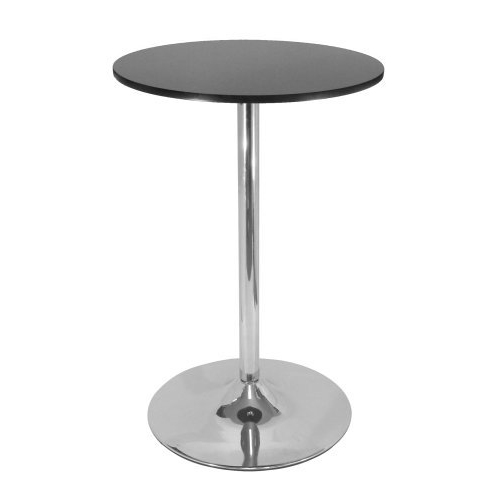
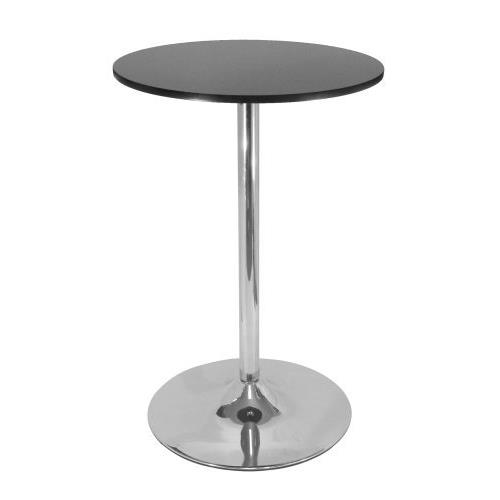
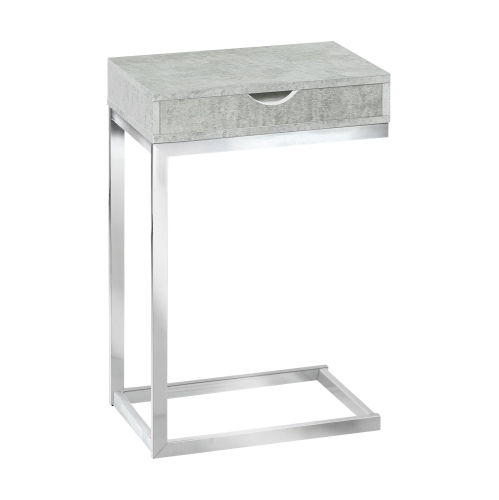
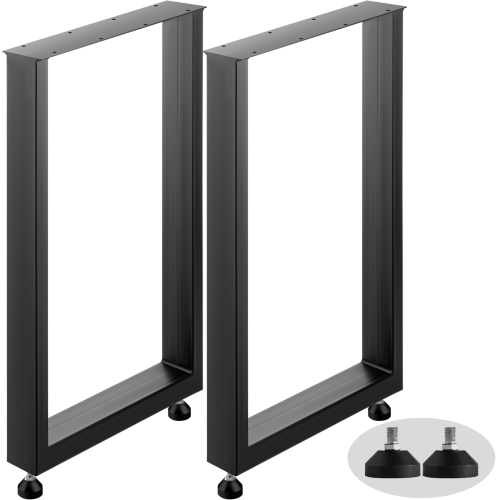
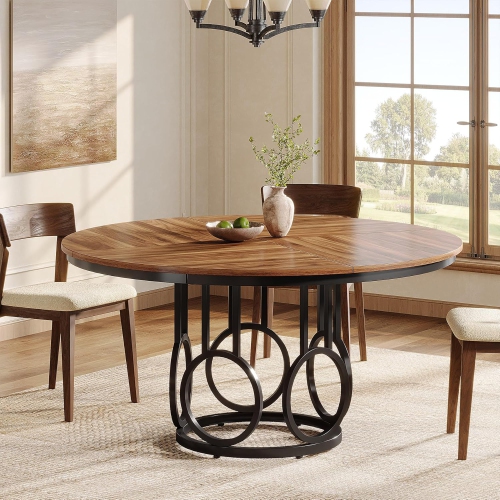
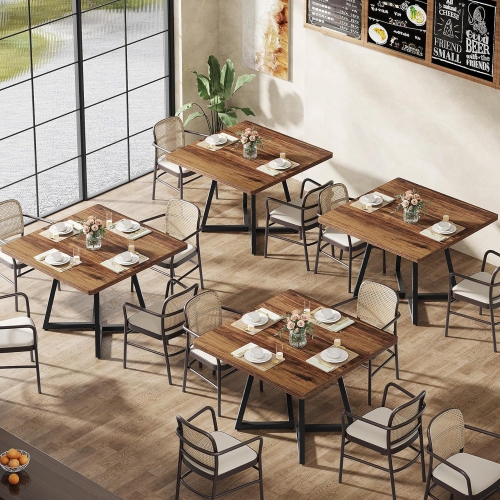
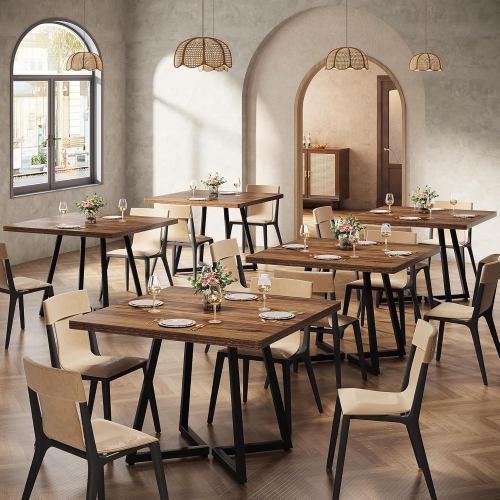
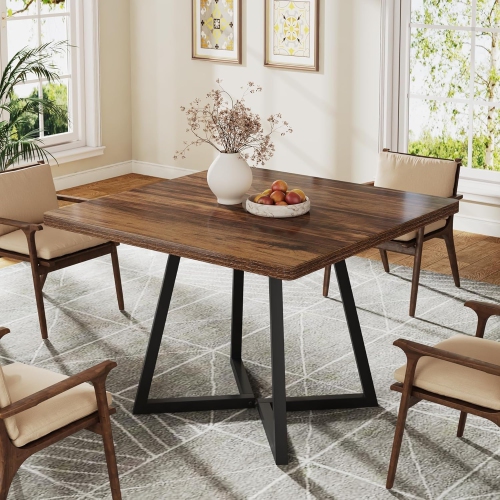
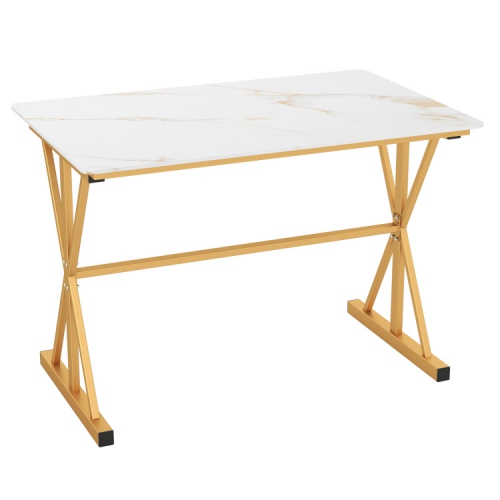
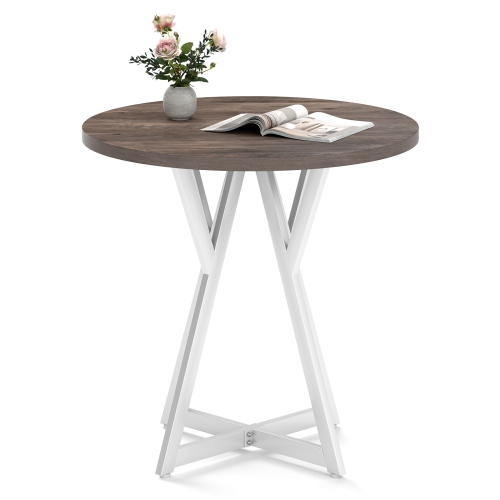
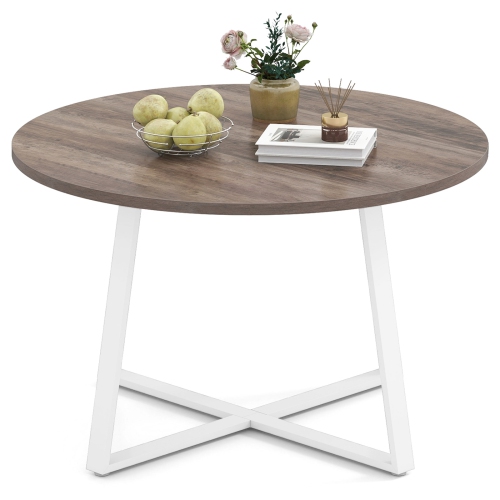
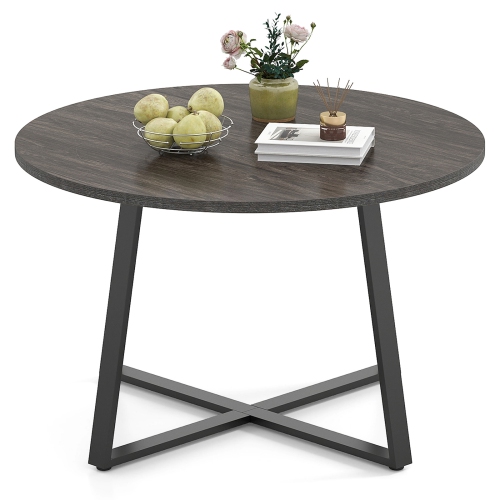
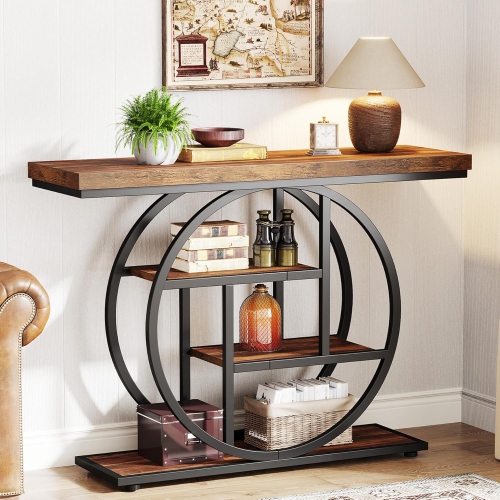
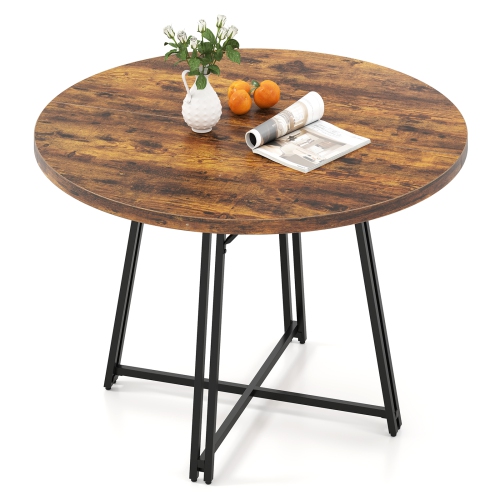
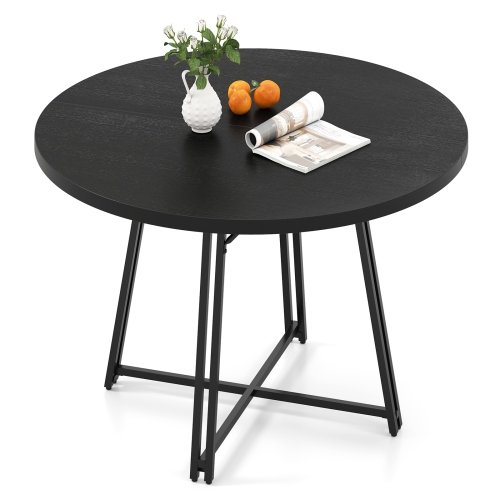
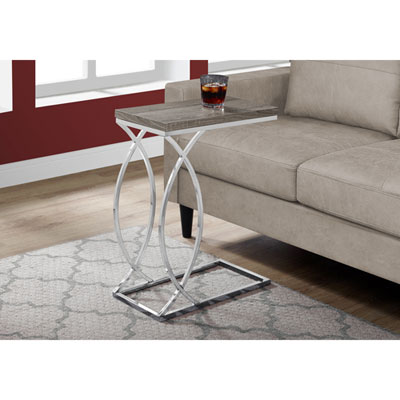
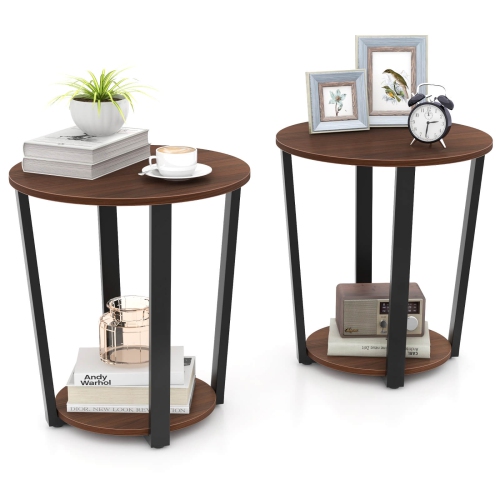
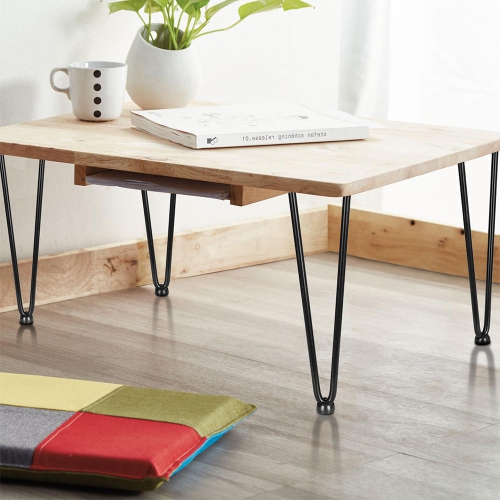
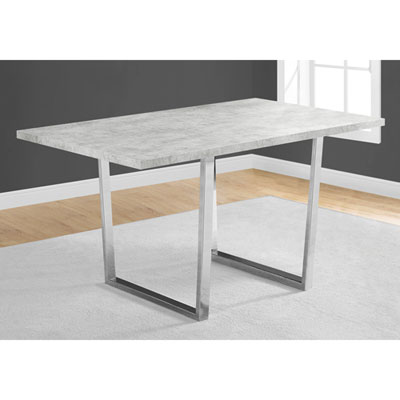
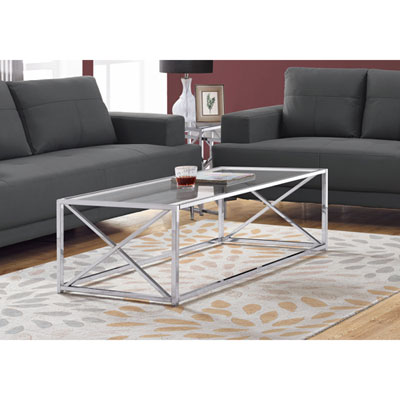
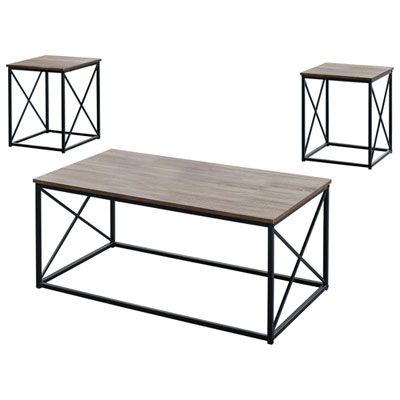

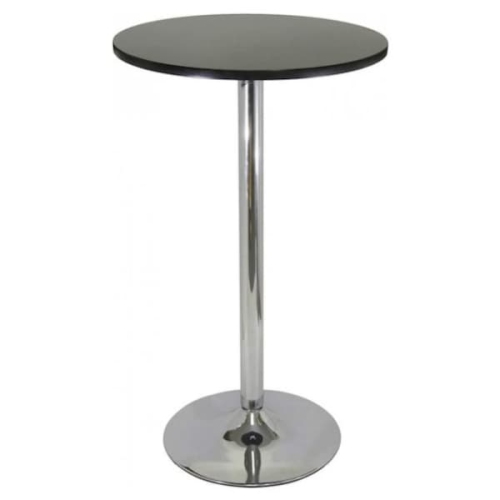
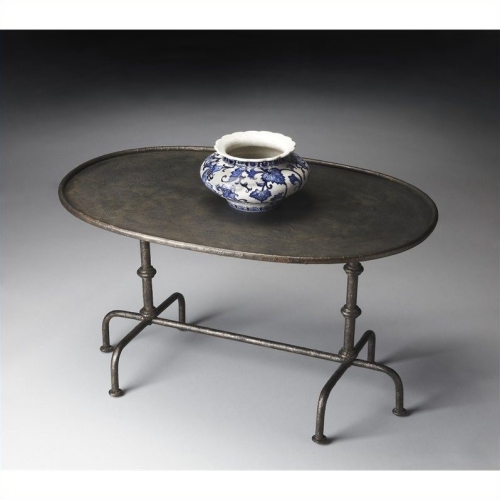
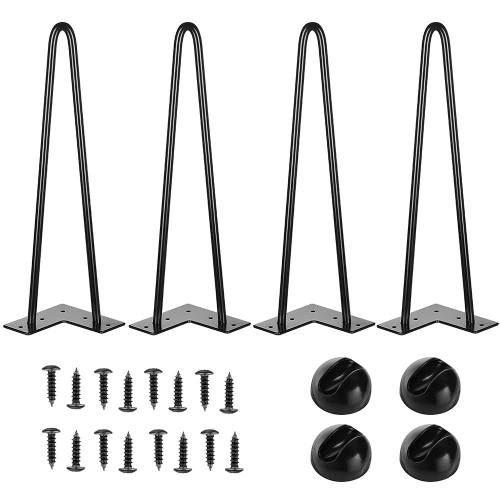
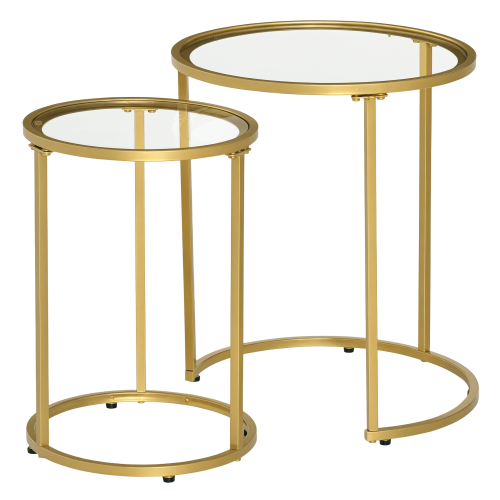
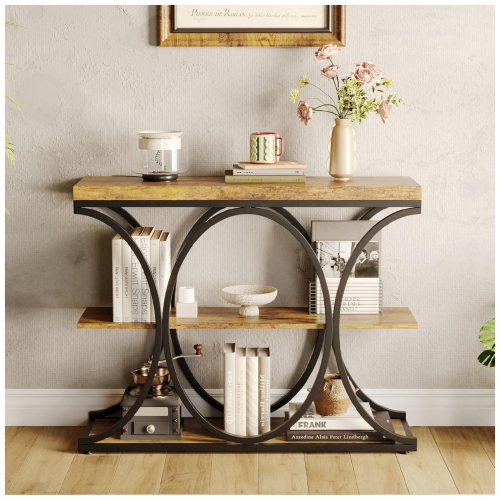
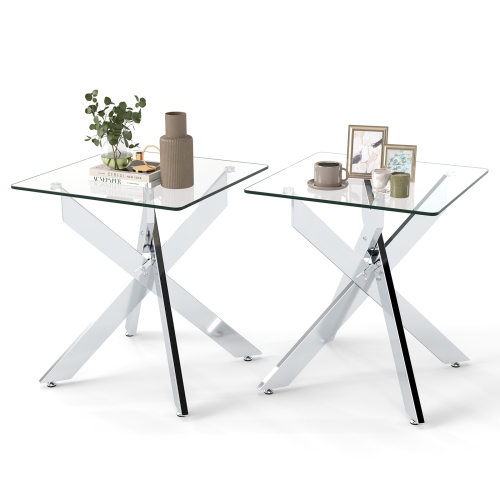

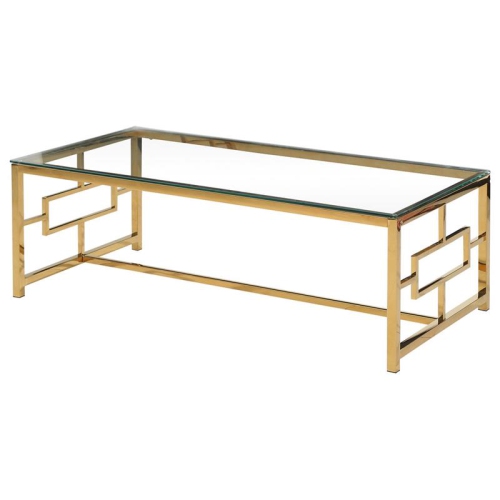
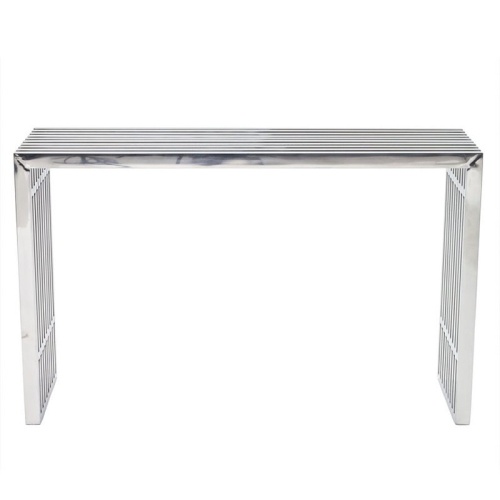

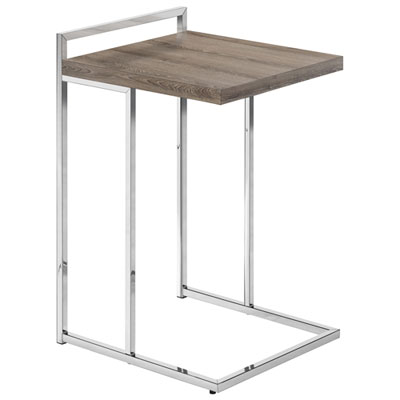
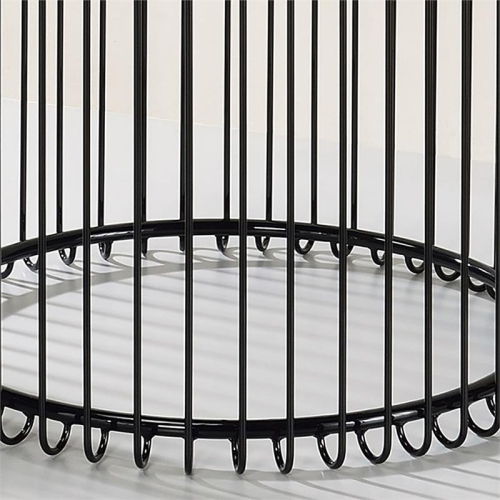
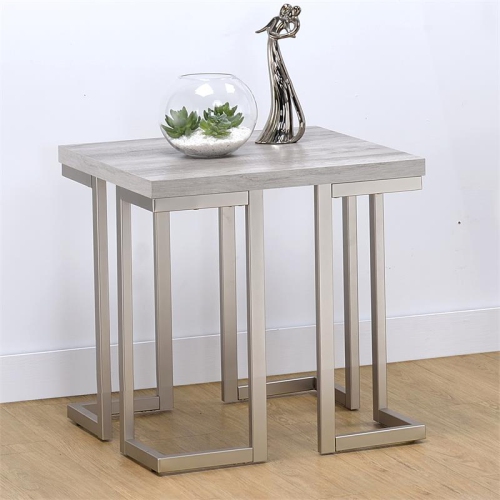
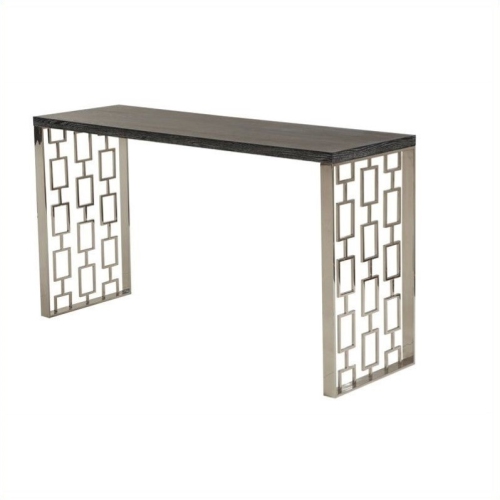
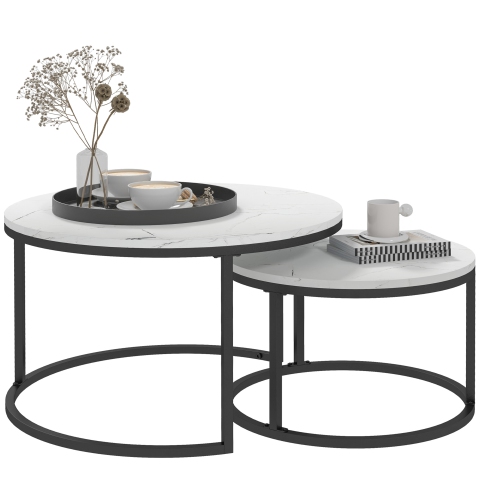
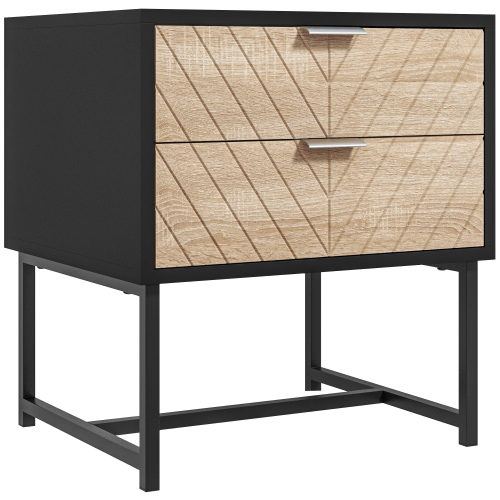
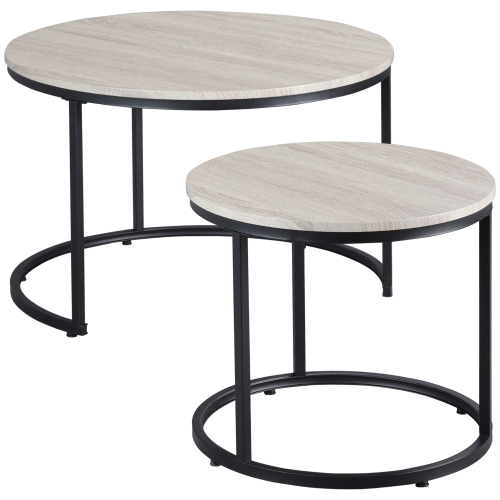
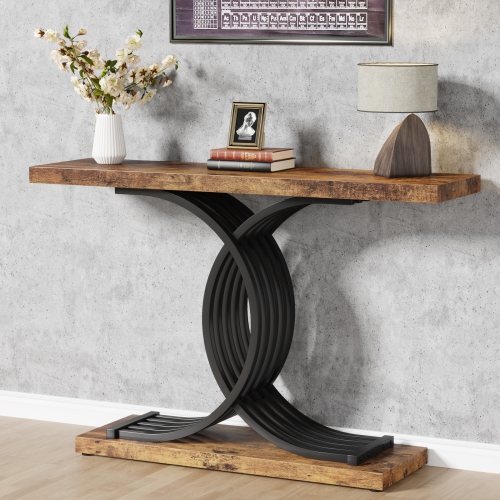
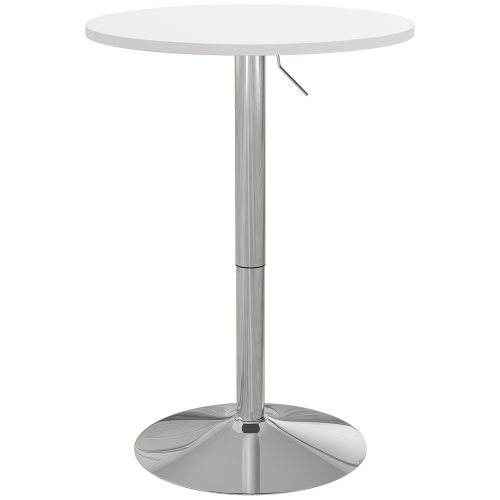
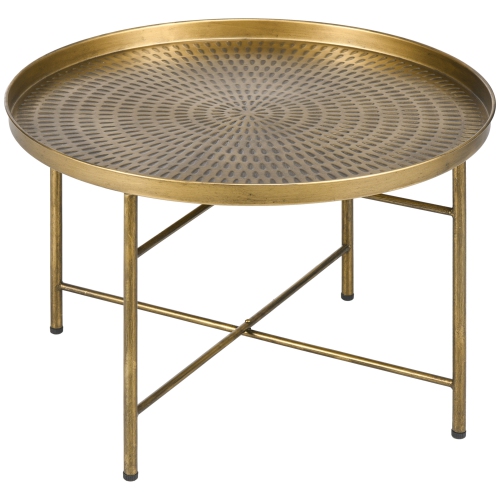
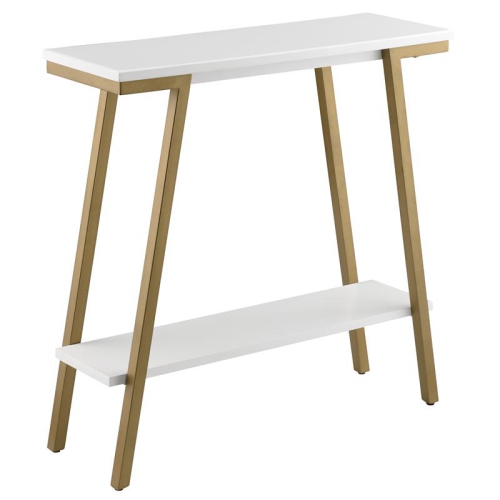
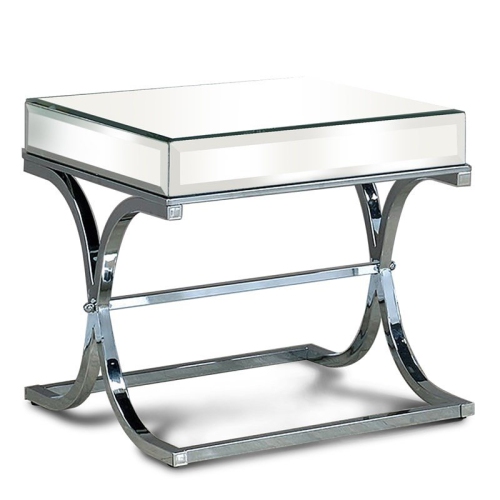

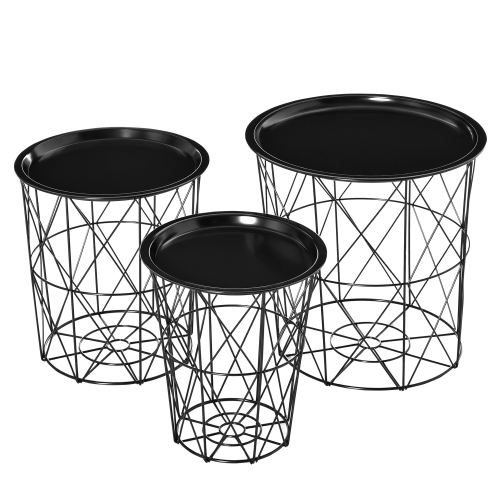
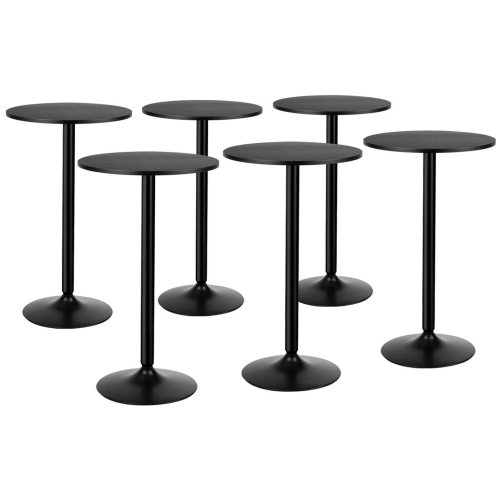
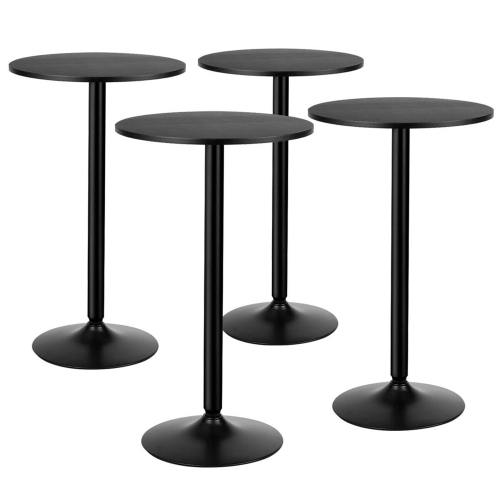
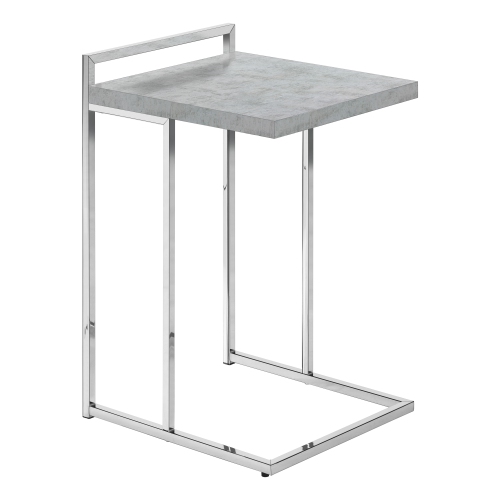

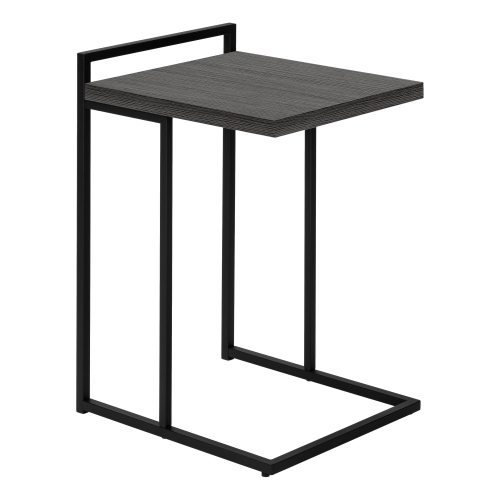
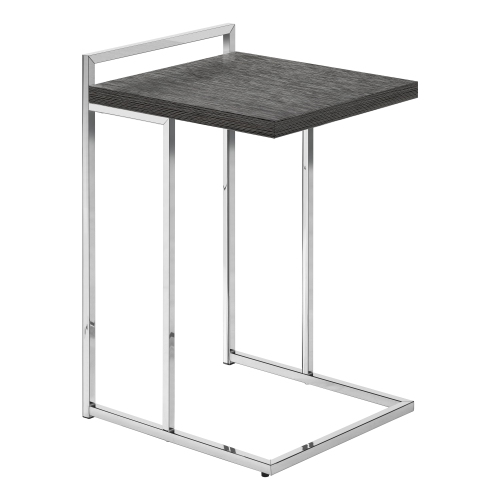
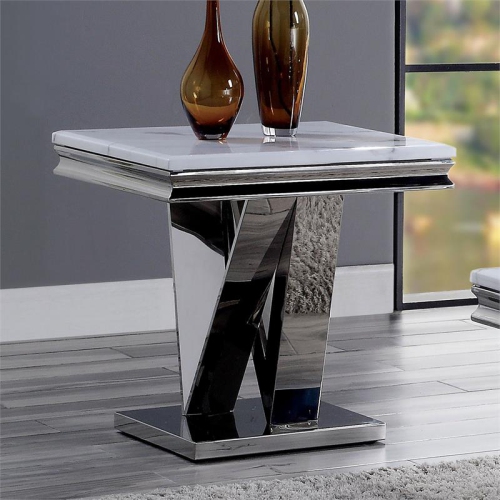
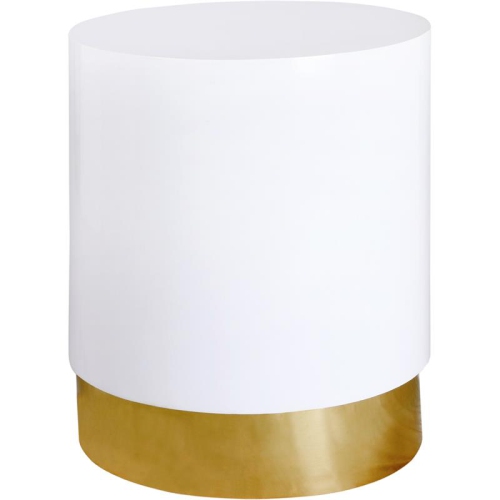
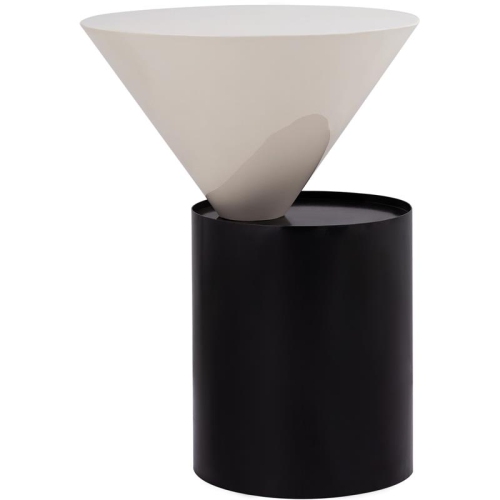
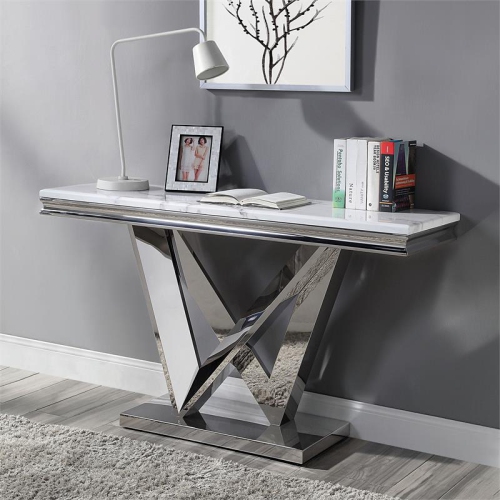
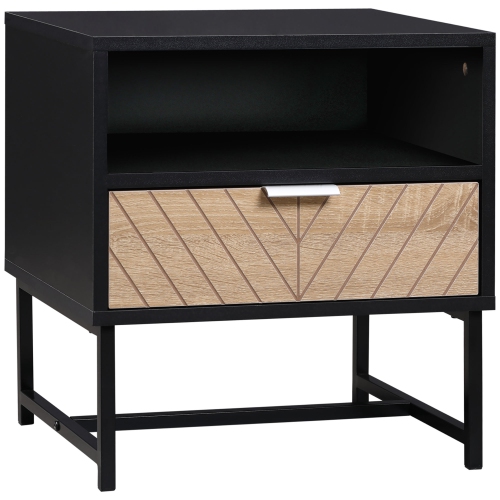
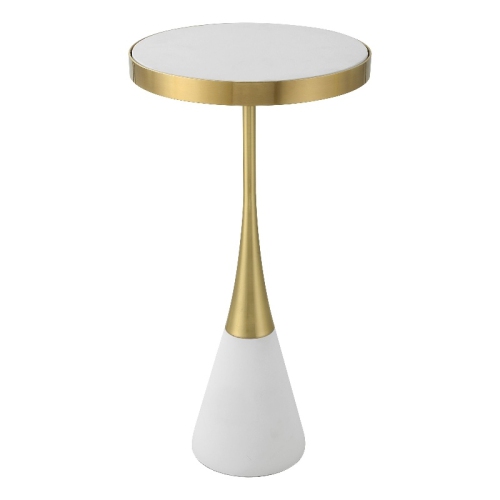
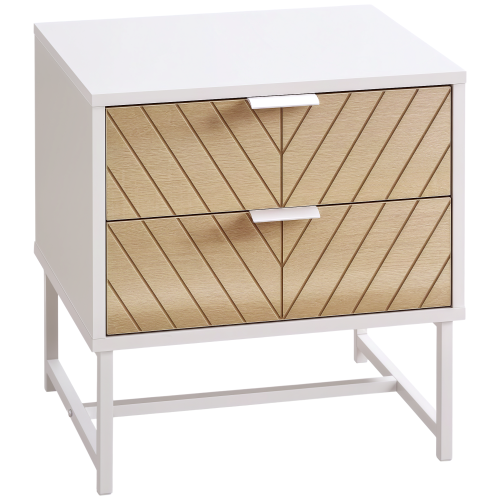
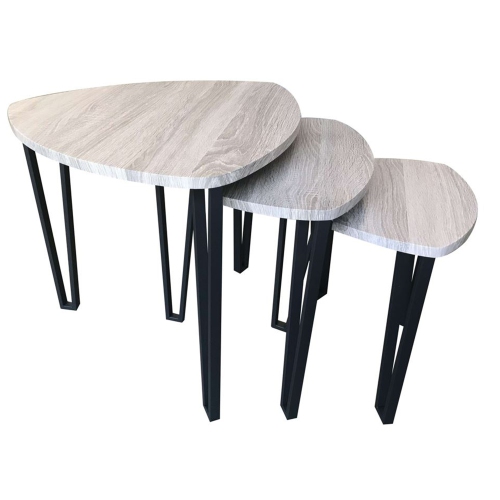
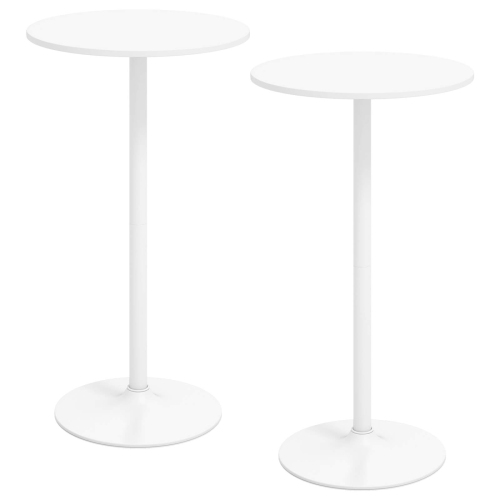
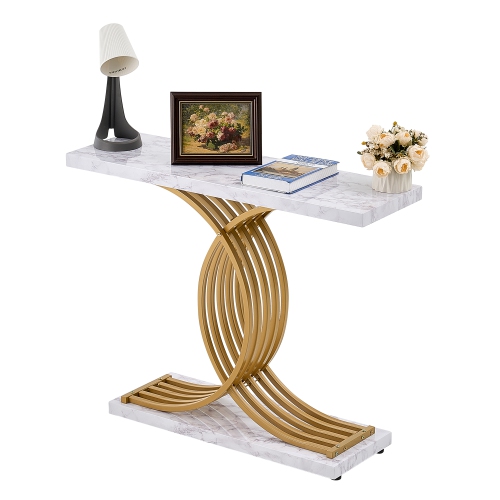
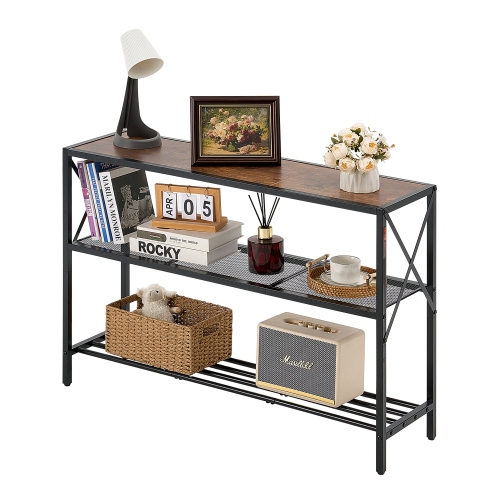
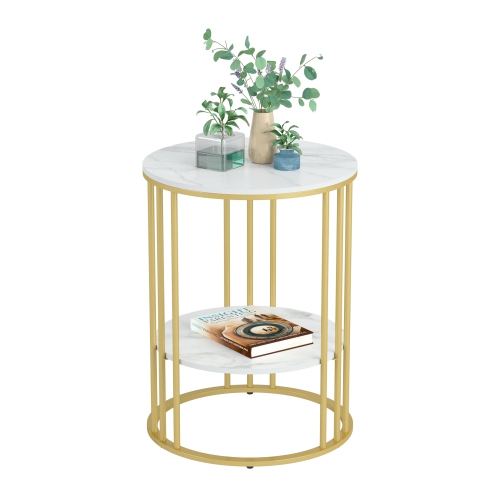
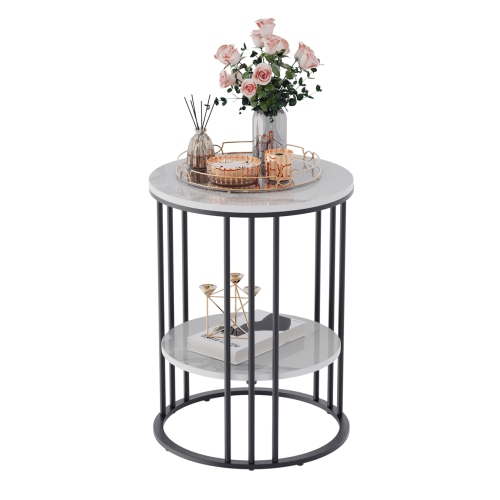
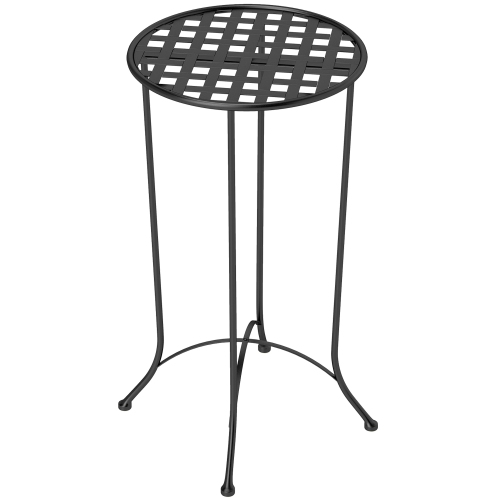
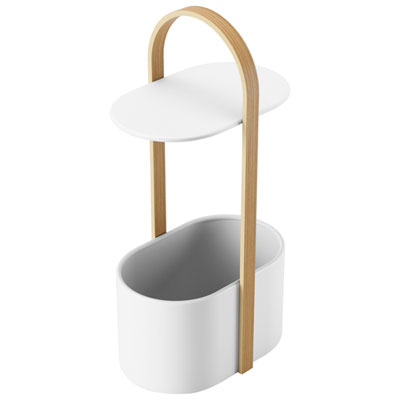
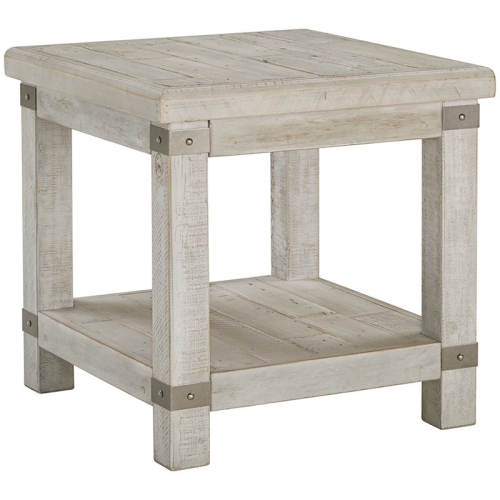
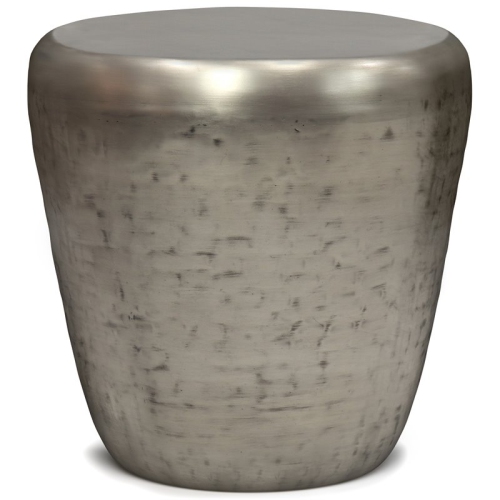
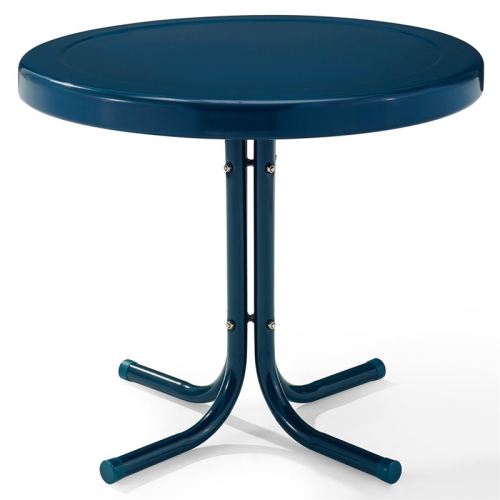
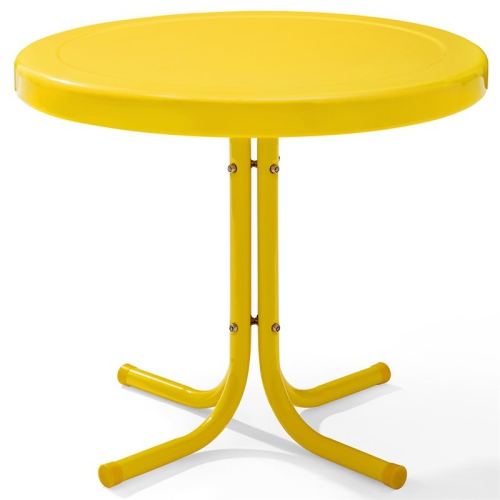
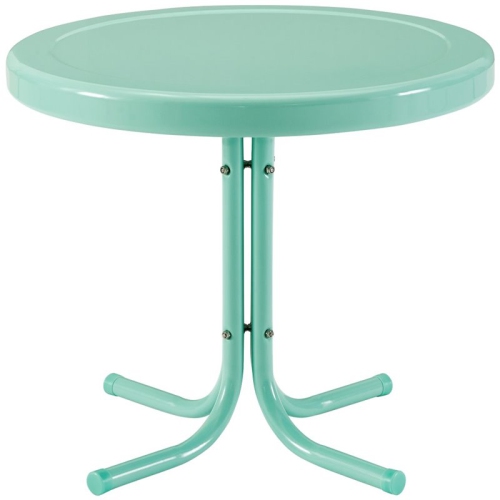
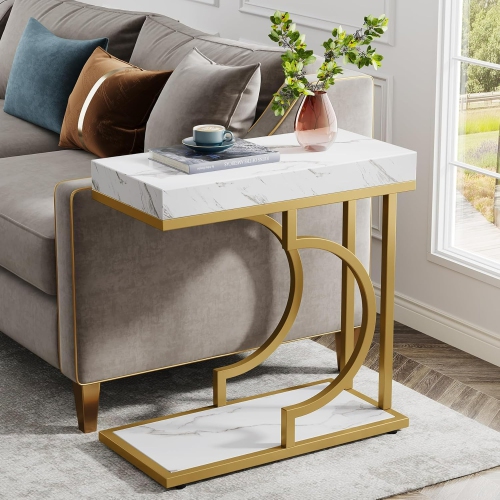
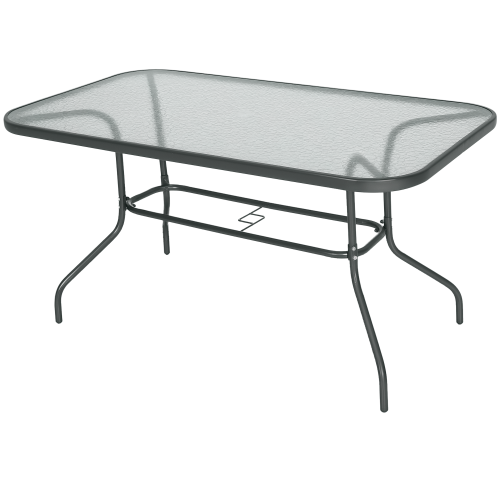
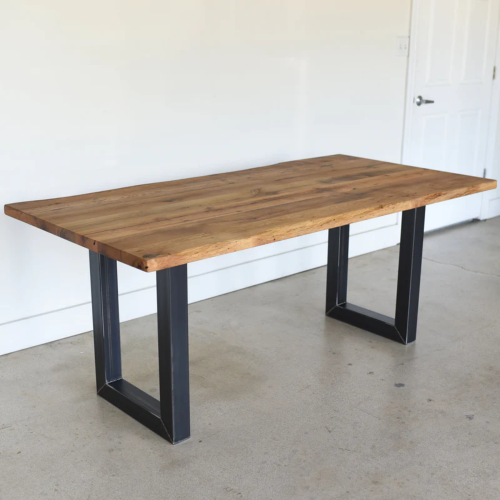
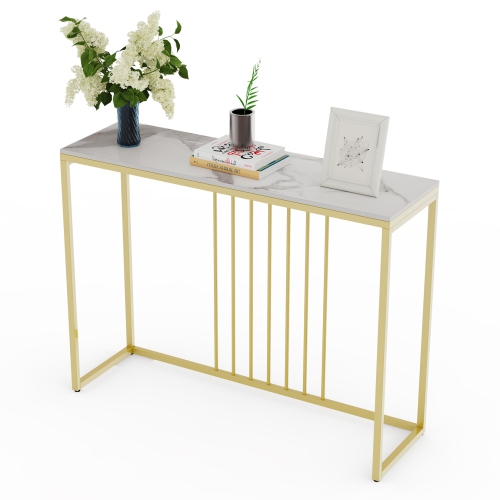


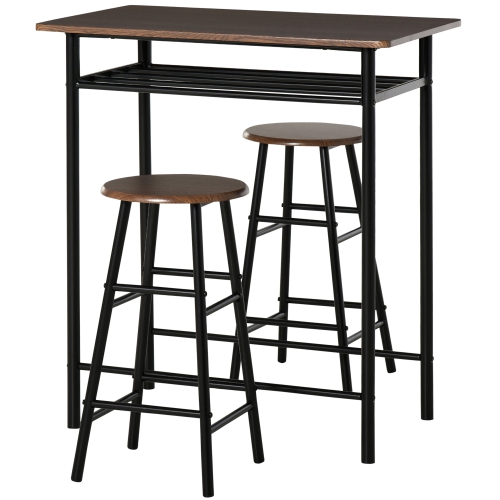
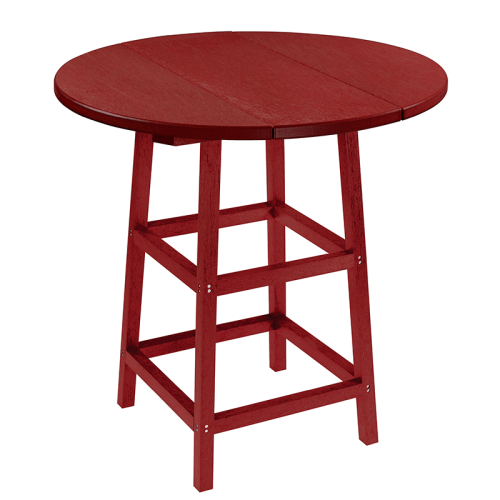
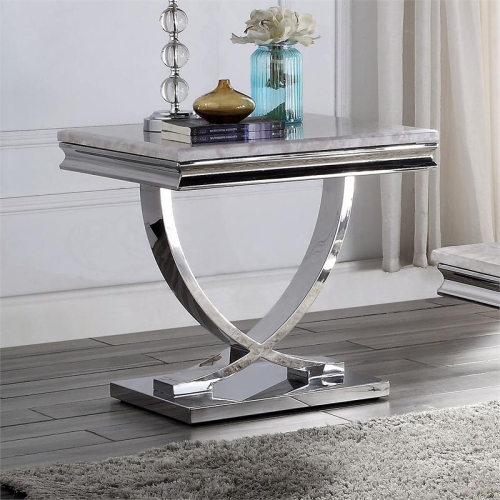
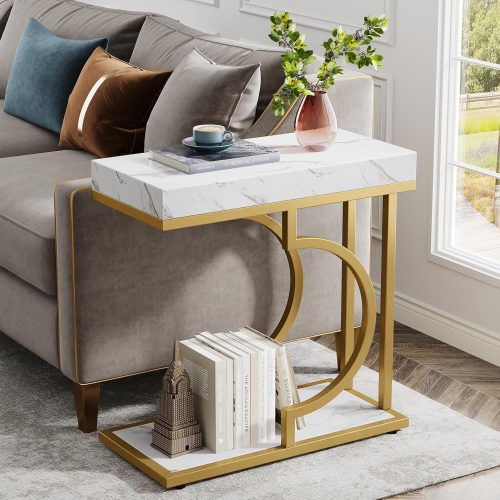
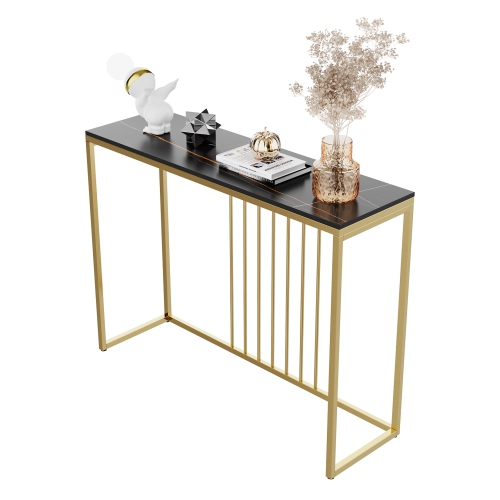
A sturdy foundation for dining, work, and entertaining
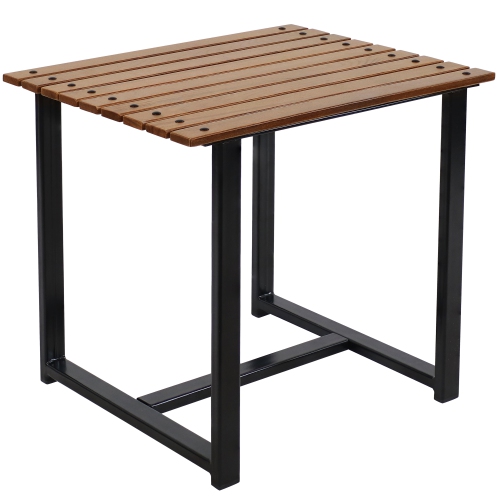
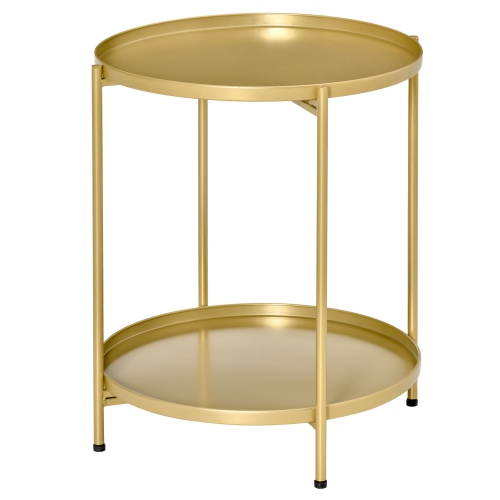
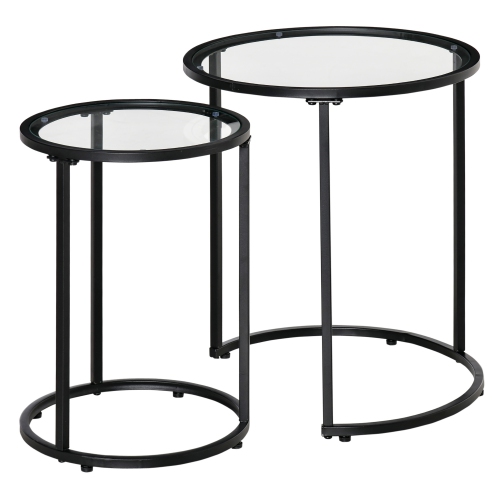
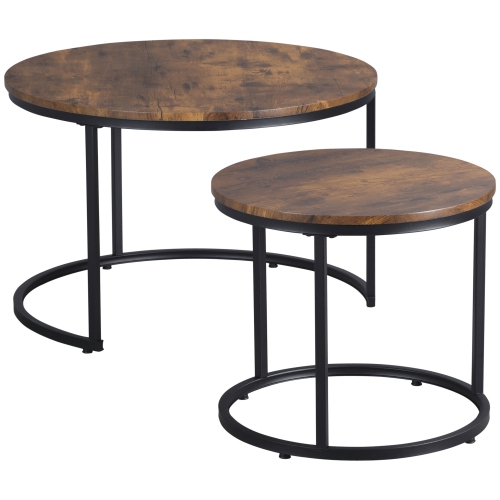
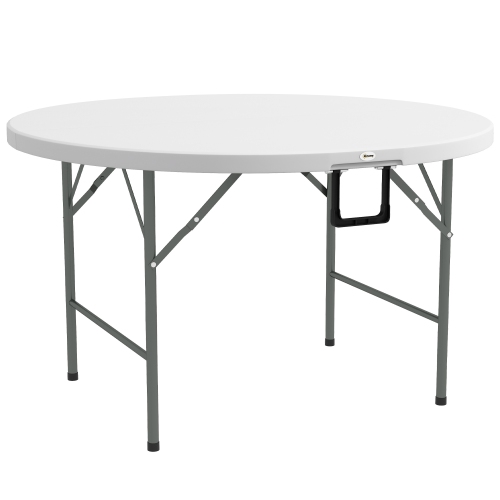
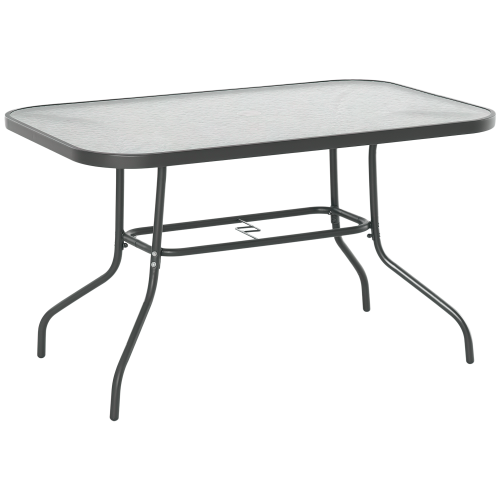
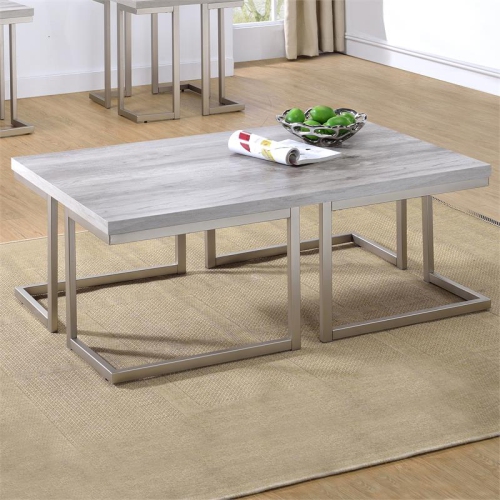
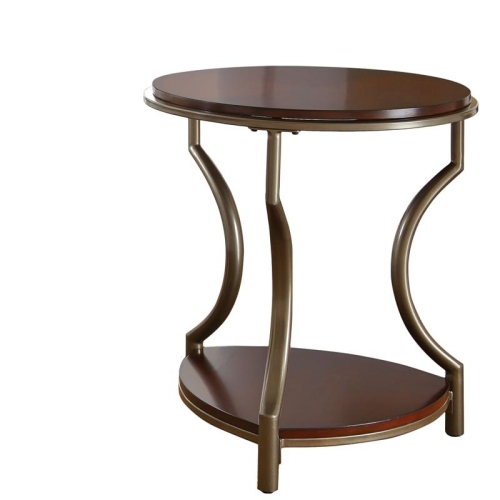
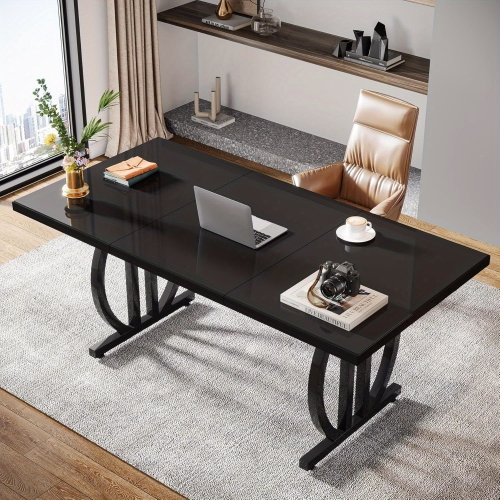
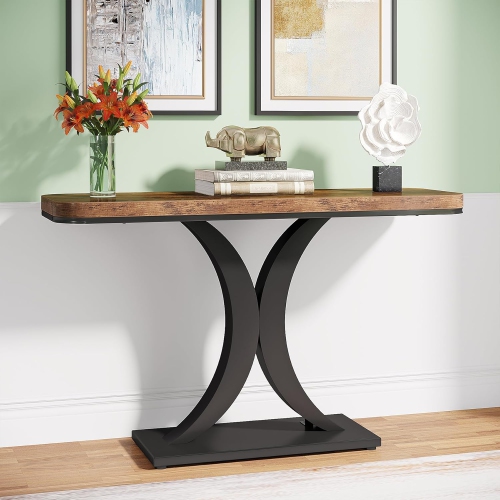
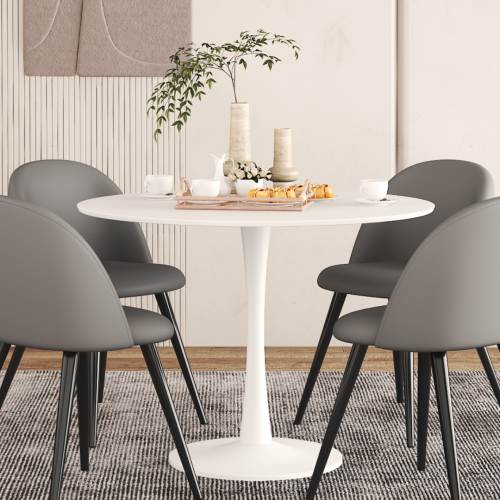
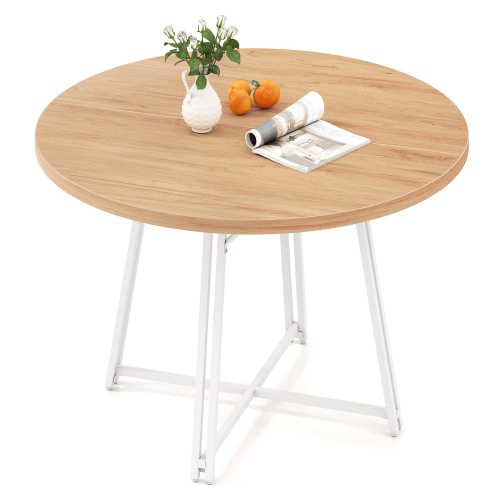
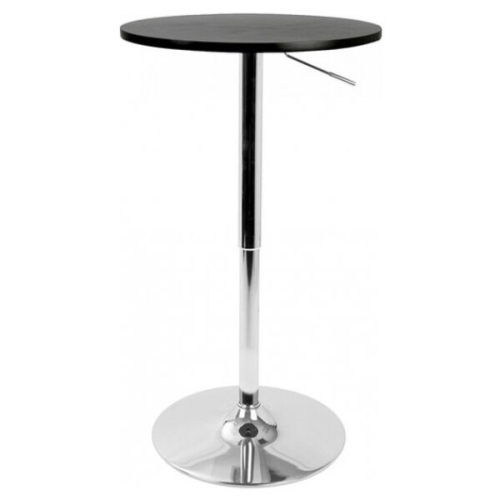
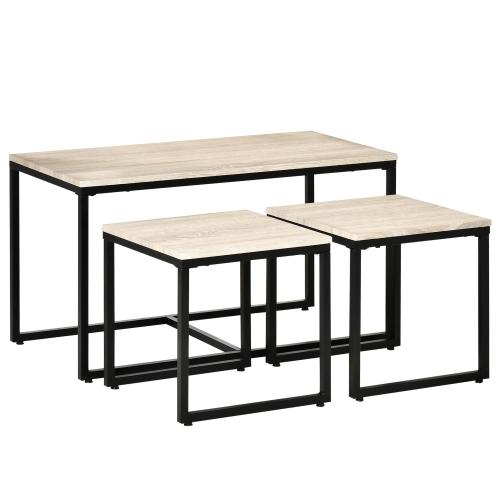
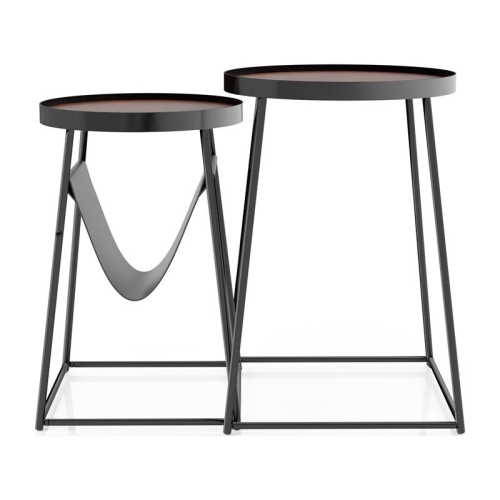
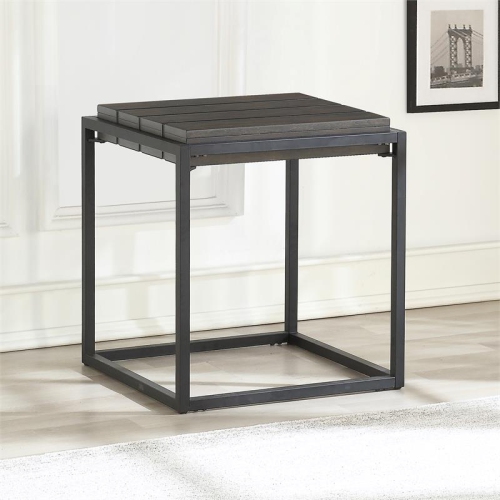
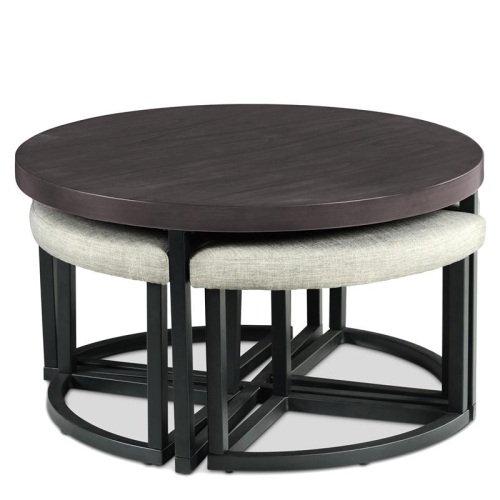
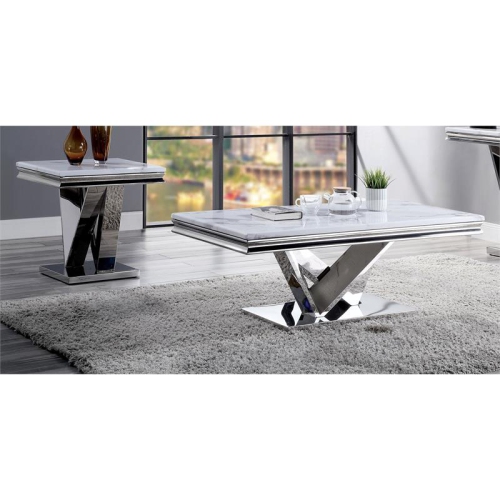
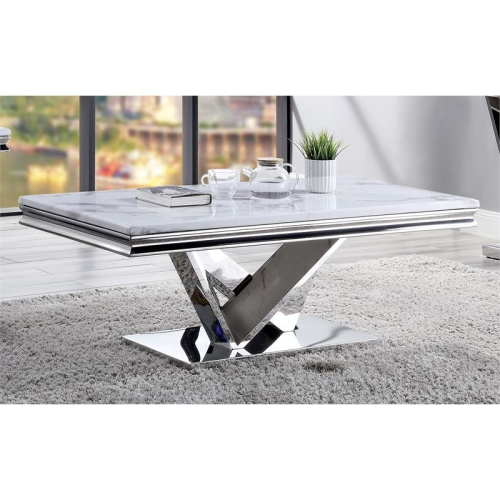
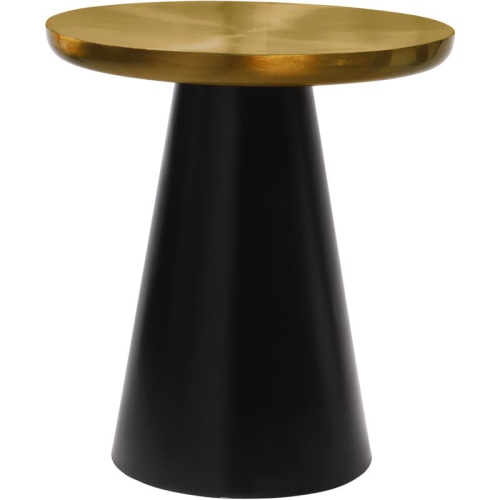
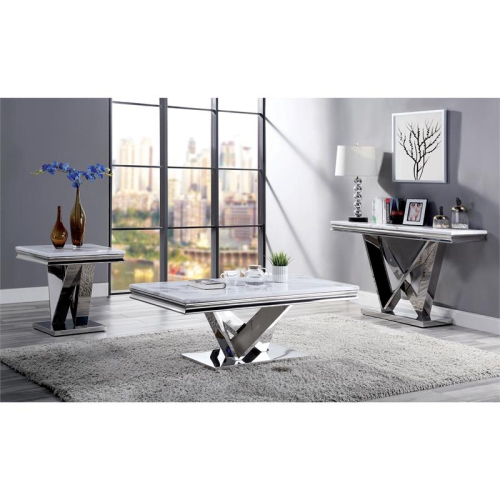
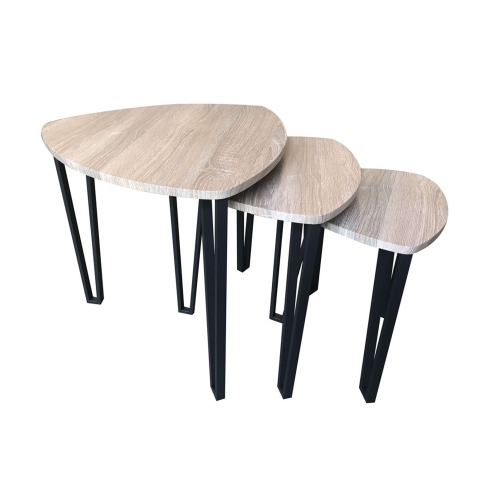
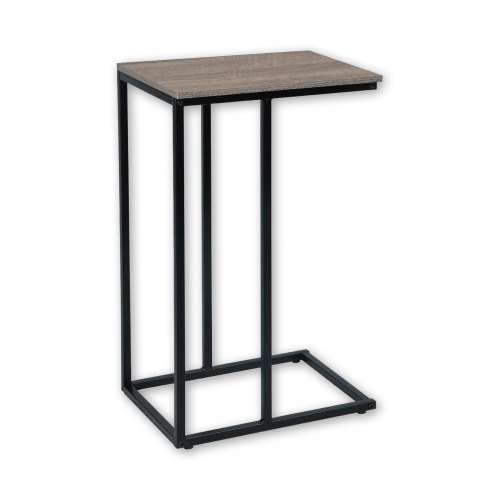
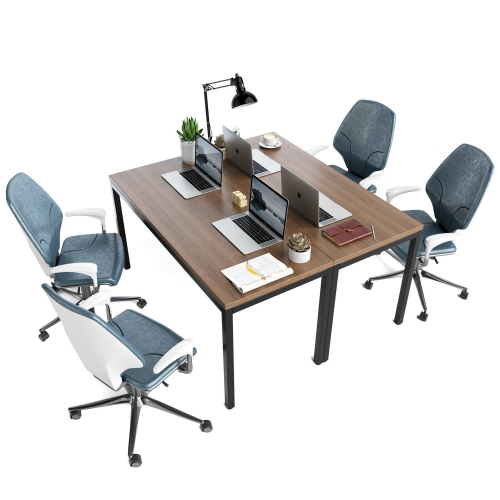
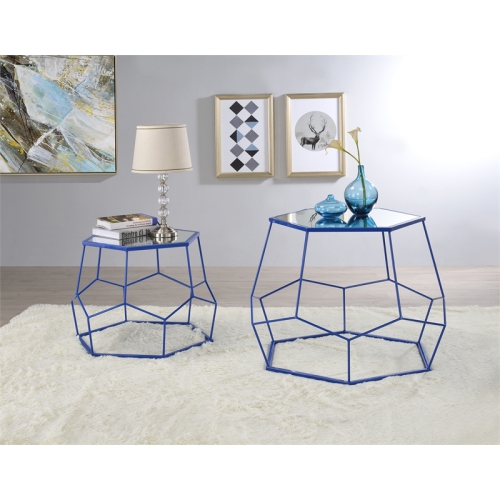
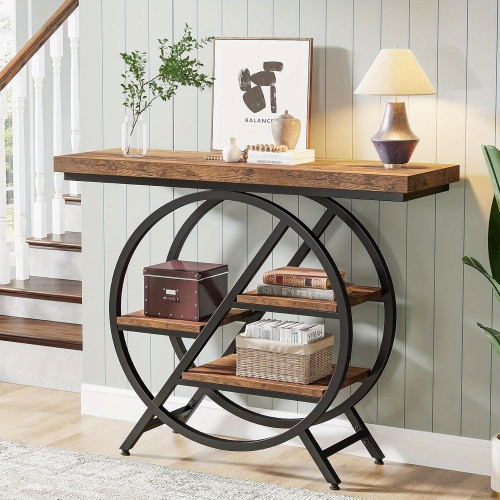
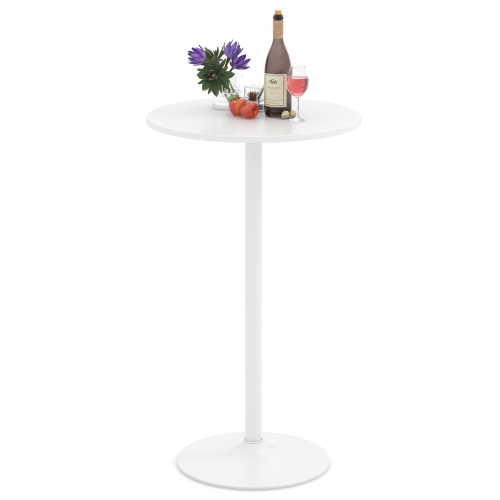
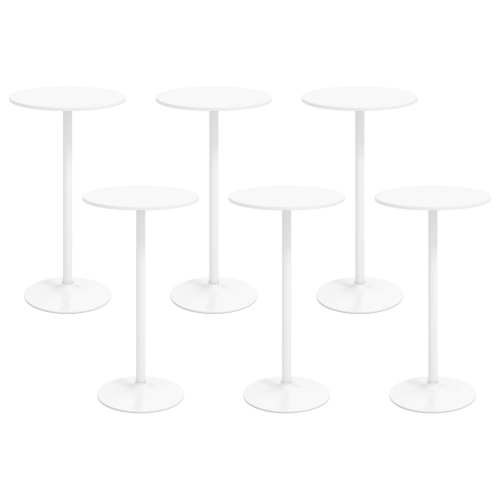
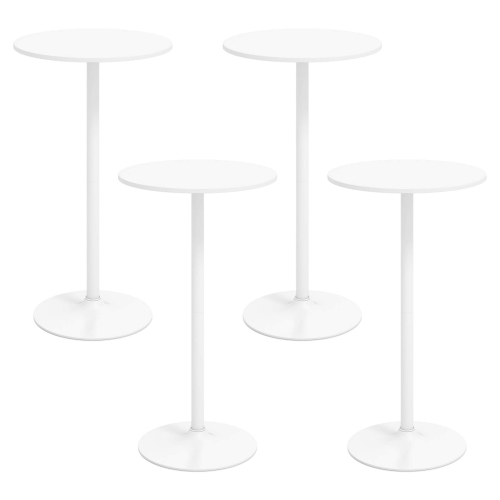
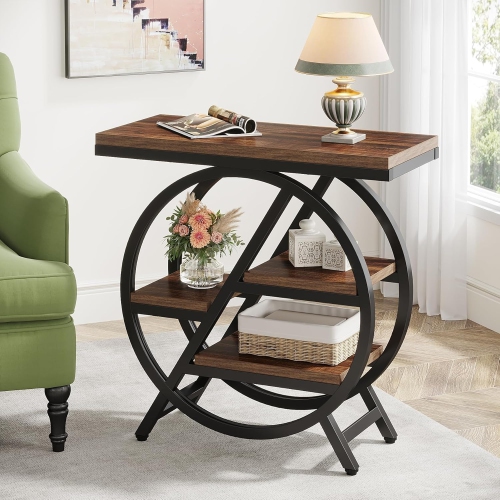
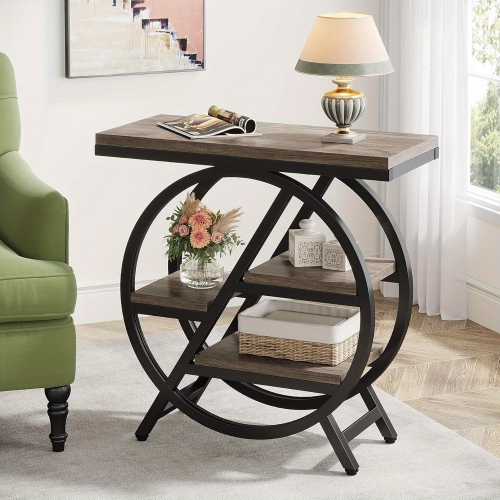
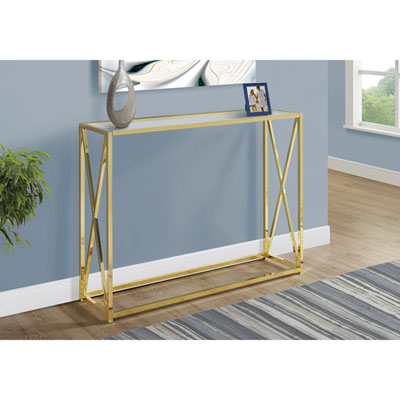
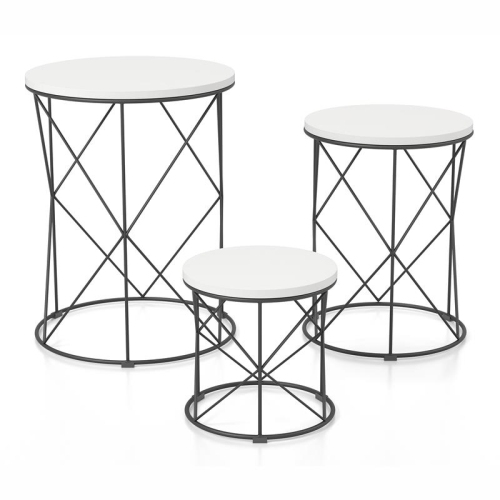
Metal base tables bring together a dependable foundation and a versatile surface for dining, working, entertaining, or completing a room’s décor. Their frames are commonly made from steel, iron, or aluminium, while the tabletop may be wood, glass, stone, laminate, or another durable material. This combination makes them suitable for many settings, from a compact breakfast nook or apartment dining area to a busy home office, kitchen island, café-style corner, or meeting space. The metal base can provide a crisp contemporary look, an industrial feel, or a more understated appearance depending on its shape and finish. Matte black frames tend to pair easily with natural wood and neutral interiors, while polished or lighter-coloured metal can help a smaller room feel bright and open. Shoppers comparing metal base tables may also wish to browse Metal Tables for additional styles and configurations. A well-chosen table can anchor a room without overwhelming it, especially when the base leaves enough visual space beneath the surface for chairs, stools, storage baskets, or comfortable footroom.
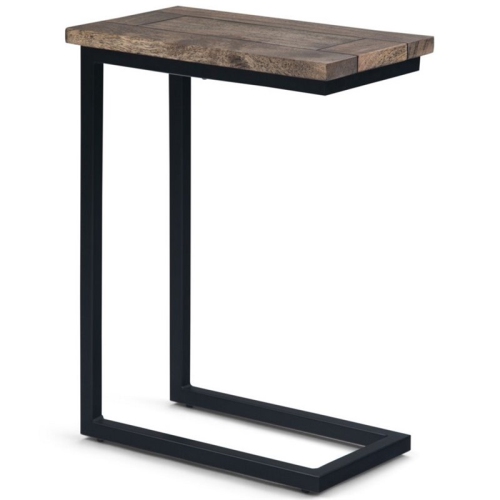
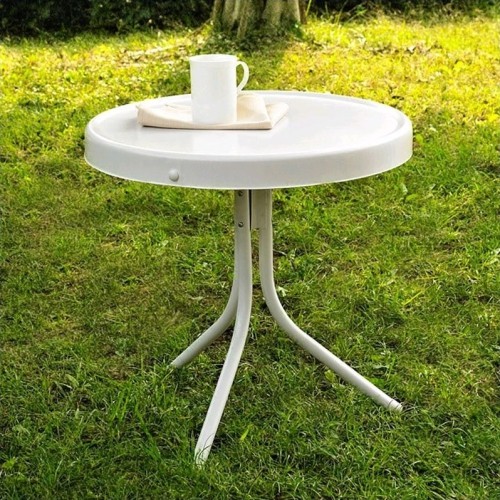
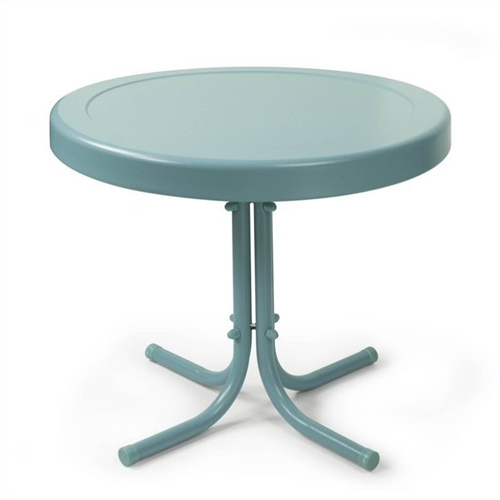
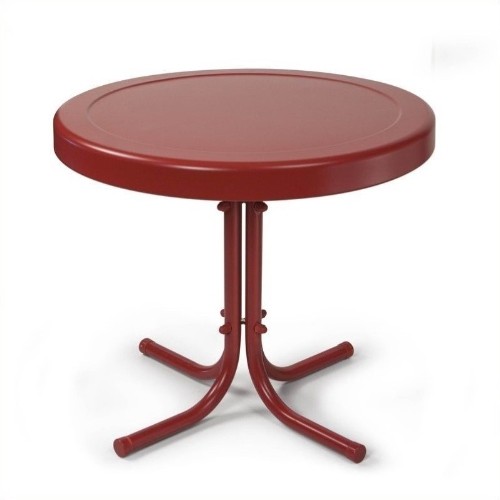
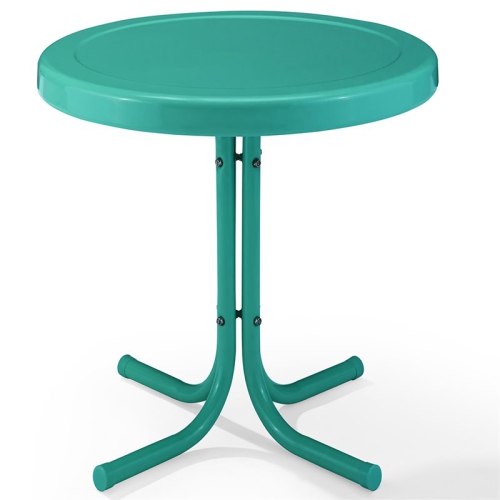
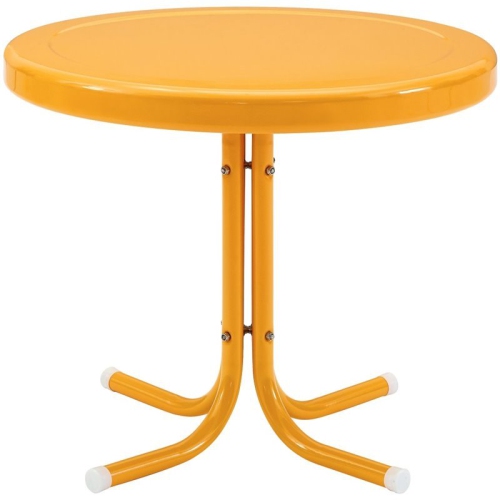
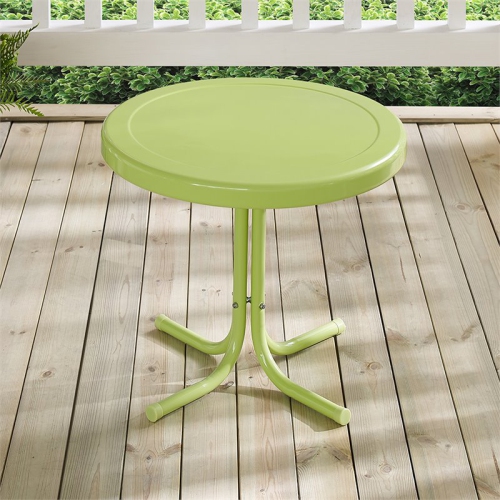
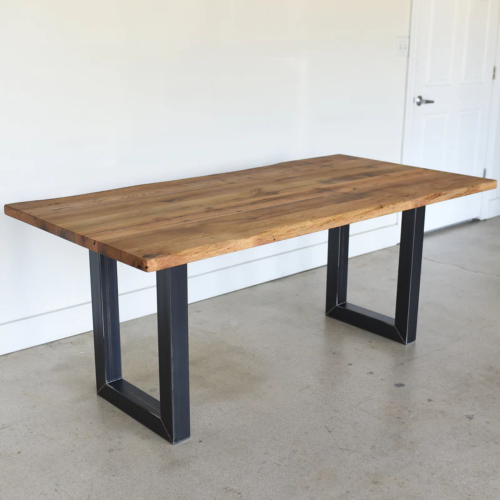
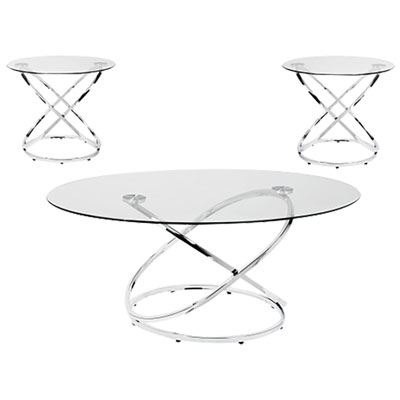
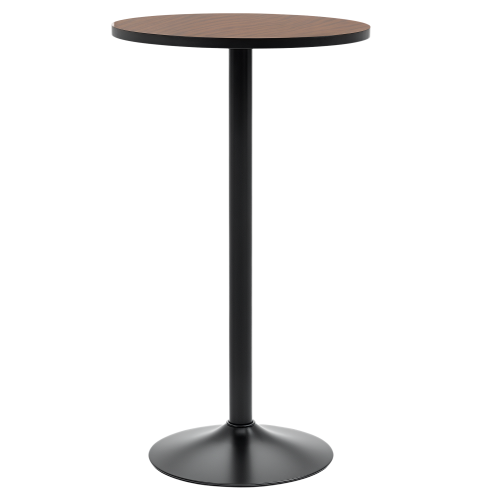
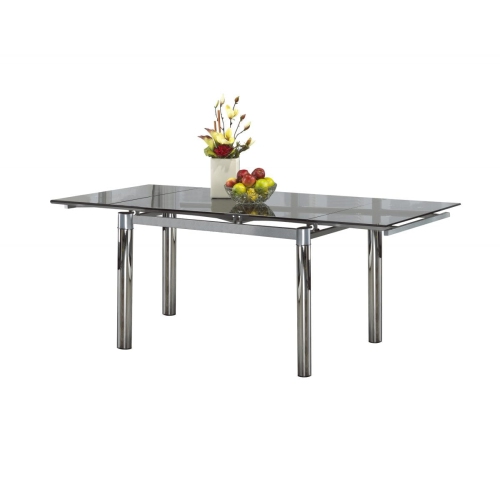
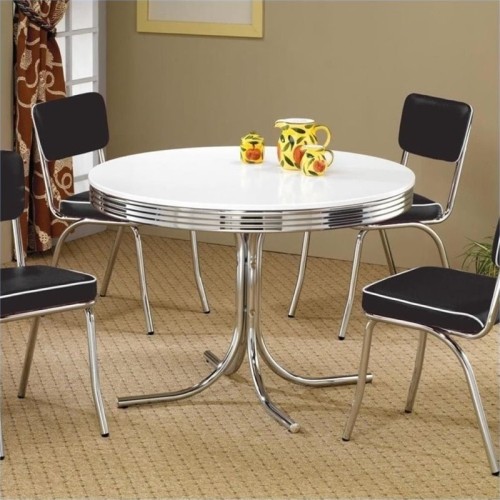
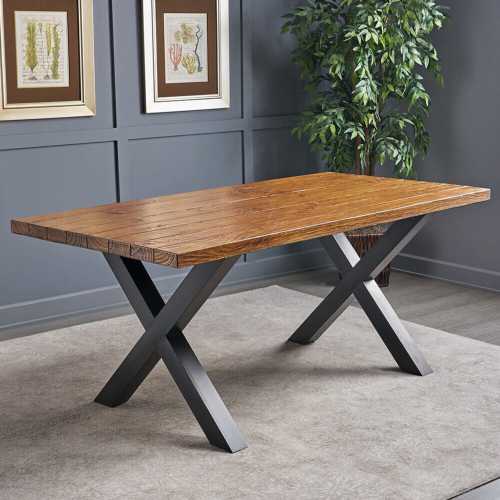
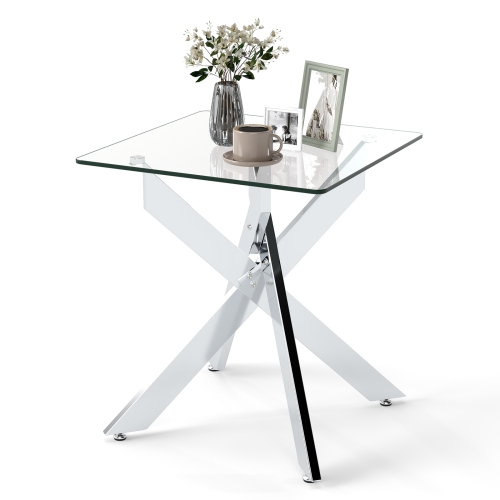
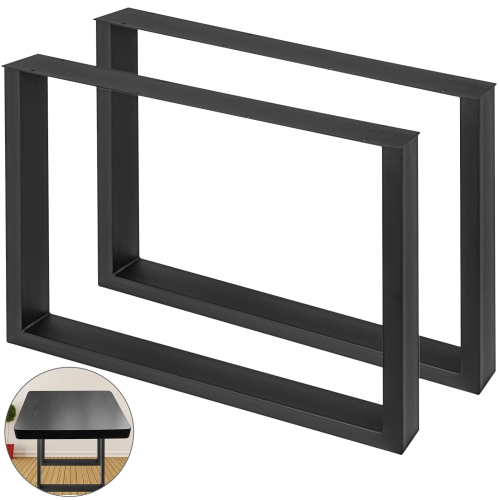
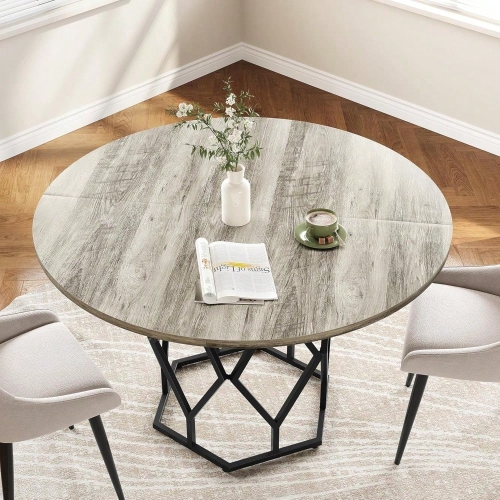
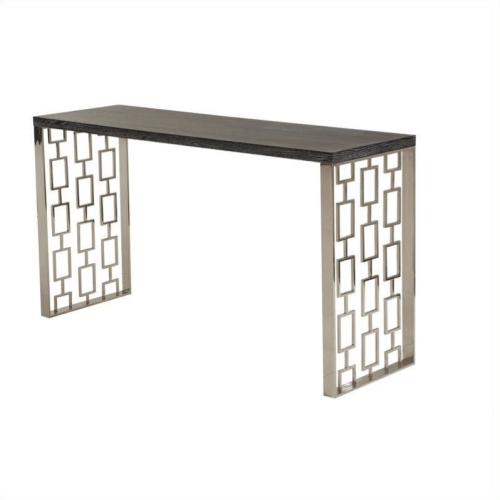
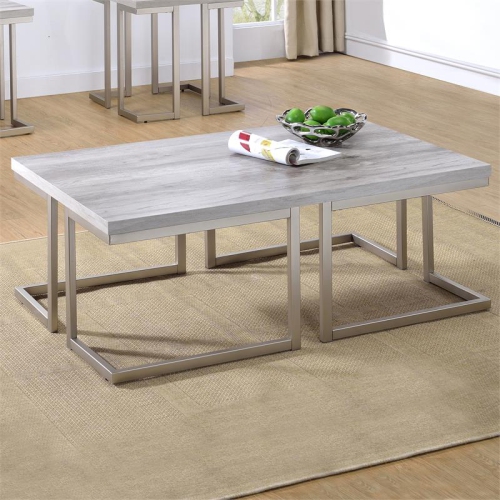
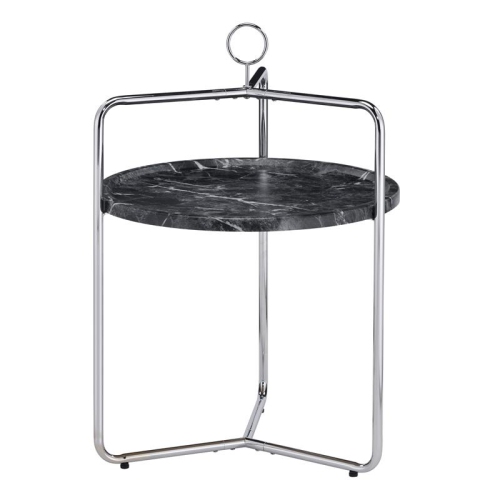
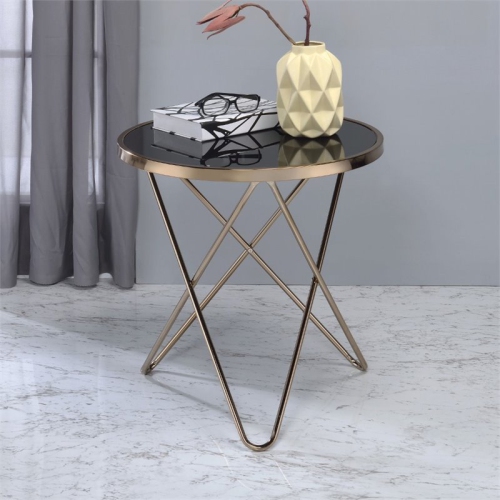
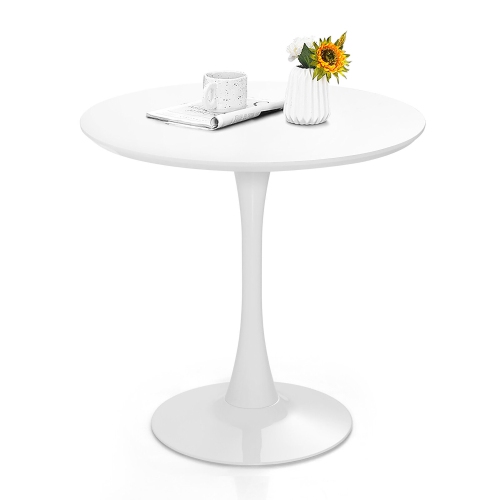
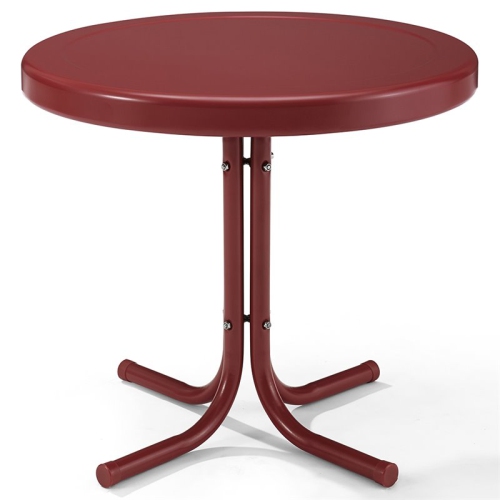
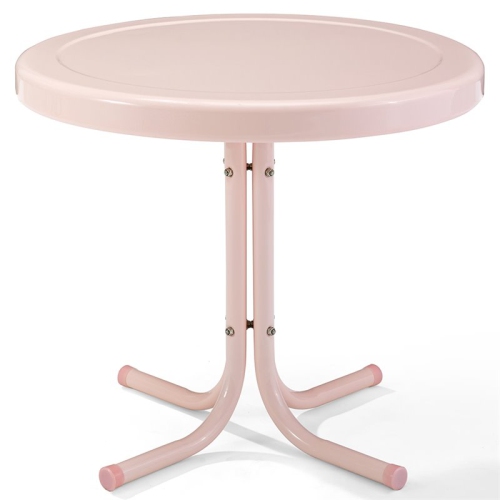
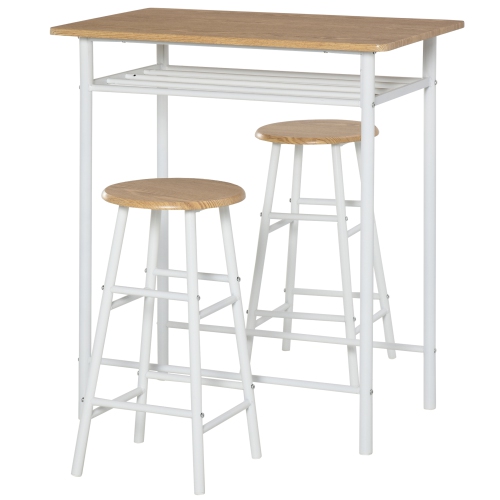
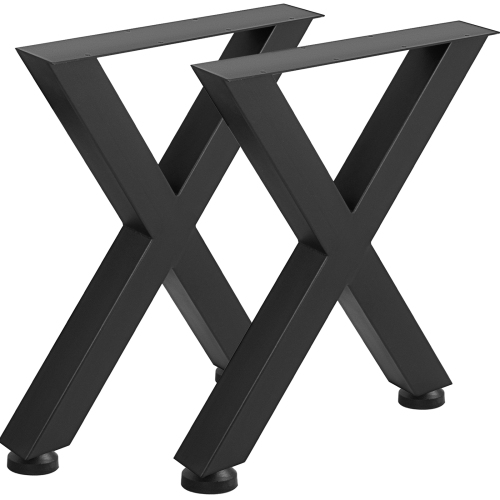
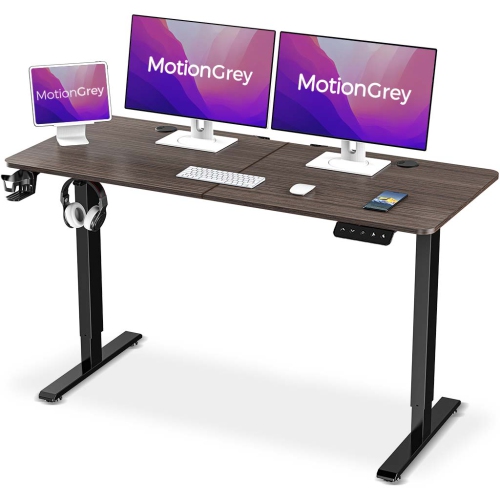
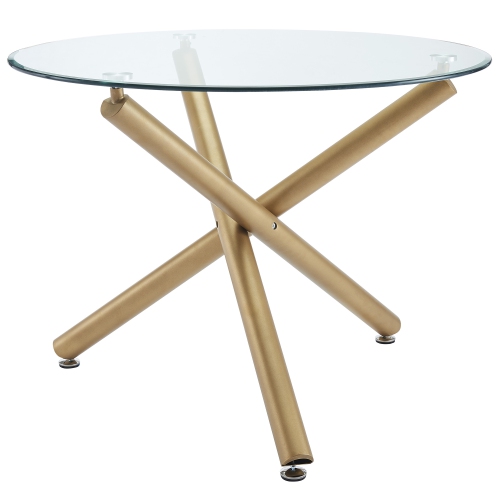
The shape of the base has a direct effect on stability, seating space, and the overall character of the table. A pedestal or tulip base uses one central column, leaving the area beneath a round tabletop open and making it easier to pull chairs in from different angles. This style works particularly well for café-inspired dining areas, breakfast spaces, and smaller rooms where four corner legs could make movement feel restricted. Cross bases and T-bases offer a sturdy, practical foundation for dining tables, worktables, and commercial-style setups, while X-shaped or spider-style legs create a more sculptural appearance and help distribute weight across a broader area. U-shaped and trapezoid legs suit streamlined desks, console tables, and modern dining surfaces, with their clean lines adding structure without excessive ornamentation. When choosing a base or a complete table, consider the tabletop’s dimensions and weight as carefully as its appearance. A broad, heavy wood, stone, or glass surface generally needs a substantial steel or iron frame, while a smaller accent table may be well matched with a lighter aluminium or tubular-metal structure. For a balanced setup, the base footprint should span roughly two-thirds of the tabletop width, although the exact arrangement depends on the design, mounting points, and intended use. Check the listed weight capacity, confirm that the tabletop is compatible with the base, and measure doorways, stairwells, elevators, and the final placement area before ordering. Height matters just as much: dining tables are typically paired with standard dining chairs, while counter-height and bar-height surfaces require appropriately sized stools. For a desk or craft table, allow sufficient clearance for knees and make sure the frame will not interfere with drawers, chair arms, or a person’s preferred working position.
Finish and construction details also deserve attention, particularly when a table will see daily use. Powder-coated metal can offer a smooth, resilient surface suited to regular household wear, while electroplated or painted finishes may provide a distinct sheen or colour that complements existing furniture. Look for level-adjustment feet when the table will sit on uneven flooring, as small height differences can otherwise lead to rocking and uncomfortable writing, dining, or computer use. Protective pads under the feet can help reduce movement and guard hard flooring from scuffs. A strong frame is useful in homes with children, frequent guests, or active work areas where the table may be bumped, repositioned, or loaded with dishes and equipment. In a quieter room, the design may be chosen primarily for its proportions and visual balance: a slim base can keep a glass top feeling airy, while a heavier frame can make a live-edge or solid wood top look grounded and substantial. During the warmer part of the year, a metal base table can support casual meals, homework, and entertaining in a bright kitchen or covered outdoor area when the materials are rated for that setting; as the weather cools, the same table can transition naturally to indoor dining, crafts, games, or remote work. Care is usually straightforward: wipe spills promptly, use coasters and trivets where appropriate, and follow the manufacturer’s instructions for cleaning the frame and tabletop. Metal base tables can also be a thoughtful gift for someone furnishing a first home, updating a dining space, setting up a home office, or building a custom tabletop project. For a DIY installation, verify the base dimensions, mounting hardware, tabletop thickness, and weight distribution before assembly, and use a second person when positioning a large or heavy surface. With the right proportions, capacity, finish, and placement, a metal base table can provide a reliable everyday surface while adding a distinct architectural detail to the room.
The shape of the base has a direct effect on stability, seating space, and the overall character of the table. A pedestal or tulip base uses one central column, leaving the area beneath a round tabletop open and making it easier to pull chairs in from different angles. This style works particularly well for café-inspired dining areas, breakfast spaces, and smaller rooms where four corner legs could make movement feel restricted. Cross bases and T-bases offer a sturdy, practical foundation for dining tables, worktables, and commercial-style setups, while X-shaped or spider-style legs create a more sculptural appearance and help distribute weight across a broader area. U-shaped and trapezoid legs suit streamlined desks, console tables, and modern dining surfaces, with their clean lines adding structure without excessive ornamentation. When choosing a base or a complete table, consider the tabletop’s dimensions and weight as carefully as its appearance. A broad, heavy wood, stone, or glass surface generally needs a substantial steel or iron frame, while a smaller accent table may be well matched with a lighter aluminium or tubular-metal structure. For a balanced setup, the base footprint should span roughly two-thirds of the tabletop width, although the exact arrangement depends on the design, mounting points, and intended use. Check the listed weight capacity, confirm that the tabletop is compatible with the base, and measure doorways, stairwells, elevators, and the final placement area before ordering. Height matters just as much: dining tables are typically paired with standard dining chairs, while counter-height and bar-height surfaces require appropriately sized stools. For a desk or craft table, allow sufficient clearance for knees and make sure the frame will not interfere with drawers, chair arms, or a person’s preferred working position.
Finish and construction details also deserve attention, particularly when a table will see daily use. Powder-coated metal can offer a smooth, resilient surface suited to regular household wear, while electroplated or painted finishes may provide a distinct sheen or colour that complements existing furniture. Look for level-adjustment feet when the table will sit on uneven flooring, as small height differences can otherwise lead to rocking and uncomfortable writing, dining, or computer use. Protective pads under the feet can help reduce movement and guard hard flooring from scuffs. A strong frame is useful in homes with children, frequent guests, or active work areas where the table may be bumped, repositioned, or loaded with dishes and equipment. In a quieter room, the design may be chosen primarily for its proportions and visual balance: a slim base can keep a glass top feeling airy, while a heavier frame can make a live-edge or solid wood top look grounded and substantial. During the warmer part of the year, a metal base table can support casual meals, homework, and entertaining in a bright kitchen or covered outdoor area when the materials are rated for that setting; as the weather cools, the same table can transition naturally to indoor dining, crafts, games, or remote work. Care is usually straightforward: wipe spills promptly, use coasters and trivets where appropriate, and follow the manufacturer’s instructions for cleaning the frame and tabletop. Metal base tables can also be a thoughtful gift for someone furnishing a first home, updating a dining space, setting up a home office, or building a custom tabletop project. For a DIY installation, verify the base dimensions, mounting hardware, tabletop thickness, and weight distribution before assembly, and use a second person when positioning a large or heavy surface. With the right proportions, capacity, finish, and placement, a metal base table can provide a reliable everyday surface while adding a distinct architectural detail to the room.
Top selling and popular products
-
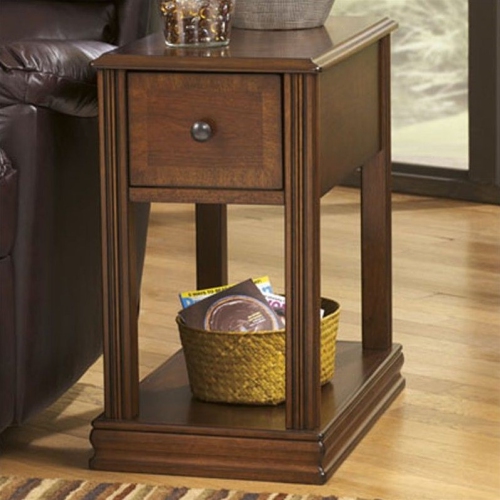 Your price for this item is $380.94
 -
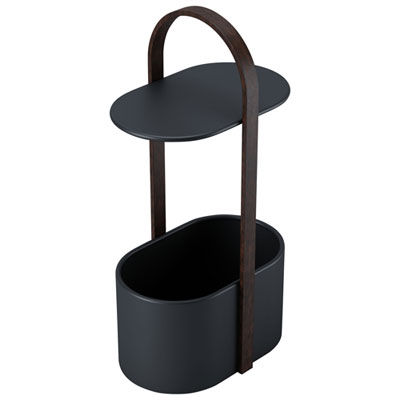 Your price for this item is $93.98
 -
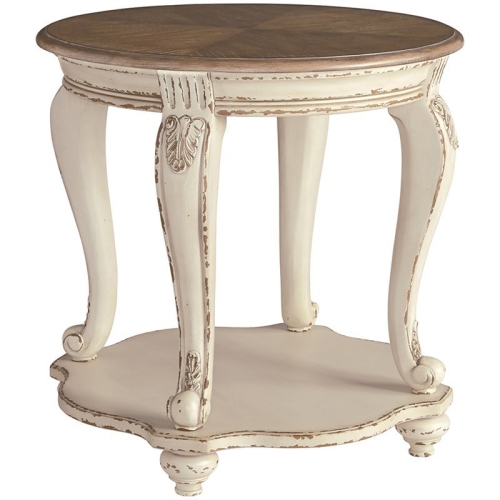 Your price for this item is $369
 -
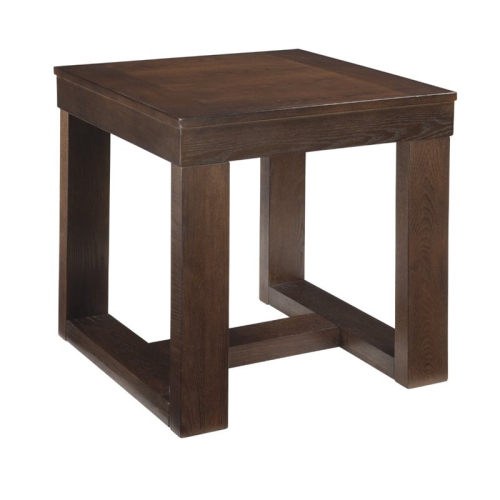 Your price for this item is $199
 -
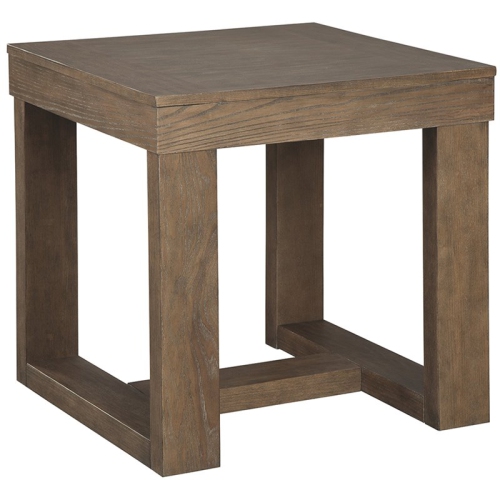 Your price for this item is $414.29
 -
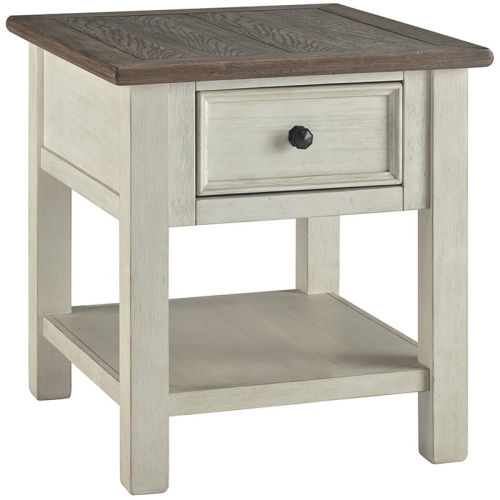 Your price for this item is $399
 -
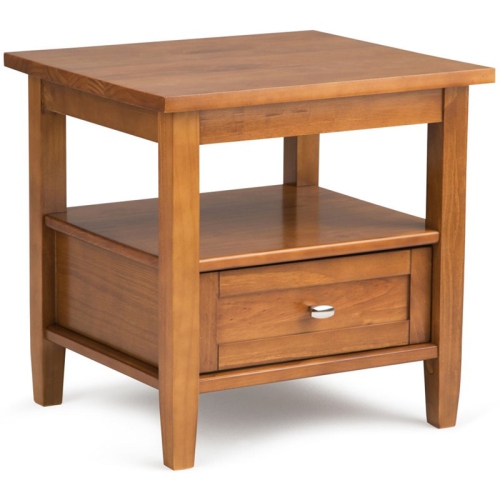 Your price for this item is $377.95
 -
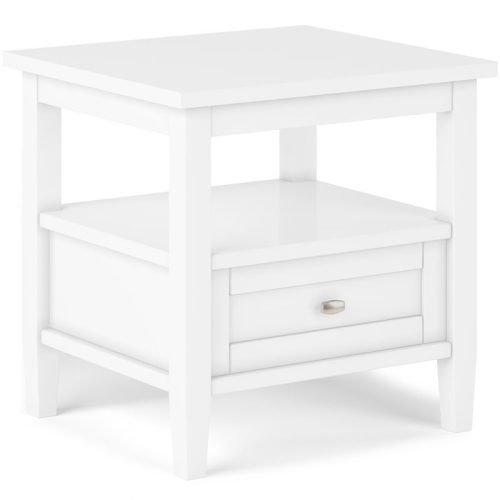 Your price for this item is $390.61
Discover more categories related to Metal Base Tables
Top Collections:
Pokemon Centers, Budget 4K TVs, Kindle Devices, Canon G7X Cameras, Apple iPhones 16, iPhone 15 Apple, Laptops for Business Work, Flip Phones, Xiaomi Phones, Refurbished Apple Laptops
Some products may be subject to Environmental Handling Fees
(EHF) depending on your province.
Learn more about EHFs.