White Tea Kettles
A tea kettle is a kitchen tool used to boil water for brewing tea or other hot beverages. A good tea kettle will make your tea-drinking experience. Here are some of the best white tea kettles on the market today.
Sort
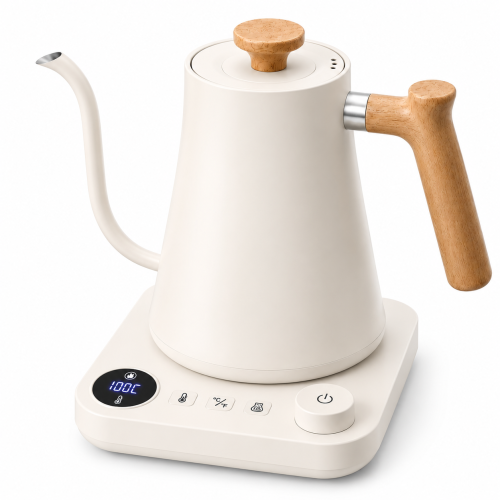


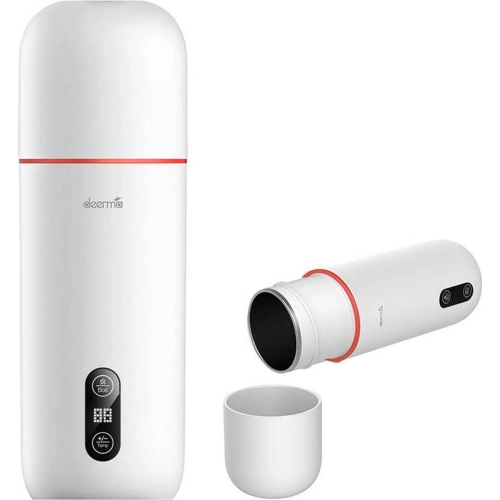
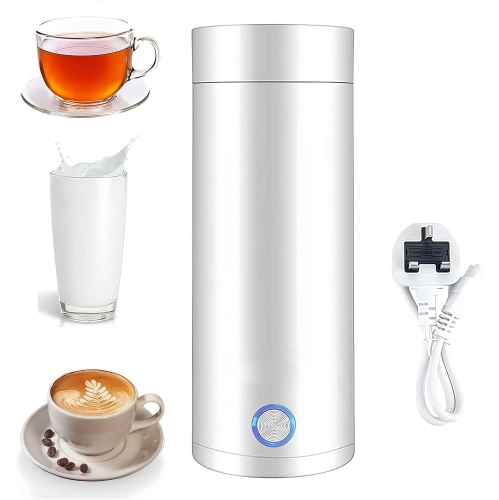


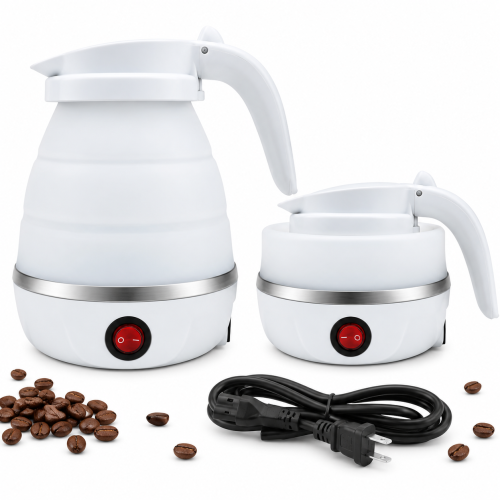
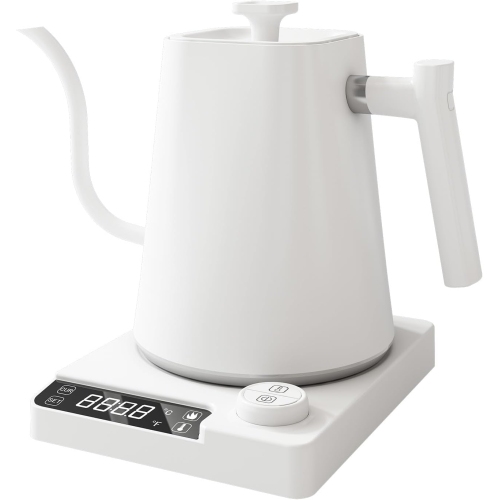
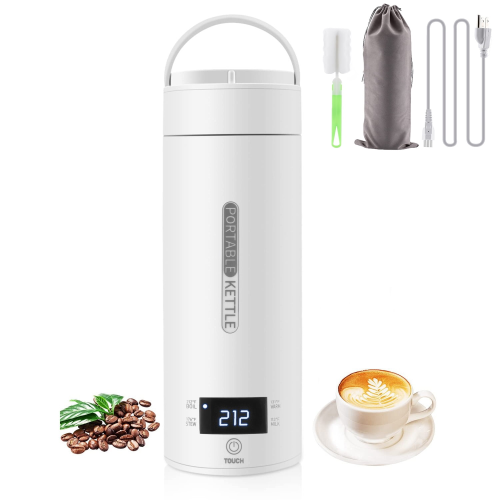


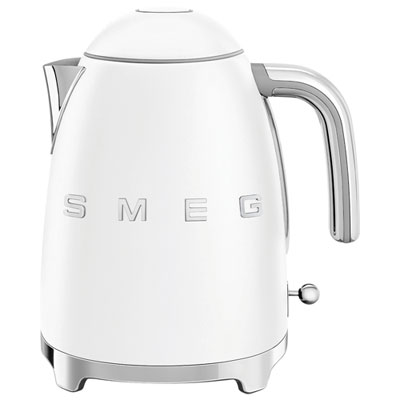

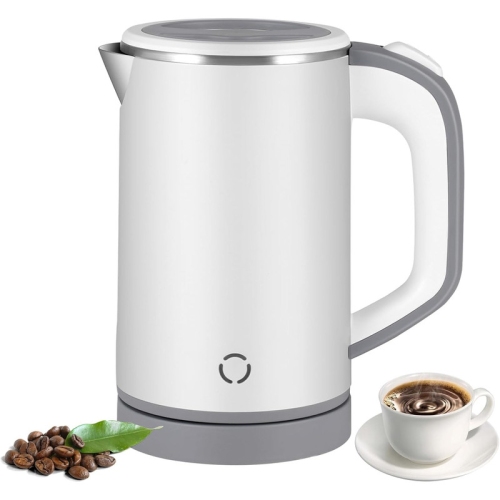
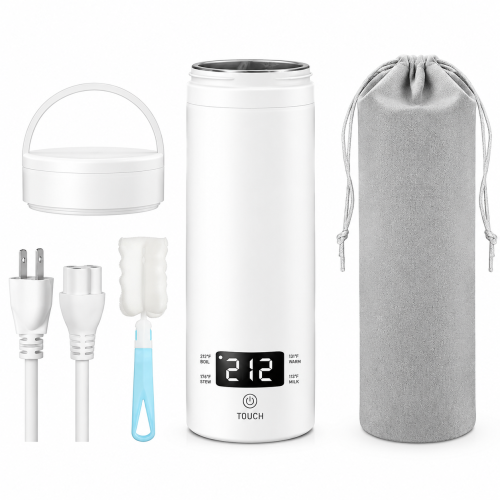


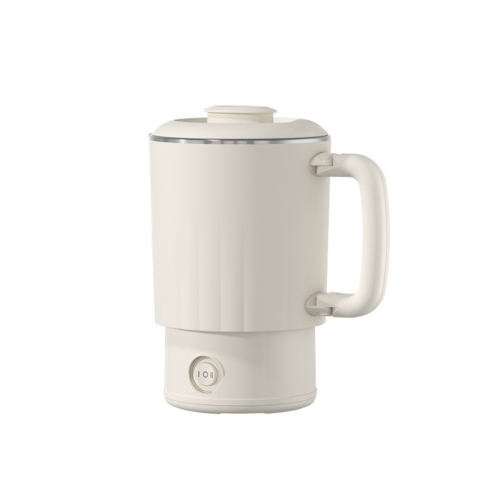


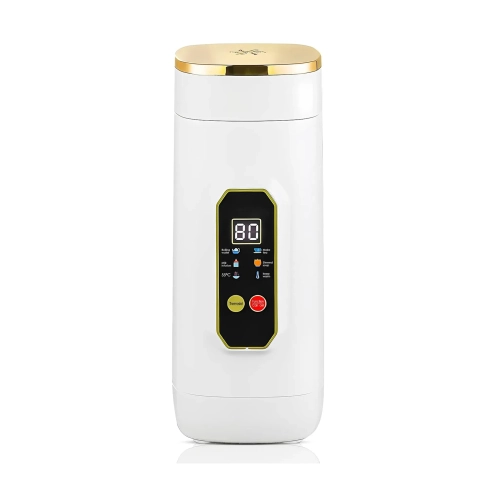


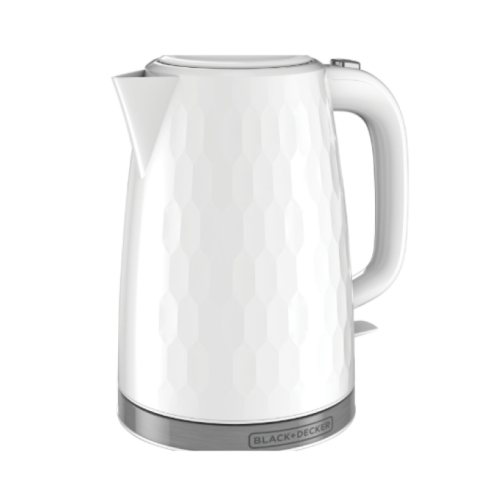
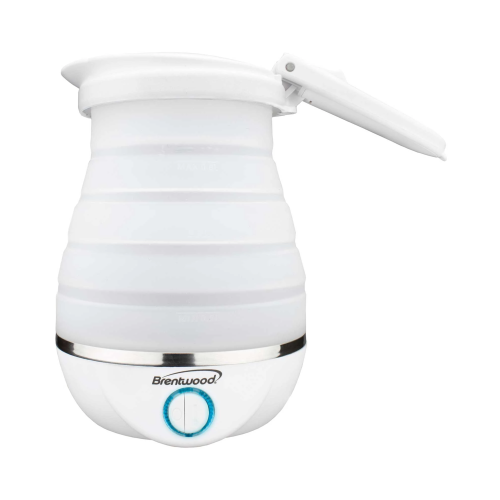
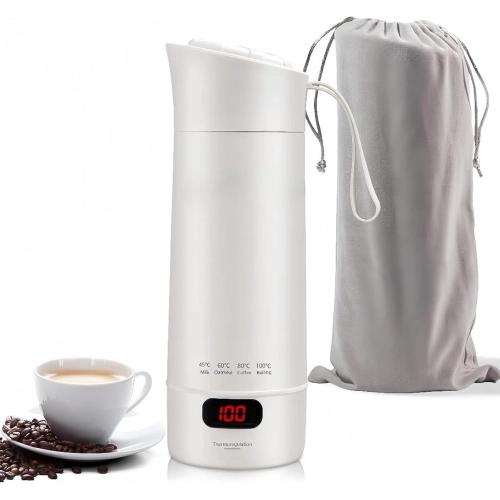


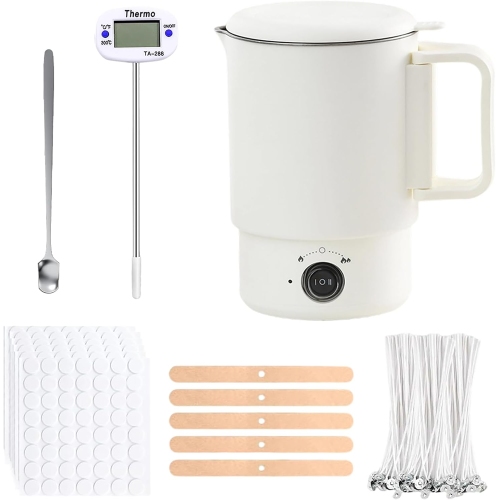
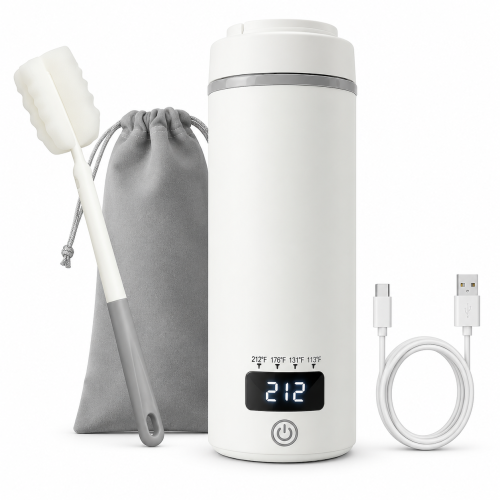


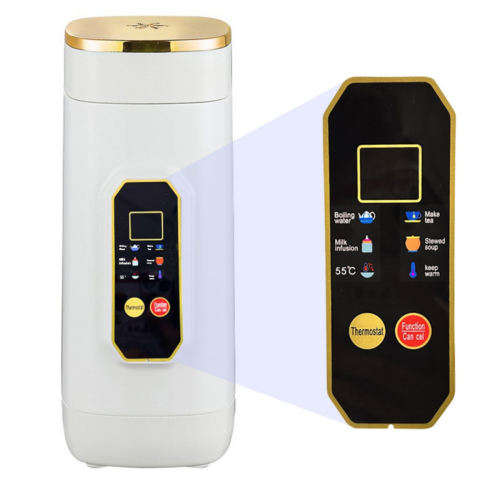
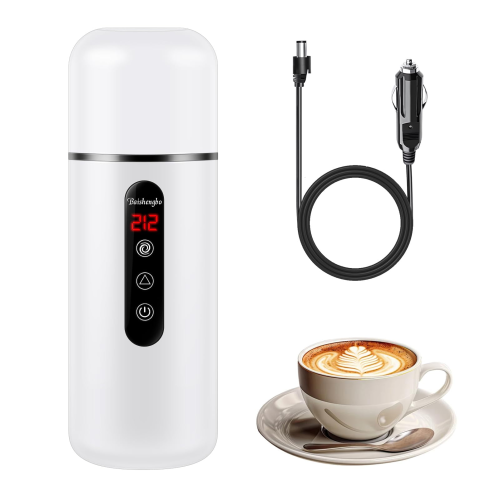
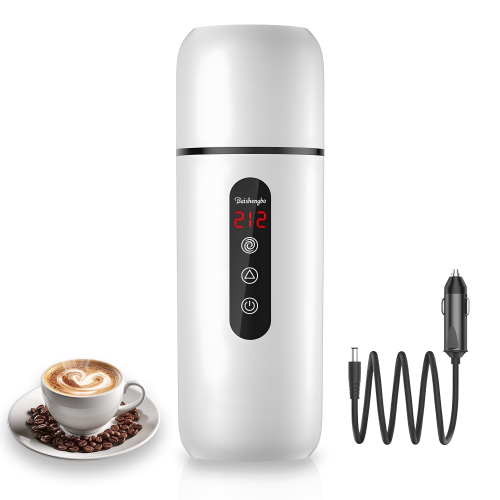
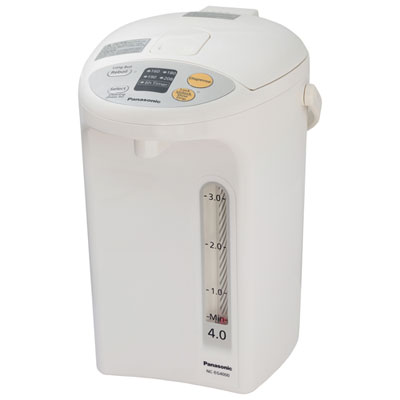

Beyond the white finish, practical details shape every pour
White tea kettles combine a light-coloured finish with everyday water heating for tea, coffee, and other hot drinks. The category includes stovetop kettles heated on a compatible cooking surface and electric kettles that heat water through a powered base or built-in element. A traditional whistling kettle brings a familiar silhouette to the hob, while a white electric kettle can create a dedicated drink-making spot beside mugs, tea canisters, and a coffee grinder. Neither style is defined by its colour alone: the shape of the spout, the construction of the body, and the way the handle sits all influence daily use. Rounded bodies and curved handles have a classic character, while straight sides, restrained detailing, and matte finishes suit a more streamlined kitchen. Glossy white surfaces catch the light and pair naturally with glazed tiles; softer off-white tones can sit comfortably beside wood shelving and warm-toned cabinetry. White exteriors may be made from coated metal, enamelled steel, plastic, or a combination of materials, so the exterior finish does not necessarily indicate what touches the water inside. Stainless steel interiors are common, while glass vessels with white handles or bases offer a different interpretation of the same colour theme. Enamelled carbon steel provides a traditional appearance, although its coating needs protection from chips and hard knocks. For stovetop designs, compatibility matters more than appearance: a kettle intended for induction needs a suitable magnetic base, and compatibility with gas, electric, or glass cooking surfaces should be confirmed in its specifications. Electric designs instead need a suitable outlet and a stable place on the counter. In either format, a well-proportioned white kettle can remain part of the kitchen’s visual arrangement between uses, whether it complements white appliances or provides a bright contrast against darker counters.
The most useful features depend on how water is heated and poured throughout the day. A compact kettle can suit someone making a single mug at a time, while a larger capacity is practical for shared households, a full teapot, or several cups served together. The stated capacity and minimum fill level both matter; a generous vessel is not necessarily convenient for small servings if it requires more water than the task needs. Electric kettles with variable temperature settings offer control for different drinks, since green and white teas are often prepared below a full boil, while many black teas are steeped with hotter water. The tea’s own preparation directions remain the best reference for a particular blend. Keep-warm functions can be useful when cups are prepared at different times, although the holding temperature and duration vary by design. A simple boil-only kettle may be entirely suitable for someone who values straightforward controls and a familiar routine. Automatic shut-off and boil-dry protection are useful electric-kettle features, but their presence should be checked rather than assumed. For stovetop kettles, a whistle provides an audible signal when water reaches a boil, though it does not turn off the burner. Pouring style is another meaningful distinction. A gooseneck spout supports a narrow, controlled stream for pour-over coffee and careful filling, whereas a conventional spout is often more convenient for filling a teapot or a larger mug. Handle clearance, grip shape, and balance when full can make a substantial difference, especially for anyone who prefers a lighter lift. A rotating electric base allows the handle to be positioned conveniently from different directions, and a water-level window can make the fill level easier to see. Lid openings also deserve attention: a wider opening can simplify filling and cleaning, while a secure lid and a smooth spout help make pouring more predictable. These details tend to matter more in everyday use than decorative trim alone.
Care and construction help determine how well a white tea kettle keeps its appearance over time. Mineral deposits can collect inside both electric and stovetop kettles, particularly in homes with hard water. Regular descaling with a method approved by the manufacturer helps manage this buildup without damaging interior surfaces or seals. A removable scale filter, when included, can catch loose particles during pouring, but it still needs cleaning and does not replace descaling. The white exterior usually benefits from gentle wiping with a soft cloth rather than abrasive pads, which may dull glossy finishes or mark coated surfaces. Enamelled bodies need careful handling around the sink and tap, since impacts can chip the coating, while wood-look or natural wood handle details may have care requirements different from those of the kettle body. Electric bases, plugs, and electrical connections should stay dry, and an electric kettle should not be immersed unless its instructions explicitly permit it. Stovetop kettles should sit over an appropriately sized burner so that flames do not reach up the sides or overheat the handle. A handle described as heat-resistant can still become warm during use, making the manufacturer’s handling directions important. Most tea kettles are intended to heat water rather than steep loose leaves or warm milk directly inside; a separate teapot, infuser, or cup keeps those tasks distinct and simplifies cleaning. For gifting, white is a versatile choice for a housewarming, wedding, or someone setting up a first kitchen, particularly when the recipient’s preferred heating method and counter space are known. Someone who enjoys a measured coffee-making routine may appreciate a controlled-pour design, while a household that regularly fills a large teapot may place more value on capacity and a comfortable handle. For more design inspiration across shapes and finishes, Beautiful Tea Kettles offers a related direction to explore. The lasting appeal of a white kettle comes from that balance of visual simplicity and practical details: an easy-to-read fill level, manageable weight, a dependable pour, and materials suited to the way it will be used.
Top selling and popular products
-
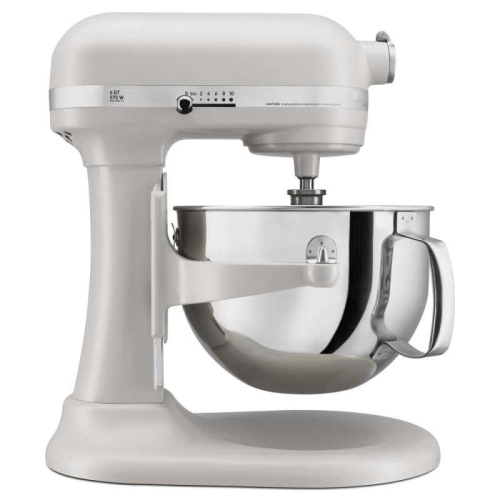 Your price for this item is $669.95
-
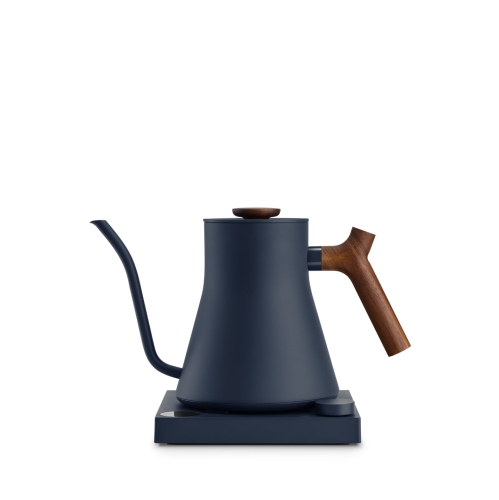 Your price for this item is $280
-
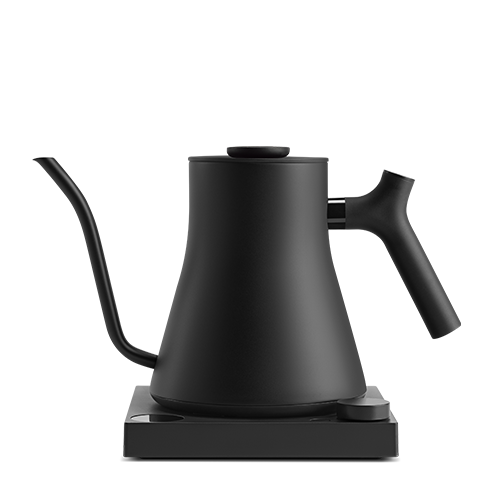 Your price for this item is $239
-
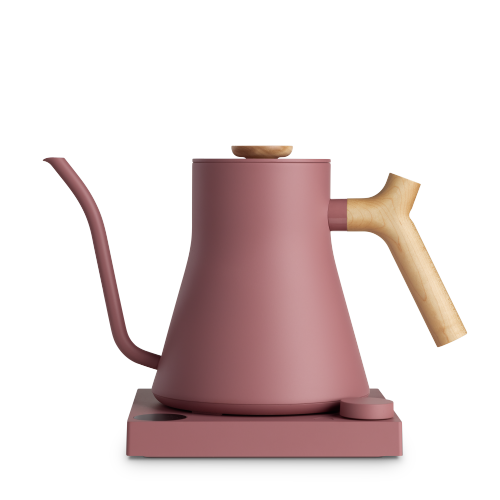 Your price for this item is $280
-
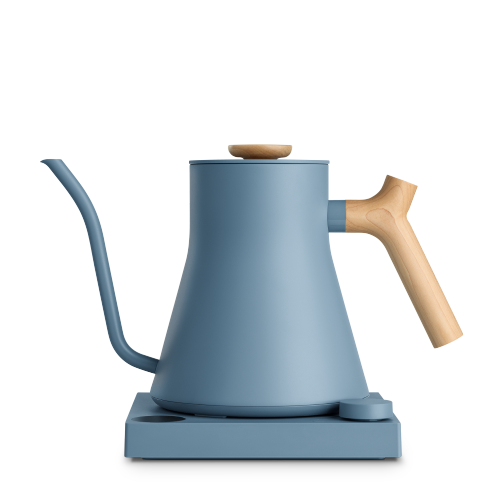 Your price for this item is $280
-
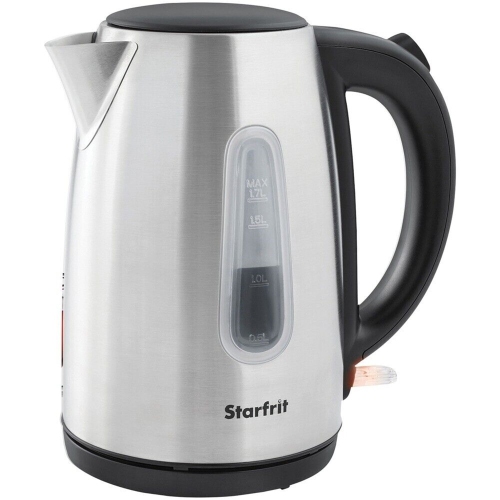 Your price for this item is $39.99
-
 Your price for this item is $39.98
-
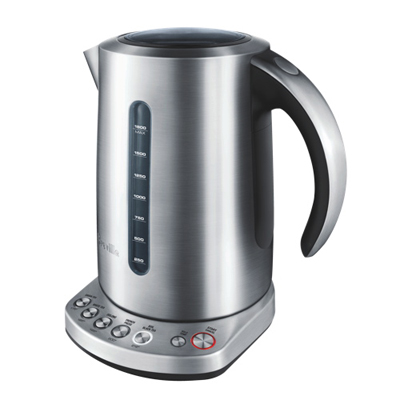 Your price for this item is $189.99
Discover more categories related to White Tea Kettles


Top Collections:
Pokemon Centers, Best Cameras for Sports Photography, Kindle Devices, Samsung Galaxy Phones, Canon G7X Cameras, Pokémon 30th Celebration Cards, Refurbished Apple Laptops, iPhone 15 Apple, Laptops for Students, Budget Smartphones
Some products may be subject to Environmental Handling Fees
(EHF) depending on your province.
Learn more about EHFs.