The Best Wall Mounts for TVs

Compare TV wall mounts by screen-size compatibility, weight capacity, and adjustment options to find the right fit for your viewing setup. Check your TV’s VESA mounting pattern—the spacing between its mounting holes—and make sure the mount is suitable for your wall type before buying.
Sort

The right TV mount fits more than your screen

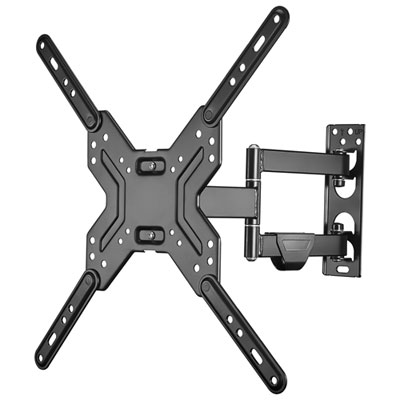
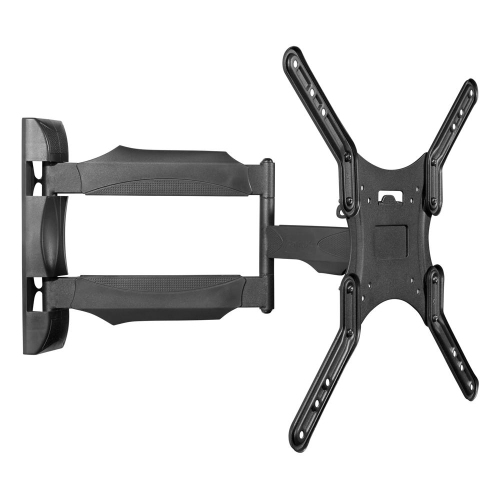
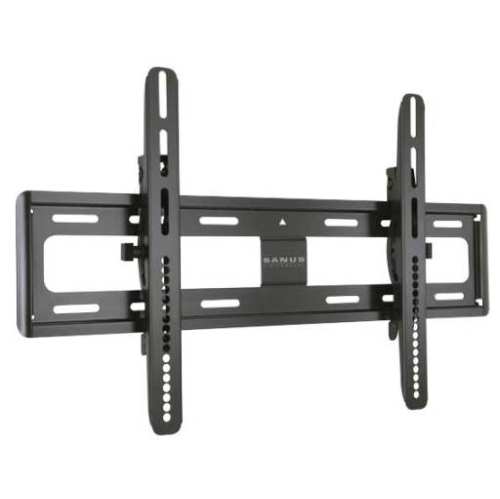
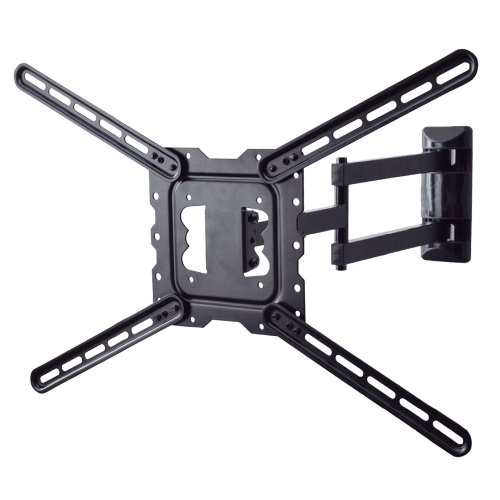
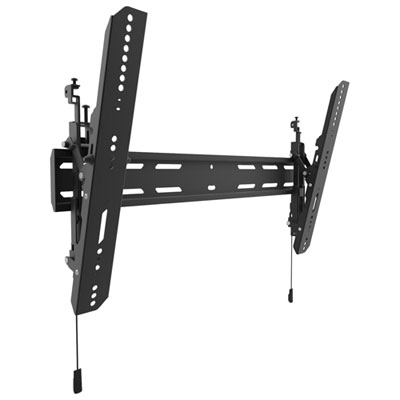
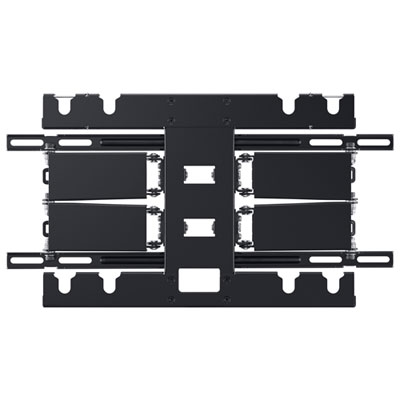
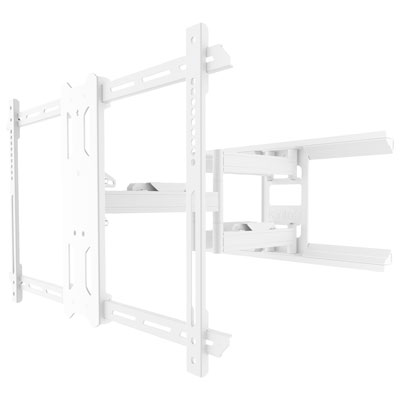
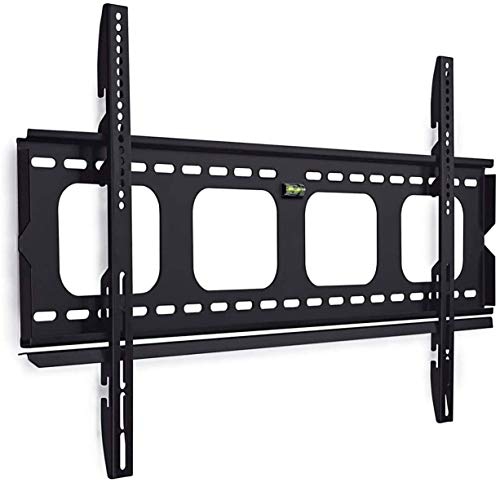
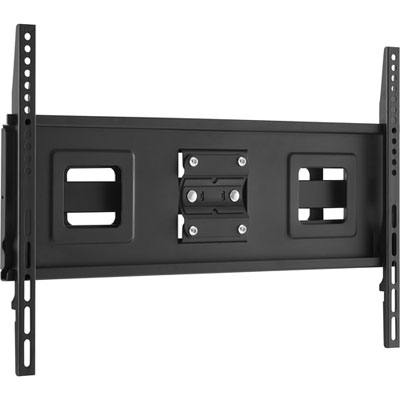
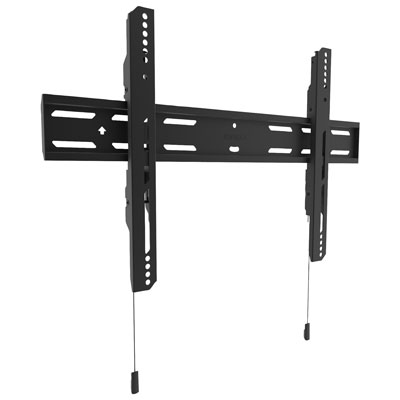
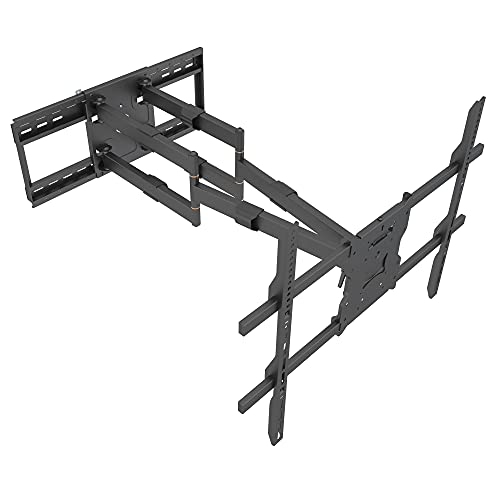
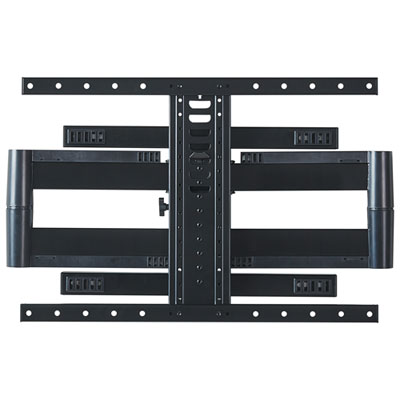
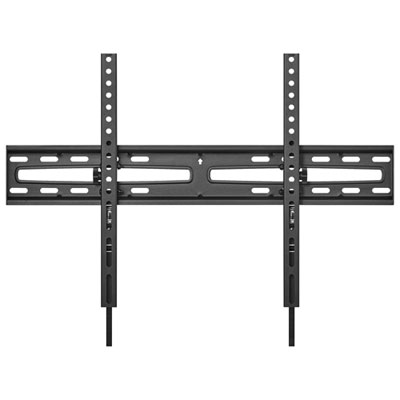
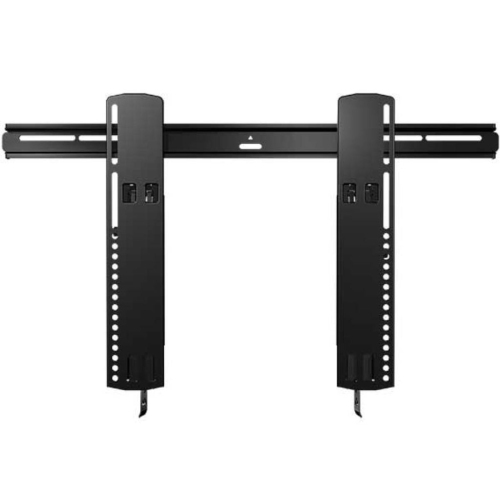
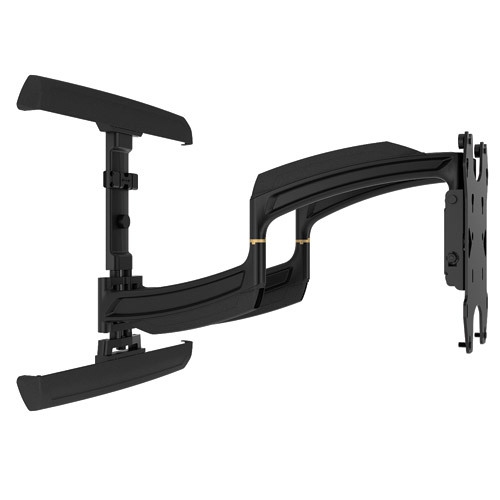
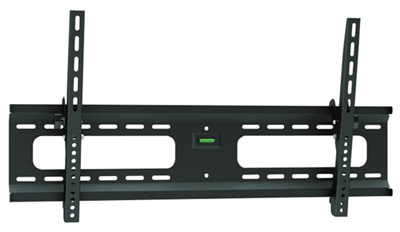
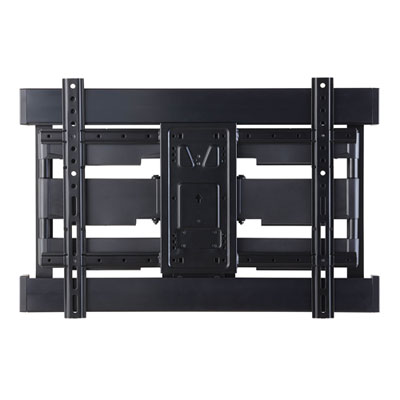
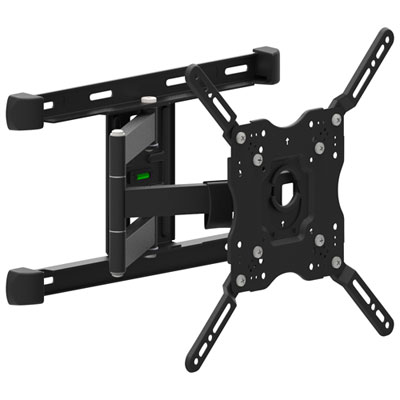
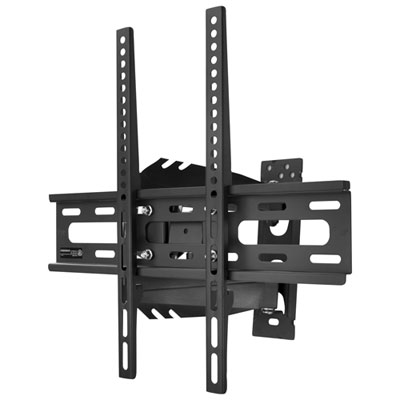
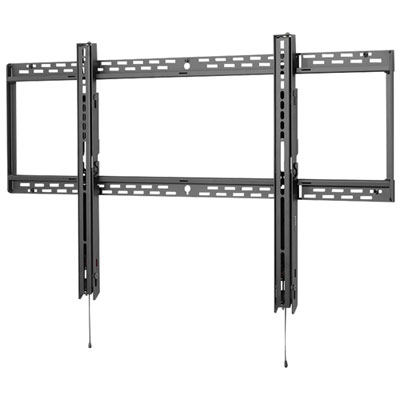
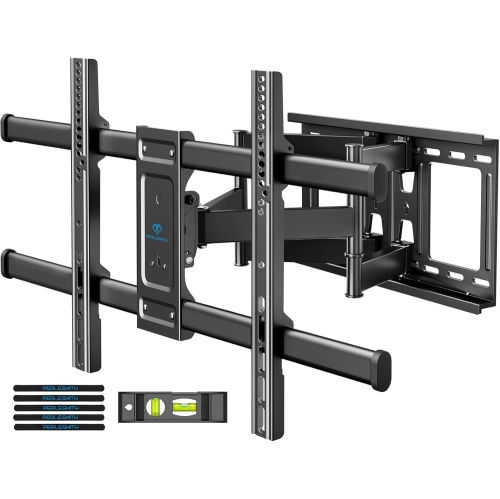
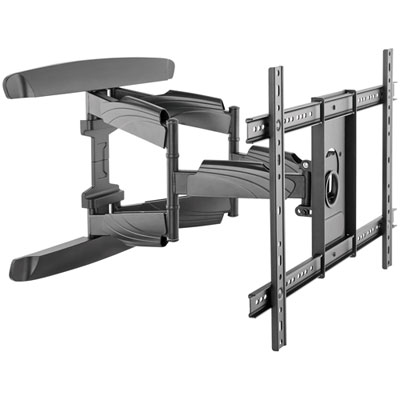
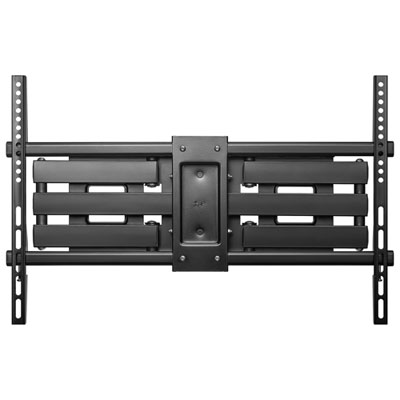
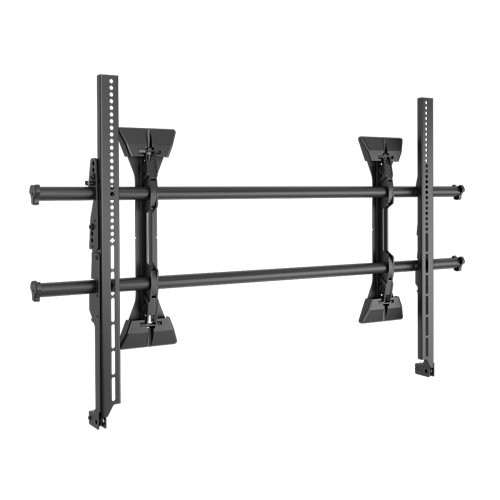
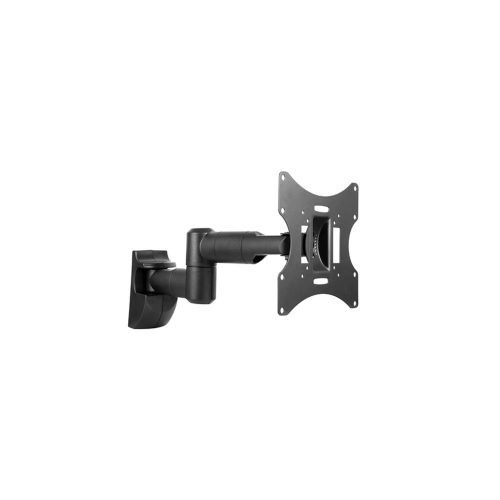
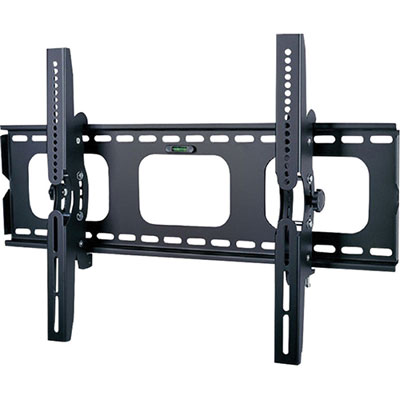
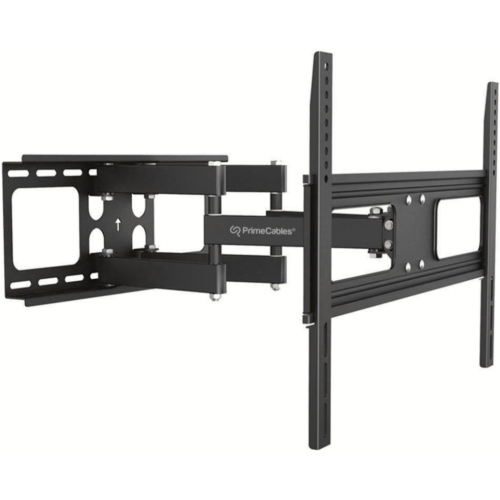
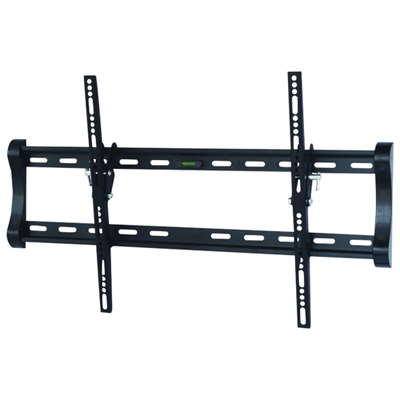
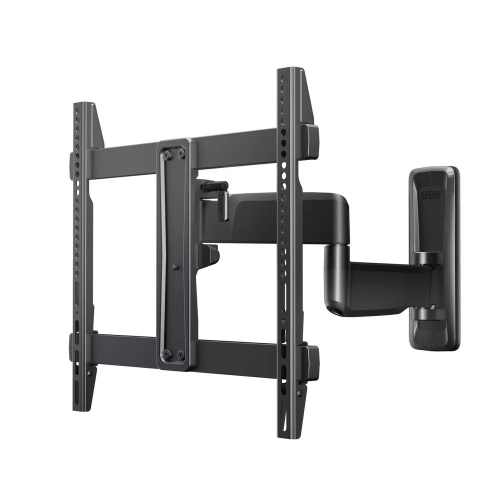
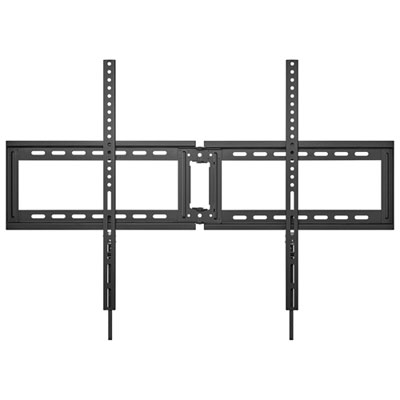
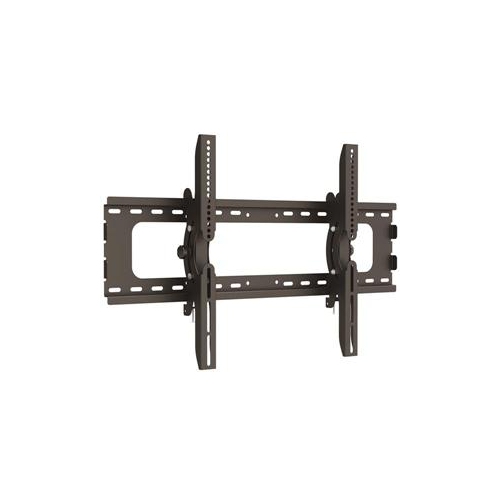
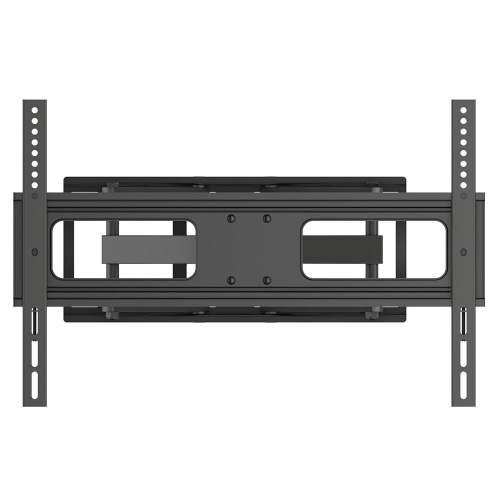
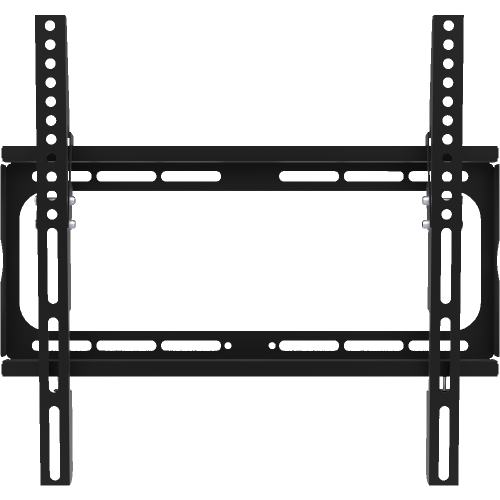
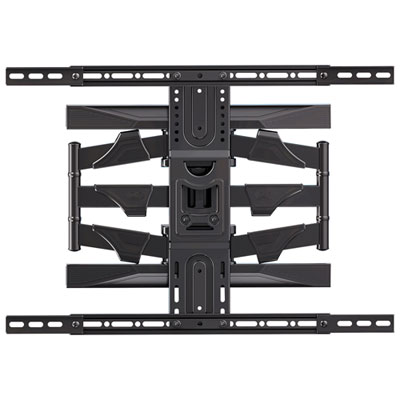
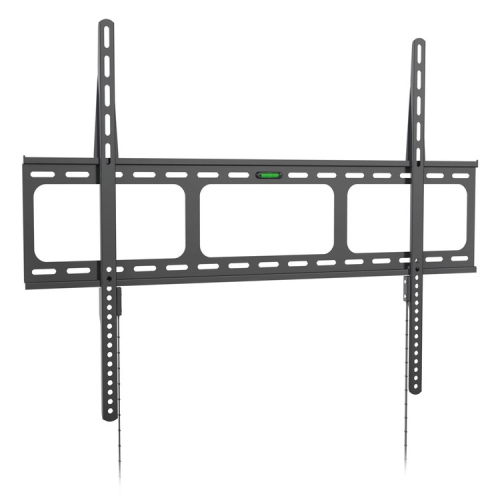
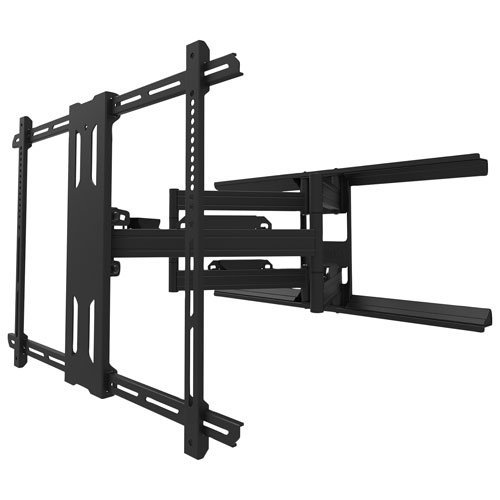
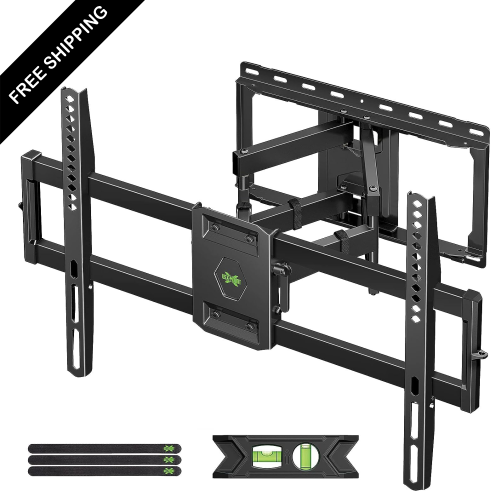
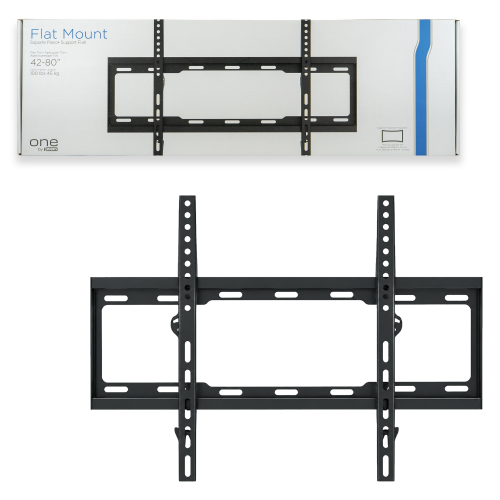
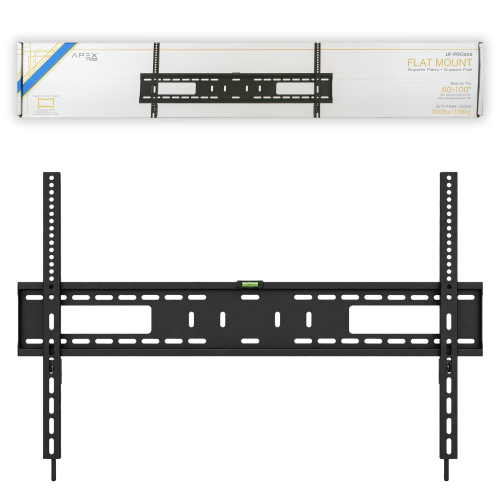
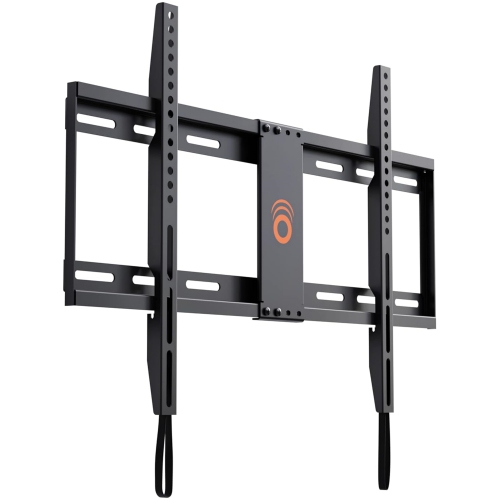
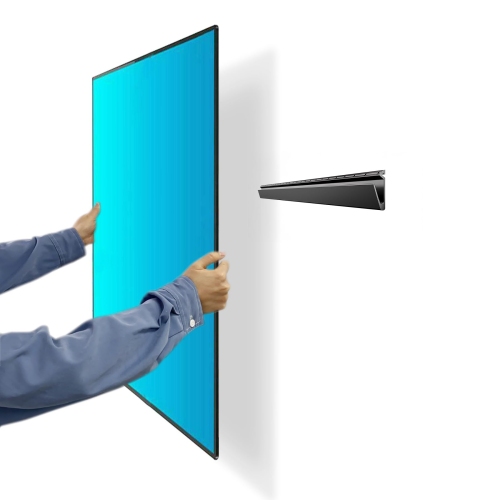
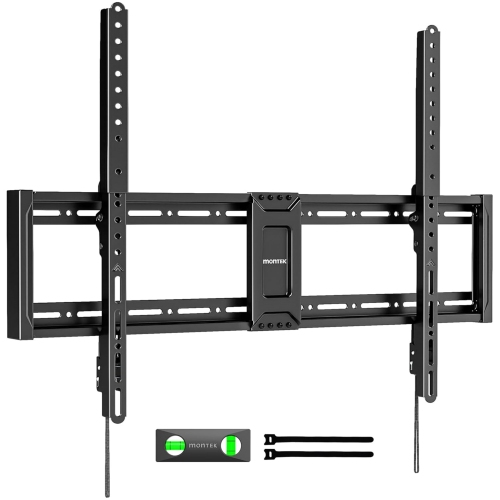
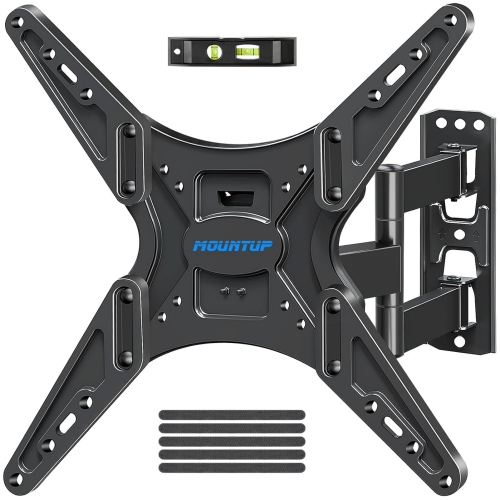
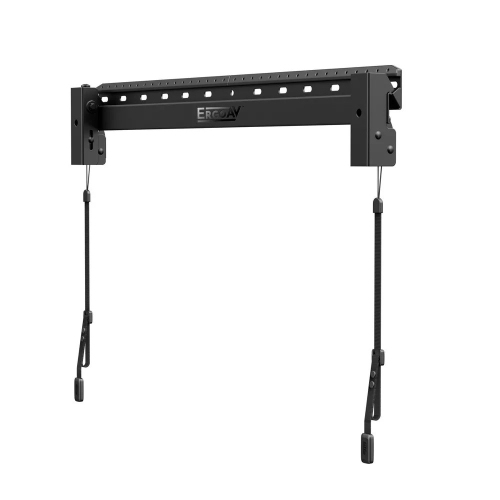
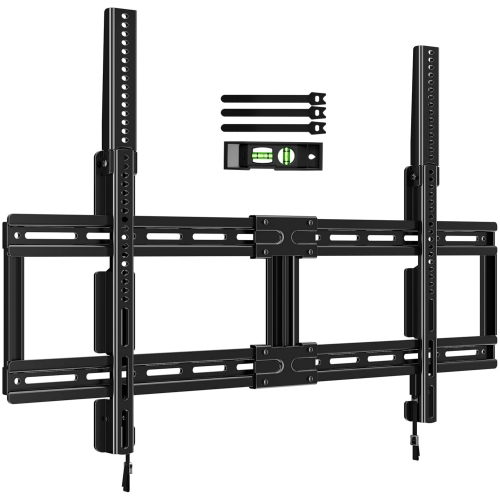
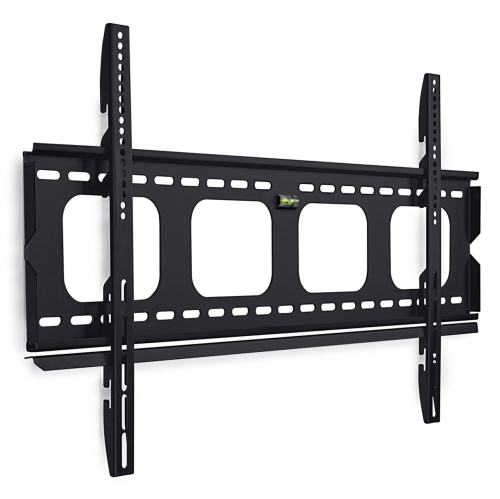
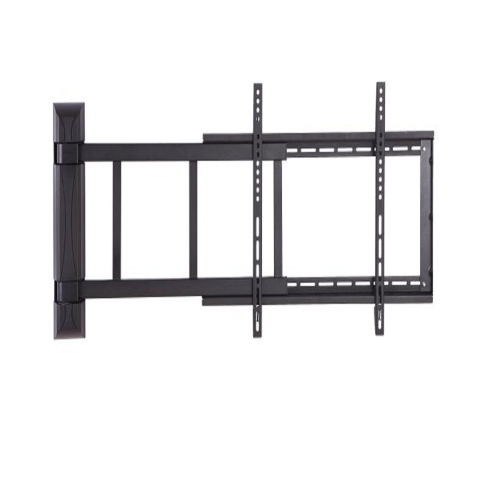
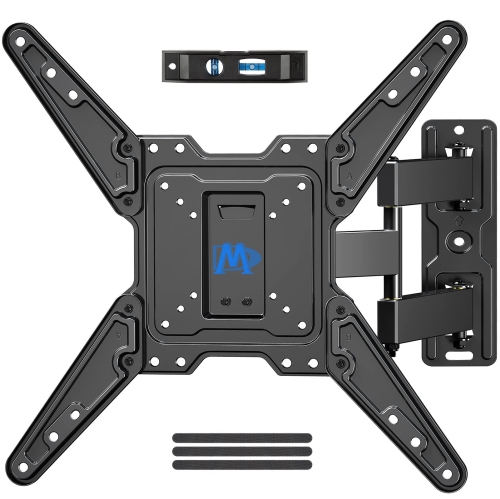
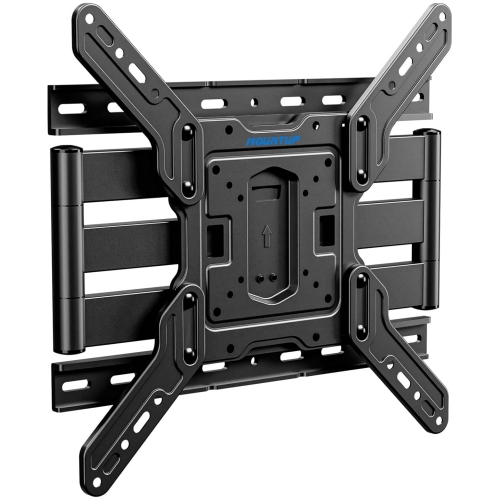
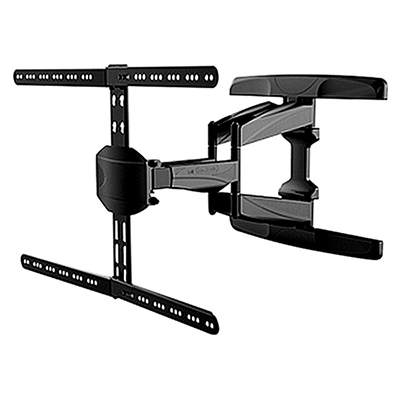
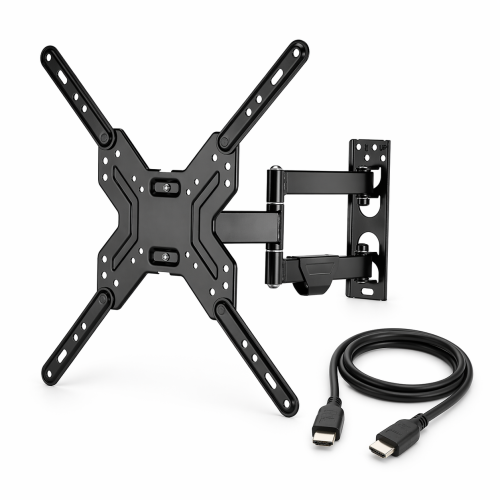
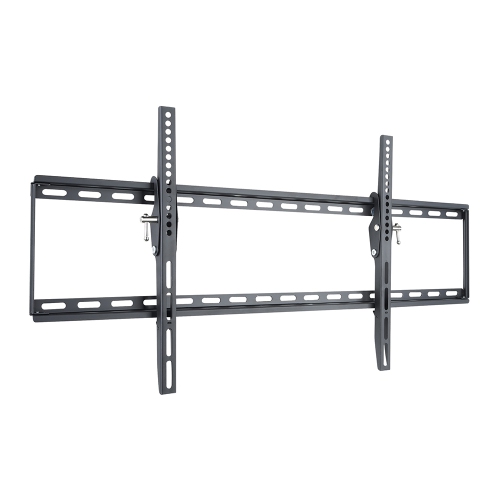
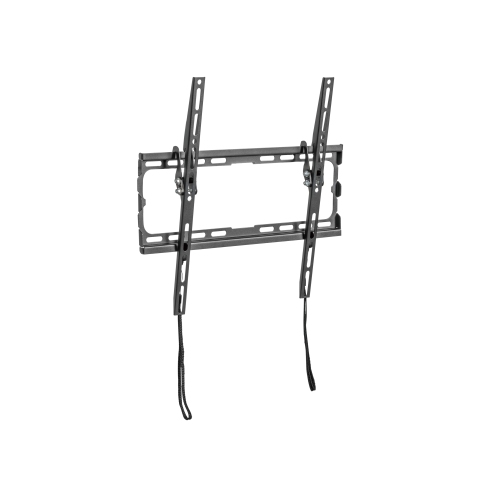
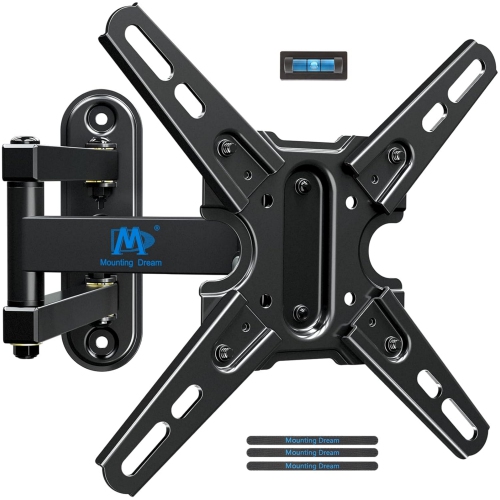
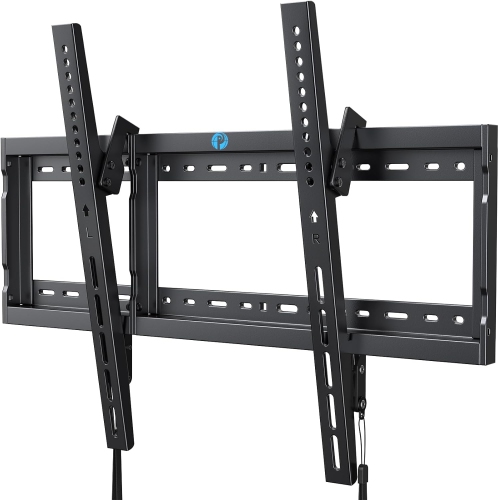
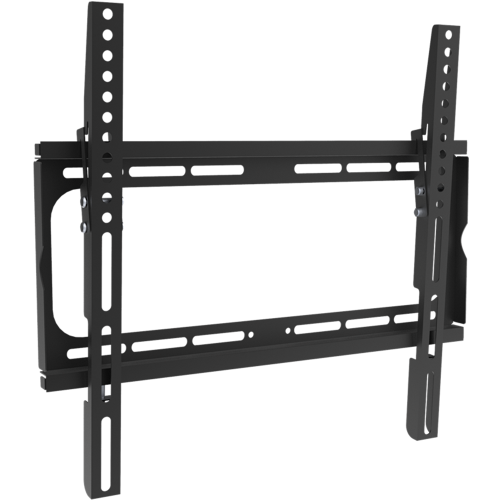
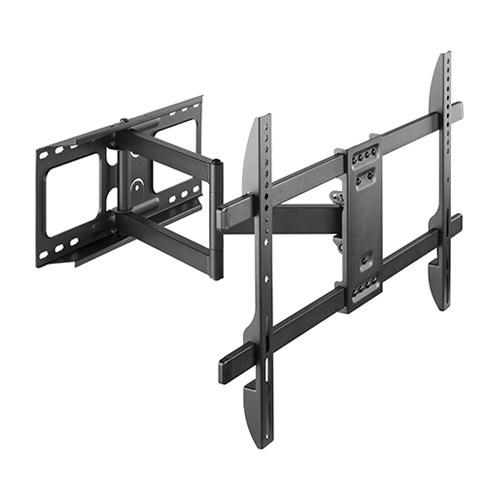
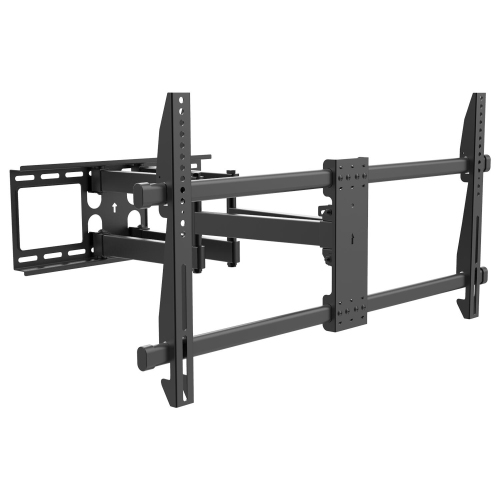
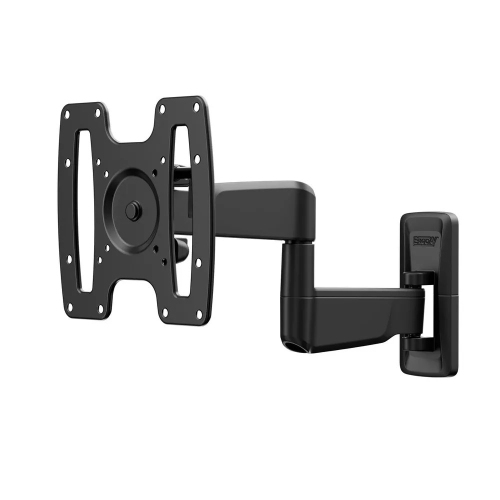
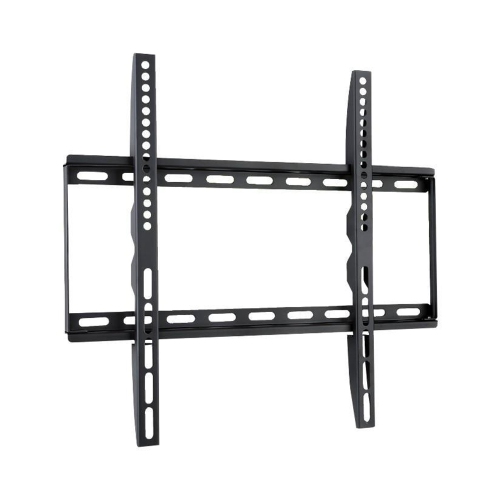
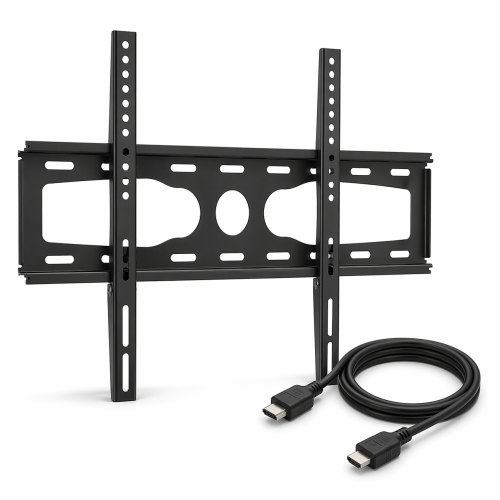
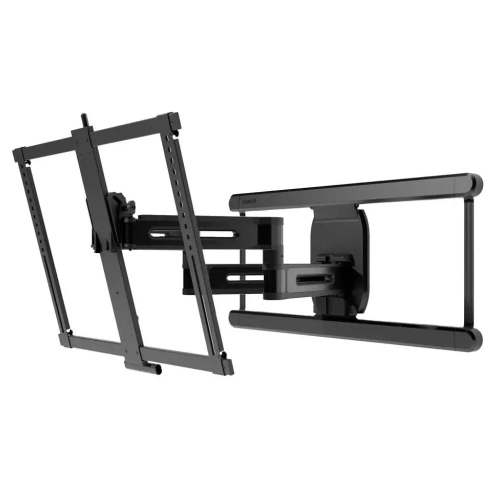
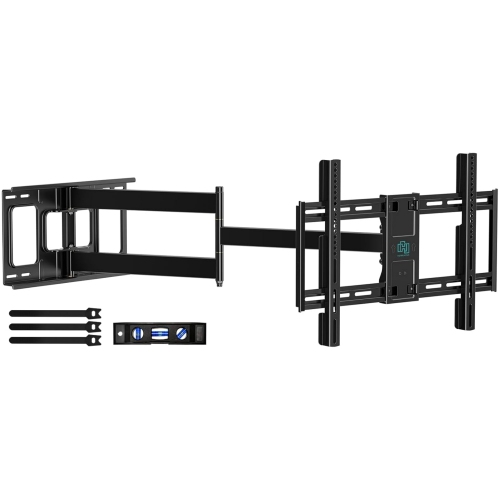
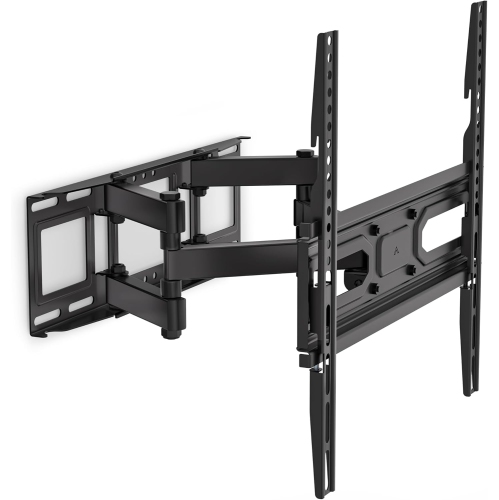
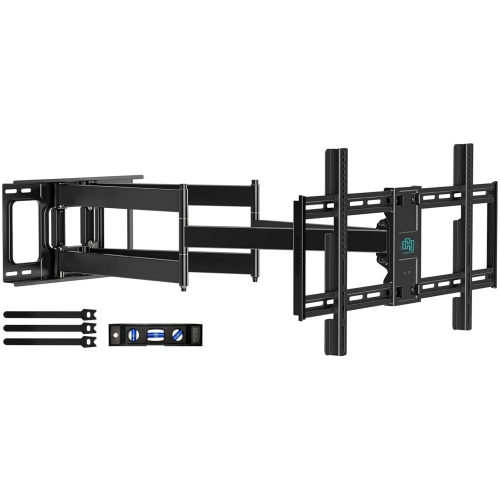
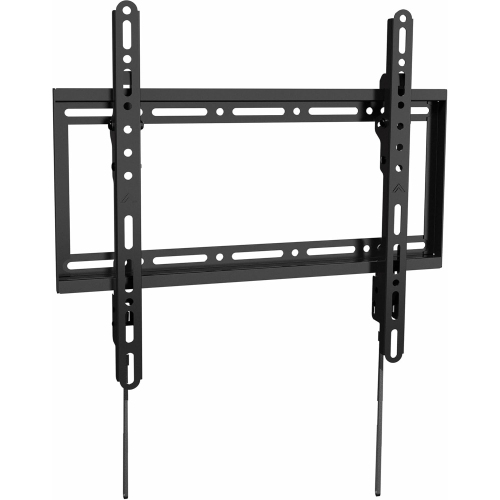
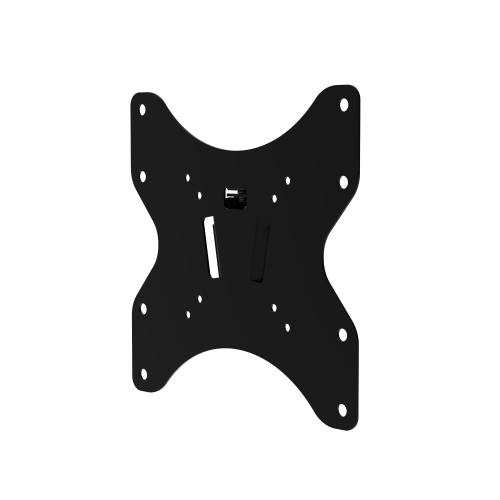
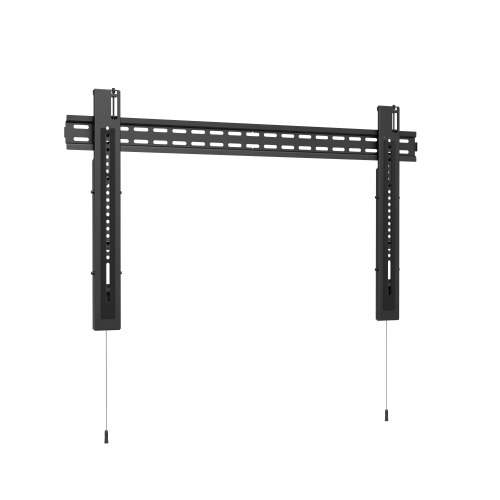
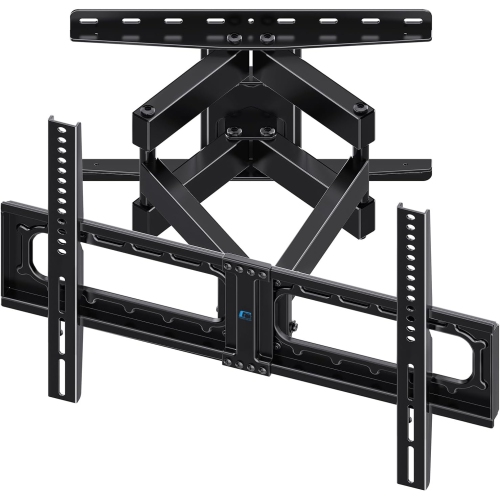
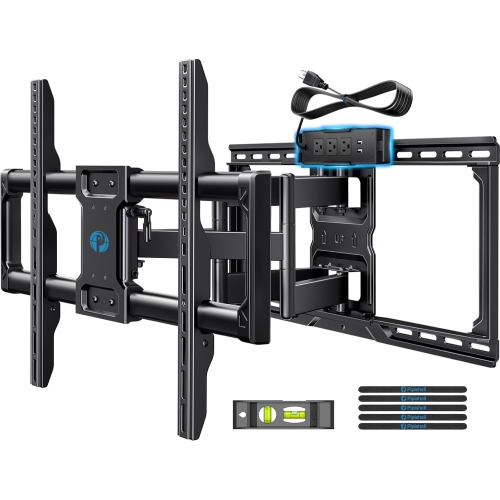
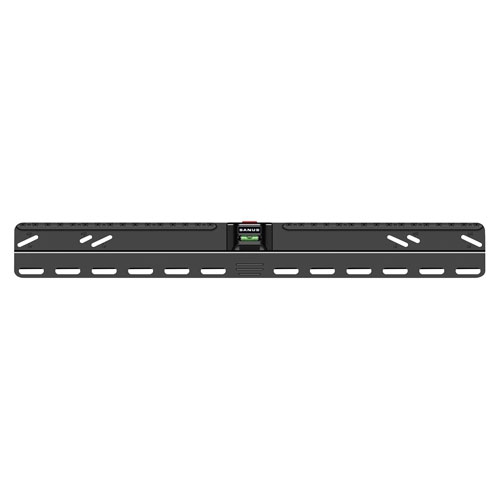
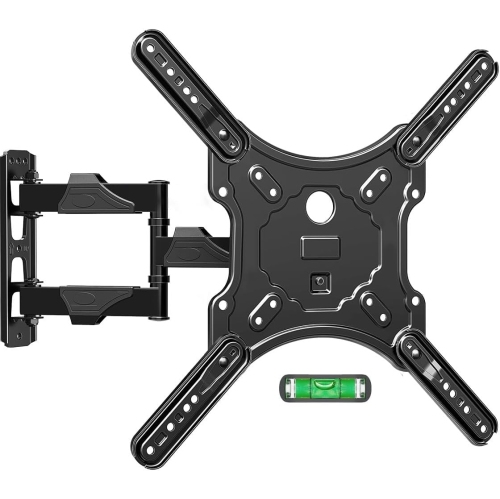
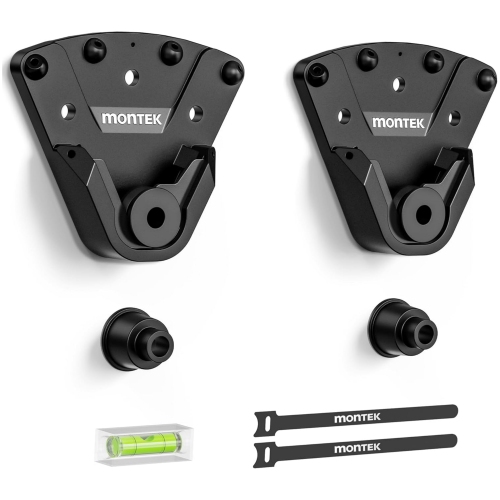
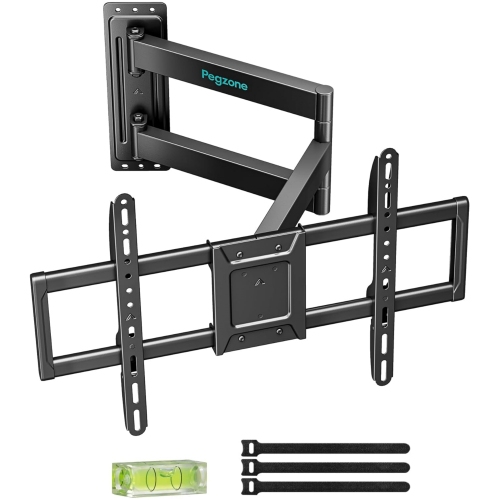
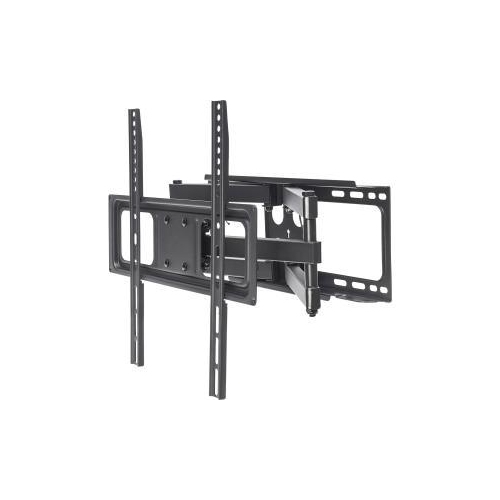
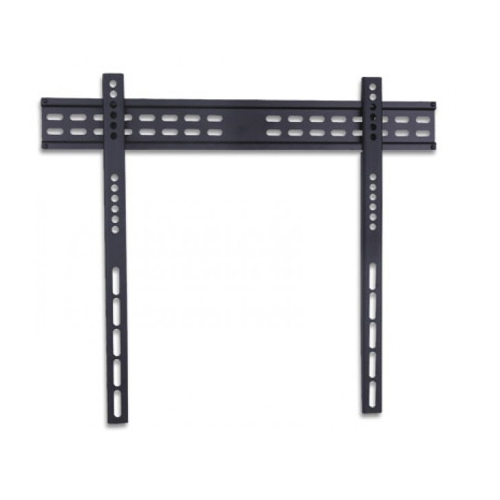
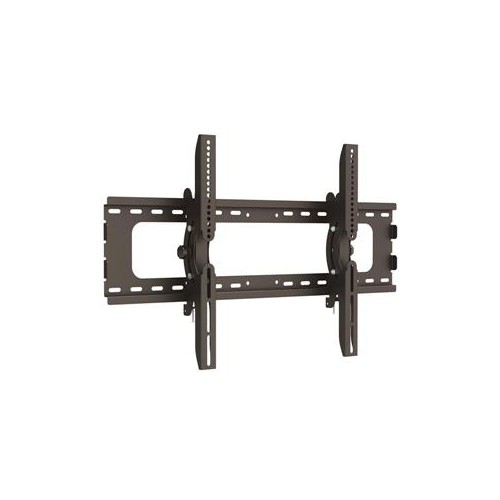
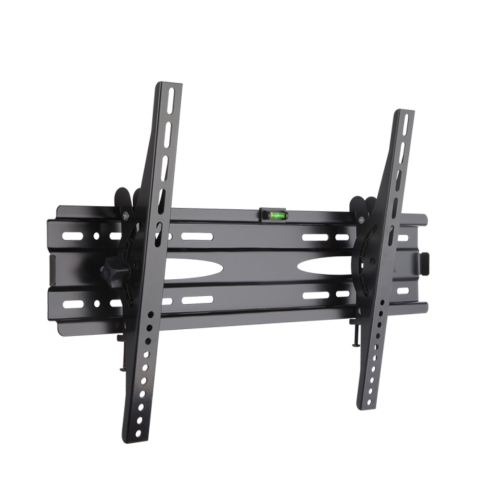
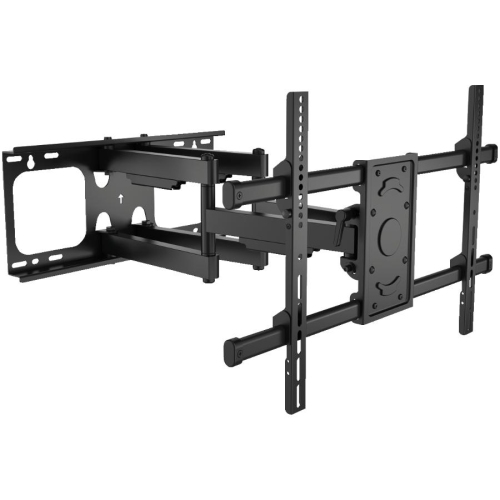
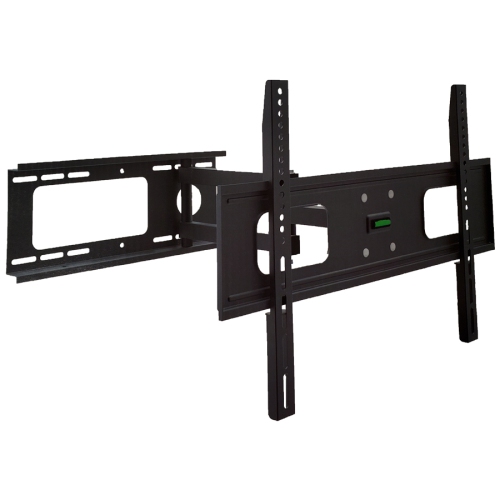
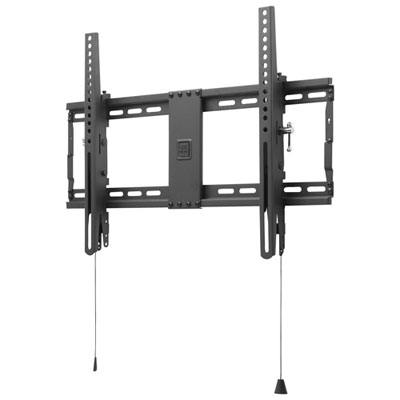
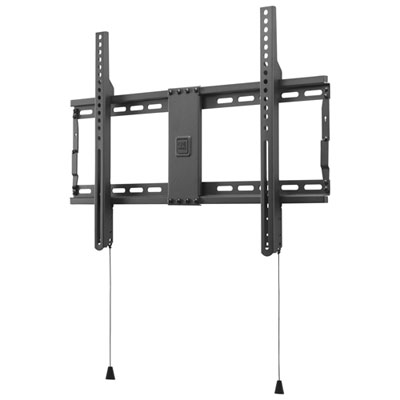
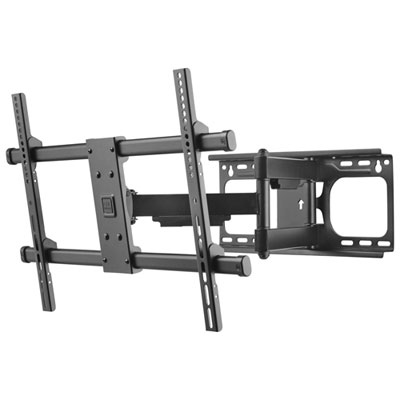
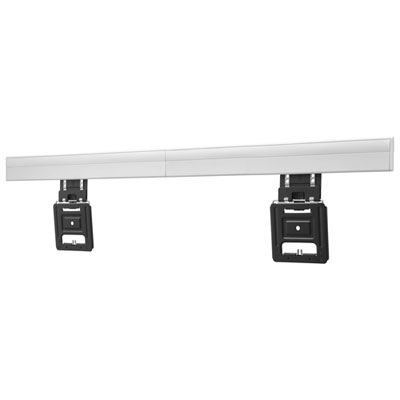
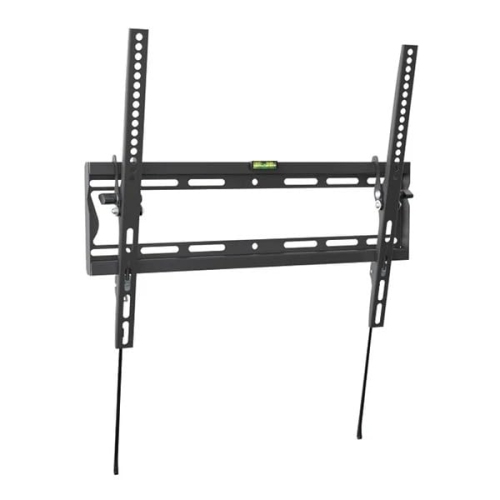
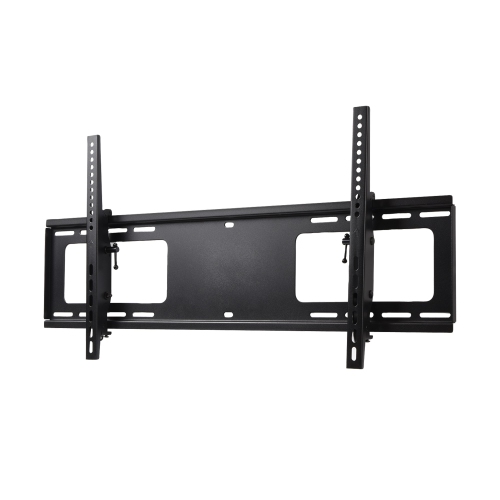
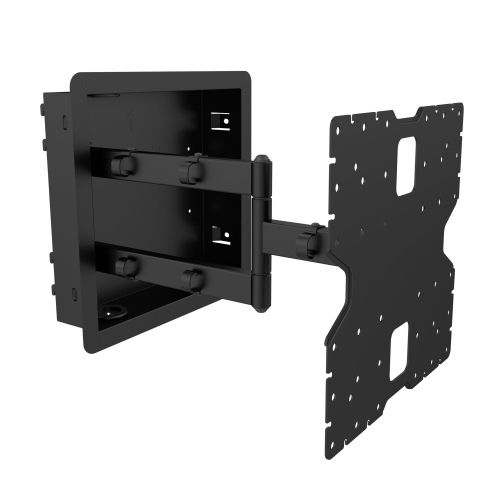
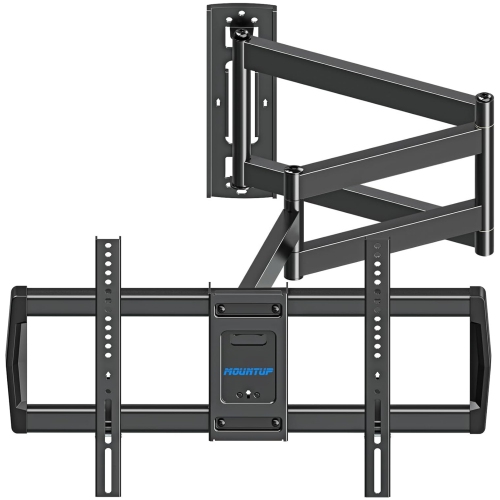
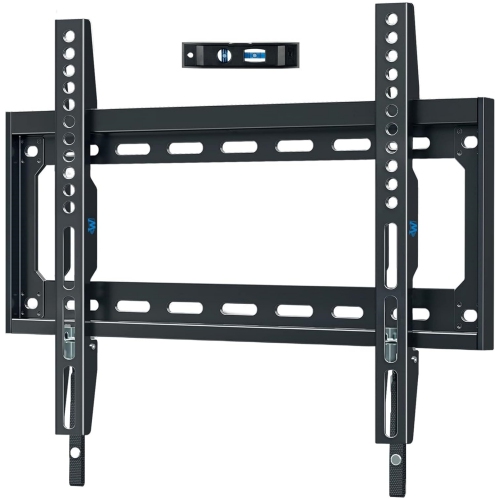
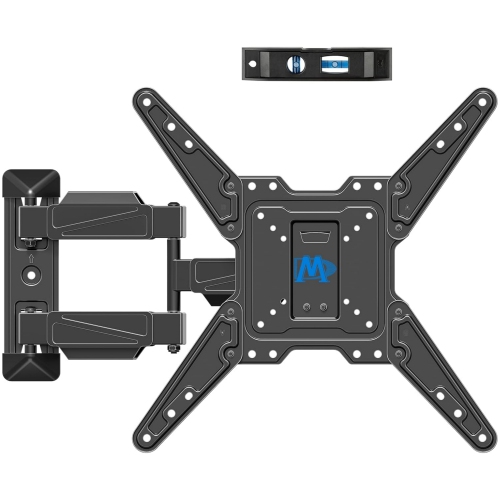
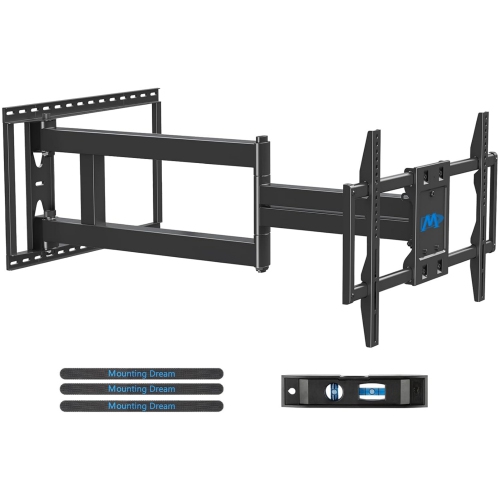
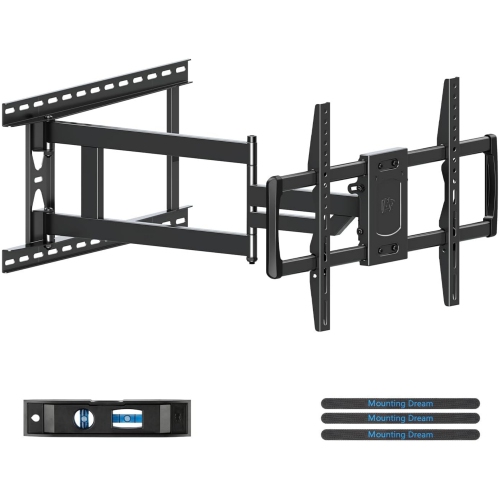
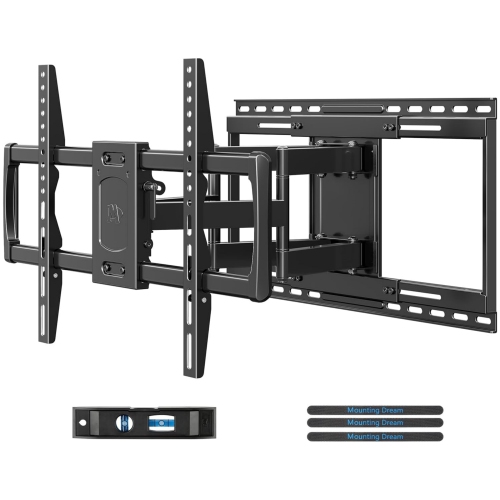
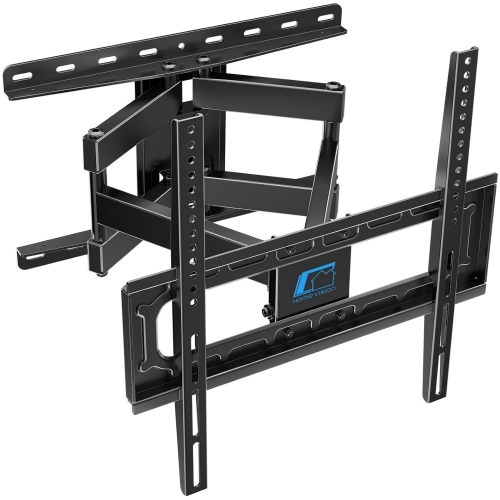
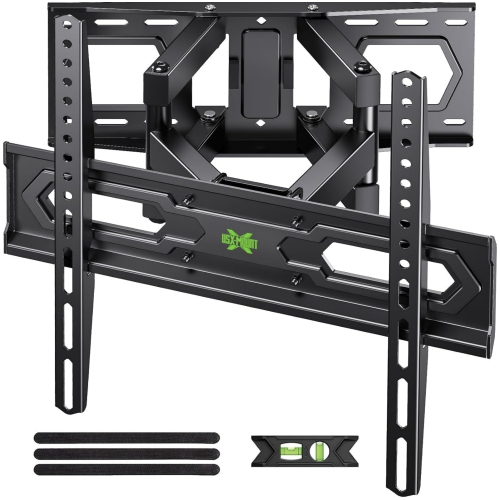
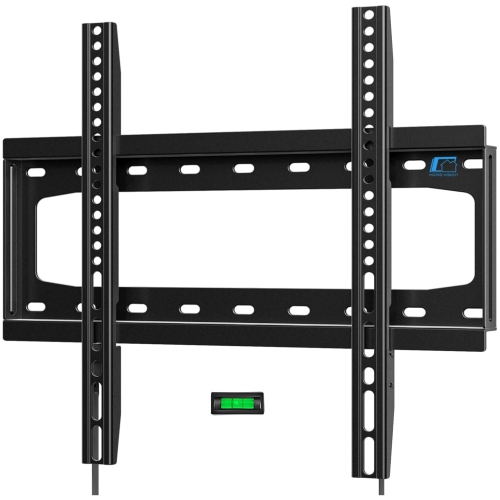
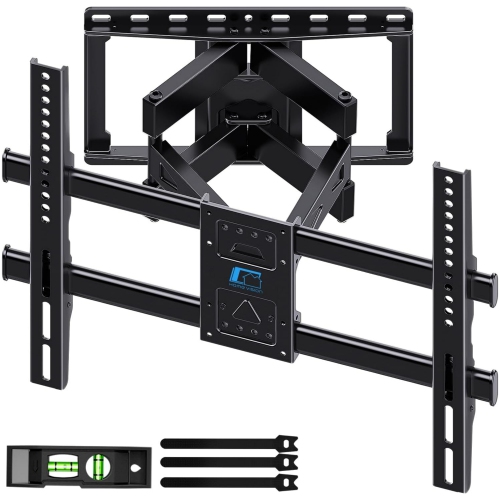
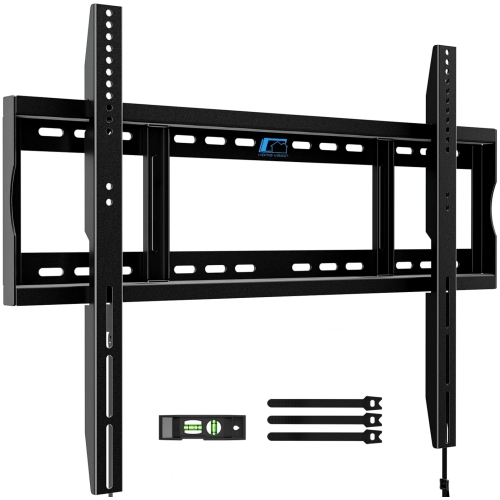
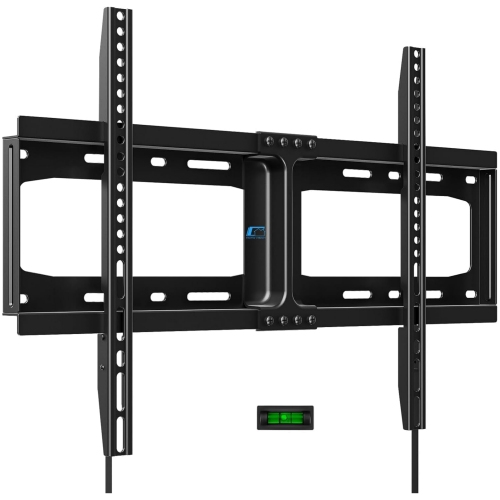
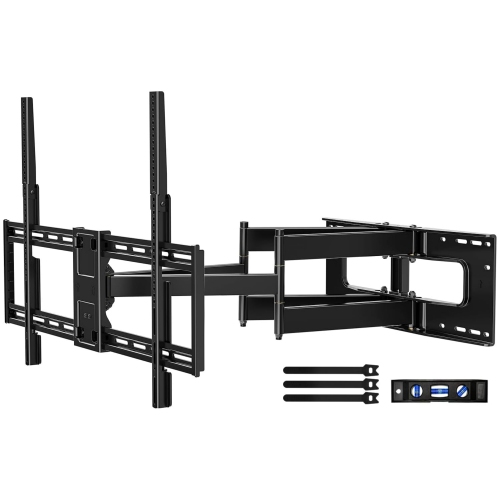
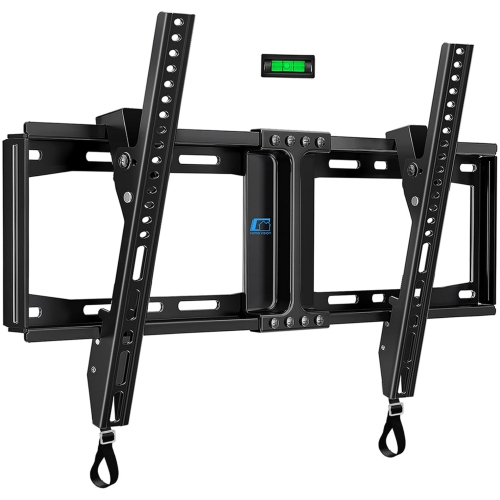
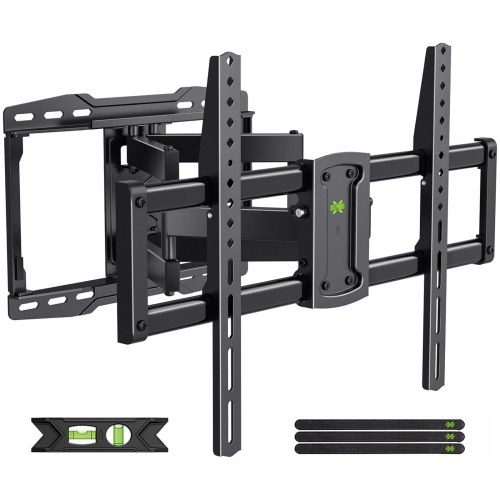
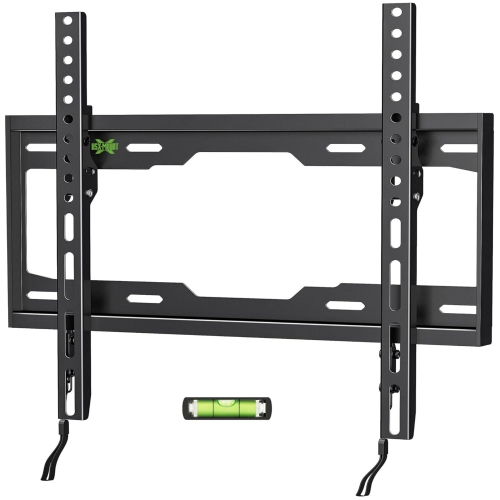
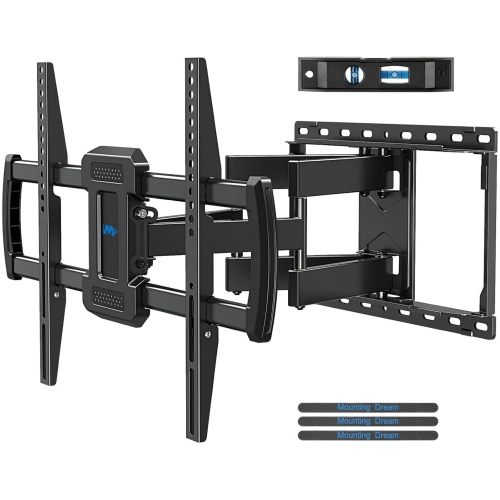
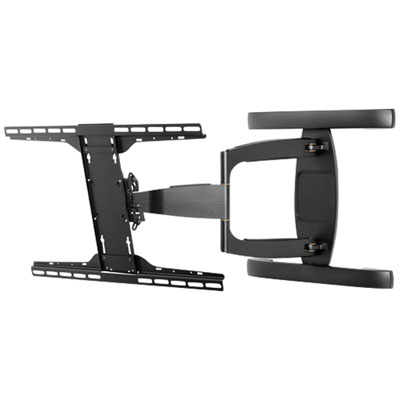
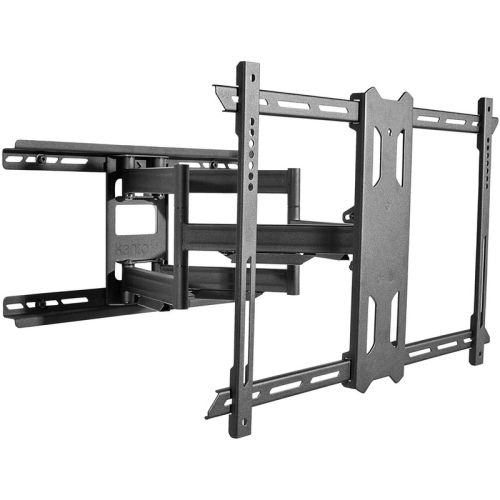
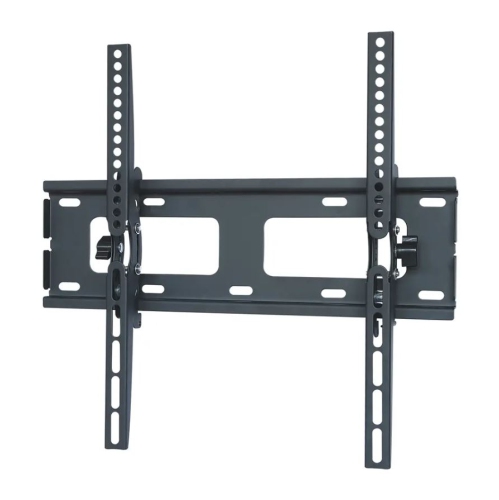
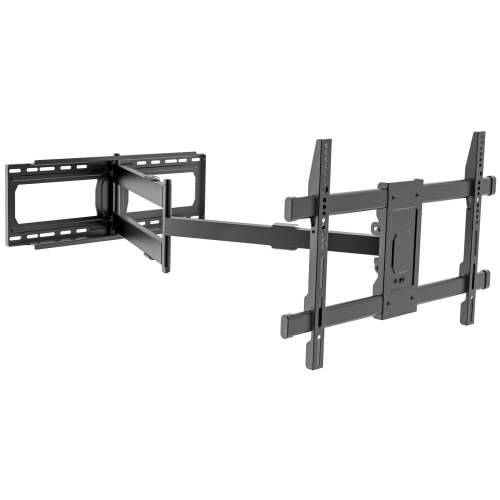
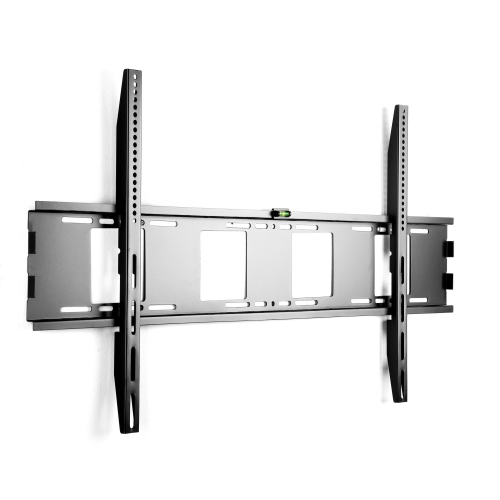
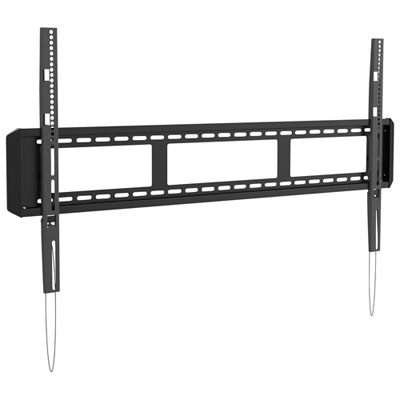
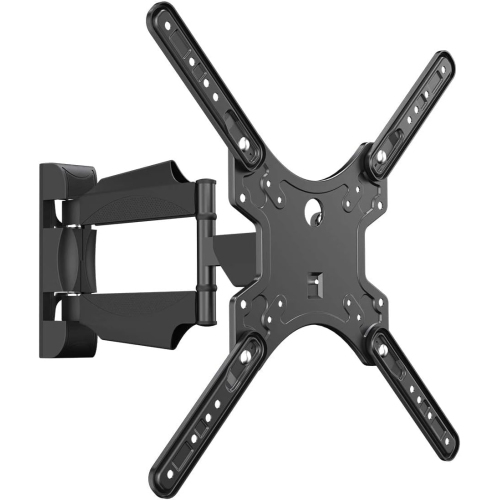
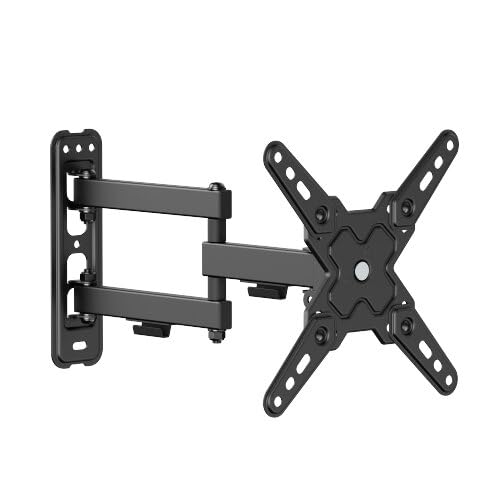
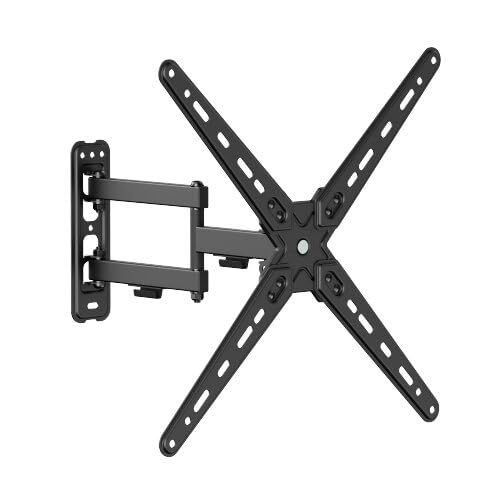
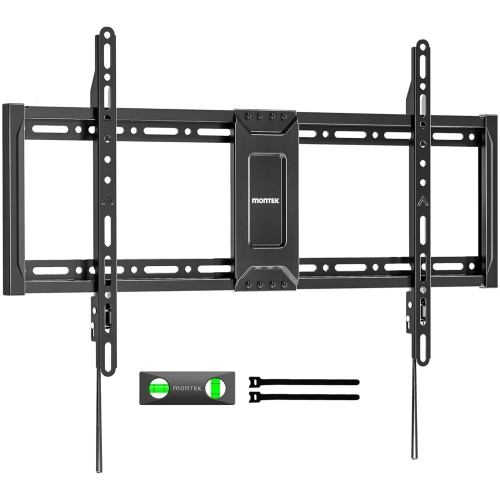
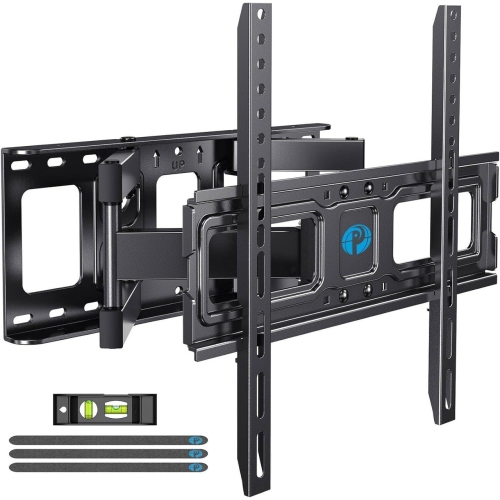
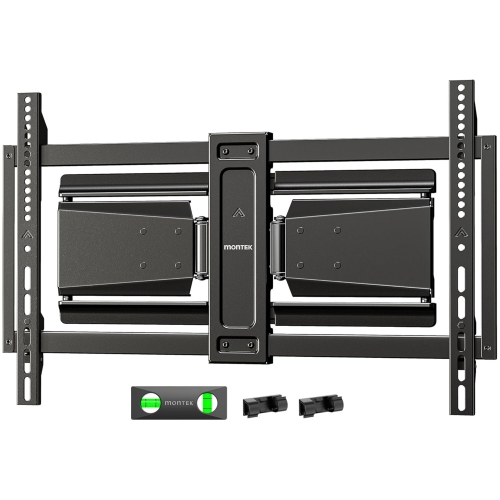
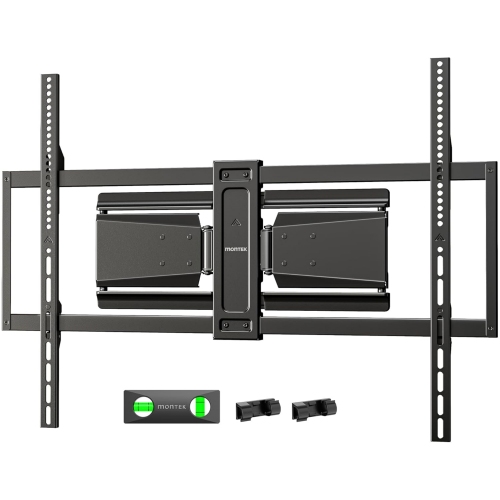
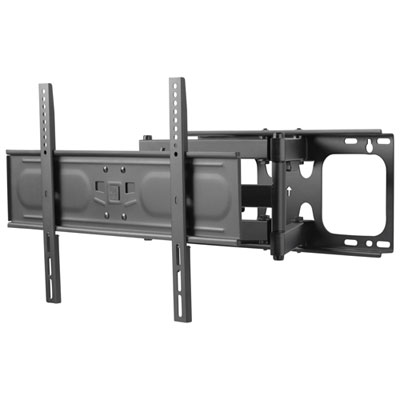
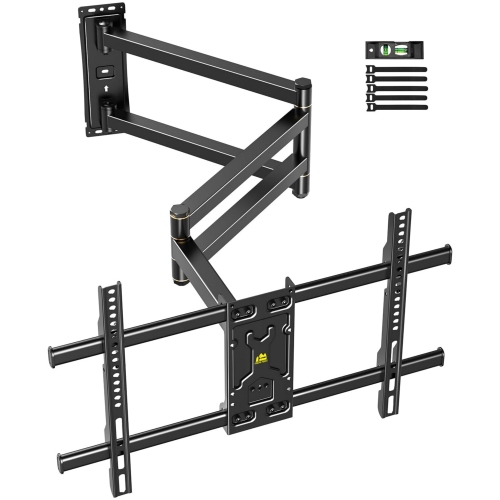
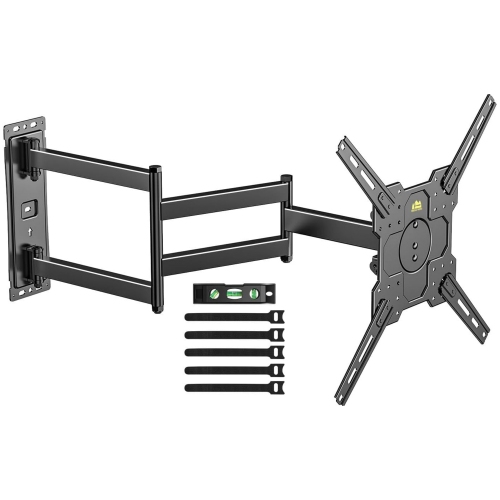
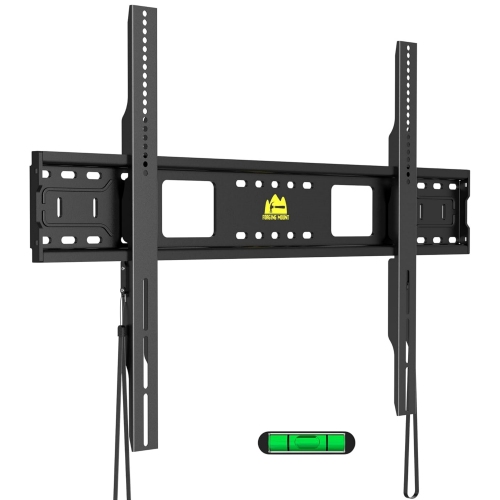
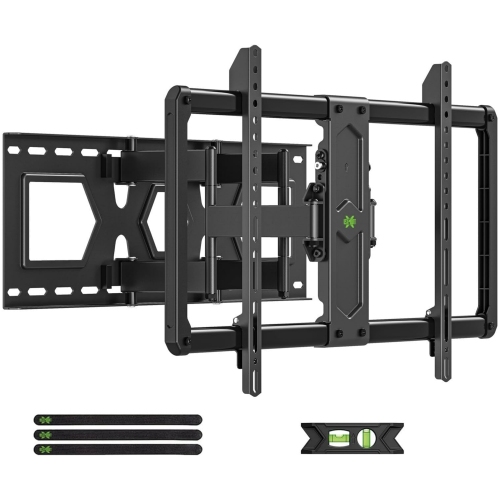
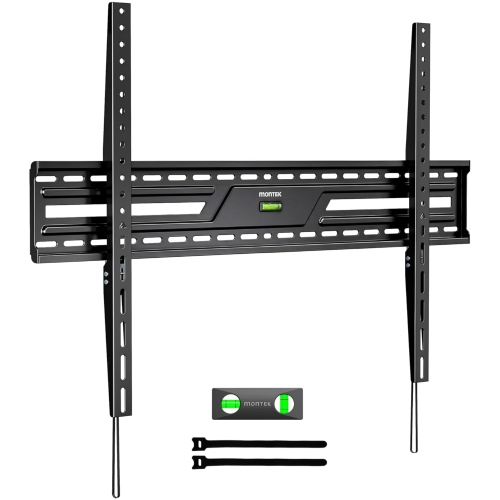
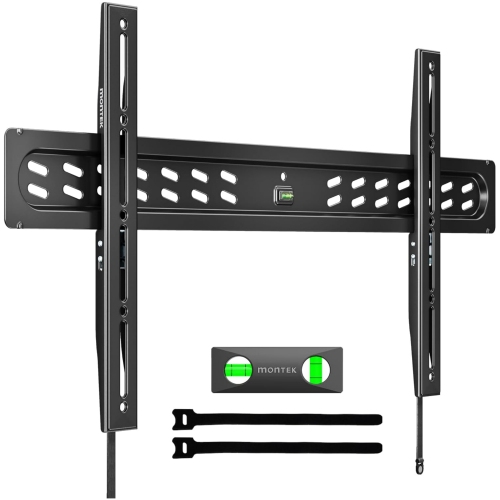
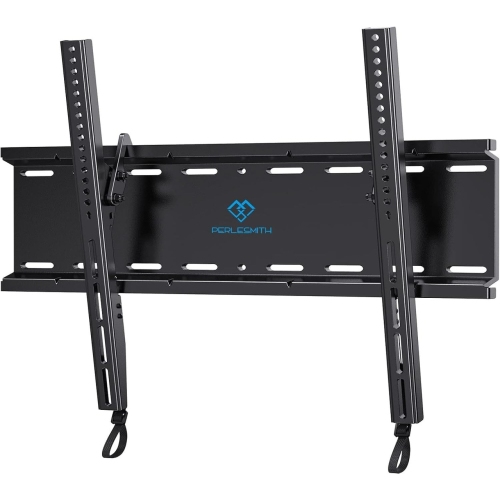
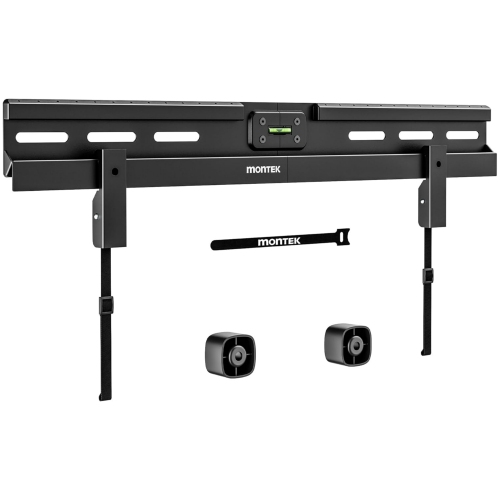
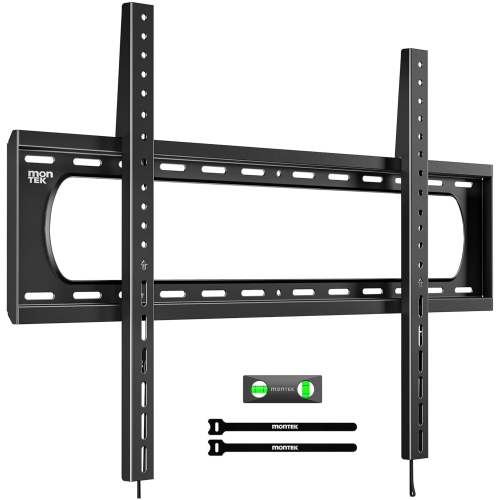
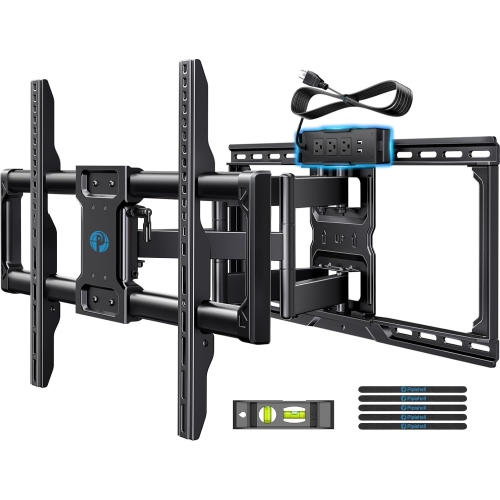
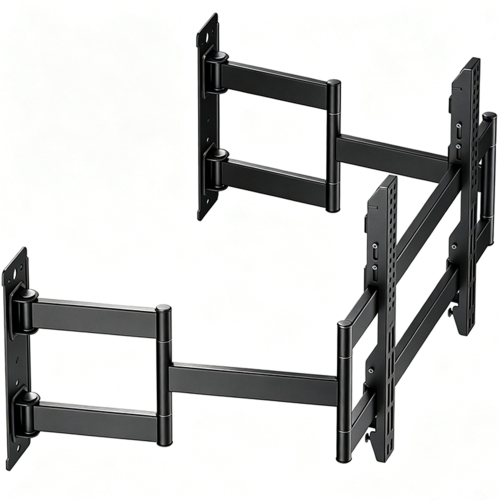
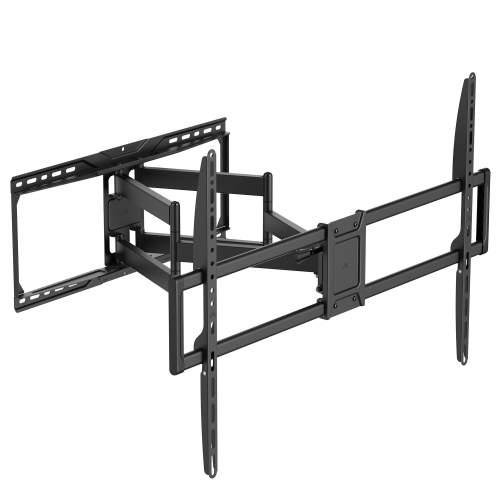
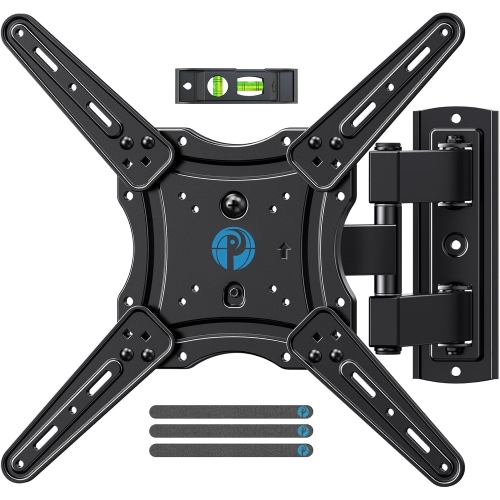
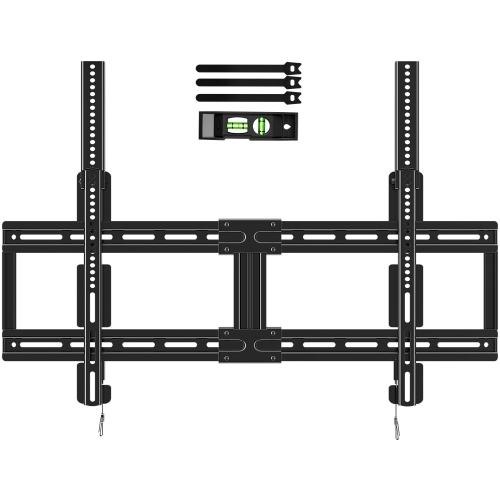
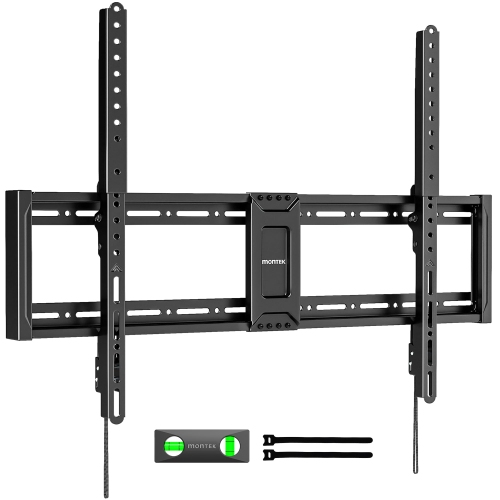
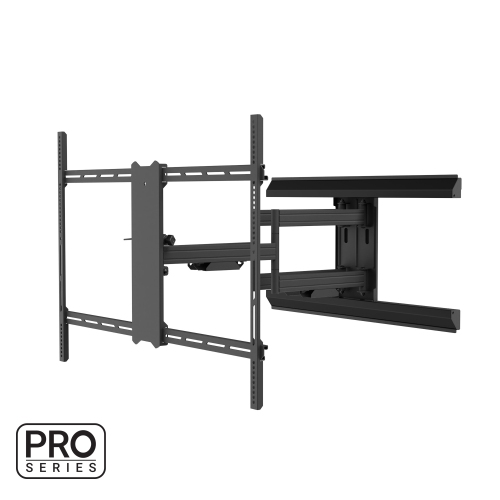
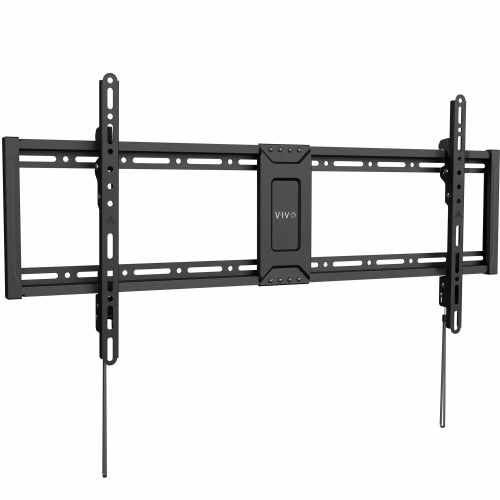
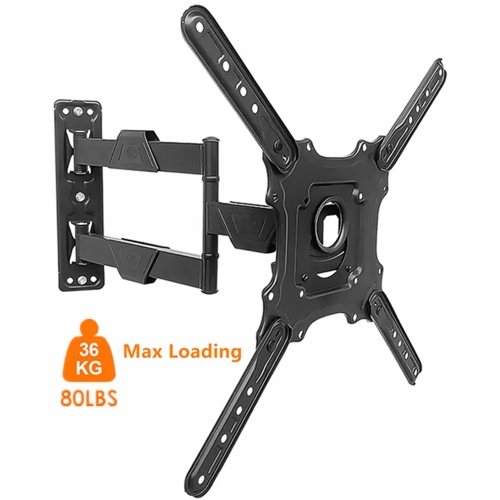
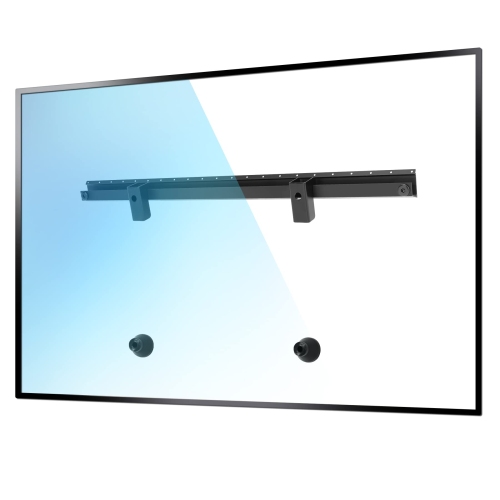
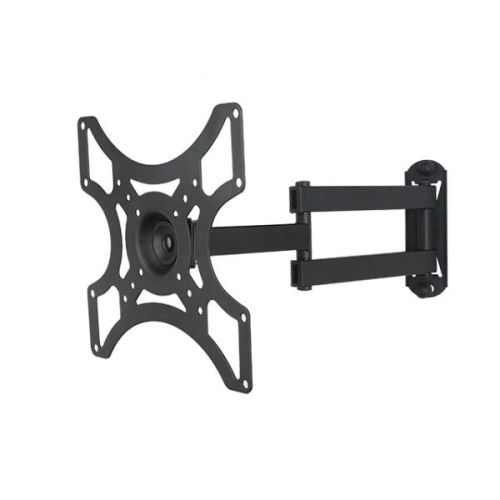
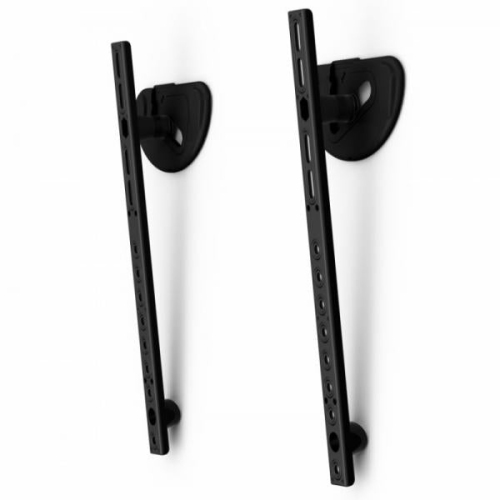
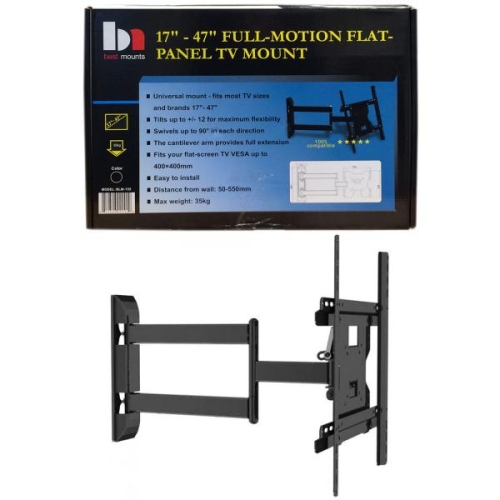
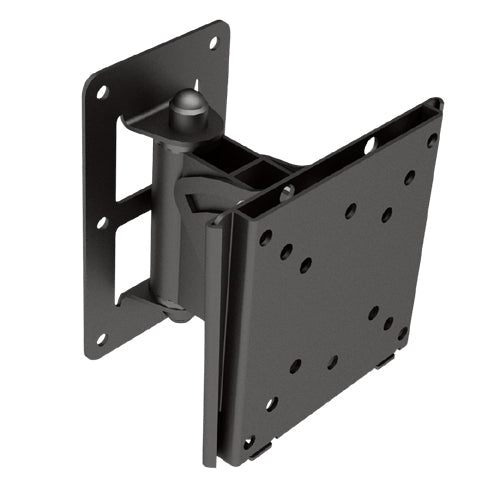
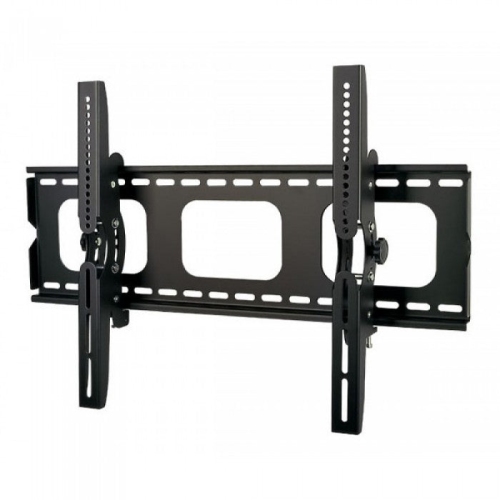
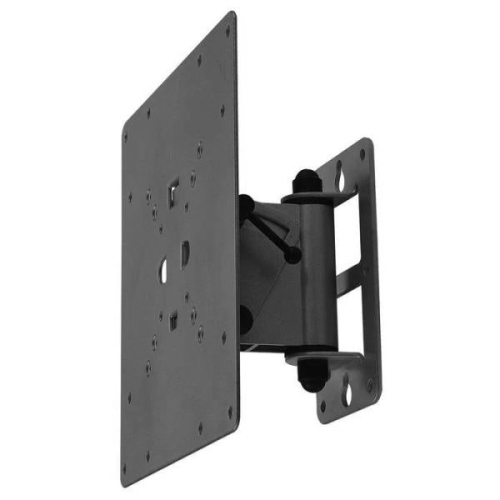
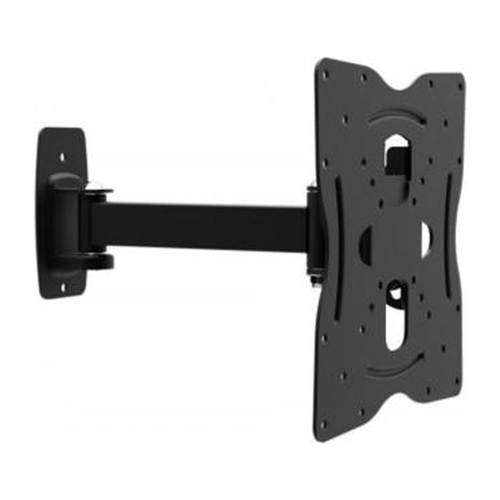
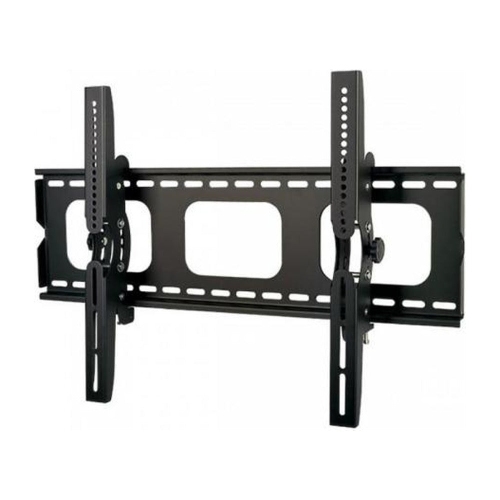
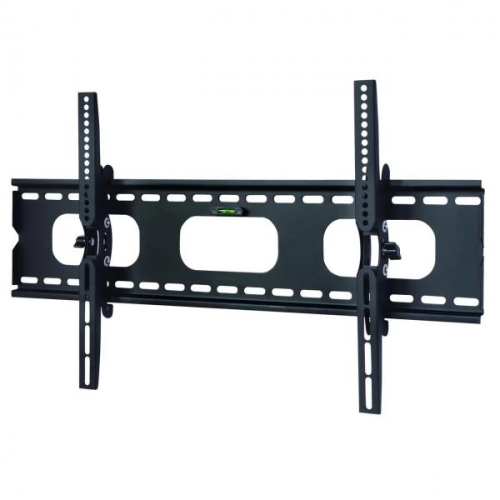
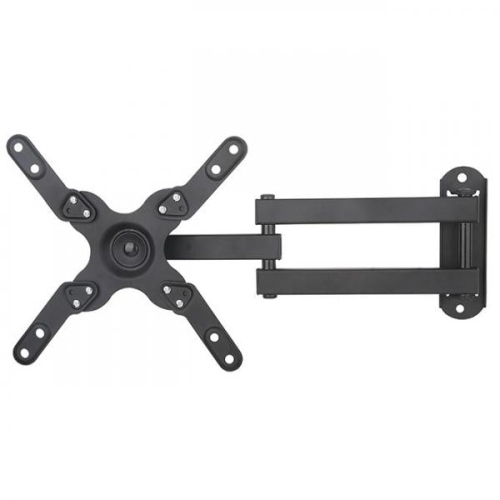
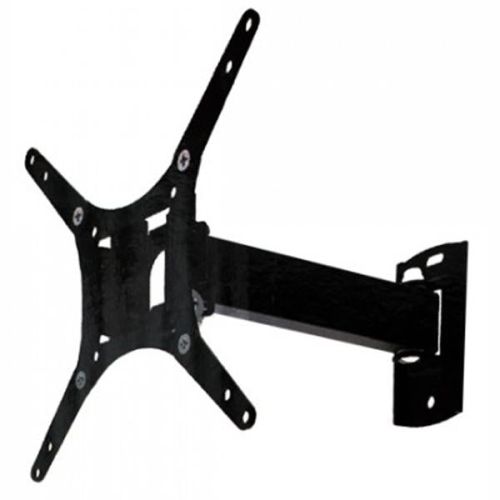
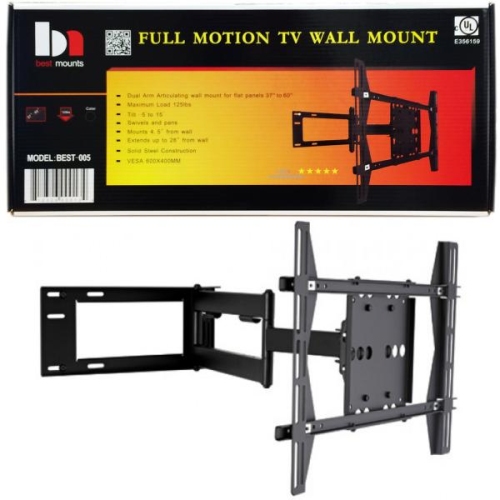
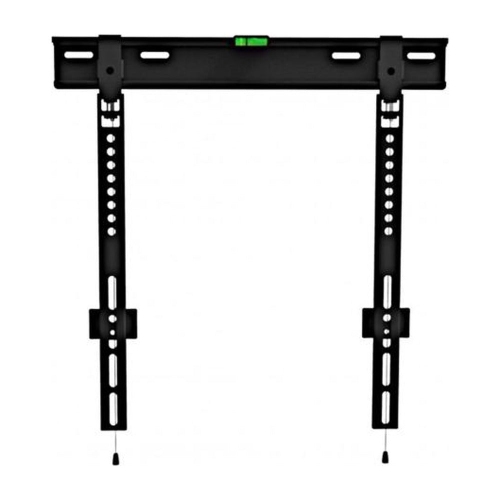
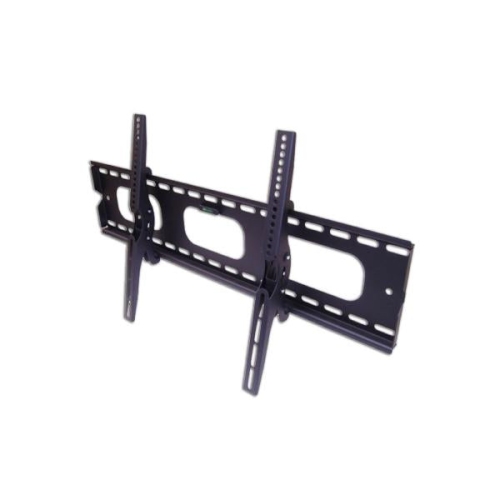
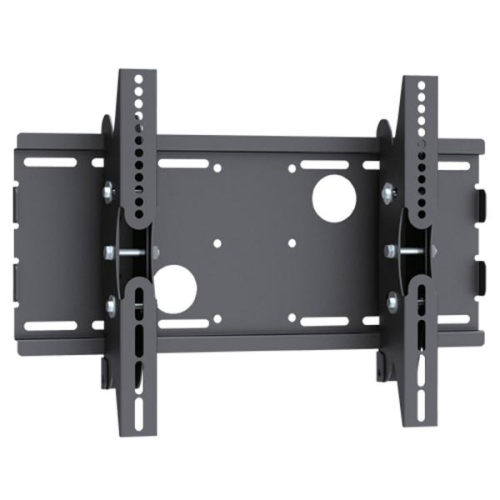
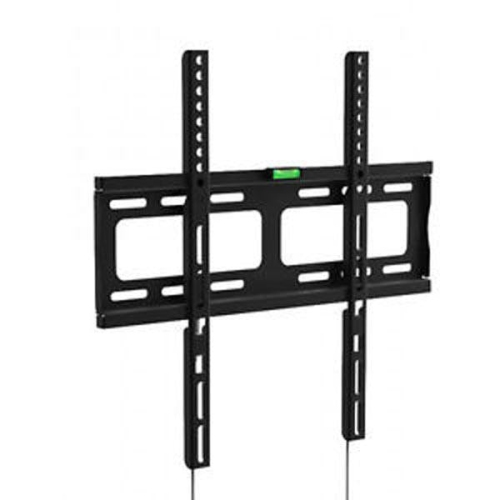
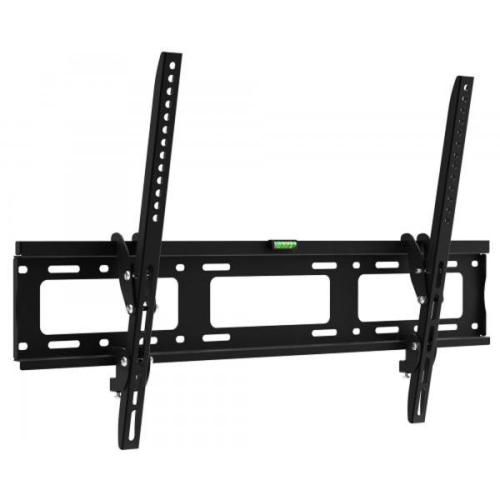
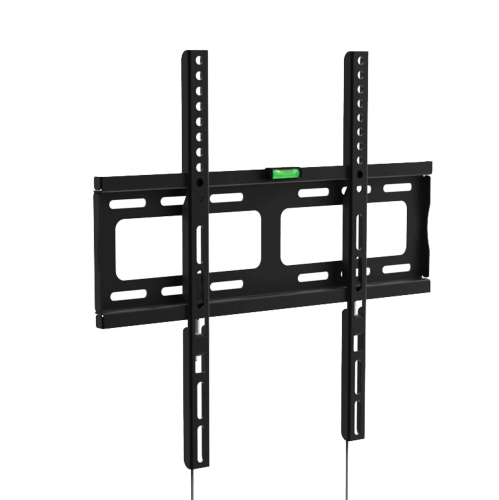
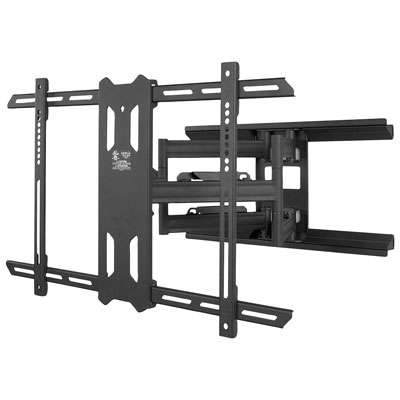
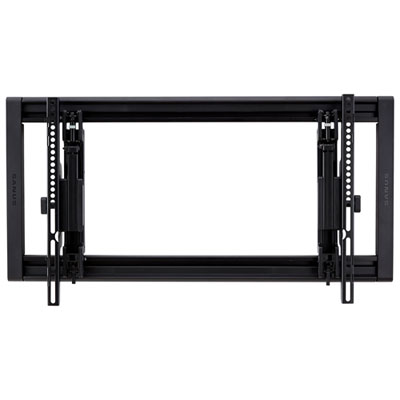
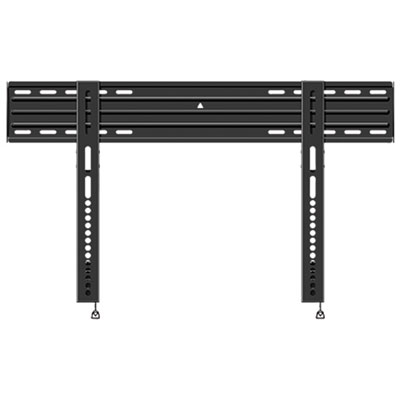
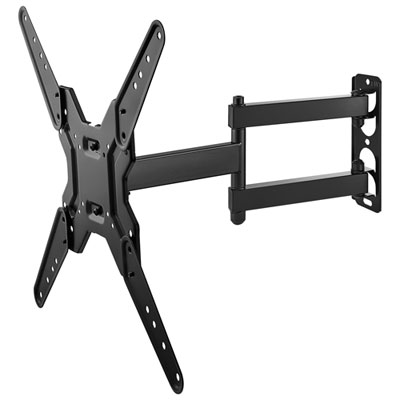
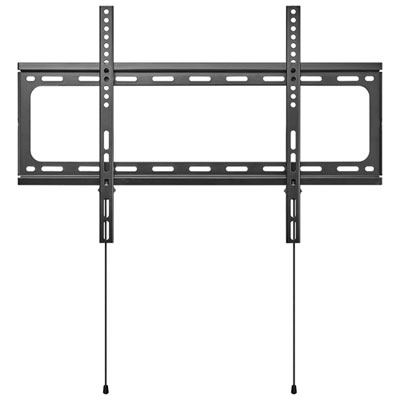
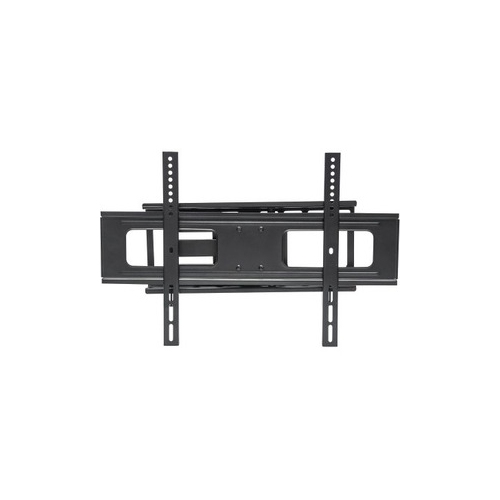
The best wall mounts for TVs suit both the screen and the way a room is used. A television centred opposite a sofa has different positioning needs from one tucked into a corner or shared between a living area and a kitchen. Fixed mounts keep the screen close to the wall for a clean, understated appearance, making them a practical choice when seating is directly in front of the television and the mounting height already provides a comfortable view. Tilting mounts add vertical adjustment, which can help improve the viewing angle when the screen sits above normal seated eye level. They can also help reduce certain reflections, although the position of windows and light fixtures still matters. Full-motion mounts offer more flexibility, with arms that extend, swivel and tilt to face different seating positions. That movement can be especially useful in an open-plan room, a bedroom with an off-centre bed, or a compact space where the television needs to tuck back against the wall after use. The amount of movement varies by design, and a wide screen may meet the wall before reaching the mount’s advertised swivel angle. Fit depends on more than the screen’s diagonal measurement. The television’s weight and mounting-hole pattern must fall within the mount’s stated specifications. This pattern, commonly called VESA spacing, describes the horizontal and vertical distance between the mounting holes on the back of the television in millimetres. Screen size is a useful starting point, but it does not replace those measurements. The shape of the television’s rear panel also matters: recessed mounting holes, raised sections and downward- or rear-facing connections can affect how the brackets sit. Together, these details determine whether a mount provides the close fit, useful adjustment and accessible connections that make a wall-mounted television feel properly integrated into the room.

Materials and construction help a wall mount hold its position through everyday use. Steel is common in wall plates, brackets and support arms because it offers substantial strength, while aluminium may be used in some designs to balance rigidity with lower weight. The material alone does not establish load capacity; the complete design, joints, fasteners and tested weight rating are what matter. A fixed bracket has fewer moving parts, while an extending arm must support the television farther from the wall, placing greater leverage on its attachment points. Secure locking mechanisms, clearly specified adjustment ranges and well-finished edges are practical details worth considering alongside appearance. Powder-coated finishes can help resist surface wear, although installation tools and repeated contact may still mark them. For heavier screens, Strong TV Mounts brings the focus to support requirements, but compatibility still depends on the exact television, mounting surface and manufacturer’s instructions. The wall itself is part of the support system. Wood studs, solid concrete, brick and metal-stud construction can require different attachment methods, and hardware suitable for one surface may not be appropriate for another. Drywall alone is not an adequate structural attachment for a typical large television mount unless a mounting system is expressly designed and rated for that application. Wall condition and construction should be confirmed before installation, particularly in older homes or spaces with previous repairs. The fasteners connecting the television to its brackets also need the correct thread, length and any specified spacers; a bolt that is too long can damage the television, while one that is too short may not engage sufficiently. A qualified installer can assess uncertain wall construction, help establish a suitable mounting position and address cable routing. In a rental property or condominium, permission and building requirements may also affect the installation. These considerations are especially important for full-motion designs, which need dependable support throughout their permitted range of movement, not only when folded flat against the wall.
Everyday comfort often comes down to the details around the mount rather than the bracket alone. A screen positioned near seated eye level generally supports relaxed viewing, while a television placed high above a cabinet may require an upward gaze even with a tilting bracket. The right height depends on the room, seating and screen dimensions, so the relationship between the sofa, sightline and wall space matters more than a single universal measurement. A low-profile installation can look particularly tidy, but it may leave limited room for hands, cable connectors or a rear-facing power connection. An extending mount can make those connections easier to reach, provided the cables have enough slack for the full range of motion without pulling tight, snagging or becoming pinched at the joints. Cable covers can create a neat visible route, while concealed wiring needs suitable materials and installation that meets applicable electrical requirements; an ordinary television power cord should not simply be fed through a wall. Ventilation openings must remain clear, and any required clearance around the television should be maintained. Where a soundbar sits below the screen, its position needs to leave space for movement and avoid blocking the television’s controls or remote receiver. A mount intended for indoor use should not be assumed suitable for a covered patio or another exposed location. Care is usually straightforward: a soft, dry cloth removes dust from accessible surfaces, and periodic checks can identify loosened hardware, cable strain or changes in alignment. Follow the manufacturer’s maintenance directions, avoid lubricating joints unless instructed, and adjust the screen using the method specified for the mount rather than pulling on a corner. For households that alternate between films, games and casual viewing from different seats, useful movement can make a noticeable difference. For a dedicated viewing area, a simple fixed position may be all that is needed. The most suitable choice balances secure support, comfortable sightlines and the amount of adjustment the room actually calls for.

FAQ

Some products may be subject to Environmental Handling Fees (EHF) depending on your province. Learn more about EHFs.