Easy To Use Thermostats
If you're looking to upgrade your home's comfort, an easy-to-use thermostat is a great place to start. These devices can help you save money on heating and cooling costs, and they make it easier to adjust the temperature of your home when you're away from it. Here are some options for you.
Sort
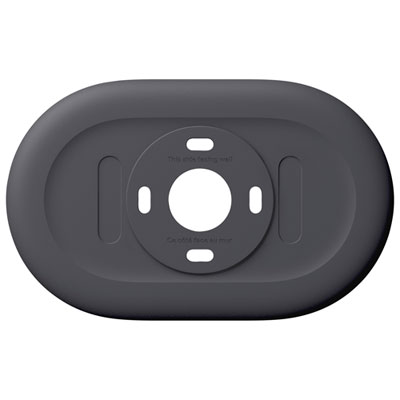
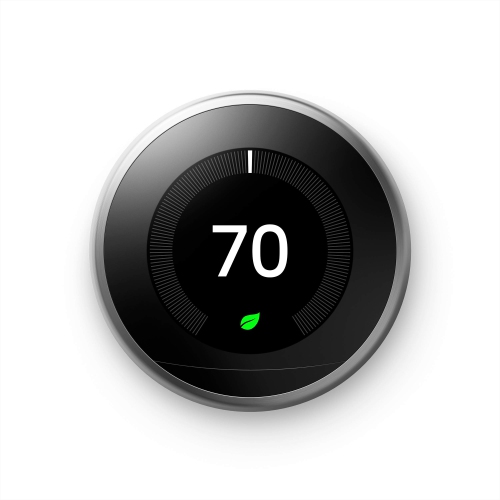
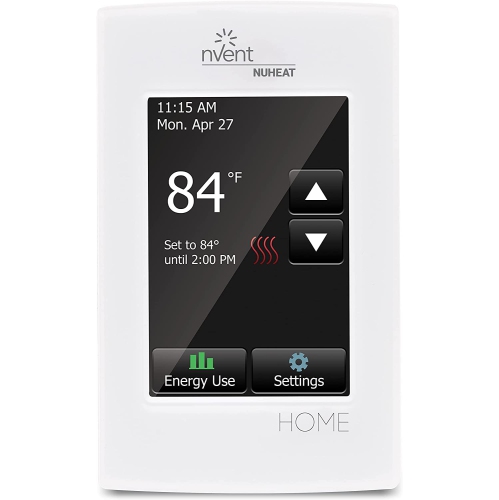
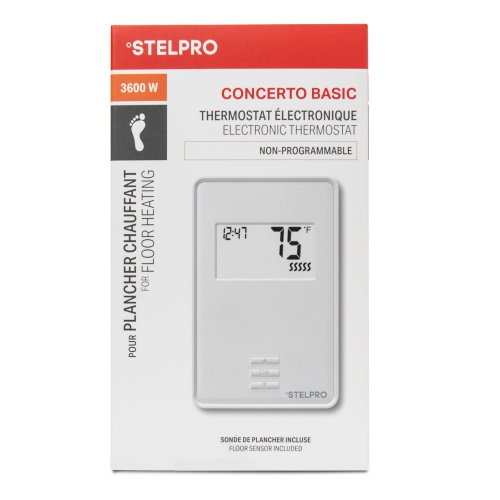
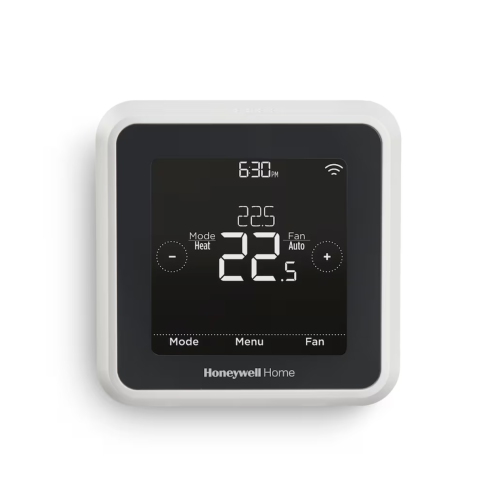

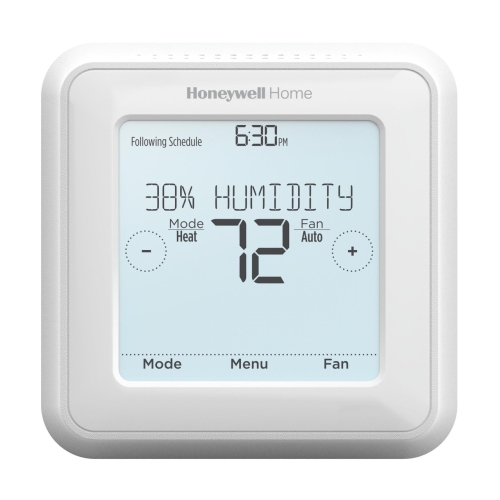
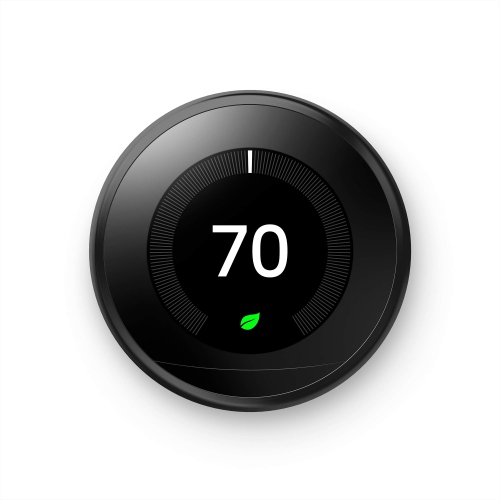
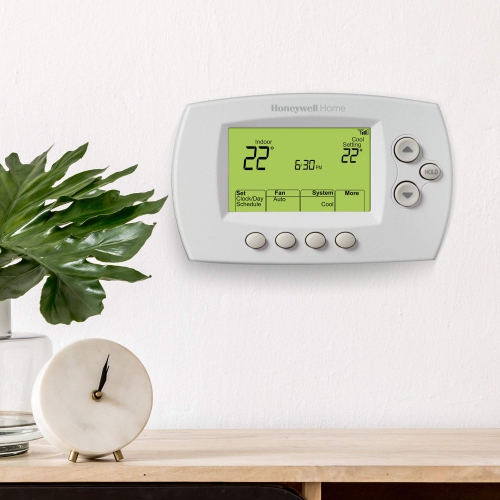
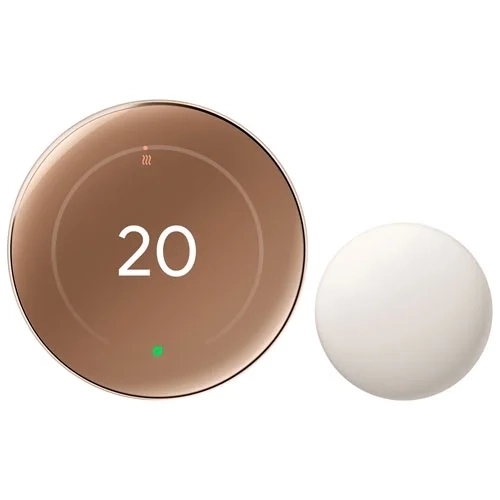
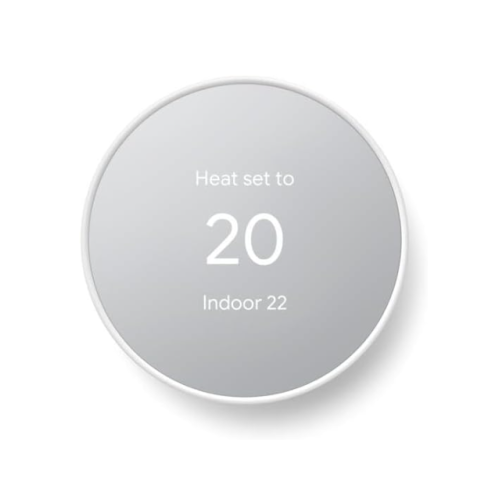
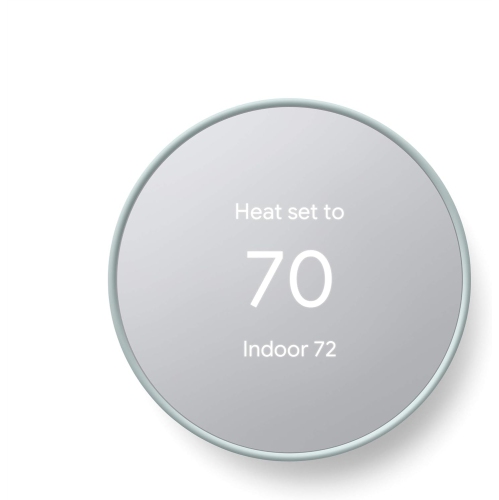
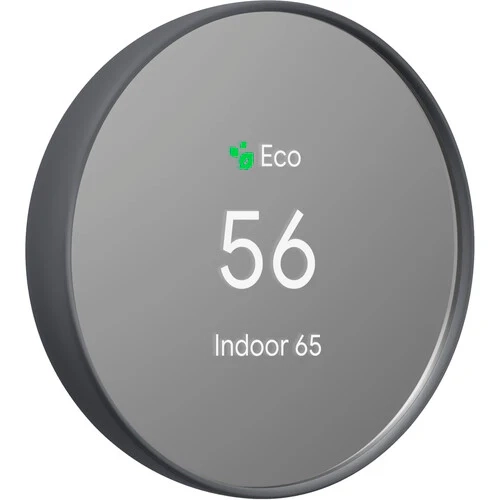
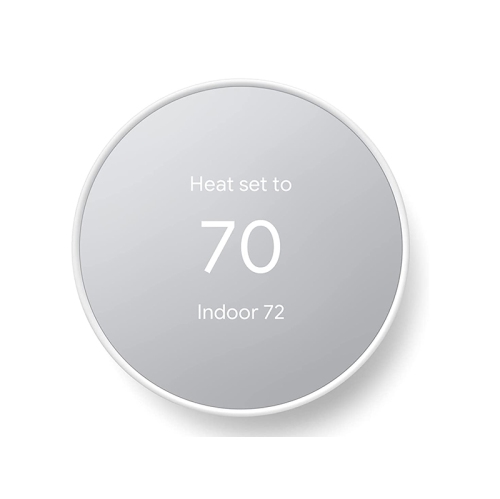
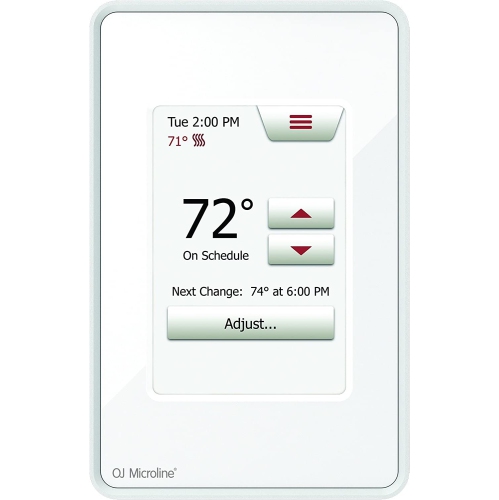
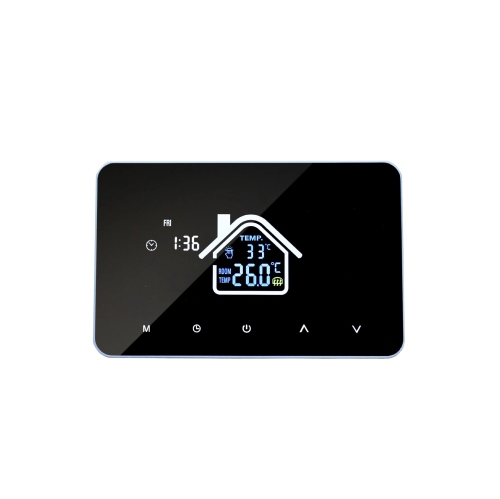
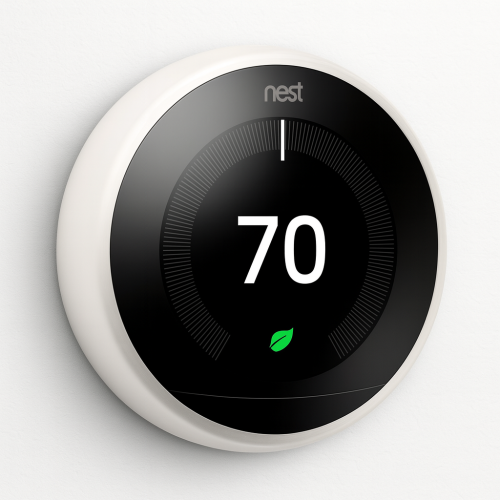
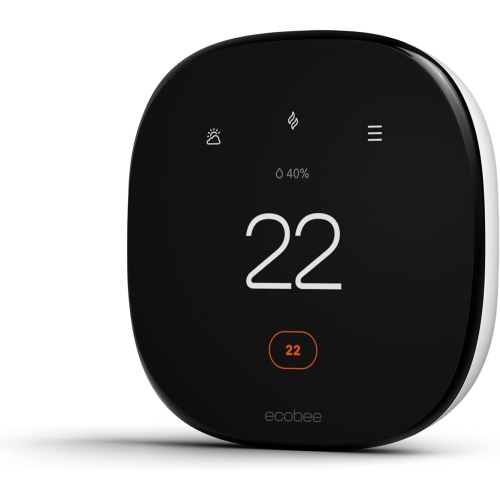
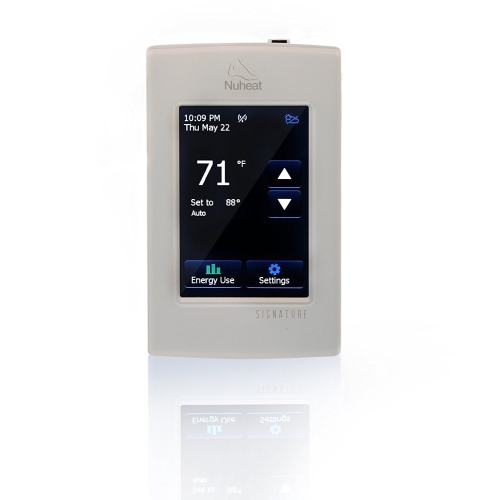
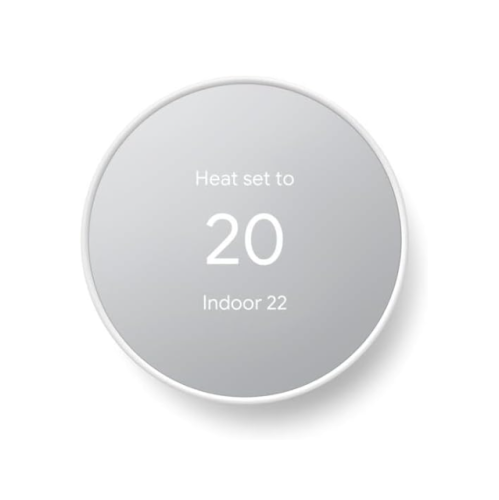
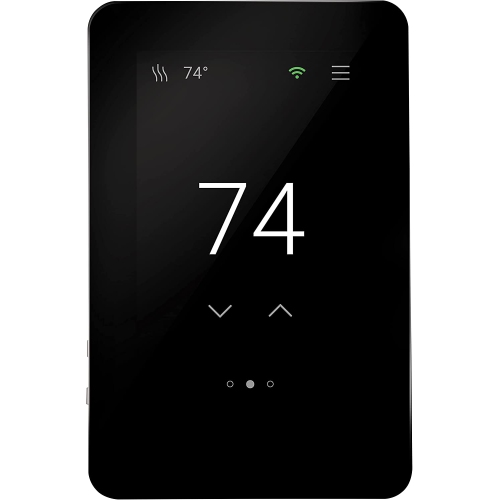
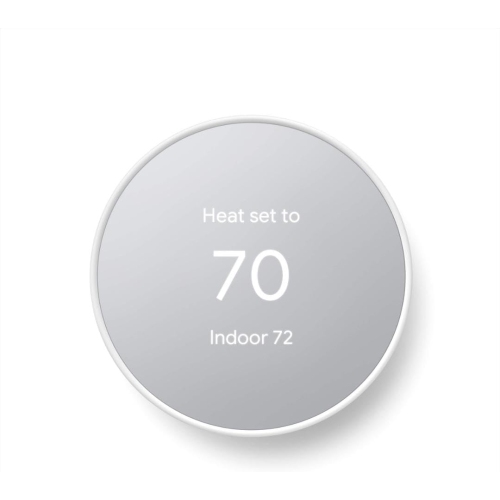
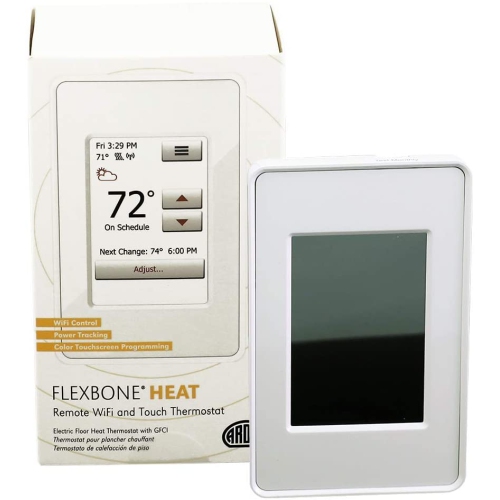
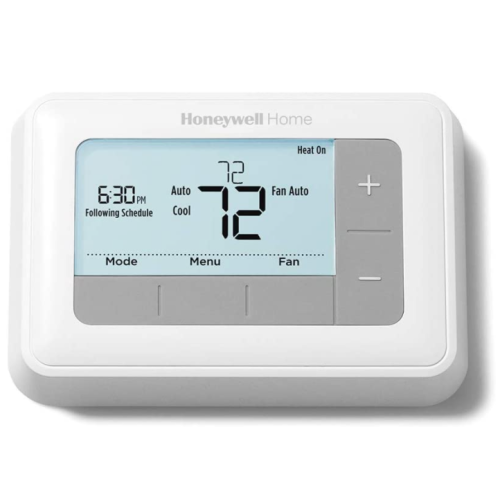
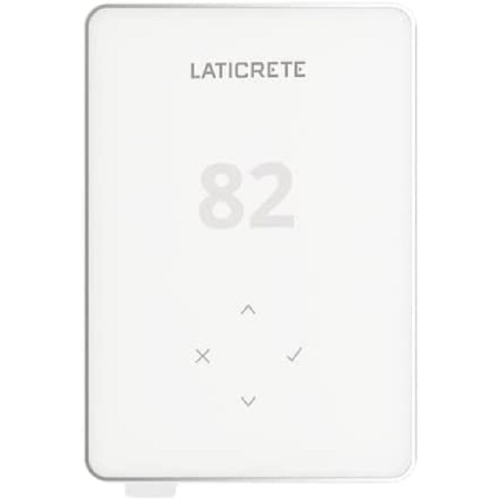
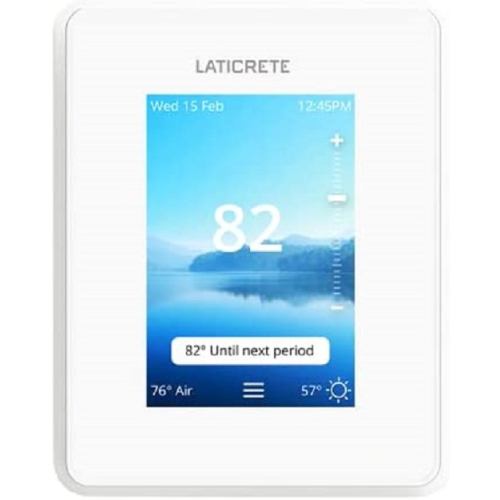
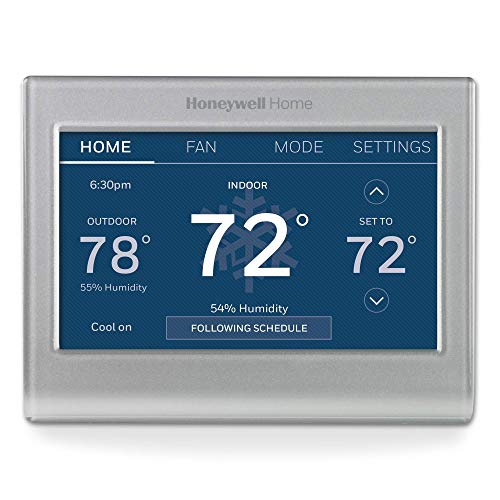
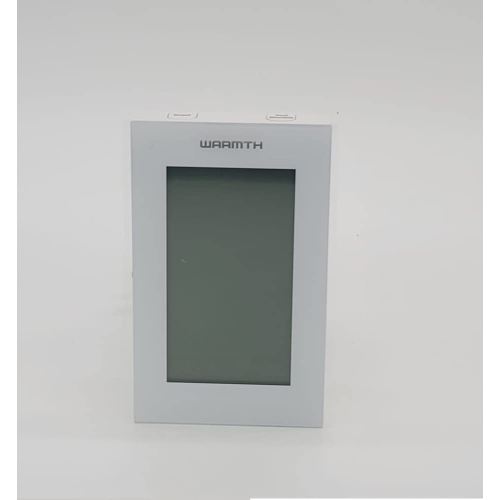
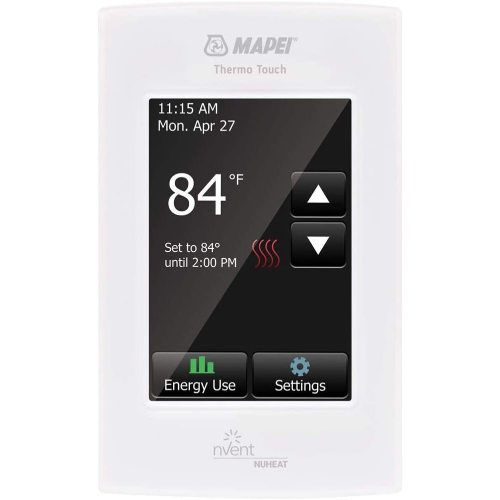
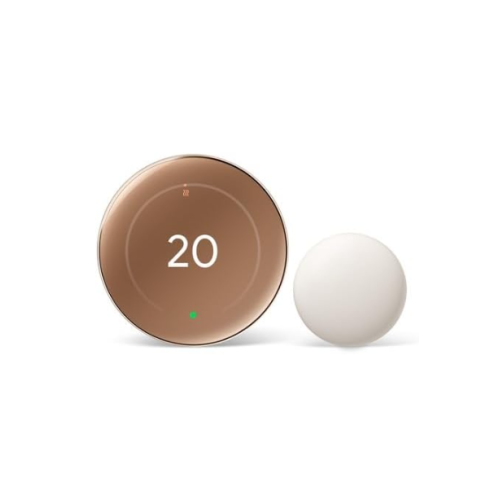
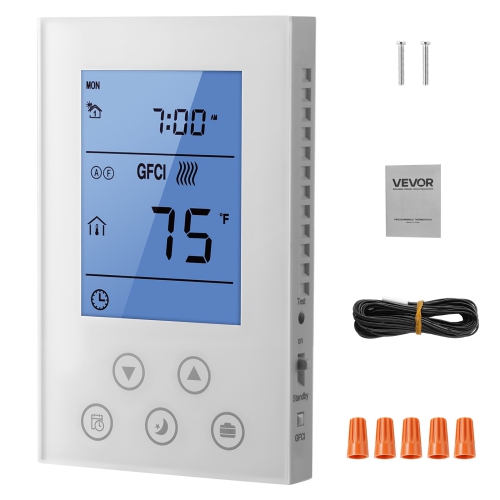

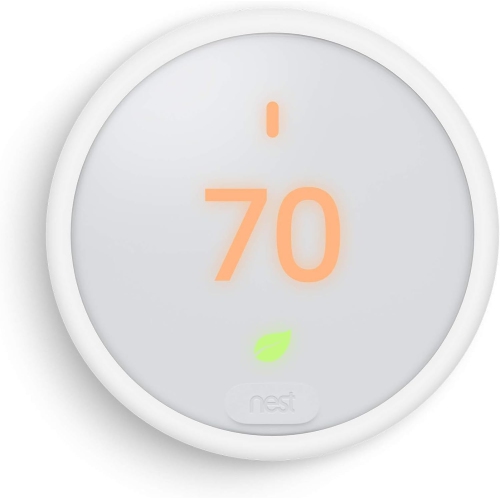
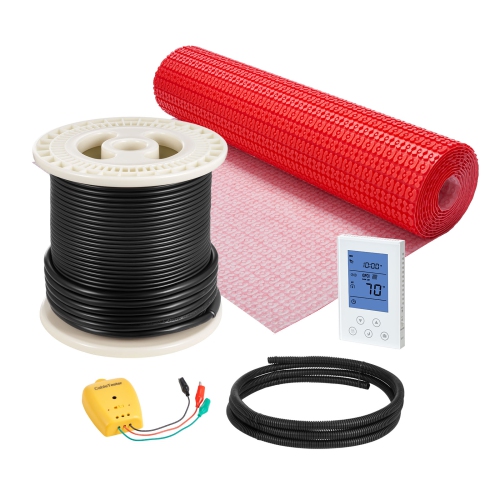
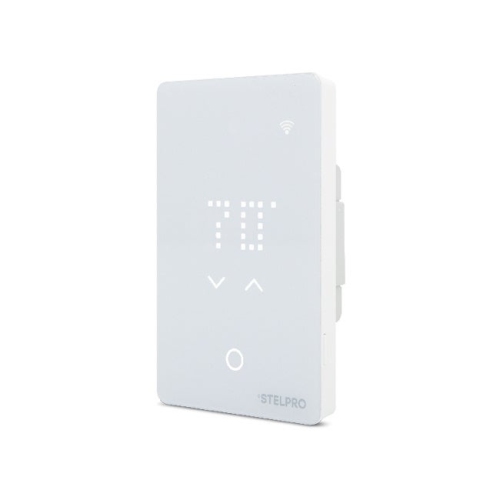
Simple controls and compatibility matter for everyday comfort
Easy-to-use thermostats make it simpler to keep indoor temperatures comfortable without sorting through complicated menus or constantly adjusting the heating system. They are available in several formats, so the best choice depends on how much control you want and how familiar you are with connected technology. Basic non-programmable thermostats are often the most straightforward option: large digital numbers, clearly marked buttons, and a simple temperature setting that stays in place until you change it. This can be especially helpful for seniors, guests, renters, or anyone who prefers a control that works without an app, account, or internet connection. Push-button models are also useful in a spare room, cottage, workshop, or rental property where dependable everyday operation matters more than advanced scheduling. Programmable thermostats add convenience by allowing you to set different temperatures for different parts of the day, such as a comfortable setting in the morning, a lower setting while the home is empty, and a warmer setting before everyone returns. For households with regular routines, this “set it and forget it” approach can make temperature control feel almost automatic. Smart thermostats take that convenience further with Wi-Fi connectivity, mobile apps, touchscreen controls, voice commands, remote access, and features that can adjust settings based on schedules or household activity. If you are comparing connected options, browse Modern Thermostats to see how contemporary controls can fit into a broader smart home setup. Even among smart models, ease of use can vary, so look for a clear interface, readable temperature display, uncomplicated setup instructions, and controls that are easy to understand at a glance.
Compatibility is one of the most important considerations when choosing an easy-to-use thermostat. Before shopping, identify the type of heating and cooling equipment in the home and check the wiring behind the existing thermostat. Some systems use central forced-air heating and cooling, while others rely on heat pumps, electric baseboards, radiant heat, boilers, or multi-stage equipment. A thermostat designed for one system may not work with another, and a smart model may require a common wire, often called a C-wire, or an included power accessory. Homes with two heating zones, separate cooling equipment, heat pumps, or auxiliary heat may need a thermostat with the appropriate support for those configurations. The product details should also indicate whether professional installation is recommended. Taking a quick photo of the existing wiring and noting the terminal labels can make it easier to compare requirements, although electrical work should be handled by a qualified professional when needed. Display design matters just as much as technical compatibility. Large, high-contrast numbers are easier to read from across a room, while backlighting can help when checking the temperature in the early morning or during the cooler months. Physical buttons may feel more familiar than a touchscreen, particularly for someone who does not want to swipe through menus. On the other hand, a responsive touchscreen can offer an uncluttered way to manage schedules and settings. For app-connected thermostats, consider whether the controls remain available on the wall if the internet connection is interrupted, how many household members can access the app, and whether the thermostat works with the voice assistant or smart home platform already in use. Simple features such as a temporary temperature override, a hold button, easy schedule editing, and clear heating or cooling indicators can make a noticeable difference in everyday use.
Easy-to-use thermostats can be practical upgrades for many households and thoughtful gifts for people moving into a first home, helping an older relative manage indoor comfort, or replacing a confusing or unreliable control. A basic model may suit someone who wants a familiar, no-fuss experience, while a programmable option can help a busy family maintain a consistent routine without remembering every adjustment. A smart thermostat may appeal to someone who travels, works irregular hours, or likes checking the temperature before arriving home. It can also be useful in homes where one person prefers a warmer setting and another prefers cooler rooms, since scheduled settings and remote controls can reduce repeated trips to the hallway thermostat. During the transition from warm weather to cooler conditions, an intuitive control makes it easier to switch from occasional cooling to regular heating without searching through a manual. As temperatures fluctuate, features such as automatic changeover, a schedule override, vacation settings, and reminders can help maintain comfort with less hands-on effort. Still, the simplest option is not always the one with the fewest features; it is the one that matches the people using it and the heating system supporting it. Consider who will adjust the thermostat, where it is mounted, whether the display can be seen easily, and how often settings are likely to change. A straightforward digital control can be ideal for a household that wants a single temperature setting, while app access and voice control can be valuable for anyone who prefers managing home comfort from a phone or across the room. Reviewing installation requirements, system compatibility, display readability, scheduling tools, connectivity, and control options before purchasing helps ensure the thermostat feels natural to use from the first day through the cooler months ahead.
Compatibility is one of the most important considerations when choosing an easy-to-use thermostat. Before shopping, identify the type of heating and cooling equipment in the home and check the wiring behind the existing thermostat. Some systems use central forced-air heating and cooling, while others rely on heat pumps, electric baseboards, radiant heat, boilers, or multi-stage equipment. A thermostat designed for one system may not work with another, and a smart model may require a common wire, often called a C-wire, or an included power accessory. Homes with two heating zones, separate cooling equipment, heat pumps, or auxiliary heat may need a thermostat with the appropriate support for those configurations. The product details should also indicate whether professional installation is recommended. Taking a quick photo of the existing wiring and noting the terminal labels can make it easier to compare requirements, although electrical work should be handled by a qualified professional when needed. Display design matters just as much as technical compatibility. Large, high-contrast numbers are easier to read from across a room, while backlighting can help when checking the temperature in the early morning or during the cooler months. Physical buttons may feel more familiar than a touchscreen, particularly for someone who does not want to swipe through menus. On the other hand, a responsive touchscreen can offer an uncluttered way to manage schedules and settings. For app-connected thermostats, consider whether the controls remain available on the wall if the internet connection is interrupted, how many household members can access the app, and whether the thermostat works with the voice assistant or smart home platform already in use. Simple features such as a temporary temperature override, a hold button, easy schedule editing, and clear heating or cooling indicators can make a noticeable difference in everyday use.
Easy-to-use thermostats can be practical upgrades for many households and thoughtful gifts for people moving into a first home, helping an older relative manage indoor comfort, or replacing a confusing or unreliable control. A basic model may suit someone who wants a familiar, no-fuss experience, while a programmable option can help a busy family maintain a consistent routine without remembering every adjustment. A smart thermostat may appeal to someone who travels, works irregular hours, or likes checking the temperature before arriving home. It can also be useful in homes where one person prefers a warmer setting and another prefers cooler rooms, since scheduled settings and remote controls can reduce repeated trips to the hallway thermostat. During the transition from warm weather to cooler conditions, an intuitive control makes it easier to switch from occasional cooling to regular heating without searching through a manual. As temperatures fluctuate, features such as automatic changeover, a schedule override, vacation settings, and reminders can help maintain comfort with less hands-on effort. Still, the simplest option is not always the one with the fewest features; it is the one that matches the people using it and the heating system supporting it. Consider who will adjust the thermostat, where it is mounted, whether the display can be seen easily, and how often settings are likely to change. A straightforward digital control can be ideal for a household that wants a single temperature setting, while app access and voice control can be valuable for anyone who prefers managing home comfort from a phone or across the room. Reviewing installation requirements, system compatibility, display readability, scheduling tools, connectivity, and control options before purchasing helps ensure the thermostat feels natural to use from the first day through the cooler months ahead.
Top selling and popular products
-
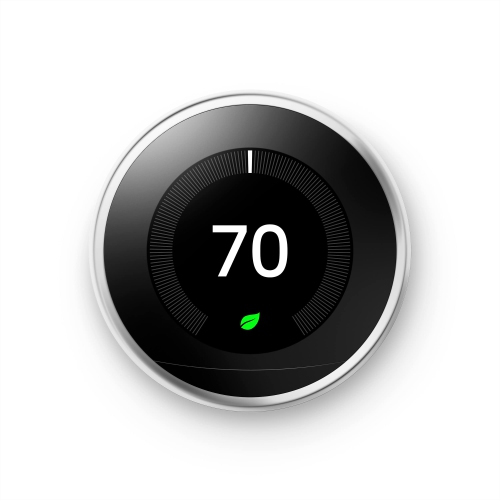 Your price for this item is $329.99
 -
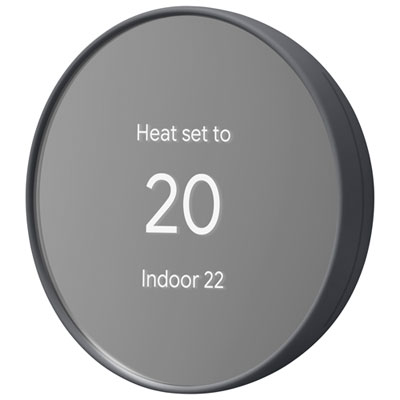 Your price for this item is $125.99
 -
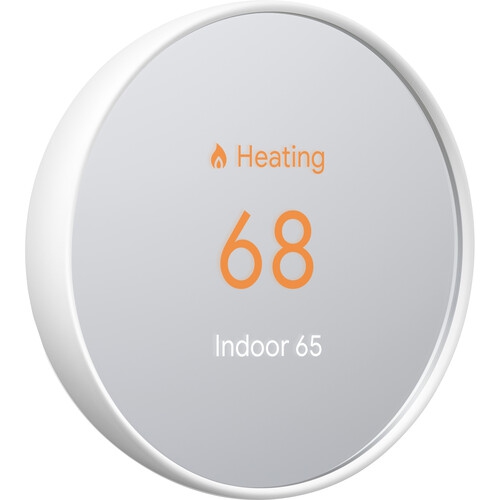 Your price for this item is $149.99
 -
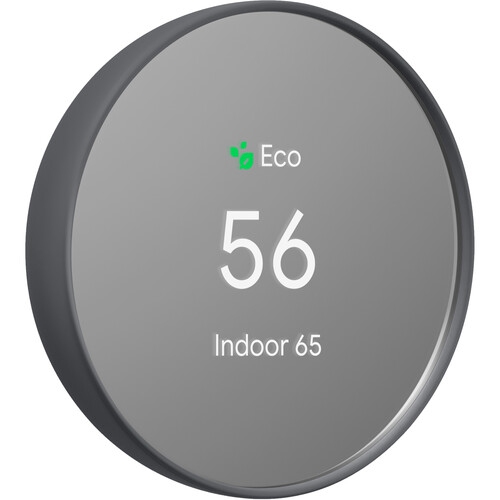 Your price for this item is $139
 -
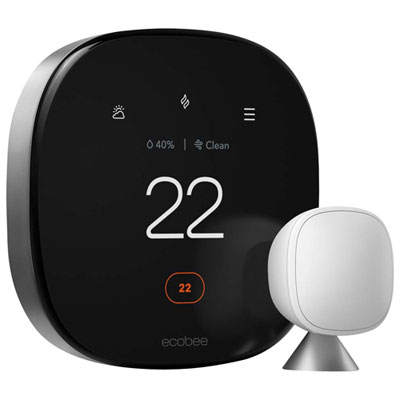 Your price for this item is $279.99
 -
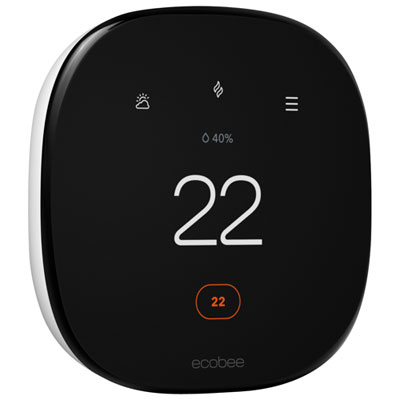 Your price for this item is $204.99
 -
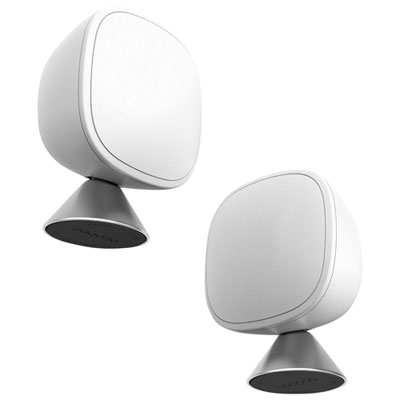 Your price for this item is $73.98
 -
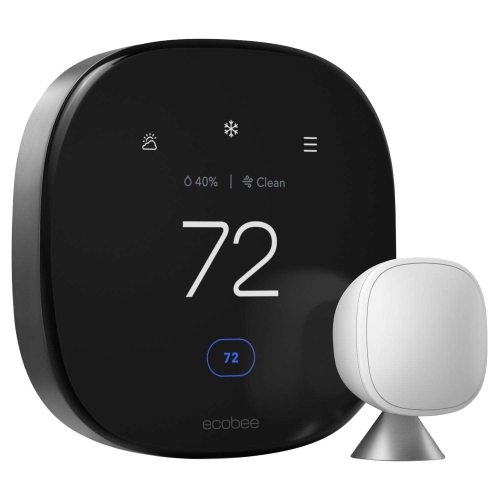 Your price for this item is $239.99
Discover more categories related to Easy To Use Thermostats
Top Collections:
Pokemon Centers, Kindle Devices, Best Budget Office Chairs, Apple iPhones 16, Best Laptops for Writers, iPhone 15 Apple, Canon G7X Cameras, Refurbished Apple Laptops, Alarm Clock, Motorola Razr Phones
Some products may be subject to Environmental Handling Fees
(EHF) depending on your province.
Learn more about EHFs.