Honeywell Thermostats
Looking for a reliable and efficient way to control the temperature in your home? Look no further than our selection of thermostats from Honeywell. Whether you want to save energy, enhance comfort, or simply have more control over your indoor climate, a thermostat is an essential device for almost any modern household. With advanced features and intuitive interfaces, our range of thermostats from Honeywell offers the perfect solution to meet your specific needs.
Sort



How thermostat controls fit your routine and heating system
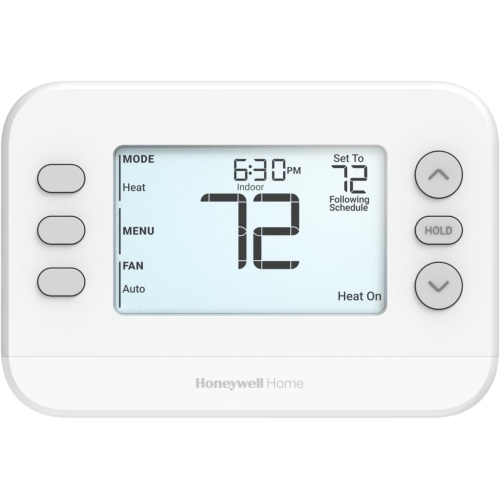
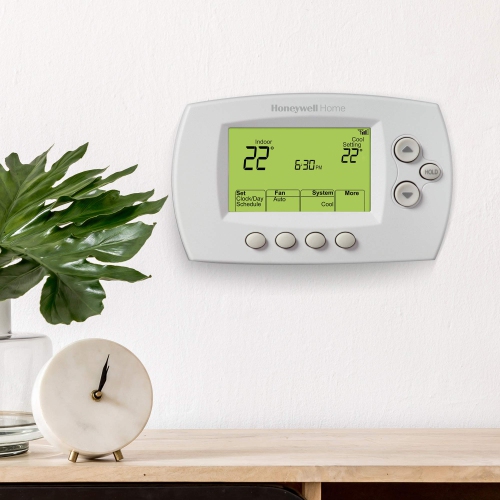
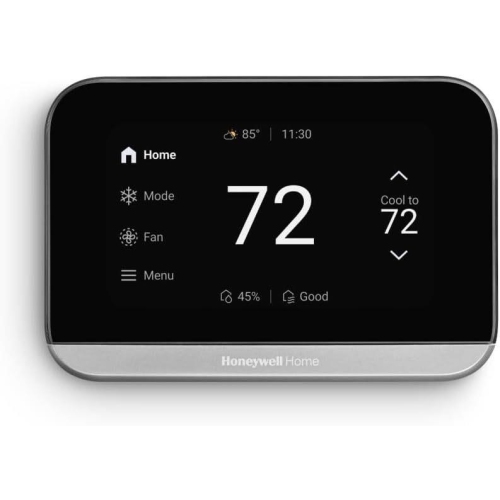
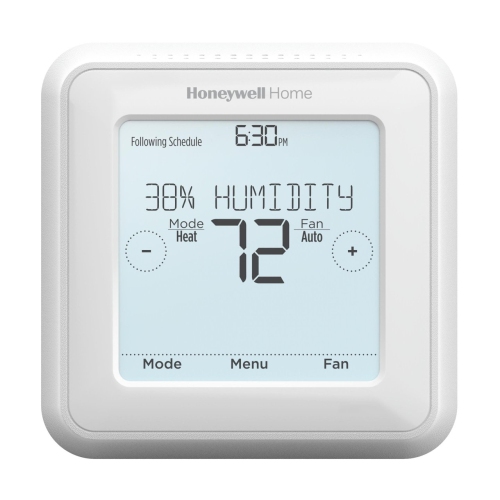
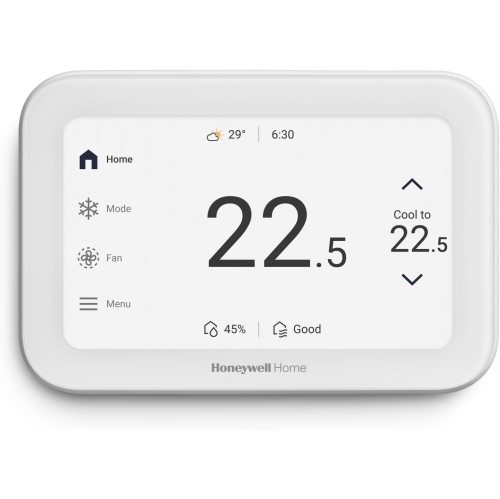
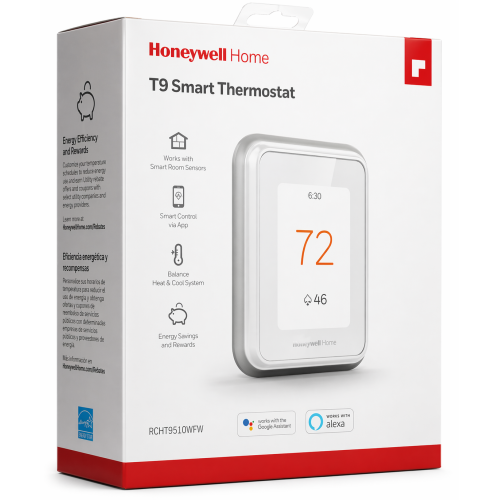
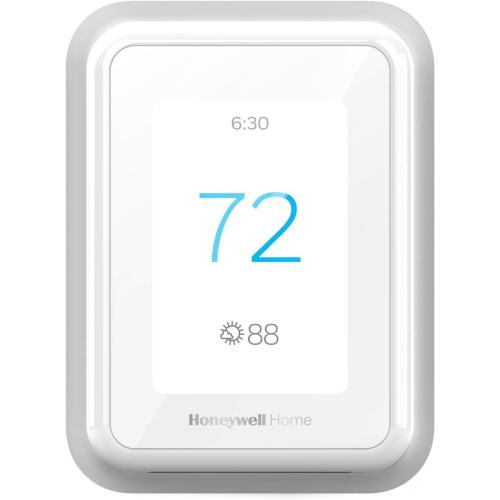
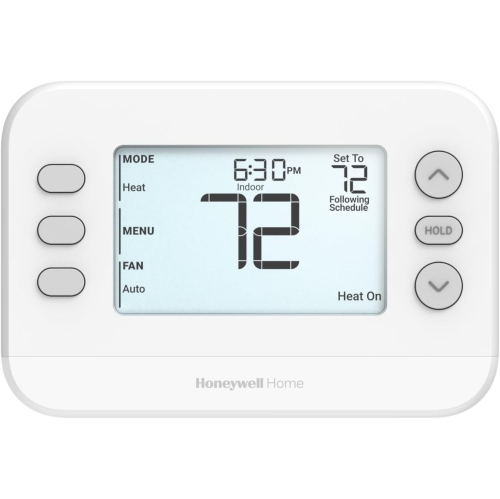
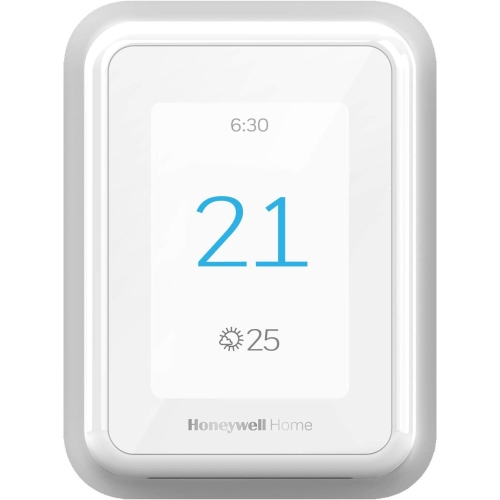
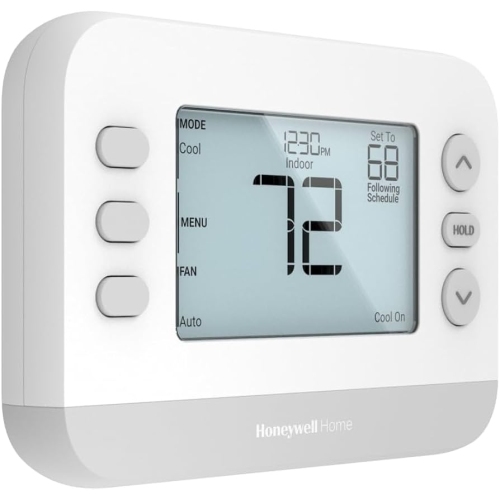
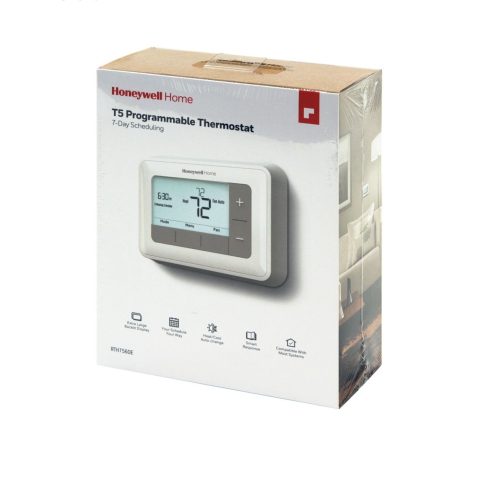
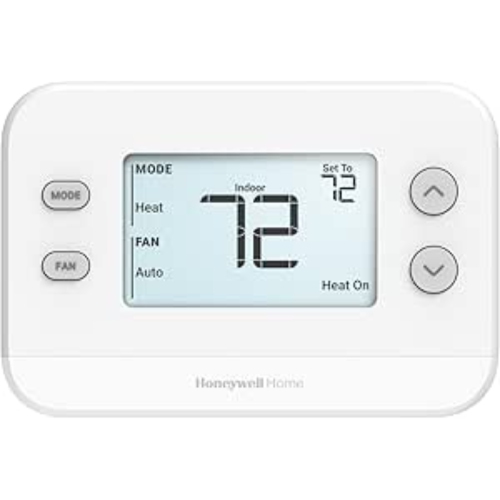
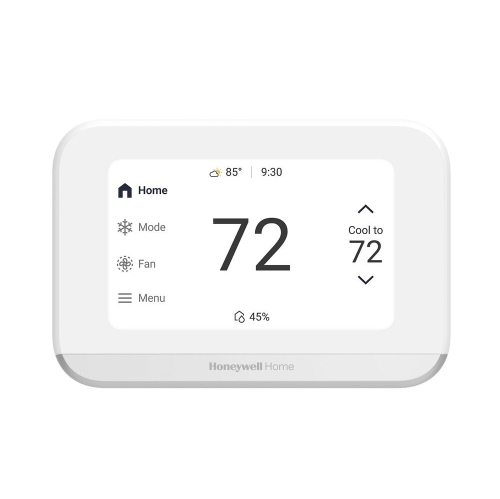
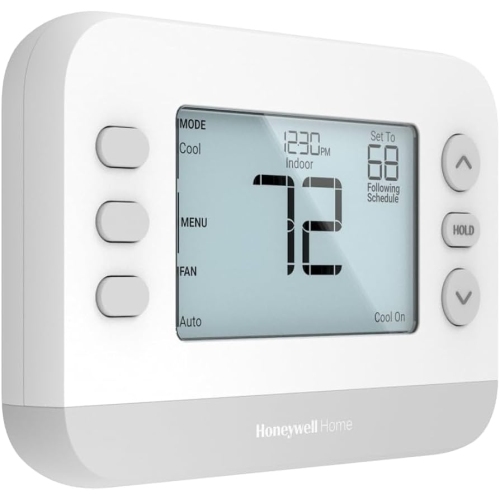
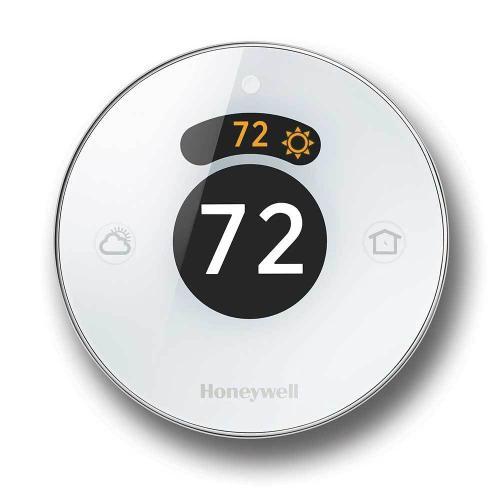
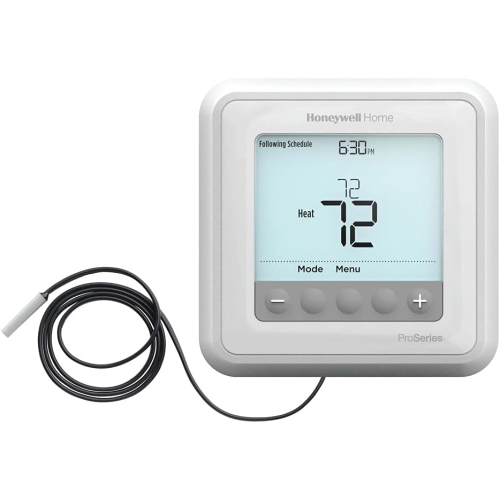
Thermostats manage indoor comfort by comparing the room’s measured temperature with a chosen setting and signalling compatible heating or cooling equipment to respond. The main differences between non-programmable, programmable, and smart thermostats are how settings are adjusted, how schedules are managed, and whether connected features are supported. A non-programmable thermostat keeps everyday operation straightforward: select a setting and adjust it whenever needed. This approach can suit someone who spends much of the day at home, prefers hands-on control, or wants a familiar interface without menus or an app. Programmable thermostats add scheduled settings, allowing different routines for mornings, time away, evenings, and sleep. Scheduling formats vary, with some controls supporting a separate routine for every day and others grouping weekdays and weekends together. That distinction matters in a household where one person works regular office hours while another has a rotating schedule. Smart and Wi-Fi thermostats can add remote access through a compatible app, making it possible to check settings without standing at the wall control. Depending on the design, connected features may include alerts, voice assistant support, occupancy-based adjustments, or optional room sensors. Those capabilities are not universal, so the features listed for each thermostat remain important. The interface deserves just as much attention as the feature list. Large digits can be easier to read from a short distance, a backlit screen helps in a dim hallway, and clearly labelled buttons can make a quick adjustment less fiddly. A touchscreen may offer more settings in one place, while physical buttons or a dial provide a more tactile experience. For a shared household, the most useful thermostat is often one that everyone can operate comfortably, including guests or family members who do not use the connected app. Clear controls and an understandable schedule can be more valuable in daily use than a long list of functions that rarely get used.
Compatibility with the existing heating and cooling equipment is the essential consideration before choosing a thermostat. Many central furnaces and air-conditioning systems use low-voltage controls, commonly 24 volts, while many electric baseboard heaters require line-voltage controls. These categories are not interchangeable, and a thermostat intended for a central furnace should not be assumed suitable for electric baseboard heating. Heat pumps introduce further requirements, including support for the correct system type, heating and cooling stages, and auxiliary or emergency heat where applicable. Multi-stage equipment also needs a control that can manage its available stages rather than simply turn it on and off. Wiring requirements are another important distinction. Many connected thermostats need a common wire, usually called a C-wire, to provide continuous power, although certain designs support an approved alternative power arrangement. Battery operation on an existing thermostat does not establish that its replacement will work with the same wiring. Compatibility information should match the actual equipment and wiring configuration, not just the appearance of the old control or the number of wires visible behind it. A qualified heating and cooling professional can help assess uncertain wiring, system requirements, or installation needs. For connected controls, home network requirements matter too: supported Wi-Fi bands, app requirements, and smart-home platform compatibility can differ. Voice control should be treated as a supported feature to verify, rather than something included with every Wi-Fi thermostat. Optional room sensors can add useful context when a hallway feels different from a bedroom or home office, but they do not necessarily create separate heating or cooling zones. Their role depends on the thermostat and system; they may help prioritize a selected room or inform how comfort settings are managed. Remote access likewise depends on the required network and service connections. Checking how local controls, stored schedules, and app functions behave without an internet connection helps clarify what remains accessible during an interruption.
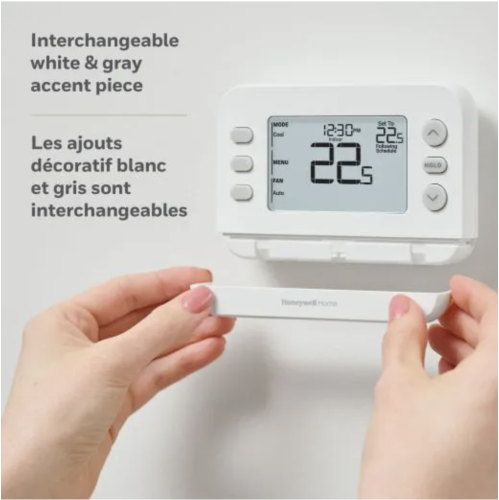
Physical fit, placement, and upkeep also influence how well a thermostat works in everyday life. Wall-mounted controls vary in width, height, depth, and mounting arrangement, so a replacement may leave part of the previous paint outline or mounting holes exposed. An approved wall plate can provide a tidy finish where supported, while the screen’s position should remain easy to see and reach. Housings are often made from moulded plastic, with display surfaces that may use plastic or glass depending on the design. Finish, button spacing, and screen contrast all contribute to a control that feels comfortable to use, whether it sits on a busy hallway wall or near the main living area. Durability is less about a heavy casing than suitability for the location, secure mounting, and controls that hold up to regular handling. Direct sunlight, nearby cooking heat, supply vents, and drafts can affect the temperature a thermostat senses, so placement has a practical effect beyond appearance. A control tucked behind furniture or curtains may not reflect the room as accurately as one with suitable air circulation. Routine care is generally simple: follow the manufacturer’s cleaning directions, keep the surface free of dust, and avoid spraying liquid directly onto the screen or housing. Battery-powered controls also need the specified replacement batteries when indicated. Filter reminders, where included, can be useful prompts, though the correct replacement interval still depends on the equipment, filter type, and household conditions. For homeowners updating a room, the Modern Thermostats collection provides another way to explore control styles and display designs. Renters should confirm permission before replacing a wall control, and anyone choosing one for another household needs to know the recipient’s system requirements first. Whether the priority is simple manual adjustment, a repeatable weekly routine, or connected access while away, a well-matched thermostat brings together readable controls, suitable features, and dependable compatibility with the equipment it operates.
Top selling and popular products
-
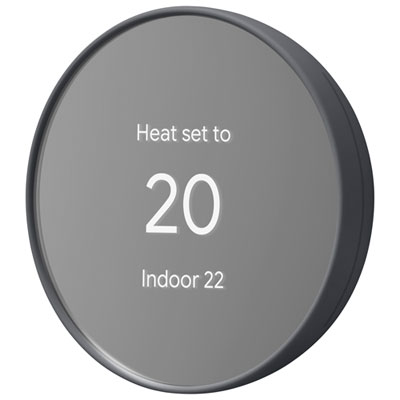 Your price for this item is $179.99
-
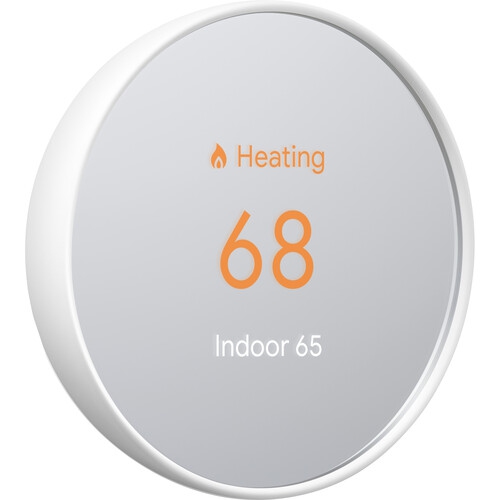 Your price for this item is $249.99
-
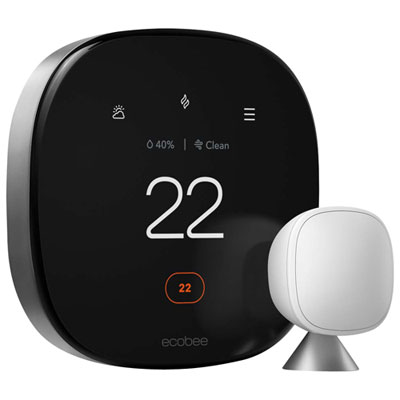 Your price for this item is $329.99
-
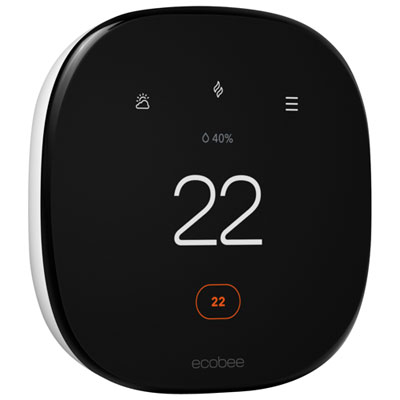 Your price for this item is $198.98
-
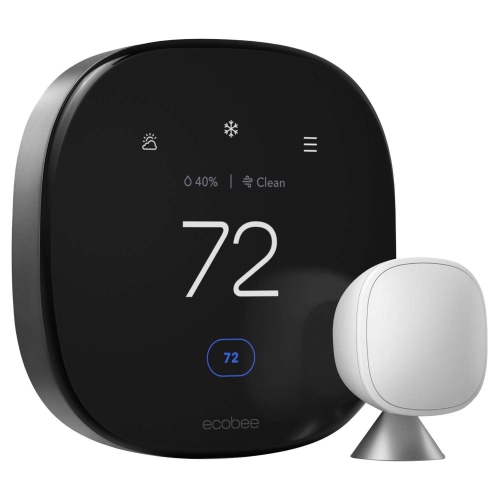 Your price for this item is $229.99
-
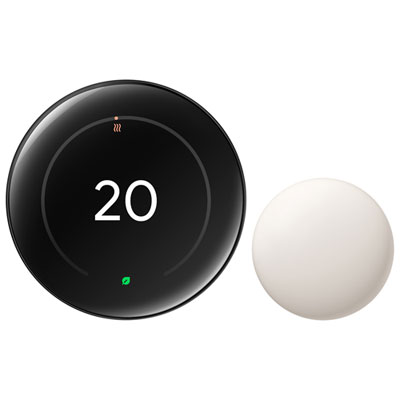 Your price for this item is $379.99
-
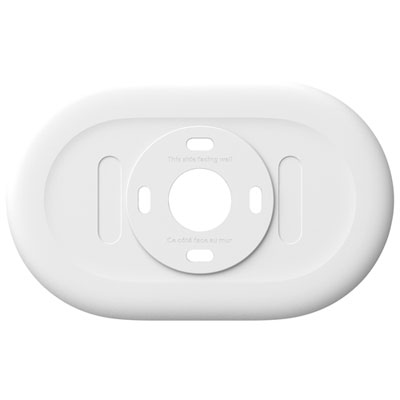 Your price for this item is $19.99
-
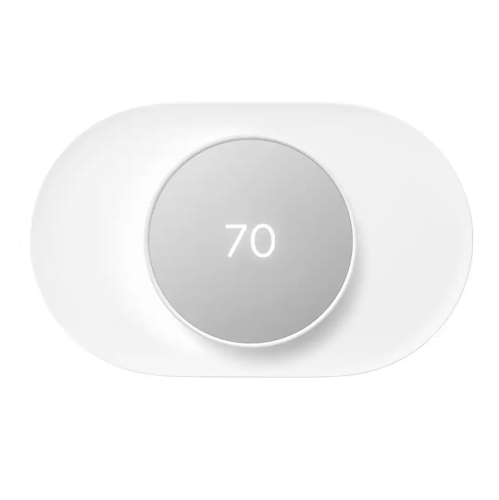 Your price for this item is $18.98
Discover more categories related to Honeywell Thermostats
Top Collections:
Best Black Friday Deals This Year, Best Black Friday Deals On Electronics, Kindle Devices, Pokemon Centers, Best Black Friday Deals On Apple Products, Best Cameras for Sports Photography, Dyson Airwrap, Pokémon 30th Celebration Cards, Apple iPhone 17 Pro, Canon G7X Cameras
Some products may be subject to Environmental Handling Fees
(EHF) depending on your province.
Learn more about EHFs.