Tineco Mop Vacuums

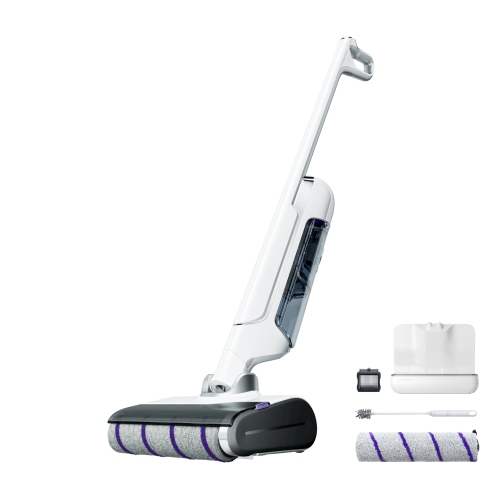
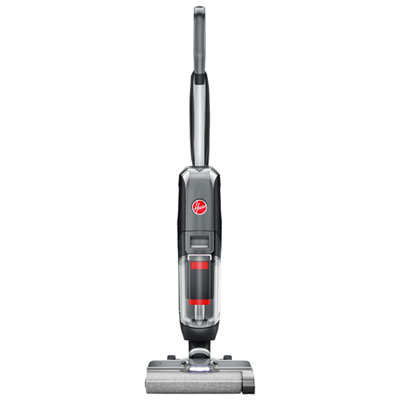
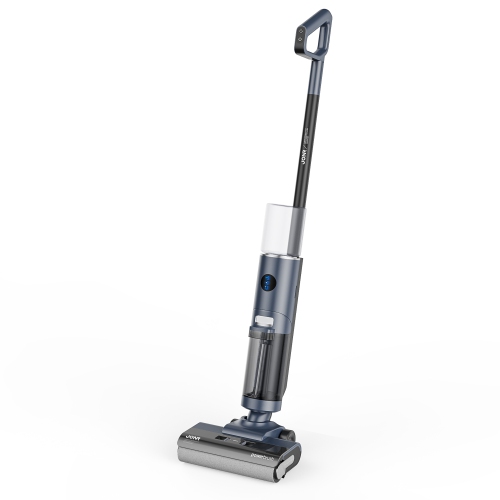
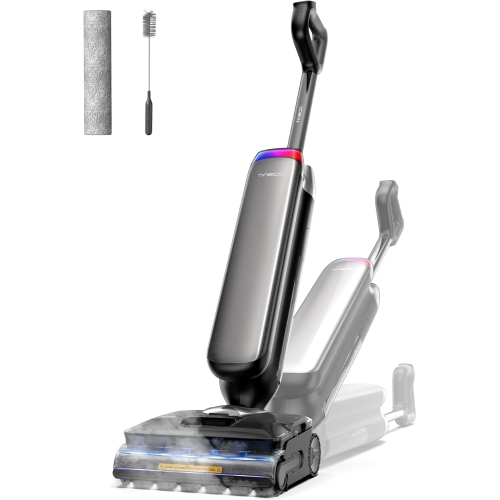
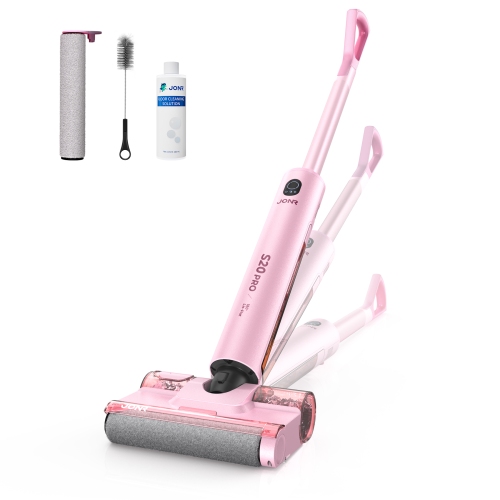
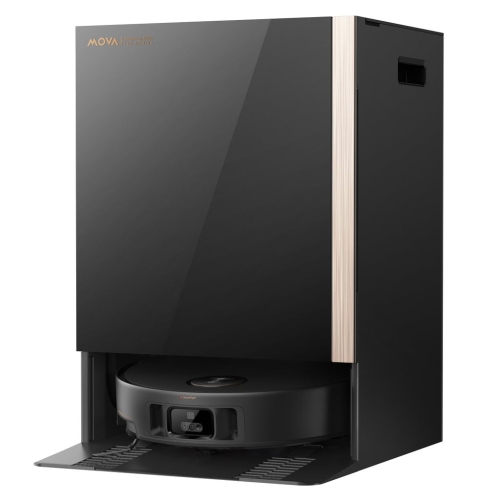
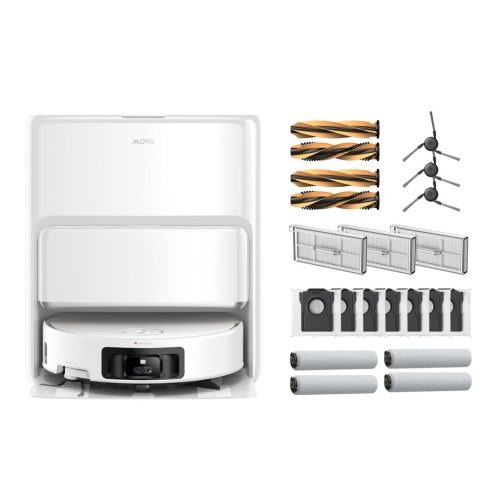
Shop Tineco mop vacuums to combine vacuuming and mopping in one floor-cleaning appliance. Compare models by compatible floor types, cleaning functions and maintenance requirements to find a wet-dry cleaner that suits your home and cleaning routine.
Read More

Sort

How one pass tackles crumbs and sticky spills

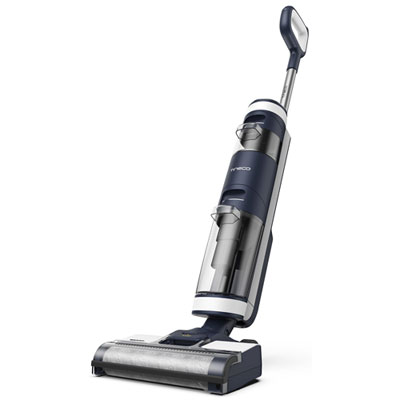
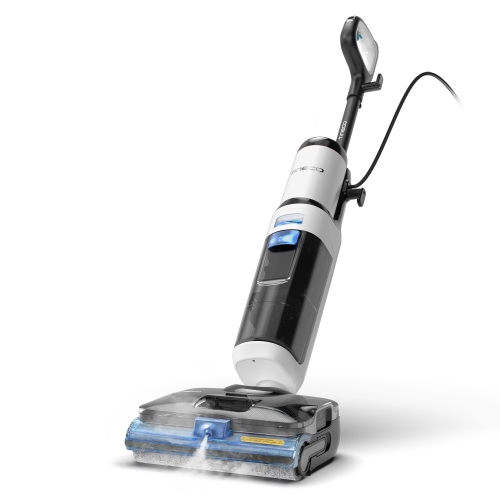
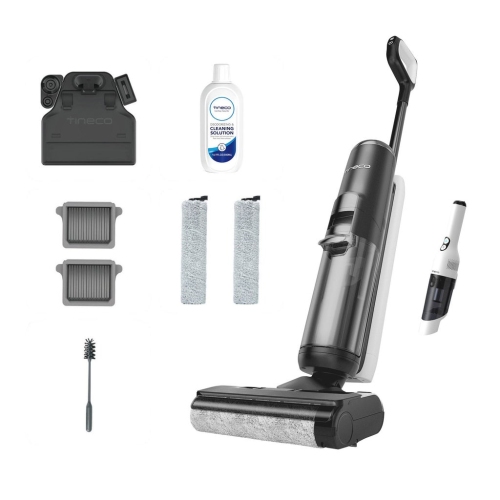
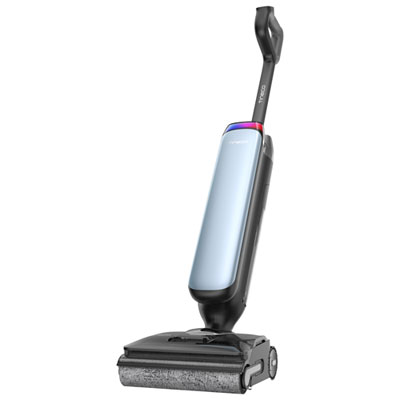
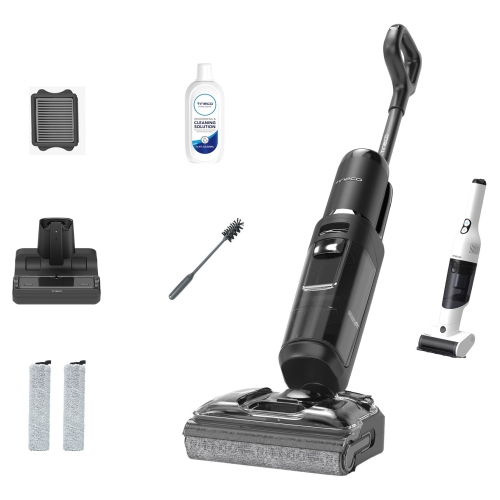
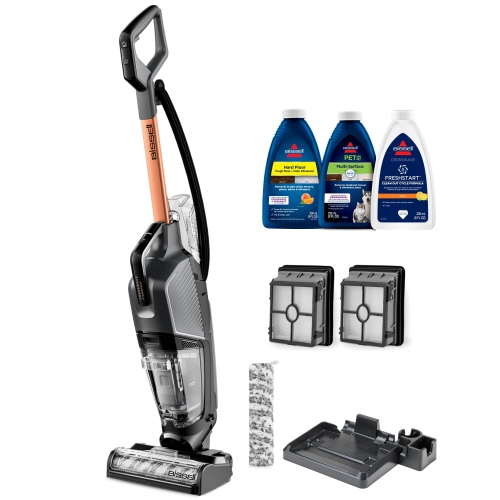
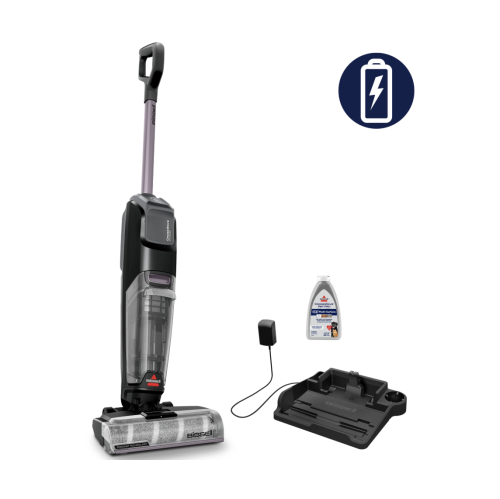
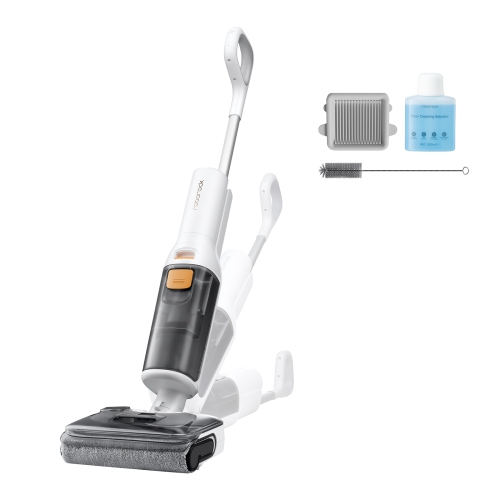
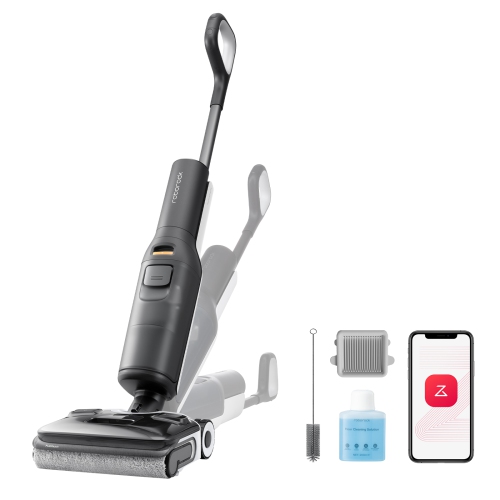
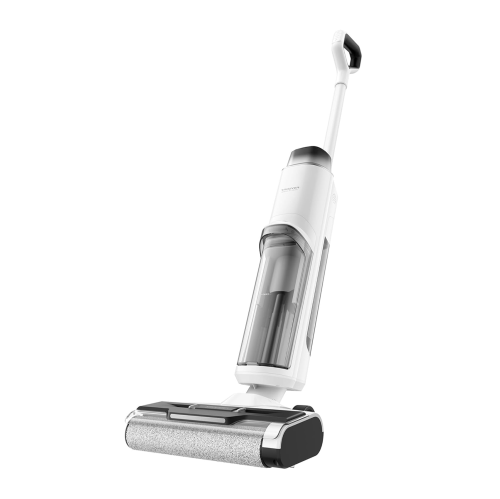
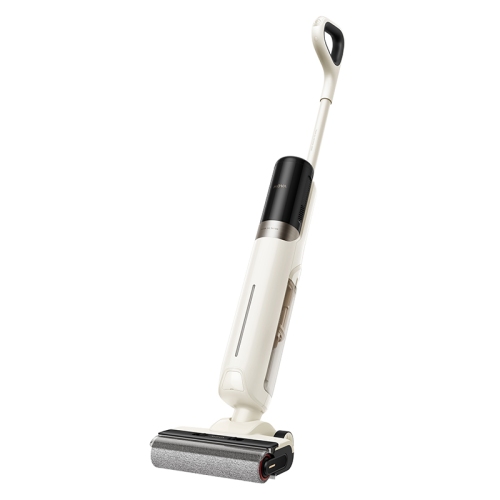
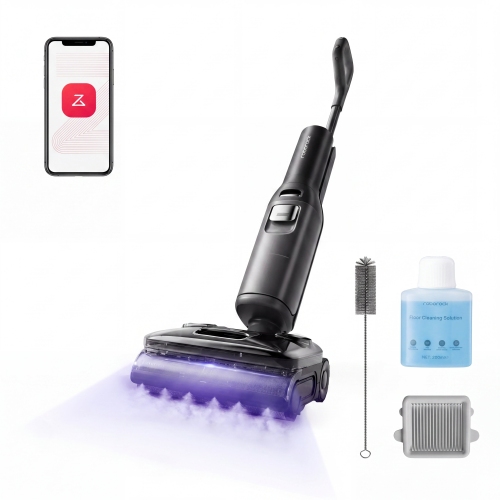
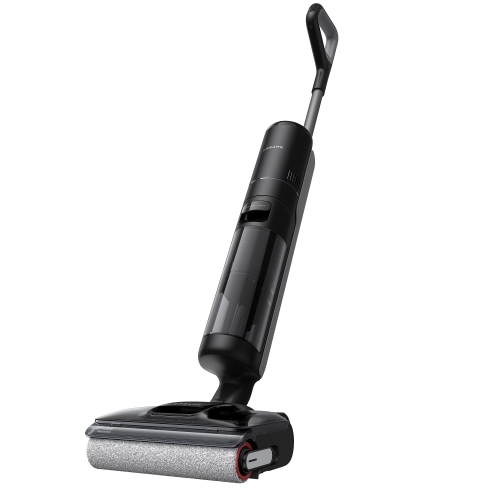
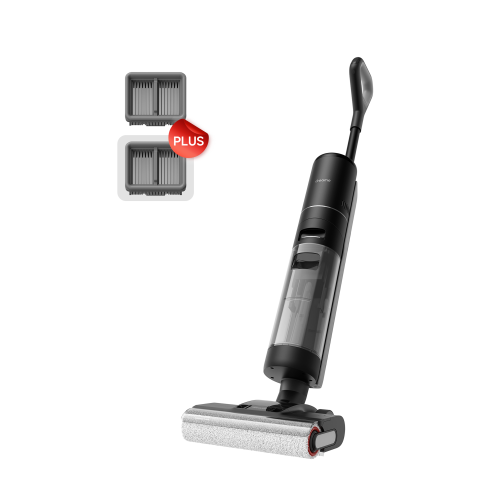
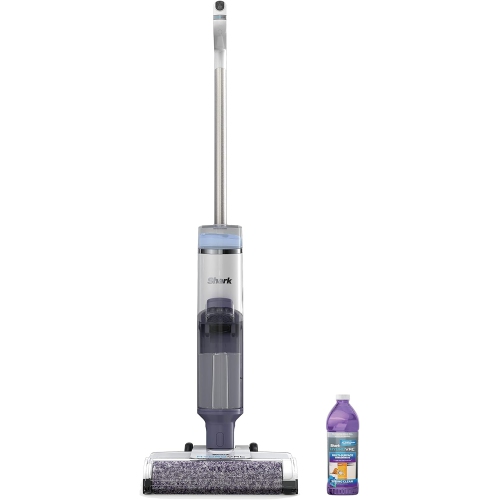
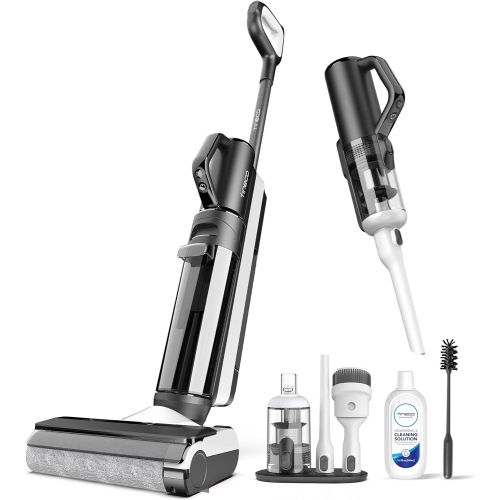
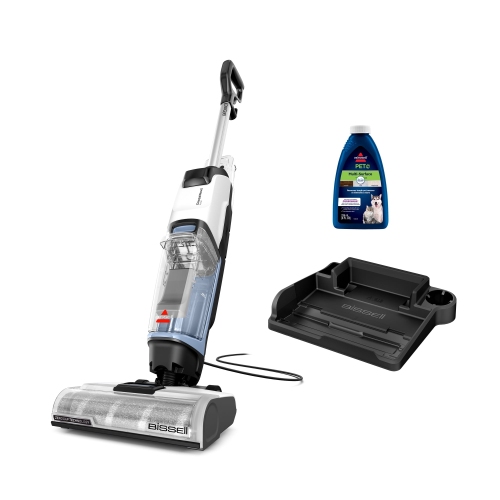
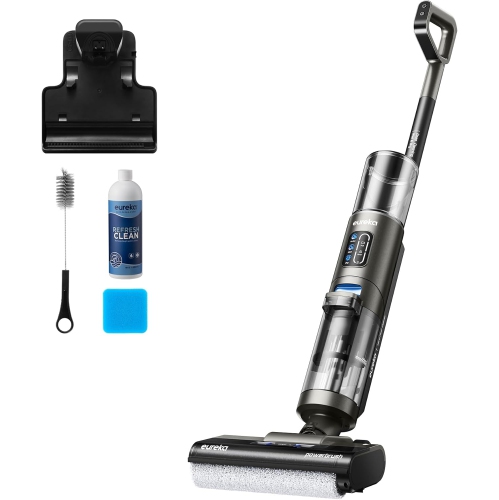
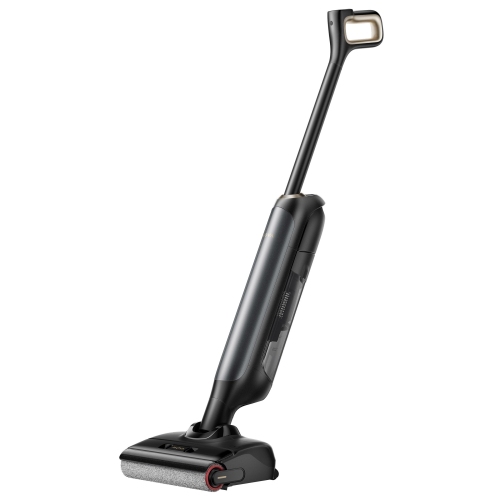
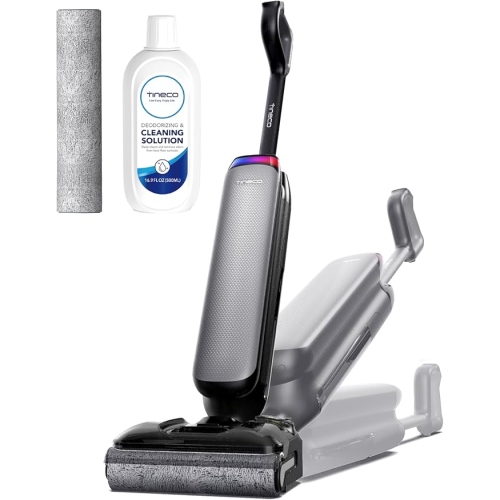
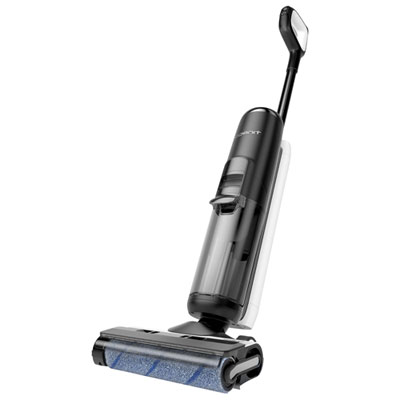
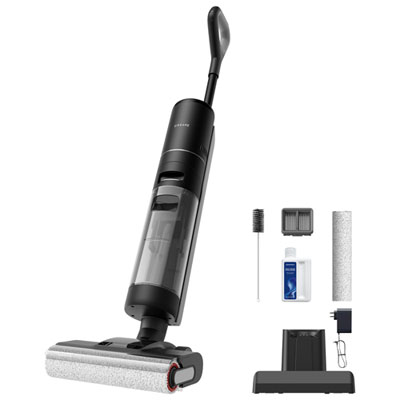
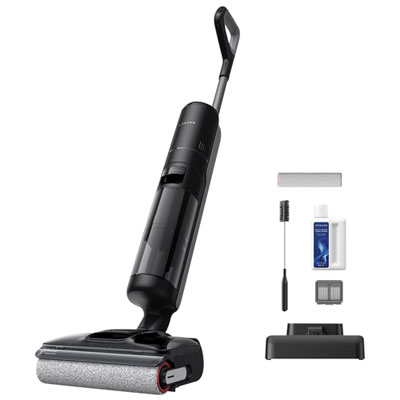
Mop vacuums combine suction, a powered cleaning roller, and controlled water delivery to pick up loose debris and wash compatible hard floors in the same pass. Rather than vacuuming kitchen crumbs and then returning with a bucket and mop, the appliance collects small particles while its damp roller loosens everyday marks. This makes the format useful for the fine dust beneath a dining table, pet hair scattered across a hallway, or sticky juice spots beside a kitchen island. A dual-tank system keeps the clean water supply separate from the dirty water collected during cleaning, rather than repeatedly dipping a mop into the same bucket. As the roller turns, used water and debris are drawn into the collection tank. Many mop vacuums also have a self-cleaning function that rinses the roller and internal cleaning pathway after use, although this does not replace emptying and washing removable parts. Intended use centres on sealed hard flooring approved for wet cleaning, which may include tile, vinyl, laminate, and sealed hardwood. Compatibility depends on both the appliance instructions and the flooring manufacturer’s care requirements; a surface that looks water-resistant is not necessarily suitable for repeated wet cleaning. Unsealed wood, damaged seams, and moisture-sensitive finishes need particular caution. Even on compatible floors, a controlled amount of water is preferable to leaving puddles along edges or between boards. These appliances are primarily hard-floor cleaners, not substitutes for a carpet vacuum or upholstery cleaner unless separate functions are explicitly supported. Within the category, features can include dirt-detection sensors, automatic suction or water-flow adjustment, digital status displays, and cleaning heads designed to reach close to baseboards. Those features vary, so the appeal lies in matching the appliance’s capabilities to the surfaces and everyday messes in a particular home.

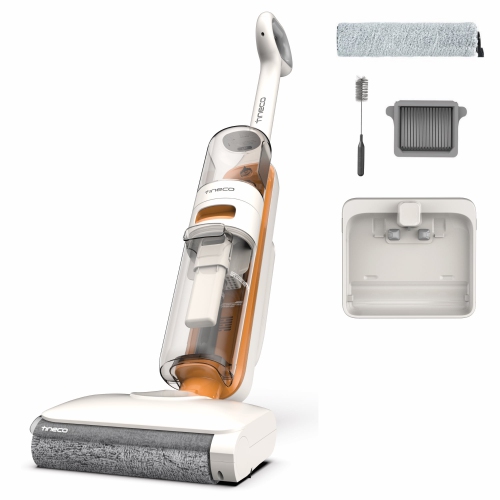
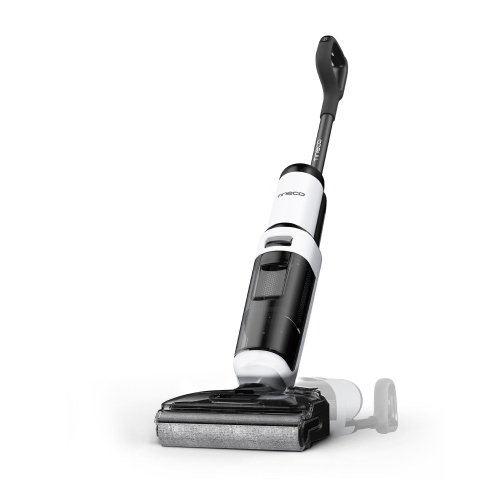
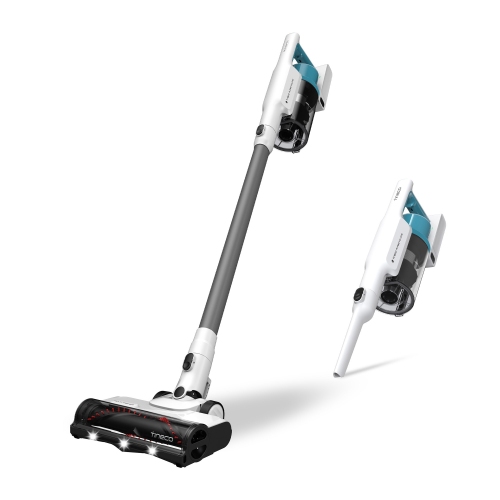
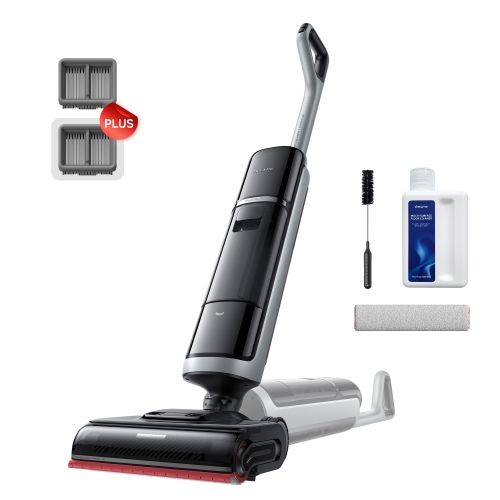
The physical design of a mop vacuum matters as much as its cleaning functions, especially when the appliance is used frequently. A cordless format allows movement between rooms without managing a power cable, while usable cleaning time depends on the selected mode, floor conditions, and battery condition. A stated maximum runtime may reflect a lower-power setting rather than the mode needed for heavier soil. Tank capacity also affects the rhythm of cleaning: a larger clean-water tank can reduce refill stops across an open kitchen and living area, but water adds weight. The feel at the handle, the balance of the body, and the movement of the cleaning head all influence how comfortable the appliance is to steer around chair legs or turn at the end of a hallway. Powered assistance, where included, can make forward movement feel lighter, but carrying the unit upstairs remains a separate consideration. Cleaning-head shape affects access, too. An edge-cleaning design can reduce the strip left beside a cabinet, although reach may differ between the two sides of the head, and a rounded roller cannot necessarily clean the very tip of a tight corner. Low furniture introduces another constraint: not every wet-cleaning appliance can recline flat without affecting water handling. Smooth tank surfaces, accessible openings, secure latches, and removable rollers contribute to easier care, while seals and connection points need to remain intact for dependable water collection. Roller materials and filter designs are specific to the appliance, making correctly matched replacements important for fit and performance. Storage deserves space as well. A charging or cleaning base needs a suitable location near an outlet, with enough clearance to lift out the tanks and remove the roller. In a compact condo, that footprint may matter more than a small difference in tank size. For households comparing wet hard-floor cleaning with other cleaning formats, the broader Tineco Vacuums category provides another point of reference.

Regular care is part of owning a mop vacuum because the appliance collects damp debris rather than dry dust alone. Dirty water left in a closed tank can develop odours, particularly when mixed with food residue or pet hair. Emptying the collection tank promptly, removing trapped solids, and rinsing the parts identified as washable help keep the cleaning system ready for its next use. A self-cleaning cycle can flush residue from the roller and internal pathway, but hair may still need to be removed from the roller ends, and the tank, lid, or debris screen may require separate cleaning. Some designs include roller-drying functions; others rely on removing or positioning the roller as directed so it can dry thoroughly. Filters also need the care specified for their material. A washable filter generally needs to be completely dry before refitting, while a non-washable filter should not be rinsed. Cleaning solution compatibility is equally important. Only a formula approved for the appliance should be added at the stated dilution, since an unsuitable detergent can create excessive foam or leave residue inside the water pathway. Mixing household cleaners or adding disinfectants without explicit approval can damage components and does not establish that a floor has been disinfected. Large scraps, sharp fragments, and substances outside the appliance’s intended use require separate handling rather than repeated passes with the cleaning head. For a household with pets, routine removal of wrapped hair can help preserve roller movement; for a busy kitchen, cleaning the tank after food spills helps prevent lingering smells. These small tasks also make it easier to notice a worn roller, damaged seal, or blocked opening before cleaning performance declines. Over time, durability depends not just on the outer housing but on keeping moving parts clear, using compatible consumables, and following charging and storage instructions. A mop vacuum fits most naturally into a routine where sealed hard floors need frequent attention and the convenience of combined pickup and washing outweighs the additional tank and roller care.
Read More

FAQ

Some products may be subject to Environmental Handling Fees (EHF) depending on your province. Learn more about EHFs.